The Bikes That Deserved A Bigger Spotlight
Some motorcycles get instant legend status. Others quietly do everything right, then somehow get ignored because they’re too practical, too weird, too sensible, or just stuck in the shadow of flashier machines. But that’s what makes underrated bikes so great. They may not have dominated posters, forums, or dealership hype, but plenty of them were far better than people gave them credit for.
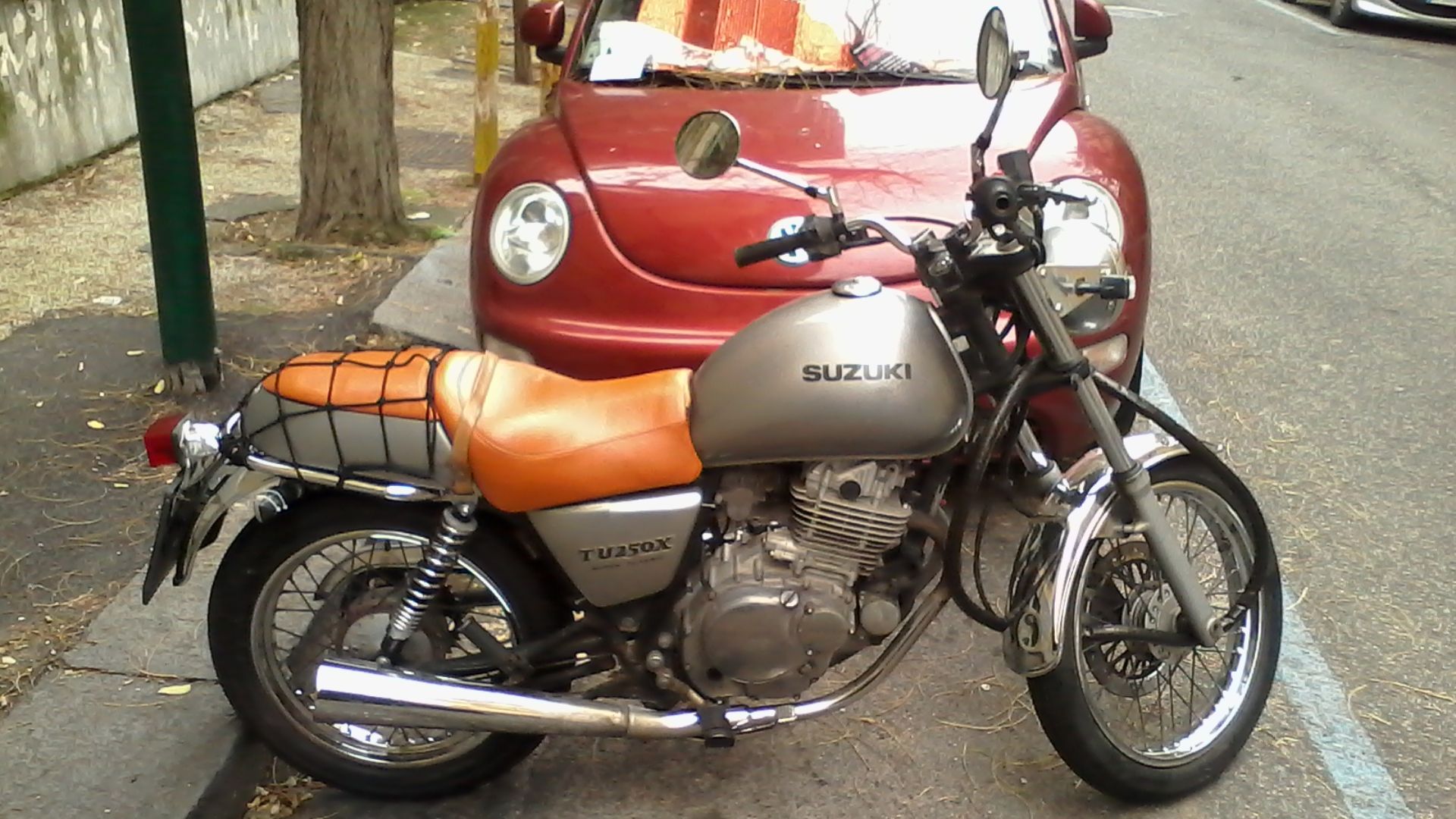
Suzuki TU250X
The Suzuki TU250X never tried to be fast, intimidating, or fashionable in the modern-bike sense. That was the whole charm. It had a simple air-cooled single-cylinder engine, classic standard-bike styling, fuel injection, and a friendly riding position that made it perfect for new riders or city commuting. A lot of people dismissed it as “just a beginner bike,” but the TU250X was one of those motorcycles that reminded you how nice simple riding could be.
 Darkdragon94, Wikimedia Commons
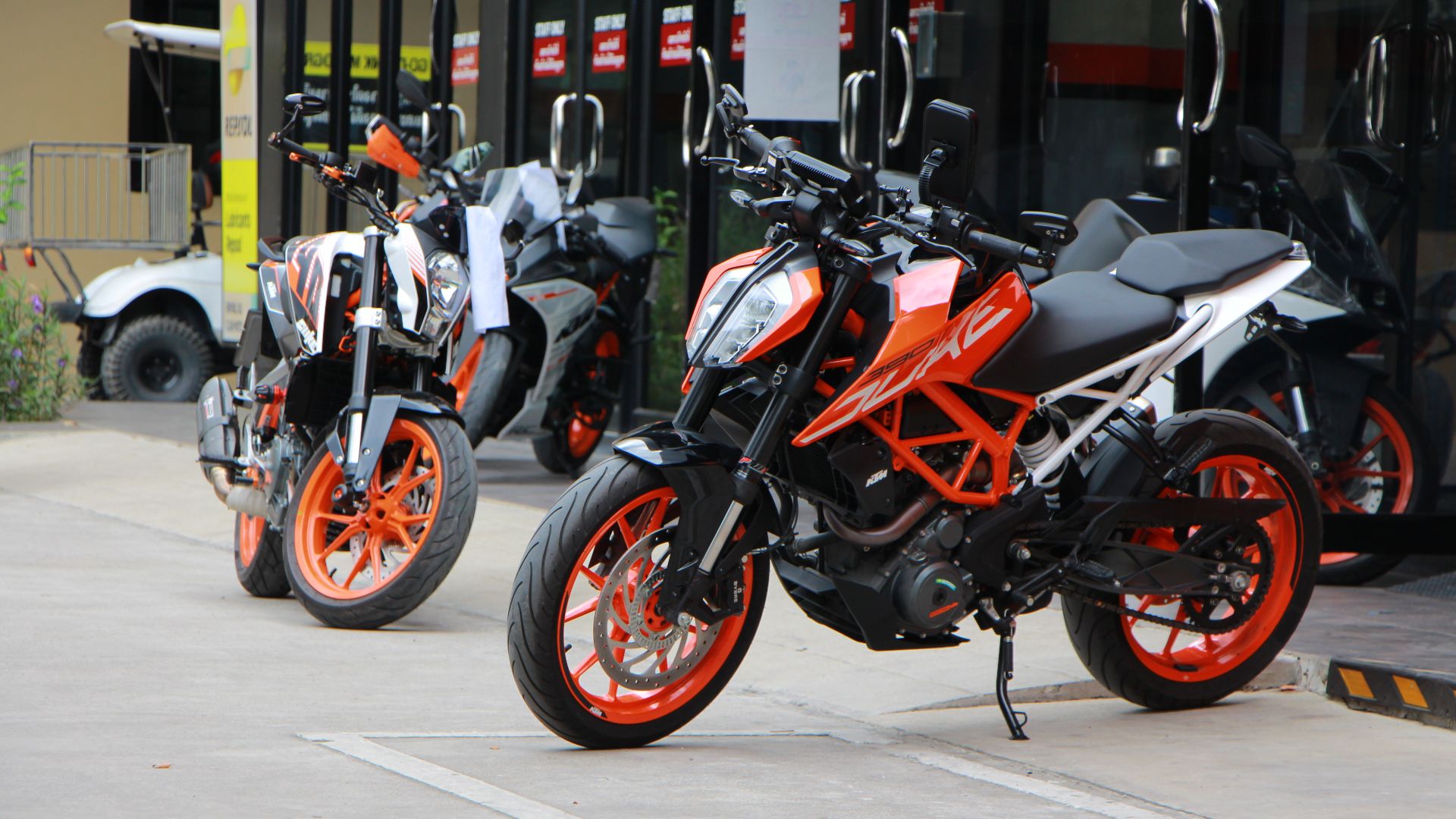
KTM 390 Adventure (First-Generation)
The first-generation KTM 390 Adventure had a tough job because people expected real KTM dirt-bike magic in a small, affordable ADV package. It wasn’t a miniature Dakar racer, but it did bring a punchy single-cylinder engine, sharp handling, modern electronics, and genuine long-distance usefulness to the small-adventure class. Some riders complained that it was too road-biased, but that missed the point. As a commuter that could also handle back roads and light trails, it made a ton of sense.
 Chakkapong Charnfun, Wikimedia Commons
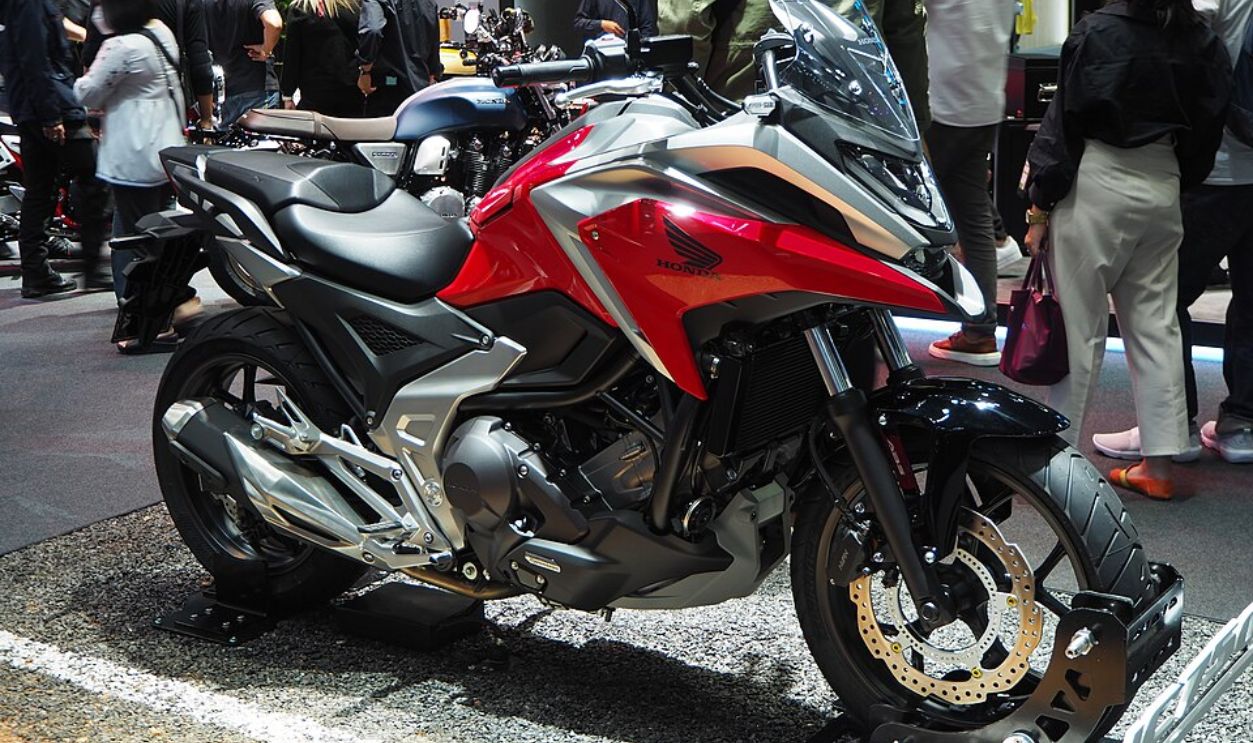
Honda NC750X
The Honda NC750X might be the ultimate “boring on paper, brilliant in real life” motorcycle. Its low-revving parallel-twin engine doesn’t scream or beg to be thrashed, but it’s smooth, efficient, and easy to live with every day. The under-fuel-tank storage compartment is genuinely useful, and the available DCT automatic makes commuting almost ridiculously relaxed. It might not impress a bike night crowd, but you’ll appreciate it more every time you use it.
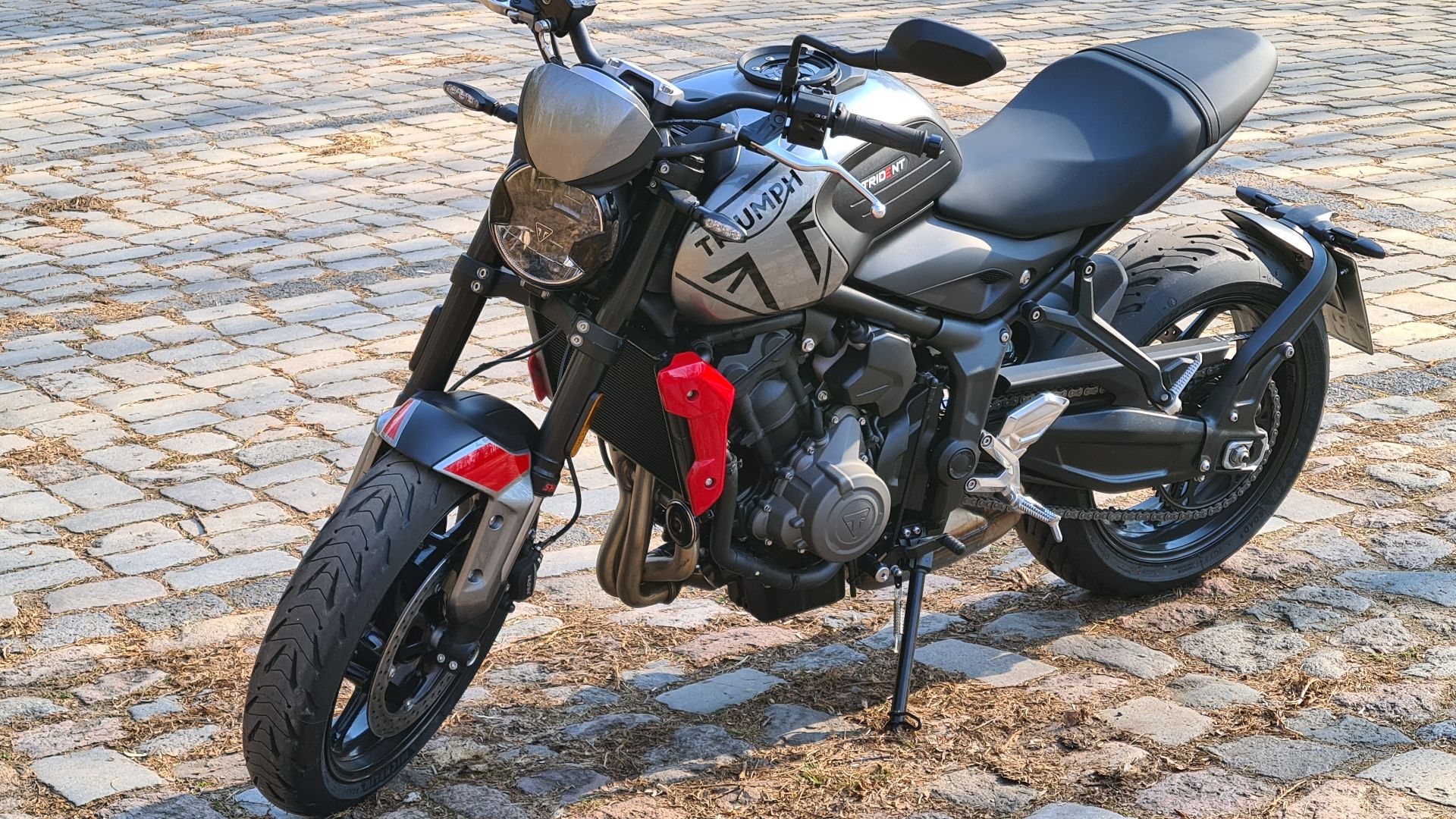
Triumph Trident 660
The Triumph Trident 660 got attention when it launched, but it still feels underrated beside louder middleweight nakeds. Its 660cc triple gives it a smoother, more interesting personality than many twin-cylinder rivals, and it’s friendly without feeling dull. The styling is clean, the price was approachable, and the whole bike feels like Triumph knew exactly what modern riders actually needed. It’s not the wildest bike in the class, but that’s part of why it works.
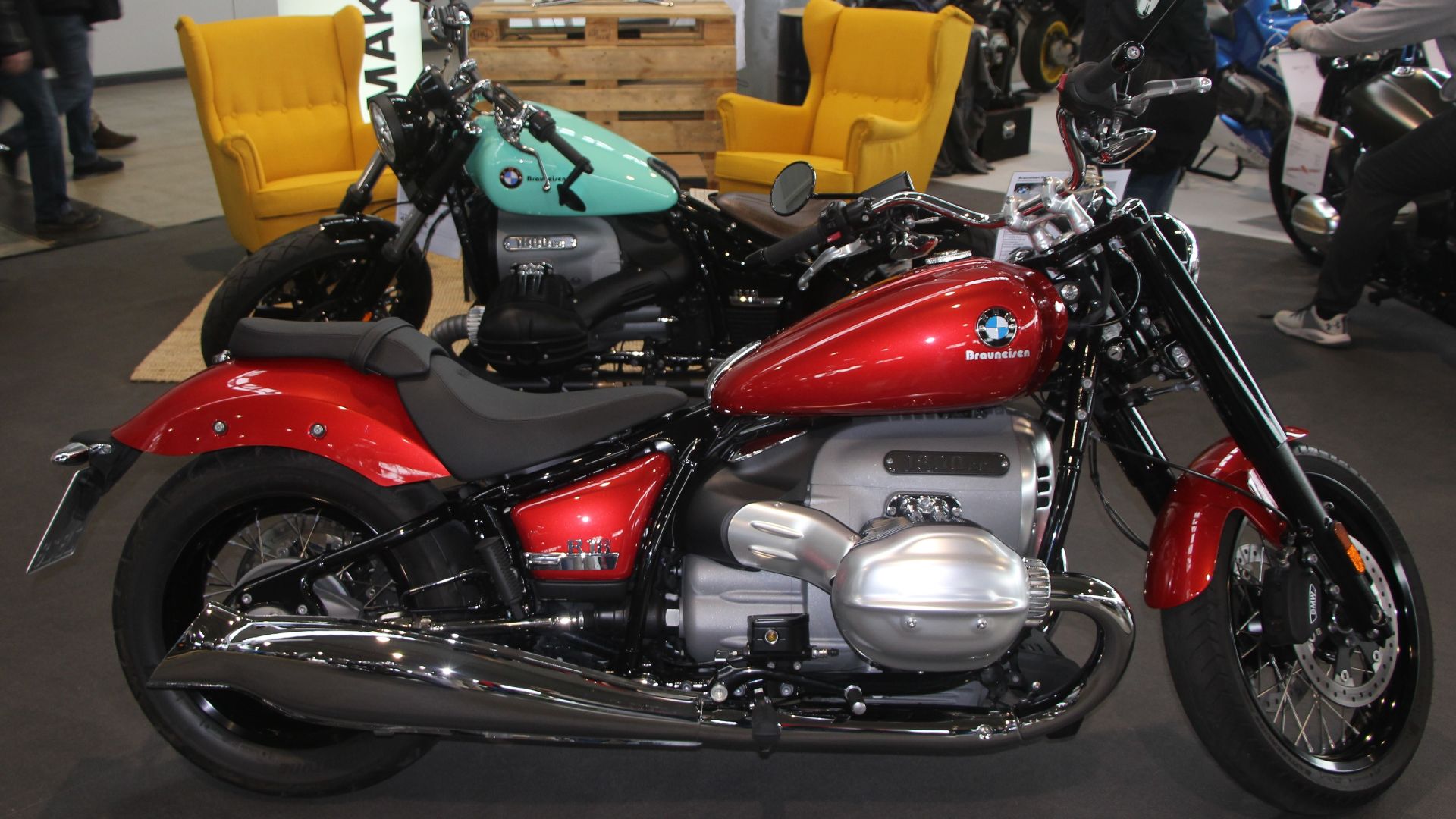
BMW R 18
The BMW R 18 looked like a strange move at first. BMW built a huge cruiser with an 1,802cc boxer engine, exposed shaft drive, old-school proportions, and styling inspired by prewar BMWs. It wasn’t trying to beat Harley-Davidson by copying Harley-Davidson exactly, which made it much more interesting. Some riders found it too heavy or too niche, but as a character bike, the R 18 has way more personality than its sales buzz suggested.
 Wikisympathisant, Wikimedia Commons
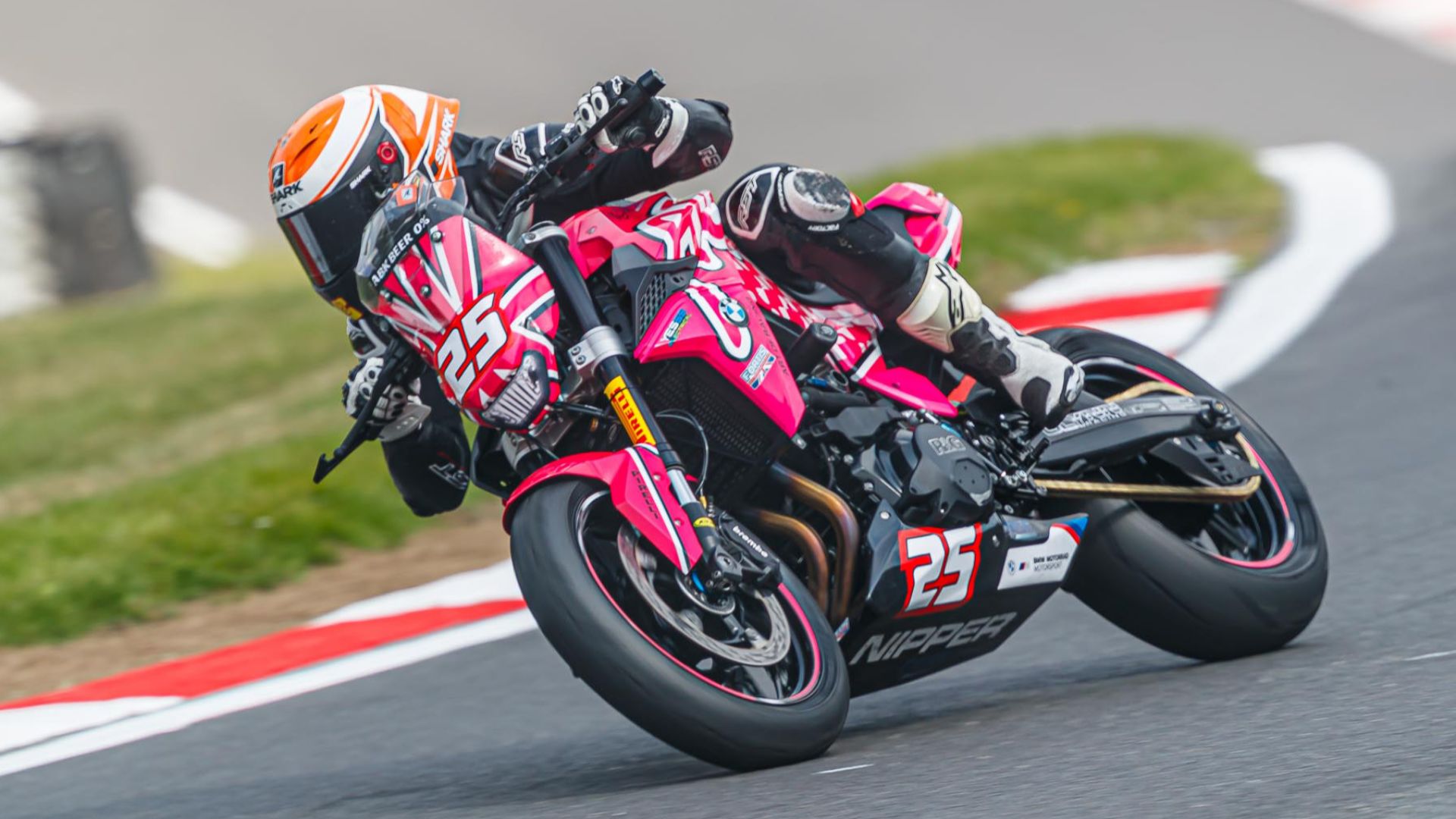
BMW F 900 R
The BMW F 900 R lives in a tough segment because middleweight nakeds are everywhere. Still, it deserves more attention than it gets. Its parallel-twin engine makes strong usable power, the chassis is confidence-inspiring, and BMW gave it enough tech to feel premium without going totally overboard. It’s not as dramatic as a Street Triple or as rowdy as an MT-09, but it’s polished, quick, and easy to ride fast.
 Smudge 9000, Wikimedia Commons
Honda VFR800F Interceptor (Eighth-Generation)
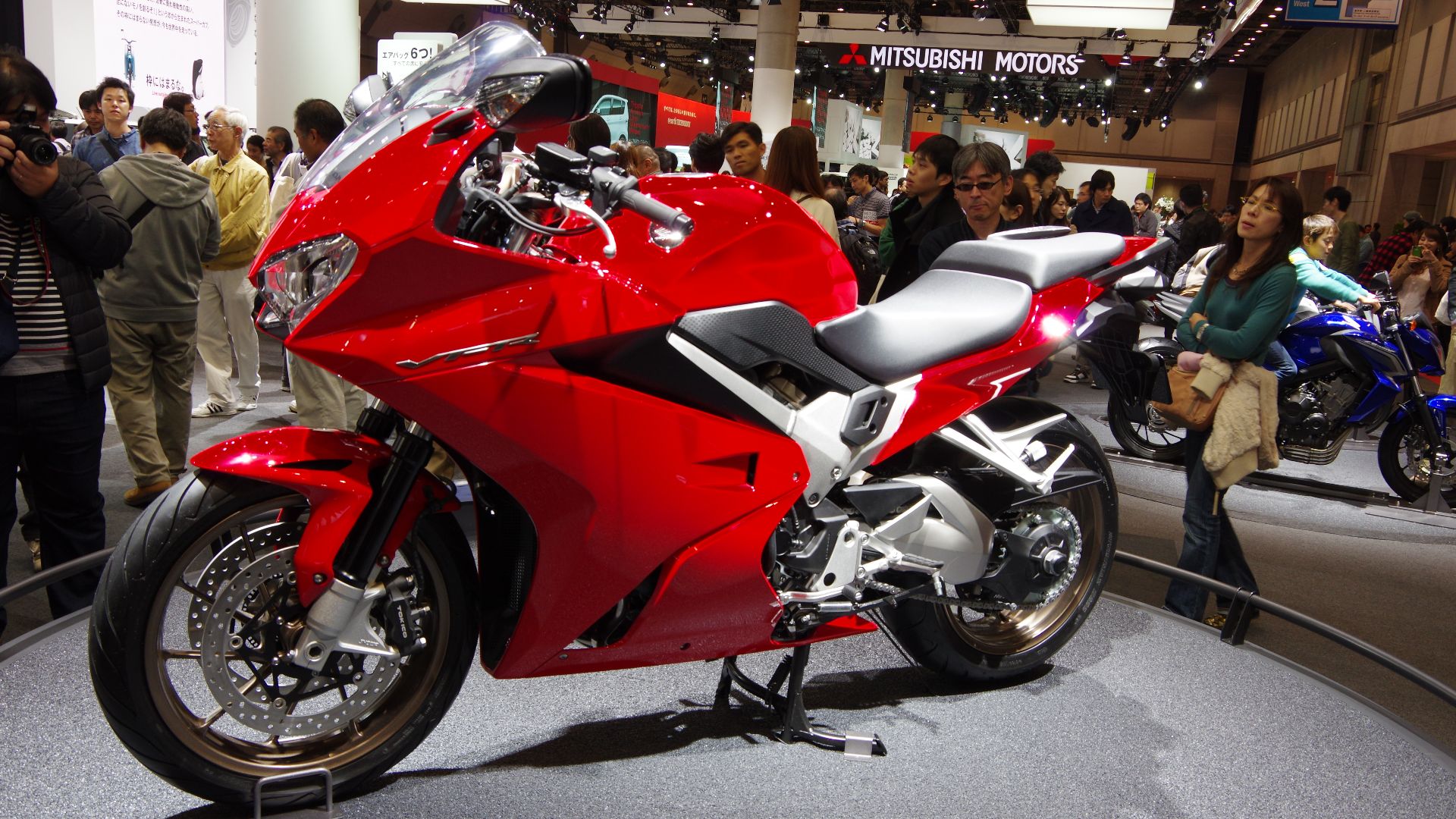
The eighth-generation Honda VFR800F Interceptor arrived when sport-touring bikes were already losing attention to adventure bikes. That was bad timing, because the VFR formula still had a lot going for it. The V4 engine gave it a sound and feel that most inline-fours couldn’t match, while the riding position balanced comfort and sportiness beautifully. It wasn’t the lightest or cheapest bike around, but you could feel it had that Honda engineering that ages well.
 [email protected], Wikimedia Commons
Ducati SuperSport 950
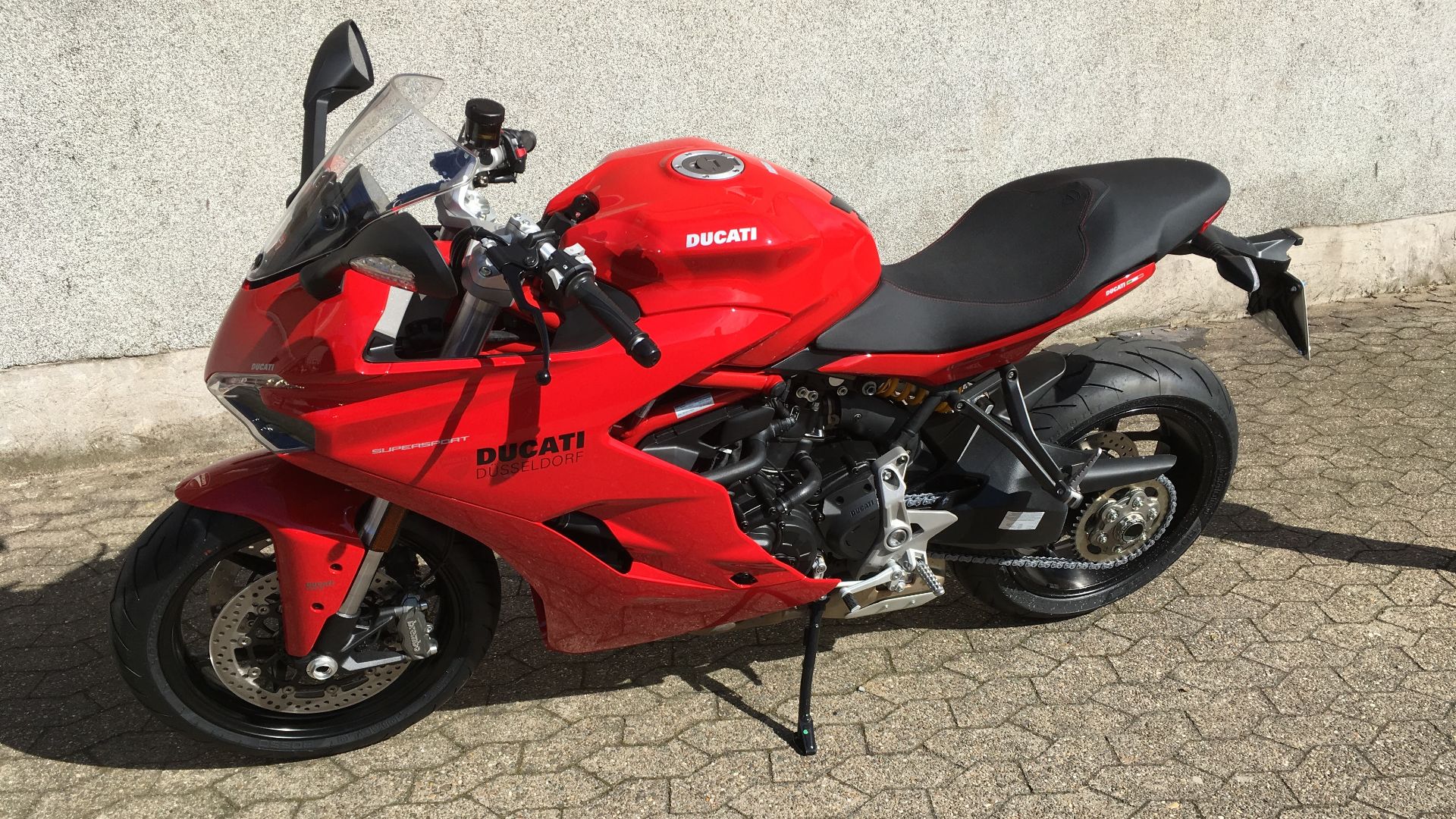
The Ducati SuperSport 950 was easy to misunderstand because it looked like a sportbike but wasn’t trying to punish you like one. It used Ducati’s 937cc Testastretta twin, had more relaxed ergonomics than a Panigale, and made road riding feel special without requiring racetrack commitment. Some riders wanted something sharper, while others wanted something cheaper. But as a real-world Ducati you could ride often, the SuperSport 950 deserved more love.
Harley-Davidson FXDR 114
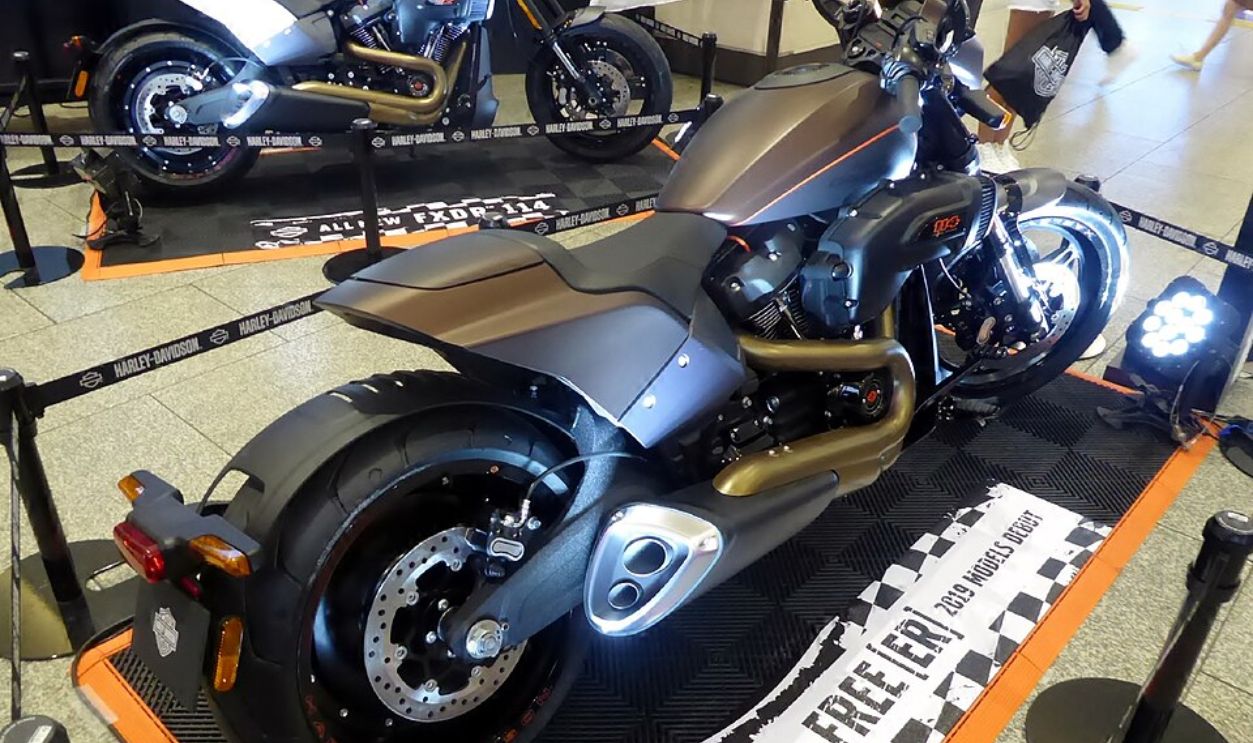
The Harley-Davidson FXDR 114 was one of Harley’s strangest modern swings, and that’s exactly why it belongs here. It had the Milwaukee-Eight 114 engine, a long muscular stance, aluminum and composite components, and a more performance-minded attitude than most Softail models. It didn’t fit neatly into cruiser tradition, which probably hurt it. But if you look at it as a big power cruiser with attitude, the FXDR feels much cooler than people admitted at the time.
 Tokumeigakarinoaoshima, Wikimedia Commons
Suzuki Katana
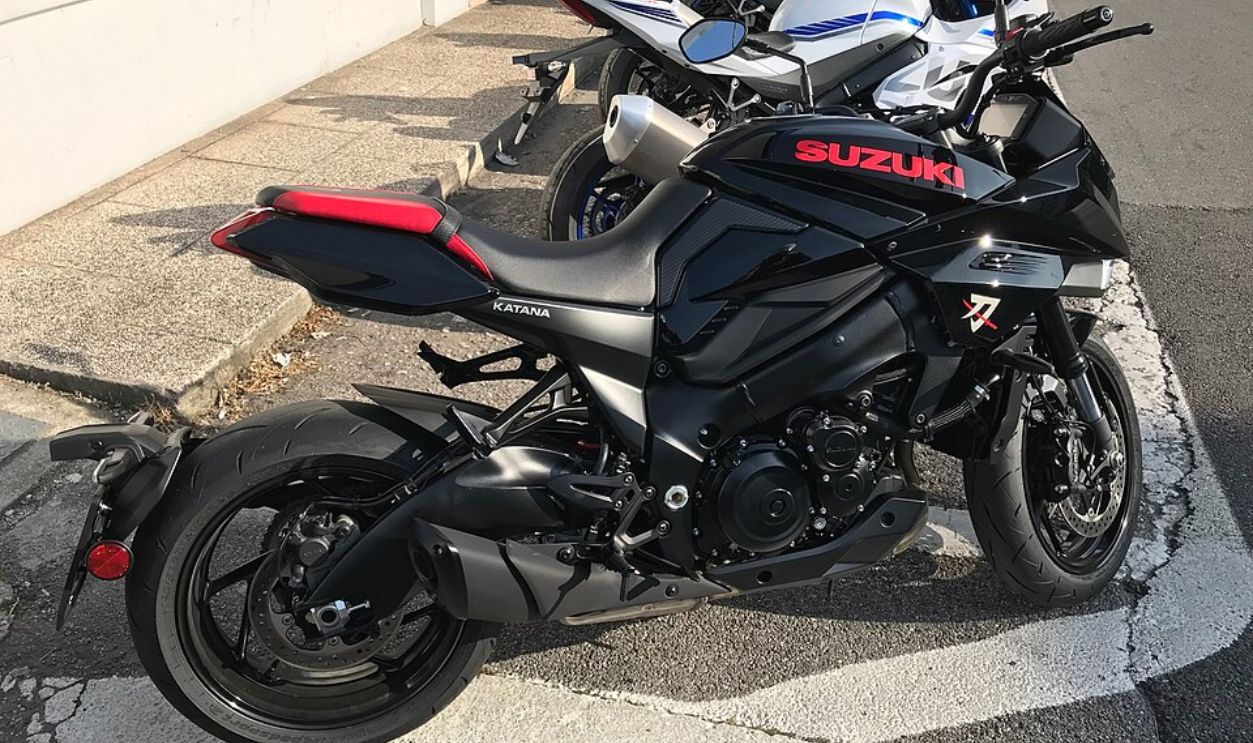
The modern Suzuki Katana had the impossible job of reviving one of the most distinctive names in Suzuki history. Its sharp retro-futuristic styling referenced the original, while the hardware underneath borrowed heavily from the GSX-S1000 and older GSX-R1000 engine architecture. That meant real performance, strong brakes, and a proven chassis. Some people focused too much on the small fuel tank or polarizing looks, but the Katana was a genuinely fun liter-class standard with a lot of character.
 AlbertoSossella, Wikimedia Commons
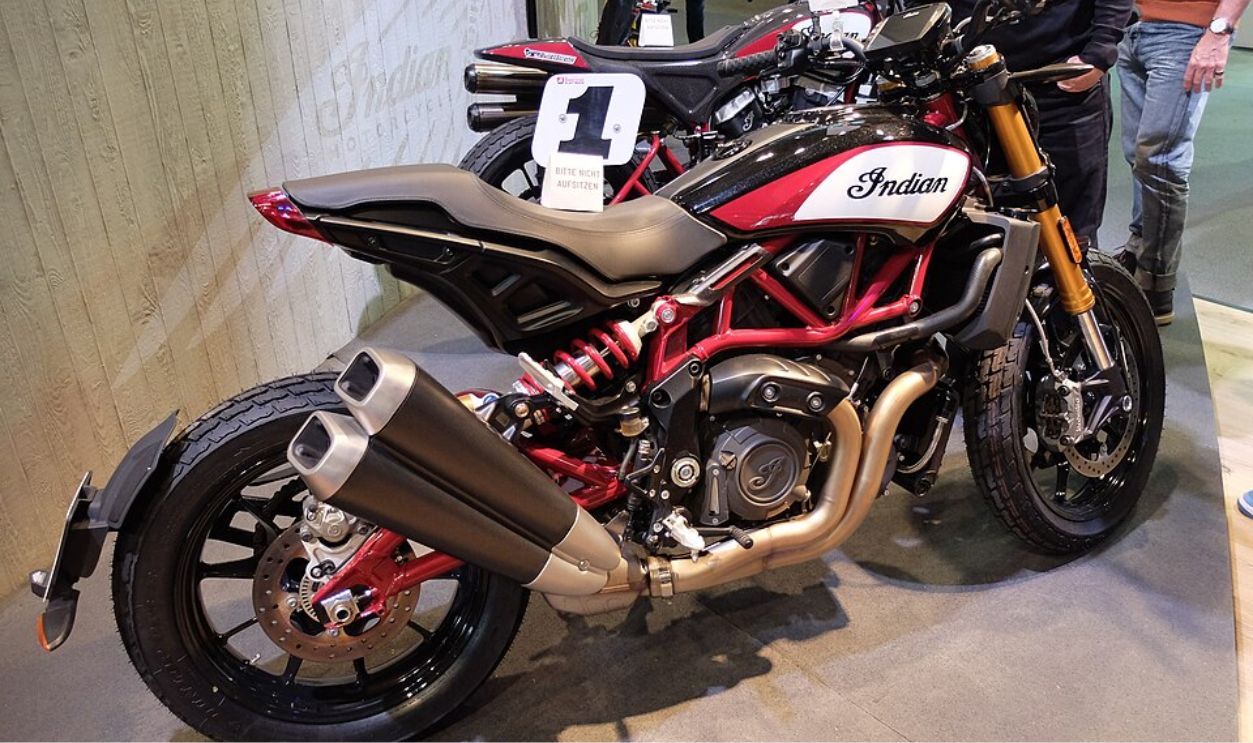
Indian FTR 1200
The Indian FTR 1200 was one of the boldest American motorcycles of the century. Instead of building another traditional cruiser, Indian made a flat-track-inspired naked bike with a 1,203cc V-twin, sporty geometry, and a totally different attitude from the brand’s usual lineup. It wasn’t perfect, especially for touring range or comfort, but it had energy and originality. The fact that it never became a bigger hit makes it feel even more underrated now.
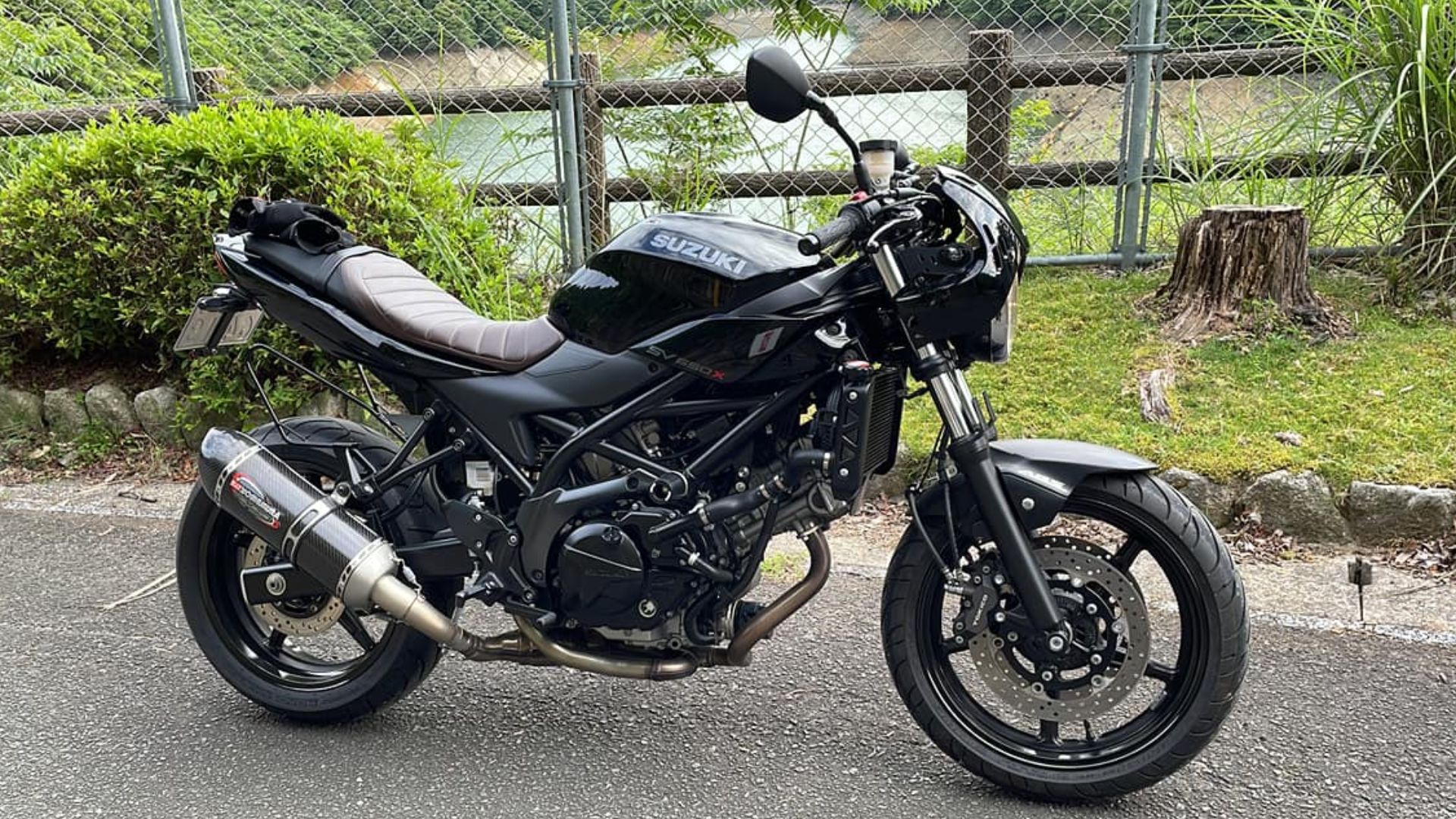
Suzuki SV650
The Suzuki SV650 is respected by riders who know, but it still doesn’t always get the mainstream credit it deserves. Its 645cc V-twin is friendly at low speeds, lively when pushed, and full of character without being intimidating. The chassis is simple, the weight is manageable, and the whole bike works for beginners, commuters, track-day riders, and experienced owners who just want something honest. It’s the Miata of motorcycles, and that’s a compliment.
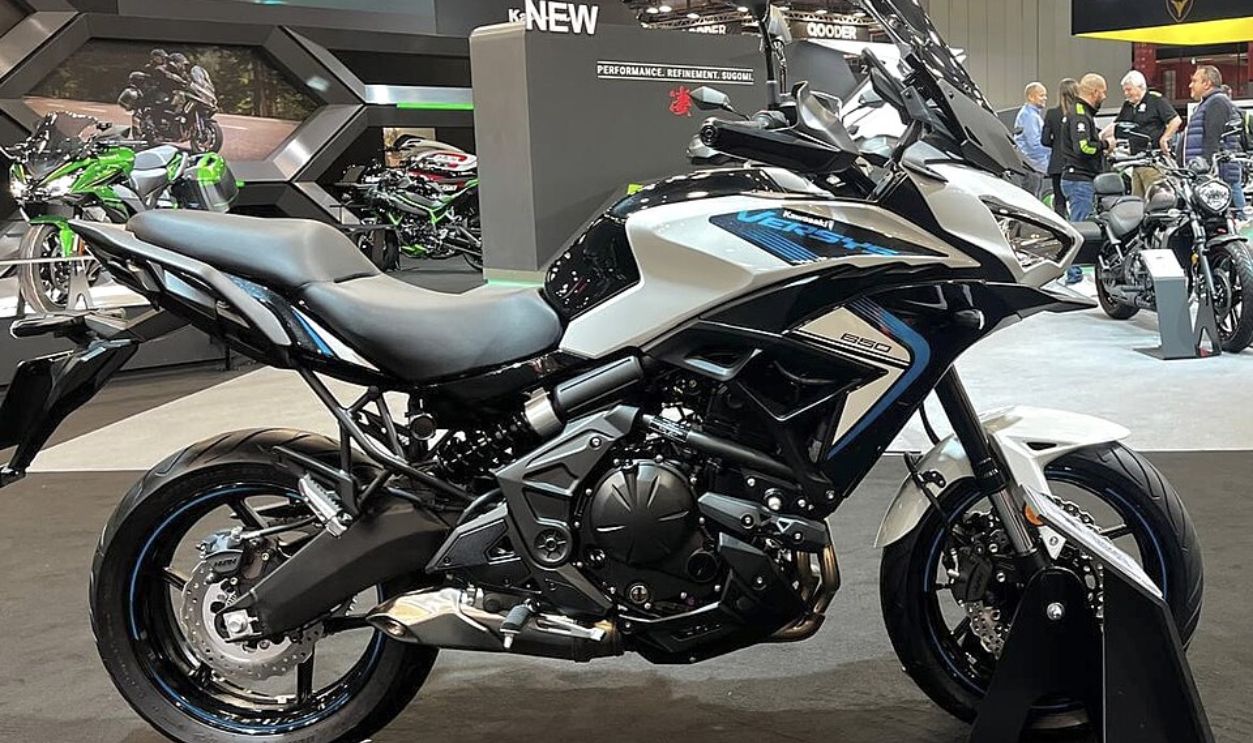
Kawasaki Versys 650
The Kawasaki Versys 650 is not glamorous, and that’s probably why it’s so underrated. It’s tall, practical, comfortable, and powered by a reliable parallel-twin that’s more useful than exciting on paper. But ride one for a week and it starts making sense very quickly. It can commute, tour, handle rough pavement, carry luggage, and still feel light enough to enjoy on twisty roads. It’s not trying to be cool, which somehow makes it cooler.
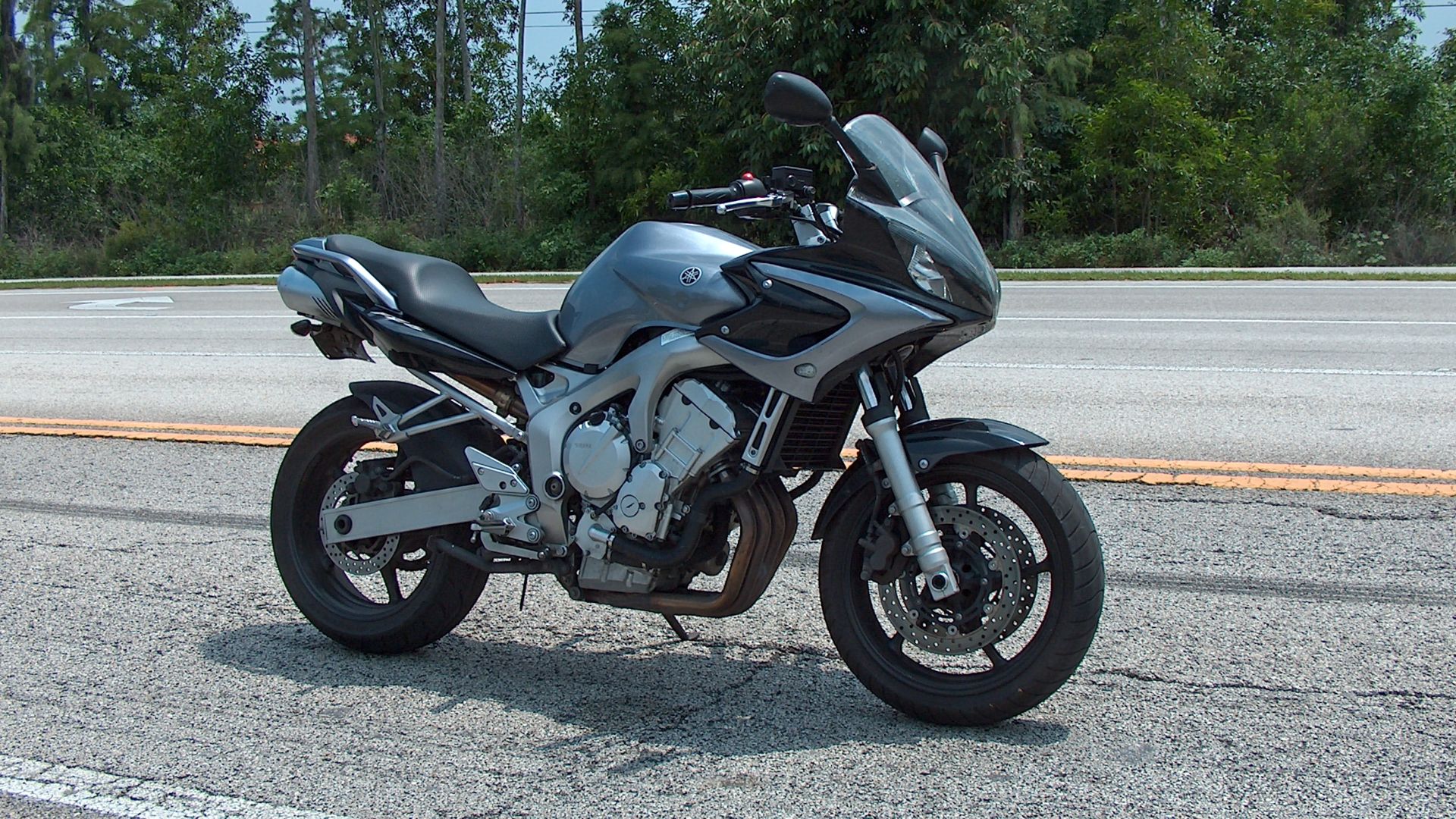
Yamaha FZ6
The Yamaha FZ6 was the kind of middleweight that made more sense the longer you owned it. It used an engine derived from the YZF-R6, but tuned into something more manageable and comfortable for real roads. You got upright ergonomics, decent wind protection in faired versions, and enough top-end energy to remind you where the motor came from. It got overshadowed by sharper sportbikes and newer nakeds, but as a do-it-all bike, it was quietly excellent.
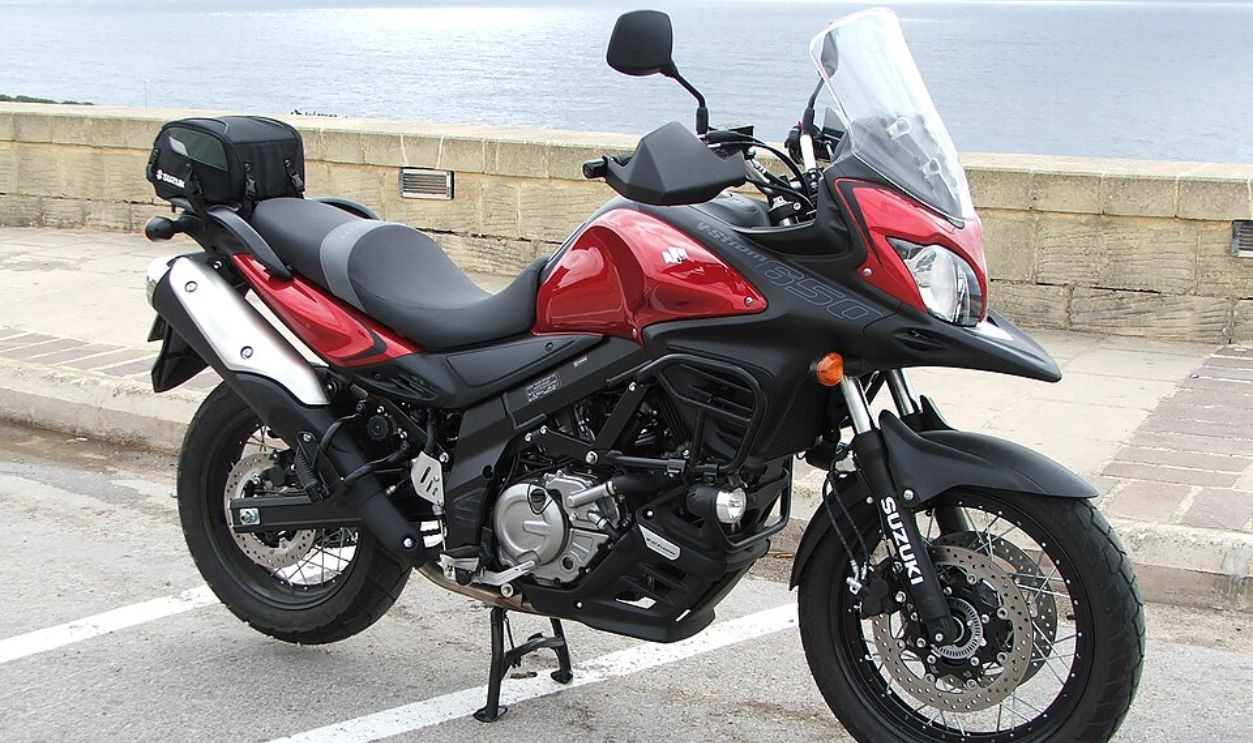
Suzuki V-Strom 650
The Suzuki V-Strom 650, often called the Wee-Strom, became a cult favorite for a reason. It used the SV650’s 645cc V-twin in a taller, more comfortable adventure-touring package that could handle commuting, touring, bad roads, and light gravel without drama. It wasn’t flashy, and it didn’t have the macho image of bigger adventure bikes. But for riders who actually covered miles, it was one of the smartest motorcycles of the century.
Honda CB1100
The Honda CB1100 arrived as a retro standard before the retro boom fully took over. It had an air-cooled inline-four, classic proportions, calm manners, and that old Honda smoothness that made it feel instantly familiar. The problem was that it was too understated for riders chasing power and too expensive for people who just wanted a simple standard. Today, though, its restraint feels like the whole point. It’s classy, mechanical, and quietly beautiful.
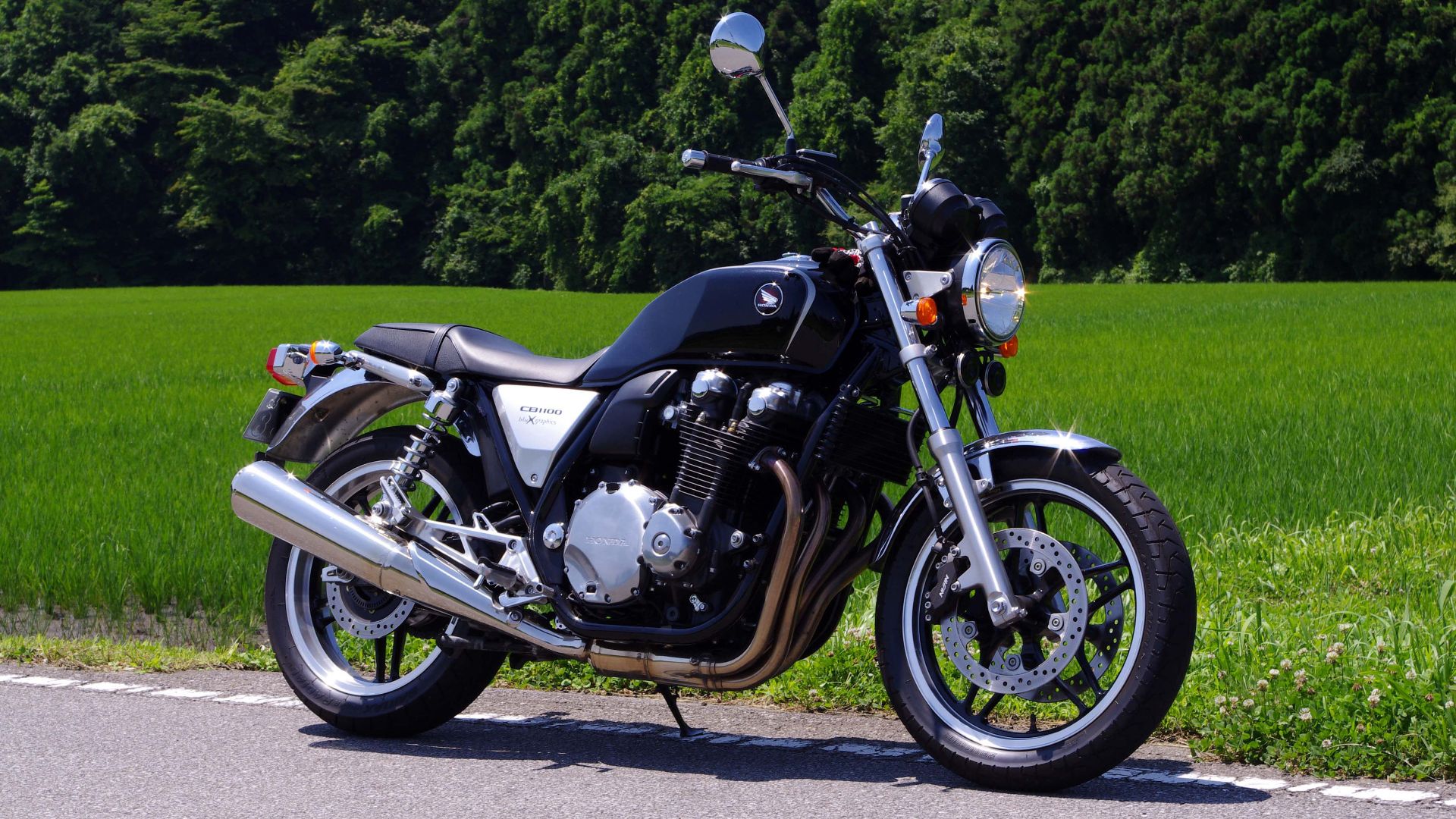 bluXgraphics(motorcycle design Japan)=Midorikawa, Wikimedia Commons
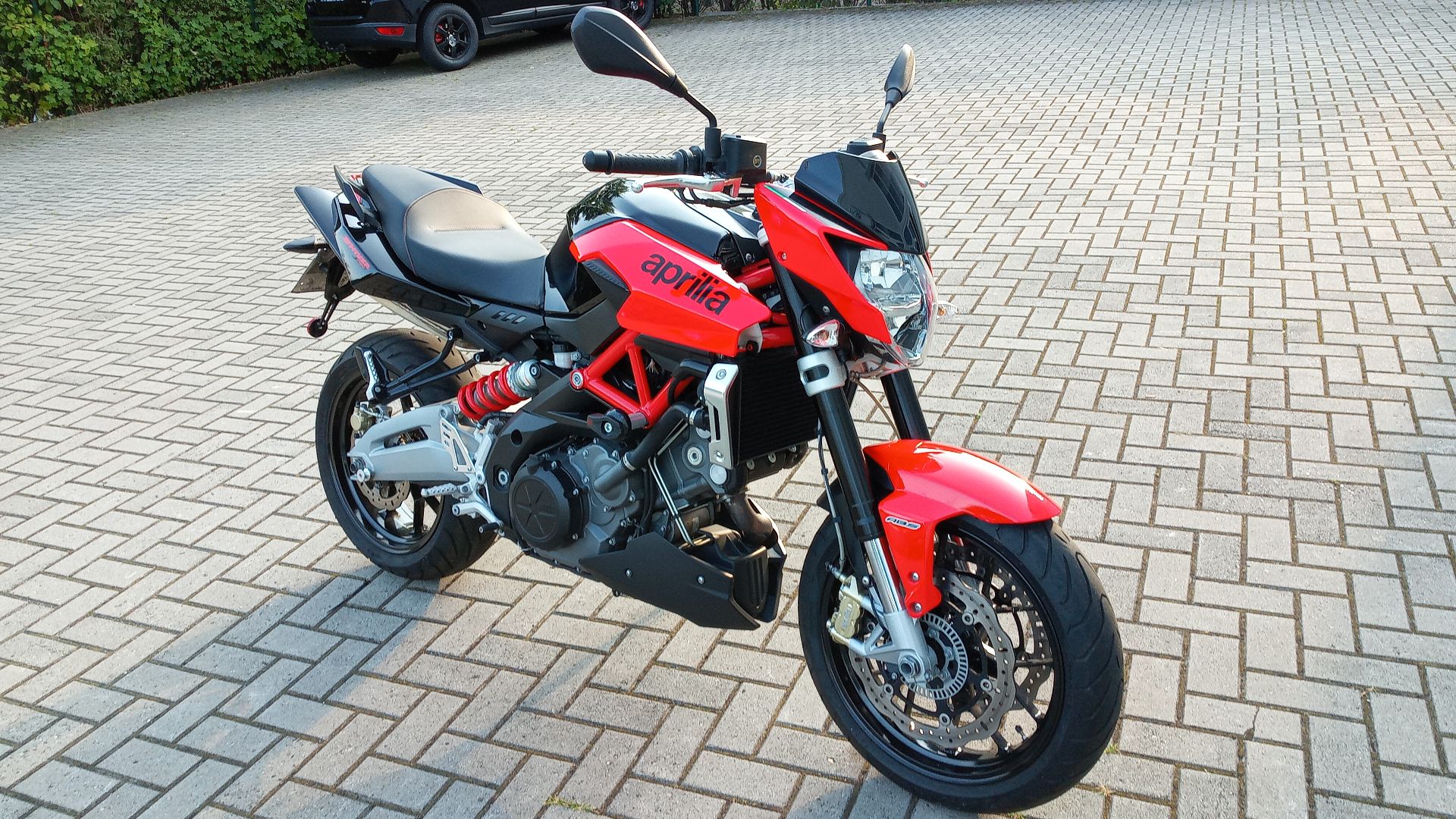
Aprilia Shiver 750
The Aprilia Shiver 750 deserved a bigger audience than it got. It brought Italian styling, a 750cc V-twin, ride-by-wire throttle, and a playful naked-bike feel at a time when Aprilia was better known for sharper sport machines. It wasn’t as famous as a Ducati Monster or as easy to find as a Japanese middleweight, which left it stuck in the shadows. But as an interesting used naked bike with real personality, the Shiver still stands out.
Triumph Sprint ST 1050
The Triumph Sprint ST 1050 was one of the best sport-tourers people forgot to celebrate properly. Its 1,050cc triple gave it a deep, muscular power delivery, while the fairing, luggage options, and riding position made it genuinely useful for distance. It wasn’t as exotic as an Italian bike or as obvious as a BMW tourer, but it hit a lovely middle ground. Fast, comfortable, distinctive, and practical is a pretty great combination.
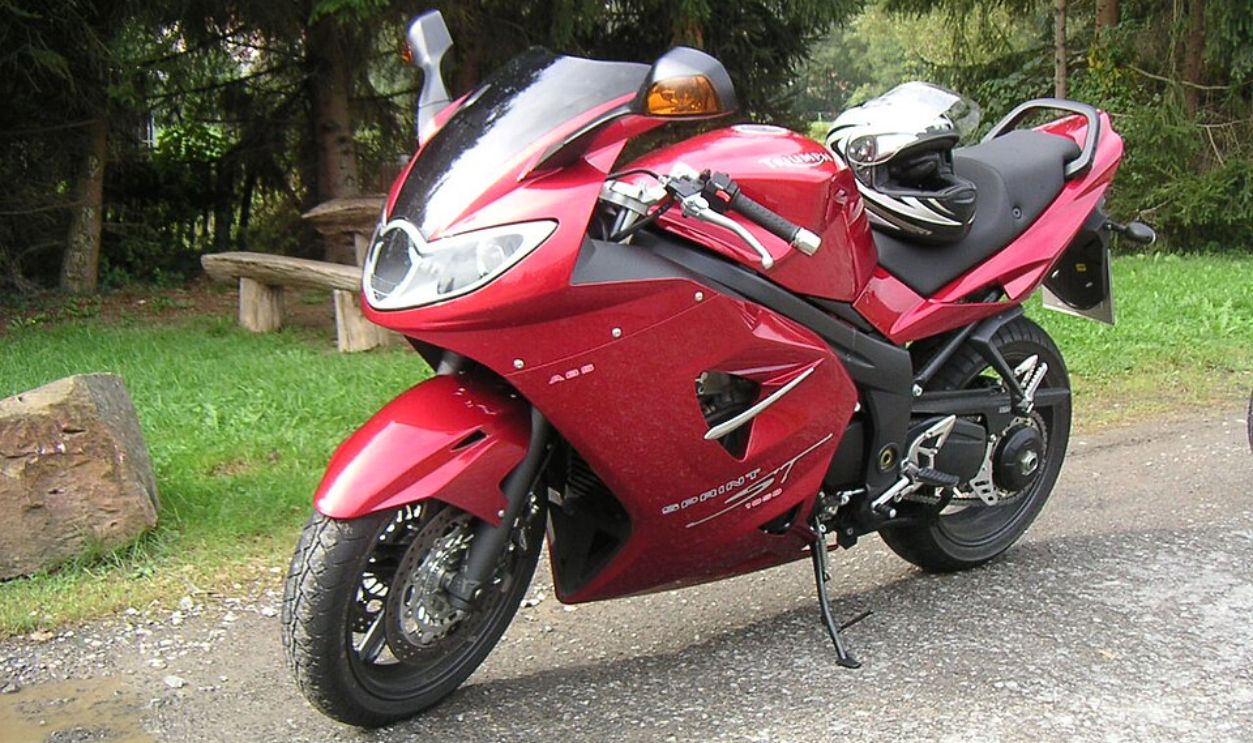 Fotograf Jörg Hausladen, Wikimedia Commons
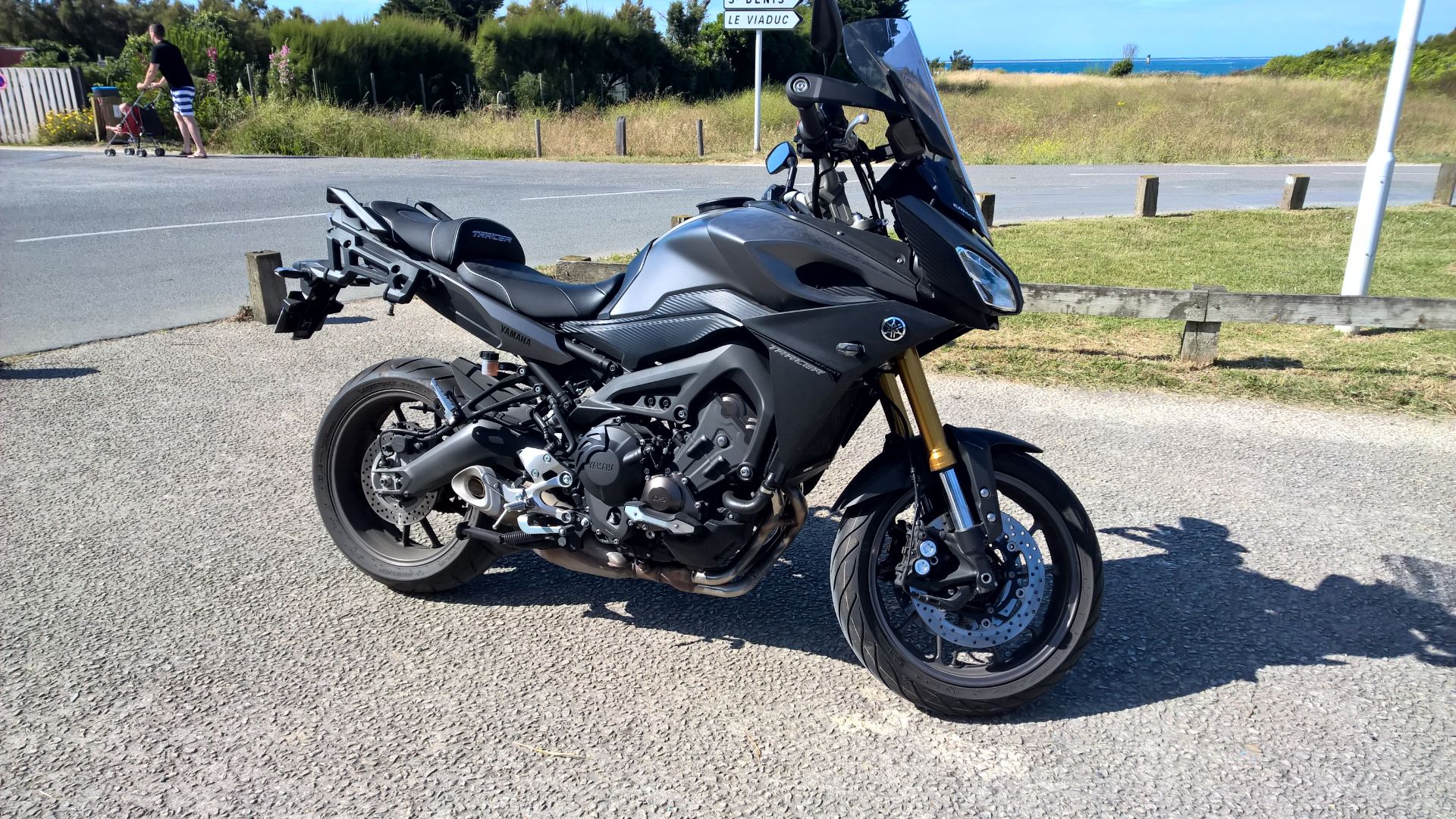
Yamaha FJ-09 / Tracer 900
The Yamaha FJ-09, later known as the Tracer 900, took the rowdy MT-09 triple and turned it into something far more usable. The 847cc engine still had plenty of punch, but the upright riding position, wind protection, luggage options, and longer-distance comfort made it feel like a sport-tourer for real people. Early versions could be a little rough around the edges, but the core idea was excellent. It was fun first and sensible second, which is a rare balance.
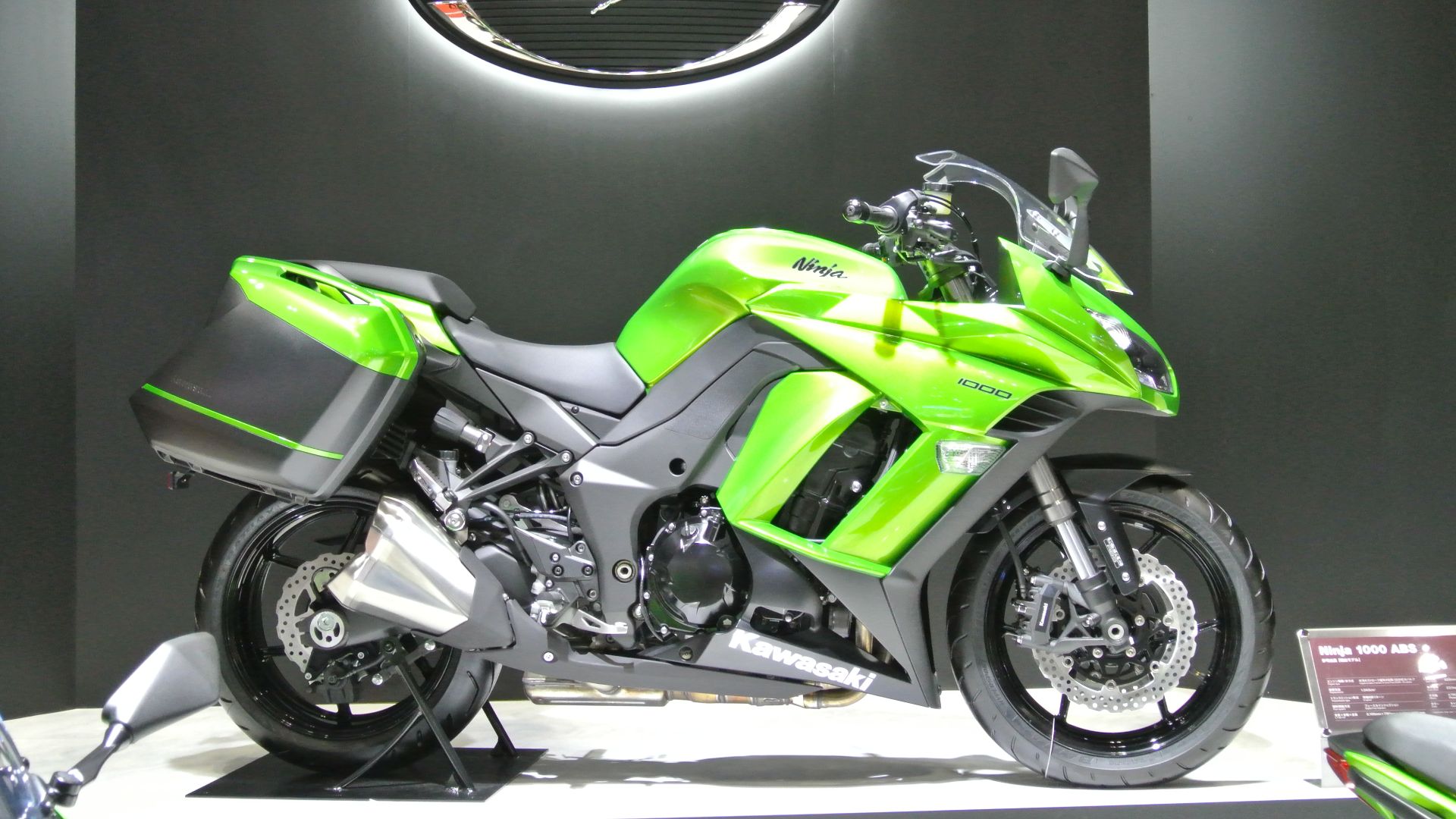
Kawasaki Ninja 1000
The Kawasaki Ninja 1000 looked like a sportbike, but the secret was that it was much easier to live with. It gave riders liter-bike power, full fairing style, adjustable wind protection, and a more relaxed riding position than a true supersport. That made it fast enough to be exciting but practical enough for commuting or touring. It never got the same spotlight as ZX models, but for real-world speed, it might’ve been the smarter choice.
 Rainmaker47, Wikimedia Commons
You May Also Like:
The Fastest Production Motorcycles Ever Made
The Truth About The Hells Angels And Their Bikes