When The Crowd Booed But The Critics Clapped
Some cars never stood a chance with the public. Maybe they looked strange, cost too much, or arrived at exactly the wrong time. But while buyers rolled their eyes, road testers and industry critics often saw something else entirely: bold ideas, smart engineering, and real character hiding beneath the backlash.

Chrysler PT Cruiser
The Chrysler PT Cruiser became an easy punchline almost the moment it flooded suburban streets. Yet many critics praised its clever packaging, roomy cabin, and retro charm when it launched. For a brief moment, it felt fresh, practical, and delightfully weird in a market full of forgettable compact cars.

Pontiac Aztek
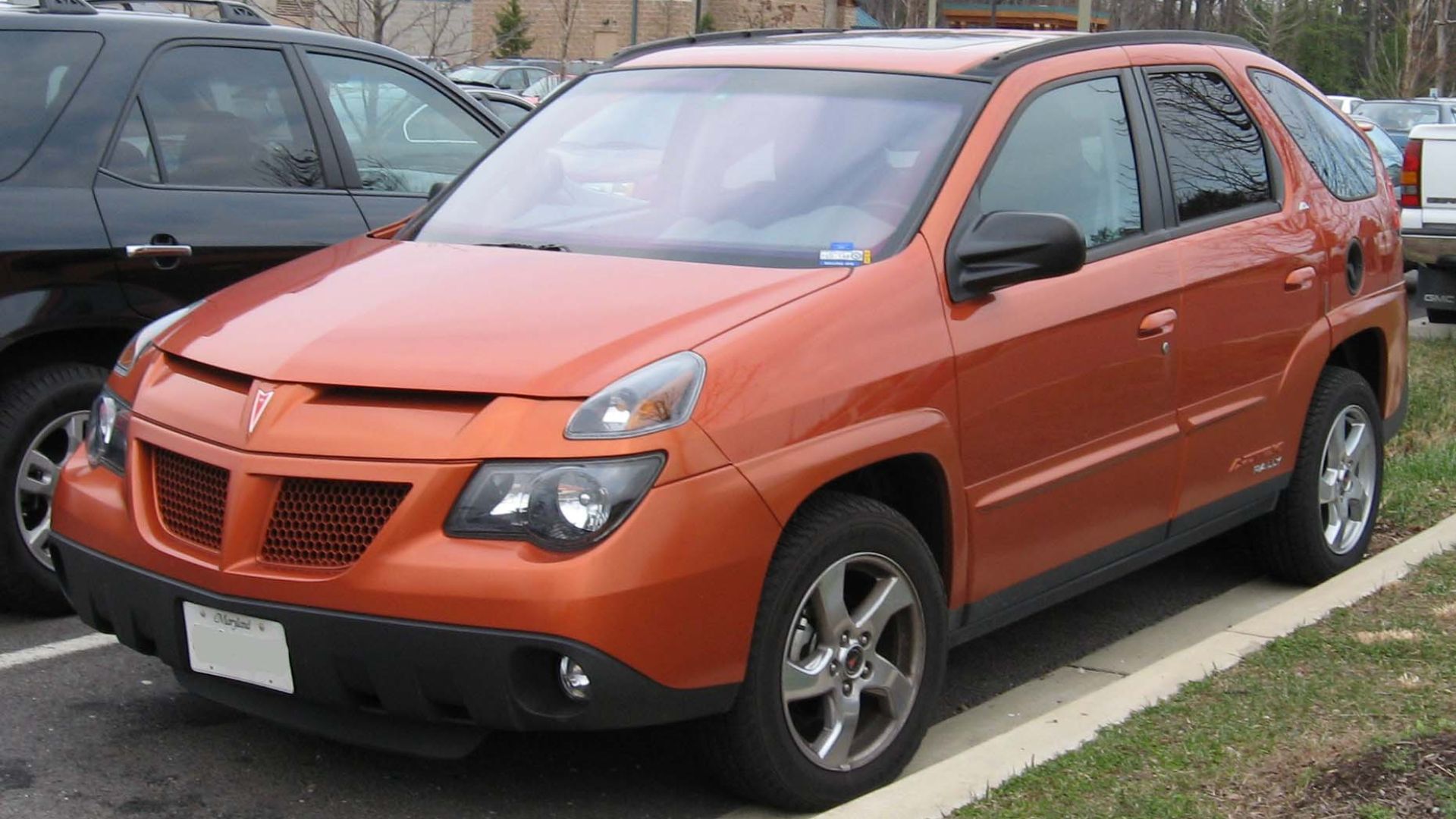
Yes, the Pontiac Aztek looked like it was designed during a power outage. But critics who focused on usefulness found a genuinely innovative crossover before crossovers ruled the planet. Its flexible interior, camping-friendly accessories, and adventurous idea were ahead of their time, even if the styling scared people away.
AMC Pacer
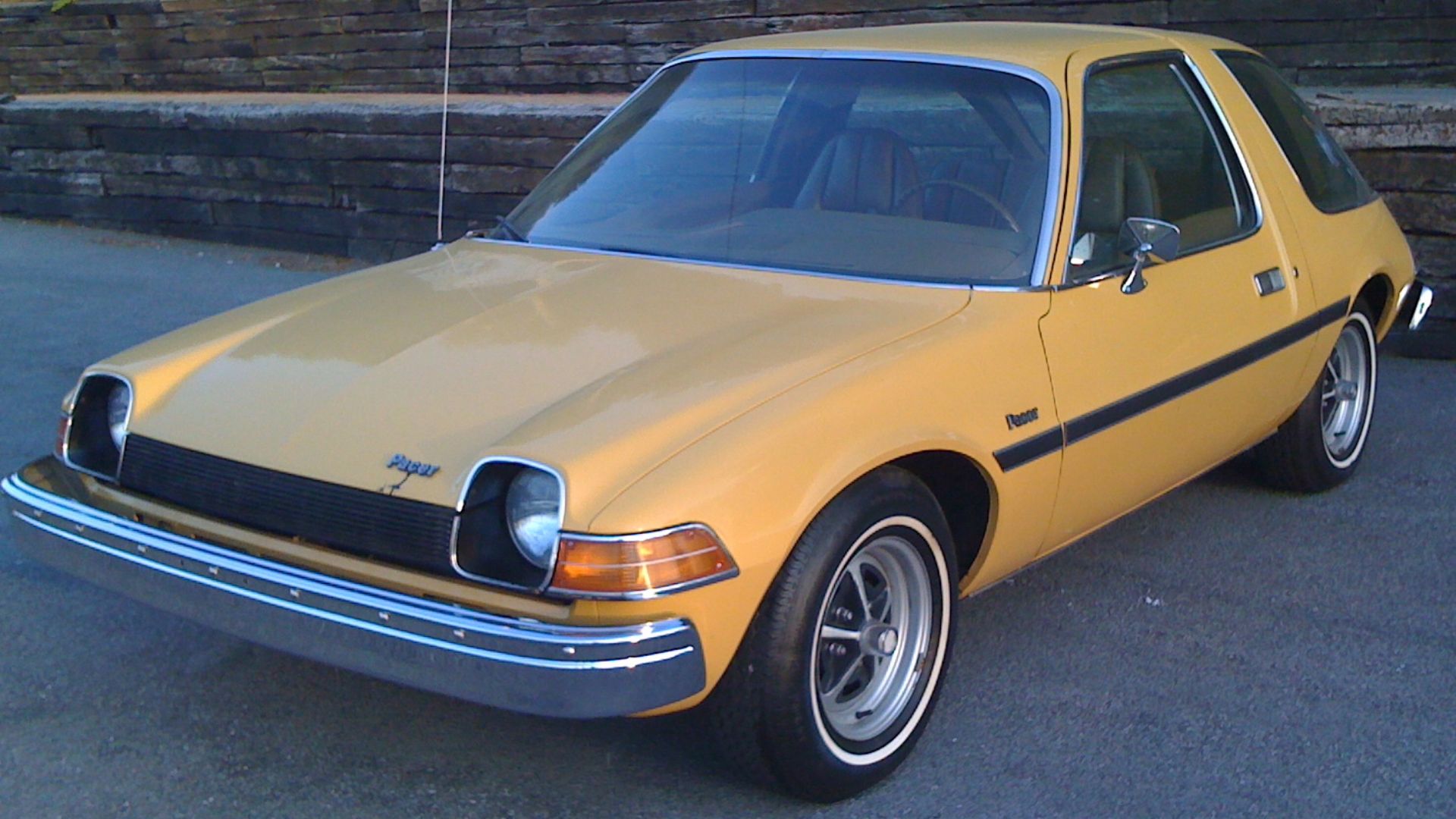
The AMC Pacer was mocked for its fishbowl shape, awkward proportions, and general anything-goes energy. Still, some reviewers admired its bold space-efficient design and big-glass visibility. It tried to rethink small-car packaging for American tastes, which was a smart goal, even if the final result looked wonderfully bizarre.
Edsel Corsair
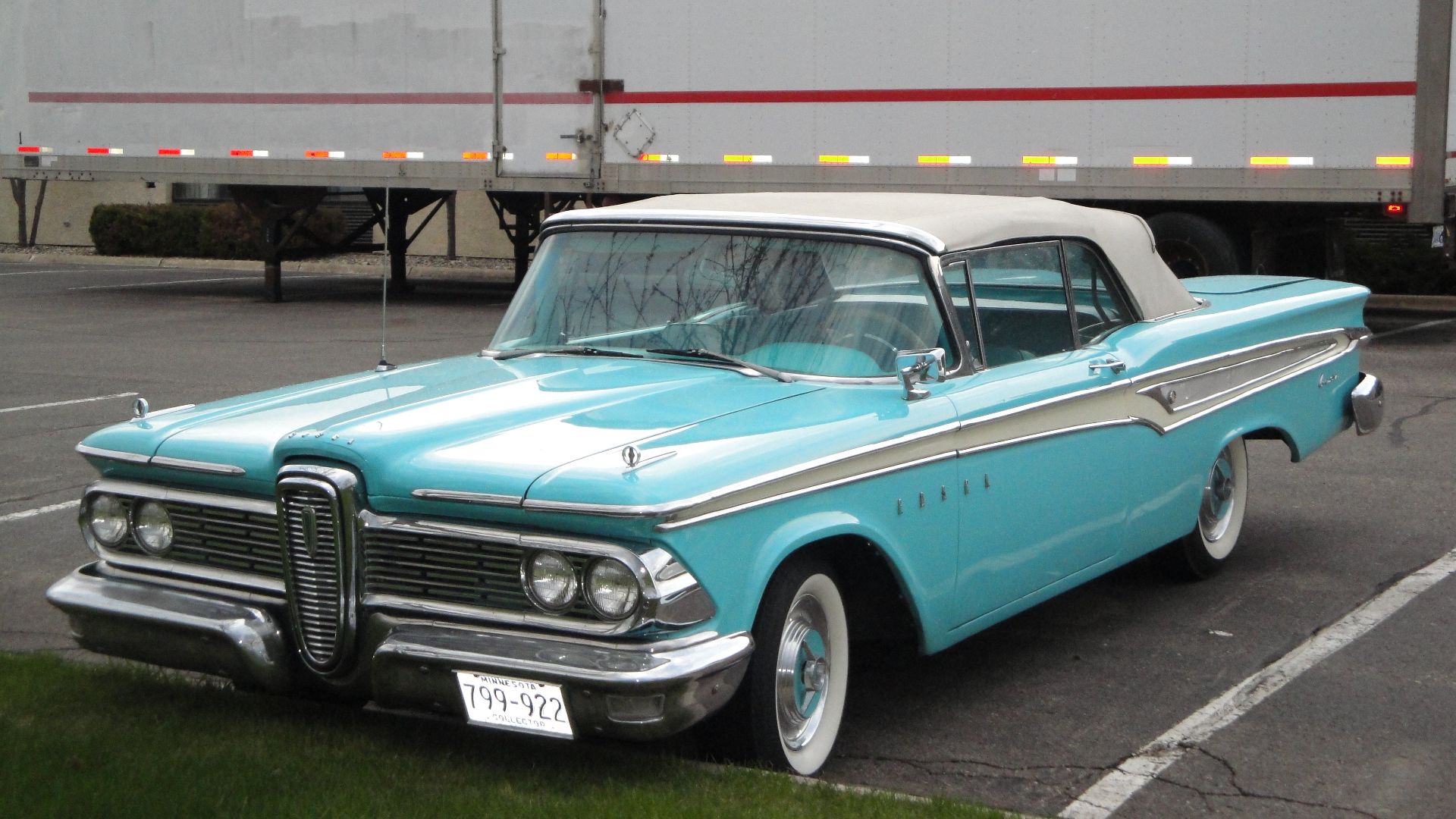
The Edsel name became shorthand for failure, but critics at the time did not universally hate the cars themselves. Some praised their ride comfort, strong engines, and upscale ambitions. The disaster had more to do with marketing, timing, and expectations than the actual driving experience of the car.
 Greg Gjerdingen from Willmar, USA, Wikimedia Commons
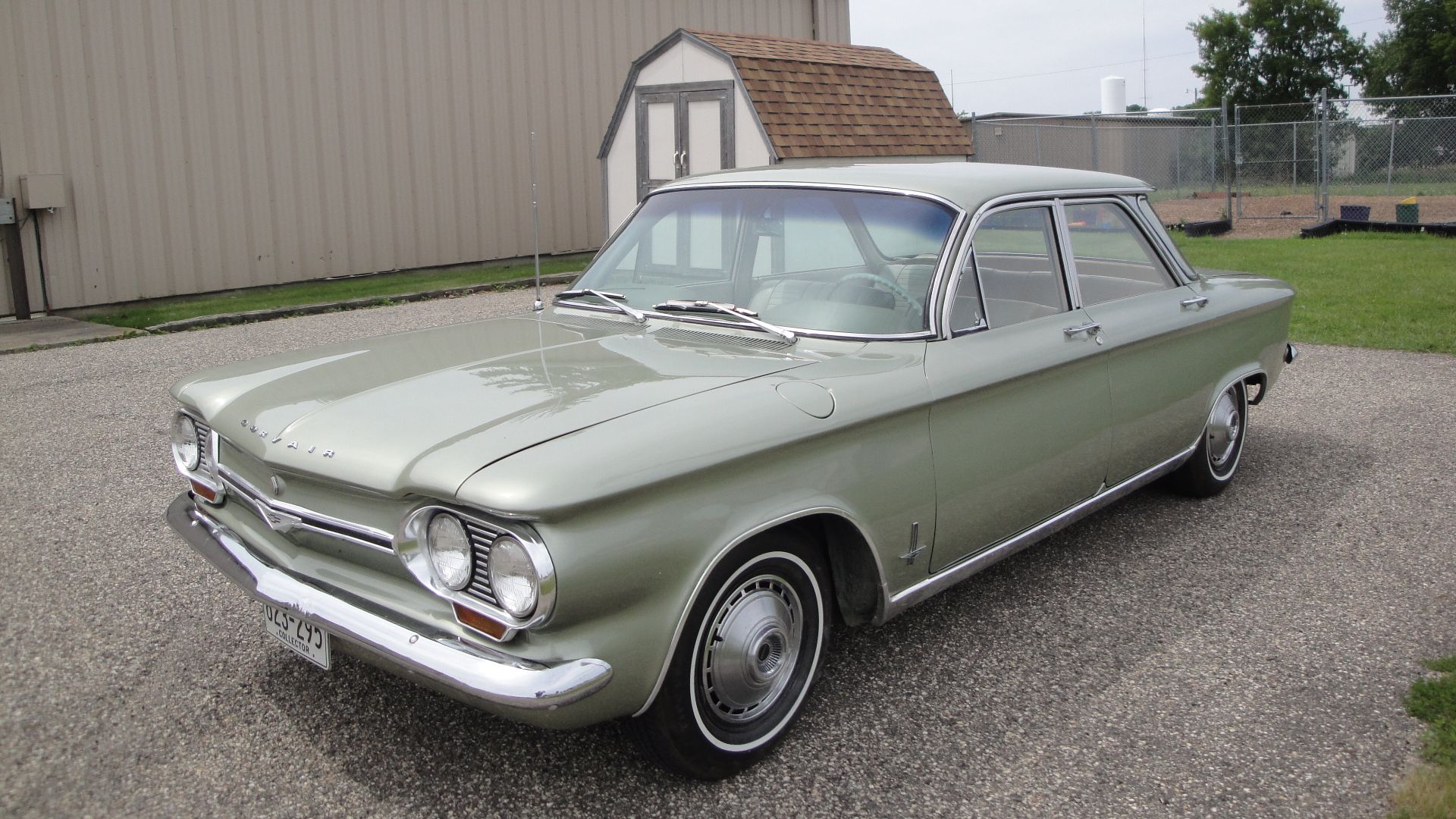
Chevrolet Corvair
The Chevrolet Corvair remains one of the most controversial American cars ever made. Public fear and bad headlines damaged its reputation, but many critics loved its rear-engine layout, light feel, and European flavor. In the right version, especially the later ones, it was genuinely fun and refreshingly different.
 Greg Gjerdingen from Willmar, USA, Wikimedia Commons
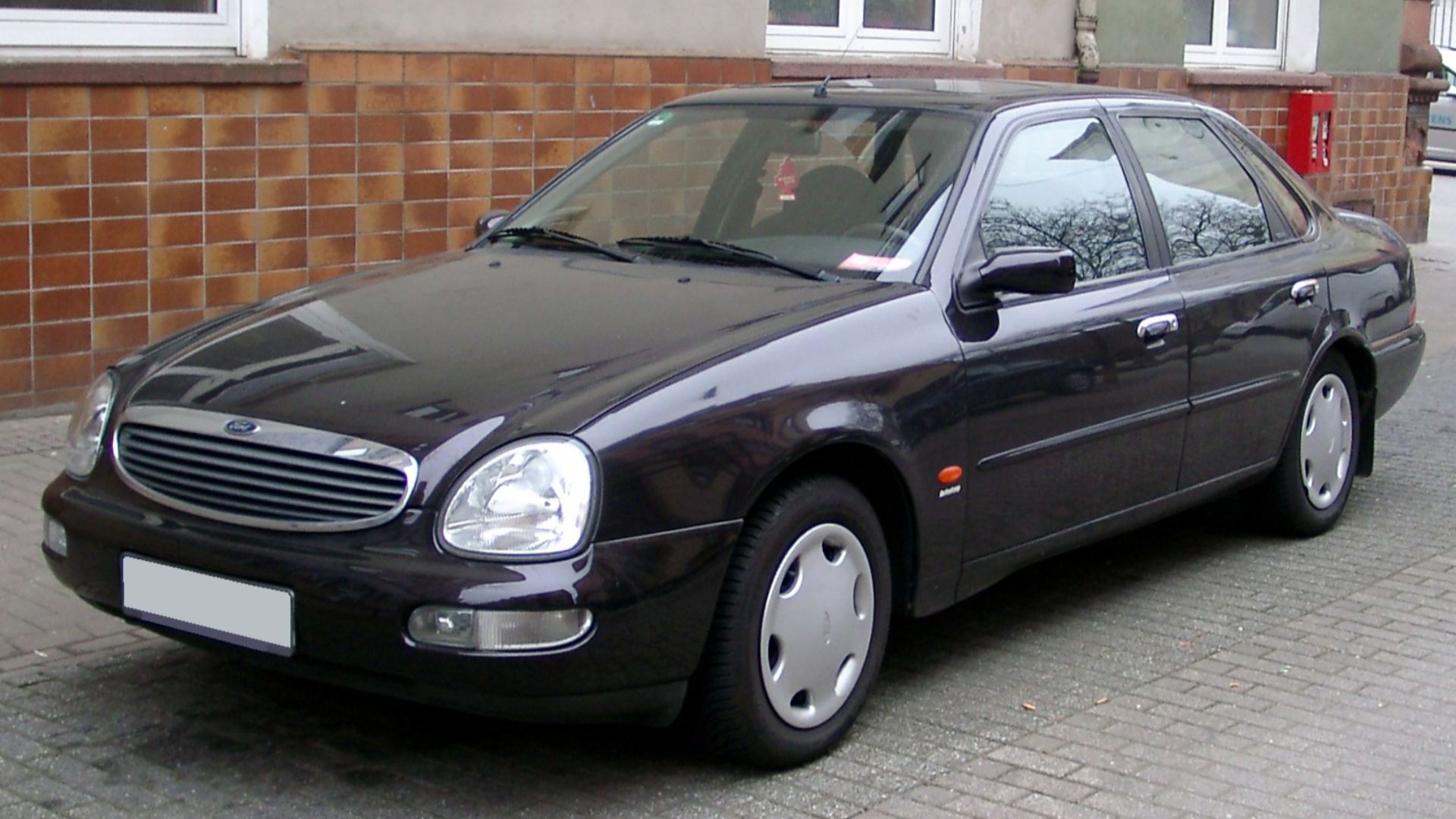
Ford Scorpio
The Ford Scorpio’s bulbous face made many buyers run for the hills, especially in Europe where executive cars were expected to look serious and sharp. Yet critics often praised its comfort, quiet ride, safety focus, and generous equipment. It did many luxury-car things right, just while looking very confused.
 Rudolf Stricker, Wikimedia Commons
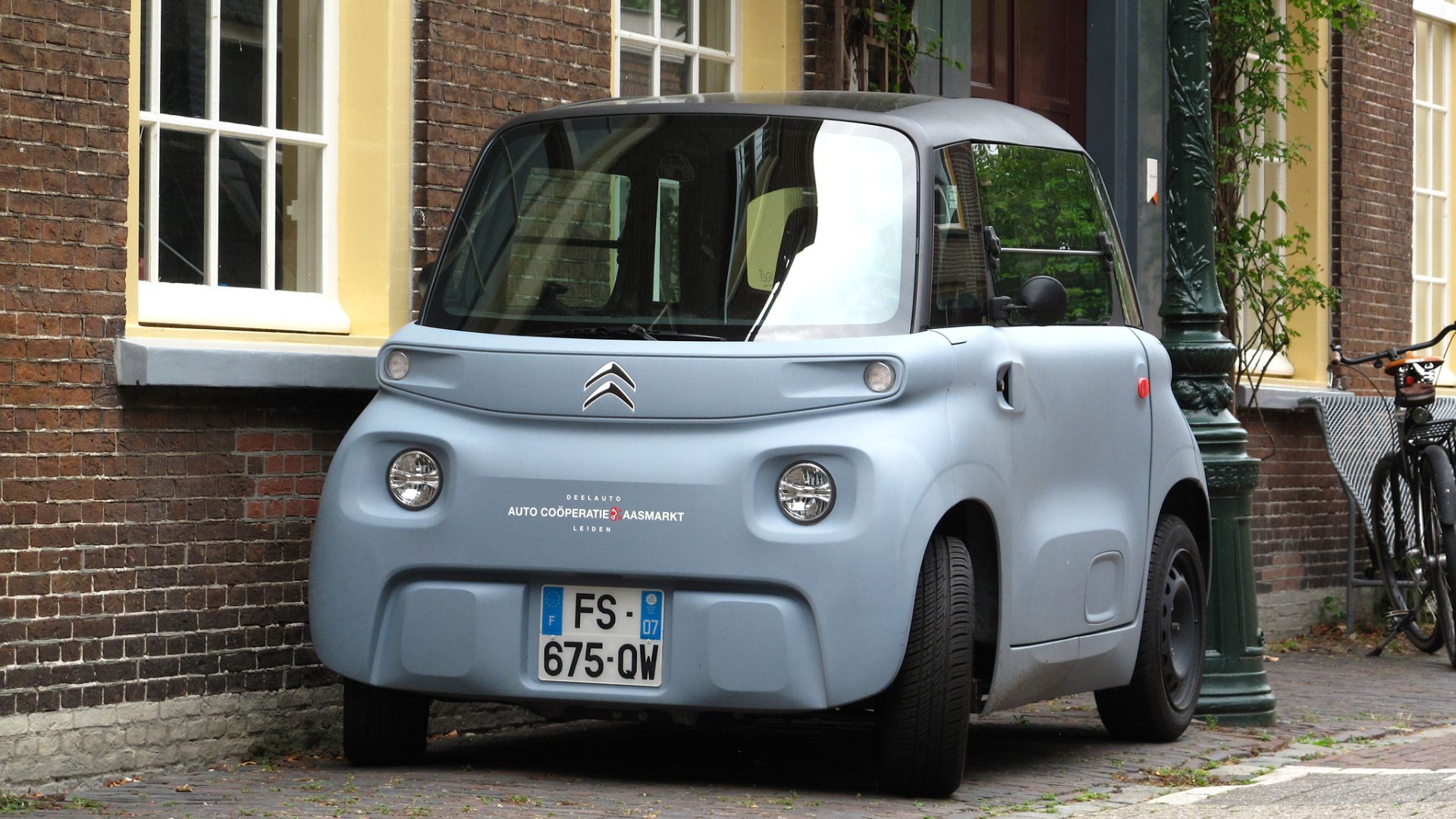
Citroen Ami
The Citroen Ami looked odd even by Citroen standards, and that is saying something. Plenty of people hated its backward-sloping rear window and awkward little body. But critics appreciated its efficiency, comfort, and unmistakable French willingness to ignore convention. It was not beautiful, but it was smart in all the right ways.
 Rutger van der Maar, Wikimedia Commons
Renault Avantime
The Renault Avantime looked like a futuristic lounge that somehow escaped into traffic. Buyers did not know what to make of a luxury coupe-minivan mashup, but critics loved its imagination. It was daring, airy, and different from everything else. In an industry obsessed with caution, the Avantime had real nerve.
 Guillaume Vachey from Chalon sur Saone, France, Wikimedia Commons
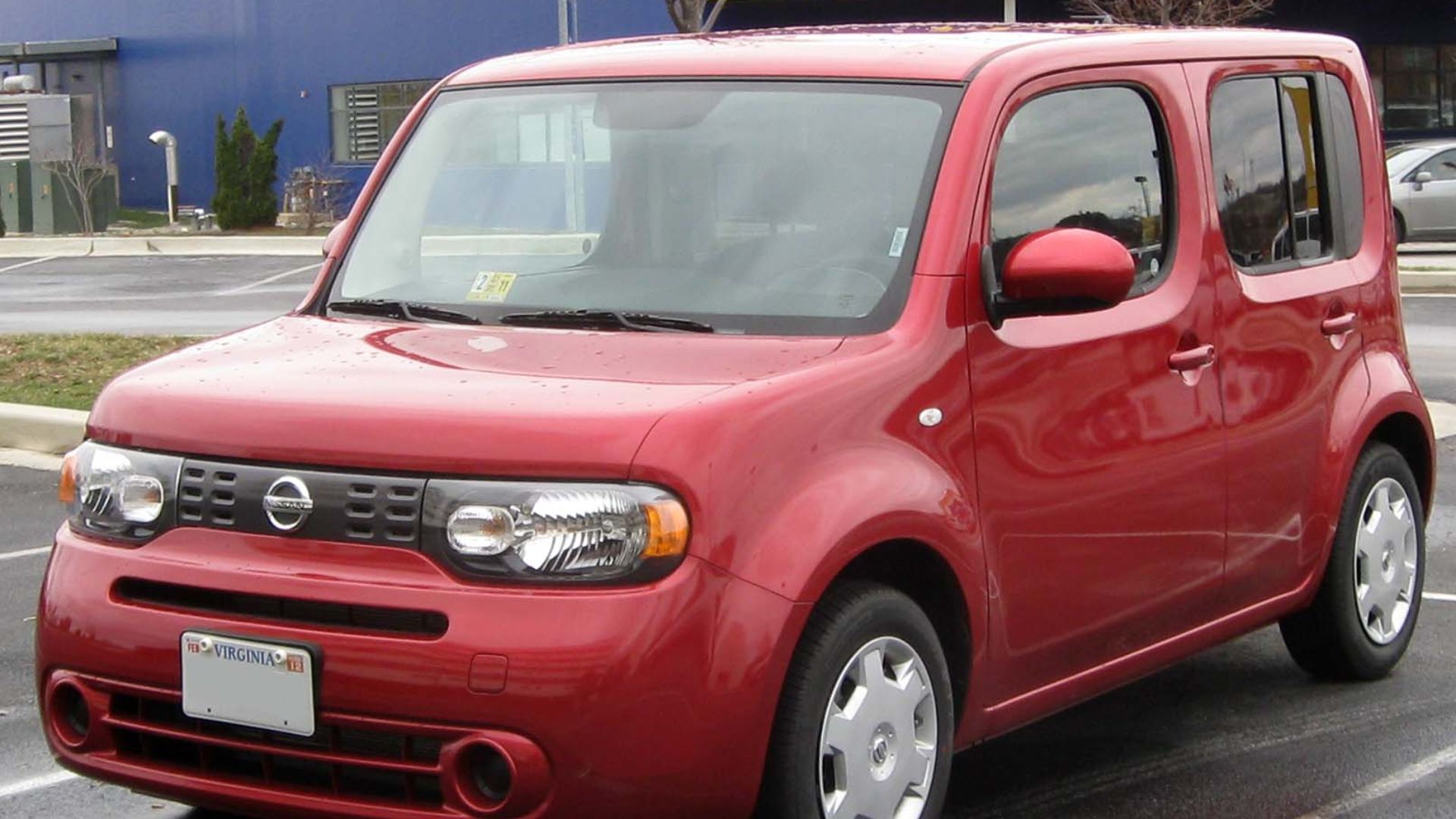
Nissan Cube
The Nissan Cube felt like a rolling living room designed by someone who really liked asymmetry. Mainstream buyers never fully embraced it, but reviewers often found it charming, comfortable, and refreshingly honest. It was easy to park, roomy inside, and packed with personality at a time when small cars were trying too hard.
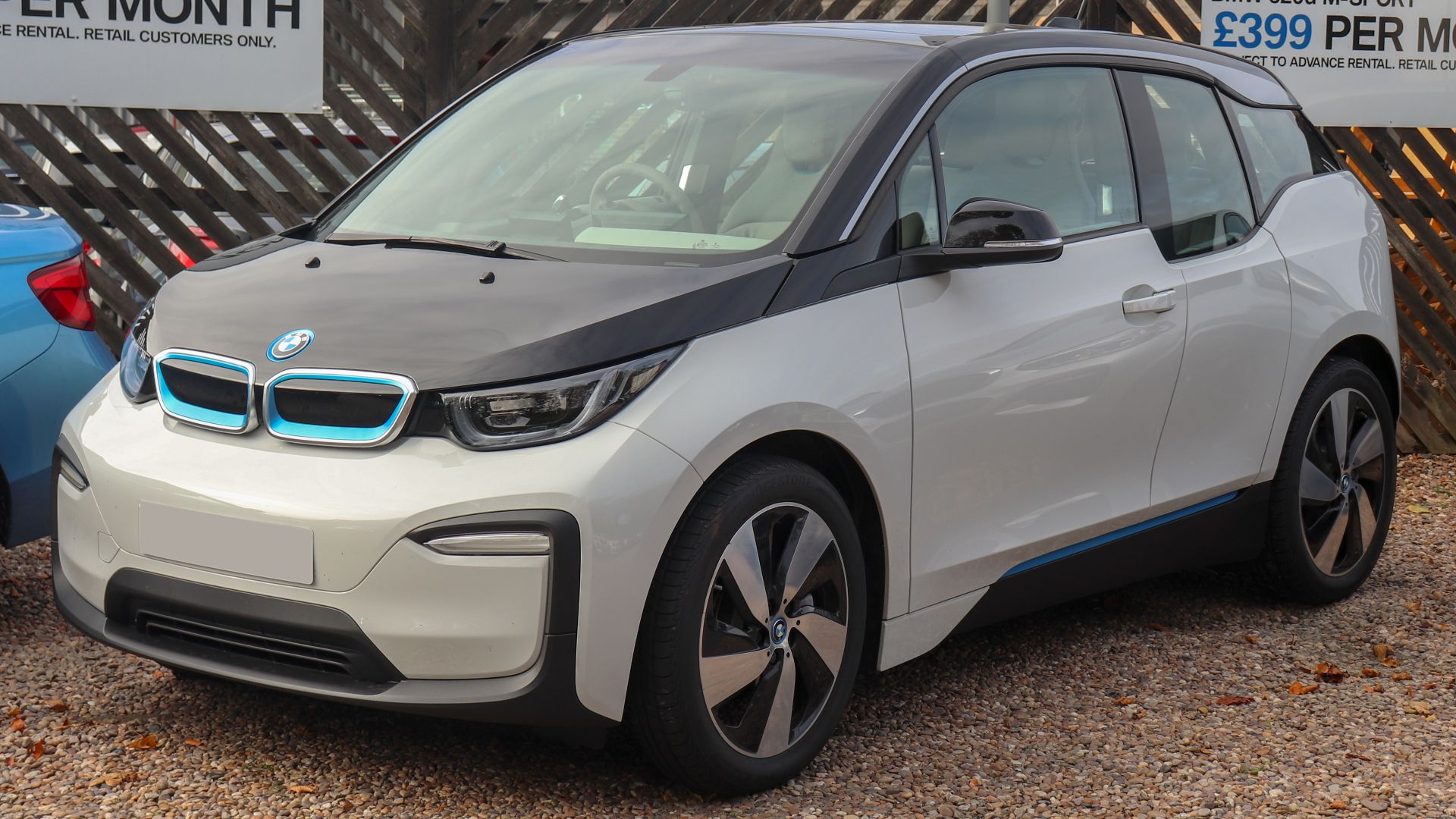
BMW i3
The BMW i3 confused traditional BMW fans who expected six cylinders, rear-drive swagger, and handsome proportions. Instead, they got a carbon-fiber electric hatchback with skinny tires and a funky cabin. Critics, however, admired its engineering ambition, clever lightweight design, and city-friendly driving feel. It was brave, not bland.
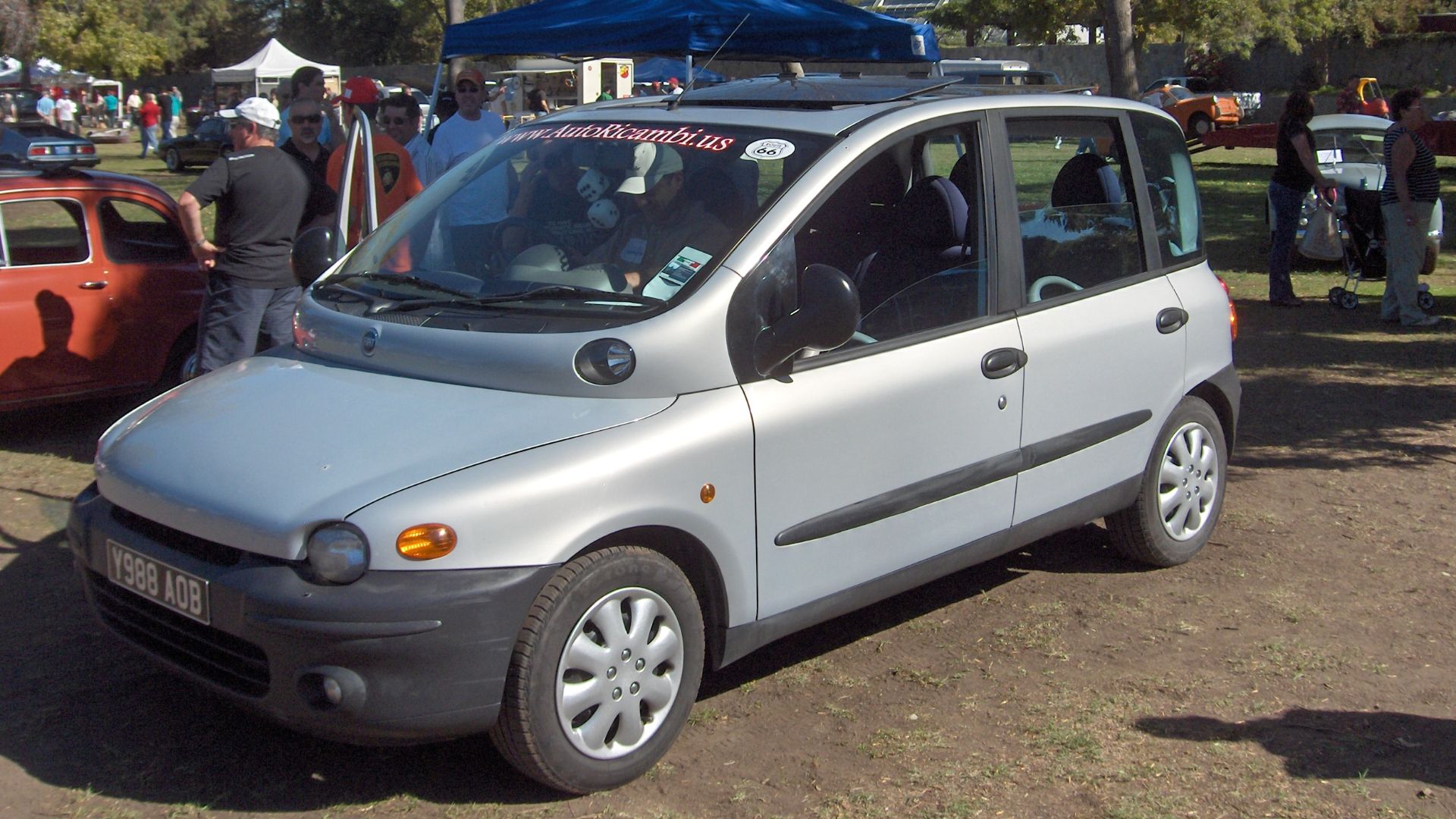
Fiat Multipla
The Fiat Multipla looked like two cars stacked on top of each other after a minor accident. Even so, critics regularly praised its practicality, visibility, and ingenious six-seat layout. It solved real family-car problems in smart ways. Ugly? Absolutely. Useful? Also absolutely. Sometimes design beauty and functional brilliance never meet.
 PLawrence99cx, Wikimedia Commons
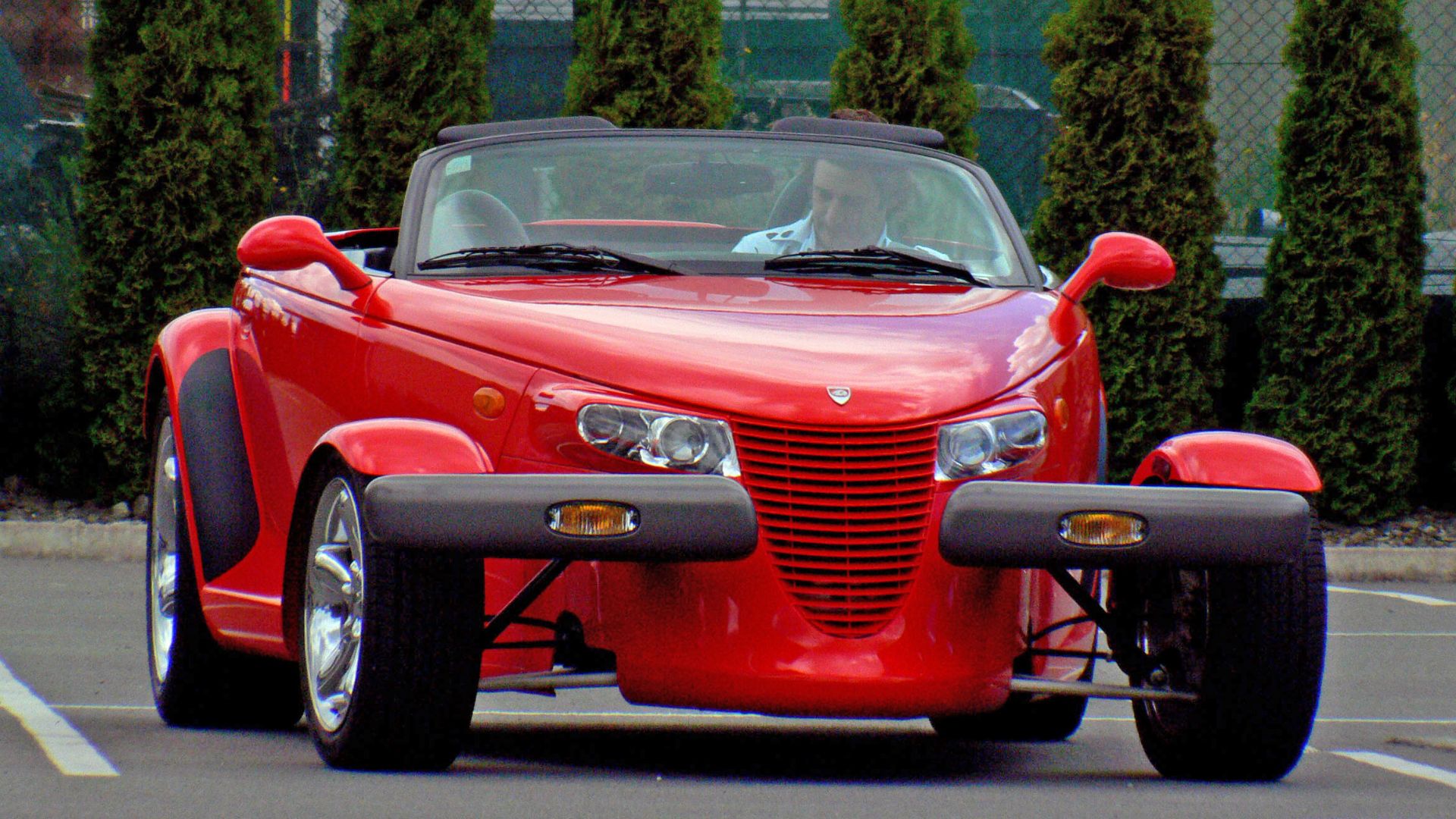
Plymouth Prowler
The Plymouth Prowler looked like a hot rod from a cartoon, which made some enthusiasts grumble when they discovered it had a V6 and automatic transmission. Still, critics appreciated its wild concept-car styling, aluminum construction, and sheer commitment to being different. It may have lacked muscle, but it certainly had attitude.
 Bernard Spragg. NZ from Christchurch, New Zealand, Wikimedia Commons
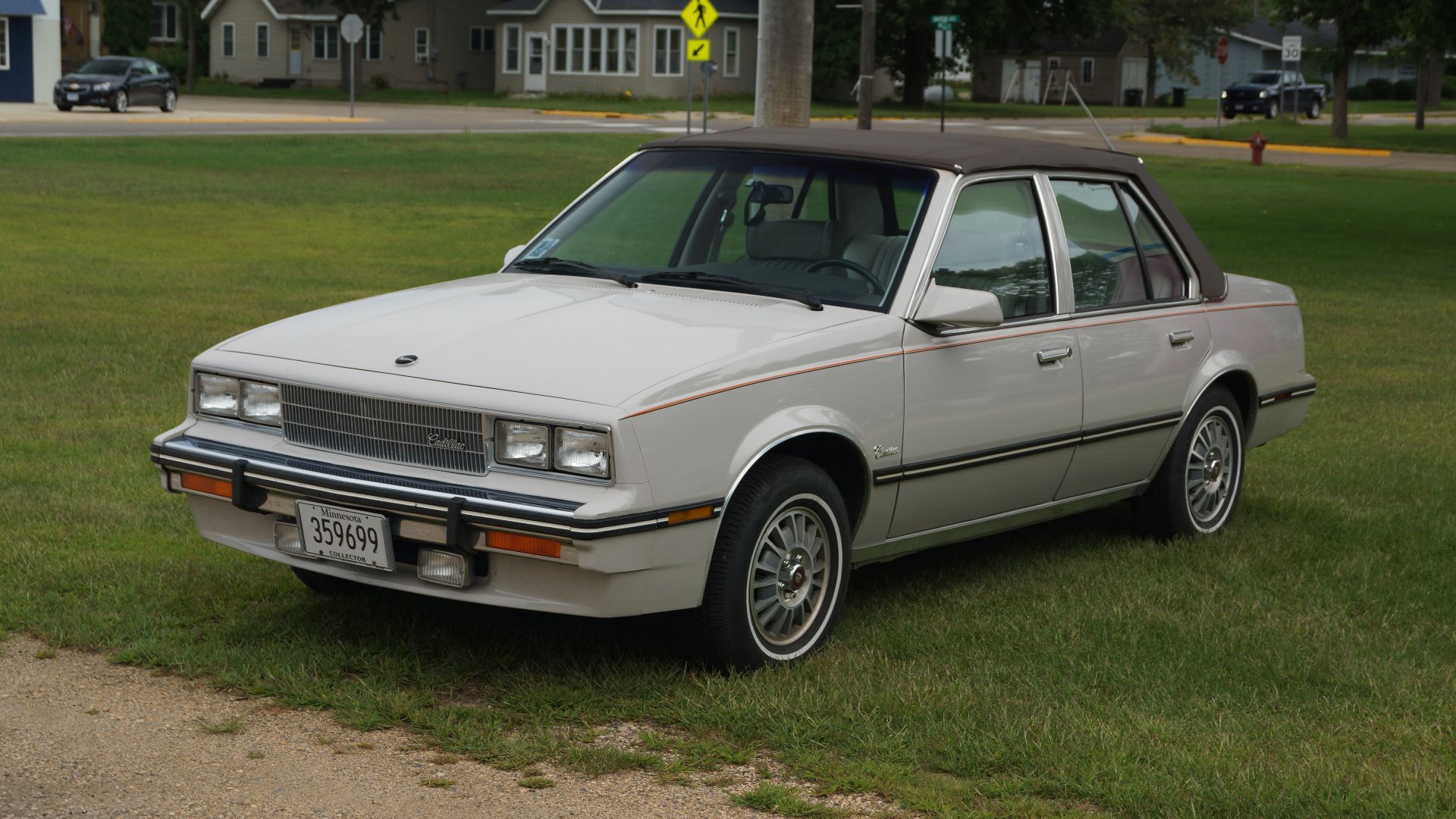
Cadillac Cimarron
The Cadillac Cimarron is usually remembered as a badge-engineering disaster, and that reputation is not entirely unfair. But some critics noted that it rode well, handled decently, and was not horrible in isolation. Its real crime was wearing a Cadillac badge that promised far more than the humble car delivered.
 Greg Gjerdingen, Wikimedia Commons
Volkswagen Beetle RSi
The modern Beetle was often dismissed as cute, nostalgic, and a little too precious. Then Volkswagen made the RSi, a wild all-wheel-drive monster with a narrow-angle V6 and serious performance. Critics loved the sheer madness of it. The public mostly shrugged, but journalists saw a hilariously ambitious oddball.
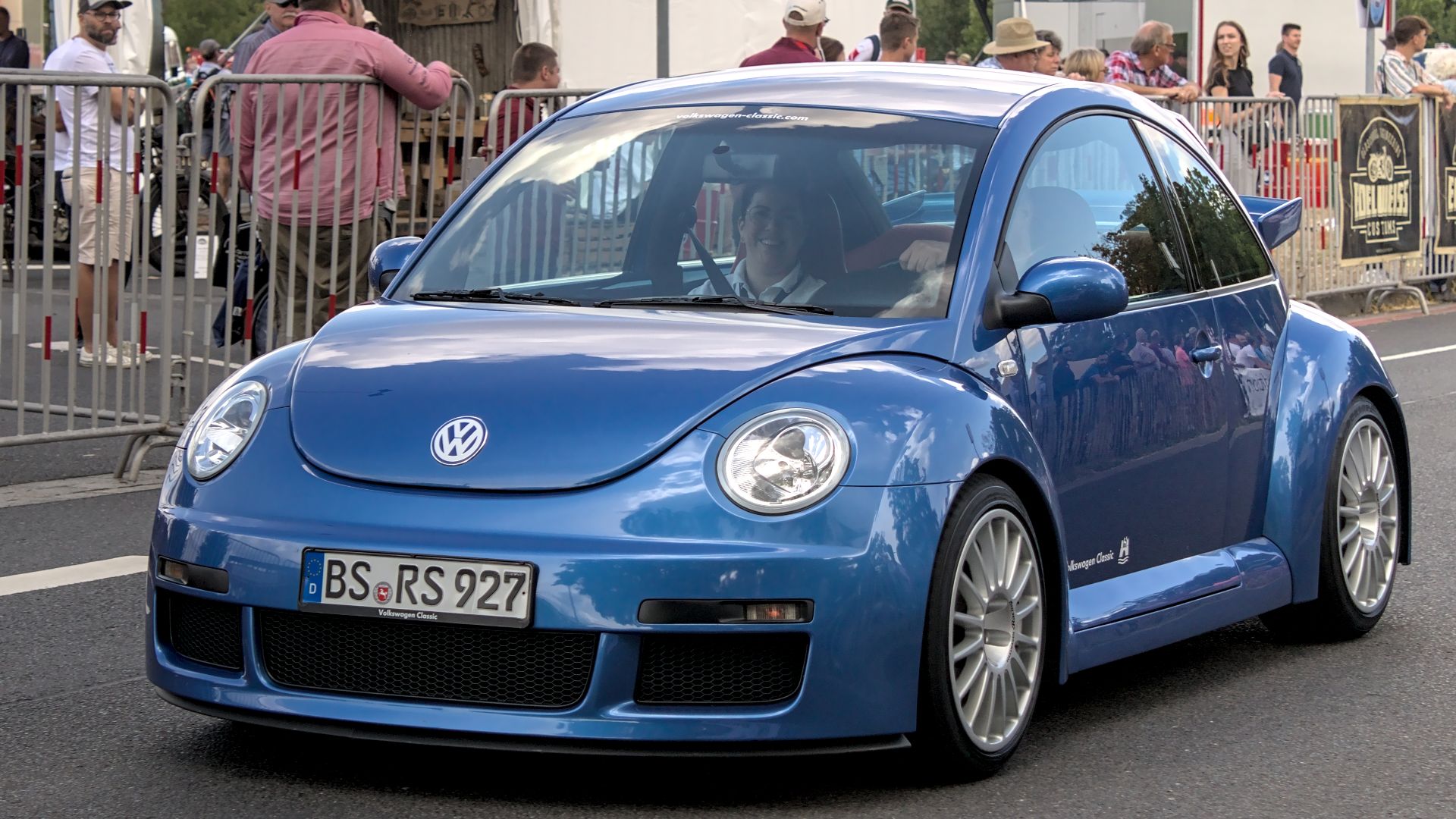 Alexander Migl, Wikimedia Commons
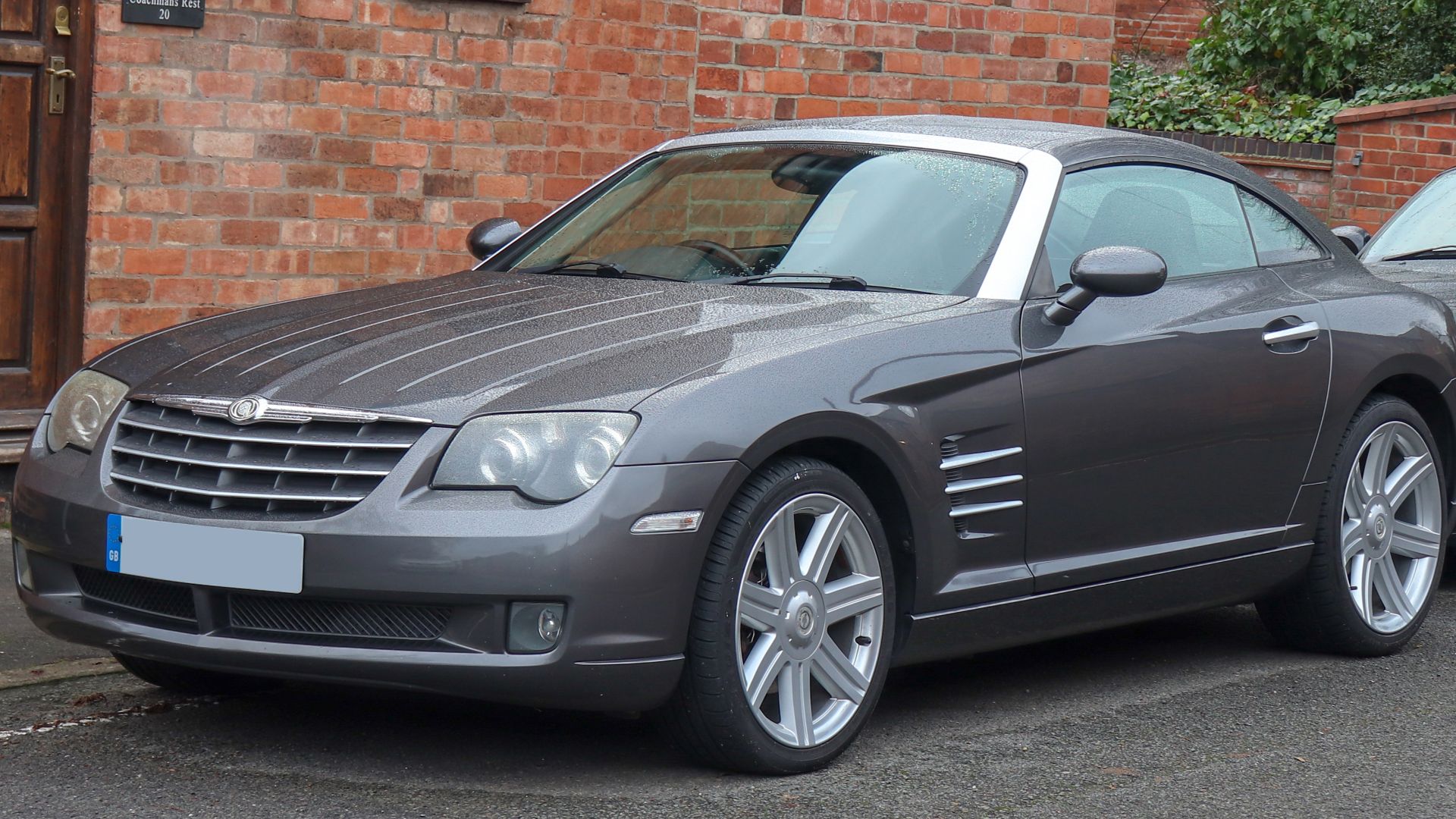
Chrysler Crossfire
The Chrysler Crossfire always seemed to split the room. Some people loved its dramatic lines, while others thought it looked melted and overstyled. Critics often gave it credit for sharp handling, solid Mercedes-based hardware, and genuine grand-touring appeal. It was cooler and more competent than its reputation suggests today.
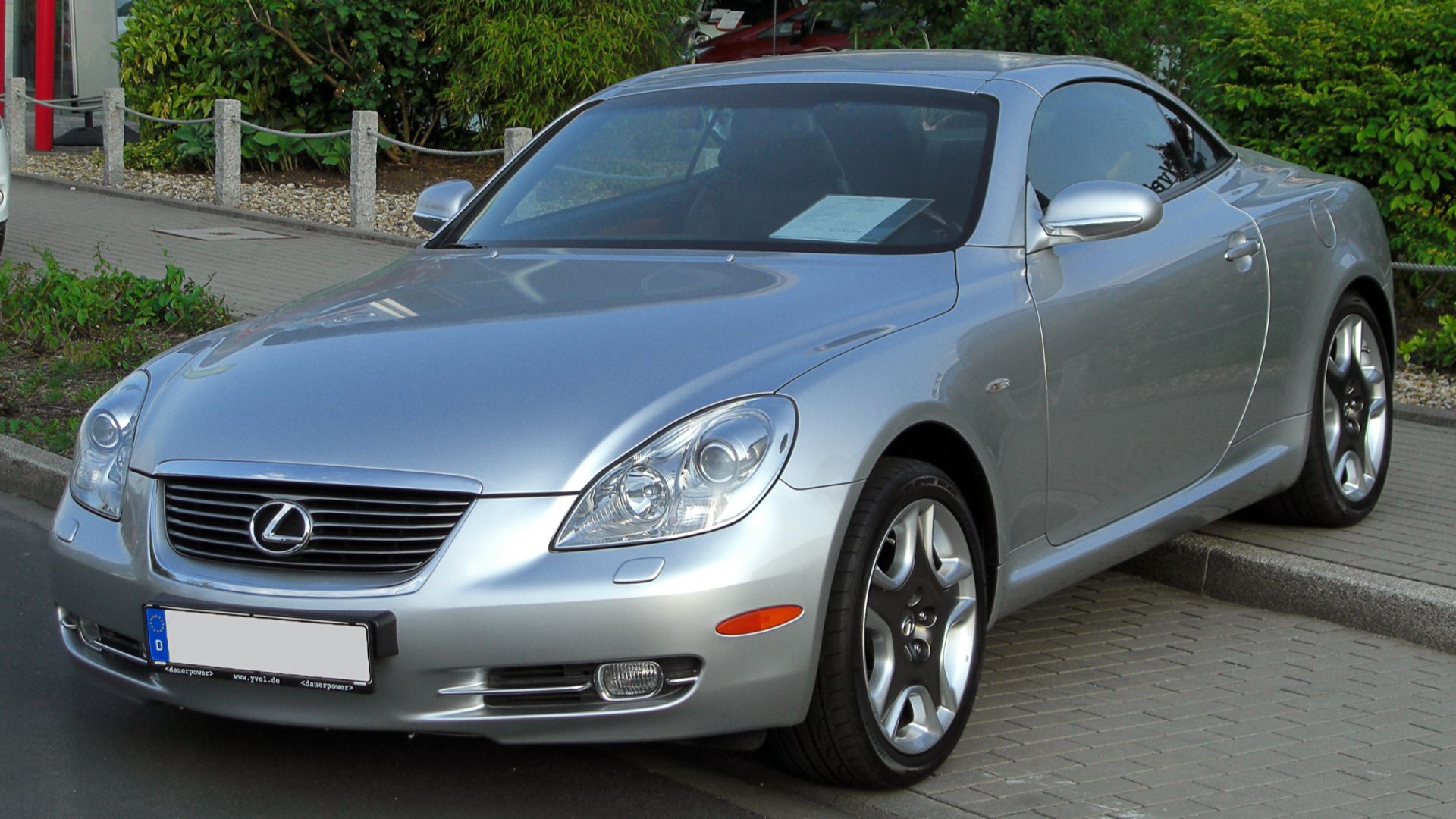
Lexus SC430
The Lexus SC430 has long been a favorite target for people who think all luxury convertibles need to be razor sharp. Critics in its day, though, often praised its refinement, comfort, quality, and effortless cruising nature. It was not a sports car. It was a stylish boulevard machine, and that mattered.
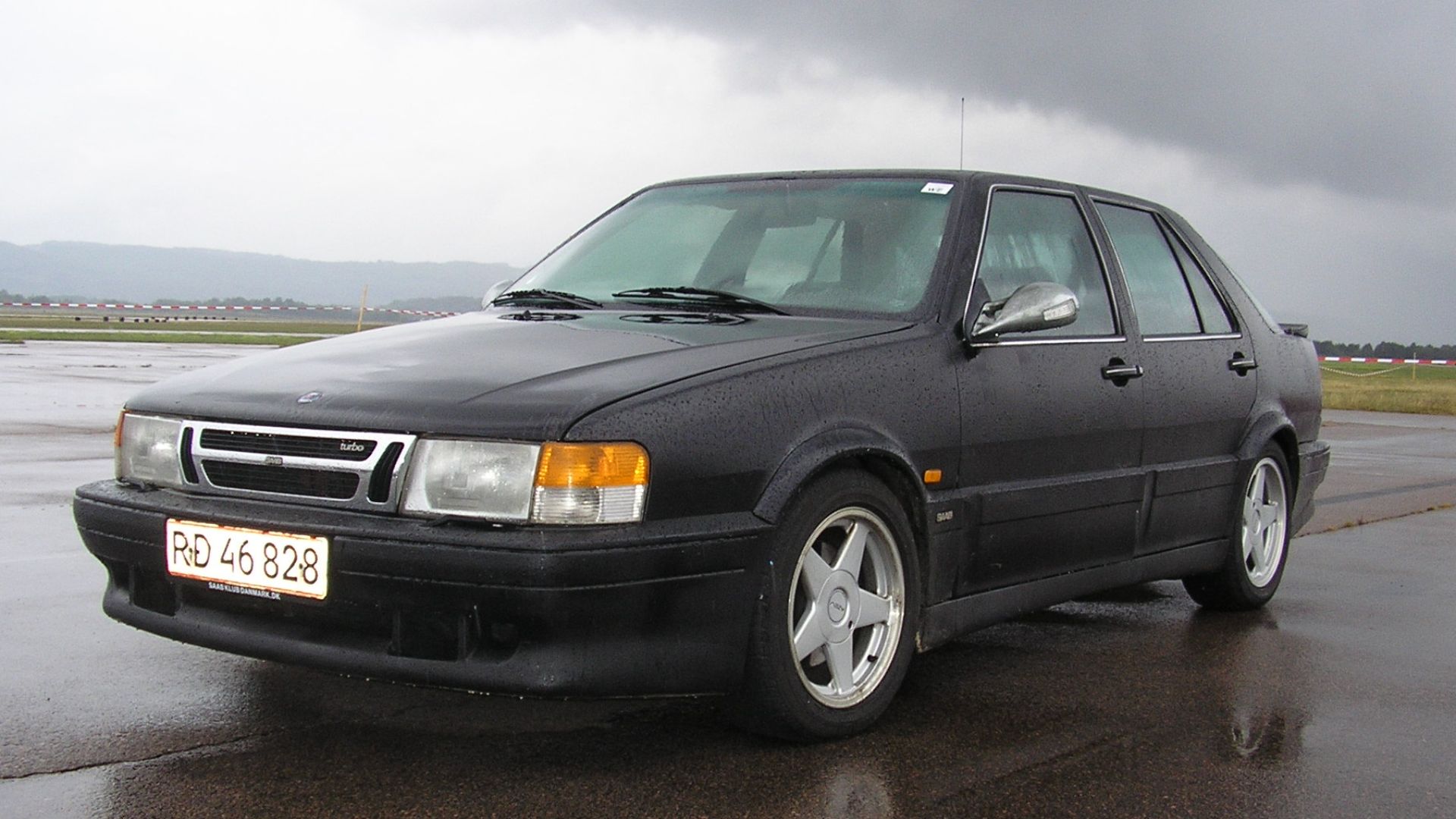
Saab 9000
The Saab 9000 never had the glamorous image of German rivals, and some buyers found its styling too plain. Critics saw a different story: turbocharged pace, huge practicality, excellent seats, and real long-distance talent. Like many Saabs, it appealed more to thoughtful reviewers than status-hungry shoppers chasing badge prestige.
Suzuki X-90
The Suzuki X-90 looked like a toy left behind by a child who loved SUVs, targas, and tiny hatchbacks equally. Unsurprisingly, the public did not line up. Critics, however, often enjoyed its lighthearted spirit and willingness to be ridiculous. It was not sensible, but it was fun in a wonderfully pure way.
 Interesting.cars.insta, Wikimedia Commons
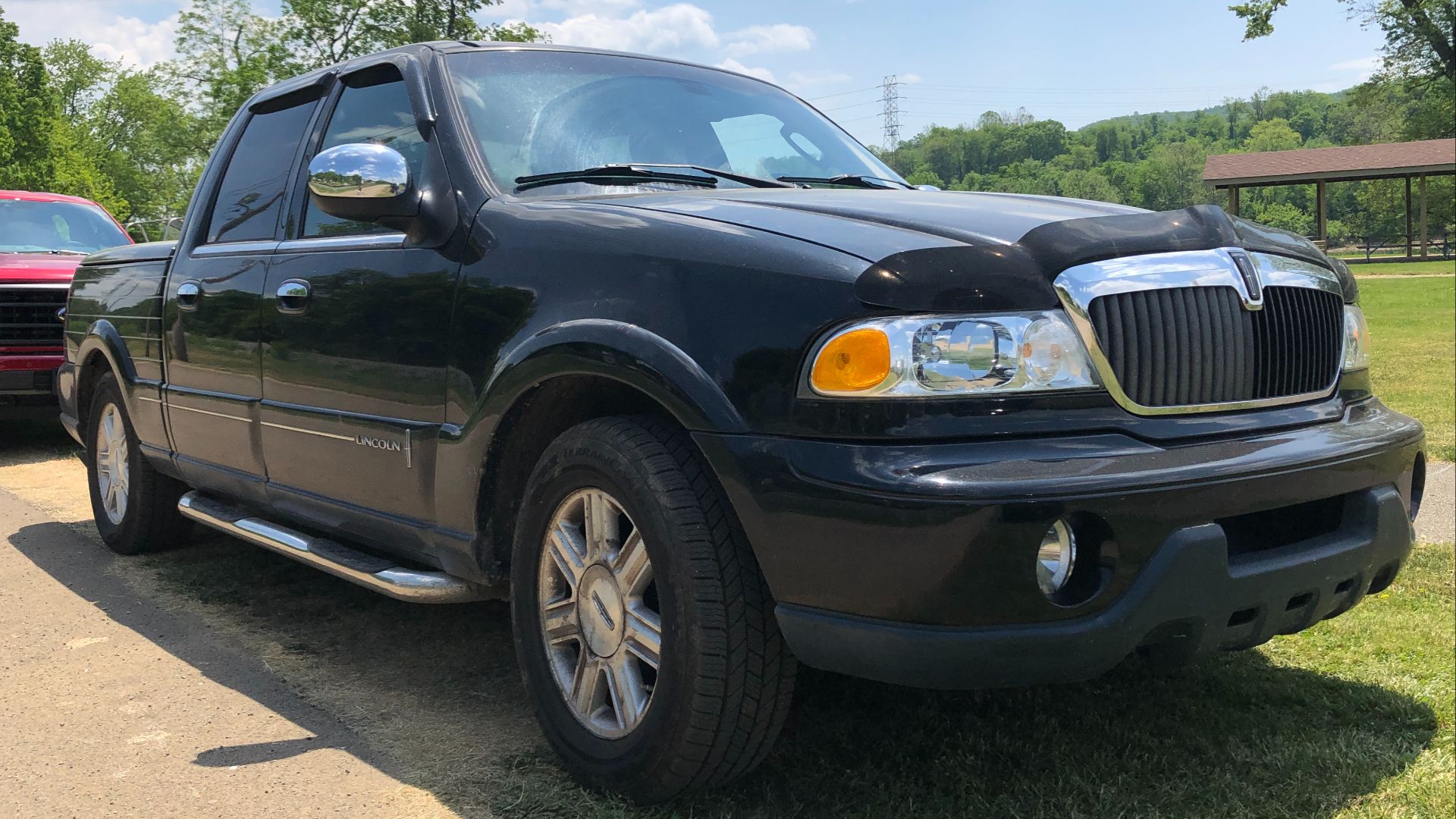
Lincoln Blackwood
The Lincoln Blackwood is remembered as one of the weirdest luxury trucks ever built. Carpeted bed, no four-wheel drive, tiny practicality, enormous confusion. Yet some critics admired the quiet ride, plush interior, and sheer audacity of trying to turn a pickup into a rolling cigar lounge for the suburbs.
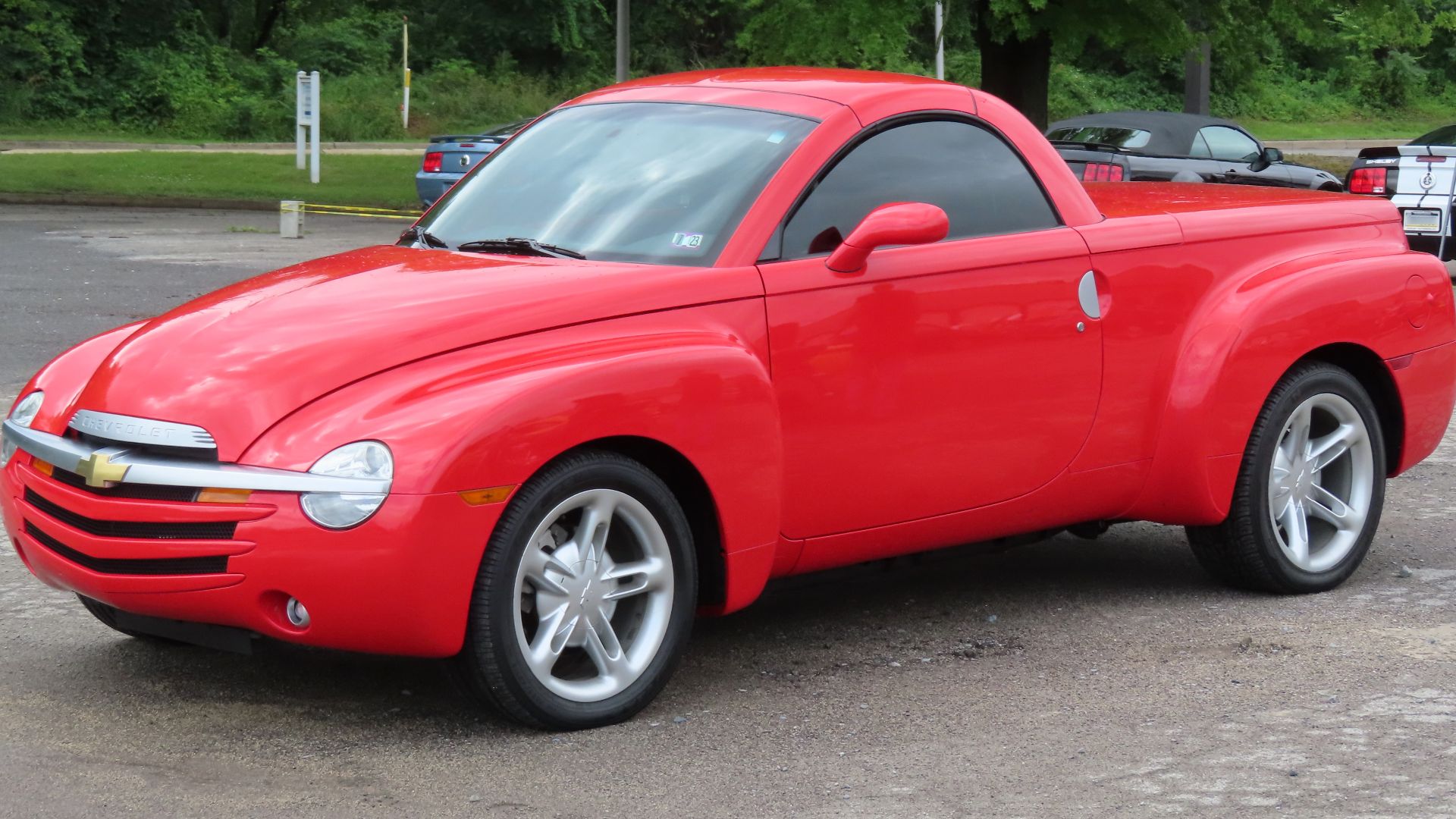
Chevrolet SSR
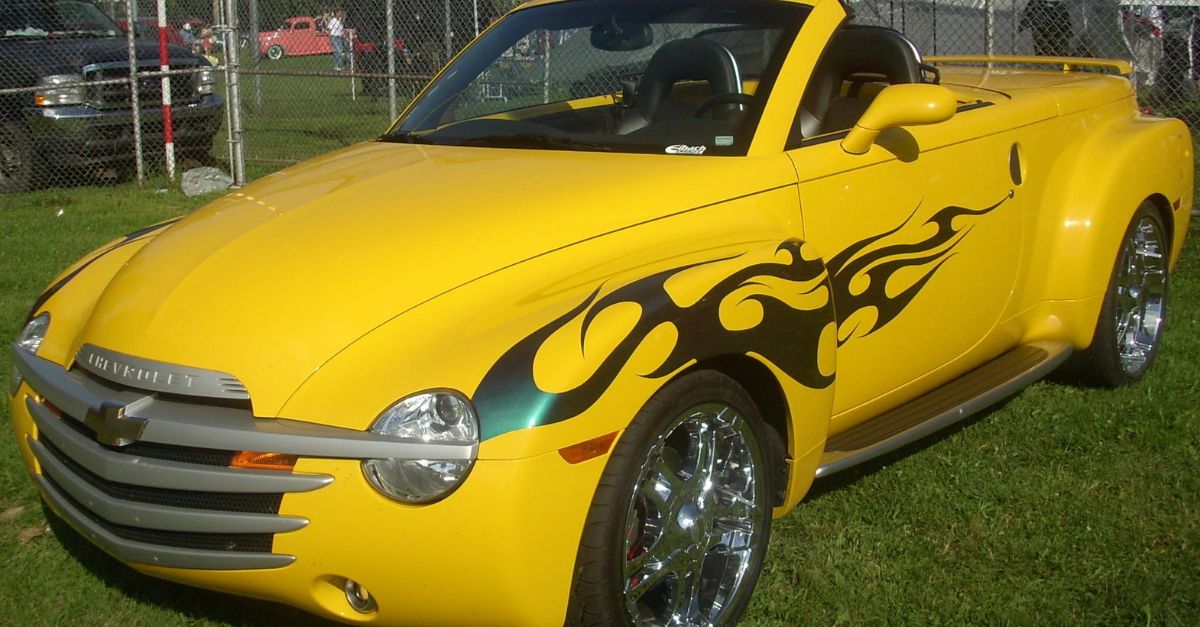
The Chevrolet SSR looked like a retro fever dream with a folding hardtop and pickup bed too small for serious truck duty. Critics still had a soft spot for it because it was playful, distinctive, and eventually quite quick with V8 power. Nobody needed it, which was partly why it was fun.
 MercurySable99, Wikimedia Commons
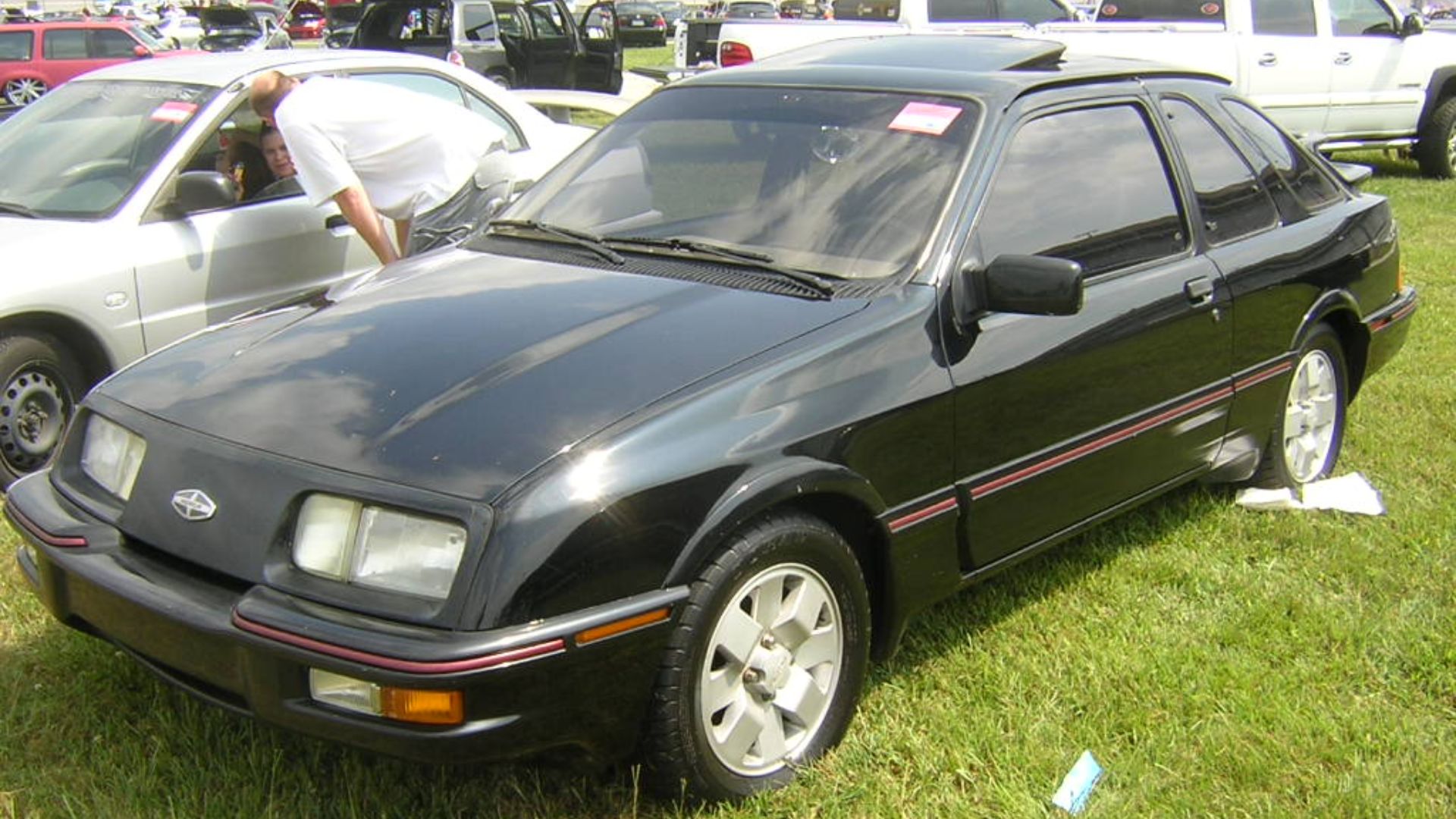
Merkur XR4Ti
The Merkur XR4Ti baffled American buyers with its strange name, odd styling, and European personality. Critics loved that same European flavor. It offered turbocharged punch, sharp handling, and a driving experience far more interesting than many domestic rivals. It was one of those cars journalists got instantly, even if shoppers did not.
Isuzu VehiCROSS
The Isuzu VehiCROSS looked like a concept car that somehow slipped past security and reached dealerships unchanged. Buyers were unsure, but critics loved its bold styling, off-road ability, and sense of occasion. It was rare, weird, and surprisingly capable. In hindsight, it feels like an influencer SUV born twenty years too early.
 Interesting.cars.insta, Wikimedia Commons
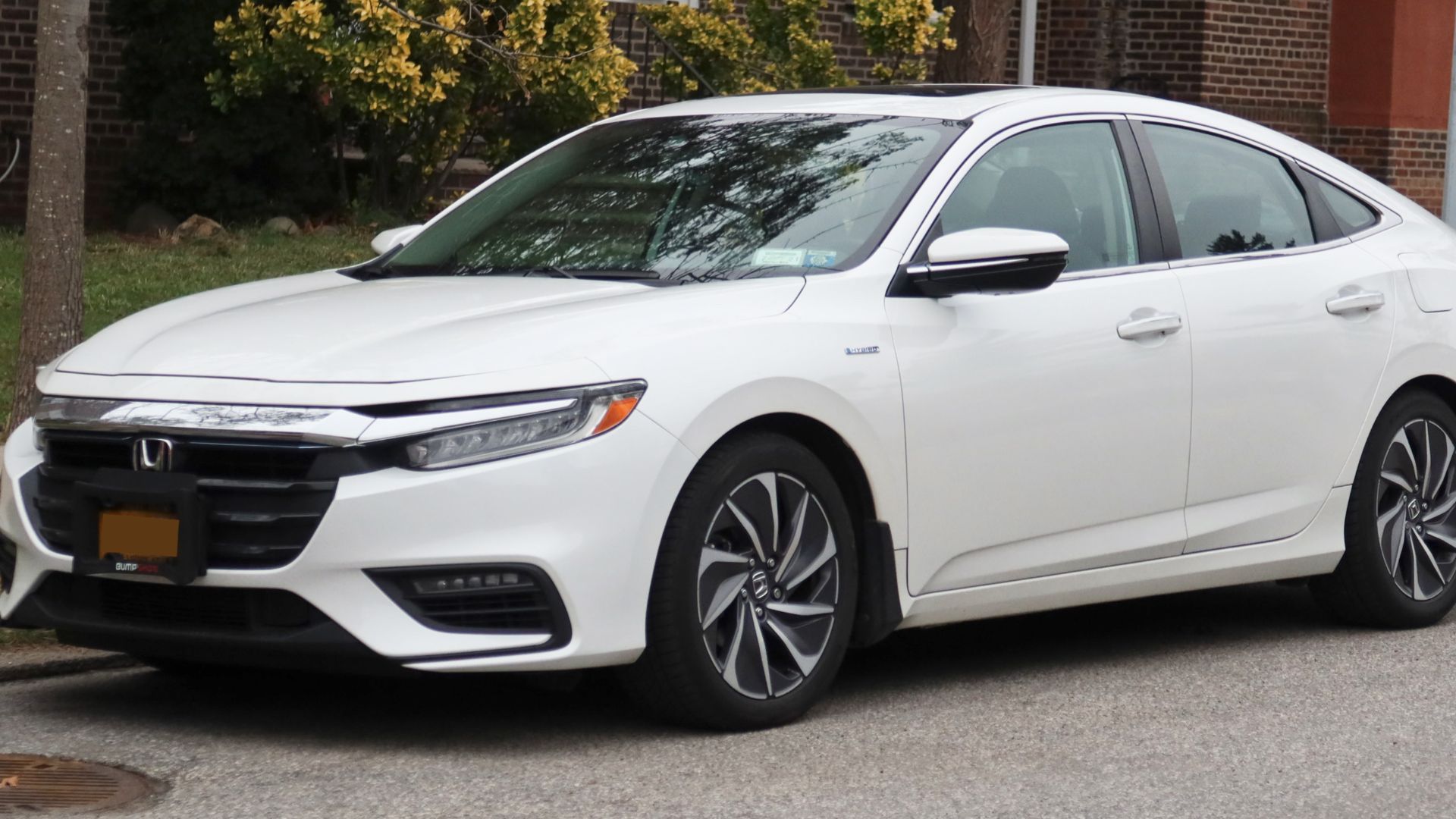
Honda Insight
The first-generation Honda Insight looked like a science project on wheels, and many drivers were not ready for that level of aerodynamic honesty. Critics respected it because it was brilliantly efficient, lightweight, and genuinely innovative. It was not trying to be normal. It was trying to point toward the future.
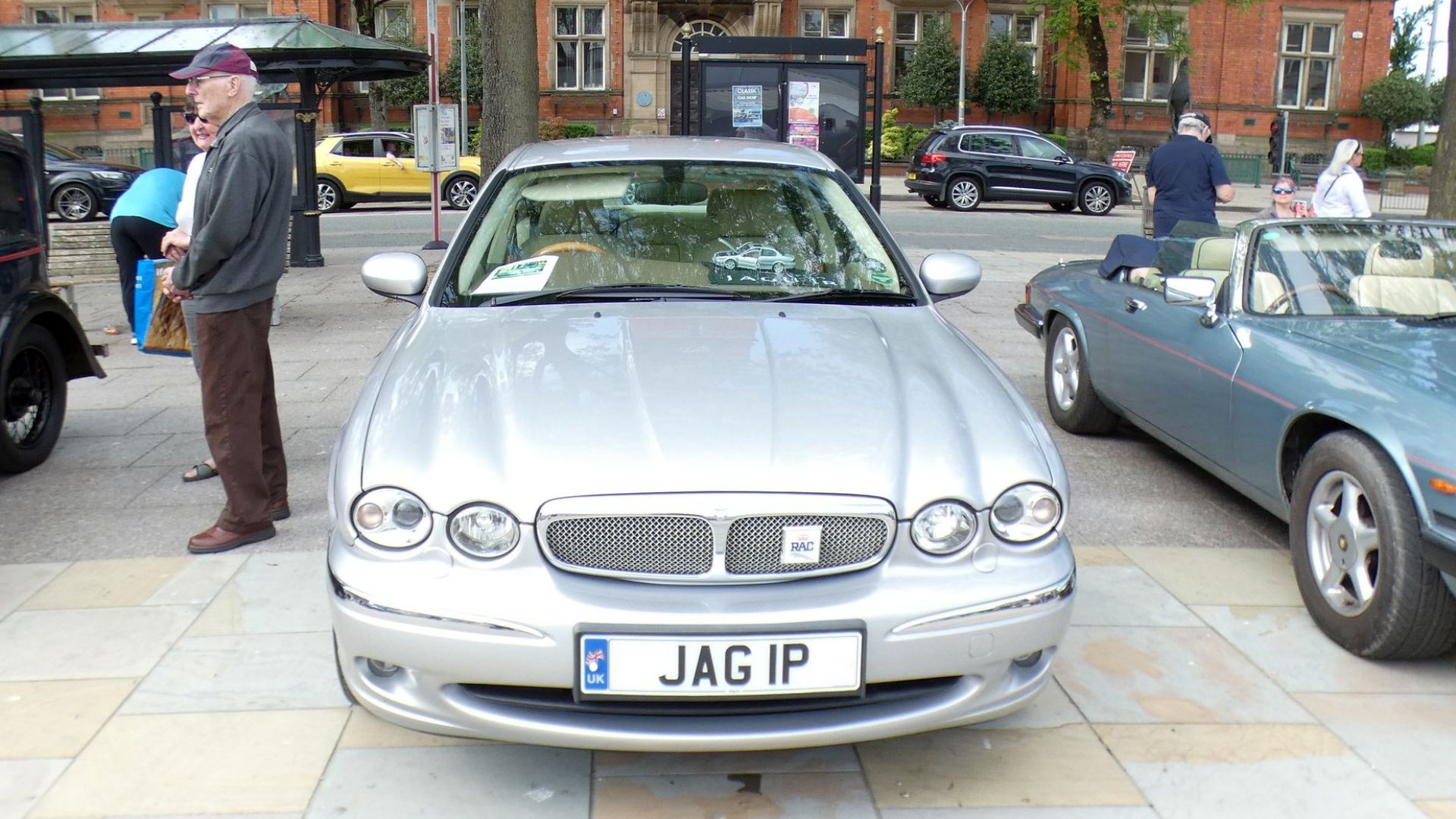
Jaguar X-Type
The Jaguar X-Type got hammered for being too closely related to more ordinary machinery, and badge snobs never forgave it. But critics often found it pleasant, refined, and far better to drive than its reputation suggests. In wagon form especially, it blended charm, comfort, and everyday usability in appealing fashion.
 Gerald England , Wikimedia Commons
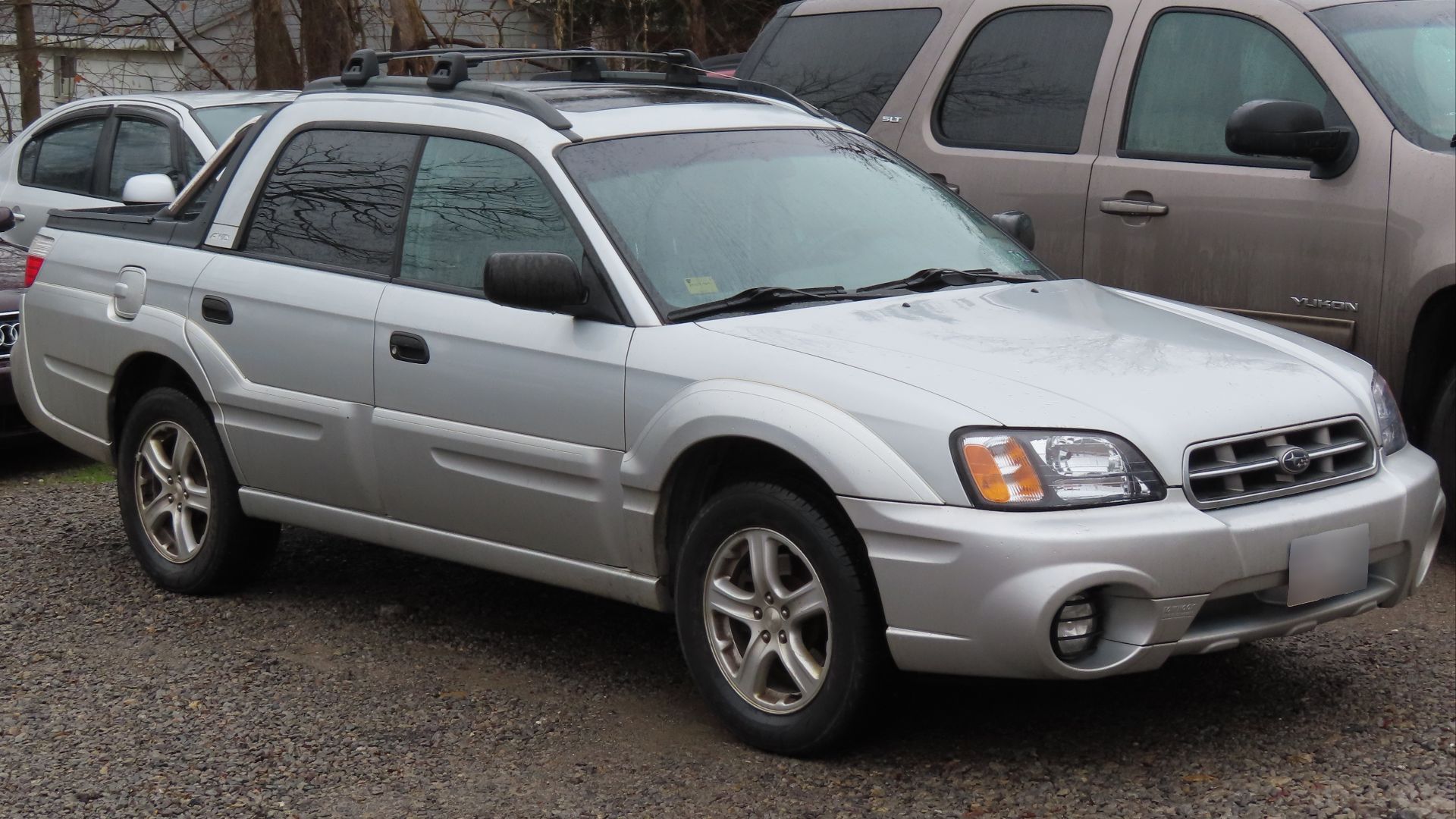
Subaru Baja
The Subaru Baja confused almost everyone. Was it a wagon, a pickup, or some kind of hiking boot with headlights? Critics appreciated the creativity, all-weather usefulness, and cheerful weirdness. It was niche to a fault, but it delivered a sort of lovable practicality that made perfect sense once you stopped expecting normal.
 MercurySable99, Wikimedia Commons
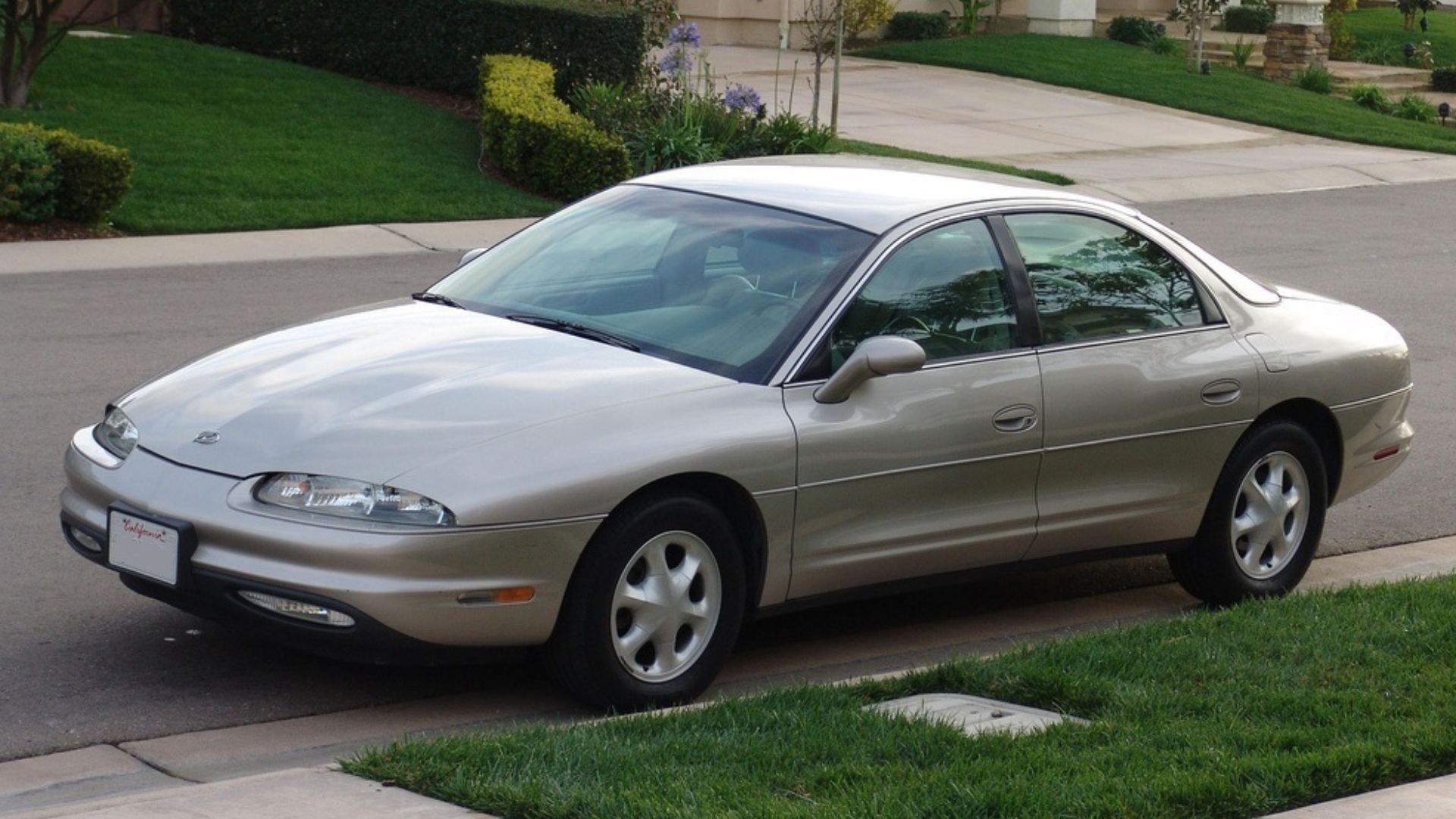
Oldsmobile Aurora
The Oldsmobile Aurora was far better than the baggage attached to its badge. Critics praised its clean design, smooth V8 power, and near-luxury composure. But the public had already started drifting away from Oldsmobile by then. It became one of those genuinely good cars trapped inside a brand people had stopped believing in.
 The Oldsmobile Edge, Wikimedia Commons
Why Critics Sometimes See What Buyers Miss
Critics often reward originality, engineering ambition, and fresh thinking, while the public tends to play it safer with styling, price, and brand image. That is how misunderstood cars happen. A vehicle can be objectively interesting, smart, or even excellent, yet still fail because people simply never warmed to it.
 Karrmann at English Wikipedia, Wikimedia Commons
The Cars We Mock Today Might Age Better Tomorrow
History has a funny way of rescuing the weird ones. Many of these once-ridiculed cars now enjoy cult followings because time has softened their flaws and highlighted their bravery. Critics saw that potential early. Sometimes the cars people hated most were not bad at all, just inconveniently ahead of everyone else.
![1922 Lincoln Model L 7-passenger Touring [124 A]
Chassis code: 124 A](https://www.factinate.com/storage/app/media/driversdaily/2026/4/27/1777307907d100853b8dd321bf62c5ea4920b84f2b6740037e.jpg) Anorak Cline, Wikimedia Commons
Anorak Cline, Wikimedia Commons
You May Also Like:
My neighbor's kid keeps revving his car loudly late at night. Is there anything I can do about it?
My extended warranty won’t cover a known defect. Isn’t that what extended warranties are for?