The Atomic Car That Almost Hit The Road
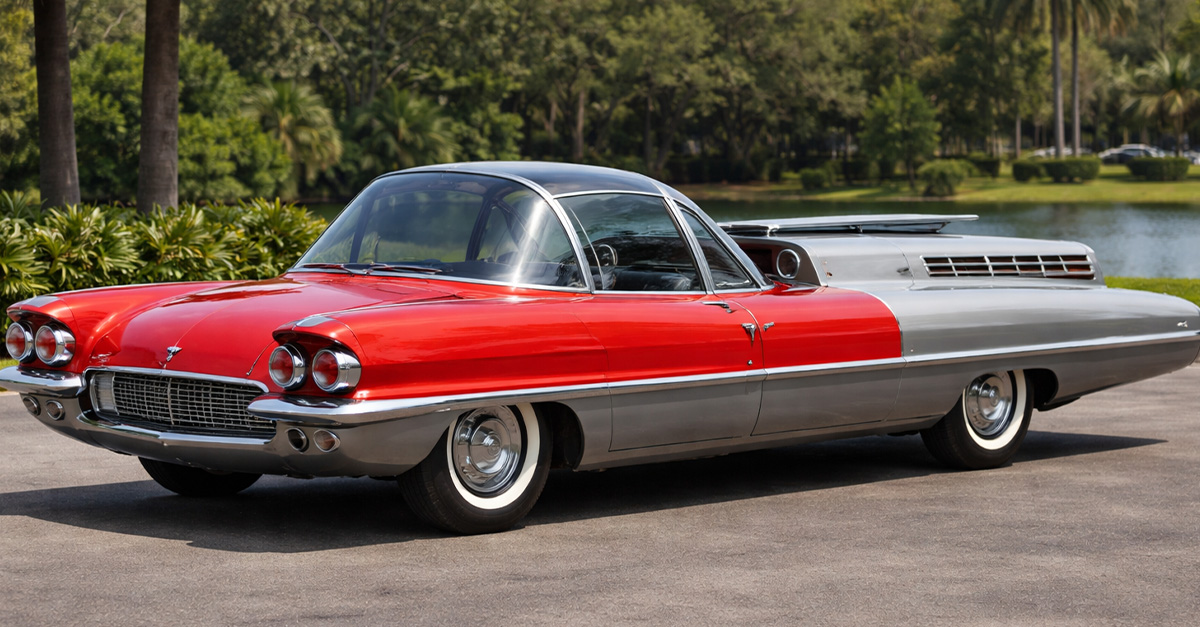
In the late 1950s, when nuclear power was hailed as the solution to nearly everything, Ford dared to imagine something wild: a family car powered by uranium instead of gasoline. The result was the Ford Nucleon, a concept so bold it made tailfins seem ordinary. It never actually ran, but it remains one of the auto industry’s most fascinating “what if” stories—a perfect snapshot of Atomic Age optimism.
America’s Obsession With The Atom
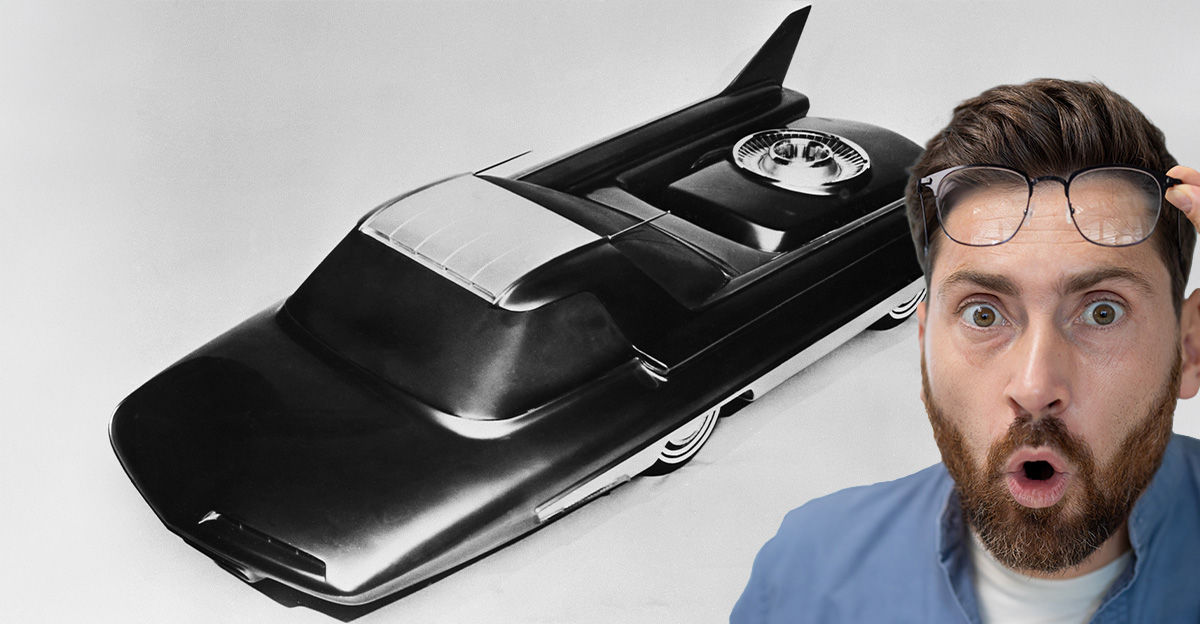
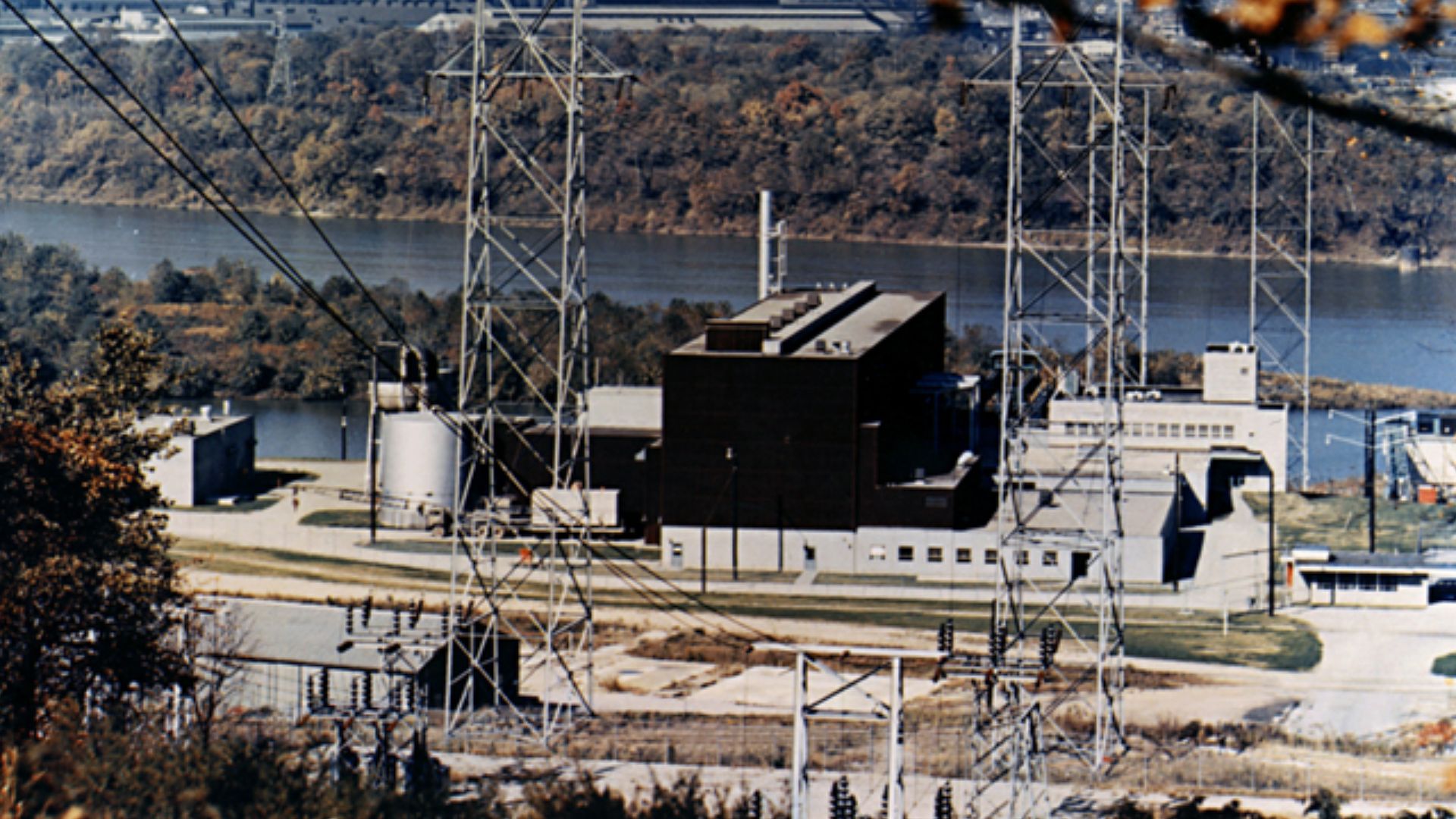
To really get the Nucleon, you have to step back into the 1950s. Nuclear energy wasn’t just for bombs—it was marketed as clean, limitless, and futuristic. Submarines were already running on nuclear reactors, and scientists were floating ideas about nuclear airplanes. Against that backdrop, a nuclear-powered car didn’t feel ridiculous. It felt like the next big step.
 Fastfission~commonswiki, Wikimedia Commons
Ford’s Big Swing In 1957
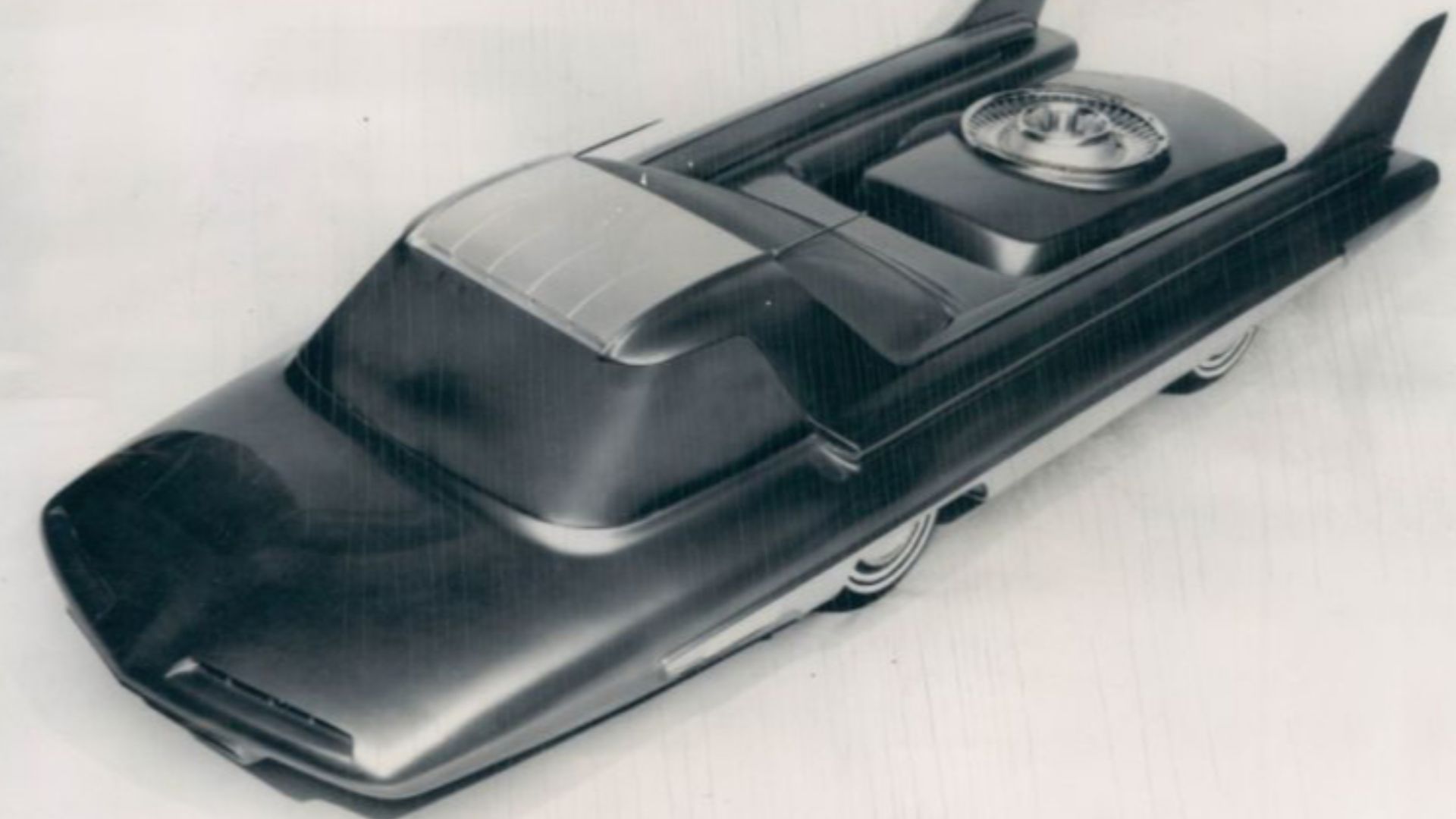
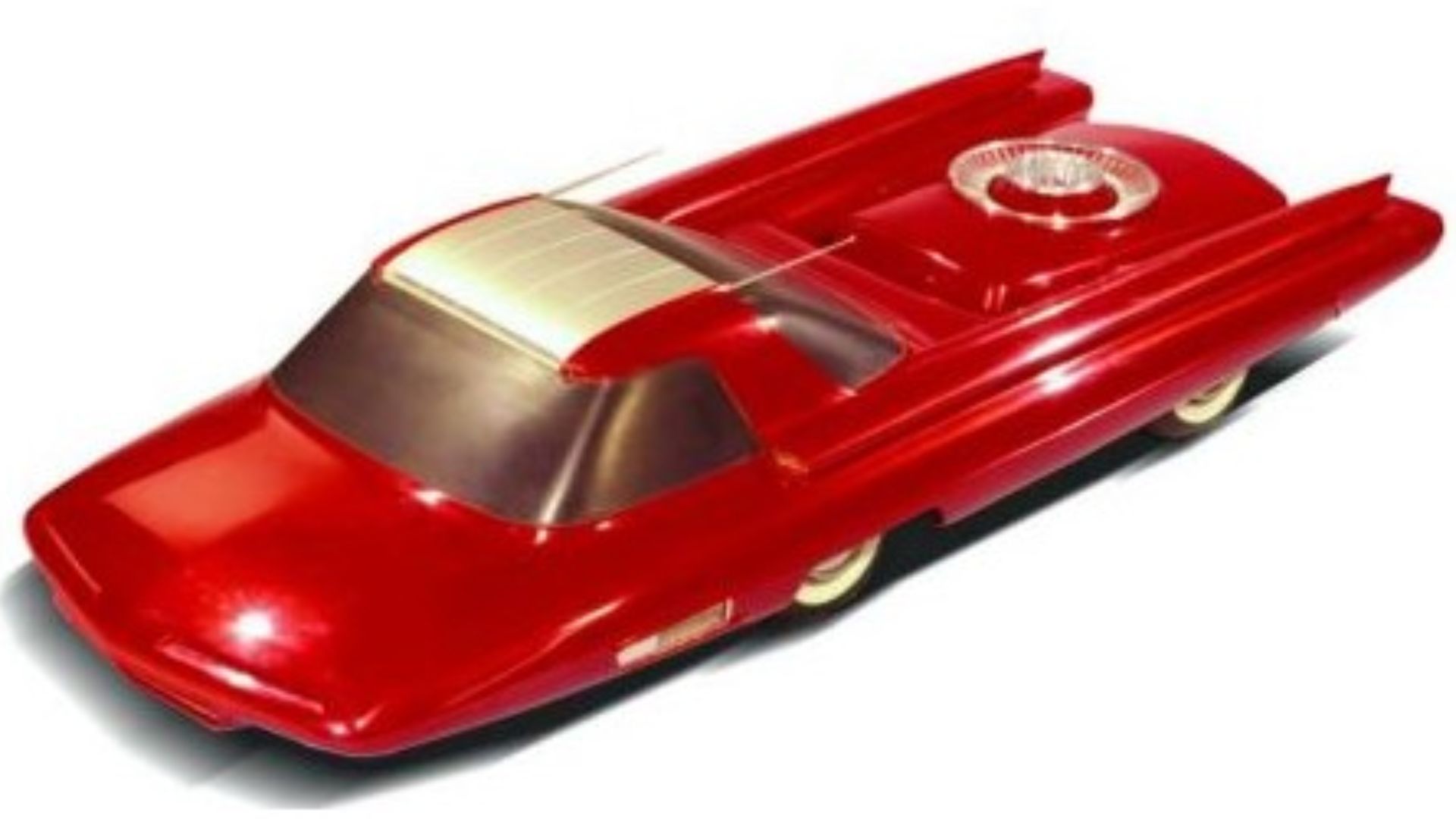
Ford unveiled the Nucleon in 1957 as a scale model, not a working vehicle. It was more of a rolling thought experiment than a production-ready prototype. Engineers imagined a future where nuclear reactors could be made small, safe, and practical for everyday use. The Nucleon was Ford’s way of saying, “We’re thinking ahead—even way ahead.”
 Unknown author, Wikimedia Commons
A Reactor Where The Trunk Should Be
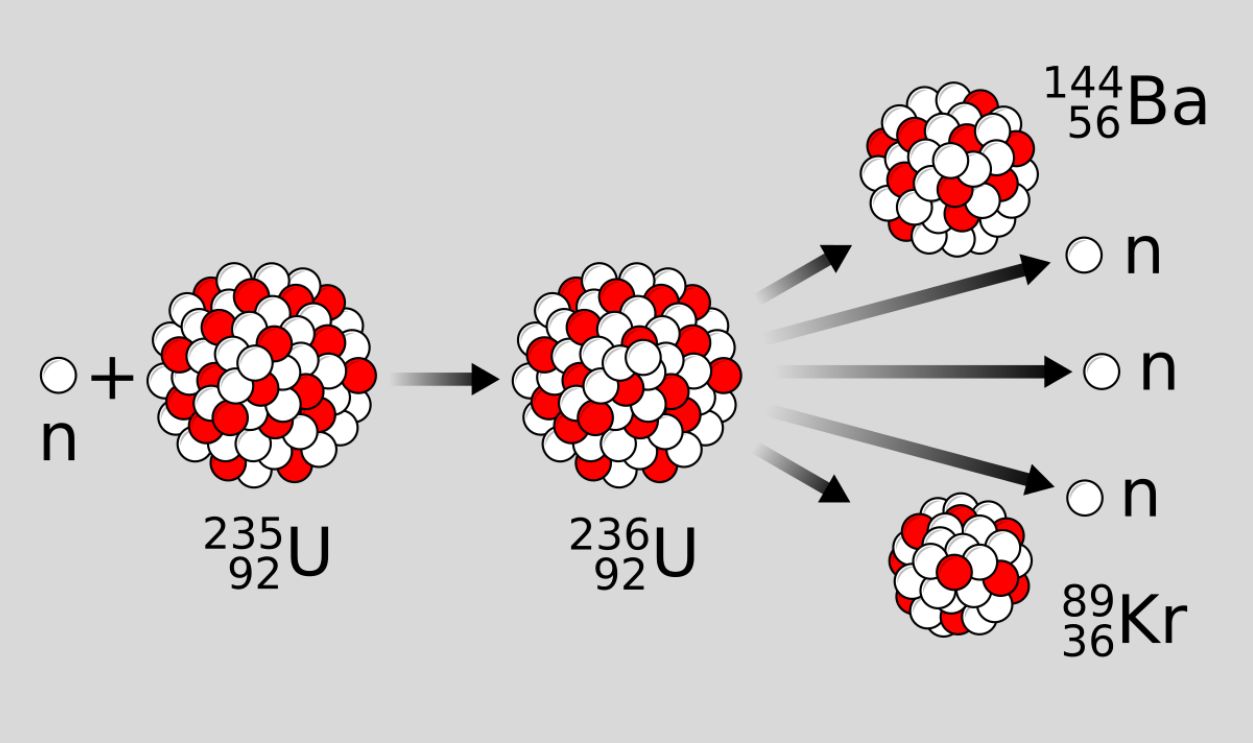
The Nucleon’s headline feature was its proposed power source: a compact nuclear reactor mounted at the rear. Instead of a V8 up front, the car would rely on nuclear fission to create heat, turning water into steam to spin turbines. In simple terms, it was meant to be a tiny power plant on wheels—no pistons required.
Trading Gas Pumps For Uranium Swaps
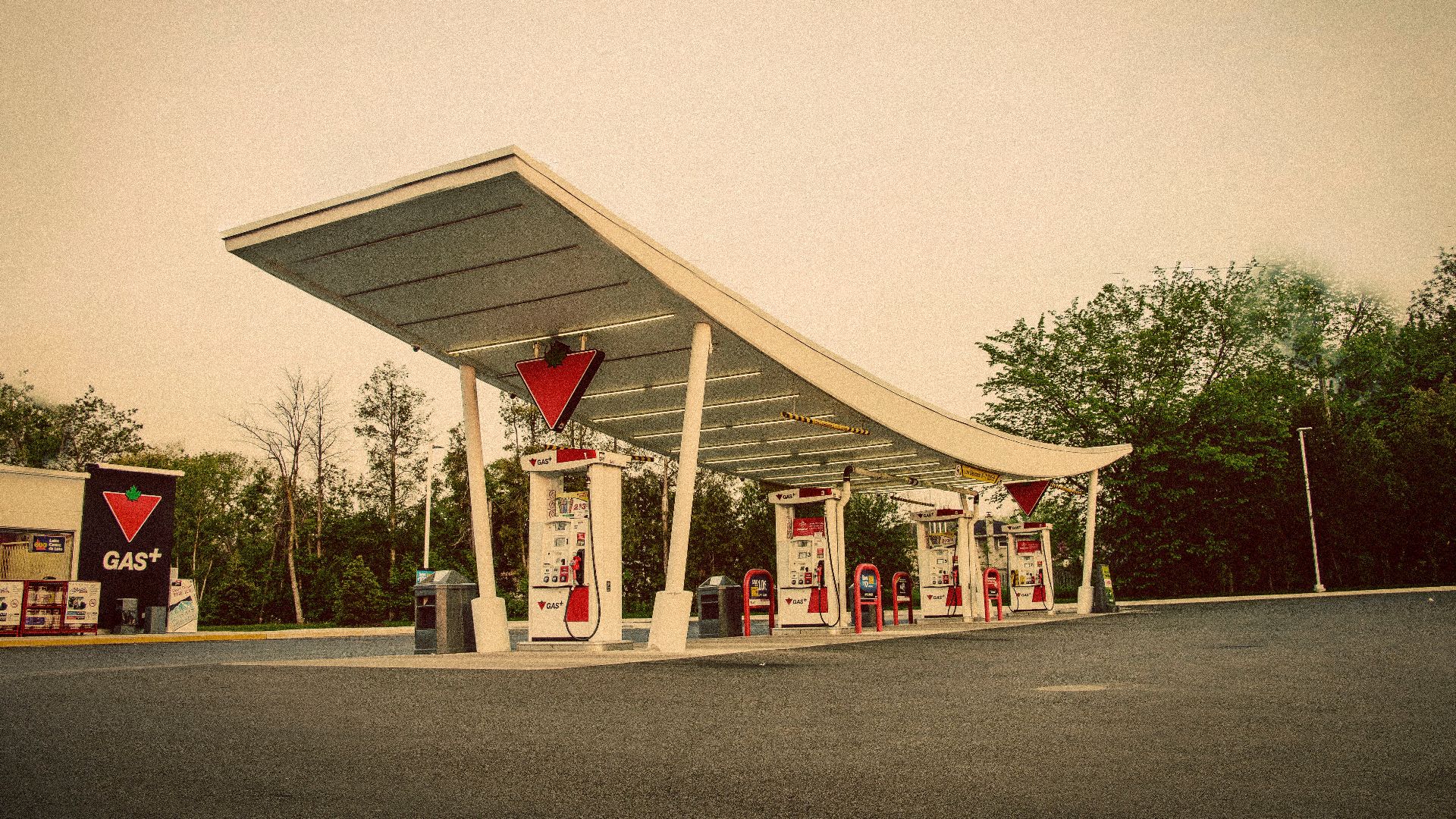
Forget gas stations. Ford envisioned Nucleon drivers visiting specialized facilities to swap out depleted uranium cores. Theoretically, one reactor charge could last thousands of miles—some estimates floated around 5,000 miles between “refuels.” It sounded incredibly convenient, especially during an era when fuel efficiency wasn’t exactly a priority.
 Francisco Diez from Toronto, Canada, Wikimedia Commons
Styled Like A Sci-Fi Dream
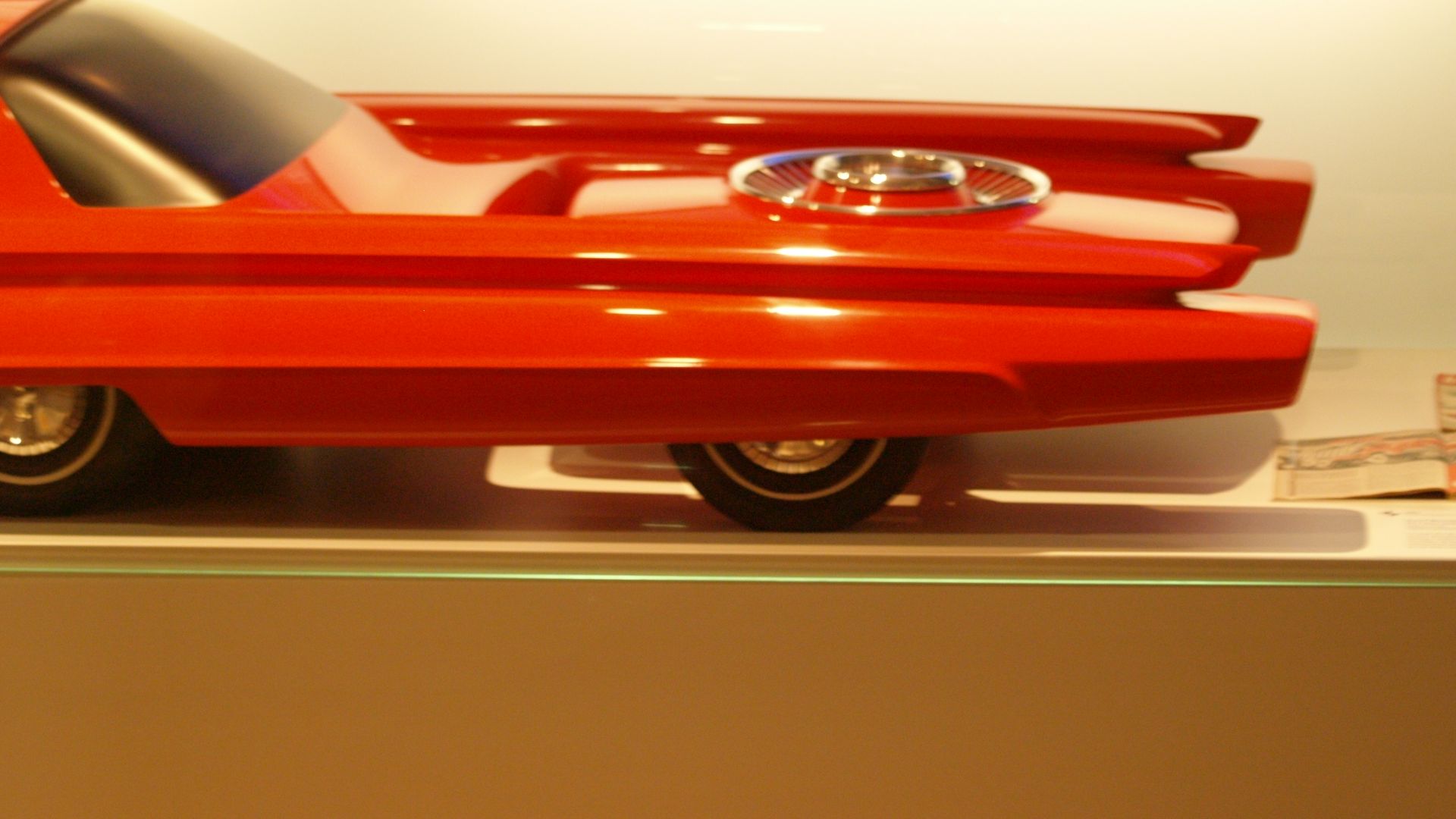
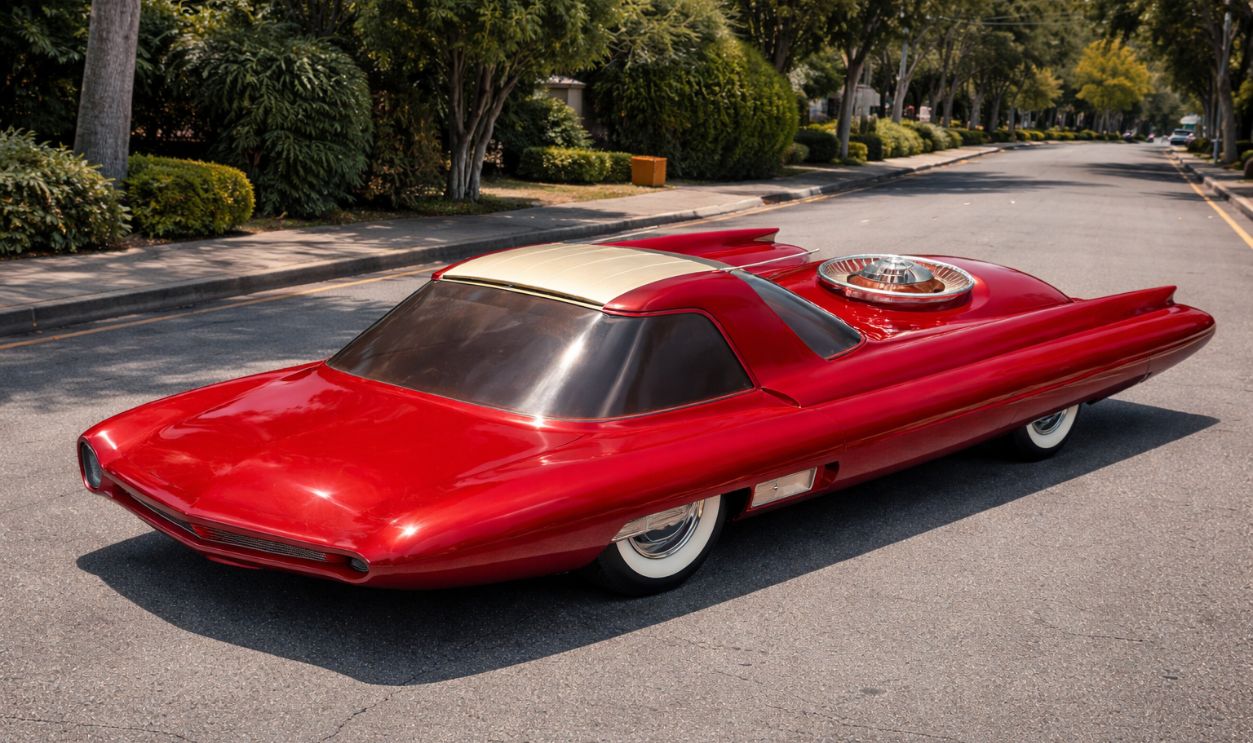
The Nucleon looked as futuristic as its power source. Its passenger cabin sat far forward, while a chunky rear section housed the imagined reactor. The proportions were unusual, shaped more by engineering fantasy than traditional design rules. It looked less like a Detroit sedan and more like something from a 1950s science fiction magazine.
The Safety Question Nobody Could Ignore
Of course, the obvious concern was safety. What happens in a crash involving a nuclear reactor? Ford designers proposed heavy shielding to protect passengers from radiation. The problem? All that shielding would have made the car extremely heavy, pushing the limits of what 1950s materials could realistically support.
 User:EmptyTerms, Wikimedia Commons
The Tech Just Wasn’t There
The biggest roadblock wasn’t fear—it was feasibility. Nuclear reactors in the 1950s were massive and complex. They required serious cooling systems and thick radiation shielding. Shrinking all of that into something small enough for a passenger car simply wasn’t possible with the technology available at the time.
Yes, Submarines Did It—But Still
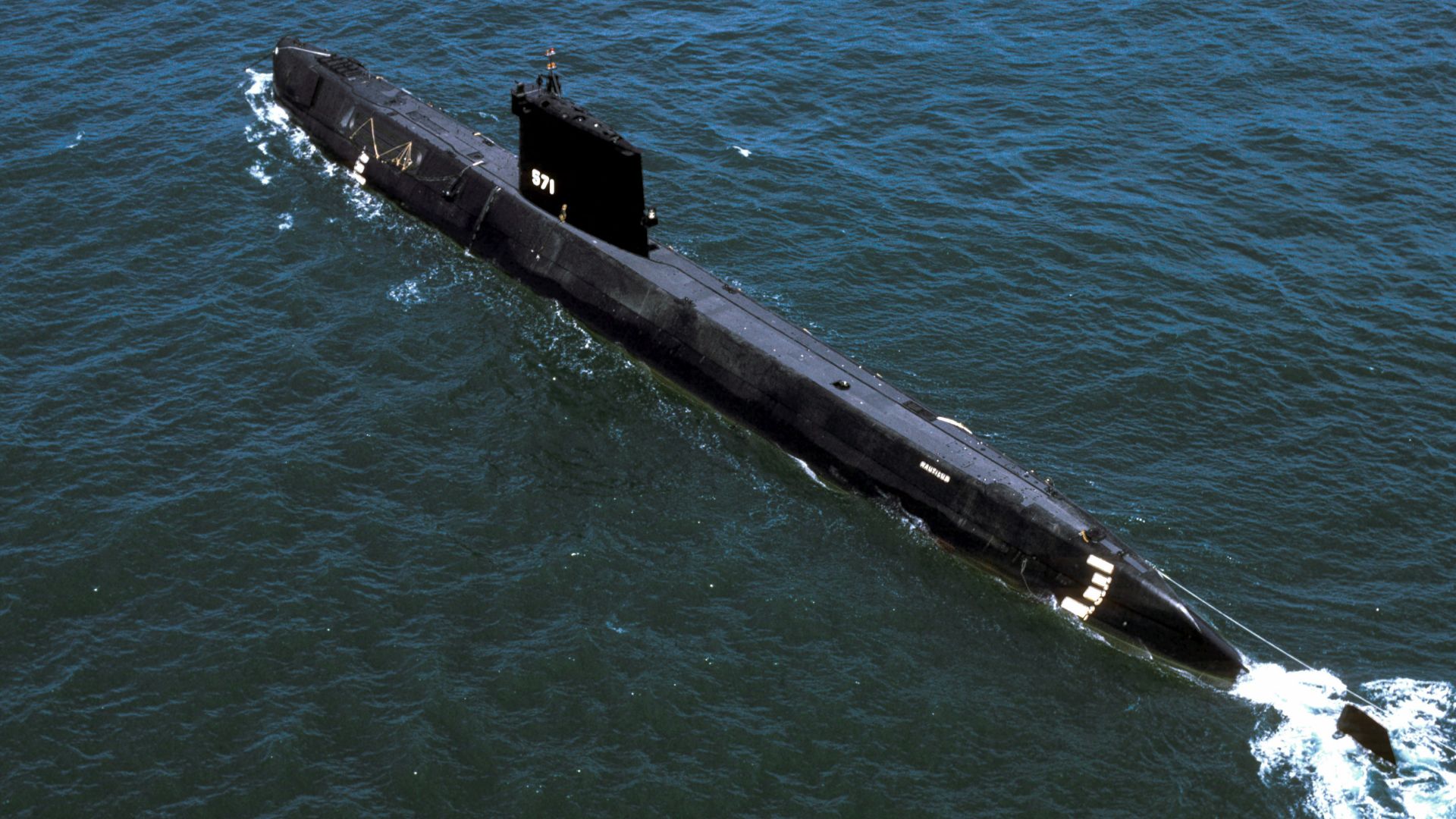
Supporters pointed to nuclear submarines as proof it could work. The USS Nautilus had already demonstrated the power of atomic propulsion. But submarines have room for thick shielding and weigh thousands of tons. A family sedan doesn’t have that kind of space—or tolerance for excess weight.
 PHC John Kristoffersen, U.S. Navy, Wikimedia Commons
Cold War Swagger On Four Wheels
The Cold War also shaped the Nucleon’s story. Nuclear technology symbolized strength and progress. By presenting a nuclear-powered concept car, Ford tapped into that spirit of American innovation. It wasn’t just about transportation—it was about showing confidence in a high-tech future.

Public Reactions: Awe And Doubt
When Ford revealed the model, people were intrigued—but skeptical. Some saw it as a thrilling glimpse into tomorrow. Others viewed it as clever marketing wrapped in science fiction. Either way, it grabbed attention, and that alone made it a success as a concept.
 William James, Wikimedia Commons
A Model, Not A Machine
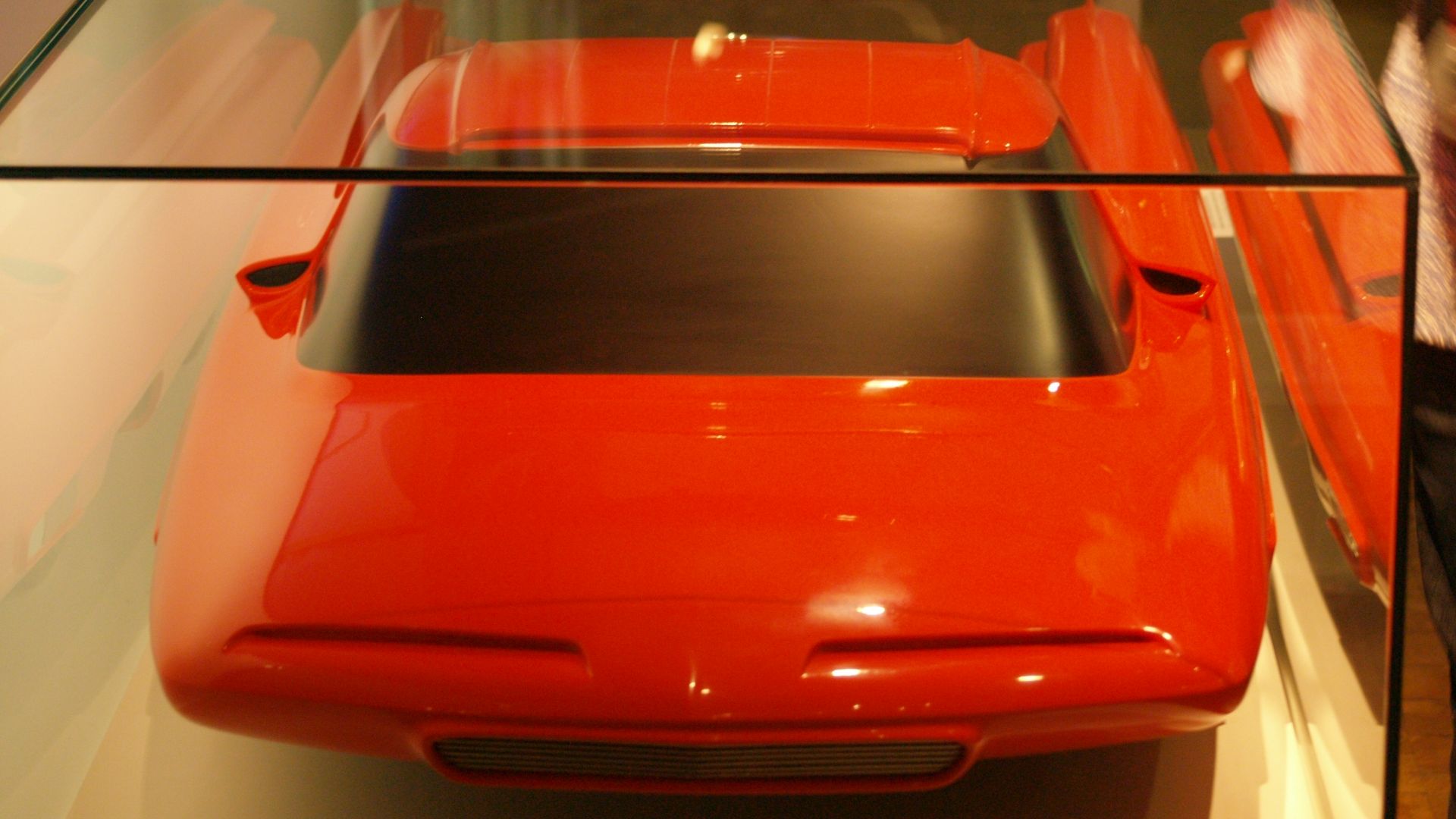
It’s worth repeating: the Nucleon never functioned as a real car. Ford built only a scale model for display purposes. There was no running prototype hidden away somewhere. It was a design study meant to spark conversation, not something headed for dealerships.
 User:EmptyTerms, Wikimedia Commons
Imagining The Ride
If it had worked, driving the Nucleon would have been a totally different experience. Instead of engine rumble, you might have heard turbine whirring. Acceleration would depend on how quickly steam pressure built up. It likely wouldn’t feel like a muscle car—more like a smooth, steady cruiser.

Wrestling With Weight Distribution
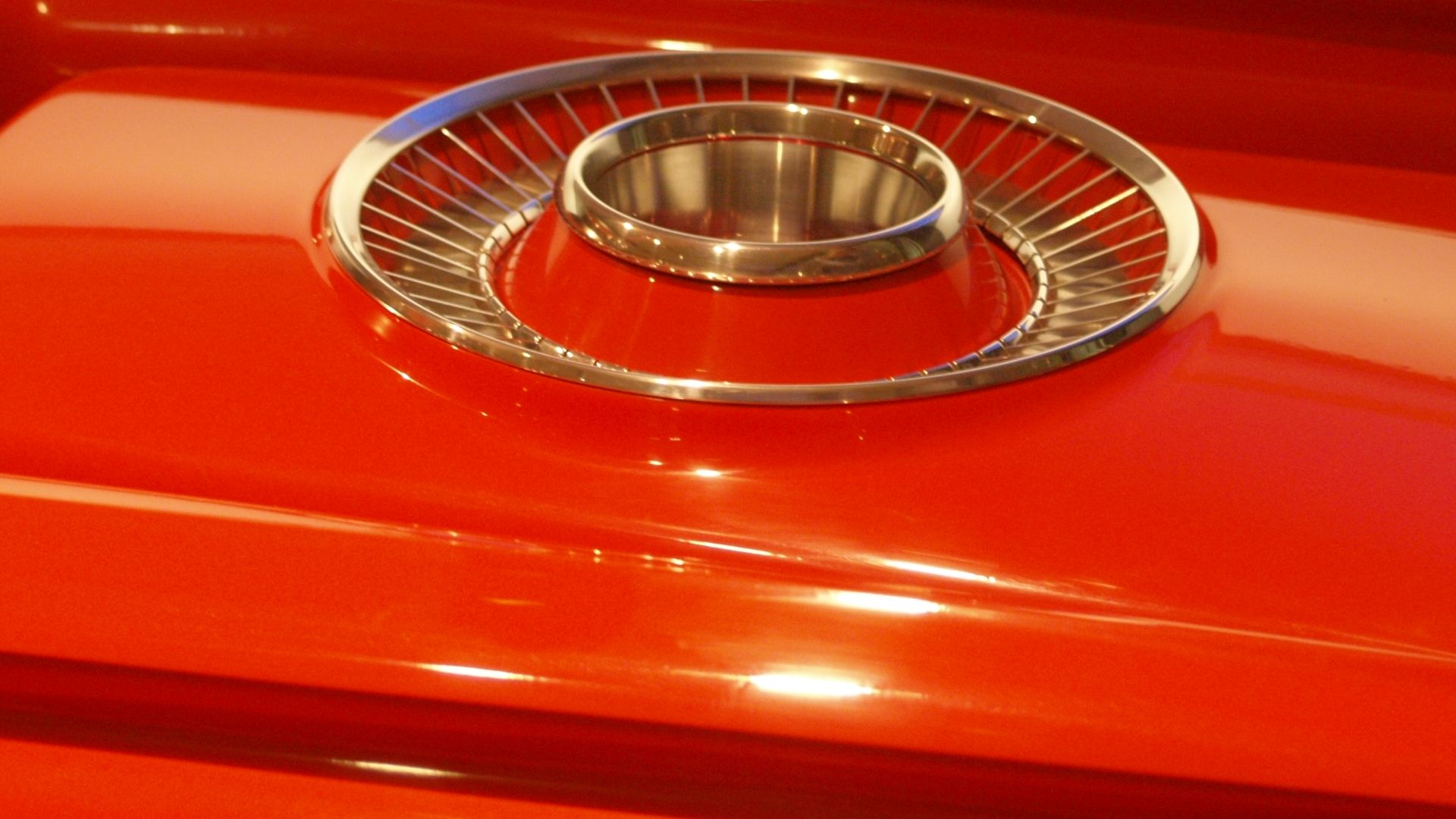
Placing a reactor in the rear would have dramatically changed the car’s balance. Rear-engine setups can work, but the added mass of shielding would complicate things. Suspension, braking, and handling would all need serious rethinking to manage that kind of weight safely.
 User:EmptyTerms, Wikimedia Commons
The “Clean Energy” Angle
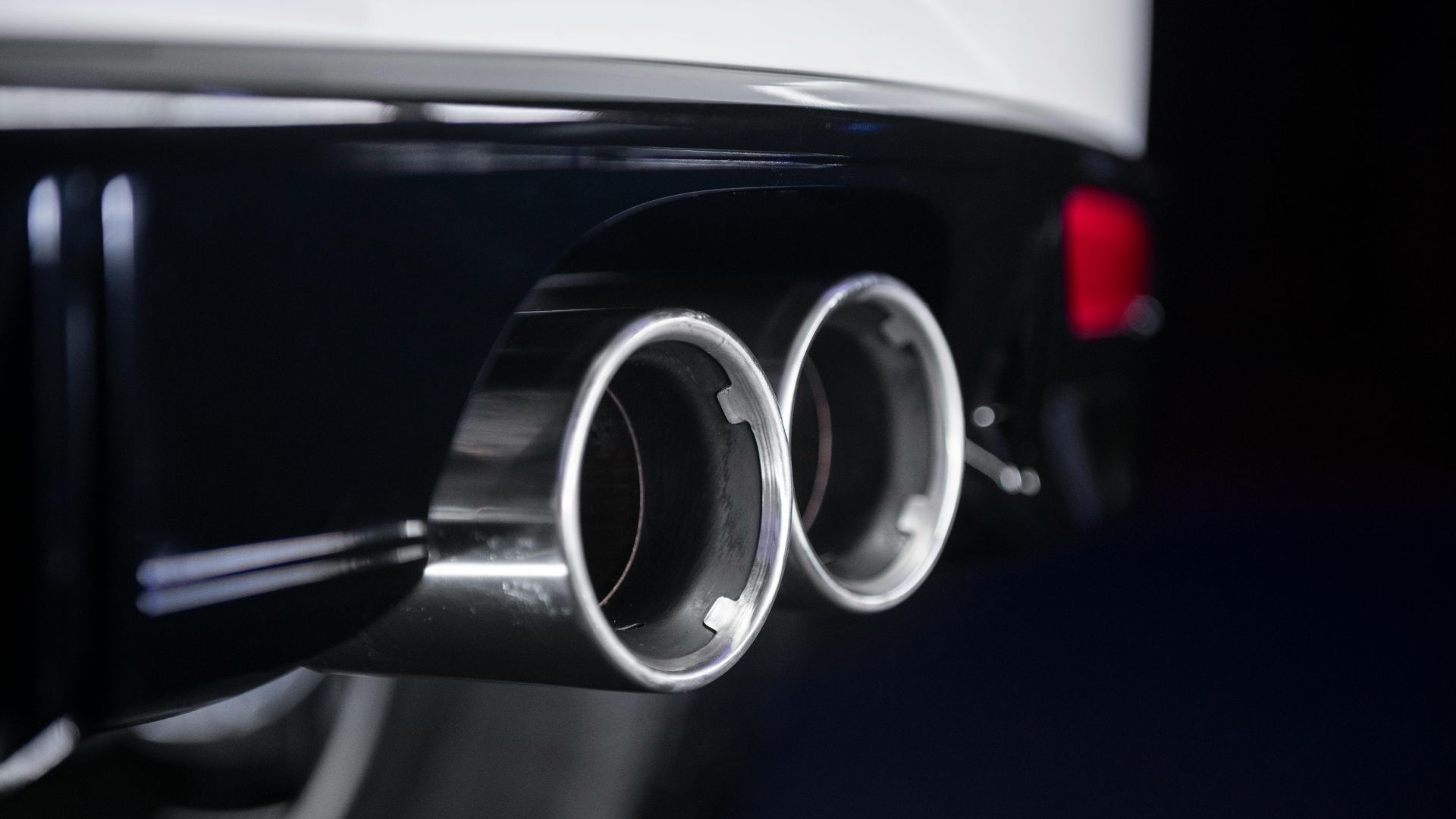
Interestingly, nuclear power was pitched as environmentally friendly. There were no tailpipe emissions and no smog-producing exhaust. Long before climate change became a mainstream concern, the Nucleon hinted at a future free from gasoline dependence—at least in theory.
The Price Tag Problem
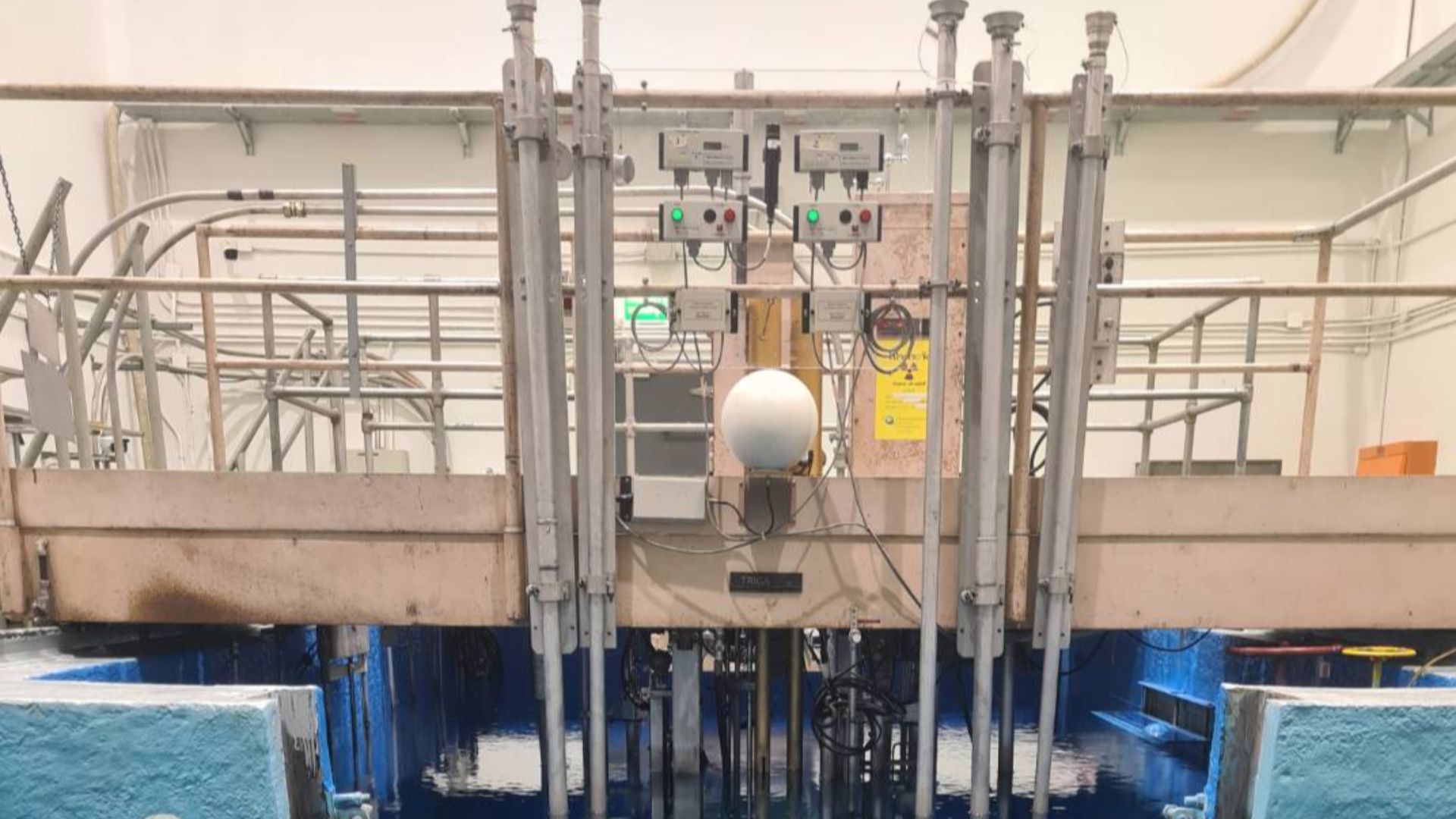
Even with technological breakthroughs, cost would have been a nightmare. Nuclear reactors aren’t cheap, and maintaining them requires specialized knowledge. Mass-producing reactor-powered cars would demand enormous investment—not to mention an entirely new service infrastructure.
A Regulatory Headache Waiting To Happen
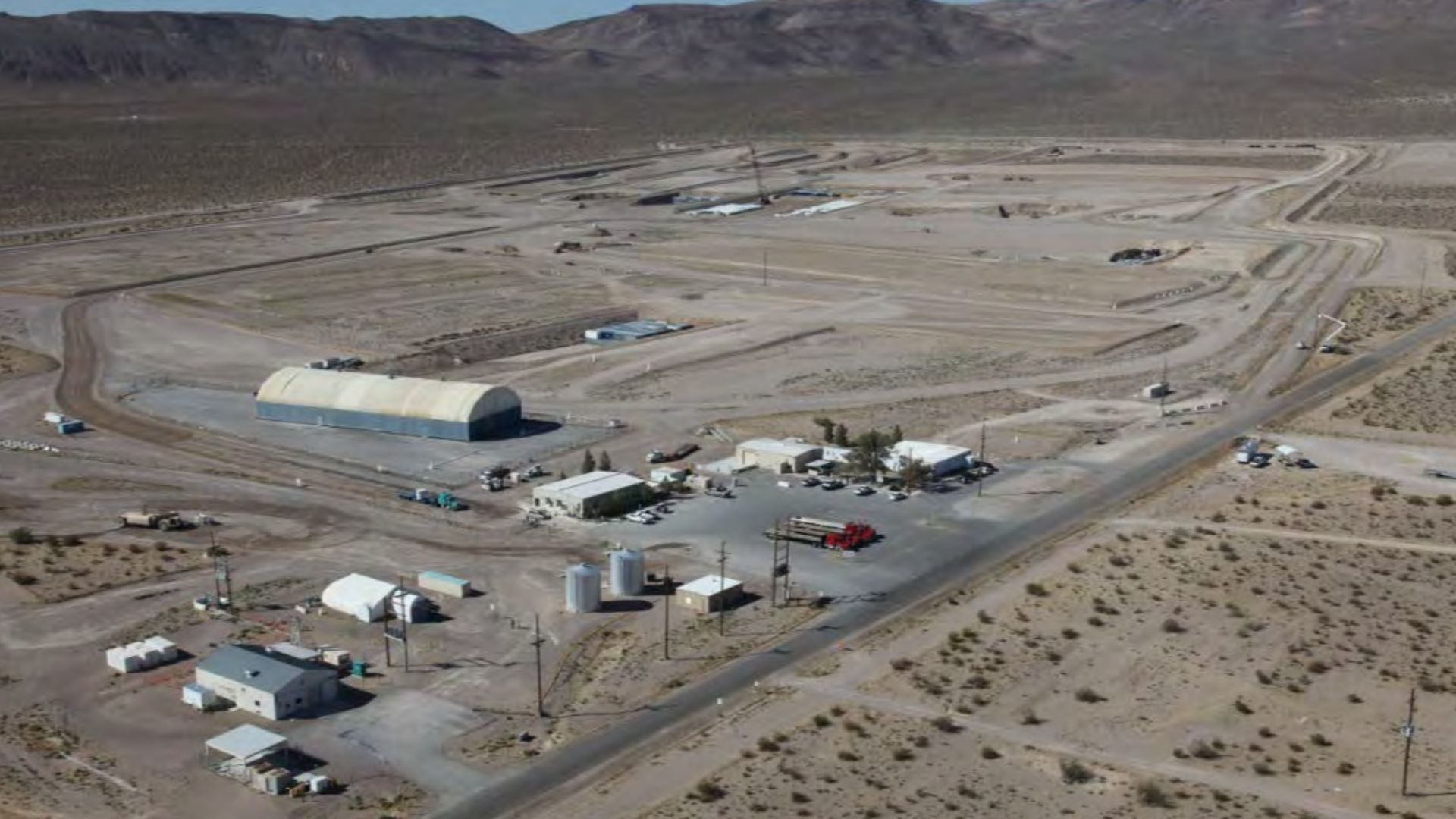
Think about the paperwork alone. Governments would need strict oversight for production, operation, and disposal of nuclear materials. Insurance companies would panic. The liability risks in case of accidents would be staggering, creating legal and regulatory hurdles that were hard to ignore.
 National Nuclear Security Administration / Nevada Site Office, Wikimedia Commons
Living Under The Atomic Shadow
While nuclear energy inspired hope, it also inspired fear. The 1950s were filled with bomb drills and backyard shelters. The same atom powering your car could also level cities. That tension made the Nucleon both exciting and slightly terrifying.
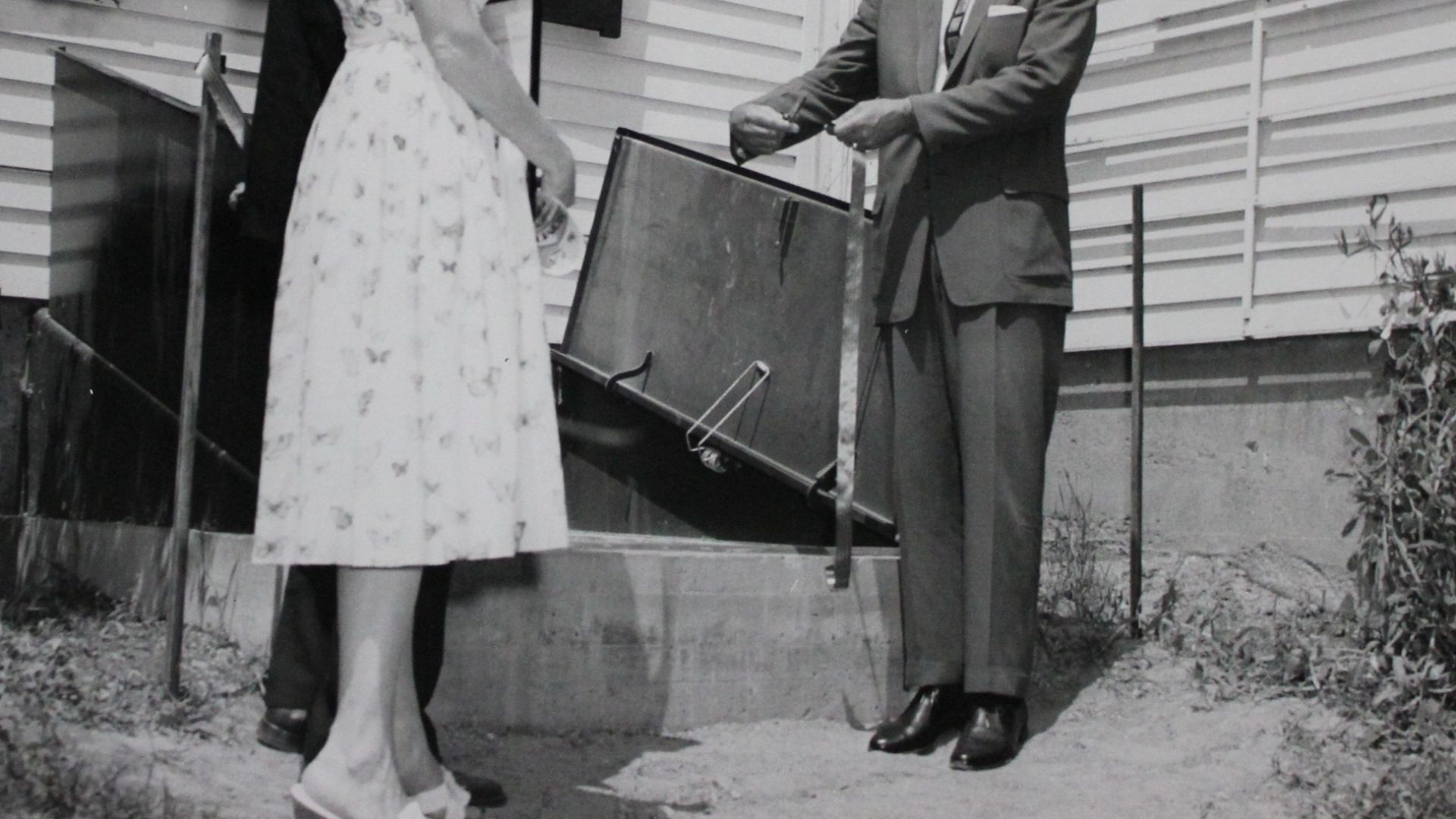 Office of Civil and Defense Mobilization. Region 1. 1958-1961, Wikimedia Commons
Not The Only Wild Idea
The Nucleon wasn’t alone in its futuristic thinking. Automakers experimented with turbine engines, electric concepts, and radical aerodynamics during the same era. Detroit was dreaming big, and nuclear power was simply the boldest dream of them all.
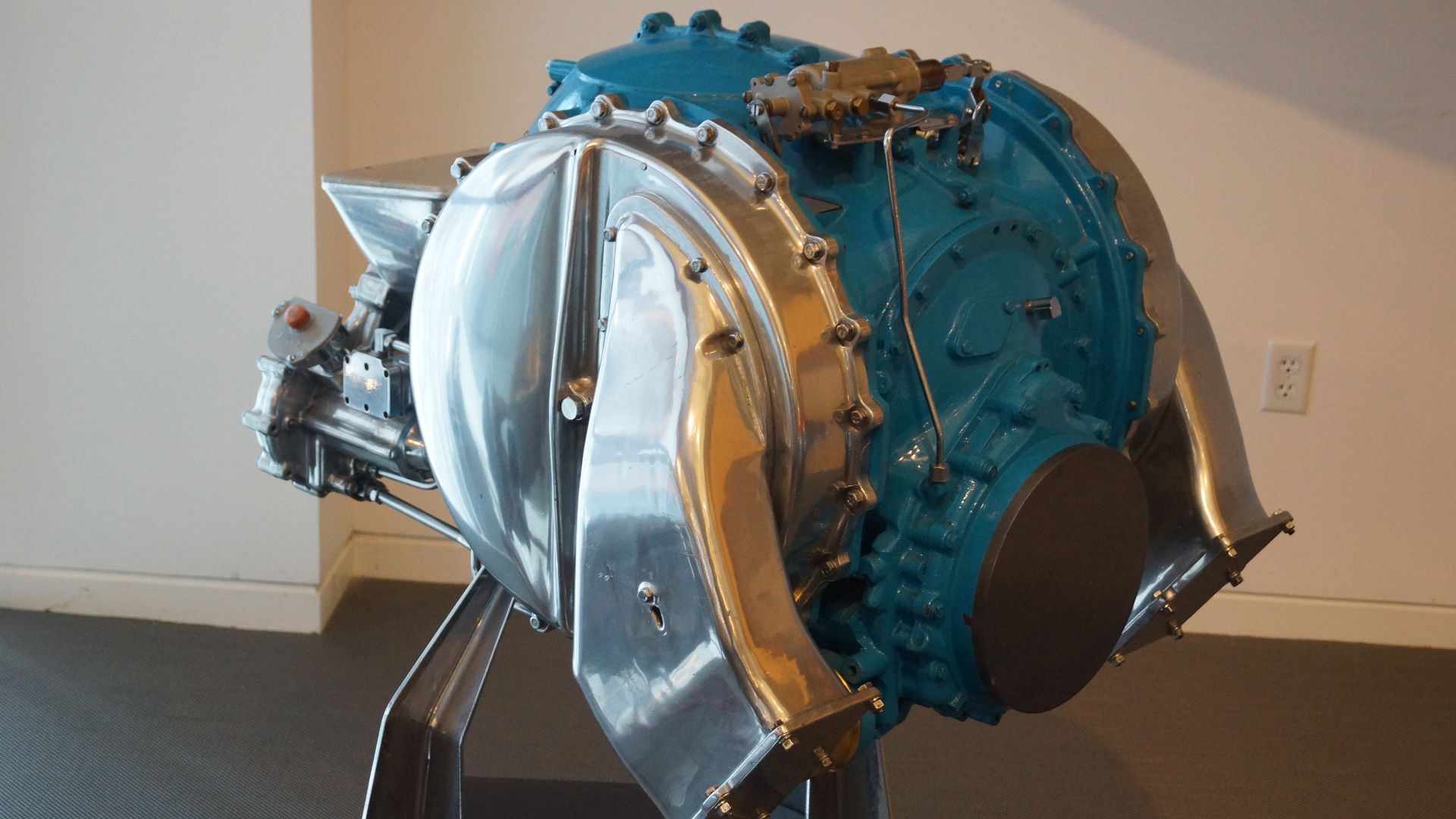 Greg Gjerdingen from Willmar, USA, Wikimedia Commons
A Brilliant Marketing Move
So why build it at all? Because it made headlines. The Nucleon positioned Ford as imaginative and fearless. Concept cars are often about pushing boundaries and shaping brand identity. In that sense, the Nucleon did exactly what it was meant to do.
Where The Model Ended Up
The surviving Nucleon model eventually became a museum piece. Today, it’s displayed as a relic of Atomic Age ambition. Seeing it up close feels like stepping into a time when people truly believed nuclear power would reshape everyday life.
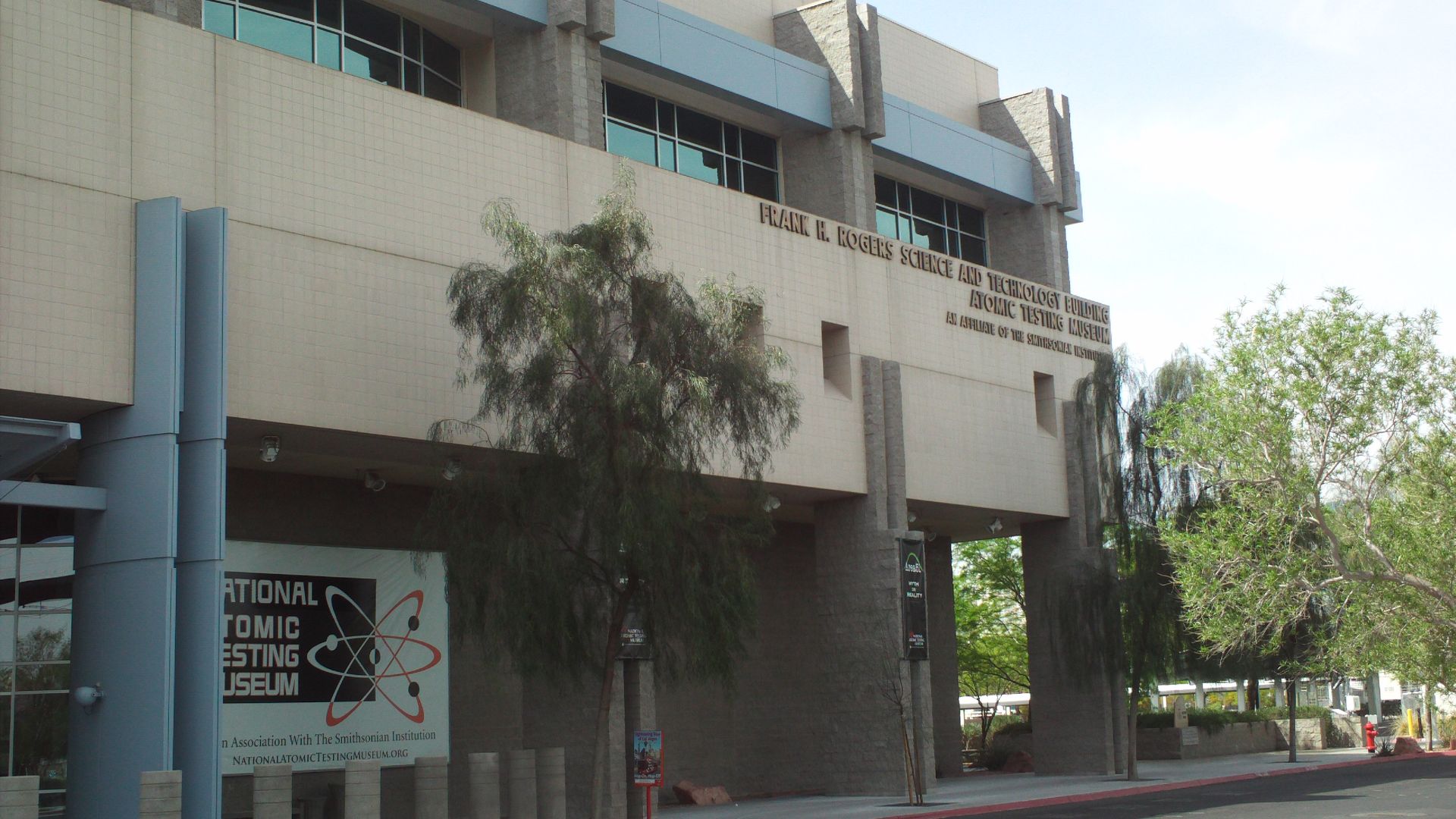 Ypsilon from Finland, Wikimedia Commons
Could A Nuclear Car Work Today?
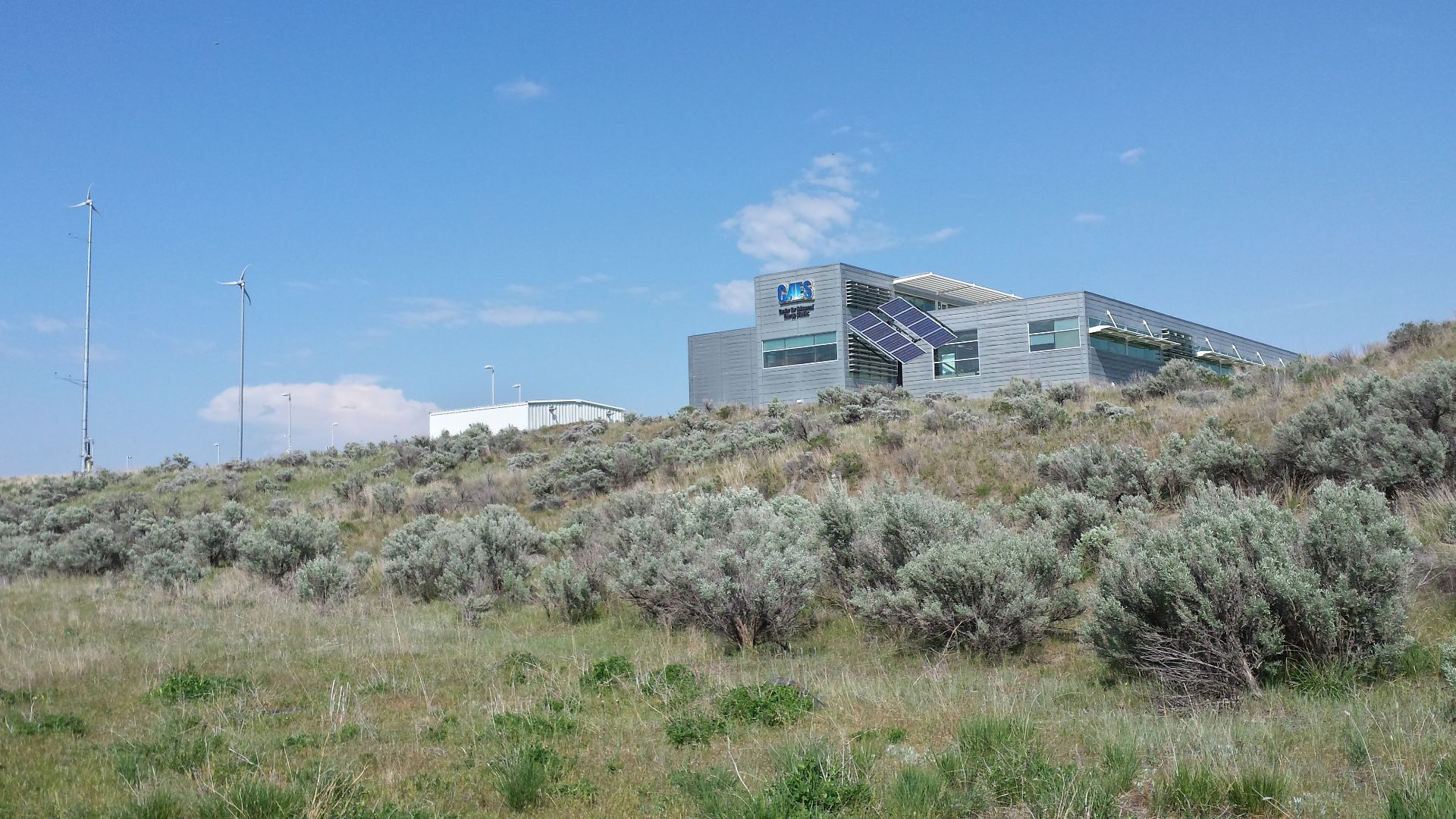
Modern small modular reactors are far more advanced than anything from 1957. Still, putting one in a car would raise the same concerns about cost, safety, and public trust. Technically intriguing? Yes. Practical? Still doubtful.
 Whharris917, Wikimedia Commons
The Electric Path Won Instead
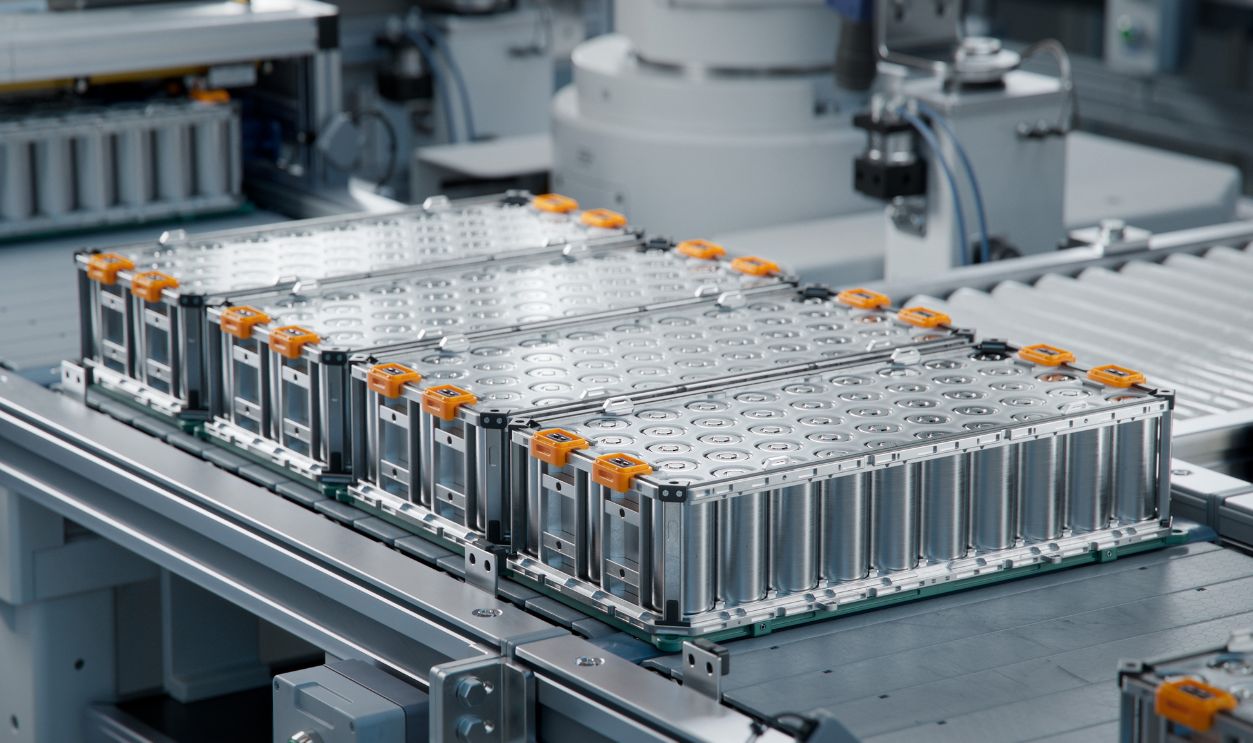
Instead of nuclear reactors, the auto industry embraced batteries. Electric vehicles now offer zero tailpipe emissions without radioactive materials. In many ways, EVs deliver on the Nucleon’s clean-energy dream—just through a far more manageable technology.
The Nucleon’s Cultural Afterlife
Over time, the Nucleon became a favorite example of over-the-top concept cars. It pops up in documentaries and online retrospectives celebrating bold automotive experiments. It perfectly captures the spirit of mid-century “the future will be amazing” thinking.
A Time Capsule Of Bold Optimism
More than anything, the Nucleon represents belief in limitless progress. Engineers and designers truly thought they could shrink the atom into something practical for daily life. That kind of confidence defined the era—and fueled some wonderfully ambitious ideas.

When Vision Outpaces Reality
Not every big idea becomes reality. The Nucleon shows what happens when imagination sprints ahead of engineering limits. It wasn’t foolish—it was visionary. The technology simply couldn’t catch up with the dream.

The Lasting Legacy Of The Ford Nucleon
The Ford Nucleon remains one of the most unforgettable concept cars ever imagined. No one ever drove one down Main Street, but that’s not the point. It symbolizes an era when automakers weren’t afraid to think outrageously big. Even without a working reactor, the Nucleon still radiates imagination nearly seventy years later.
You May Also Like: