The End of the Road for This Debate
Who’s the better driver—men or women? Ask five people and you’ll get ten answers, all shouted with absolute confidence. But forget the stereotypes and highway arguments. The data has receipts, and it's time to count them. Let the showdown begin.
Crash Severity (Winner: Women)
Men are much more likely to be involved in high-severity crashes due to faster speeds and riskier decisions. Women experience more low-impact scrapes and parking mishaps, but these don’t compare to the major collisions men are overrepresented in.

Parking Skill (Winner: Men)
Studies on spatial awareness and parallel parking show men slightly outperform women in precision tasks involving tight spaces. Women often compensate with more caution, but pure spatial-mechanics tests lean toward men.
Seatbelt Usage (Winner: Women)
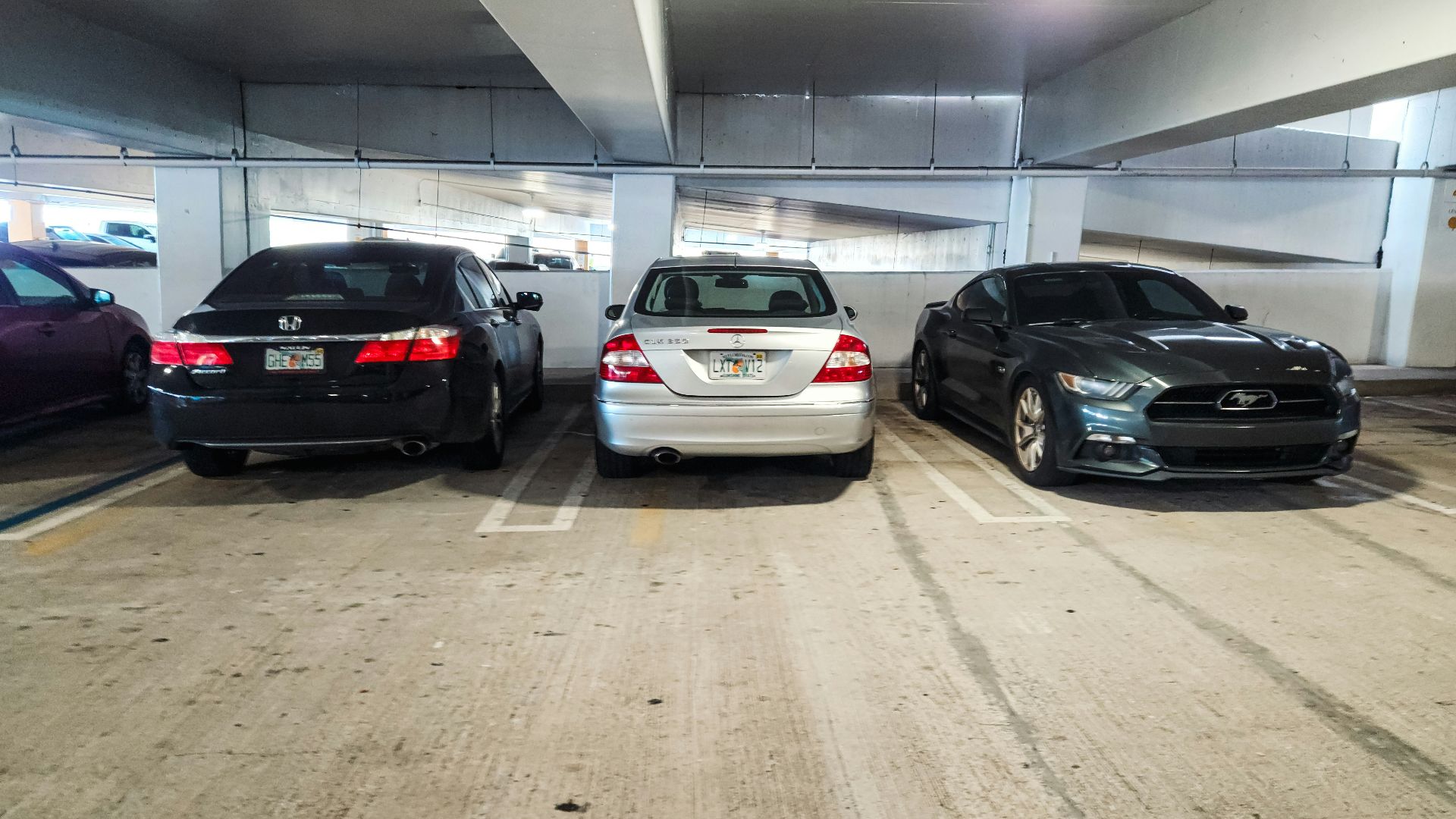
Women buckle up at higher rates than men, especially younger men, who are the least consistent seatbelt users. Seatbelts are one of the strongest predictors of survival in serious crashes.
Fatal Crashes (Winner: Women)
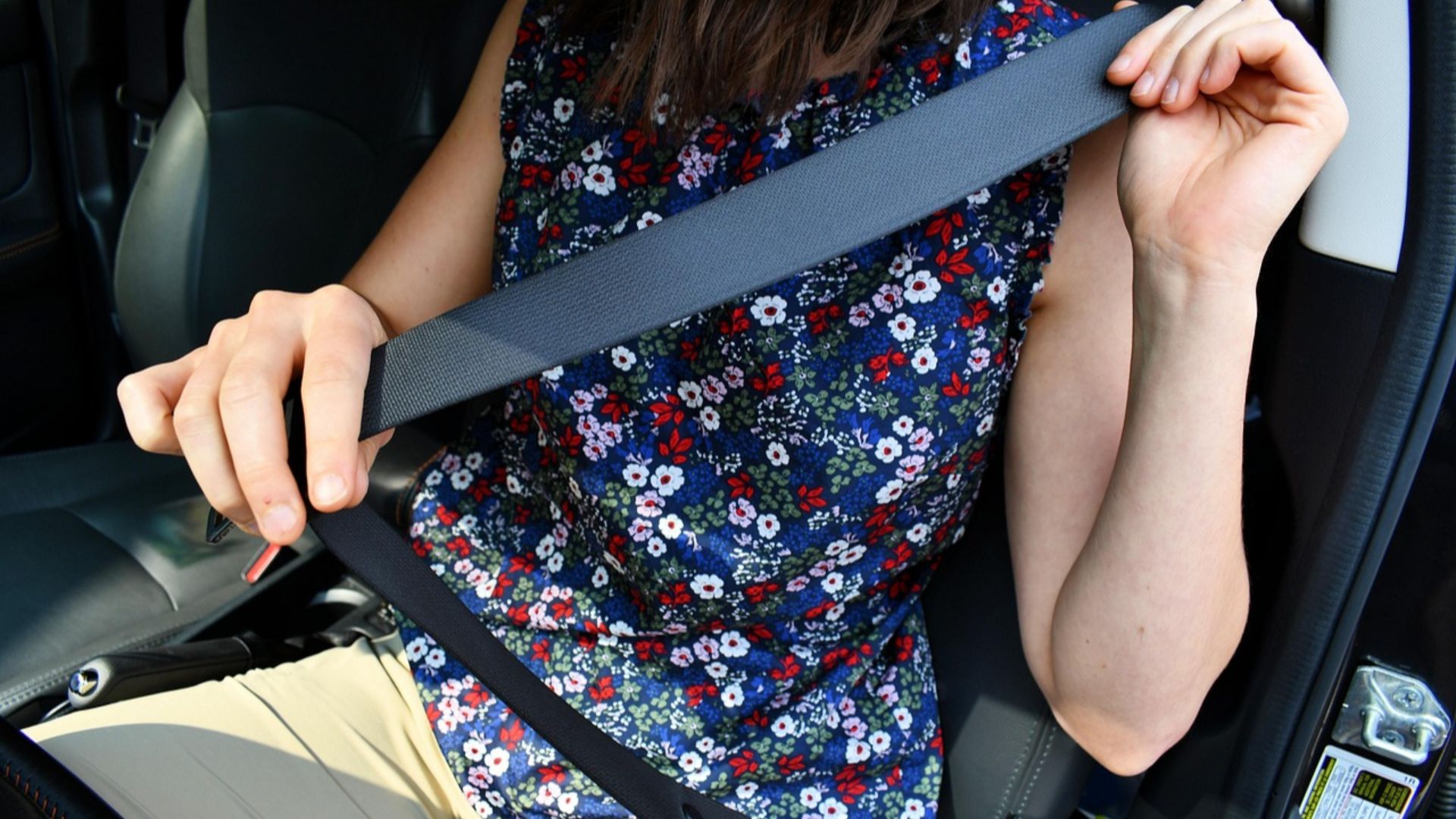
Men make up roughly 70%–75% of all traffic-related fatalities in the U.S. Researchers consistently point to speeding, nighttime driving, and impaired driving as the primary causes.

Confidence Behind The Wheel (Winner: Men)
Men generally rate themselves as more confident drivers and show greater comfort with high-speed roads, long trips, and challenging conditions.

Distraction Rates (Winner: Tie)
Women report more in-car distractions, while men report more tech-related distractions. Overall, neither gender has a clear advantage.

Cautious Driving (Winner: Women)
Cautious driving—maintaining safe following distances, avoiding harsh movements, obeying signals, and braking smoothly—is overwhelmingly associated with women in traffic studies.

Miles Driven (Winner: Men)
Men typically drive significantly more miles per year, especially for work, commuting, and long-distance travel. More time on the road means more exposure to risk—but in sheer mileage, men take this category.

Risky Driving Behaviors (Winner: Women)
Across nearly every study, men engage in riskier driving—speeding, weaving, hard braking, tailgating, and abrupt lane changes. Women generally drive more cautiously, which leads to fewer dangerous situations.

Minor Accidents (Winner: Men)
Women are more likely to be involved in low-speed fender-benders, parking scrapes, and backing incidents. These rarely cause injuries, but they happen more frequently.
DUI Rates (Winner: Women)
Men account for roughly 80% of DUI arrests nationwide. High-BAC crashes are among the deadliest types, and men’s overwhelming representation dramatically skews safety statistics.

Speeding (Winner: Women)
Men receive the majority of speeding citations and are more likely to exceed limits by 15 mph or more. Speeding is one of the strongest predictors of major accidents—and women win this round.

Nighttime Driving (Winner: Men)
Men do more nighttime driving, particularly very late hours, when visibility drops and crash risk spikes. If the category is simply who drives more at night, men win.

Reaction Times (Winner: Men)
Controlled studies suggest men have slightly faster reaction times on average. This advantage doesn’t always translate into safer real-world driving, but biologically, men usually react a bit faster to sudden stimuli.
Crash Frequency (Winner: Women)
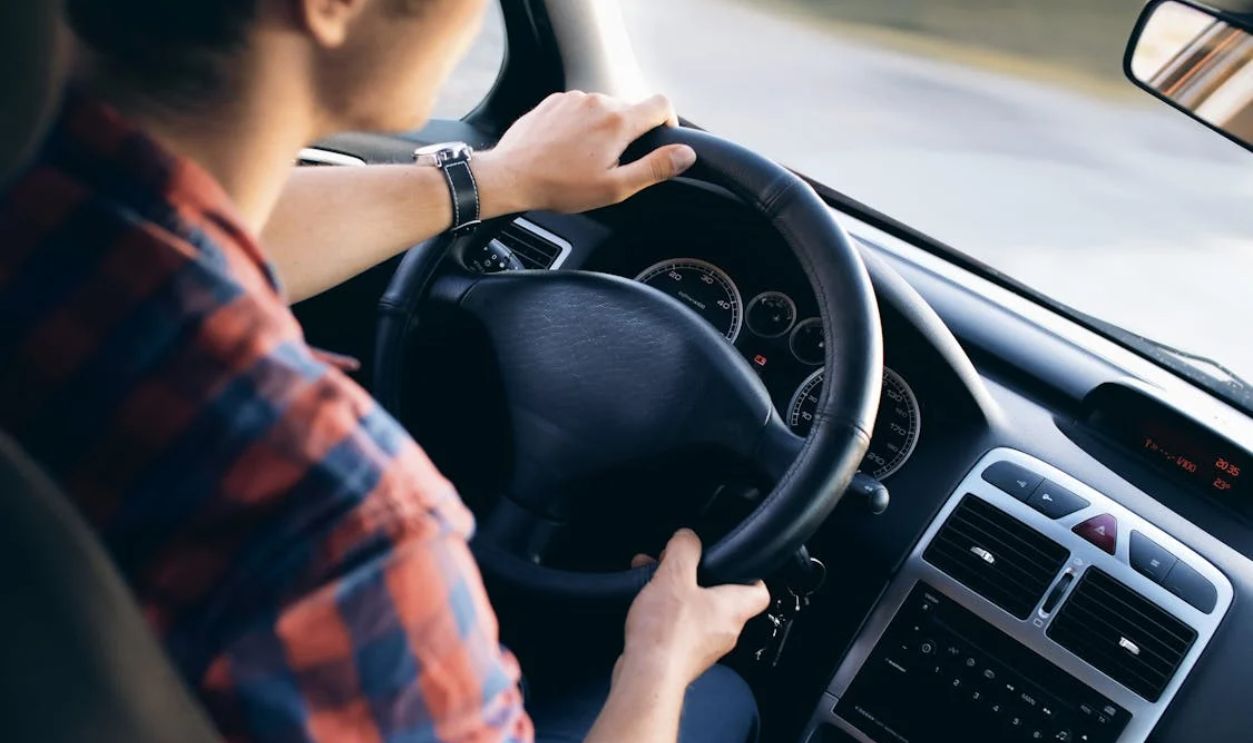
Men are statistically involved in more total crashes—particularly those caused by risky or aggressive actions. Women tend to have fewer collisions overall, though they sometimes get more minor ones.
 Stefan Kloo from Los Angeles, Wikimedia Commons
Following Traffic Laws (Winner: Women)
Women consistently demonstrate better compliance with traffic laws. Men break more rules—but also tend to get caught doing it.

Insurance Premiums (Winner: Women)
Men—especially young men—consistently pay more for insurance due to higher rates of speeding, DUIs, reckless driving, and severe crashes.

Road Rage Incidents (Winner: Women)
Men are far more likely to engage in confrontational and aggressive road-rage behaviors. Women experience frustration too, but they seldom escalate.

Aggressive Driving (Winner: Women)
Aggressive behaviors such as tailgating, speeding through yellow lights, and rapid lane changes are more common among men.

Overall Safety (Winner: Women)
Combining crash severity, DUI rates, speeding behavior, seatbelt usage, and insurance risk, women clearly emerge as the safer group behind the wheel.

The Final Verdict (Winner: Women)
While men have advantages in reaction time, mileage, and certain technical skills, behavior and risk dominate. The data crowns women as the safer drivers overall.
You Might Also Like:
If You Plan To Drive Anywhere This Winter, These Maintenance Tips Could Save Your Life