Essential Winter Maintenance Tips, No Matter What You Drive
Winter can turn even the simplest drive into a full-blown adventure—part scenic snow-globe fantasy, part slippery obstacle course. For first-time winter drivers, it’s all fun and games until the road decides to impersonate a skating rink. But fear not: with the right preparation, your car can handle winter like a seasoned pro. These 25 essential maintenance tips will help you stay safe, warm, and confident when the temperature drops and the snow starts showing off. Let’s gear up!

Check Your Battery Health
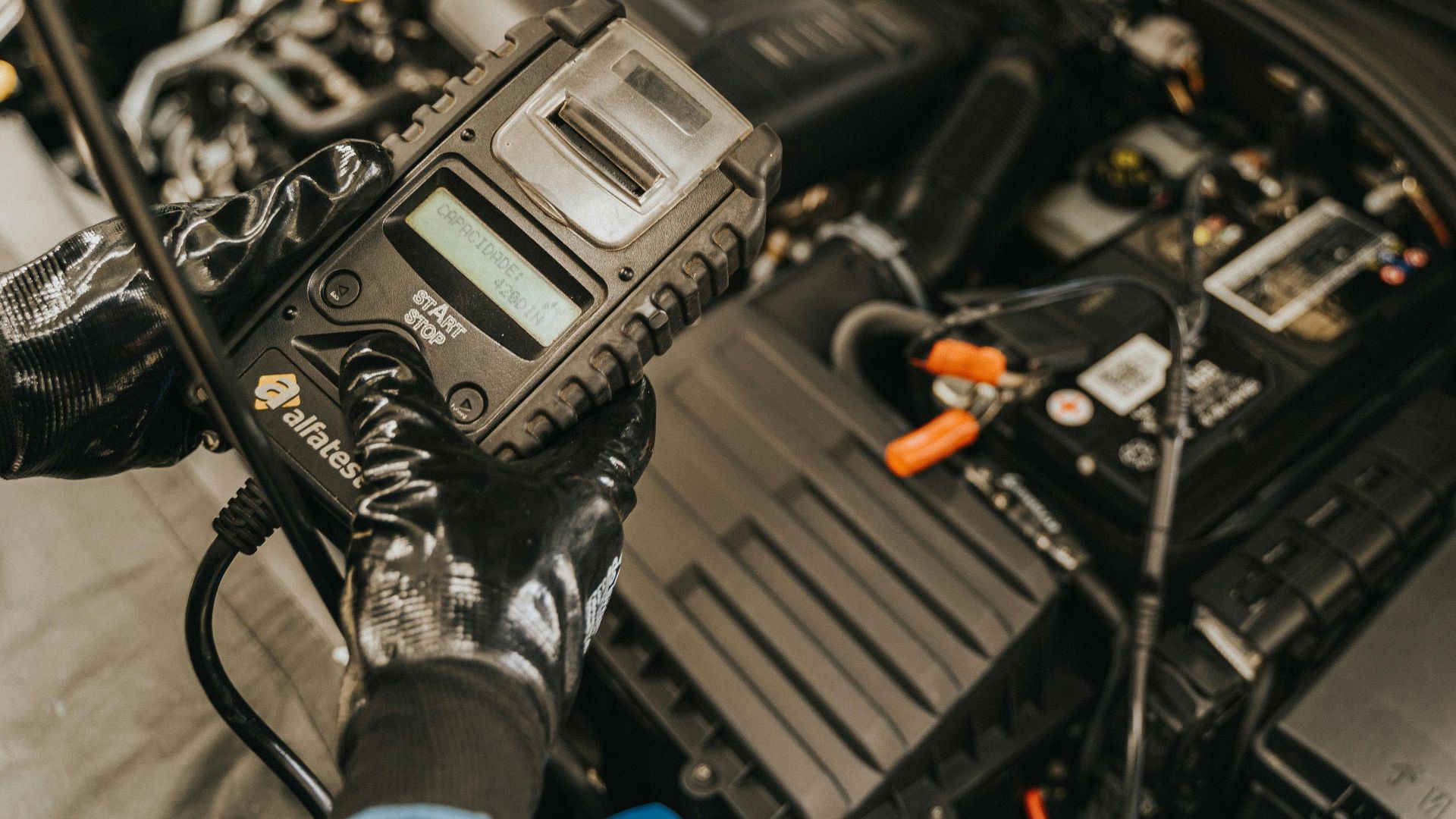
Winter is notoriously unforgiving on car batteries. As temperatures fall, batteries lose a significant amount of their cranking power, which means yours might wave the white flag on a chilly morning. Get a professional battery load test before winter hits to ensure it’s still performing at full strength. Look for any signs of corrosion, slow starts, or dim headlights. Replacing a weak battery now is far better than discovering it’s dead when you’re running late for work and everything is covered in frost.
Inspect Your Tires
Your tires quietly do all the hard work—they’re your only contact with the road, and in winter, that road gets slick, unpredictable, and sometimes downright rude. That’s why inspecting your tires early is crucial. Check for uneven wear, cracks, embedded debris, and tread depth. Use the penny test if you must, but professionals can measure tread far more accurately. Healthy tires mean better traction, improved braking, and fewer white-knuckle moments when snow suddenly appears.
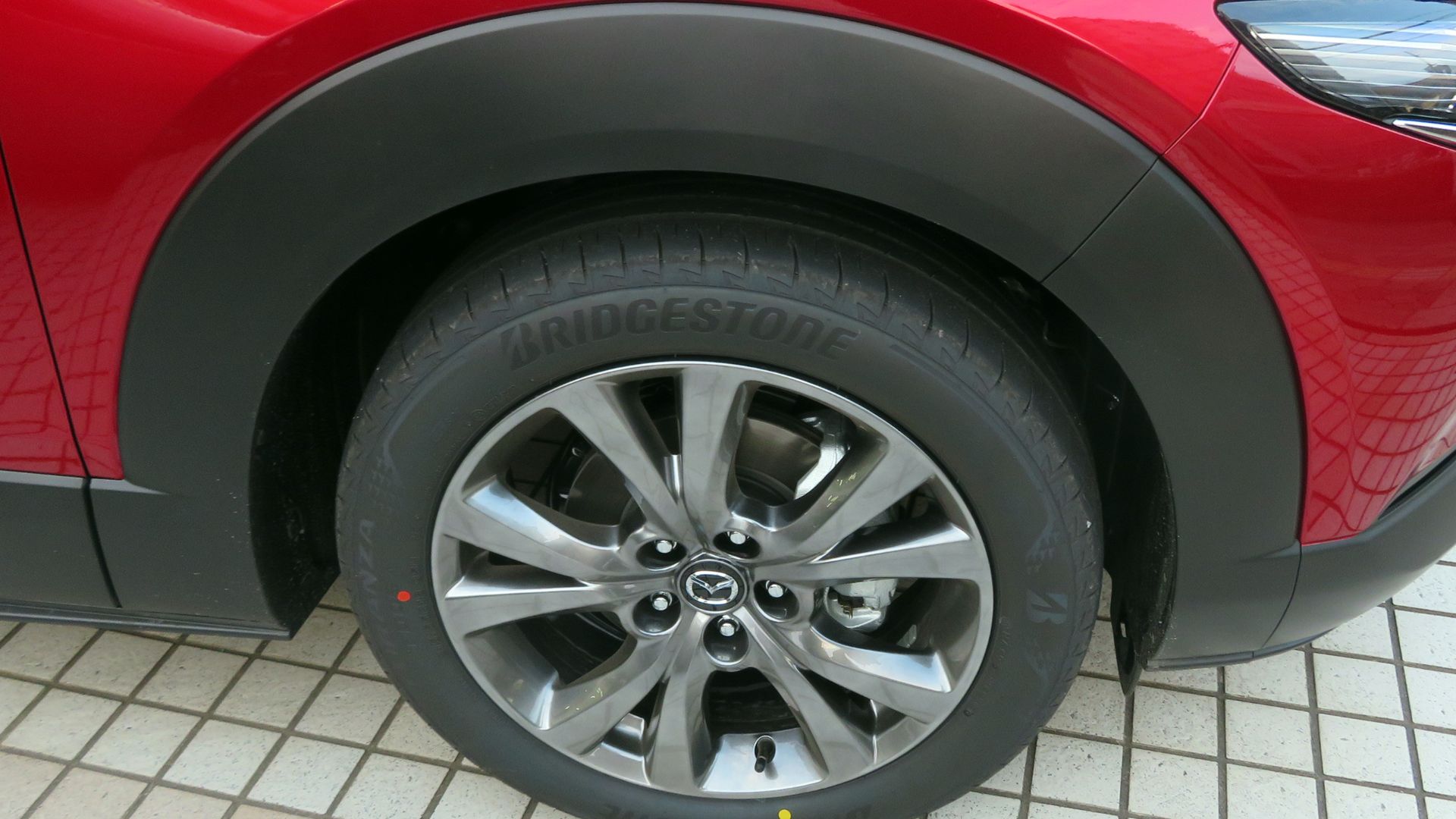 Tokumeigakarinoaoshima, Wikimedia Commons
Switch To Winter Tires
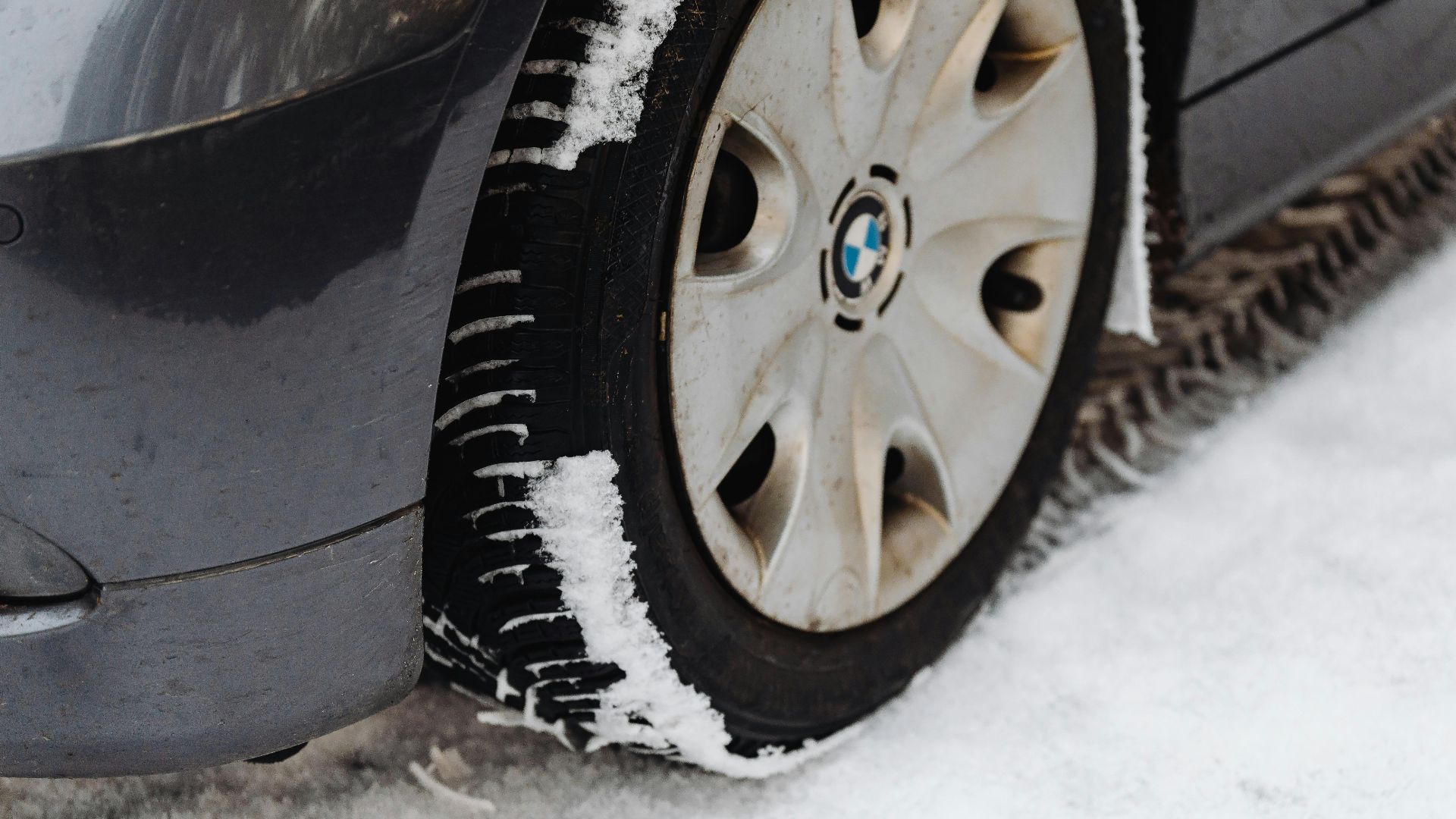
All-season tires often claim they can handle winter—but when the roads turn icy, they’re more “optimistic” than effective. Winter tires, on the other hand, are made with softer rubber that stays flexible in freezing temperatures, plus aggressive tread patterns designed to bite into snow and slush. They dramatically improve braking distance and cornering control. If you live anywhere that sees real winter weather, swapping to winter tires isn’t merely helpful—it’s one of the biggest safety upgrades you can make.
Monitor Tire Pressure
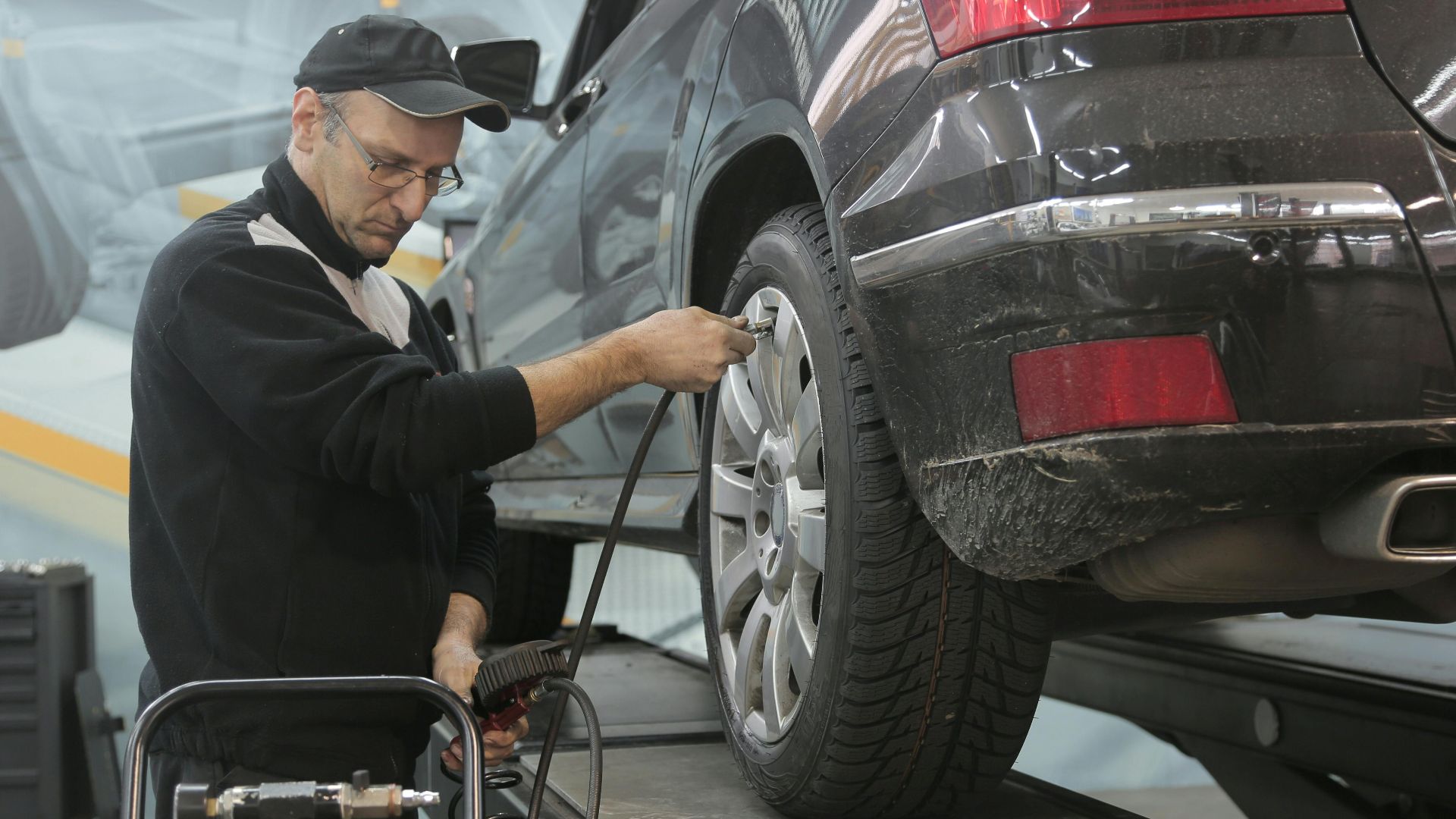
Tire pressure naturally drops when temperatures fall, sometimes as much as 1 PSI for every 10°F decrease. Underinflated tires reduce your car’s stability, slow your steering response, and increase your risk of sliding or hydroplaning. Check your tire pressure at least once a week during winter, and always fill them to the levels listed on your driver-side door jamb—not the number printed on the tire. Proper tire pressure keeps your vehicle driving straight and your gas mileage from plummeting.
Top Off Antifreeze
Antifreeze (or coolant) is the colorful superhero fluid that keeps your engine from freezing solid in subzero temps. Without the proper antifreeze-to-water ratio—generally 50:50—your engine is at risk of overheating or turning into a popsicle. Check your coolant levels and inspect the reservoir for sludge, discoloration, or grit. If it looks off, get a flush. Ensuring proper coolant strength protects your engine during deep freezes and helps the heating system perform better too.

Test Your Heater & Defroster
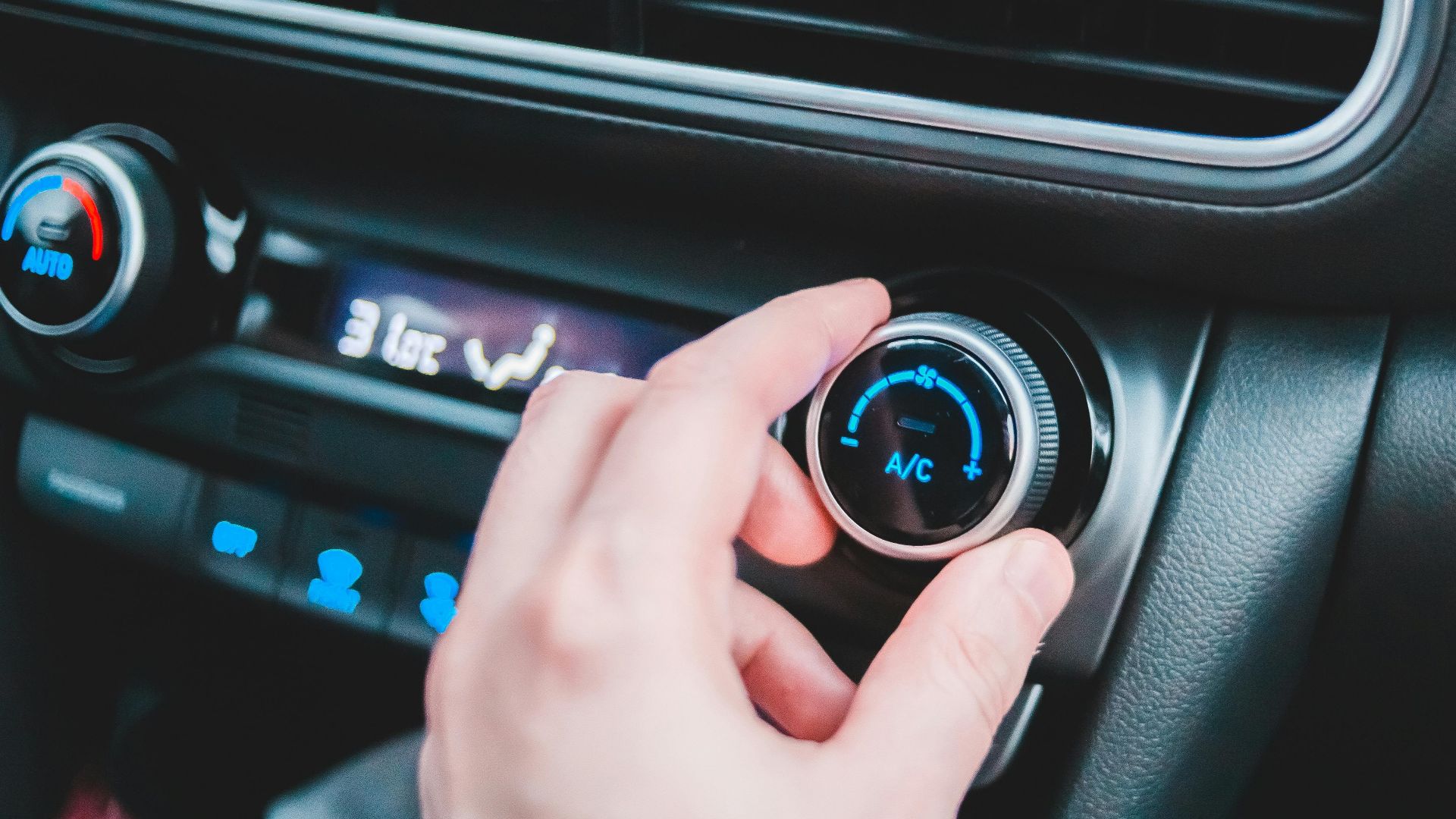
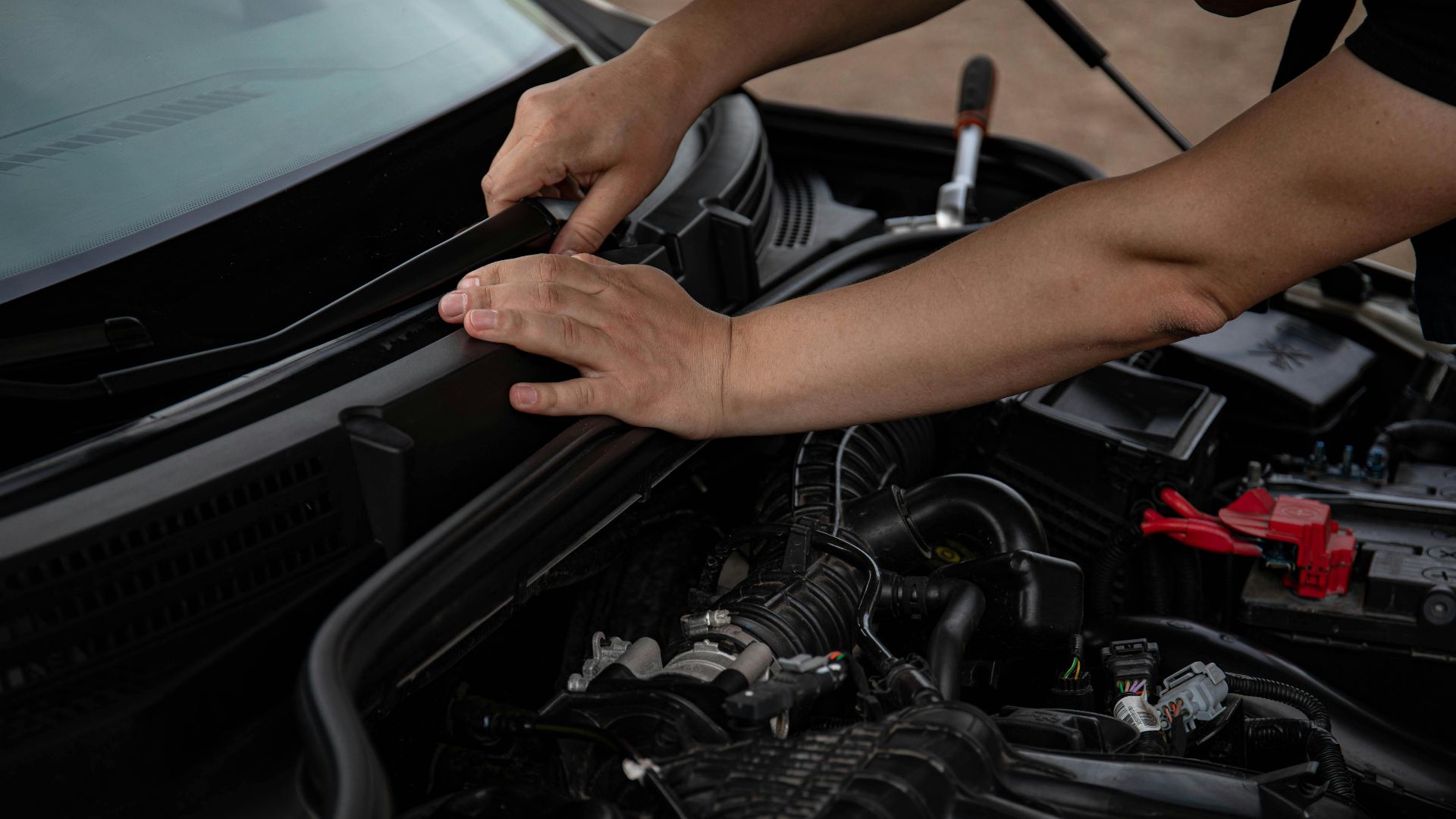
Nobody wants to start their day scraping ice off both the inside and outside of their windshield. Before winter arrives, test your heater and defroster to make sure they’re functioning properly. A working heater keeps you warm, but a strong defroster is a safety essential—it ensures full visibility when the windows fog, frost, or freeze over. If airflow seems weak or parts of your windshield stay foggy, it may be time for a mechanic to inspect your HVAC system.
Replace Old Wiper Blades
Winter precipitation comes in many forms—snow, sleet, freezing rain, slush—and all of it can destroy your visibility if your wiper blades aren’t up to the job. Old blades leave streaks, chatter noisily, or miss patches of glass entirely. Swap in winter-rated wiper blades, which are designed to prevent ice buildup and maintain contact with the windshield. Clear visibility is priceless when the world outside suddenly goes white.
Fill Up With Winter-Grade Washer Fluid
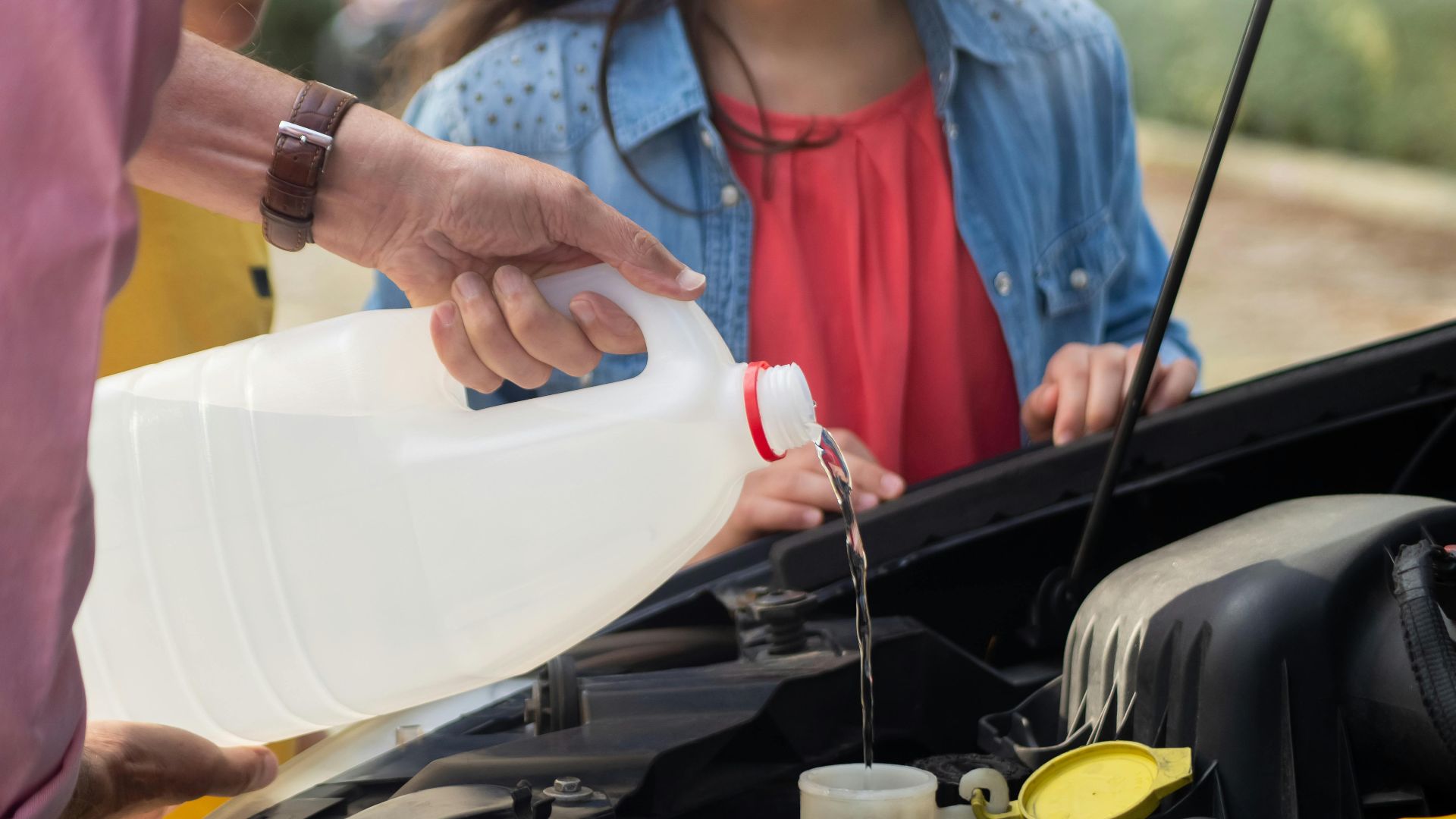
Regular washer fluid freezes into a useless block the moment temperatures dip below 32°F. Not ideal when road salt, grime, and snow mix into a blinding paste on your windshield. Winter-grade washer fluid, however, is formulated to resist freezing even in subzero temperatures. It also helps break down salty residue more effectively. Keeping a spare jug in your trunk ensures you’re never caught with a clouded windshield in the middle of a storm.
Check Your Brakes
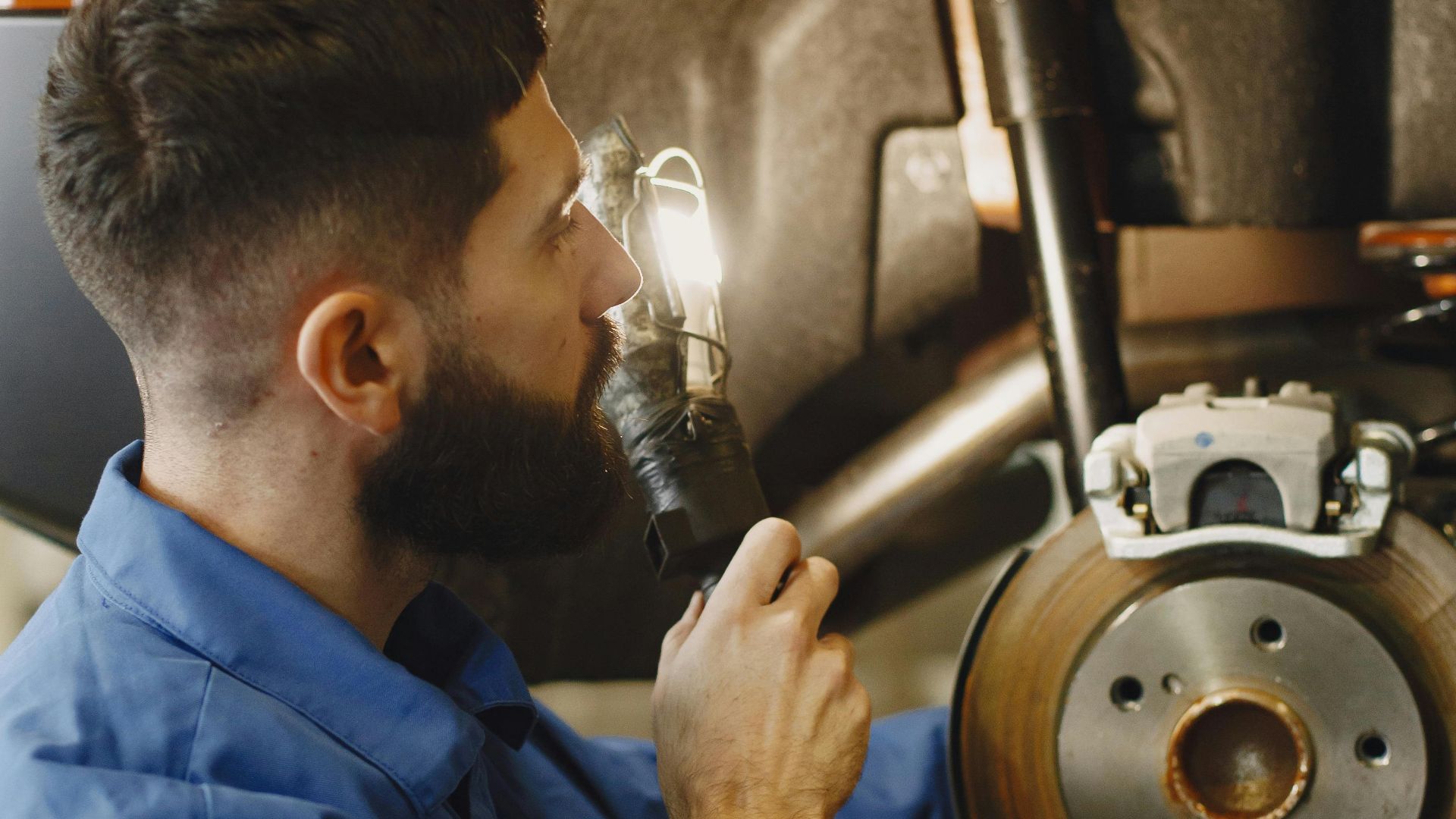
Braking performance is everything when the road is slippery. Winter conditions reduce traction dramatically, so you want your brakes in peak condition. Listen for grinding sounds, pay attention to pedal feel, and have a mechanic inspect your pads, rotors, and brake lines. Even slightly worn brakes can become unpredictable on ice or packed snow. A pre-winter brake check is one of the most important steps in preparing your car for harsh weather.
Lubricate Door Seals
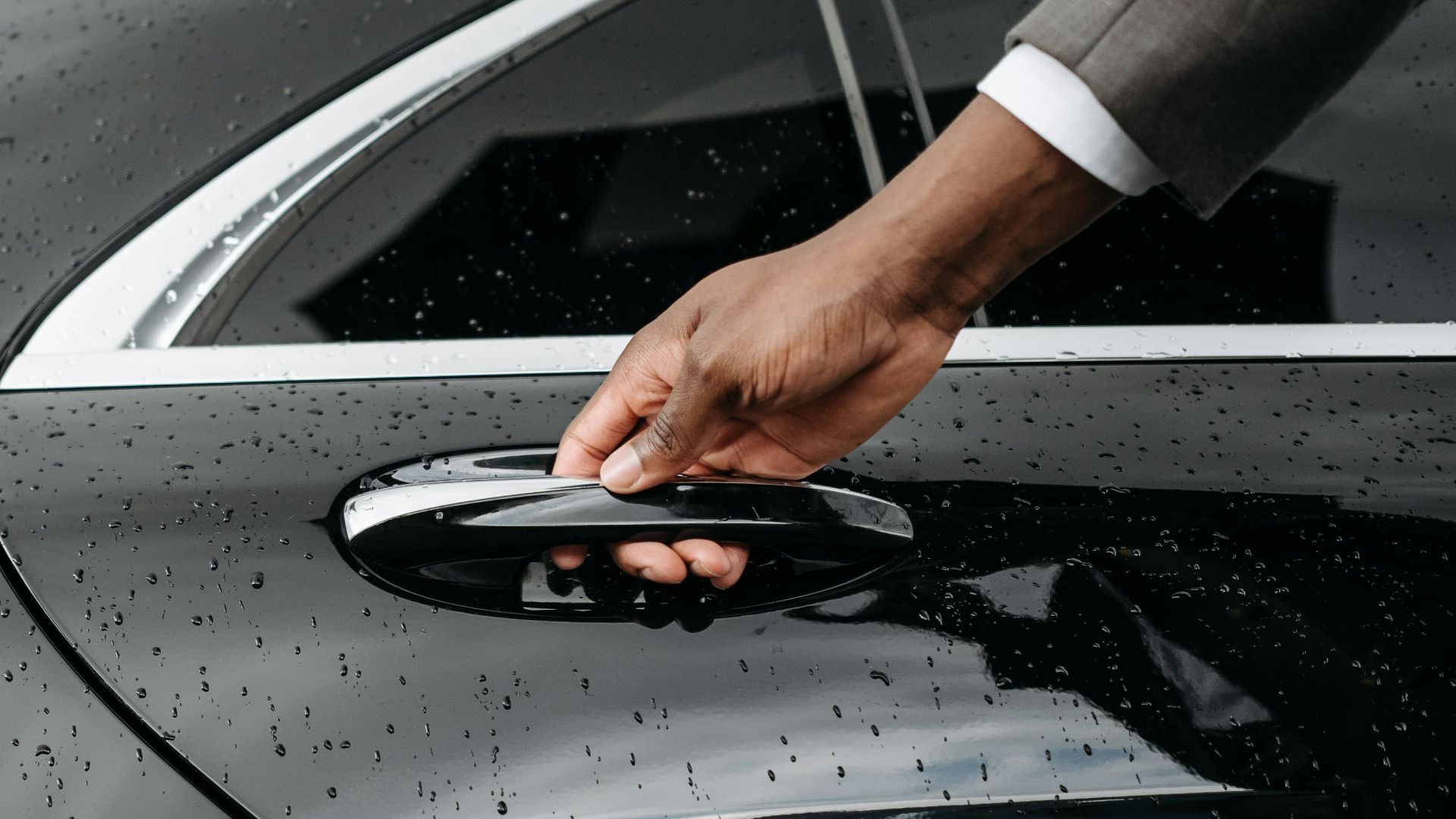
Frozen doors aren’t just annoying—they can tear weatherstripping and lead to expensive repairs. Silicone-based lubricants create a thin protective layer that prevents moisture from freezing your doors shut. Spend a few minutes treating your seals before winter fully sets in. Lubricating door hinges, locks, and latches keeps everything functioning smoothly, saving you from a morning struggle where you end up wrestling your car like it's part of an ice-themed escape room.
Keep Your Gas Tank At Least Half Full
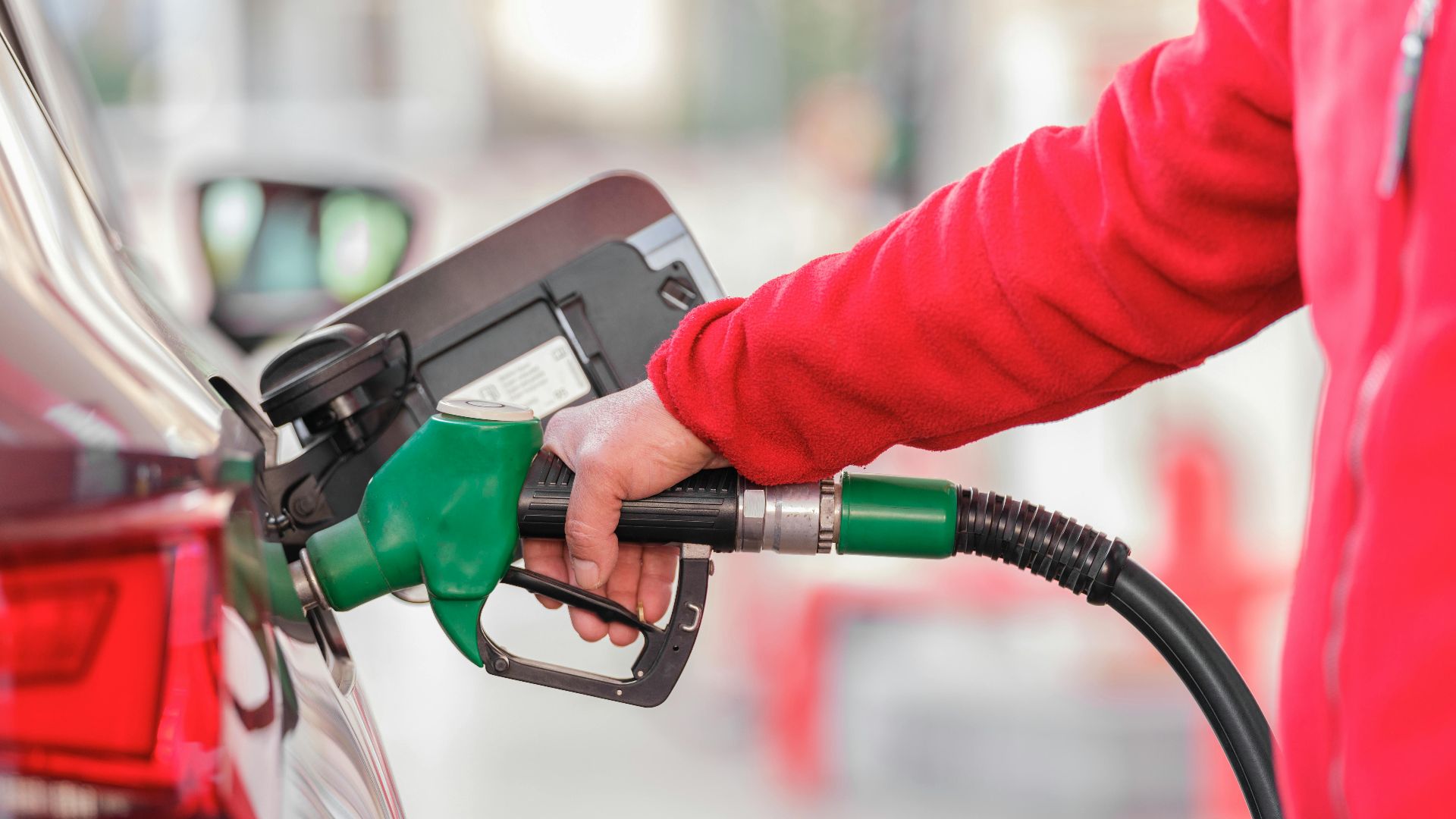
A fuller gas tank helps prevent condensation from forming inside the fuel lines, which can freeze and block fuel flow. Keeping your tank half full also buys you peace of mind during heavy winter traffic or emergency detours. Snowstorms can turn highways into parking lots, and you don’t want to be the person anxiously watching the fuel gauge while waiting for the plow trucks to arrive.
Change Your Oil (And Choose Winter-Friendly Oil)
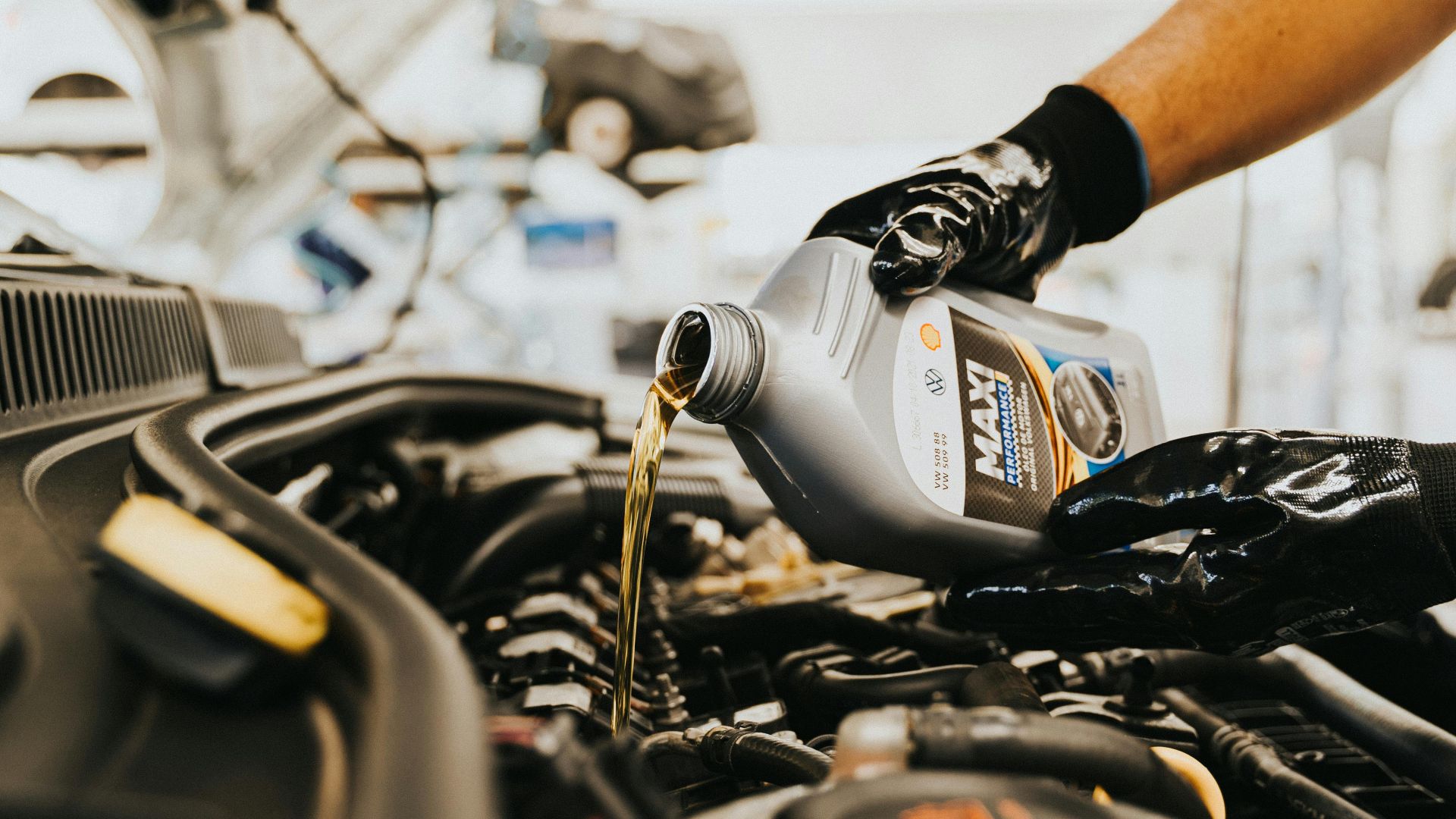
Oil thickens in cold temperatures, and if yours becomes too thick, your engine may struggle to turn over. Many drivers switch to a winter-weight oil—typically something with a lower “W” rating—to keep everything lubricated and responsive. Check your owner’s manual or ask your mechanic for recommendations. Clean, proper-weight oil makes cold starts smoother and reduces long-term engine wear.
Test Your 4WD Or AWD System
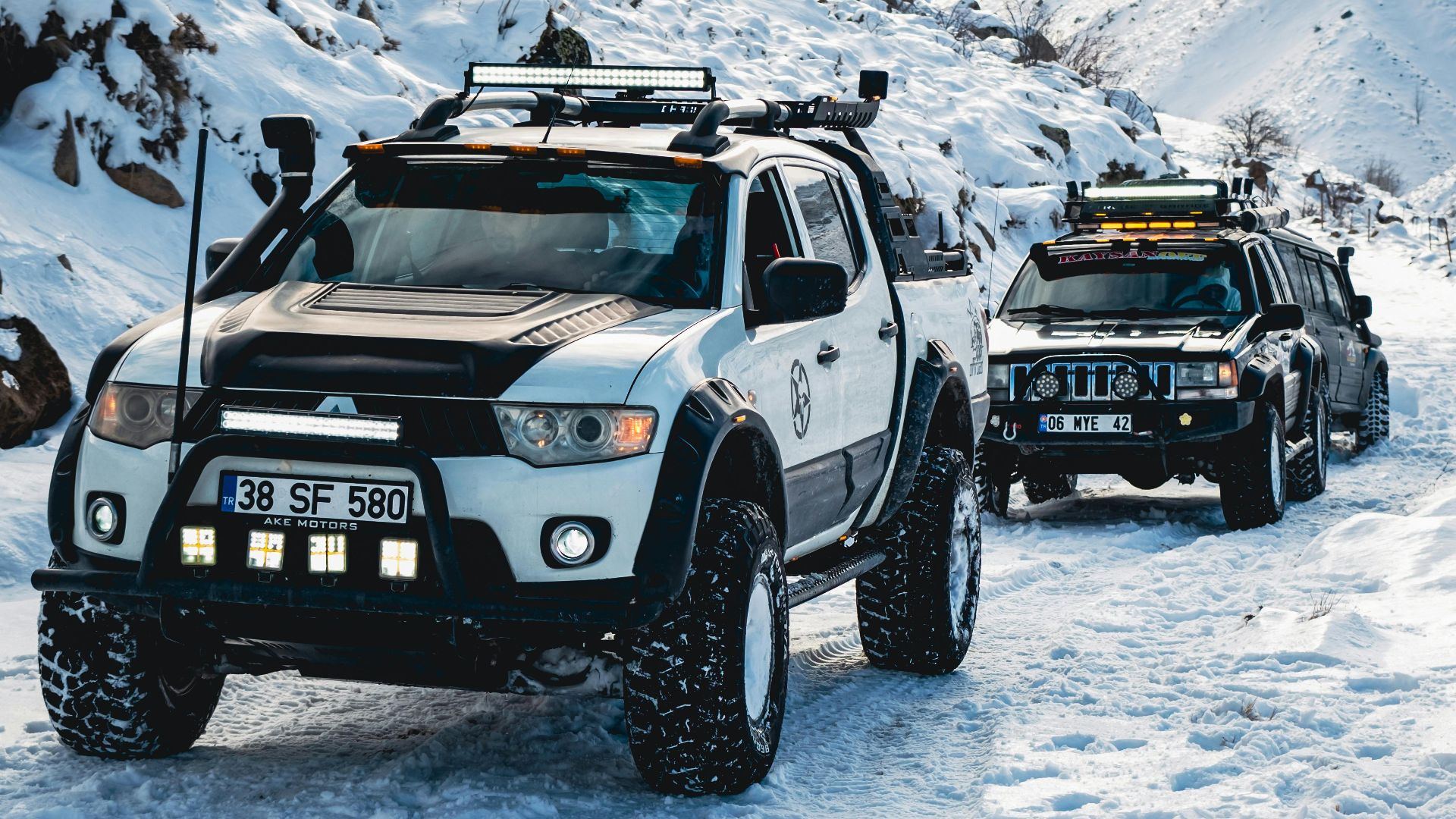
If your vehicle has 4WD or AWD, winter is its time to shine—but only if it's functioning correctly. Before the first snowfall, activate the system in a safe area to ensure the gears engage smoothly and no strange noises occur. Many drivers discover issues only when they desperately need traction on ice, which is far from ideal. A quick system check could make the difference between steady control and a slippery situation.
Inspect Belts & Hoses
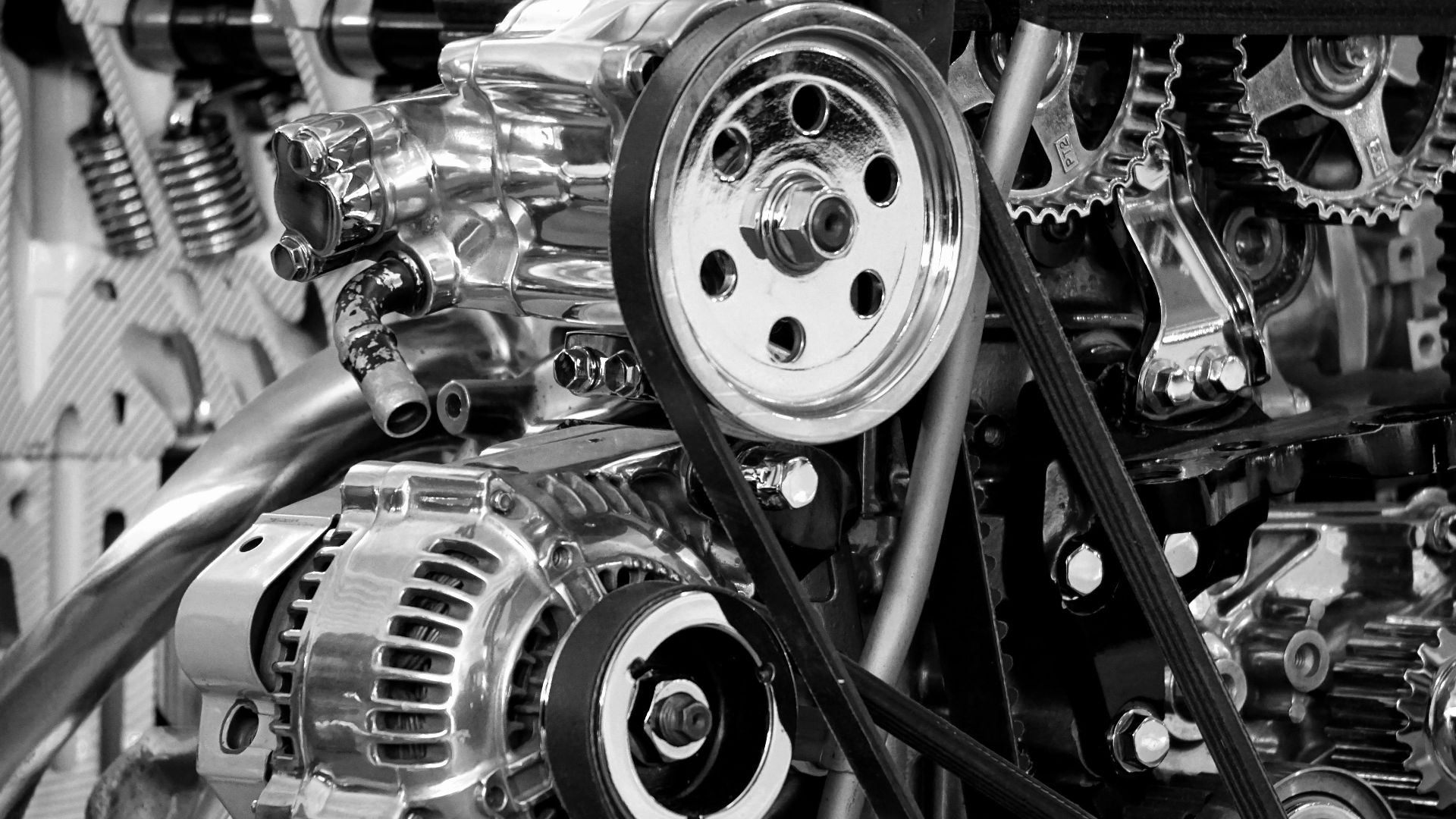
Cold temperatures can cause rubber belts and hoses to become brittle, crack, or snap with little warning. These components play critical roles in keeping your engine running, powering your alternator, and circulating coolant. Inspect for fraying, bulging, cracking, or soft spots. If anything feels questionable, replace it before winter stress pushes it past its breaking point. A failed belt on a snowy roadside is a situation no one wants.
Check Your Lights
Winter means shorter days, longer nights, and frequent low-visibility conditions. Clean, bright headlights help you see hazards sooner, while functioning taillights and signals help others see you. Clean the lenses regularly, remove foggy buildup, and replace dim or burnt-out bulbs right away. Consider upgrading to higher-output bulbs if your current lights feel inadequate. Visibility equals safety, especially with snow swirling around your vehicle.

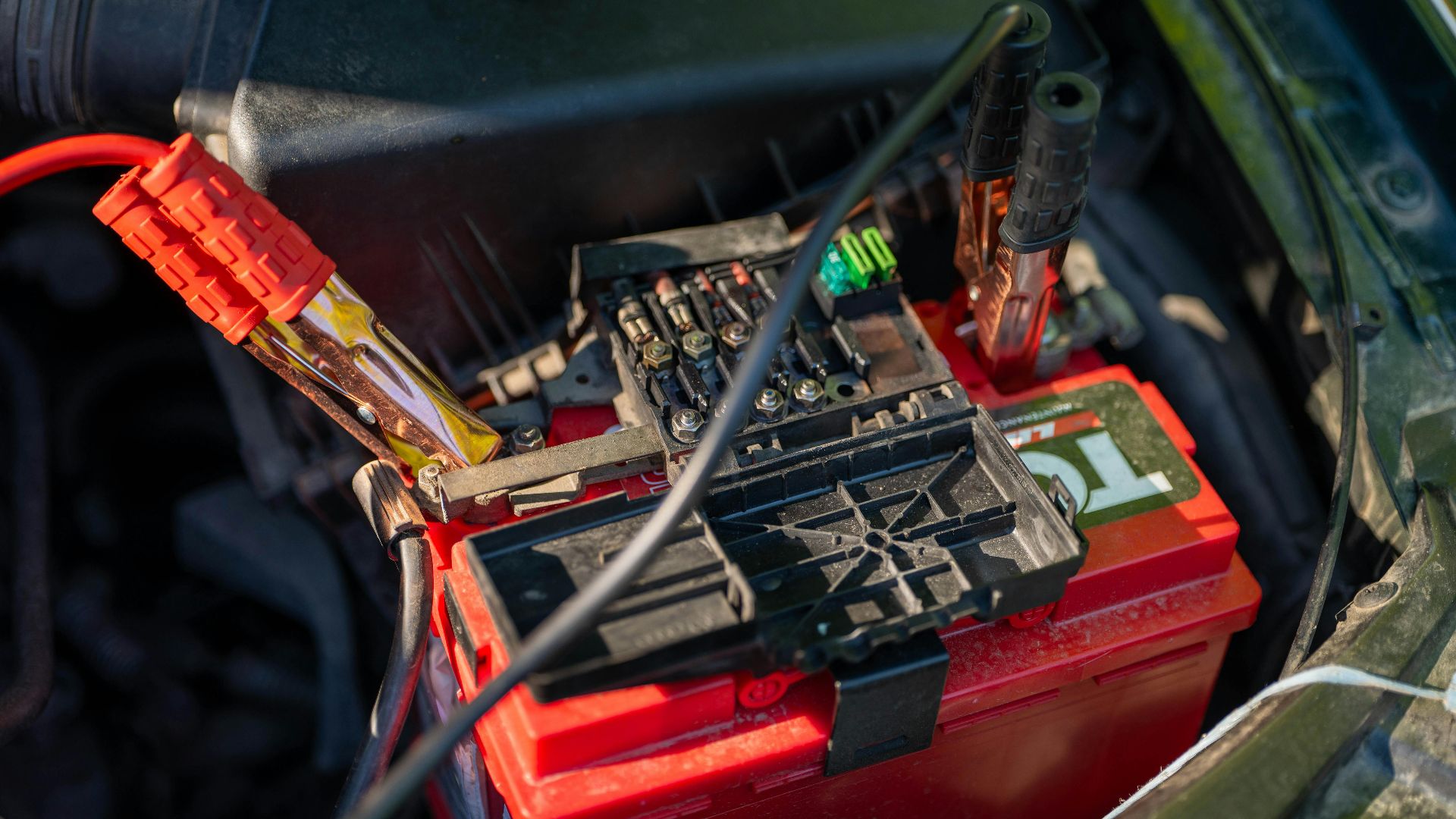
Clean & Protect Your Battery Terminals
Corrosion on the battery terminals can interfere with electrical flow, making winter starts even harder than they already are. A quick clean with a wire brush and a protective spray can keep connections strong. Securely tightened terminals ensure your alternator charges the battery efficiently. These small maintenance steps dramatically reduce your chances of dealing with a stubborn, non-starting vehicle on freezing mornings.
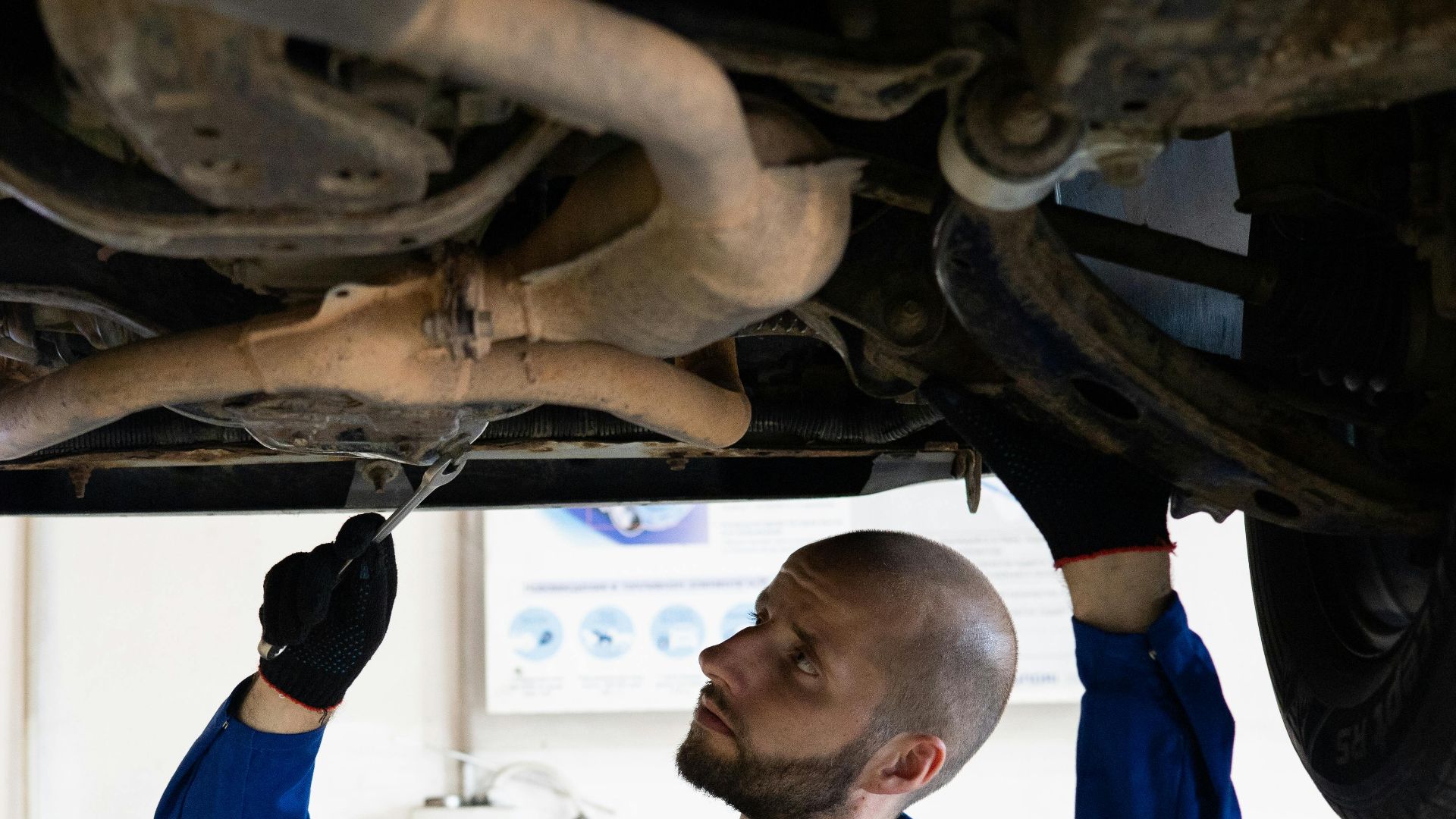
Check The Exhaust System
A properly functioning exhaust system keeps harmful fumes away from the cabin. Because winter often requires closed windows and heavy heating use, any exhaust leak becomes especially dangerous. Listen for unusual sounds, and inspect for rust, cracks, or hanging components. Clearing snow from around your tailpipe after heavy snowfall also prevents dangerous carbon monoxide buildup if your vehicle is idling.
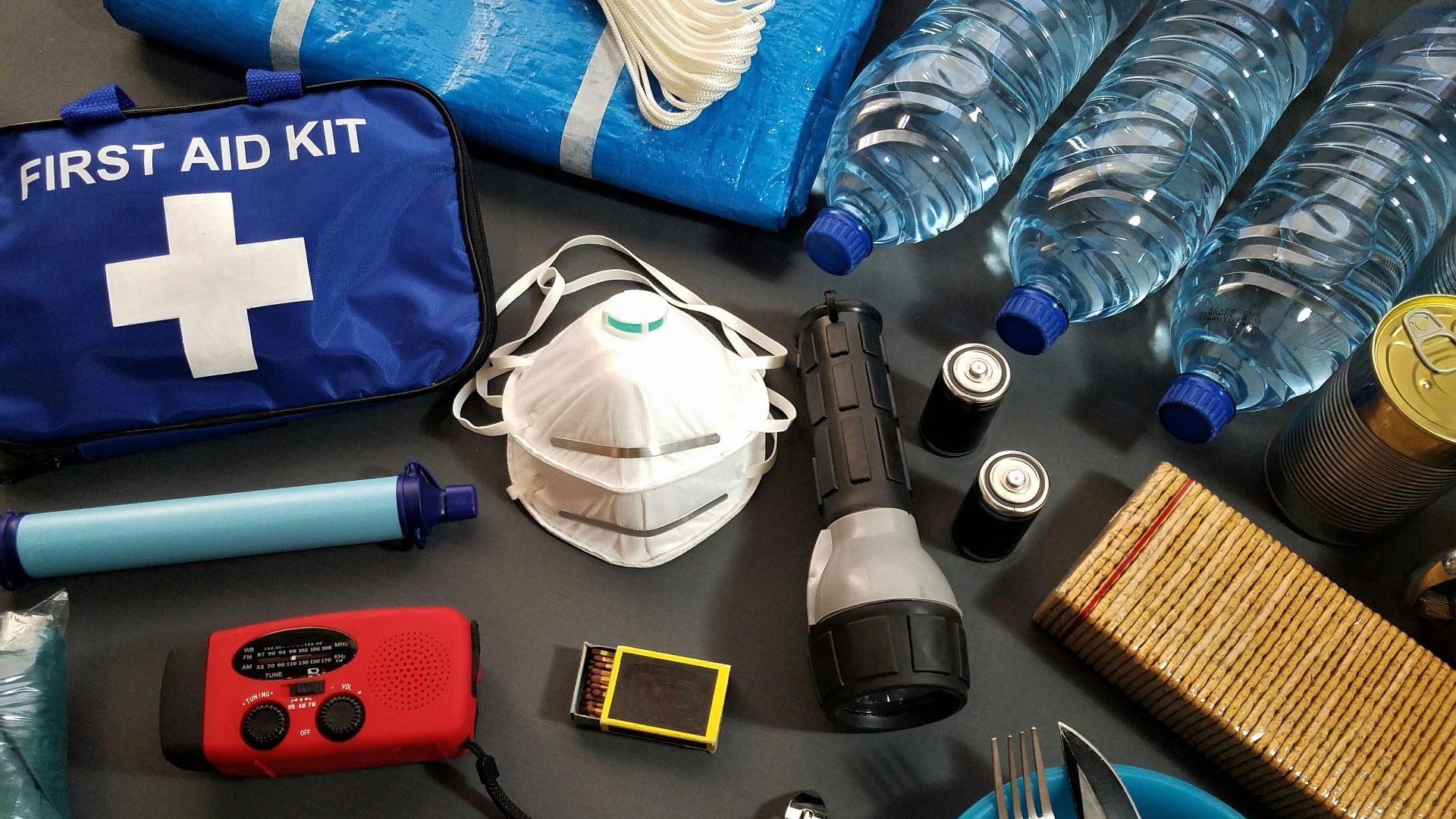
Pack An Emergency Kit
Every winter driver should have a well-stocked emergency kit. Include essentials such as blankets, gloves, flashlights, snacks, bottled water, jumper cables, a portable phone charger, a small shovel, traction mats, and a first-aid kit. You may never need it, but if you do, you’ll be grateful it’s there. Winter road delays happen fast, and being prepared keeps a scary situation from becoming a dangerous one.
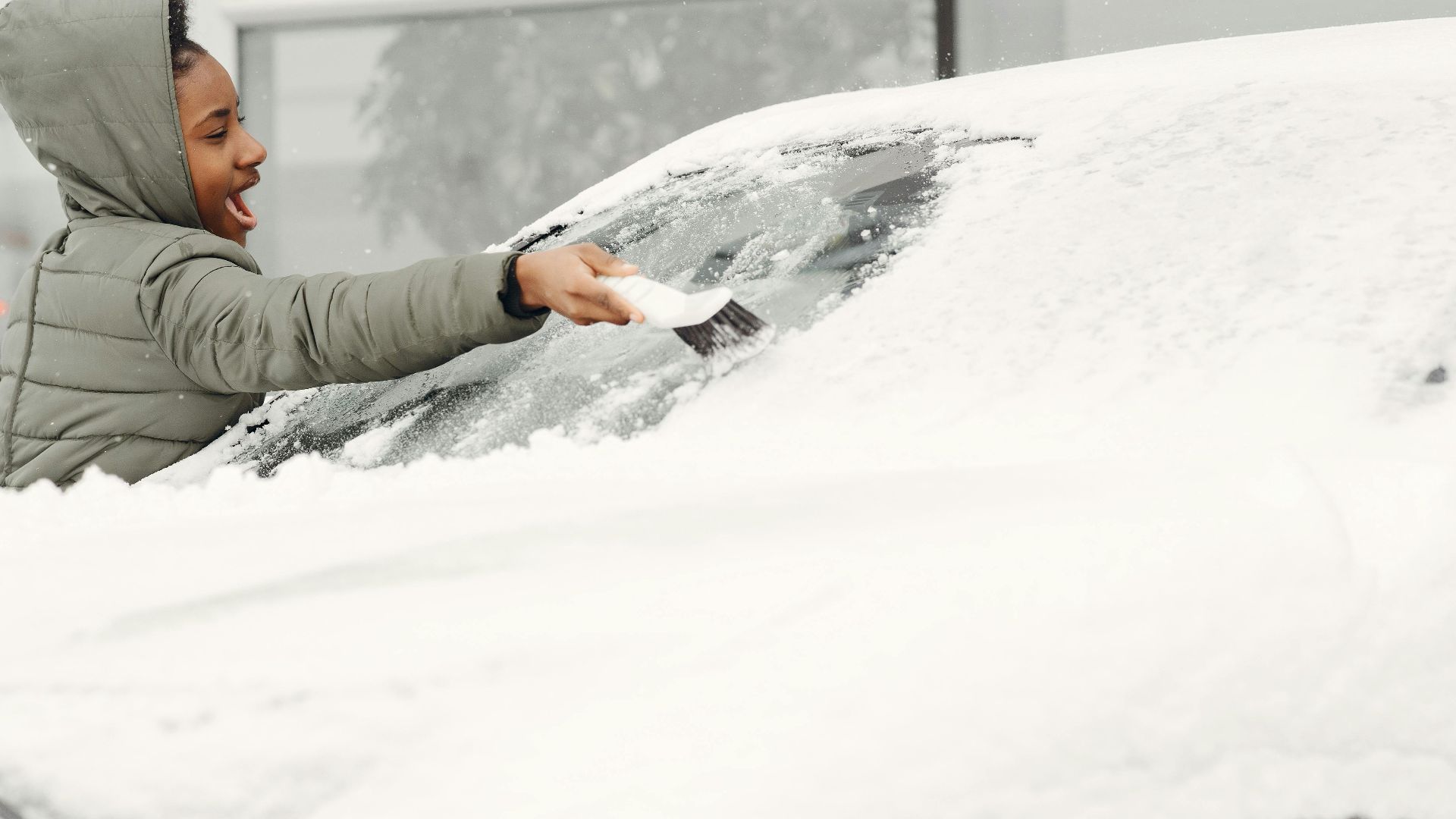
Keep A Snow Brush & Ice Scraper Handy
Trying to clear snow with your hands—or worse, a credit card—is a fast way to ruin both your day and your plastic. A sturdy ice scraper and extendable snow brush help you quickly remove frost, packed snow, and ice from your windows and roof. Clearing your car thoroughly isn’t just courteous—it’s the law in many places. Snow flying off your roof at 60 mph becomes a hazard to everyone behind you.
Clean & Treat Your Windshield
A dirty or pitted windshield scatters winter glare, making it harder to see even with good wipers. Clean the inside and outside with glass-safe products and consider applying a hydrophobic windshield treatment. These coatings help water and slush bead off more easily, improving visibility in heavy precipitation. Combined with functioning wipers, a clean windshield is one of your greatest winter driving allies.

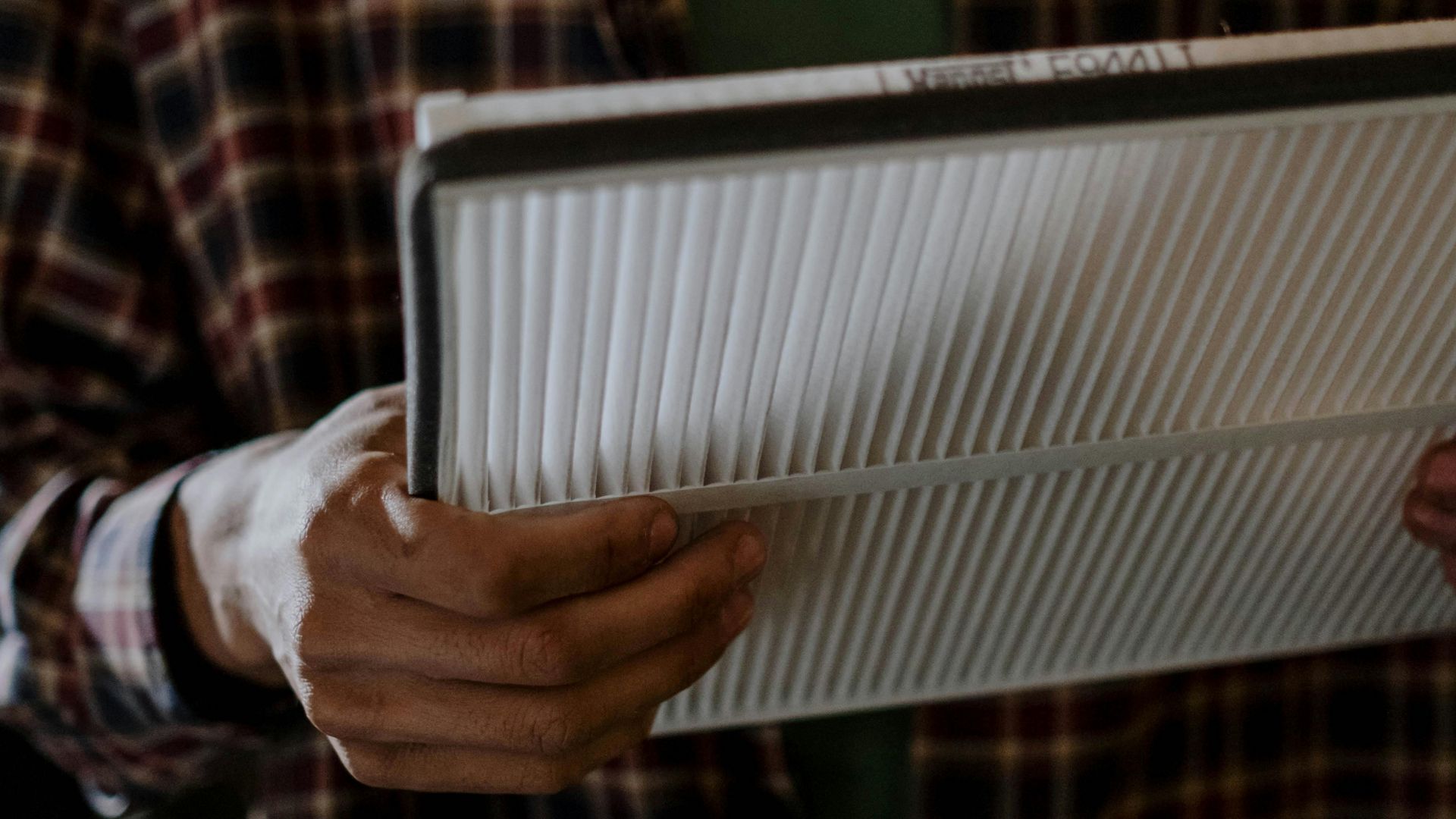
Check Cabin & Engine Air Filters
Clogged air filters reduce airflow to your heating system and engine, both of which matter tremendously in cold weather. A clean cabin filter keeps warm air moving through your vents efficiently, while a clean engine filter ensures proper fuel-air balance for smooth performance. Winter driving already stresses the engine—don’t add more strain by forcing it to breathe through layers of trapped dust.
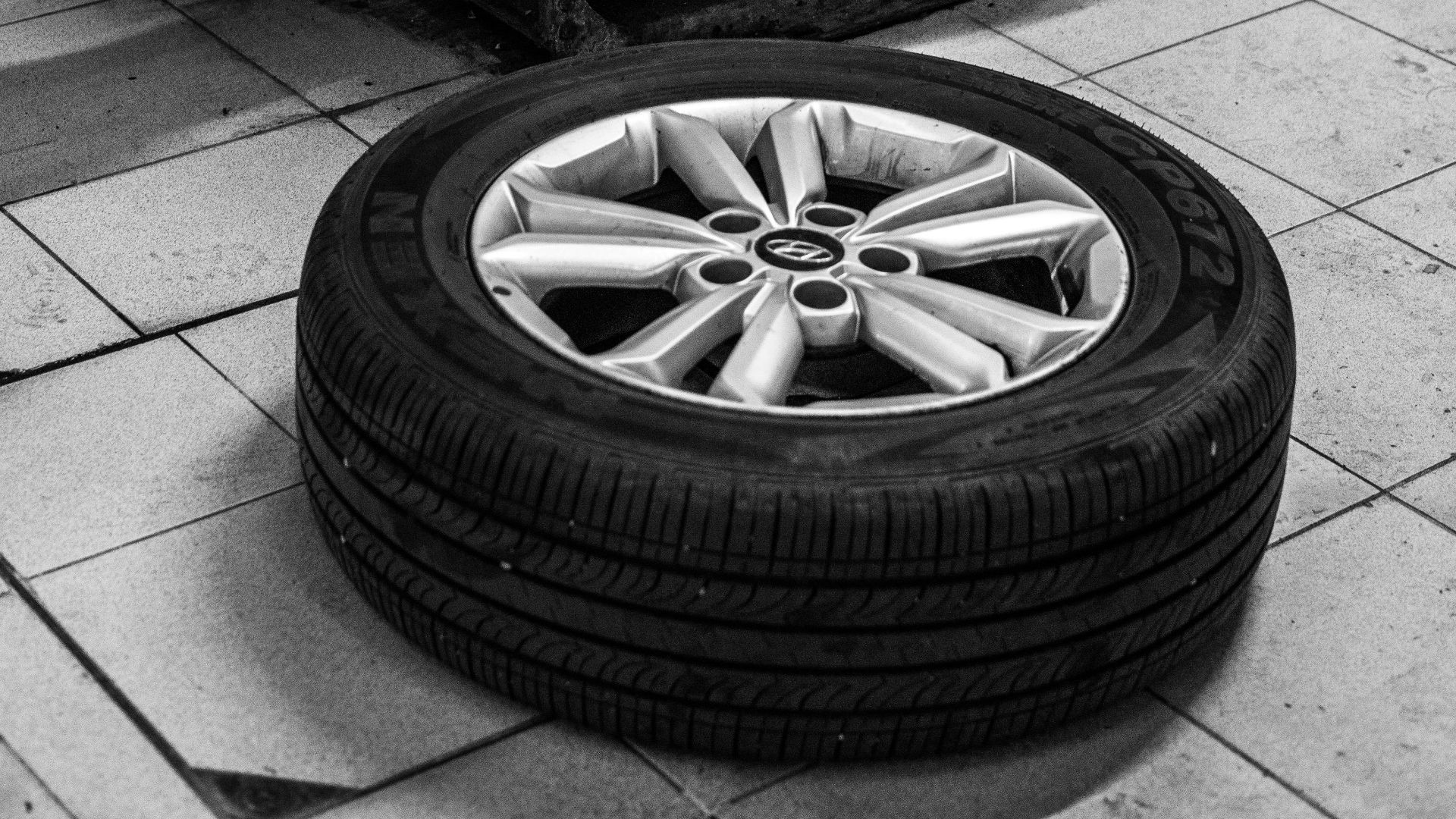
Inspect Your Spare Tire & Tools
A flat tire in winter is bad enough. Discovering your spare is unusable—or that you're missing a jack—turns a simple fix into a roadside nightmare. Check your spare for proper pressure and inspect the tire for cracks or age-related wear. Verify that your jack, lug wrench, and any wheel-lock keys are present and functional. A little preparation now saves major frustration later.
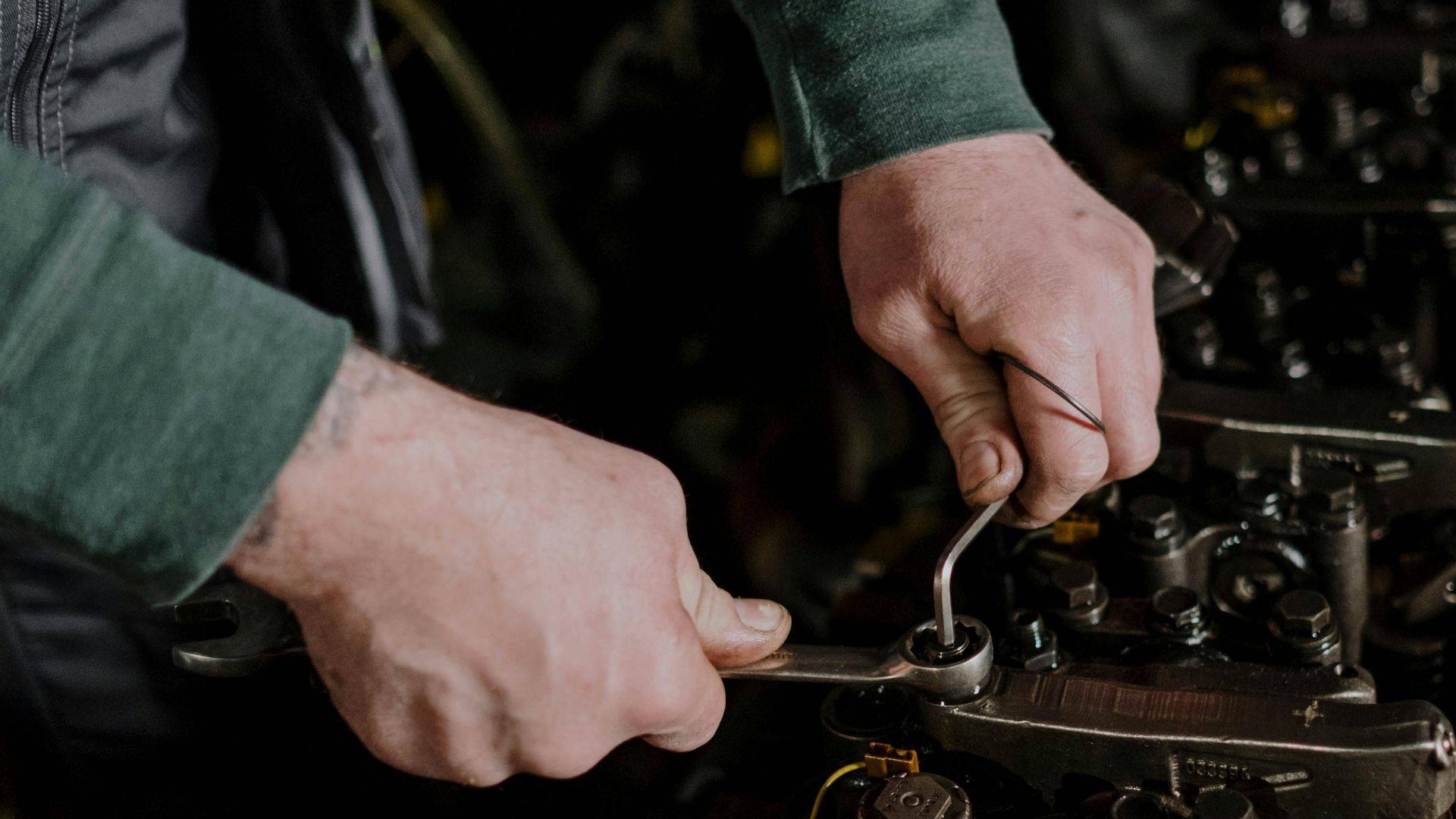
Grease Locks & Hinges
Frozen locks can trap you outside your own vehicle, and stiff hinges make doors difficult to open or close in freezing temperatures. Using a graphite or silicone lubricant on locks, latches, and hinges keeps everything moving smoothly. This small preventative step takes only minutes but makes those brutally cold mornings far easier to manage.
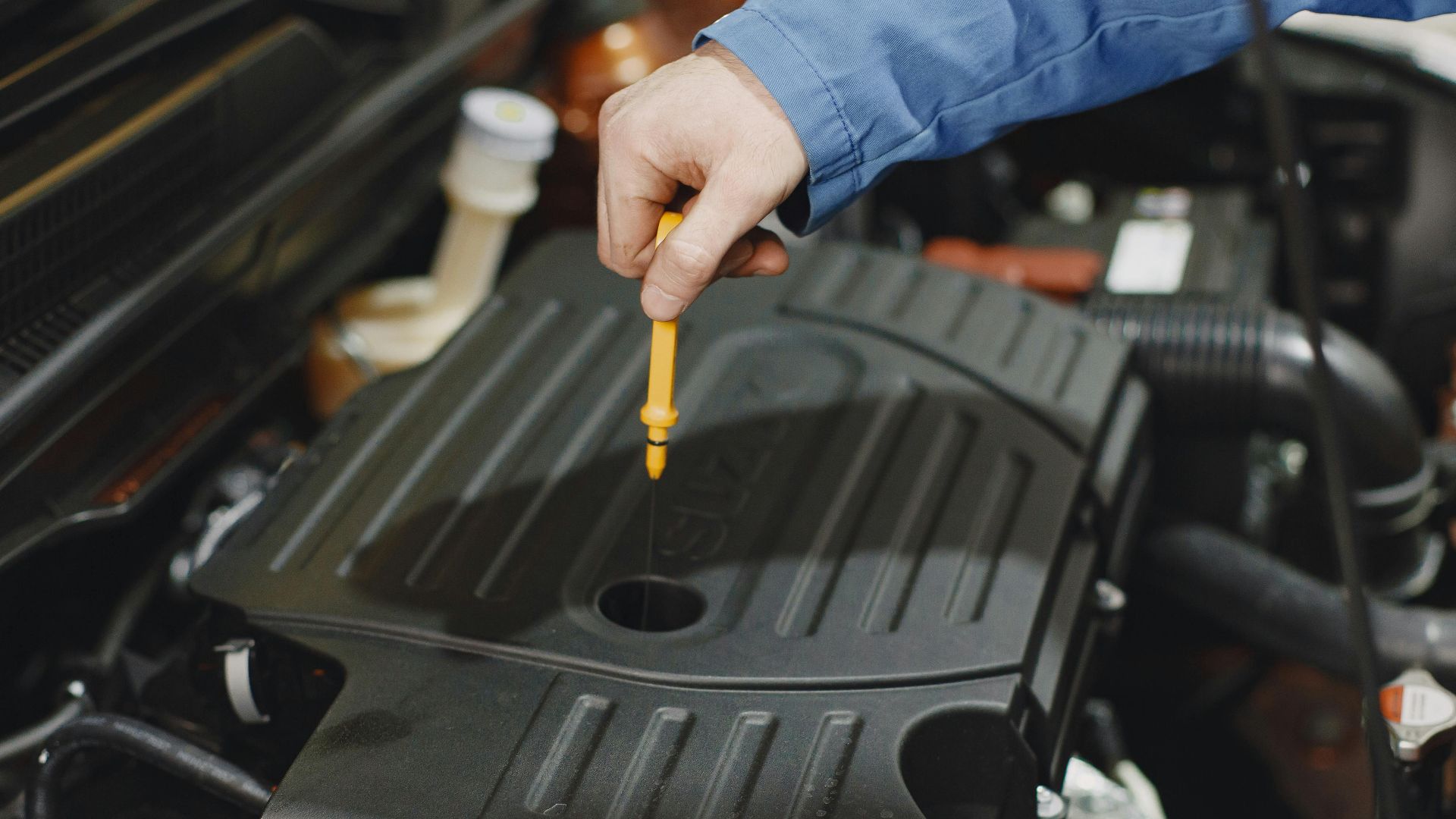
Verify All Fluids Are Topped Off
Winter strains every fluid in your vehicle—transmission fluid thickens, brake fluid becomes more critical on slick roads, and power-steering fluid helps you maintain control in tough conditions. Checking levels and topping off fluids reduces unnecessary stress on your car’s systems. It’s a simple insurance policy against unexpected breakdowns and expensive repairs.
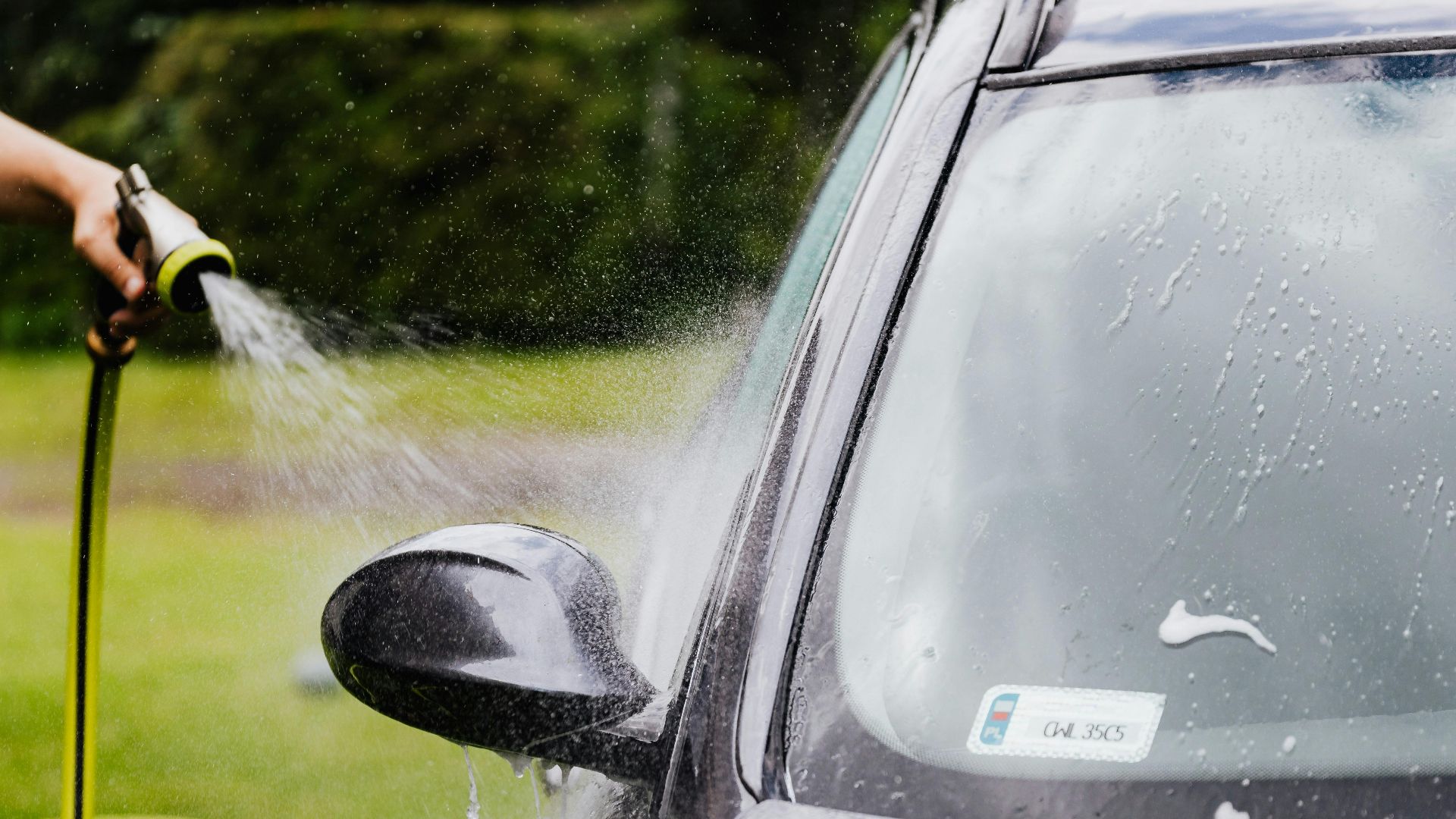
Wash and Wax Before The Season
A pre-winter wash and wax is more than cosmetic. Road salt and slush are highly corrosive and can eat away at your car’s paint and metal components. Fresh wax creates a protective shield, making it harder for grime to stick and easier to rinse off. Clean wheel wells and underbody areas thoroughly, as these spots accumulate the most salt and moisture throughout winter.
What Winter Maintenance Do You Still Need To Do On Your Car?
Winter driving doesn’t have to be intimidating—especially when your car is primed and ready for the cold. With these essential maintenance tips, you’ll head into the season prepared, confident, and far less likely to encounter unpleasant surprises on icy roads.

You May Also Like:
The Best Quick Guide To Buying Tires