
Love, Loans, And Left Turns
Buying a car together can feel wildly romantic at first. It says trust, teamwork, and maybe even “we’re building a future.” But when the relationship hits the brakes, that shared vehicle suddenly stops feeling cute and starts feeling like the messiest item in the breakup.
 Connect Images - Curated, Shutterstock
When A Car Becomes A Custody Battle
Pets are emotional, furniture is replaceable, but a car is practical, expensive, and hard to split. You cannot exactly saw a sedan in half and call it even. That is why breakups involving shared cars can get surprisingly tense, especially when both people feel entitled to the keys.
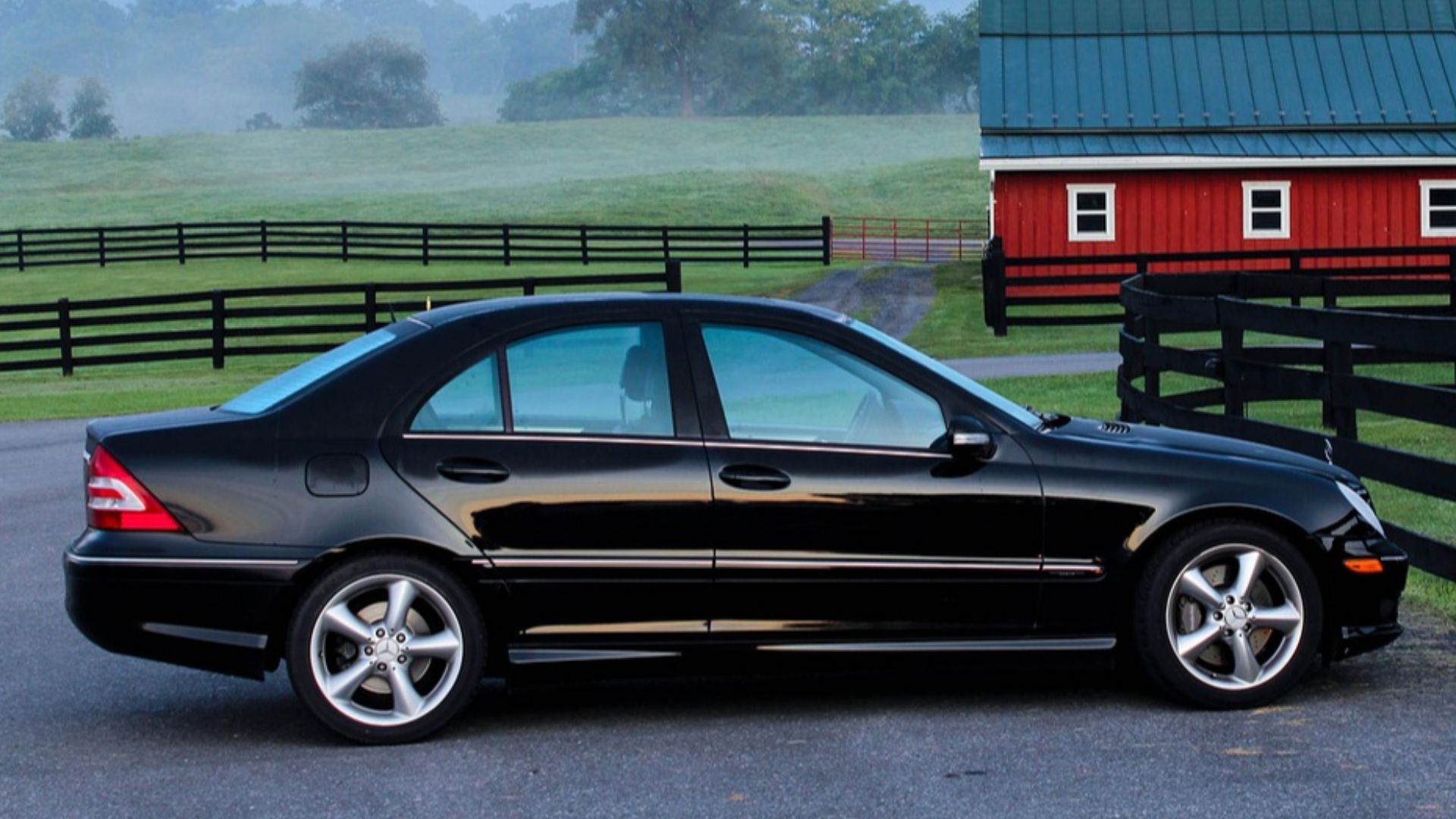
The Big Question
Here is the heart of it: if one person uses the car to get to work every day and the other does not actually need it for commuting, should the commuter get priority? On a basic common-sense level, that argument feels pretty strong. A car is not just a possession in this situation, it is a lifeline.

Need Vs. Technical Ownership
Still, need and ownership are not always the same thing. If both names are on the title, both people may have equal legal rights no matter who has the longer drive to the office. That is what makes these situations so frustrating: logic says one thing, paperwork may say another.

Why Commuting Changes Everything
A commute is not a luxury. It is the thing that gets someone to work on time, keeps the paycheck coming, and makes daily life function. If one partner depends on the car to earn a living, while the other mostly wants it for convenience, those uses are not really equal.

Convenience Is Not The Same As Necessity
That does not mean the non-commuting ex has zero claim. Maybe she still uses the car for errands, appointments, or seeing family. But there is a difference between “I need this to maintain my job” and “I would like access because it’s easier.” Those are not the same lane.

The Emotional Math Is Usually Terrible
Breakup logic is rarely pure logic. Old resentments sneak into every conversation. Suddenly the car is not just transportation, it is a symbol of fairness, power, sacrifice, and who got hurt more. That is when practical conversations turn into dramatic reruns of every unresolved fight.

Who Paid What Matters
Before anyone starts making moral claims, it helps to look at the boring stuff. Who made the down payment? Who covers the monthly payment? Who pays for insurance, gas, repairs, registration, and surprise mechanic visits that somehow always happen at the worst possible time? Those facts matter more than feelings.

So Does Who Drives It Most
Usage matters too. If one person drives the car daily and the other barely touches it, that should count for something in a fair split. Shared ownership does not automatically mean shared value in the same way, especially if one person is clearly the primary driver.

Equal Ownership Does Not Always Mean Equal Access
This is the hard truth people hate hearing. Even if the car is jointly owned, splitting time fifty-fifty may be the worst possible arrangement. Cars are not vacation homes. Most people need them during the exact same parts of the day, which makes half-time use a logistical nightmare.
 JirkaBulrush, Wikimedia Commons
The Half-The-Time Plan Sounds Better Than It Is
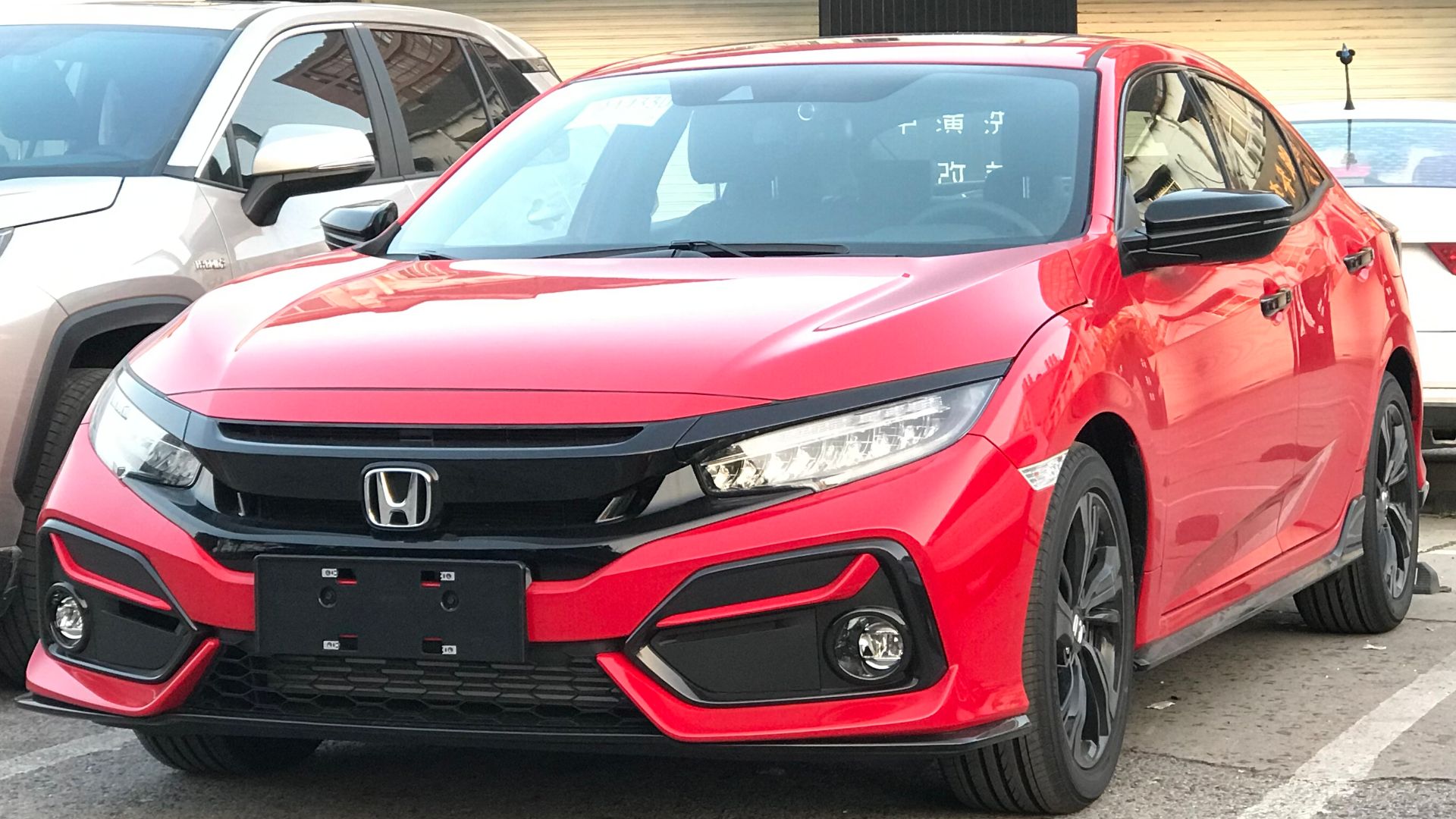
In theory, alternating days or weeks sounds civilized. In real life, it often becomes chaotic fast. One person is late, the other needs a last-minute favor, plans change, tension rises, and suddenly a Honda Civic is causing the kind of scheduling drama usually reserved for reality television.
 Jengtingchen, Wikimedia Commons
Logistics Can Kill A Bad Compromise
Even if both people try to be mature, shared use after a breakup can get messy. Who keeps the car overnight? Who picks it up? What if one person leaves it with no gas? What if it comes back with a mystery dent and a suspiciously vague explanation? The system can fall apart quickly.

Work Should Carry Real Weight
If the question is purely what is fair, employment needs should carry serious weight. Reliable transportation affects income, stability, and future plans. A person who needs the car to commute is not asking for a joyride. They are asking for the means to keep life moving.

But Fair Is Not Always Winner-Takes-All
Even then, “I need it more” does not automatically mean “therefore it is fully mine now.” If both people paid into it, the fair solution may be one person keeping the car while financially compensating the other. That is usually cleaner than trying to co-parent a vehicle after a breakup.

The Buyout Option Often Makes The Most Sense
One practical answer is simple: if you want the car, buy out her share. Figure out what the vehicle is worth, subtract what is still owed, and calculate a fair amount. It is less romantic than shared sunset drives, but much more useful than arguing over who gets Tuesdays.

Refinancing Can End The Drama
If there is still a loan, one person may be able to refinance it into their own name. That removes the other person from the debt and makes ownership much clearer. It is not always easy, but it is far better than staying financially entangled with someone whose texts now raise your blood pressure.

Selling It Is The Nuclear Option
If neither person can buy the other out and both refuse to budge, selling the car may be the only clean solution. Nobody loves that answer, but sometimes fairness looks like both people walking away with money instead of one person driving away with resentment.
 WESTOCK PRODUCTIONS, Shutterstock
Sentiment Should Not Drive The Decision
It is tempting to argue from emotion. Maybe you picked the color, maybe she found the deal, maybe that car was part of your road trip era. None of that matters as much as what works now. The relationship is over, so the car decision has to live in the present, not in the scrapbook.

Being Right Is Not The Same As Being Strategic
You may be totally right that you should get the car. But if you present that point like a courtroom speech mixed with breakup bitterness, you are less likely to get a good outcome. Calm, practical, numbers-based conversations tend to go much farther than “Come on, obviously I deserve it.”

A Good Argument Sounds Like This
The strongest case is not emotional at all. It is: I use the car every day to get to work, I rely on it for income, I am willing to take over payments or buy out your share, and I want a clean arrangement that works for both of us. That is harder to argue with.

A Bad Argument Sounds Like Revenge
The weakest version is: you do not need it as much, so you should just hand it over. Even if that feels true, it can sound dismissive and controlling. Nobody wants to leave a breakup feeling bulldozed, and once pride enters the chat, solving the problem gets much harder.

Practical Fairness Beats Emotional Fairness
A lot of breakup disputes come down to people using different definitions of fair. One person means equal, the other means reasonable. In a shared car situation, reasonable may matter more. The best solution is usually the one that causes the least disruption to daily life, not the one that looks perfectly symmetrical on paper.

There Is Also The Insurance Problem
Shared use can get even uglier when insurance is involved. If one person gets into an accident, misses a payment, or lets coverage lapse, the consequences can affect both people. That is another reason ongoing joint use after a breakup often feels less like compromise and more like a trap with monthly premiums.

Independence Has Value Too
There is also something to be said for a clean split. Even if sharing the car seems workable for a month or two, it keeps both people tied together. When every dentist appointment or grocery run requires checking in with an ex, the emotional engine never fully shuts off.

So, Should The Commuter Get The Car?
In spirit, yes, the person who needs the car for a daily commute has the stronger argument. Transportation tied to work carries more weight than casual or occasional use. That does not erase the other person’s ownership stake, but it does make the commuter the more sensible long-term keeper of the car.

The Best Outcome Is A Clean One
The smartest solution is usually for the commuter to keep the car, take over the financial responsibility, and compensate the other person fairly. That respects both need and ownership. It is not about declaring one person the winner. It is about ending a shared chapter without turning a vehicle into a never-ending sequel.

Breakups Are Hard Enough Without Sharing A Sedan
At the end of the day, a breakup is already exhausting without adding a rotating car schedule to the mess. If one person truly needs the vehicle to get to work and is willing to make the split financially fair, that is probably the most practical answer. Romance may have brought the car into the relationship, but plain old common sense should drive it out.

You May Also Like:
Cars From The 1970s That No One Remembers—Seriously, Do You Remember Even 5 Of These Vehicles?