Don’t Panic Just Yet
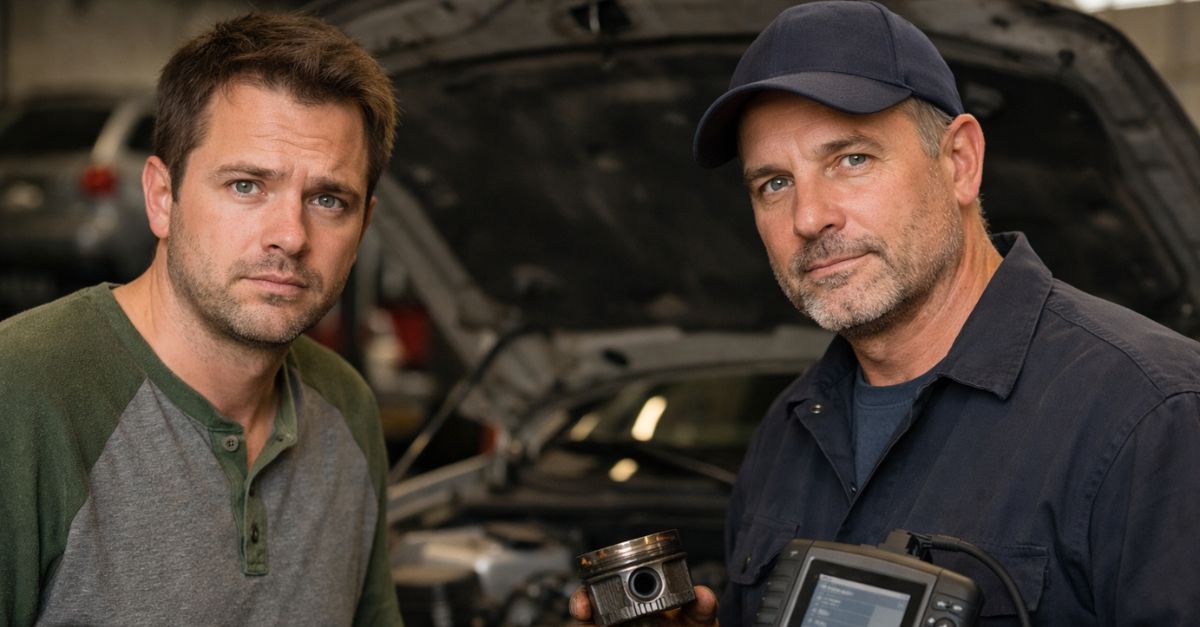
Hearing “your engine is about to fail” sounds both scary and expensive, but one mechanic's word doesn't necessarily prove anything. Engines usually show clear symptoms, test results, or visible damage before a shop can honestly make that call. A good mechanic should be able to explain what they found in simple terms and show you some kind of proof. If they cannot, it makes sense to slow down and ask more questions.
What “About To Fail” Actually Means
There is no single technical definition for “about to fail.” It might mean low oil pressure, heavy knocking, coolant in the oil, a timing problem, or another issue that could get much worse if ignored. Because the phrase is so vague, ask what exact problem they think the engine has and how they reached that conclusion. The details matter more than dramatic wording.
Ask For The Exact Symptom
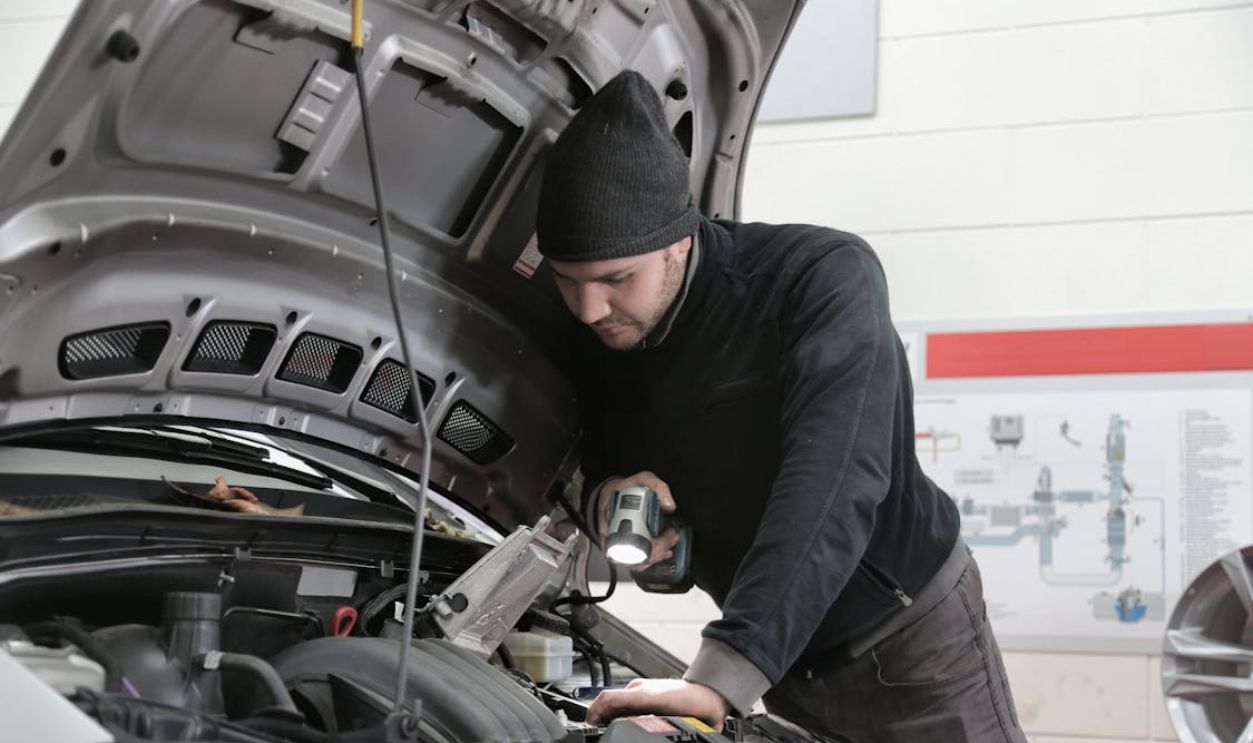
Start by asking what symptom made them say this. Is the engine knocking, overheating, misfiring, smoking, or showing very low compression or oil pressure? A real diagnosis should connect a symptom to a likely cause. If the answer is fuzzy, be careful.
Request Visual Proof
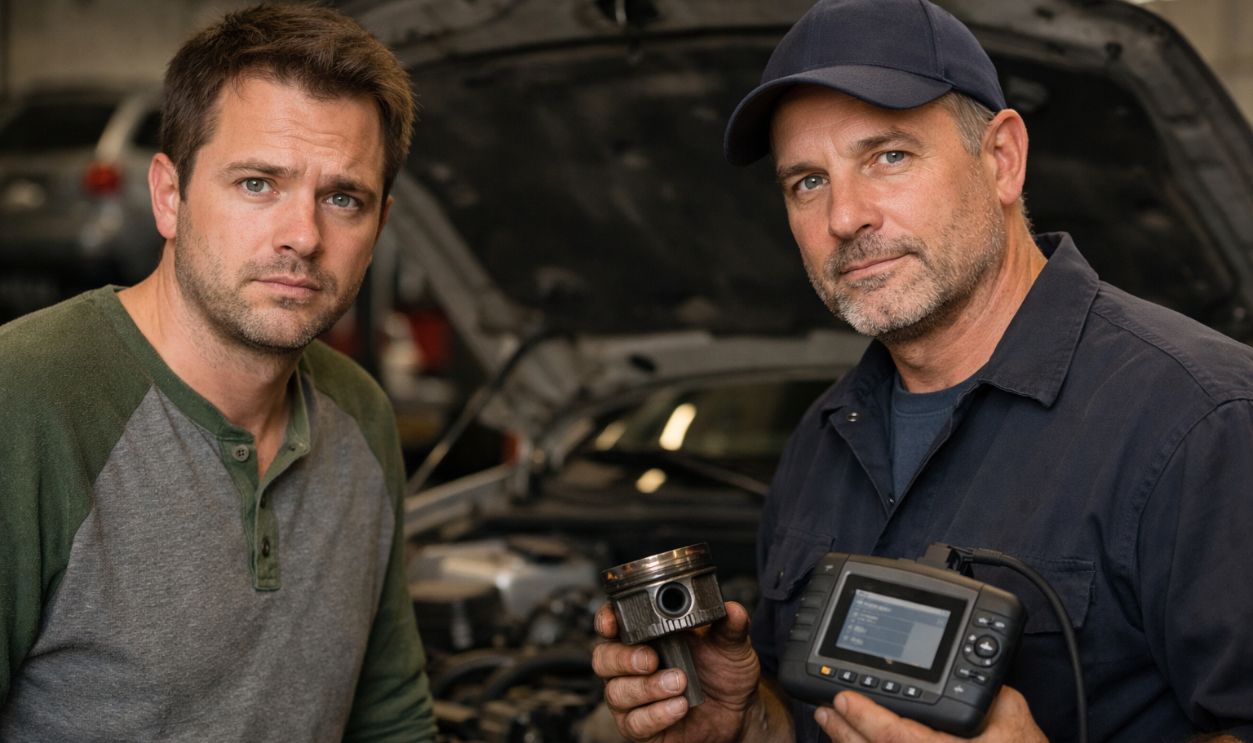
You can ask the shop to show you what they found. That could mean metal in the oil, coolant mixed with oil, a broken part, scan tool readings, or a camera view from inside a cylinder. Many solid shops already take photos or video for customers. If they refuse to show anything at all, that does not always mean they are lying, but it is a good reason to get a second opinion.
Listen For Clear Noises
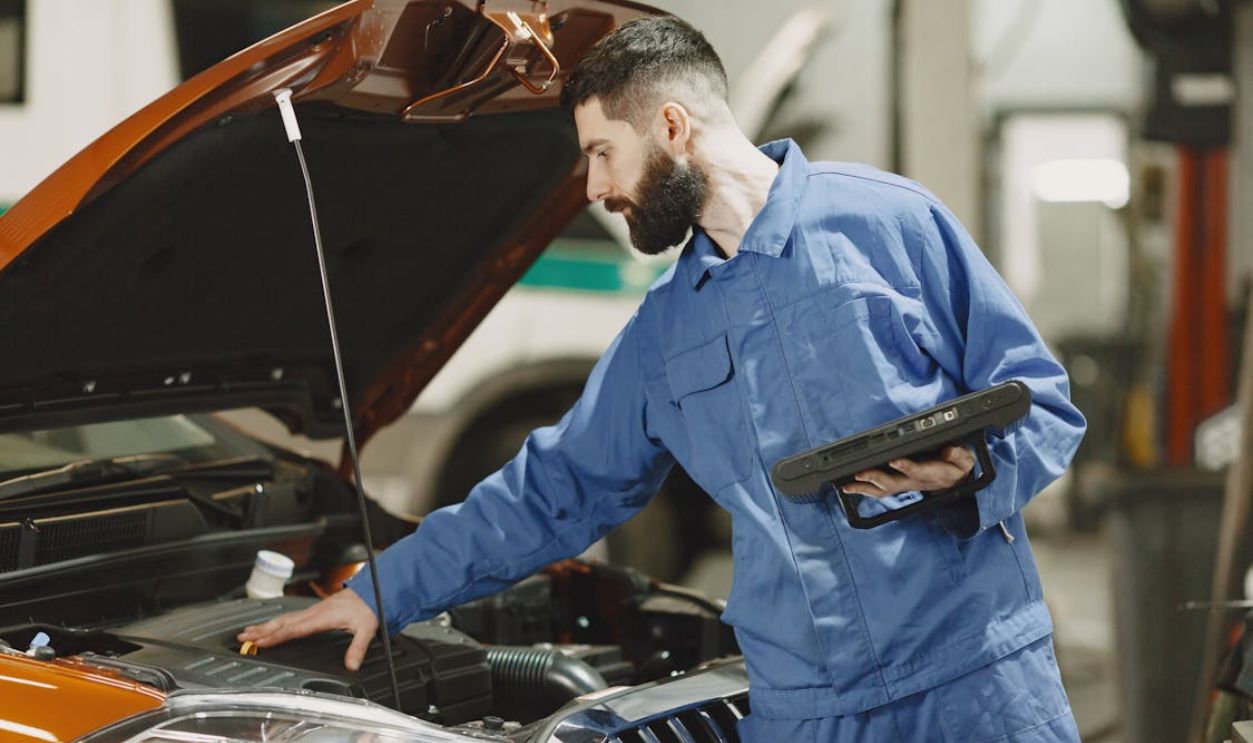
Some engine problems are pretty obvious, especially deep knocking, heavy ticking, grinding, or rattling that changes with RPM. Rod knock and bearing noise can point to serious wear, and timing chain noise can also be urgent if it is bad enough. Still, not every strange noise means the engine is about to die. A shop should be able to tell you where the noise is coming from, not just say it sounds bad.
Watch The Warning Lights
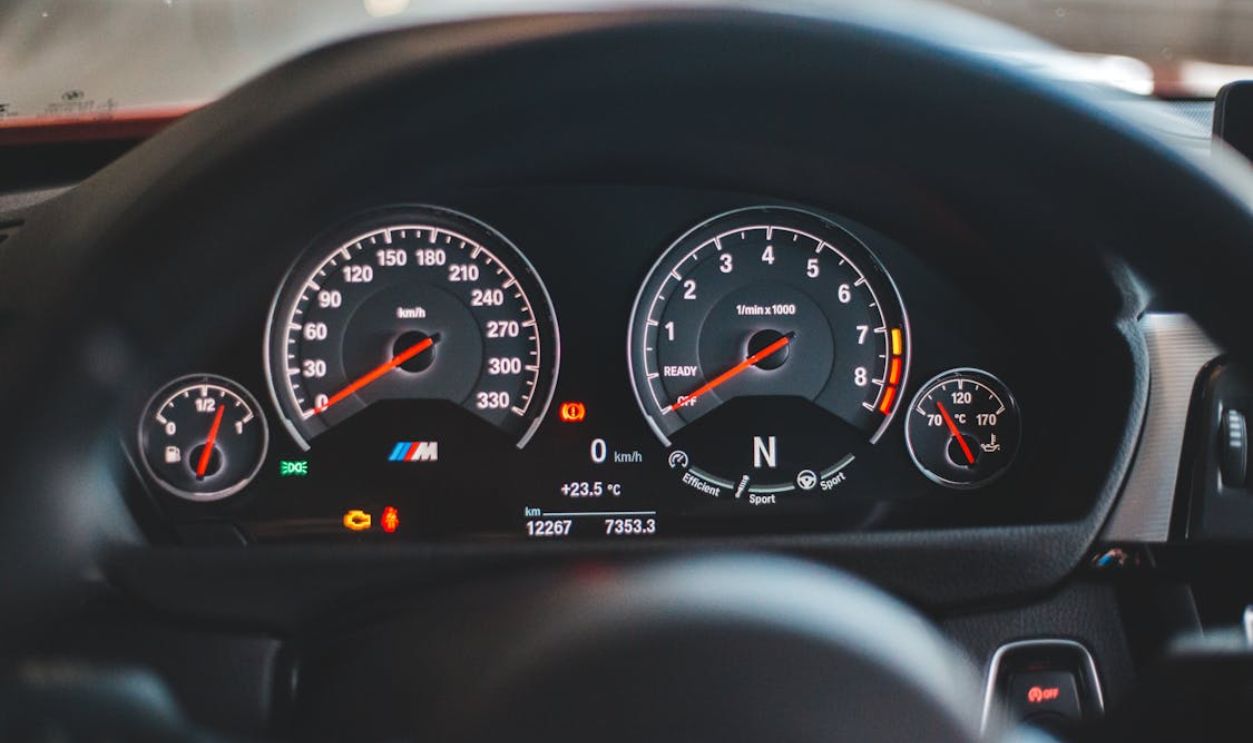
If the oil pressure light is on, stop driving and take it seriously. Low oil pressure can ruin an engine fast. A check engine light by itself does not always mean the engine is near failure, but it does mean there are trouble codes stored in the car. Those codes can help point to the problem, even if they are not a full diagnosis on their own.
Smoke Color Can Tell You A Lot
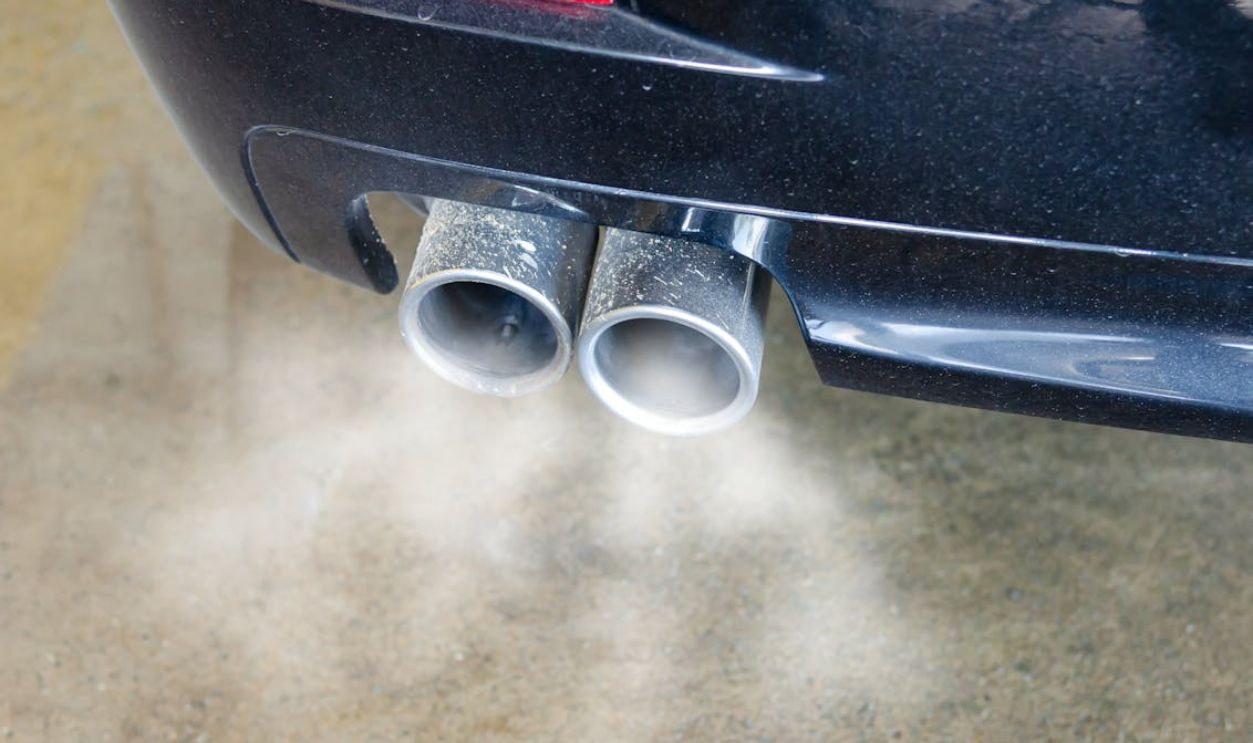
Exhaust smoke can give helpful clues. Blue smoke often means the engine is burning oil, white smoke that sticks around can mean coolant is getting into the engine, and black smoke usually means too much fuel is being burned. None of these automatically means total engine failure, but they can support a serious diagnosis when paired with testing. A mechanic should be able to explain what the smoke likely means.

Check The Fluids Yourself
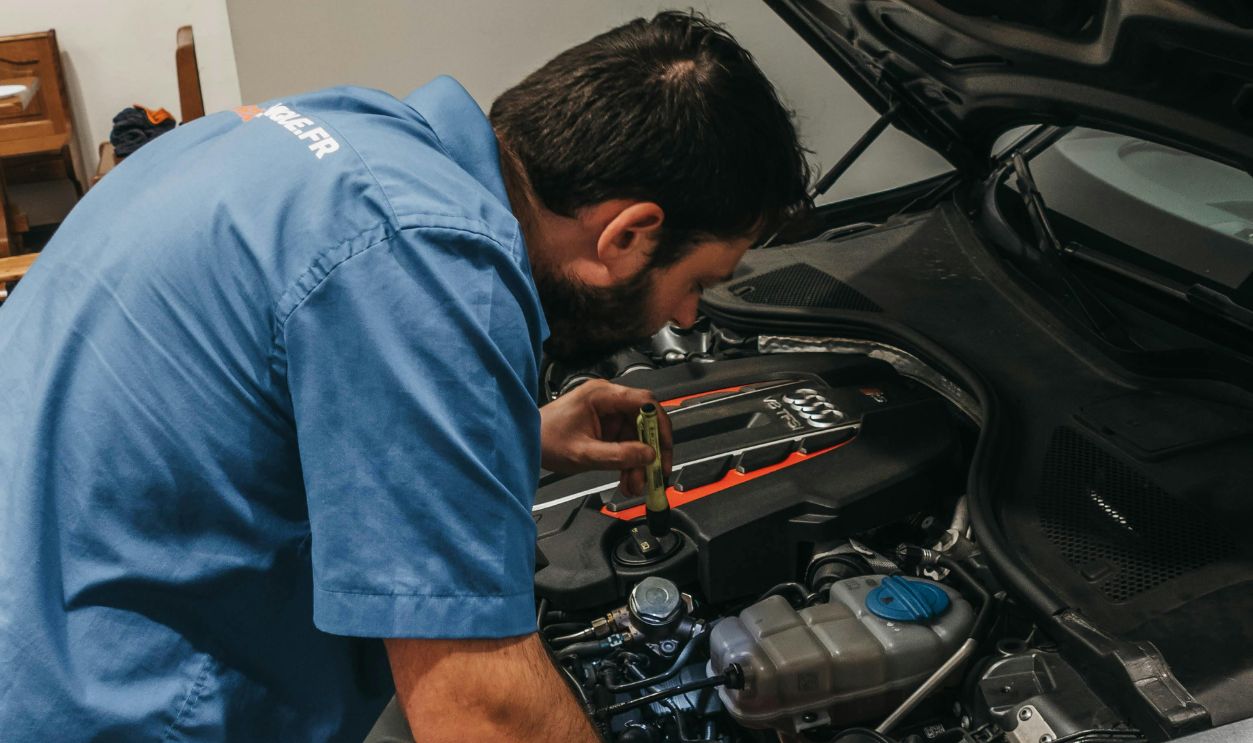
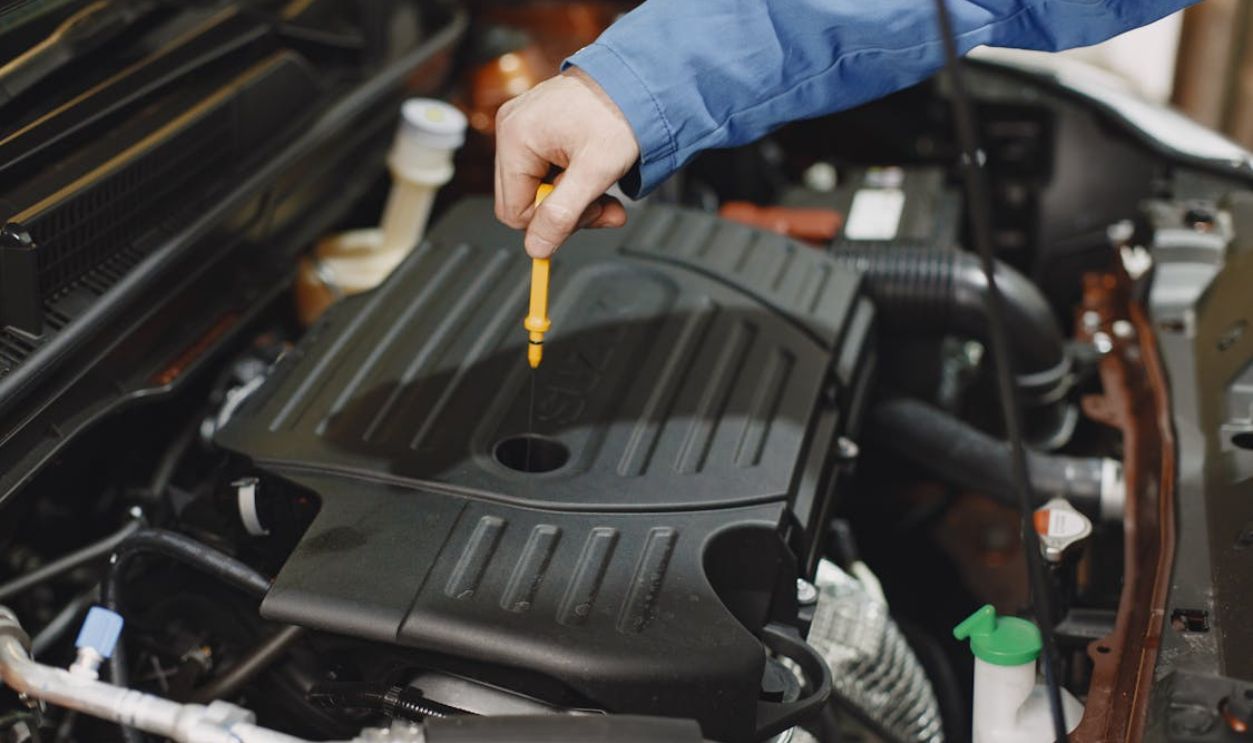
You do not need to be a mechanic to do a simple fluid check. Pull the dipstick and look for shiny metal bits, a burnt smell, or a milky look that can suggest coolant in the oil. Check the coolant tank for oily residue too. These signs do not prove everything by themselves, but they can either support or raise doubts about what the shop is saying.
Ask For Compression Test Results
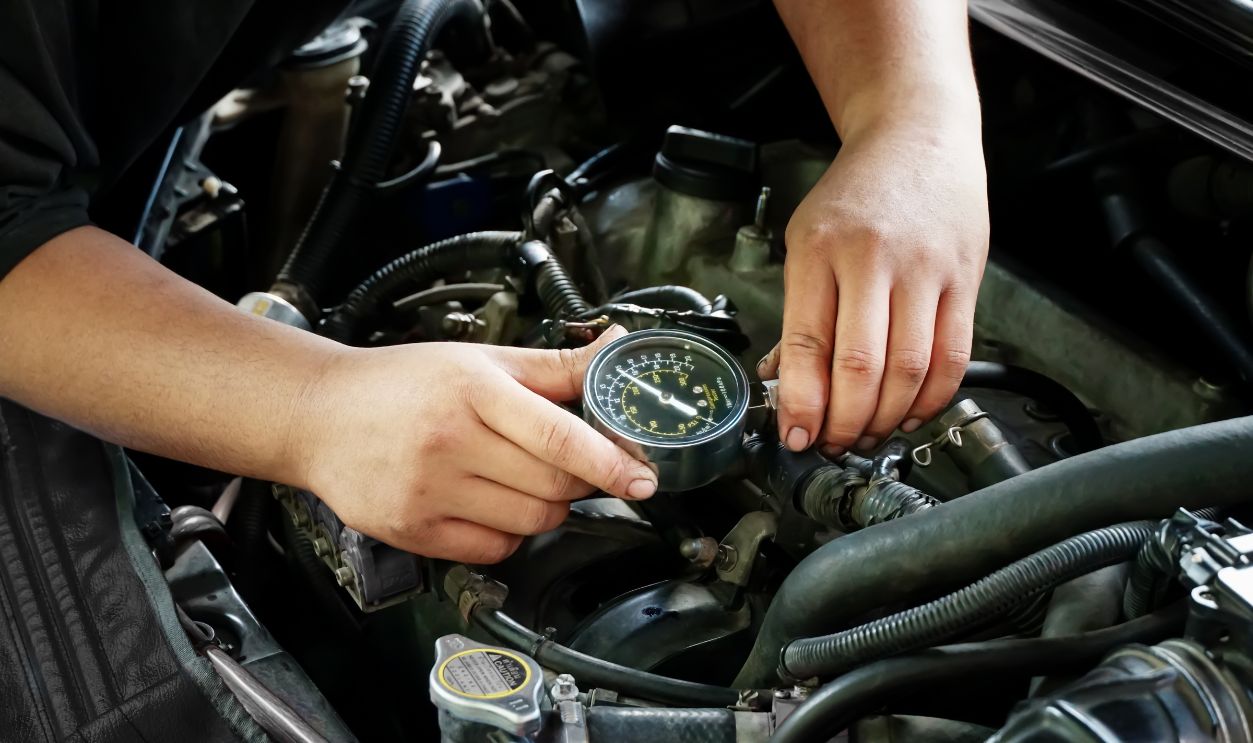
A compression test checks how well each cylinder seals. Low compression in one or more cylinders can point to worn rings, burned valves, or head gasket trouble. What matters is not just one number, but how all the cylinders compare and whether the readings fall outside the maker’s normal range. If a shop says the engine is failing, ask for the actual numbers.
Leak-Down Testing Is Even Better
A leak-down test can tell you even more than a basic compression test. It shows how much pressure leaks out of each cylinder and can help show where it is going, like through the intake, exhaust, crankcase, or cooling system. That gives much stronger proof of internal engine trouble. If the diagnosis is serious, it is fair to ask whether this test was done.
 Jose Ricardo Barraza Morachis, Pexels
Oil Pressure Should Be Measured
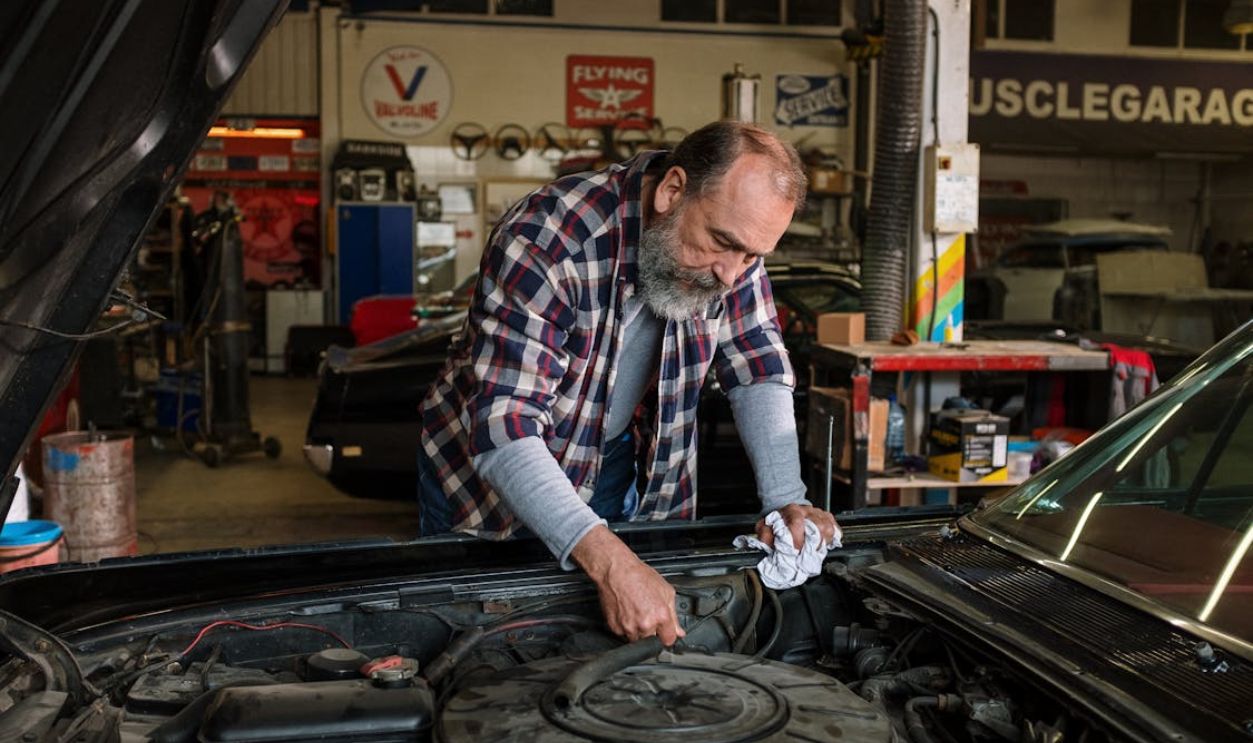
If the mechanic thinks there is bearing wear or an oiling problem, ask whether they checked oil pressure with a real mechanical gauge. Warning lights and bad sensors can sometimes give the wrong idea, so an actual reading matters. Low pressure at idle and while driving can be a strong sign of internal wear or oil system trouble. A shop making a big claim should be willing to share those numbers.
Scan Tool Data Can Help Back It Up
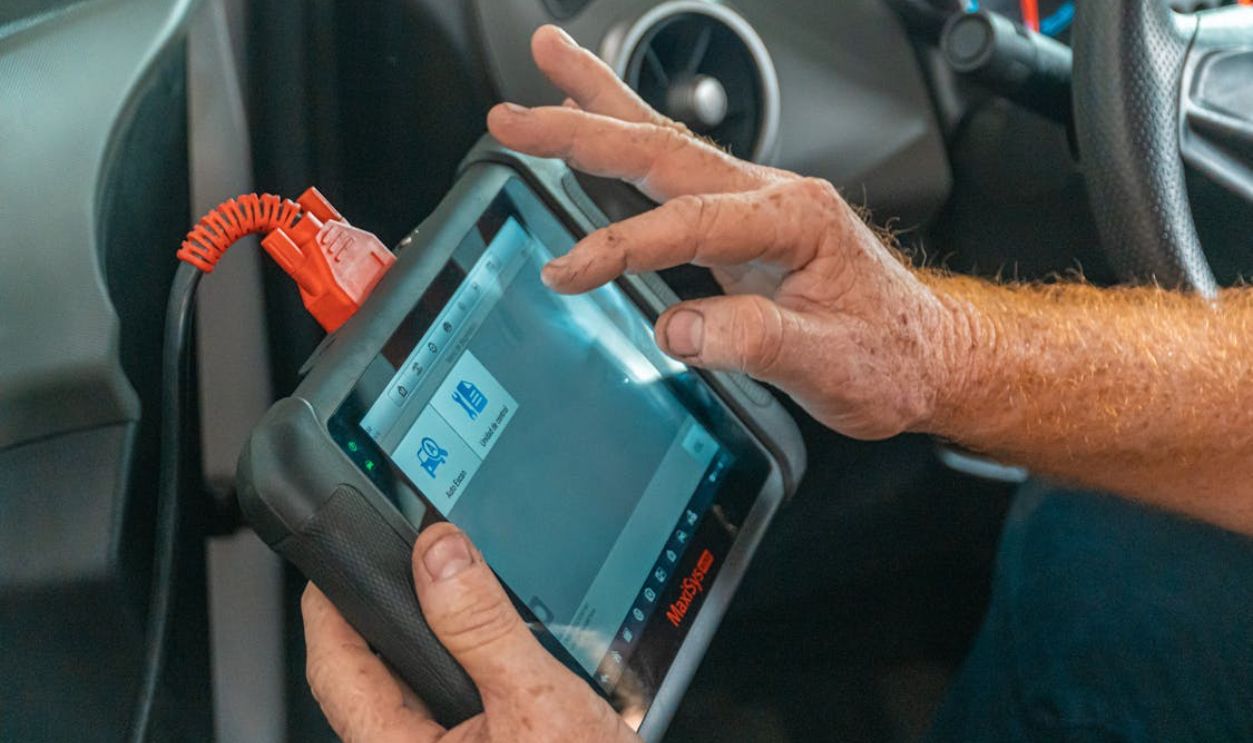
Modern cars store trouble codes and live data that can help support a diagnosis. Misfire counts, coolant temperature, fuel trim, cam timing data, and knock sensor activity can all point to engine issues. But codes by themselves rarely prove the engine is “about to fail.” They are clues that should be matched with inspection and testing.
 Jose Ricardo Barraza Morachis, Pexels
Overheating Is A Big Warning Sign
Repeated overheating can lead to head gasket failure, warped heads, and major internal damage. If the shop says the engine is in trouble because it overheated, ask what proof they found after that happened. Did they find combustion gases in the cooling system, coolant loss, or a failed fan or thermostat? A clear answer helps you tell the difference between a real diagnosis and a scare tactic.

Metal In The Oil Is Hard To Ignore
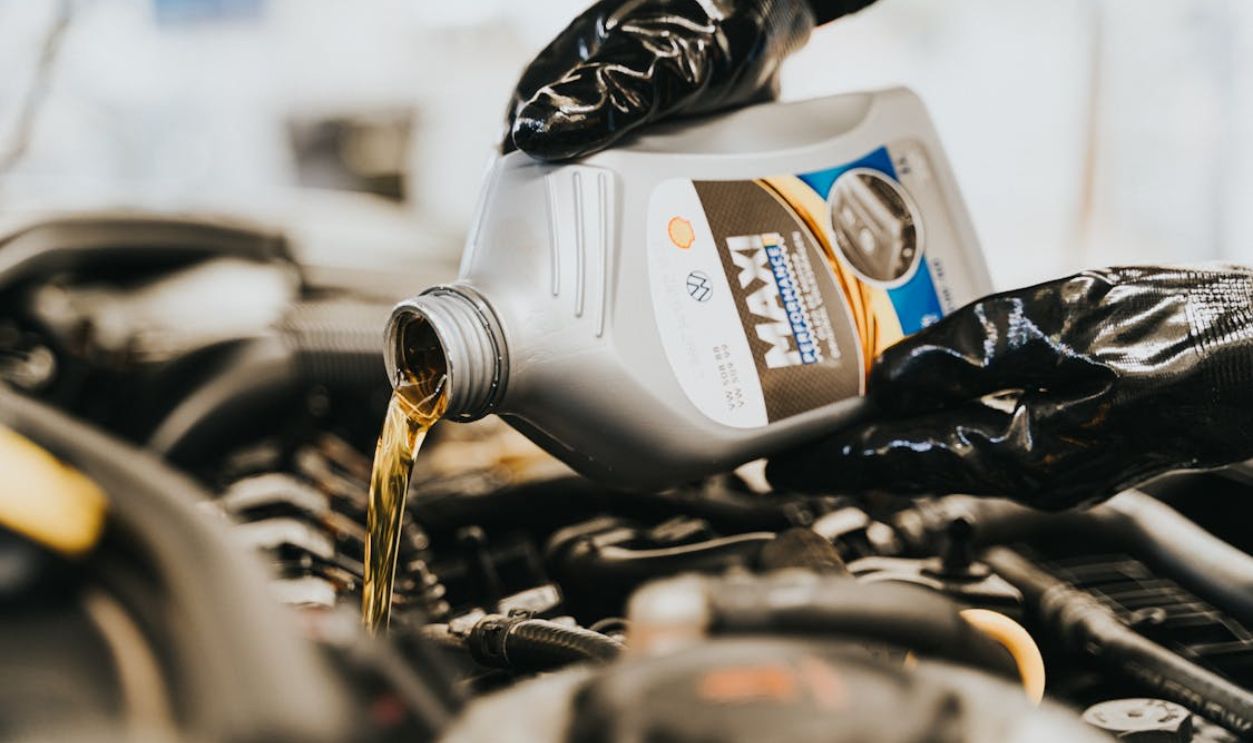
One of the strongest signs of serious internal engine trouble is metal in the oil or oil filter. Shiny flakes or bearing material can mean major wear that could lead to failure. A good mechanic can often cut open the oil filter and show you what is inside. If they say the engine has severe internal damage, this is one of the best things to ask to see.
A Bad Misfire Does Not Always Mean A Dead Engine
Severe misfires can make an engine run terribly, but the cause is not always internal damage. Bad coils, worn spark plugs, injector problems, vacuum leaks, and sensor issues can all create symptoms that feel worse than they really are. The key question is whether the misfire stayed after the basic fuel and ignition checks were done. Jumping straight to “engine failure” without ruling out common problems is not good diagnostic work.
Timing Problems Can Be Serious
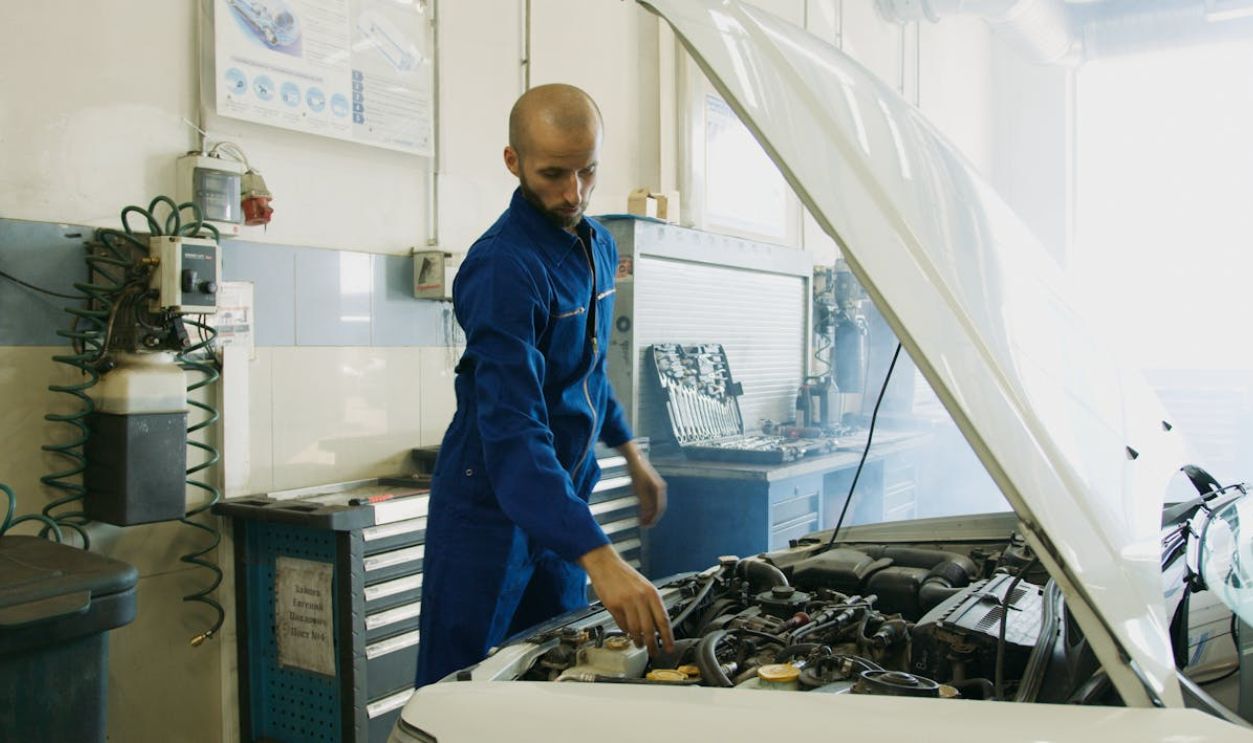
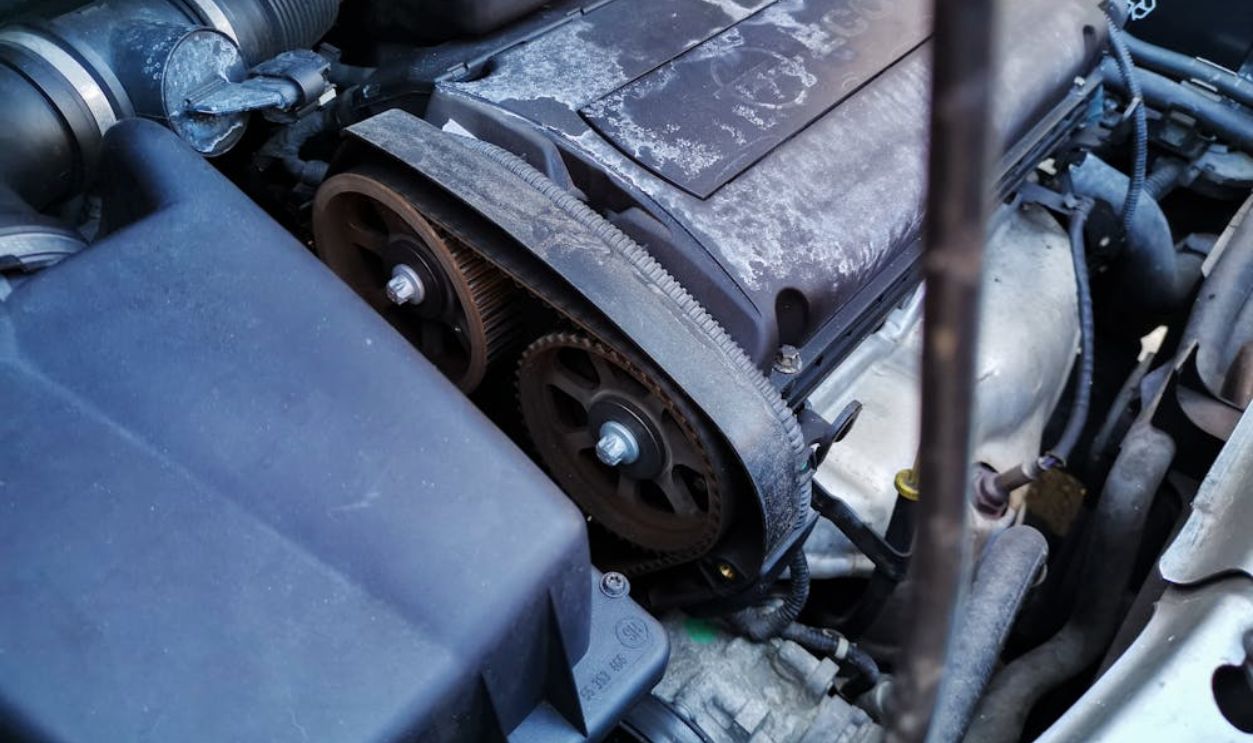
Some engines can suffer major damage if a timing belt breaks or a timing chain jumps teeth, especially interference engines. Rattling near the timing chain area, timing-related trouble codes, or signs that timing has slipped can absolutely be urgent. But proof still matters. A shop should explain whether they found stretched parts, damaged guides, or timing marks that no longer line up.
 Frederick Adegoke Snr., Pexels
Head Gasket Trouble Needs Proof
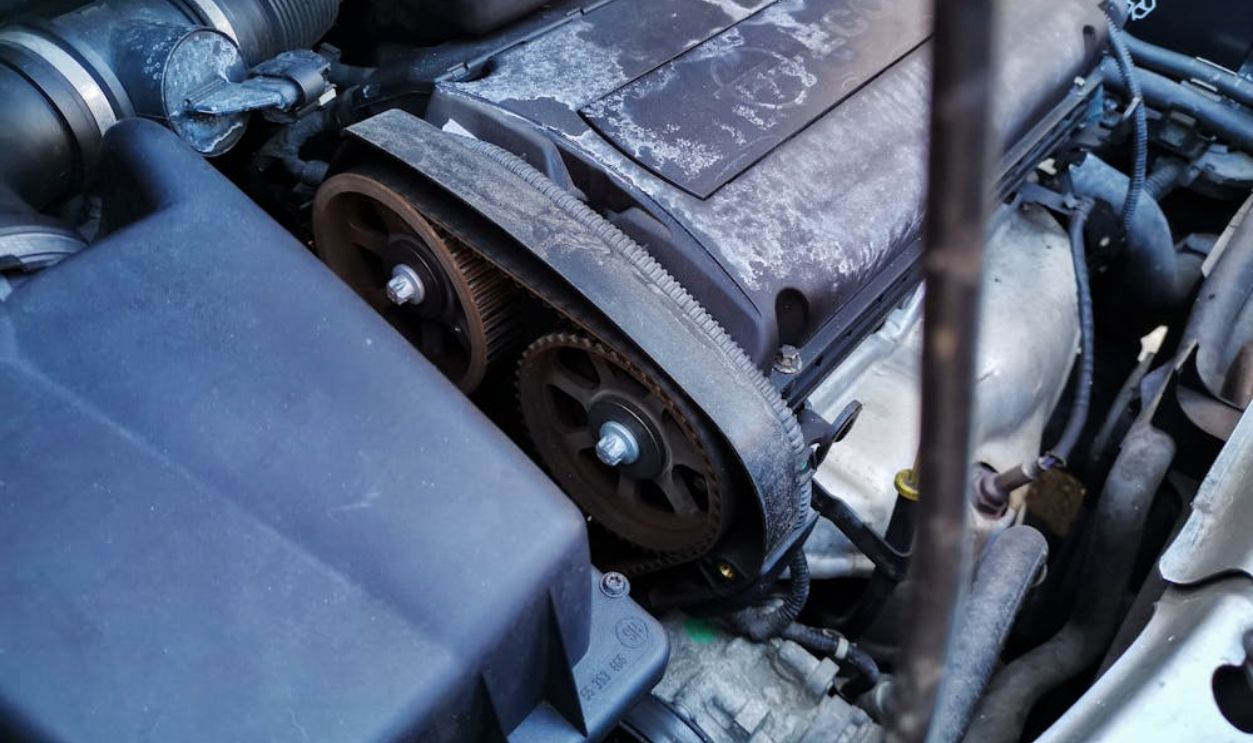
A blown head gasket can look like several other problems, including overheating, white smoke, coolant loss, and rough running. Good shops can help confirm this with tests like a block test, cooling system pressure test, compression test, or leak-down test. Those results mean much more than hearing that “the engine is done.” If they think it is a head gasket, ask which test backed that up.
Get Everything In Writing
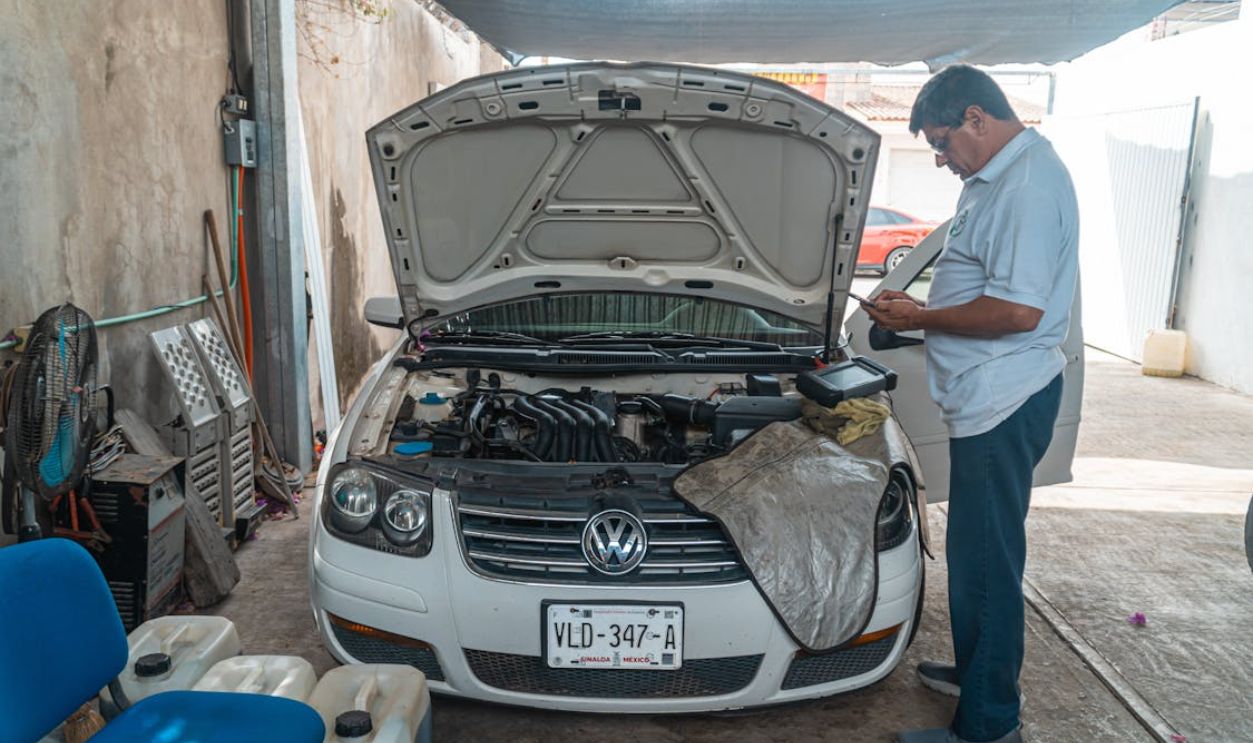
Ask the mechanic to write down the diagnosis, the test results that support it, and the repair they recommend. This protects you and makes it much easier to get a second opinion. Shops that stand by their work usually do not mind putting things in writing. A written estimate with notes means a lot more than a verbal warning at the counter.

You Have The Right To A Second Opinion
If the explanation does not make sense, take the car to another trusted shop. Consumer groups and repair experts often suggest getting a second opinion for expensive repairs. If possible, pick a shop that knows your brand or focuses on engine diagnostics. Paying for another inspection can be far cheaper than replacing an engine you did not need to replace.

Look For A Shop With Credentials
Credentials do not guarantee honesty, but they can help you find a more qualified tech. ASE certification is one of the best-known credentials in the United States, and some car makers also certify techs for their vehicles. Reviews can help too, especially when people mention whether the shop explained things clearly. You want both skill and straight answers.
Be Careful With High-Pressure Sales Tactics
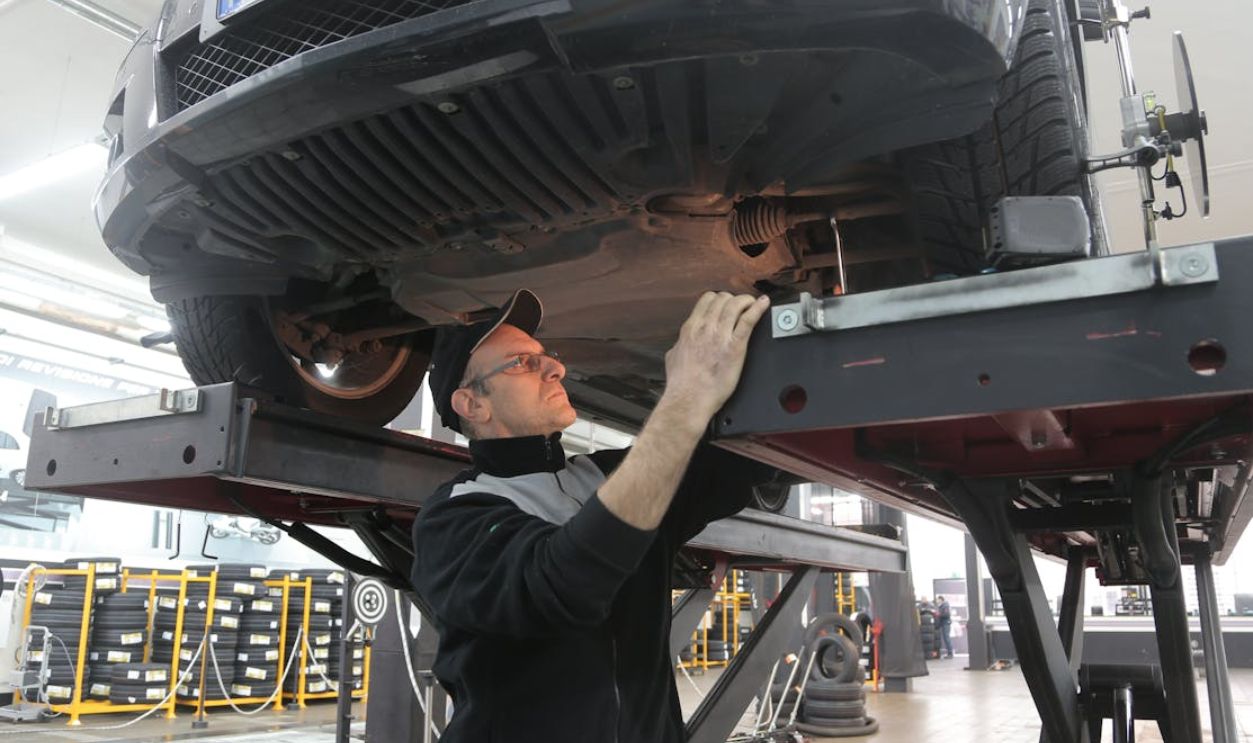
Lines like “you cannot leave with this car” or “it could blow at any second” should come with specific reasons, not just fear. Sometimes a car really is unsafe to drive, especially with low oil pressure or severe overheating, but the shop should explain exactly why. Pressure without proof is a bad sign. You can pause, ask questions, and say no to non-emergency work.

Know When You Should Stop Driving
There are times when it is smarter not to risk it. If the oil pressure light is on, the engine is overheating, there is loud knocking, or the car is smoking heavily, driving it farther can turn a fixable problem into a ruined engine. In those cases, towing the car is often the safer move. Protecting the engine matters more than trying to make it home.

Trust Evidence, Not Drama
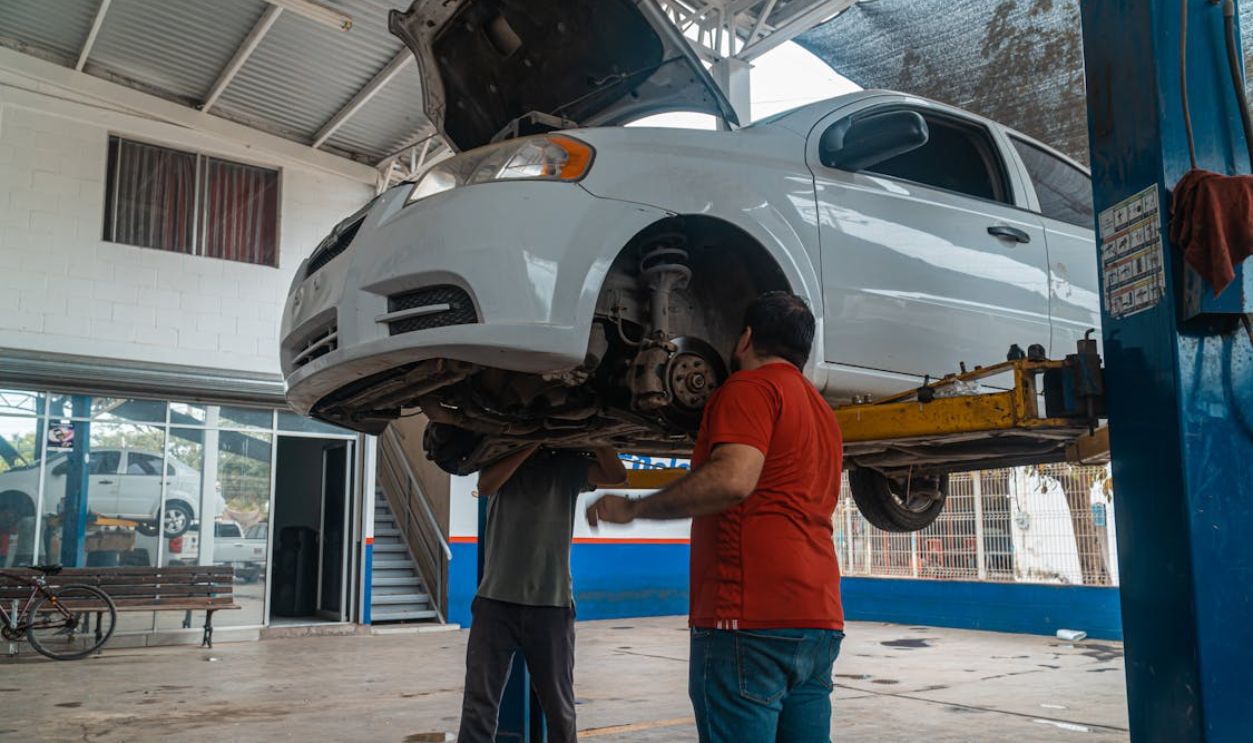
The best way to tell whether your mechanic is being straight with you is to ask for specific symptoms, real test results, and something you can actually see or verify. Serious engine diagnoses are usually backed by compression numbers, leak-down results, oil pressure readings, scan data, fluid contamination, or visible damage. If the story keeps changing, the proof never shows up, or basic causes were never ruled out, get another opinion. A good mechanic should be able to show you the problem, not just scare you with it.
 Jose Ricardo Barraza Morachis, Pexels