

Hard To See
Most cars try to impress you with horsepower or sleek design. This one? It wowed crowds by letting you see straight through it. At the 1939 New York World’s Fair, Pontiac rolled out something so unusual that people couldn’t stop talking about it—a completely transparent car.
 Pontiac1939, Wikimedia Commons
A Fair Obsessed With The Future
The 1939 World’s Fair wasn’t just an event—it was a giant preview of tomorrow. Companies showed off ideas meant to feel futuristic, exciting, and just a little bit unbelievable. Automakers, naturally, wanted in on that spotlight.
 Joseph Binder, Wikimedia Commons
Pontiac Decides To Do Something Different
Instead of building a flashier or faster car, Pontiac went in a totally different direction. They asked a simple question: what if people could actually see how a car works? Not just imagine it—really see it.
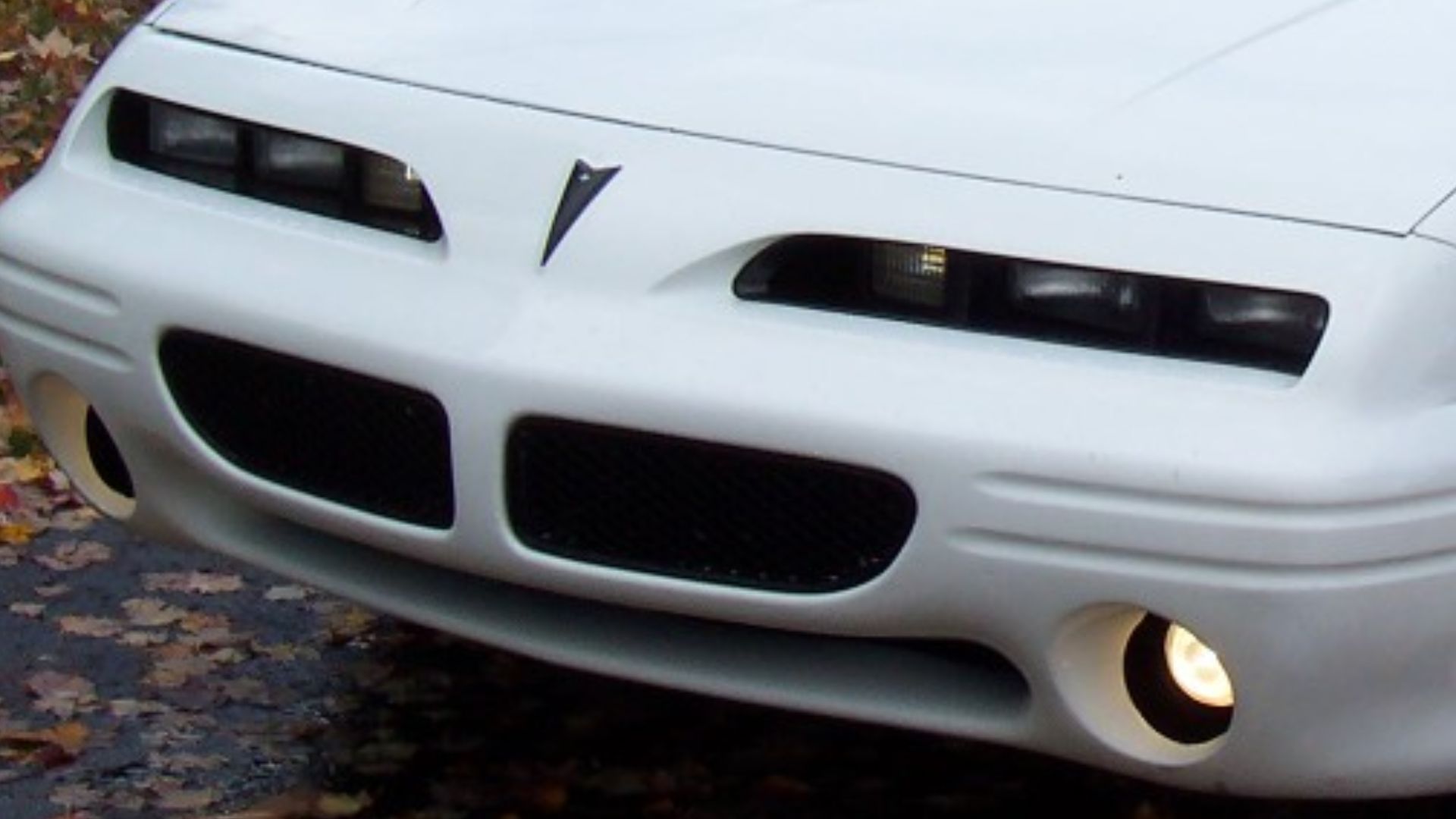 The original uploader was Gtpmann at English Wikipedia., Wikimedia Commons
Meet The “Ghost Car”
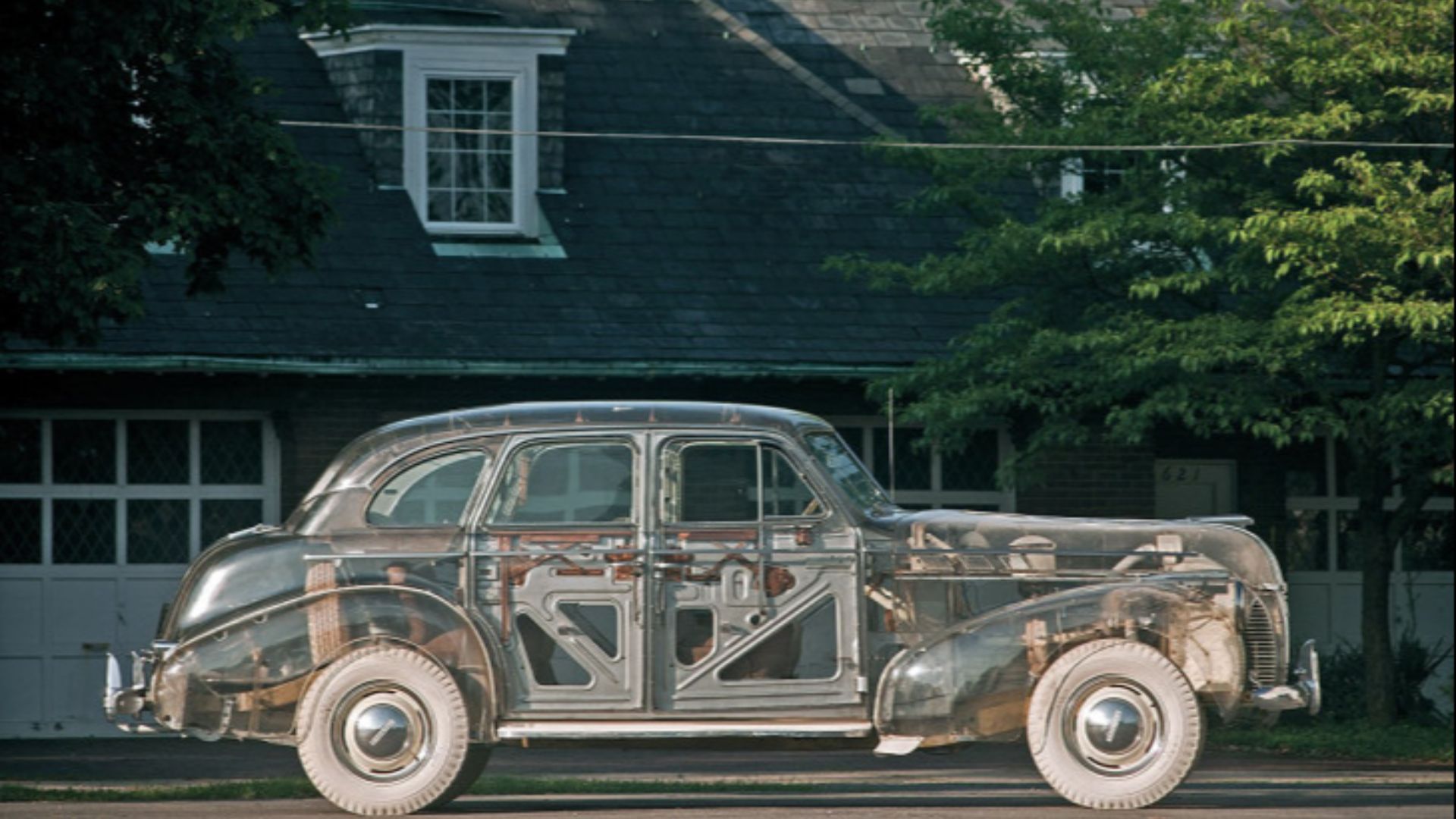
That idea turned into the Pontiac “Ghost Car,” a 1939 Deluxe Six with a body made almost entirely out of clear material. It looked like something halfway between a real car and a science exhibit.
 Pontiac1939, Wikimedia Commons
Not Glass—Something Better
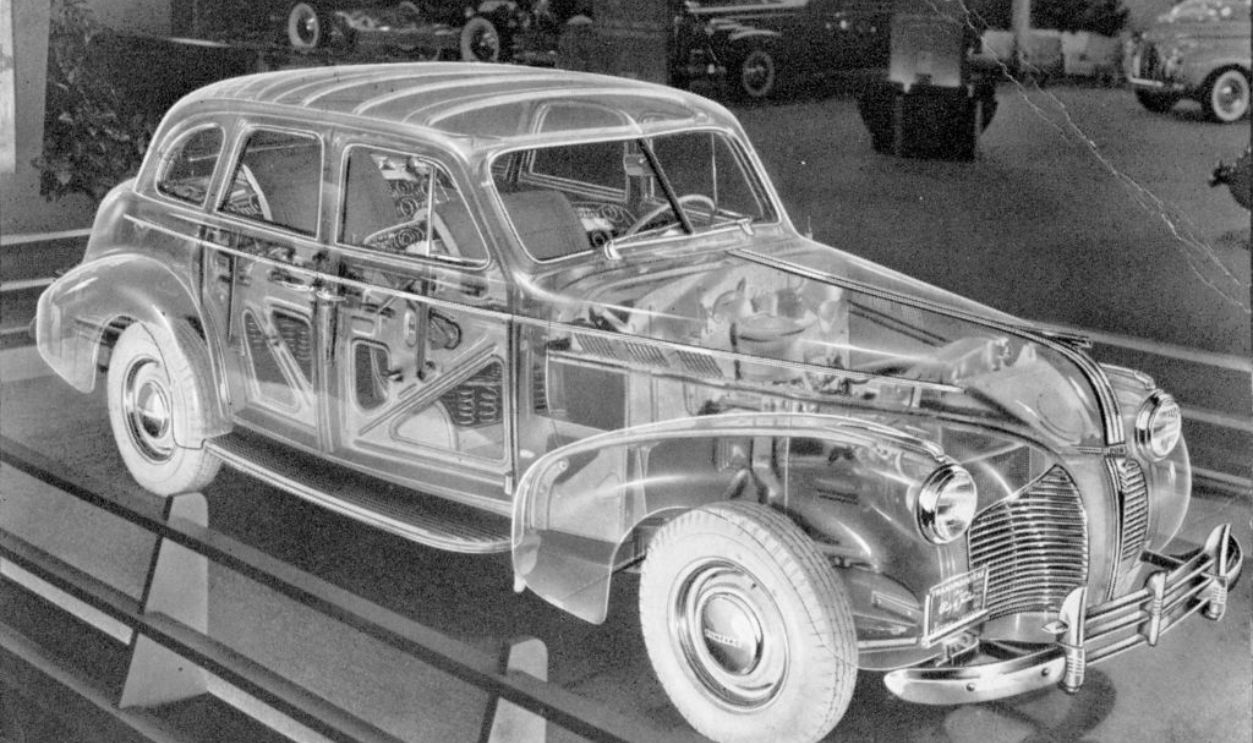
The body wasn’t made of glass, even though it looked like it. It was built using Plexiglas, which was a brand-new material at the time. It was strong, lightweight, and most importantly, crystal clear.
 Transcendental Graphics, Getty Images
A Team Effort Behind The Scenes
This wasn’t just Pontiac experimenting in a corner. General Motors and the company behind Plexiglas, Rohm & Haas, teamed up to make it happen. Everyone involved knew they were building something people wouldn’t forget.
 Coolcaesar at English Wikipedia, Wikimedia Commons
A Normal Car Underneath
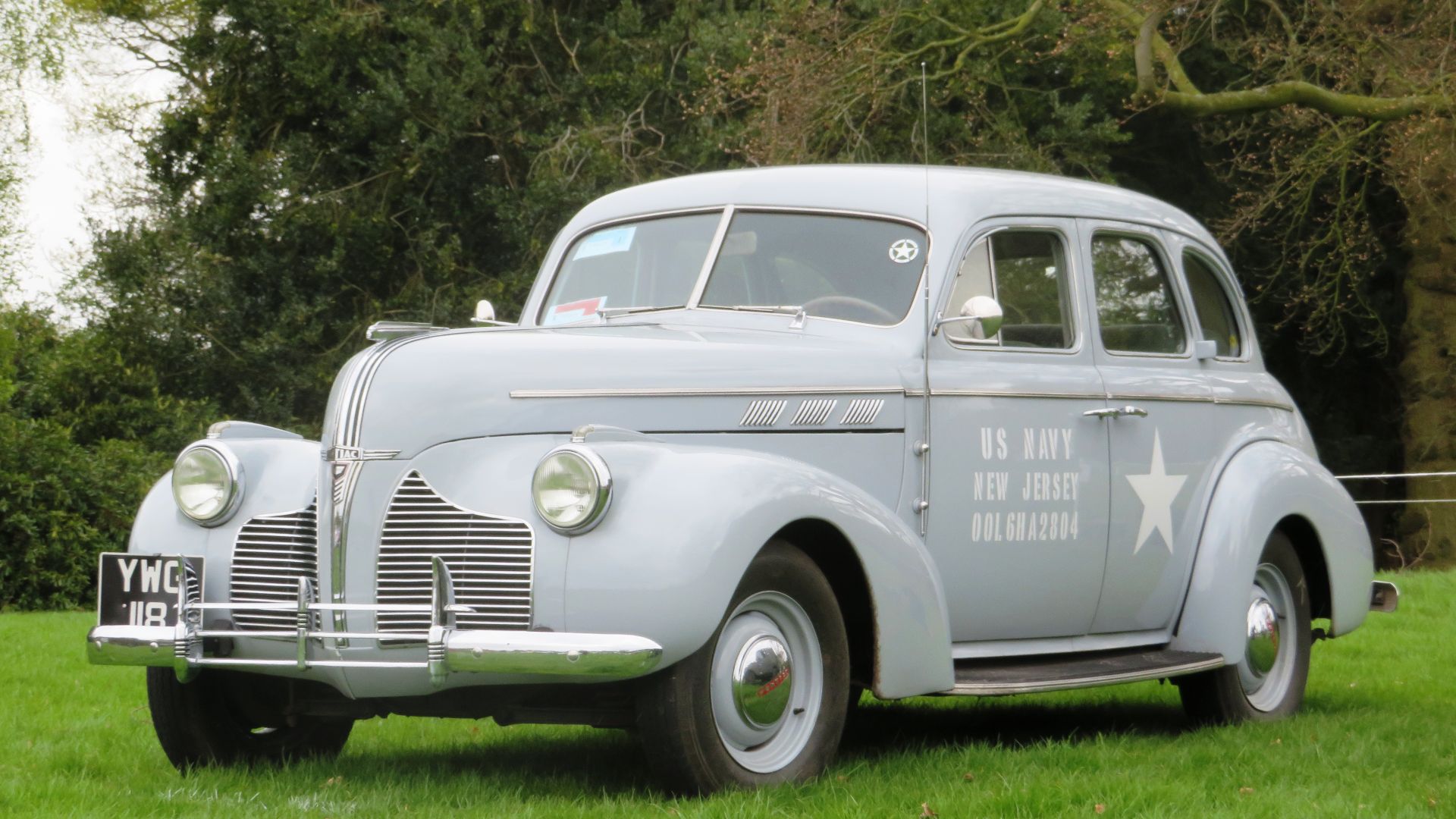
Here’s what makes it even cooler: underneath that transparent shell was a completely standard Pontiac Deluxe Six. Mechanically, it wasn’t some wild prototype—it was a real, everyday car.
Everything Was Out In The Open
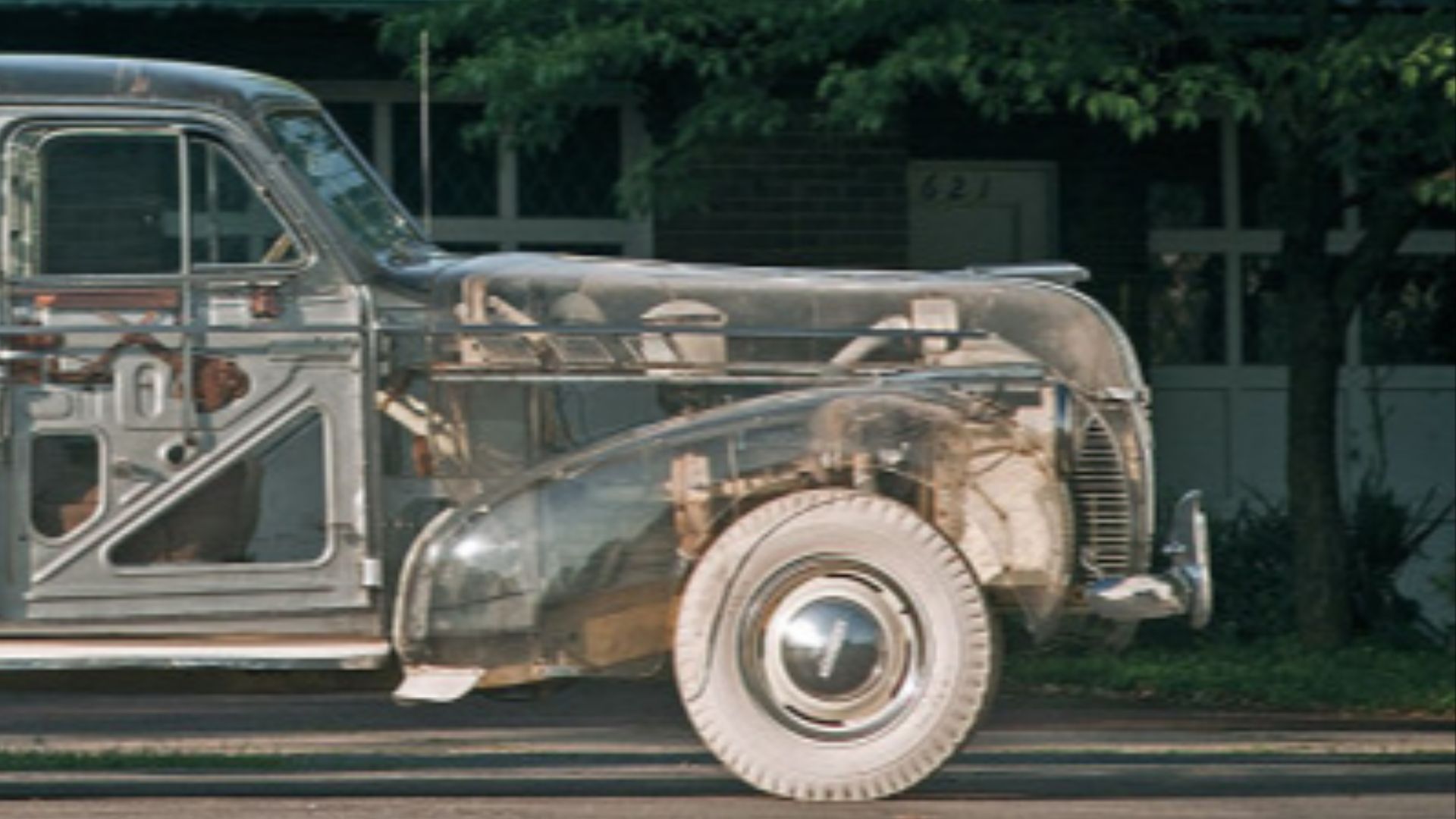
Normally, a car hides its guts. The Ghost Car did the opposite. You could see the engine, the wiring, the inner door parts—everything that usually stays out of sight.
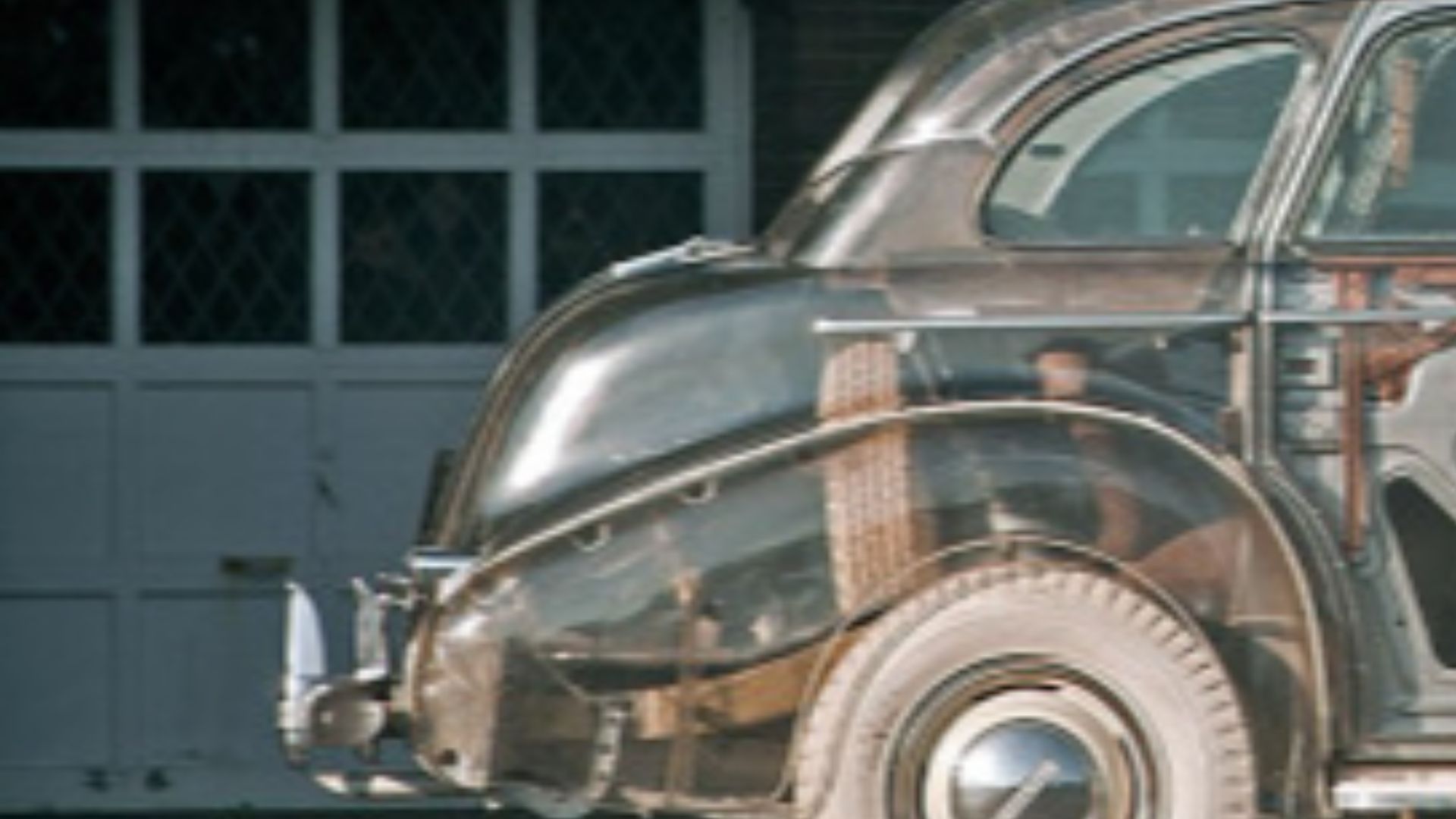 Pontiac1939, Wikimedia Commons
A Seriously Expensive Showpiece
This wasn’t cheap to make. The Ghost Car cost around $25,000 at the time, which was wildly expensive compared to a regular Pontiac. It wasn’t meant to be sold—it was built to impress.
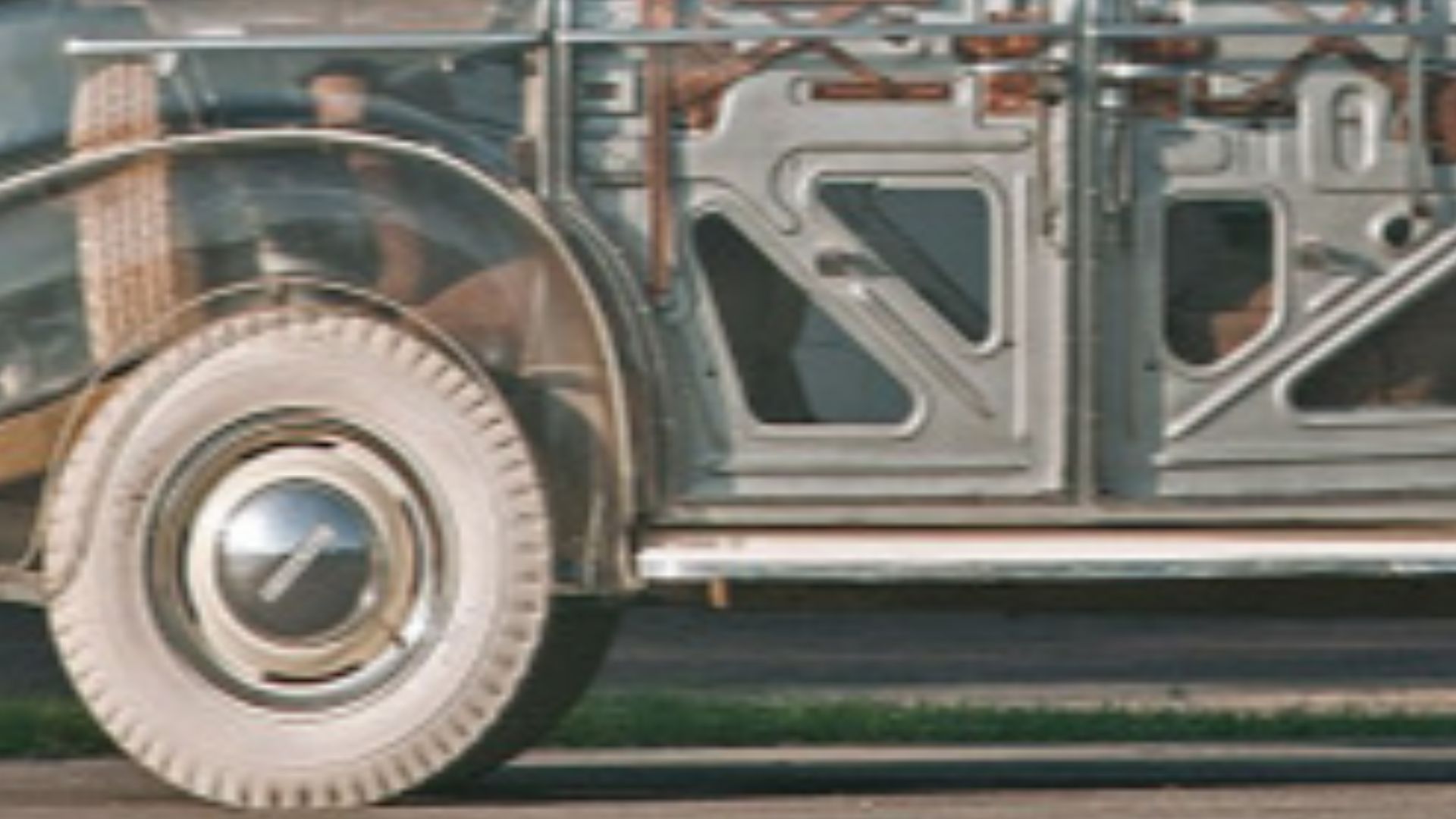 Pontiac1939, Wikimedia Commons
Color-Coding The Details
To make things easier to understand, certain parts were painted in different colors. That way, people looking at the car could actually follow what they were seeing instead of getting lost in a tangle of parts.
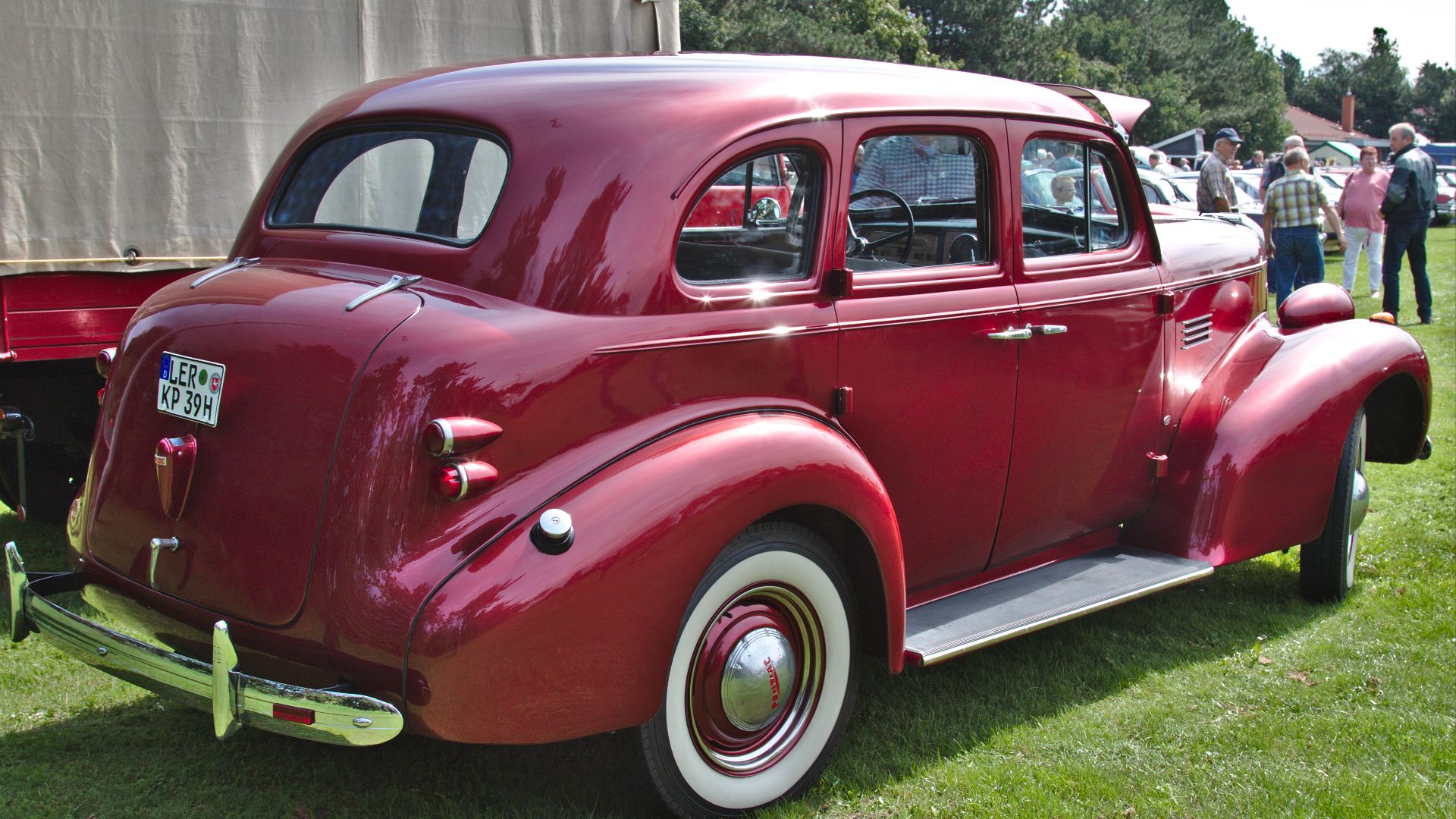 Jacek Rużyczka, Wikimedia Commons
Crowds Were Hooked Instantly
It didn’t take long for the car to become a major attraction. People gathered around it, trying to take in every detail. Seeing a car like this in 1939 must have felt almost unreal.
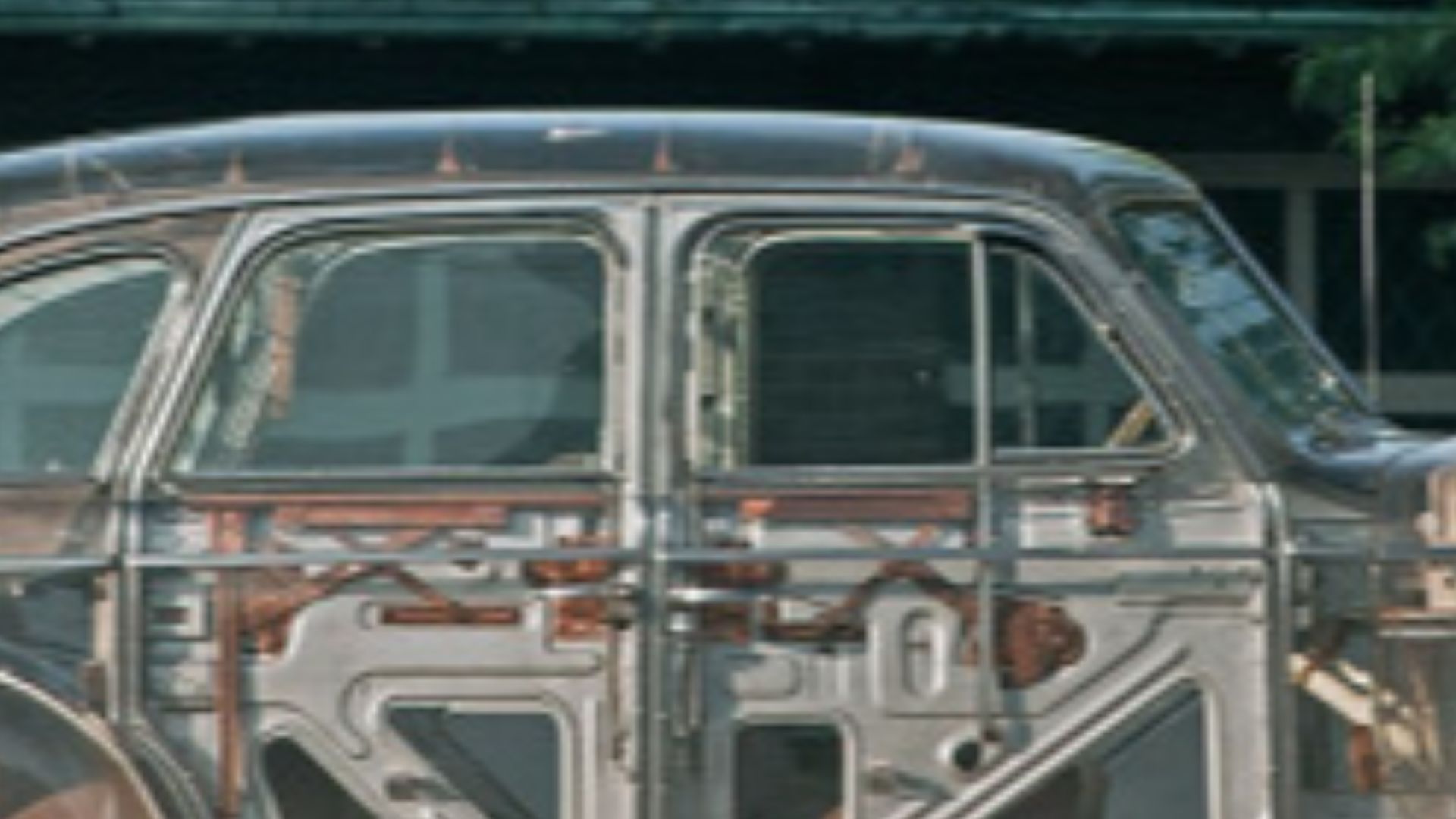 Pontiac1939, Wikimedia Commons
It Wasn’t Just For Show
Sure, it looked incredible—but there was a purpose behind it. The whole idea was to help people understand how cars actually worked, which most drivers at the time didn’t fully grasp.

A Clever Way To Promote Plexiglas
Rohm & Haas had their own reason to be excited. Plexiglas was still new, and this was the perfect demonstration of what it could do. If it could form a car body, it could probably handle just about anything.
 Beyond My Ken, Wikimedia Commons
A Bold Statement From Automakers
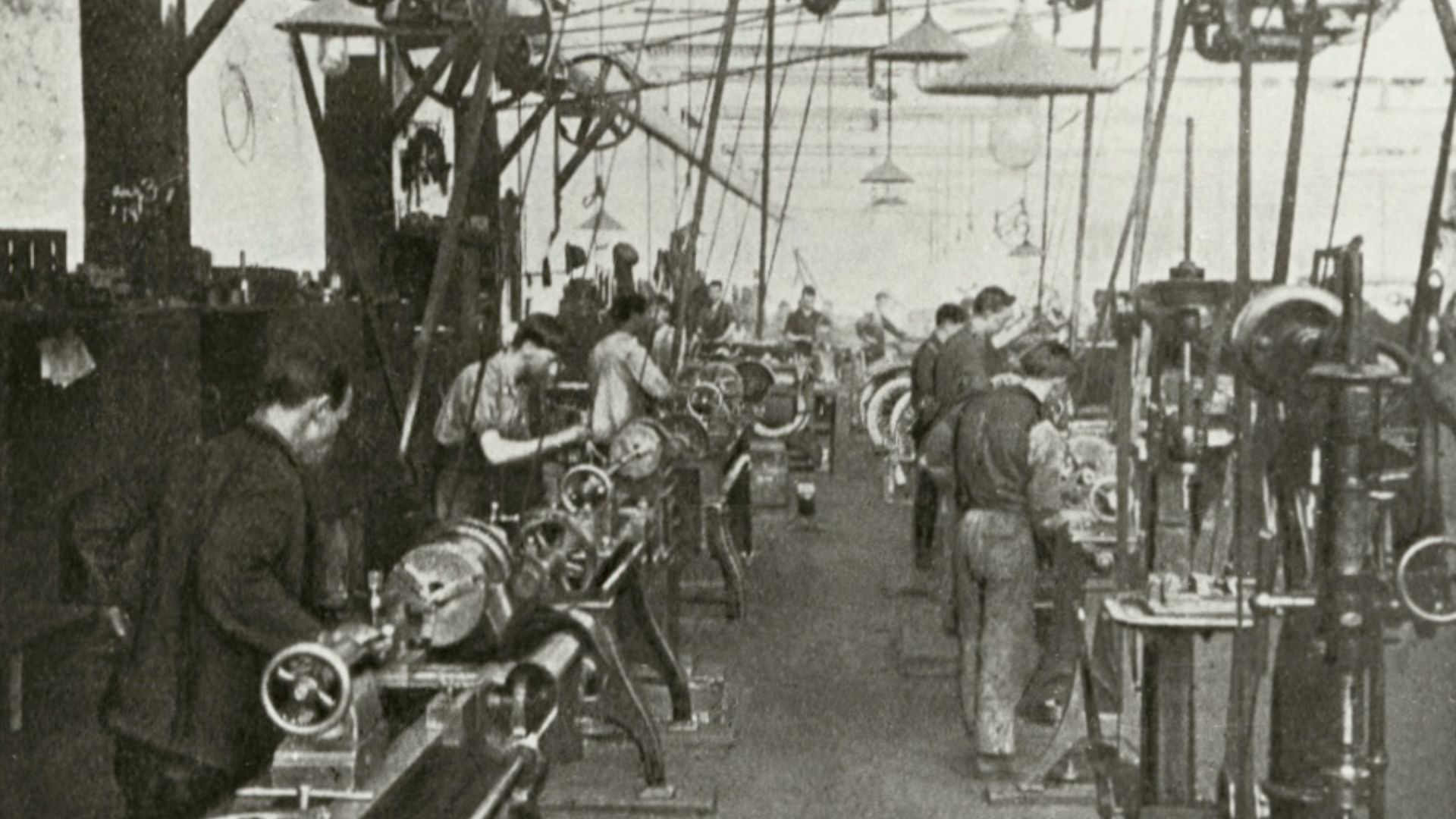
There’s something interesting about a company being willing to show everything. It’s like Pontiac was saying, “We’ve got nothing to hide—take a look.” That kind of openness wasn’t exactly common.
 Photographer not known; associated with Duncan and Fraser Limited., Wikimedia Commons
The Car Didn’t Disappear After The Fair
After the World’s Fair wrapped up, the Ghost Car didn’t just vanish. It kept making appearances at events and exhibits, continuing to draw attention wherever it went.

There Was More Than One
Here’s a fun twist—there wasn’t just a single Ghost Car. A few transparent Pontiacs were made, though the original World’s Fair version is still the most famous.
 Pontiac1939, Wikimedia Commons
A Collector’s Treasure
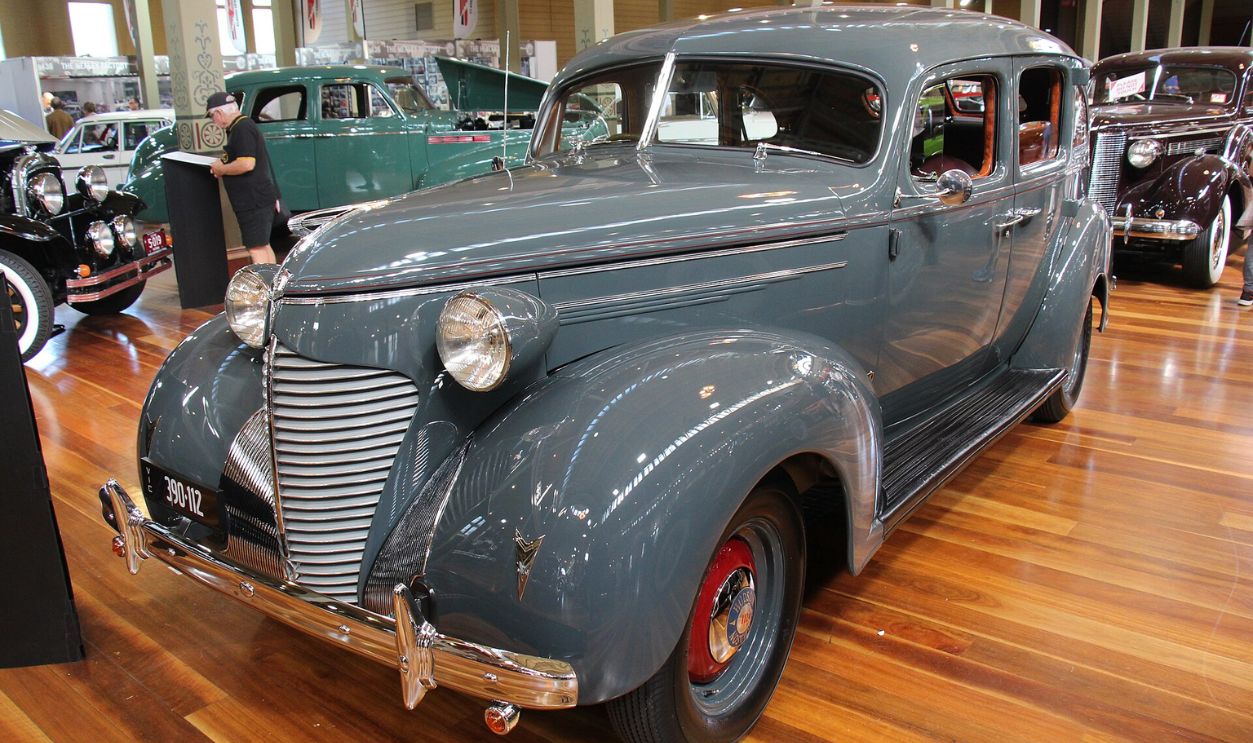
Over time, one of these cars ended up in private hands. It became the kind of thing collectors dream about—not just rare, but tied to a really unique moment in history.
 Sicnag, CC BY 2.0, Wikimedia Commons
Keeping It In Good Shape Isn’t Easy
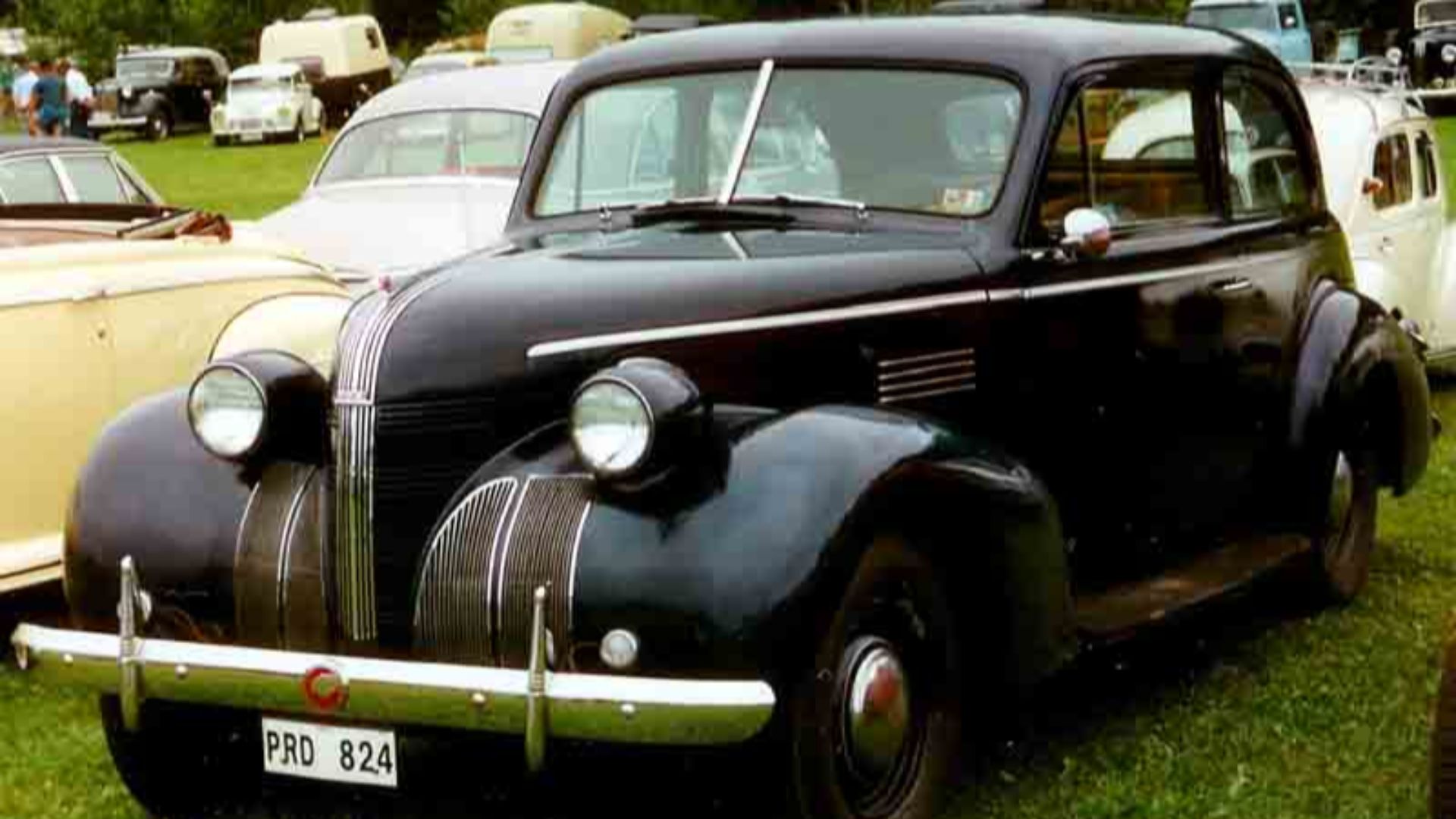
Maintaining a Plexiglas car isn’t simple. The material can wear down or become cloudy over time, so preserving it takes careful work and attention.
 Lars-Göran Lindgren Sweden, Wikimedia Commons
Still Turning Heads Today
Even now, decades later, people are fascinated by it. There’s something undeniably cool about seeing the inside of a machine laid out so clearly, especially one as iconic as a car.
A Marketing Idea That Really Worked
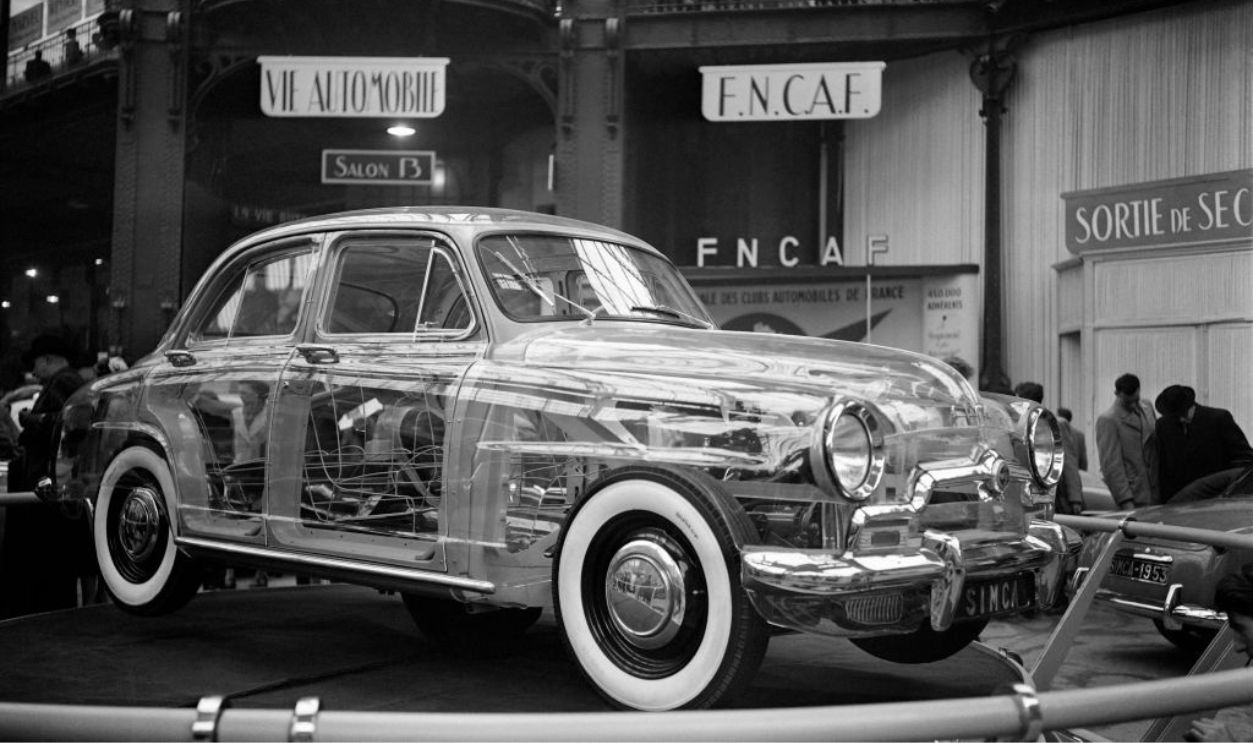
Pontiac didn’t just advertise—they created an experience. People didn’t just walk past this car. They stopped, stared, and actually learned something.
Inspiring Future Displays
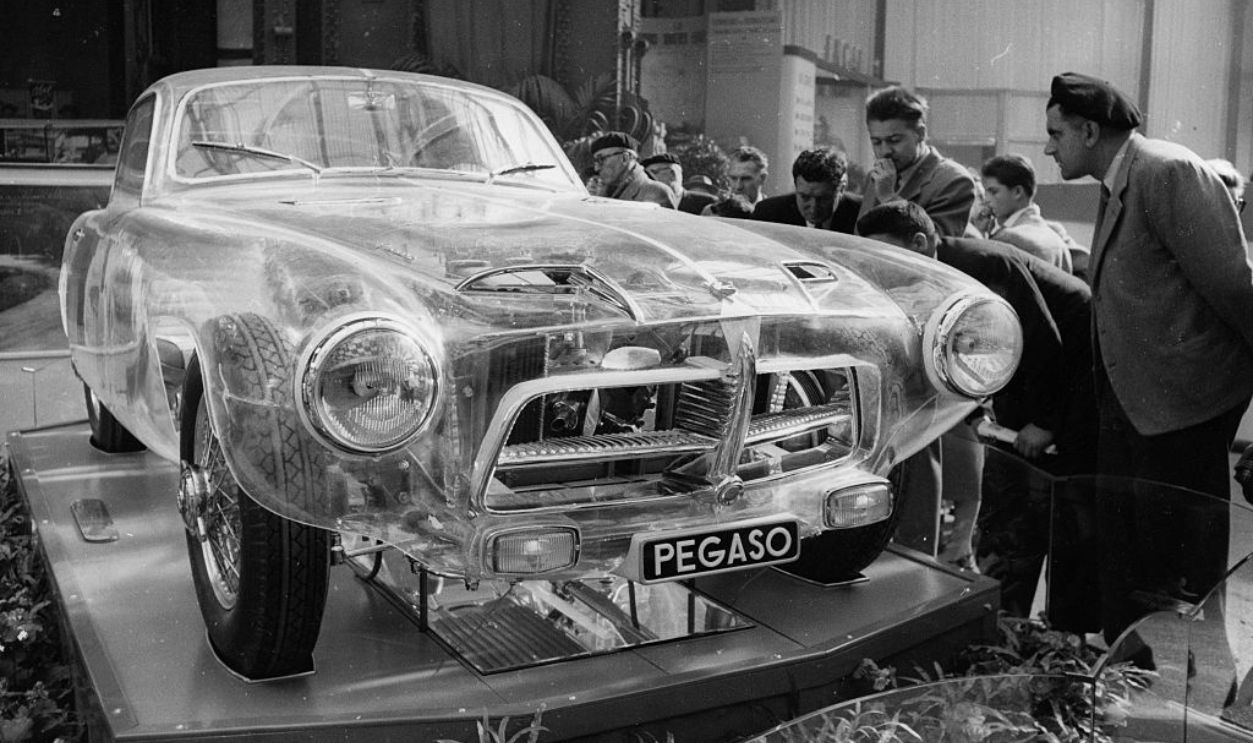
The Ghost Car set a precedent. Transparent and cutaway displays started popping up in museums and shows, using the same idea to explain how things work.
 ullstein bild Dtl., Getty Images
Why The Ghost Car Still Matters
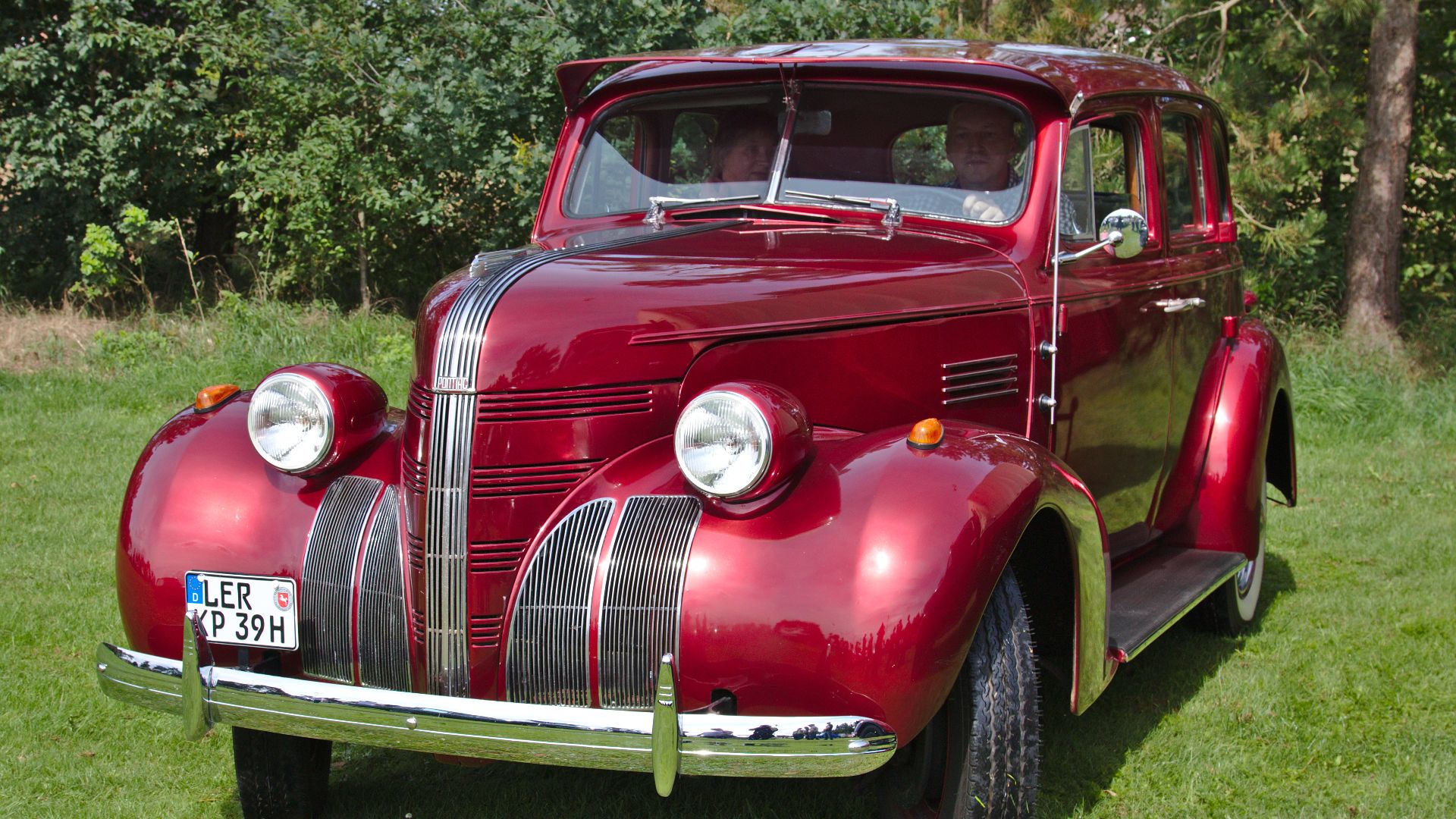
In the end, the Ghost Car proves you don’t always need speed or power to make history. Sometimes, all it takes is a clever idea—and the willingness to let people see what’s usually hidden.
 Jacek Rużyczka, Wikimedia Commons
You May Also Like:




.jpg)