When Yesterday’s Deal Suddenly Changes
You negotiated the trade-in value of your car, signed the paperwork, and drove away with your new vehicle thinking the deal was complete. Then a message arrives from the dealership saying they inspected your trade-in more closely and discovered hidden problems. Now they want to lower the trade-in value or ask you to pay the difference. Naturally, this feels like the dealership is trying to rewrite the deal after the fact. The good news is that it's not hard to tell whether they can legally do that.

The Trade-In Value Is Part Of The Contract
When you trade in a vehicle during a purchase, the value assigned to that trade-in usually becomes part of the overall sales contract. That value affects the final price of the new vehicle, the loan amount, and the taxes calculated on the deal. Once both parties sign a binding contract, the terms are generally locked in.

Signed Contracts Normally Finalize The Deal
In most standard car purchases, once the buyer and dealership sign the final sales agreement and financing documents, the contract is considered complete. At that point the dealer typically cannot unilaterally change the trade-in value just because they later discover issues with the vehicle. That is one of the reasons dealerships perform inspections before agreeing to a trade-in amount.
Dealers Usually Inspect The Trade-In First
During the negotiation process, dealerships normally evaluate the trade-in vehicle before finalizing its value. A sales manager or appraiser will often check the mileage, condition, accident history, and mechanical status. The purpose of this inspection is to avoid surprises after the deal is signed.

Hidden Damage Can Complicate Things
Problems arise when the dealer claims the vehicle had damage that was not visible during the initial inspection. Examples might include engine problems, transmission issues, flood damage, or undisclosed accident repairs. The dealer may argue that the trade-in value was based on incomplete information.
The Contract Language Matters Most
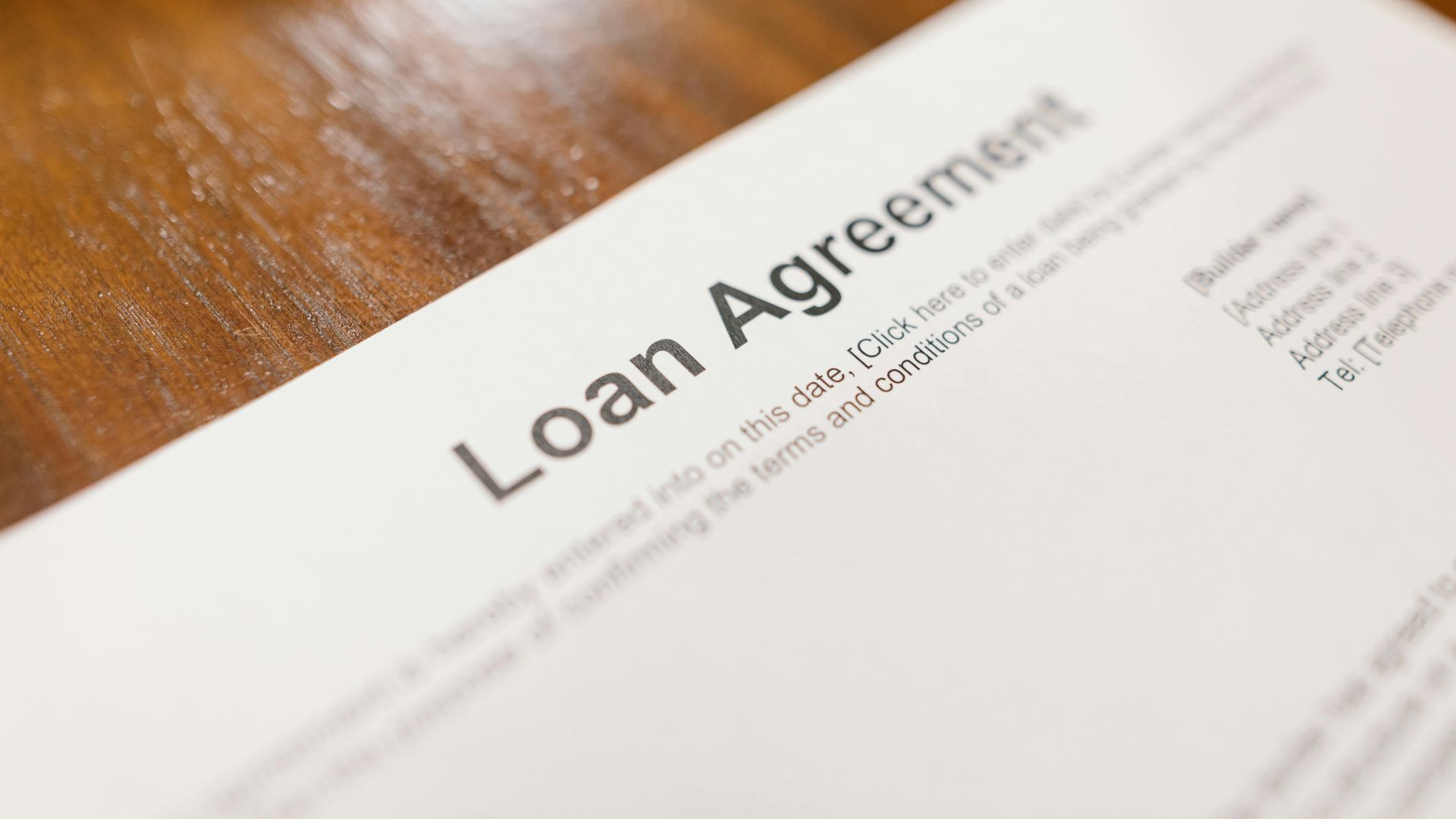
The most important factor is the language in your sales contract. Some dealer contracts include clauses that allow them to reassess the trade-in after a more detailed inspection. If the paperwork includes a provision allowing adjustments for undisclosed damage, the dealership may attempt to enforce that clause.

Many Contracts Do Not Allow Changes After Signing
However, many vehicle purchase agreements do not contain those adjustment provisions. In those cases, the dealer assumed the risk when they accepted the trade-in value. Once the contract is signed, the dealership generally owns the trade-in vehicle and any problems that come with it.

Misrepresentation Is A Different Issue
If a buyer knowingly lied about the condition of the vehicle, the dealer may claim misrepresentation. For example, if someone intentionally hid major accident damage or tampered with the odometer, the dealership could argue the contract was based on false information. That situation is very different from normal wear and tear.

The Dealer Also Has Responsibilities
Dealerships are professional sellers with inspection processes designed to evaluate vehicles before purchase. Courts often recognize that dealers have more experience assessing vehicle condition than individual consumers. Because of that, dealers usually cannot simply claim buyer responsibility for issues they failed to detect.
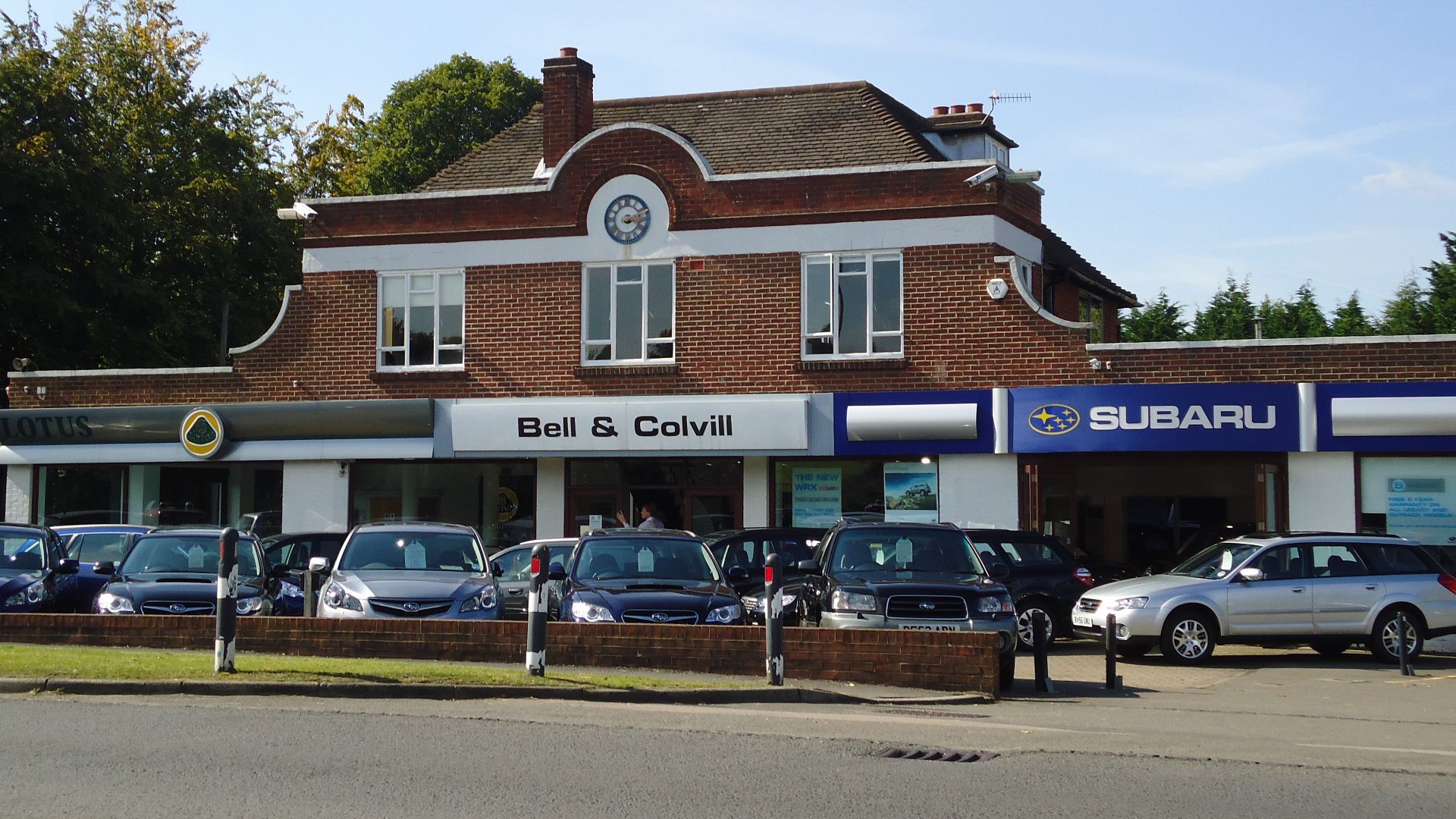 Stacey Harris , Wikimedia Commons
Spot Delivery Can Affect The Situation
Sometimes the deal you sign is not technically finalized yet. This often happens with “spot delivery,” when you drive the new car home before financing is fully approved. If the deal was contingent on financing approval or final inspection, the dealership may have more flexibility to renegotiate.
![500px provided description: When your in-laws ask you to take photos for their craigslist ad. ;) [#car ,#toyota ,#driving ,#tacoma ,#motor vehicle ,#pick-up truck ,#sports utility vehicle]](https://www.factinate.com/storage/app/media/driversdaily/2026/3/7/1772864445242d9481cd4ce2972e8276426d1be4285e6e9d58.jpeg) Mentally Retired, Wikimedia Commons
Mentally Retired, Wikimedia Commons
Financing Approval Clauses Can Reopen Deals
If your contract includes language stating the sale is conditional on financing approval, the dealer may contact you later if financing terms change. However, that situation usually relates to loan approval, not trade-in value.
The Dealer Cannot Force A New Agreement
Even if the dealer requests a change to the trade-in value, they generally cannot force you to accept a new agreement. Contracts require mutual consent to be modified. If the deal is finalized and no misrepresentation occurred, you may have grounds to refuse the change.

What Happens If You Refuse
If you decline the dealer’s request, they may threaten to unwind the entire deal. In some situations, they may offer to cancel the sale and return both vehicles to their original owners. Whether that is possible depends on the contract and whether financing has already been finalized.

Review Your Paperwork Carefully
Before responding to the dealership, review all documents you signed during the purchase. Pay close attention to sections discussing trade-in valuation, inspection terms, and financing contingencies. The wording in those sections will determine how much flexibility the dealer actually has.

Get Everything In Writing
If the dealer contacts you requesting a lower trade-in value, ask them to explain their request in writing. Having a written explanation helps you understand the exact reason they are claiming the value should change. It also creates documentation if the situation escalates.

Consider An Independent Opinion
If the dealership claims there is serious hidden damage, you may want to have the vehicle inspected by an independent mechanic. Even though the car now belongs to the dealership, you can still request evidence supporting their claim. A second opinion may reveal whether the alleged issue is legitimate.

Consumer Protection Laws May Apply
Many states have consumer protection laws that regulate vehicle sales and prohibit deceptive practices. If a dealer attempts to change the terms of a completed deal without legal justification, those laws may come into play. State motor vehicle departments and consumer protection offices often handle complaints related to dealership disputes.

Legal Advice Can Clarify Your Position
If the dealership is pressuring you to accept a new price or threatening legal action, consulting a consumer law attorney may be worthwhile. A lawyer can review your contract and explain whether the dealer has a valid claim. Sometimes a simple legal letter is enough to resolve the issue.

Final Thoughts
In most cases, once the paperwork is signed and the transaction is finalized, the dealership cannot simply reduce the trade-in value after discovering problems. Unless the contract allows adjustments or the buyer intentionally misrepresented the vehicle, the dealer typically assumes the risk once they accept the trade. If a dealership contacts you asking to renegotiate after the deal is complete, review your contract carefully and do not rush to agree to changes. Understanding your rights can help you determine whether the request is legitimate or simply an attempt to undo a deal the dealer now regrets.

You May Also Like:
I went through a car wash and now my roof leaks, which wasn’t happening before. Who’s responsible?