You Forgot To Return Your Old License Plates — Are You Still On The Hook?
You sold the car. Signed the title. Watched it drive away. Then weeks later it hits you — the plates are still sitting in your garage. Now your mom says you could still be legally responsible for whatever happens with that car. Is that true… or just parental panic?

First: Plates And Registration Matter
In many states, license plates are tied directly to you — not just the vehicle. When you sell or transfer a car, you’re often required to remove the plates and either transfer them to another vehicle or return them to the DMV.

Why States Care So Much
License plates connect vehicles to owners in law enforcement databases. If plates remain active under your name, tickets, toll violations, or even more serious issues could initially trace back to you.
Are You Automatically Liable?
Not necessarily. If you properly transferred the title and filed the required notice of sale, ownership responsibility typically shifts to the buyer. But if paperwork wasn’t completed correctly, complications can happen.

The Risk With Unreturned Plates
If the plates are still active in the system, the state may consider the registration open. That can mean continued registration obligations, possible insurance requirements, or automated fines in some jurisdictions.
 belgraviachauffeursuk, Pixabay
What If The New Owner Uses The Car Illegally?
If your name is still attached to the registration, you could start receiving traffic tickets or toll bills. You can dispute them — but it’s time-consuming and stressful.
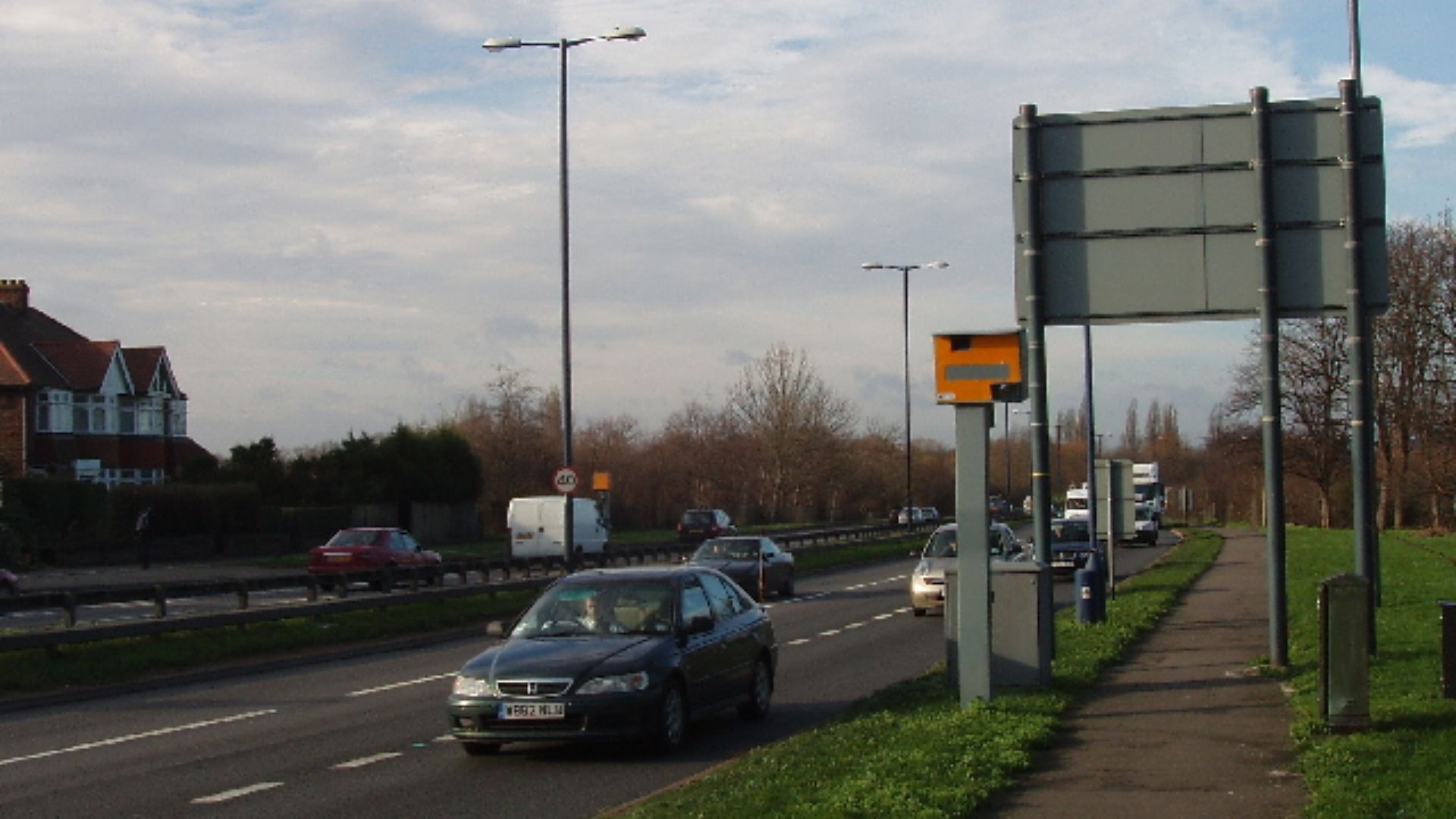 David Hawgood, Wikimedia Commons
The Notice Of Sale Is Critical
Many states require sellers to file a “Notice of Sale” or “Release of Liability” with the DMV. This officially records that you no longer own the vehicle. If you did this, you’re in a much stronger position.

If You Didn’t File It
If you forgot to file the release form, the DMV may still list you as the last registered owner. That doesn’t automatically mean you’re liable for everything — but it can create headaches.

What About Insurance?
If plates remain active and tied to you, some states require continuous insurance coverage on that registration. Failure to maintain coverage could trigger automatic penalties or fines.

Can They Suspend Your License?
In certain states, failure to return plates or cancel registration properly can lead to fines or even registration suspensions. It depends heavily on local law.
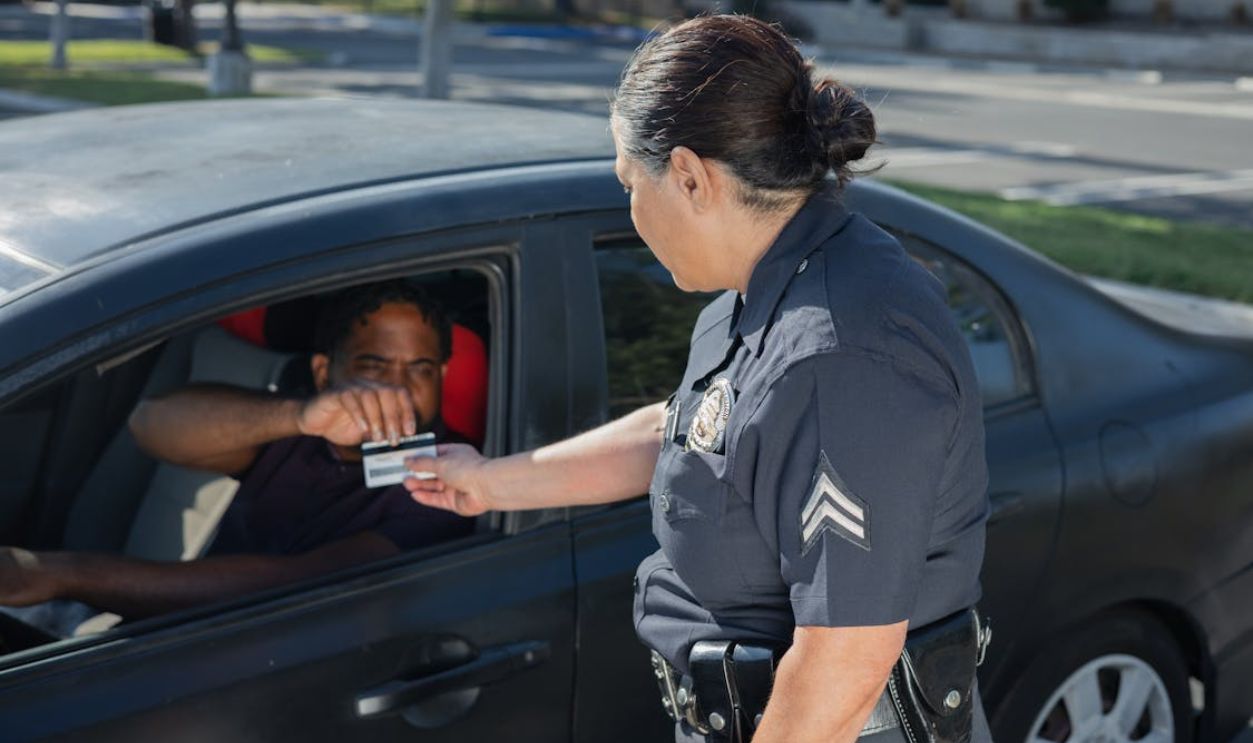
The Good News: It’s Usually Fixable
Most plate issues can be corrected by returning the plates to the DMV as soon as possible and confirming the registration is officially canceled.

What If The Car Is Already Re-Registered?
If the buyer successfully registered the vehicle in their name, your risk drops significantly. The new registration replaces yours in state records.

Why Your Mom Might Be Partially Right
She’s right that plates connect back to you. If they’re still active, your name could surface in enforcement databases. That’s not the same as being automatically guilty — but it can create legal friction.
 LudvikaSweden Photography, Wikimedia Commons
Why You Probably Don’t Need To Panic
If you transferred the title properly and can document the sale date, you generally won’t be legally responsible for the new owner’s actions after that date.

What Should You Do Now?
Contact your state DMV immediately. Ask whether the registration is still active and whether the plates need to be surrendered. Many states allow mail-in returns.

Keep Proof Of Everything
Hold onto the bill of sale, title transfer confirmation, and any release-of-liability documents. If tickets surface later, documentation is your best defense.

Could There Be Fines?
Possibly. Some states impose small penalties for failing to return plates promptly. These are usually administrative — not criminal — but they’re easier to avoid by fixing the issue quickly.
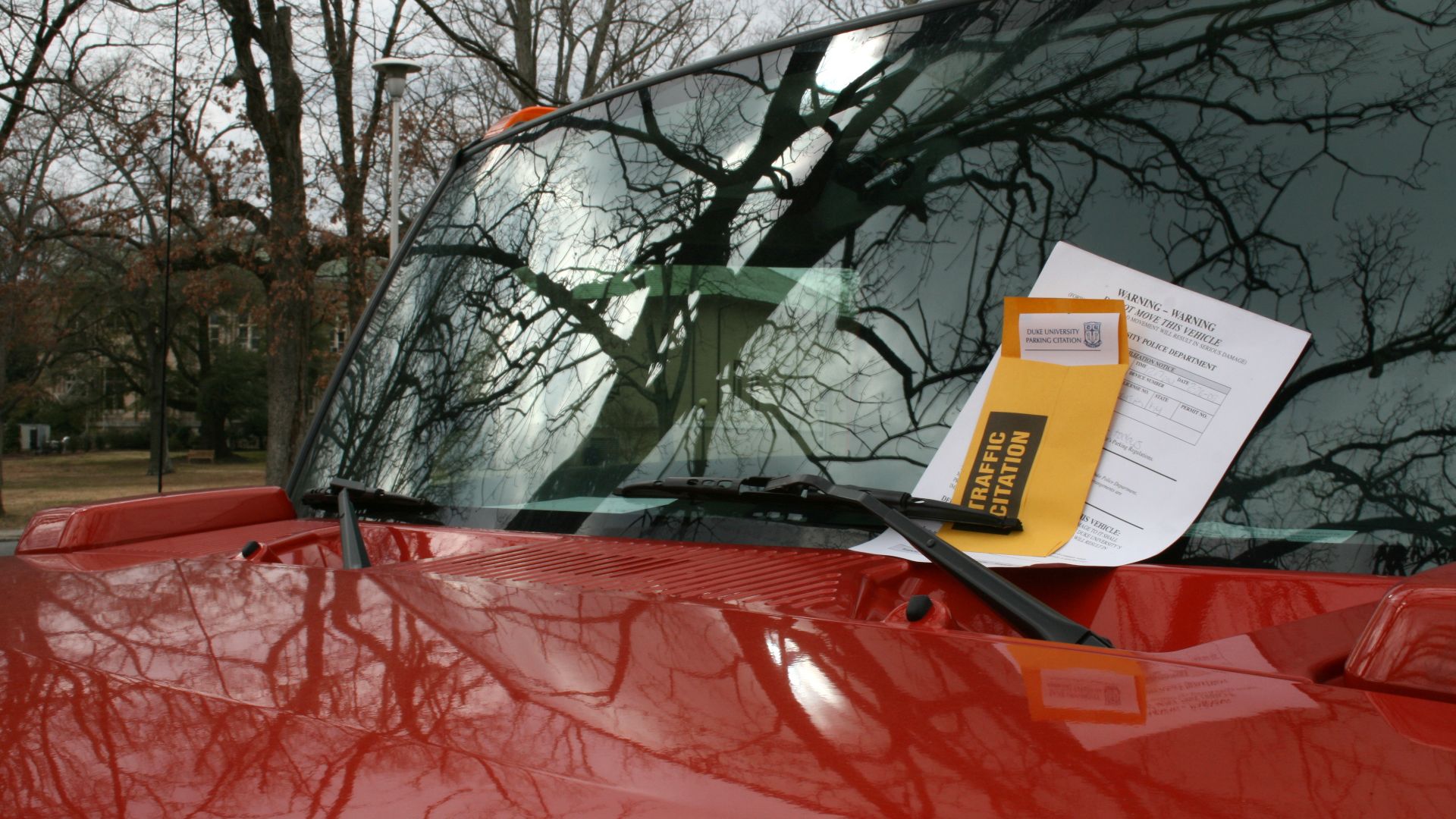 Ildar Sagdejev (Specious), Wikimedia Commons
So… Should You Be Worried?
Concerned? Maybe a little. Panicked? Probably not. Most situations like this are administrative problems, not legal disasters.

The Bottom Line
Forgetting to return old plates doesn’t automatically make you responsible for someone else’s driving. But leaving registration open can create unnecessary risk. A quick call to the DMV and returning the plates can shut the door on future headaches.

You May Also Like: