These Pickups Didn't Get The Credit They Deserved For Decades
For decades, pickup trucks have been judged by sales charts, brand loyalty, and a handful of household names. But quietly, in the shadows of bestsellers and marketing juggernauts, some genuinely excellent trucks have gone overlooked. They worked hard, innovated early, and often did things better—or at least differently—than their more famous rivals. Now, with time adding perspective and nostalgia adding value, these once-overlooked machines are finally getting their due. From the 1980s to today, here are 25 trucks that have been underrated for far too long.
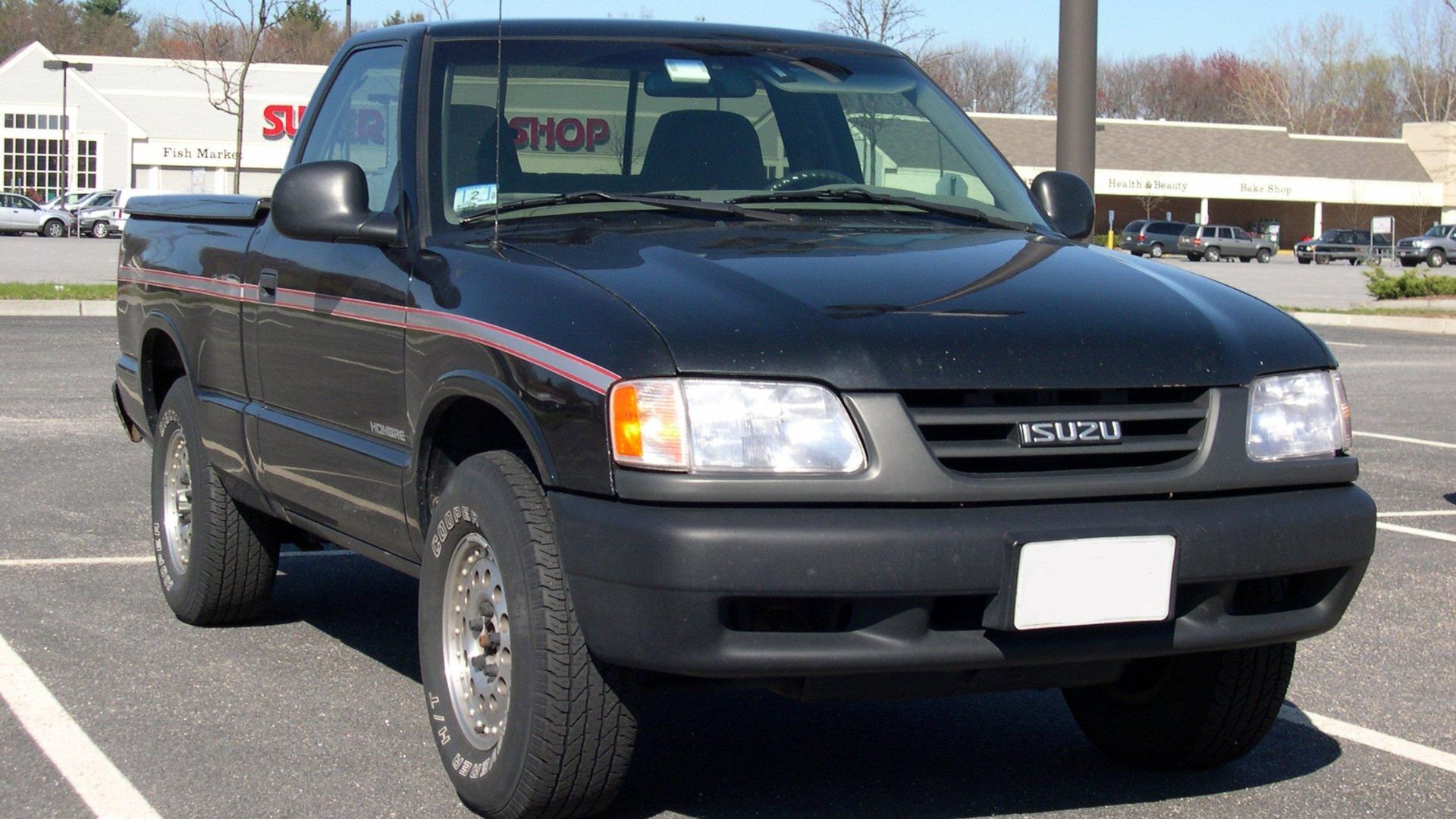
Isuzu Pickup / Isuzu Hombre
Before Isuzu became synonymous with commercial vehicles and SUVs, it built compact pickups that were tough, efficient, and refreshingly simple. Sold under several names, including the Hombre in the U.S., these trucks offered excellent reliability and surprisingly capable four-wheel-drive systems. They were never flashy, but that was part of the charm.
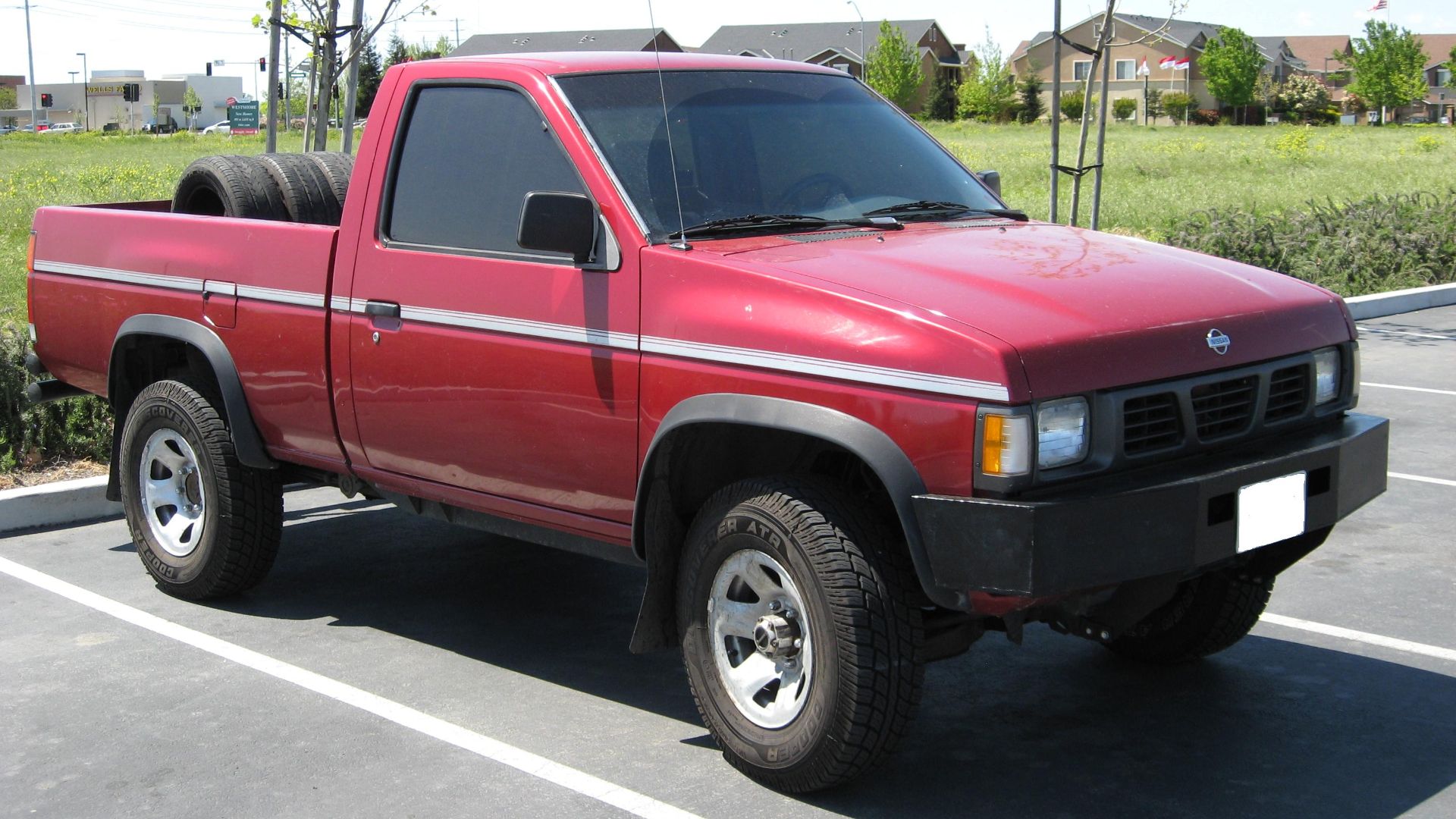
Nissan Hardbody (D21)
The Nissan Hardbody might be one of the most durable compact trucks ever sold. With its distinctive boxy fenders and bulletproof engines, it earned a reputation as a workhorse that simply refused to die. While Toyota grabbed most of the glory, the Hardbody quietly built a loyal following that still swears by it today.
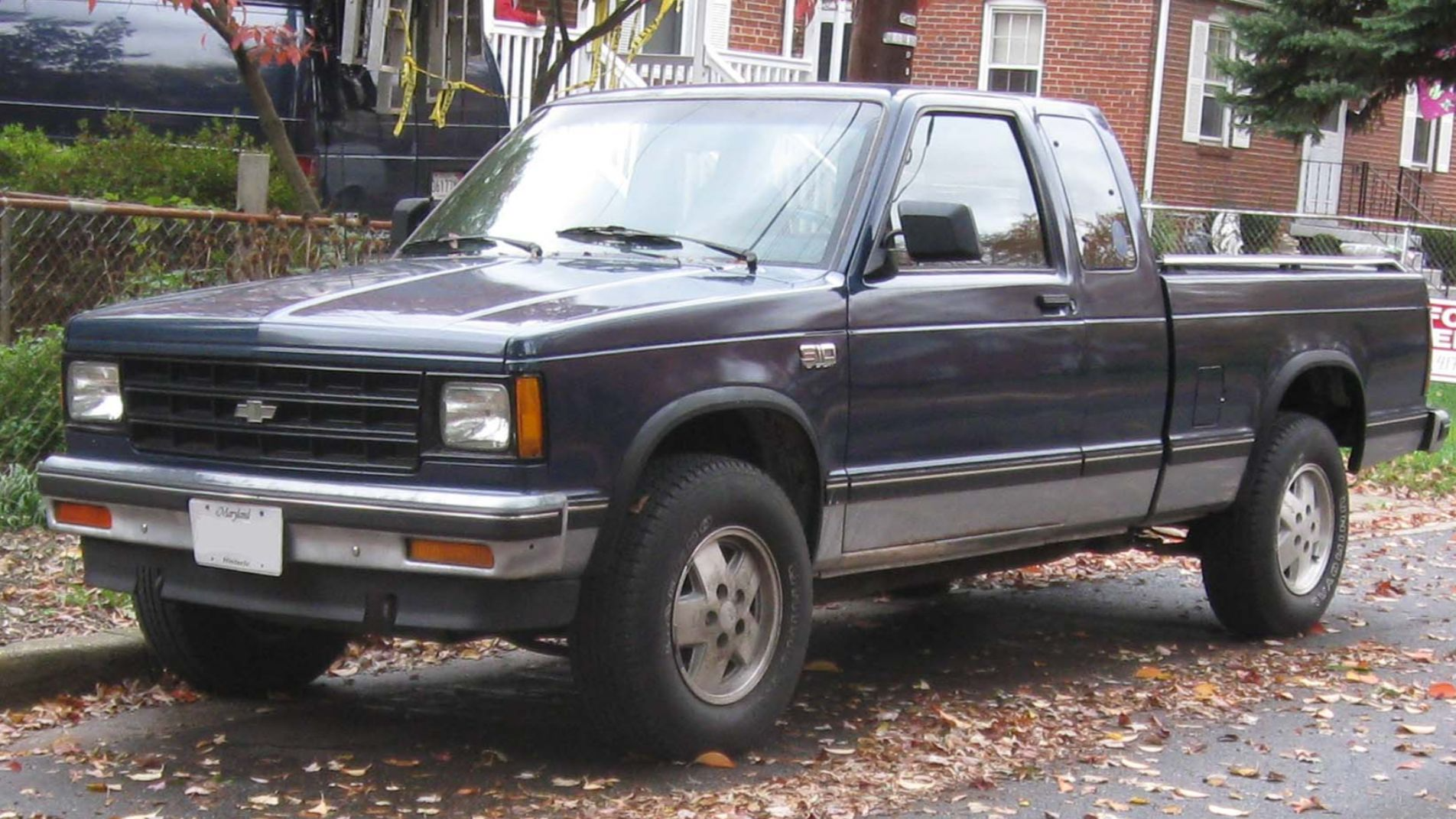
Chevrolet S-10 (First Generation)
The original S-10 doesn’t get nearly enough credit for how versatile it was. Available in countless configurations, with both four-cylinder thriftiness and V6 punch, it helped define the compact truck market in the U.S. Its simple construction and massive parts availability make it a cult favorite today.
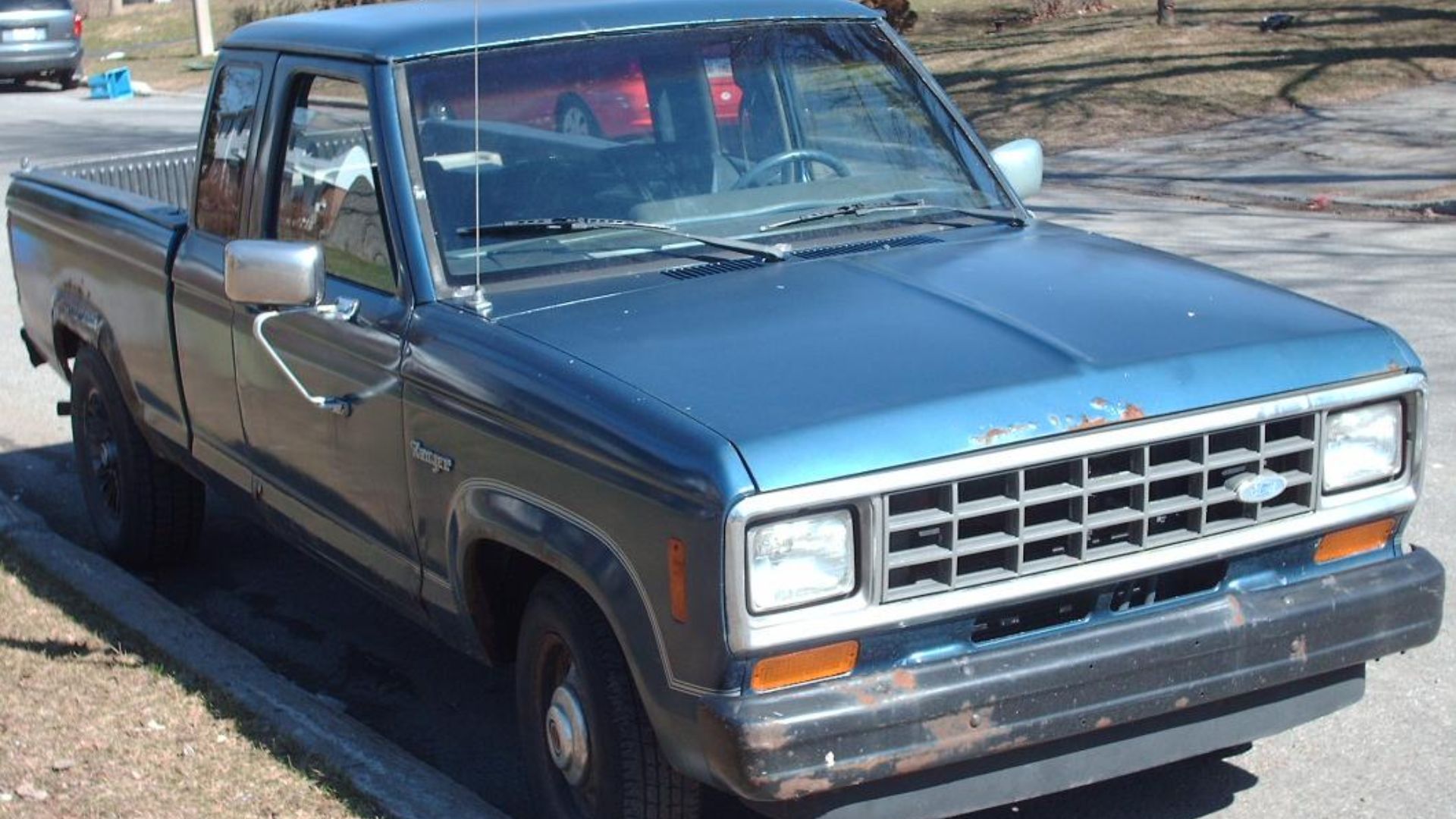
Ford Ranger (First Generation)
Before the Ranger became a global mid-size powerhouse, the original U.S.-market Ranger was a compact, no-nonsense truck. It was easy to maintain, affordable, and offered real utility without excess. In many ways, it was the perfect everyday pickup for the 1980s and 1990s.
Mazda B-Series
Often mistaken for a rebadged Ford—and sometimes actually being one—the Mazda B-Series still deserves its own recognition. Mazda’s tuning gave these trucks a slightly more refined driving feel, and their engines were known for longevity. They were dependable to a fault, which is why so many are still on the road.
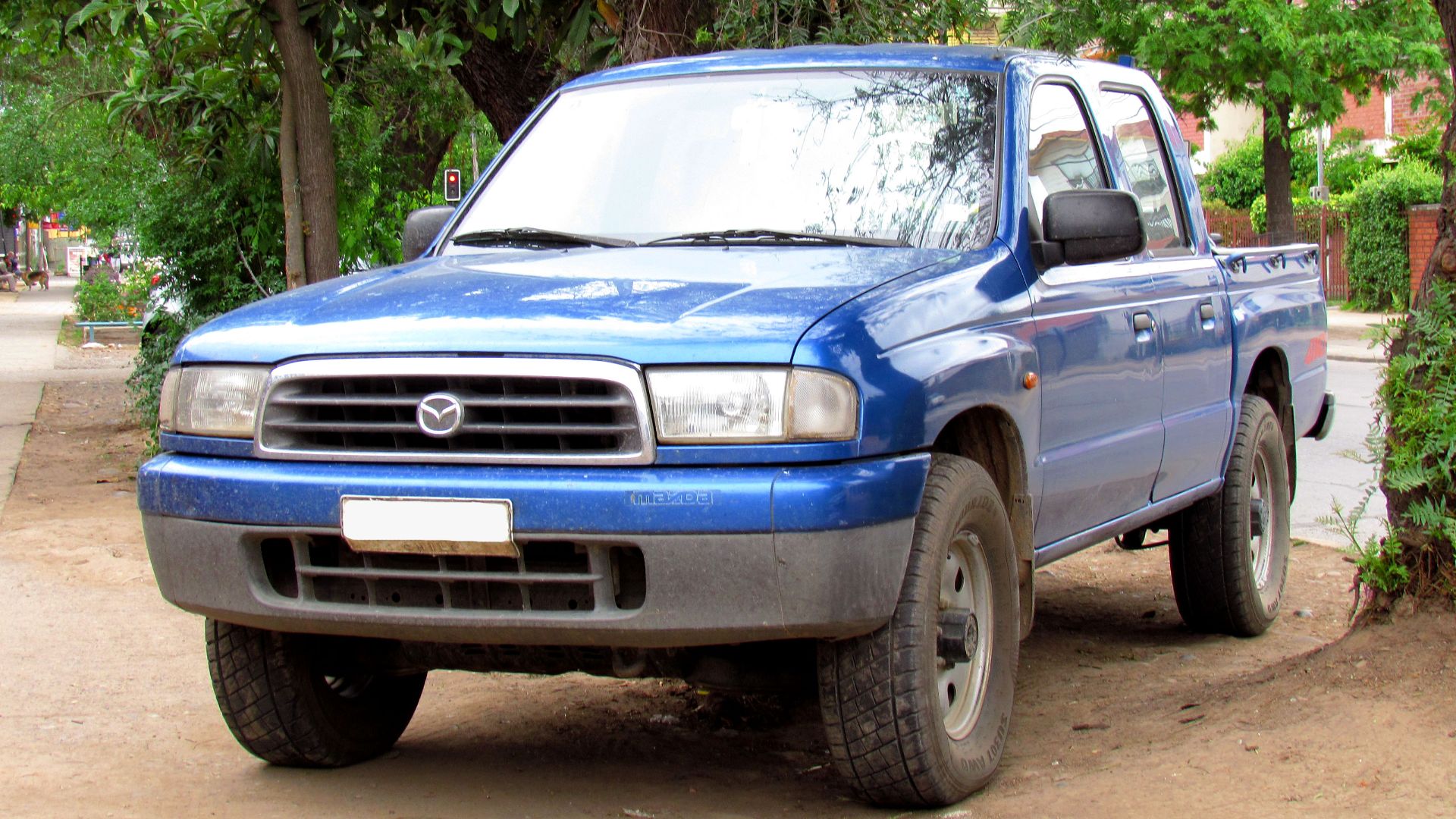 order_242 from Chile, Wikimedia Commons
Mitsubishi Mighty Max
The Mighty Max lived up to its bold name. Compact yet capable, it offered solid engines, good fuel economy, and optional four-wheel drive. It never sold in huge numbers, but owners appreciated its durability and simplicity long after others had moved on.
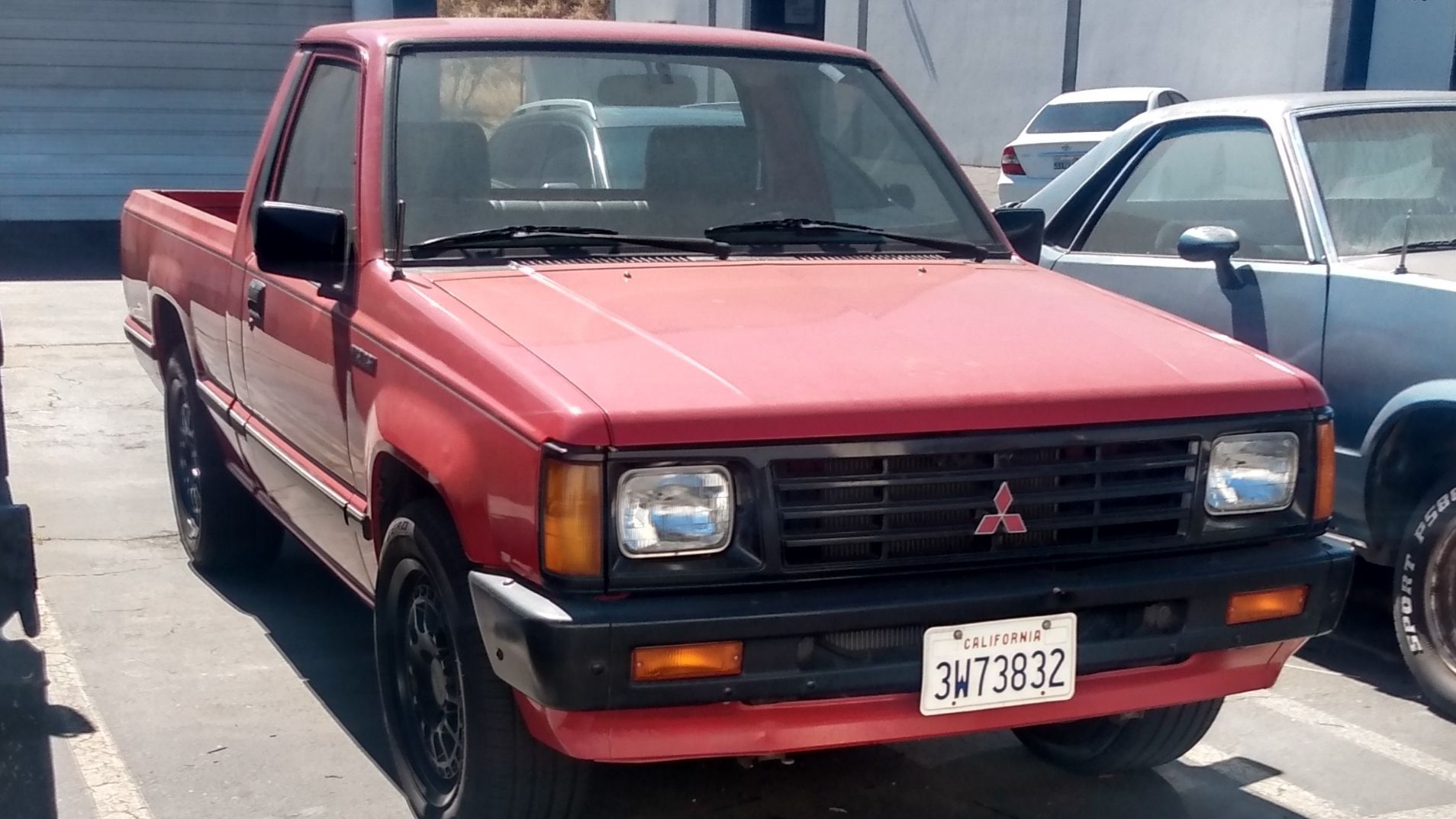 DestinationFearFan, Wikimedia Commons
Dodge Dakota (First Generation)
The first-generation Dakota filled a niche no one else was targeting at the time. Bigger than a compact truck but smaller than a full-size, it offered V6 and even V8 power in a manageable package. That formula was ahead of its time and laid the groundwork for today’s mid-size trucks.
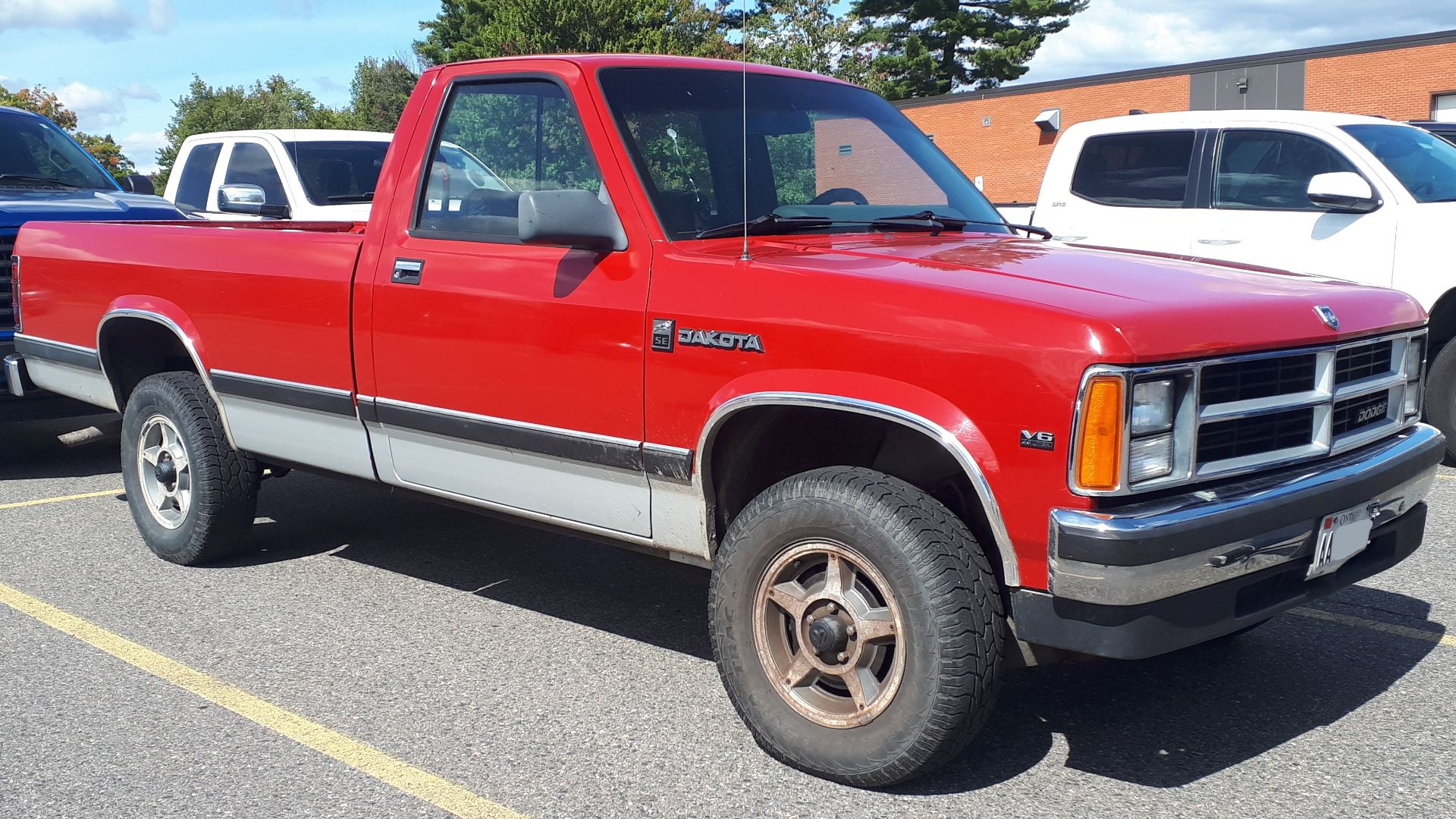 SsmIntrigue, Wikimedia Commons
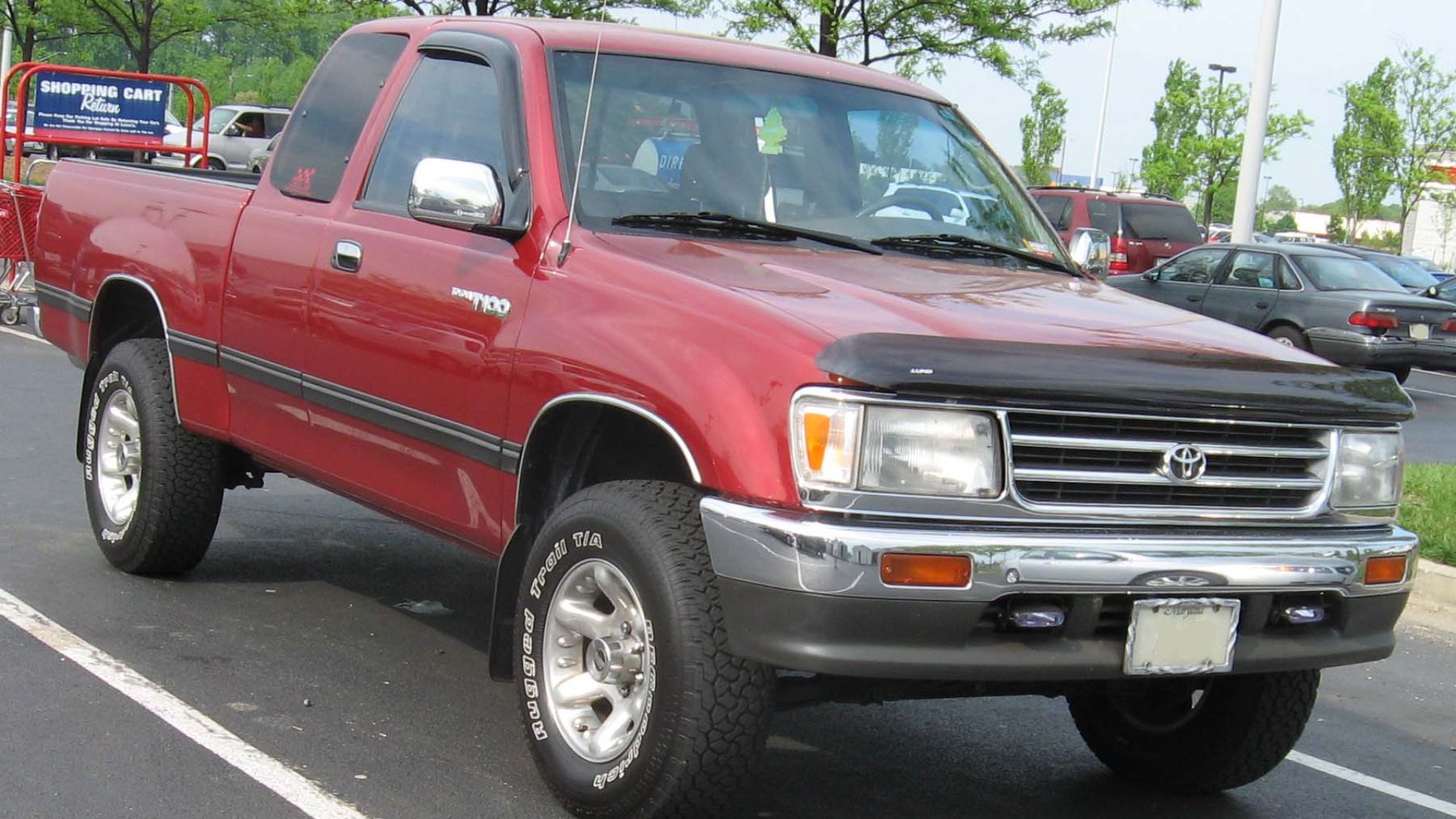
Toyota T100
Overshadowed by the Tacoma, the T100 was Toyota’s first real attempt at a full-size truck. It was incredibly reliable and well-built, even if it lacked the brute force of domestic rivals. In hindsight, it’s a classic example of Toyota quality quietly doing its thing.
GMC Syclone
Yes, it was expensive and rare—but the GMC Syclone was revolutionary. A turbocharged V6, all-wheel drive, and supercar-level acceleration in a pickup truck? In the early 1990s, that was unheard of. It was misunderstood then and revered now.
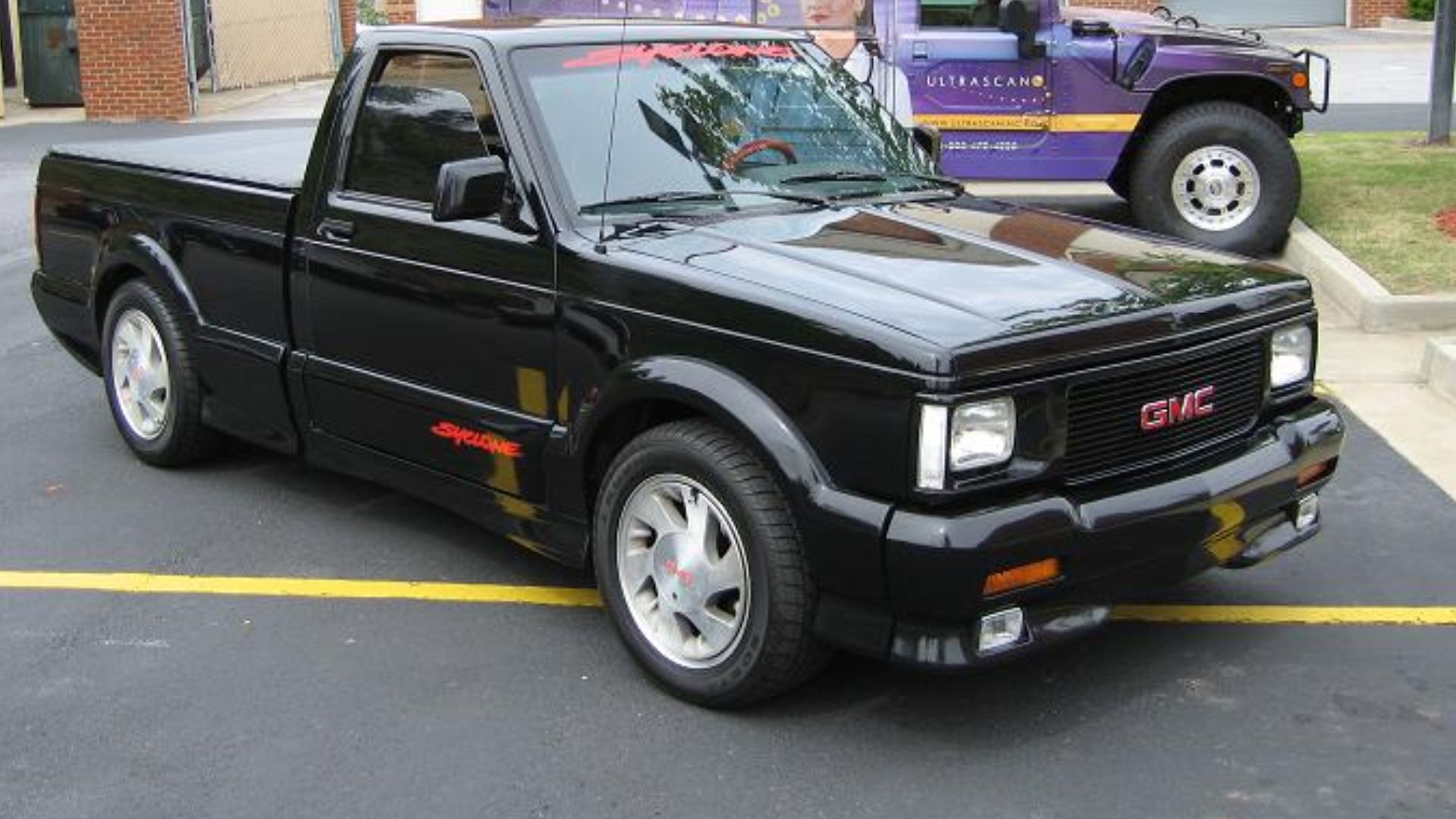 Willyson at English Wikipedia, Wikimedia Commons
Ford F-150 SVT Lightning (First Generation)
Before modern performance trucks became mainstream, the original Lightning showed what was possible. Street-focused suspension, a torquey V8, and bold styling made it a muscle truck before the term was popular. It paved the way for everything that followed.
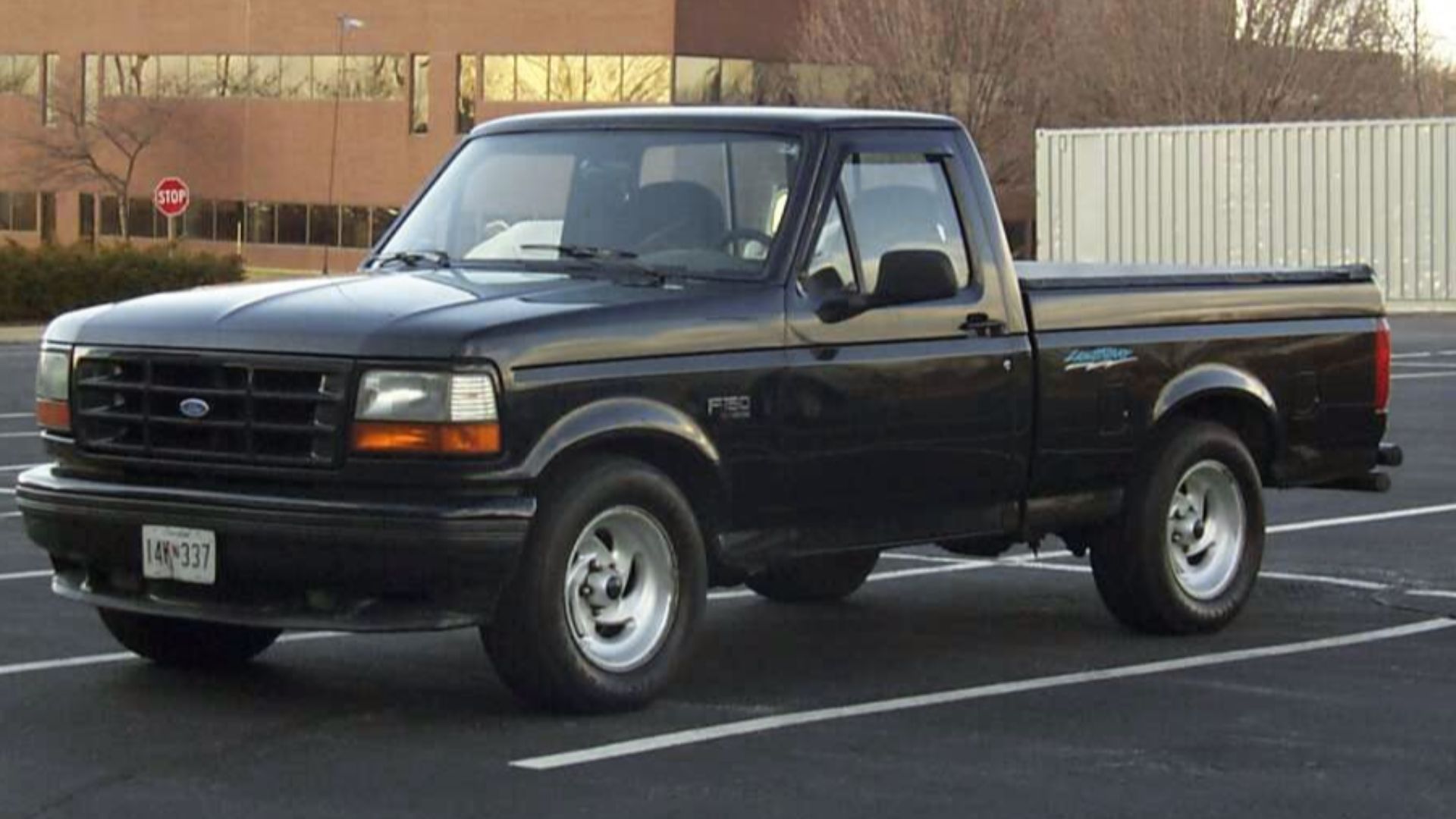 Rurik at English Wikipedia, Wikimedia Commons
Nissan Frontier (First Generation)
Often ignored in favor of the Tacoma, the first-gen Frontier offered comparable capability with a smoother ride and strong V6 options. It was comfortable, reliable, and genuinely useful, even if it lacked Toyota’s hype machine.
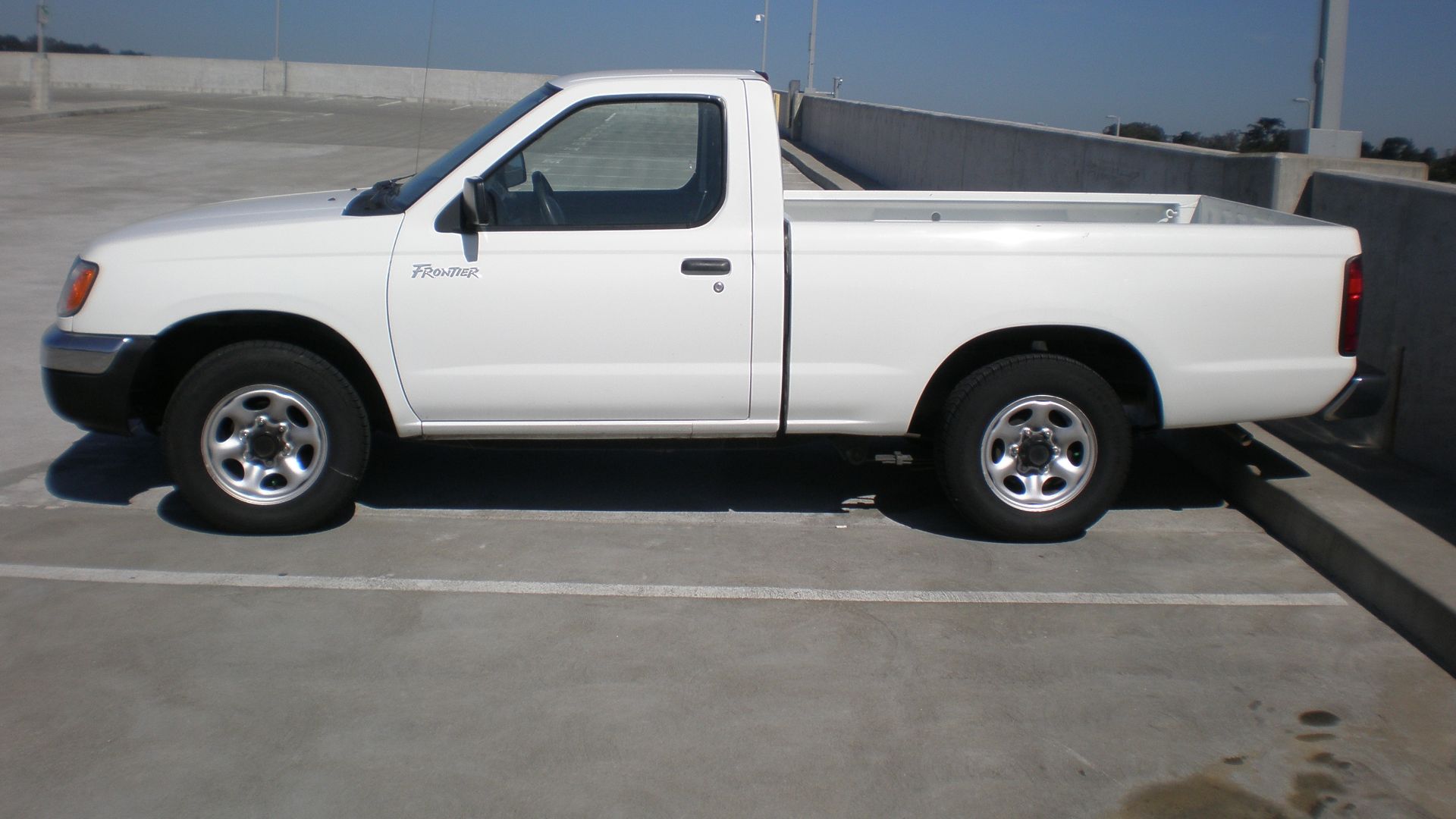 BrokenSphere, Wikimedia Commons
Chevrolet Colorado (First Generation)
Early Colorados had their flaws, but they also brought modern styling and solid capability to the mid-size segment when few others were trying. Over time, their strengths—especially off-road trims—have become easier to appreciate.
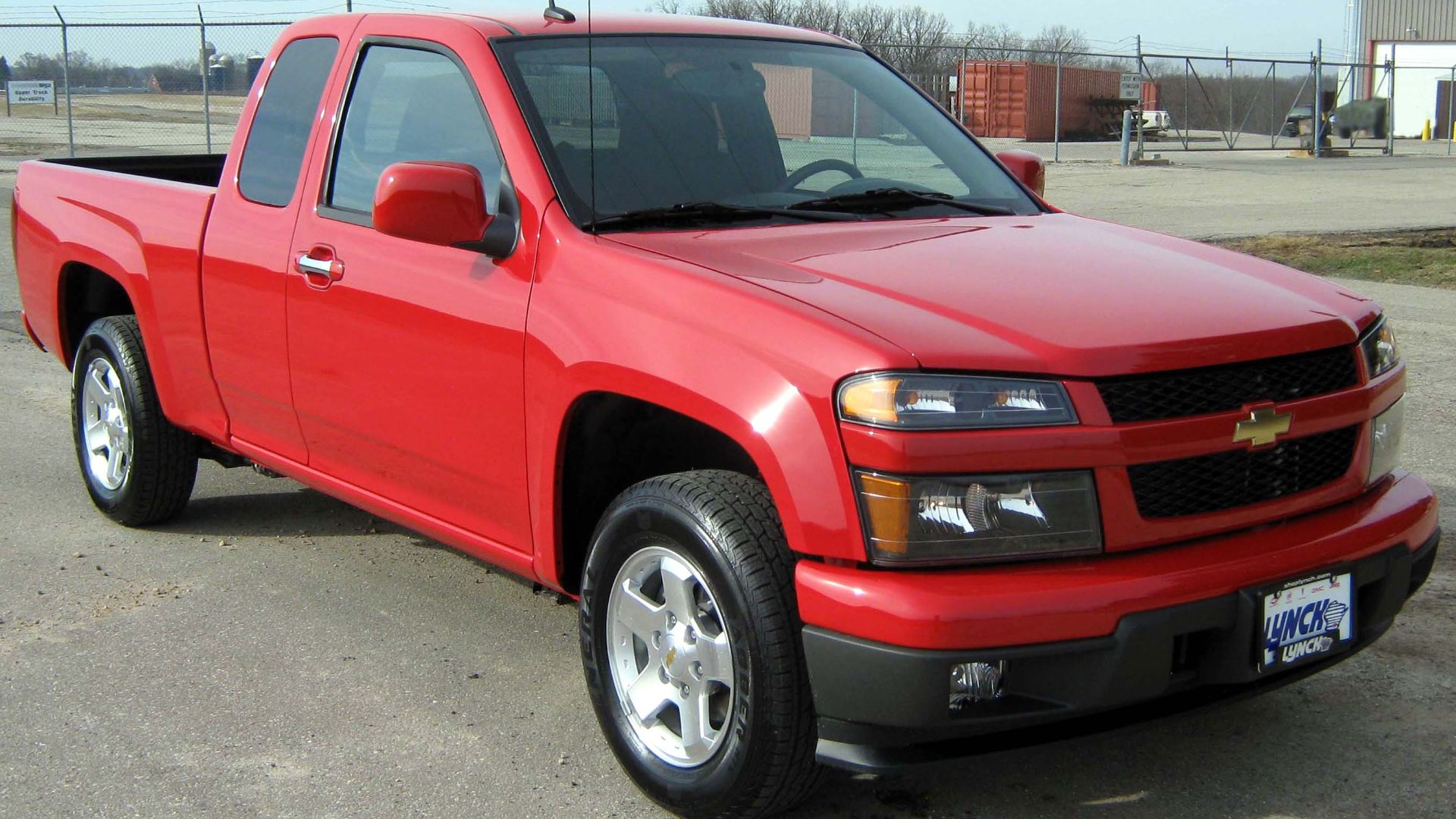 U.S. National Highway Traffic Safety Administration, Wikimedia Commons
GMC Canyon (First Generation)
The Canyon shared much with the Colorado but flew even further under the radar. It offered a slightly more upscale feel and the same practical strengths. For buyers who wanted capability without flash, it was an excellent option.
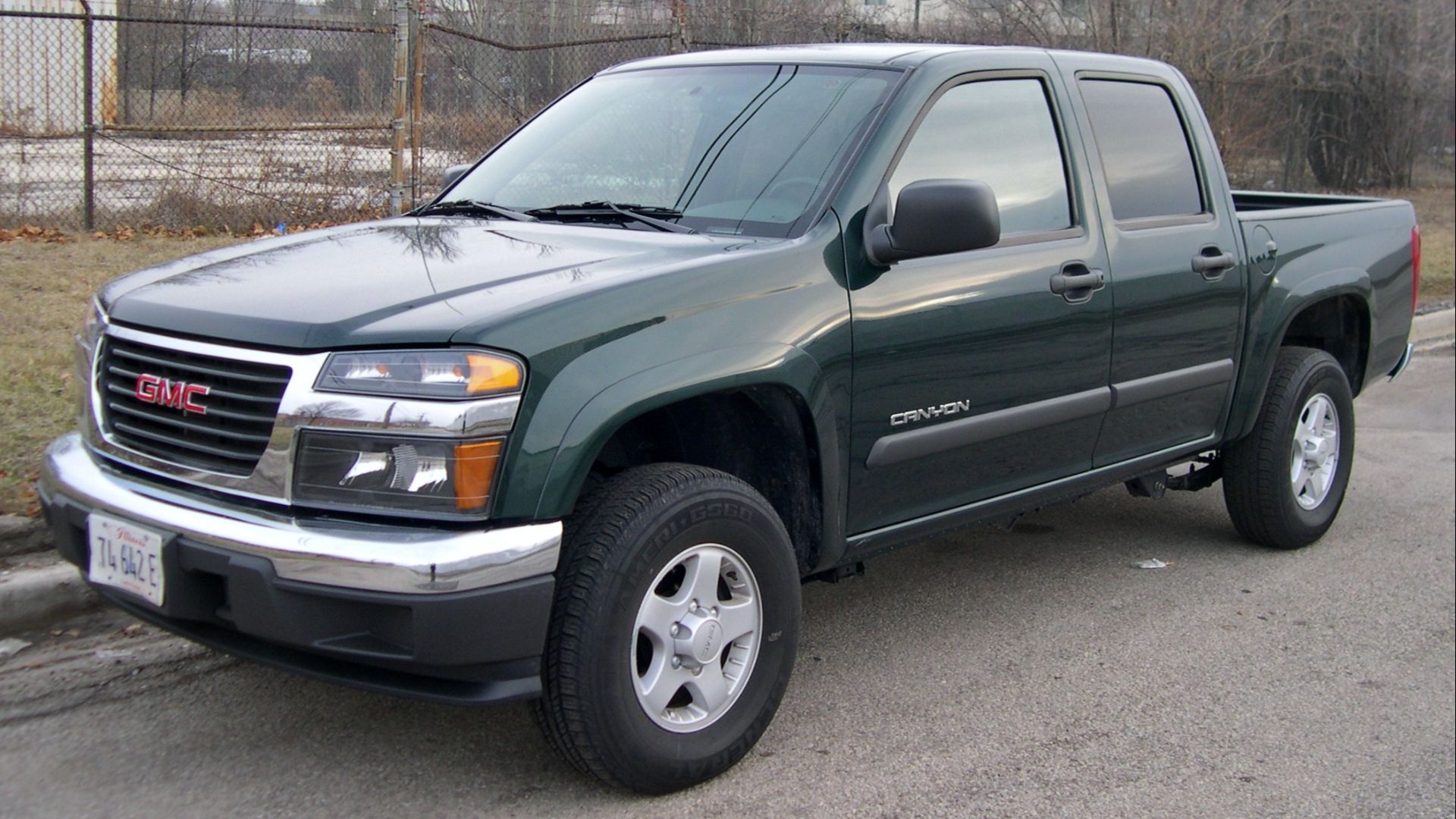
Honda Ridgeline (First Generation)
Purists scoffed, but the Ridgeline quietly redefined what a pickup could be. With its unibody construction, clever in-bed trunk, and car-like ride, it was perfect for real-world use. Time has been kind to its unconventional approach.
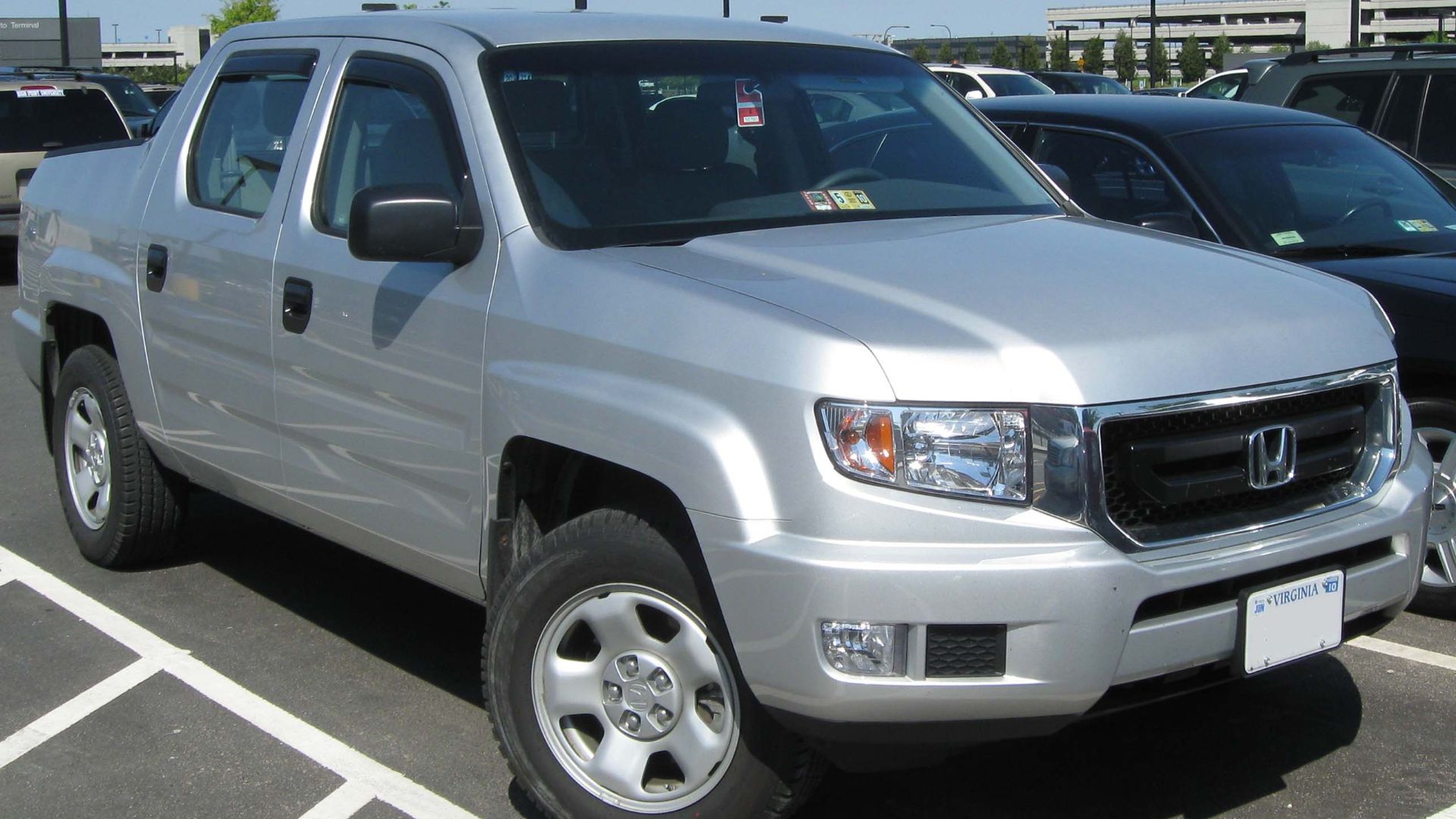
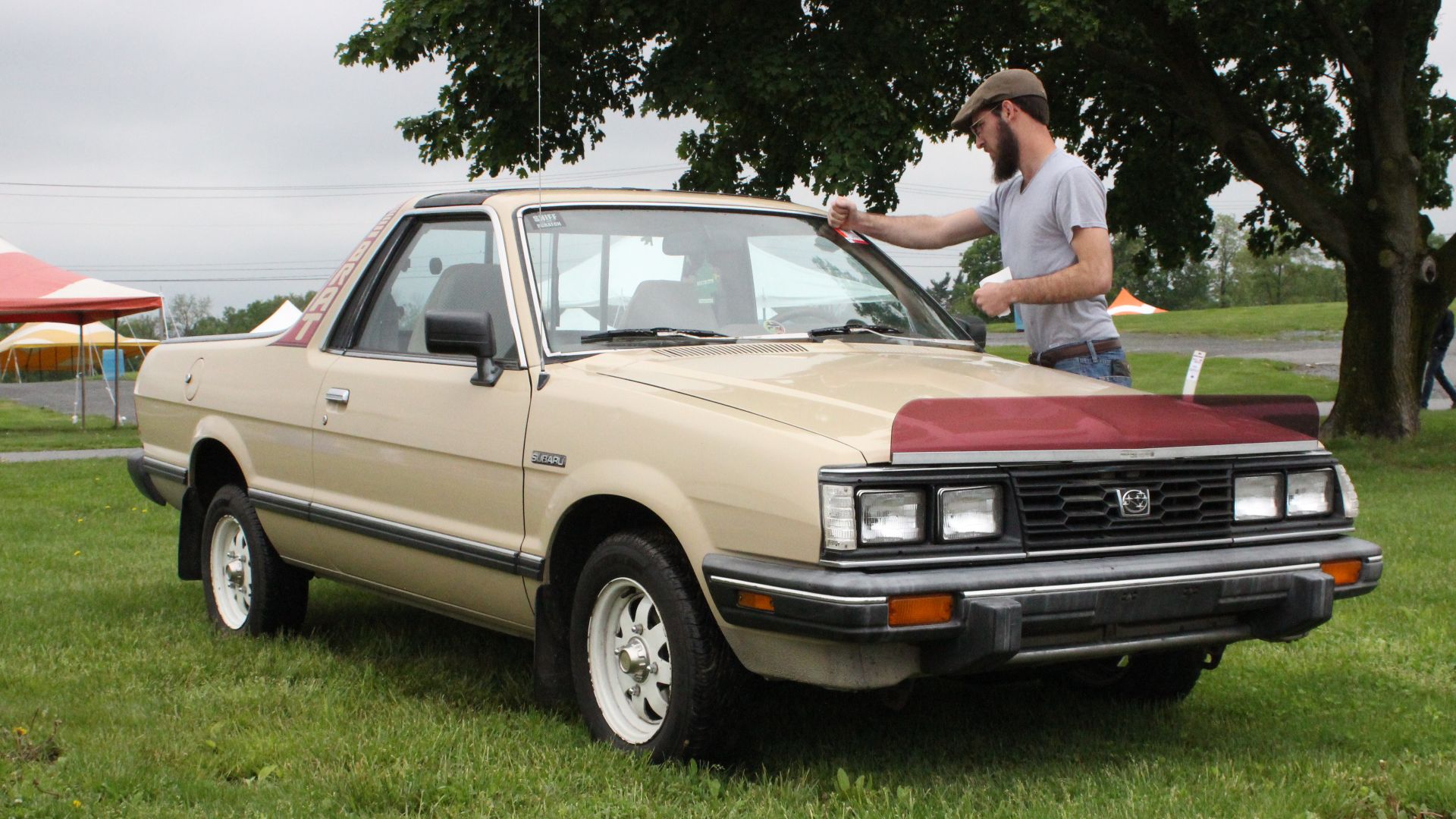
Subaru BRAT
Part truck, part car, and entirely weird, the BRAT was decades ahead of its time. With all-wheel drive and compact dimensions, it was ideal for light-duty work and adventure. Today, it’s a cult classic that finally gets respect.
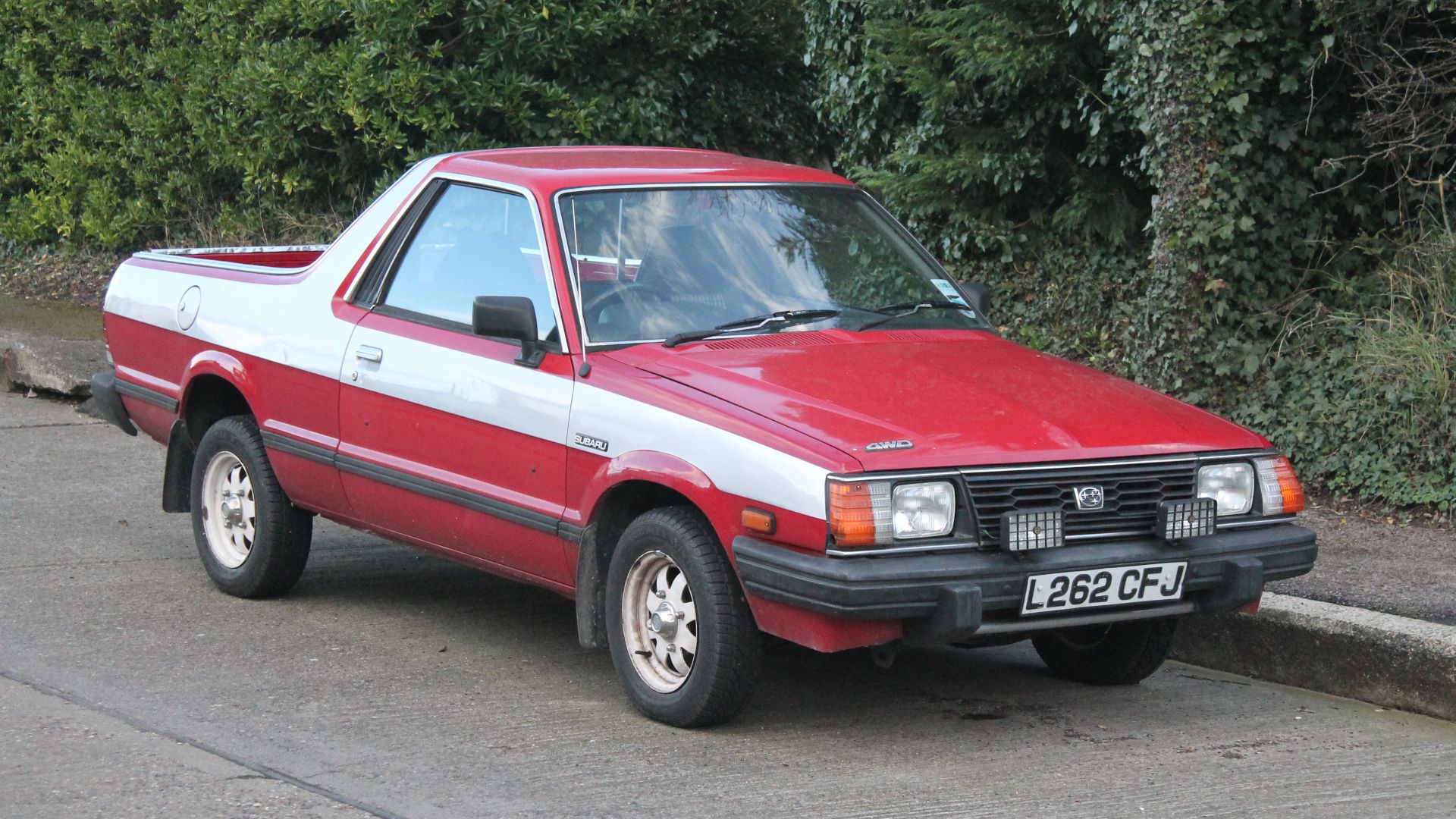 Charlie from United Kingdom, Wikimedia Commons
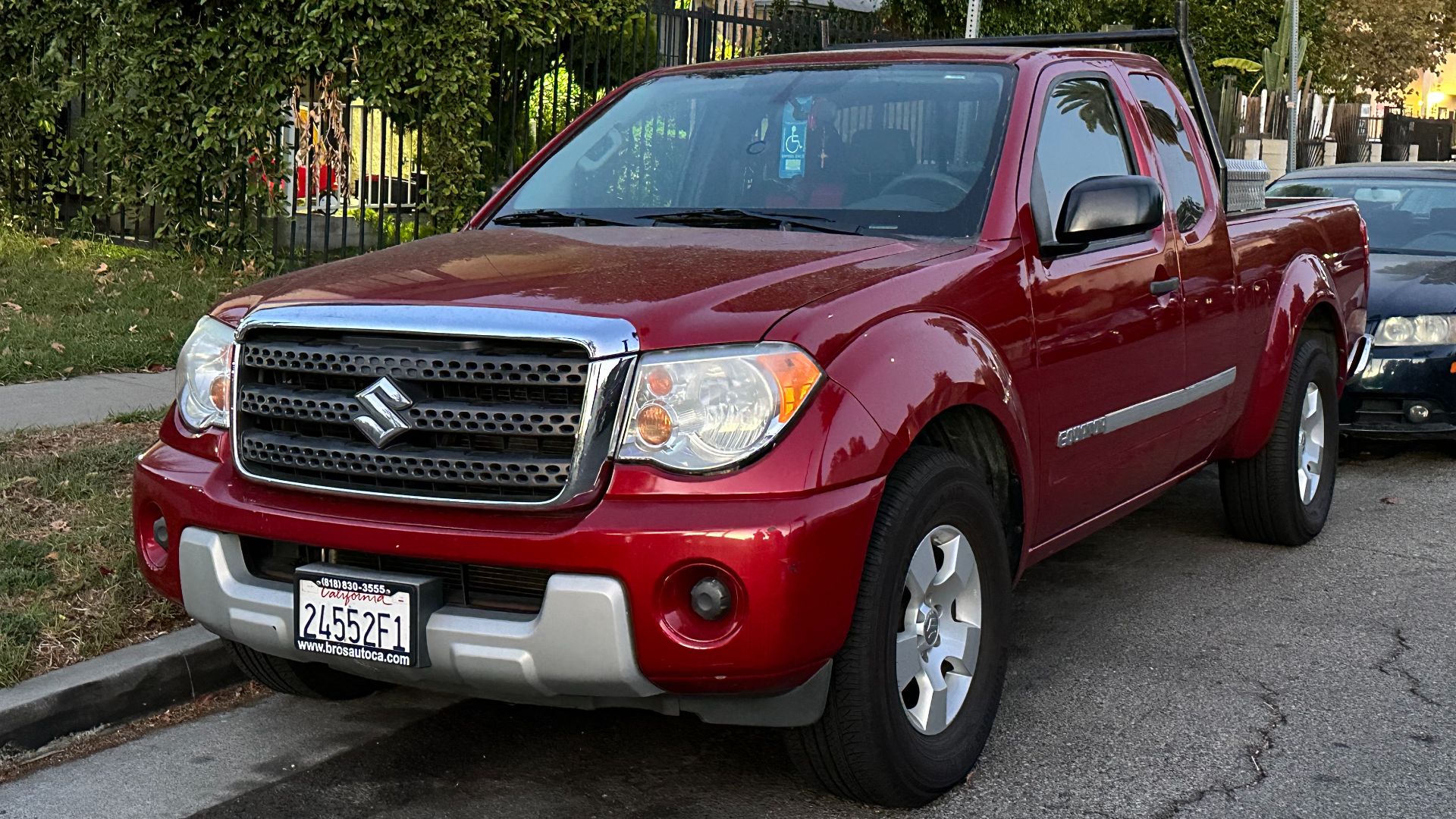
Suzuki Equator
The Equator was essentially a Nissan Frontier in Suzuki clothing, but that didn’t make it any less capable. It offered solid performance and off-road ability, yet disappeared quickly due to brand struggles rather than product flaws.
International Harvester Scout Pickup
Though better known as an SUV, the Scout pickup variants were rugged, purpose-built machines. They embodied old-school toughness and agricultural roots that modern trucks often try to emulate but rarely match.
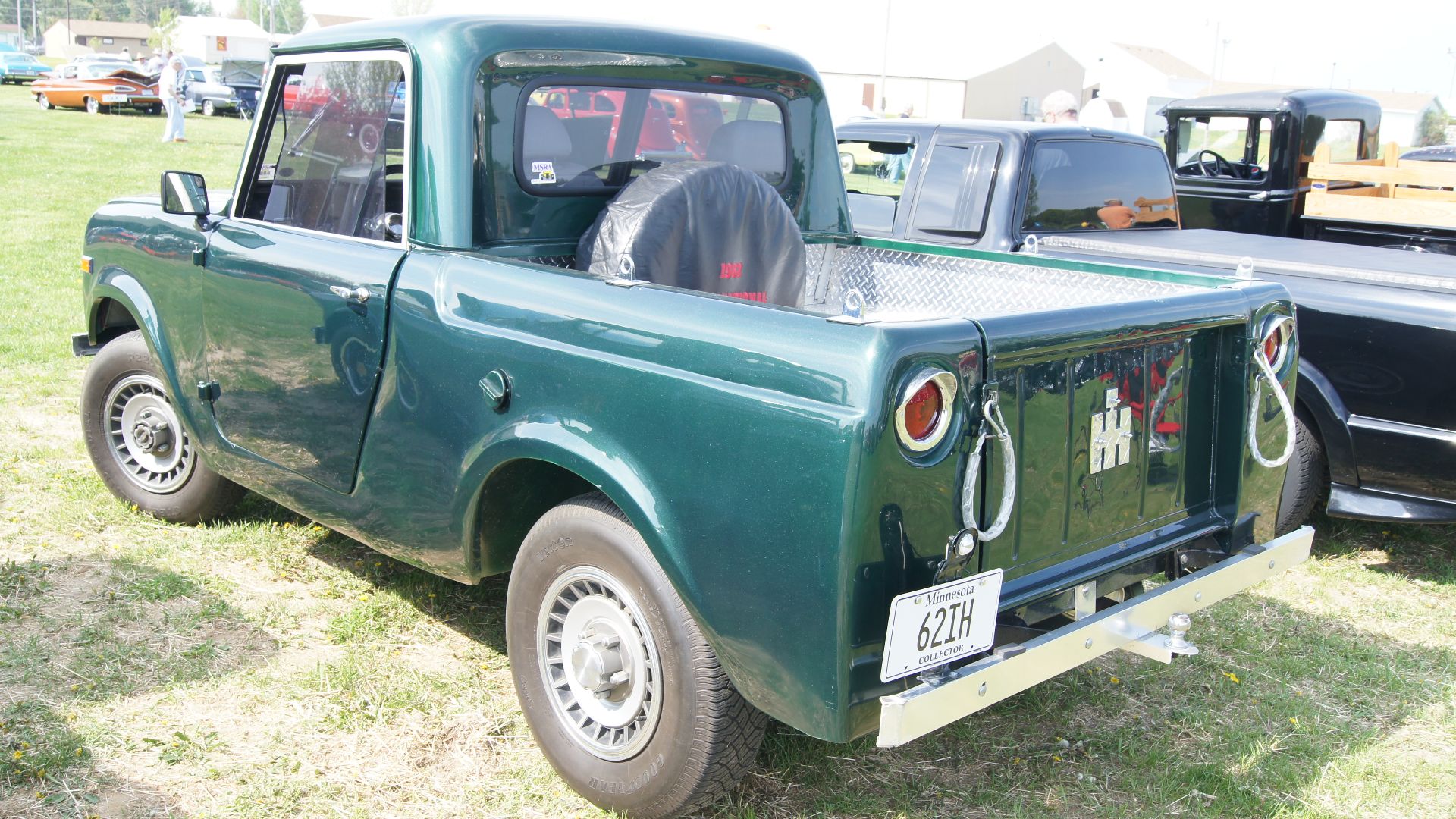 Greg Gjerdingen from Willmar, USA, Wikimedia Commons
Jeep Comanche
The Comanche combined Jeep’s legendary off-road DNA with real pickup utility. It was tough, capable, and unique, yet never sold in huge numbers. Today, it’s recognized as one of the coolest compact trucks ever built.
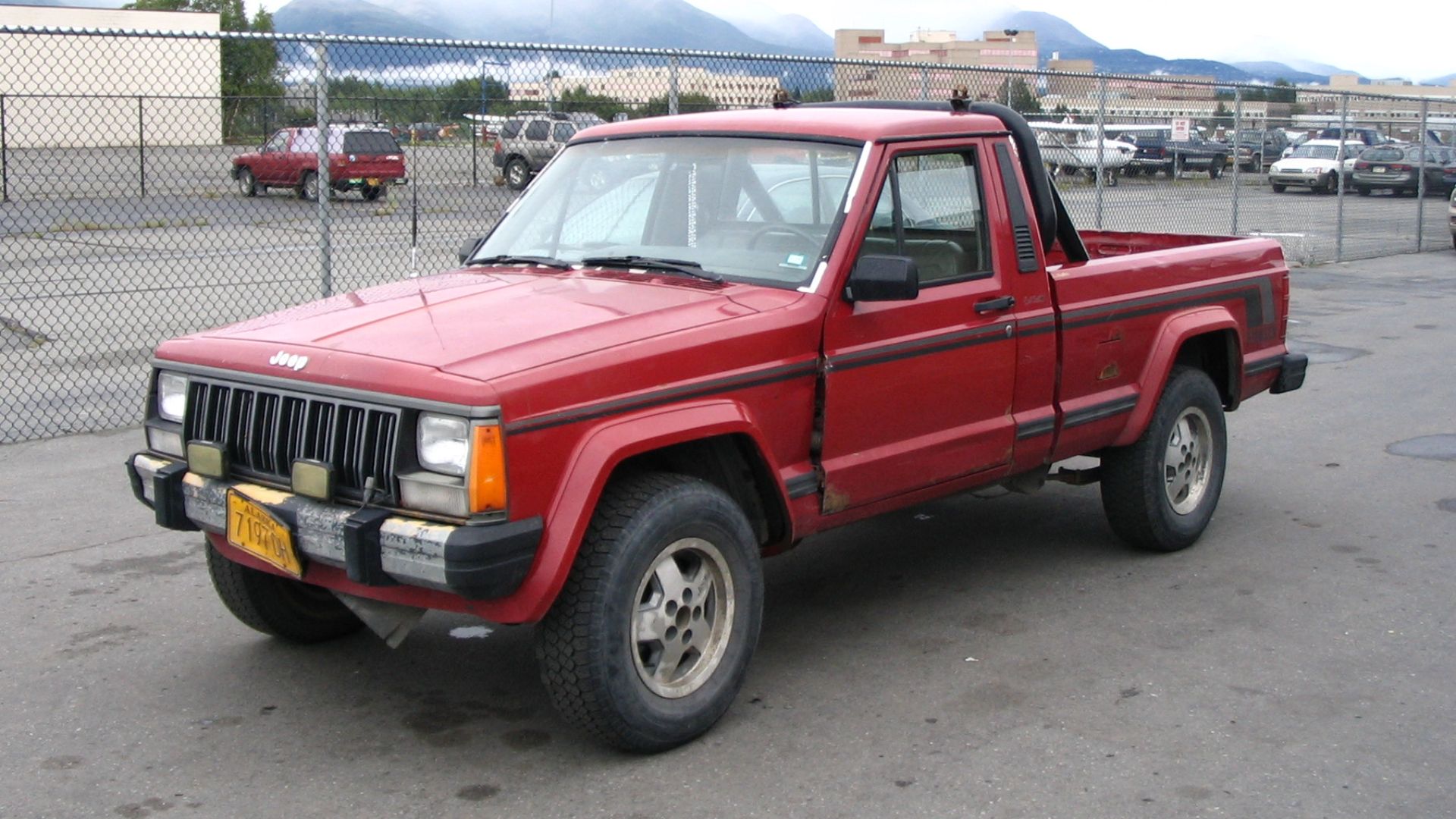 Phasmatisnox at English Wikipedia, Wikimedia Commons
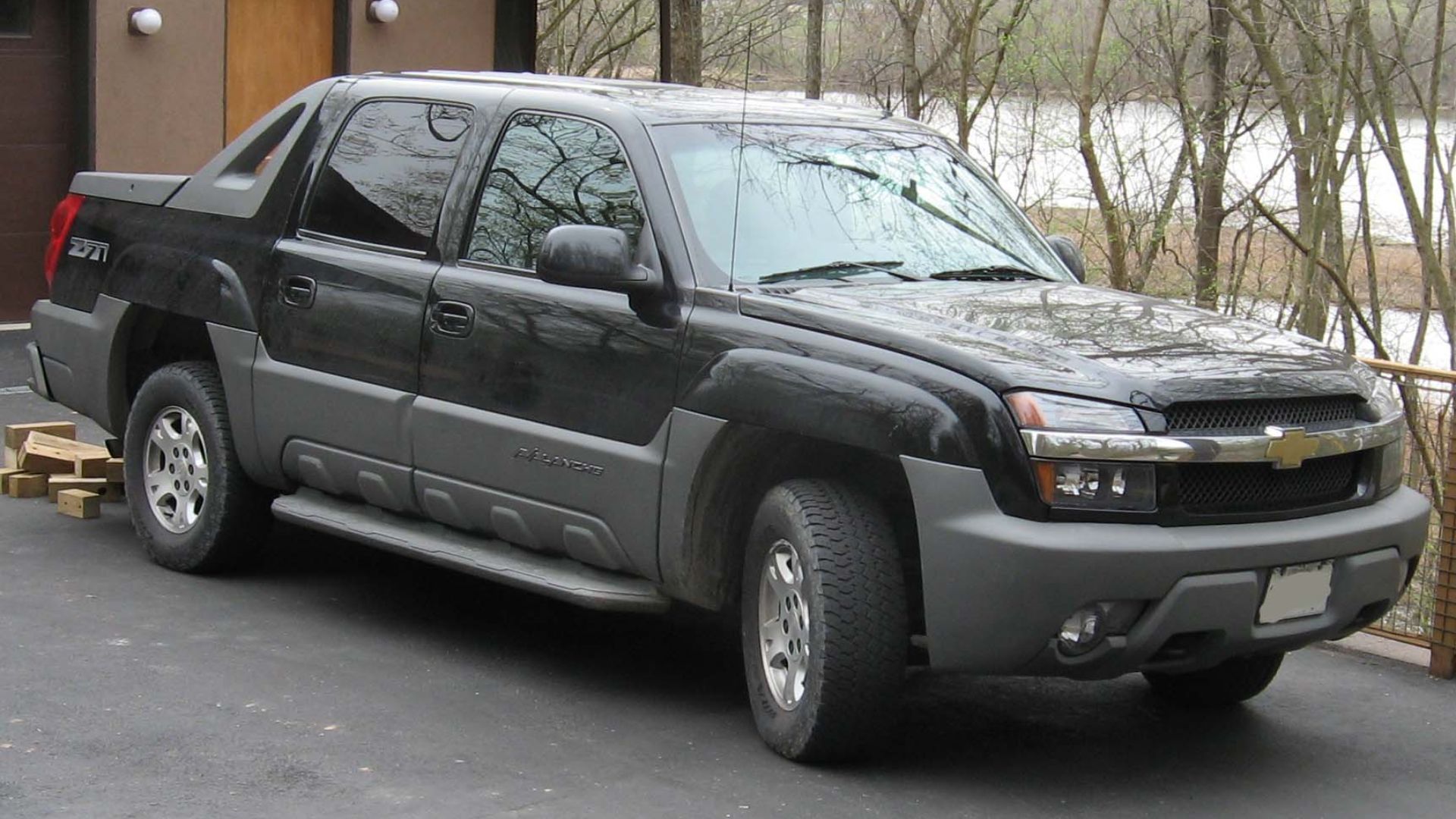
Chevrolet Avalanche
The Avalanche was mocked for its looks, but its versatility was unmatched. The midgate system allowed it to transform from SUV to pickup in seconds. It was practical, innovative, and far more useful than critics ever admitted.
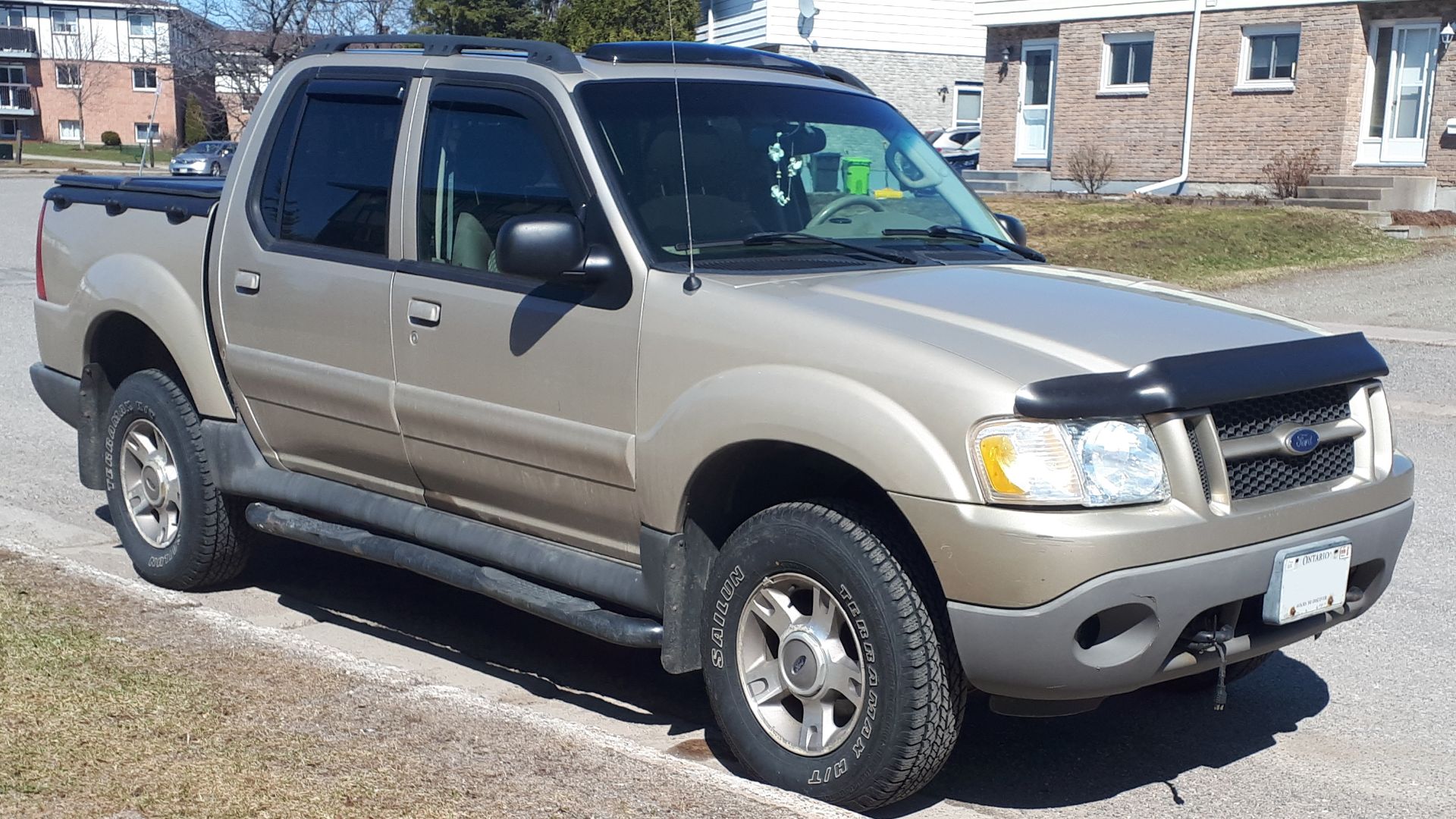
Ford Explorer Sport Trac
Part SUV, part truck, the Sport Trac filled a niche before crossovers took over. It offered comfort, towing ability, and everyday usability. In retrospect, it was simply ahead of consumer trends.
 SsmIntrigue, Wikimedia Commons
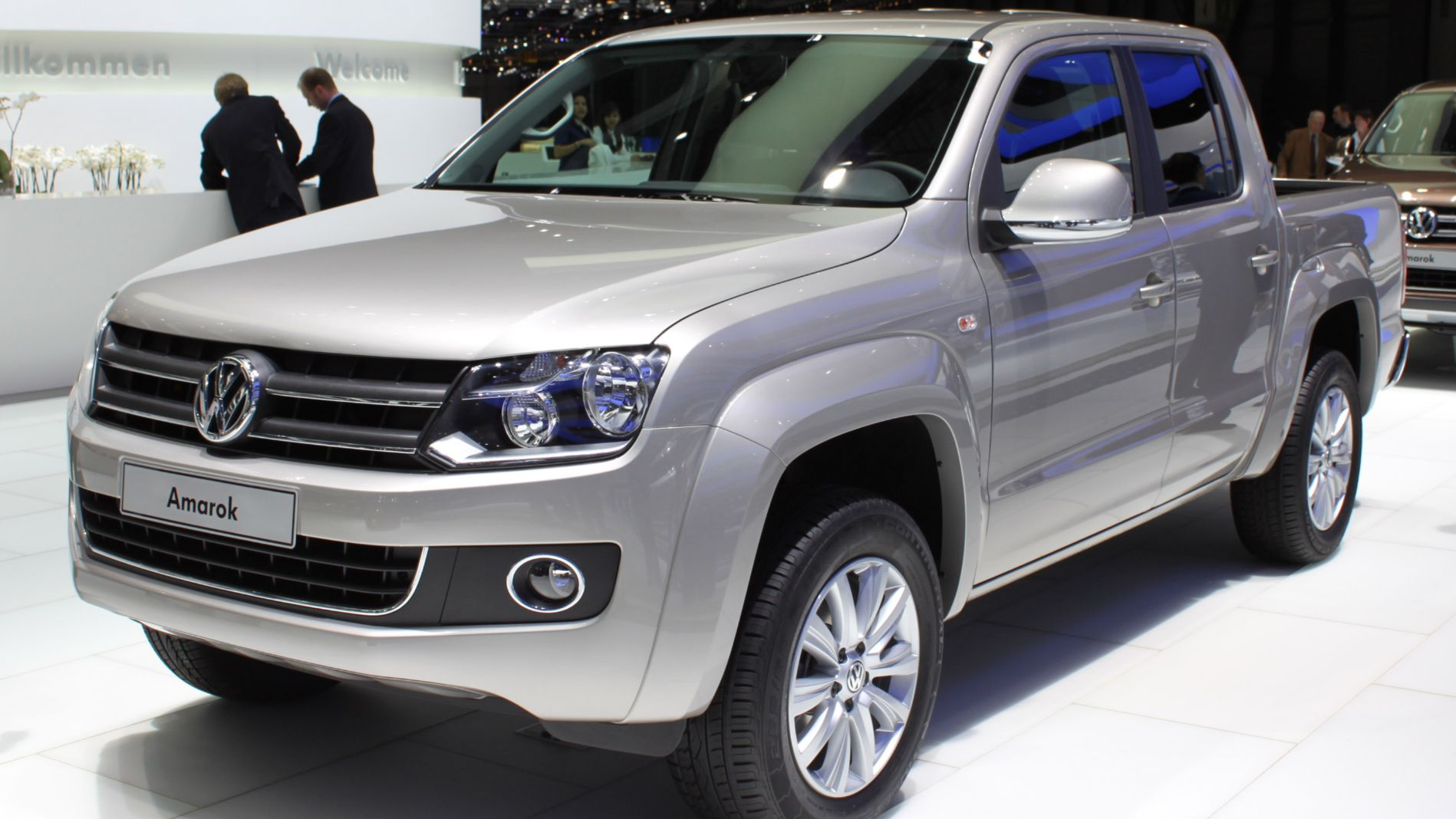
Volkswagen Amarok
Never officially sold in the U.S., the Amarok proved that Volkswagen could build a world-class truck. With refined road manners and serious off-road capability, it earned global praise that American buyers never got to experience firsthand.
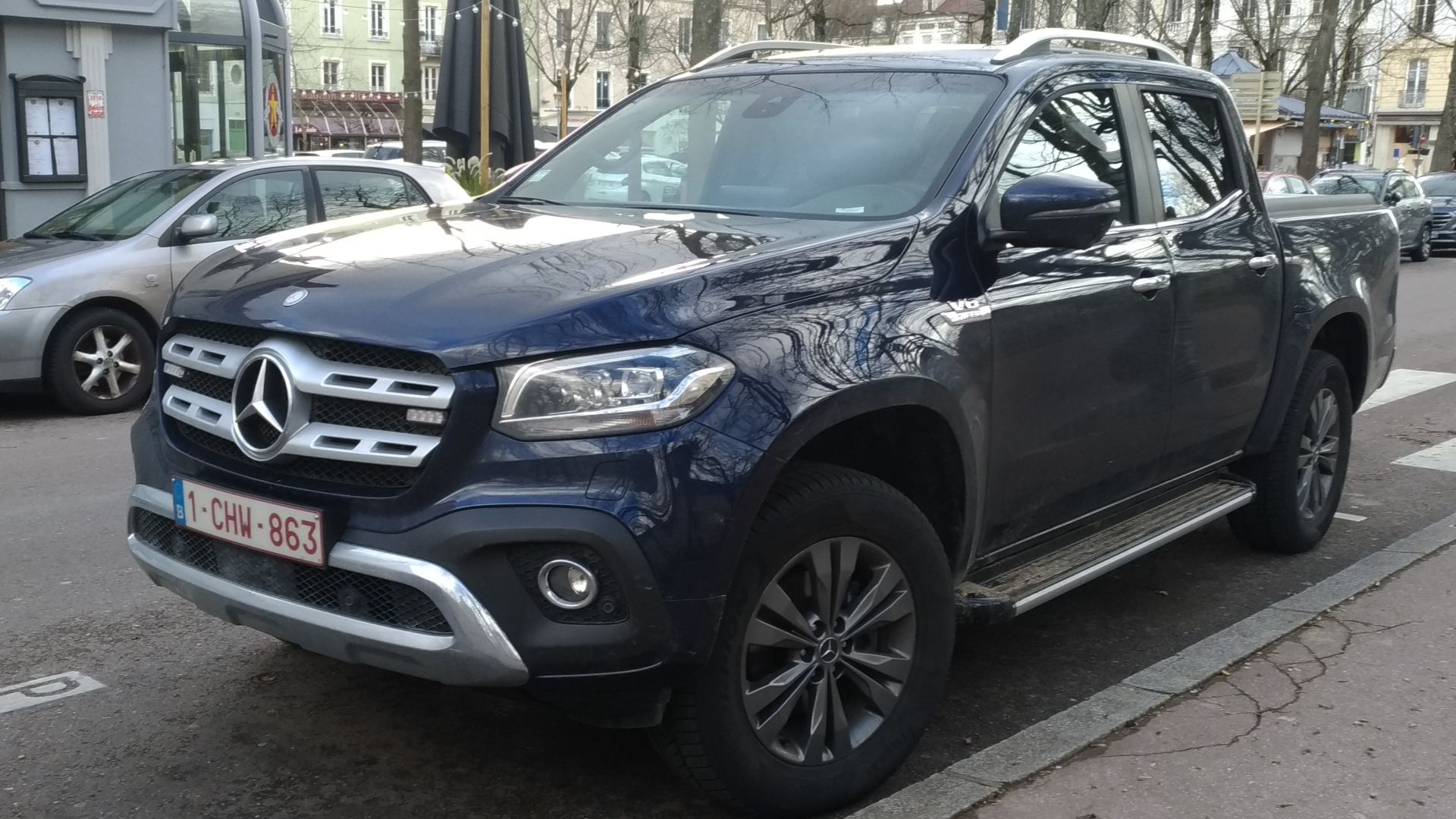
Mercedes-Benz X-Class
Another global-only truck, the X-Class blended luxury with utility in a way that felt genuinely new. While short-lived, it demonstrated that premium trucks could exist without sacrificing capability.
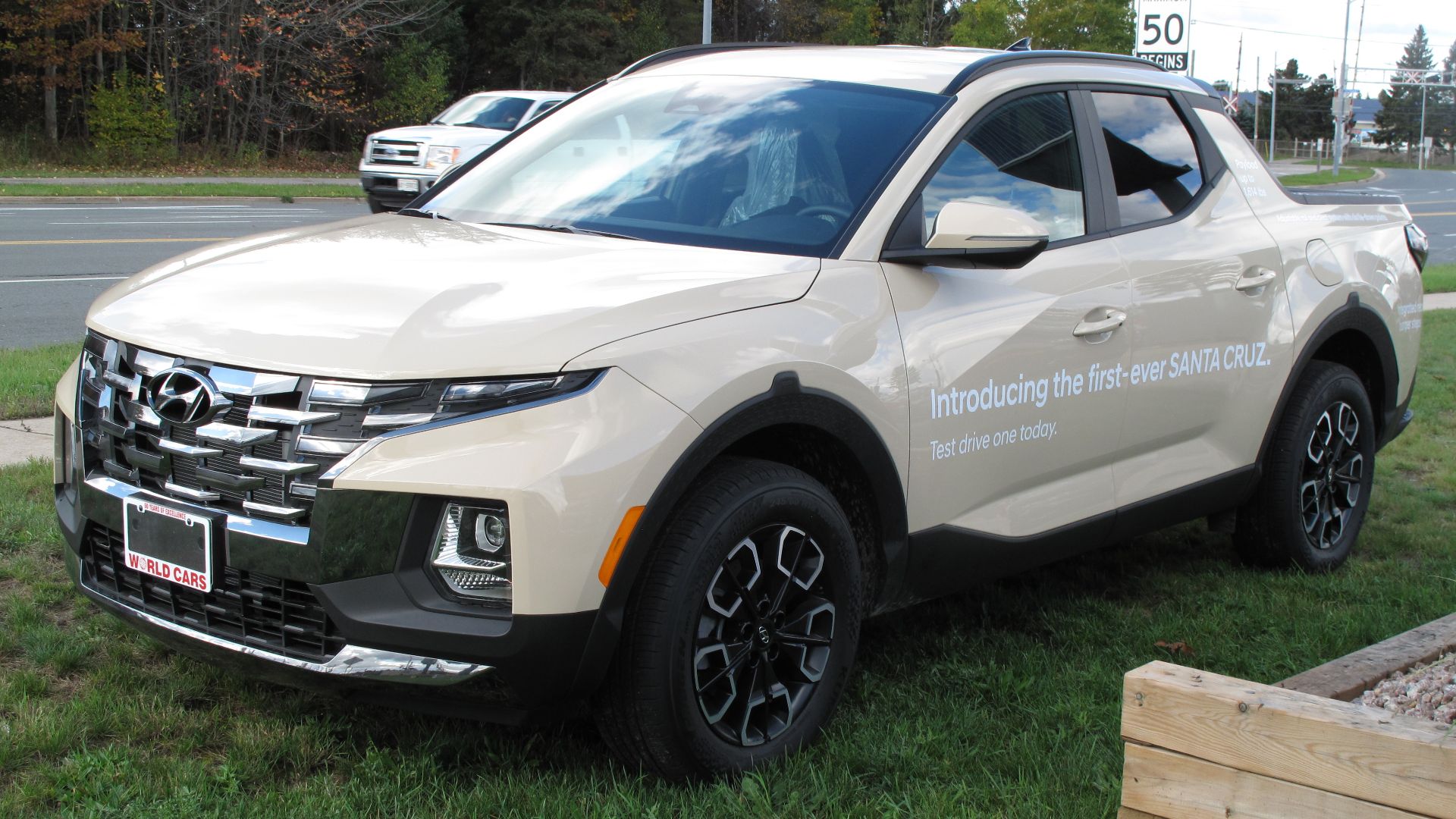
Hyundai Santa Cruz
Still controversial, the Santa Cruz represents a modern interpretation of the pickup. It prioritizes lifestyle usability over brute strength, and while that confused traditionalists, it resonates strongly with a new generation of buyers.
Rivian R1T
As an electric truck, the R1T was easy to dismiss at first. But its performance, build quality, and innovative features have proven that electric pickups can be both capable and exciting. It’s already changing perceptions.
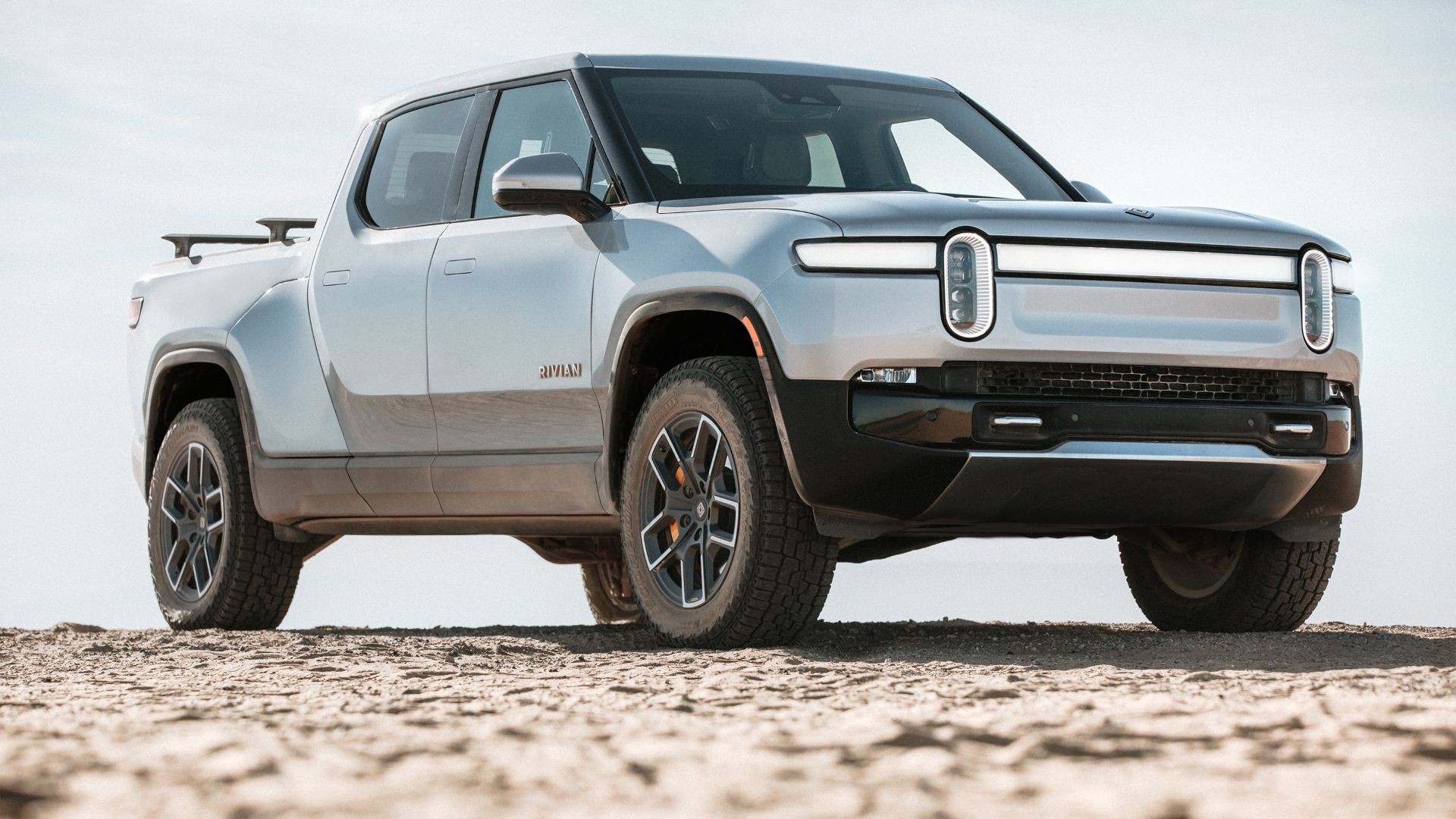 Photo by Rivian, Wikimedia Commons
Toyota Tacoma X-Runner
Lowered, sporty, and street-focused, the X-Runner was a bold experiment. It didn’t fit traditional truck molds, but that’s exactly why it deserves recognition today.
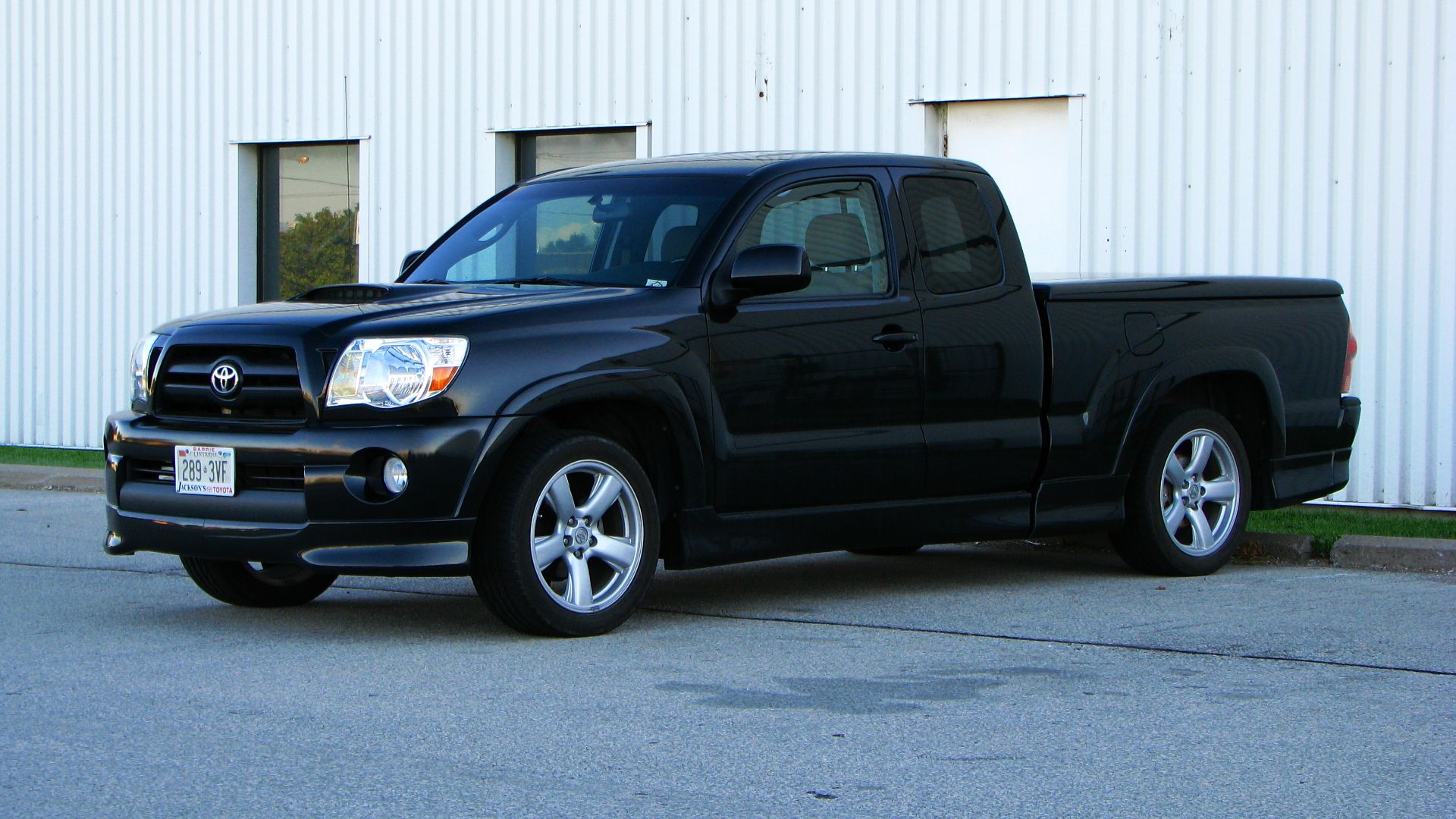 Michael Gil from Calgary, AB, Canada, Wikimedia Commons
Why These Trucks Finally Matter
Looking back, it’s clear that many of these trucks were simply too early, too different, or too subtle for their time. They didn’t always win sales battles, but they influenced design, expanded definitions, and served their owners faithfully for years. Now, as enthusiasts and collectors look beyond the obvious choices, these underrated trucks are finally stepping into the spotlight—exactly where they belong.
 Jacob Frey 4A, Wikimedia Commons
You May Also Like:
Baby boomers are all stunned at young drivers’ inability to perform these basic driving tasks.