
These Supercars Almost Ended These Car Companies
From moonshot hypercar projects to glorious, V12-soaked vanity plays, plenty of supercar dreams ended with the accountants changing the locks. Here’s a 22-slide joyride through the cars that helped send their makers to the wall—what went wrong, why it unraveled, and why we still can’t stop staring. Buckle up.
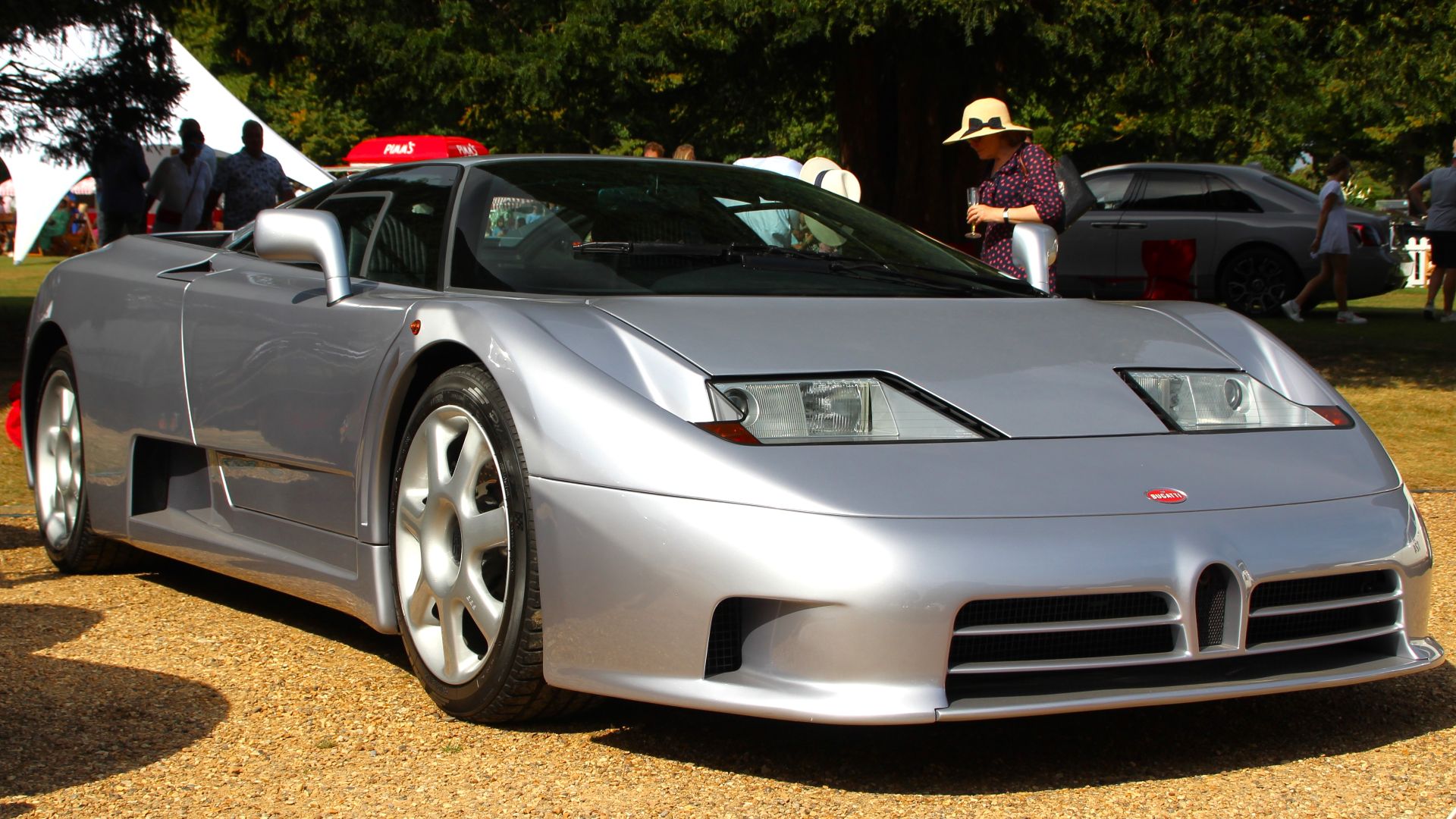
Bugatti EB110 (1991–1995)
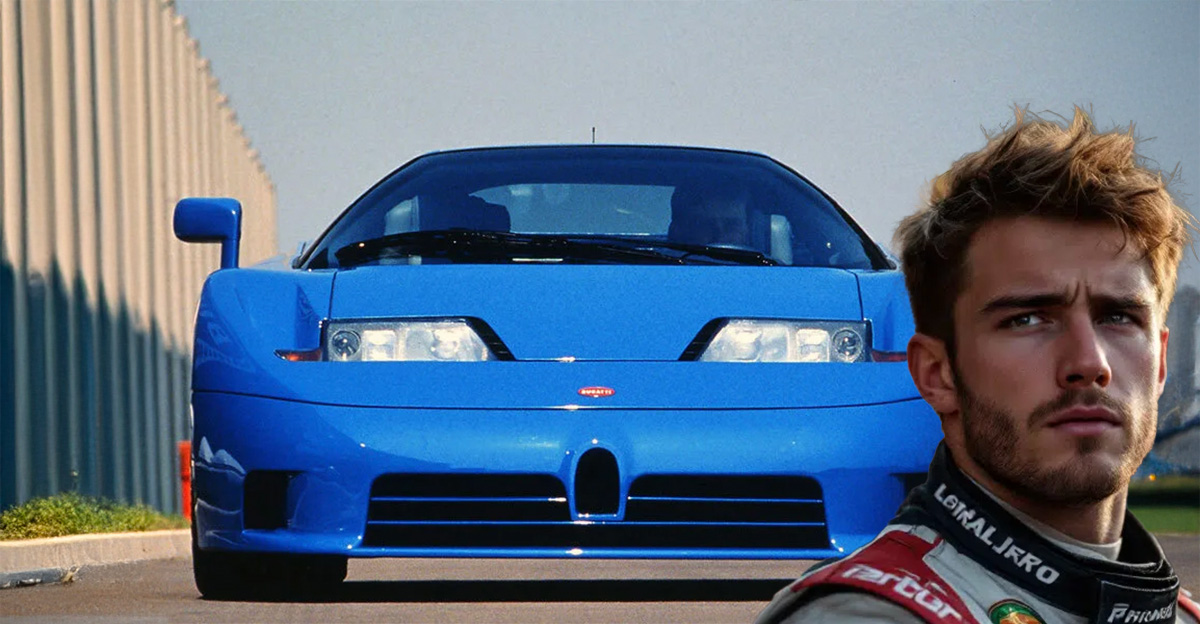
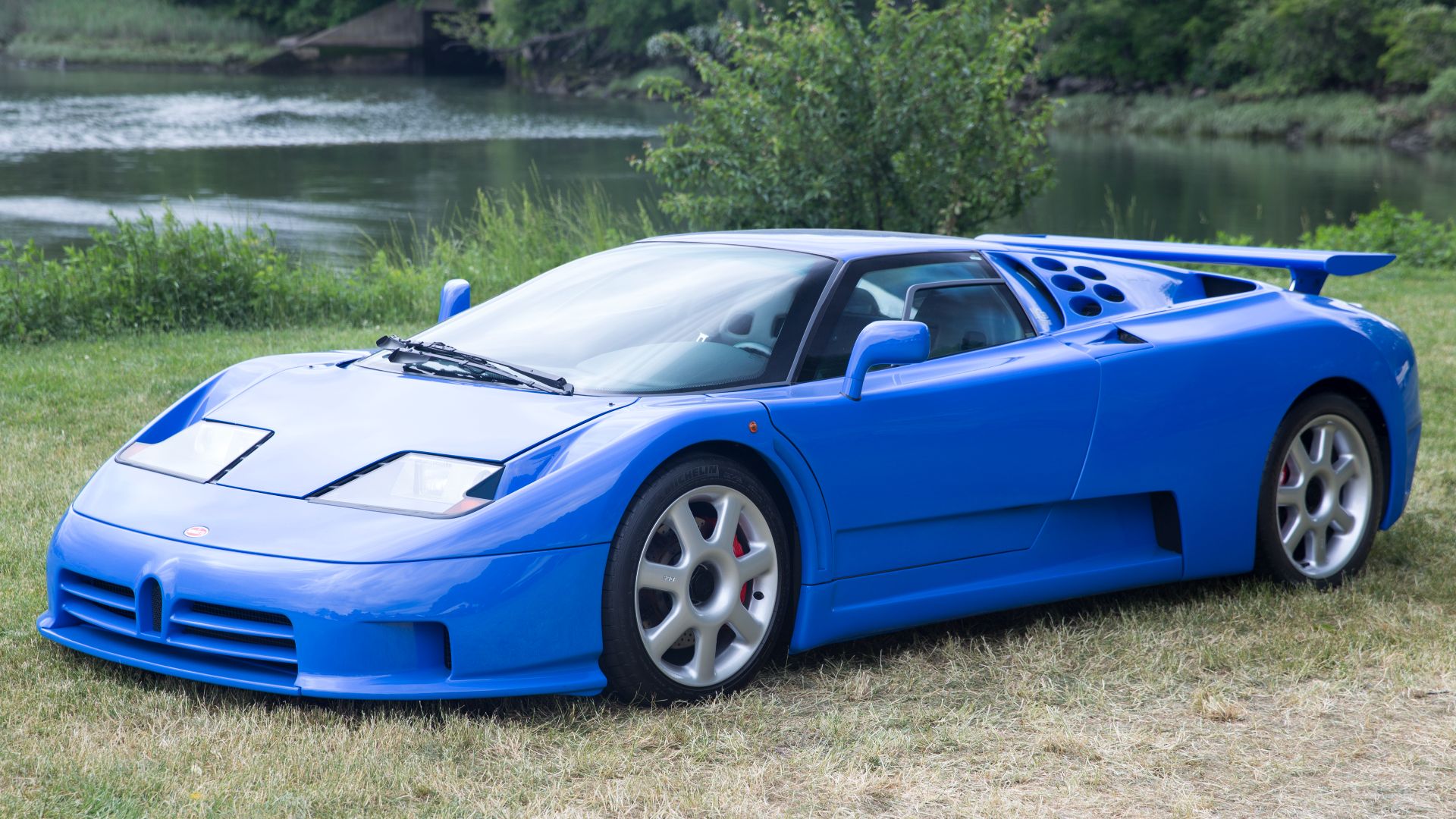
Romano Artioli’s reborn Bugatti built the carbon-tub EB110 to out-tech everyone—quad-turbo V12, AWD, the lot. The timing (’90s recession), lavish factory, EB112 sedan project, and Artioli’s pricey Lotus purchase stretched finances to snapping point. Bugatti Automobili S.p.A. went bankrupt in 1995, the Campogalliano “Blue Factory” shuttered—and became a time capsule of an over-ambitious dream.
 Mr.choppers, Wikimedia Commons
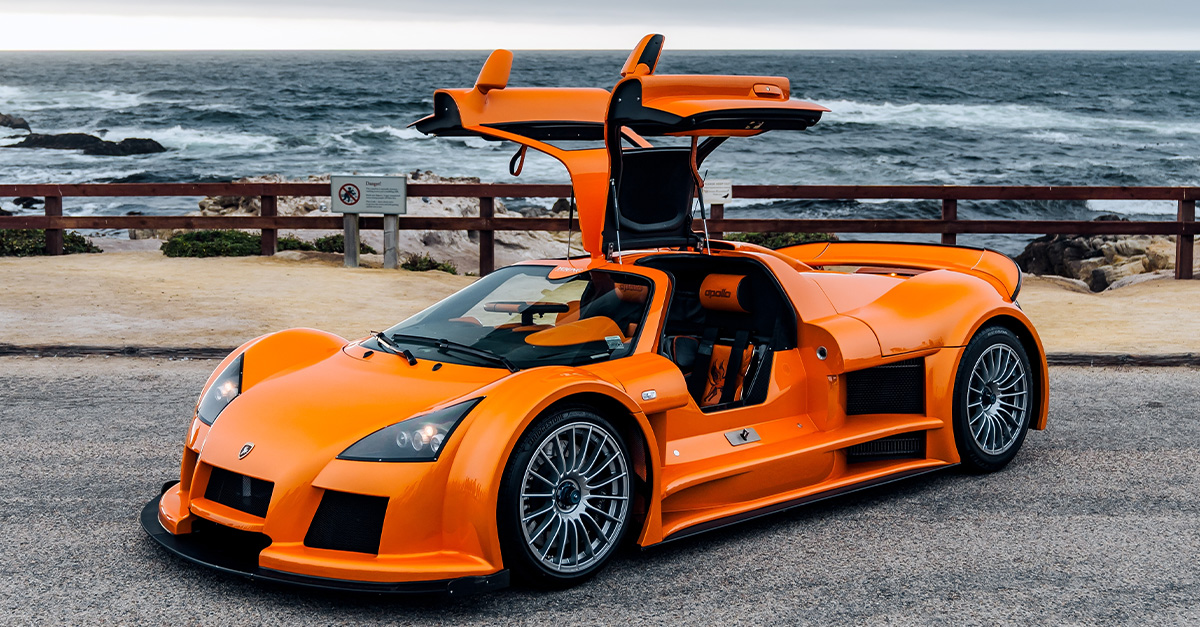
Gumpert Apollo (2005–2012)
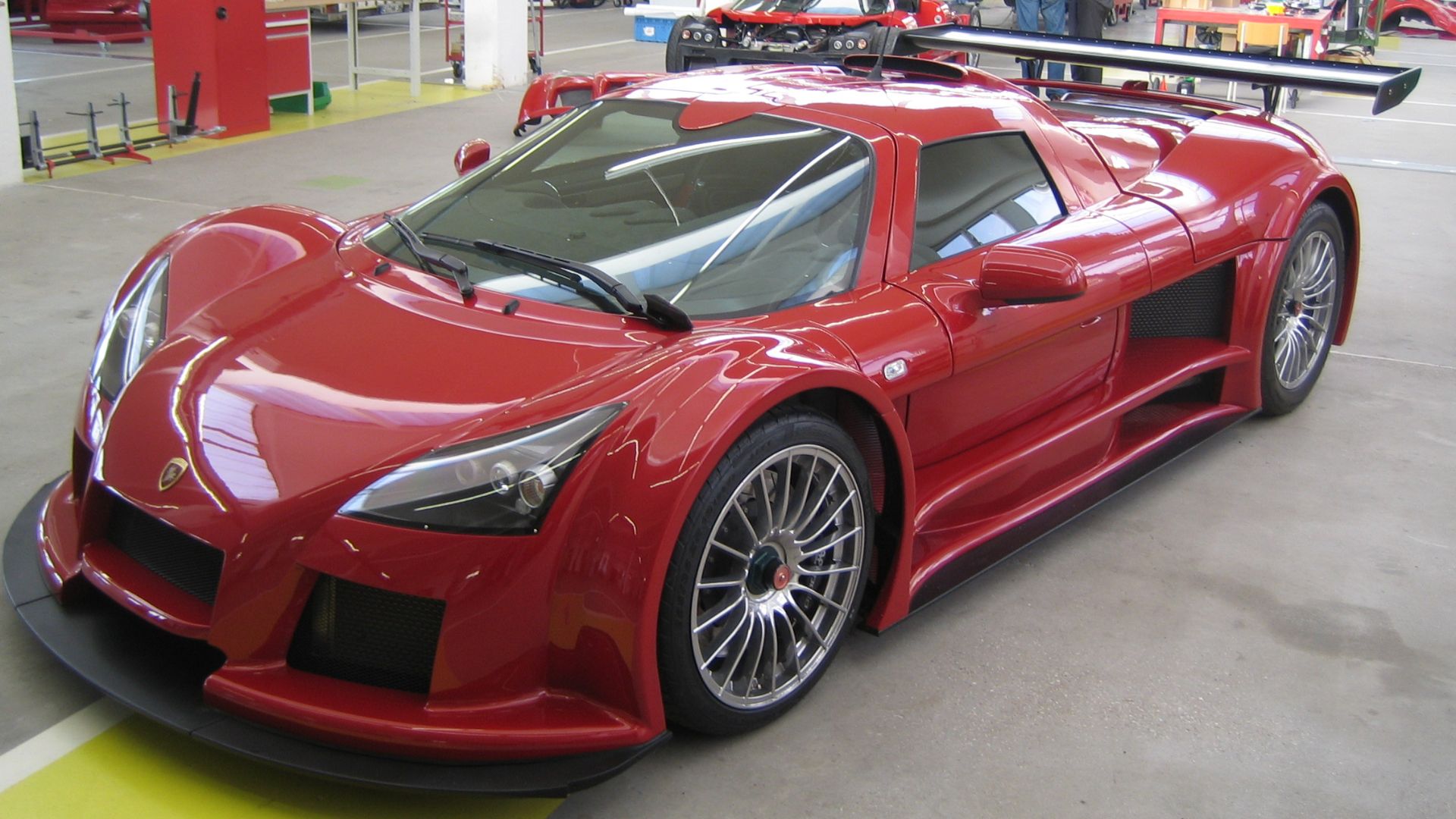
A Nürburgring-bound missile couldn’t save Gumpert when an investor bailed and Chinese market plans fizzled. After insolvency in 2012 and again in 2013, the company collapsed—only to later be reborn as Apollo Automobil. The Apollo’s pace was undeniable; the business case, less so.
 GUMPERT Sportwagenmanufaktur GmbH, Wikimedia Commons
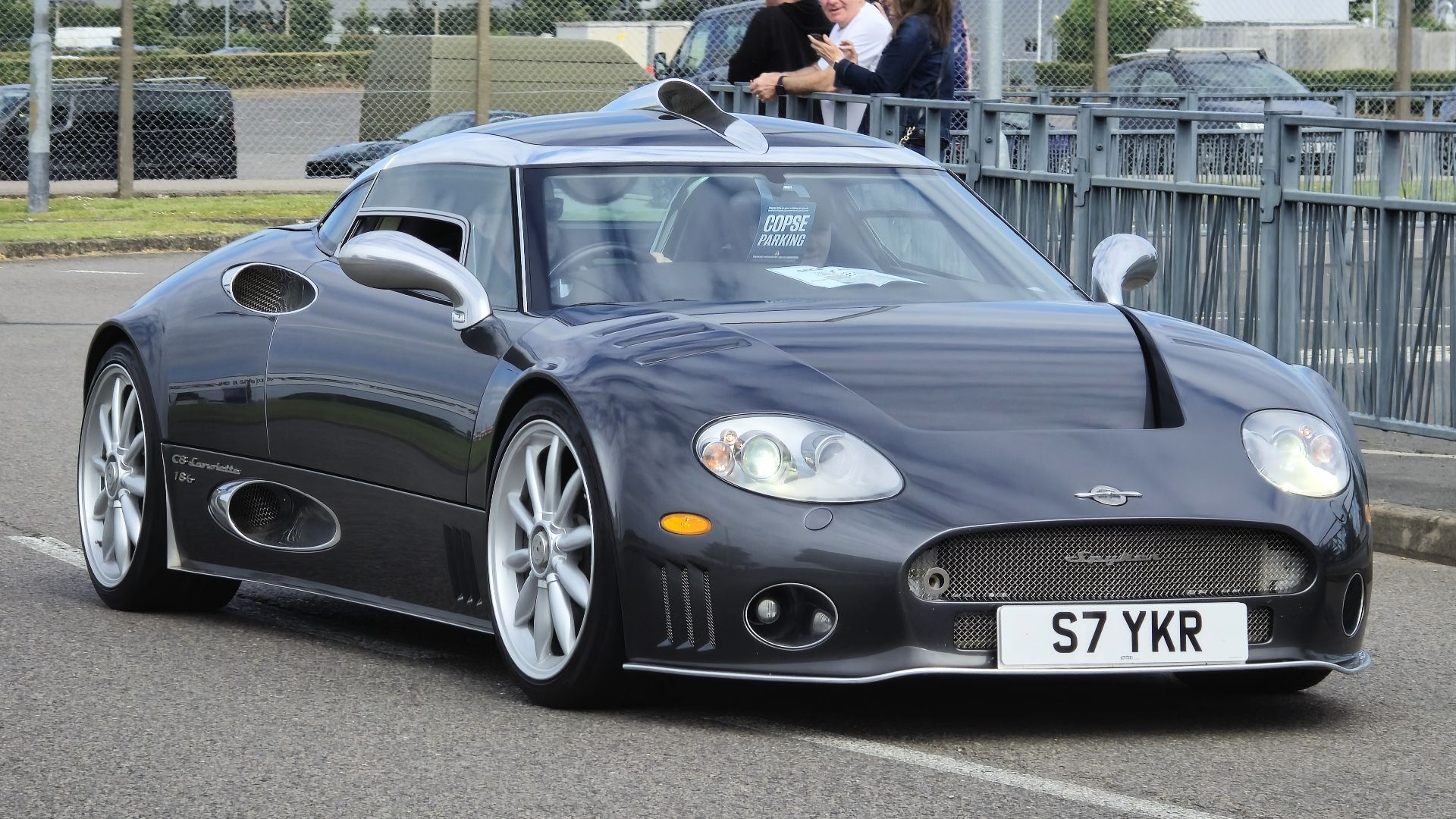
Spyker C8 (2000s–2010s)
Spyker’s jewel-box C8 put the brand back on posters, but buying (and then losing) Saab torpedoed the finances. Spyker first went bankrupt in 2014, briefly resurfaced, then went bankrupt again in 2021. The C8 Preliator never truly took off amid that turbulence.
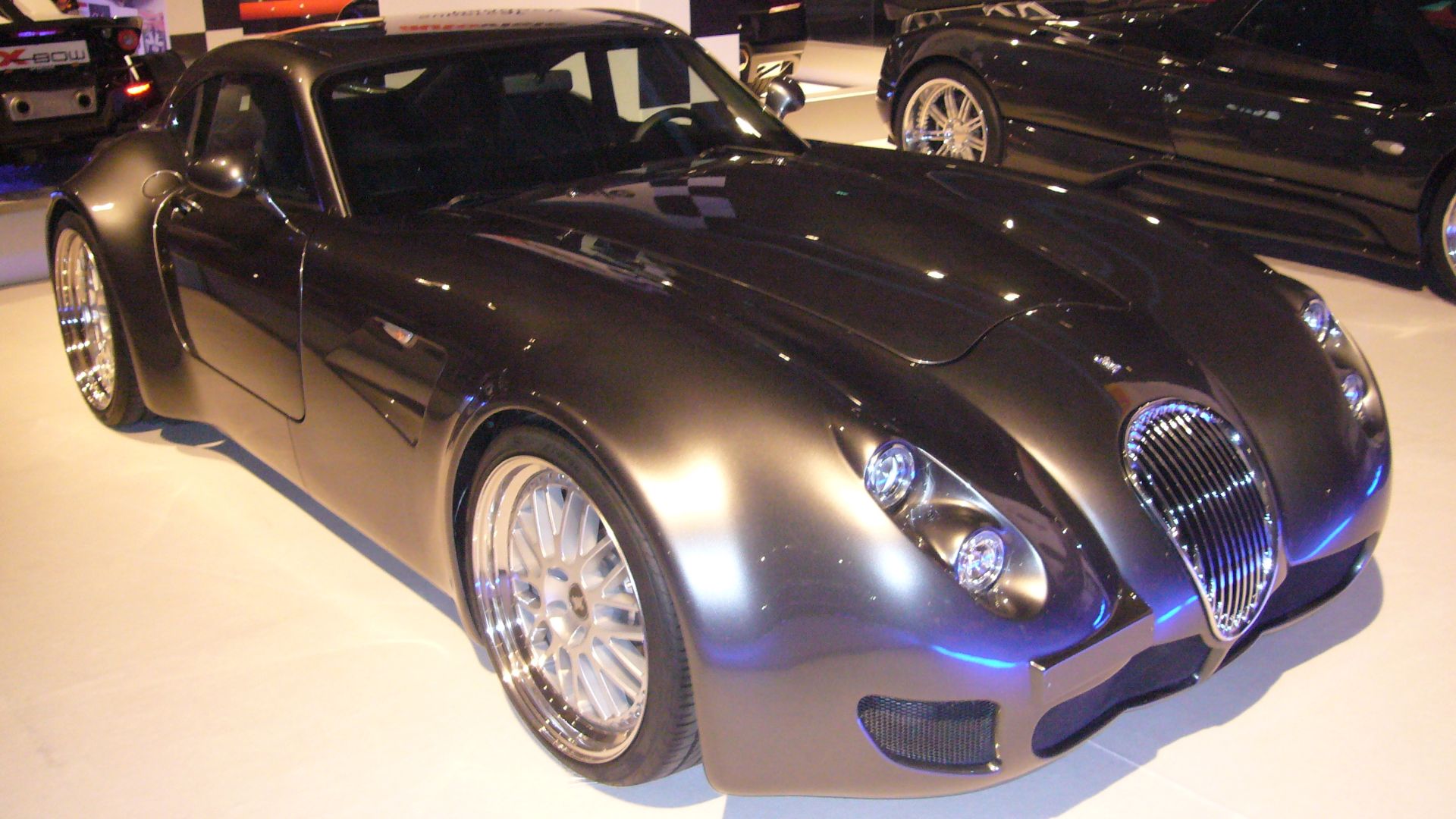
Wiesmann MF5 (2009–2013)
Hand-built, retro-cool coupes and roadsters with BMW M-power couldn’t outrun cashflow issues. Wiesmann filed for insolvency in 2013 after years of strain; operations stopped even as special editions were rolling out. (A later revival effort followed under new backers.)
 Rutger van der Maar, Wikimedia Commons
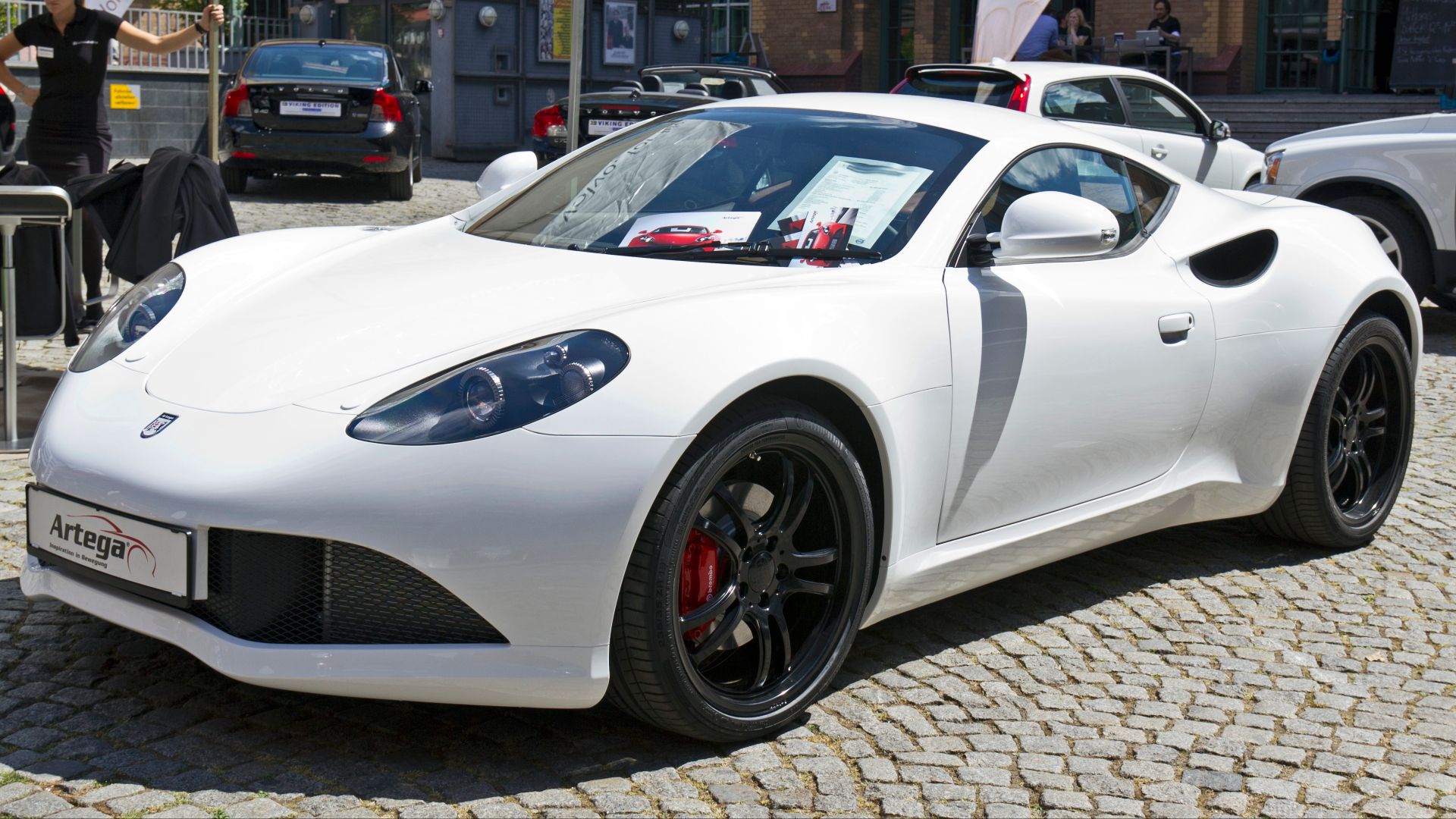
Artega GT (2008–2012)
Light, mid-engined, and promising—until an investor walked and the money dried up. Artega filed for bankruptcy in 2012; production ceased at roughly 150 cars, and the remaining staff were redeployed by parent Paragon.
 Rudolf Stricker, Wikimedia Commons
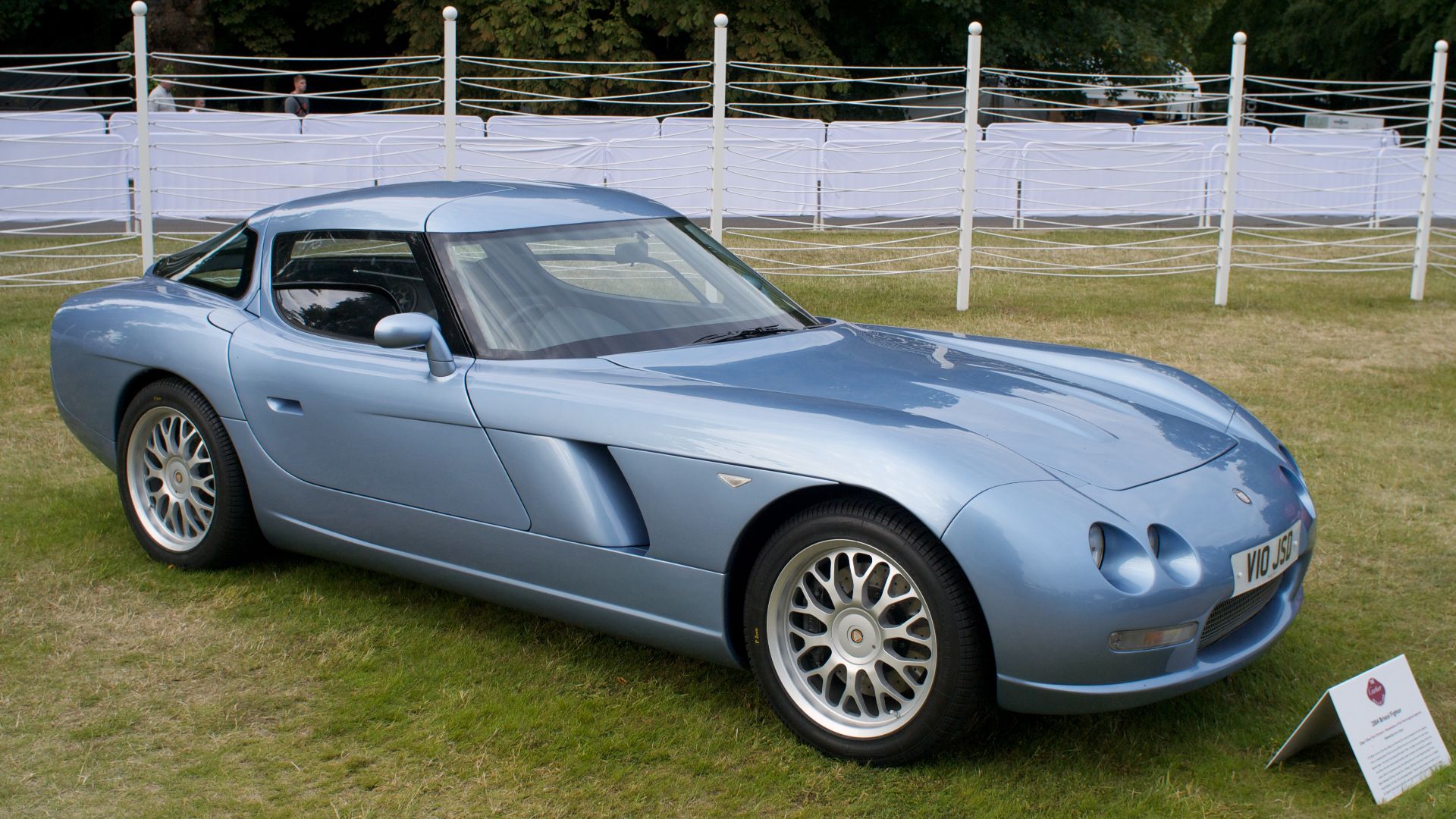
Bristol Fighter (2004–2011)
A Viper-engined, gullwinged British eccentric with claimed 200-mph capability—built in tiny numbers with stratospheric pricing. Bristol Cars entered administration in 2011 and was ultimately liquidated years later; the Fighter became a unicorn of a vanished marque.
 Edvvc from London, UK, Wikimedia Commons
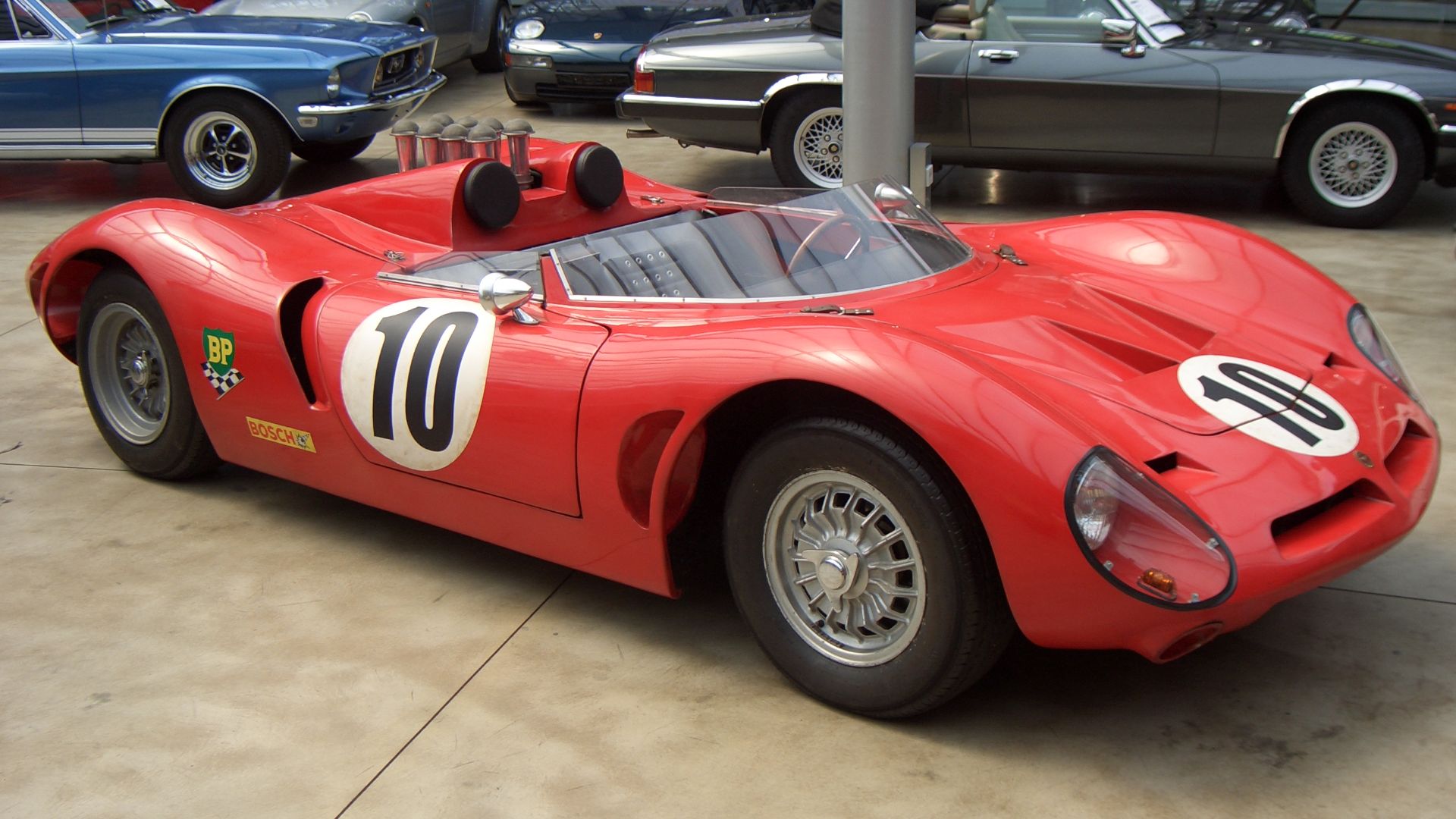
Bizzarrini P538 / 5300 GT (1960s)
Giotto Bizzarrini’s race-born exotica dazzled but devoured cash. Costly projects (like the P538) and shifting race rules hammered finances; by the end of the ’60s, the company was bankrupt and assets were sold off. The legend lived on; the ledger did not.
 Detectandpreserve, Wikimedia Commons
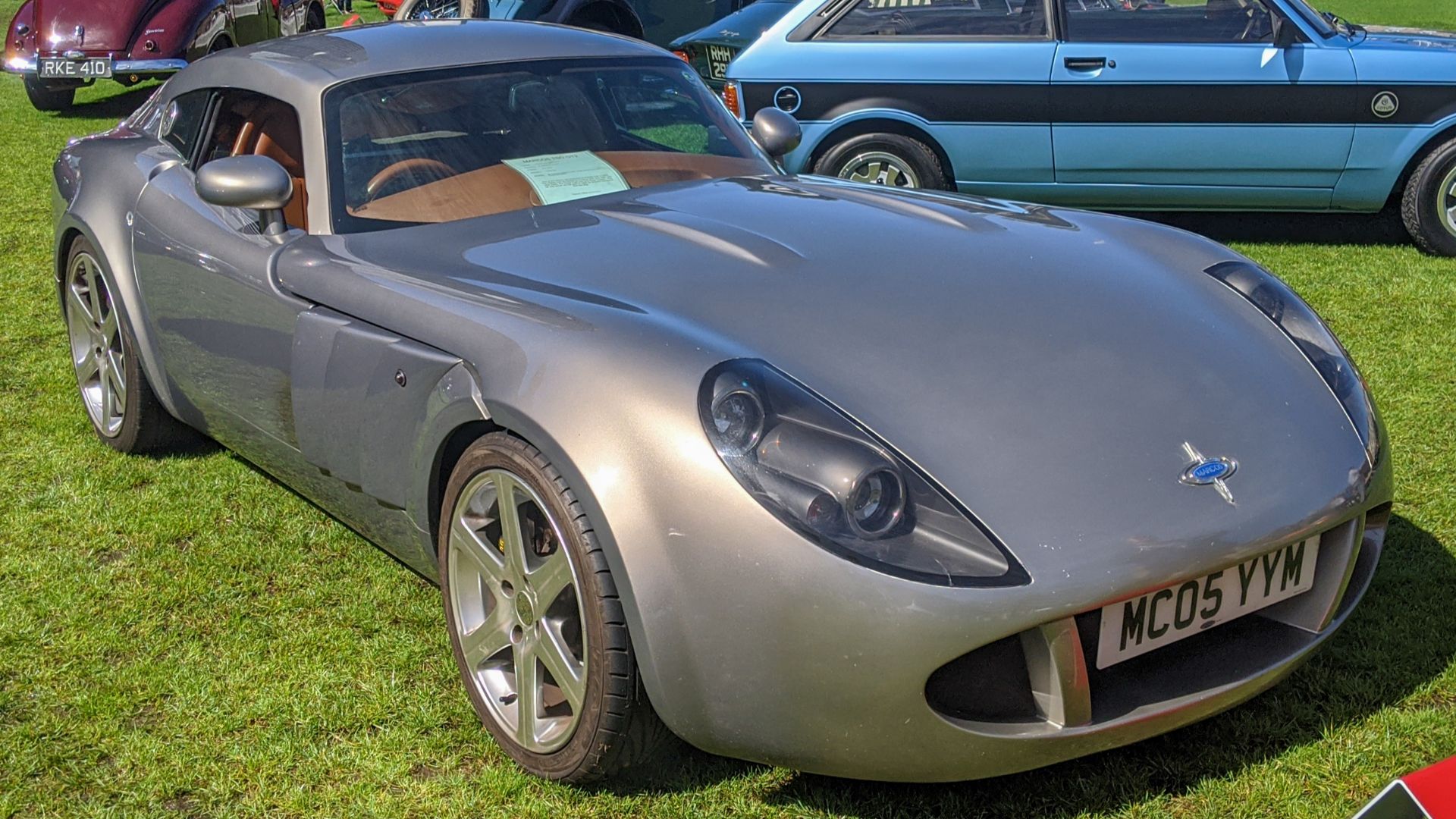
Marcos TSO (2004–2007)
The Chevy-V8 TSO had Prodrive chassis smarts and TV stardom—but the reborn Marcos brand stumbled. After prior collapses, the 2000s revival flickered out; production ended and the company folded again. A soulful driver’s car caught in a thin-capital trap.
 Chelsea Jay, Wikimedia Commons
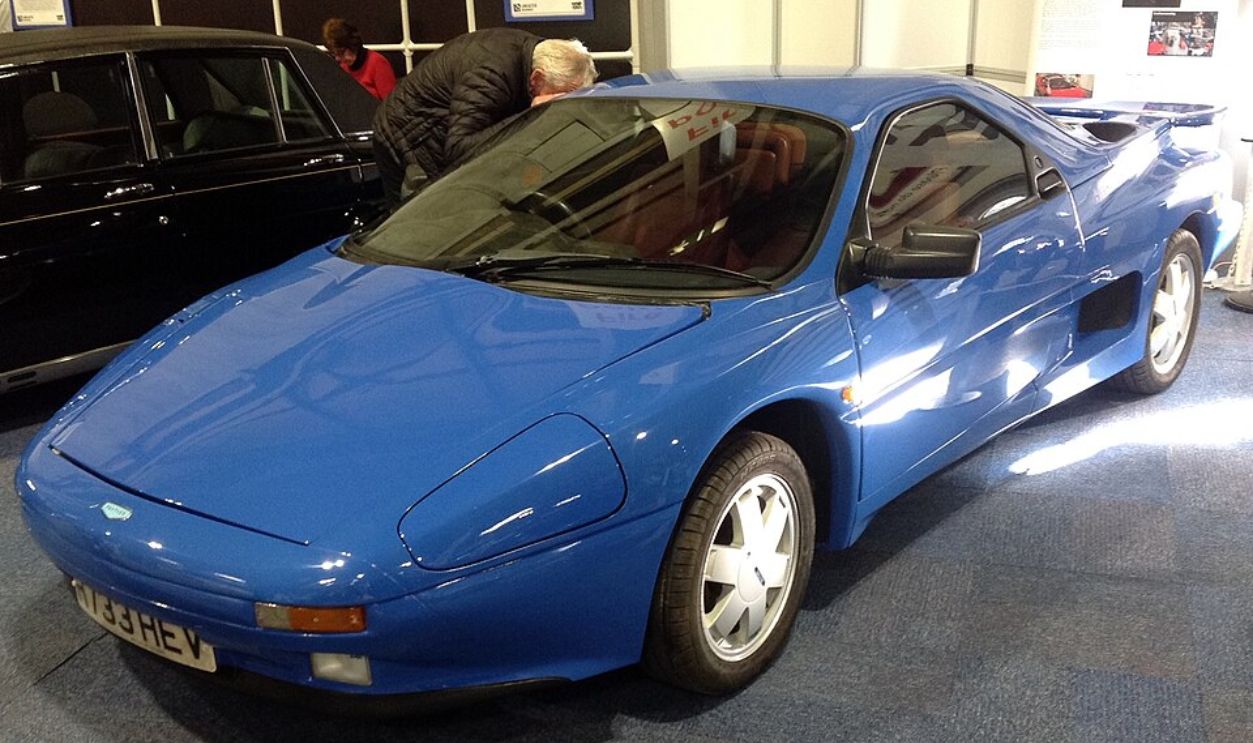
Panther 6 / Solo 2 (1977–1990)
Panther chased audacity (a six-wheeled, Cadillac-V8 “6”!) and later a modern mid-engine Solo; neither saved the books. The firm went bankrupt in 1980; new ownership kept building cars, but the original dream ended with that spectacular miscalculation.
 Andrew Bone from Weymouth, Wikimedia Commons
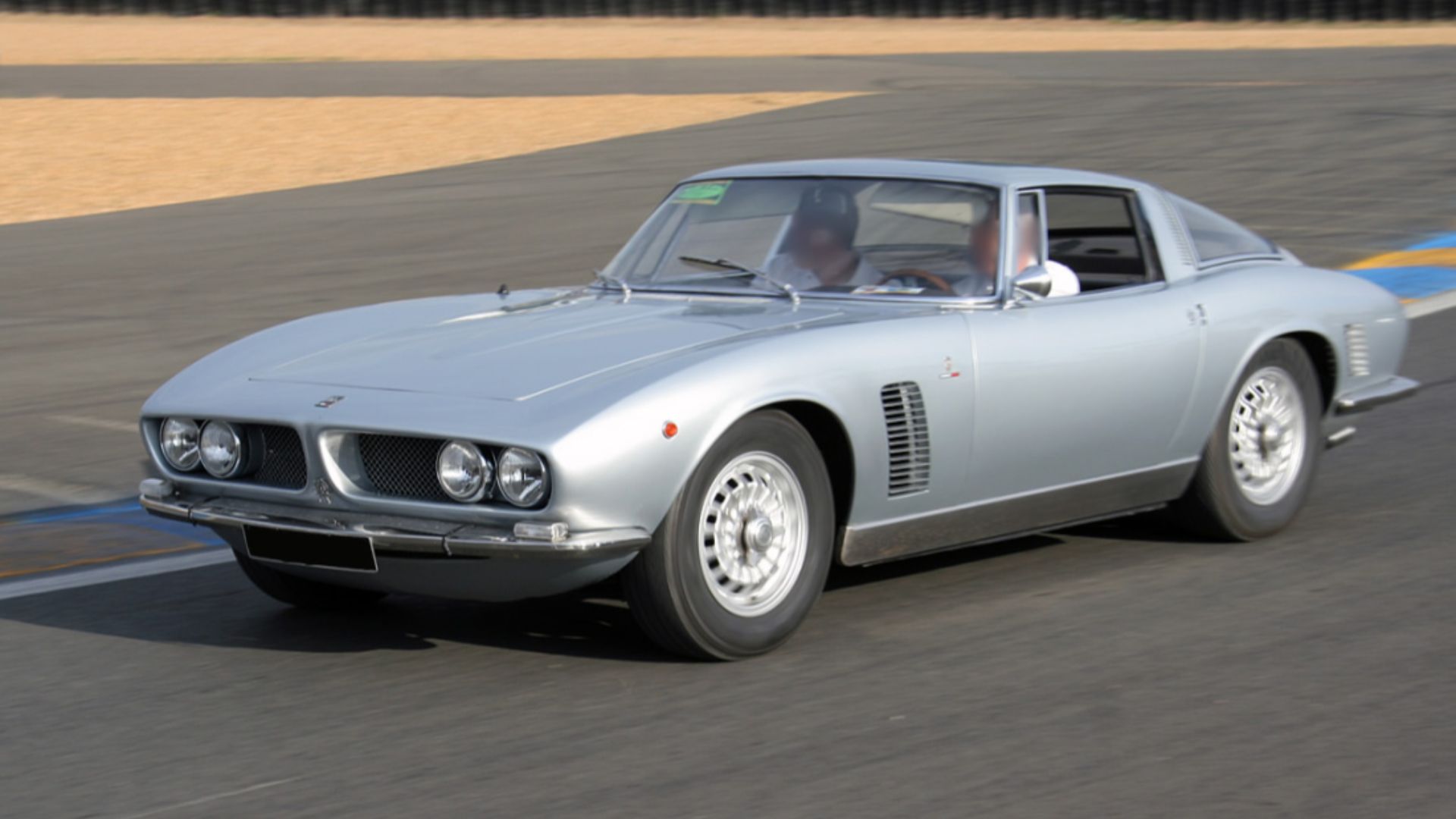
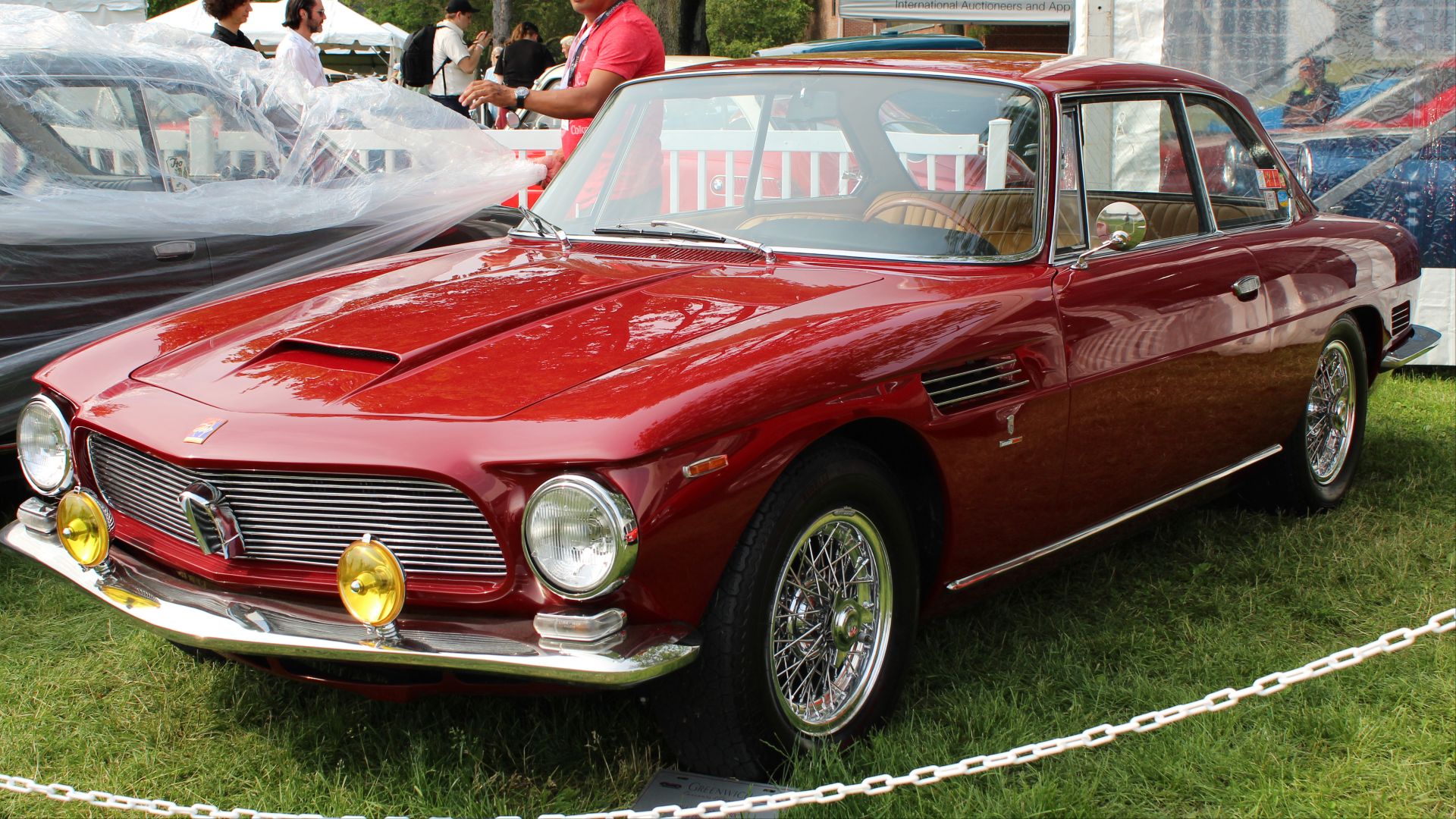
Iso Grifo (1965–1974)
Gorgeous Giugiaro design, American muscle, Italian tailoring—the Grifo was peak Euro-American GT. Then the 1973 oil crisis crushed big-engine demand, and Iso went bankrupt in 1974. The iron-block romance couldn’t survive the pump.
De Tomaso Guarà (1994–2004)
Alejandro de Tomaso’s last hurrah: a sharp, mid-engined GT spun from Maserati Barchetta DNA. Low volumes and a changing market meant it bowed out as De Tomaso went into liquidation in 2004—closing a storied Modenese chapter.
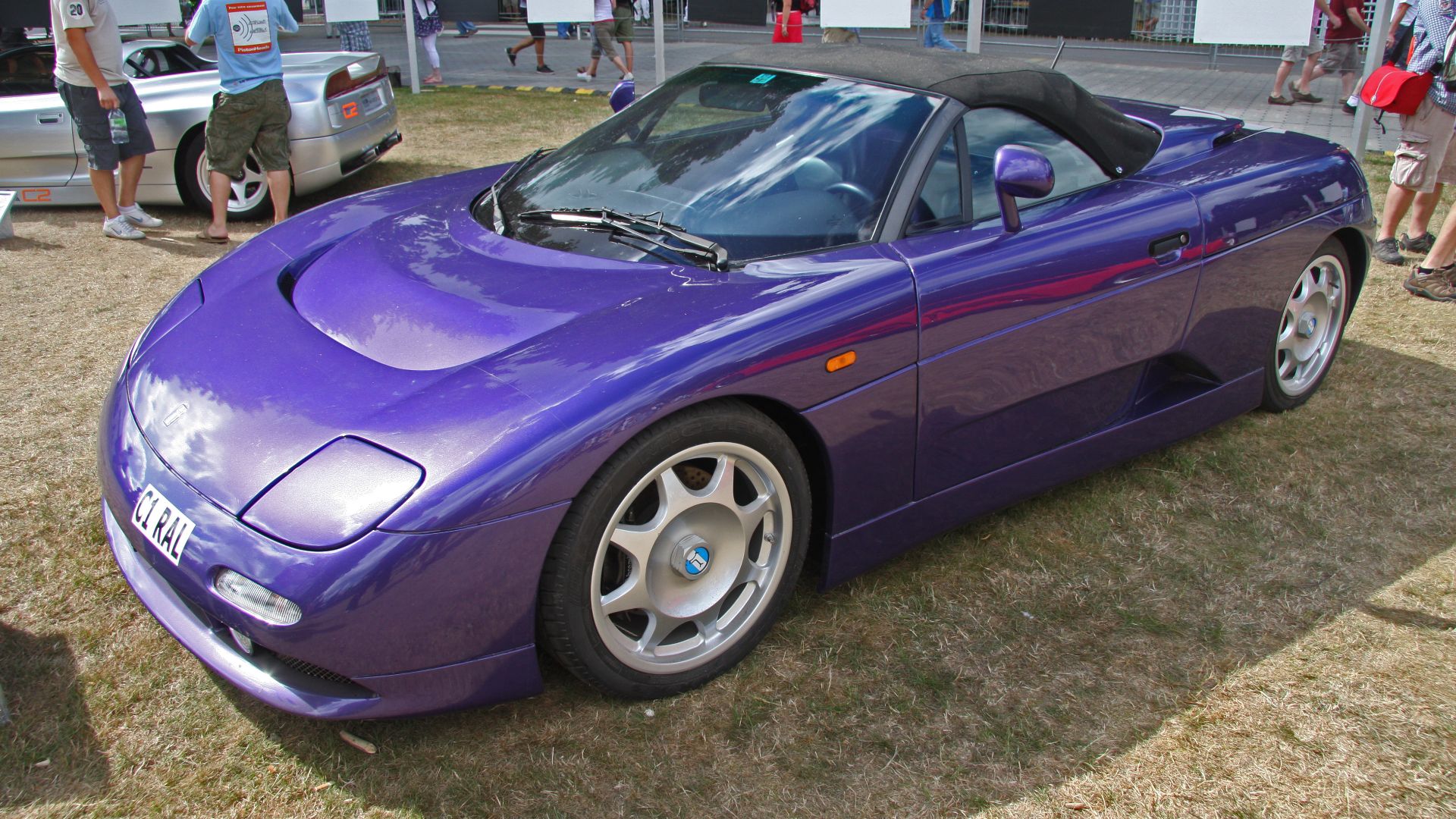 Brian Snelson, Wikimedia Commons
DeLorean DMC-12 (1981–1982)
The stainless superstar launched into recession, quality headaches, and a brutal exchange rate. Sales lagged far below break-even; by late ’82, amid a failed fundraising effort and infamous legal drama, DMC was bankrupt and the Dunmurry plant shuttered. Icon status arrived… after the autopsy.
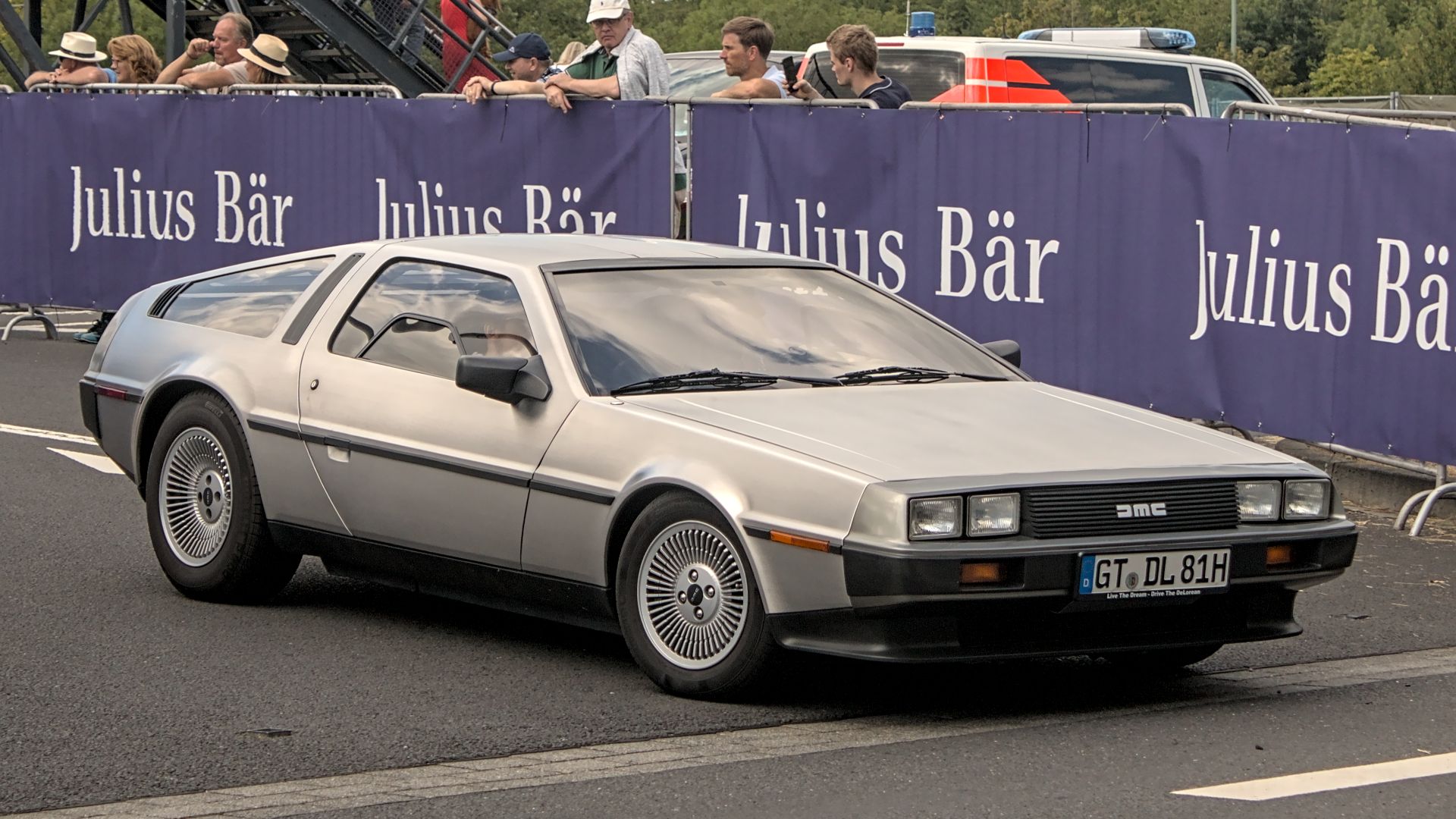 Alexander Migl, Wikimedia Commons
Bricklin SV-1 (1974–1975)
“Safety Vehicle 1” promised gullwings and virtue; reality delivered supplier chaos, quality woes, and soaring prices. Government-backed funding in New Brunswick dried up, production ended under 3,000 cars, and the company folded.
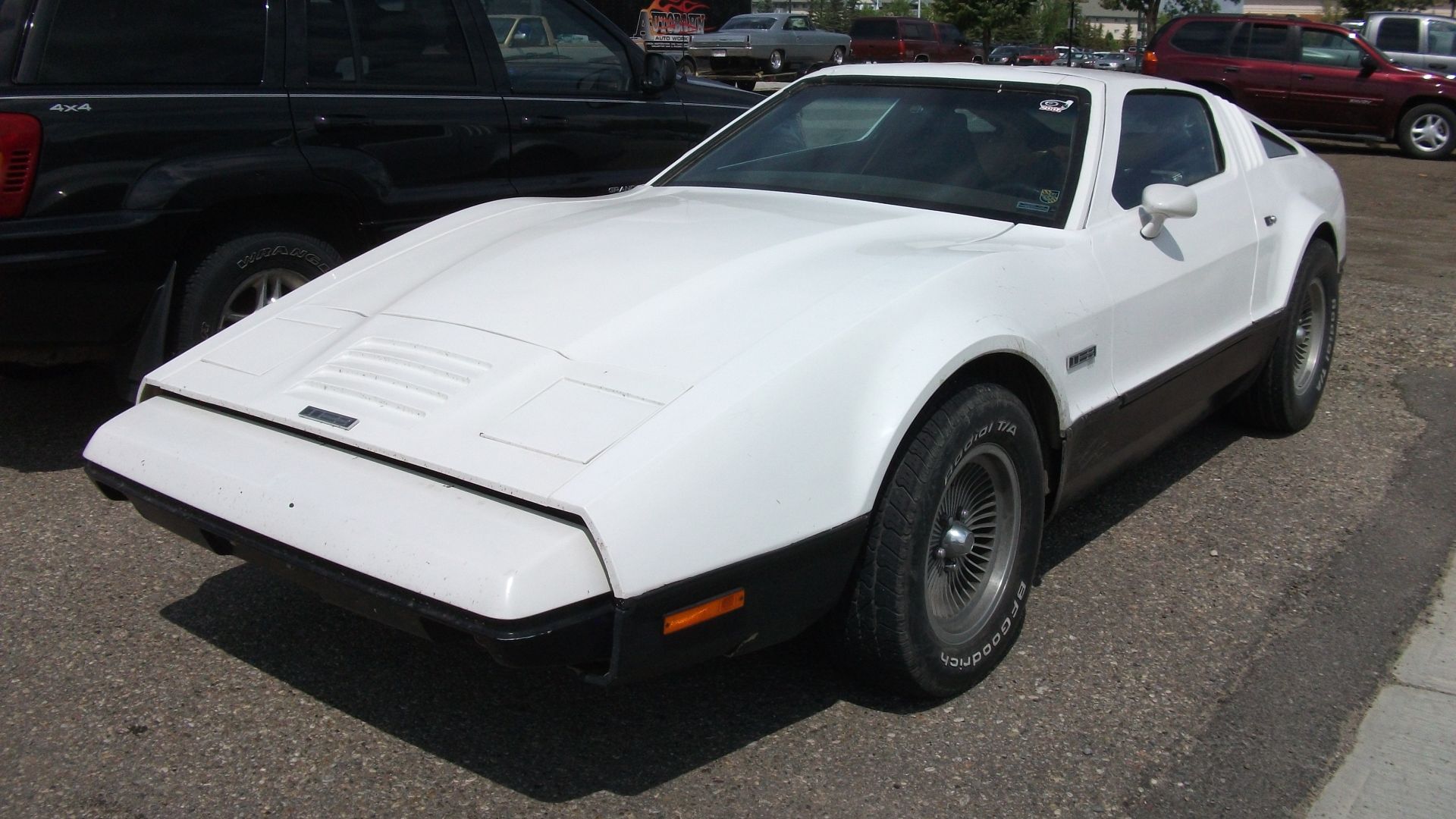 dave_7 from Lethbridge, Canada, Wikimedia Commons
Ascari KZ1 / A10 (2003–2010)
Beautiful carbon supercars backed by a wealthy enthusiast weren’t enough. Slow sales and high production costs bled Ascari; the firm filed for bankruptcy in 2010 and disappeared, leaving a small but fervent fanbase.
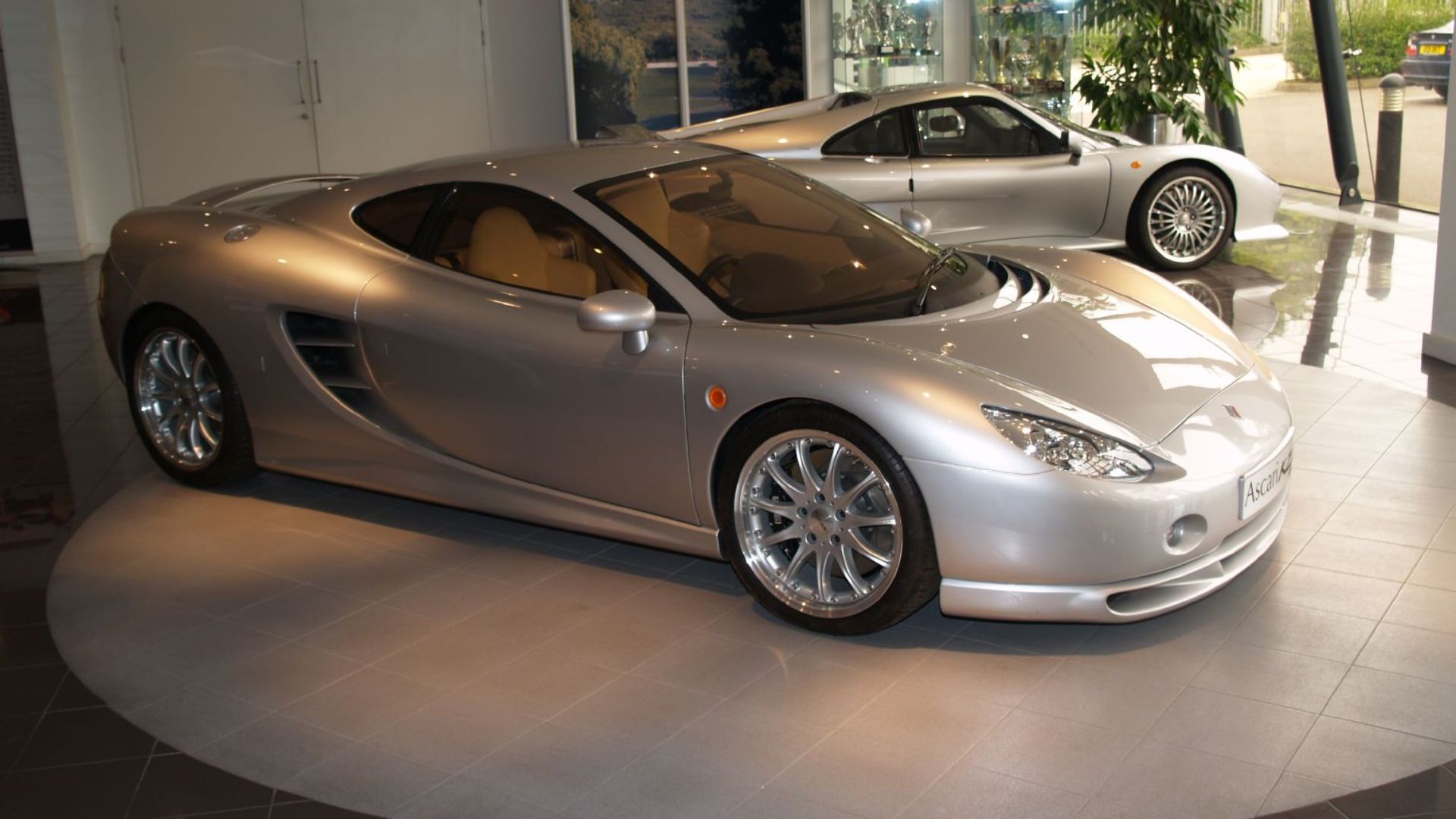
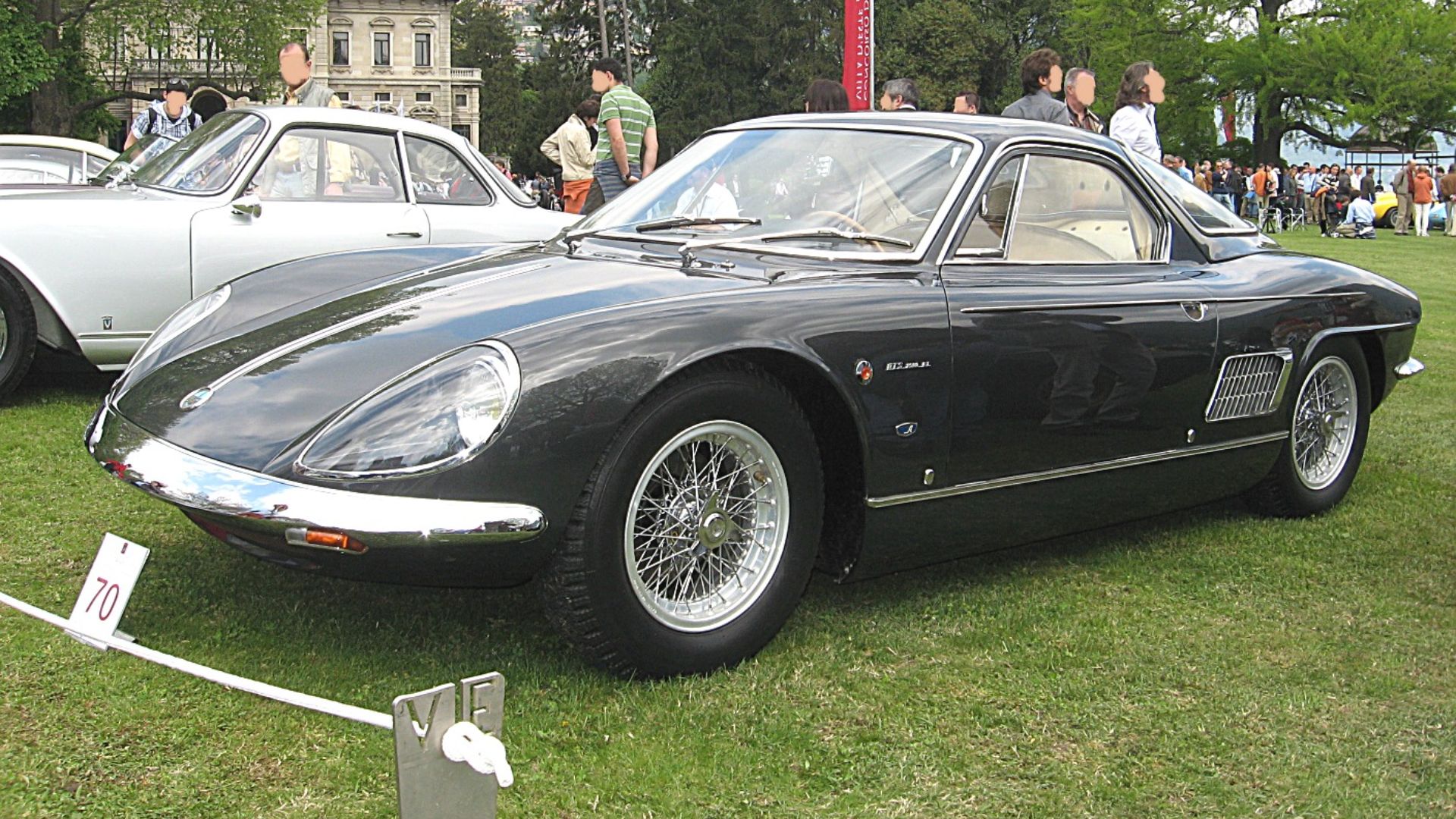
ATS 2500 GT (1963–1964)
Born from ex-Ferrari rebels to beat Il Commendatore, ATS launched a pioneering mid-engined GT alongside a disastrously undercooked F1 program. The motorsport money pit doomed the startup; ATS collapsed within a couple of years.
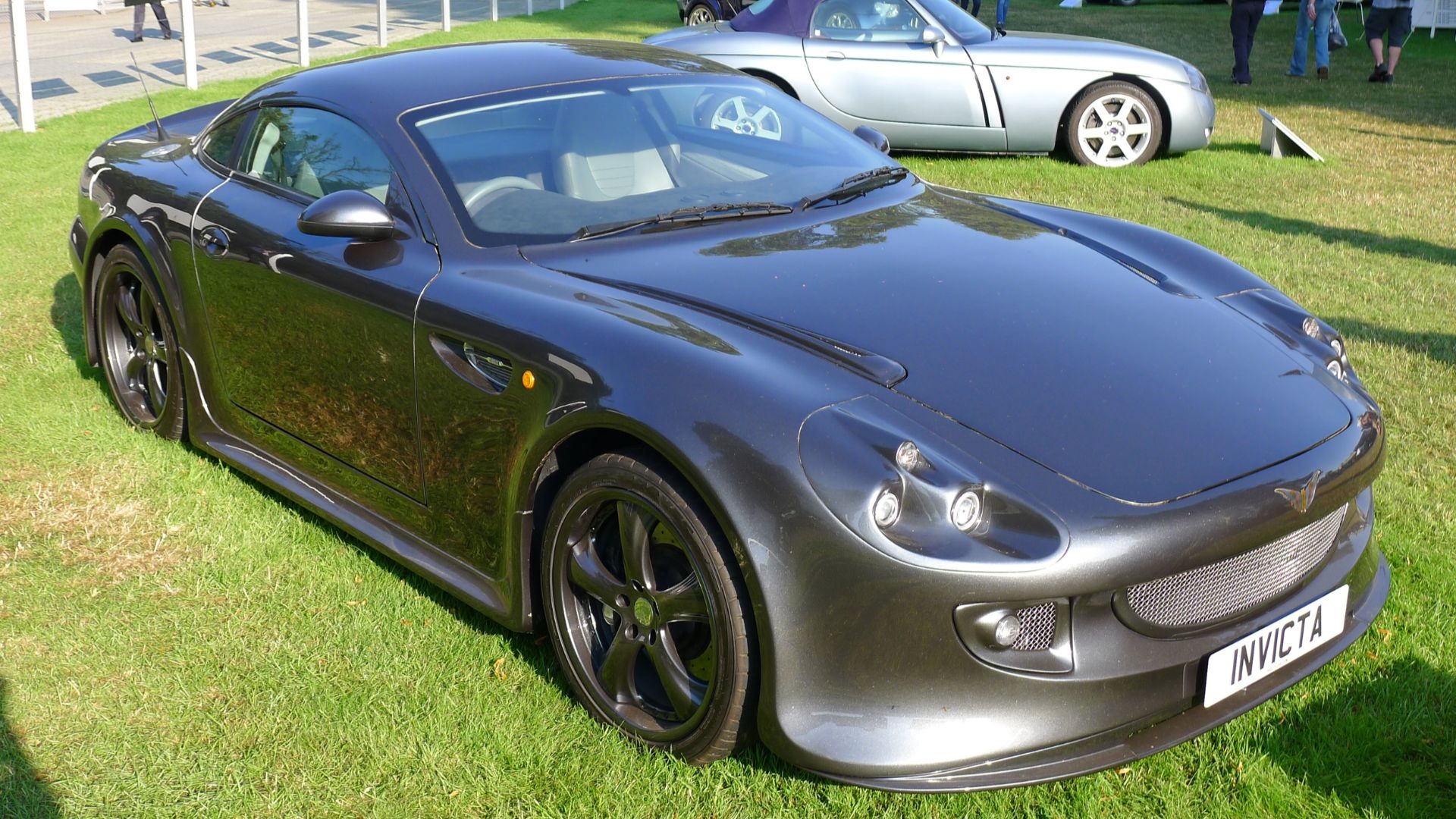
Invicta S1 (2008–2012)
A modern resurrection with a carbon tub and Ford V8s, the S1 was niche and pricey. The company (renamed Westpoint to protect the Invicta name) hit the buffers and went bankrupt/receivership in 2012 after building only a handful.
 edvvc from London, UK, Wikimedia Commons
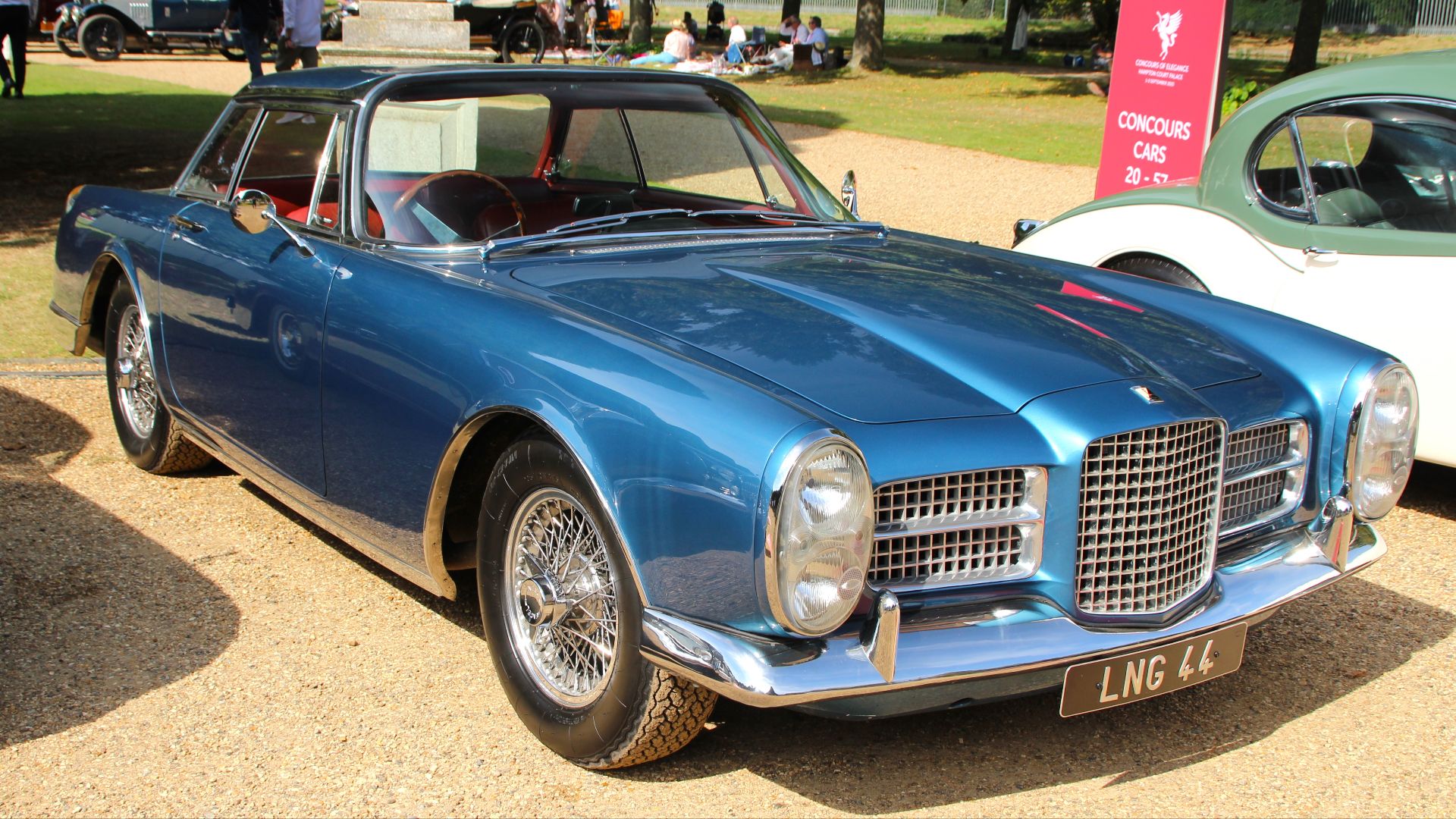
Facel Vega Facel II (1962–1964)
France’s glamorous V8 GTs met their match in one bad bet: Facel’s in-house four-cylinder for the cheaper Facellia was warranty hell. The cash drain took the whole company down in 1964—ending the majestic Facel II after ~180 units.
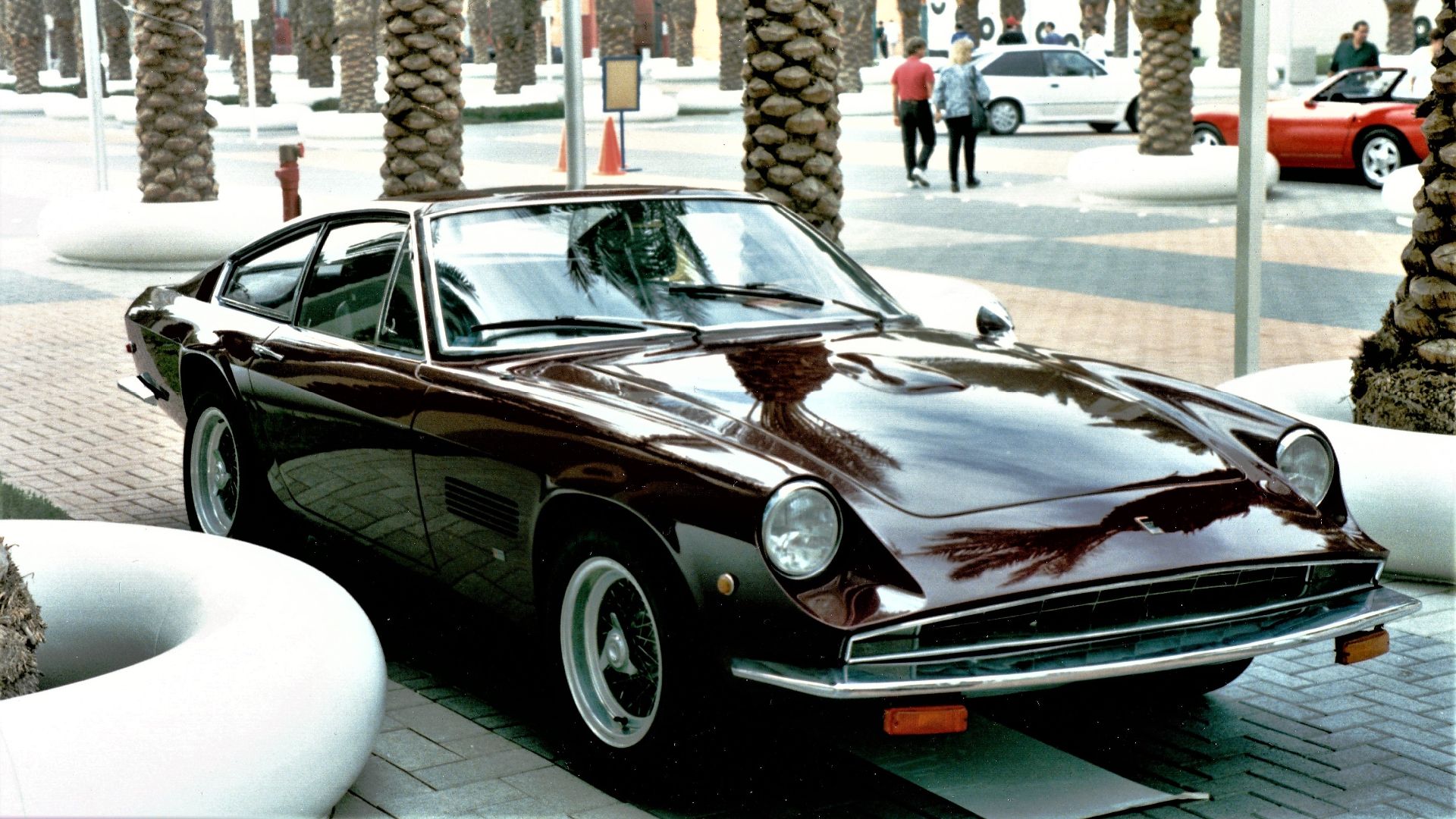
Monteverdi (375/High-Performance GTs, 1967–1984)
Swiss luxury bruisers with American muscle roared through the ’70s, but the boutique business struggled as tastes and economies shifted. By the mid-’80s the company had gone bust and pivoted to a museum—glory parked behind velvet ropes.
 Matthias v.d. Elbe, Wikimedia Commons
AC 378 GT Zagato (2012)
The Perana Z-One morphed into the AC 378 GT Zagato—but AC’s modern era has been a maze of restructurings, dormancy, and liquidations over decades. The 378 GT’s tiny run and the brand’s repeated financial resets show how hard “heritage” is to monetize.
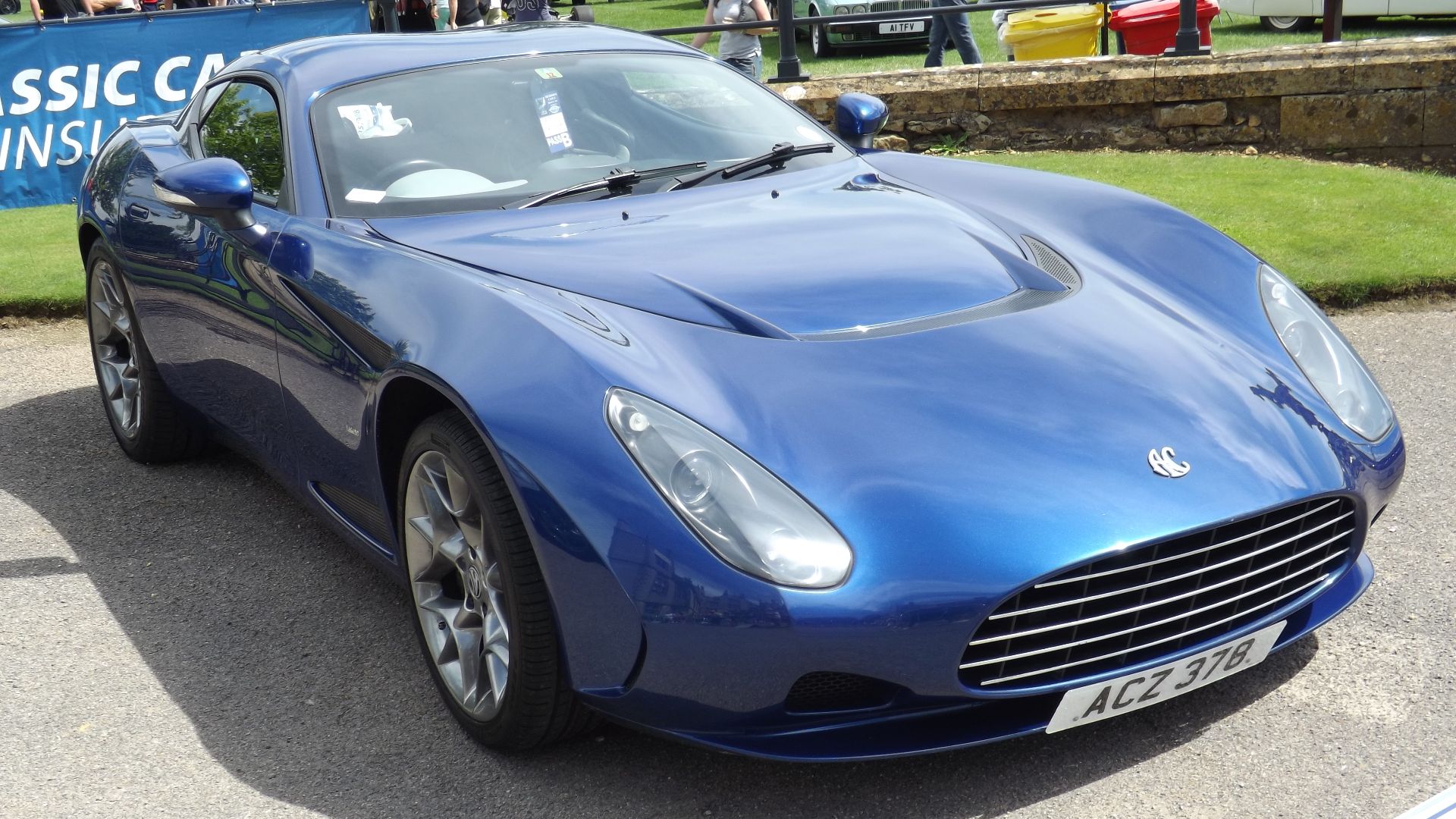 Andrew Bone from Weymouth, England, Wikimedia Commons
Caparo T1 (2006–2015 company administration)
A road-legal F1 fever dream from ex-McLaren F1 engineers, the T1 stole headlines but not enough deposits. Parent Caparo Vehicle Technologies entered administration in 2015 amid wider group turmoil; CVT was later dissolved. The car was unforgettable; the balance sheet, unfixable.
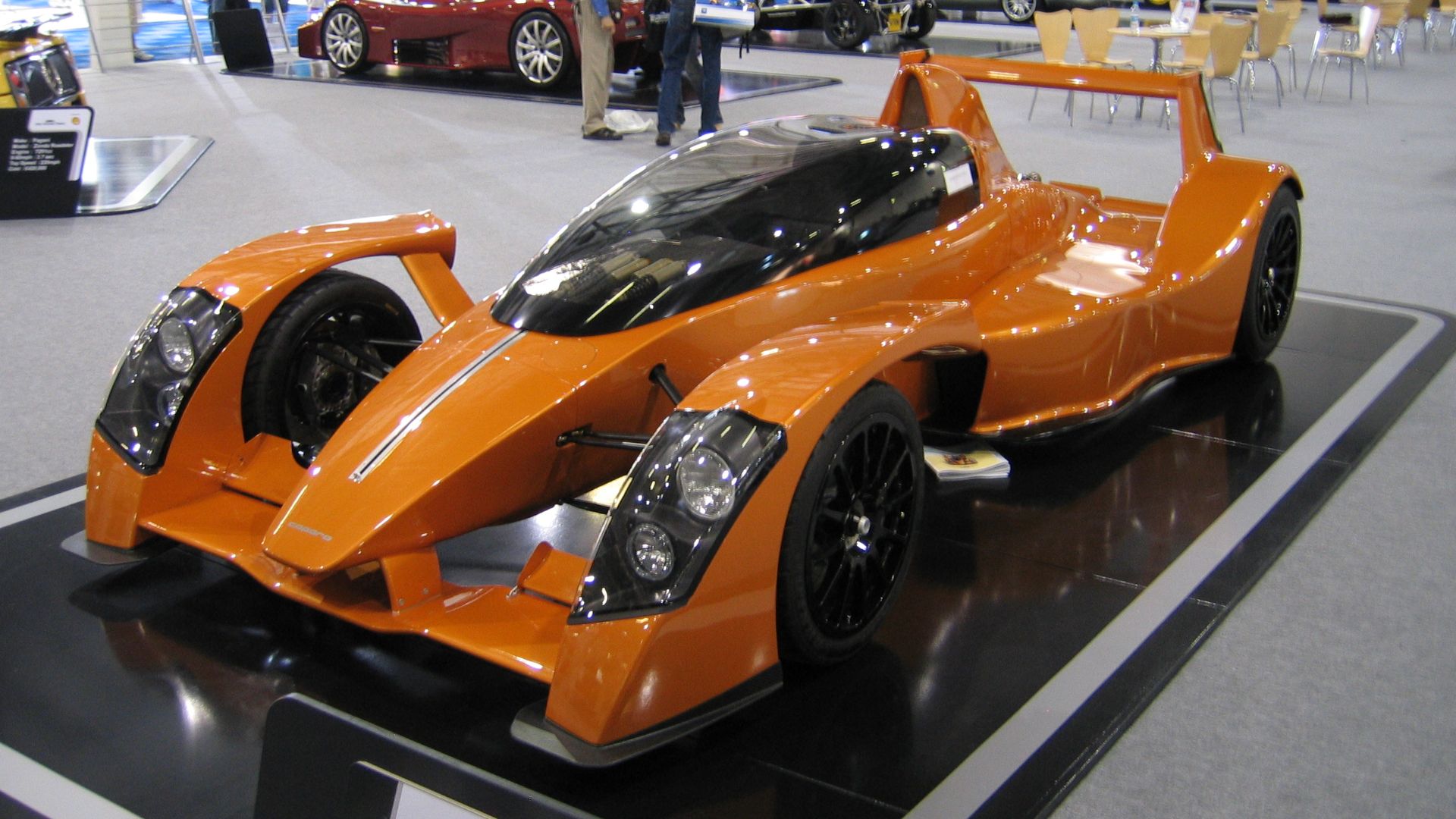 Robin Corps from Crowthorne, England, Wikimedia Commons
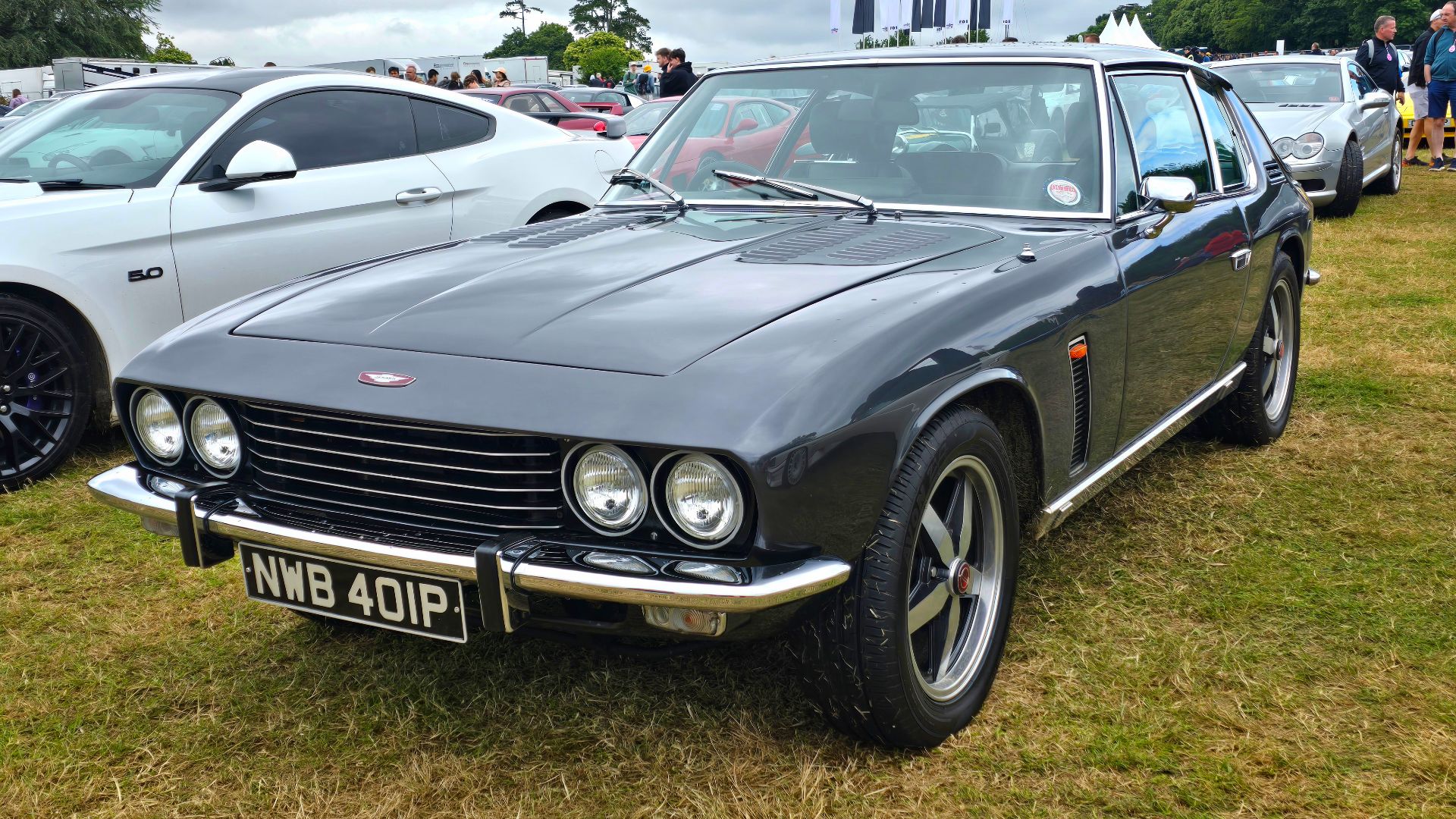
Jensen Interceptor (1966–1976)
A glamorous, Chrysler-V8 GT that met the wrong decade. The 1973 oil crisis kneecapped sales, while the troubled Jensen-Healey project compounded the pain. Jensen went into liquidation in 1976—Interceptor production ended with a sigh rather than a roar.
Iso Rivolta’s Euro-American GT Playbook—And Its Limits
Iso’s Grifo wasn’t alone: the broader “Italian suit, Detroit heart” formula (Iso, Jensen, Monteverdi, Facel) made magic until macroeconomics (oil shocks, emissions, recession) and small-volume costs crushed margins. The pattern: gorgeous low-volume GTs + rising costs + shrinking demand = curtains.
Which Is Your Favorite Supercar That Never Was?
Supercar bankruptcies rarely hinge on performance—most of these cars were brilliant. They fail because moonshot R&D, tiny volumes, fickle investors, regulatory headwinds, and catastrophic timing compound into a cash crisis. Still, each left a halo: technology, design cues, and legends that outlived the companies themselves. And that’s why, even when the money ran out, the myth didn’t.
You May Also Like:
Iconic Classic Cars From Every Decade
Actors Who Crashed Their Cars During Filming


_(49074806673).jpg)