Common Pitfalls That Can Cost You Money, Time, And Peace Of Mind
Buying a used car can be a great move...or a stressful, expensive lesson if you’re not careful. The problem isn’t that used cars are bad; it’s that buyers often rush, skip steps, or trust the wrong things. Even smart shoppers make mistakes that lead to surprise repairs, bad financing, or instant regret. Here are the most common missteps people make when buying used cars, and how to avoid them.
Skipping Market Research Before Shopping
Walking onto a lot without researching prices, reliability, and common problems is like shopping blindfolded. If you don’t know what a fair price looks like (or which model years to avoid) you’re far more likely to overpay or buy something with known issues that could’ve been avoided.

Not Checking The Seller’s Reputation
Not all sellers play fair. Skipping online reviews, complaints, or dealership ratings can land you with someone who cuts corners or hides problems. A few minutes of research can tell you a lot about how a seller treats customers after the sale.

Ignoring Vehicle History Reports
A clean-looking car can still have a messy past. Accident damage, flood exposure, salvage titles, and odometer inconsistencies won’t always be obvious. Skipping a vehicle history report means trusting appearances, and appearances can be deceiving.

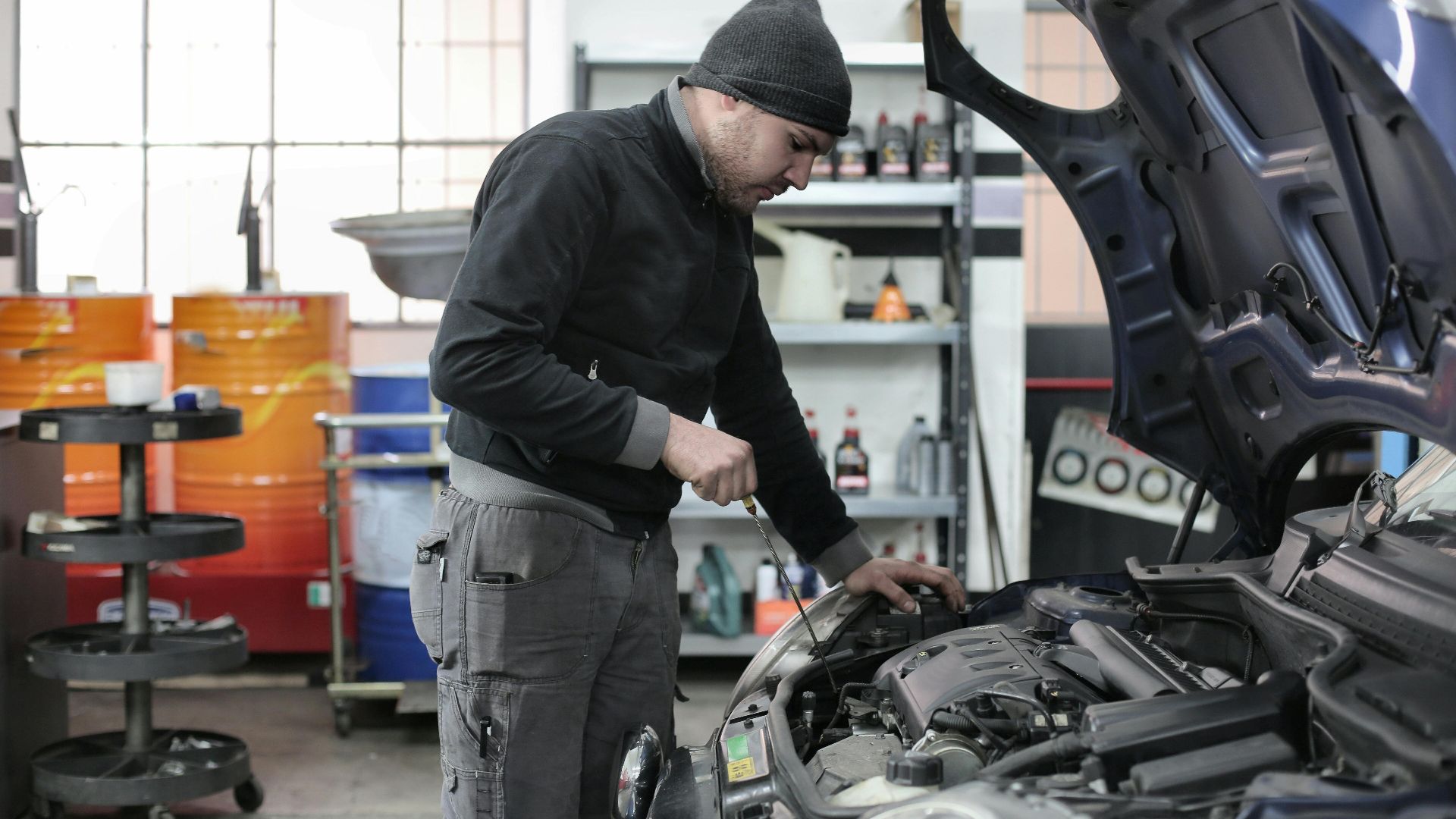
Skipping A Pre-Purchase Inspection
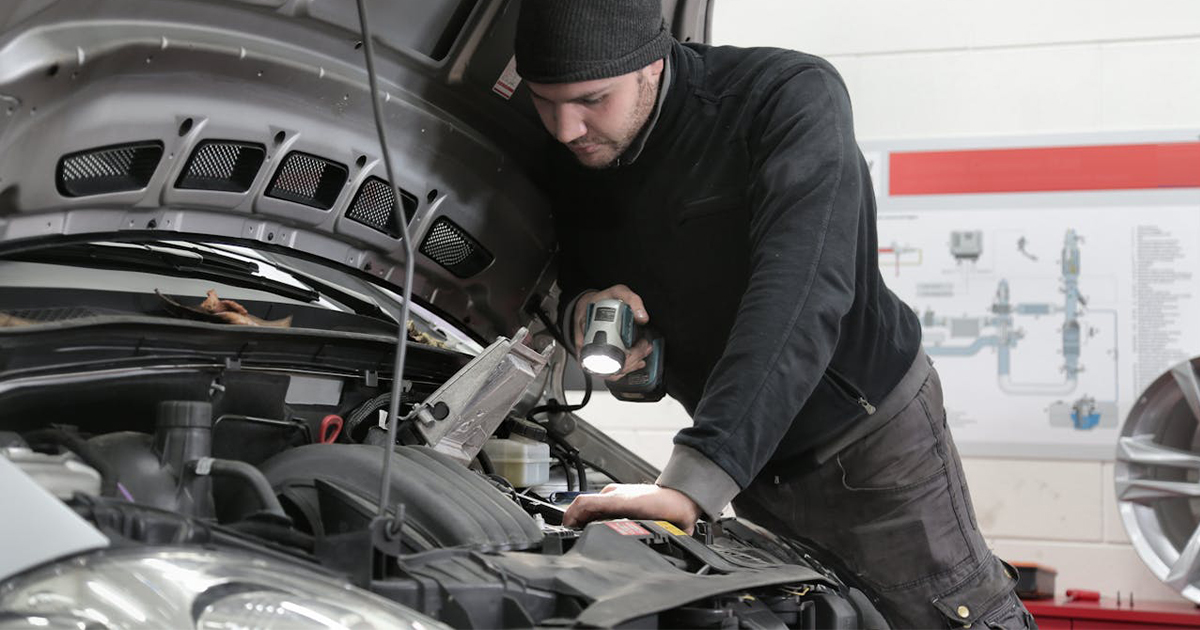
This is one of the biggest mistakes buyers make. A third-party mechanic can spot issues you’d never notice during a test drive. Spending a little upfront can save you thousands by uncovering hidden engine, transmission, or suspension problems.
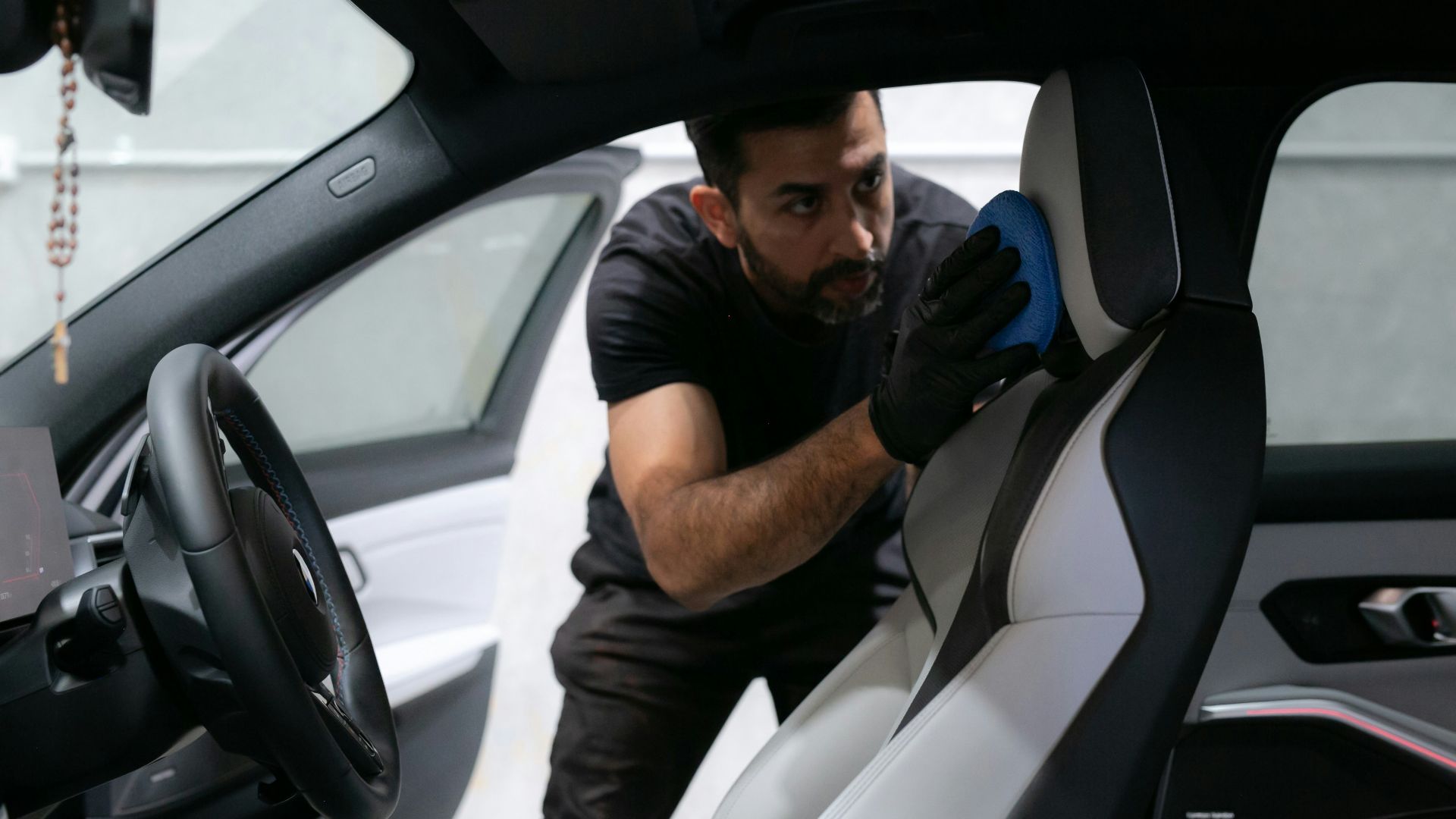 Fine Automotive Detailing, Unsplash
Not Taking A Proper Test Drive
A quick spin around the block doesn’t tell the full story. You need highway speeds, braking tests, rough roads, and parking maneuvers. Strange noises, vibrations, or sluggish performance often show up only when you actually drive the car like you would every day.

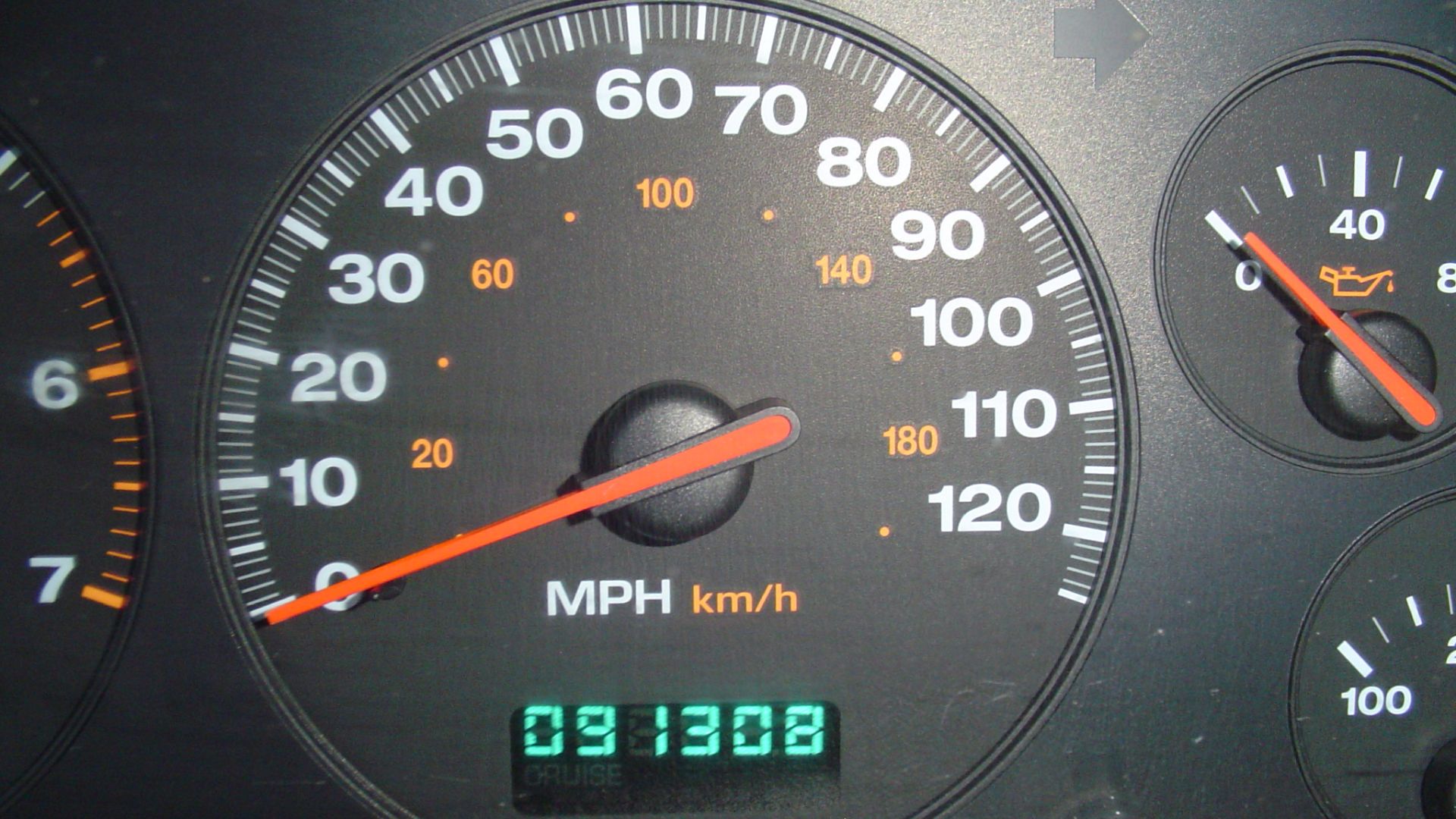
Overlooking Odometer Fraud
Mileage matters, but not all odometers tell the truth. Rollbacks still happen, especially with private sales. If the mileage doesn’t match service records or vehicle history reports, that’s a huge red flag—and one that can seriously affect long-term reliability.
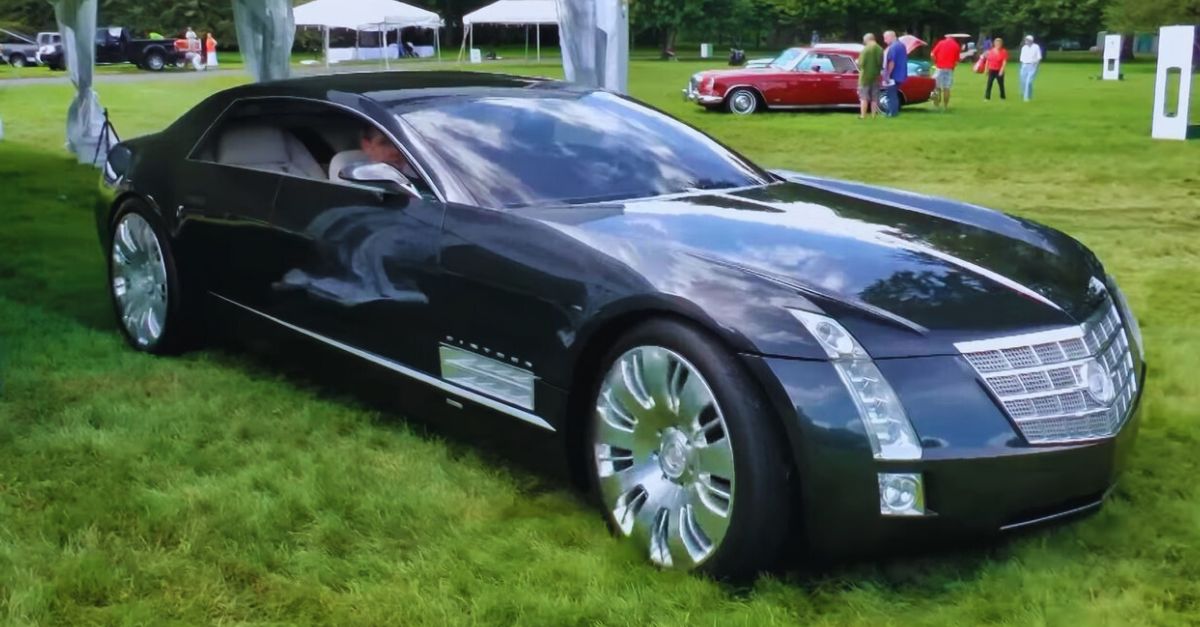
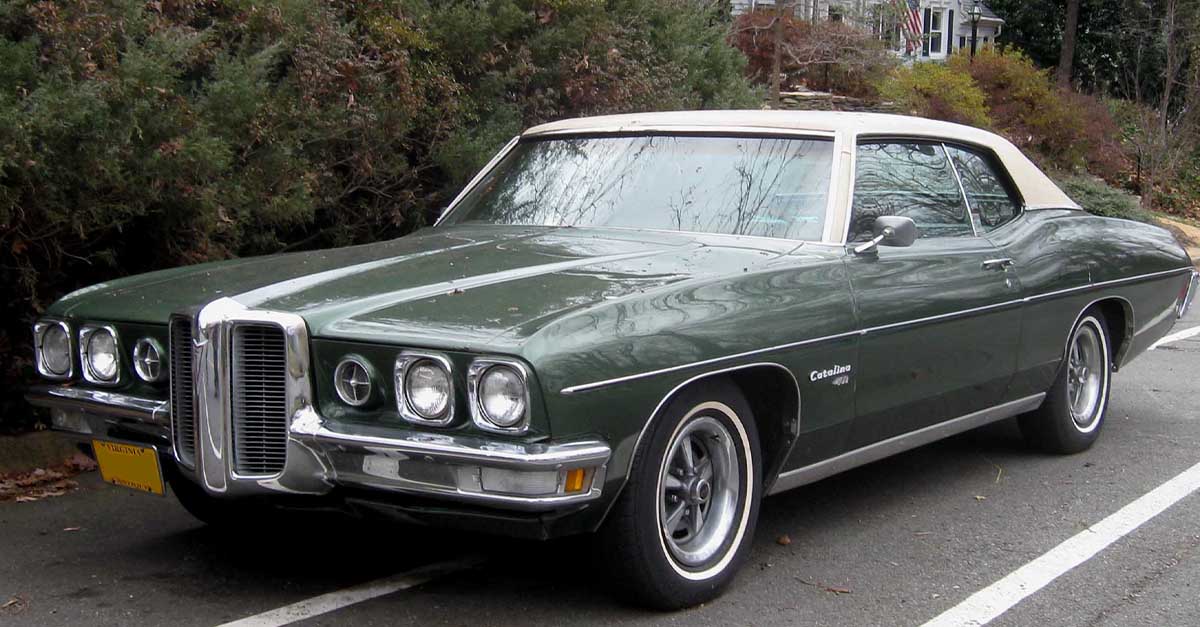
 Sav127 at English Wikipedia, Wikimedia Commons
Focusing Only On Monthly Payments
Low monthly payments can hide a bad deal. Longer loan terms and higher interest rates can make an overpriced car look affordable. Always focus on the total price and loan terms—not just what comes out of your account each month.

Not Shopping Around For Financing
Many buyers assume dealer financing is the best option, but that’s often not the case. Banks and credit unions frequently offer better rates. Getting pre-approved gives you leverage and helps you spot bad financing offers immediately.

Failing To Negotiate The Price
Used car prices are rarely set in stone. Many buyers accept the sticker price simply because negotiating feels uncomfortable. Even a small discount can make a big difference, especially when combined with taxes, fees, and interest over time.

Ignoring The Total Cost Of Ownership
The purchase price is only part of the story. Insurance, fuel, maintenance, repairs, and parts availability all affect what the car really costs. Some cheap used cars become expensive very quickly once ownership begins.

Trusting Listings Too Much
Photos and descriptions are designed to sell, not reveal flaws. Dents, rust, worn interiors, and mechanical issues often don’t show up online. Always verify what you see in person—or assume there’s more going on than advertised.

Not Verifying Ownership And Title Details
Title problems can turn into major legal headaches. If the seller’s name doesn’t match the title, or there’s a lien attached, you could end up unable to register the car. Always confirm ownership details before handing over money.

Failing To Check For Open Recalls
Many recalls are fixed for free, but only if you know about them. Skipping this step means you might miss important safety updates. A quick VIN check can tell you if the car still needs manufacturer repairs.

Ignoring Insurance Costs Before Buying
Insurance rates vary widely between models—even similar ones. A sporty or luxury badge can dramatically increase premiums. Checking insurance costs beforehand prevents unpleasant surprises that can wreck your monthly budget.

Letting Emotion Drive The Decision
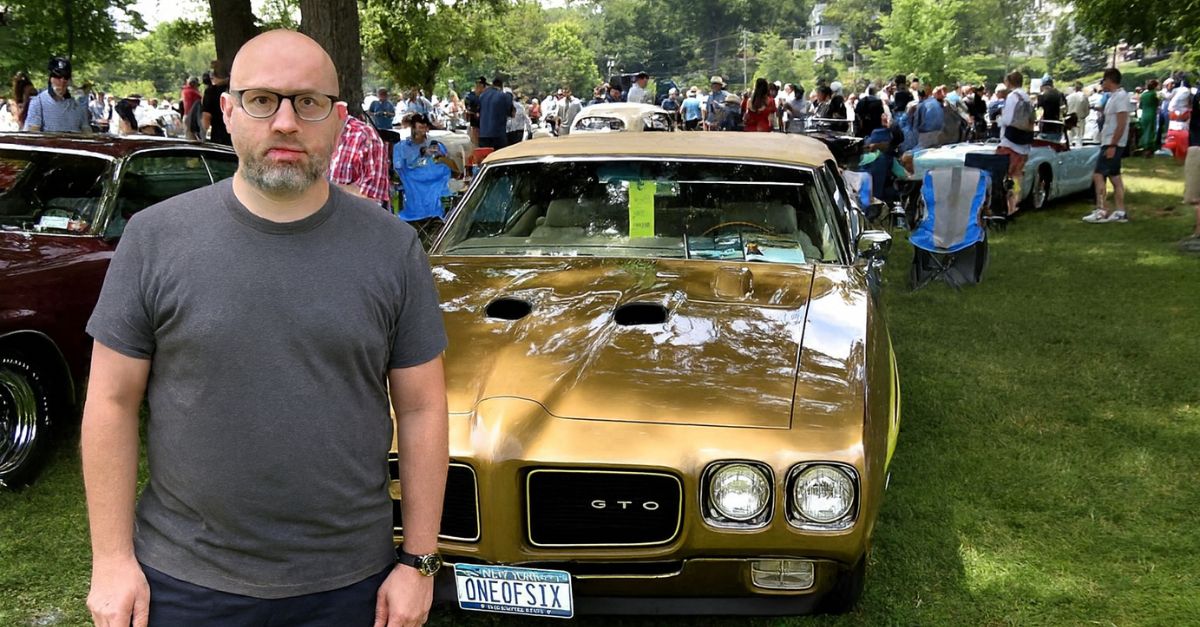
It’s easy to fall for a color, a badge, or a nostalgic model you’ve always wanted. Emotional buying leads to rushed decisions and overlooked problems. If you feel yourself getting attached too quickly, it’s time to slow down.

Buying Without Comparing Multiple Options
The first car you see shouldn’t be the last. Comparing multiple vehicles gives you perspective on pricing, condition, and value. It also gives you negotiating power when you know better options exist.

Skipping Mechanical And Safety Checks
Lights, electronics, brakes, steering, and drivetrain components should all be tested. Skipping these checks can leave you with expensive repairs shortly after purchase—especially if safety systems aren’t functioning properly.
Ignoring Rust Or Structural Damage
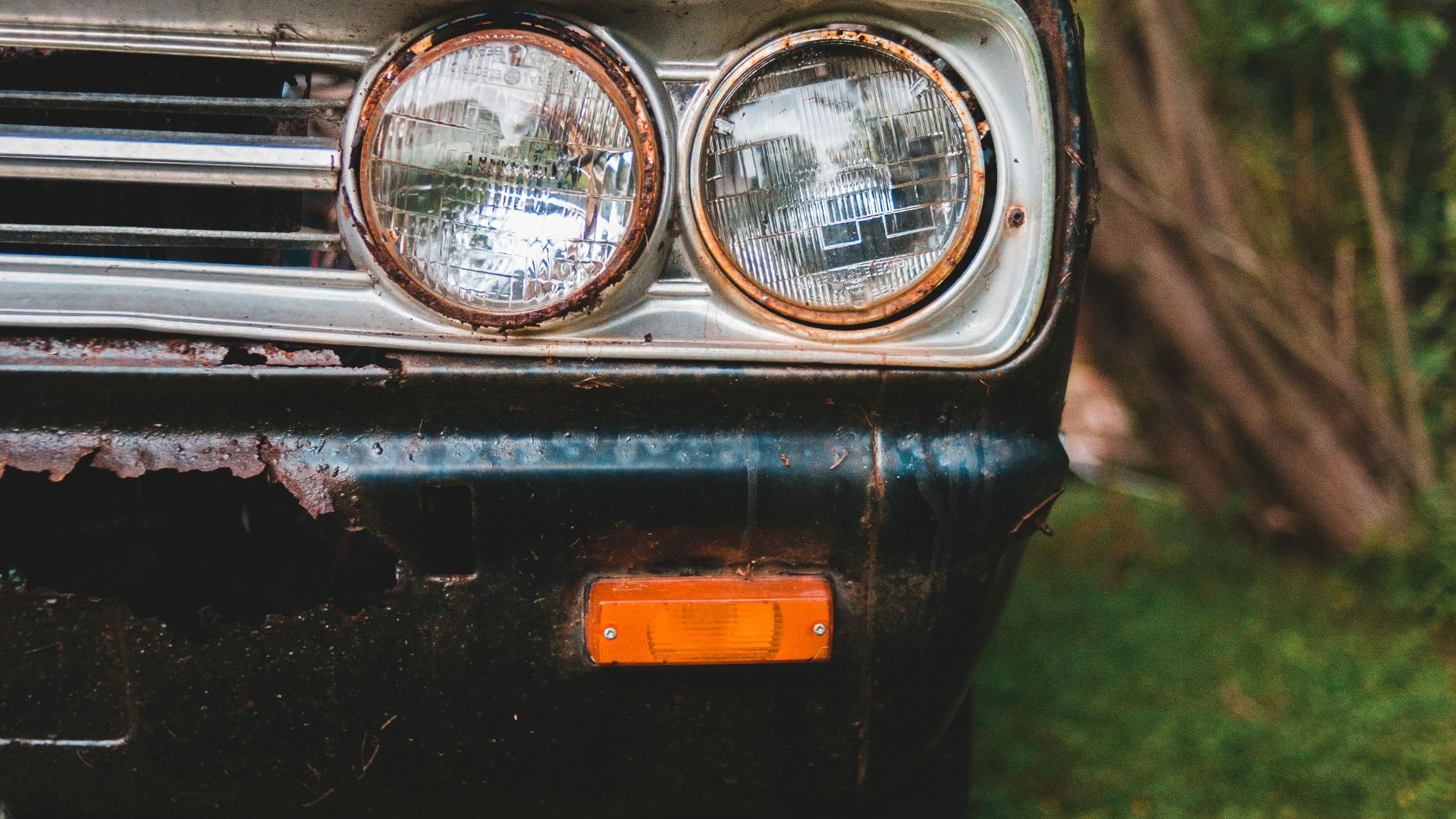
Surface rust is one thing; structural rust is another. Frame corrosion, suspension rust, and underbody damage can be dangerous and expensive to fix. Always inspect underneath the car, especially in rust-prone regions.
Forgetting Taxes, Fees, And Registration Costs
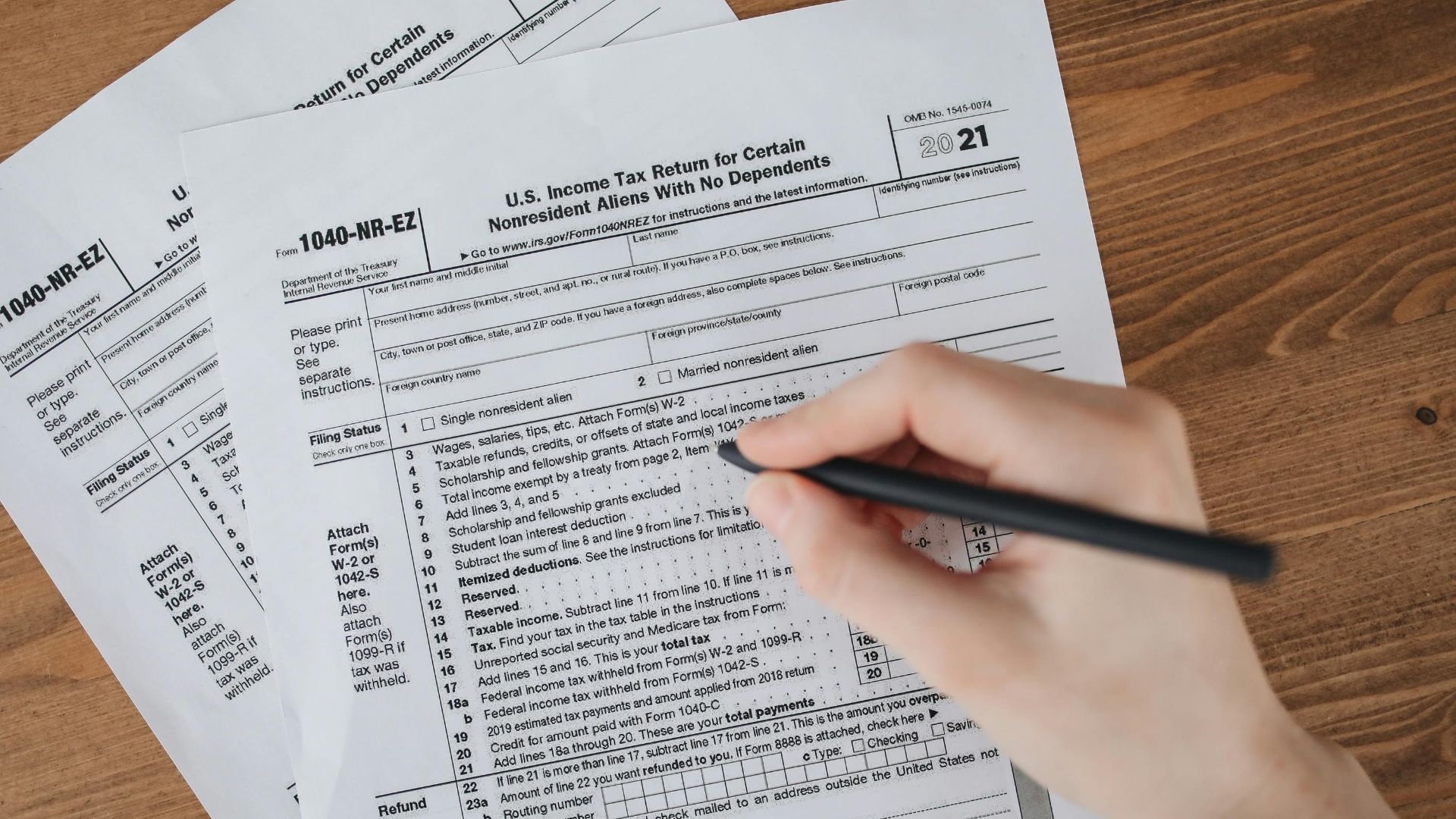
Out-the-door price matters. Taxes, documentation fees, emissions testing, and registration costs can add thousands. Buyers often focus on the sale price and get blindsided by the final bill.
Assuming Private Sellers Are Always Cheaper
Private sales can save money, but they come with fewer protections. No warranties, limited disclosures, and little recourse if something goes wrong. A cheaper upfront price doesn’t always mean a better deal.

Not Checking How The Car Was Used Previously
How a car was used matters just as much as how many miles it has. A low-mileage car that spent years doing short trips, towing, rideshare driving, or aggressive commuting can be more worn than a higher-mileage highway cruiser. Ask questions about past use, not just mileage.
 Karolina Grabowska www.kaboompics.com, Pexels
Buying Based On Reputation Instead Of Condition
Some buyers assume a car is “safe” just because the brand or model has a good reputation. Even reliable cars can be abused or poorly maintained. Condition always matters more than reputation, and skipping inspections because a car is “known to be reliable” is a costly shortcut.
Not Checking How Long The Car Has Been For Sale
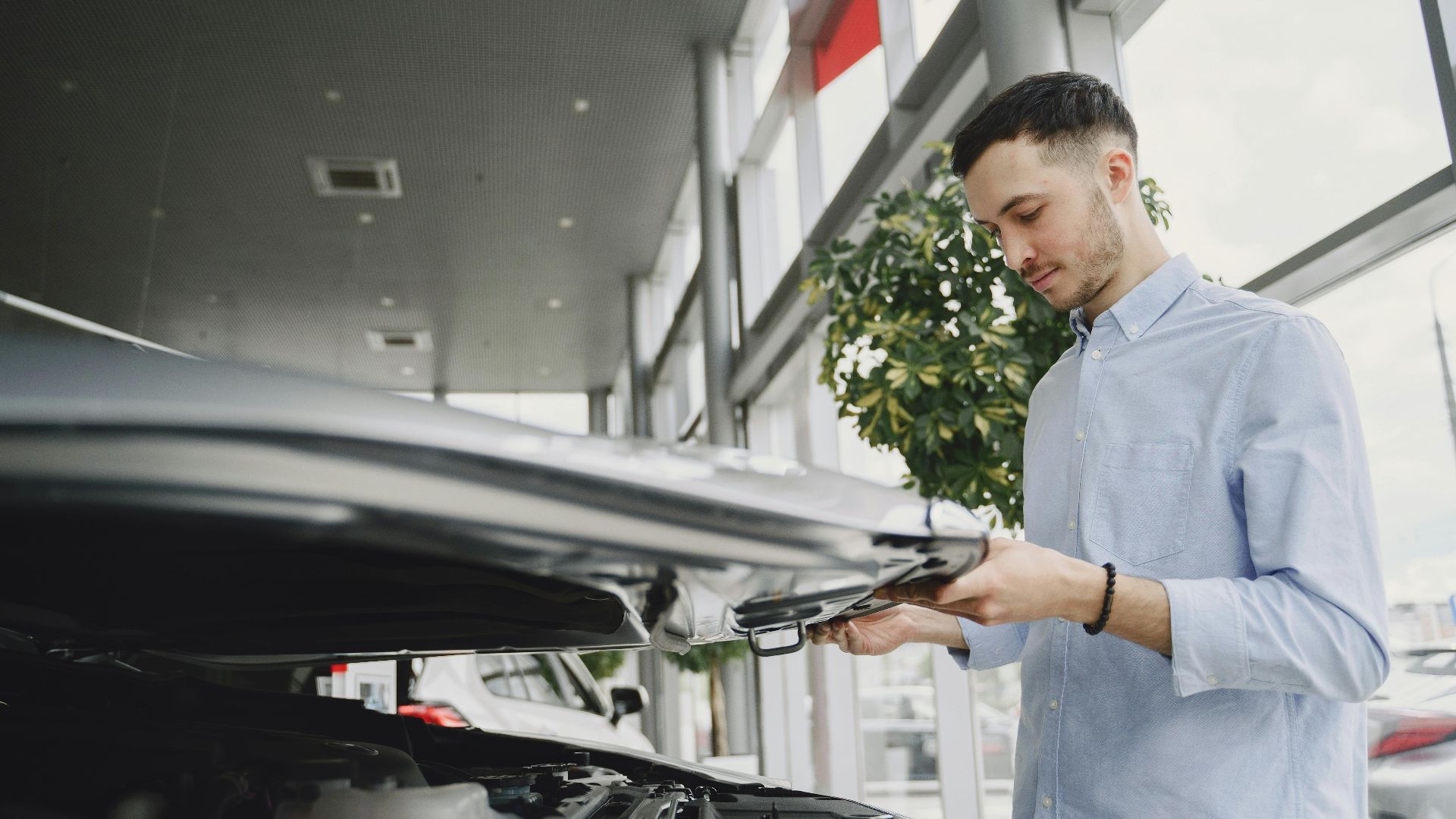
A car that’s been sitting unsold for months can be a red flag. It may be overpriced, undesirable, or hiding issues other buyers noticed and walked away from. Asking how long it’s been listed can reveal leverage—or signal caution—before you commit.

Skipping A Cold Start Inspection
Many problems only show up when a car is started cold. Sellers sometimes warm the car up before you arrive to hide rough starts, lifter noise, or warning lights. Always try to see and hear the car start from cold to catch issues early.

Underestimating Repair And Parts Availability
Some used cars are affordable to buy but expensive or frustrating to maintain due to limited parts availability or specialized repairs. Before buying, research how easy it is to find parts, qualified mechanics, and common repair costs—especially for older, imported, or discontinued models.
Final Thoughts
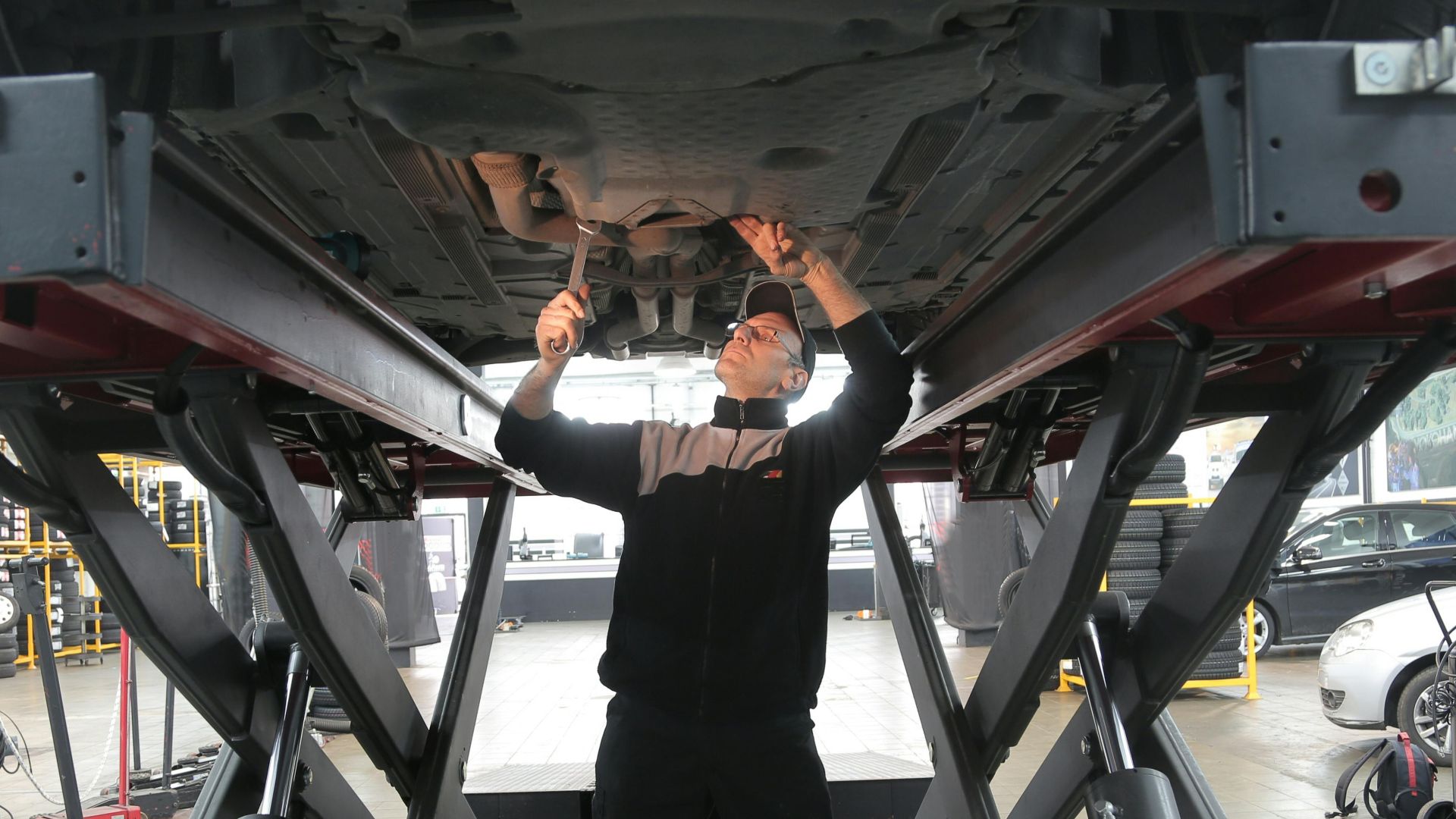
Buying a used car doesn’t have to be stressful—but it does require patience and a little skepticism. Most bad experiences come from rushing, skipping inspections, or trusting assumptions instead of facts. Slow down, do your homework, and don’t be afraid to walk away. There will always be another car—but fixing a bad purchase can stick with you for years.

You May Also Like:
Car Repairs You're Putting Off That Could Cost You Thousands
The Most Common Car Repair Scams—And How to Avoid Them
RV Maintence Made Simple: Common Problems And Their Easy Fixes