Every Morning, The Same Problem
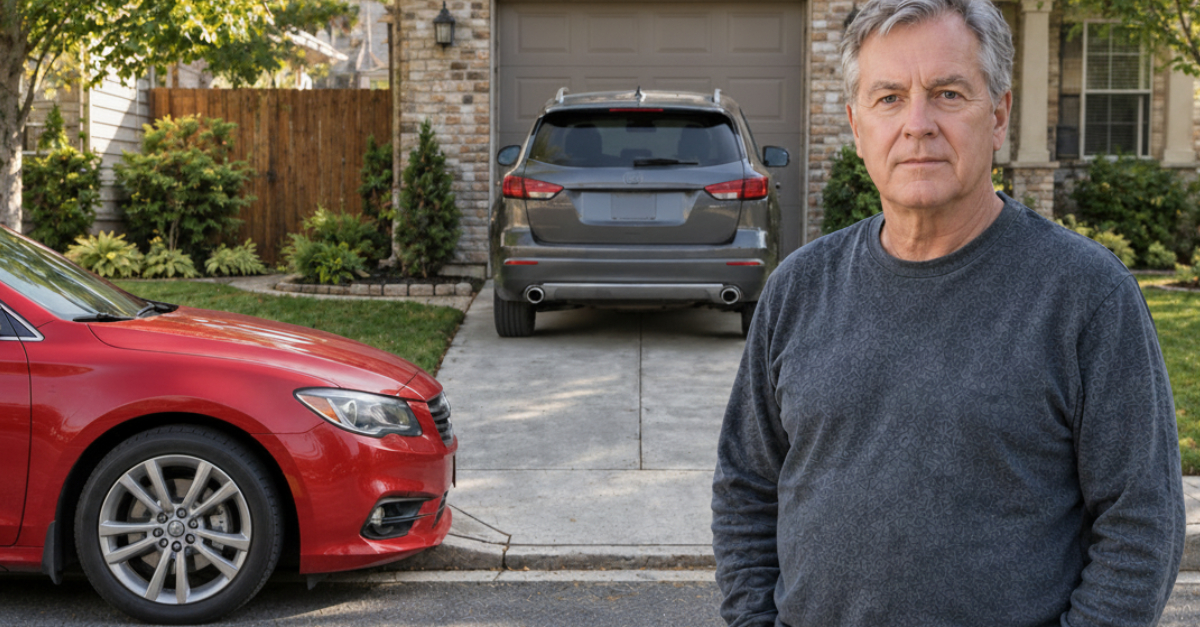
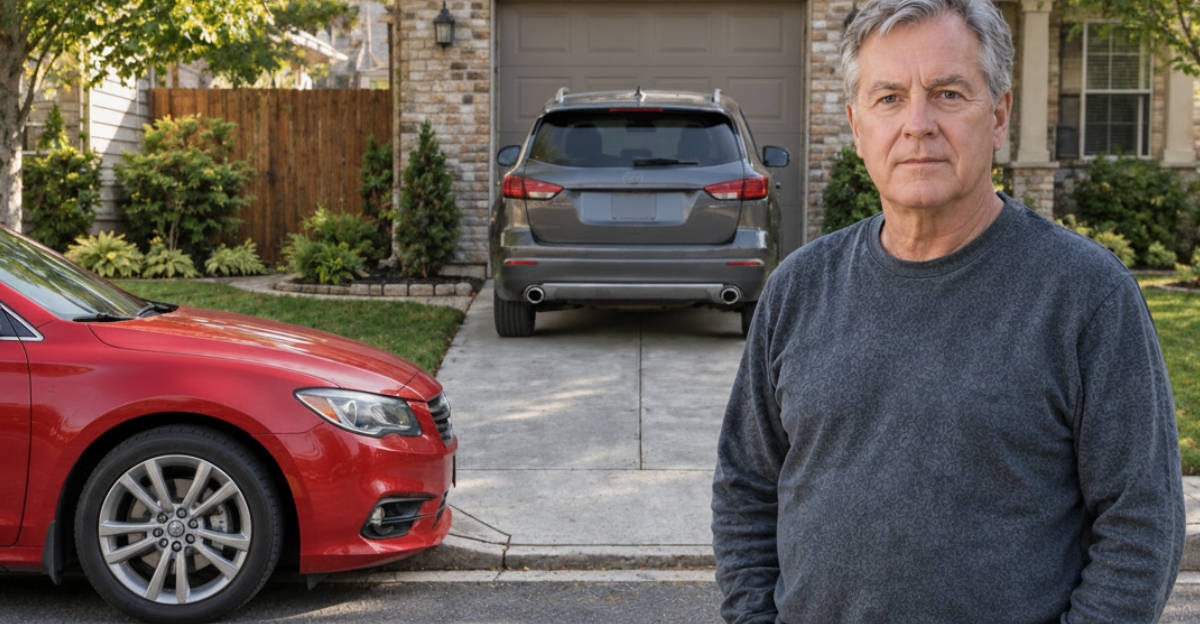
The car is not sitting directly across the driveway. But it is close enough that getting out requires backing up with such precision that being an inch or two off could mean scraping your car...or worse. The driver would probably say it is a public road, so the space is fair game. But is it?
The Short Answer
There probably is a law against blocking the driveway. Unfortunately, there may not be a law requiring every vehicle to stay a specific distance away from it. That small distinction could determine whether the car gets ticketed or remains exactly where it is.
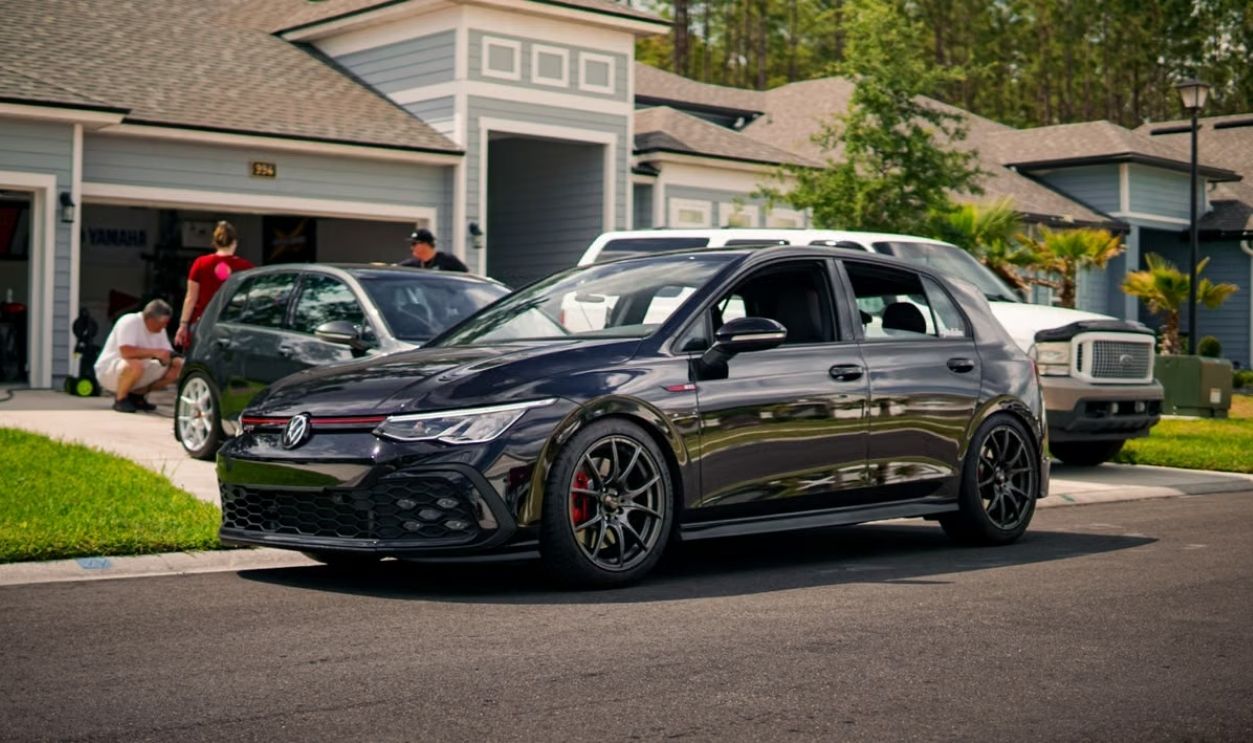
Blocking A Driveway Is Usually Illegal
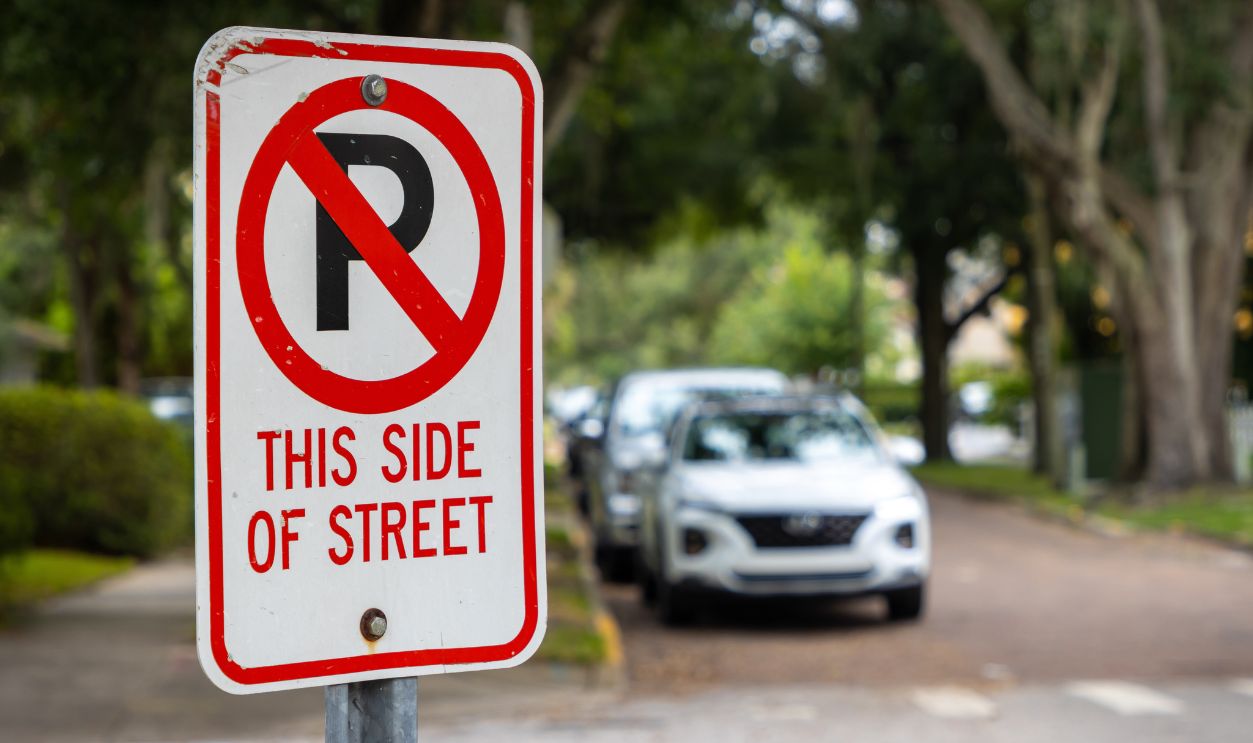
California, Florida, Ohio, Washington and numerous other states prohibit parking in front of a public or private driveway. Local ordinances commonly contain similar language. A vehicle does not necessarily have to block the entire entrance before it violates the rule.
Even A Partial Block May Count
If a bumper extends across part of the driveway entrance, the vehicle may already be illegally parked. New York City, for example, allows residents to report vehicles that are either partially or completely blocking a driveway. “But most of the driveway is open” is not always a defense.

But “Too Close” Is A Different Question
A car can make the turn extremely difficult without actually extending across the driveway entrance. If the applicable law only prohibits parking “in front of” a driveway, that vehicle could technically be legal despite being a daily nuisance.Someone keeps parking so close to my driveway that I can barely get out every morning. Doesn’t the law require five feet from the entrance?

There Is No Nationwide Distance
Contrary to one very persistent parking myth, there is no universal federal rule requiring every vehicle to remain three, five or ten feet from a residential driveway. The required distance may come from state law, a city ordinance or, in some places, nowhere at all.
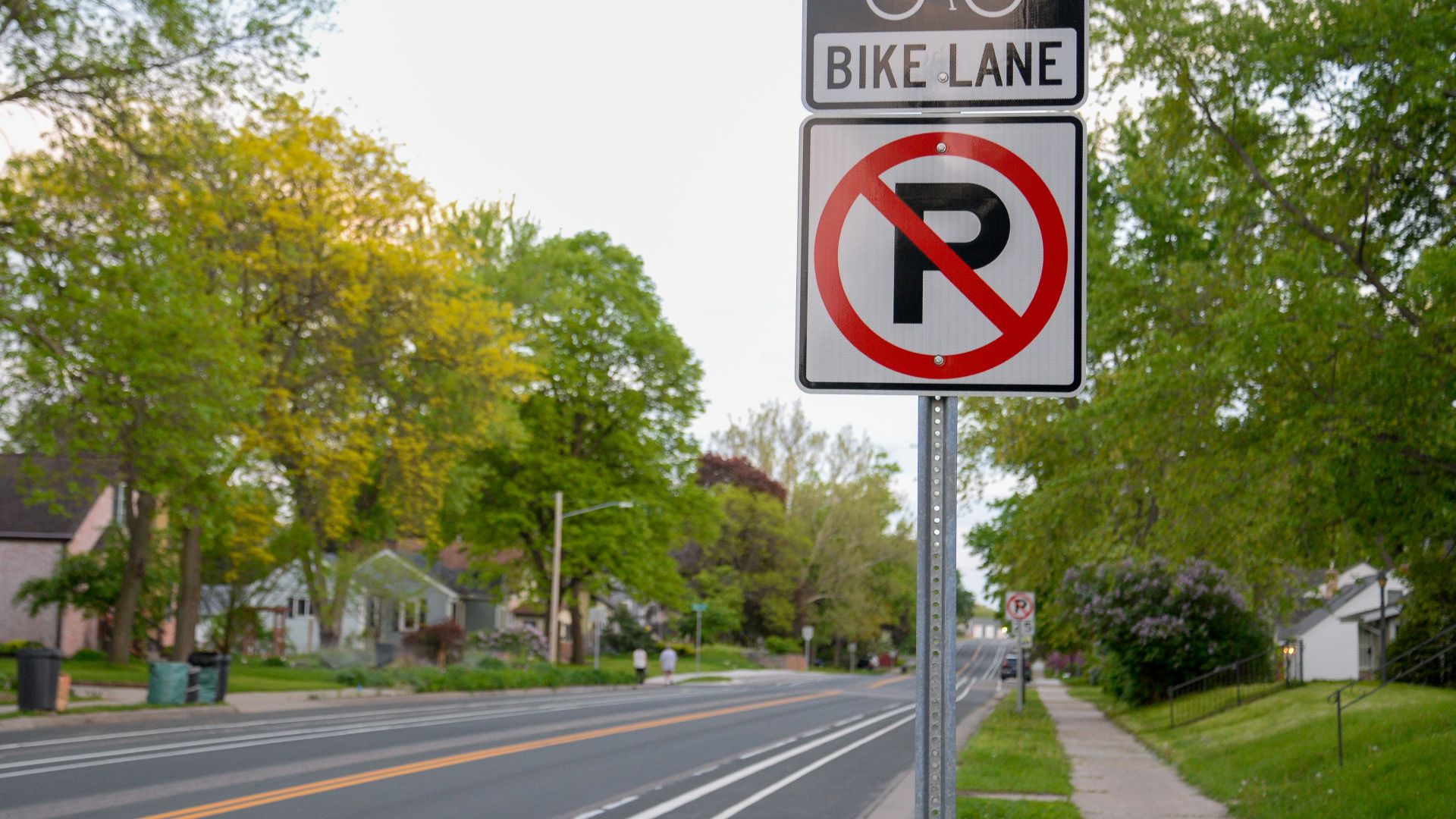
Fire Hydrants Get A Precise Buffer
This is where the law can feel especially strange. Many states require drivers to park 10 or 15 feet from a fire hydrant, yet set no minimum distance beside an ordinary driveway. The car can be inconveniently close and still legal, provided it does not cross the entrance.
Washington Requires More Room
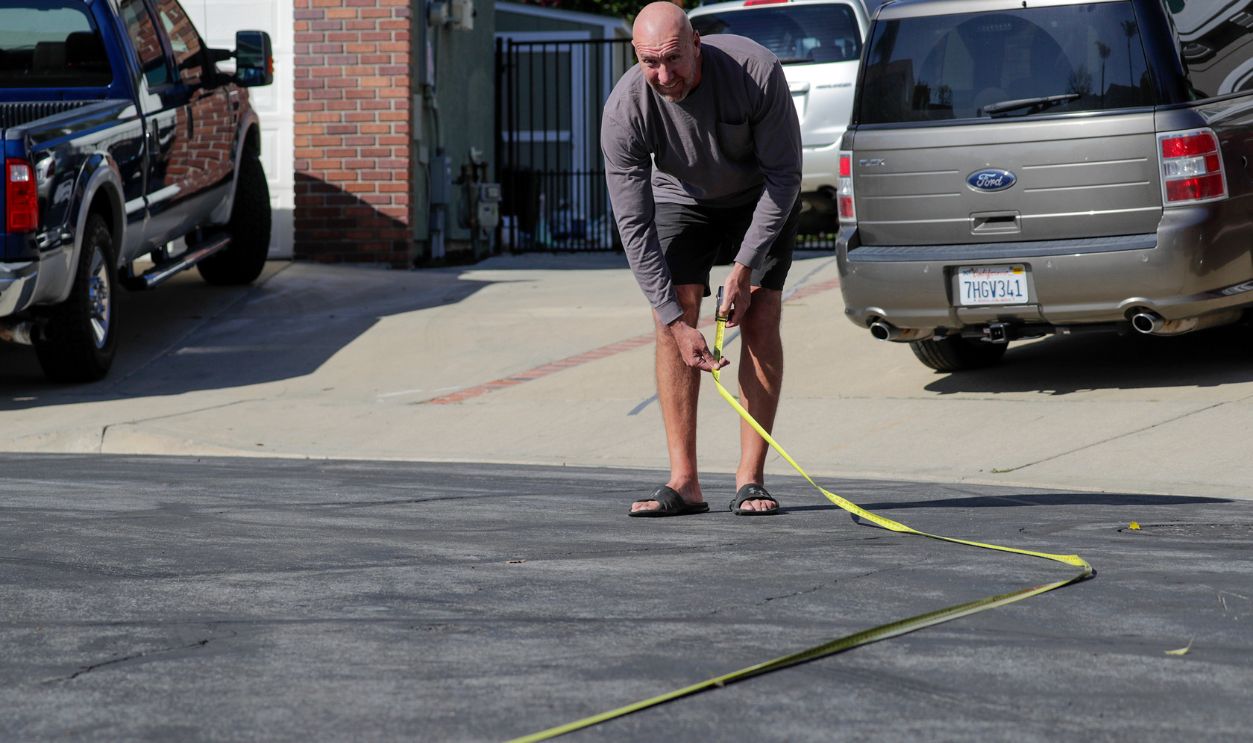
Washington law generally prohibits parking in front of a driveway or within five feet of the end of the curb radius leading into it. That gives drivers more space to turn than laws that merely prohibit parking directly across the entrance.
California’s Rule Is Different
California Vehicle Code Section 22500 prohibits parking in front of a public or private driveway, but it does not create a statewide five-foot buffer beside every residential driveway. A city may have additional rules, so the state statute is only the beginning of the search.

Florida And Ohio Focus On The Entrance
Florida and Ohio also prohibit parking in front of public or private driveways. Their statewide provisions do not establish a general residential driveway buffer like Washington’s. If the vehicle clears the entrance, local rules become especially important.

City Rules Can Be Stricter
States frequently allow cities and counties to regulate parking on local streets. That means two nearly identical driveways a few miles apart can have different protection. One municipality may require several feet of clearance while the neighboring municipality only prohibits direct obstruction.
The Measuring Point Matters
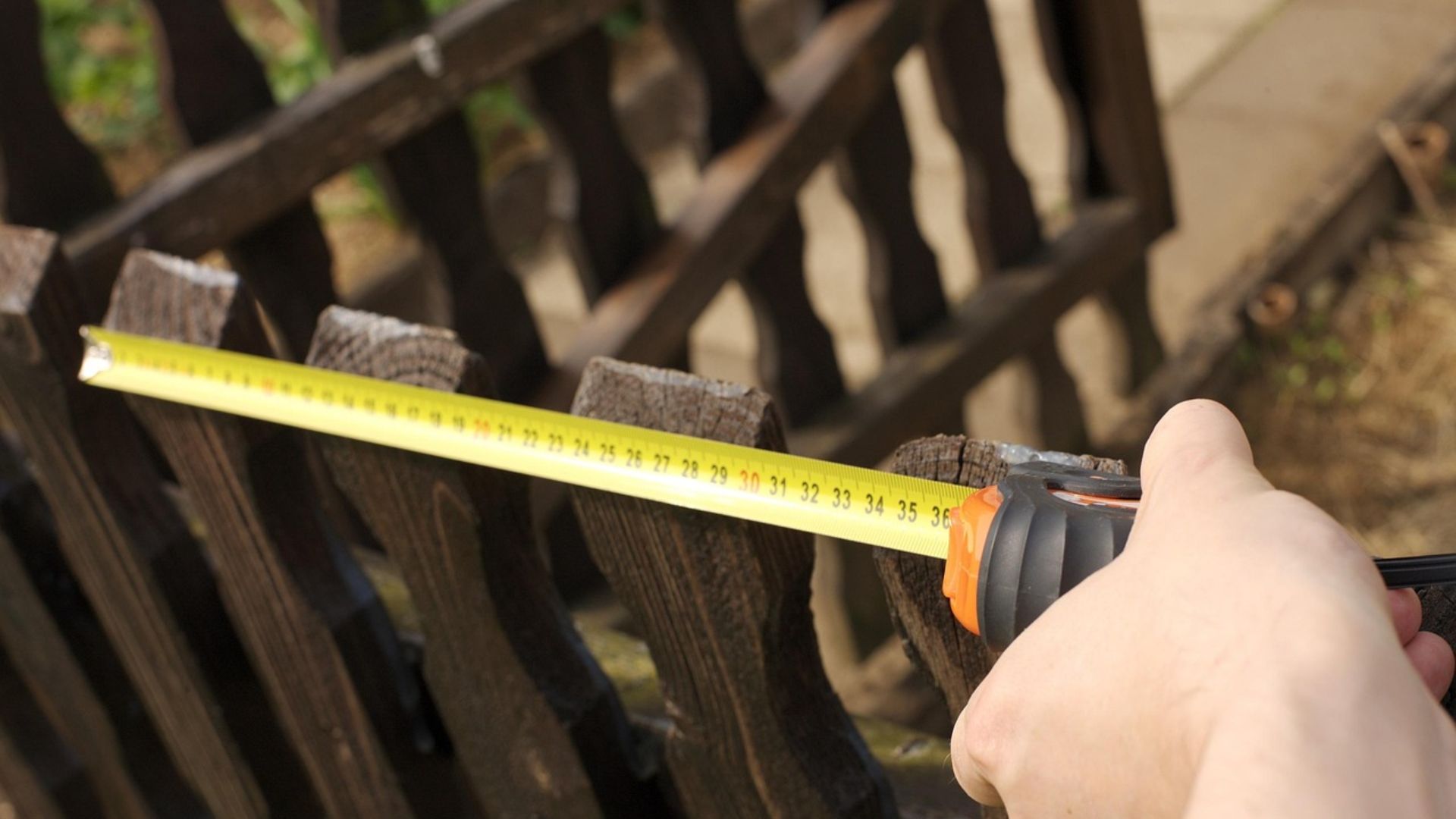
Do not assume the distance is measured from the edge of the paved driveway, the property line or the garage door. A local code might refer to the curb cut, driveway apron, curb return or another defined point. Those descriptions can produce very different measurements.
The Sloped Curb May Already Count
In some cities, the driveway legally begins before the curb becomes completely flat. San Francisco treats the point where the curb first begins sloping toward street level as the start of the driveway. A bumper extending into that sloped section can count as a partial obstruction.
Difficult Does Not Always Mean Illegal
This is the most frustrating part. A homeowner may genuinely struggle to leave while the parked vehicle remains technically outside the prohibited area. Parking enforcement normally applies the written code, not a driver’s personal assessment of how many turns it takes to escape.
 Daria Nepriakhina 🇺🇦, Unsplash
Other Parking Rules May Still Apply
Even if the vehicle clears the driveway, it could violate another rule. Check its distance from a crosswalk, intersection, fire hydrant, stop sign or fire-station entrance. Parking beside an obstruction or somewhere that interferes with traffic may also be prohibited.
The Street Beside It Is Still Public
The homeowner may maintain the grass, shovel the sidewalk and use the driveway every day, but the street and curb are generally part of the public right-of-way. Owning the adjoining house does not automatically give someone control over the legal parking space beside the driveway.

Start With The Local Parking Code
Search the city or county website for “parking near driveway,” “blocked driveway” and “driveway clearance.” If the language remains unclear, call parking enforcement and ask how the driveway entrance is defined and whether a minimum side clearance applies.

Take Photographs Before Reporting It
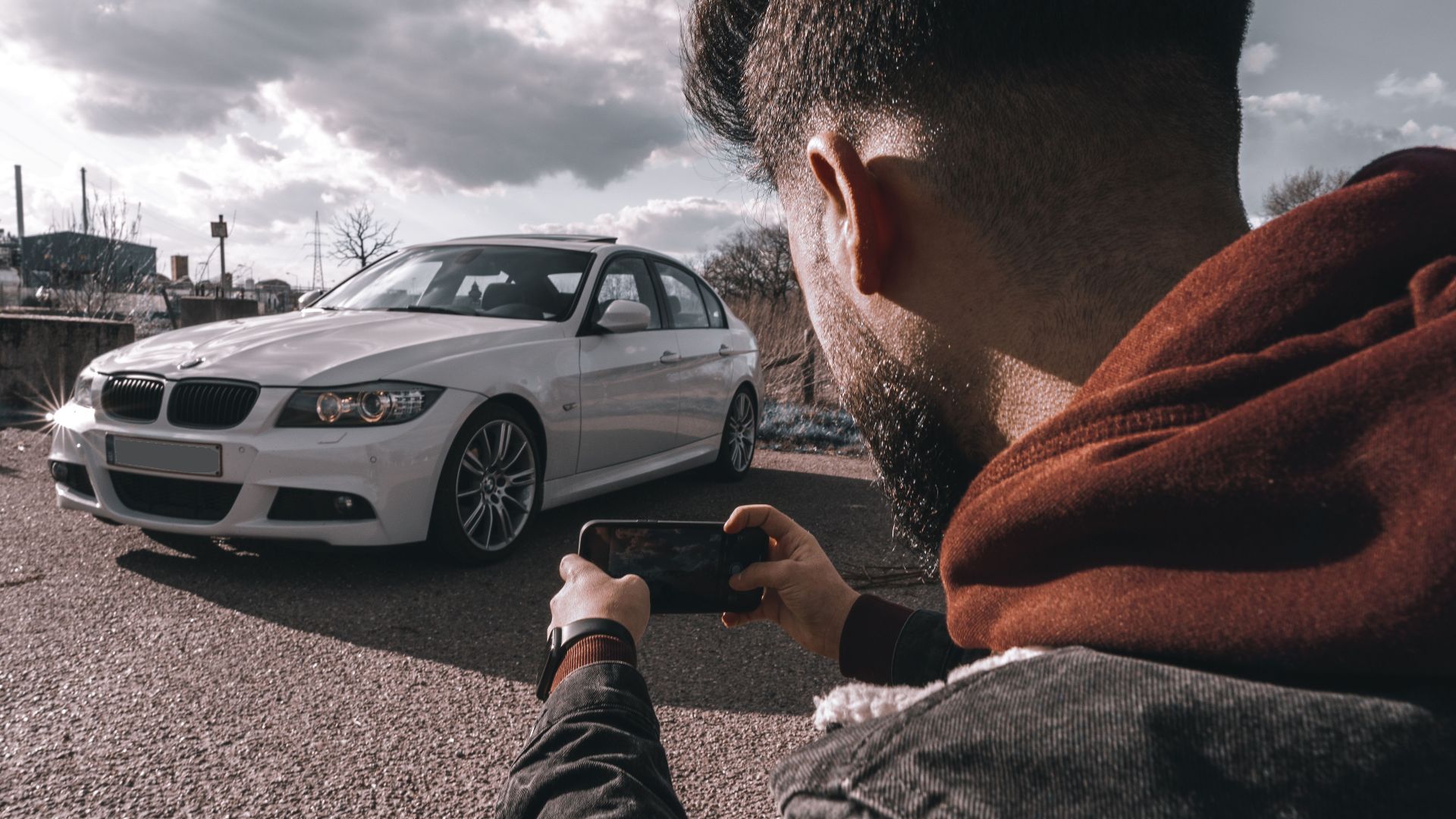
Photograph the car from far enough away to show its position in relation to the entire driveway. Then take a closer image showing the bumper, curb cut and license plate. A photograph that only shows a bumper beside some pavement proves very little.
Keep A Record Of The Pattern
If this happens repeatedly, record the dates, approximate times and license plate number. That will not transform legal parking into illegal parking, but it can demonstrate that the obstruction is an ongoing problem rather than a one-time mistake.

Use The Proper Reporting Route
A vehicle blocking the entrance from a public street is usually reported to parking enforcement, 311 or the police non-emergency line. Procedures vary, however. New York City even directs residents to call 911 when a vehicle is parked inside the actual driveway on private property, where it is considered trespassing.

Be Precise When Reporting It
Saying that a car is “too close” invites a subjective response. Say that its bumper extends across the driveway opening, overlaps the sloped curb or sits within the locally required clearance distance. Specific descriptions make the possible violation much easier to assess.
A Ticket May Come Before A Tow
The removal process varies considerably. In New York City, police may ticket a vehicle partially or completely blocking a driveway. After it has been ticketed, the affected resident may call a private towing company or ask the local precinct to arrange a rotation tow. Other cities use different procedures.

Do Not Call A Tow Truck First
A vehicle on a public street is not the same as an unauthorized vehicle sitting on private property. Before calling a towing company, contact the agency responsible for that street. An improper tow could create an expensive dispute for the person who ordered it.

Do Not Move Or Damage The Vehicle
Pushing the car, boxing it in, damaging it or attempting to squeeze past and scraping it can turn the homeowner into the person facing a much larger problem. Photograph the position and let the appropriate agency decide whether it may be ticketed or removed.

Skip The Homemade Red Curb
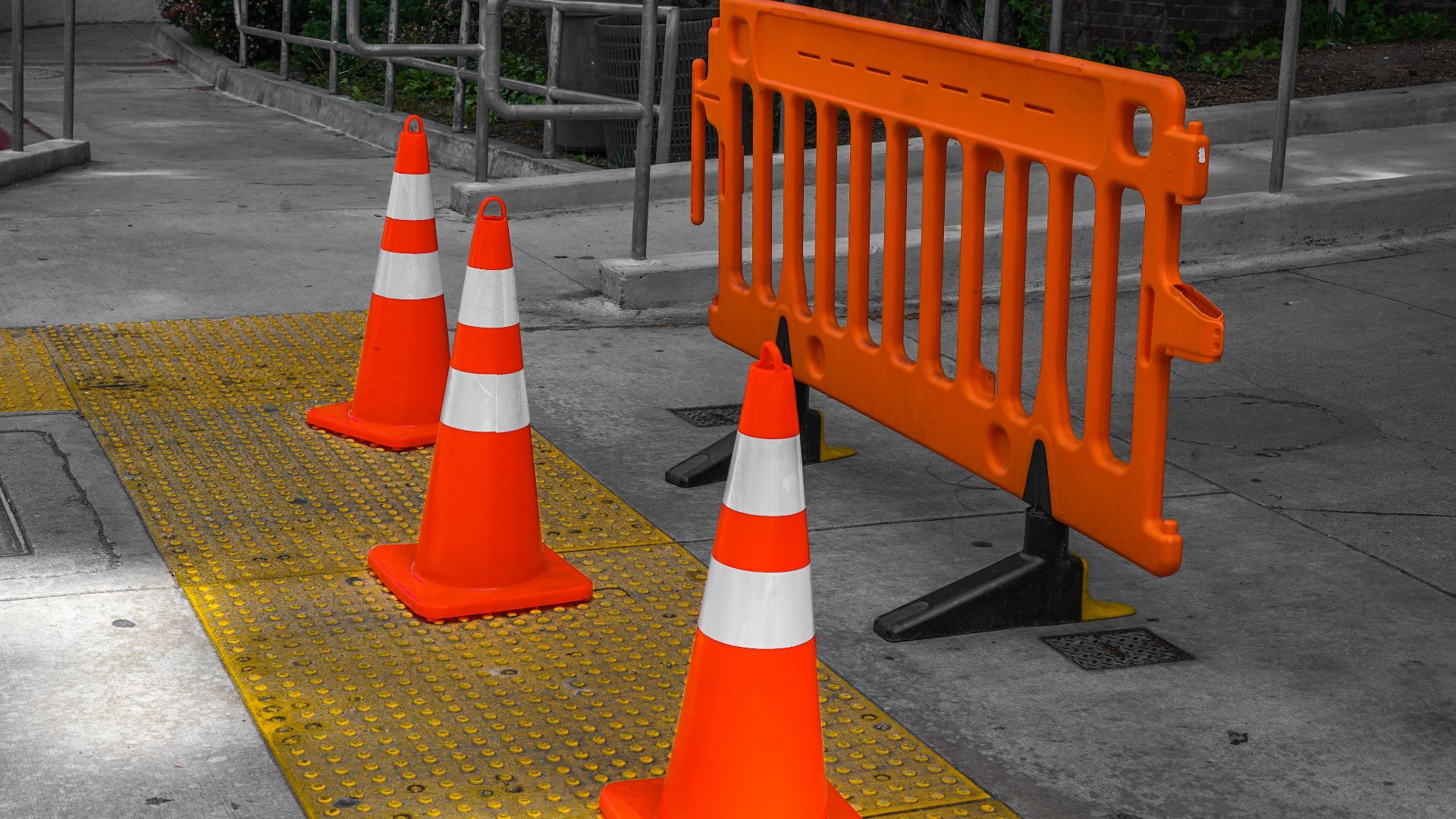
Painting the curb, installing an official-looking parking sign or leaving cones in the road can violate local rules. Public streets are controlled by the government, even when the parking problem affects a private driveway. Ask whether the city offers authorized driveway markings instead.
A Calm Conversation May Work Faster
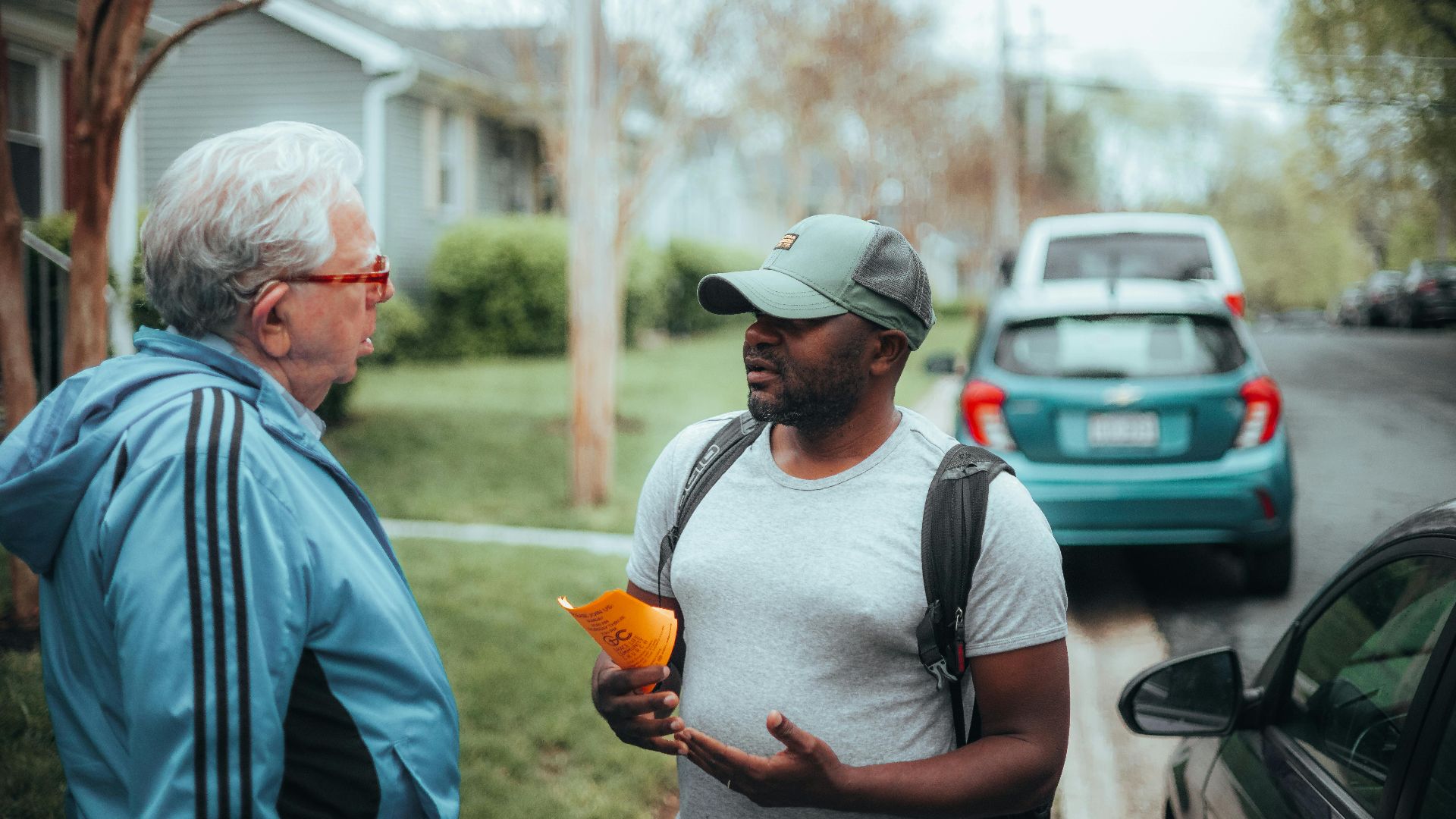
If the driver is identifiable and it feels safe, explain that the car makes it extremely difficult to leave and ask for another few feet. They may believe that clearing the pavement by an inch is enough and have no idea what the turn looks like from behind the wheel.
If It Keeps Happening
When polite requests fail, continue documenting the car and report each apparent violation through the correct channel. If officials say the parking is legal, ask whether the city can inspect the location, mark the legal boundary or consider a driveway-clearance restriction.

Private Roads Can Have Different Rules
An HOA, apartment complex or privately maintained road may have parking rules beyond the state traffic code. Residents should check their lease, community documents or property-management policies before assuming that ordinary public-street enforcement procedures apply.

The Bottom Line
Yes, parking in front of a driveway is generally illegal, and even a partial obstruction may be enough. But merely parking close to one is not automatically against the law everywhere. The deciding factors are the exact position of the vehicle and the state and local rules governing that particular street.
 Infrogmation of New Orleans, Wikimedia Commons
You Might Also Like:
Which Is Better For You And Your Family: A Minivan or an SUV?
Sources: 1,