When A Simple Parking Decision Turns Into A Big Problem
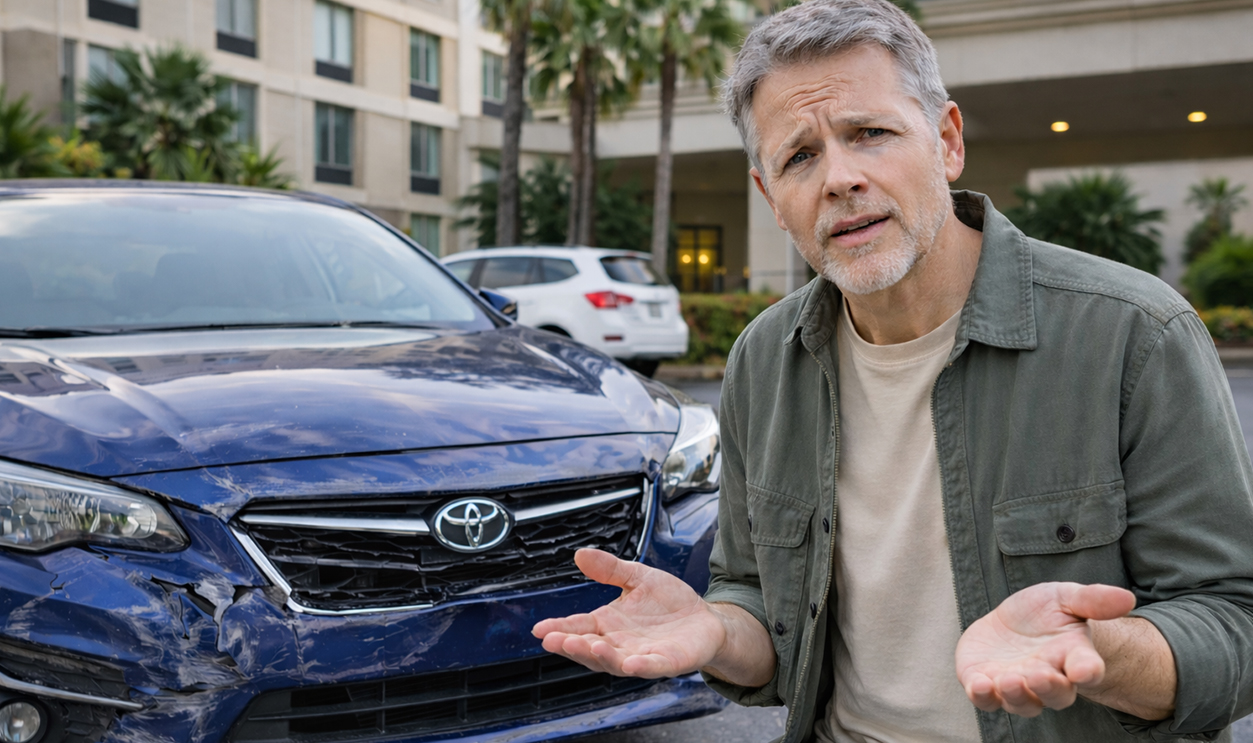
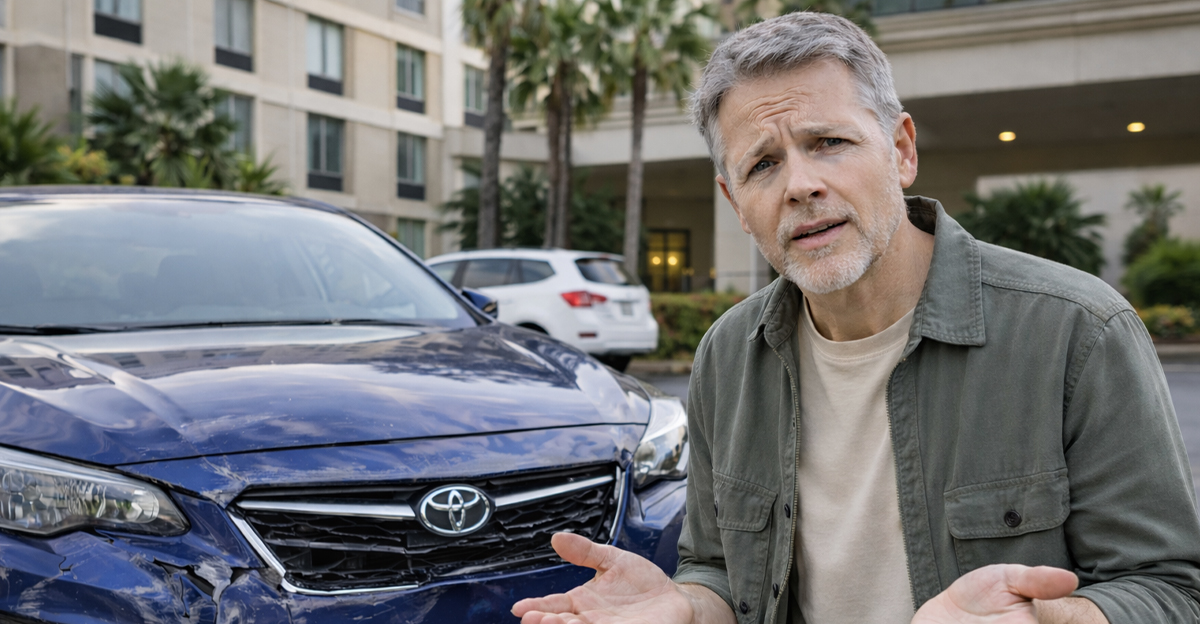
You wake up during your road trip, head out to your car, and immediately notice something’s wrong. There’s a dent, a scrape, maybe even more serious damage, and no note left behind. It’s frustrating enough dealing with a hit-and-run, but then your insurance company starts asking questions about where you parked. Suddenly, it sounds like coverage might depend on that detail alone. The good news is you’re not necessarily out of options, even if the situation feels stacked against you.
Hit-And-Runs Are Usually Covered, But Not Always
In many cases, damage from a hit-and-run falls under collision or uninsured motorist coverage. That means your policy may cover repairs even if the driver isn’t found. However, the exact coverage depends on your policy details, and insurers sometimes look for reasons to limit or deny claims.
Where You Parked Can Affect Your Claim
Insurance companies may look at where and how your car was parked when the damage occurred. For example, parking in a clearly restricted, unsafe, or illegal area could complicate things. They might argue that the risk was avoidable, even if you didn’t expect anything to happen.
“Improper Parking” Doesn’t Automatically Mean Denial
Even if your parking situation wasn’t ideal, that doesn’t mean your claim is automatically denied. Insurance companies still need to justify why that factor affects coverage. Simply being parked in a less-than-perfect spot doesn’t cancel your policy.

Check What Your Policy Actually Covers
Your policy is the most important document in this situation. Look for sections on collision coverage, uninsured motorist coverage, and exclusions related to negligence or illegal activity. The exact wording can make a big difference in how your claim is handled.

Collision Coverage Is Often The Key
If you have collision coverage, it usually applies regardless of fault, including hit-and-run situations. That means your insurer may still cover the damage even if the other driver is unknown. You may still have to pay a deductible, but coverage is often available.

Uninsured Motorist Coverage May Apply
Some policies include uninsured motorist property damage coverage, which can apply in hit-and-run cases. This type of coverage sometimes requires proof that another vehicle caused the damage, so documentation becomes important.

File A Police Report As Soon As Possible
Reporting the incident to local police is a critical step. Many insurance companies require a police report for hit-and-run claims. It also helps establish that the damage wasn’t caused by you and supports your version of events.

Take Photos And Document Everything
Take clear photos of the damage, the surrounding area, and where the car was parked. If there are nearby businesses or cameras, note that as well. The more evidence you have, the easier it is to support your claim.

Look For Witnesses Or Cameras
If the damage happened overnight, it’s still worth checking for nearby surveillance cameras or asking around. Hotels, gas stations, and parking lots often have cameras that may have captured something useful.

Be Careful How You Describe The Situation
When speaking to your insurer, stick to the facts. Avoid guessing or speculating about what happened. Clear, straightforward information helps your claim, while inconsistent details can raise unnecessary questions.
Ask Your Insurer To Explain Their Position
If your insurance company suggests they may deny the claim, ask them to explain why. Request the specific policy language they’re relying on. This forces them to clearly justify their decision instead of giving a vague answer.

You Can Challenge A Denial
If your claim is denied, you have the right to challenge it. Most insurance companies have an internal appeals process. Providing additional documentation or clarification can sometimes lead to a different outcome.

State Or Provincial Rules May Help You
Insurance regulations vary depending on where you live, but many regions have consumer protections in place. If you feel your claim is being handled unfairly, you can file a complaint with your local insurance regulator.

Your Deductible Still Applies
Even if your claim is approved, you’ll likely need to pay your deductible before coverage kicks in. It’s something to factor into your decision, especially if the damage is relatively minor.

Rental Coverage Might Be Available
If your car is not drivable, check whether your policy includes rental car coverage. This can help you stay mobile during your trip while repairs are being handled.
Credit Card Or Travel Insurance Could Help
If you booked parts of your trip with a credit card or have travel insurance, there may be additional protections available. It’s worth checking to see if any secondary coverage applies.

Road Trips Add Complications, But Not Barriers
Being away from home can make everything feel more complicated, but your insurance coverage typically follows you. The location of the incident doesn’t usually change your core coverage, though local rules and conditions may still play a role.
This Situation Is More Common Than You Think
Hit-and-runs in parking lots, hotels, and roadside stops happen all the time. Insurance companies deal with these claims regularly, even if they sometimes push back at first.
Final Thoughts: You Still Have Ways To Push Back
If someone hit your car overnight and your insurance is questioning coverage, don’t assume you’re out of luck. Where you parked might be part of the conversation, but it’s rarely the only factor. By documenting the situation, understanding your policy, and asking the right questions, you can put yourself in a much stronger position to get your claim approved or challenge a denial if needed.
You May Also Like:
My HOA says my car is “too old” to park in the driveway. Can they enforce that?