The Future Was Already On The Dashboard
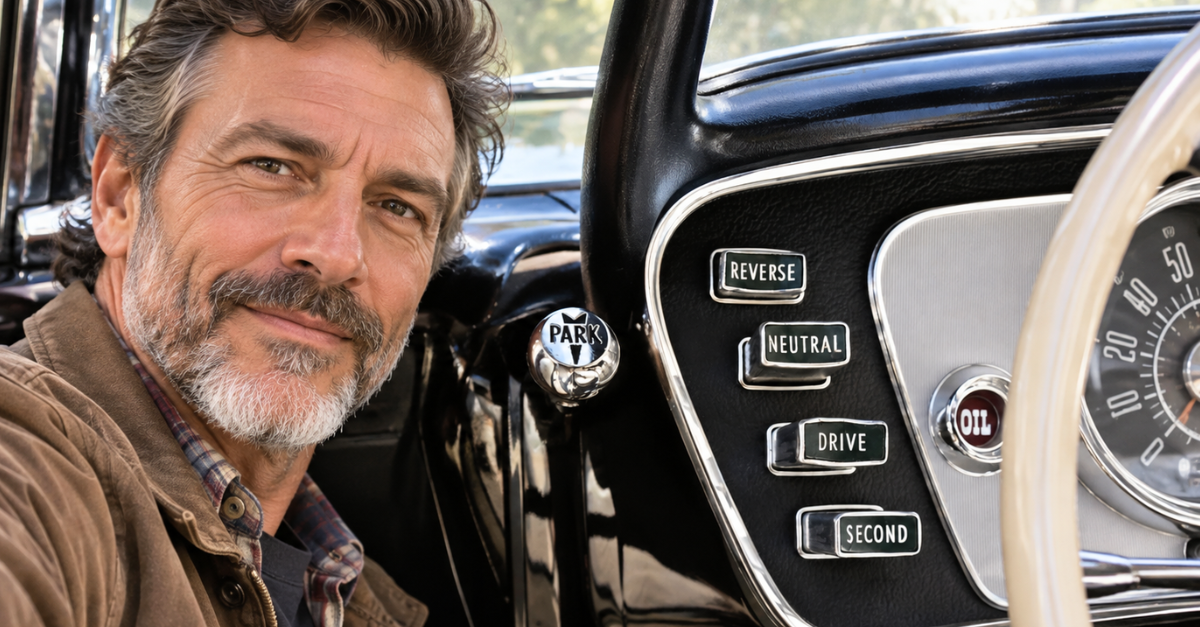
Think push-button gear selectors are a modern invention? American automakers were experimenting with them more than a century ago, and by the 1950s, drivers could buy cars that changed driving ranges with the press of a button instead of a traditional gear lever.
The Idea Goes Back Further Than You Think
Push-button shifting didn't begin with Chrysler in the 1950s. In 1914, the Vulcan Electric Shift system appeared on cars from manufacturers including Haynes and Pullman. It used electrical solenoids to operate a conventional manual transmission, with the driver selecting gears through buttons mounted near the steering column. The system was short-lived, but it demonstrated that automakers were already looking for alternatives to the familiar gear lever.
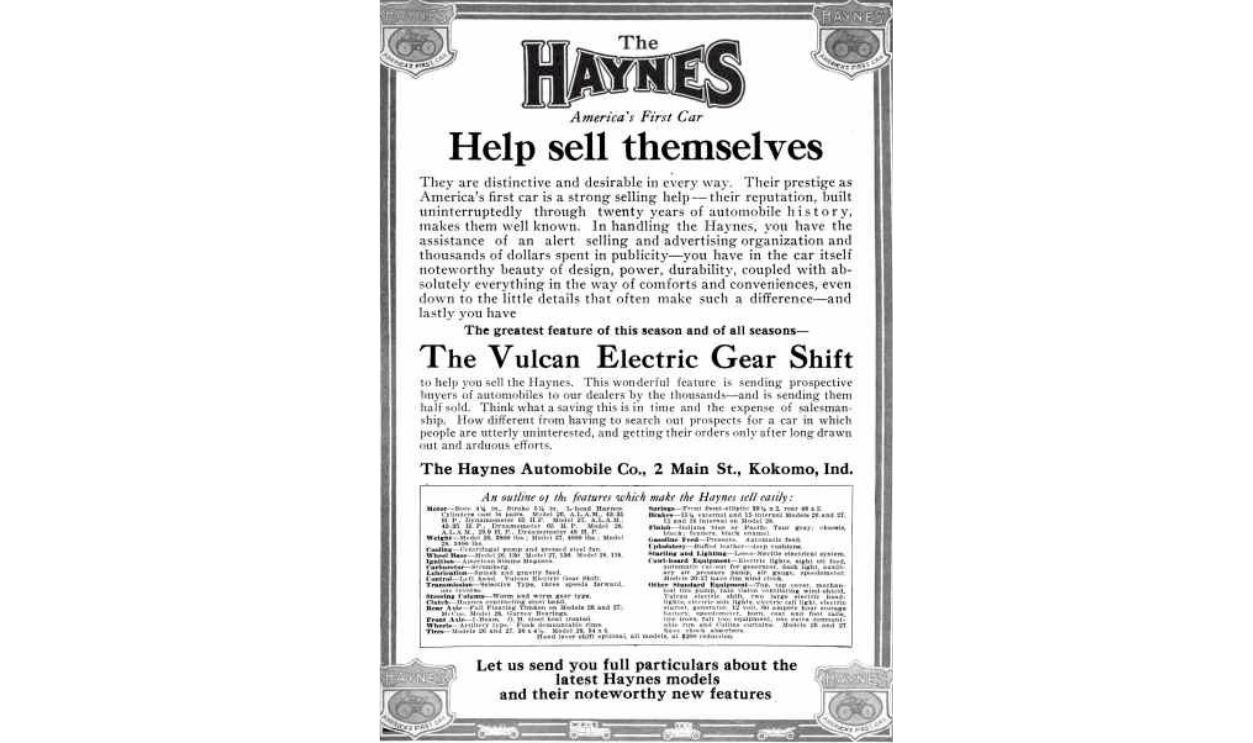 Unknown author, Wikimedia Commons
Automatic Transmissions Made Buttons More Practical
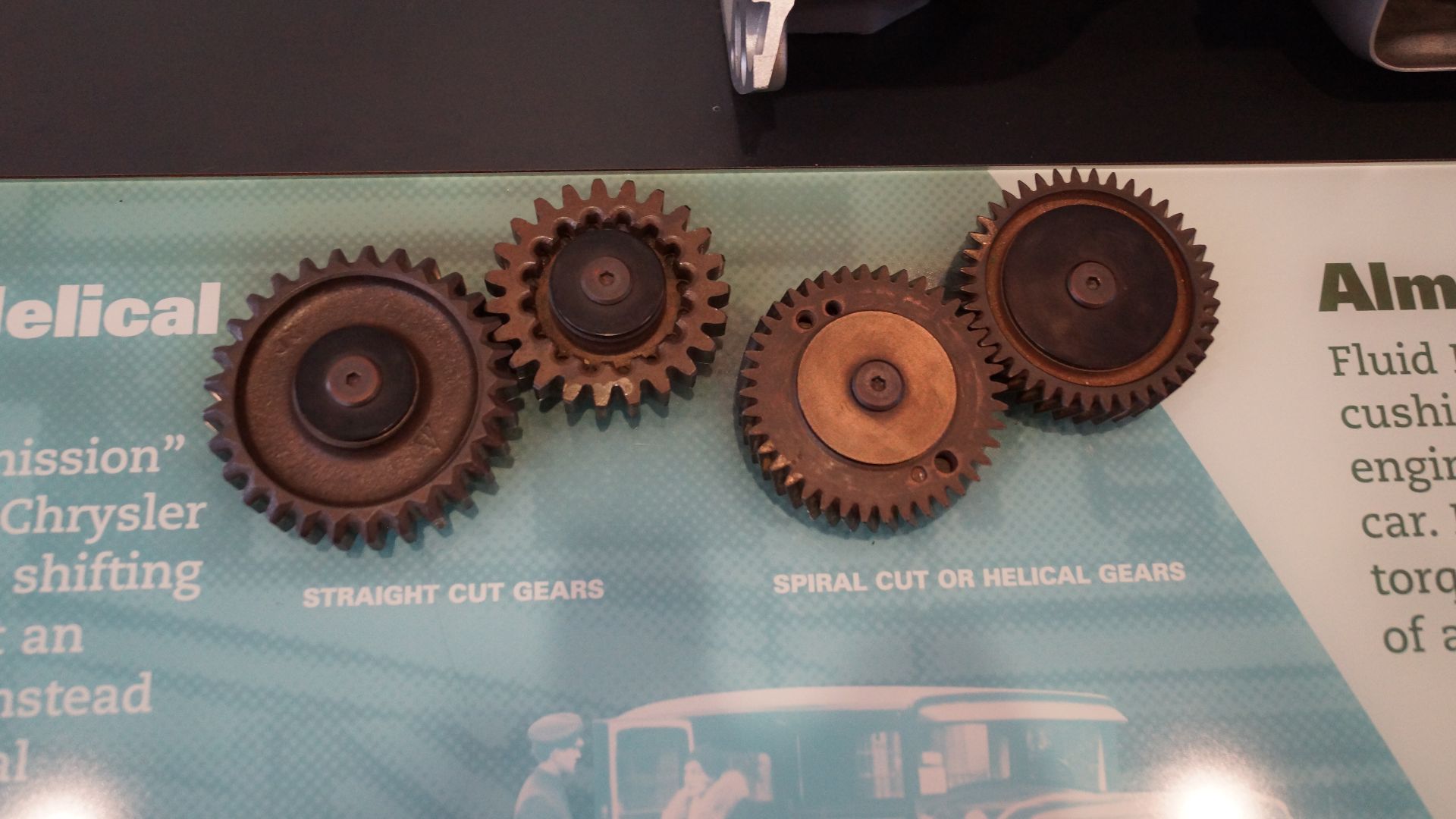
Early push-button systems faced a fundamental challenge because changing gears in a manual transmission required mechanical movements. Fully automatic transmissions eventually made it possible to separate the driver's choice of driving range from the transmission's internal gear changes. Chrysler introduced its two-speed PowerFlite automatic for the 1954 model year, initially operating it with a conventional selector. That transmission would become central to the company's push-button experiment.
 Greg Gjerdingen from Willmar, USA, Wikimedia Commons
Chrysler Started With A Dashboard Lever
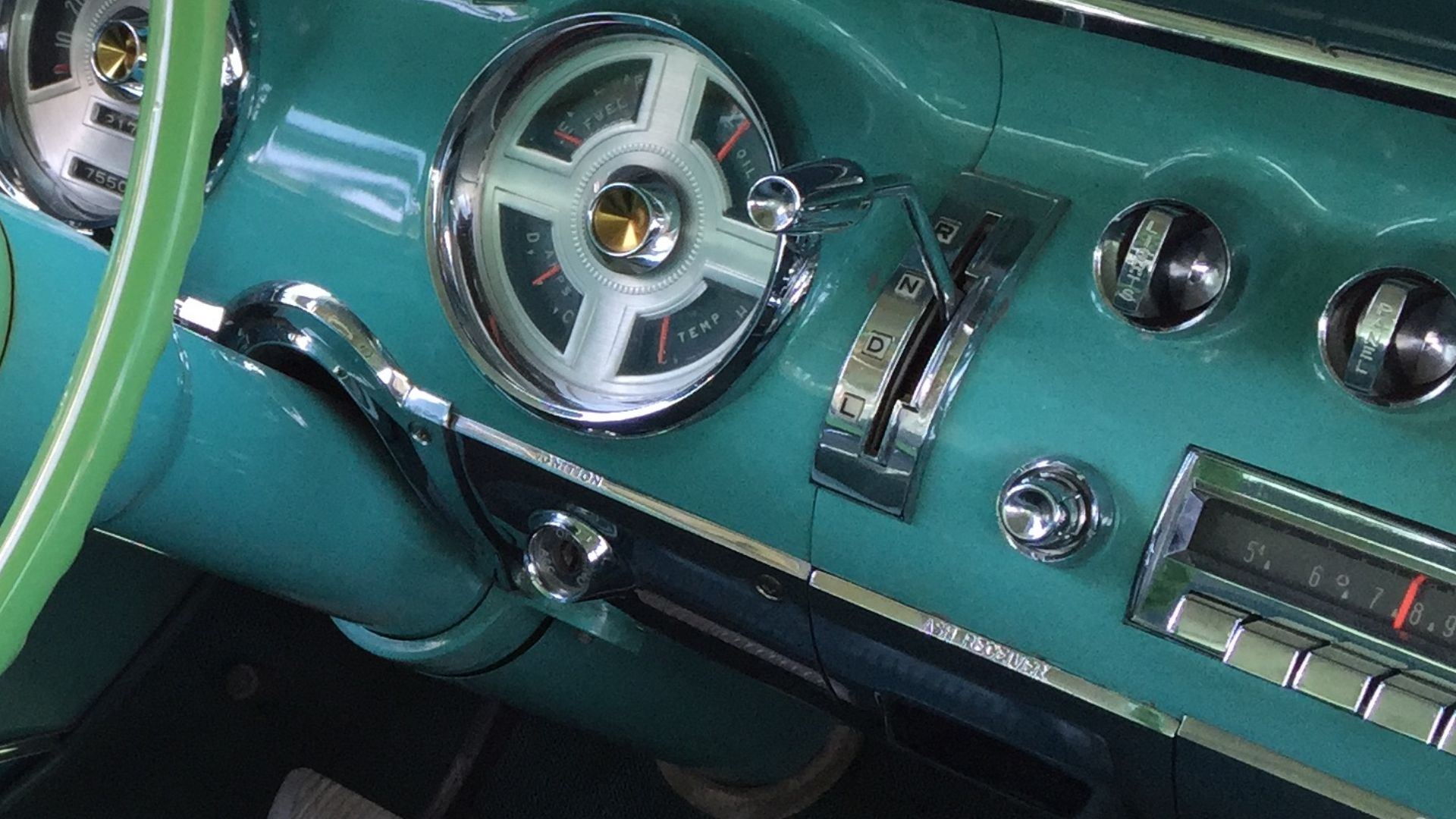
Before Chrysler adopted buttons, it experimented with another unusual selector location. The 1955 PowerFlite transmission used a small lever mounted on the instrument panel rather than the steering column. This arrangement was a brief transitional step between traditional shifting and the push-button controls that followed. For 1956, Chrysler introduced the system that would become one of its most recognizable interior features.
The 1956 Chrysler Made Buttons A Big Deal
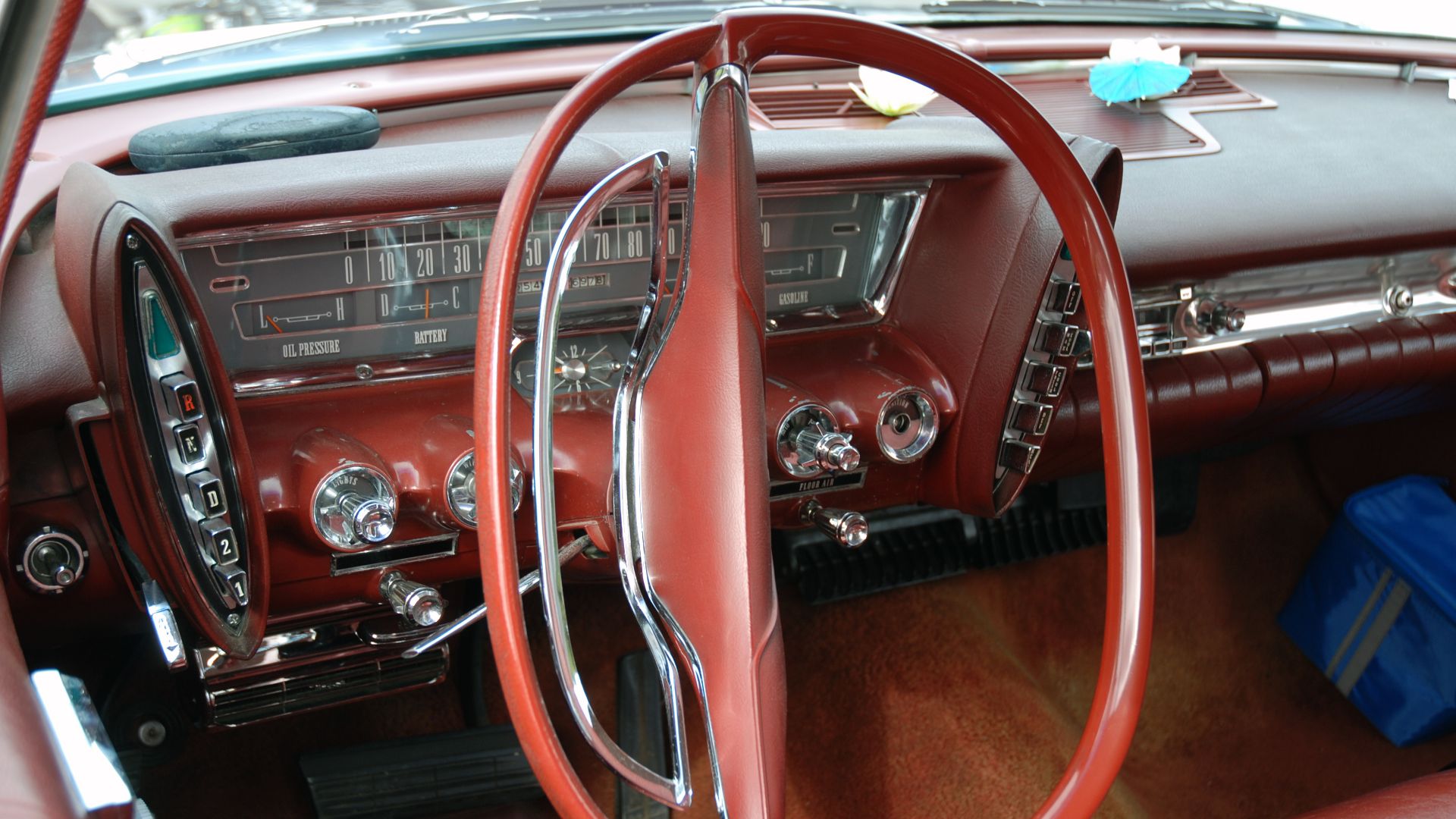
Chrysler introduced its push-button automatic transmission controls for the 1956 model year. The company's official historical timeline identifies the feature as a significant innovation and refers to the system as Magic Touch. Drivers could select a driving range by pressing a dashboard button instead of moving a conventional selector lever. The feature gave Chrysler showrooms something that looked genuinely futuristic.
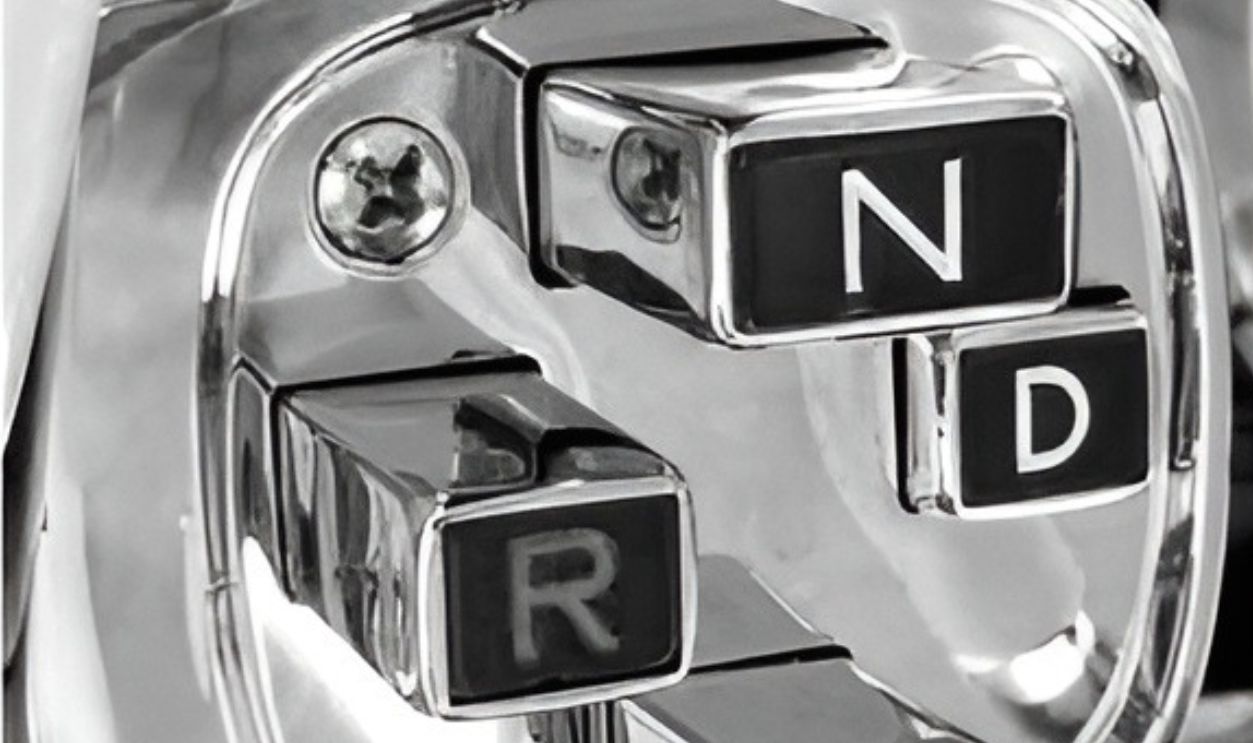 Historianbuff, Wikimedia Commons
Plymouth Brought The Idea To Everyday Buyers
Push-button shifting wasn't restricted to expensive luxury cars. Plymouth offered the feature with its PowerFlite automatic transmission for 1956, promoting it as an innovation in the lower-priced automobile market. Contemporary advertising emphasized how little effort was needed to select a driving range. The system helped make an unusual technology available to buyers shopping for ordinary family transportation.
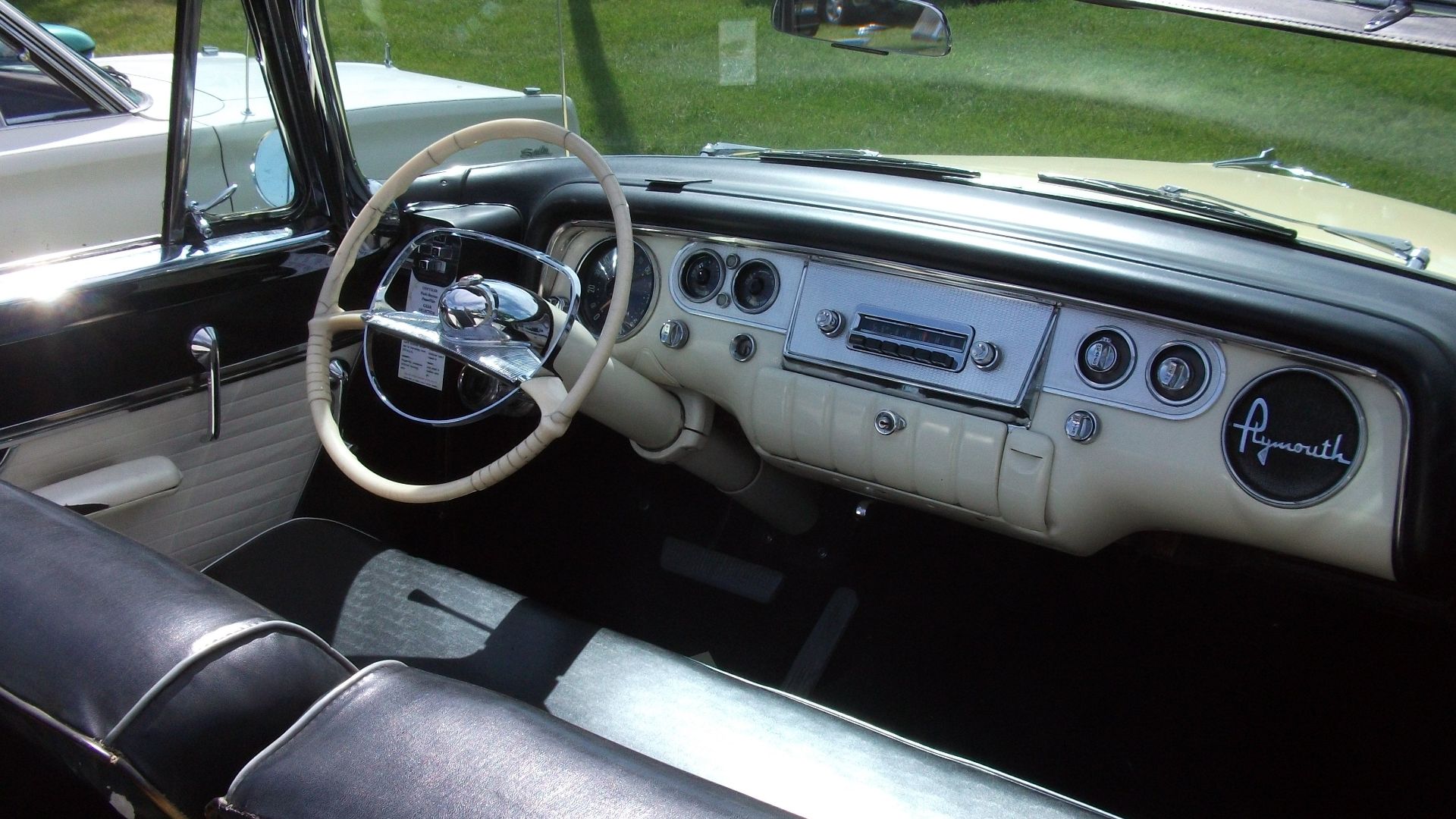 dave_7 from Lethbridge, Canada, Wikimedia Commons
Dodge Called It Magic Touch
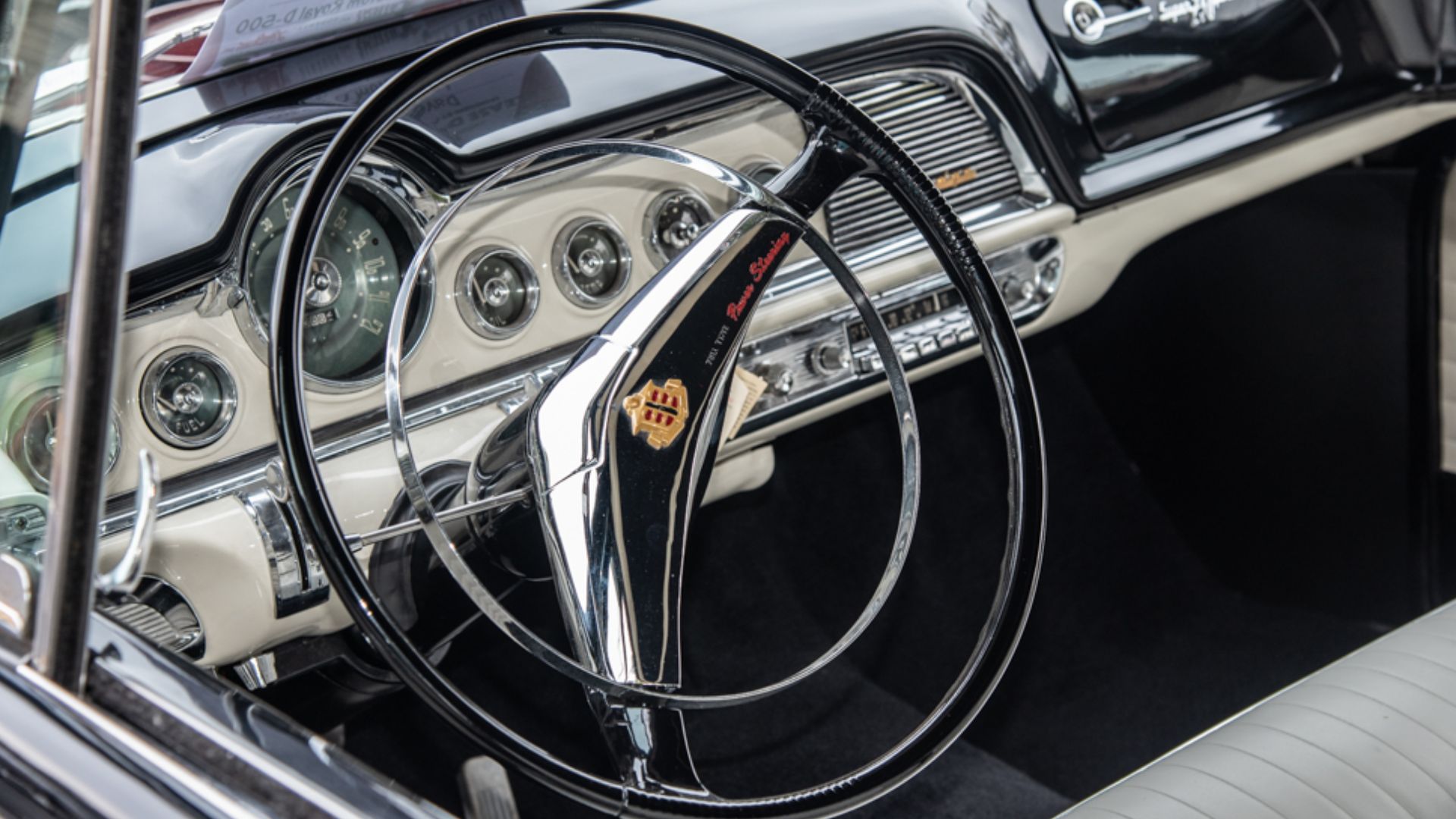
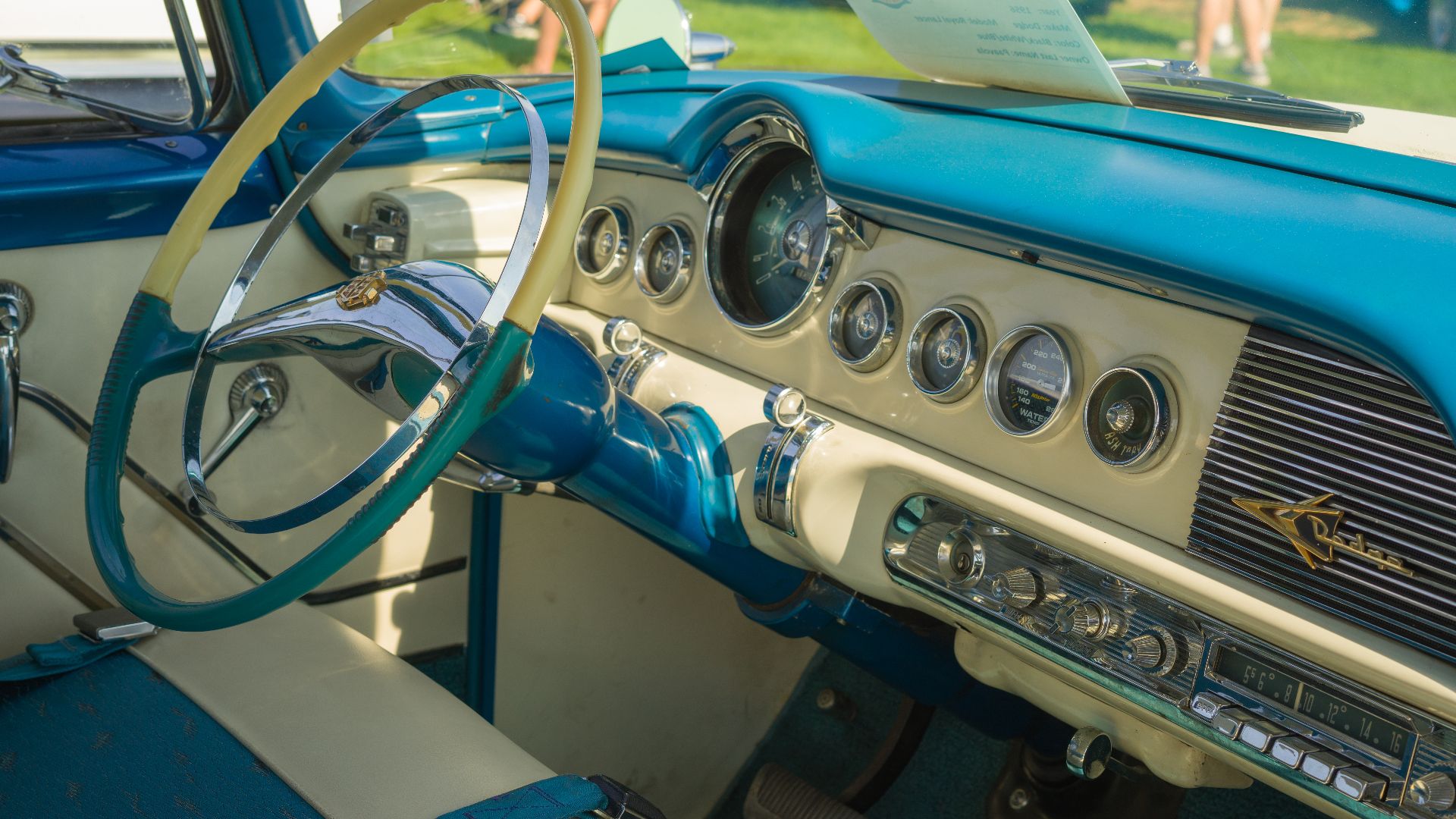
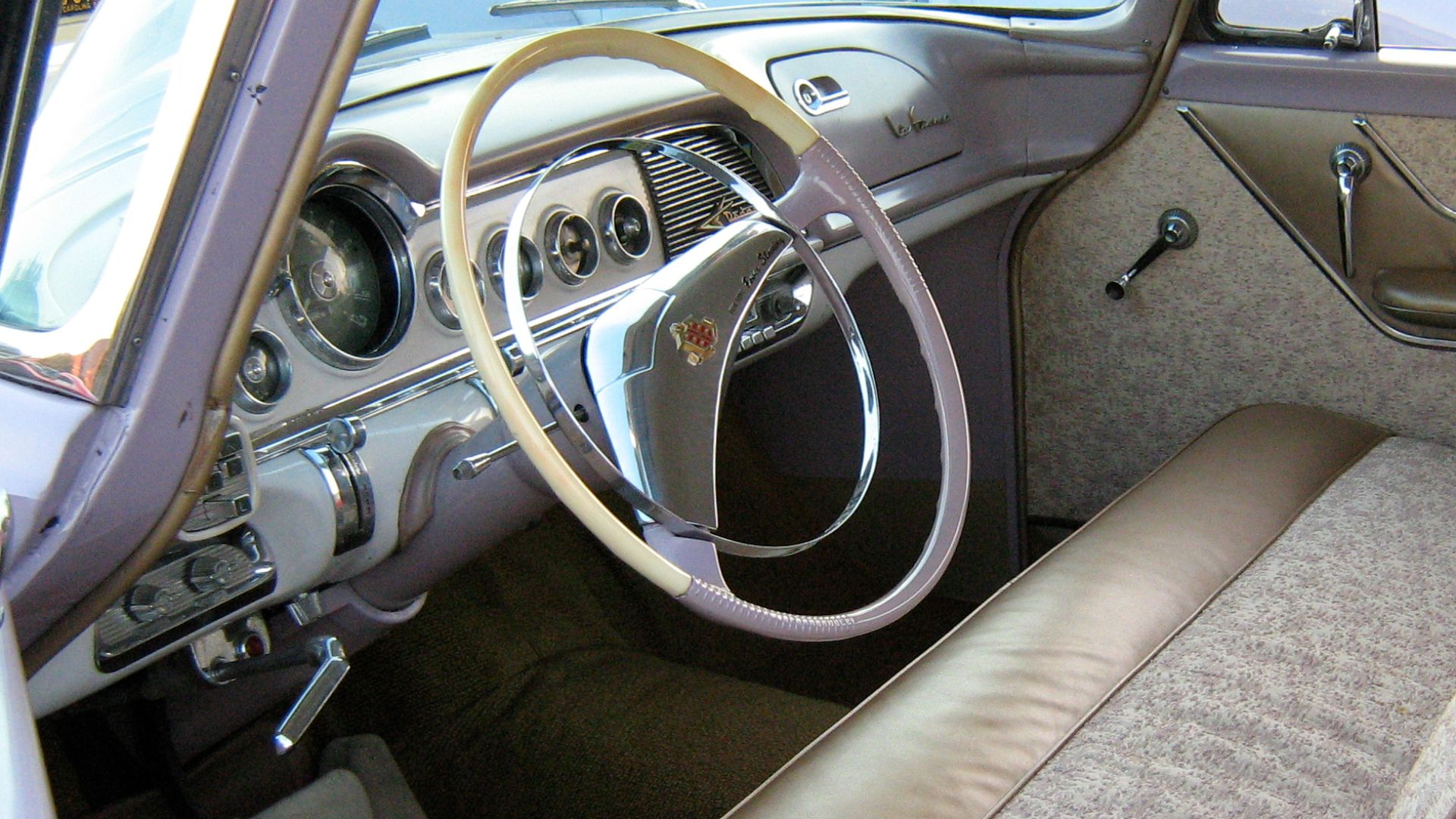
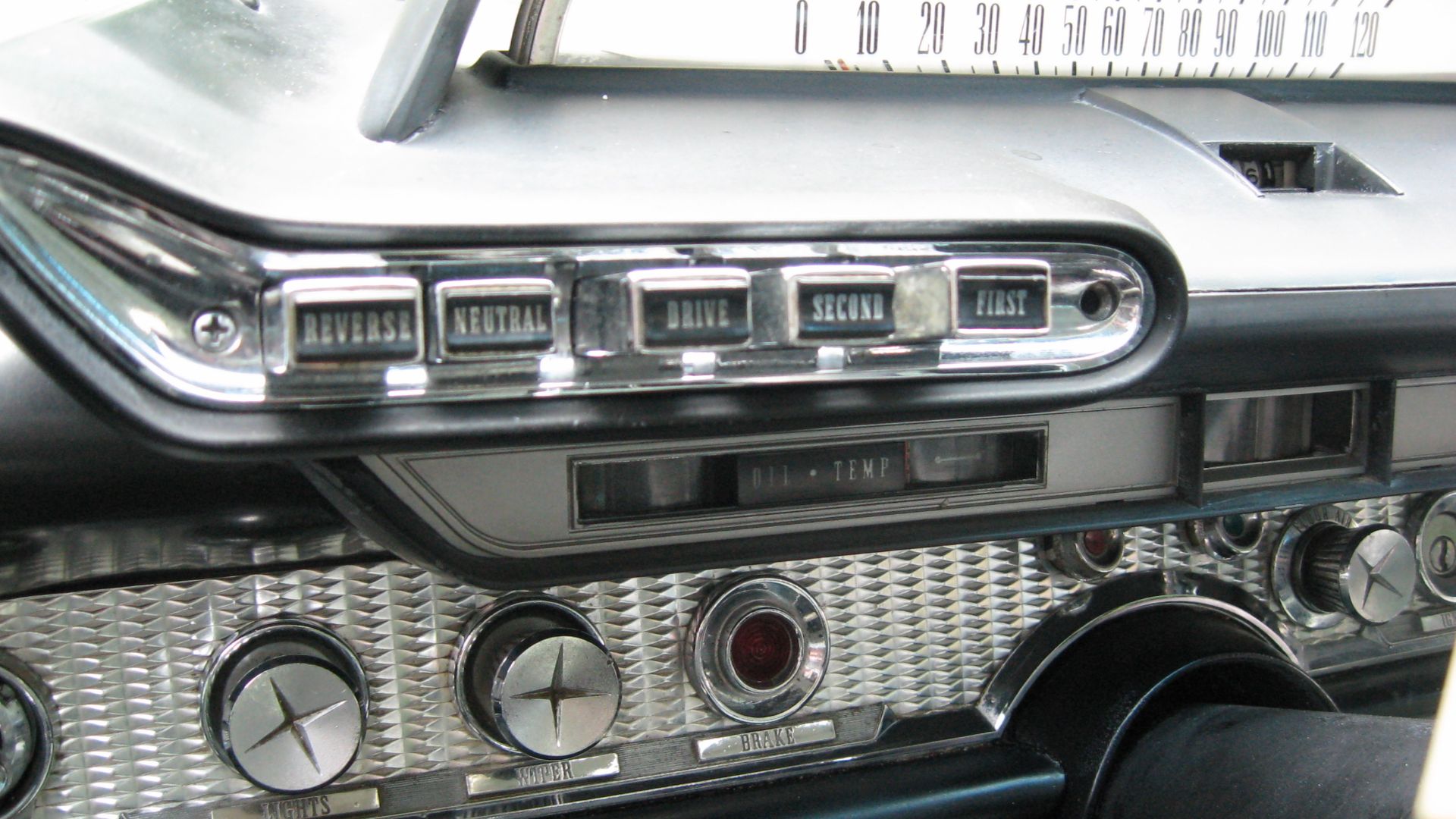
Dodge promoted its 1956 push-button controls under the Magic Touch name. A surviving Dodge News Bureau release from October 1955 described buttons positioned to the left of the steering wheel. The company compared their operation to selecting a station on a push-button radio. Dodge wanted customers to see the system as a convenient, easy-to-use alternative to a conventional shift lever.
The Buttons Were Positioned For The Driver
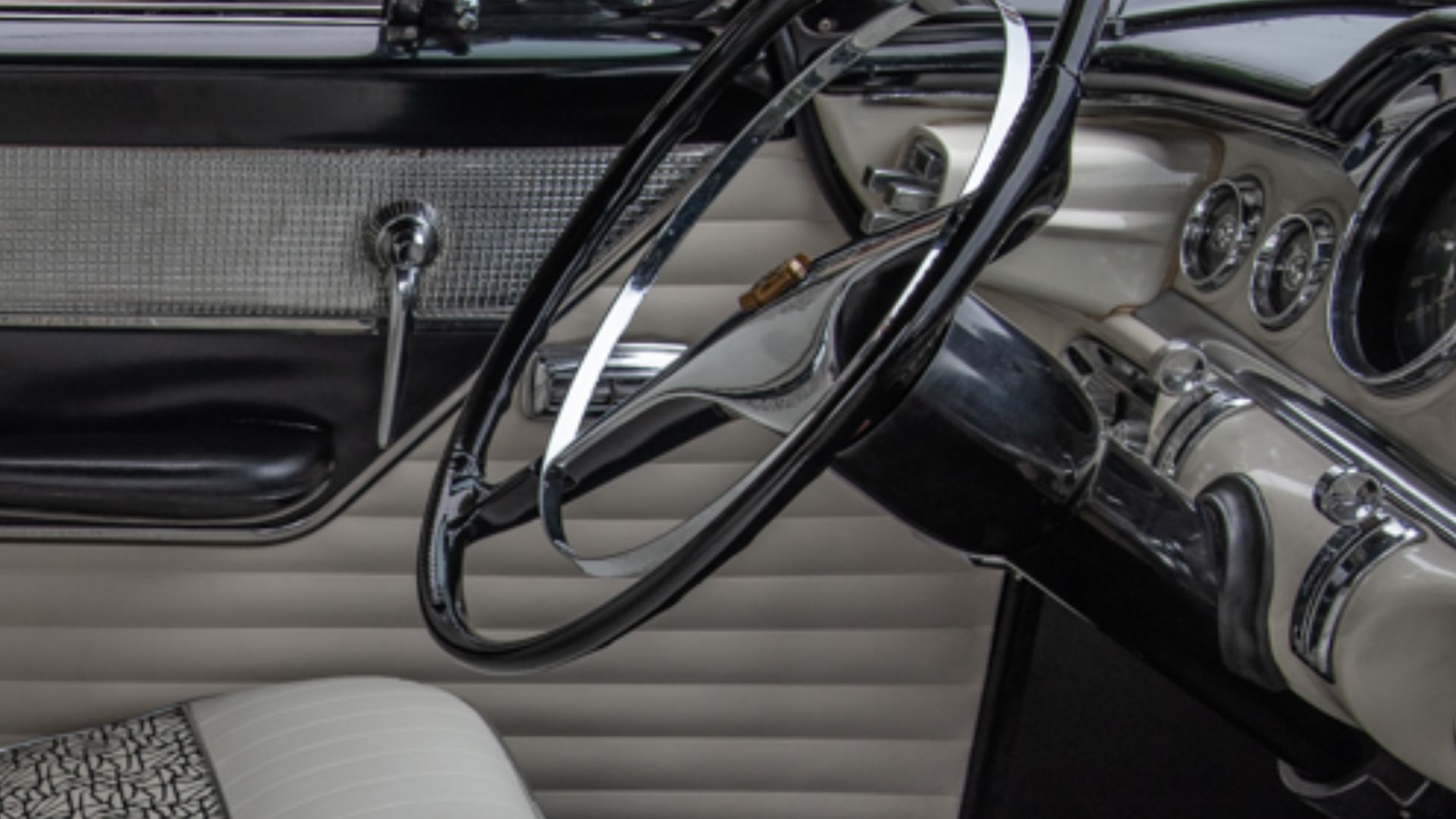
The location of the controls was an important part of Dodge's sales pitch. Its 1955 publicity material explained that the buttons could be reached without extending the driver's arm forward. Their position to the left of the steering wheel also made them less accessible to passengers. Dodge specifically presented this arrangement as a safety advantage when children were riding in the car.
The Controls Even Lit Up At Night
Dodge's original push-button system included illumination for nighttime driving. The 1955 press release described edge-lighted buttons that drivers could identify after dark. That detail made the controls more practical than an unlit collection of switches. It also reinforced the futuristic appearance that manufacturers wanted their dashboards to convey.
There Were Safety Measures Behind The Buttons
Dodge's 1956 system wasn't designed to accept every command under every driving condition. The company's contemporary technical description stated that the engine could be started only with the transmission in Neutral. It also described a hydraulic interlock intended to prevent Reverse from being selected while traveling forward above approximately 10 mph. Those safeguards show that engineers were already thinking about the consequences of replacing a familiar gear lever with buttons.
The Buttons Weren't Actually Electronic
The appearance of Chrysler's push-button system could be misleading. Although the controls looked like electrical switches, they operated the transmission through a mechanical cable. Pressing a button moved the cable, which selected the appropriate transmission range. This arrangement distinguished Chrysler's design from competing systems that relied on electric motors.
PowerFlite Had Only Two Forward Speeds
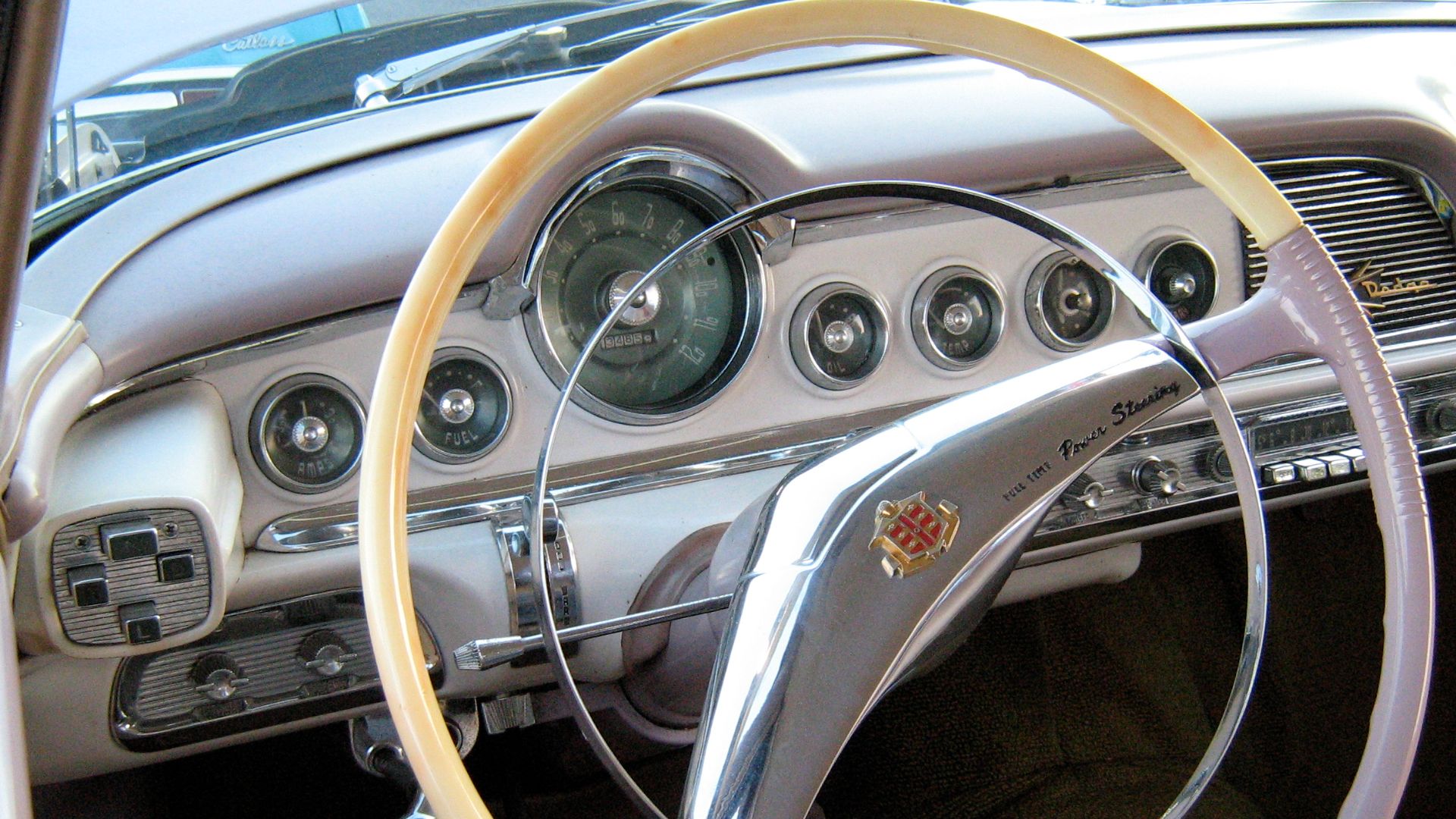
Chrysler's original PowerFlite was a two-speed automatic transmission. It used a torque converter and planetary gearing to provide automatic operation without a clutch pedal. The transmission first appeared in 1954 and remained available in some Chrysler Corporation passenger cars through 1961. Its push-button controls were introduced in 1956, two years after the transmission itself debuted.
TorqueFlite Added Another Gear
Chrysler introduced its three-speed TorqueFlite automatic during the 1956 model year. The transmission offered an additional forward gear compared with PowerFlite, while retaining the convenience of automatic operation. A 1958 technical paper by Chrysler engineers documented TorqueFlite's design, hydraulic controls, and push-button selection system. The combination of three forward speeds and dashboard buttons became an important part of Chrysler's late-1950s identity.
 allen watkin from London, UK, Wikimedia Commons
DeSoto Joined The Push-Button Party
DeSoto was another Chrysler Corporation brand that adopted the unusual controls. Its 1956 models used dashboard-mounted push buttons with the company's automatic transmissions. Like the arrangements found in Dodge and Plymouth vehicles, the buttons replaced the familiar steering-column selector. DeSoto's participation showed that Chrysler was treating the feature as a company-wide design direction rather than a single-model experiment.
Imperial Made It Feel Luxurious
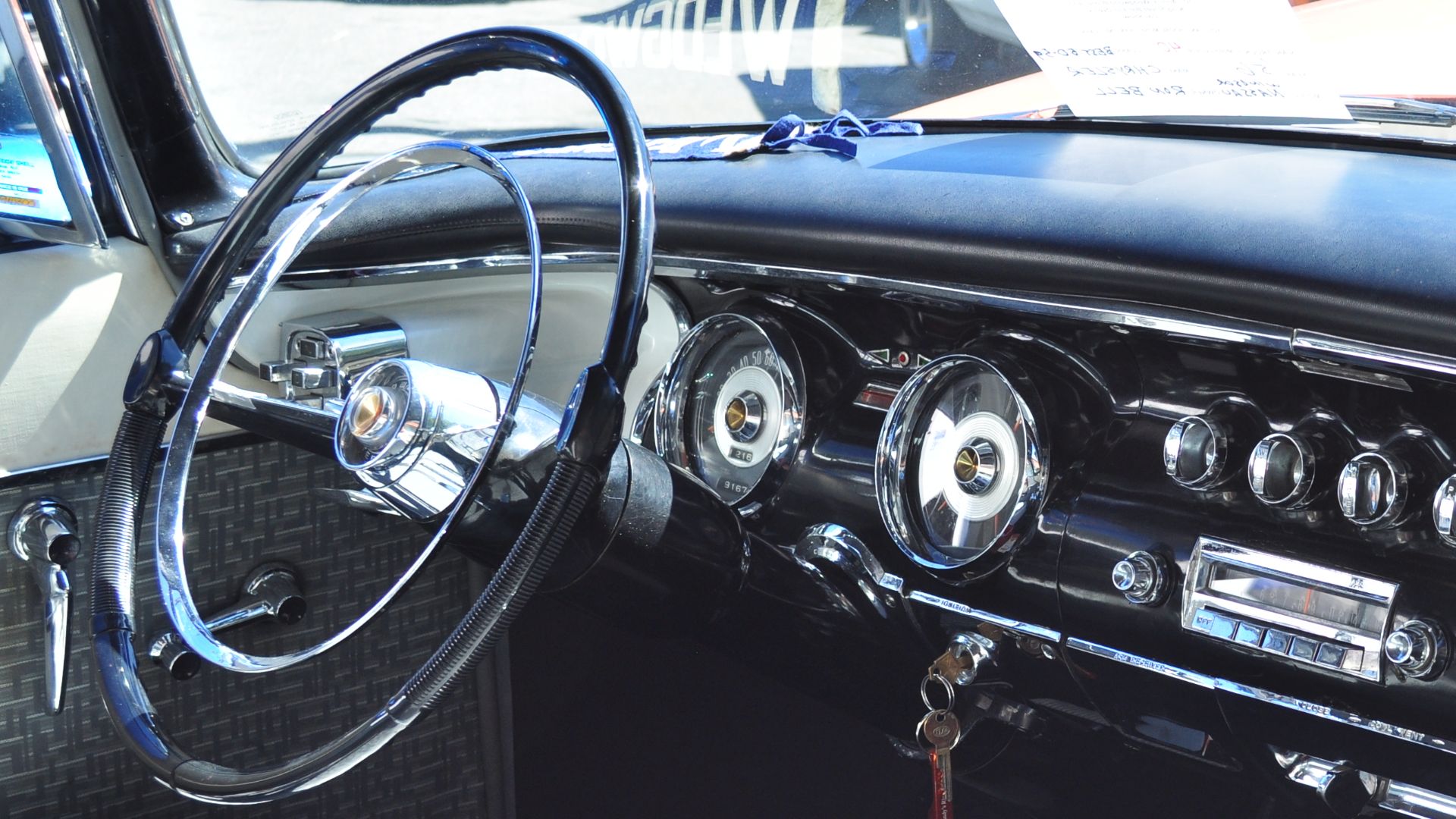
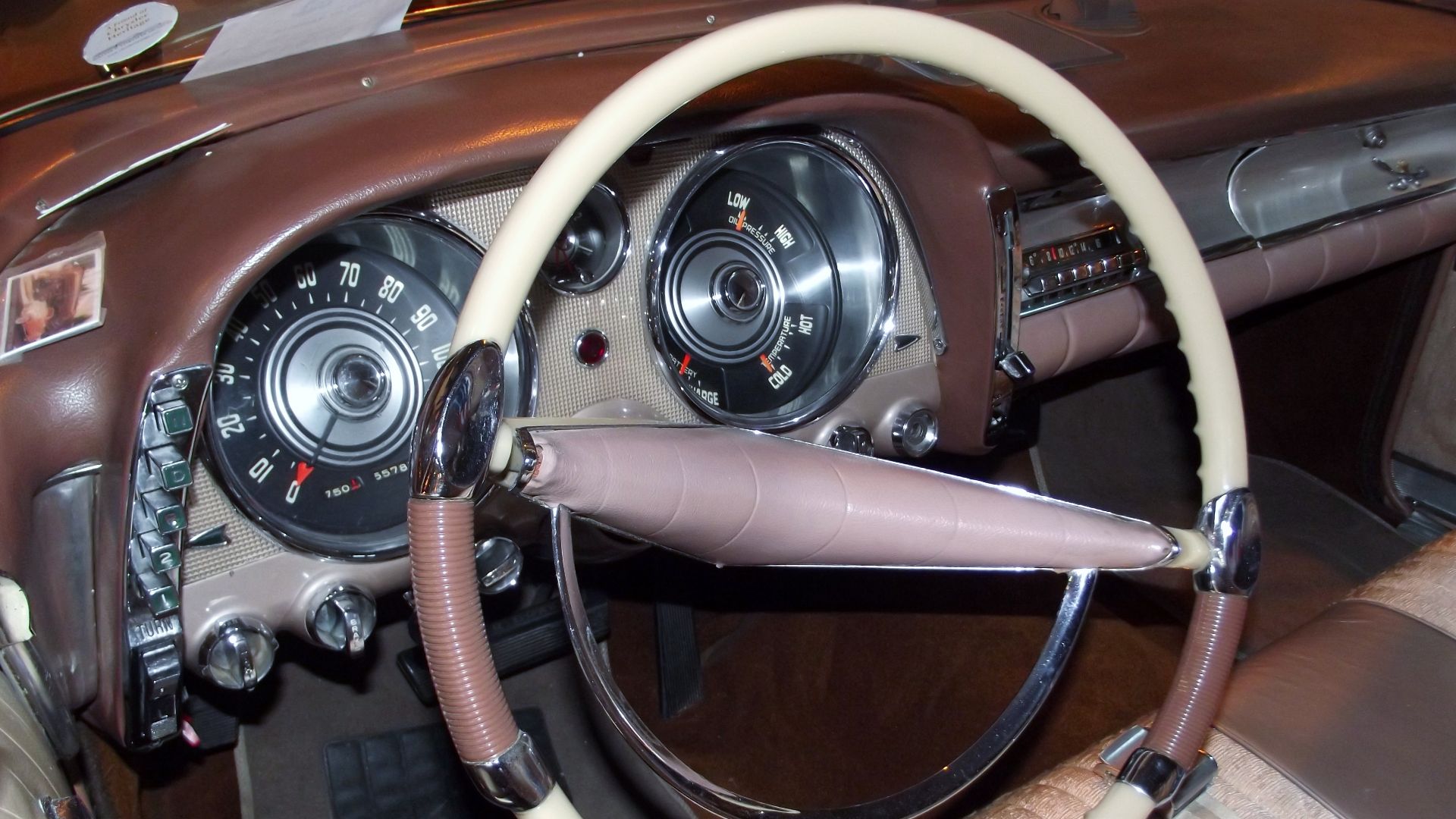
Imperial, Chrysler's luxury marque, also offered push-button transmission controls. In a large, upscale automobile, eliminating the conventional shift lever contributed to the dashboard's distinctive appearance. Imperial used the same basic mechanical selection principle found across Chrysler Corporation's automatic-transmission lineup. The feature helped reinforce the idea that effortless operation belonged in a premium automobile.
 Thomas's Pics, Wikimedia Commons
Early Chrysler Systems Had An Unusual Parking Arrangement
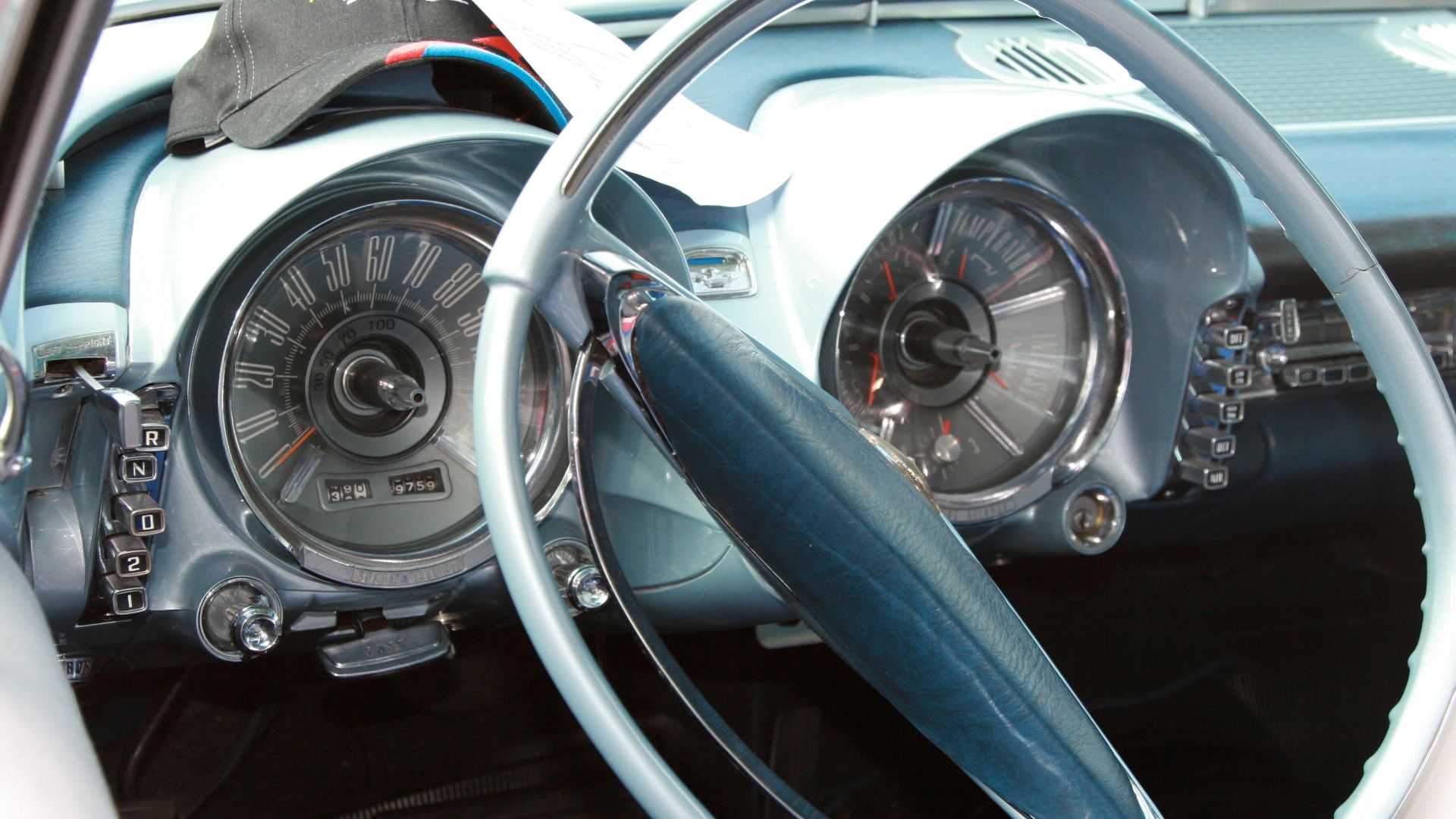
One surprising detail was that the original Chrysler push-button controls didn't include a conventional Park button. Early PowerFlite transmissions used a separate parking-brake arrangement rather than the internal parking pawl familiar to modern automatic-transmission drivers. Chrysler later incorporated an internal parking mechanism and operated it through a separate dashboard lever. Consequently, selecting a driving range and securing the parked vehicle could involve different controls.
 Triple-green, Wikimedia Commons
Packard Had Its Own Push-Button Solution
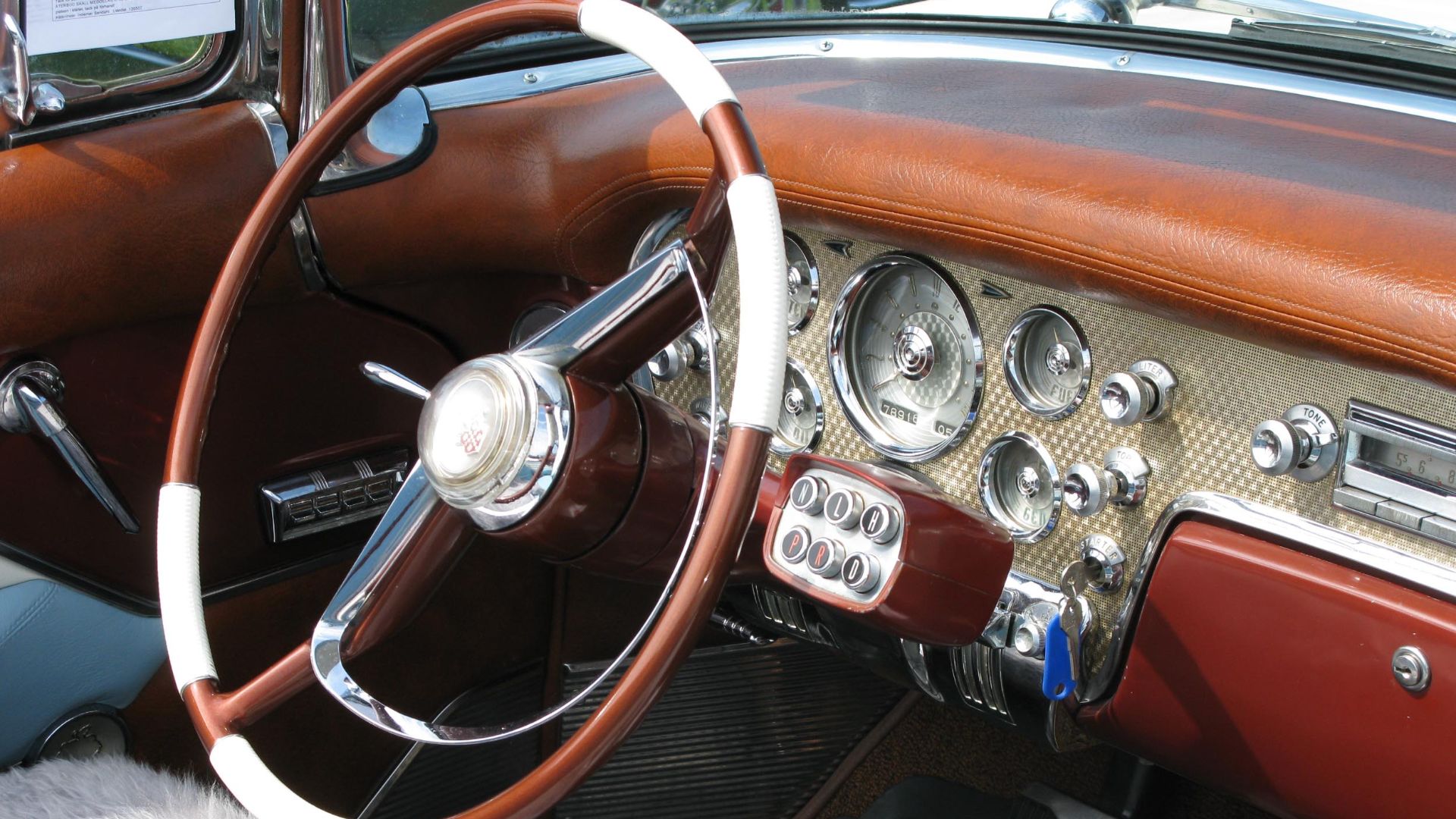
Chrysler wasn't the only manufacturer experimenting with this technology in 1956. Packard introduced Touch Button Ultramatic, an electrically operated gear-selection system. Unlike Chrysler's cable-operated design, Packard's system used an electric motor to move the transmission's selector mechanism. It represented a different engineering approach to achieving the same goal of eliminating a conventional gear lever.
 Herranderssvensson, Wikimedia Commons
Packard Put Six Buttons On A Stalk
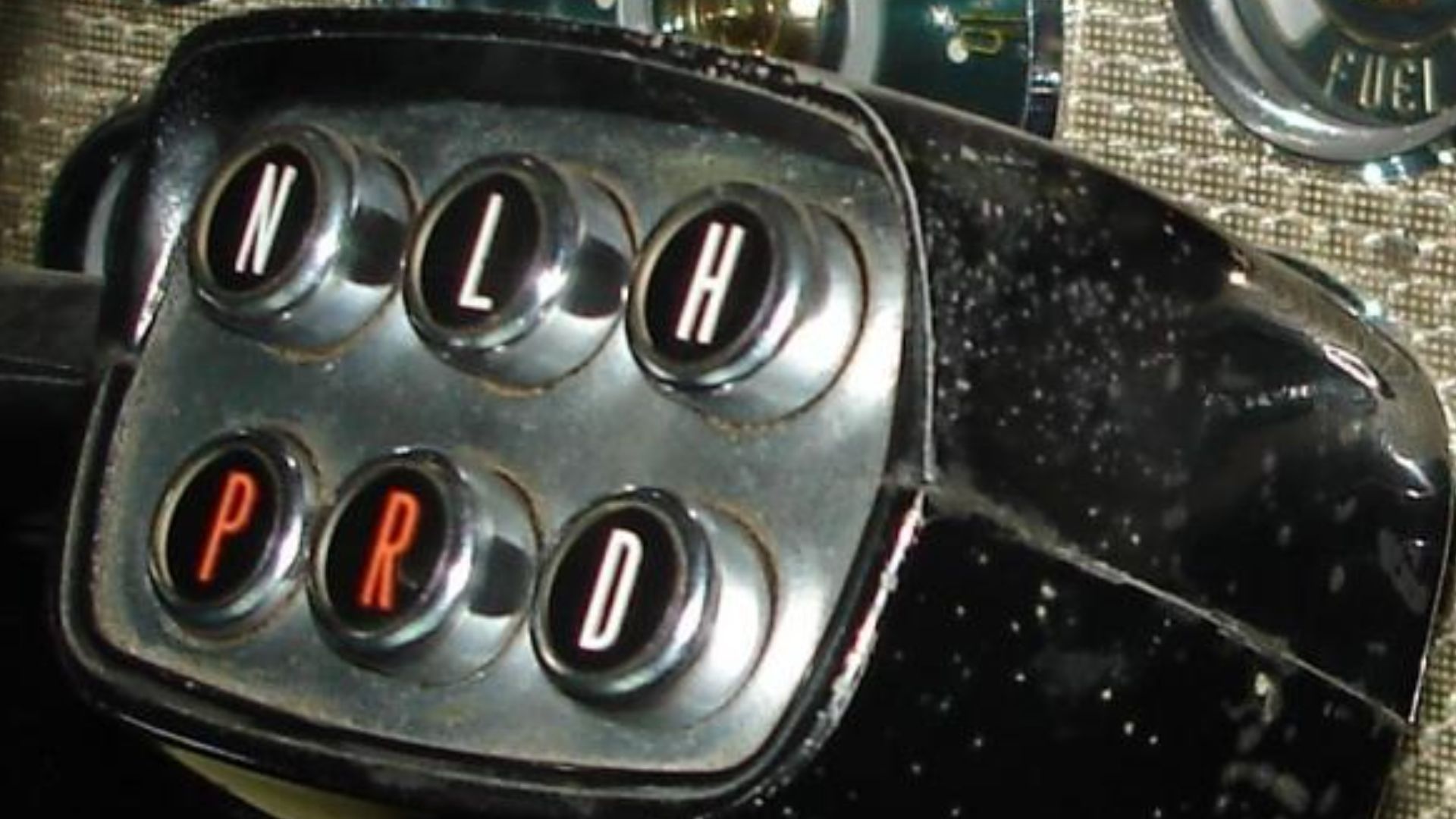
Packard mounted its transmission controls in a rectangular pod attached to the right side of the steering column. The six buttons included Park, Reverse, Neutral, Drive, High, and Low selections. Touch Button Ultramatic was standard on the 1956 Caribbean and available as an option on other Packard models. The unusual arrangement gave the driver a compact control panel where a traditional shift lever might otherwise have been.
 Chief tin cloud, Wikimedia Commons
Packard's Electric Motor Could Cause Trouble
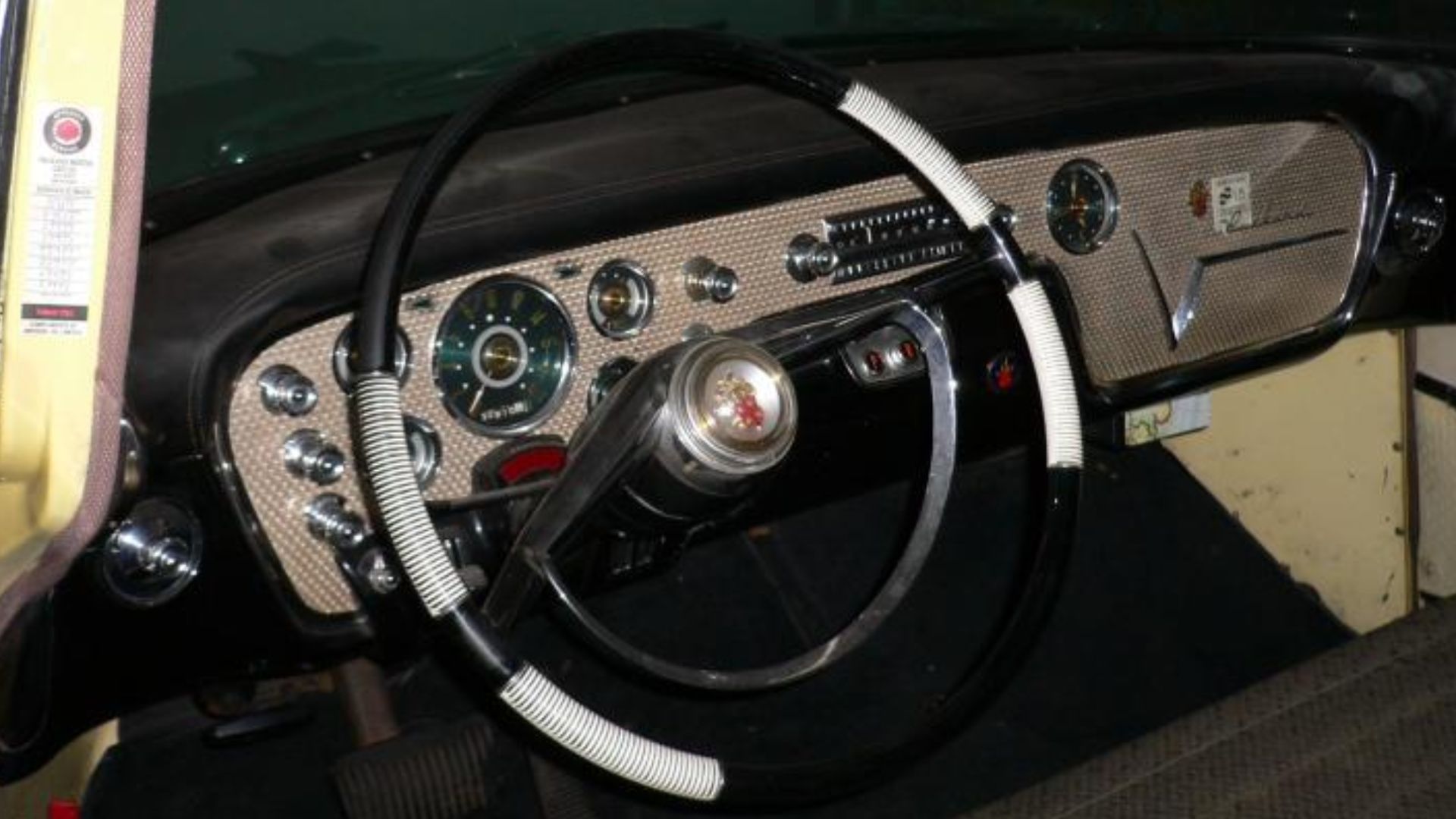
Packard's sophisticated selector introduced reliability problems that Chrysler's mechanical cable avoided. The electrically operated system could struggle to move the transmission out of Park when the vehicle was positioned on a steep incline. Electrical contacts, wiring, and circuit breakers could also cause difficulties. The system's reputation suffered because its complicated mechanism created problems that a conventional selector didn't have.
 Chief tin cloud, Wikimedia Commons
Packard Didn't Get Much Time To Improve It
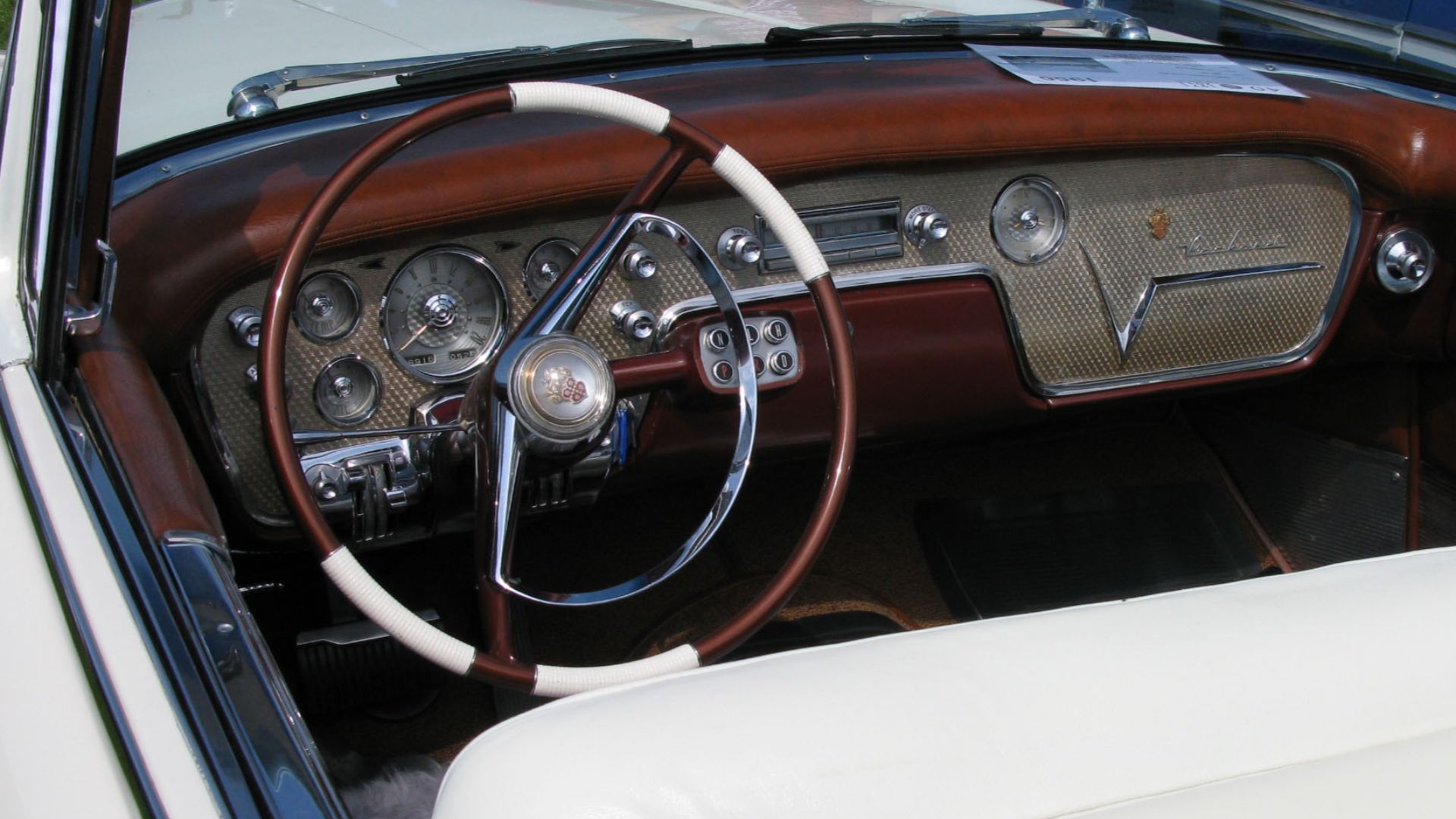
The electrically operated Touch Button Ultramatic appeared during a difficult period for Packard. Detroit production of Packard automobiles ended after the 1956 model year, and the company's subsequent vehicles were built in South Bend, Indiana. The electric selector wasn't carried into that later lineup. As a result, one of the industry's more ambitious early electronic shifting systems had an exceptionally short production life.
 Herranderssvensson, Wikimedia Commons
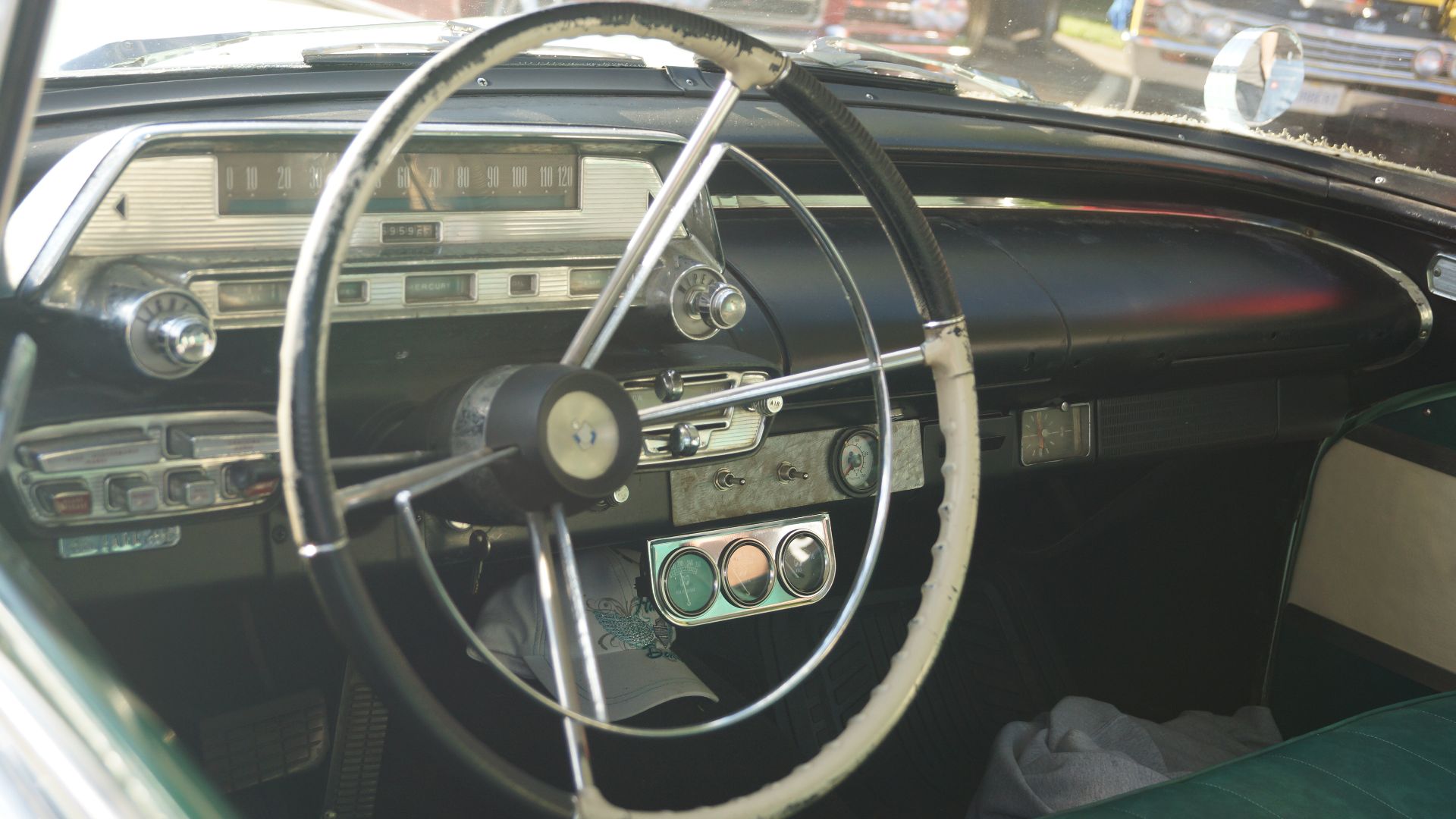
Lincoln And Mercury Tried Buttons Too
Ford Motor Company also entered the push-button transmission market during the late 1950s. Lincoln and Mercury offered dashboard-mounted push-button selectors using mechanical connections rather than Packard-style electric motors. The controls provided another alternative to the steering-column shift lever. For a brief period, push-button automatic transmissions were available from several competing American manufacturers.
 Greg Gjerdingen from Willmar, USA, Wikimedia Commons
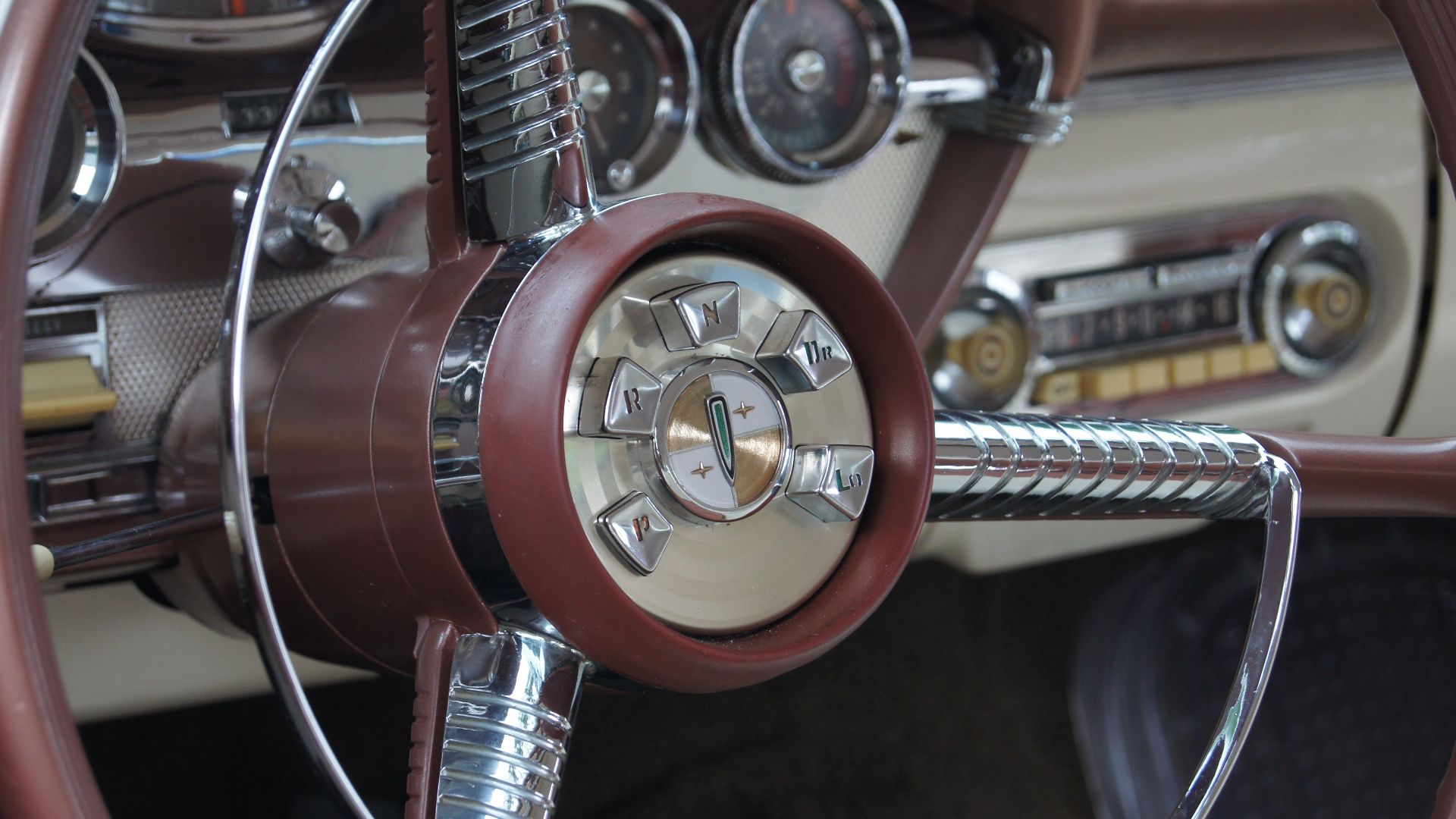
Edsel Put The Buttons In The Steering Wheel
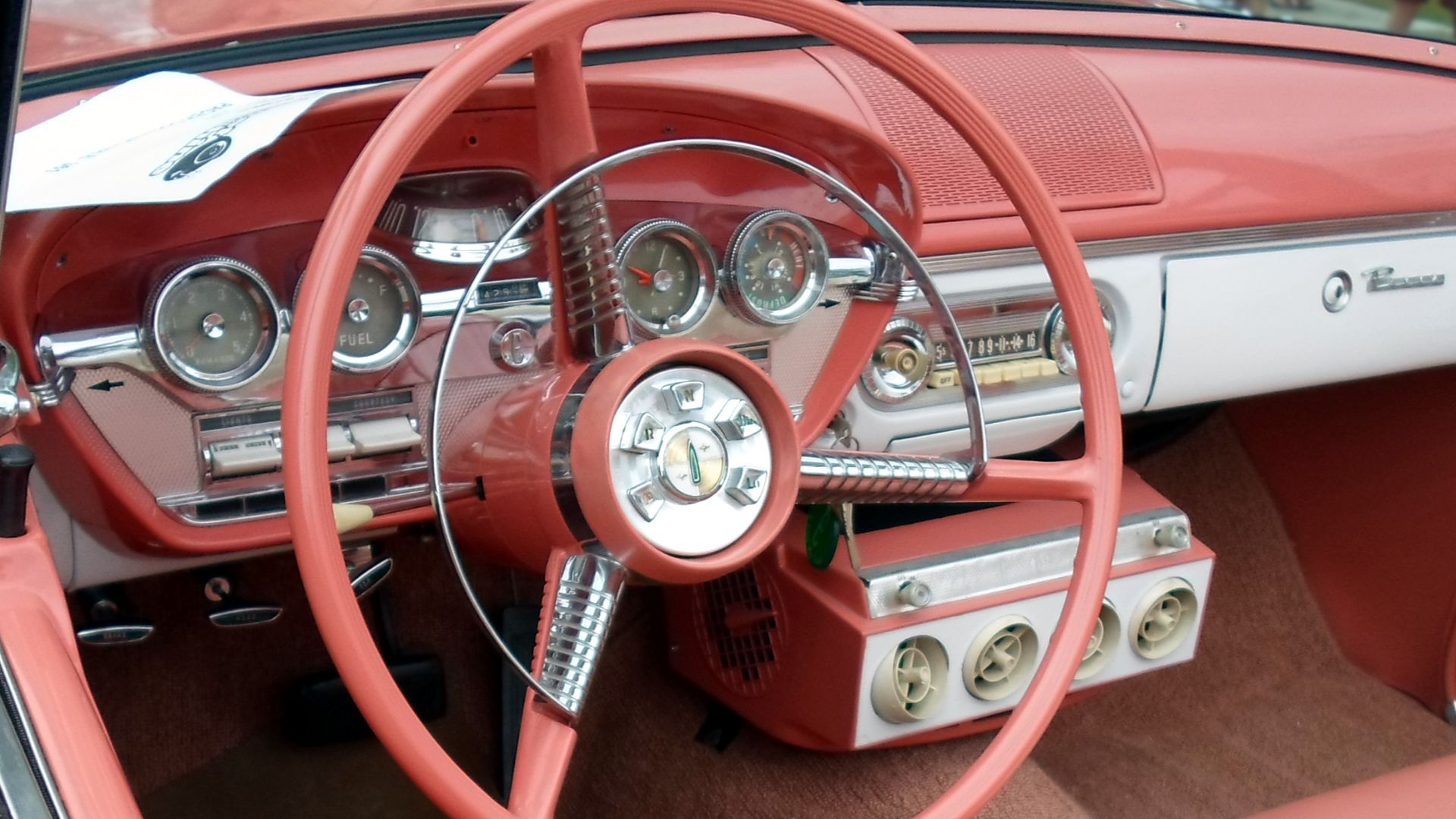
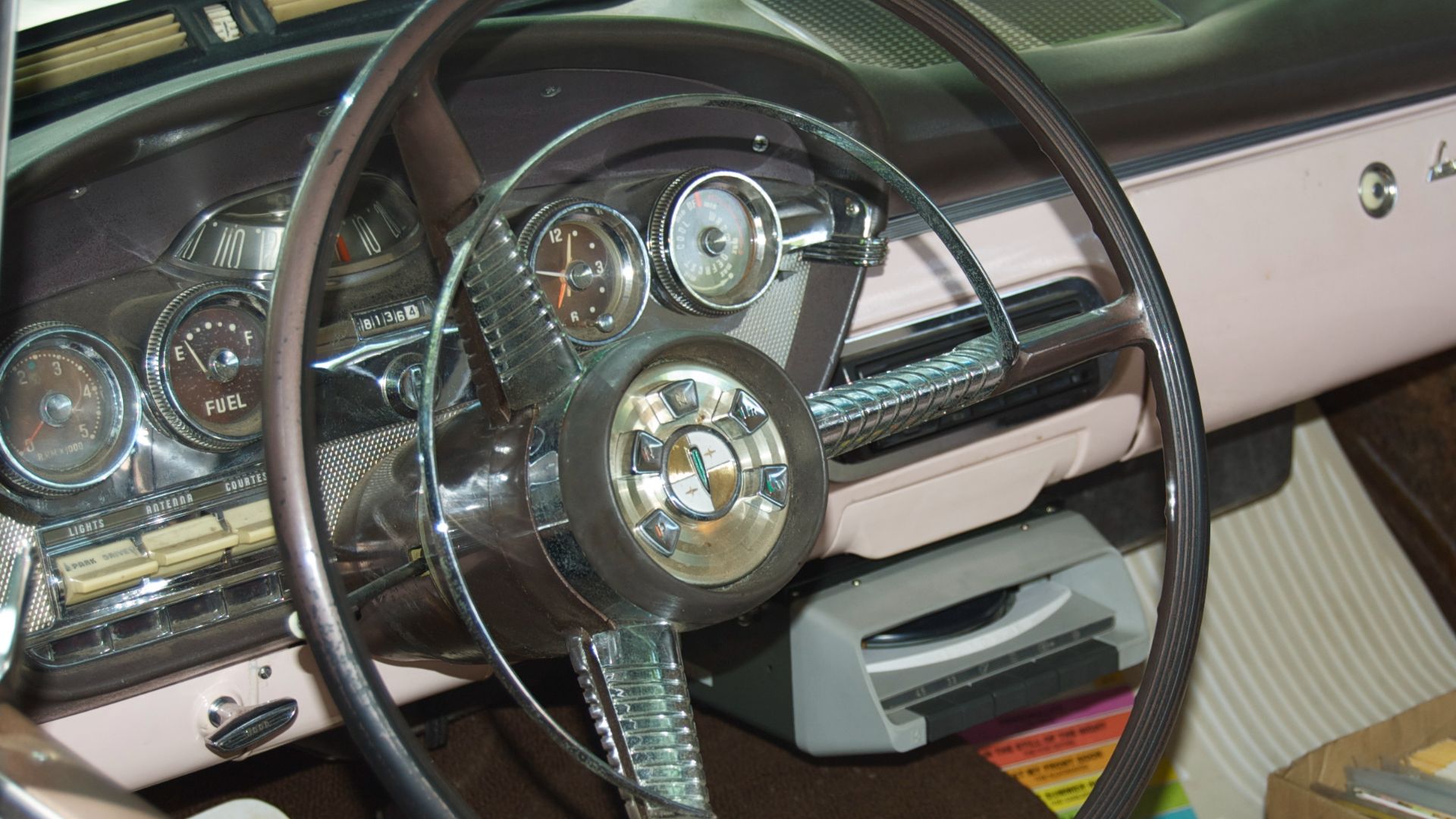
The 1958 Edsel introduced one of the strangest gear selectors ever offered in an American production car. Its Teletouch system placed the transmission buttons directly in the center of the steering wheel. A special mechanism kept the button assembly stationary while the steering wheel turned around it. The design made the controls look like something from a futuristic concept car.
 Greg Gjerdingen from Willmar, USA, Wikimedia Commons
Teletouch Was More Complicated Than It Looked
Edsel's Teletouch system used an electric motor to operate the automatic transmission's selector mechanism. The buttons sent electrical commands rather than directly moving a mechanical shift cable. The system required additional components and wiring, including equipment installed near the transmission. That complexity distinguished it from Chrysler's comparatively straightforward dashboard controls.
 dave_7 from Lethbridge, Canada, Wikimedia Commons
The Edsel Experiment Lasted Just One Year
Teletouch became one of the features most closely associated with the unsuccessful Edsel launch. The system developed a reputation for electrical and mechanical problems, adding another complication to an already troubled vehicle program. Ford discontinued Teletouch after the 1958 model year. The 1959 Edsel returned to more conventional transmission controls.
American Motors Had A Different Approach
American Motors Corporation also experimented with push-button automatic shifting. Its Telovac system, developed with Borg-Warner, appeared on certain AMC vehicles beginning in 1958. Unlike Chrysler's mechanical cables, Telovac used vacuum operation to control transmission selection. The arrangement remained available into the early 1960s, showing that several manufacturers were exploring different ways to accomplish the same task.
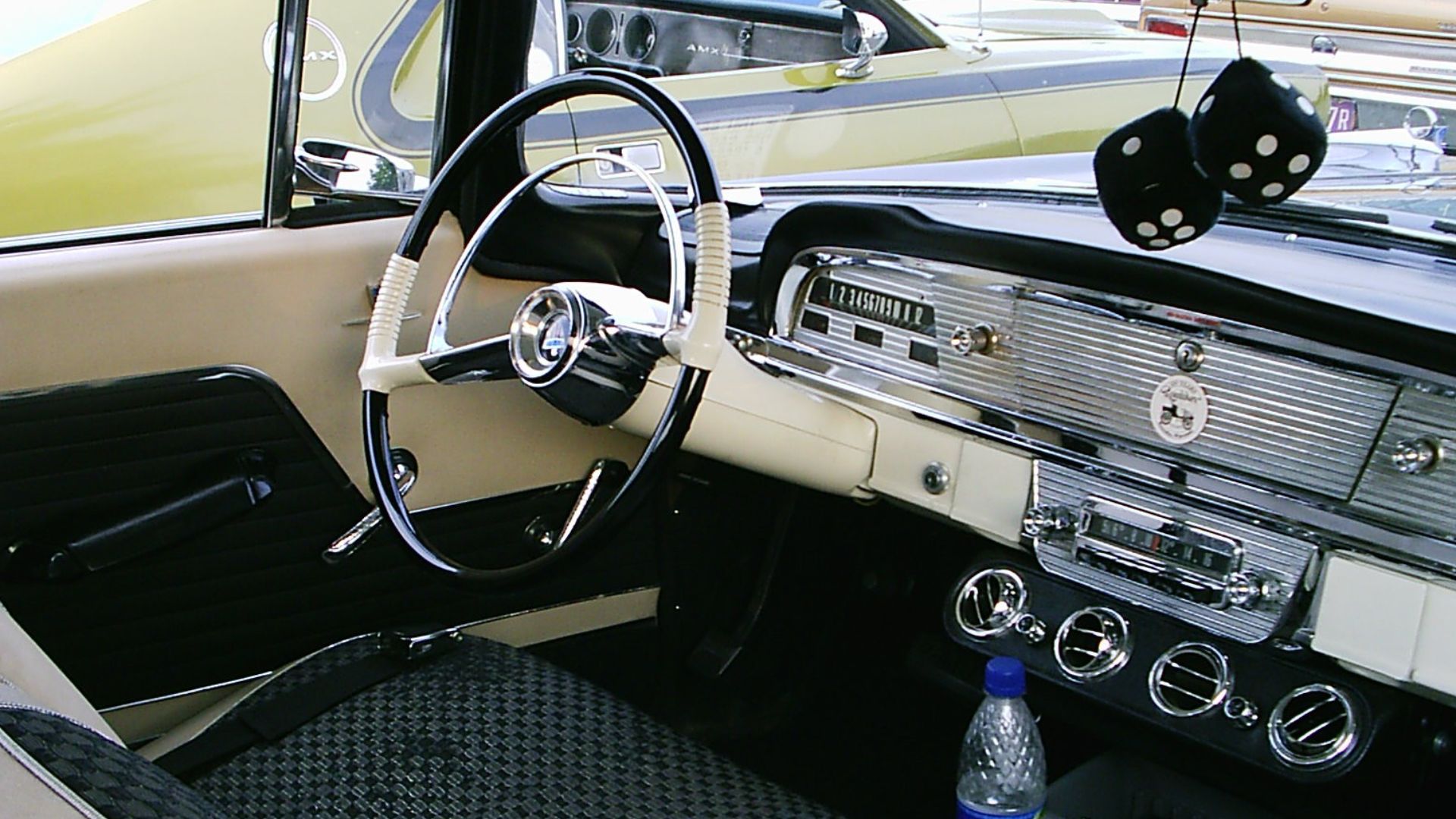
Chrysler Kept The Buttons Longer Than Its Rivals
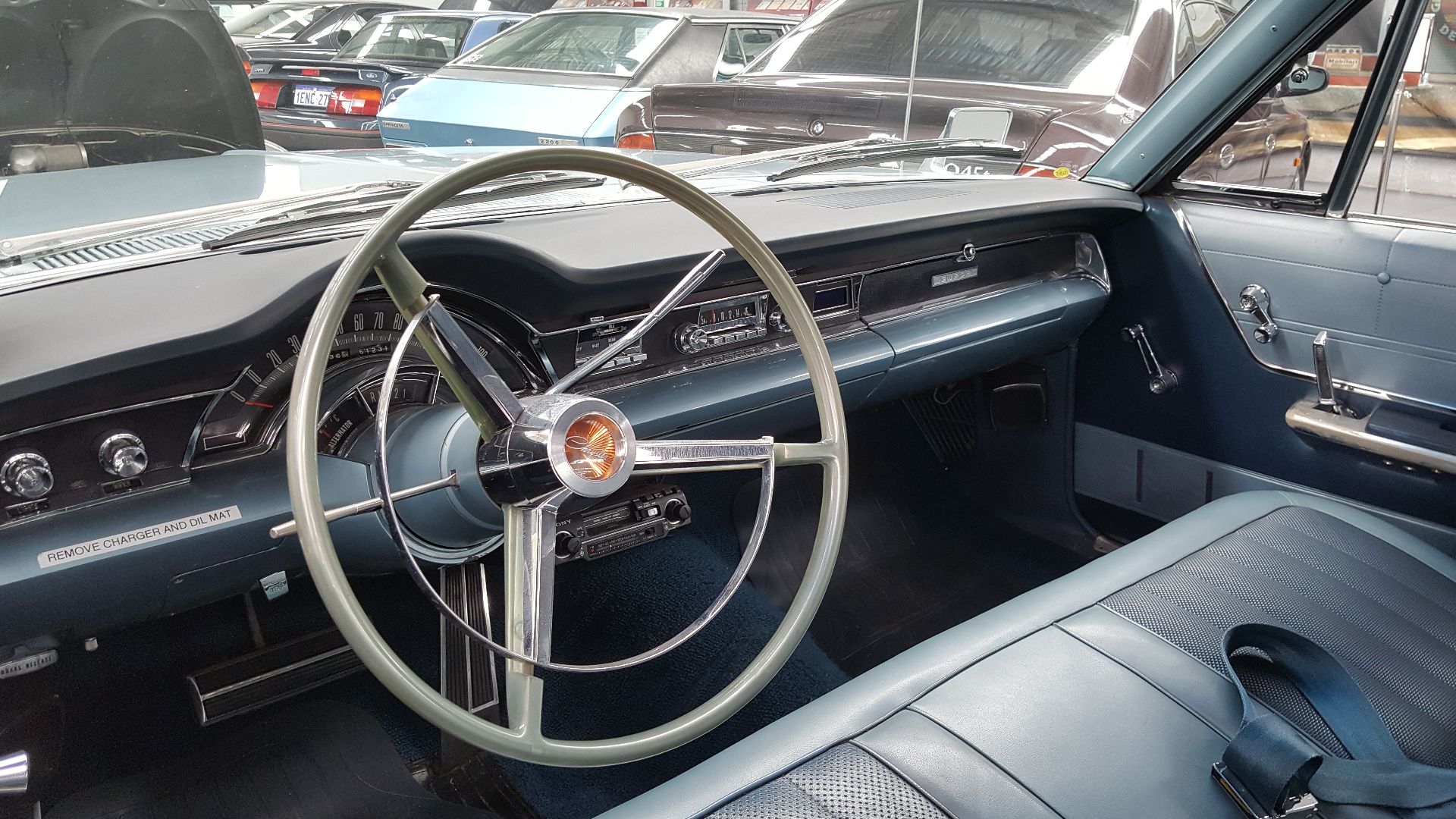
While some competing systems disappeared quickly, Chrysler continued offering push-button automatic transmissions throughout the early 1960s. Plymouth, Dodge, Chrysler, and Imperial vehicles used variations of the familiar dashboard controls. The buttons remained part of the company's automatic-transmission lineup through the 1964 model year. By then, what had once seemed revolutionary was becoming an unusual reminder of 1950s design.
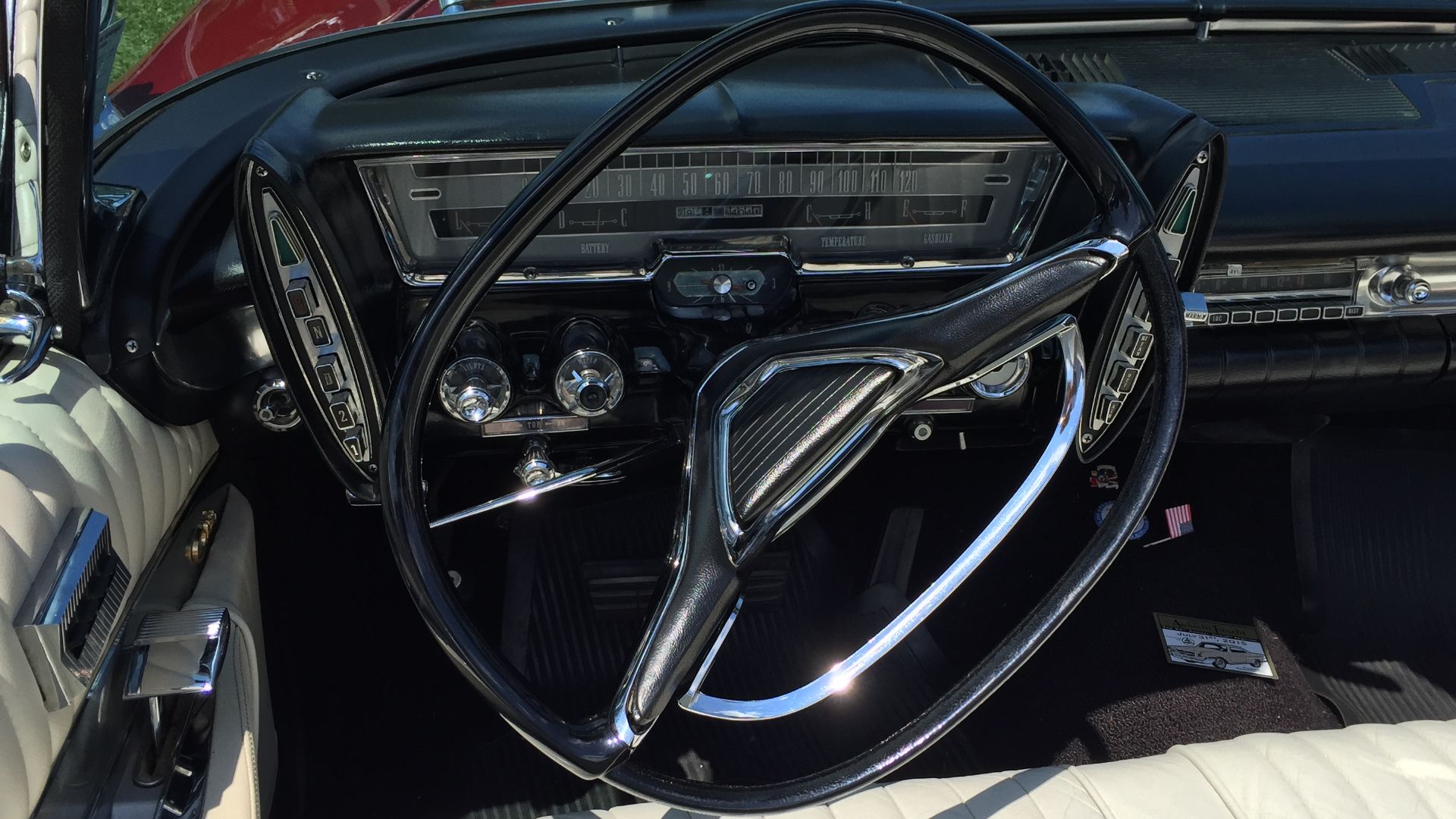
The Buttons Disappeared For 1965
Chrysler abandoned its push-button automatic selectors for the 1965 model year. Conventional steering-column or floor-mounted shift levers replaced them across the company's passenger-car lineup. Automotive historian Mac's Motor City Garage notes that the feature had lost much of its original novelty and was no longer a prominent advertising attraction. The change ended nearly a decade of Chrysler production cars with their distinctive dashboard-mounted transmission buttons.
 ZidaneHartono, Wikimedia Commons
The Basic Idea Eventually Returned
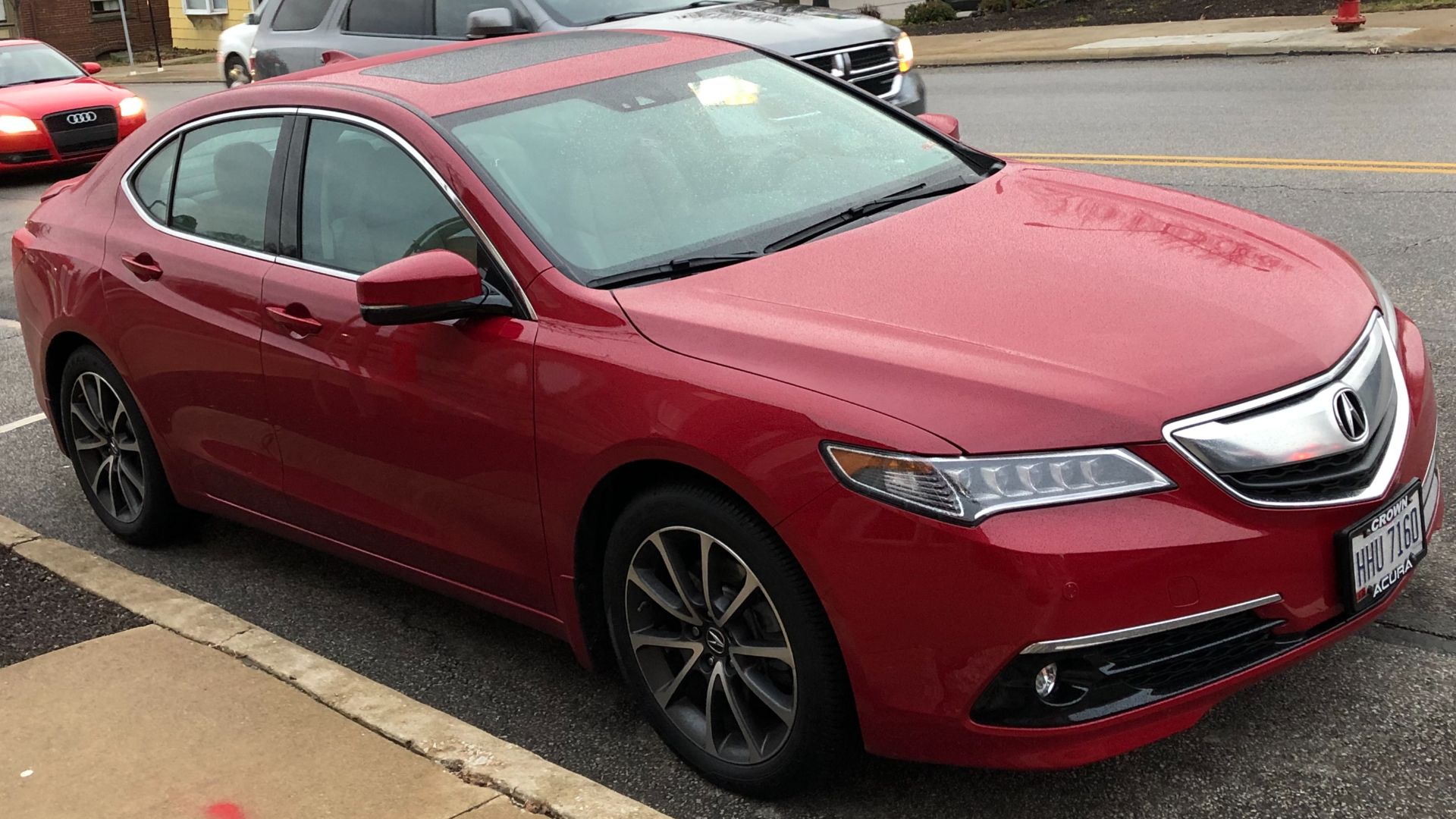
Push-button gear selectors didn't disappear permanently from automotive design. Decades later, manufacturers revisited the idea as electronic vehicle controls became increasingly common. The 2015 Acura TLX V6, for example, used a push-button gear selector instead of a conventional mechanical lever. Car and Driver's contemporary review confirmed that the arrangement was a distinctive feature of the V6-powered model.
 Ghostofakina, Wikimedia Commons
Modern Buttons Work Differently
Modern electronic gear selectors may resemble their 1950s predecessors, but the underlying technology is different. Honda's electronic gear selector uses dedicated controls for Park, Reverse, Neutral, and Drive, with the system managing the requested selection electronically. Its owner's guide instructs drivers to apply the brake pedal before selecting a gear. The result is a modern version of the convenience automakers were pursuing generations earlier.
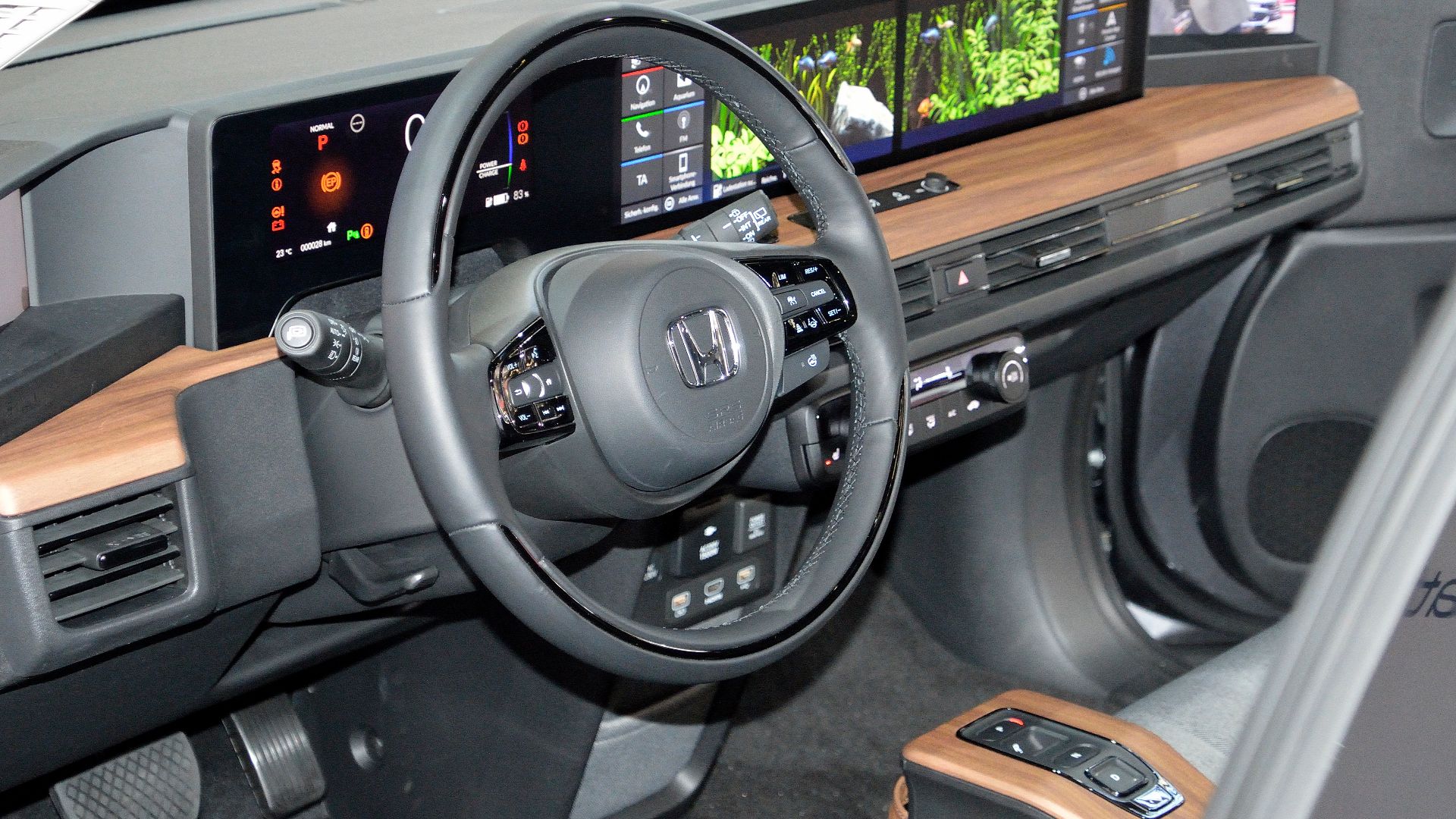 Spielvogel For a gallery of some more of my uploaded pictures you may see: here., Wikimedia Commons
Yesterday's Futuristic Feature Became Today's Familiar Idea
The push-button transmission story shows how automotive innovation rarely follows a straight line. Chrysler's mechanical buttons, Packard's electric selector, Edsel's steering-wheel controls, and AMC's vacuum-operated system all approached the same problem differently. Some proved practical enough to remain in production for years, while others disappeared almost immediately. Today's electronic gear selectors demonstrate that the underlying idea survived long after the original dashboard buttons became automotive curiosities.
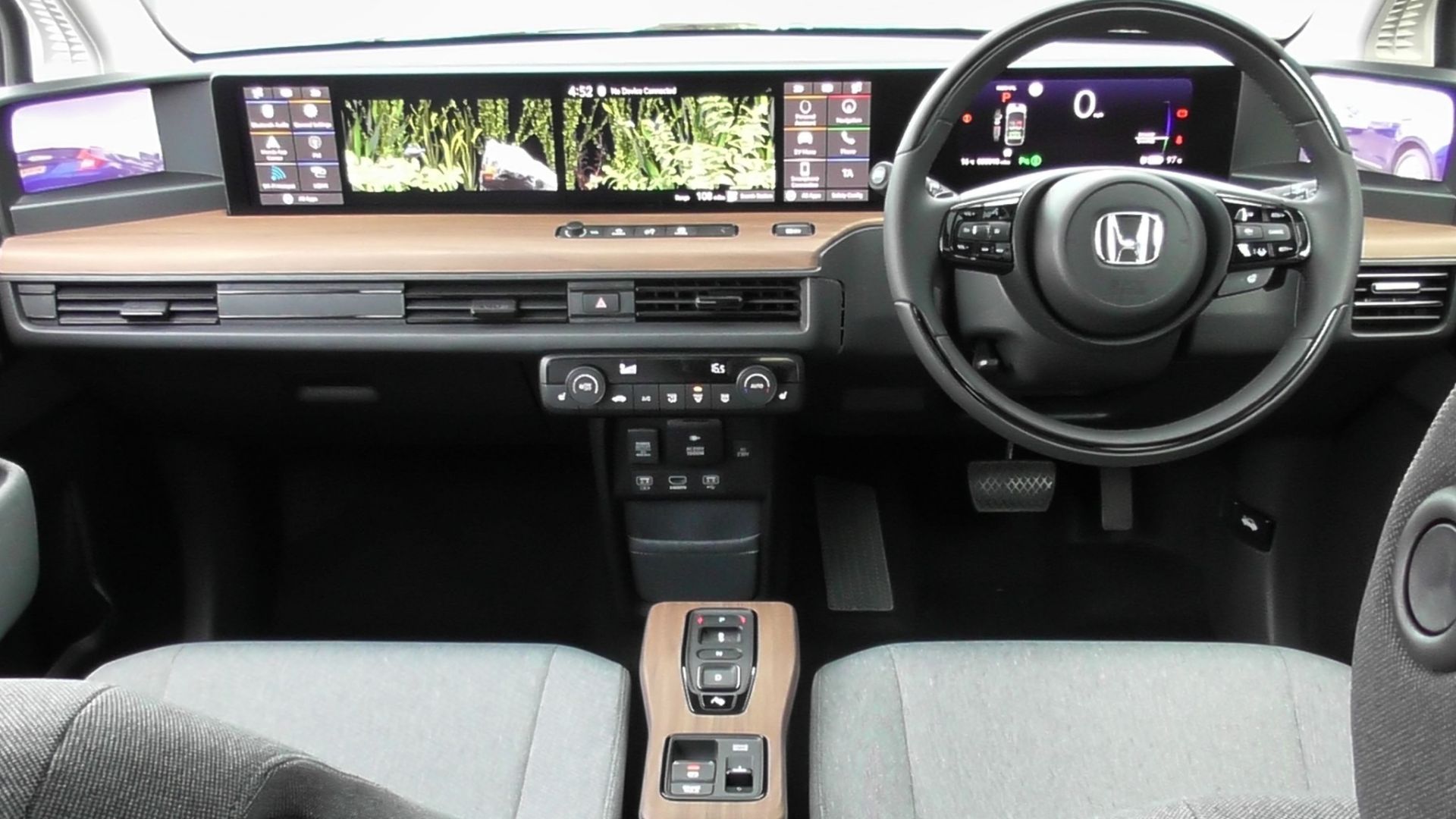 Honda Wales, Wikimedia Commons
You May Also Like:
The Five Most Stolen Cars In North America
Classic Cars That Were Found In Barns, Then Set Auction Records
Minivans That Are Actually Cool
Sources: