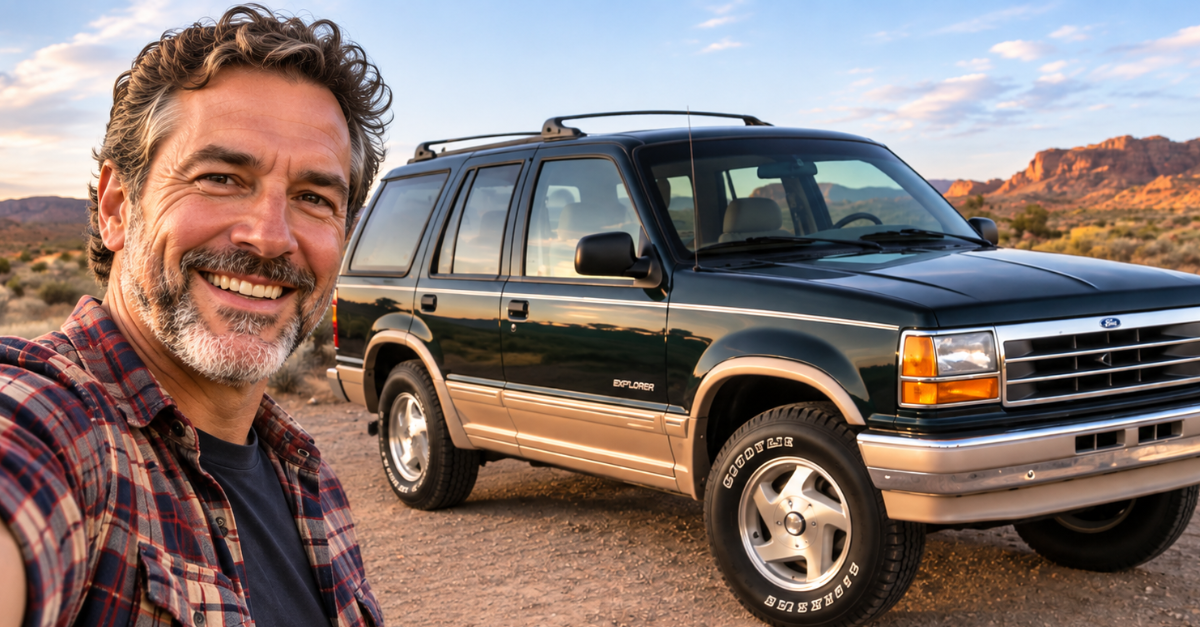
When Family Cars Looked Like Trucks
Family transportation used to be a lot more rugged. Before today's rounded crossovers filled suburban driveways, Americans fell in love with tall, square SUVs that looked ready for the wilderness, even when their biggest adventure was a trip to the grocery store.
Ford Explorer: The SUV That Changed Everything
When the Ford Explorer arrived for the 1991 model year, it helped transform SUVs from specialized off-road vehicles into mainstream family transportation. Available with two or four doors, the Explorer offered a more practical alternative to the smaller Bronco II it replaced. Its upright body, squared-off windows, and substantial cargo area made it look rugged without being intimidatingly large. American families quickly embraced the combination.
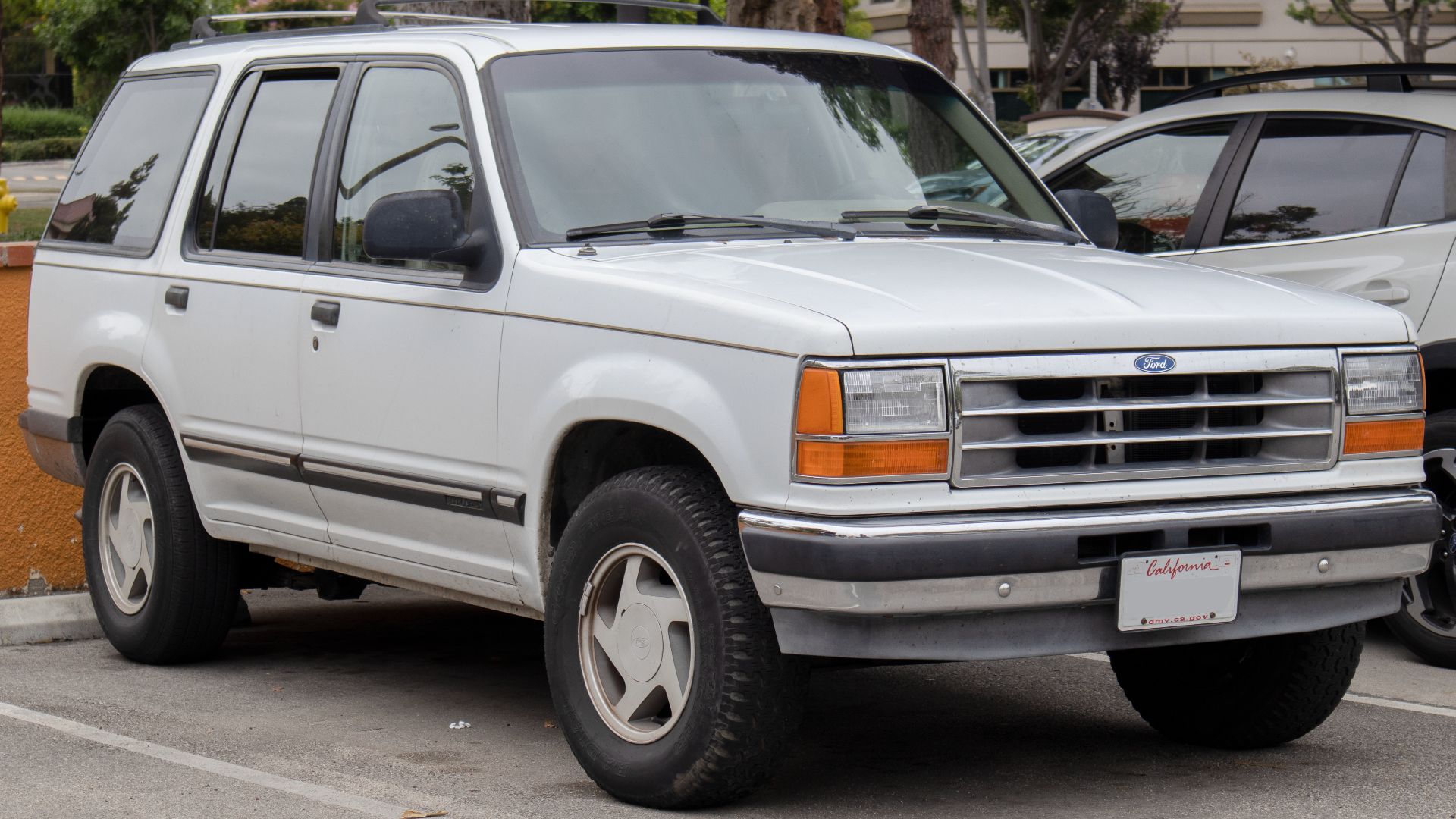
Ford Explorer: Families Wanted The Eddie Bauer Edition
Ford understood that SUV buyers increasingly wanted comfort alongside four-wheel-drive capability. The Explorer Eddie Bauer edition offered premium cloth upholstery, two-tone paint, and an extensive selection of power accessories. A 1991 Car and Driver long-term test praised the Explorer's practical liftgate arrangement and useful equipment. The result was a vehicle that could handle everyday family duties while still looking ready for a camping trip.
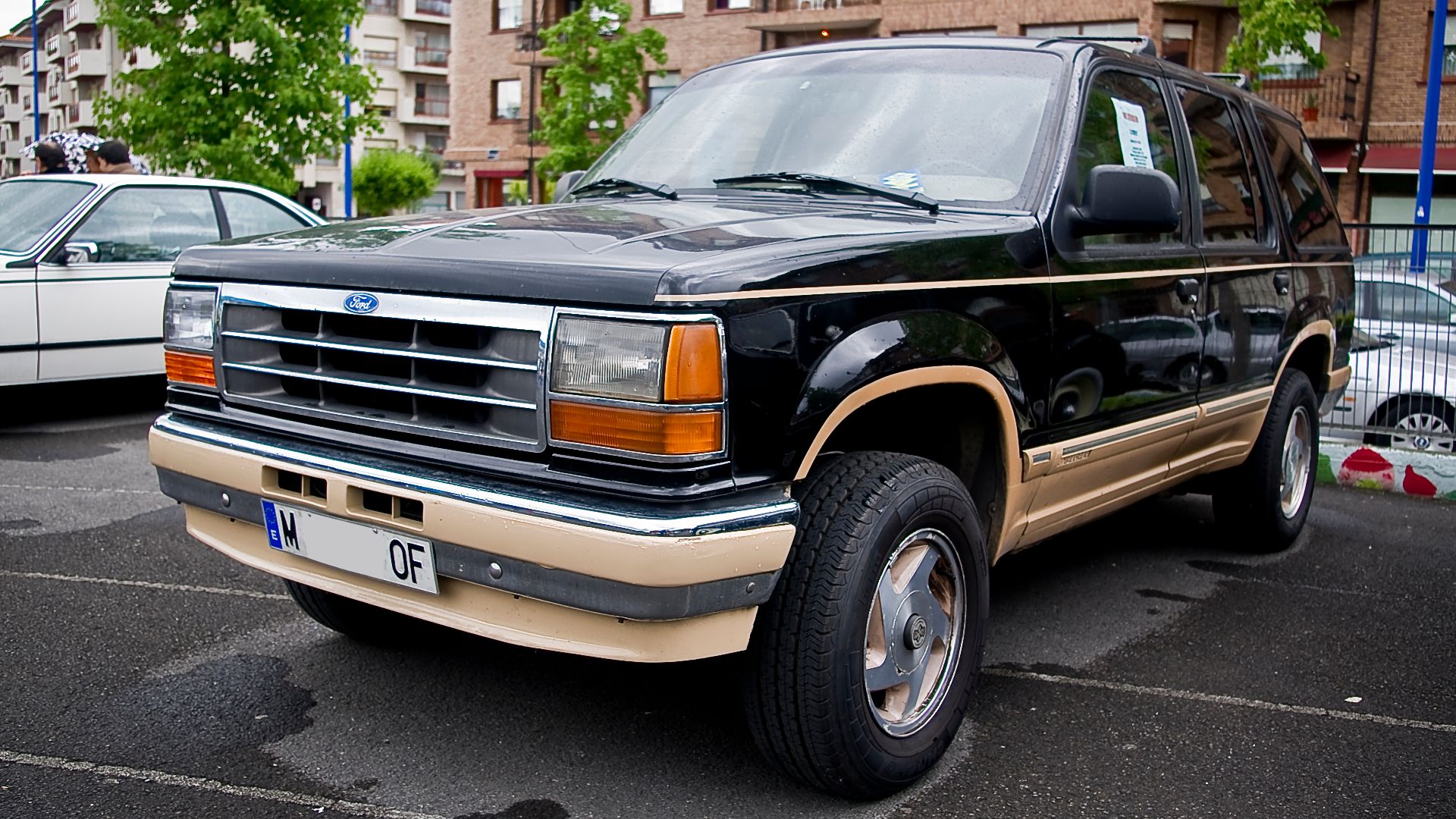 Spanish Coches, Wikimedia Commons
Jeep Cherokee: The Box That Refused To Age
The Jeep Cherokee XJ had arrived in the 1980s, but its remarkably square design remained a familiar sight throughout the 1990s. Unlike many traditional truck-based SUVs, it used unibody construction while retaining serious four-wheel-drive hardware. Its compact dimensions and available four-door body made it practical for daily transportation. Jeep kept the basic design in production until 2001, giving the Cherokee one of the most recognizable silhouettes of its era.
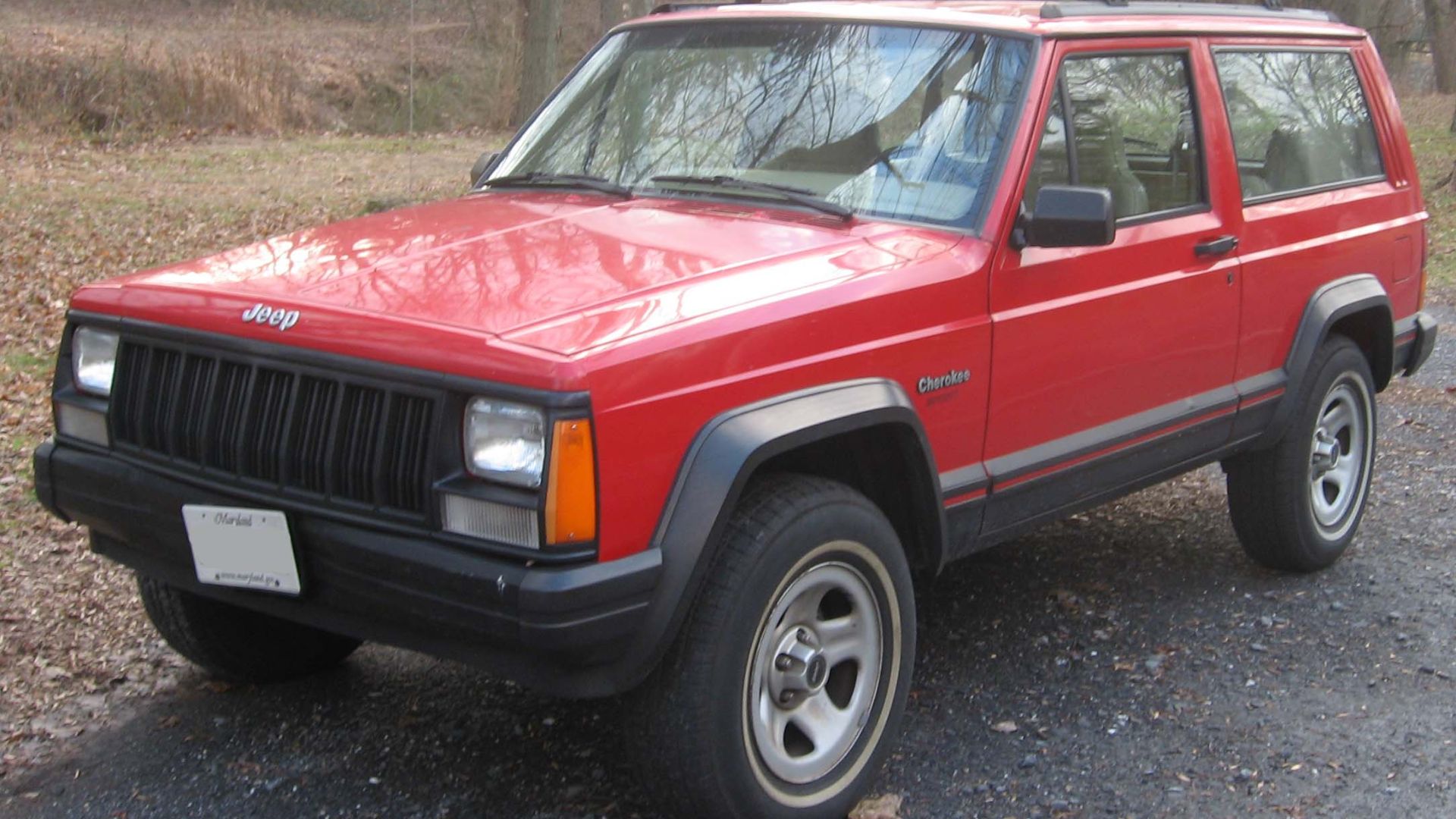
Jeep Cherokee: Small Outside, Useful Inside
The Cherokee offered an appealing alternative to the increasingly large SUVs appearing in American showrooms. Its tall roof and upright rear body helped create a useful cargo area without requiring an enormous vehicle. In Car and Driver's early-1990s comparisons, the Cherokee competed directly with the Explorer, Pathfinder, and 4Runner. Its simple styling and off-road credentials made it a distinctive choice for families who wanted something smaller and more rugged.
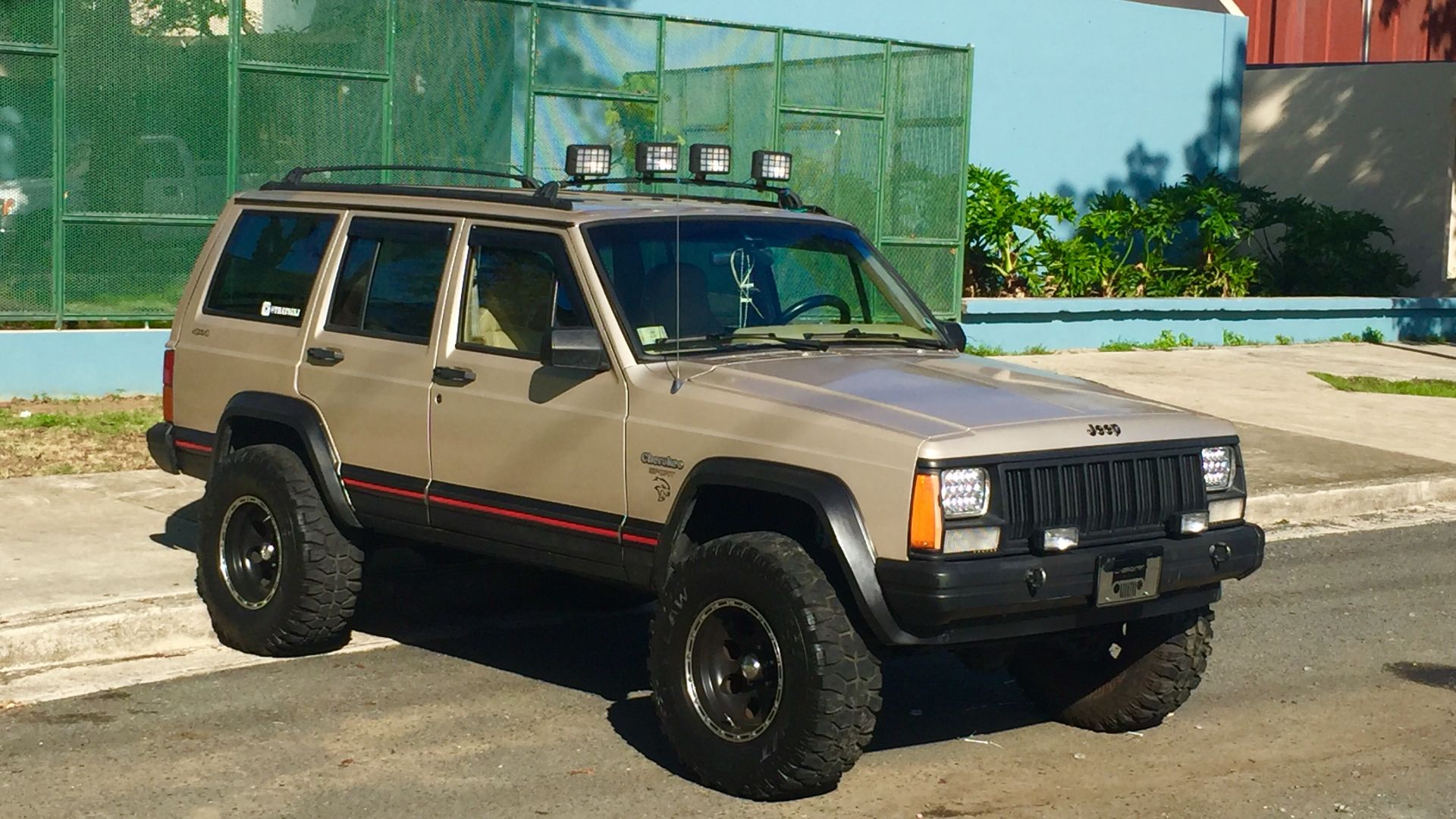 Moebiusuibeom-en, Wikimedia Commons
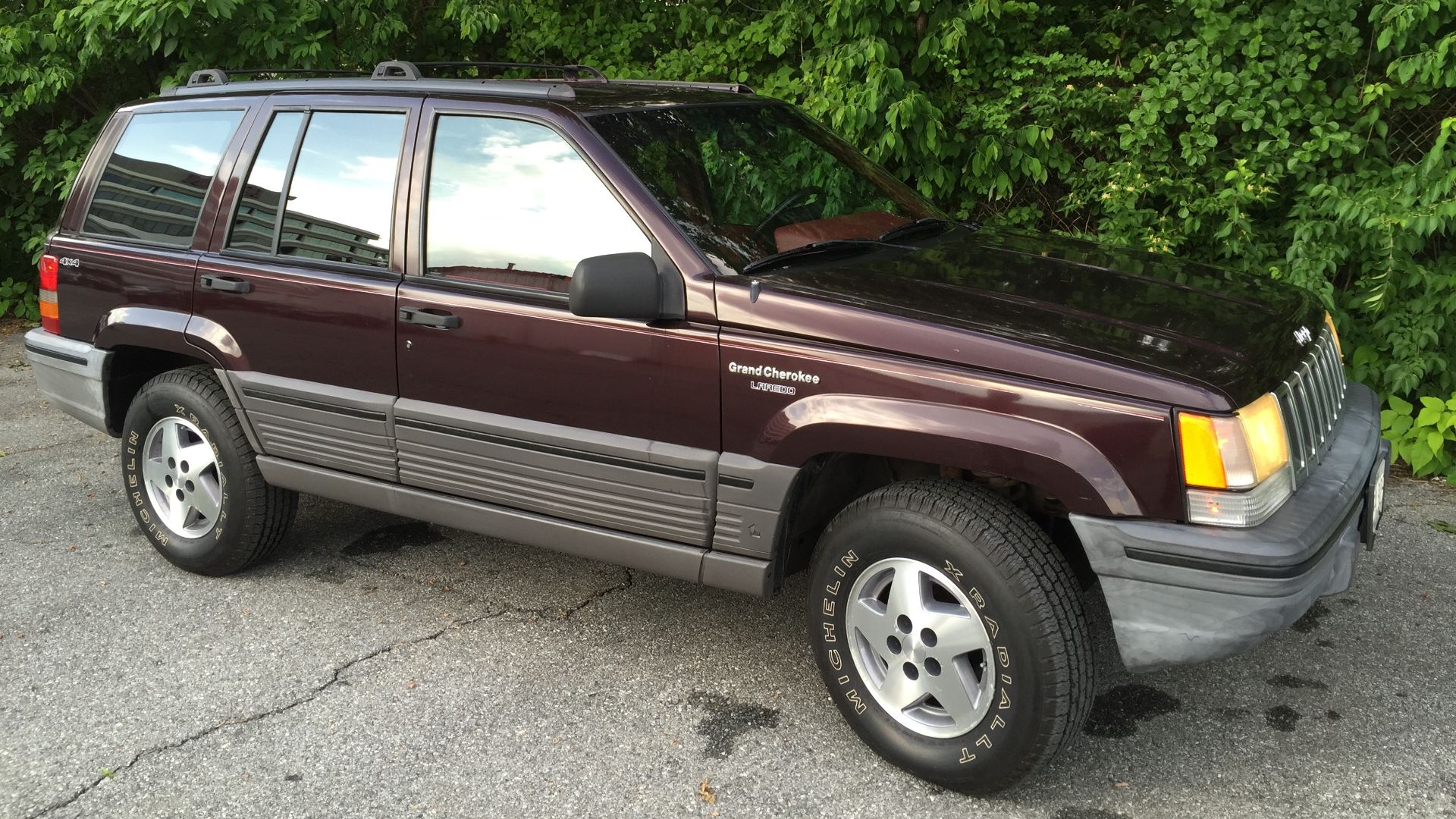
Jeep Grand Cherokee: Ruggedness Got Comfortable
Jeep introduced the Grand Cherokee for the 1993 model year, bringing a more upscale approach to its established SUV formula. It offered four doors, a practical rear cargo area, and available four-wheel-drive systems intended for genuine off-road use. Its rounded corners softened the appearance, but the upright profile still looked unmistakably like a Jeep. For buyers who wanted a comfortable family vehicle without abandoning the brand's rugged identity, it offered an attractive compromise.
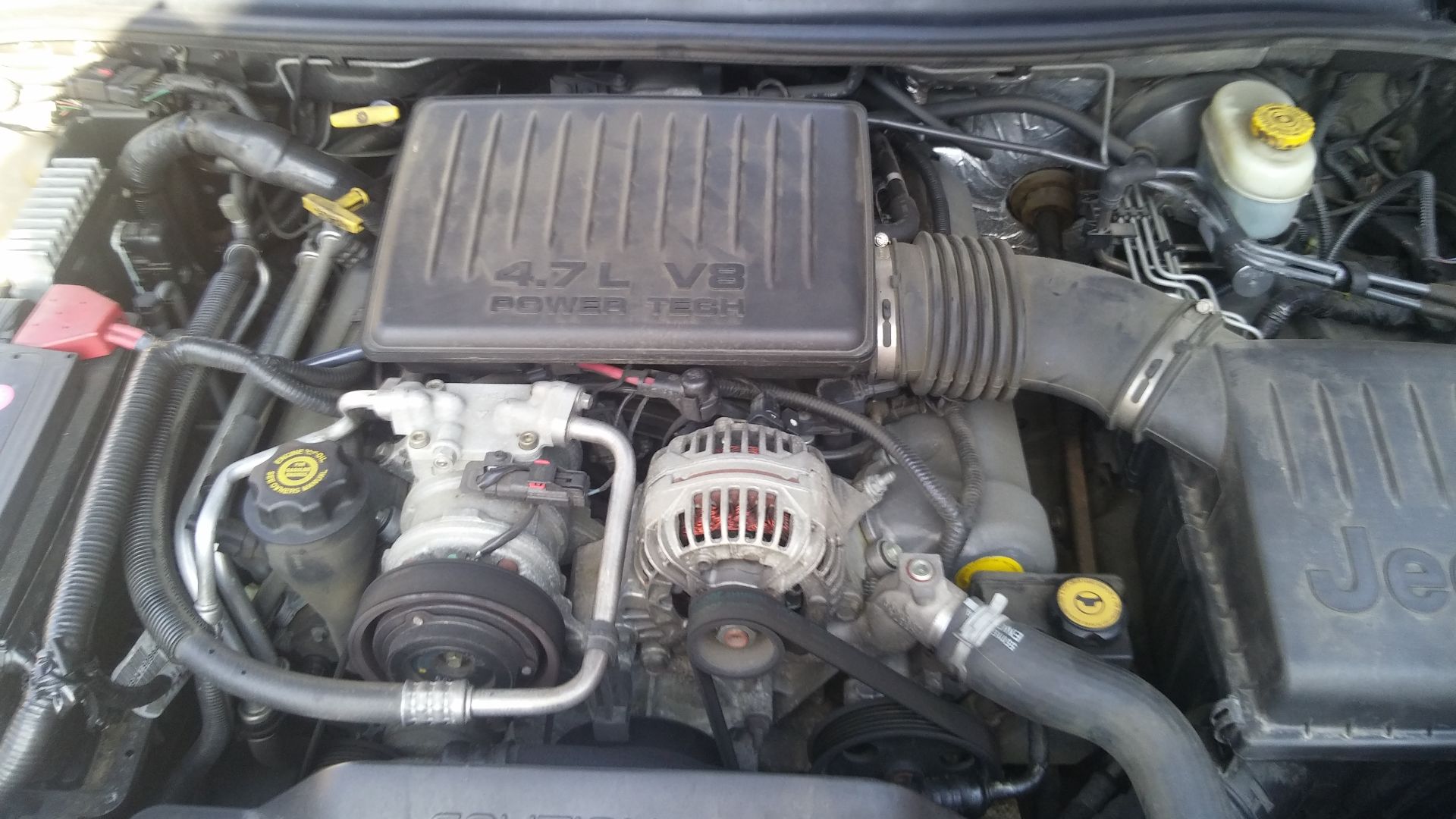
Jeep Grand Cherokee: The V8 Made It Different
The Grand Cherokee stood apart from several smaller rivals by offering V8 power. In Car and Driver's 1994 luxury SUV comparison, the Jeep competed against the Explorer, Trooper, Montero, Range Rover, and Land Cruiser. Its combination of performance, four-wheel-drive capability, and passenger comfort demonstrated how far the SUV market had moved beyond basic utility vehicles. It also helped establish the idea that a family SUV could be both practical and genuinely powerful.
Toyota 4Runner: A Pickup Truck With Family Ambitions
Toyota's second-generation 4Runner arrived for the 1990 model year with a major change in personality. Instead of the removable rear roof section associated with the original model, it featured a fully enclosed steel body. Four-door versions made access to the rear seats much more convenient for families. Underneath, the 4Runner retained the truck-based construction that helped define its rugged reputation.
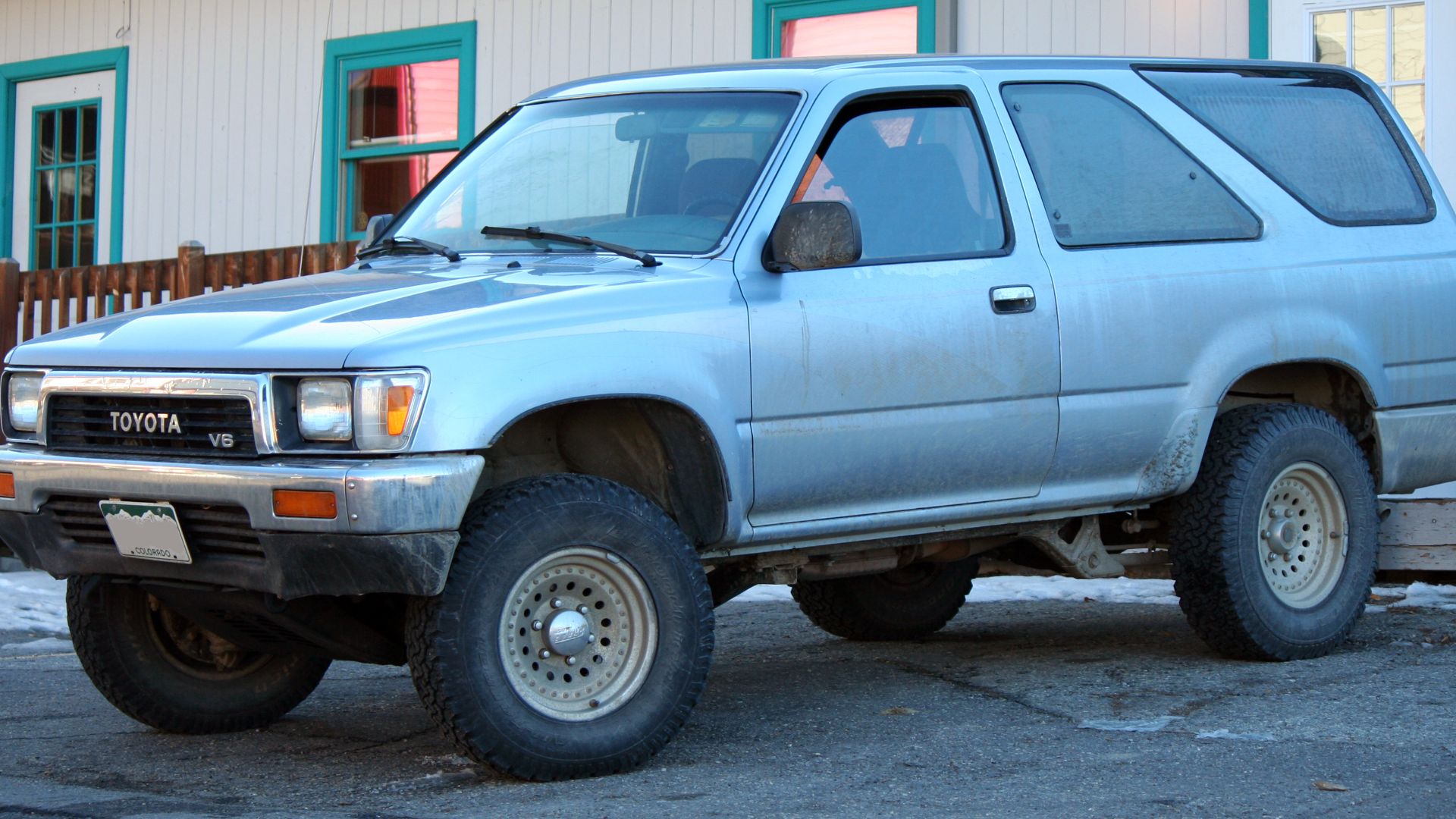 Mr.choppers, Wikimedia Commons
Toyota 4Runner: The 1996 Redesign Raised The Stakes
Toyota completely redesigned the 4Runner again for 1996, giving it a new chassis and more refined road manners. The third-generation model offered a 2.7-liter four-cylinder engine or a 3.4-liter V6. Buyers could choose different trim levels, including the popular SR5 and more luxurious Limited. It remained recognizably boxy, but its updated engineering made it better suited to the growing market for everyday family SUVs.
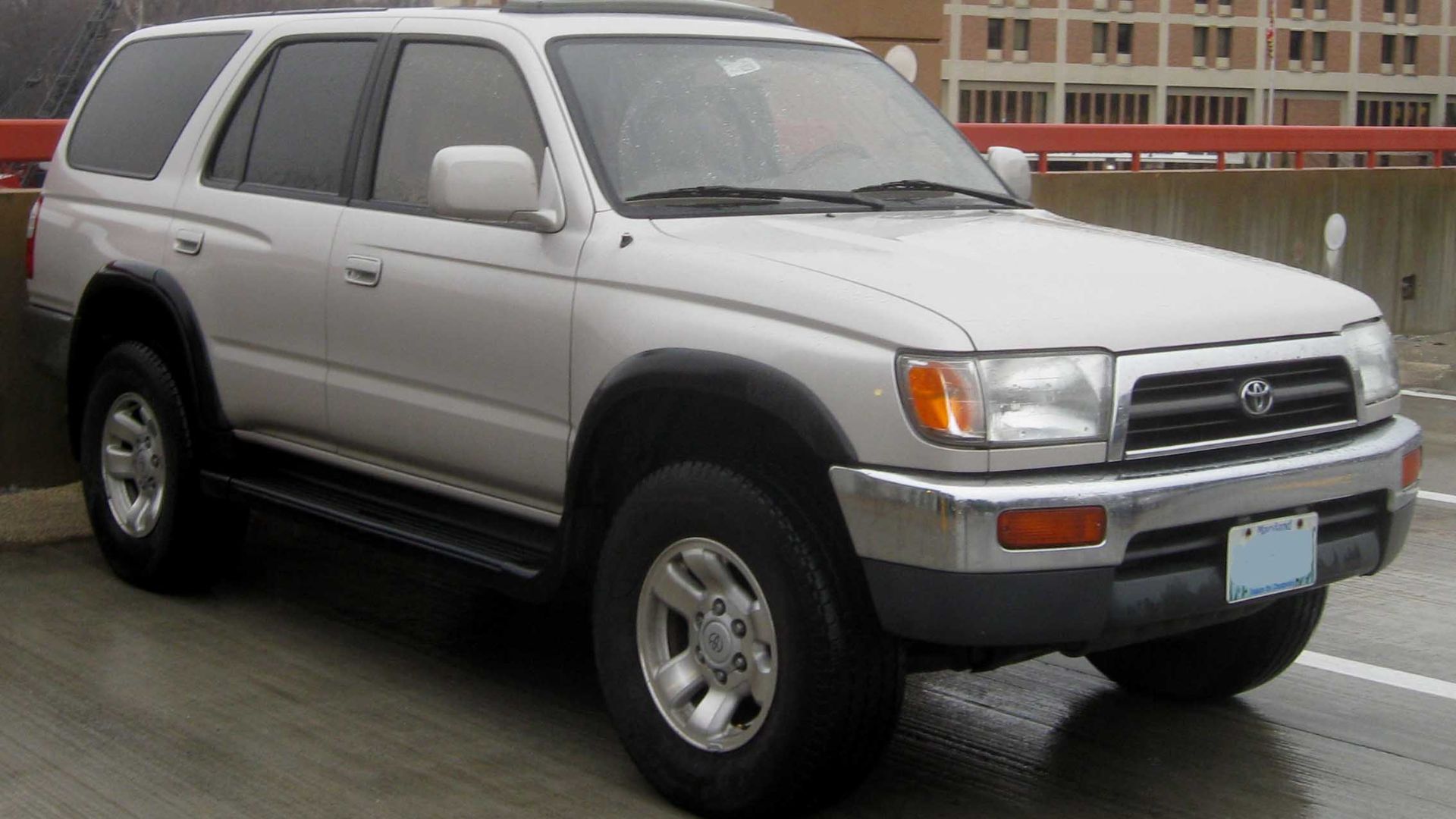
Nissan Pathfinder: The Quiet Family Favorite
The original Nissan Pathfinder was one of the most distinctive compact SUVs of the early 1990s. Its upright body and truck-derived construction gave it the tough appearance buyers expected from a four-wheel-drive vehicle. Four-door models made it a more practical family choice than the original two-door version. In Car and Driver's 1990 comparison of seven SUVs, the Pathfinder SE finished first overall.
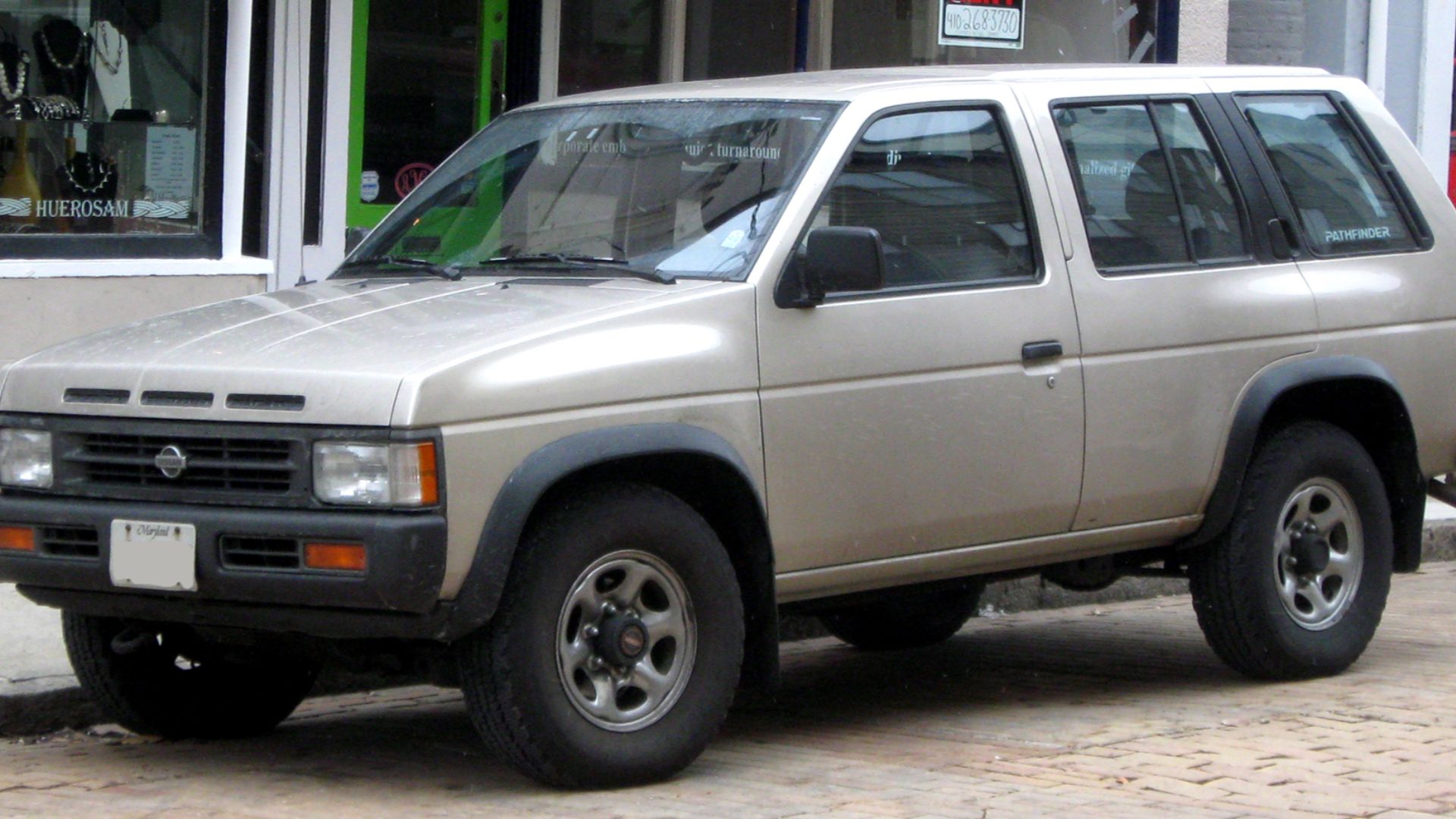
Nissan Pathfinder: A More Refined Second Generation
Nissan introduced a redesigned Pathfinder for the 1996 model year, moving away from the original model's traditional body-on-frame construction. The new Pathfinder used a unibody structure while retaining the elevated driving position and available four-wheel drive that SUV buyers wanted. Car and Driver included it in a 1996 comparison against established competitors such as the Explorer and 4Runner. Its transformation reflected the industry's growing interest in combining SUV styling with improved everyday comfort.
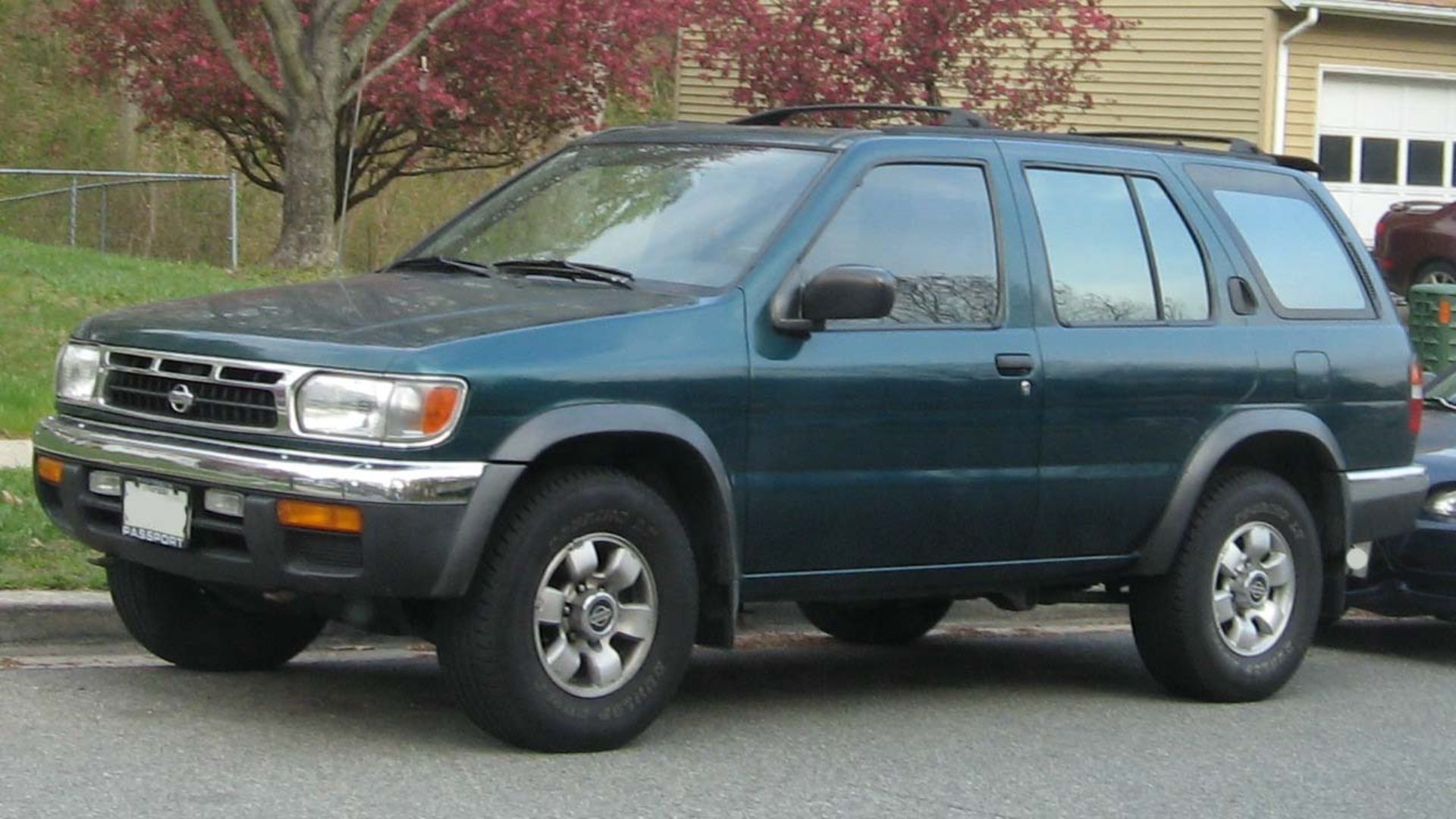
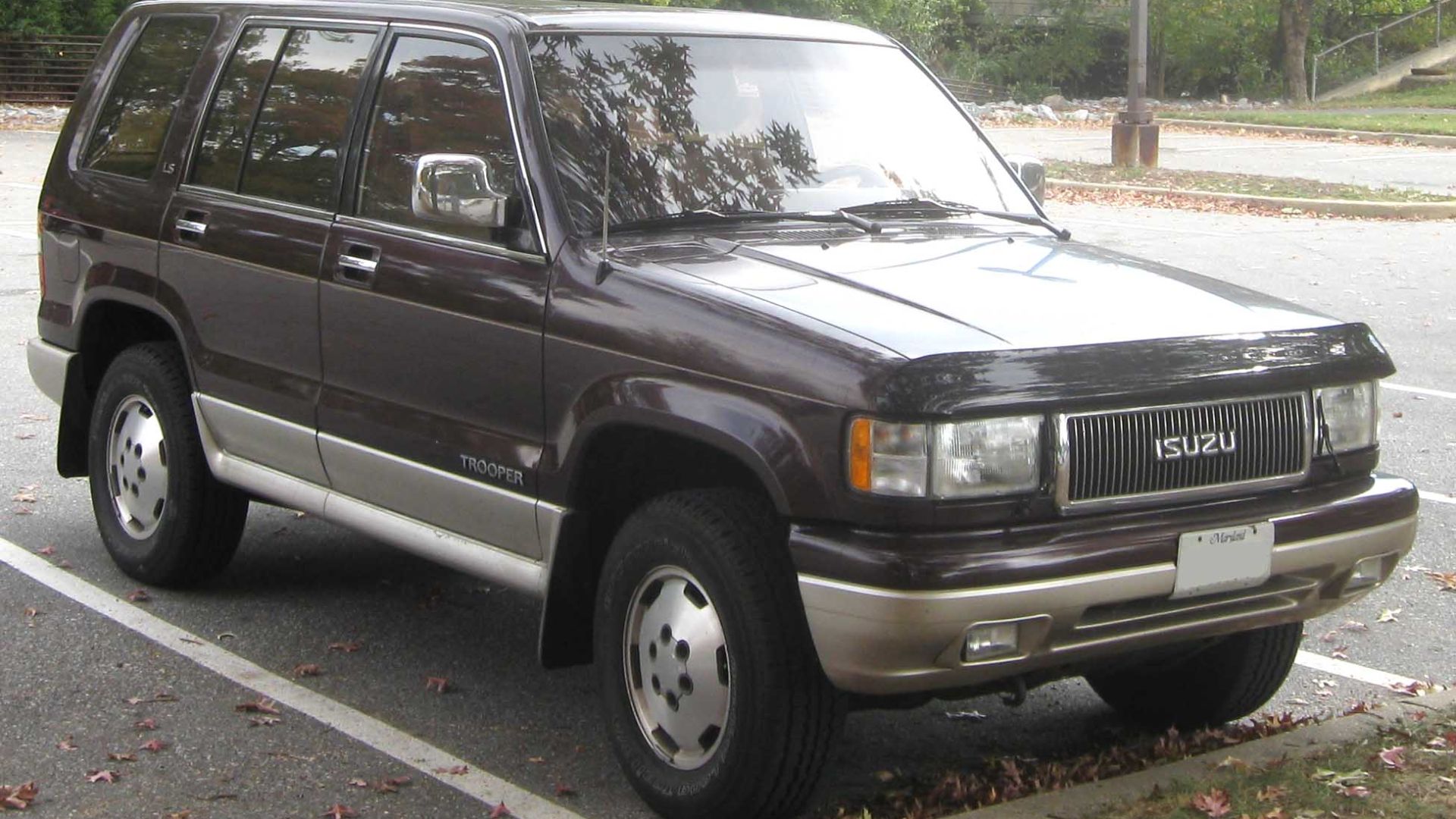
Isuzu Trooper: The SUV That Looked Like A Refrigerator
Few 1990s SUVs embraced straight lines as enthusiastically as the Isuzu Trooper. Its tall roof, nearly vertical sides, and enormous windows made it look more like an expedition vehicle than a fashionable family car. The second-generation Trooper arrived for the 1992 model year and retained that unapologetically square appearance. Families who valued interior room over sleek styling had plenty to appreciate.
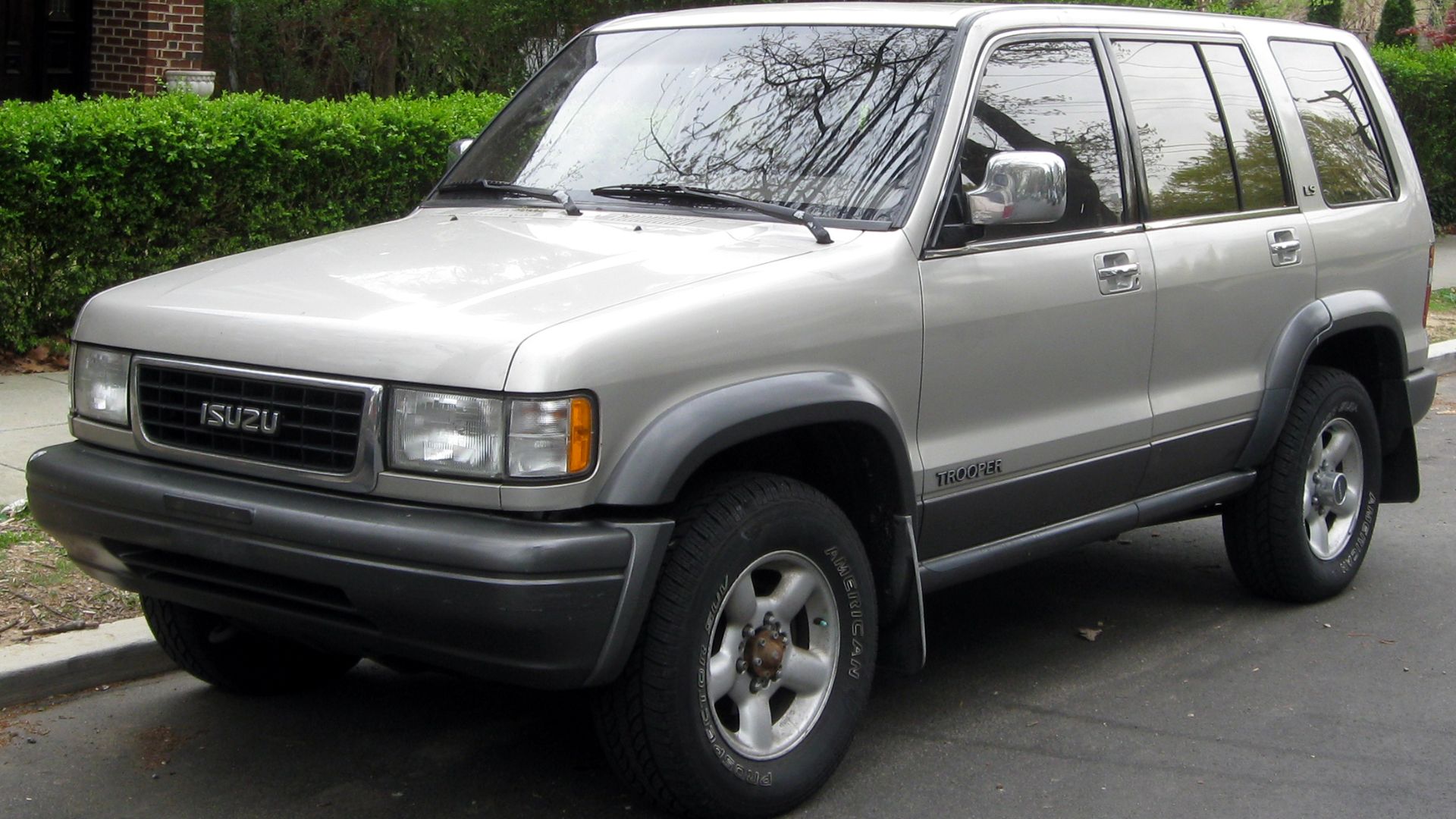
Isuzu Trooper: All That Height Had A Purpose
The Trooper's unusual proportions translated into a genuinely spacious passenger compartment. In its 1994 luxury SUV comparison, Car and Driver found that the Trooper provided more interior room than the similarly sized Explorer. The magazine also praised its assembly quality and comfortable ride, although it criticized the four-wheel-drive system's limitations. Its enormous windows and high seating position made it a particularly distinctive alternative to conventional family cars.
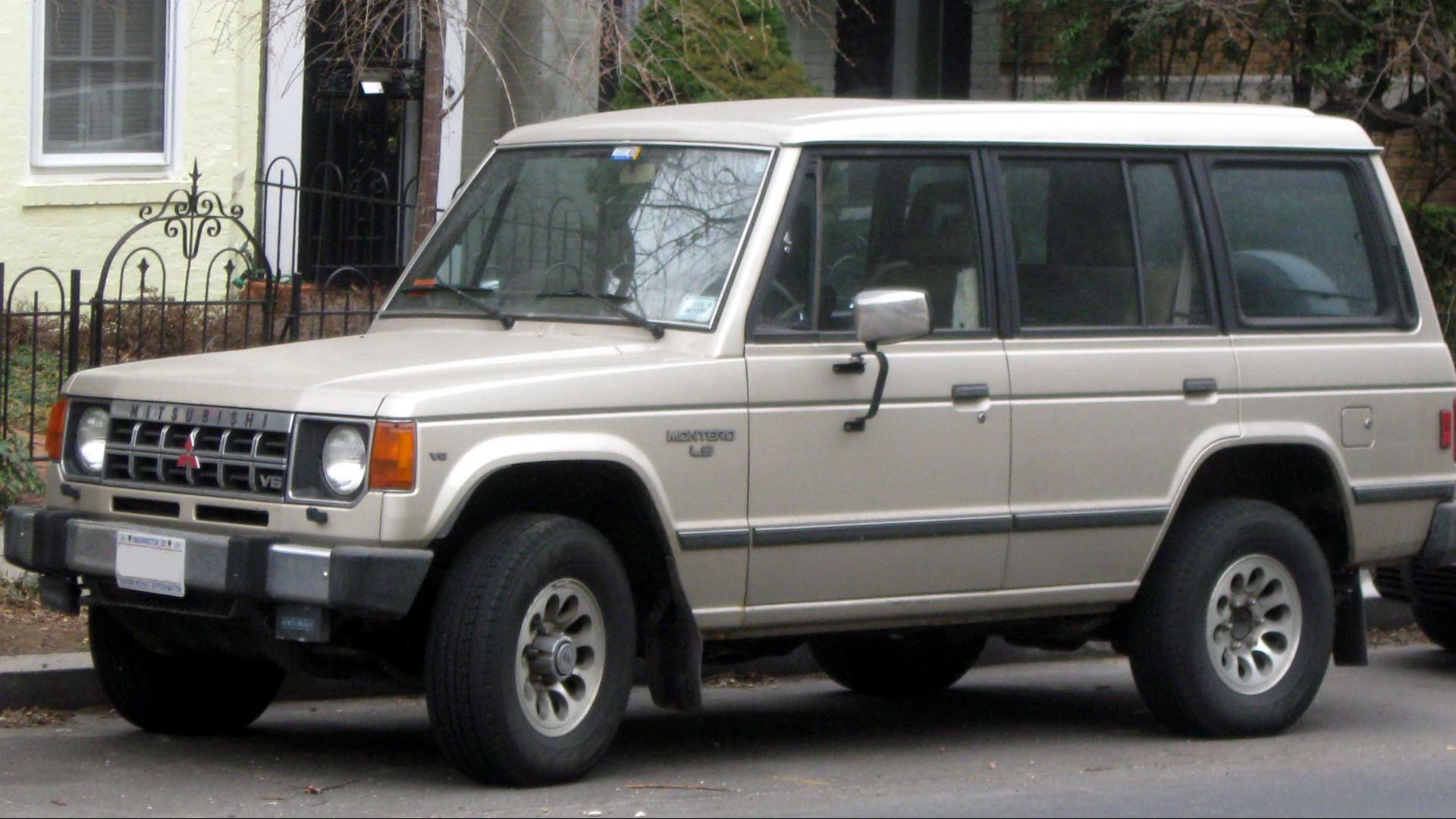
Mitsubishi Montero: A Japanese SUV With Serious Character
Mitsubishi's Montero was another unmistakably upright SUV that gained attention during the 1990s. Its squared-off body, tall greenhouse, and off-road equipment gave it a purposeful appearance. The second-generation model became part of the American market during the decade and competed with established names such as the Explorer and Trooper. For families wanting something less common than a Ford or Chevrolet, it offered an interesting alternative.
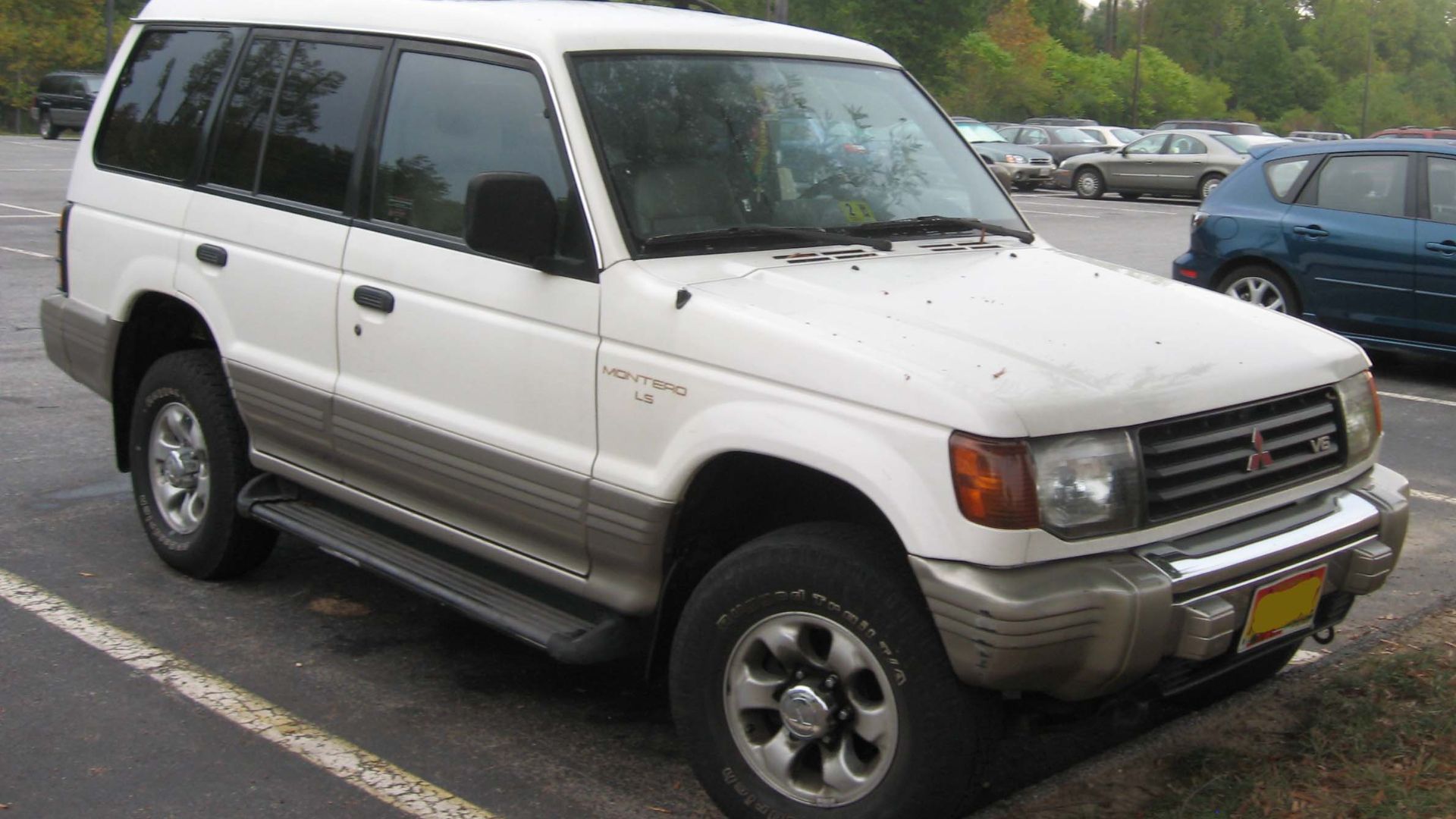
Mitsubishi Montero: Comfort Met Genuine Off-Road Ability
The Montero wasn't merely a rugged-looking family wagon. In Car and Driver's early-1990s testing, editors praised its comfortable highway cruising and sure-footed behavior away from pavement. Later versions offered increasingly sophisticated four-wheel-drive systems and more luxurious equipment. That combination helped the Montero appeal to buyers who wanted one vehicle for ordinary commuting and occasional outdoor adventures.
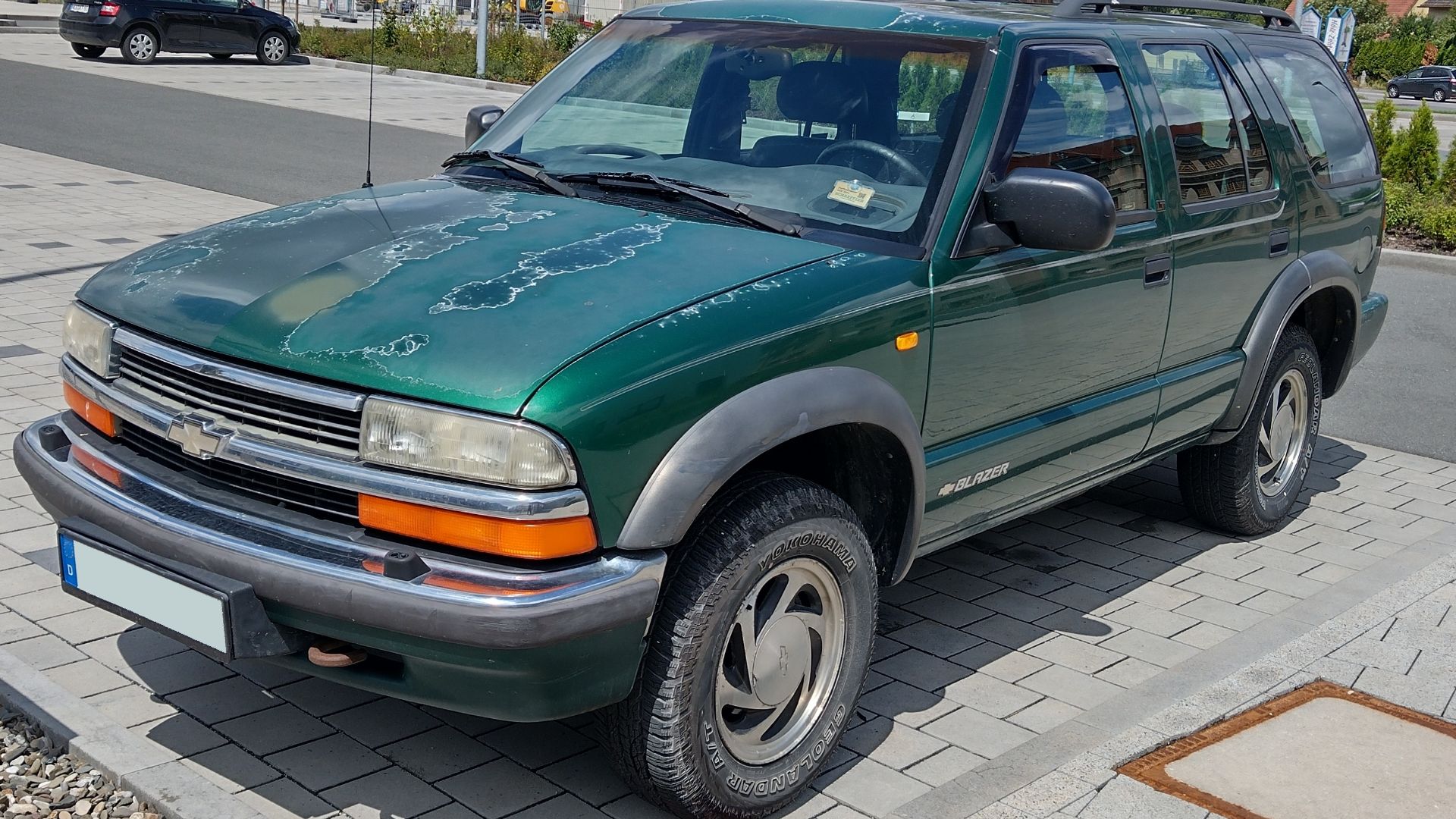
Chevrolet Blazer: The Familiar American Choice
Chevrolet's compact Blazer was already established when the 1990s began. The S-10-based SUV offered the upright seating position and practical proportions that made smaller sport-utility vehicles appealing to families. A redesigned Blazer arrived for the 1995 model year with a more rounded appearance, although it retained a traditional SUV stance. Its connection to Chevrolet's pickup lineup helped give it a familiar, hardworking identity.
 Interesting.cars.insta, Wikimedia Commons
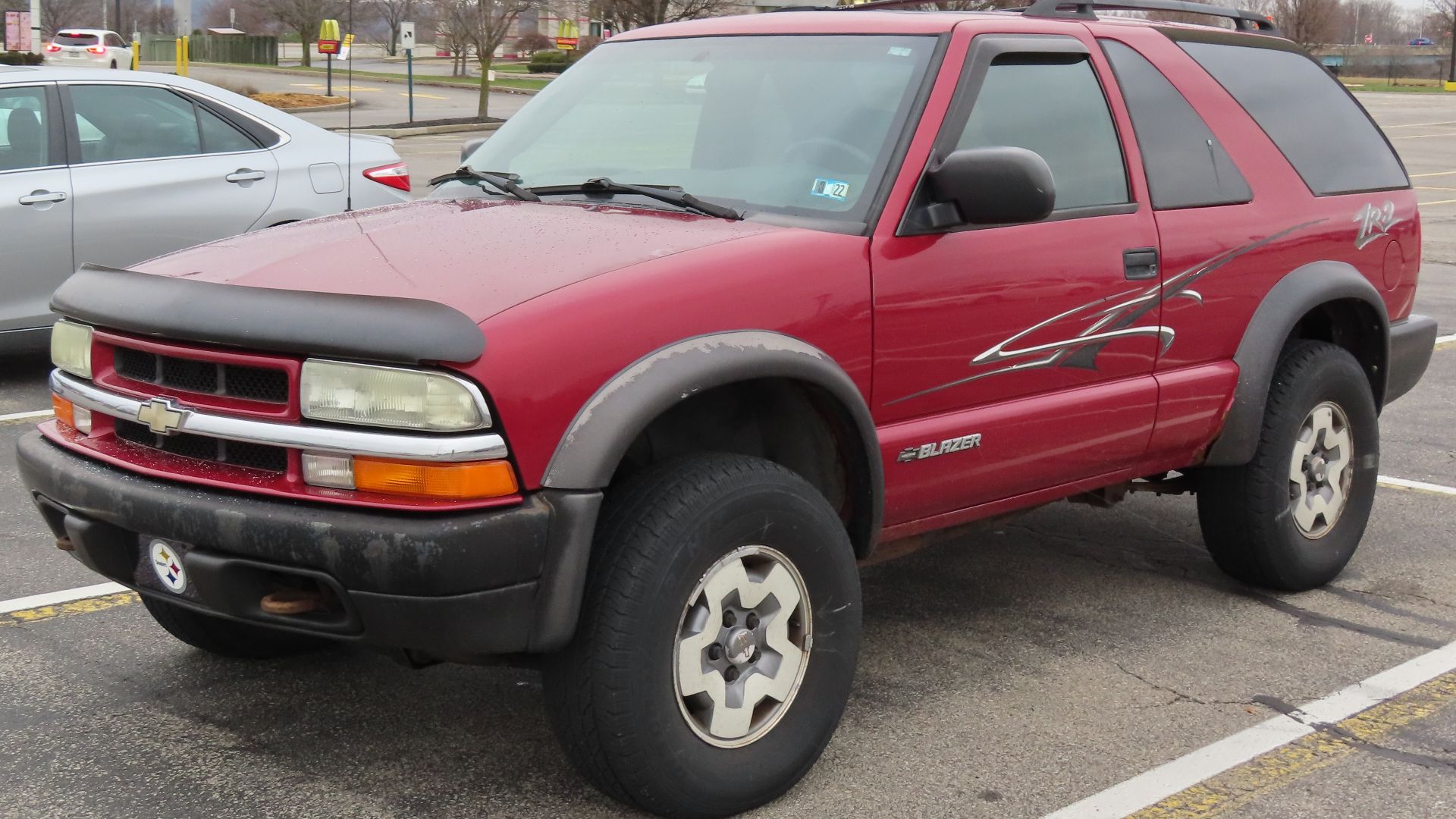
Chevrolet Blazer: The ZR2 Added Adventure
Chevrolet also offered a particularly rugged version of its smaller SUV. The Blazer ZR2, introduced during the 1990s, featured a wider track and specialized off-road equipment. MotorTrend notes that the two-door version included Bilstein shock absorbers and additional ground clearance. It was less focused on family passenger space than the four-door Blazer, but it reinforced the model's reputation as a genuine truck-based SUV.
 MercurySable99, Wikimedia Commons
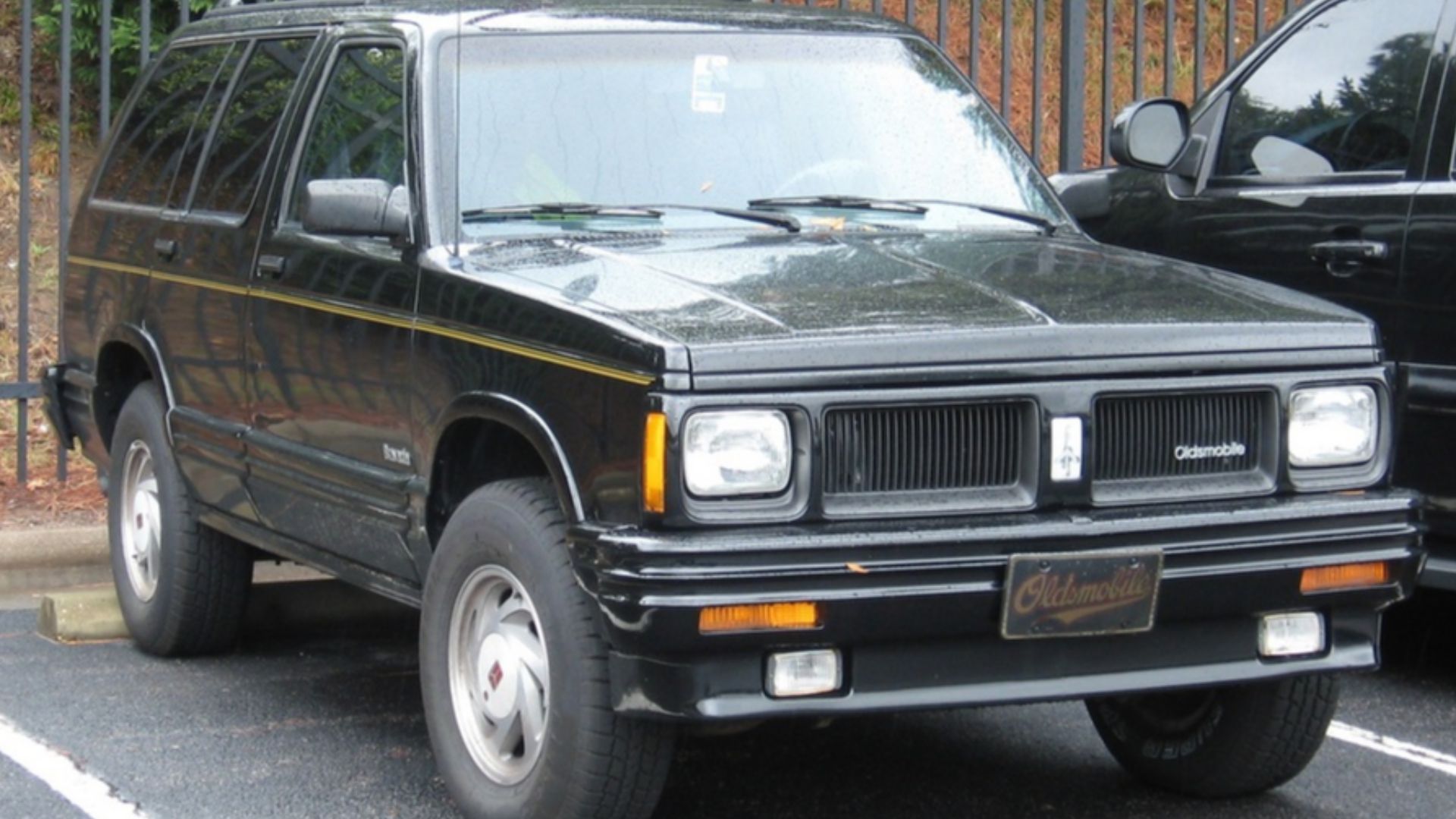
Oldsmobile Bravada: The SUV With A Fancy Name
The Oldsmobile Bravada arrived for the 1991 model year as a more upscale relative of GM's compact SUVs. It retained a practical four-door body but emphasized comfort and a more luxurious presentation. In Car and Driver's 1992 SUV comparison, the Bravada competed directly with vehicles such as the Explorer, Pathfinder, and Grand Cherokee. It represented an early attempt to make a truck-shaped SUV feel like a premium family vehicle.
 The Oldsmobile Edge, Wikimedia Commons
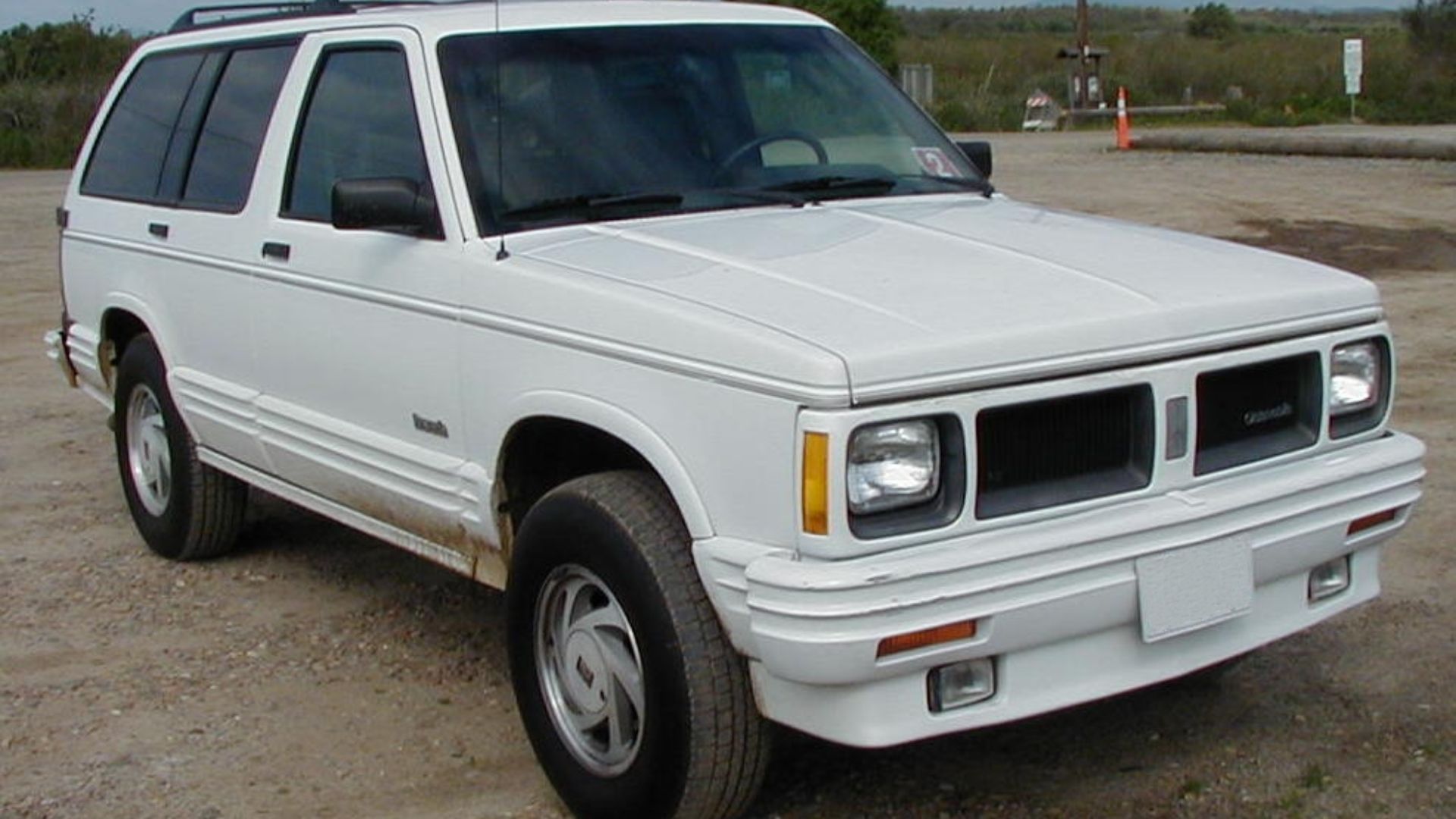
Oldsmobile Bravada: Luxury Without Looking Flashy
The Bravada's appeal came from combining a familiar SUV shape with additional comfort-oriented equipment. Its all-wheel-drive system also distinguished it from some rivals that relied on driver-selected part-time four-wheel drive. Car and Driver's period comparisons showed how vehicles like the Bravada were moving the SUV market toward everyday road use. It was a preview of the comfort-focused direction that would eventually dominate the segment.
 User Mokwella on en.wikipedia, Wikimedia Commons
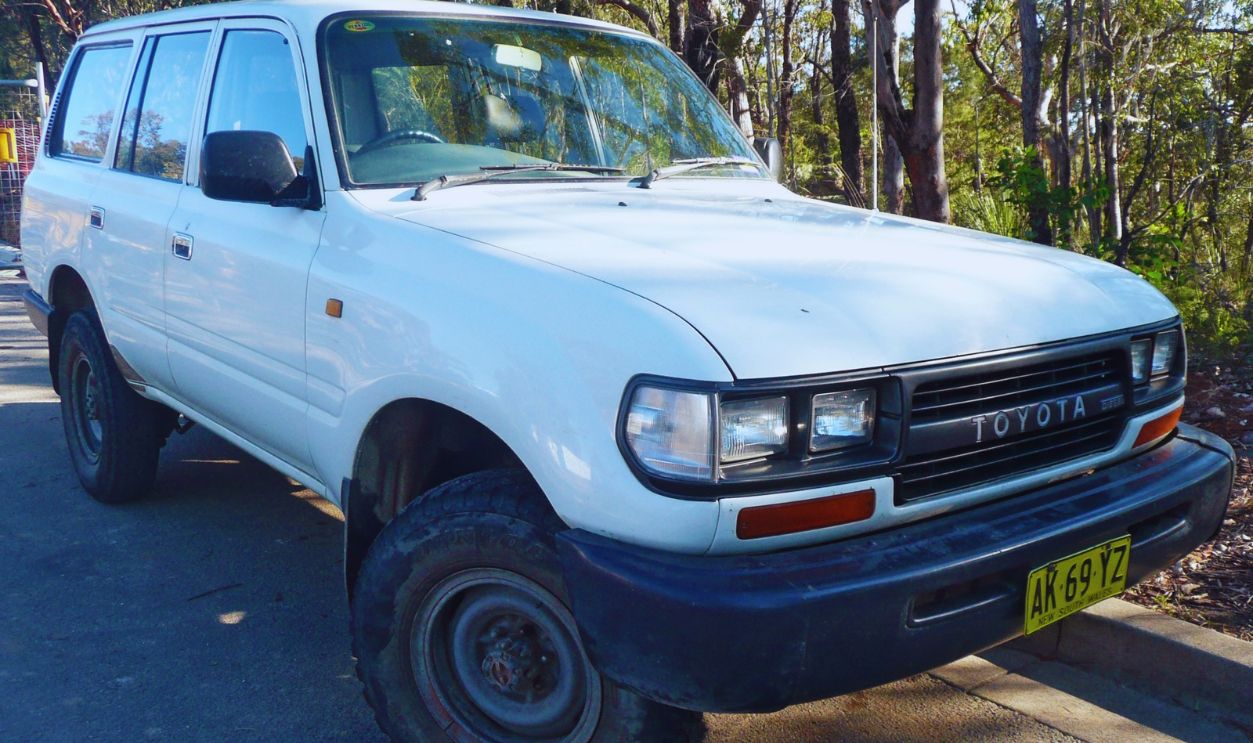
Toyota Land Cruiser: The Big SUV Built For Almost Anything
The 80-series Toyota Land Cruiser became one of the decade's most imposing family-capable SUVs. Its broad body, tall windows, and substantial four-wheel-drive hardware gave it an unmistakable presence. In Car and Driver's 1994 comparison, the Land Cruiser stood out for its generous passenger space and sophisticated four-wheel-drive system. It was expensive compared with many smaller SUVs, but it offered an unusual blend of comfort and off-road engineering.
Toyota Land Cruiser: Room For The Whole Adventure
The Land Cruiser was designed to handle far more than paved suburban roads. Its full-time four-wheel-drive system and robust construction made it a serious contender in difficult conditions. At the same time, its large interior offered the kind of passenger space families increasingly expected from SUVs. Car and Driver's 1994 test showed that it could compete in the luxury market without abandoning its traditional capabilities.
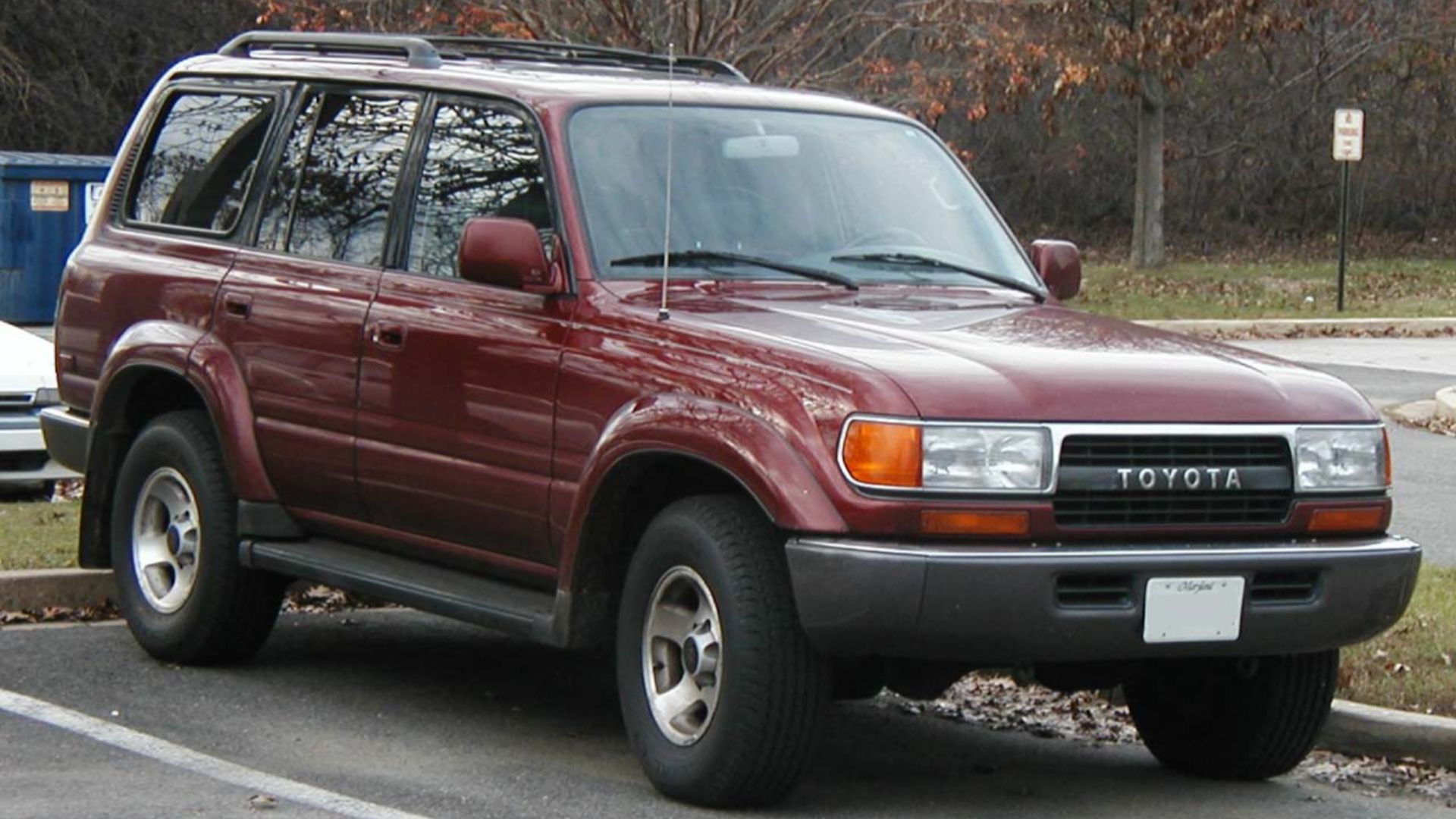
Land Rover Discovery: A Safari Vehicle In The School Parking Lot
The original Land Rover Discovery brought unmistakably British styling to American roads during the 1990s. Its tall body, distinctive roofline, and large windows made it look ready for an expedition even when it was carrying groceries. The Discovery also offered seating for up to seven occupants, an appealing feature for larger families. Its unusual proportions made it stand out from nearly everything else in a suburban parking lot.
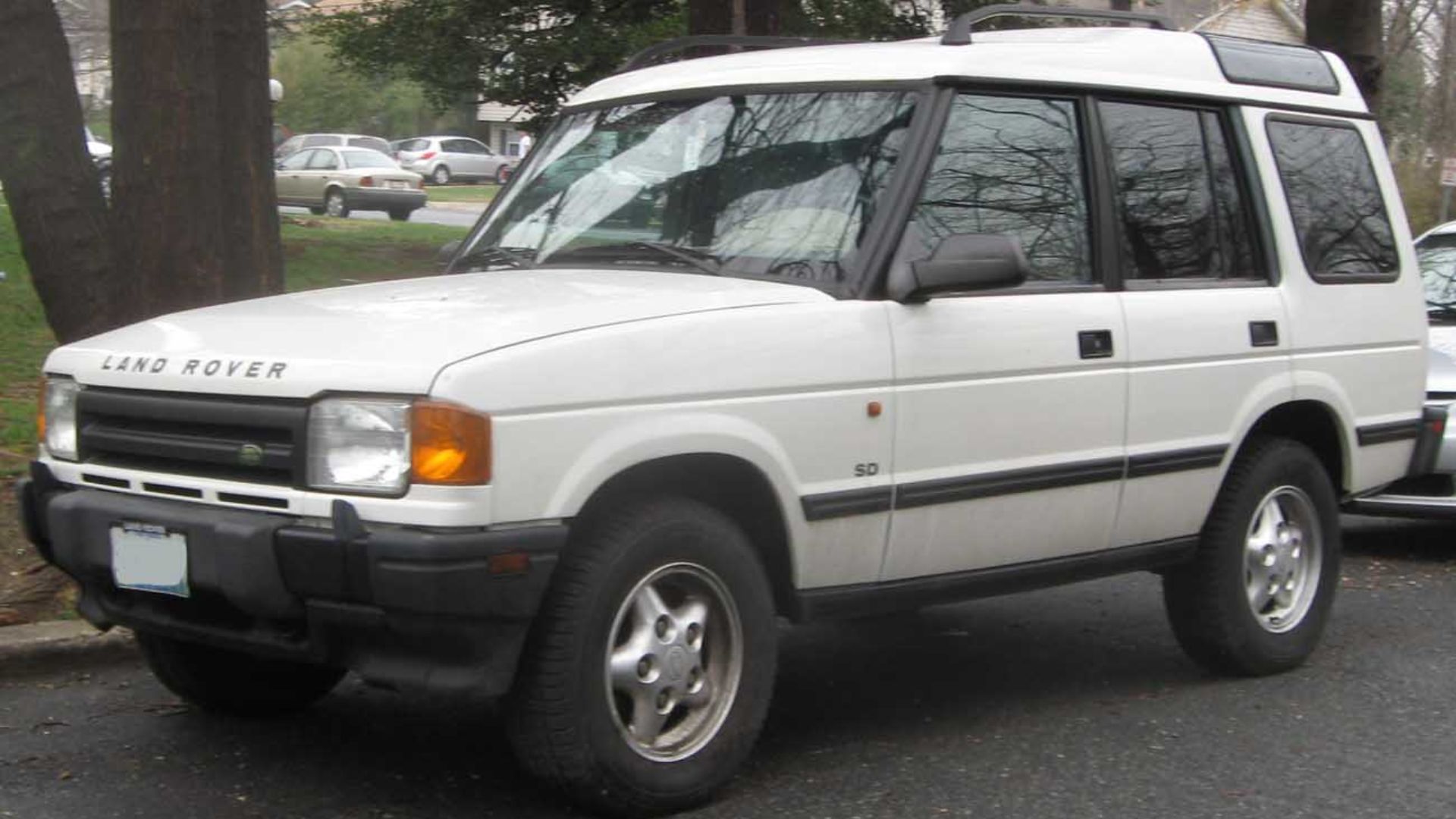
Land Rover Discovery: Personality Came With Compromises
The Discovery's appeal wasn't based entirely on comfort or refinement. In a 1996 comparison, Car and Driver praised its commanding outward visibility and adventurous character but criticized its noise levels and interior finish. Its short wheelbase relative to its height also gave it a distinctive shape. Families who chose one were getting a vehicle with genuine off-road heritage rather than a conventional station wagon dressed up to look rugged.
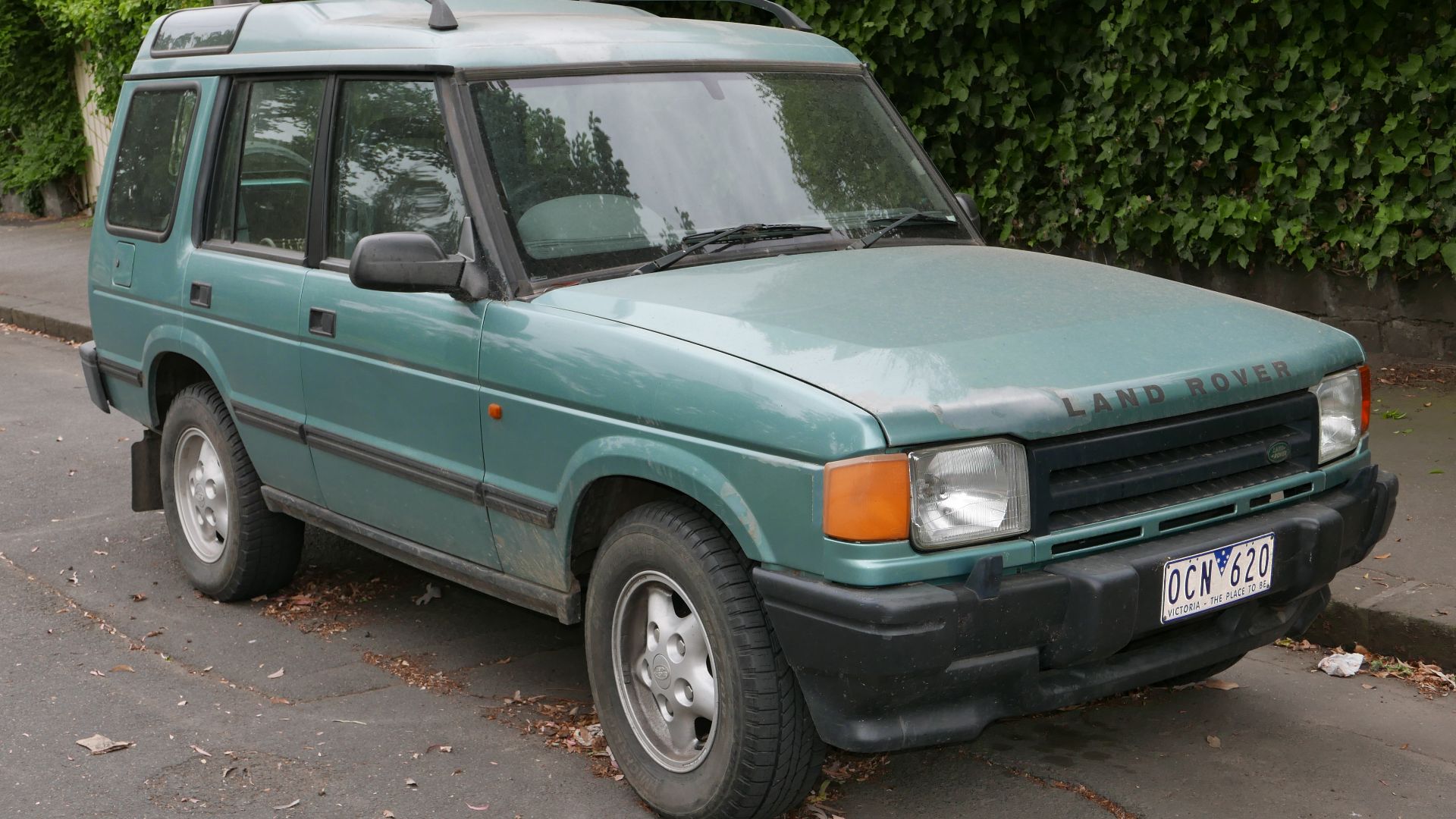
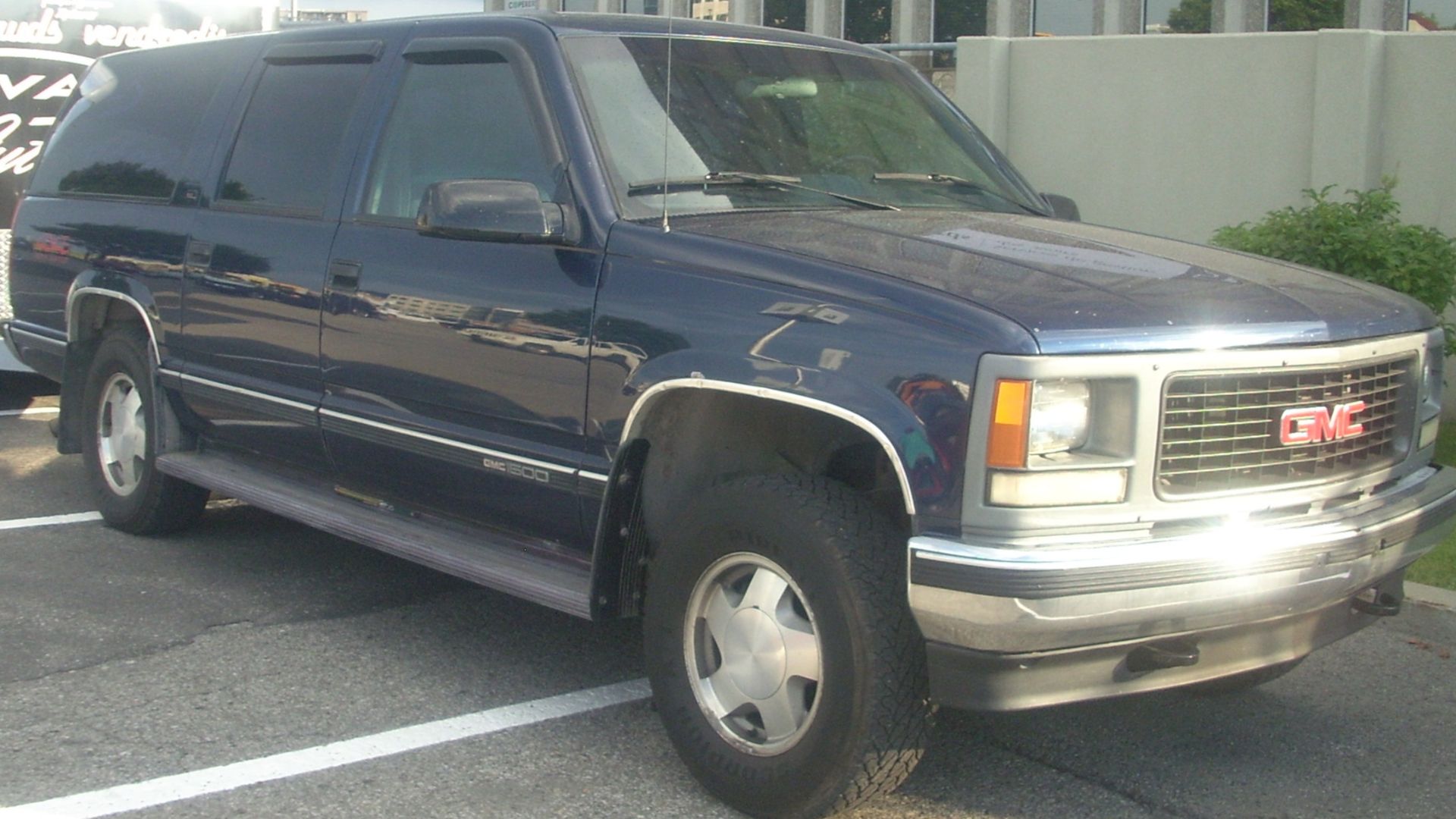
Chevrolet Suburban: The Ultimate Family Hauler
For families who needed enormous amounts of space, the Chevrolet Suburban was difficult to ignore. The 1990s version retained the long, rectangular profile that had defined the model for decades. A 1996 Car and Driver comparison highlighted its ability to carry passengers, luggage, and substantial towing loads. It was essentially the answer for buyers who thought ordinary SUVs simply weren't big enough.
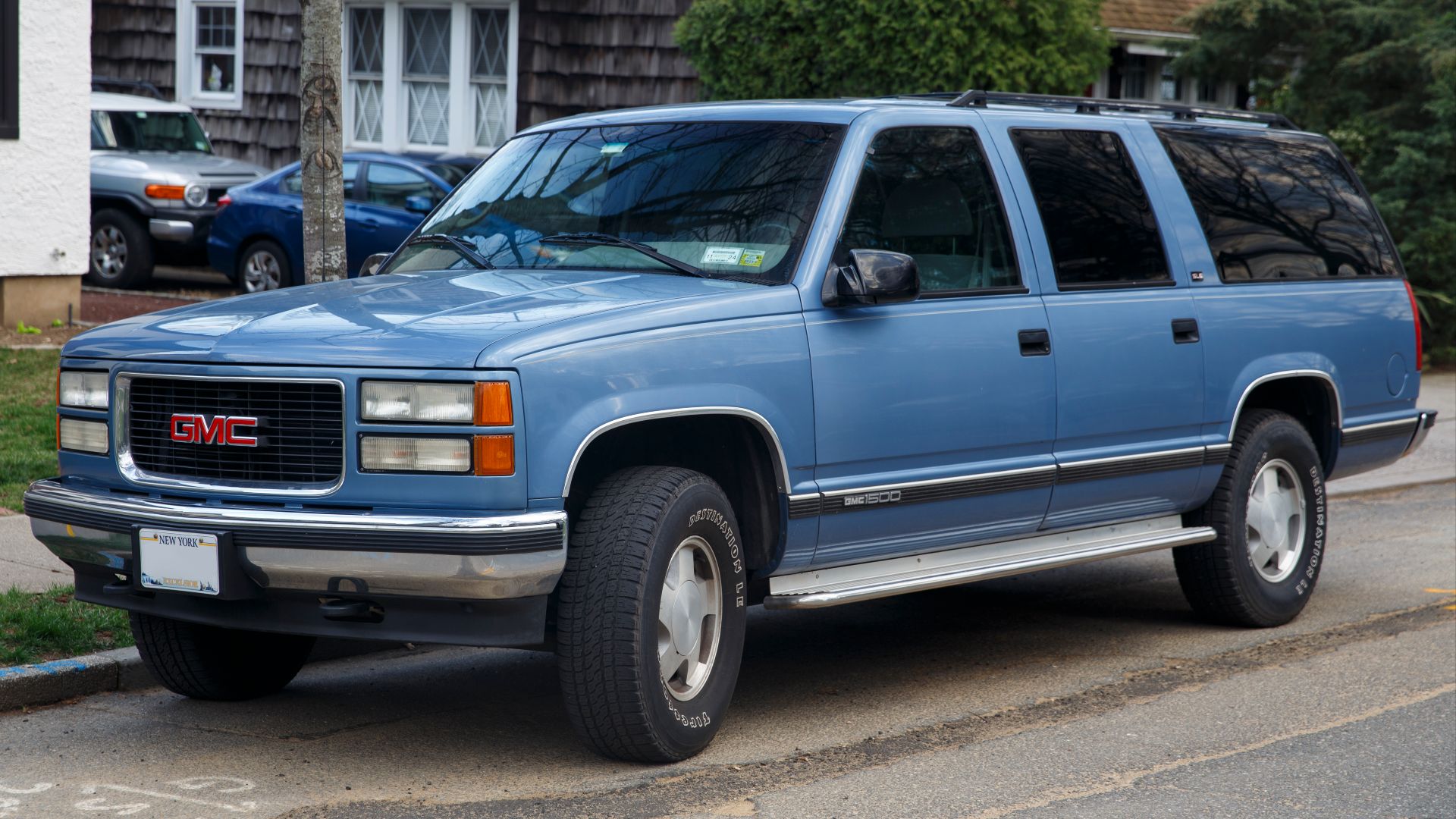 Mr.choppers, Wikimedia Commons
Chevrolet Suburban: Nothing Else Had Quite That Much Room
The Suburban's size translated into an extraordinary amount of usable interior space. In Car and Driver's comparison, the tested 1996 model offered 150 cubic feet of maximum cargo capacity with the appropriate seats removed or folded. Its third-row seating also made it useful for large families and group outings. The trade-off was obvious whenever drivers needed to maneuver its considerable length through tight parking lots.
Chevrolet Tahoe: The Suburban's More Manageable Sibling
Chevrolet introduced the four-door Tahoe for the 1995 model year, creating a shorter alternative to the enormous Suburban. Its square body and truck-based construction made it look nearly as imposing as its larger sibling. However, the reduced length made the Tahoe easier to maneuver in everyday situations. For families who wanted a full-size SUV without quite so much vehicle to park, it struck an appealing balance.
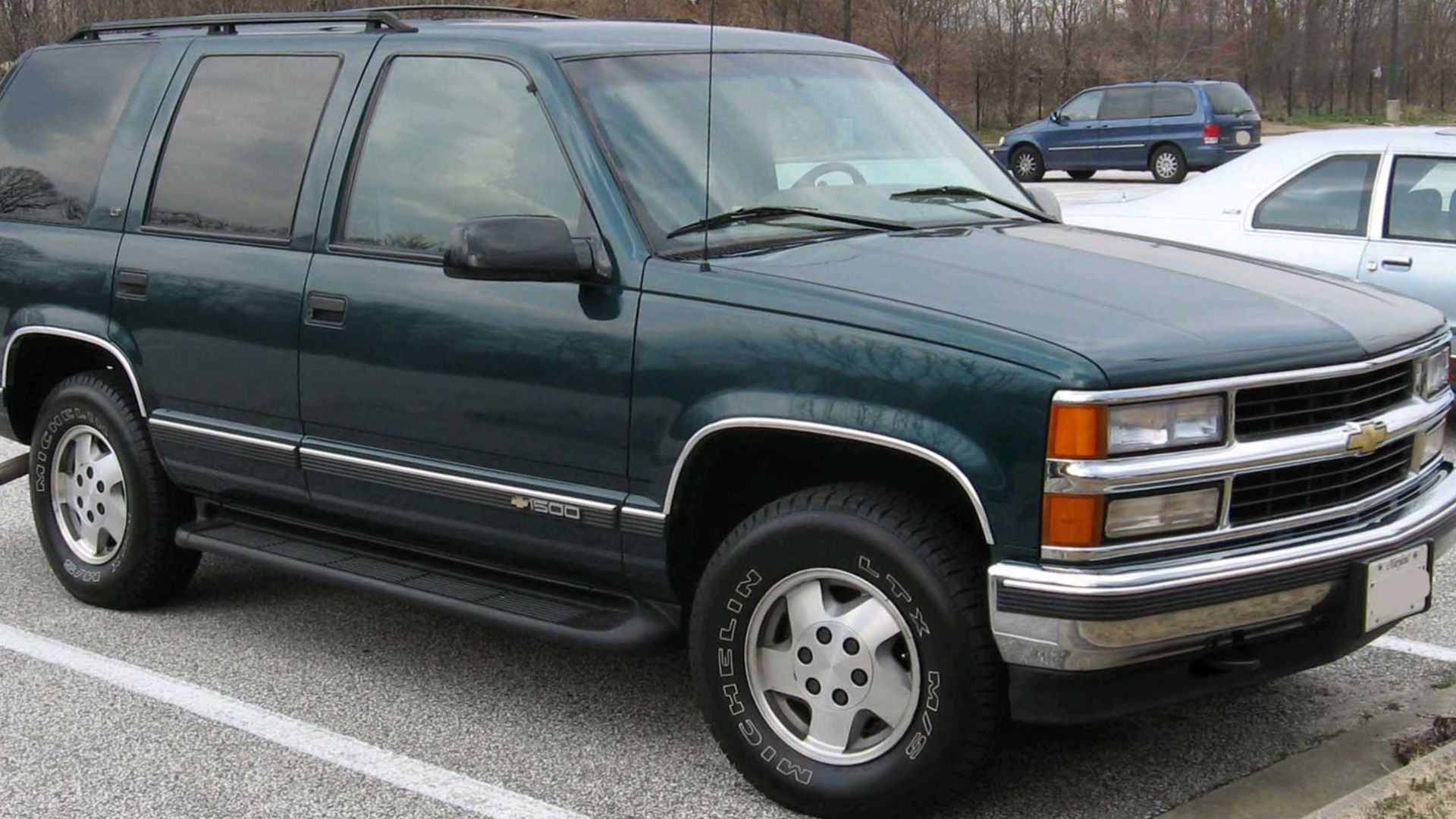
Chevrolet Tahoe: Big Enough Without Being Enormous
The Tahoe offered much of the Suburban's character in a more practical package. Car and Driver found that its smaller dimensions made parking easier and its ride quieter than the larger Chevrolet's. The magazine also recorded stronger acceleration from the Tahoe in its 1996 comparison. Buyers still received V8 power, substantial cargo capacity, and the unmistakable appearance of a traditional American SUV.
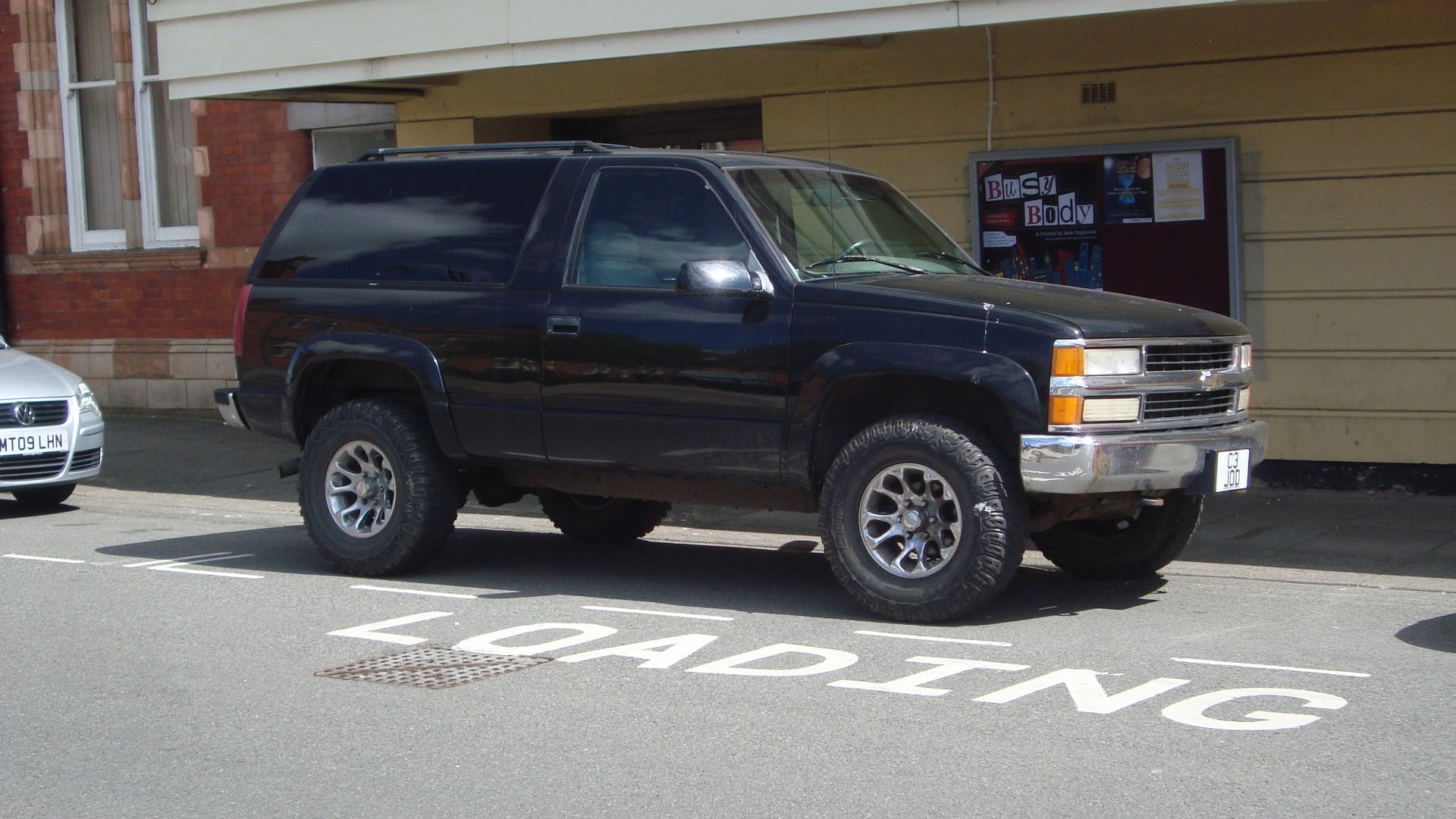 Kieran White from Manchester, England, Wikimedia Commons
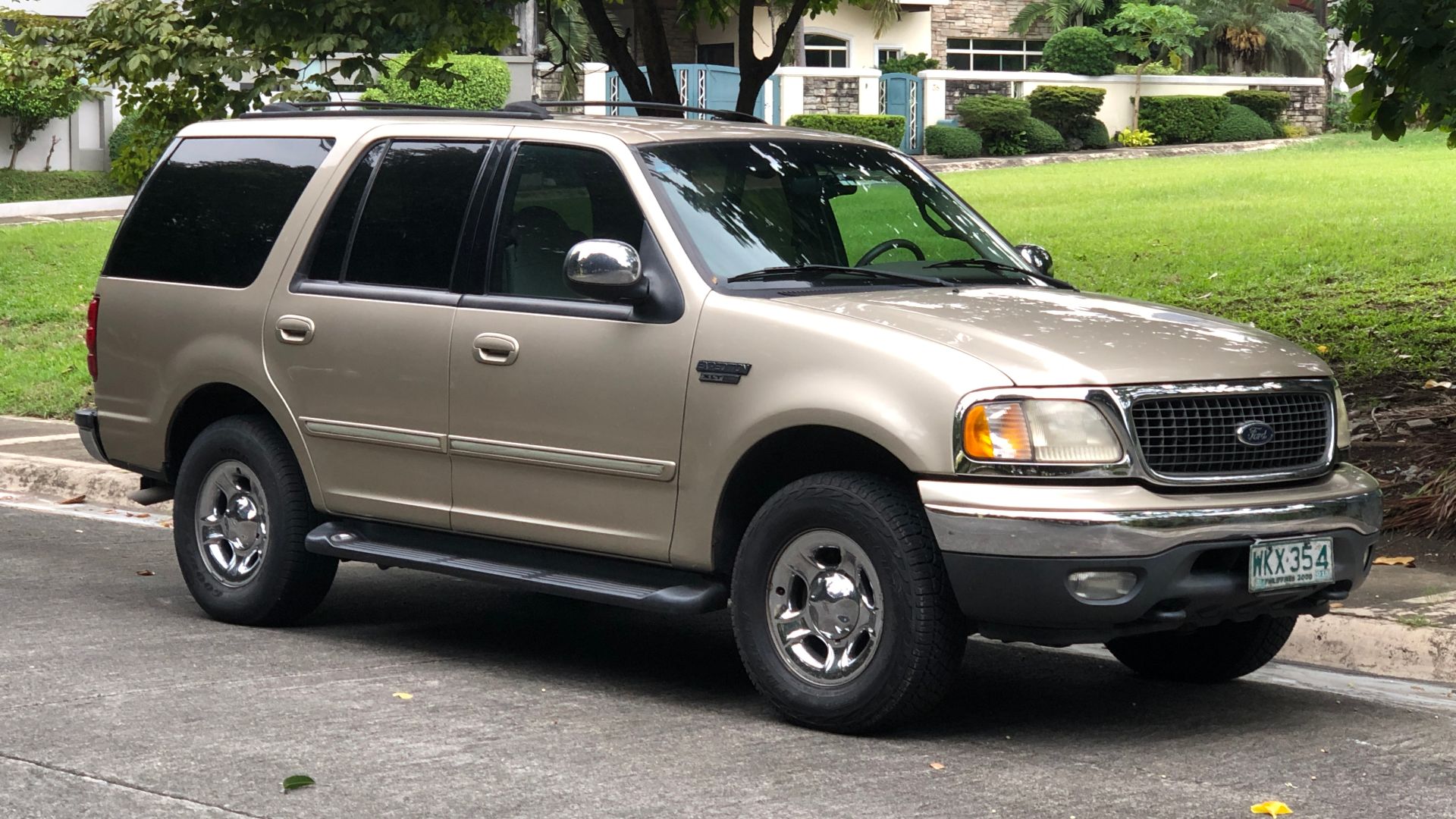
Ford Expedition: The Explorer's Big Brother Arrived
Ford entered the full-size four-door SUV market with the Expedition for the 1997 model year. Based on the company's contemporary F-Series pickup platform, it offered a larger alternative to the Explorer. Its tall body, substantial front end, and generous interior made it an immediate rival to Chevrolet's Tahoe and Suburban. The Expedition helped establish Ford as a serious competitor across multiple SUV sizes.
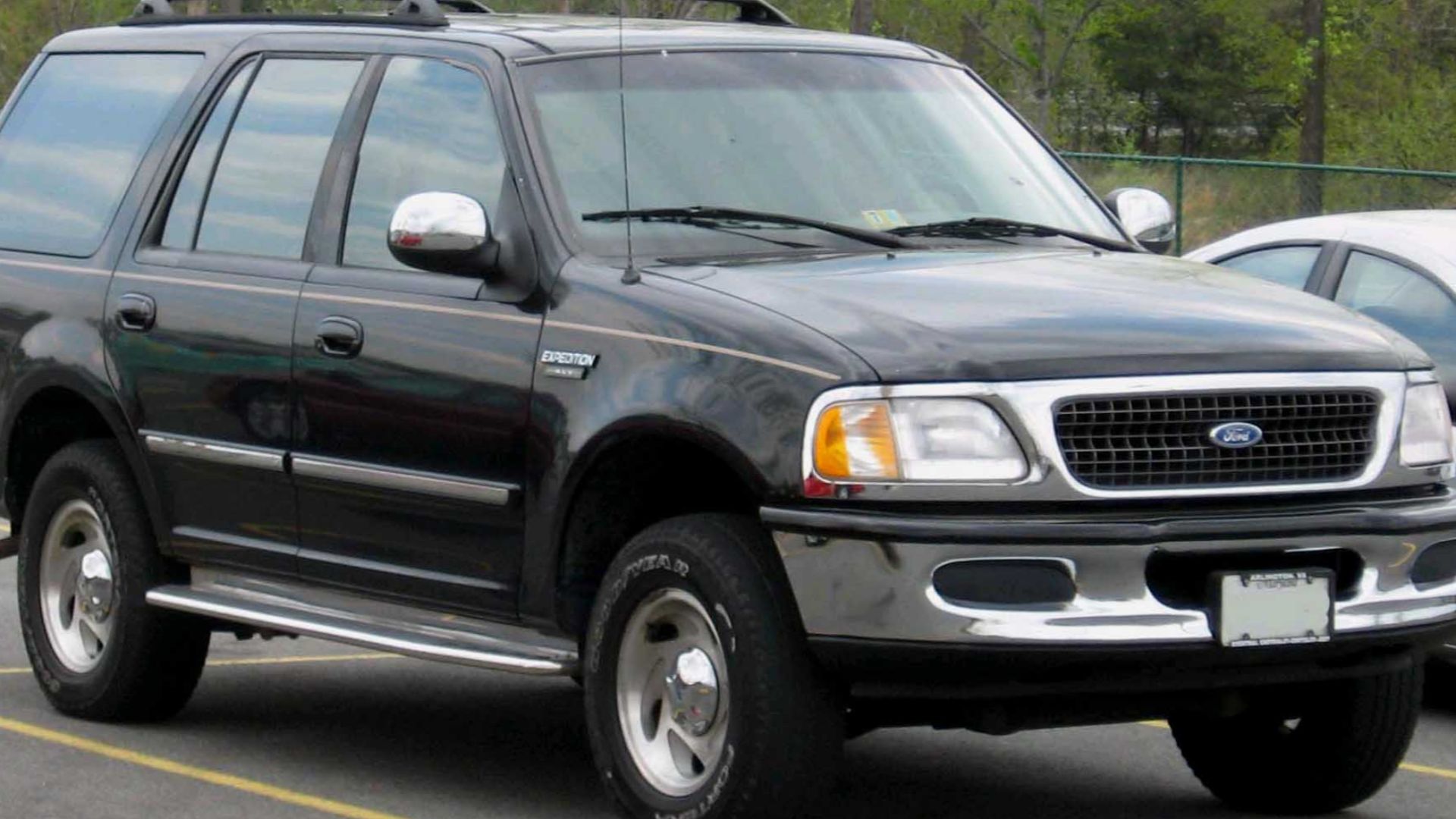
Ford Expedition: Families Got More Comfort Than Expected
The Expedition was designed to feel more refined than traditional large trucks. In Car and Driver's 1996 comparison, editors praised its steering precision and comparatively carlike driving behavior. Available equipment included rear air conditioning, rear audio controls, and a CD changer. Those features demonstrated that families were beginning to expect the conveniences of a passenger car even in a large, rugged SUV.
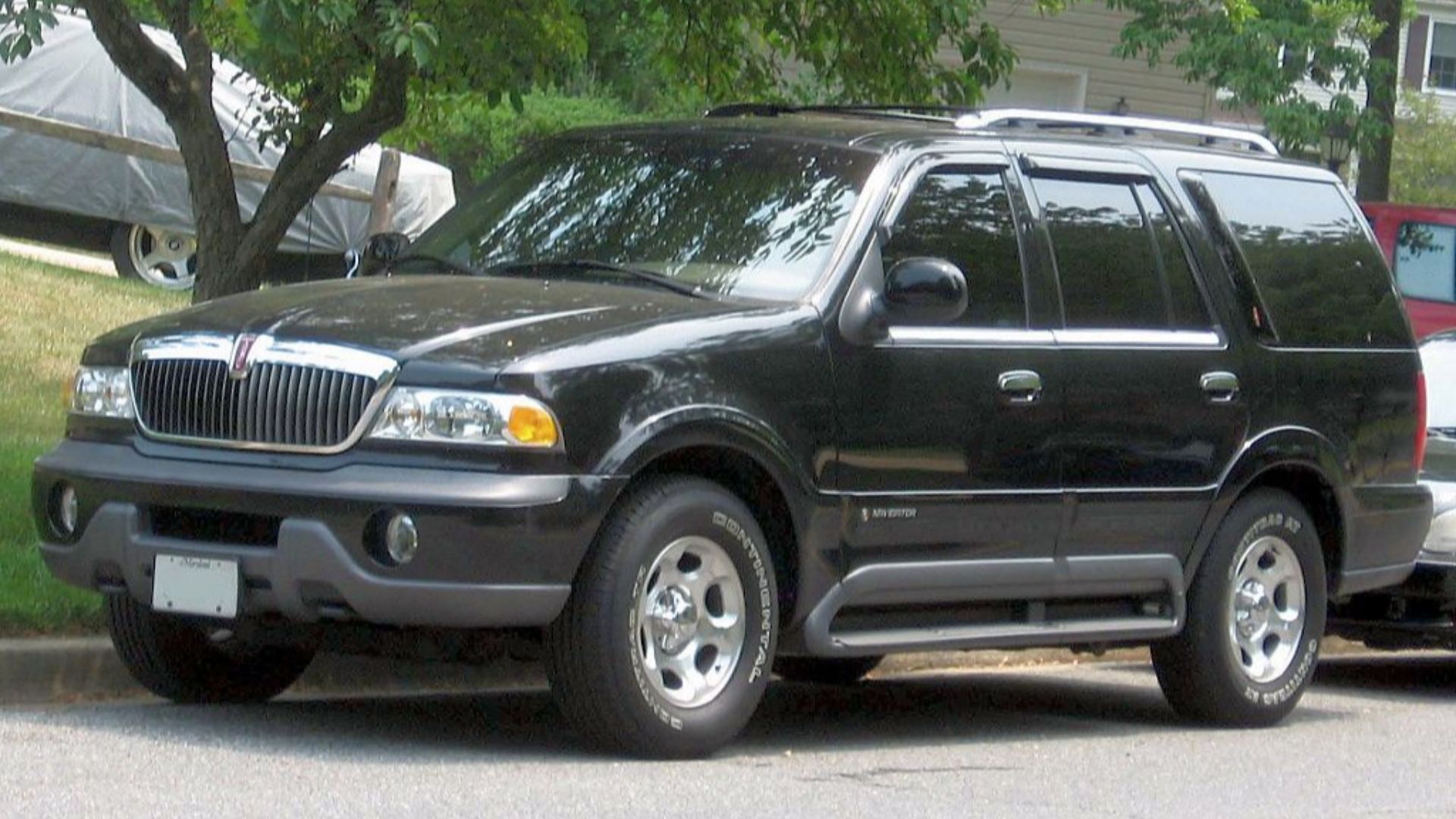
Lincoln Navigator: The Luxury SUV Became A Status Symbol
Lincoln introduced the Navigator for the 1998 model year, bringing a new level of luxury to the full-size American SUV market. Closely related to the Ford Expedition, it combined enormous dimensions with a more upscale interior and distinctive styling. The Navigator quickly attracted buyers who wanted the commanding presence of a truck without sacrificing premium appointments. Its success demonstrated that SUVs were becoming desirable status symbols rather than merely practical family transportation.
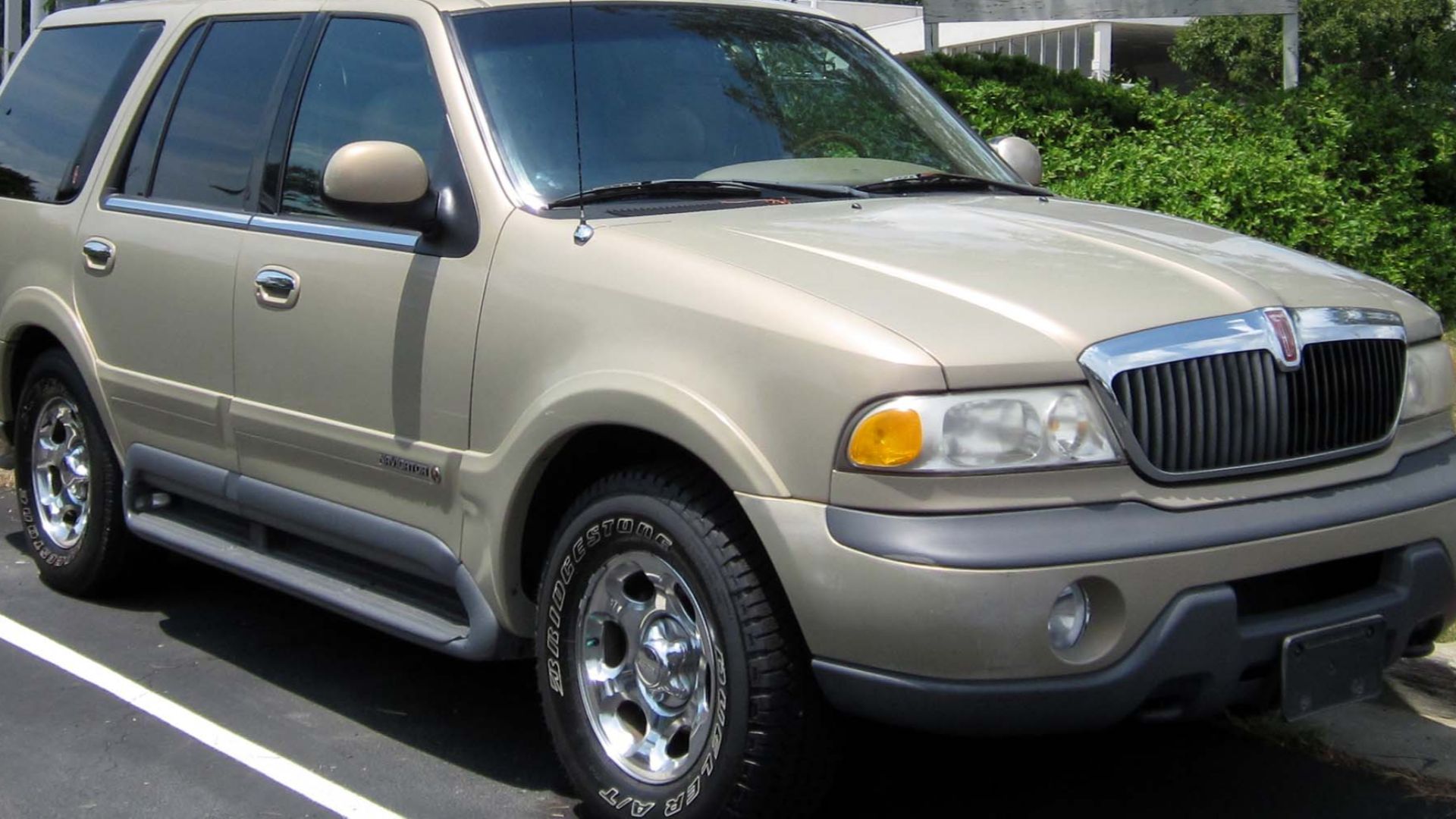
Lincoln Navigator: The Boxy SUV Had Officially Gone Upscale
By 1999, Car and Driver was comparing the Navigator against luxury vehicles from Cadillac, Lexus, Mercedes-Benz, and Land Rover. The magazine praised its generous equipment, passenger space, and unexpectedly capable performance. It weighed nearly three tons in the publication's test, yet its size was part of the attraction for buyers seeking an imposing luxury vehicle. The Navigator showed how thoroughly the SUV had evolved from a rugged utility machine into an aspirational family vehicle.
You May Also Like:
The Five Most Stolen Cars In North America