A Routine Rental Turns Into A Headache
You picked up a rental car expecting a smooth drive. Instead, you ended up in a collision and holding a distracted driving ticket. Situations like this can spiral quickly, especially when multiple factors are involved. Now you are left sorting out fault, fines, and a questionable vehicle.

The Crash That Started It All
The accident itself may have seemed straightforward at first. You hit another car and were cited at the scene. Police often make quick decisions based on visible behavior and statements. That initial judgment can shape everything that follows.

The $500 Ticket Shock
In many places, distracted driving penalties are steep. Fines can start at $500 and go up to $1,000 for a first offence. Drivers also face demerit points and possible license suspension. That ticket is more than just a financial hit.

What Police Consider Distracted Driving
Distracted driving includes more than texting. It can involve touching a phone, adjusting apps, or interacting with in-car systems. Even brief attention shifts can be enough for a charge. Officers rely on what they observe during and after the incident.

Why This Charge Matters Long Term
A distracted driving conviction does not disappear quickly. It can stay on your record and impact your insurance premiums. Higher rates can follow you for years. That makes it worth examining every detail of your case.

Rental Cars Add Another Layer
Driving a rental complicates things. You do not own the vehicle, but you are still responsible for its operation. Rental agreements often place liability on the driver for damage. That can feel unfair if the car itself had problems.
Insurance Can Get Complicated Fast
Rental coverage can come from several places. Your personal insurance, a credit card benefit, or the rental company may all be involved. Each has different rules and limits. Sorting out who pays can take time.

Then You Learn About The Brakes
After the accident, you discover the car may have had brake issues. That changes the story in a big way. Brakes are critical safety components. Any failure could directly contribute to a crash.

Mechanical Issues Are Not Rare
Rental fleets are used heavily and turned over quickly. Common problems include worn brakes, low tire tread, and sensor malfunctions. These issues can develop if maintenance is rushed or delayed. Drivers often assume rentals are in perfect condition, but that is not always true.
Why Brake Problems Are A Big Deal
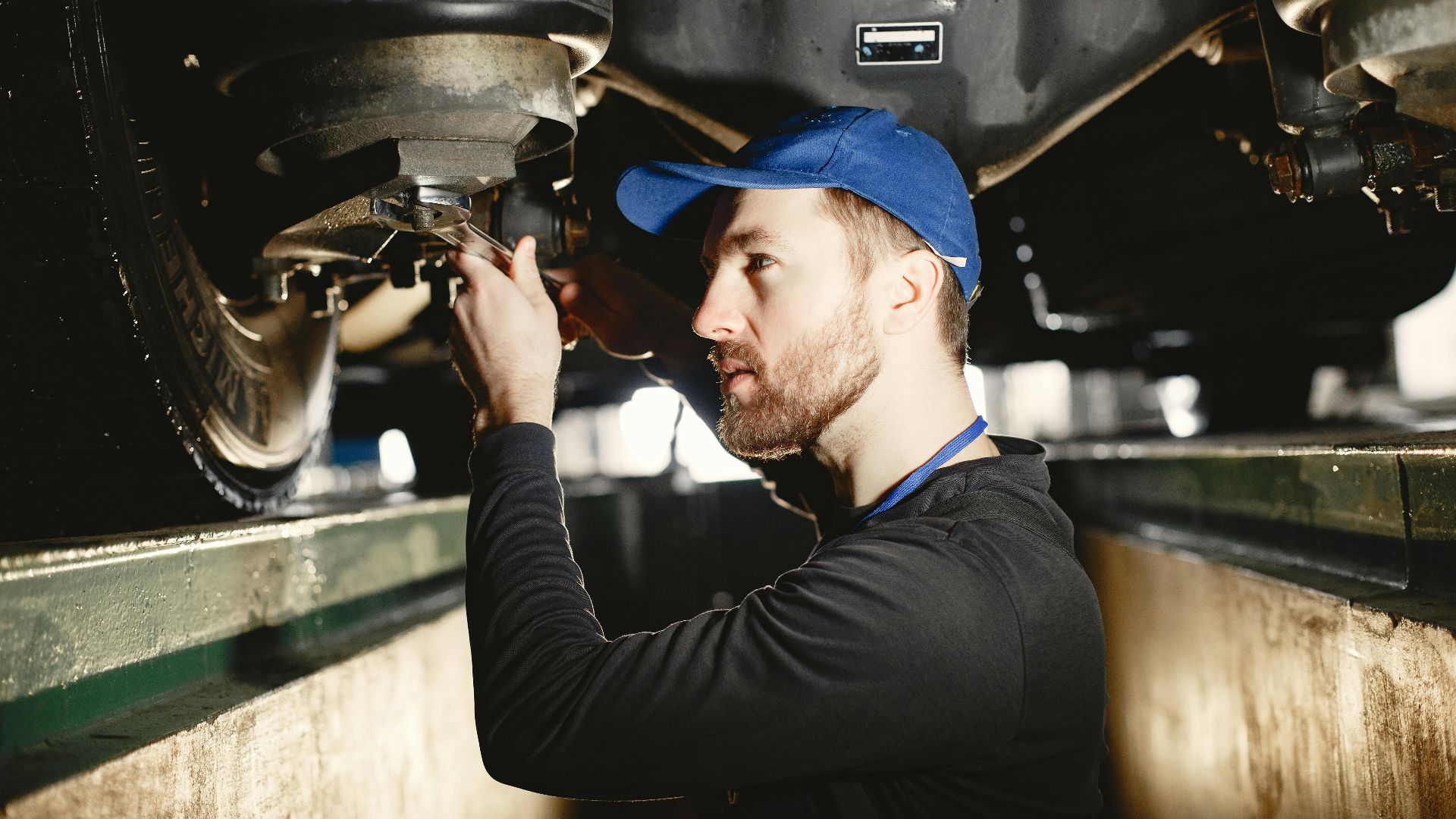
Faulty brakes can reduce stopping power or delay response time. That can make it harder to avoid a collision. Even a small delay can matter in traffic. This makes brake condition a key factor in accident investigations.
Could The Vehicle Share The Blame
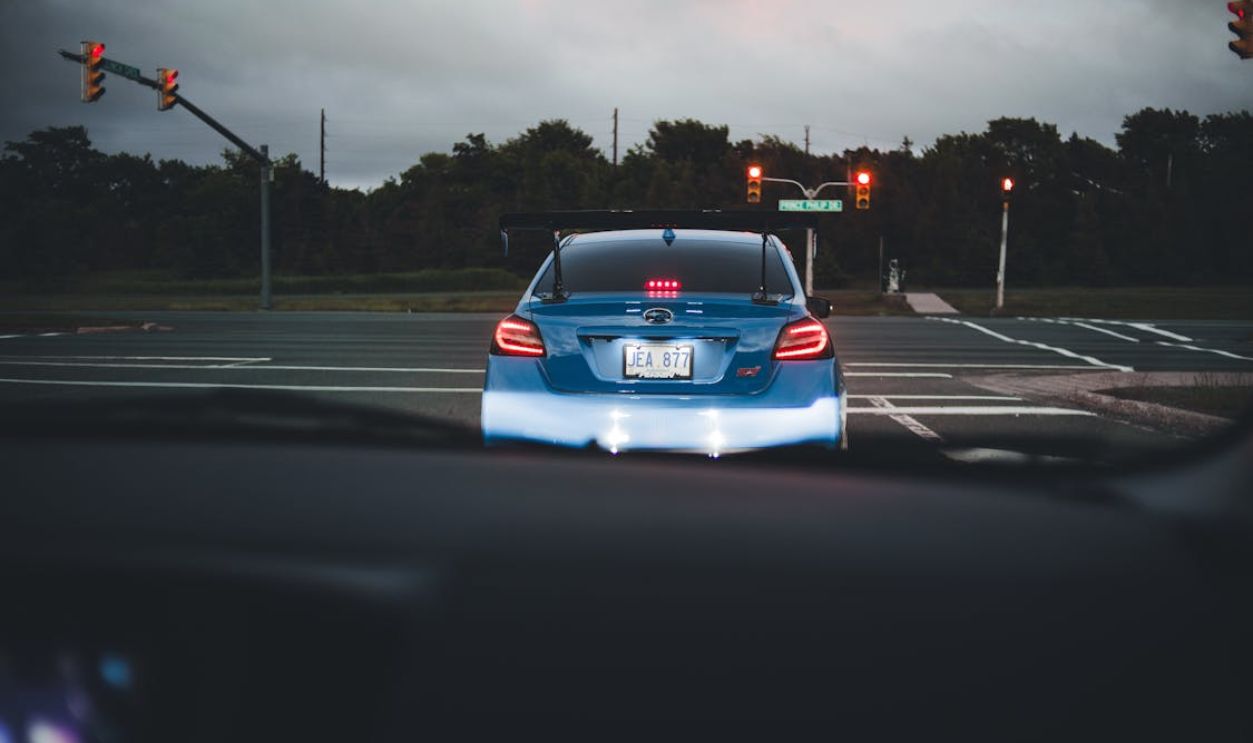
If the brakes were compromised, fault may not rest entirely on you. Mechanical failure can shift some responsibility to the vehicle owner. In this case, that could be the rental company. Establishing that link requires evidence.

Rental Companies Have Responsibilities
Rental agencies are required to maintain safe vehicles. They must inspect and service cars regularly. Renting out a vehicle with known safety issues can expose them to liability. This is especially true for critical systems like brakes.

Maintenance Records Tell A Story
You can request maintenance logs for the vehicle. These records show when the car was serviced and inspected. They may reveal whether brake issues were known before your rental. This information can be crucial in your defence.

Recalls Could Be A Key Clue
Some vehicles are recalled due to brake failures. In North America, recalls have affected thousands of vehicles due to potential loss of braking. If your rental was part of such a recall, that is significant. It could indicate the car should not have been on the road.

Why Recalls Matter To Your Case
A recall signals a known safety defect. If the rental company failed to address it, they may be at fault. Renting out a recalled vehicle without repairs is a serious oversight. This could strengthen your position.

Start Documenting Everything
Begin collecting evidence right away. Take photos of the car and any warning lights. Write down what you experienced while driving. Details can fade quickly, so act fast.

Report The Issue Immediately
Notify the rental company about the brake concern. Do this in writing so there is a record. Be clear and factual in your description. This creates a paper trail that may help later.

Do Not Ignore The Ticket
Even if the car had issues, the ticket still stands for now. You must respond within the required timeframe. Ignoring it can lead to additional penalties. Take it seriously from the start.

Consider Fighting The Charge
You may be able to dispute the distracted driving ticket. If brake failure contributed to the crash, it could affect the outcome. This often requires presenting evidence in court. A legal professional can guide you through the process.

Legal Advice Can Make A Difference
A traffic lawyer can evaluate your situation. They understand how mechanical issues factor into liability. They can also challenge the distracted driving charge. Professional guidance can improve your chances.
Insurance Companies Will Investigate
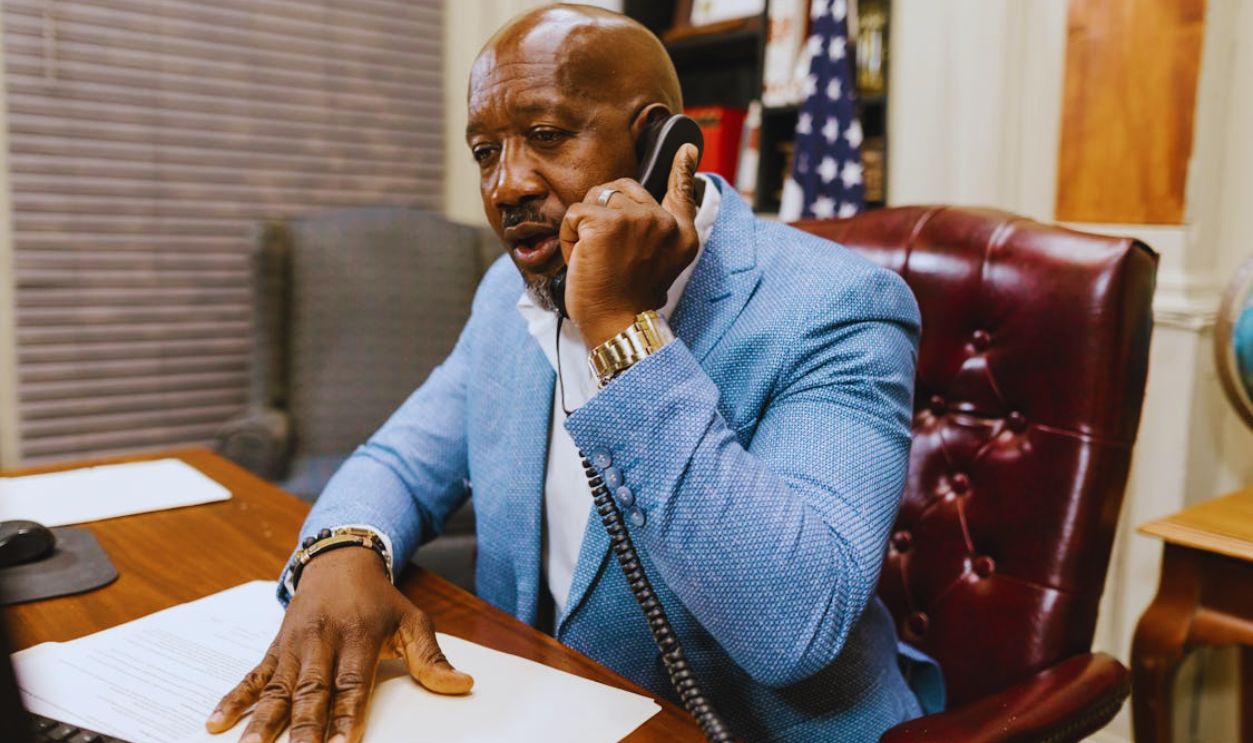
Insurers will look closely at the accident. They may examine the car, review reports, and assess liability. Mechanical defects can influence their findings. Be prepared to provide your documentation.

Shared Fault Is Possible
Not all cases are clear cut. Responsibility may be divided between driver and vehicle condition. This can affect how damages are paid. It may also influence the outcome of your ticket.

Protect Yourself Financially
Keep records of all communications. Save emails, receipts, and reports. These documents support your case if disputes arise. Organization can make a big difference.

The Cost Of A Conviction
A distracted driving conviction can raise your insurance premiums. It may also affect your driving record for years. Avoiding or reducing the charge can save money over time. That makes it worth pursuing every angle.

What To Do Right Now
Focus on gathering facts and seeking advice. Contact the rental company and your insurer. Consider consulting a lawyer. Taking action early gives you more options.

Lessons For Future Rentals
Always inspect a rental before leaving the lot. Check the brakes, tires, and dashboard warnings. Report any concerns immediately. A quick check can prevent serious trouble.

Ask About Maintenance History
Do not hesitate to ask questions at pickup. Find out when the car was last serviced. Confirm there are no outstanding recalls. A few minutes can give you peace of mind.

Stay Calm And Take Control
This situation is stressful, but it is manageable. Stay organized and proactive. Focus on facts and evidence. That approach will help you navigate the process.

Turning A Tough Situation Around
You may not be stuck with all the blame. Mechanical issues can shift responsibility and change outcomes. With the right steps, you can protect yourself. It all starts with understanding your rights and acting quickly.

You May Also Like: