
Mixed Messages
You thought the basic rule of oil changes was to change your oil every 5,000 miles. Now the dealership says 10,000. Suddenly, you’re questioning everything you know about car care. The truth is, both answers can be right depending on what vehicle you’re driving, your driving habits, and your oil type. Here’s how to figure out what’s best for you.

Check Your Owner’s Manual
Your vehicle’s owner’s manual is always the final authority on oil change intervals for your specific engine. Manufacturers test engines under real conditions to set the most accurate numbers. If the manual says 10,000 miles, use that as the baseline. But conditions like heavy traffic and cold weather could still make it advisable to do more frequent oil changes.

Know What “Severe Driving” Is
Most people think severe driving means racing, which is not true. Stop-and-go traffic, lots of short trips, dusty roads, and extreme temperatures all count under “severe driving.” If your daily routine entails any of these, you may be better off going with a 5,000-mile interval to protect your engine, even if the manufacturer says otherwise.

Synthetic Oil Changes The Rules
If your vehicle uses full synthetic oil, extended intervals like 10,000 miles are usually safe. Synthetic oil lasts longer, resists breakdown from heat, and keeps your engine cleaner. Note that synthetic doesn’t make your engine invincible; you still need to check it periodically for leaks or contamination.

Don’t Ignore Oil Life Monitoring Systems
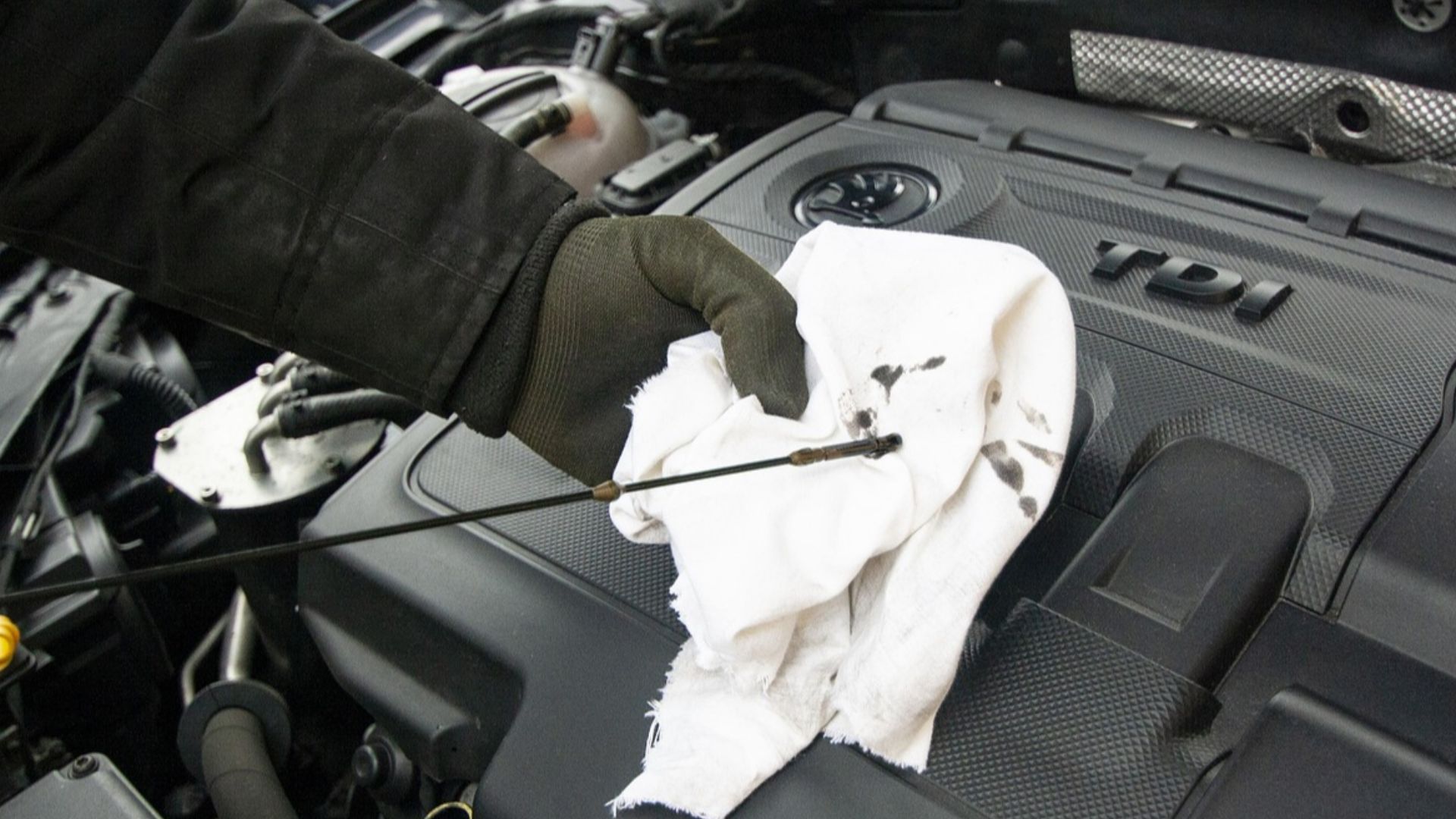
Newer vehicles can track oil quality and driving habits through built-in sensors. If your dashboard oil life monitor says it’s time for service earlier than the recommended 10,000 miles, don’t ignore that. The system responds to real-world use, which also includes hard driving that shortens oil life-span.
Warranty Requirements
Some automakers require proof of maintenance for their warranty coverage. If your engine fails and you can’t prove you’ve made regular oil changes, you could be stuck with a huge repair bill. Keeping receipts and following the manufacturer’s recommended maintenance schedule protects you financially, as well as mechanically.

Type Of Engine Plays A Role
Turbocharged engines and performance-focused models tend to require more frequent oil services due to their higher operating temperatures and internal pressure. If you have a turbo, 5,000-mile intervals may be the safer choice, regardless of what the dealership recommends.

Oil Filters Aren’t All Created Equal
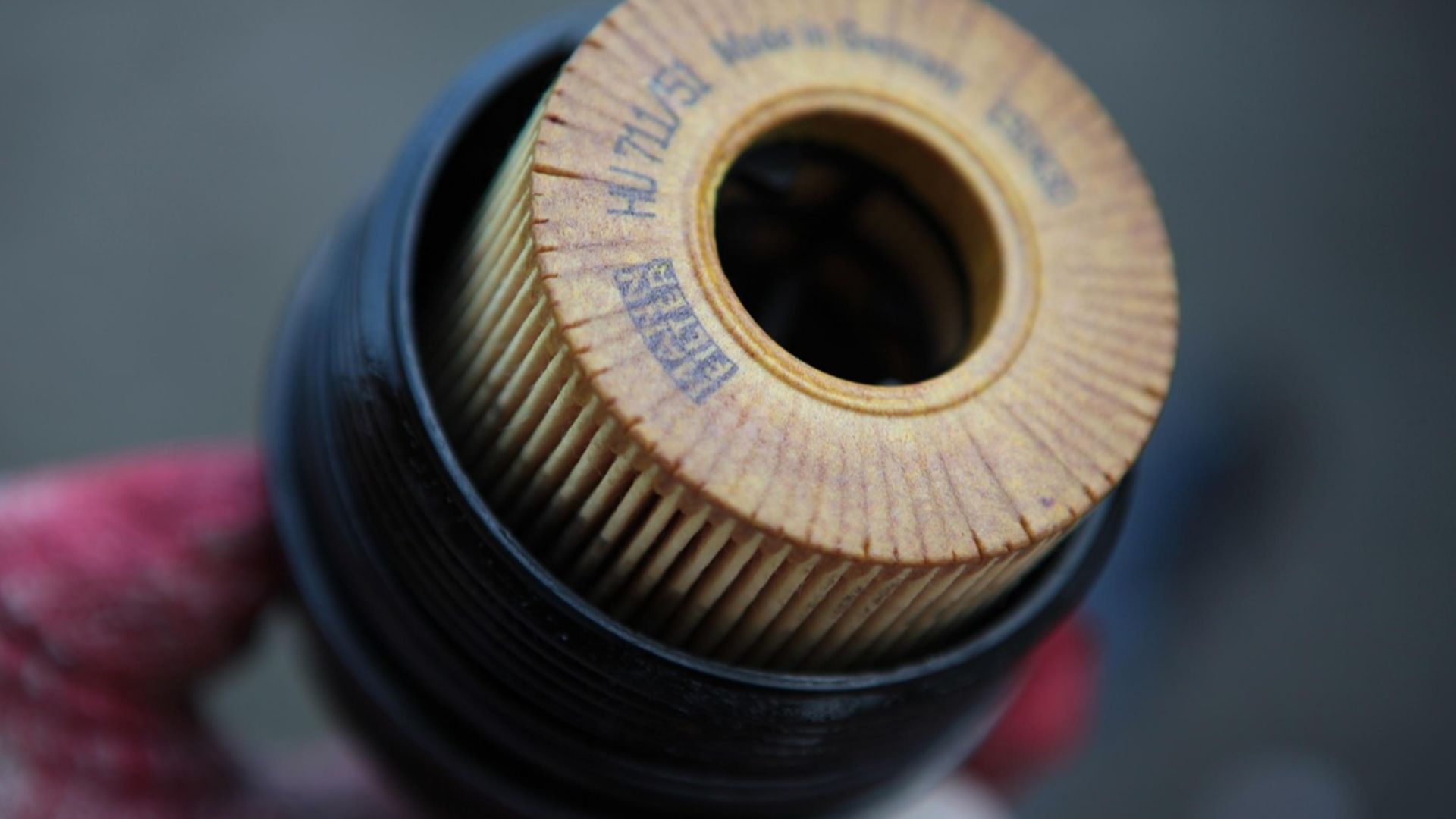
A high-quality synthetic oil filter can last longer between oil changes. But cheap filters can clog or break down sooner than expected, forcing oil to bypass filtration entirely. If you’re stretching your interval to 10,000 miles, make sure the filter is designed for extended use.
Highway Driving Is Easier On Oil
If the bulk of your mileage comes from long highway trips, you can typically push the oil change interval closer to 10,000 miles. Oil stays cleaner because the engine reaches stable temperatures and doesn’t constantly cycle on and off, unlike it does during short city commutes.
 DWS MontagZen, Wikimedia Commons
Aftermarket Additions Affect Oil Life
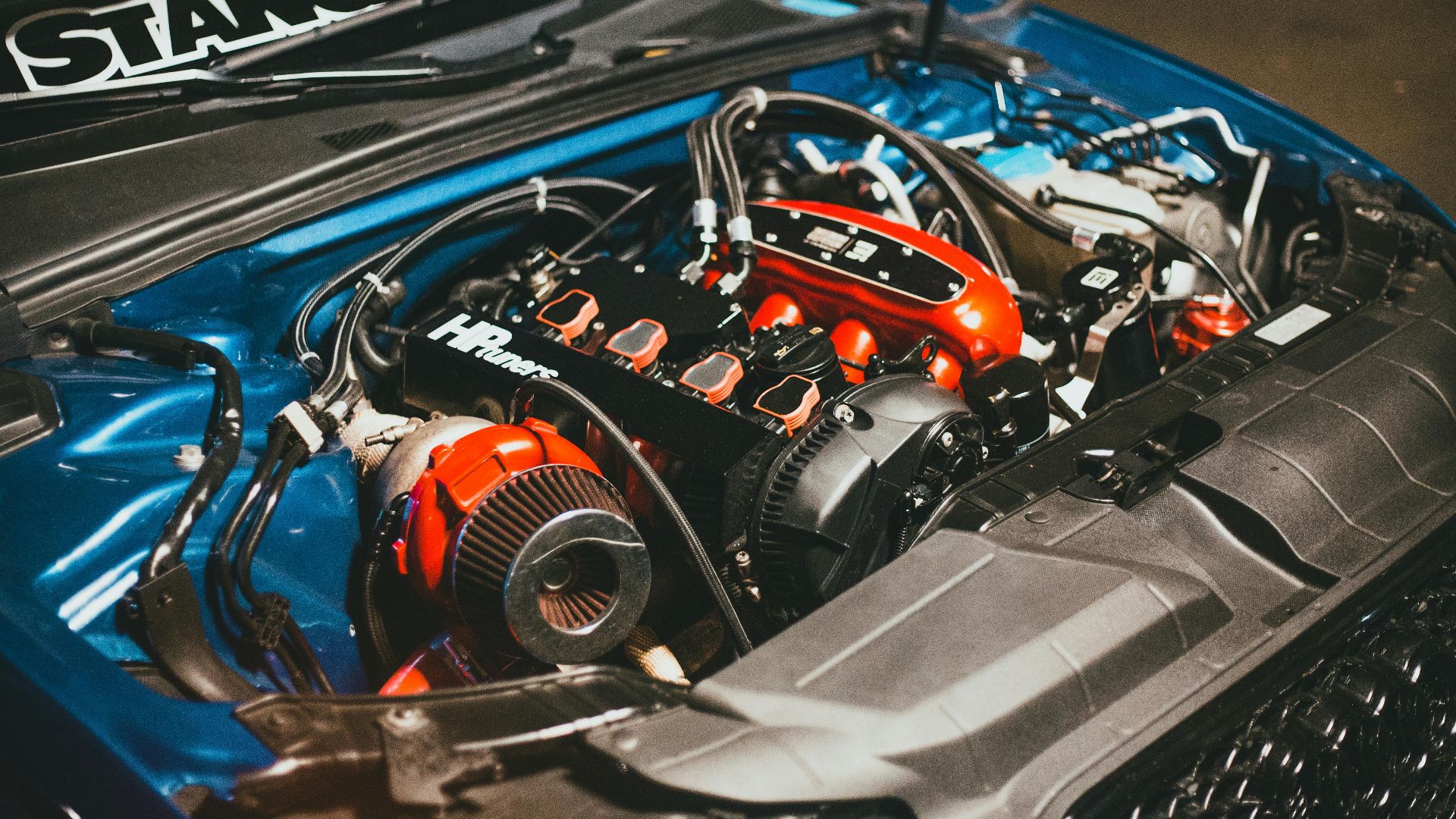
Modifications like aftermarket air intakes or inline tuners can also change how efficiently your engine burns fuel. Poor fuel burn leads to more contaminants in the oil. This isn’t going to be the case for the vast majority of people reading this, but if your car is modified, the 5,000-mile interval is safer.
Short Trips Are A Big Problem
Frequent cold starts and trips under 10 minutes prevent oil from heating enough to burn off moisture. Over time, that starts to generate sludge. If you run errands more than road trips, shorter intervals are non-negotiable for your engine’s longevity.

Diesel Engines Follow Different Rules
Diesel engines generate soot and a lot more combustion by-products, so the oil gets contaminated more quickly. But even when you’re using synthetic oil, many diesel owners stick to five to seventy-five hundred miles. In any case, check diesel-specific guidelines and your owner’s manual closely.

Use A Reliable Independent Mechanic
Dealerships tend to push extended intervals partly because it reduces their complimentary maintenance costs. But a trusted independent shop could give you more balanced advice based on your own individual habits, and not their bottom line.

Oil Condition Vs Mileage
Mileage is only a number that you use as a guideline, but regardless of this, the oil can degrade faster or slower based on conditions. A technician can check the oil’s color, thickness, and contamination levels to make a general observation if it’s still doing its job.
 U.S. Navy photo by Seaman Alexander Casco, Wikimedia Commons
Keep Track Of Your Driving Conditions
If your driving routine changes, your oil change interval should change also. Longer commutes could allow you to stretch it out, although more city driving may require dialing the number back again. Adapt as necessary, but don’t treat the interval as written in stone.

An Affordable Form Of Prevention
Even if changing your oil once every 5,000 miles seems like “extra,” or overdoing it, each change costs a lot less than it would to repair or replace a damaged engine. A conservative schedule is like insurance: it’s boring but financially smart.

Don’t Ignore Warning Lights
If your oil pressure or engine temp lights come on, even at 3,000 miles, don’t wait. Those signals mean your engine is already at risk. Maintenance schedules go out the window once a warning light goes on.

You Can Split The Difference
Many owners find a sweet spot between the two extremes: they’ll change the oil every 7–8,000 miles. It gives a nod to the modern oil performance while still protecting against harsh conditions. It’s obviously not an exact science, but it’s a good compromise game plan.

Keep Track Of Maintenance Records
Keeping documentation of each service helps you preserve resale value and gives future owners confidence in your maintenance habits. It also protects you in warranty disputes. It’s a small step that renders big benefits later.

Bottom Line: Choose Based On How You Drive
If you have a newer vehicle with synthetic oil and you’re mostly doing highway driving, 10,000 miles is reasonable. But if you drive short trips, spend a lot of time idling in traffic, tow, or have a performance engine, your best bet is to stick to 5,000. Maintaining your engine is ultimately in your hands, not your dealer’s.

You May Also Like:
Keep Your Car In Mint Condition With These Simple Tips And Tricks
What Happens If You Never Change Your Oil?
I caught my mechanic test-driving my car all the way across town. Is he allowed to do this?