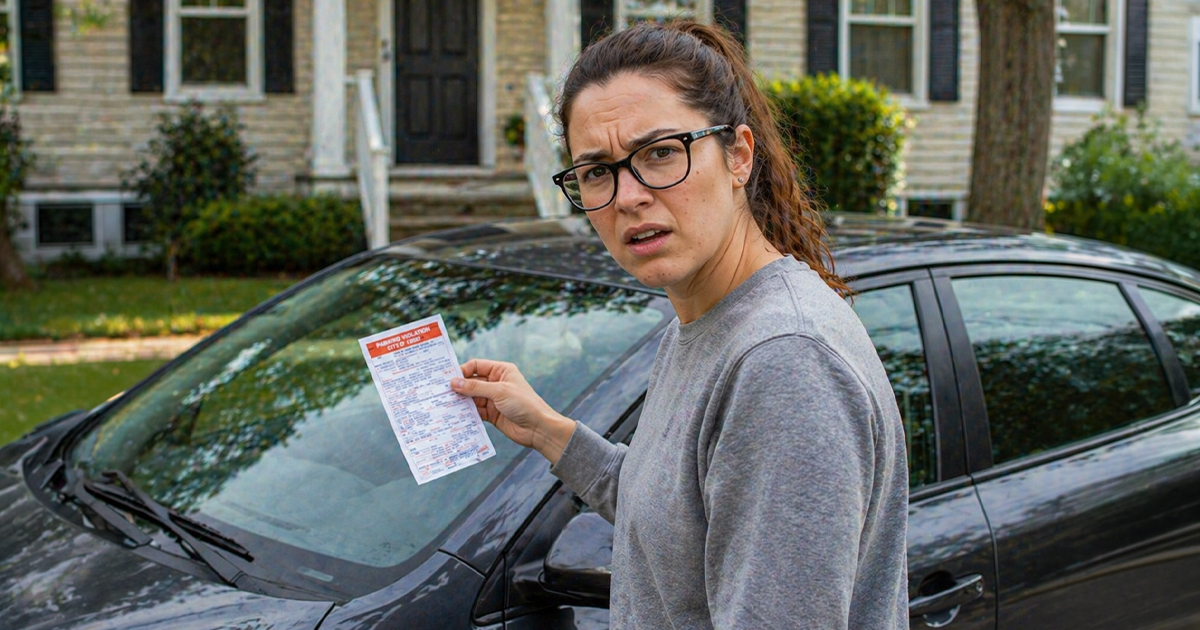
You Parked in Front of Your Own House… and Still Got a Ticket
You pulled up, parked right in front of your own home, and went inside like any normal day. No signs, no obvious issues. Then you come back out—and there it is. A ticket on your windshield. Now you’re thinking… how can that even be legal?
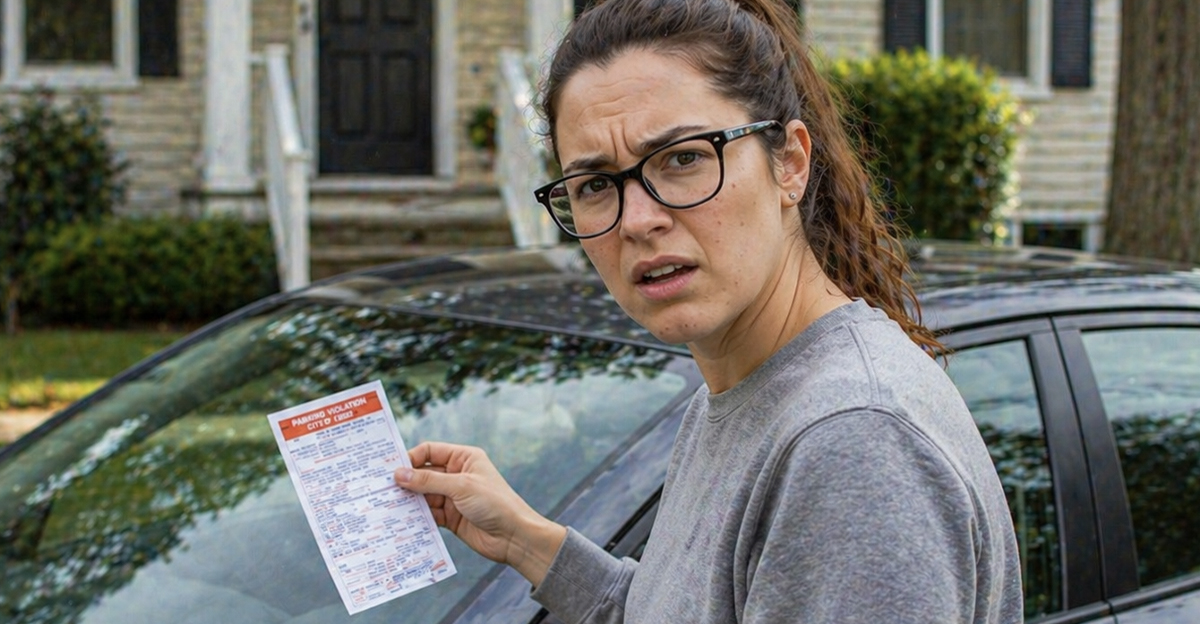
Isn’t the Street in Front of Your House “Yours”?
It feels like it should be, right? But here’s the first surprise: the street in front of your home is public property. That means it’s regulated by the city—not owned or controlled by the homeowner.
So What Rules Apply to That Space?
Even if it’s right outside your house, that spot is still subject to local parking bylaws. Things like time limits, permit requirements, street cleaning rules, and snow routes can all apply.
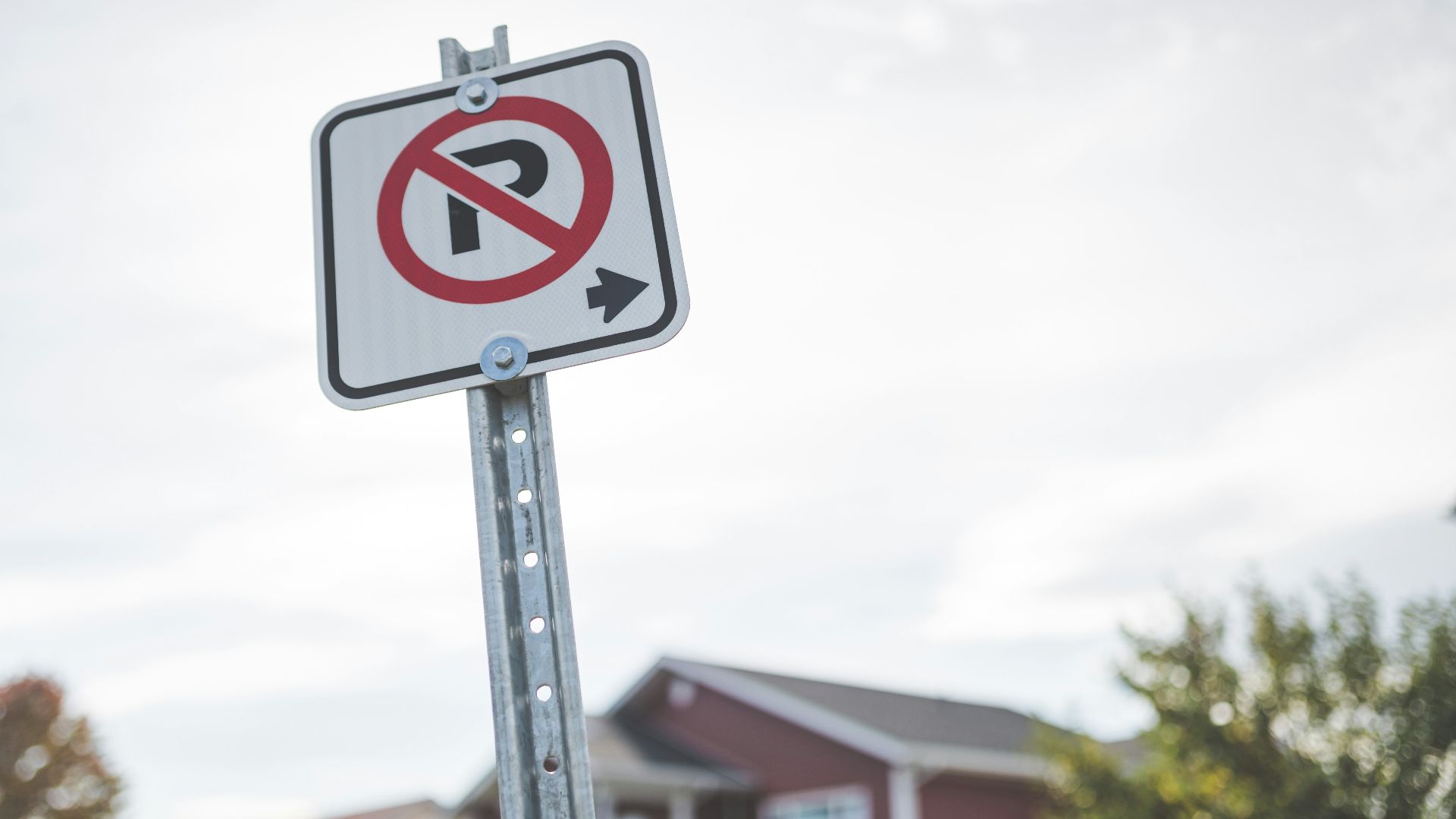
Could There Have Been a Time Limit?
Yes—and this catches a lot of people off guard. Some residential areas have limits like 2-hour or 3-hour parking, even if there’s no obvious sign directly in front of your house.
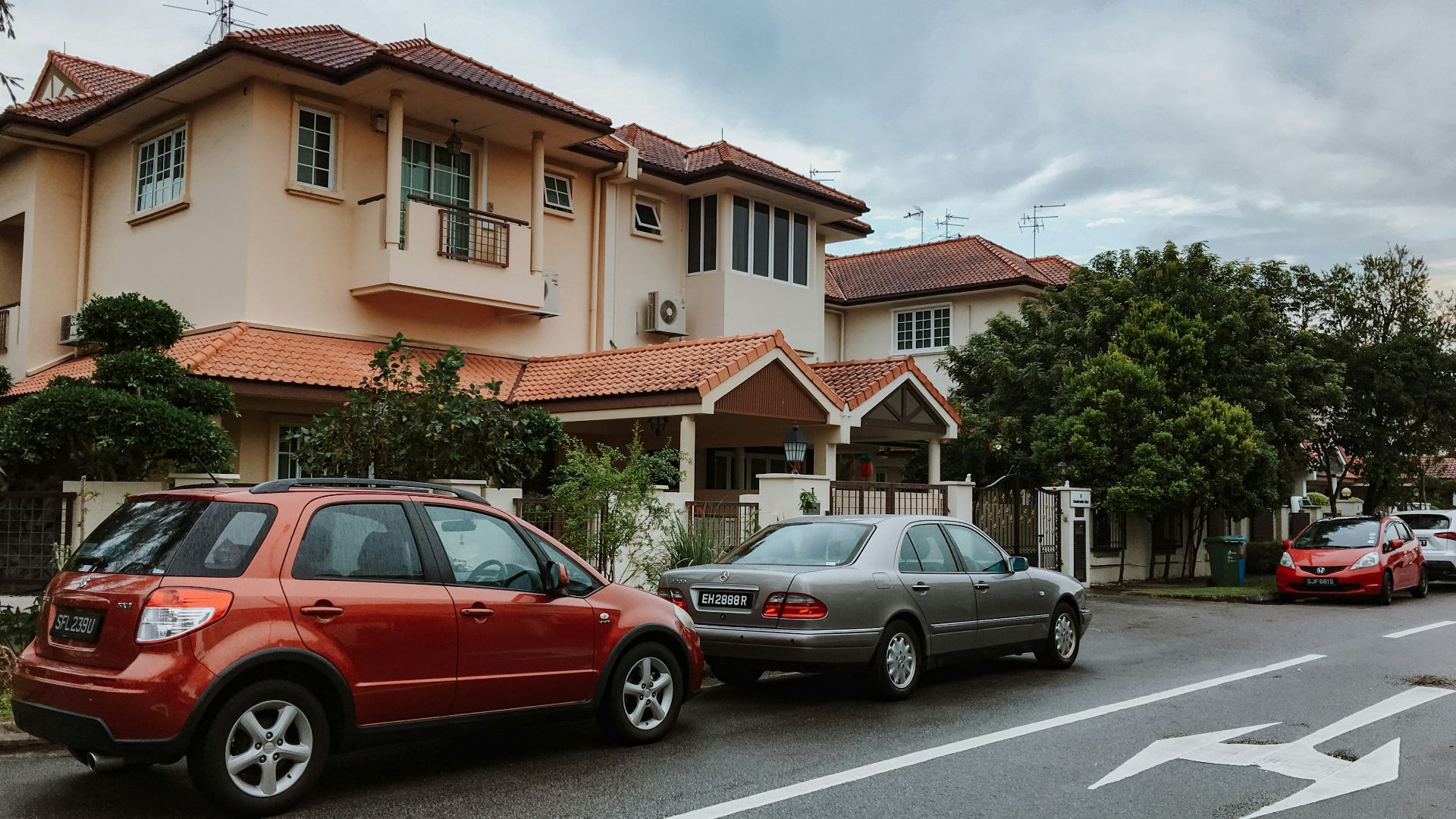
But What If There Were No Signs?
That’s where it gets tricky. Some cities enforce general rules across entire zones without needing a sign on every block. So even if you didn’t see one, the rule may still apply.
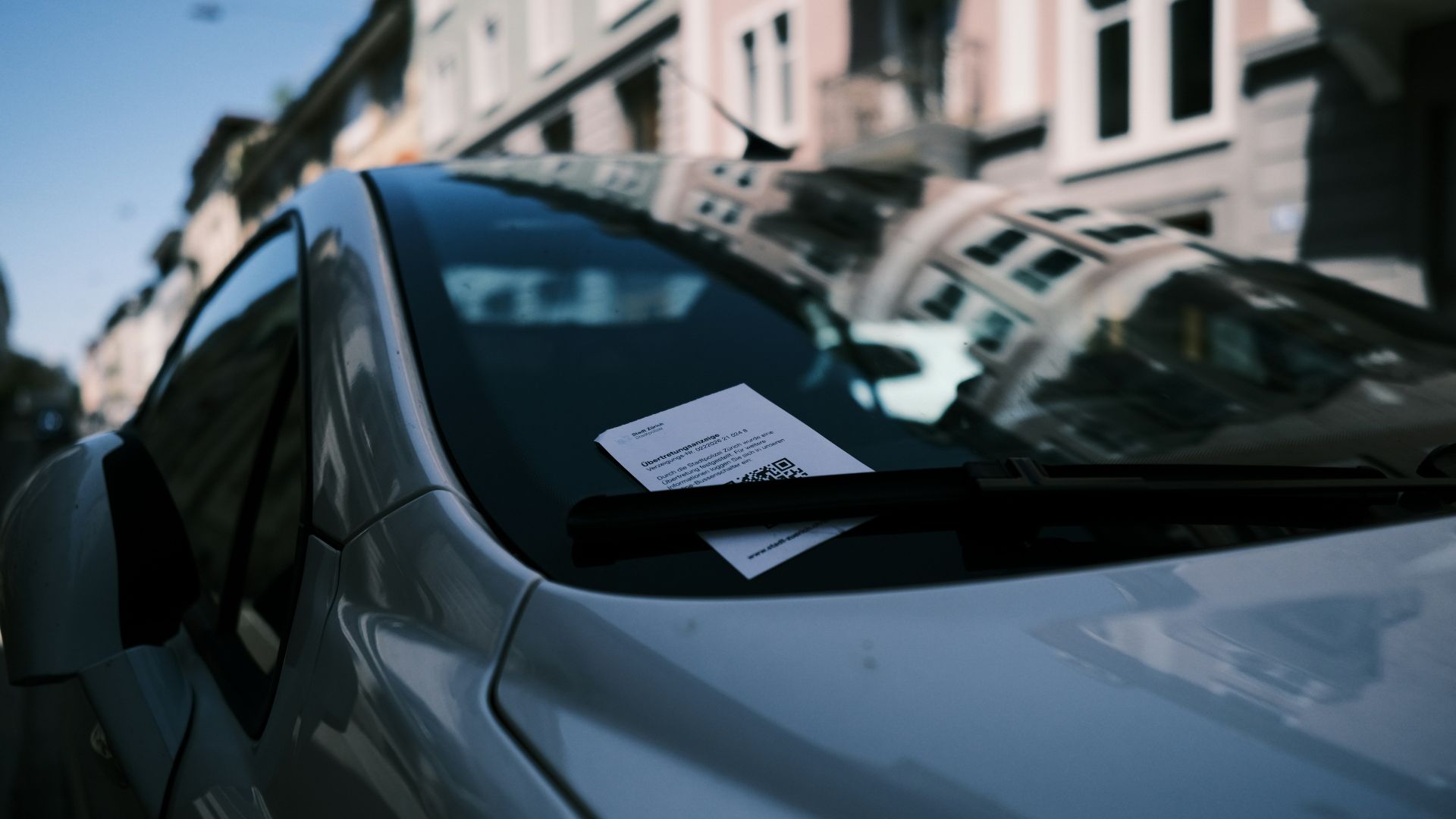
What About Overnight Parking Rules?
Many cities restrict overnight street parking entirely—especially in winter months. Even if it’s your own house, leaving your car out overnight could still result in a ticket.

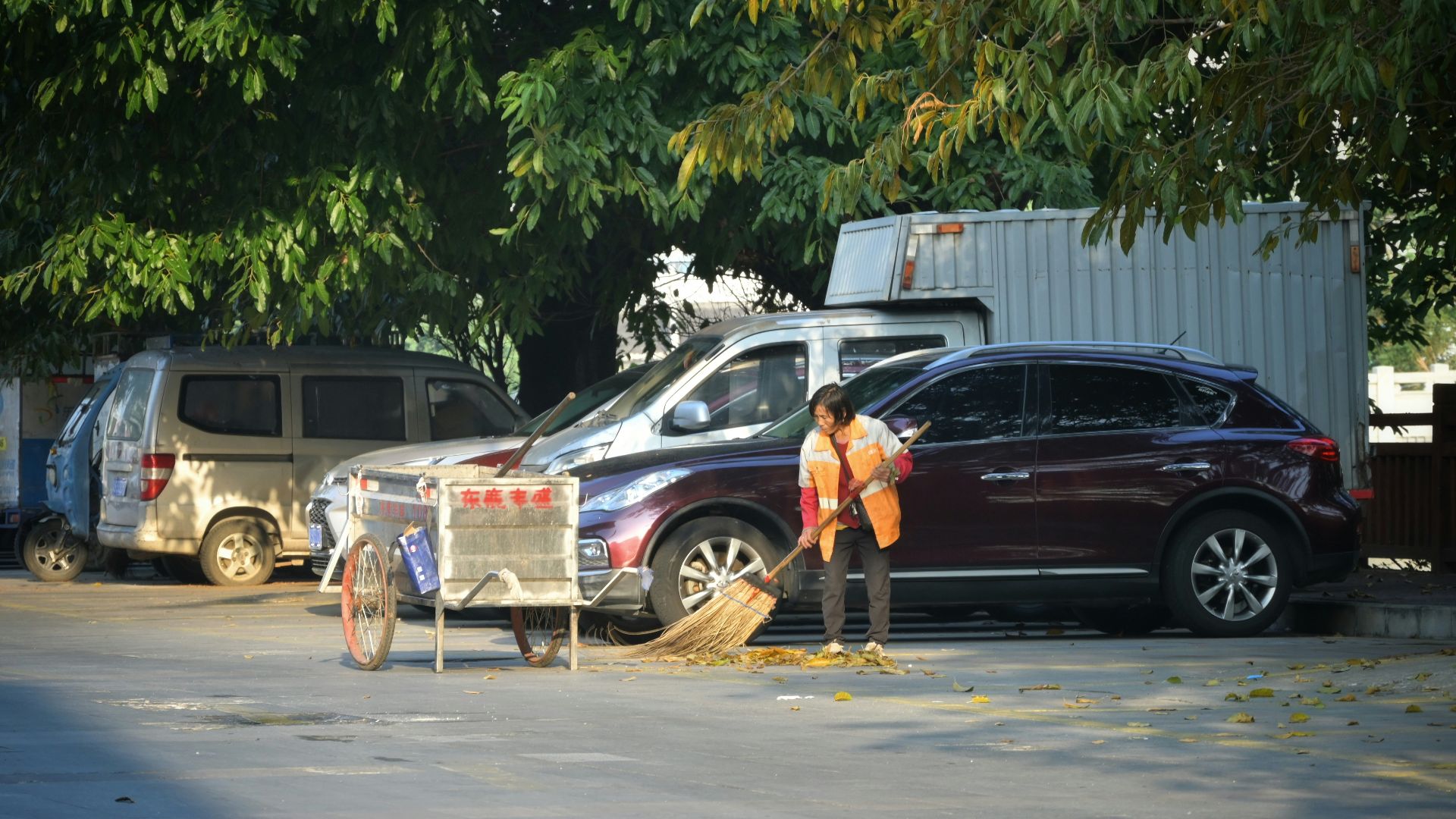
Could It Be About Street Cleaning?
Absolutely. Scheduled street cleaning is one of the most common reasons for tickets. If your car is parked during those hours—even outside your home—you can be fined.
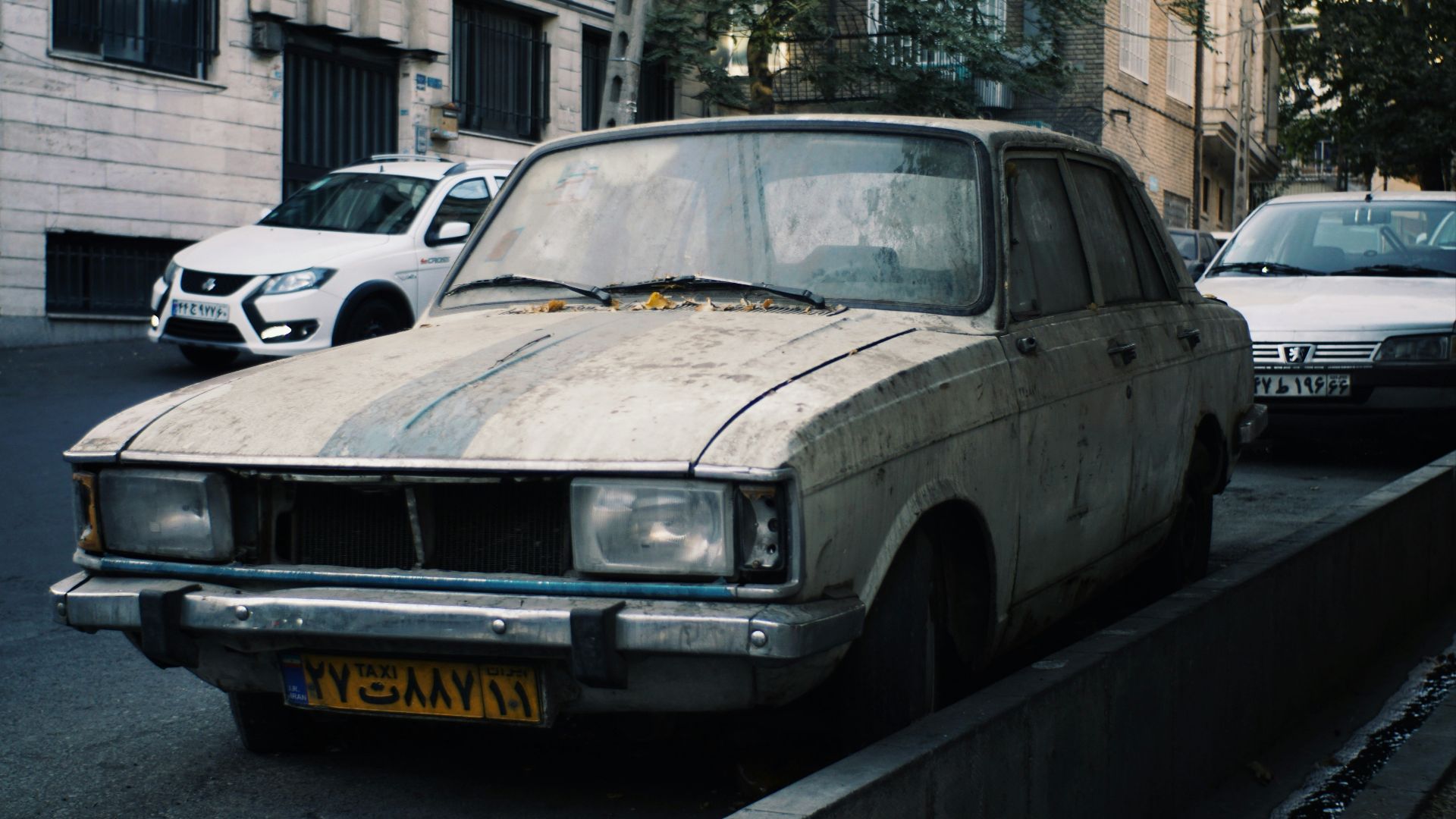
What If You Didn’t Move Your Car for a While?
Some areas have “abandoned vehicle” or extended parking rules. If your car sits in the same spot for too long—sometimes 24–72 hours—it can be ticketed or even towed.
Do Permits Come Into Play?
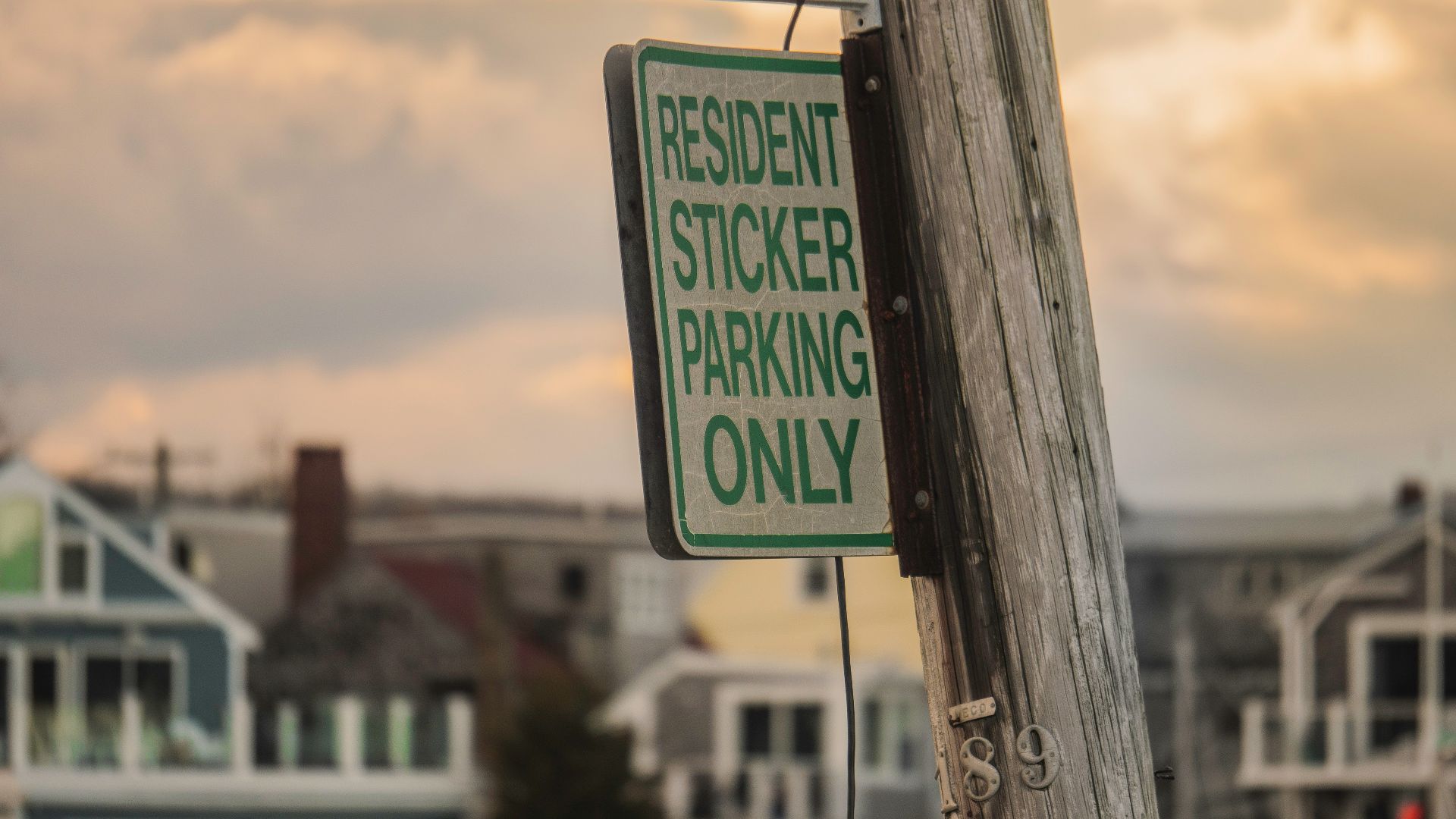
Yes. In many neighborhoods, especially in cities, you need a residential parking permit to park on the street long-term. Without one, you may get ticketed—even in front of your own house.
Could a Neighbor Have Reported It?
It happens more than people expect. In some areas, complaints about parked vehicles can trigger enforcement. That doesn’t mean the ticket is invalid—but it might explain why it happened.

What About Blocking Your Own Driveway?
Here’s another surprise: in many places, you can’t block a driveway—even your own. Parking across it can still be considered a violation.
Could It Be a Simple Mistake?
Yes. Parking enforcement isn’t perfect. Officers can misread situations or issue tickets incorrectly. That’s why it’s always worth checking the details.
What Should You Look at First?
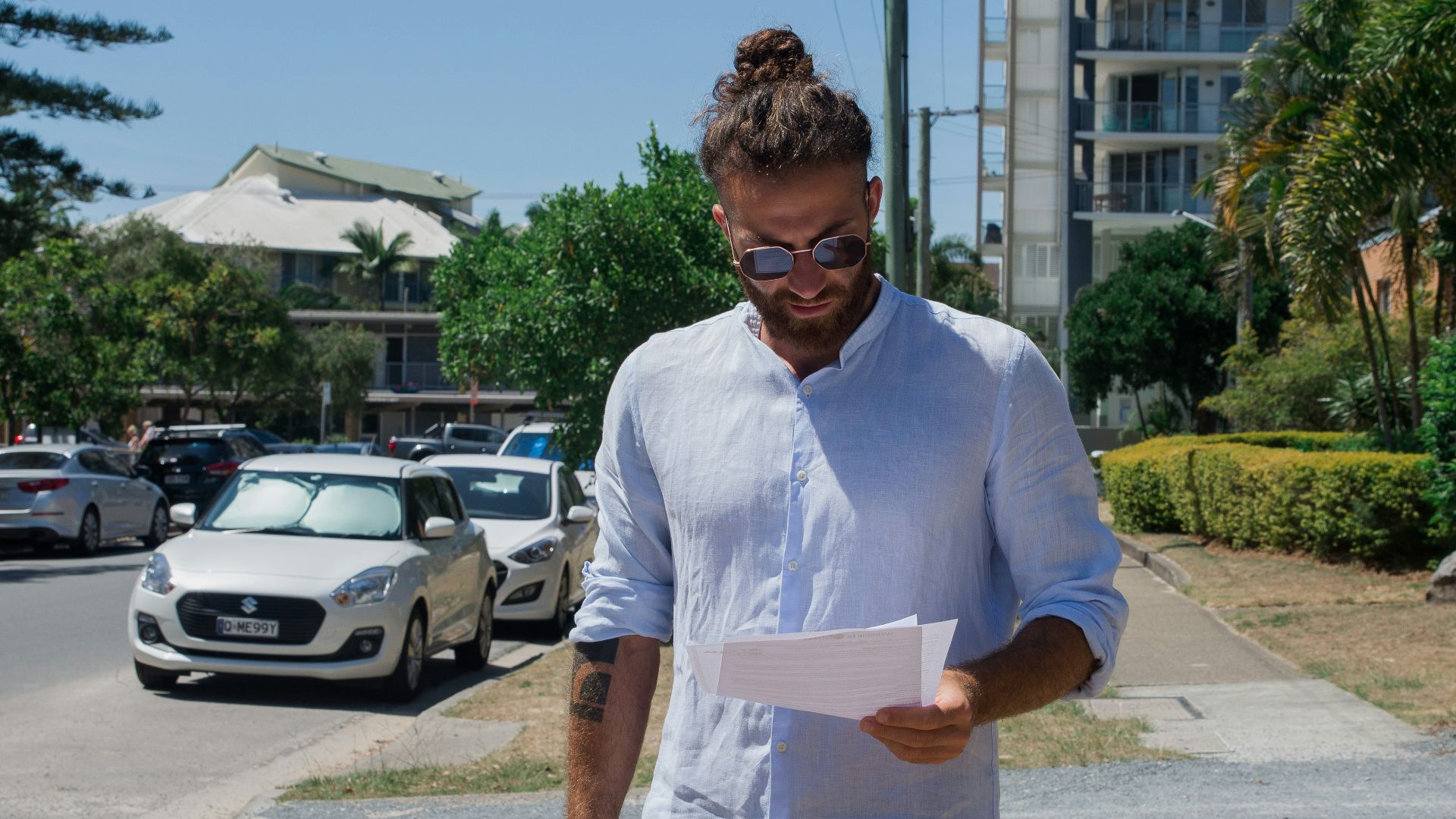
Check the ticket carefully. It should list the exact violation—time limit, permit issue, street cleaning, or something else. That’s your first clue about what happened.
Is It Worth Fighting?
If the ticket doesn’t match the situation—like no signage where one should exist—you may have a case. Photos and timestamps can really help here.
Why This Feels So Frustrating
Because it feels personal. It’s your home, your street, your space—or at least it feels that way. But legally, it’s still public, and that’s where the disconnect happens.
So… How Is This Possible?
Because parking laws apply to the street, not the homeowner.
Even if it’s directly in front of your house, you still have to follow city rules like time limits, permits, and restrictions—just like anyone else.
The Bottom Line Before You Assume It’s “Your Spot”
It might be your house—but it’s not your parking space. The street is shared and regulated, and those rules don’t change based on where you live. A quick check of local bylaws can save you from an unexpected ticket.
You May Also Like: