
Is Your Five-Mile Commute Quietly Wrecking Your Diesel?
Someone in your life swears short drives are basically engine abuse. Meanwhile, your friend’s diesel survives a five-mile daily commute like it’s nothing — so who’s right?

Diesel Engines Aren’t Built Like Gas Cars
Diesels are the marathon runners of the engine world. They’re designed for long hauls, heavy loads, and steady highway miles. That’s why you see them in work trucks and semis. They love being warmed up and put to work — not just fired up for a quick coffee run.

They Really Like To Get Warm
Every engine has a “happy place” temperature where everything works perfectly. Oil flows smoothly, fuel burns cleanly, and parts expand exactly how engineers intended. If your commute ends before the engine hits that sweet spot, it never quite gets into its rhythm.

Cold Starts Are The Toughest Part
The first few minutes after startup are the hardest on any engine. Oil is thick, parts are tight, and combustion isn’t as clean. If your entire commute happens during that cold phase, you’re basically making your engine wake up, jog 100 feet, and go back to bed.

Soot Happens (It’s a Diesel Thing)
Diesels naturally create soot — it’s part of the deal. When the engine is cold, it makes even more. Normally, good long drives help burn that stuff off. But if all you ever do is short trips, that soot can slowly build up where you don’t want it.

Moisture Is The Sneaky Villain
Here’s something people forget: engines create moisture. On longer drives, heat evaporates it. On short trips? It can hang around in the oil and exhaust system. Over time, moisture plus metal equals wear. Not dramatic movie-level destruction — just gradual aging.

Oil Can Get Diluted
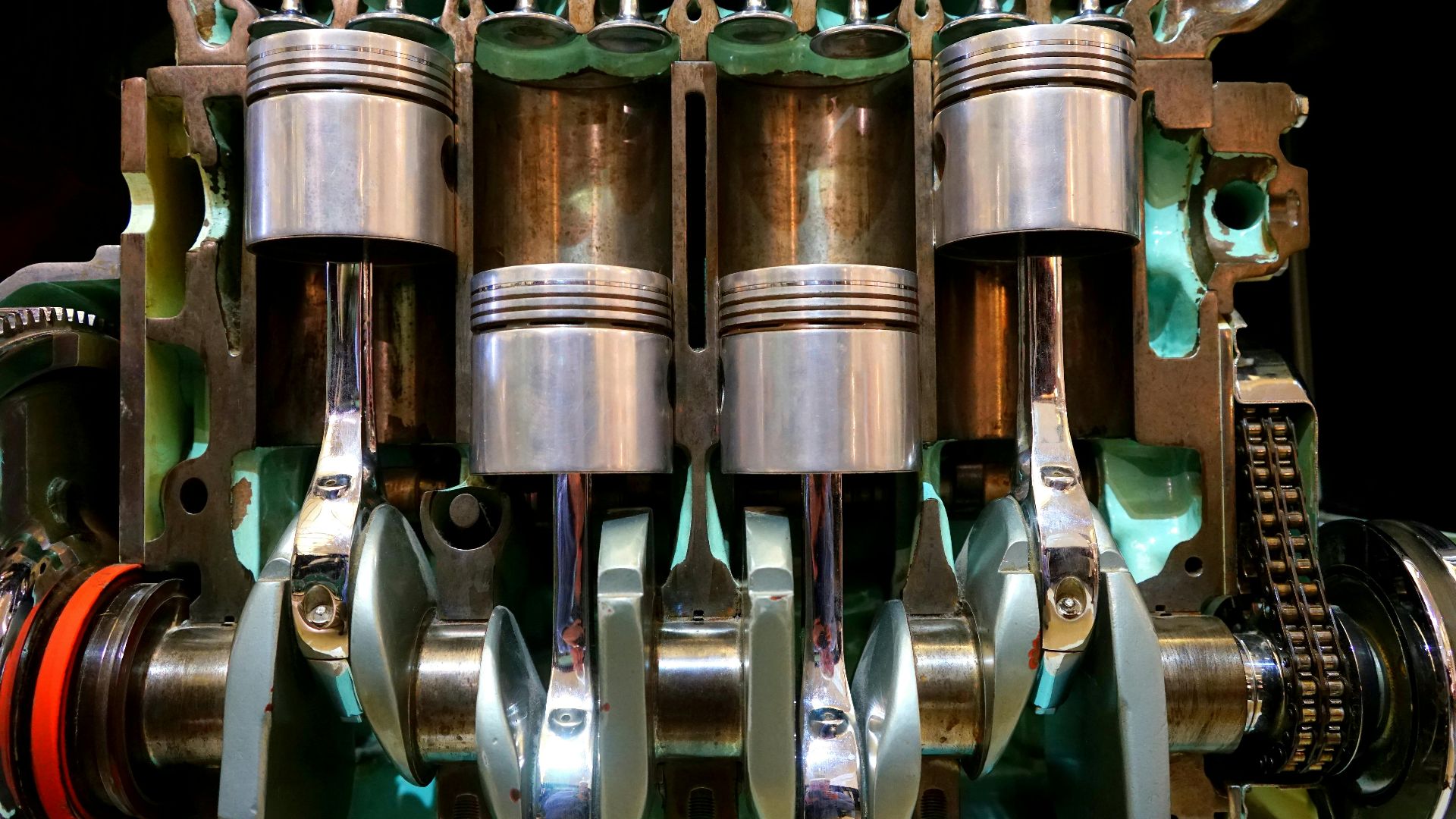
When combustion isn’t fully efficient during short runs, tiny amounts of fuel can slip past piston rings into the oil. That thins it out. Thinner oil doesn’t protect as well. It’s not instant doom, but over years, it can add up.
Modern Diesels Have Extra Rules
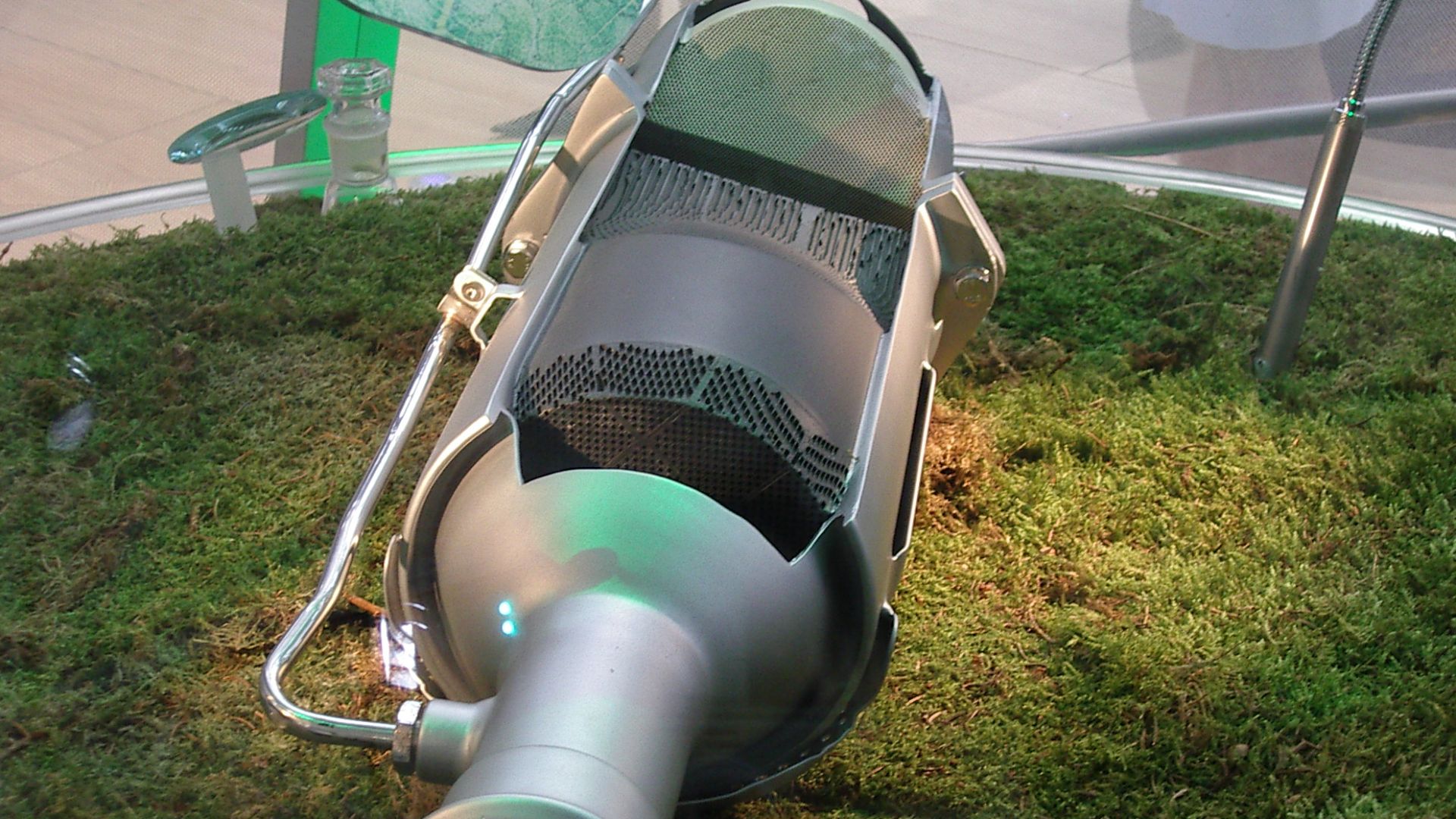
Here’s where things get interesting. Most newer diesels have a Diesel Particulate Filter (DPF). It traps soot to keep emissions clean. That’s great for the environment — but it needs heat to clean itself out properly.
Regeneration Sounds Fancy (Because It Is)
DPF “regeneration” is when the exhaust gets hot enough to burn off trapped soot. It usually happens during steady highway driving. If your truck never gets that chance, the system may struggle to complete the process, and warning lights can start showing up like uninvited guests.

Highway Miles Are Medicine
A solid 20–30 minute highway drive now and then works wonders. It fully warms the engine, helps moisture evaporate, and allows proper DPF regeneration. Think of it as taking your diesel out for a stretch instead of keeping it on the couch.

Winter Makes It Worse
Five miles in July isn’t the same as five miles in January. In cold climates, engines take longer to warm up. Sometimes a short winter commute ends before the temperature gauge even gets comfortable. That’s when short trips are hardest on a diesel.

Older Diesels Are Less Dramatic
If we’re talking about older, pre-DPF diesels, they’re generally more forgiving. They can still experience soot and moisture buildup, but they don’t have sensitive emissions systems that throw tantrums when regeneration doesn’t finish.

Idling Isn’t The Magic Fix
Some people think, “I’ll just let it idle longer.” Unfortunately, idling doesn’t heat things up efficiently. In fact, it can increase soot. Driving gently under load warms the engine faster than letting it sit there rumbling in the driveway.

Will It Actually “Destroy” The Engine?
Destroy is a strong word. A five-mile commute won’t cause your diesel to explode in protest. But years of nothing but short, cold runs without occasional longer drives can shorten lifespan and create expensive emissions issues.

Why Your Friend Might Be Totally Fine
Your friend’s five miles might include steady speeds that allow partial warm-up. Maybe they take weekend road trips. Maybe they’re religious about maintenance. All of that helps. A short commute isn’t automatically harmful — context matters.

Maintenance Becomes Your Best Friend
If your driving habits lean short, you need to stay on top of maintenance. Quality oil. Proper intervals. Paying attention to warning lights. Think of it as balancing out your driving pattern with smart ownership habits.
Watch For These Red Flags
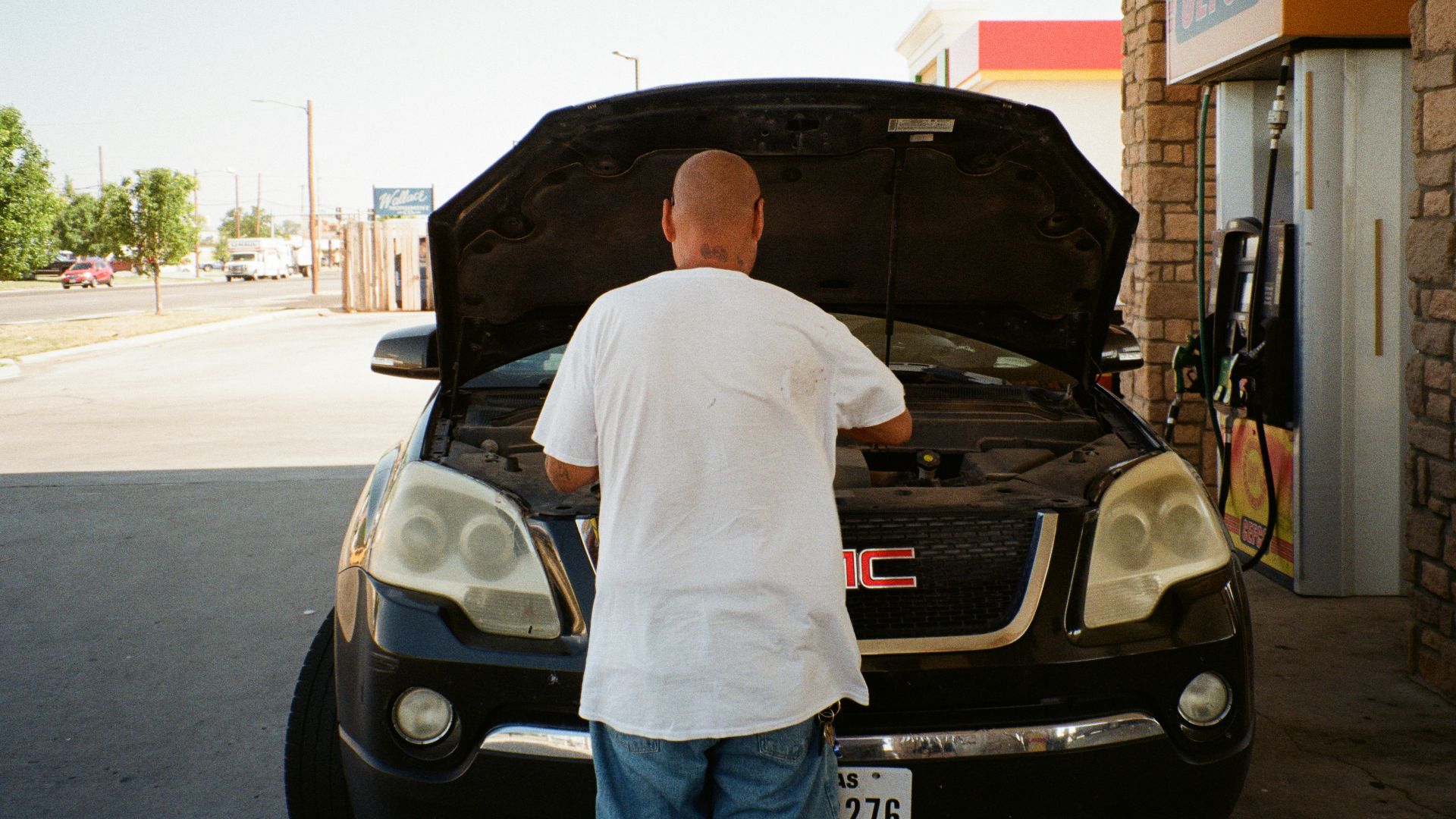
Frequent DPF warnings, rising oil levels, rough idle, or loss of power are clues something isn’t happy. These issues don’t usually show up overnight. They build slowly — which is why some drivers feel fine for years before problems appear.

Repairs Aren’t Cheap
DPF replacements and turbo issues can cost real money. Not “skip a coffee” money — more like “cancel a vacation” money. That’s why understanding how your driving style affects your diesel is worth thinking about.

Sometimes It’s Just The Wrong Tool
If your life truly consists of short urban hops with no highway time ever, a gas engine or hybrid might simply fit better. Diesels shine when they’re worked. Using one only for tiny commutes is like owning hiking boots you never take off the sidewalk.
So… Who’s Right?
Your neighbor isn’t completely wrong — diesels prefer longer drives and can suffer from constant short trips. Your friend isn’t wrong either — a five-mile commute won’t instantly ruin anything. The real answer? Short commutes don’t destroy diesel engines. Ignoring maintenance and never letting them properly warm up is what actually causes trouble.

You May Also Like: