The Shock Of Denial
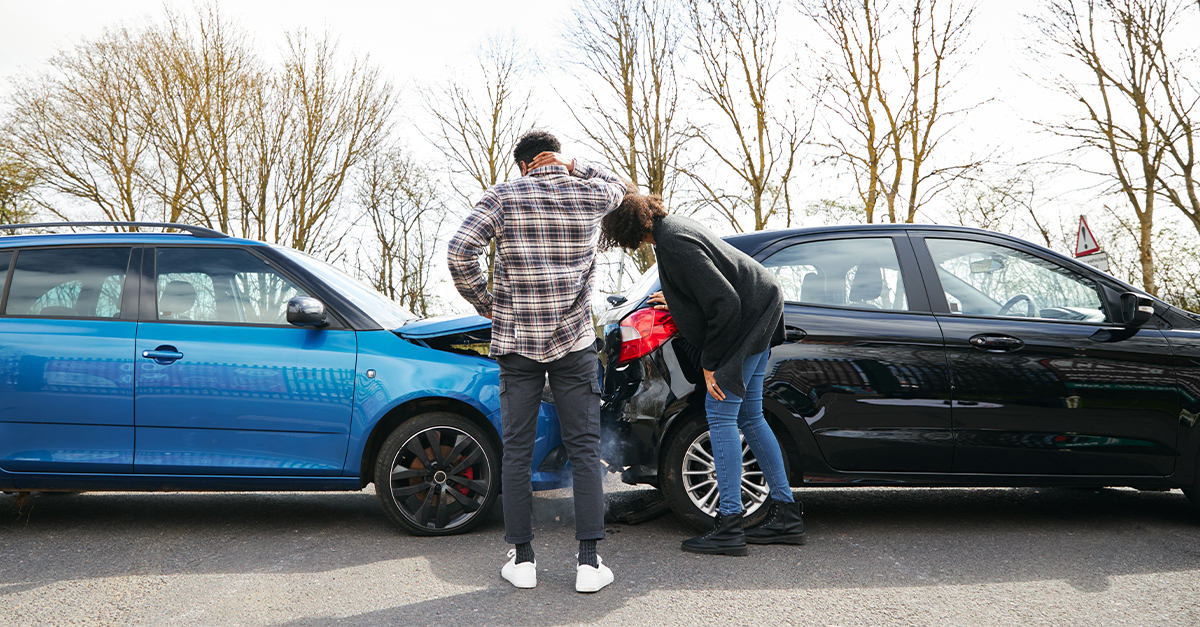
The guy behind you in traffic was following too close and smashed into you from behind. He immediately admitted that he was at fault. You exchanged info and so you expected the insurance claim would be a simple matter, but instead got a denial. It feels unfair, even absurd, but you’re not alone. When denial strikes despite clear fault, it’s time to switch over from defense mode and start fighting. But you’ve got to fight smart.

Why They Denied The Claim
Insurance companies often deny claims by citing policy loopholes, delayed reporting, or other technicalities. Insurers have to supply a denial letter explaining their reasoning for why they refused a claim. You need to get that letter; it’s your roadmap for figuring out what you need to challenge the decision.
 Francisco De Legarreta C., Unsplash
Gather All Evidence ASAP
Start gathering everything together: photos of the crash scene, damage to both cars, license plates, driver info, timestamps, witness contact info, even dash‑cam or video footage. A complete and thorough record can help fight wrongful denials, especially if the insurer is claiming lack of proof.
Report The Accident Promptly And Follow Protocols
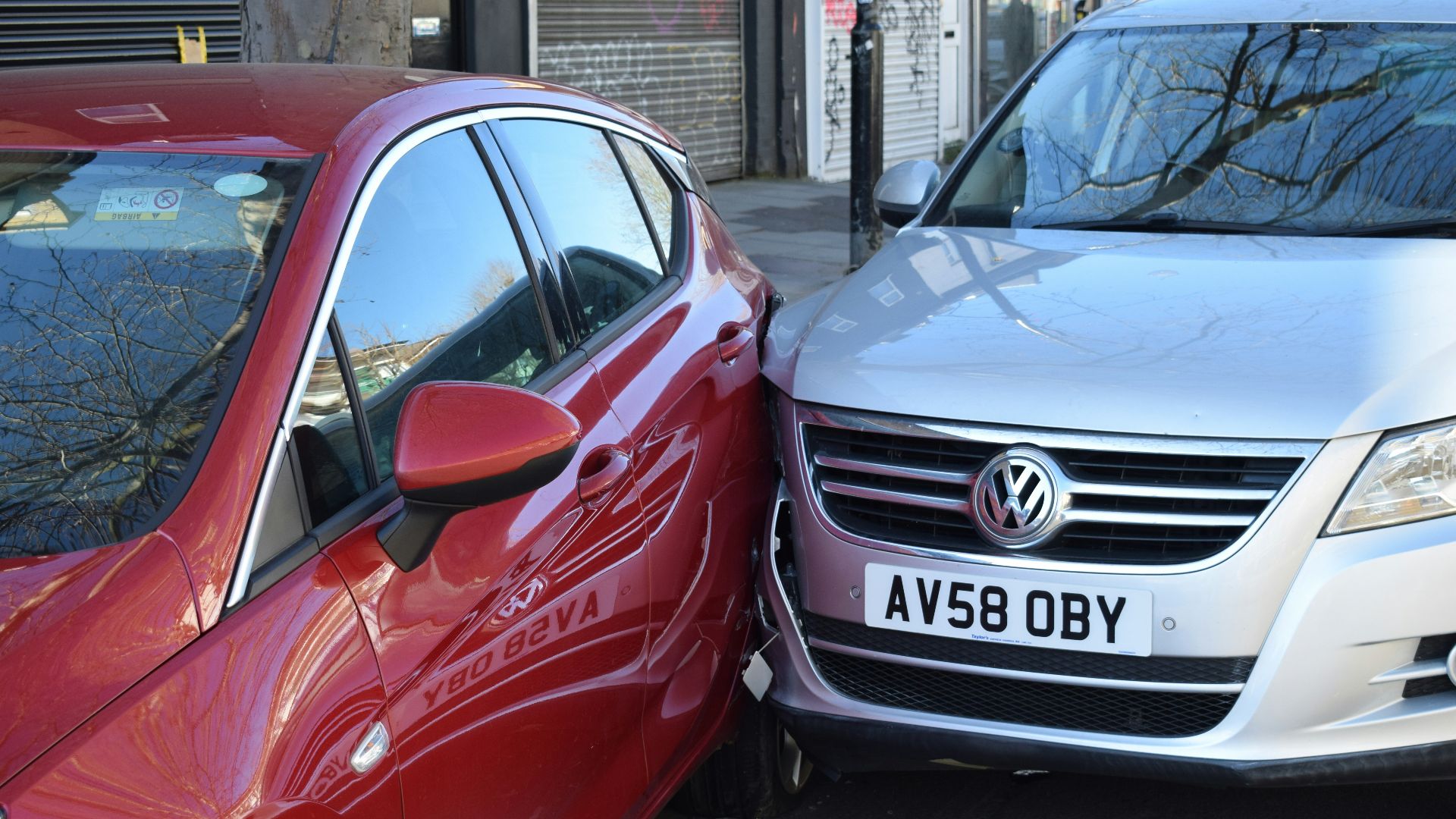
If required by law, or by your own car insurance policy, report the accident quickly to police or a collision‑reporting center. In many jurisdictions, timely reporting is mandatory to keep any insurance claims valid. This is a sensible requirement, and shouldn’t be a problem.

Get A Detailed Explanation: Not Just A “N.O. Means No”
When you get the denial letter, read through it closely. Does the reasoning cited make sense? Does it refer to policy language or missing information? If it's at all vague or unspecific, push back. Insurers have to clearly justify their decision.

Contact The At-Fault Driver’s Insurer
Because the other driver has already admitted fault, you have the right to pursue a third‑party claim. That means you deal directly with their insurer. But keep in mind that their goal is to pay out as little as possible.

Don’t Admit Fault Or Speak Without A Lawyer
If their insurer starts pressing you for a recorded statement, don’t comply without legal representation. Anything you say can be used against you. This is standard advice when the other side is denying responsibility.

Demand Reassessment If Damage Is Underestimated
Sometimes insurers undervalue the damage or demand unrealistic standards for repairs. If your estimate is totally different from theirs, demand a reassessment or a second inspection. Don’t accept lowball assessments.

Get Your Own Independent Repair Estimate
Get a repair estimate from a trusted independent mechanic or body shop, not the one chosen by the insurer. This alternate assessment can help challenge low offers or denials that you suspect may be in bad faith.

Don’t Get Roped Into Taking A Quick Settlement
Insurers often push you to settle quickly, hoping you'll bite on the first offer. But early settlements tend to undervalue the true cost of repairs, loss of use, or hidden damage. Stand your ground, and you may get more by waiting.

File A Formal Complaint With The Insurance Company
If re‑assessment fails, use the insurer’s own internal dispute resolution process. Every insurance provider has to have a complaint or appeals mechanism. Request escalation to a supervisor or complaint officer.

Take It To The Insurance Regulators Or Ombudsman
If the company still refuses to budge, you can escalate further. In many jurisdictions you can get in touch with a state or provincial insurance regulator or independent ombudsman to review your denial.

Document Every Conversation And Keep Paper Trails
Keep all written records: emails, dates of calls, names of adjusters, summaries of what was said. Documentation is the one thing that strengthens your position more than anything else if the dispute escalates or legal action is in the cards.

Consider Hiring An Insurance Dispute Lawyer
Sometimes insurers deny for the simple reason that they’re counting on you giving up. A lawyer specializing in car insurance and accident claims can look through your case for bad‑faith practices and pressure insurers to act fairly.

Know Your Rights: You May Sue For Bad Faith
If the denial is based on misleading policy interpretations or refusal despite clear fault and proof, you could have grounds to sue under bad‑faith or insurance‑denial laws. Legal counsel can advise you if that path is viable.

Time Is Always A Factor
Every jurisdiction has deadlines for filing claims or lawsuits. Once that time runs out, you lose leverage. Track these deadlines carefully so delays don’t turn into denials.

Explore Your Own Insurance Coverage As Backup
If third‑party insurance keeps denying the claim and legal avenues lead nowhere, check if your own collision or UM (uninsured motorist) coverage can help. Filing under your own policy may trigger subrogation: in this case, your insurer pays now and pursues the at‑fault party later.

Prepare For A Long Battle
Insurance companies often hope claimants lose interest, get discouraged, and give up. Don’t stop pushing. Continue follow‑ups, send additional evidence, ask for written confirmations, and stay alert. Polite, but relentless persistence can turn a “no” into a “yes.”

Estimate Non‑Repair Losses
Don’t just focus only on repair costs. Factor in the diminished value, loss of use (rental car), medical expenses, and other losses the accident caused. Sometimes those extras are all the extra justification you need to push even harder.

Make Them Pay
Being rear‑ended isn’t your fault. Insurance is supposed to be a safety net, not a frustrating obstacle course. With properly organized evidence, infinite patience, persistence, and, if necessary, legal help, you can force the insurers to give you the payout you deserve.

You May Also Like:
My insurance premium doubled after I moved one block away. Is there anything I can do?
I'm a first-time driver. Why is my car insurance almost as much as what I paid for my car?