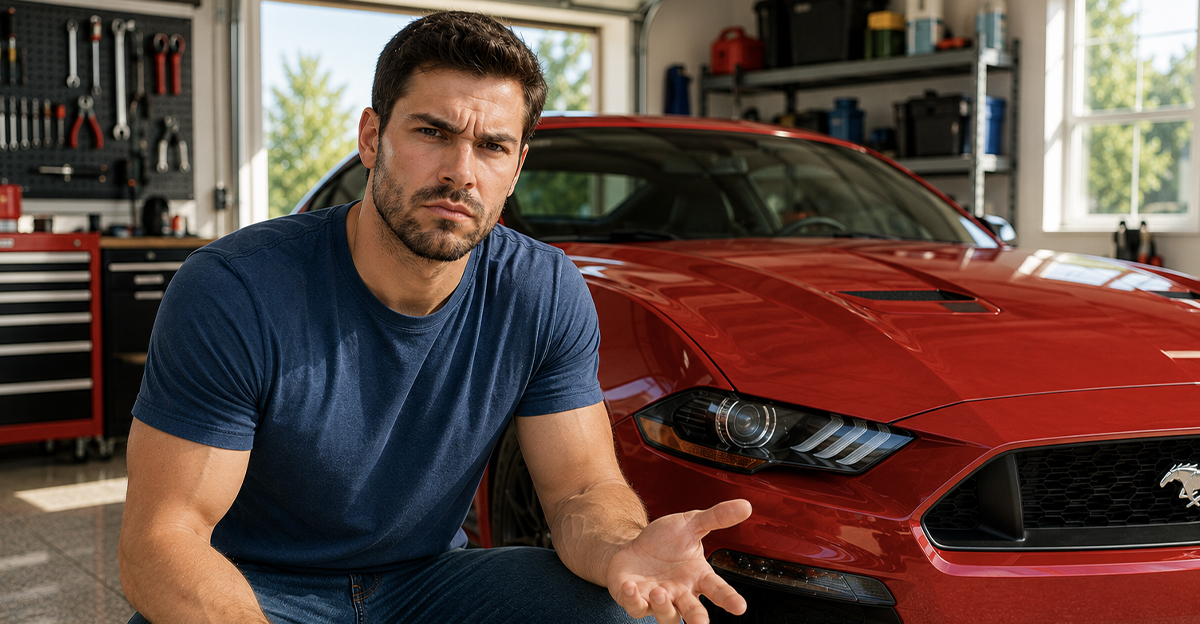
My Mechanic Installed Different Parts Than I Expected
Most people drop their car off at a repair shop assuming the parts being installed match what was discussed or authorized. Then the vehicle develops a problem, a warranty claim gets denied, or another mechanic points out that aftermarket parts were used instead of factory components. That can leave drivers feeling blindsided, especially if they never agreed to the substitution in the first place. The good news is that depending on what happened and what was disclosed, you may have more options than you think.
Aftermarket Parts Are Not Automatically Bad
One of the biggest misconceptions in the automotive world is that all aftermarket parts are inferior. In reality, many aftermarket manufacturers produce high-quality components that perform just as well as original equipment parts. Some are even made by the same suppliers that manufacture parts for automakers. The real issue is usually not whether the part was aftermarket, but whether the customer knew about it and agreed to its use.

Most Repair Shops Use Aftermarket Parts Sometimes
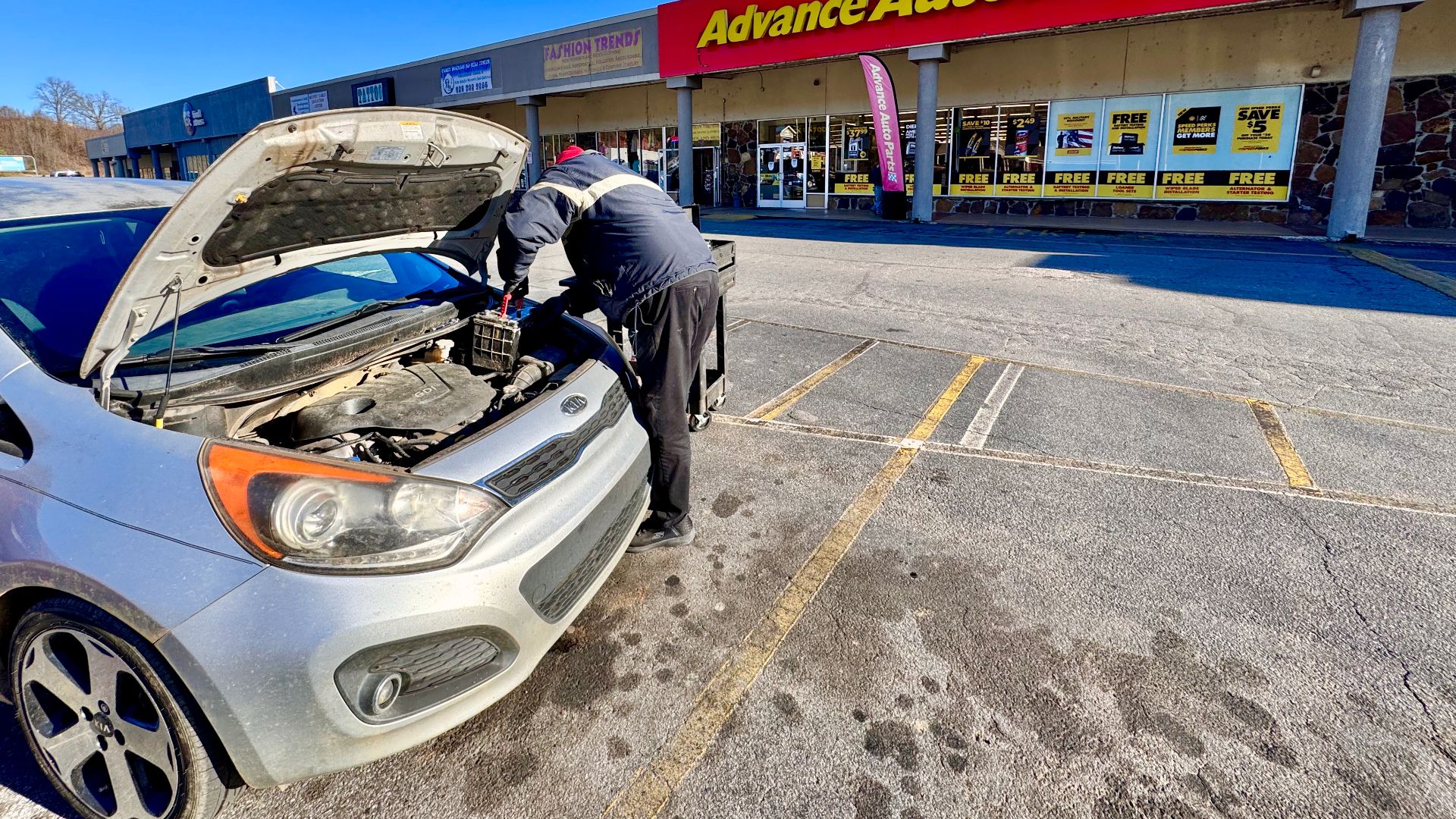
Using aftermarket parts is incredibly common throughout the repair industry. Independent shops often choose them because they are less expensive, easier to obtain, or available faster than factory components. Insurance companies also frequently approve aftermarket replacement parts during collision repairs. Many customers never realize their vehicle contains aftermarket parts because the repairs are completed without any obvious issues.
 Harrison Keely, Wikimedia Commons
Disclosure Is Often The Key Issue
The biggest question is whether the repair shop properly disclosed what parts would be used. Many states have consumer protection laws requiring repair facilities to provide estimates and obtain authorization before performing work. If the estimate specified original equipment manufacturer parts but the shop installed something else, that could create significant problems. The paperwork often becomes one of the most important pieces of evidence in these disputes.

A Warranty Denial Does Not Automatically Mean The Shop Is Responsible
Many drivers assume that if a warranty claim gets denied after an aftermarket part is installed, the repair shop automatically owes compensation. Unfortunately, the situation is usually more complicated than that. First, it has to be determined whether the aftermarket part actually caused the warranty issue. Then it has to be determined whether the shop misrepresented what it was installing or failed to obtain proper authorization.

The Magnuson-Moss Warranty Act Matters Again
Federal warranty law often comes into play when aftermarket parts are involved. Under the Magnuson-Moss Warranty Act, manufacturers generally cannot void warranty coverage simply because aftermarket parts are present. They typically need to show that the aftermarket component caused or contributed to the failure being claimed. That means a denied warranty claim is not always the end of the story.

Some Dealers Blame Aftermarket Parts Too Quickly
Dealerships sometimes point to aftermarket components as an easy explanation when warranty disputes arise. In some cases, the connection is legitimate. In others, the relationship between the part and the failure may be weak or completely unrelated. That is why consumers should ask for detailed explanations rather than accepting a blanket statement that the warranty is void because a non-factory part exists somewhere on the vehicle.

Documentation Can Make Or Break Your Case
Whenever a dispute develops, paperwork becomes extremely important. Keep copies of repair estimates, invoices, authorization forms, warranty denial letters, inspection reports, and any communications with the repair shop. If the estimate promised one type of part but another was installed, that discrepancy could become a major issue later. The more documentation you have, the easier it becomes to establish exactly what happened.

The Estimate May Reveal Everything
Many repair estimates specifically identify whether replacement parts are OEM, aftermarket, rebuilt, remanufactured, or salvaged. A lot of customers never read that section carefully because they are focused on the final price. If the estimate clearly disclosed the part type and the customer approved it, the repair shop may have a stronger defense. If the paperwork says something different from what was installed, the situation changes significantly.

Insurance Repairs Create Their Own Problems
These disputes frequently arise after collision repairs handled through insurance claims. Many insurance companies authorize aftermarket replacement parts to control repair costs. Drivers sometimes assume factory parts are being used when the insurer has actually approved alternative components. Understanding who selected the part can become very important when determining who may be responsible for any resulting problems.
Not All Aftermarket Parts Are Equal
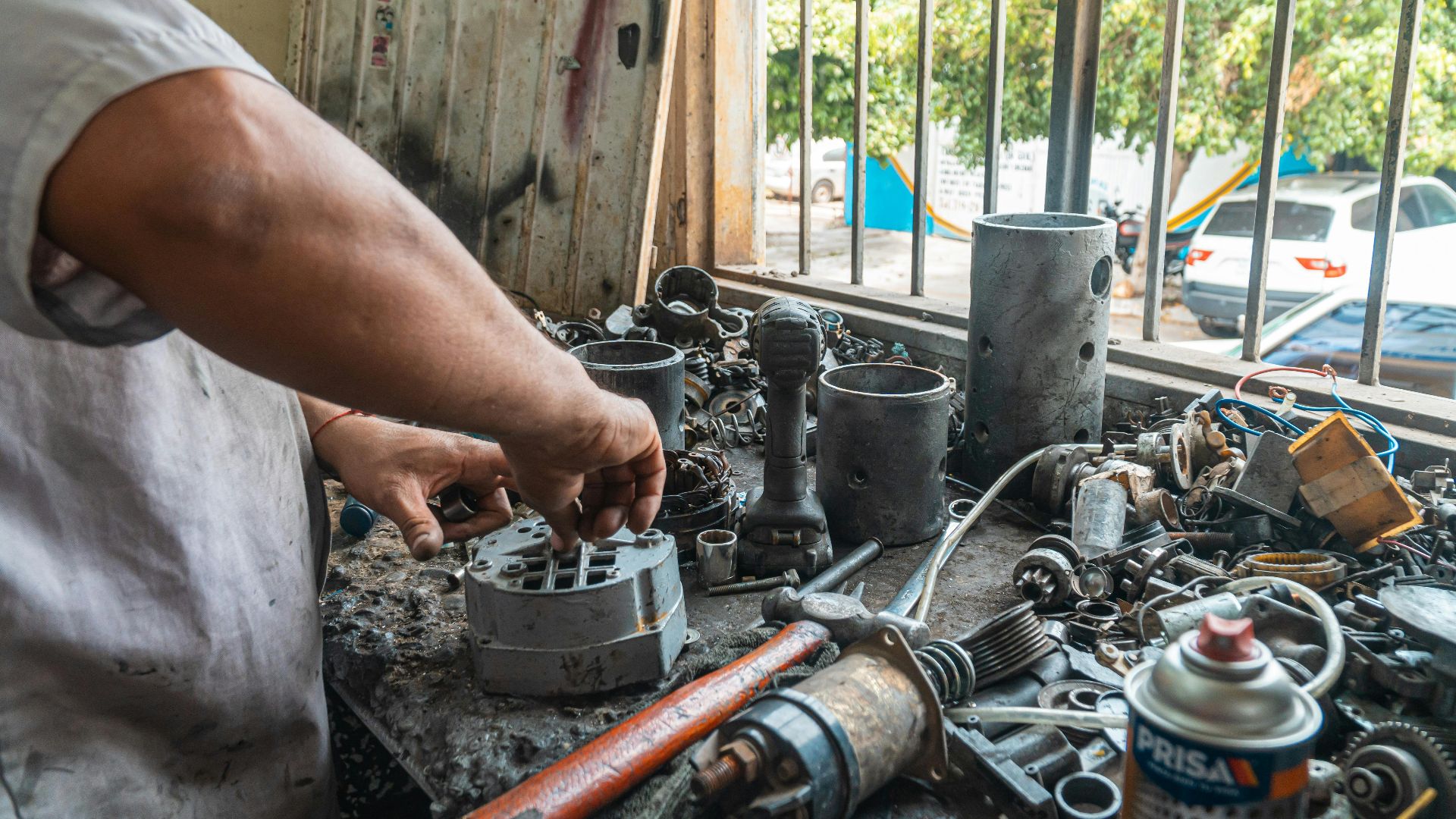
The aftermarket parts industry is enormous, and quality varies dramatically between manufacturers. Some components meet or exceed factory specifications, while others may be built to lower standards. A repair shop that chooses the cheapest available part may expose itself to greater risk if that component fails prematurely. The specific quality of the part often becomes a major factor in compensation disputes.
 Jose Ricardo Barraza Morachis, Pexels
Independent Inspections Can Be Extremely Valuable
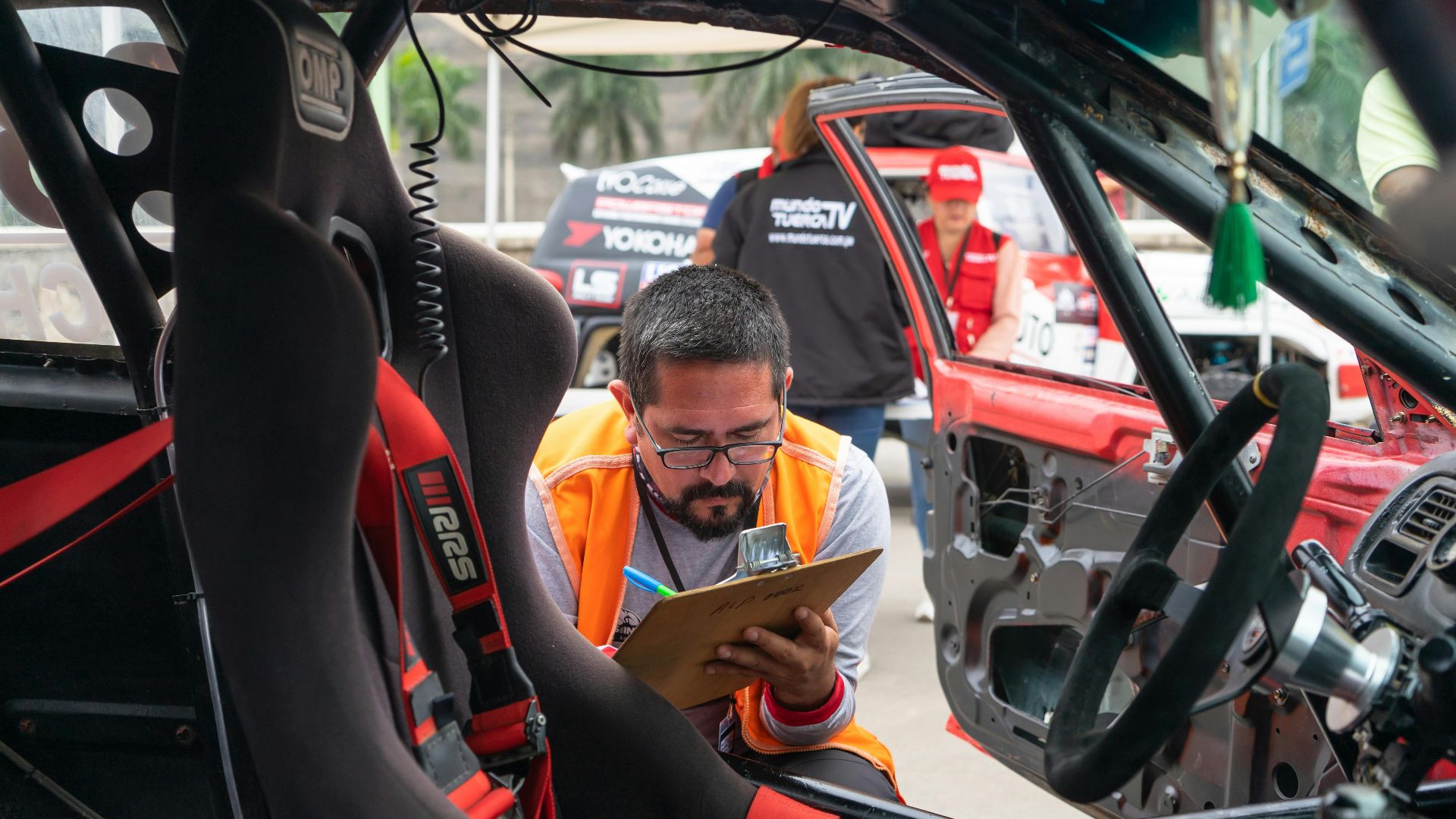
If there is disagreement about what caused the problem, an independent inspection may help clarify the situation. Another qualified mechanic, engineer, or vehicle specialist may be able to determine whether the aftermarket part contributed to the failure. A neutral opinion can be especially valuable when the repair shop and dealership are pointing fingers at each other.
Some Shops Offer Their Own Warranties
Many repair facilities provide warranties covering their labor, parts, or both. If the aftermarket component itself fails, the shop's warranty may become more important than the vehicle manufacturer's warranty. Understanding what coverage the repair shop promised can help determine what remedies may be available. A surprising number of customers forget they received repair warranties until problems arise later.

Negligence Is Different From Part Selection
Sometimes the real issue is not the part itself but how it was installed. Even a high-quality component can fail if installed incorrectly. Loose fittings, improper torque specifications, incorrect calibration, or poor workmanship can all create problems completely separate from the quality of the replacement part. In those situations, liability may focus more on the repair process than on the component that was used.
Consumer Protection Laws May Apply
Many states have consumer protection laws governing automotive repairs, estimates, disclosures, and repair authorizations. If a shop performed unauthorized work, misrepresented the repairs, or failed to provide required disclosures, those laws may provide additional remedies. The exact protections vary significantly depending on where the repair occurred. Local laws can sometimes be just as important as warranty law.

Small Claims Court Is Sometimes An Option
When the amount in dispute is relatively modest, some consumers pursue compensation through small claims court. These cases often focus on repair invoices, expert opinions, warranty denials, and communications between the parties. Small claims procedures are usually less expensive and less complicated than larger civil lawsuits. For some vehicle owners, it becomes the most practical path forward.

Expert Opinions Often Carry Significant Weight
A dispute becomes much stronger when a qualified professional can explain exactly what went wrong. If an independent mechanic concludes that the aftermarket part caused the problem, that may support the dealership's position. If the expert finds no connection between the part and the failure, that may strengthen the customer's argument considerably. Technical evidence often matters more than assumptions.
The Repair Shop May Not Be The Only Responsible Party
In some situations, responsibility may not fall entirely on the repair shop. Parts suppliers, manufacturers, insurance companies, dealerships, or warranty administrators may all play roles in what happened. Determining who selected the part, who approved it, and who made representations to the customer often becomes a critical part of the investigation.

Communication Matters More Than Many People Realize
A lot of disputes escalate simply because customers feel blindsided. Many drivers would have accepted the use of aftermarket parts if the shop had simply explained the options clearly from the beginning. Transparency often prevents problems that later turn into expensive legal and warranty battles. Clear communication remains one of the best protections for both customers and repair facilities.

The Shop May Owe Compensation In Some Situations
If the repair shop installed unauthorized parts, misrepresented the repairs, violated state disclosure requirements, or performed negligent work that directly caused financial harm, compensation may be possible. The amount could potentially include repair costs, replacement parts, diagnostic expenses, or other documented losses. The strength of the claim usually depends on the evidence connecting the shop's actions to the damages being claimed.

The Warranty May Not Actually Be Gone
Many drivers hear the words "warranty denied" and immediately assume all coverage has disappeared. In reality, manufacturers generally must show that the aftermarket part caused the specific failure being claimed. A denied claim involving one component does not necessarily mean the entire vehicle warranty has vanished. Before accepting the denial as final, it is often worth gathering documentation, seeking an independent opinion, and understanding exactly why the claim was rejected.
You May Also Like: