The Estimate Twist Nobody Likes
You get the repair estimate on your baby, and notice that your insurer wants to use cheap aftermarket parts that you would never pick in a million years. Can you refuse? Sometimes, yes, but not always. What your options are depends on your state, your policy, and the part in question.
 Gustavo Fring, Pexels, Modified
What Aftermarket Parts Are
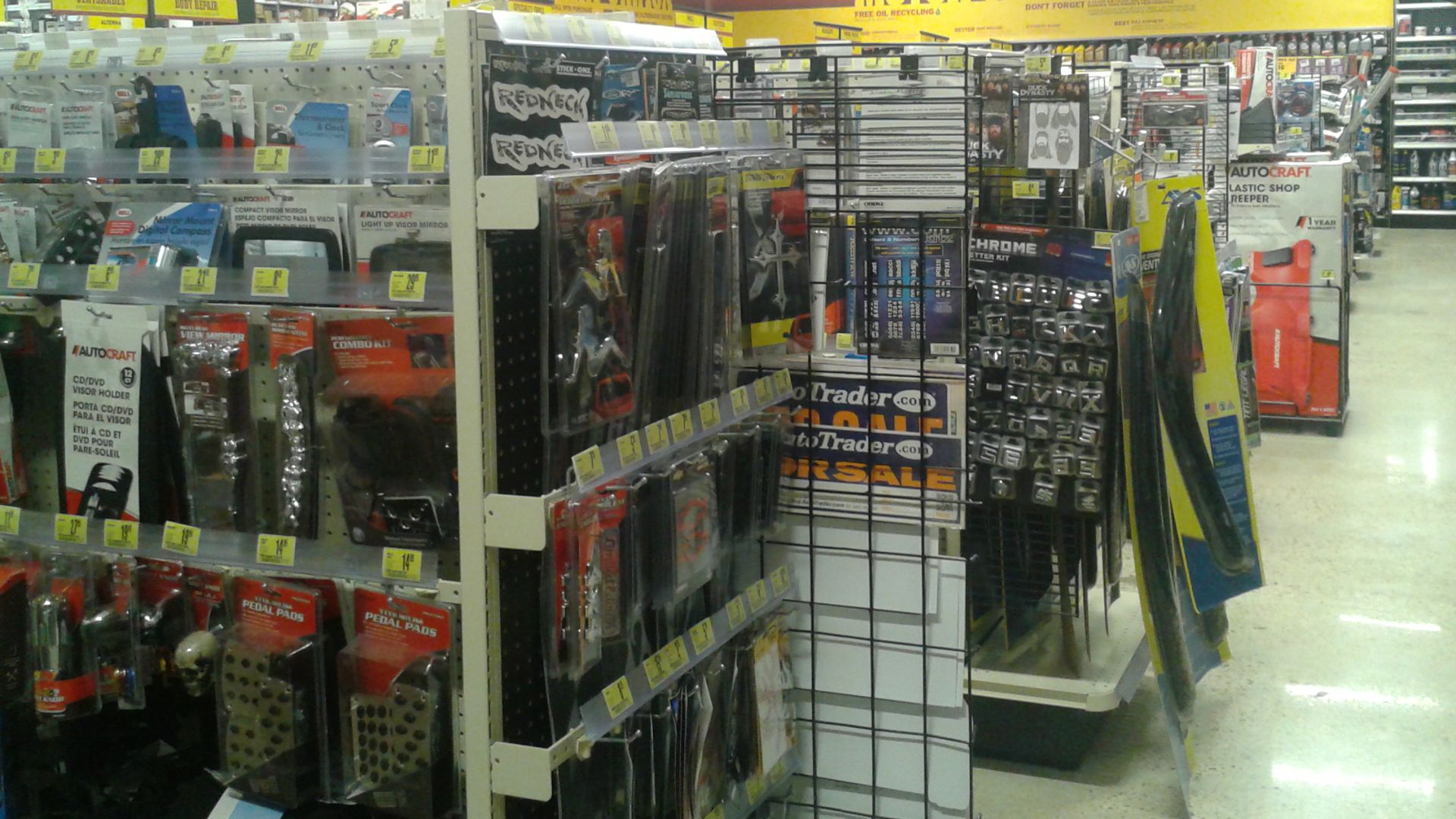
Aftermarket parts are replacement parts made by a company other than your car’s manufacturer. That makes them different from OEM parts, which come from the automaker or its approved suppliers. In collision repairs, insurers often lean toward aftermarket parts because they usually cost less.
 Ser Amantio di Nicolao, Wikimedia Commons
Why Insurers Keep Choosing Them
Insurance companies try to control claim costs, and cheaper parts help do that. Lower parts prices can cut the total repair bill, which is why non-OEM parts come up so often after a crash. The Insurance Information Institute says insurers generally pay for parts that are comparable to the damaged ones, subject to policy terms and state law.

Cheaper Does Not Automatically Mean Illegal
This is where a lot of drivers get frustrated. Aftermarket does not automatically mean unlawful. In many states, insurers can specify aftermarket parts as long as they meet legal standards and follow disclosure rules. So your ability to refuse them usually is not based on preference alone.

Your State’s Rules Matter Most
This is where things get very specific. State insurance rules often control when non-OEM parts can be used, whether the insurer has to disclose that choice, and whether the repair shop needs your approval. Some states also limit aftermarket parts for newer cars or require replacement parts to be of like kind and quality.
 Shaunfrombrooklyn, Wikimedia Commons
California Shows How Detailed It Can Get
California’s rules spell this out in unusual detail. Under California Code of Regulations, Title 10, section 2695.8, insurers that specify non-OEM crash parts have to identify them clearly and disclose key information. California also requires those parts to be equal in kind, quality, safety, fit, and performance to OEM parts.
 Johnnydeezwax, Wikimedia Commons
Disclosure Is A Bigger Deal Than Most People Think
One of the most important protections is simple disclosure. If an insurer wants to use aftermarket parts, many states require that choice to be clearly listed in the estimate or repair paperwork. If nobody told you what kind of parts were being used, that may be a bigger issue than the parts themselves.

Non-OEM Does Not Mean Just Aftermarket
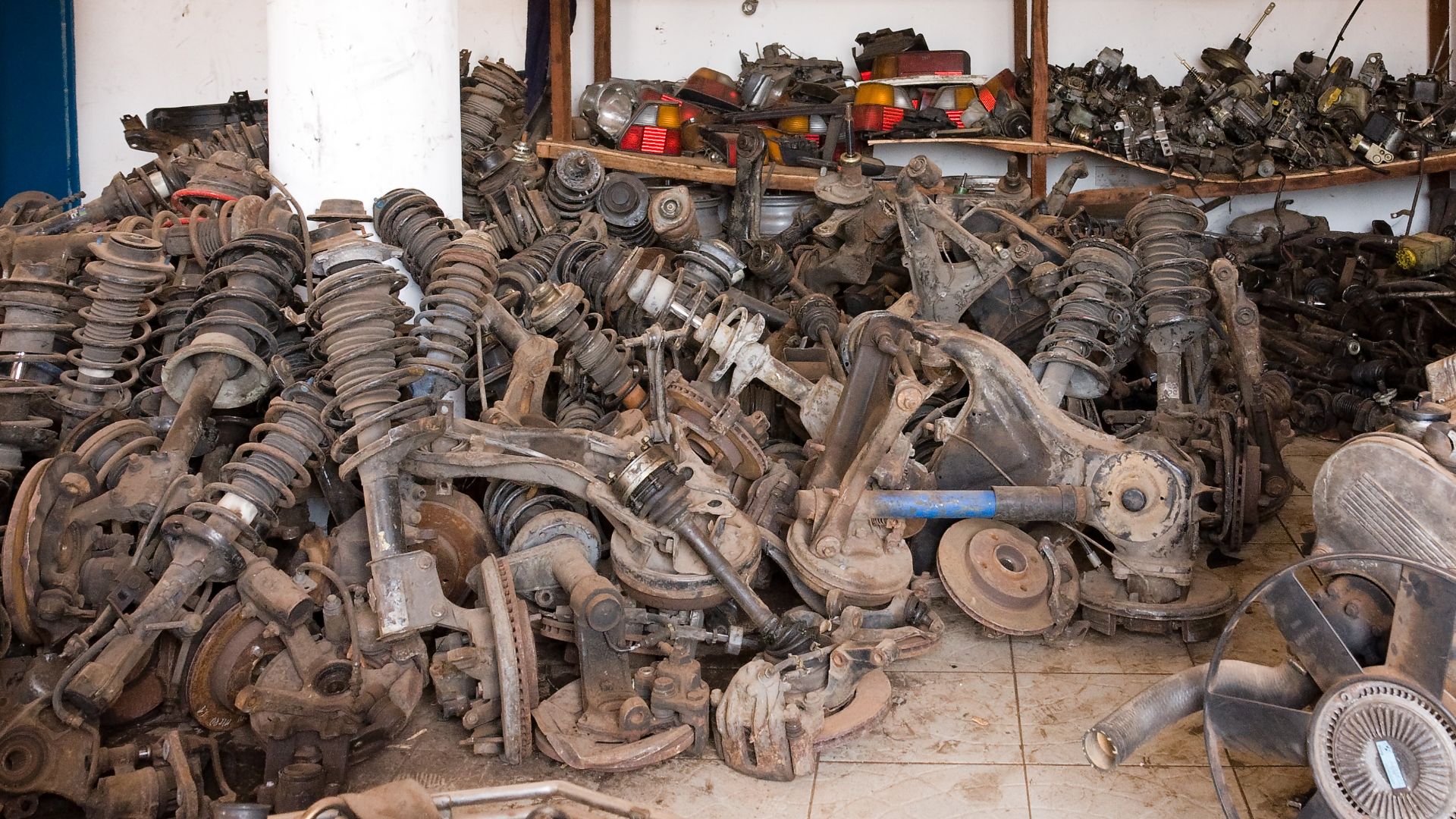
A lot of drivers hear “non-OEM” and assume it only means brand-new aftermarket parts. But non-OEM can also include recycled or salvage parts, reconditioned parts, and remanufactured parts, depending on the repair and the state. Each type can be treated differently under the law and can raise different quality concerns.
There Is A Real Safety Angle
Not every car part is just cosmetic. Bumpers, fenders, brackets, lights, and sensor-related parts can affect crash performance or driver-assistance systems if they do not fit the right way. The National Highway Traffic Safety Administration warns that proper repair procedures and correct parts matter because modern vehicles rely on connected safety systems.

ADAS Changed The Whole Repair Conversation
Blind spot monitoring, lane-keeping assist, automatic emergency braking, and parking sensors have made repairs much more technical. A part that seems minor can change how a camera, radar unit, or sensor sits and works. That is one reason repair shops and automakers stress proper calibration and part choice after even moderate damage.

Automakers Have Been Clear About This
Car manufacturers have repeatedly warned that improper repairs can affect safety and vehicle function. The Alliance for Automotive Innovation and individual automakers publish repair position statements that often point shops toward OEM procedures and parts for certain repairs. These statements do not always bind insurers, but they can be strong support if you push back.
Your Policy May Limit What You Can Demand
Before you fight over the estimate, read your policy. Some policies promise repairs using parts of like kind and quality, not brand-new OEM parts. If your policy does not guarantee OEM parts, your insurer may be allowed to use alternatives unless state law says otherwise.

New Car Coverage Can Change The Outcome
Some insurers offer endorsements that cover OEM parts for newer vehicles or for the first few years of ownership. These may be called OEM coverage, original parts coverage, or something similar. If you bought that extra coverage before the crash, your insurer may have to honor it.

You Can Refuse, But It May Cost You
Here is the practical reality. You can often tell the shop that you want OEM parts, but if your insurer only owes for aftermarket or equivalent parts under the policy, you may have to pay the difference yourself. So yes, refusal may be possible, but not always without extra cost.

The Repair Shop Does Not Control Everything
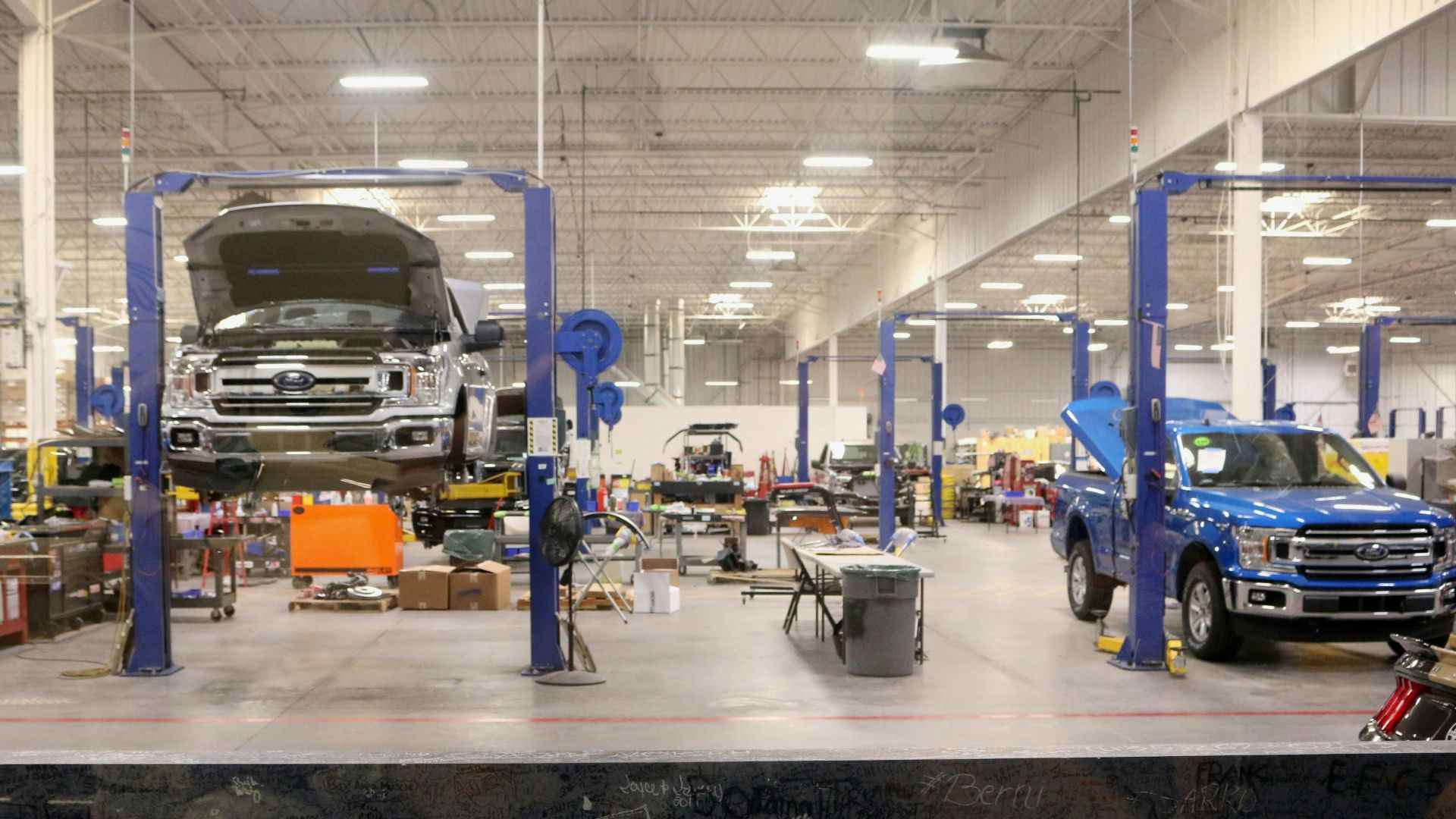
Many drivers think their body shop can simply override the insurer’s parts choice. It usually does not work that way. The shop can point out problems with fit, finish, safety, or repair procedures, but payment still usually follows the insurer’s estimate unless the insurer approves changes.
 Laurel and Michael Evans, Unsplash
Fit And Finish Are Often The Main Fight
One reason aftermarket parts stay controversial is uneven fit. The Certified Automotive Parts Association, or CAPA, was created in 1987 to test and certify certain aftermarket crash parts to improve quality and consistency. Insurers may use CAPA certification to argue that a part is comparable, while many repairers still prefer OEM for a more predictable result.
CAPA Certification Does Not End The Argument
CAPA certification can help the insurer’s case, but it does not settle every dispute. A certified part still has to fit your vehicle properly and allow the repair to be done to accepted standards. If it does not fit or creates other problems, the shop should document that and ask for a different part.
 Jose Ricardo Barraza Morachis, Pexels
Used OEM Parts Can Be A Better Middle Ground
This catches some drivers off guard. A recycled OEM part from the same make and model can sometimes fit better than a brand-new aftermarket panel. Depending on your state and policy, a used OEM part may be a good compromise if you want factory fit without paying full price for a new OEM part.

Some States Give Consumers More Protection
State rules vary enough that broad advice can be misleading. Some states require written notice before aftermarket parts are used. Others require the estimate to identify each non-OEM part, and some regulate whether visible exterior sheet metal parts can be aftermarket on newer vehicles.

Massachusetts Is A Good Example
Massachusetts offers clear consumer guidance on aftermarket parts and auto repairs through the state’s Division of Insurance. The state explains that insurers can specify aftermarket parts in some cases, but standards and disclosure rules still apply. That is exactly why checking your own state regulator matters more than reading a generic forum thread.
 Sharon Hahn Darlin, Wikimedia Commons
If Your Car Is Leased, The Stakes Can Be Higher
Lease agreements may require the car to be returned in acceptable condition and may set standards for repair quality. If aftermarket parts hurt the car’s value or create lease-end trouble, that can become your problem later. In that situation, asking for OEM parts or at least high-quality equivalents can matter even more.

Get Everything In Writing Before Repairs Start
If you want to challenge the parts choice, do it before any work begins. Ask for a written estimate that shows which parts are OEM, aftermarket, recycled, or reconditioned. Then ask the shop whether any of those parts conflict with the automaker’s repair procedures or create fit or calibration concerns.

Ask The Question That Actually Matters
One question cuts through a lot of noise: does the manufacturer require OEM parts or specific procedures for this repair? If the answer is yes, ask the shop to give you that repair documentation in writing. That gives you something solid to send to the adjuster instead of a vague complaint.

You Can Escalate The Claim
If the adjuster says no, ask for a supervisor review. Insurers sometimes approve OEM parts or another option when the shop shows evidence of fit problems, sensor issues, or manufacturer repair requirements. Calm persistence usually works better than getting angry.

File A Complaint If The Rules Were Not Followed
If your insurer did not properly disclose aftermarket parts or you think state rules were broken, contact your state insurance department. Regulators handle consumer complaints and can explain your state’s rules. They cannot promise you OEM parts, but they can make sure the insurer follows the law.

Do Not Overlook Diminished Value
On some vehicles, especially newer or more expensive ones, non-OEM repairs may affect resale value. Diminished value claims are separate from the parts dispute, and state law varies a lot on whether you can bring one. Still, if you are worried about long-term value, raise that issue early.
Sometimes Paying Extra Is The Smart Move
Not every parts dispute is worth a drawn-out fight. If the part is cosmetic and the price difference is small, paying extra for OEM may be the fastest way to move on. But for structural parts, lighting, sensor mounts, or panels with known fit issues, pushing back may be worth it.

The Bottom Line On Refusing Aftermarket Parts
Yes, you can sometimes refuse aftermarket parts, but whether that works depends on state law, your policy, the kind of part involved, and whether the automaker’s repair procedures support your position. In many cases, you can insist on OEM parts only if you pay the difference or show that the insurer’s choice does not meet legal or repair standards. The smartest move is to get the estimate in writing, compare it with your policy and your state’s rules, and have the shop document any real safety or fit problems before the repair goes any further.
 LinkedIn Sales Navigator, Pexels