
Three Weeks for a “Quick Fix”—And Now They’re Charging You Storage?
You drop your car off expecting a simple repair—maybe a day or two, tops. Fast forward three weeks, and now the shop hits you with a storage fee on top of everything else. Now you’re standing there thinking… how did this become my problem?

Why This Situation Feels Completely Unfair
You didn’t ask them to keep your car for weeks. You didn’t request storage. You just wanted your car fixed. So getting charged extra for their delay feels like being penalized twice.

But Shops See Time Very Differently
From a repair shop’s perspective, every car sitting on the lot takes up space. That space has value—especially in busy shops where turnover matters.

The Hidden Factor—Limited Shop Space
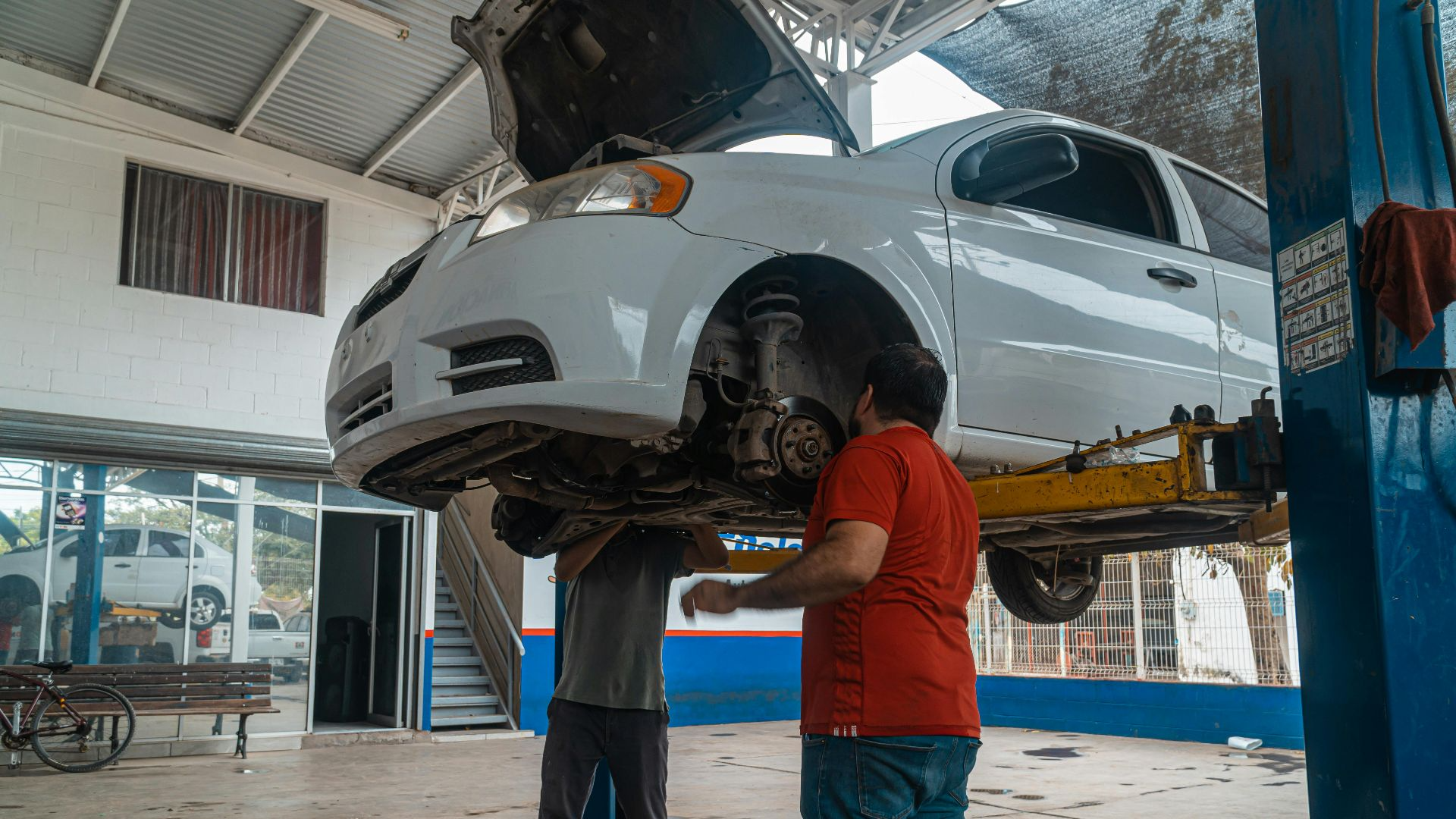
Repair shops don’t have endless parking. If your vehicle sits longer than expected, it can block bays, customer parking, or workflow. That’s where “storage fees” come into play.
 Jose Ricardo Barraza Morachis, Pexels
When Storage Fees Are Actually Common
Storage fees aren’t unusual—but they’re typically applied when a customer delays pickup after being notified the car is ready. That’s the key difference.

The Important Question—Was the Car Ready?
If your car was finished and you didn’t pick it up, the shop may have a strong argument for charging storage. But if they caused the delay, things get murkier.

Why Repairs Sometimes Take Longer
Parts delays, staffing issues, or unexpected complications can slow things down. Sometimes it’s legitimate. Other times… not so much.

When Delays Start Raising Red Flags
If the repair was supposed to be simple and there was little communication during those three weeks, that’s a problem. Lack of updates can weaken the shop’s position.

What Shops Are Supposed to Do
Most states require repair shops to keep customers informed—especially if timelines change significantly. You shouldn’t be left guessing for weeks.

Did You Get Any Warning About Storage Fees?
This is huge. Many states require shops to disclose storage fees upfront—either in writing or as part of the service agreement.

Where That Fine Print Usually Hides
It’s often buried in the initial paperwork you sign when dropping off your car. If it’s not there, enforcing the fee becomes much harder.

The “Daily Rate” Surprise
Storage fees can range from $20 to $100+ per day depending on the shop and location. Over weeks, that adds up fast—and can become a major bill.

What Shops Hope You’ll Assume
That you’ll just pay it to get your car back. Like with repair charges, the pressure of needing your vehicle can push people to accept fees they don’t question.

Can They Legally Hold Your Car?
They can, under a mechanic’s lien—but typically only for valid, authorized charges. Questionable fees like disputed storage can complicate that.

What If the Delay Was Their Fault?
Now things shift in your favor. If the shop caused the delay and didn’t clearly communicate or warn you about storage fees, their claim weakens significantly.
 Jose Ricardo Barraza Morachis, Pexels
Documentation Becomes Your Best Friend
Ask for timelines. When was the repair completed? When were you notified? Where is the storage fee policy stated? These details matter.

Why Communication Changes Everything
If they can prove they told you the car was ready and warned you about fees, they’re in a stronger position. If not, you may have leverage.

Can You Push Back on the Charges?
Yes—but how successful you are depends on the facts. This is where things start to come together.

So… Do You Have to Pay Storage Fees in This Situation?
Not always.
If the shop caused the delay, failed to notify you promptly, or didn’t clearly disclose storage fees in advance, you may not be legally required to pay them. However, if the car was ready and you delayed pickup after being informed, the fees are more likely enforceable.

The Smart Way to Handle It Right Now
Stay calm, ask for proof of completion and notification, and review any paperwork you signed. If something doesn’t add up, challenge it before paying.

When to Escalate the Situation
If the shop refuses to budge, you can file a complaint with your state’s consumer protection agency or attorney general. That alone can sometimes get results.

The Bottom Line for Long Repairs
Delays happen—but surprise fees shouldn’t. Transparency is key, and if that’s missing, you have every right to question the bill.
 LightField Studios, Shutterstock
One Last Thought Before You Take the Keys
Next time a “quick fix” turns into weeks of waiting, you might ask yourself—am I paying for storage… or paying for someone else’s delay? Because that answer makes all the difference.

You May Also Like: