The Four Words Every Driver Dreads
Hearing a mechanic say your car “isn’t worth fixing” can feel like a punch to the gut. One minute you’re expecting a repair estimate, and the next you’re wondering if your car’s life story just ended. But that phrase isn’t always as dramatic as it sounds. In many cases, it’s just a mechanic’s way of saying the numbers might not add up anymore.
 Miljan Zivkovic, shutterstock.comMiljan Zivkovic, shutterstock.com
What Mechanics Usually Mean By That
When a mechanic says a car isn’t worth fixing, they’re usually talking about value versus repair cost. If the repair bill is close to—or even higher than—what the car is worth, it might not make financial sense to go through with it. That doesn’t automatically mean the car can’t be repaired. It just means you may be putting more money into it than you’ll ever get back.
First Thing To Do: Check What Your Car Is Actually Worth
Before making any decisions, it helps to know the real value of your vehicle. Online car valuation tools can give you a rough estimate based on the make, model, mileage, and condition. Sometimes drivers are surprised by the number—either higher or lower than they expected. Once you know that value, you can start comparing it to the repair estimate.

Compare The Repair Cost To The Car’s Value
This is where the math comes in. If your car is worth $3,000 and the repair estimate is $4,000, the mechanic may feel it doesn’t make sense to fix it. But the calculation isn’t always that simple. If that repair gets the car running reliably for several more years, it might still be cheaper than buying something else.

Pay Attention To How Often It Breaks Down
One major repair doesn’t necessarily mean the car is finished. Cars break sometimes—it happens. But if the vehicle seems to be in the shop every few months, that’s when the warning lights really start flashing. When breakdowns become routine, repair costs can snowball pretty quickly.
Think About How Much You’ve Already Spent
It can be helpful to take a quick look back at your repair history. If you’ve spent thousands keeping the car running over the past couple of years, another big repair might push things past the point of reason. A lot of drivers slowly pour money into aging cars without realizing how quickly those bills add up.

Age And Mileage Start Catching Up Eventually
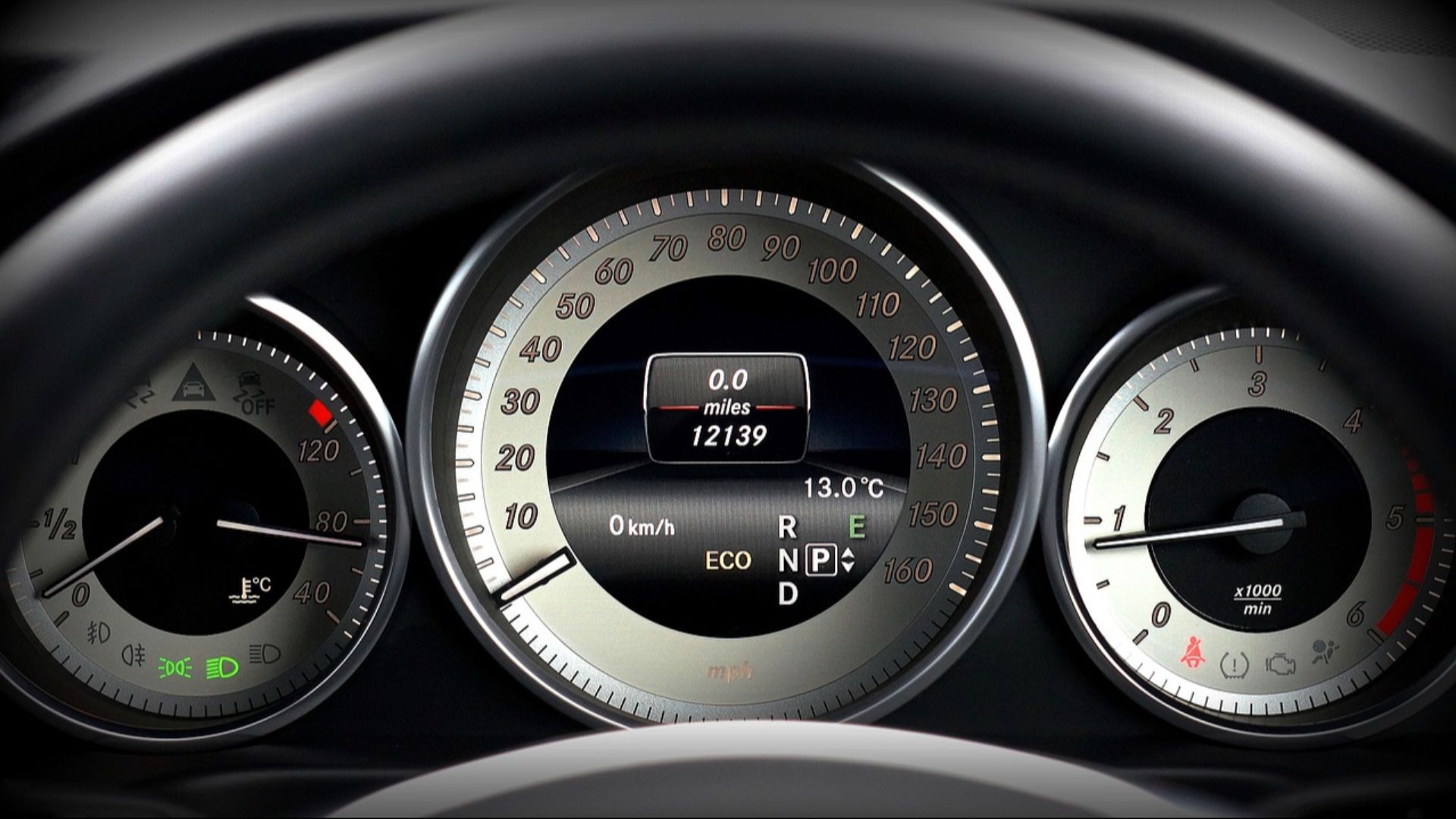
Every car reaches the point where parts start wearing out more frequently. Engines, transmissions, and suspension systems don’t last forever. Once a vehicle gets older and the mileage climbs, the chances of major repairs tend to increase. That doesn’t mean the car is useless—but it does mean the repair decisions get harder.
Safety Issues Change The Conversation
Some repairs are about more than just money. If a vehicle has serious structural damage or major brake problems, reliability becomes a safety issue. Even if the car can technically be fixed, it may not be the smartest choice to keep driving it. In those situations, replacing the vehicle might be the safer move.

Not Every Repair Is A Dealbreaker
It’s also worth remembering that some repairs sound worse than they actually are. A big number on an estimate can look intimidating, but the repair itself might restore the car to solid working condition. If the rest of the vehicle is in good shape, fixing it could give you several more years of use.
The Car Market Can Affect The Decision
The used car market plays a role here too. If replacement vehicles are expensive, repairing your current car might be the cheaper route. But if you can find a reliable used car for a reasonable price, replacing the old one may make more sense. The market can quietly tip the scales either way.

Your Budget Is A Big Part Of The Equation
Even if a repair technically makes sense, it still has to fit within your budget. A sudden multi-thousand-dollar repair bill can be tough to handle. Sometimes the decision simply comes down to what you can realistically afford right now. Practical finances often end up deciding the issue.

Things Get Trickier If You Still Owe Money
If you’re still paying off the car, the decision becomes more complicated. Selling or replacing it might leave you owing more than the car is worth. That situation can limit your options and make repairing the vehicle the more practical short-term choice.

Repairs Might Still Be Cheaper Than Replacing The Car
Buying another vehicle comes with a lot of hidden costs—sales tax, registration, insurance changes, and possibly higher monthly payments. Sometimes one expensive repair is still far cheaper than replacing the entire car. That’s why it’s important to look at the full financial picture before deciding.

Sentimental Value Is Real—But Risky
Cars often carry memories along with them. Maybe it was your first car, or maybe it’s been with you through countless road trips and life events. That emotional attachment can make it harder to walk away. But when it comes to repair decisions, it’s usually best to focus on the practical side of things.

Getting A Second Opinion Is Never A Bad Idea
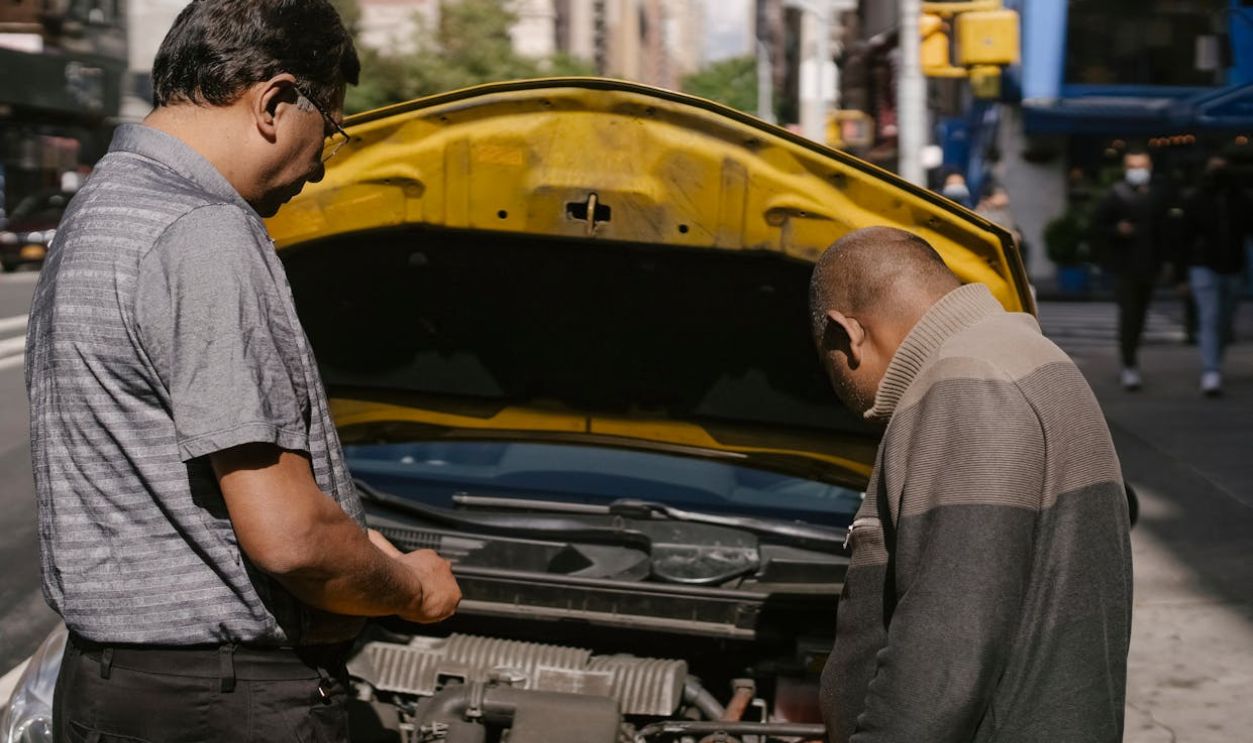
Repair estimates can vary between mechanics. If one shop tells you the car isn’t worth fixing, another might see a different solution. A second opinion can confirm whether the repair really is as serious—or expensive—as it first sounded. Sometimes the answer changes with a fresh set of eyes.
Don’t Confuse Maintenance With Major Repairs
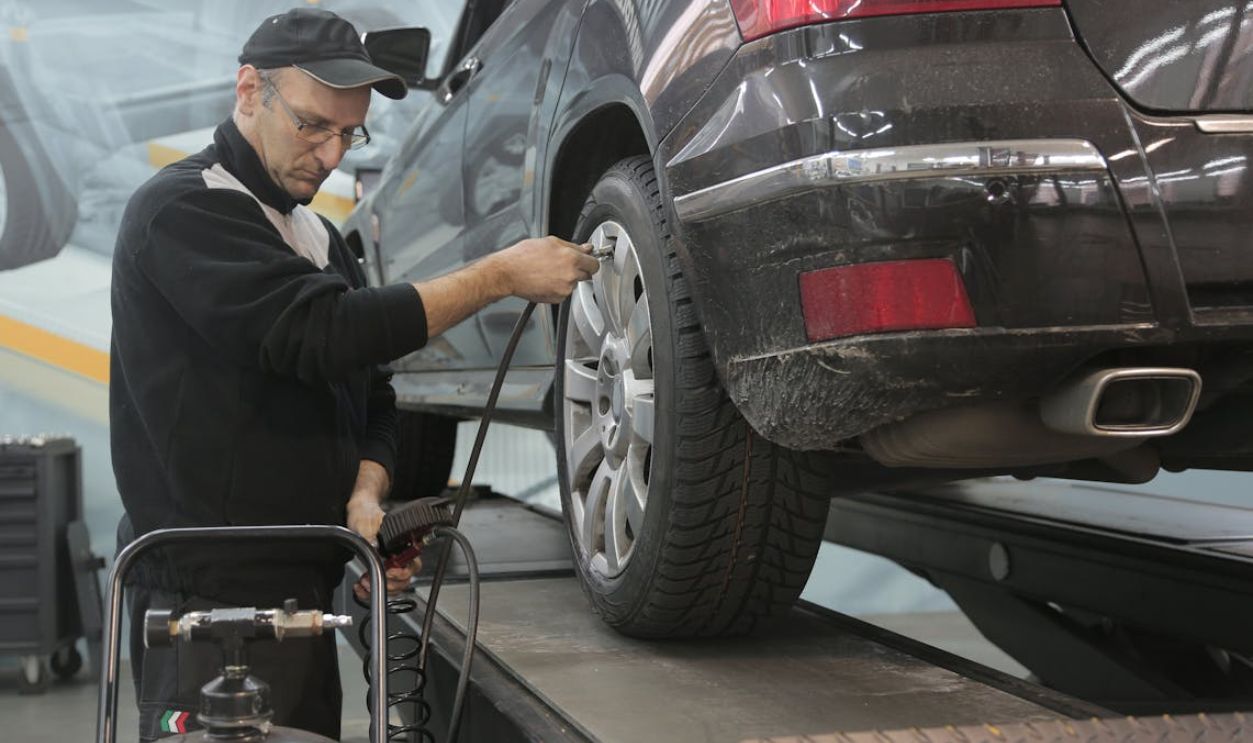
Routine maintenance is just part of owning a car. Oil changes, brake pads, tires, and batteries are expected expenses. Those things don’t mean your car is falling apart. The “not worth fixing” conversation usually comes up when major systems like the engine or transmission start failing.
Ask Whether The Repair Actually Solves The Problem
One important question is whether the repair fixes the core issue or just delays the next breakdown. If the repair restores the car’s reliability for several years, it might be worth the cost. But if it only buys a short period before the next major problem, the math starts looking worse.
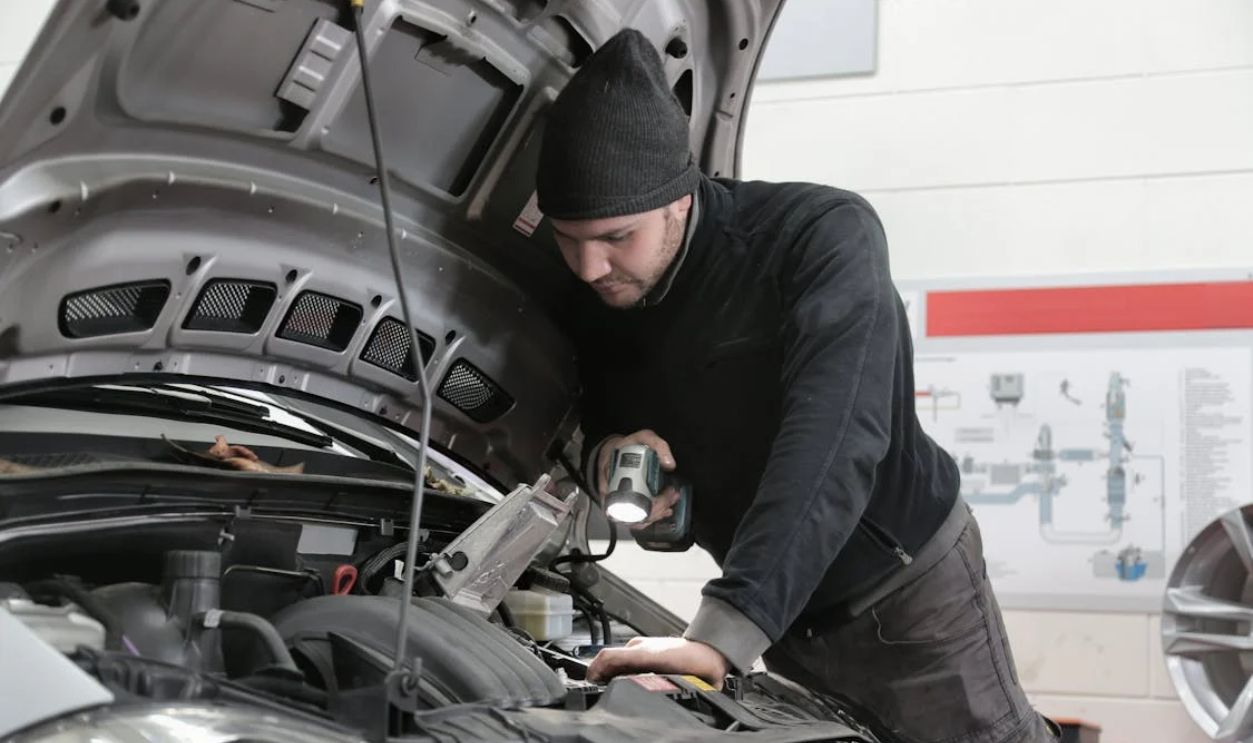
Remember That Cars Keep Losing Value
Cars lose value every year due to age and wear. Even after repairs, an older vehicle may still have a relatively low resale price. That reality can make some repairs hard to justify financially. But it also means replacing the car doesn’t automatically protect you from depreciation either.

Think About How Much You Rely On The Car
If your vehicle is essential for commuting or work, reliability becomes extremely important. Frequent breakdowns can lead to towing bills, missed workdays, and plenty of frustration. In that case, replacing the car may offer more peace of mind than constantly fixing an unreliable one.
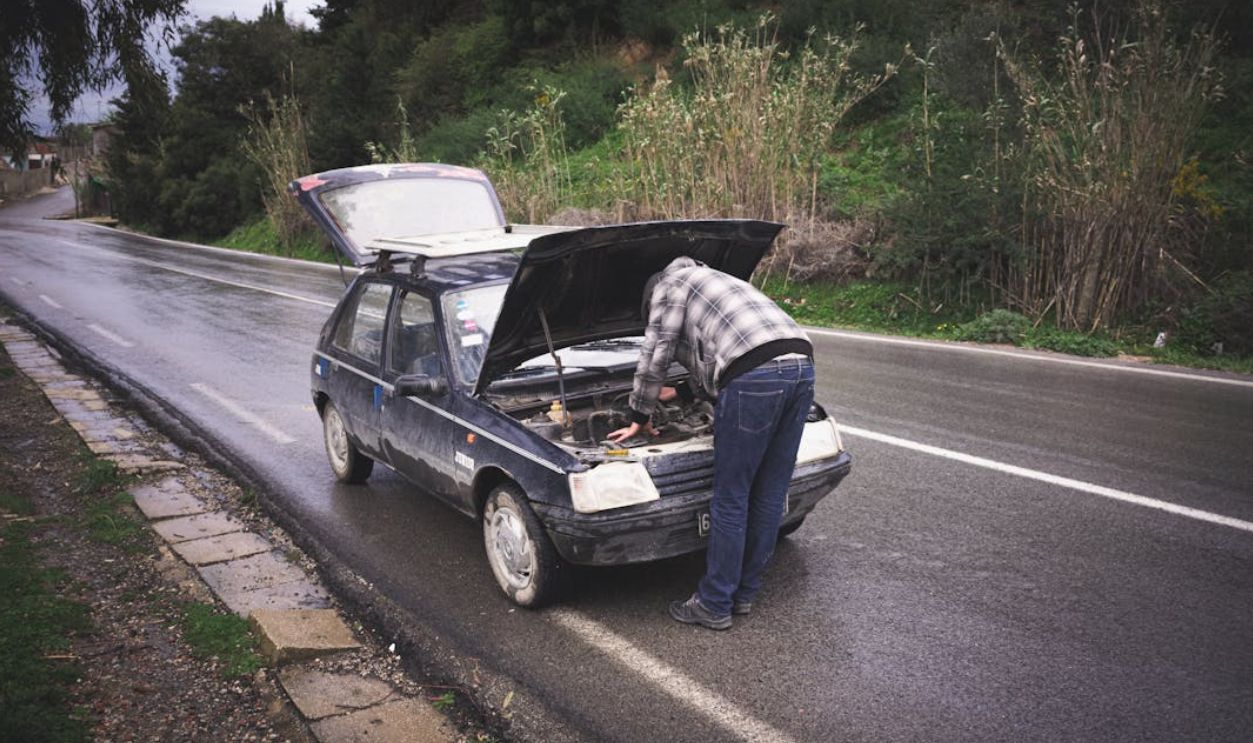
Replacing It Doesn’t Mean Buying Brand-New
Choosing to replace your car doesn’t mean you have to head straight to a new-car showroom. Many drivers switch to a dependable used vehicle instead. That option can keep costs lower while still giving you a reliable ride.

The Mechanic Gives Advice—But You Make The Call
At the end of the day, the mechanic’s job is to explain what’s wrong with the car and what it will cost to fix. Their opinion is helpful, but it isn’t the final word. The decision ultimately comes down to your finances, your needs, and how much life you believe the car still has left in it. Sometimes the mechanic is right—but sometimes the numbers say the car still deserves another chance.
 Butterflystring, Wikimedia Commons
You May Also Like:
My extended warranty won’t cover a known defect. Isn’t that what extended warranties are for?
Cars So Dangerous, The Government Had To Step In To Save Us All