Paying Cash Should Be Simple
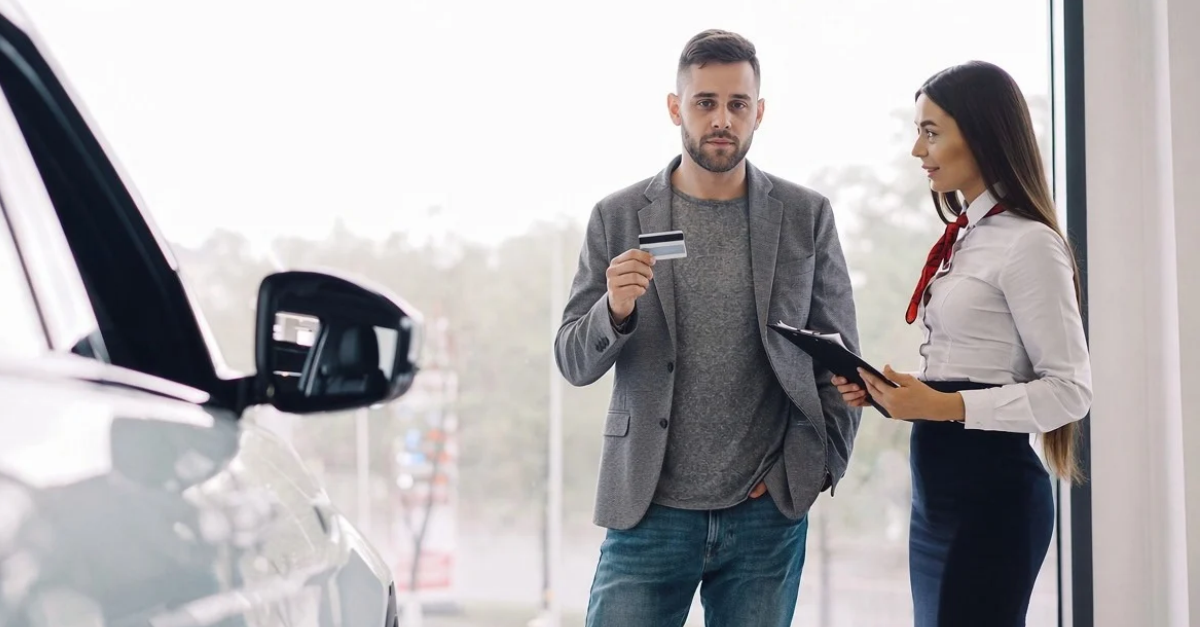
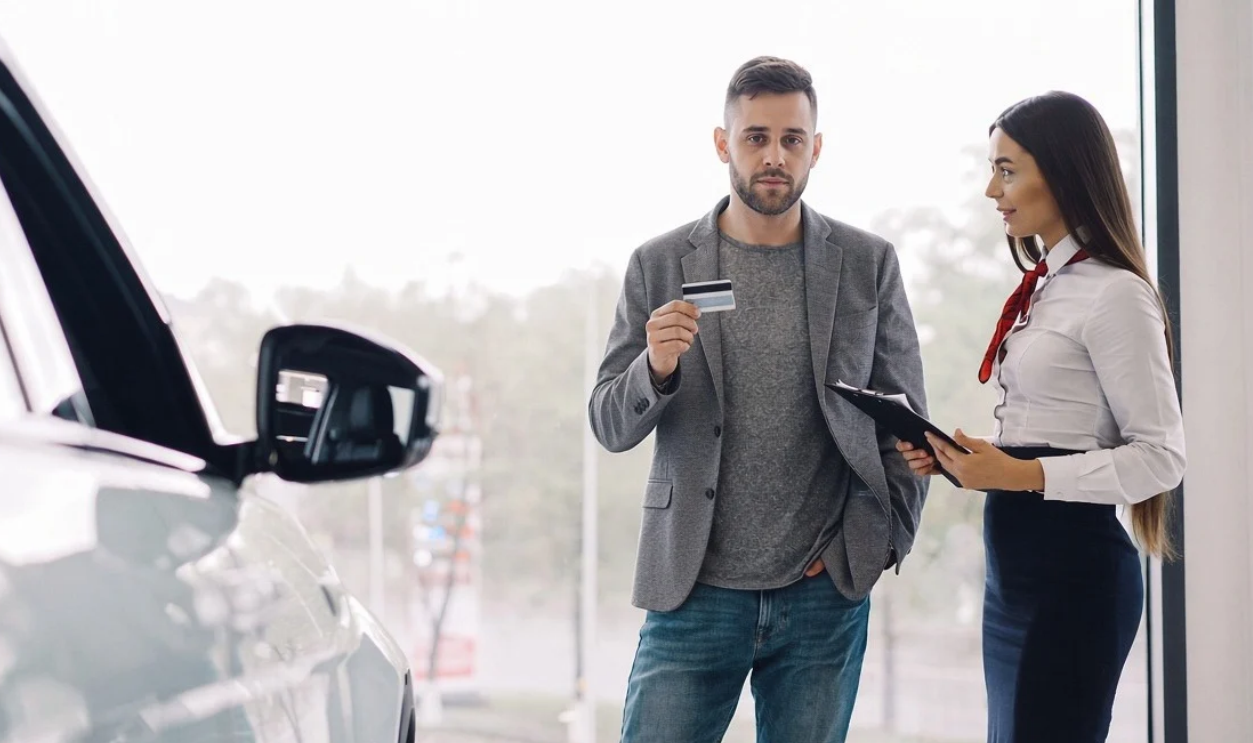
You walk into a dealership ready to buy a car outright. No loan, no monthly payment, no trip through the usual finance-office maze. Then someone asks for your Social Security number or says they need to check your credit. That is when a straightforward deal can start to feel strange.
 Vitaly Gariev, Pexels, Modified
Why This Happens So Often
Dealerships do more than sell cars. They also make money from financing, add-ons, and paperwork. Because of that, even a cash sale does not always move through the store as smoothly as buyers expect. A request for a credit check can be valid in some situations, unnecessary in others, and a warning sign in a few.

The Short Answer
If you are not borrowing money, a dealer usually does not need your credit report to sell you a car. The Federal Trade Commission says a dealer generally cannot get your credit report unless it has a permissible purpose under the Fair Credit Reporting Act. Applying for credit is one of those reasons. Simply buying a car with your own money usually is not.

What The Law Says
The key federal law here is the Fair Credit Reporting Act, or FCRA. It limits when a business can look at your consumer report. The Consumer Financial Protection Bureau says a company generally needs a legally recognized reason, such as a credit application, insurance underwriting, employment screening with consent, or another purpose allowed by law.
Why Dealers Ask Anyway
Often, it is about convenience for the dealership, not necessity for the buyer. Many dealers use the same intake process for almost everyone, whether they are financing, leasing, or paying cash. That can lead employees to ask for information they do not actually need for your deal.

What Buyers Often Suspect
Some buyers think the dealer wants a backup route to financing in case the cash plan changes. Others figure the store wants a shot at arranging a loan because lender-related profits matter. Those suspicions are understandable, but they still do not give a dealer the right to pull your report without a valid legal reason.

Identity Checks Are A Different Matter
A dealer may have a real reason to confirm that you are who you say you are. That can usually be done with a driver's license, proof of insurance, and sometimes a few extra documents. Verifying your identity does not automatically mean your credit needs to be checked.

Large Cash Deals Can Trigger Federal Reporting Rules
This is one of the biggest points of confusion. The IRS requires businesses to file Form 8300 when they receive more than $10,000 in cash in one transaction or related transactions. That rule is aimed at money laundering and certain criminal activity. It is not about checking whether you can qualify for a loan.
 https://kaboompics.com/, Pexels
What Counts As Cash For Form 8300
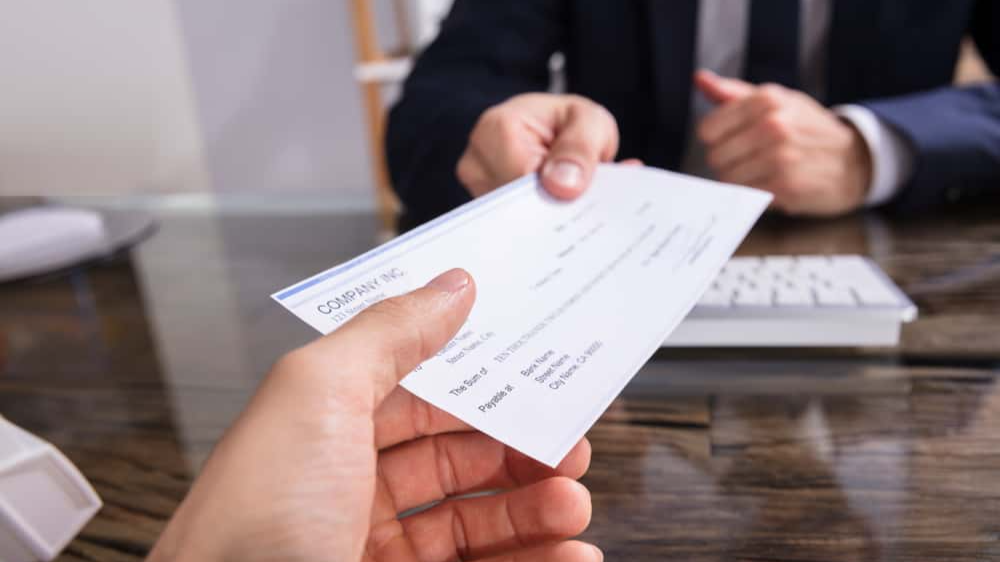
The IRS says cash includes coins and paper money from the United States or another country. It can also include certain cashier's checks, bank drafts, traveler's checks, or money orders with a face amount of $10,000 or less when they are used in a designated reporting transaction like buying a car. Personal checks from your own account generally are not treated the same way under this rule.

What Form 8300 Requires
If the transaction triggers the rule, the dealership needs identifying information. According to the IRS, that includes your name, address, taxpayer identification number, occupation, and details about the transaction. That can explain why a dealer asks for a Social Security number or taxpayer ID. It still does not mean the dealer needs to pull your credit.
The Key Difference
Tax reporting and credit reporting are not the same thing. A dealer may need information to follow IRS rules without needing access to your consumer report. If the salesperson or finance office starts blending those two issues together, ask them to spell out what is legally required and what is optional.

Dealers Also Have Anti-Money-Laundering Duties
Auto dealers are among the businesses that must keep anti-money-laundering programs under federal rules handled through the Financial Crimes Enforcement Network. FinCEN rules and guidance tie this to suspicious activity monitoring and recordkeeping. That can justify requests for identification and transaction details, but not a routine credit pull on a no-loan sale.
 Zoriana Zaitseva, Shutterstock
Why They Might Ask For Your Social Security Number
There are a few possible reasons. One is Form 8300 reporting if the payment amount and method fall under IRS rules. Another is title, registration, or internal compliance paperwork, though the exact rules can vary by state and a Social Security number is not always required for every step.

What If They Say It Is Store Policy?
Store policy does not overrule federal consumer reporting law. If there is no financing, no lease, and no credit application, you can calmly ask what permissible purpose the dealership is relying on to access your report. If the answer gets fuzzy fast, that tells you something.

Hard Pull Or Soft Pull Still Matters
You may hear that the dealer only wants to do a soft inquiry. A soft inquiry usually does not affect your credit score, but it is still access to your report. The legal question is the same: does the business have a valid reason to get it?

What The CFPB Says About Your Rights
The Consumer Financial Protection Bureau says you have the right to know what is in your credit file and to dispute wrong information. It also says businesses must have a valid reason to check your credit. If a report was pulled without your permission or without a lawful purpose, that can become a serious consumer protection issue.

Unauthorized Pulls Are More Than A Nuisance
An unauthorized hard inquiry can appear on your report and become one more thing you have to dispute. The Federal Trade Commission warns consumers to review their credit reports for signs of identity theft or improper access. An unnecessary inquiry can be a clue that your personal information was handled too loosely.

Could The Dealer Be Trying To Prevent Fraud?
Yes. Fraud prevention is one reason some businesses want more information from a customer. But fraud checks can often be handled through identity documents, payment verification, and bank confirmation instead of a full credit-check process. If fraud prevention is the reason they give, ask what they actually need and whether there is a less intrusive option.
 Hryshchyshen Serhii, Shutterstock
A Cashier's Check Does Not End The Questions
Many buyers think a cashier's check should settle everything. In real life, dealers may still want to verify where the funds came from, especially because fake checks exist and banks can take time to fully clear them. That is a payment-verification issue, not a reason by itself to pull your credit report.

Wire Transfers Can Make Things Easier
If you want fewer arguments over how the money is being handled, a wire transfer or personal check can sometimes make the process simpler, depending on the dealer's policies. It may lower the chances that the transaction falls into the IRS category that treats some payment instruments as cash for reporting. Even then, the dealer may hold the car until the funds are confirmed.

There Is A Privacy Issue Too
Giving a dealership your Social Security number creates risk if the store has weak data security. The FTC has long advised consumers to limit sharing sensitive personal information unless it is truly needed. Before handing it over, ask why they need it, how it will be stored, and whether another identifier could work instead.

How To Push Back Without Blowing Up The Deal
Keep it simple. Say you are not applying for financing and do not authorize a credit inquiry. Then ask what specific document or law requires the information they want. If they mention Form 8300, ask whether your payment method actually triggers it and whether they only need taxpayer identification for reporting instead of a credit pull.

Ask For The Requirement In Writing
This can clear things up fast. Ask the dealer to state in writing whether they require a credit check, why they require it, and whether the sale can go forward without one if you provide other documents. If the request is legitimate, they should be able to explain it clearly.

Read Everything Before You Sign
Some finance-office forms are broad enough to authorize credit access even when you think you are just signing routine paperwork. Slow down and read every page. If a form allows a credit check and you do not want one, do not sign until the wording is removed or fully explained.

Check Your Credit Reports After The Sale
Once the purchase is done, review your credit reports and look for any inquiry you did not expect. Federal law gives you access to your reports through the official centralized site at AnnualCreditReport.com. If you find an inquiry you did not authorize and the dealer had no lawful reason, dispute it with the credit bureau and raise it with the dealership.

When A Credit Check Might Actually Make Sense
Sometimes a buyer starts out planning to pay cash but wants financing as a backup, applies for a rebate tied to financing, or charges part of the deal on credit. In those cases, a credit inquiry can make sense. The important thing is that the inquiry should match the transaction you actually agreed to.
When It May Be Time To Walk Away
If the store will not separate tax reporting from credit reporting, cannot explain its legal basis, or pressures you to sign a credit authorization for a cash deal, it may be time to leave. Plenty of dealerships can handle a simple purchase without turning it into a fishing trip through your financial records.

The Bottom Line For Cash Buyers
A dealership may need personal information from a cash buyer for identity checks, payment verification, title work, anti-money-laundering compliance, or IRS Form 8300 reporting when the facts trigger those rules. What it usually does not need, unless you are applying for financing or a lease, is your credit report. The smart move is to ask direct questions, share only what is necessary, and make sure the paperwork matches the deal you are actually making.