When Your Own Driveway Comes With Rules
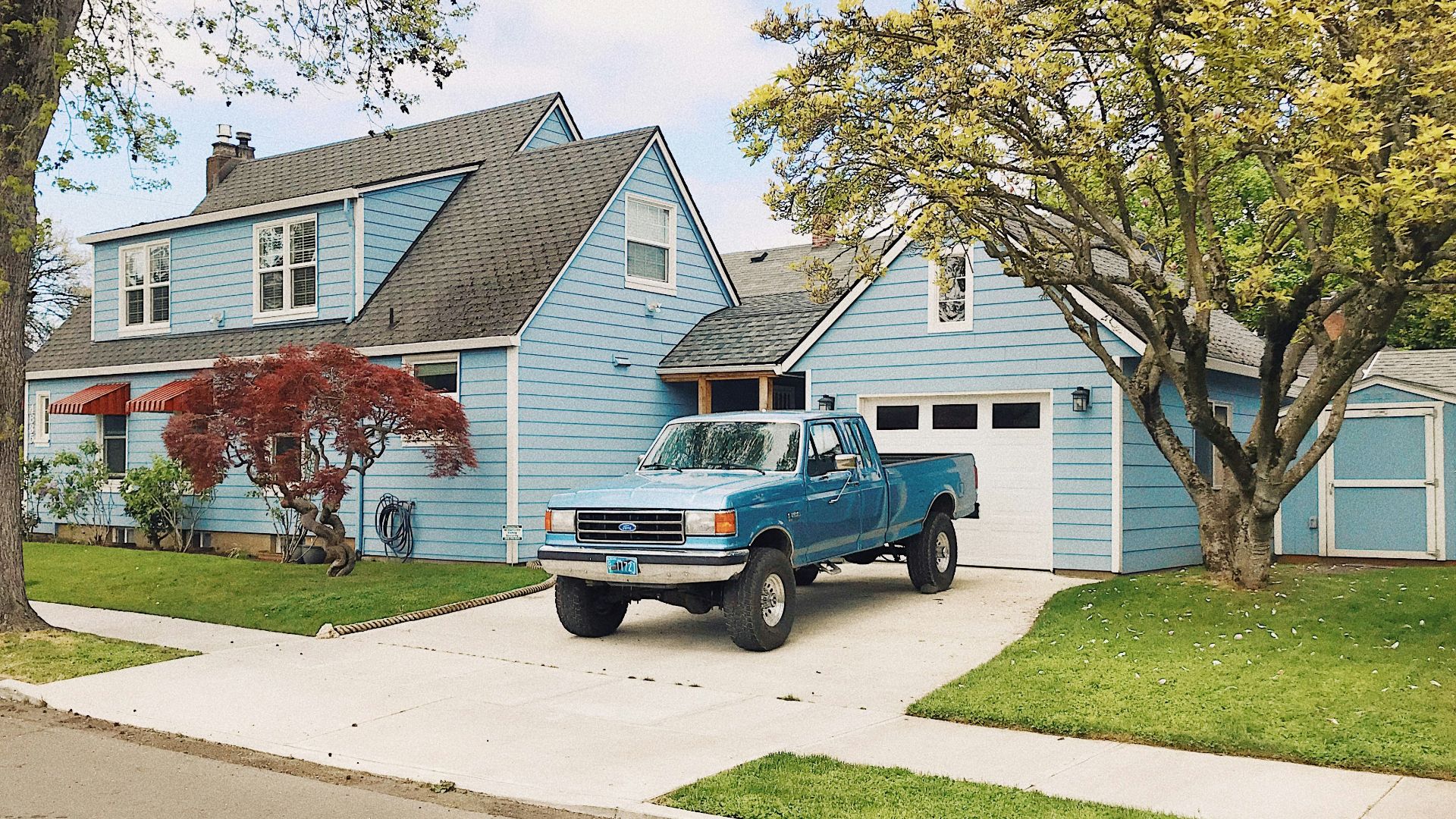
You bought your home, you’ve got a driveway that clearly fits more than one car, and everything seemed straightforward. Then out of nowhere, your HOA says you need to pay a fee just to park a second vehicle there. It feels confusing and honestly a bit ridiculous. If it’s your driveway, why should you have to pay extra to use it? The answer depends on what your HOA rules actually say, and whether they’re following them properly.

HOA Rules Can Be Surprisingly Strict
Homeowners associations have a lot of authority when it comes to regulating how properties are used, including parking. Even things that seem obvious, like using your own driveway, can be subject to restrictions if those rules are written into the HOA’s governing documents. That said, those rules aren’t unlimited, and they still have to be clearly written and properly enforced, which means you may still have room to challenge how they’re being applied.

The First Question: Is This Rule Actually Written Down?
The most important thing to figure out is whether this fee or restriction is clearly stated in your HOA’s rules. These are usually found in documents like the CC&Rs (Covenants, Conditions, and Restrictions), bylaws, or community guidelines. If the rule is written there, your situation is very different than if it’s not.

If It’s In The Contract, It’s Harder To Fight
If the HOA documents explicitly say you can only park one vehicle or that additional vehicles require a fee, that rule is usually enforceable. When you bought the property, you agreed to follow those terms, even if they seem unreasonable now. That doesn’t mean you’re stuck forever, but it does make things more challenging.

Fine Print Matters More Than You Think
A lot of these restrictions are buried in the fine print. They might not say “second car fee” directly, but instead limit the number of vehicles, regulate driveway use, or require permits for additional parking. HOAs often rely on these broader clauses to justify fees like this.

Ambiguous Rules Can Be Challenged
If the language in the HOA documents is vague or doesn’t clearly support the fee, you may have room to push back. HOAs can’t just interpret rules however they want. If the wording doesn’t clearly authorize a fee for a second car, that’s something you can question.

Unwritten Rules Are Much Harder For HOAs To Enforce
If this rule isn’t written anywhere and is just being enforced informally, that’s a different situation entirely. HOAs generally can’t enforce rules that aren’t officially adopted and documented. If there’s no written policy, you have a much stronger argument.

Ask For The Exact Rule In Writing
If you’re being told you have to pay a fee, ask the HOA to show you exactly where that rule is written. Request the specific section of the governing documents. This puts the burden on them to justify the rule instead of you guessing.

HOAs Must Follow Their Own Procedures
Even if the rule exists, HOAs usually have to follow specific procedures to enforce it. That can include notifying homeowners, voting on new rules, or providing advance notice of changes. If they skipped those steps, the rule may not be enforceable.
New Rules Can’t Always Be Applied Retroactively
If the HOA recently introduced this fee, they may not be able to apply it immediately or to existing situations without proper notice. Sudden enforcement without warning can be a sign that the rule wasn’t implemented correctly.

Your Driveway Still Has Limits Under HOA Control
Even though it’s your property, HOAs often regulate visible aspects of your home, including driveways. That’s how they justify parking restrictions. It may feel excessive, but legally, they often have some authority in this area.

Reasonableness Can Sometimes Be Questioned
In some cases, HOA rules can be challenged if they’re considered unreasonable or arbitrary. Charging a fee for a second car when there’s clearly enough space might fall into that category, especially if it doesn’t serve a clear purpose.
Look At How The Rule Is Being Applied
Is everyone being charged this fee, or just certain homeowners? If the rule is being enforced inconsistently, that can be a problem for the HOA. Selective enforcement is something you can push back on.

Talk To Other Homeowners
If this rule affects you, it likely affects others too. Talking to neighbors can help you figure out whether this is a widespread issue. A group of homeowners raising the same concern can carry more weight than a single complaint.

You Can Raise The Issue At HOA Meetings
HOA meetings are one of the best places to challenge rules like this. You can ask questions, request clarification, and push for changes. Even if nothing changes immediately, it puts the issue on record.
 Blossom Ozurumba, Wikimedia Commons
You May Be Able To Request A Rule Change
If the rule is clearly written but unpopular, you may be able to work toward changing it. This often involves gathering support from other homeowners and going through the HOA’s formal process for amendments.

Legal Advice Can Help In Tough Cases
If the HOA is insisting on the fee and you believe it’s not justified, it may be worth consulting a lawyer who handles HOA disputes. They can review the documents and tell you whether the rule is enforceable.

Fines And Fees Should Follow Clear Guidelines
HOAs typically need to follow specific rules when imposing fines or fees. That includes giving notice and explaining the basis for the charge. If they’re not doing that, it could weaken their position.

Don’t Ignore The Issue Completely
Even if you think the rule is unfair, ignoring it can lead to additional fines or penalties. It’s better to address it directly and challenge it properly rather than letting it escalate.

Final Thoughts
Whether you have to pay a fee to park a second car on your driveway comes down to what your HOA documents say and how the rule is being enforced. If it’s clearly written and properly adopted, it may be enforceable, even if it feels unreasonable. But if the rule is vague, newly introduced without proper process, or not written at all, you may have solid ground to challenge it. The key is getting the exact rule in writing and taking it from there.

You May Also Like: