Start With The Rulebook, Not The Curb
If your HOA fined you for parking on the street overnight, unfortunately "there was no sign posted" might not be good enough. The real question is whether your governing documents actually ban that kind of parking. In many communities, the enforceable rule comes from the declaration, CC&Rs, bylaws, or formally adopted rules, not from a street sign. If the restriction was properly adopted and applies to owners, an HOA may try to enforce it even when no sign is posted at the curb.

Signs Are Helpful, But They Are Not Always Legally Required
A lot of homeowners think a parking rule is invalid unless a sign is posted where the car was parked. That may be true for some public parking laws enforced by a city, but HOA enforcement usually works differently. HOAs generally rely on community rules in their governing documents, and owners are expected to follow those rules. So the lack of signs does not automatically wipe out the fine.

Private Street Or Public Street Makes A Big Difference
One of the biggest issues is whether the street is privately owned by the HOA or belongs to the city or county. If the road is private common property, HOAs often have more room to regulate parking through their governing documents. If the street is public, the HOA's power can be much more limited, especially if it tries to control parking on a road it does not own. This public-versus-private difference often decides whether the fine is enforceable.
On Public Streets, HOA Authority Can Be Limited
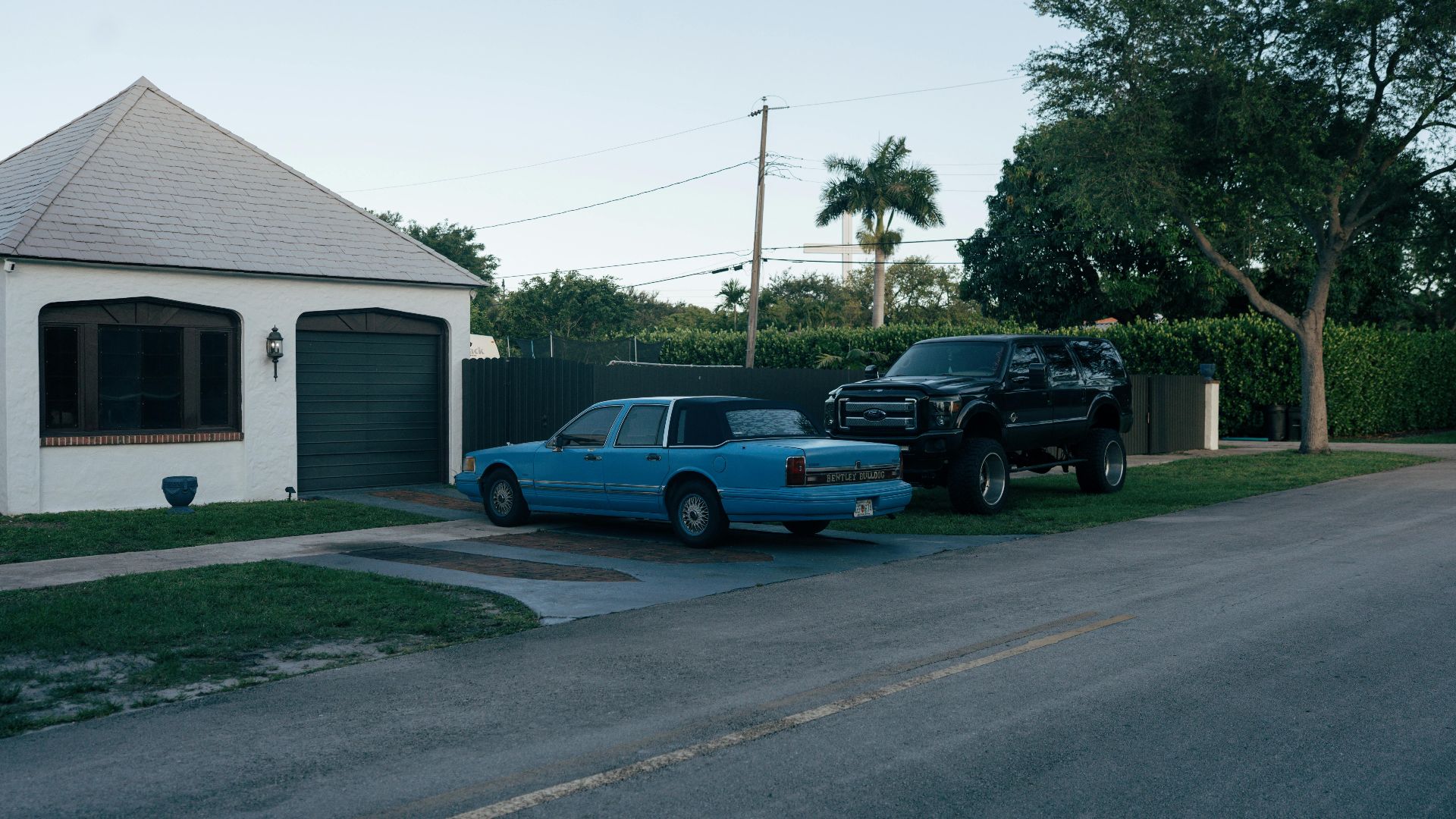
Many courts and state laws are skeptical of HOAs trying to control parking on public streets just because the street runs through the neighborhood. In some states, a recorded covenant can still affect owner behavior, but enforcement may be challenged if it clashes with public control of the roadway. City parking laws and state vehicle rules usually govern public streets first. That means the HOA may need very clear authority in the governing documents before its fine will stand up.

Recorded Covenants Matter More Than Informal Neighborhood Habits
If everyone in the neighborhood has always avoided overnight street parking, that custom alone is not the legal basis for a fine. The HOA usually needs a written restriction in the declaration or a properly adopted rule. Verbal warnings, Facebook posts, and board-member opinions do not replace the actual documents. If the rule is not written down or was never properly adopted, you may have good grounds to challenge the penalty.

State Law Can Override What The HOA Wants
Even if an HOA has a parking rule on paper, state law may limit how that rule can be enforced. Several states have statutes on HOA authority, fines, due process, and use of public roads. Some states also have rules protecting certain vehicles or limiting restrictions on public streets. That is why the answer often depends on both your HOA documents and your state's law.

Notice And A Hearing Are Usually A Big Deal
In many states, an HOA cannot simply mail a fine and call it done. Homeowners are often entitled to notice of the claimed violation and a chance for a hearing before the fine becomes final. This is part of basic HOA due process and is built into many statutes and governing documents. If your HOA skipped those steps, the fine may be vulnerable even if the parking rule itself is valid.

Look Closely At How The Rule Was Adopted
Boards generally cannot make up major restrictions on the fly just because parking has become a problem. The rule usually must be adopted under the procedures in the governing documents and state law. That may require board notice, an open meeting, owner comment, or consistency with the declaration. If the board did not follow the process, enforcement can be challenged.

Declarations Usually Carry More Weight Than House Rules
Not all HOA documents carry the same weight. A restriction written into the recorded declaration or CC&Rs is usually stronger than a policy buried in a newsletter or parking memo. Lower-level rules still can be enforceable, but they generally cannot conflict with the declaration or go beyond the board's authority. If the fine is based only on an informal policy, that is worth a close look.

Was The Rule Clearly Communicated To Owners?
Even when signs are not required, homeowners should still have fair notice of the rule through official channels. That usually means the restriction appears in the recorded documents, published rules, welcome materials, or notices sent by the association. If the HOA never shared the policy or kept it hard to find, that can strengthen your argument that enforcement was unfair. Hidden rules often lead to weak fines and messy disputes.

Renters And Guests Can Complicate Things
If the car belonged to a tenant, friend, or family member, the HOA may still send the fine or violation notice to the owner of the lot or unit. That is common because the owner is the member bound by the governing documents. Even so, the association still needs authority for the parking restriction and must follow any required enforcement steps. Guest-parking situations often show whether the rule is actually written clearly enough to enforce.

Towing Is Different From Fining
Some homeowners get a fine, while others face towing, and the legal rules are not always the same. Towing from private property can be governed by specific state statutes that often require signage, notice, or other conditions. A fine imposed by an HOA may rely more on governing documents and internal enforcement procedures. So even if towing would require signs, that does not automatically mean a fine would.

Selective Enforcement Can Be A Strong Defense
If your HOA fines you but ignores the same overnight parking by board members or favored neighbors, that may be selective enforcement. Courts often expect HOAs to enforce restrictions in a reasonably consistent way. A pattern of random or uneven enforcement can weaken the association's position. Photos, dates, and prior violation records can help show whether the rule is being applied fairly.

Vague Parking Rules Often Cause Trouble
A rule that says "no nuisance parking" or "street parking is discouraged" may be too vague to support a clean enforcement action. Owners should be able to tell what is prohibited, when, and where. A rule banning overnight parking should ideally define overnight hours and say whether it covers all streets or only certain areas. Fuzzy wording tends to work against the party trying to impose the penalty.

Emergency, Disability, And Short-Term Exceptions May Matter
Sometimes parking restrictions run into real-life needs like medical issues, temporary limits, moving trucks, or emergency repairs. Federal fair housing law may require reasonable accommodations for disability-related parking needs. Many HOAs also have hardship or temporary-permit procedures in their rules. If your situation involved one of these factors, the fine deserves a closer look.

Check Whether The Street Was Ever Dedicated To The City
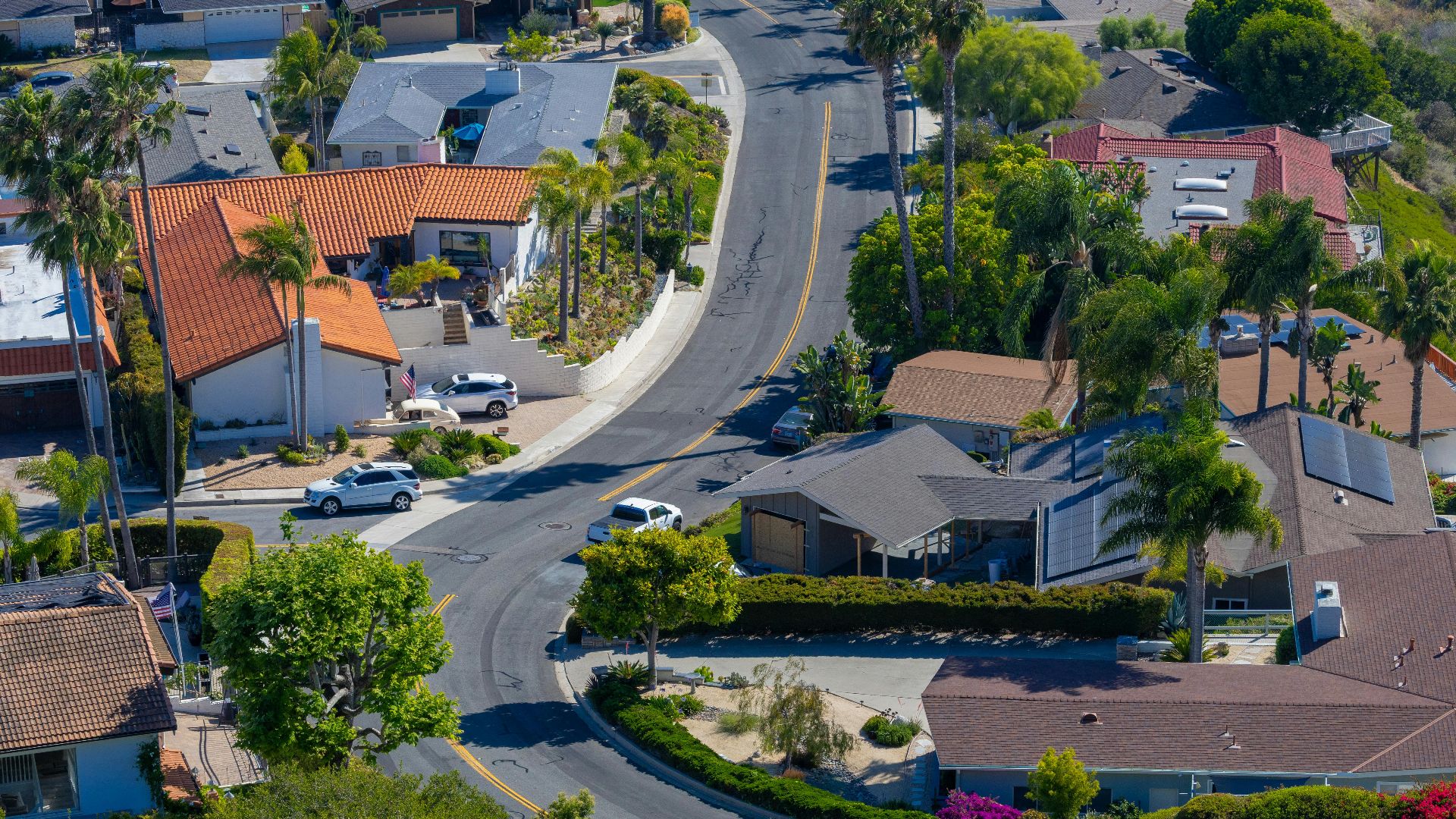
A neighborhood can look fully private while the roads are actually publicly dedicated and maintained. County property records, subdivision plats, and local public works departments can often clarify ownership and maintenance responsibility. That matters because an HOA usually has stronger control over common-area roads it owns. If the street is public, your challenge may become much stronger.
Municipal Law May Already Cover Overnight Parking
Some cities regulate overnight street parking through local ordinances, permit systems, or snow-route rules. If the city already governs parking on that street, the HOA cannot simply ignore that framework. The HOA may still have private covenant restrictions in some cases, but they must work alongside local law. It is smart to compare the HOA rule with the city code rather than assume one automatically controls.

Ask For The Exact Authority Behind The Fine
If you want to challenge the penalty, ask the HOA to identify the exact section of the declaration, rules, or policy that you supposedly violated. Also ask for the board resolution or meeting minutes showing when the rule was adopted. A legitimate association should be able to point to the text, the process, and the enforcement schedule. Vague answers can be a sign that the fine is not on solid ground.

Request A Hearing And Build A Paper Trail
Do not rely on phone calls or hallway conversations if you are disputing an HOA fine. Submit your challenge in writing, request a hearing if your state or documents allow it, and keep copies of everything. Include photos of the street, any missing signage, proof of uneven enforcement, and copies of governing documents. A clear paper trail makes it easier to resolve the issue internally or, if needed, in mediation or court.

Small Claims, Mediation, Or Internal Dispute Resolution May Be Options
Many HOA disputes never need to turn into major legal battles. Depending on your state and the amount involved, you may have access to internal dispute resolution, mediation, arbitration, or small claims court. Some states encourage alternative dispute resolution before a lawsuit is filed. These options can be cheaper and faster than full court litigation over a relatively small fine.

When The HOA Probably Can Enforce It
The HOA likely has a stronger case if the street is private, the rule is written in enforceable documents, the rule was properly adopted, owners were given notice, and the association offered due process before fining. Consistent enforcement also helps the HOA's position. In that situation, the absence of a physical sign may not matter much. The rulebook may carry more weight than the curb.

When The Fine Looks Weak
The fine looks shakier if the street is public, the rule is not in the governing documents, the board never properly adopted it, or the HOA skipped notice and a hearing. It also weakens the case if the rule is vague or enforced selectively. Missing signs alone may not win your argument, but missing authority often will. The best challenges usually focus on power, procedure, and proof.

The Bottom Line For Frustrated Homeowners
Yes, an HOA can sometimes enforce an overnight street-parking rule even when there are no signs, but only if it actually has legal authority to do so. The key questions are who owns the street, what the governing documents say, whether state law limits the HOA, and whether proper notice and hearing procedures were followed. If any of those pieces are missing, the fine may be contestable. Before paying, review the documents, check local law, and ask the HOA to show the basis for the fine.