Hit And Run Fender Bender
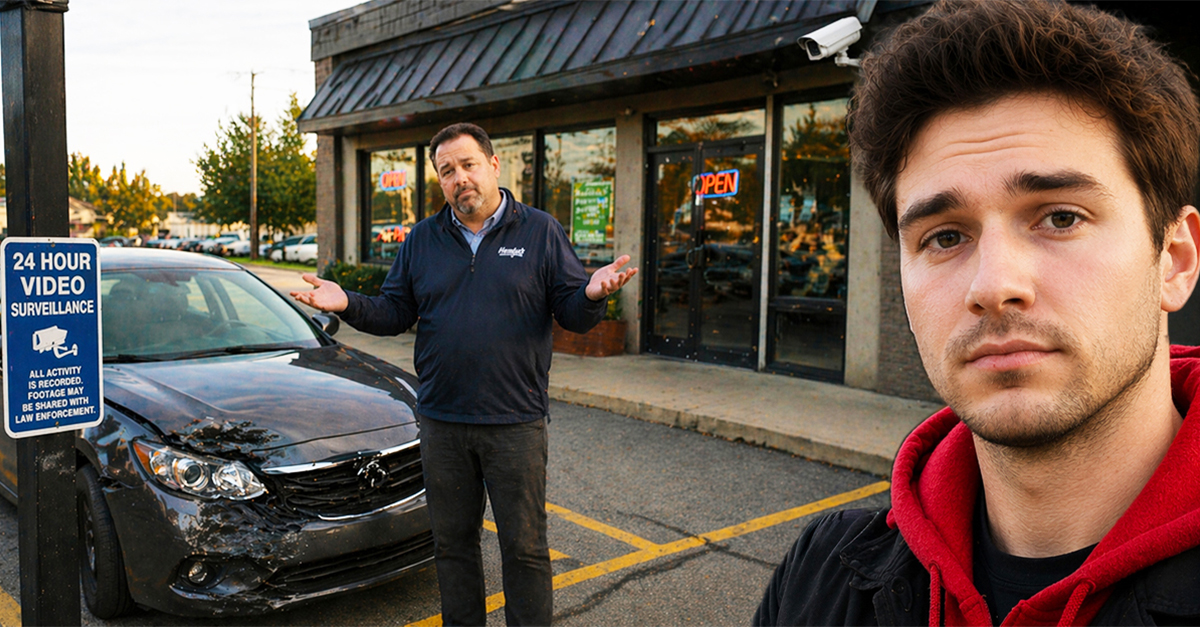
You came back to your parked car and found damage, with no note left behind. Even worse, a nearby business has security cameras but refuses to share the footage. Now you’re left to pick up the pieces and figure out how it all went wrong. We look closer at your rights, whether the business is allowed to refuse, and what steps you can take next.
Why Hit And Runs Are So Common
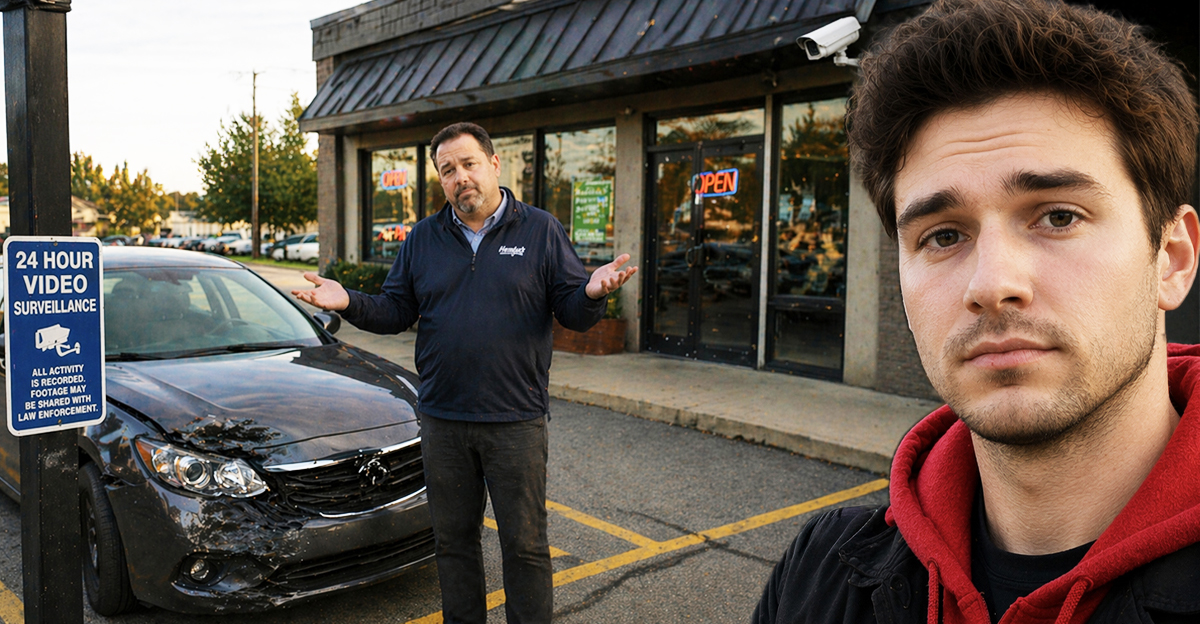
Hit and run incidents are more common than a lot of motorists realize, especially in parking lots where visibility is limited. Legally, leaving the scene of an accident is considered a criminal offense in most jurisdictions, even when it’s only property damage. That makes it especially important to identify the driver.

Why Businesses Refuse To Share Footage
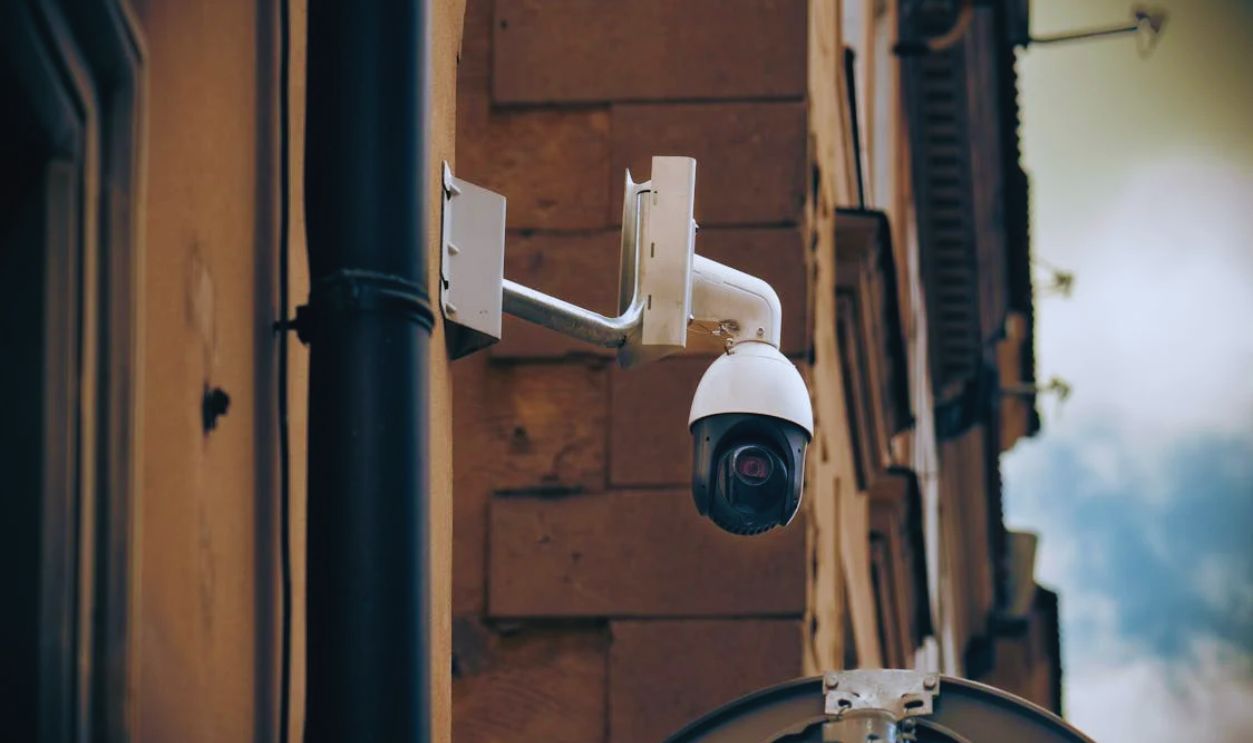
It may seem unreasonable, but most businesses are under no obligation to share surveillance footage with private individuals. They often restrict access because of privacy concerns or company policy. In many cases, they will only release footage to law enforcement or through formal legal channels.

The First Step You Should Take
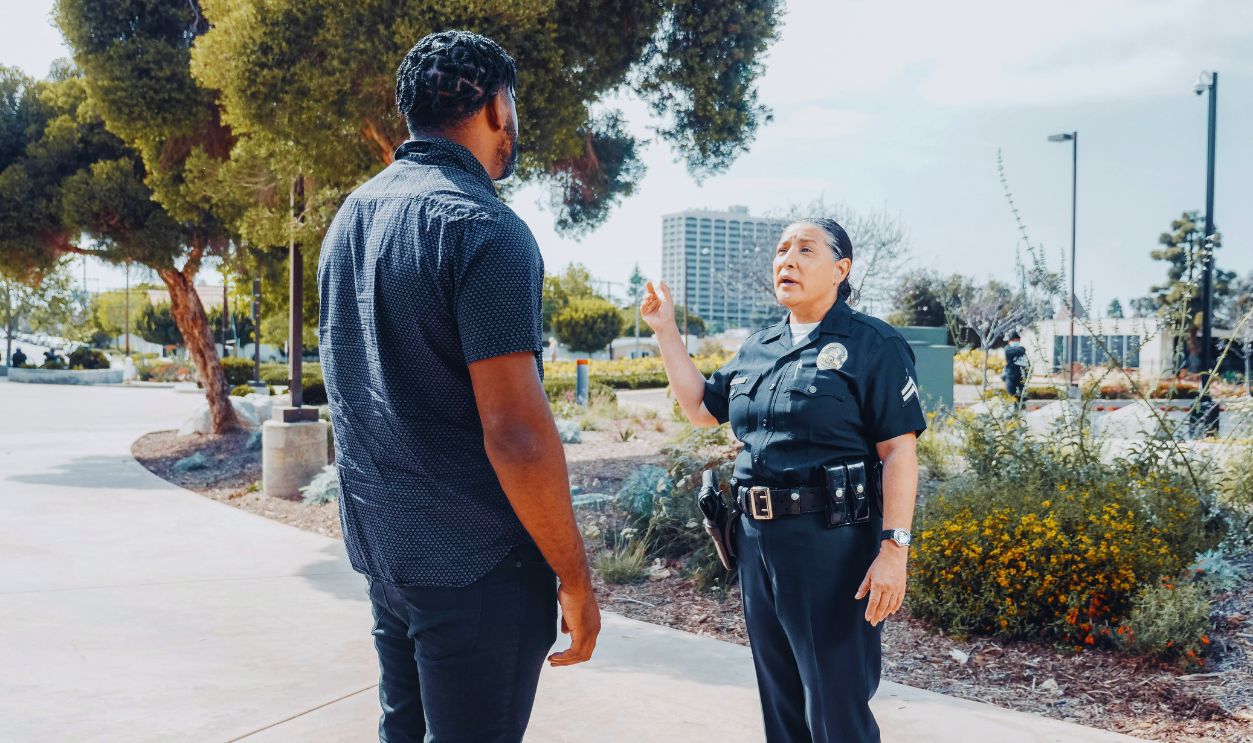
Report the incident to the police as soon as possible. In hit and run cases, police can request security footage directly from businesses. It’s important to act quickly, since many systems overwrite footage after a short period, sometimes within days.
Notify Your Insurance Company Right Away
Contact your insurance provider immediately and explain that it was a hit and run. Give all available details, including the location, time, and any possible camera coverage. Your insurer may investigate the claim and try to recover costs if the responsible driver is identified.

Document Everything At The Scene
Take clear photos of the damage, the surrounding area, and any debris or tire marks. Note the time, date, and exact location. Gathering this information strengthens your insurance claim and can help authorities figure out exactly what happened.

Ask The Business Again, The Right Way
Sometimes businesses respond better to a formal and polite request. Explain that you have filed a police report and ask them if they would be willing to preserve the footage. Even if they won’t give it to you directly, they may agree to cooperate with authorities.

Understand How Police Access Footage
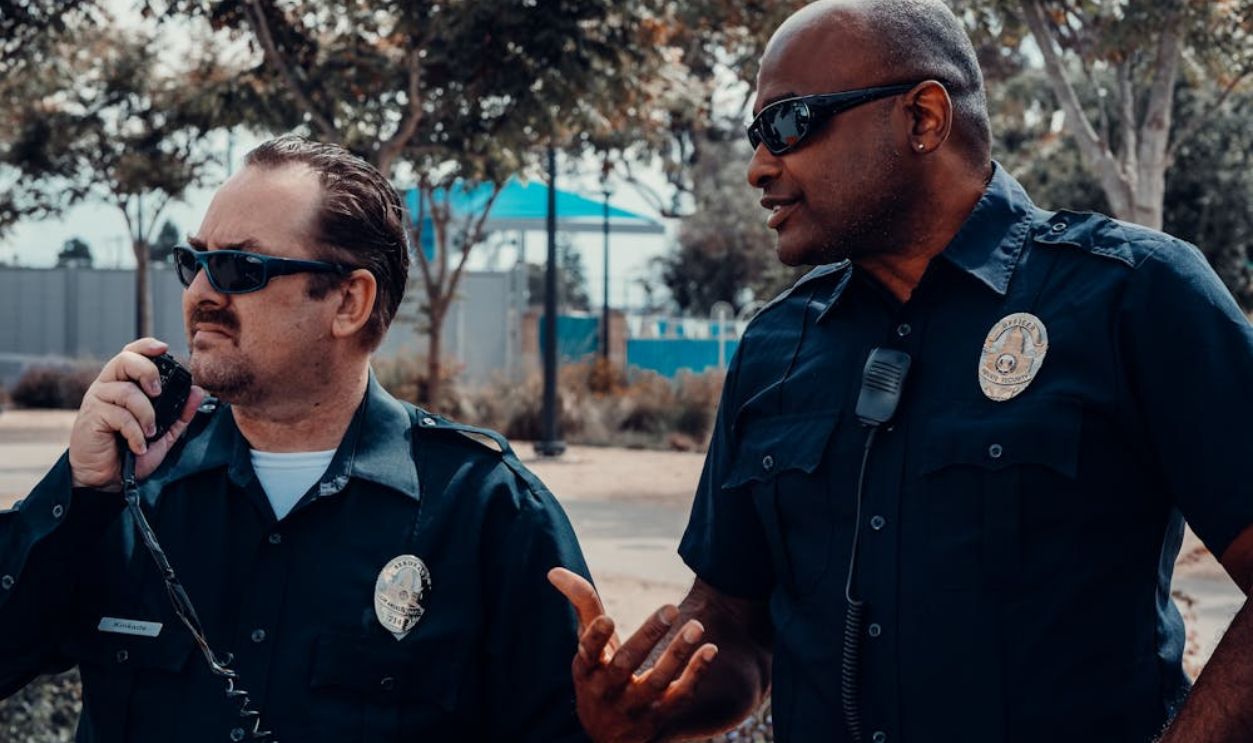
Police officers can request surveillance footage as part of an investigation. While they may not always prioritize minor property damage cases, having a report on file helps your chances that the footage will be reviewed or preserved for insurance purposes.
Consider A Lawyer If The Stakes Are High
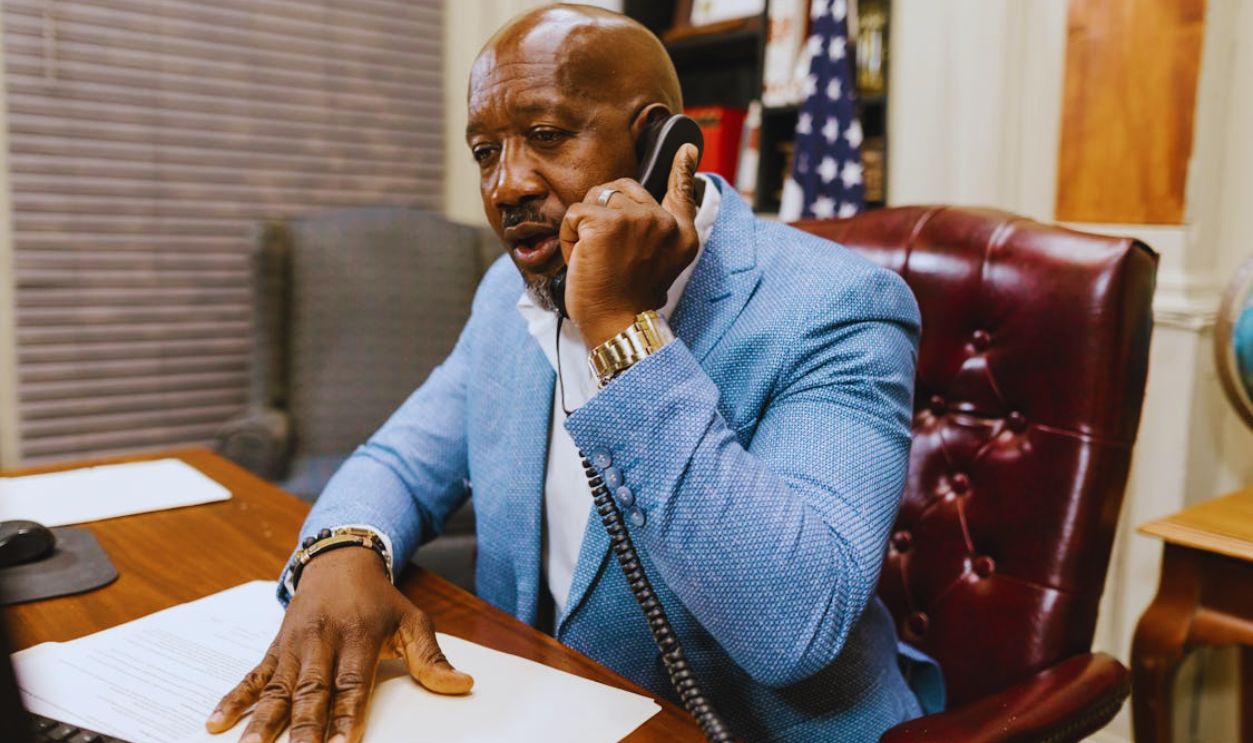
If the damage is significant, it may be worthwhile talking to a lawyer. A legal professional can send a formal request for footage or even seek a court order if necessary. This can compel a business to provide video evidence in certain situations.
Look For Other Cameras Nearby
Don’t just rely on one source. Check nearby businesses, homes, or even parked vehicles that might have cameras. Expanding your search increases the chances of finding usable footage that can identify the driver.

Talk To Witnesses In The Area
If the incident happened recently, there may be people nearby who saw something. Ask employees, customers, or passersby if they noticed the accident. Witness statements can sometimes fill in crucial details that cameras miss.

Understand Your Insurance Coverage
If you have collision coverage, your insurance company may pay for repairs even if you don’t end up tracking down the driver. They may later attempt to recover the cost through a process called subrogation if new evidence emerges.
Timing Is Critical
Security footage is often deleted automatically after a short period. Waiting too long to view it can mean losing your best chance at nailing the responsible driver. Acting quickly with police and insurance can make a big difference.
File A Formal Request Or Complaint
In some cases, you may be able to put in a formal request for footage through legal or privacy channels. This process can vary depending on your location, but it may offer another avenue if your initial requests are denied.

What If The Driver Is Never Found?
Unfortunately, many hit and run cases never get resolved. If that happens, your insurance may still cover repairs depending on your policy. While it’s frustrating, having proper coverage can soften the financial impact.

Small Claims Court As An Option
If you later identify the driver, you may be able to pursue compensation through small claims court. This process can allow you to recover repair costs without hiring a lawyer, depending on the amount of damage and local rules.

Preserving Evidence Matters
Ask the business to hang onto the footage even if they won’t share it with you. A simple request to preserve evidence can be important if police or legal action is taken later. Losing the footage could eliminate a key piece of proof.

Prevent Future Incidents
Whenever possible, park in well-lit areas with visible cameras. While it’s no guarantee of protection, it can deter careless drivers and improve your chances of catching useful footage if something does happen.

Staying Persistent Pays Off
It can take time and follow-up to get results. Stay in contact with police, your insurer, and any businesses involved. Persistence can sometimes lead to new information or finding evidence that wasn’t initially available. It takes effort to make progress.

Final Takeaway On Hit And Run Footage
Being denied access to security footage after a hit and run is frustrating, but it doesn’t mean you’re all out of options. By involving police, working with your insurance, and following up other evidence sources, you can still build a strong case and reduce your financial losses.

You May Also Like: