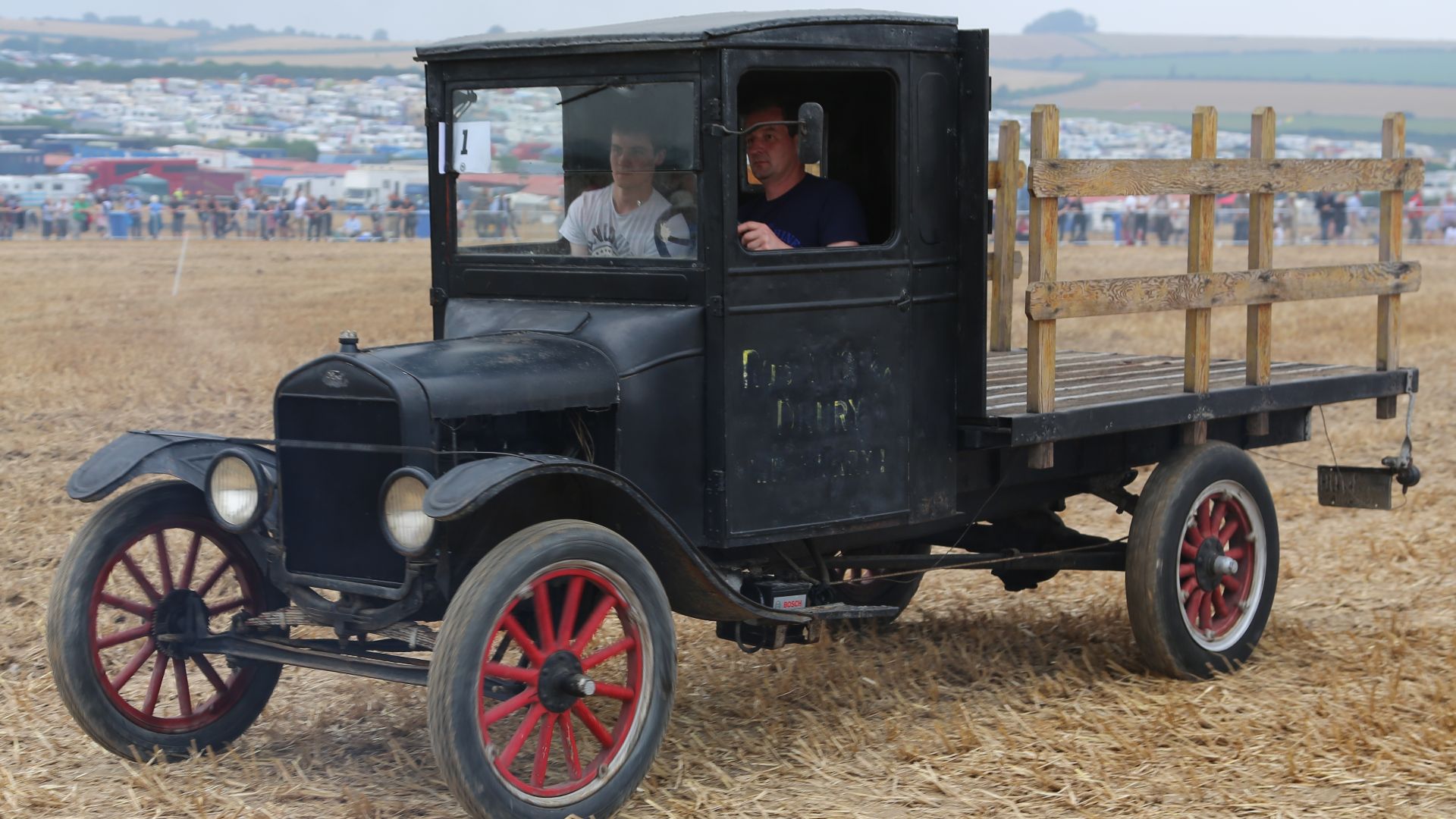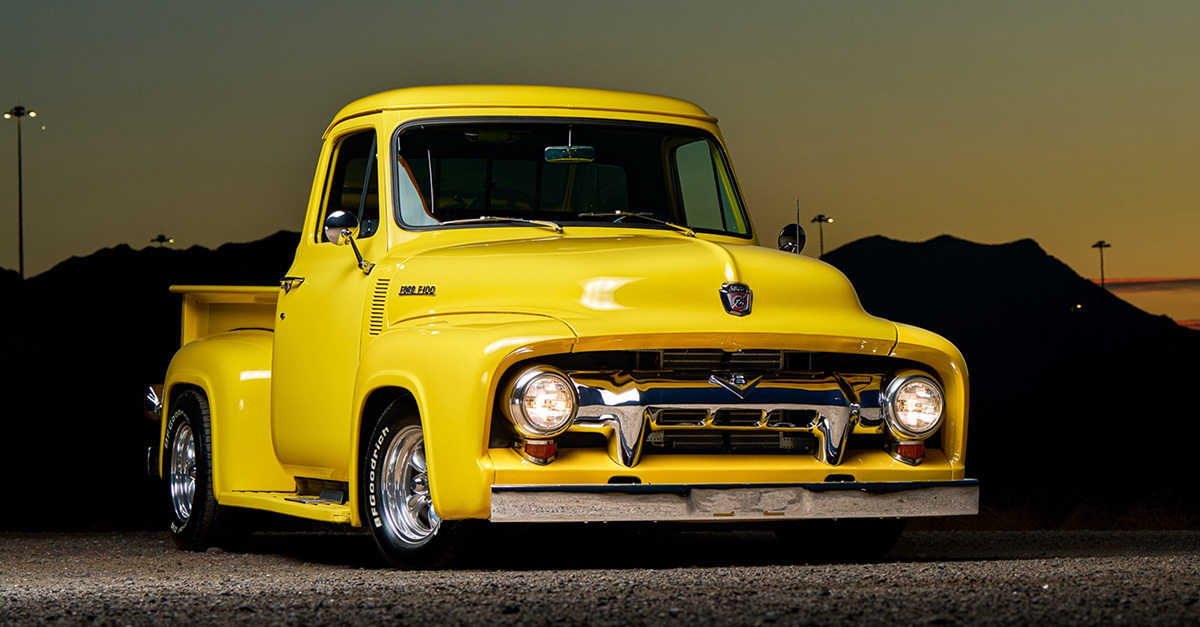
20th Century Rural Life Wasn't The Same Without These Pickups
For most of the 20th century, rural America ran on pickup trucks. Long before SUVs became family vehicles and before modern trucks turned into luxury cruisers, pickups were tools—used hard, fixed often, and trusted completely. They hauled hay, fed cattle, plowed snow, carried fence posts, and doubled as transportation to town on Saturday nights. These trucks weren’t about image; they were about survival, independence, and getting the job done. What follows is a celebration of 25 pickup trucks that shaped rural life in America, one muddy mile and dusty back road at a time.
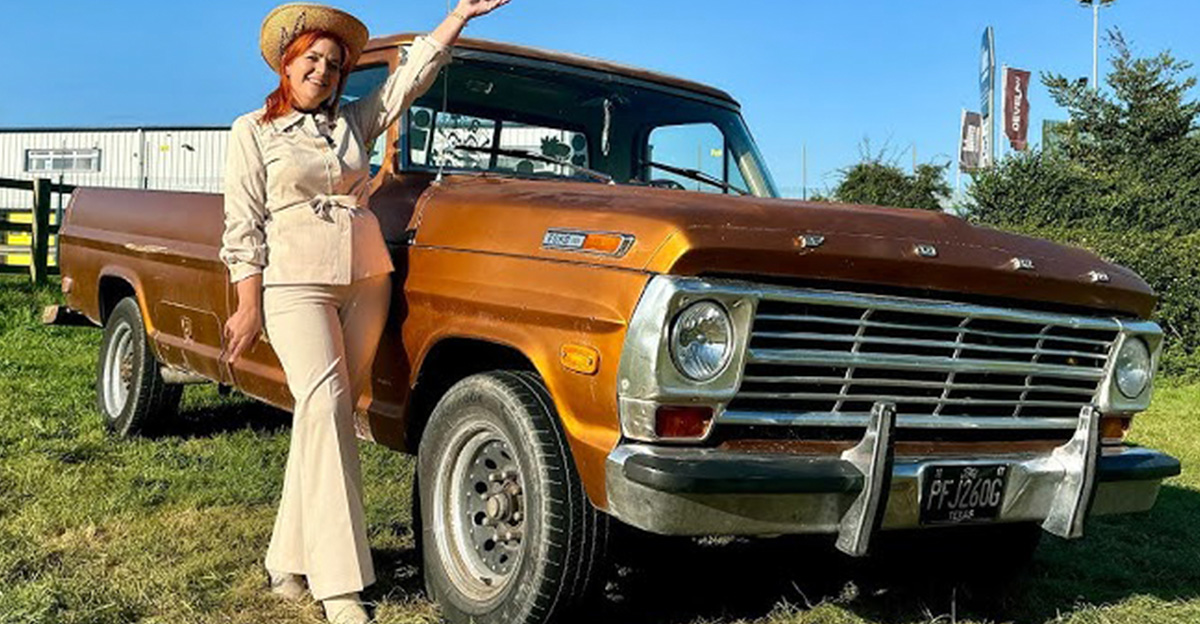
Ford Model TT Pickup (1917–1927)
The Ford Model TT didn’t look like a modern pickup, but it laid the groundwork for everything that followed. Built from the Model T, it offered farmers an affordable motorized workhorse at a time when horses still dominated the countryside. With interchangeable bodies and simple mechanics, it revolutionized rural hauling and proved trucks could be practical on farms.
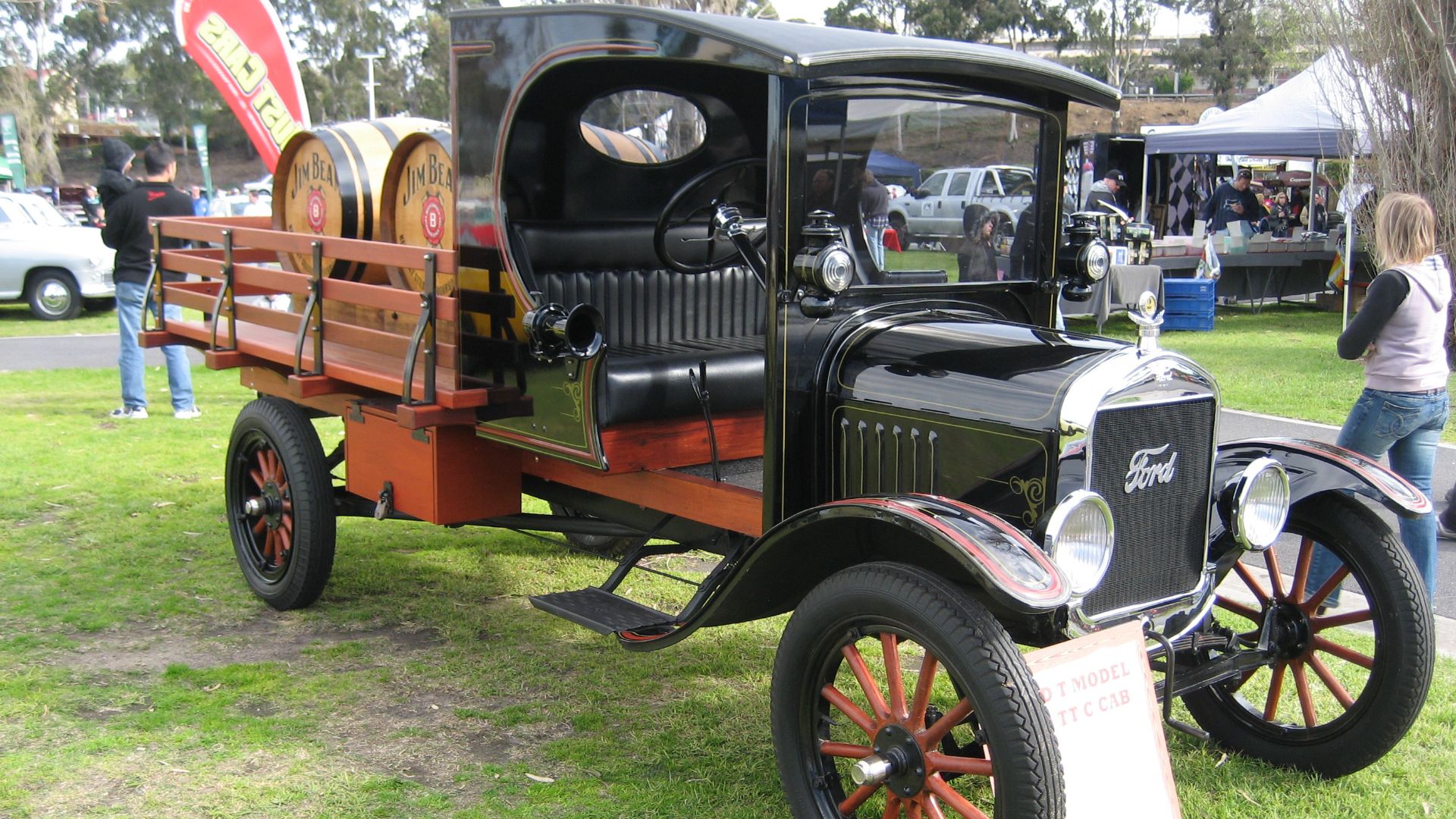
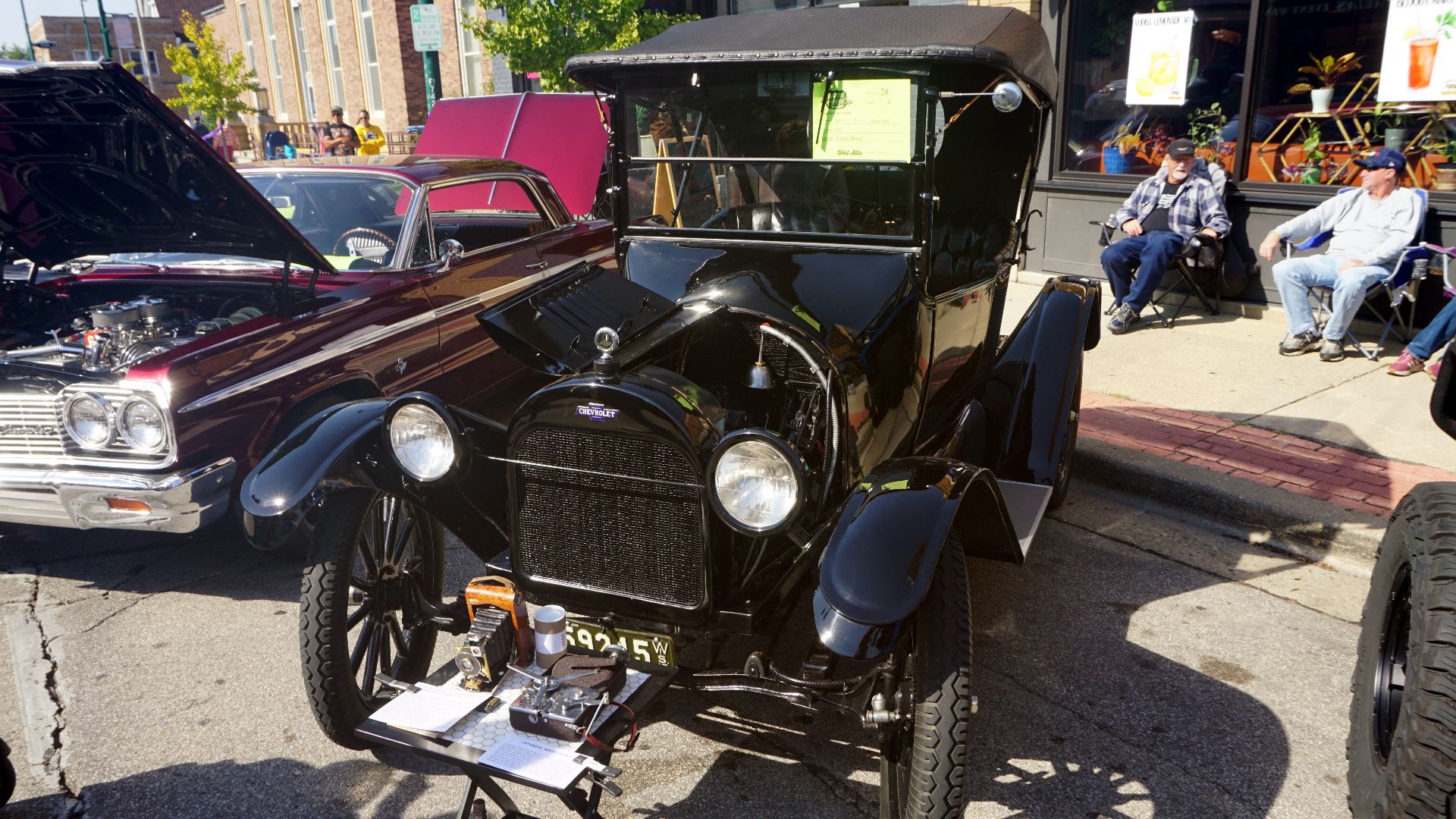
Chevrolet Series 490 Light Delivery (1915–1922)
Chevrolet’s early light-duty trucks competed directly with Ford by offering stronger frames and slightly more power. These trucks helped small farmers transport goods to market and quickly gained a reputation for durability. In many rural towns, the bowtie badge became synonymous with reliability.
 Michael Barera, Wikimedia Commons
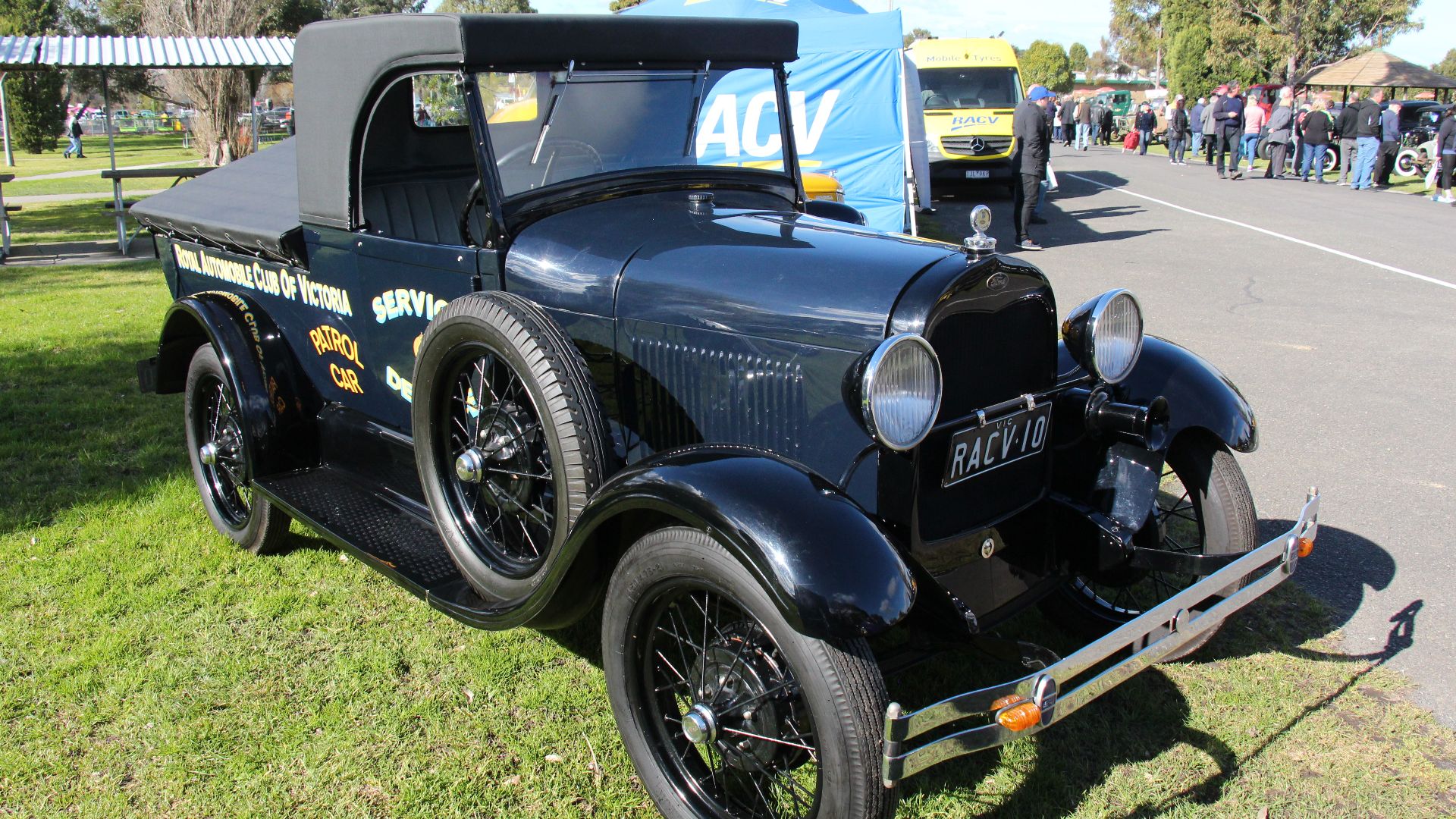
Ford Model A Pickup (1928–1931)
The Model A Pickup modernized rural trucking with better brakes, more power, and improved styling. Farmers appreciated its simplicity and rugged construction. It was easy to repair in the barn, making it a favorite during the early mechanization of agriculture.
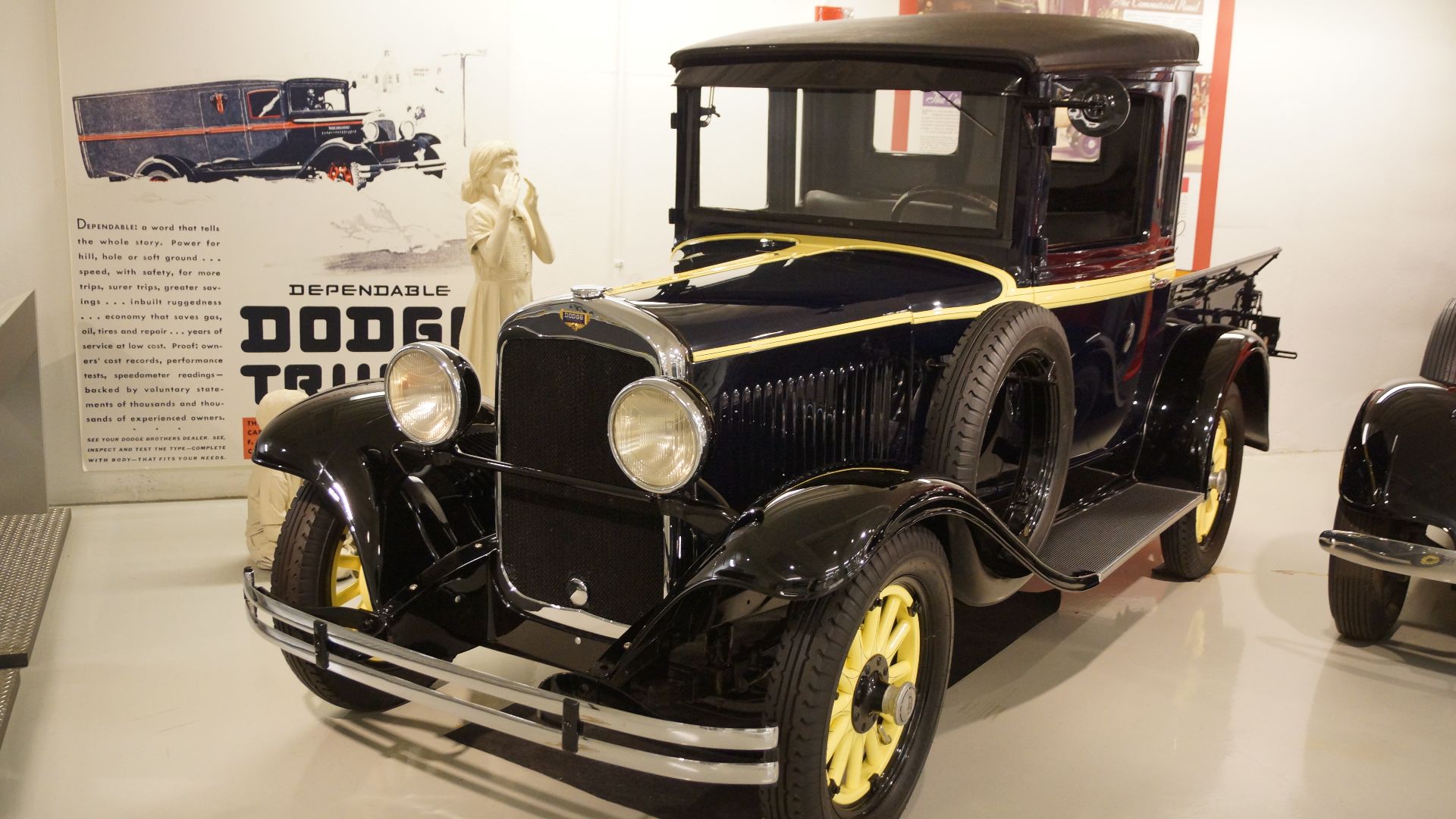
Dodge Brothers Pickup (1929–1933)
Dodge trucks stood out for their heavier-duty components and robust engineering. Rural buyers favored them for hauling heavier loads like lumber and grain. These trucks earned trust by simply refusing to quit under hard use.
 Greg Gjerdingen from Willmar, USA, Wikimedia Commons
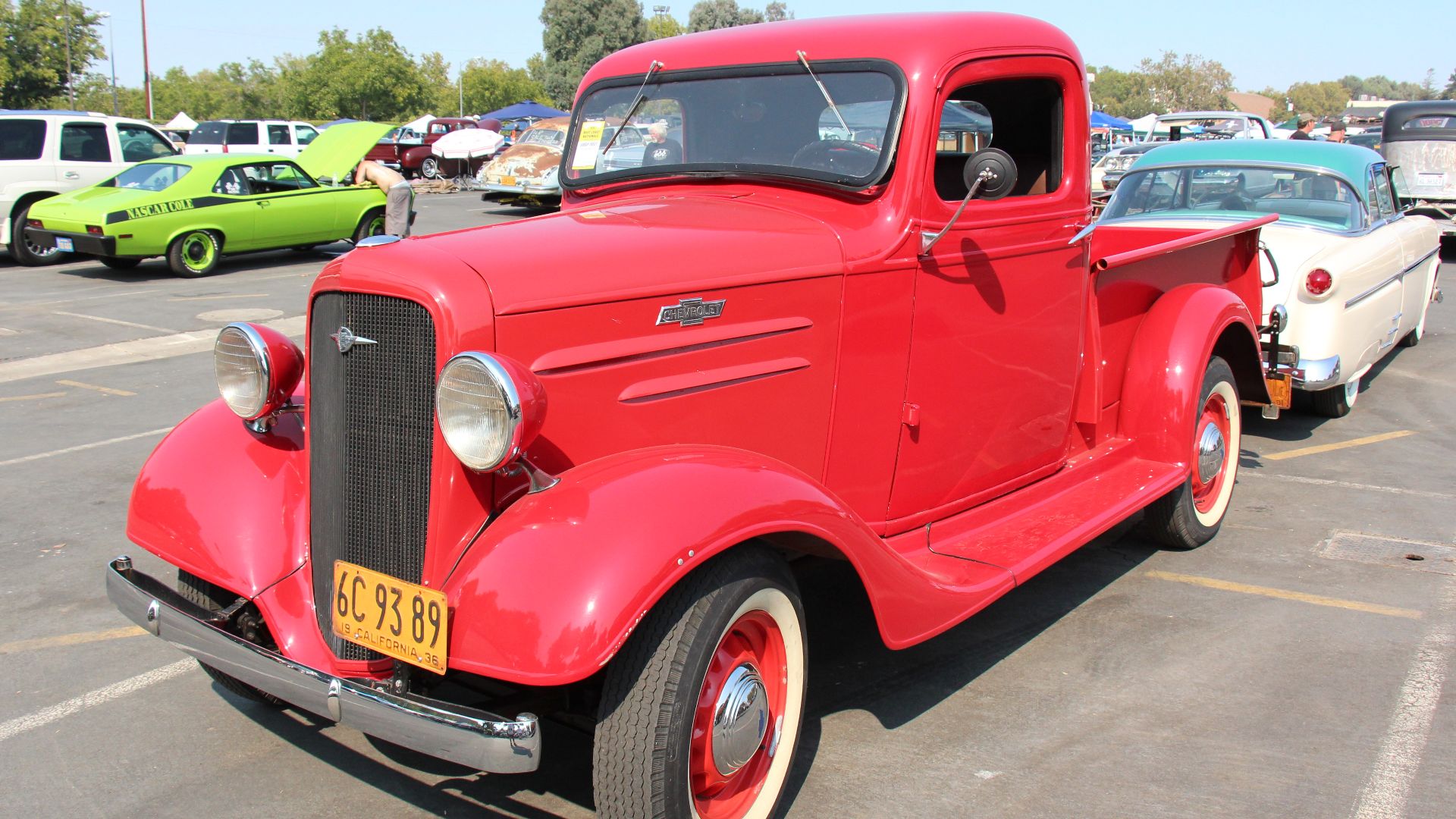
Chevrolet Half-Ton Pickup (1936)
Chevrolet’s 1936 pickup introduced sleeker styling without sacrificing toughness. It became a staple on farms across America, blending work capability with a touch of pride of ownership. It proved that work trucks didn’t have to be ugly.
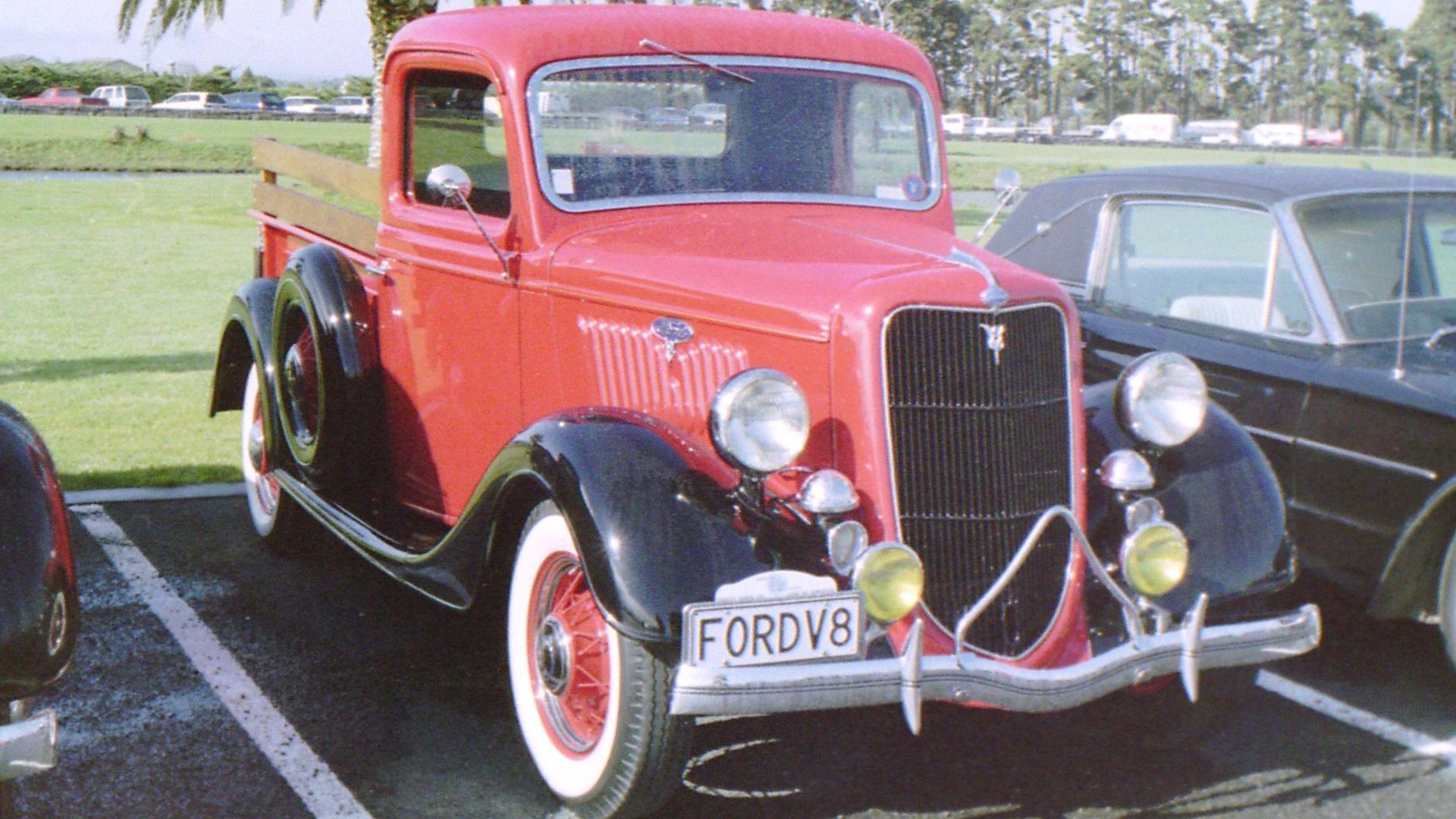
Ford V8 Pickup (1935–1941)
The introduction of Ford’s flathead V8 changed rural trucking forever. For the first time, farmers had affordable power that could haul heavy loads at speed. These trucks were fast, strong, and surprisingly versatile, becoming legends on dirt roads and drag strips alike.
 GPS 56 from New Zealand, Wikimedia Commons
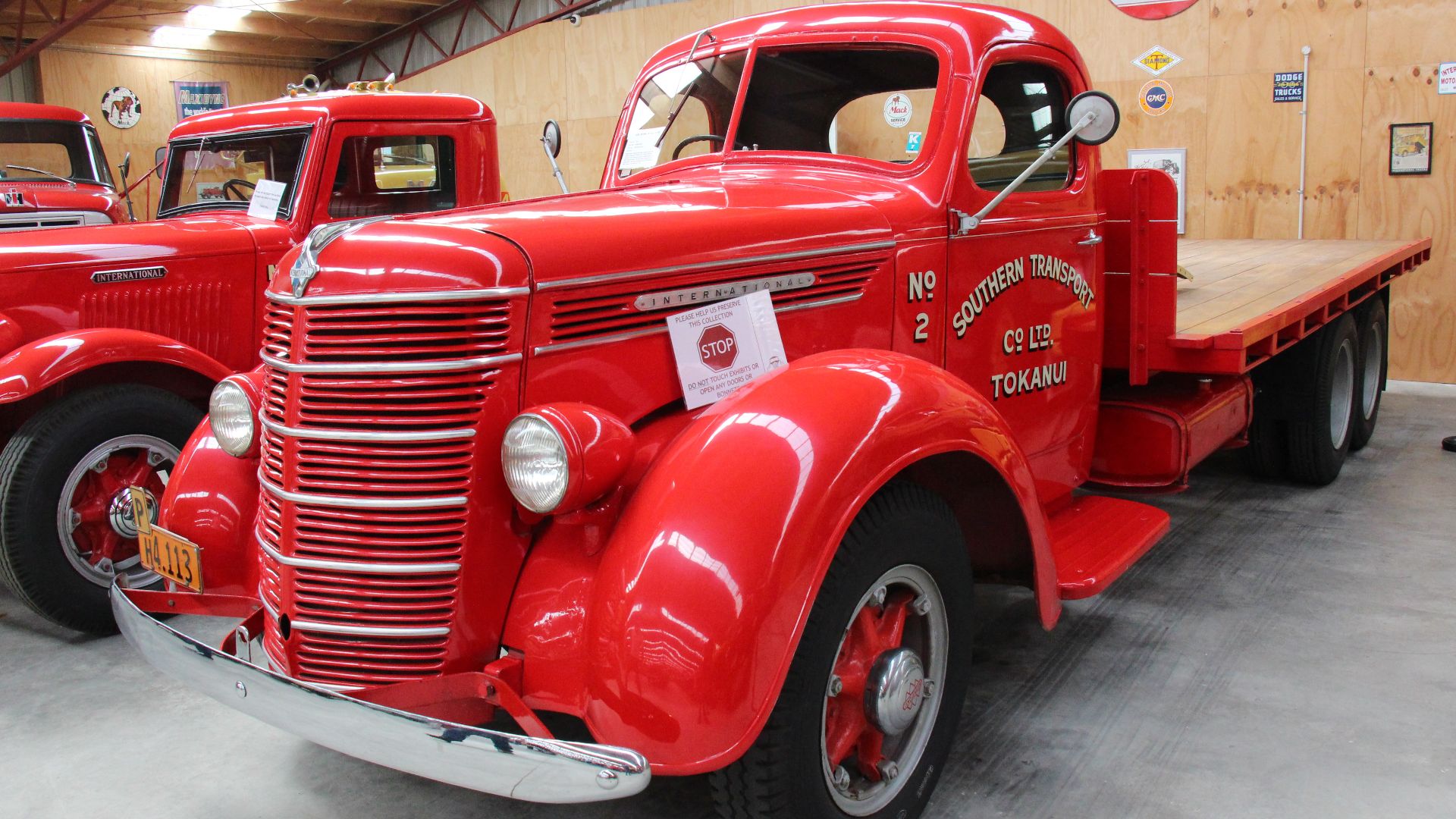
International Harvester D-Series (1937–1949)
International Harvester knew farmers better than anyone—and their trucks reflected it. The D-Series was built like farm equipment, not passenger cars. These trucks thrived in harsh conditions and became fixtures on working farms.
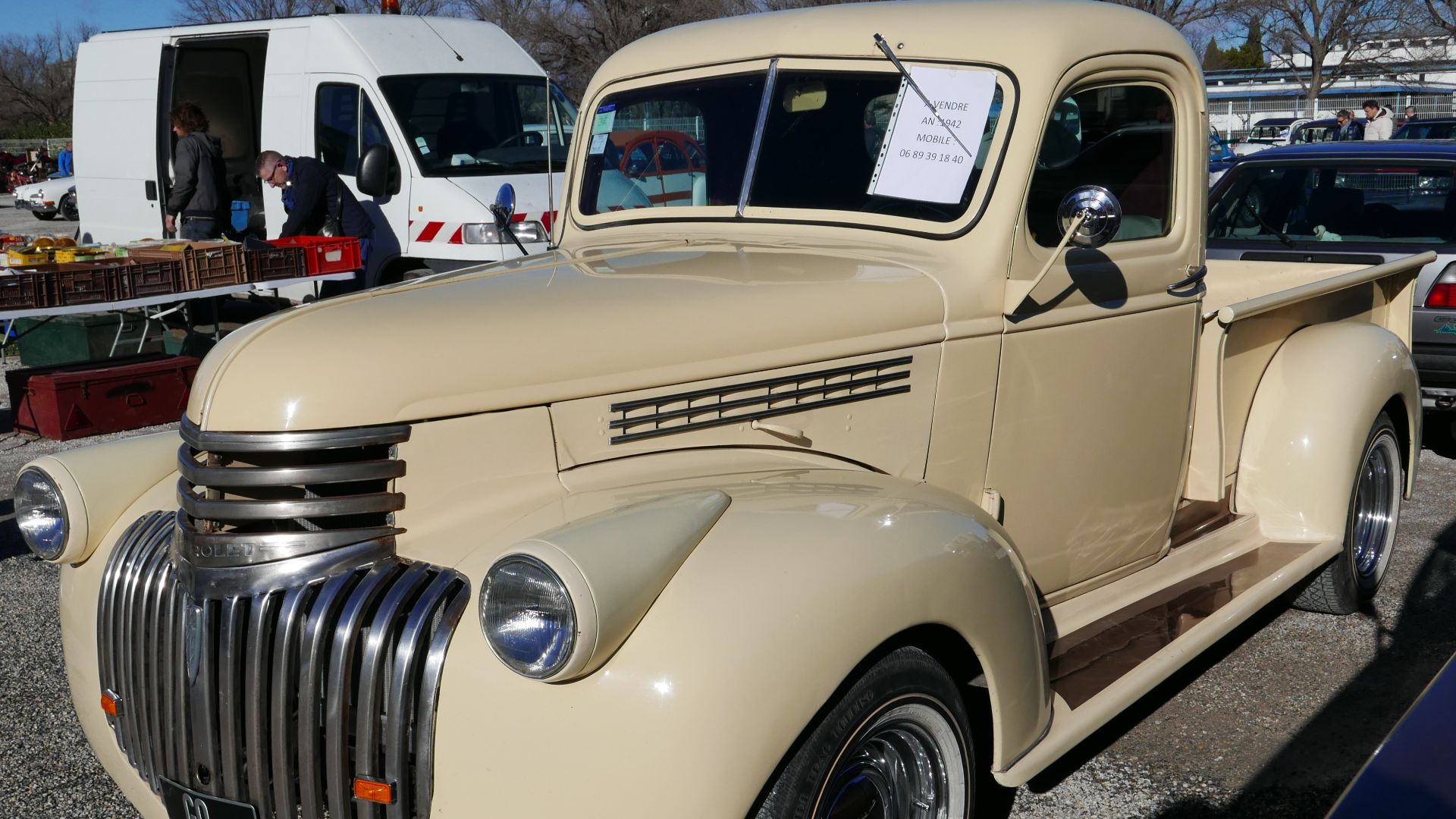
Chevrolet AK Series (1941–1947)
The AK Series bridged pre-war and post-war America. Many were used during World War II and returned to farm duty afterward. Their simplicity and toughness made them ideal for rural life during a time of economic transition.
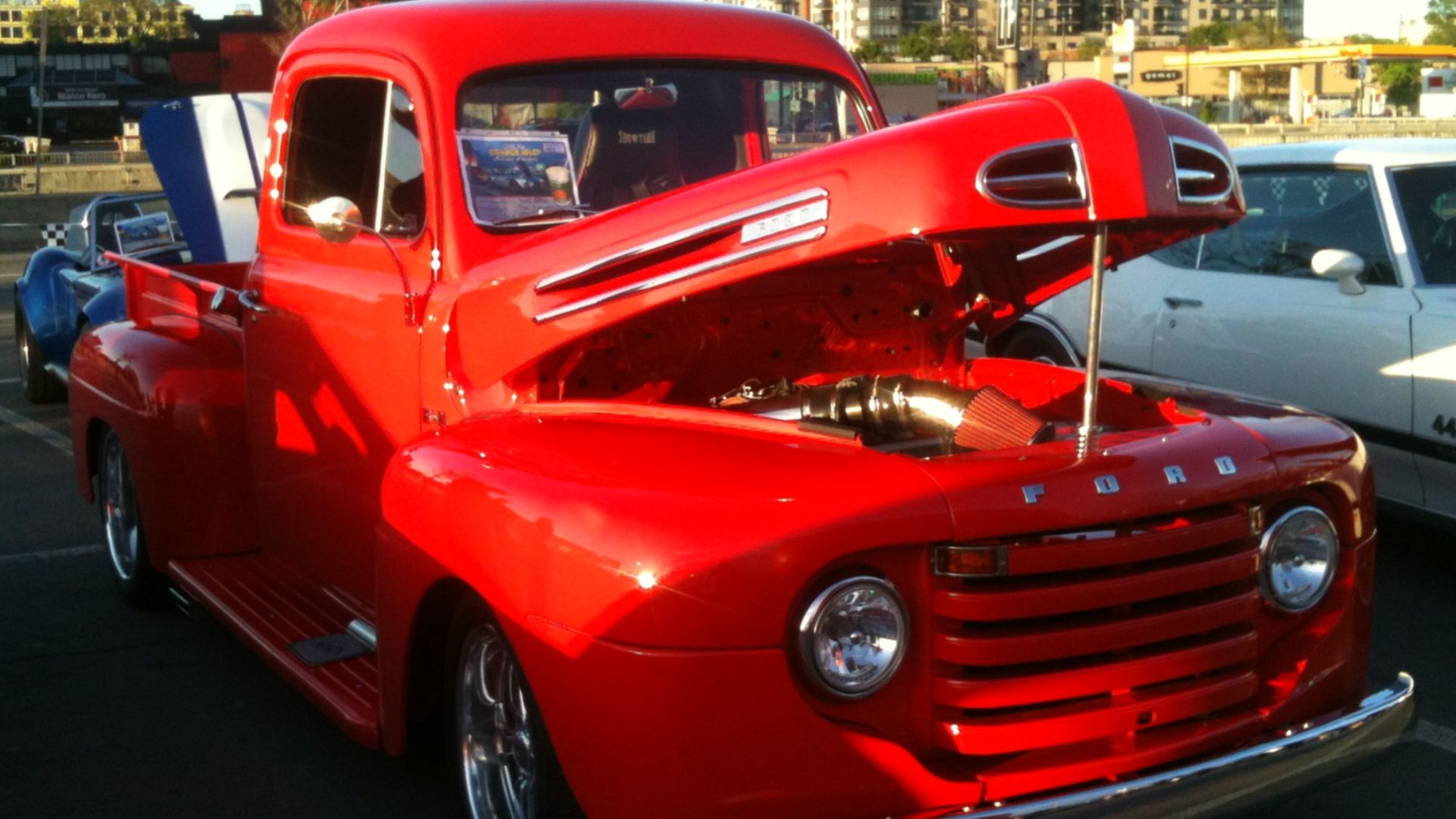
Ford F-Series (1948–1952)
The first-generation Ford F-Series marked the birth of the modern pickup. Strong frames, improved cabs, and clear model differentiation made them incredibly popular in rural America. They set standards that still define trucks today.
Chevrolet Advance-Design (1947–1955)
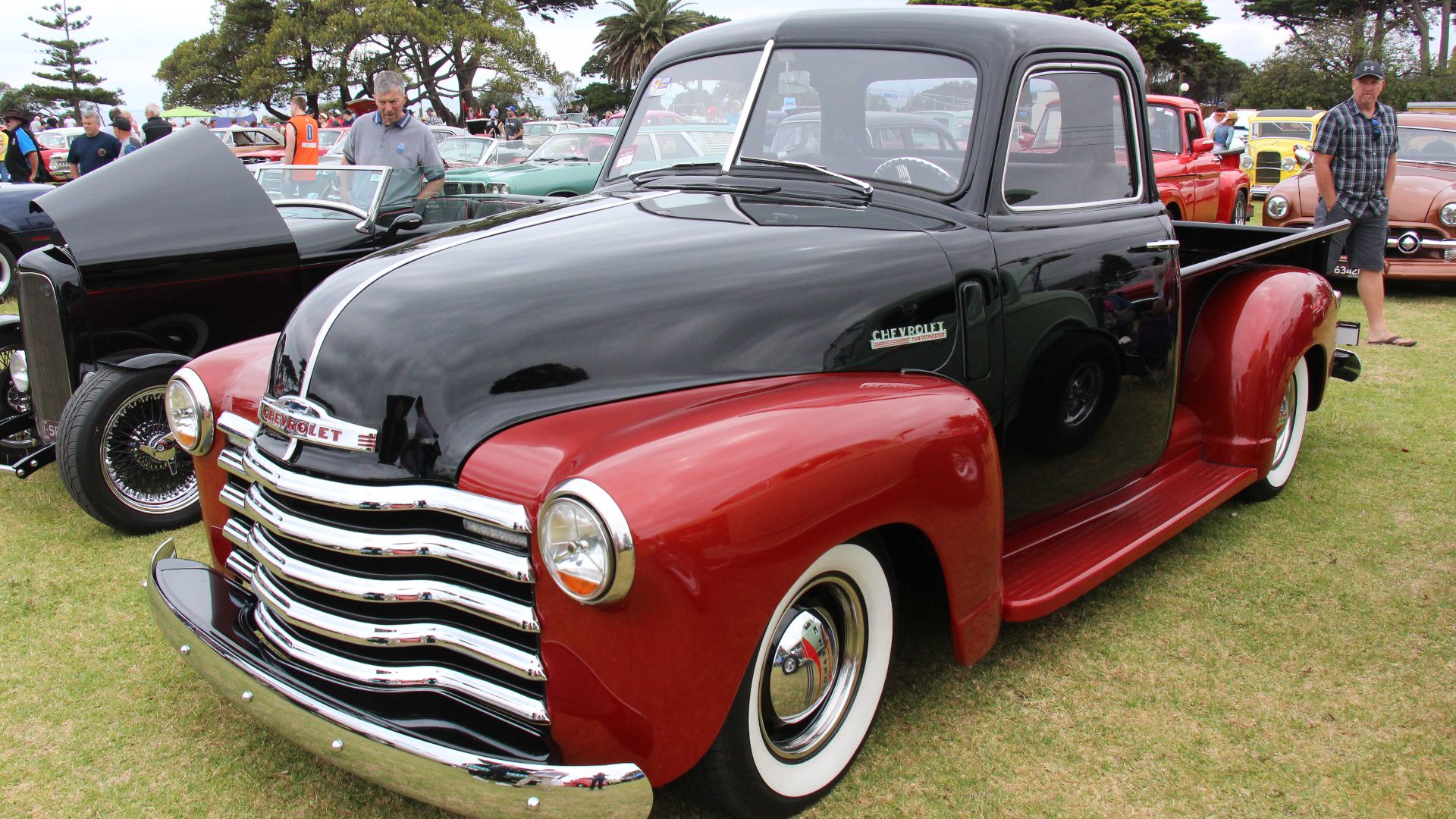
Chevy’s Advance-Design trucks were wider, stronger, and more comfortable than anything before them. They became icons of post-war rural prosperity, hauling crops during the week and families on Sundays. These trucks were everywhere—and for good reason.
Dodge B-Series (1948–1953)
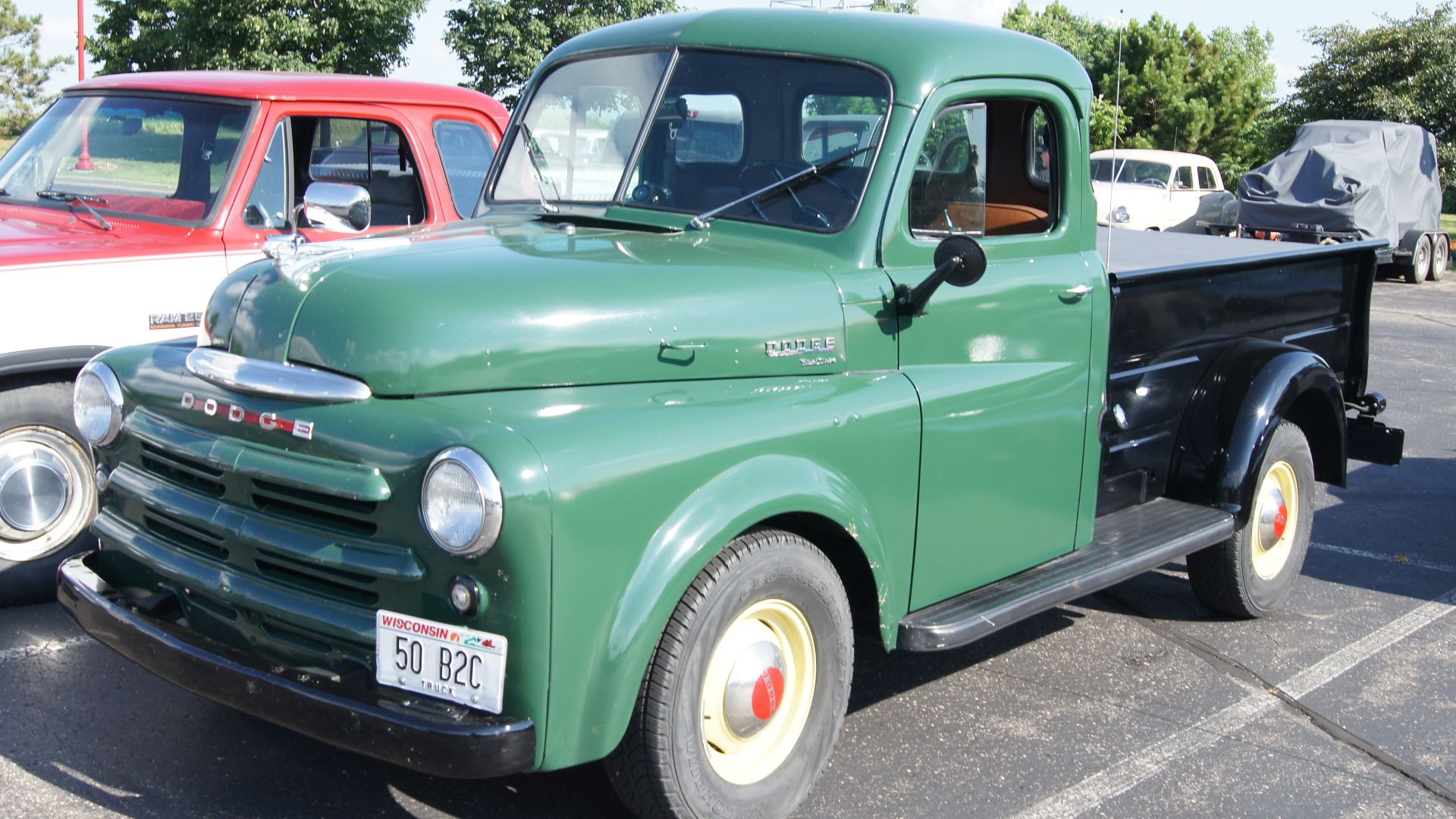
Dodge’s B-Series emphasized utility over style, appealing to farmers who valued function above all else. Their “Pilot-House” cabs improved visibility, making field work and tight barnyard maneuvering easier.
 Greg Gjerdingen from Willmar, USA, Wikimedia Commons
GMC New Design Pickup (1947–1955)
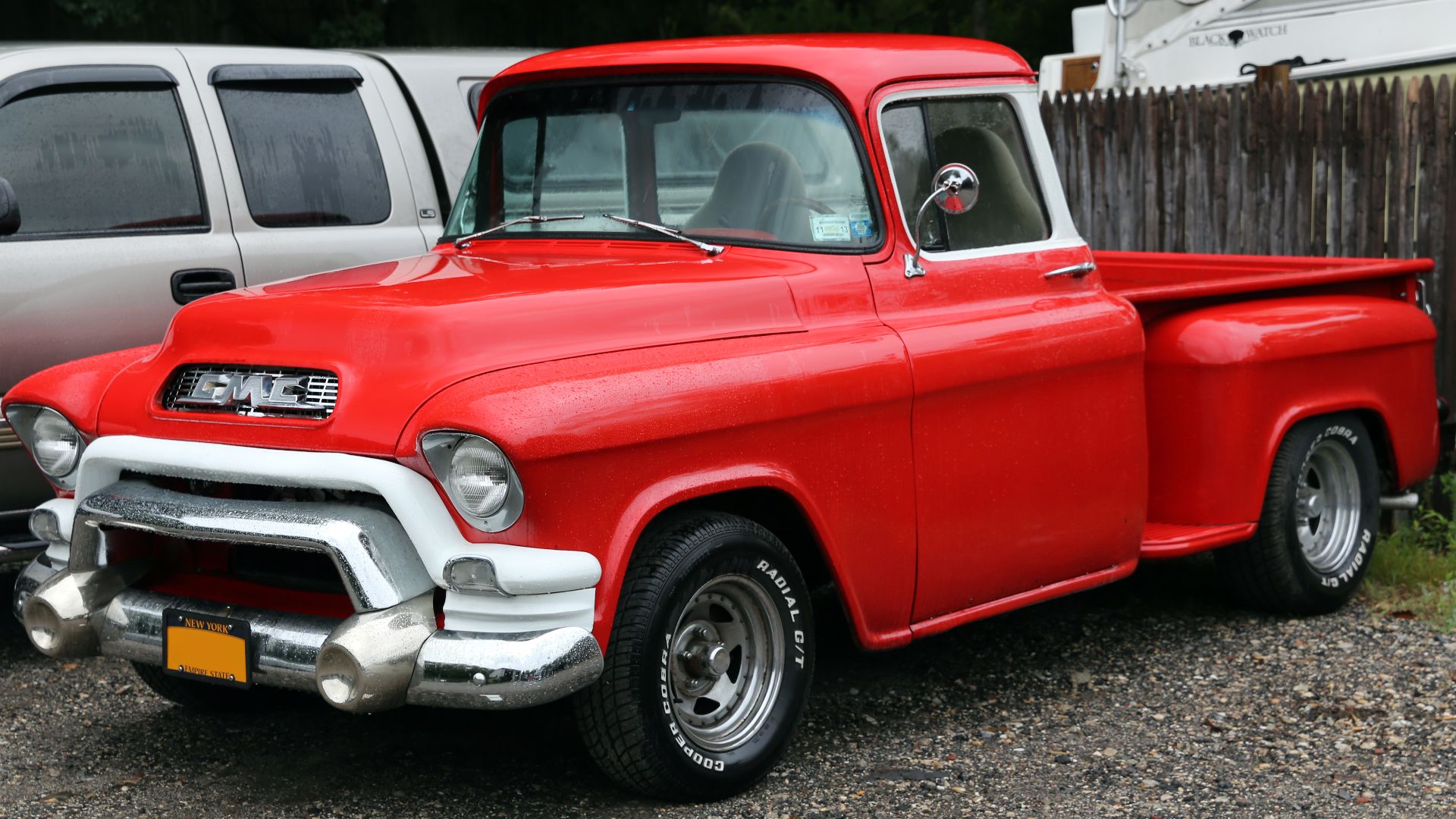
Nearly identical to Chevy’s Advance-Design trucks but marketed as more professional-grade, GMC pickups found homes on ranches and commercial farms. They offered heavier-duty components and appealed to those who pushed trucks to their limits.
 Mr.choppers, Wikimedia Commons
International Harvester R-Series (1952–1954)
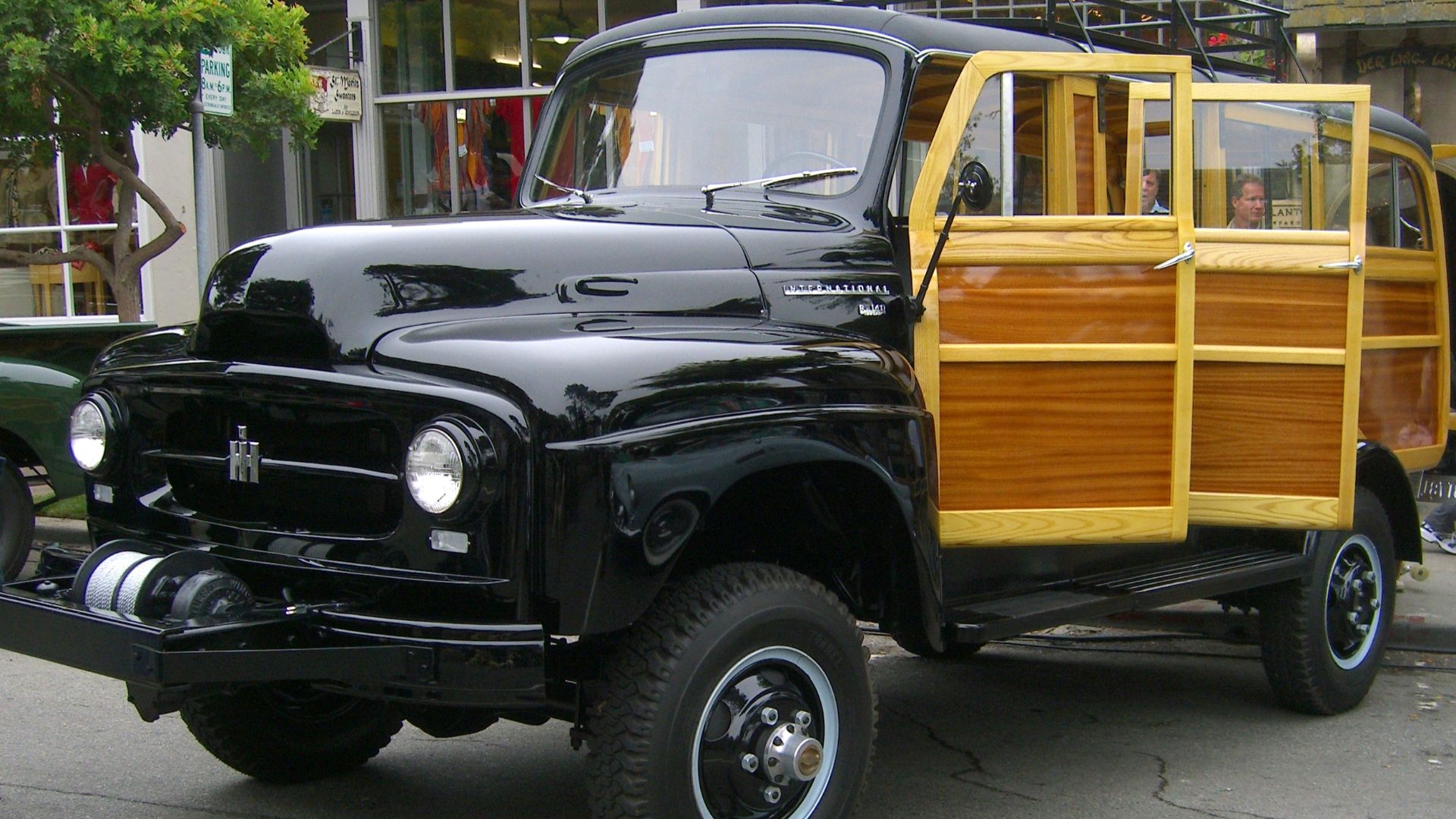
The R-Series trucks were overbuilt by design. Farmers loved them for pulling wagons, hauling livestock, and working endlessly with minimal maintenance. They weren’t flashy—but they didn’t need to be.
Ford F-100 (1953–1956)
The F-100 refined the pickup formula with improved ride quality and modern styling. It was easier to live with day-to-day while still handling hard farm work. Many rural families used them as their only vehicle.
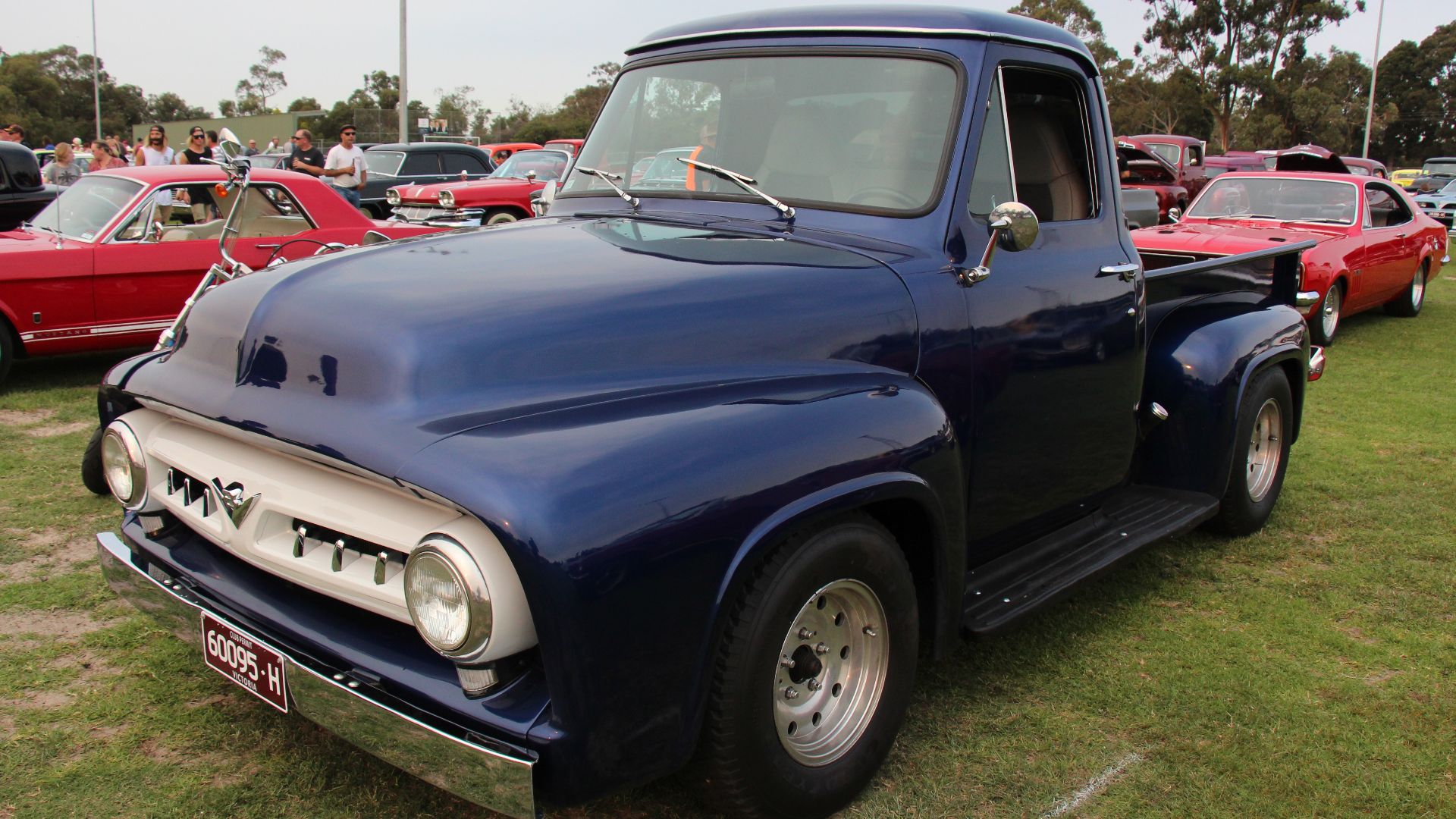
Chevrolet Task Force (1955–1959)
With wraparound windshields and V8 power, Task Force trucks brought style into the fields. They symbolized a new era where rural America embraced progress while maintaining its hardworking roots.
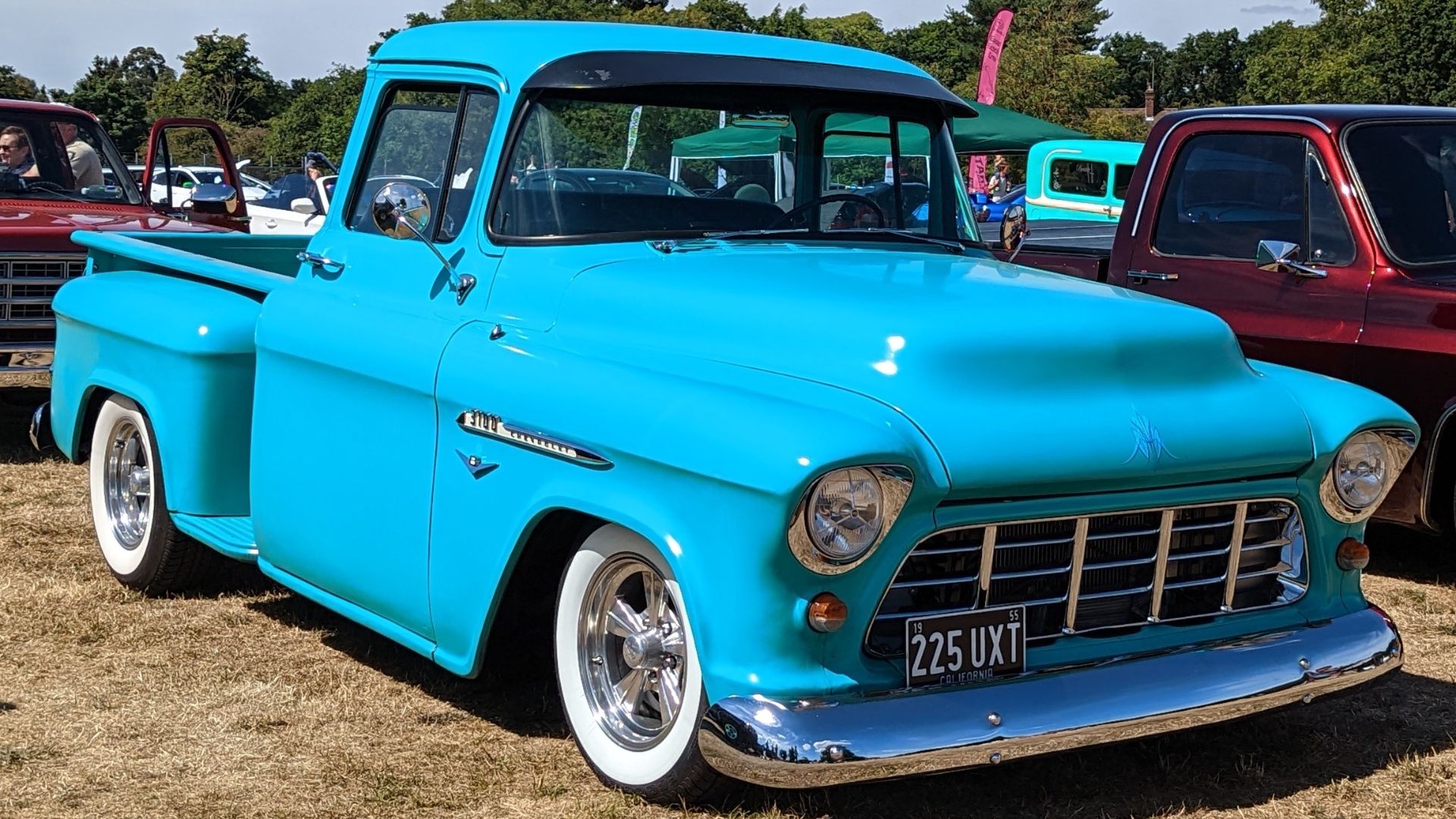
Dodge D-Series (1961–1971)
Dodge trucks gained traction in rural America thanks to reliable engines and straightforward design. They became known as honest work trucks that took abuse without complaint, especially on remote farms.

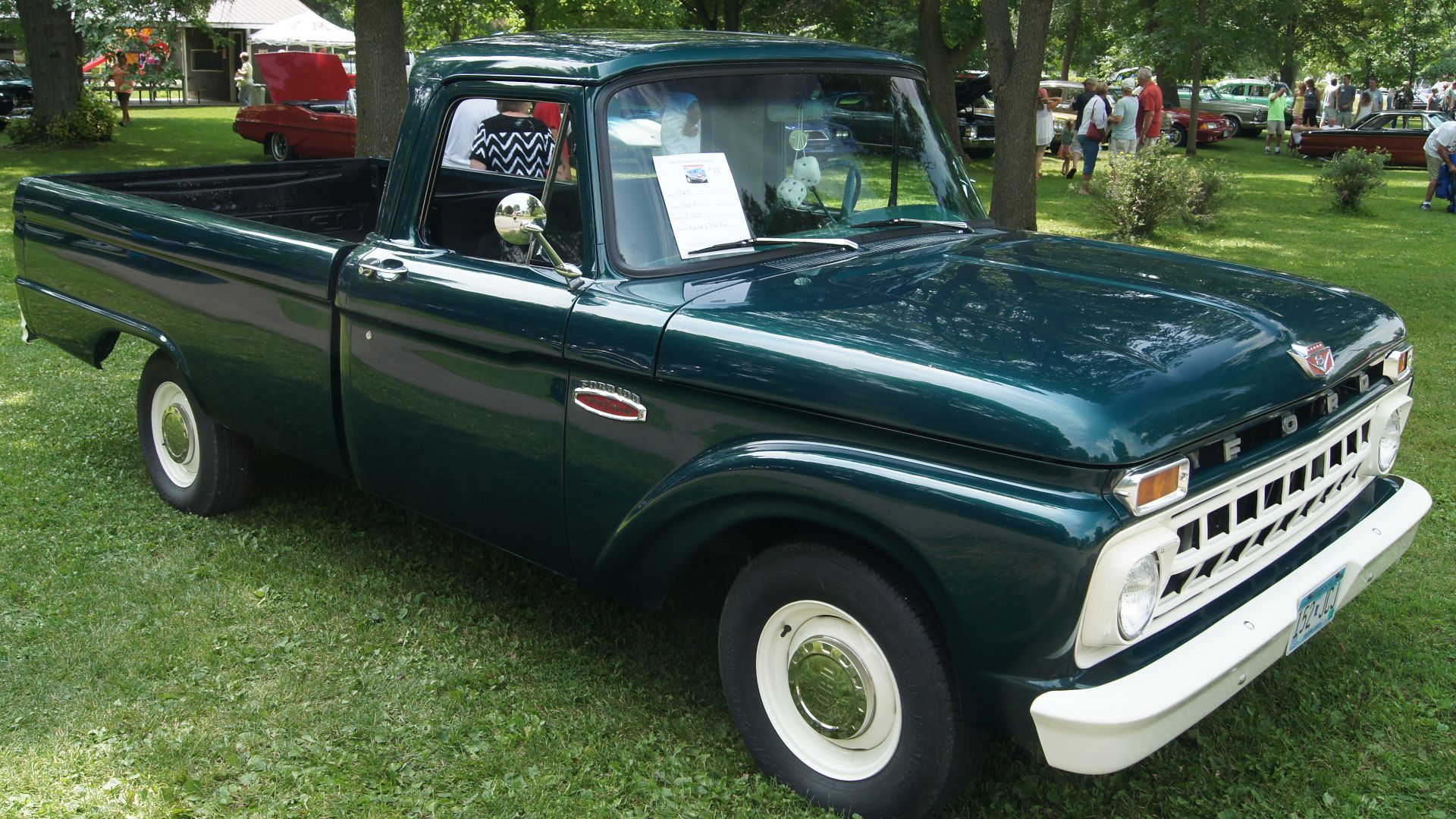
Ford F-Series (1965–1972)
These trucks defined toughness for a generation. Known for their Twin I-Beam suspension and durable drivetrains, they were staples on ranches, construction sites, and farms across the country.
 Greg Gjerdingen, Wikimedia Commons
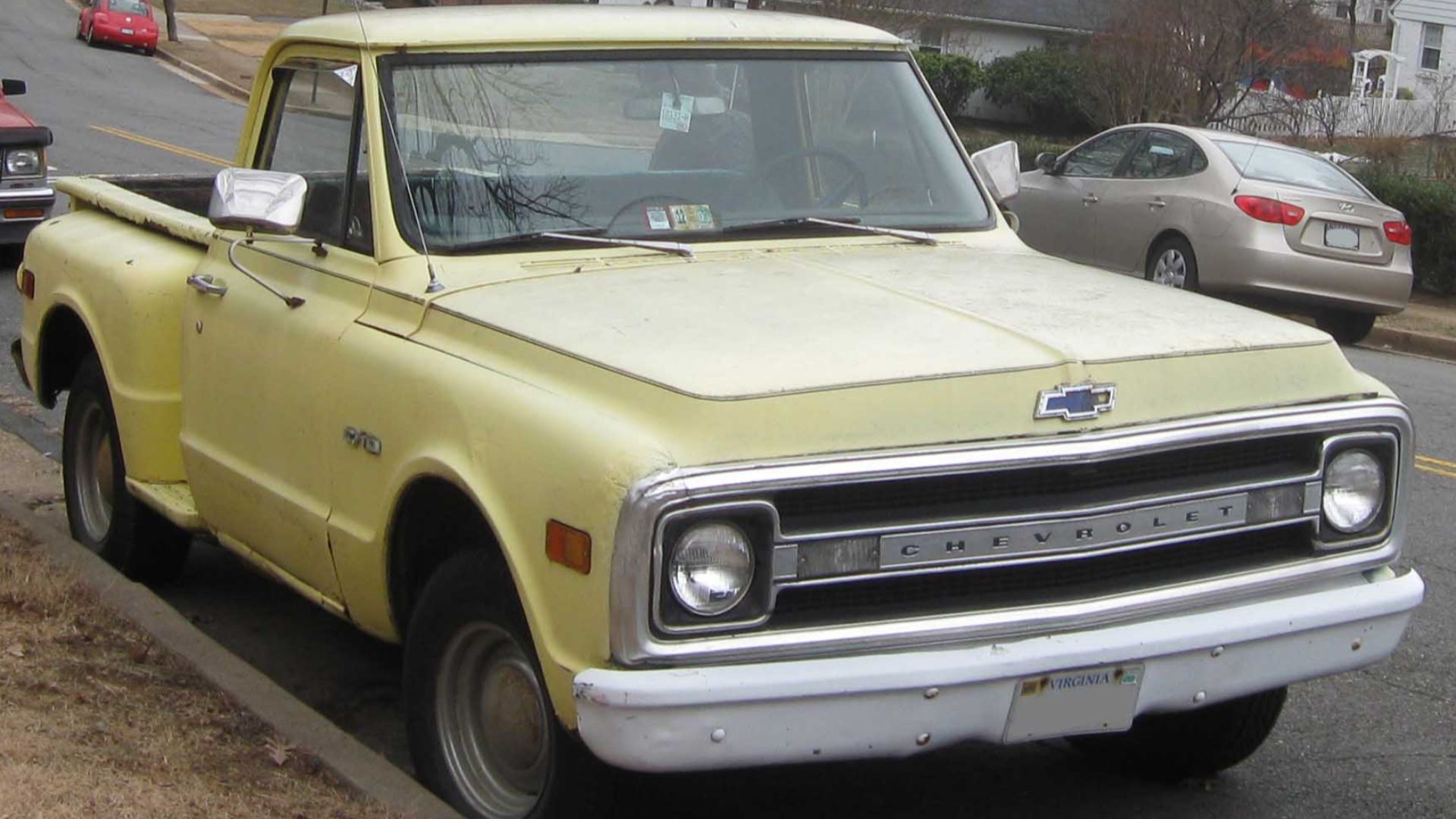
Chevrolet C/K Series (1967–1972)
Chevy’s C/K trucks offered a smoother ride and excellent versatility. Available in both two-wheel and four-wheel drive, they adapted easily to muddy fields and snow-covered back roads.
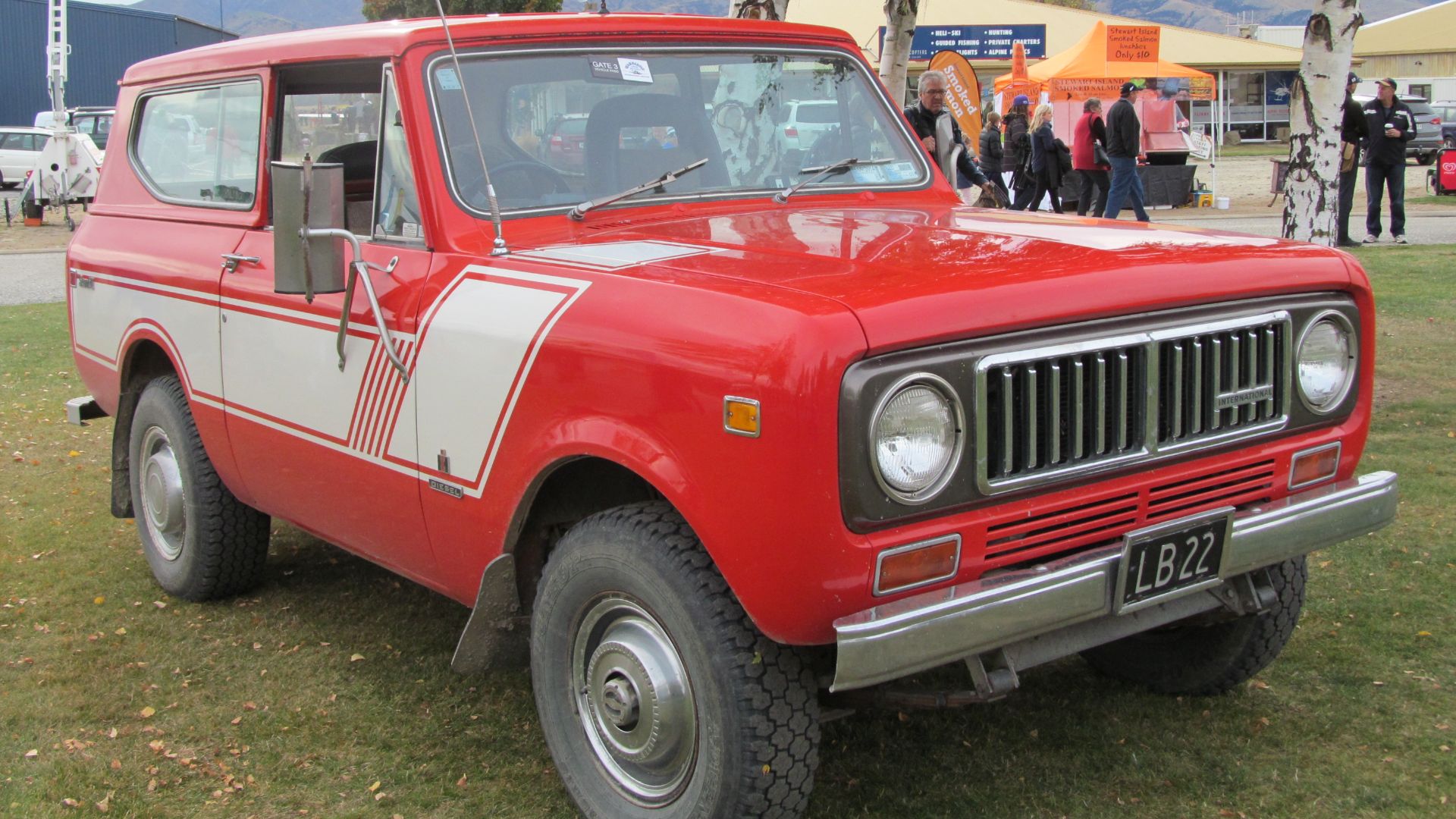
International Harvester Scout Pickup (1961–1980)
Part pickup, part off-road utility, the Scout appealed to rural buyers who needed maneuverability. It was perfect for checking fence lines, hauling feed, and navigating rough terrain.
 Riley from Christchurch, New Zealand, Wikimedia Commons
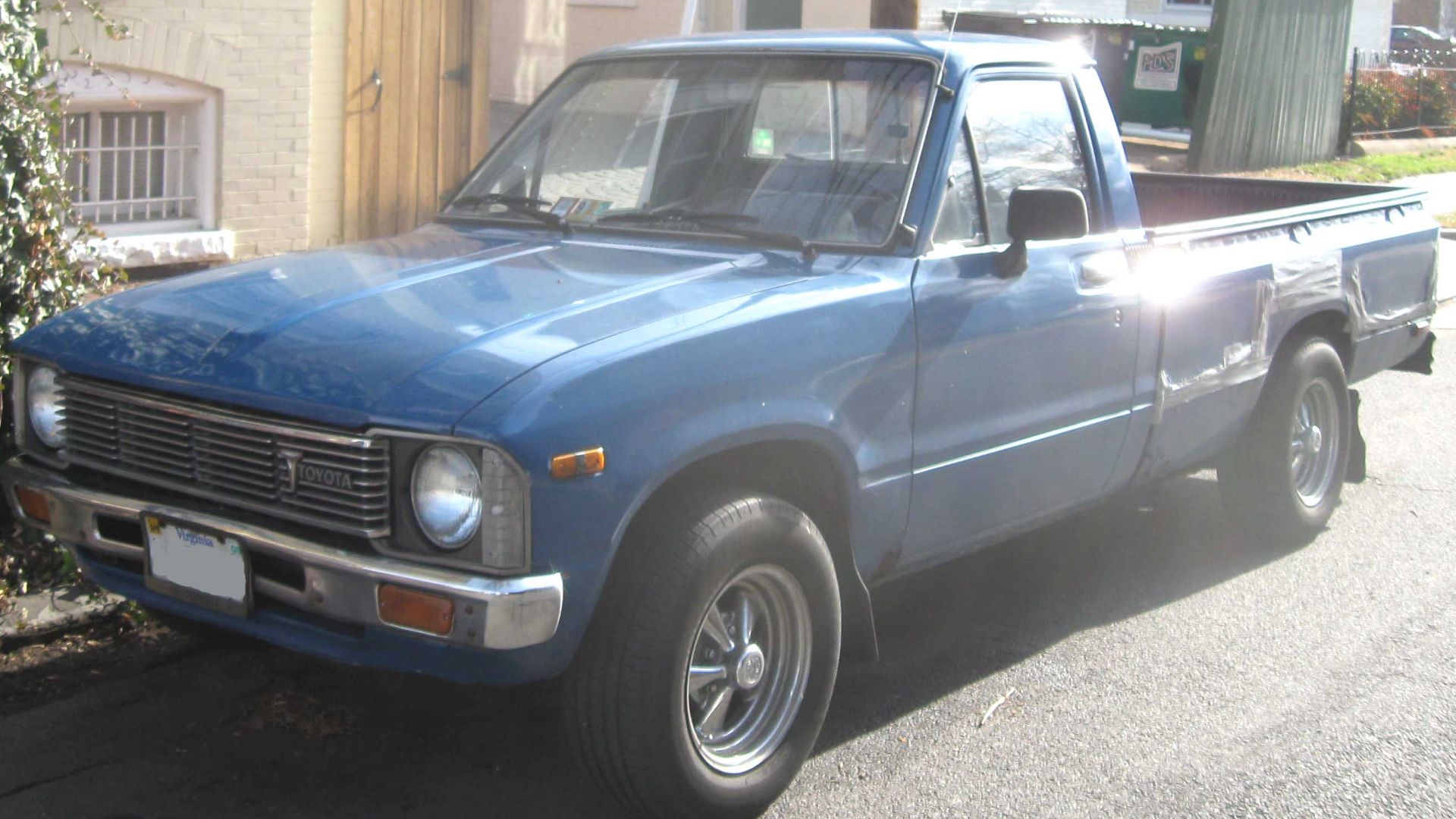
Toyota Hilux (1969–1979)
Though smaller than American trucks, the Hilux earned rural respect for its reliability. Farmers appreciated its fuel efficiency and durability, especially during the energy crises of the 1970s.
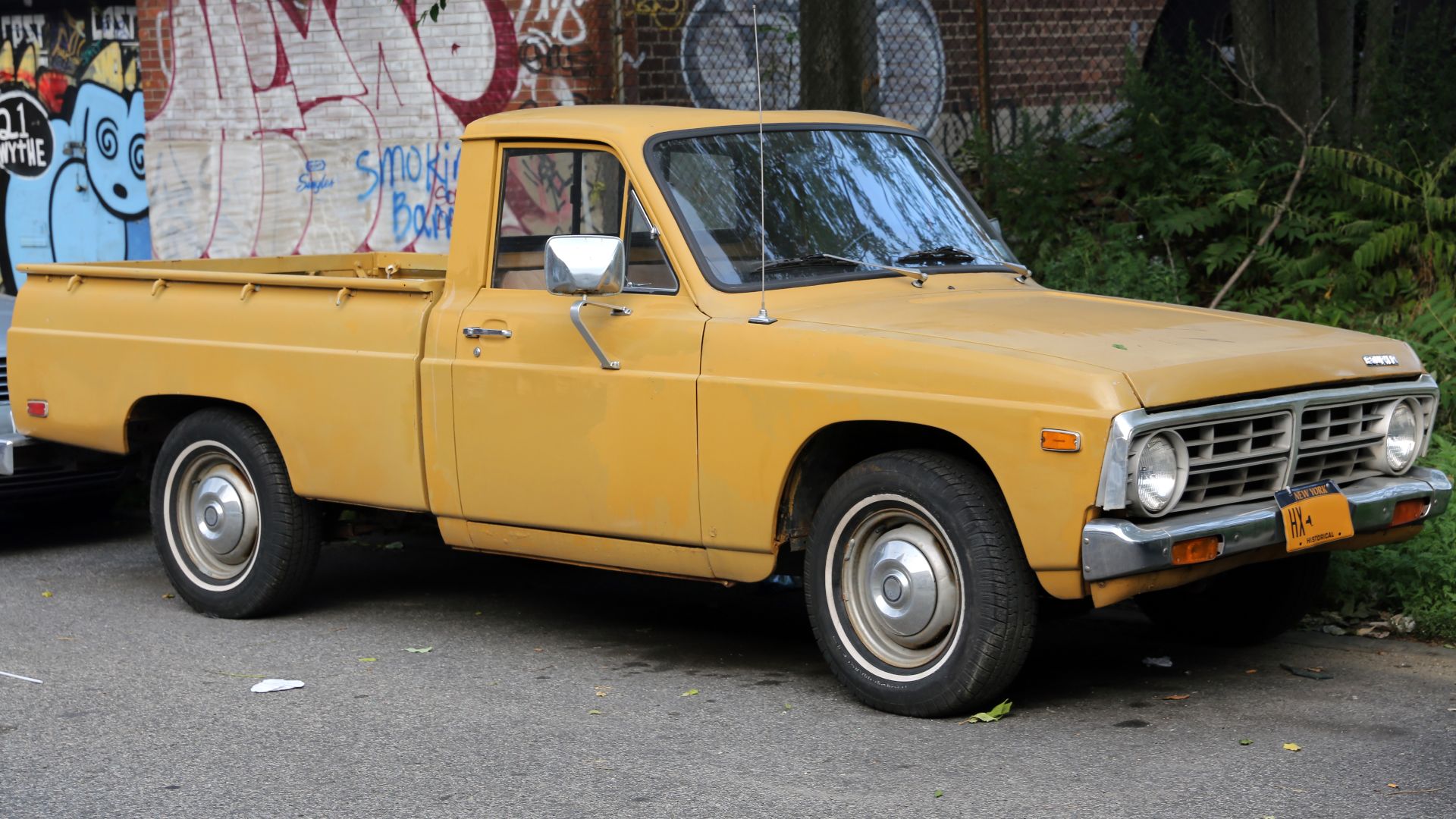
Ford Courier (1972–1982)
Compact pickups like the Courier offered rural Americans affordable transportation during tough economic times. They weren’t heavy haulers, but they filled essential roles on small farms and rural properties.
 Mr.choppers, Wikimedia Commons
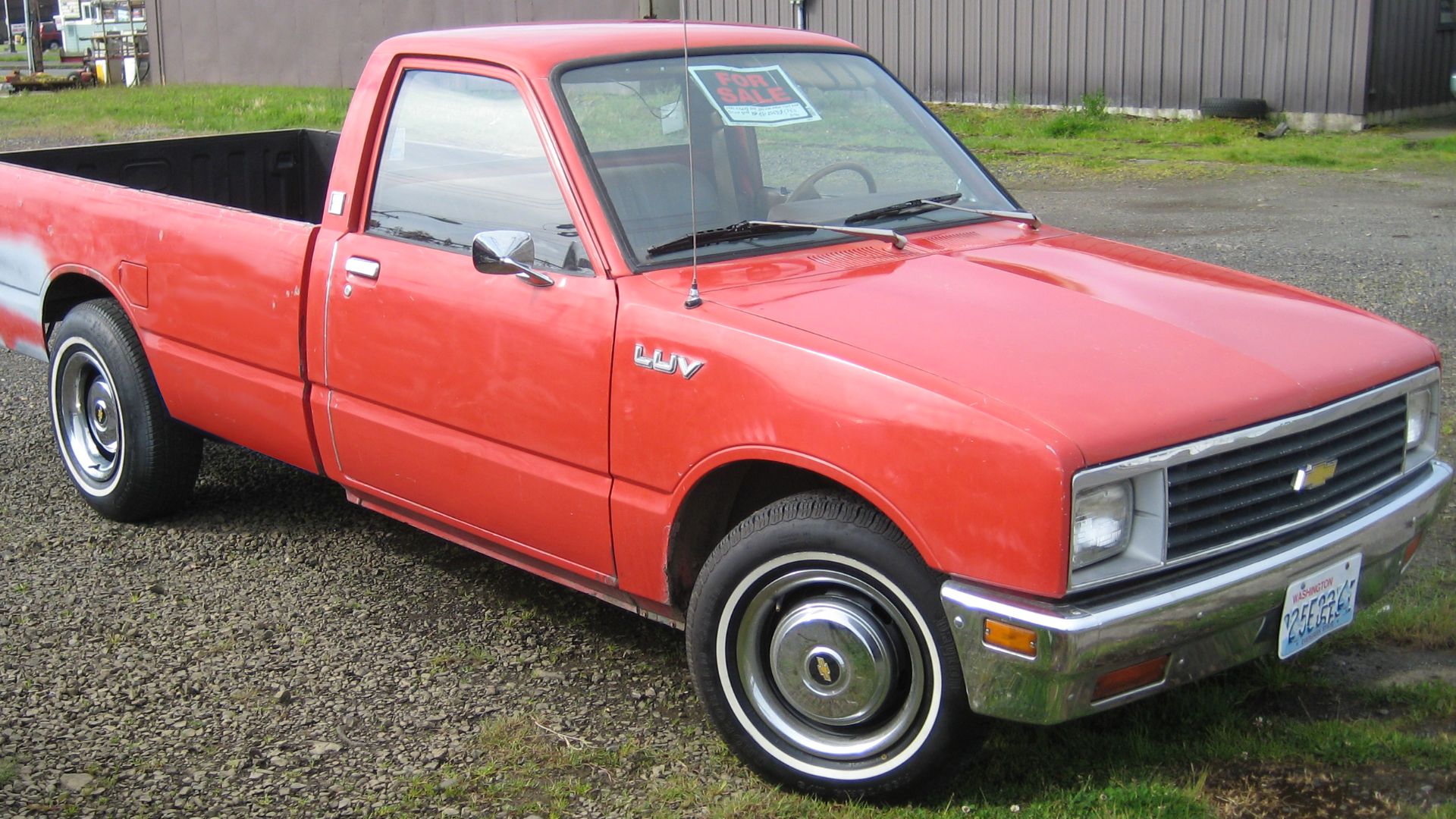
Chevrolet LUV (1972–1982)
The LUV gained popularity for its simplicity and low operating costs. It was perfect for light-duty chores and became a practical solution for farmers needing efficiency over brute strength.
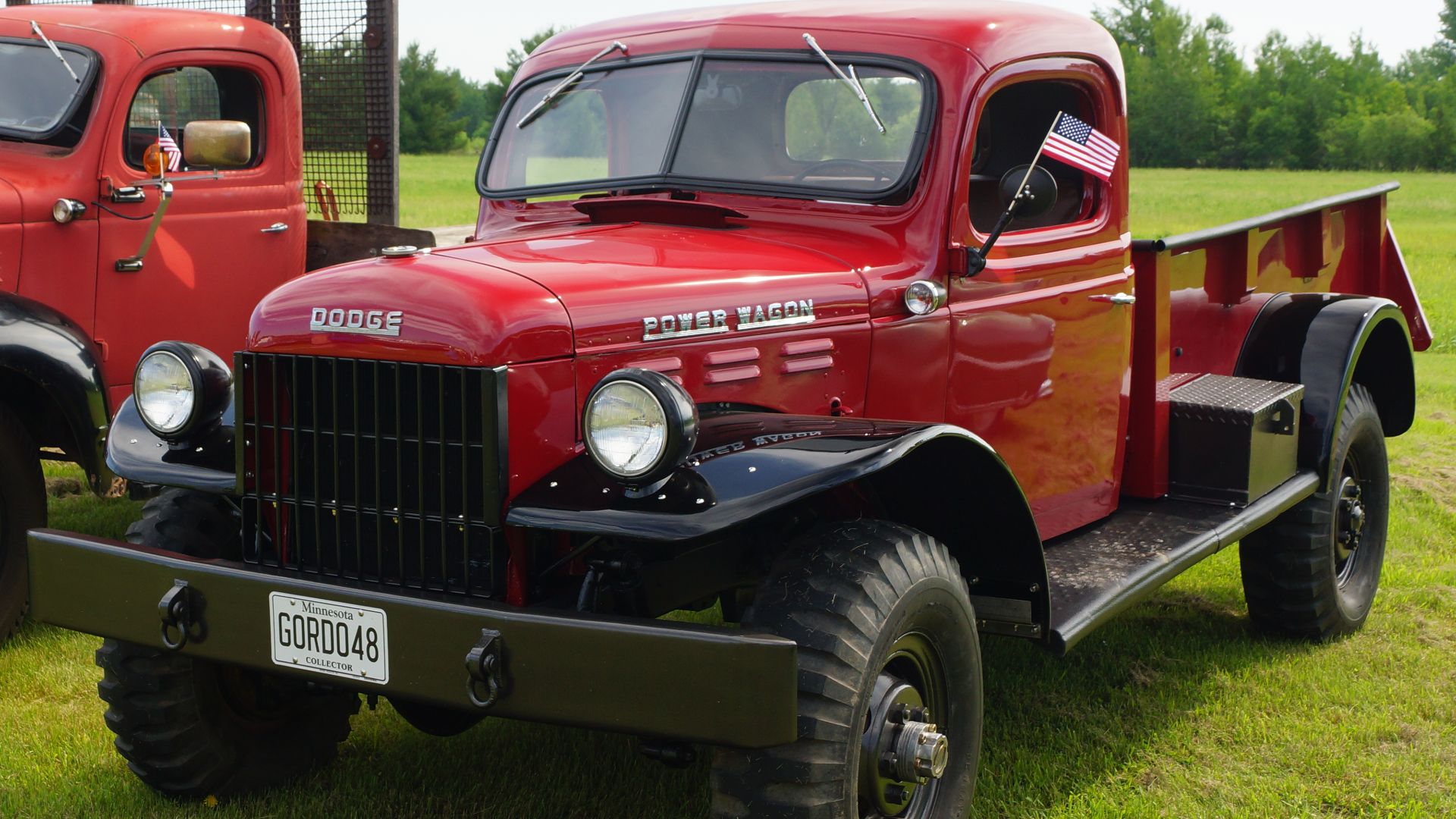
Dodge Power Wagon (1946–1968)
The original Power Wagon was a beast. Built for military-grade toughness, it thrived in remote areas where roads barely existed. Ranchers and loggers relied on it for the most demanding tasks.
 Greg Gjerdingen from Willmar, USA, Wikimedia Commons
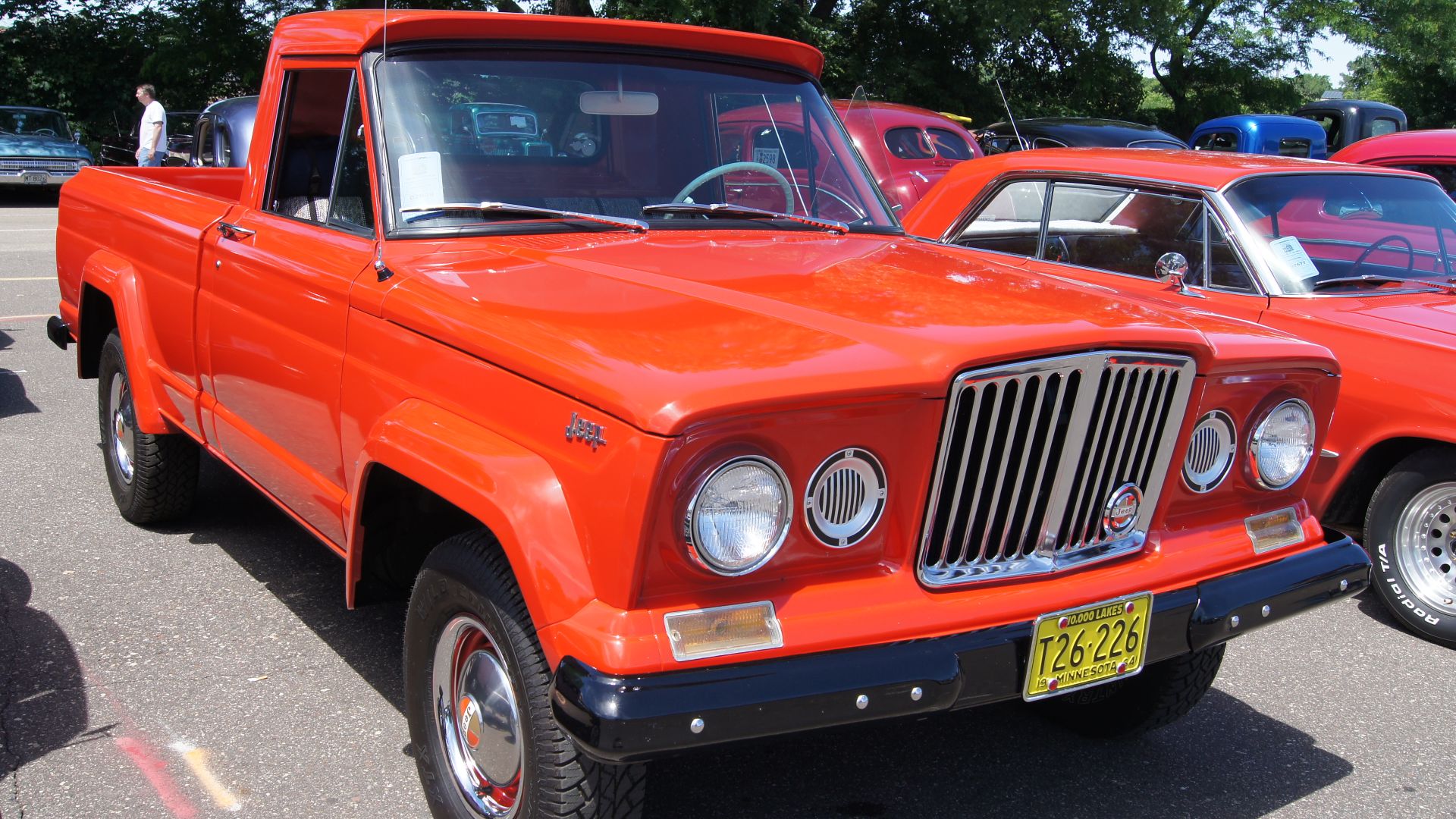
Jeep Gladiator (1962–1971)
Jeep brought off-road expertise into the pickup world with the Gladiator. It excelled on rough terrain and became popular in mountainous and rugged rural regions.
 Greg Gjerdingen from Willmar, USA, Wikimedia Commons
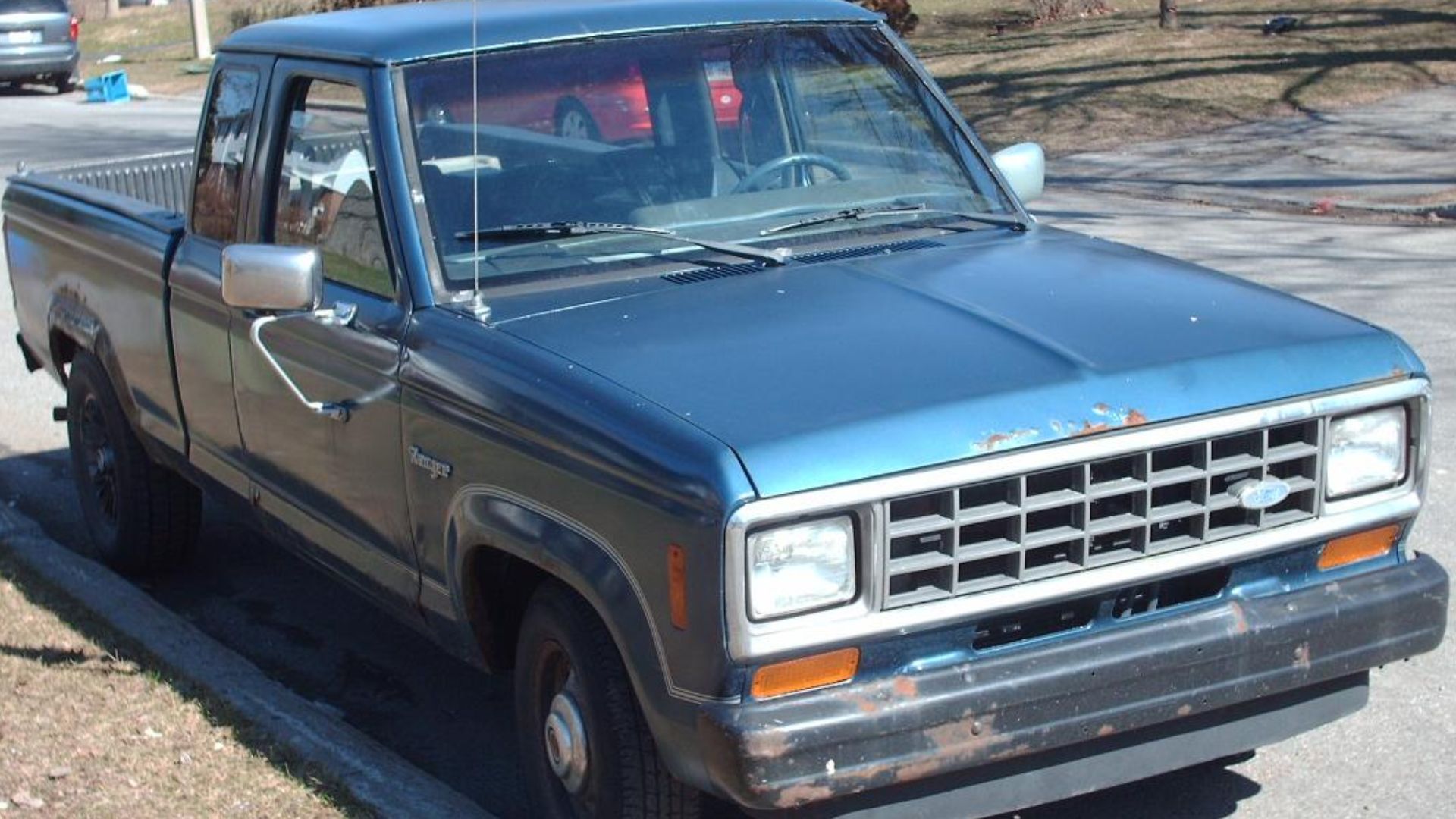
Ford Ranger (1983–1990)
Though late to the century, the Ranger embodied the shift toward smaller, more efficient trucks. It quickly became a rural favorite for daily use while still handling farm chores.
The Lasting Legacy Of Rural Work Trucks
Pickup trucks didn’t just support rural life—they shaped it. These machines connected farms to towns, families to livelihoods, and communities to one another. They carried the weight of America’s heartland through droughts, wars, booms, and busts. Long after many of these trucks rusted away or found homes in museums, their legacy lives on every time a modern pickup rolls down a dirt road. Rural America was built on hard work—and these trucks were right there in the dust, every mile of the way.