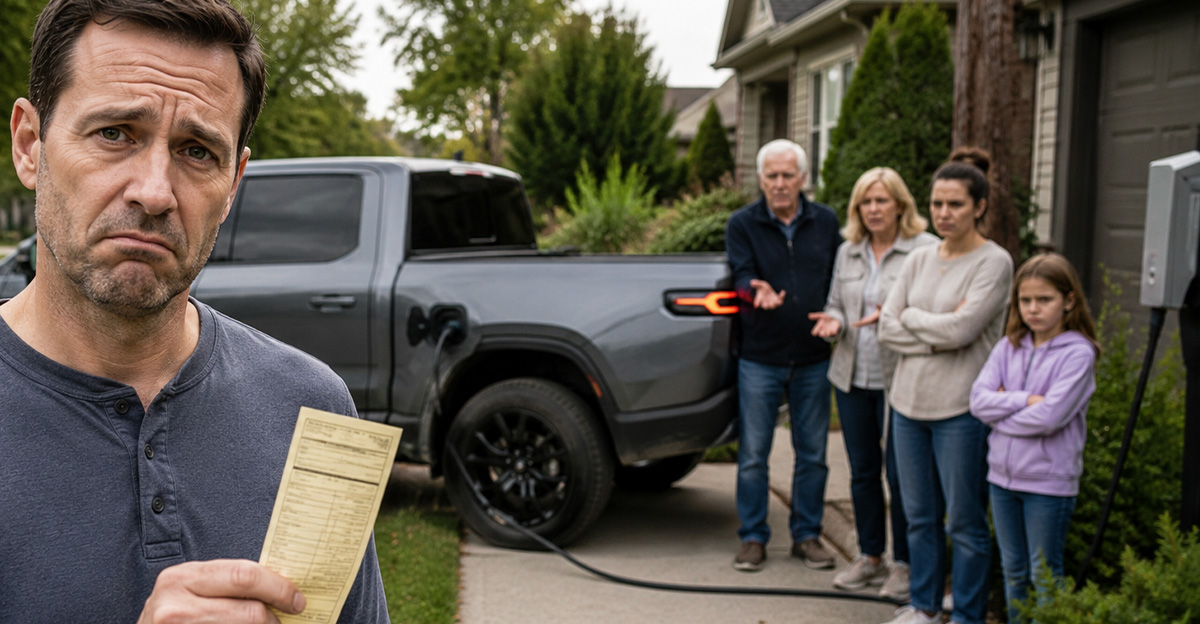
When A Simple Commute Turns Into A Crunching Sound
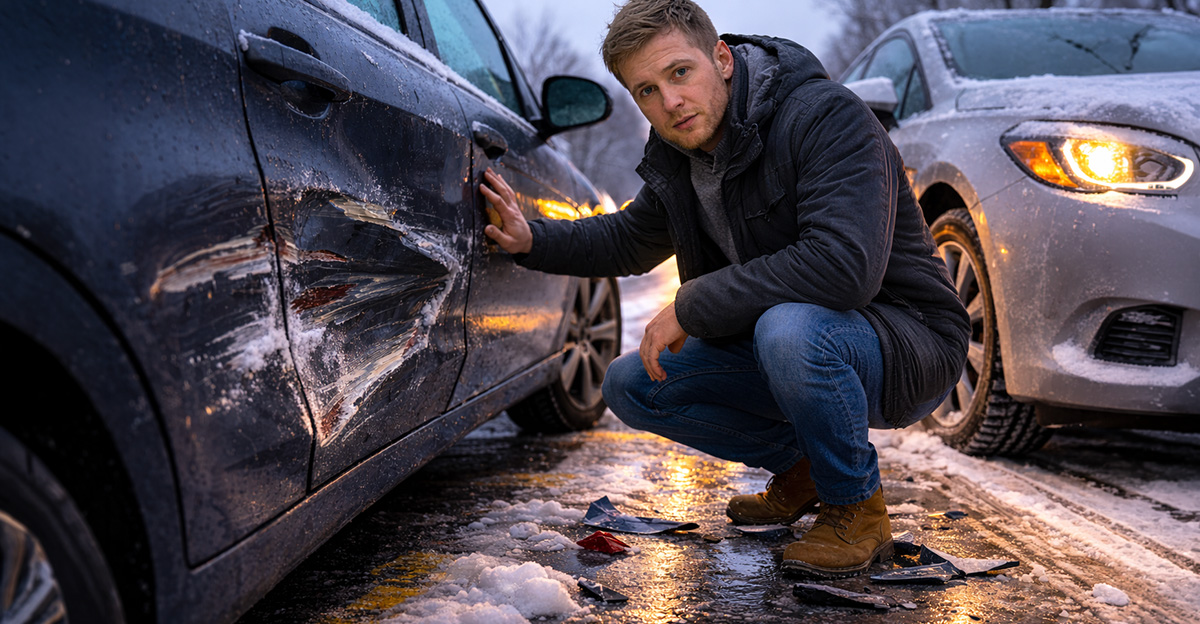
One minute you’re driving along, maybe thinking about what’s for dinner, and the next—there’s that awful scraping crunch along the side of your car. You pull over, heart pounding, and see the damage: a long streak of paint transfer and a dent that definitely wasn’t there this morning. Later, you find out the other driver didn’t even have winter tires on in the middle of icy season. Now you’re wondering: can you actually sue them for that? Let’s talk about it.
What A Sideswipe Really Means
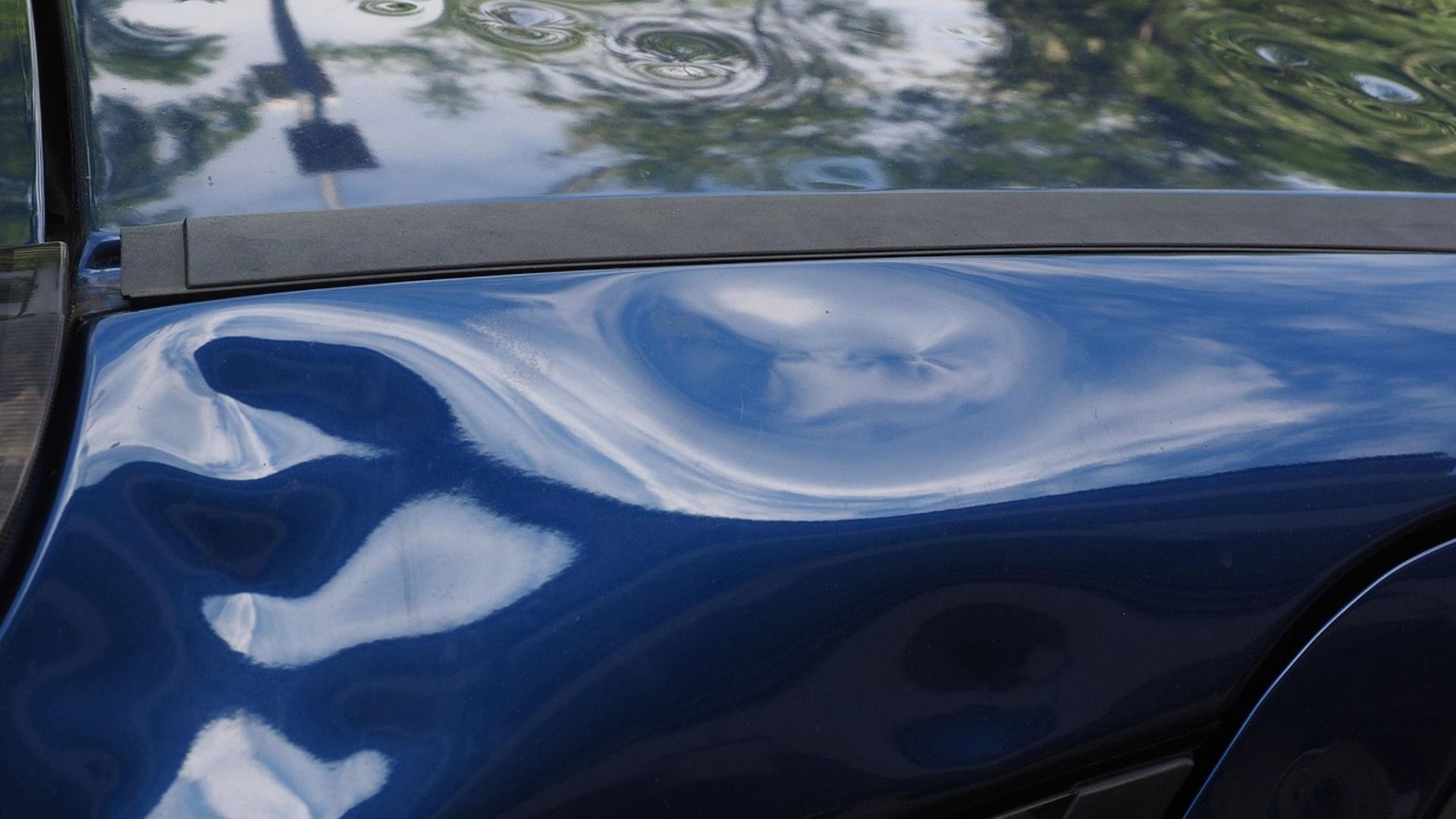
A sideswipe collision sounds minor, but it can still cause serious damage. It usually happens when one driver drifts out of their lane or makes a careless lane change and clips the side of another vehicle. Sometimes it’s just cosmetic. Other times it means bent panels, damaged suspension, or even injuries from the jolt.
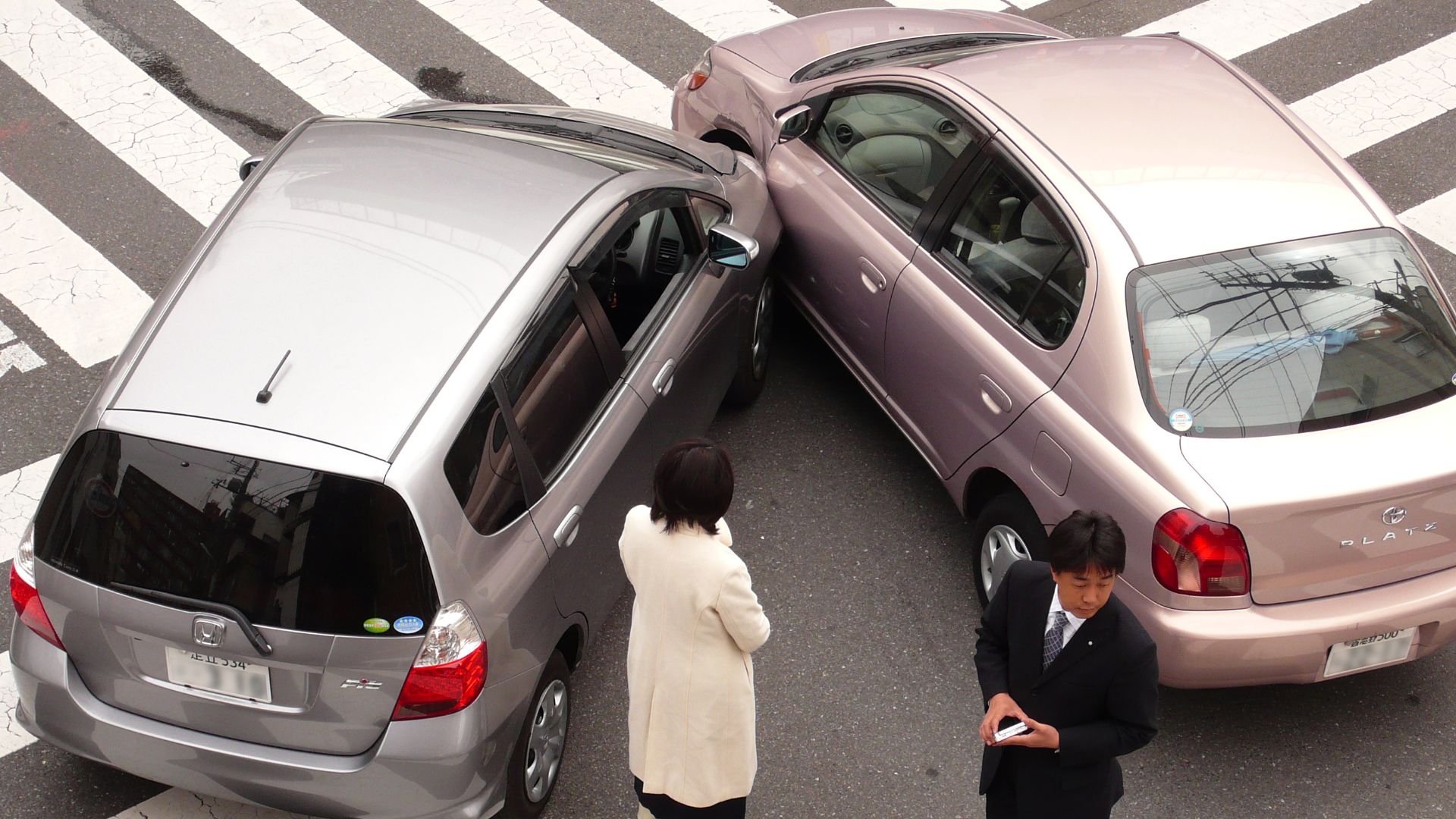 Japanese_car_accident.jpg: Shuets Udono derivative work: Torsodog (talk), Wikimedia Commons
Winter Roads Change Everything
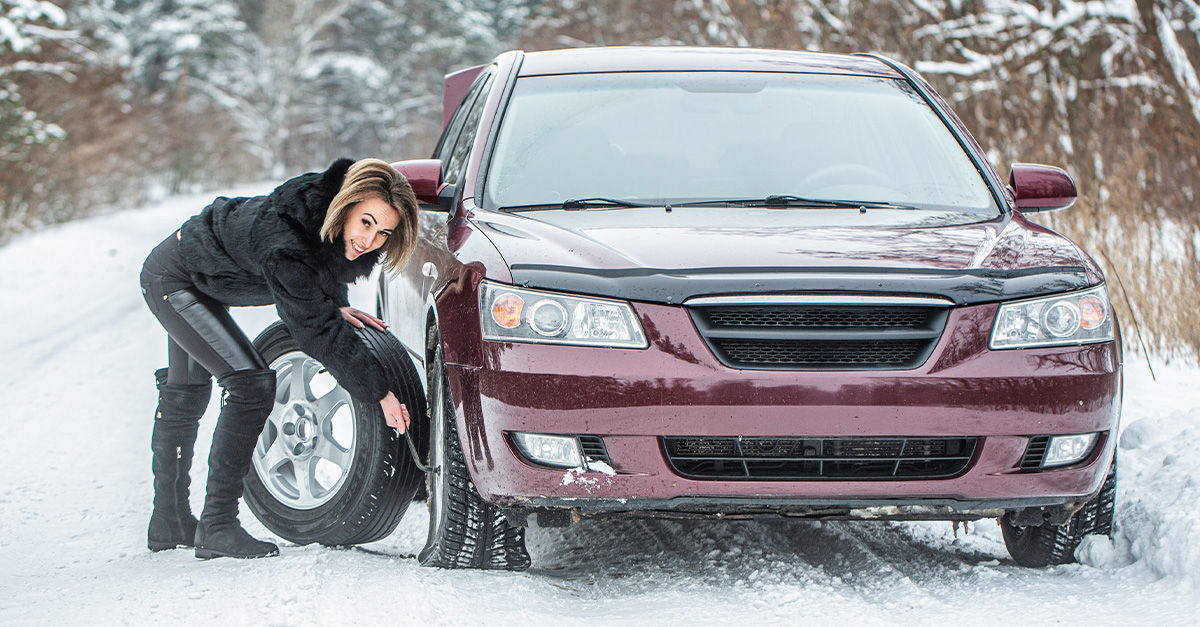
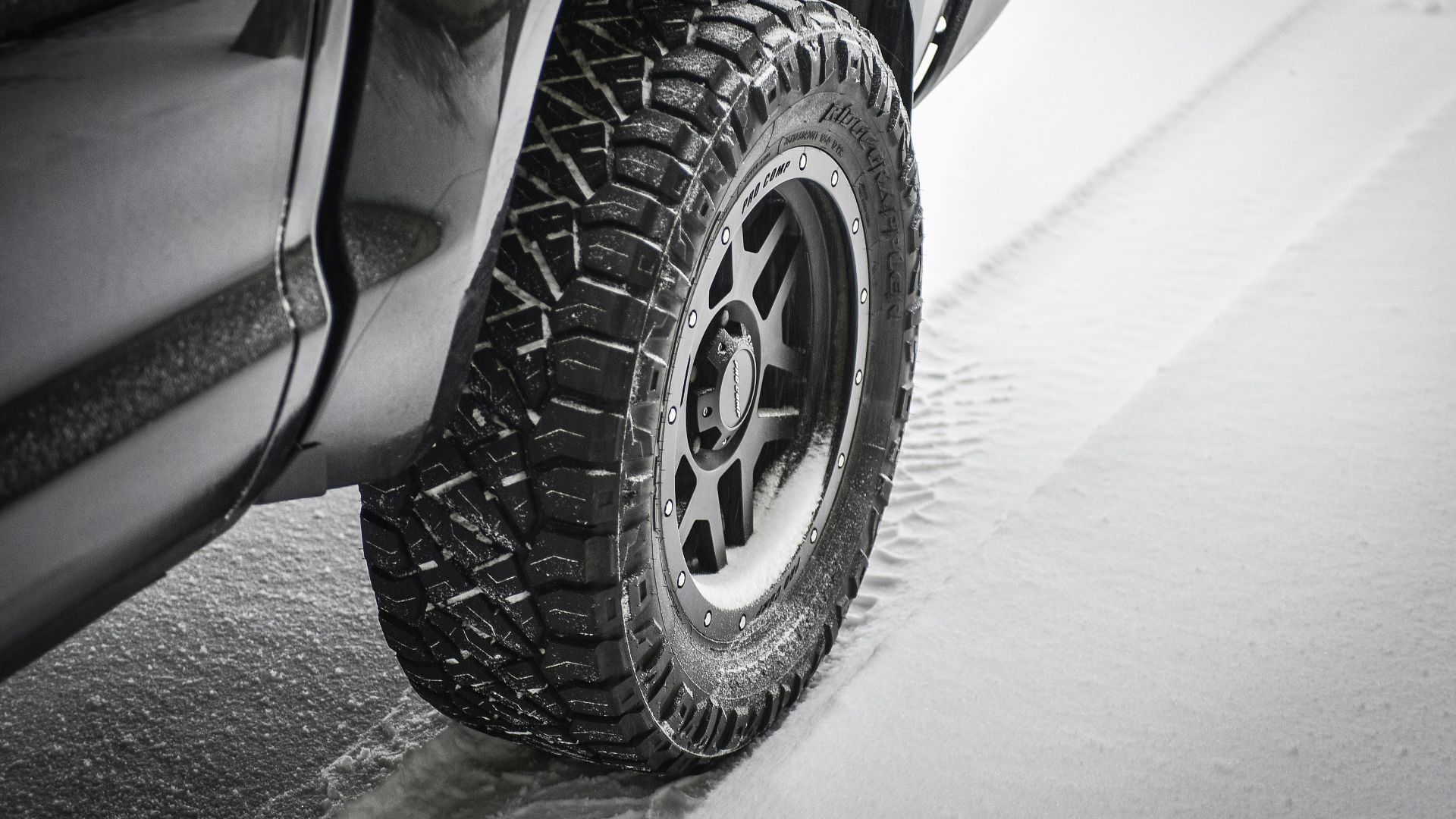
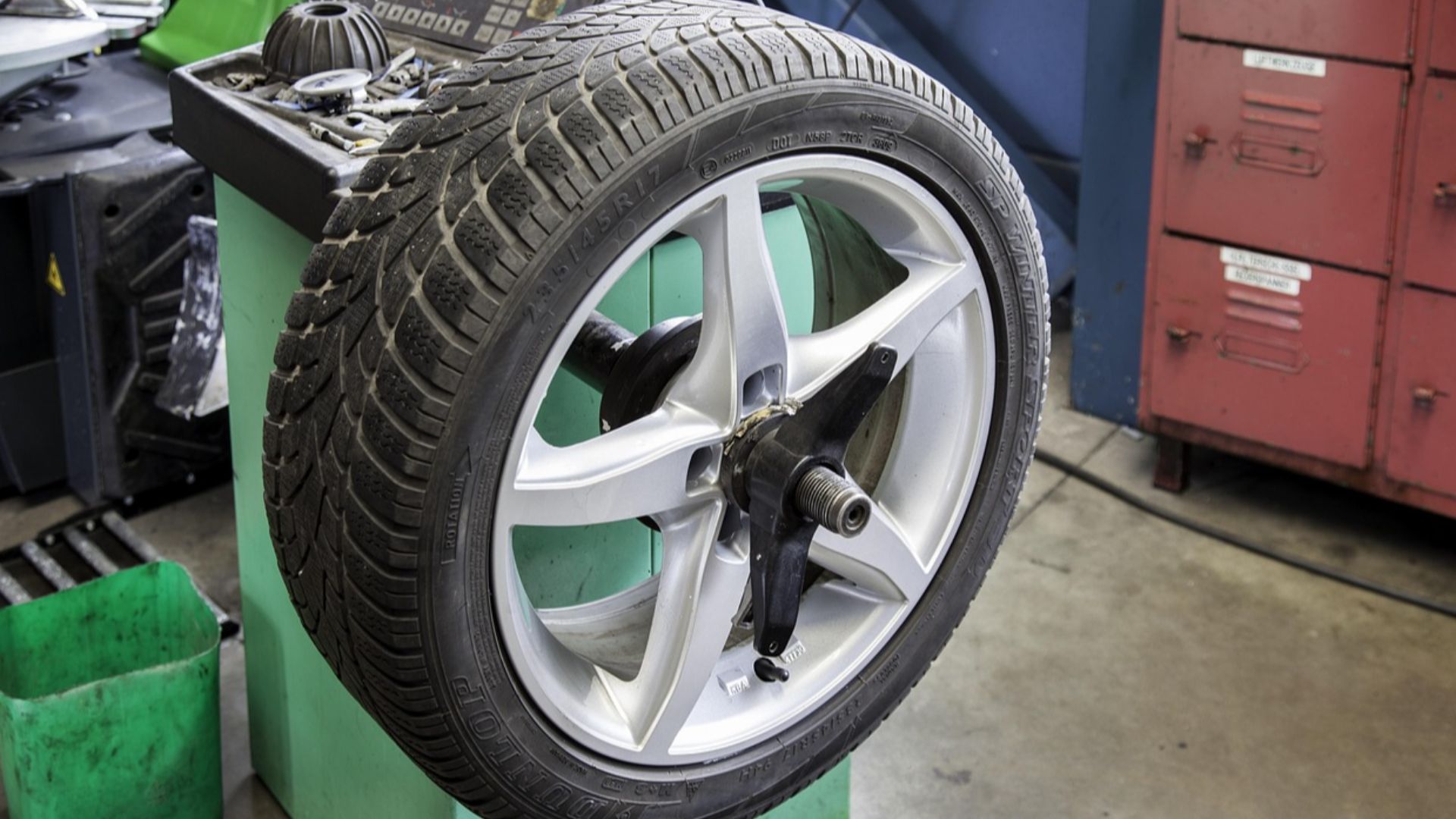
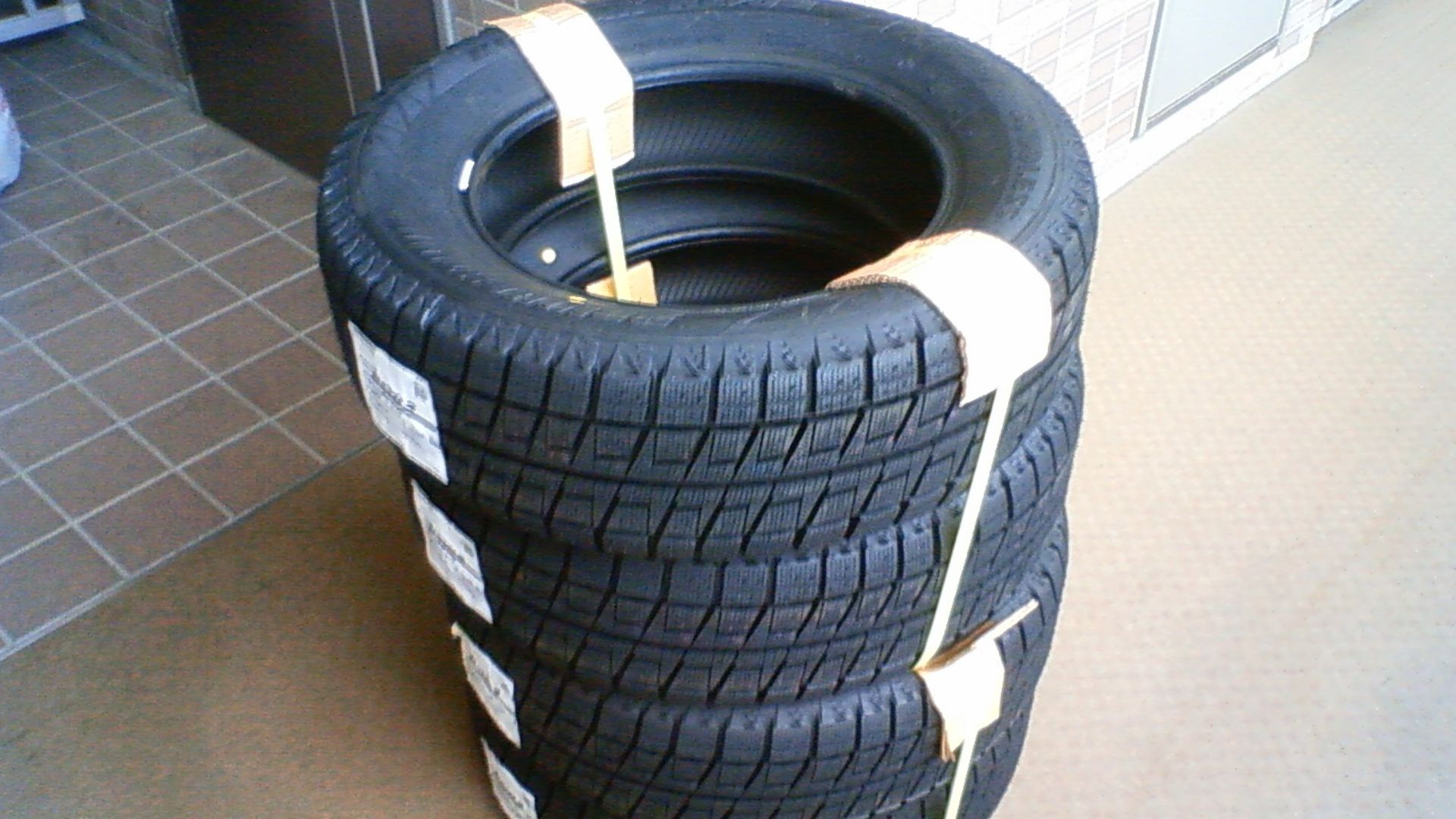
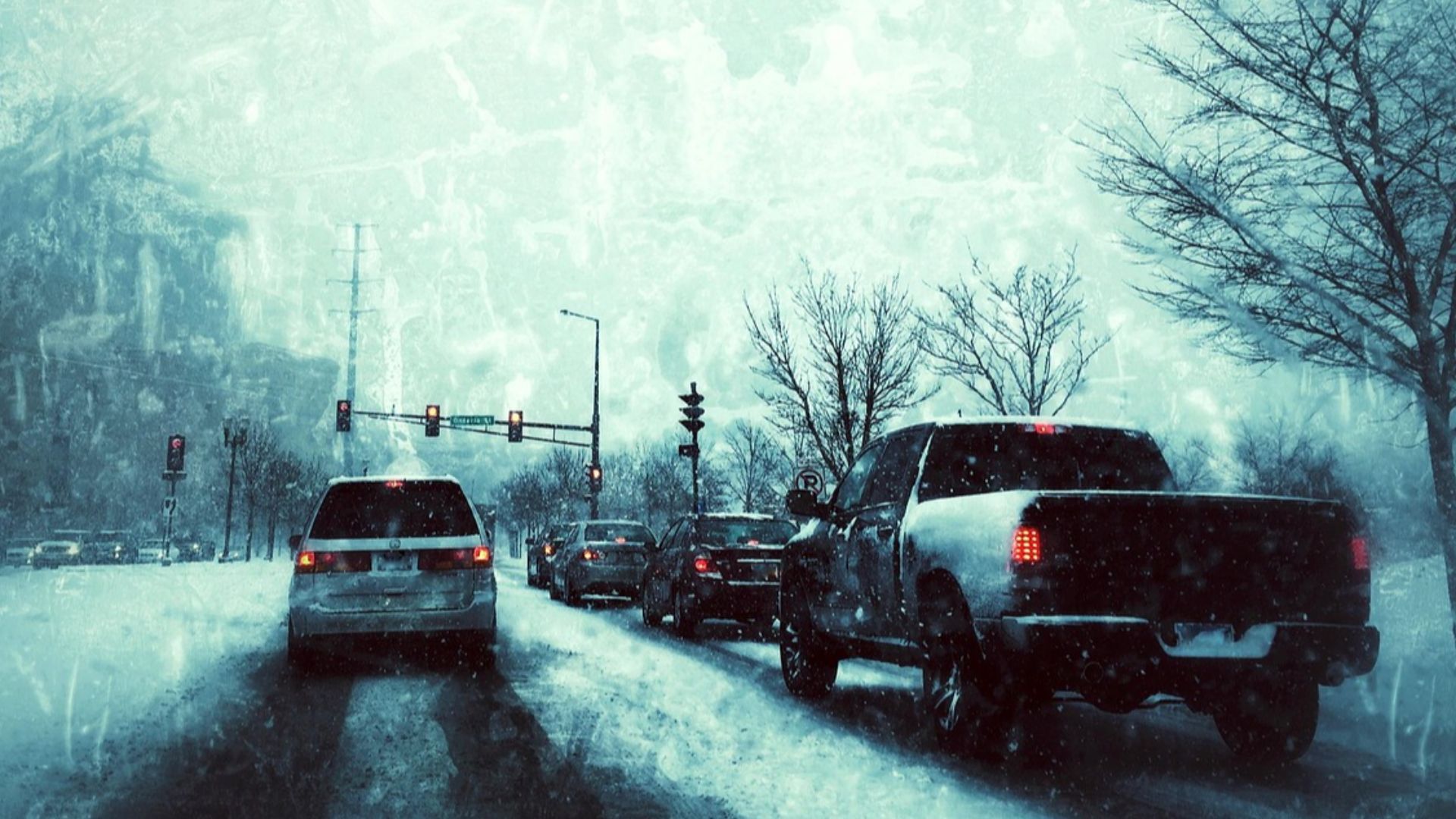
Driving in winter isn’t just “regular driving but colder.” Snow, slush, black ice—they all reduce traction dramatically. That’s why winter tires exist. They’re made from rubber compounds that stay softer in low temperatures and have tread patterns designed to grip slippery surfaces.
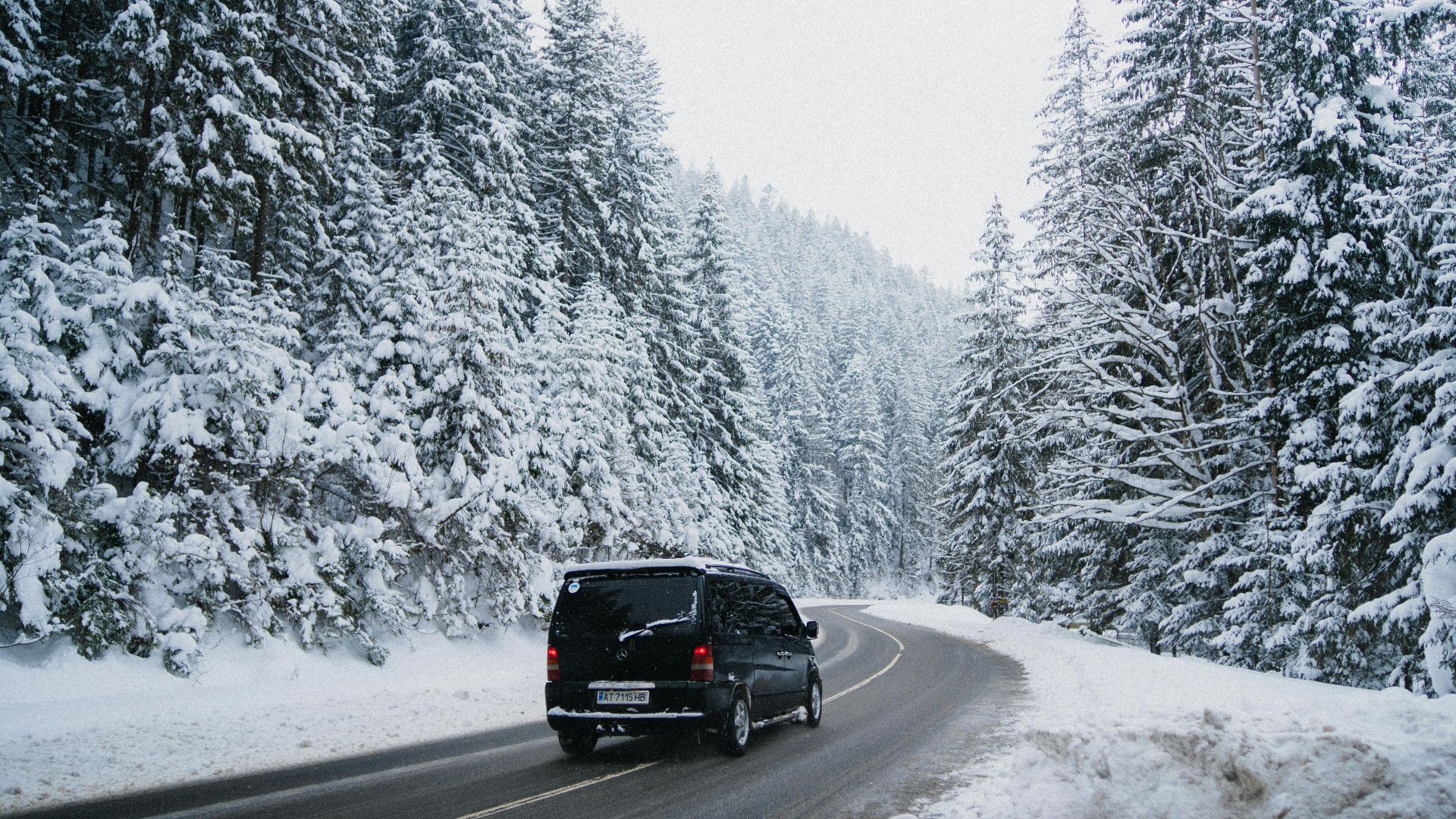
The Truth About Winter Tires
Here’s the thing: winter tires aren’t mandatory everywhere. In some Canadian provinces, you’re legally required to have them during certain months. In most U.S. states, though, they’re strongly recommended—but not required. So whether the other driver broke the law depends entirely on where the crash happened.
Does No Winter Tires Mean Automatic Fault?
Short answer? No. Just because someone didn’t have winter tires doesn’t automatically make them legally responsible. Fault usually comes down to how the accident happened, not just what equipment someone had on their car.
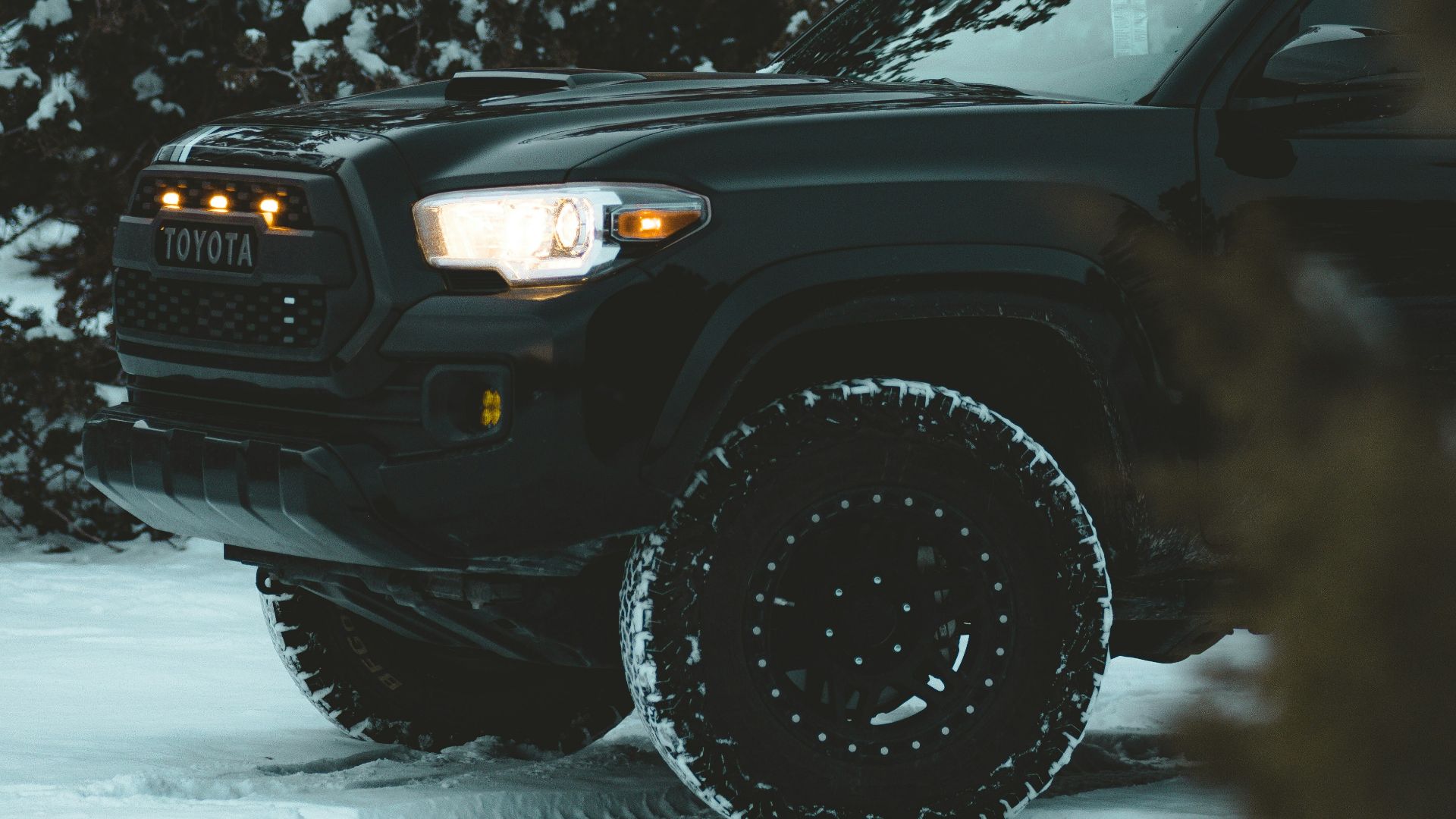
Negligence Is The Real Issue
If you’re thinking about suing, what matters most is negligence. In simple terms, negligence means someone didn’t act like a reasonably careful driver would under the same circumstances. If their poor choices caused your damage, that’s where you may have a case.
How Tire Choice Fits Into Negligence
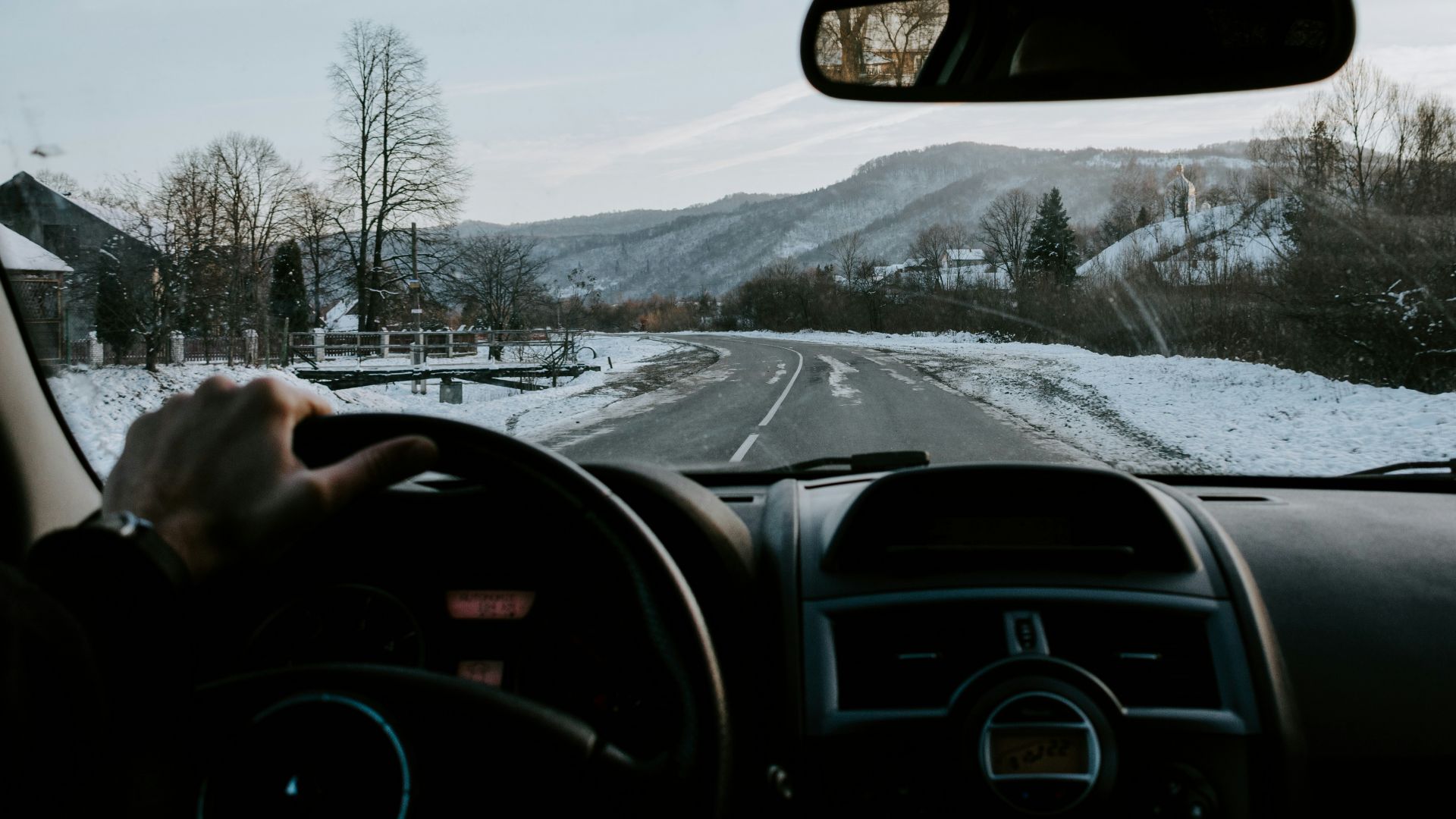
Even if winter tires aren’t legally required, a court could still consider whether a reasonable driver would have used them given the road conditions. If it was clearly icy and they lost control because they lacked traction, that detail might strengthen your argument.
Lane Responsibility Usually Comes First
That said, in most sideswipe crashes, the big question is: who left their lane? If the other driver drifted over or made an unsafe lane change, they’re likely at fault regardless of what tires they were using. The tire issue might just be icing on the cake.
Weather Conditions Matter
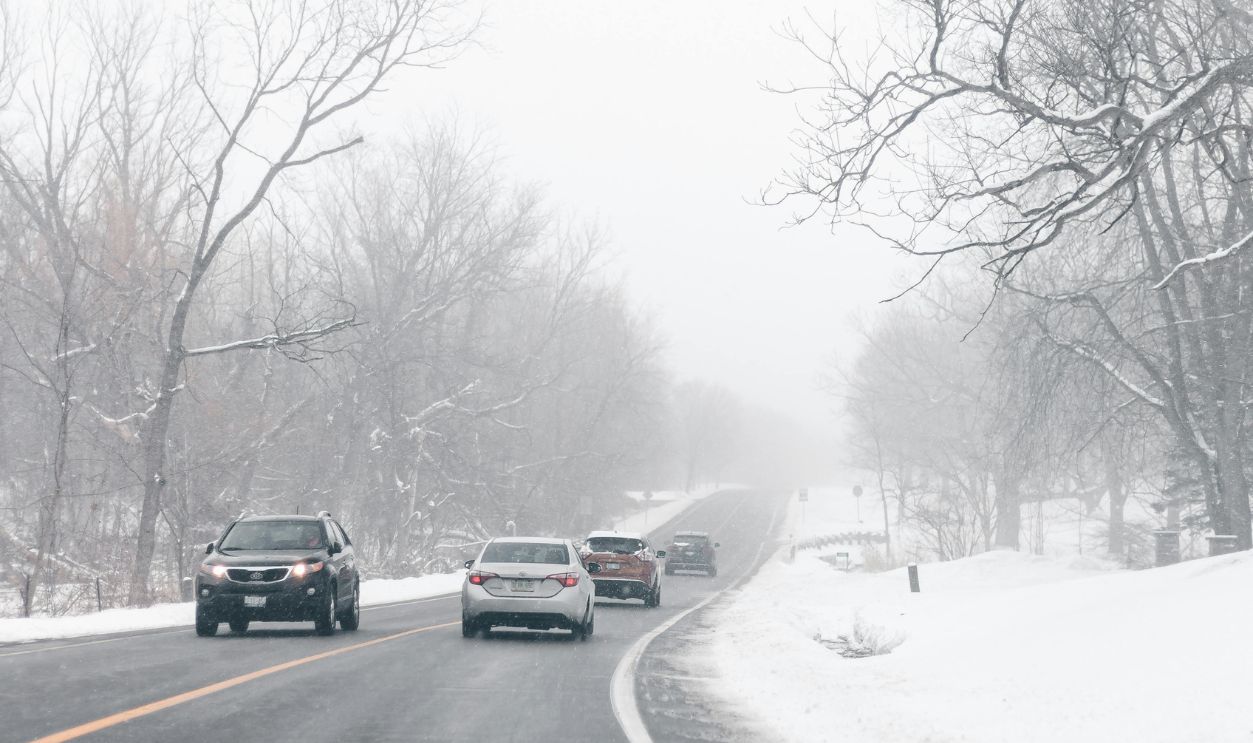
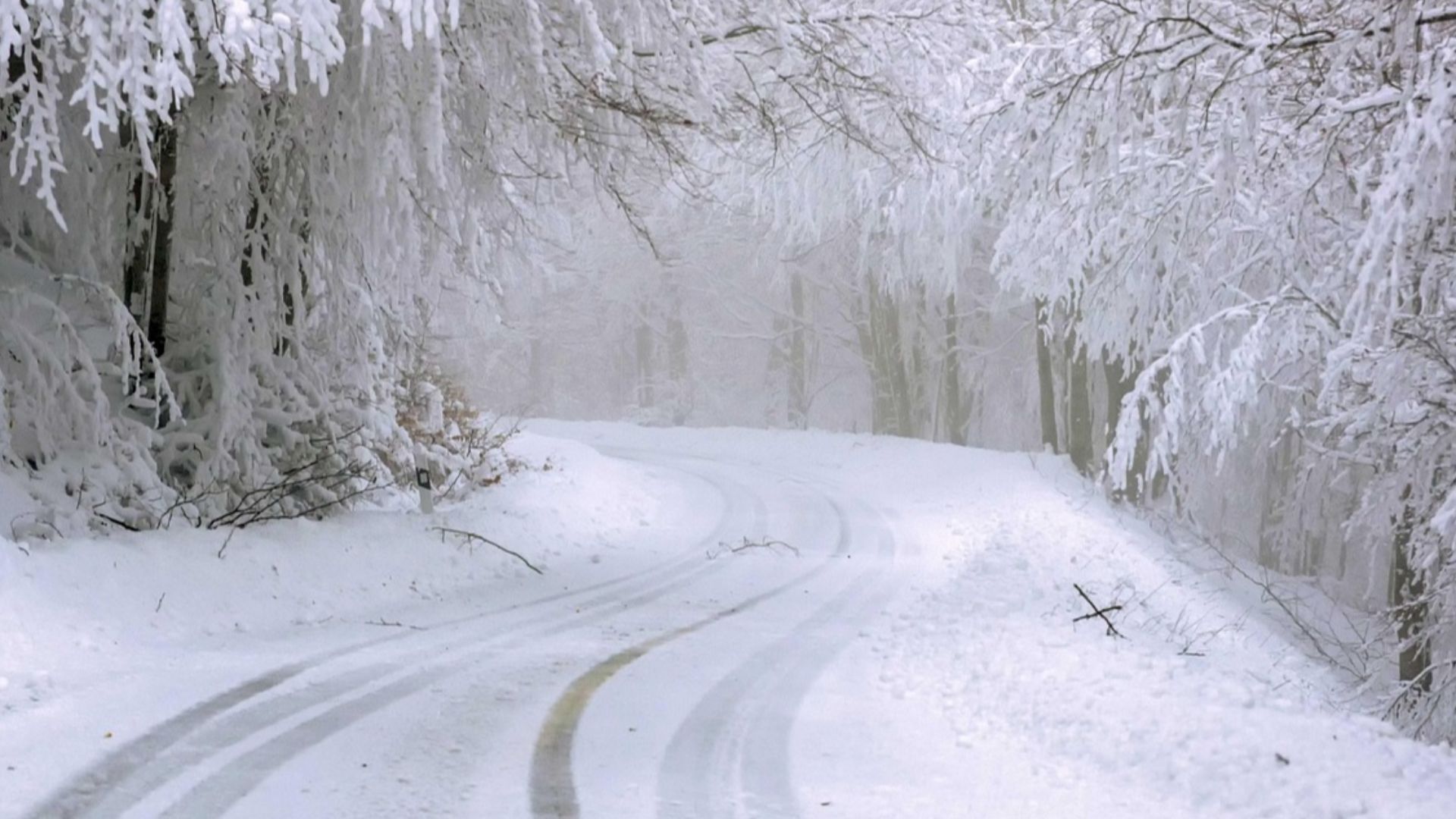
Was it actively snowing? Were roads covered in ice? Had authorities issued warnings? These details help paint a picture of whether the other driver acted reasonably—or recklessly.
The Importance Of A Police Report
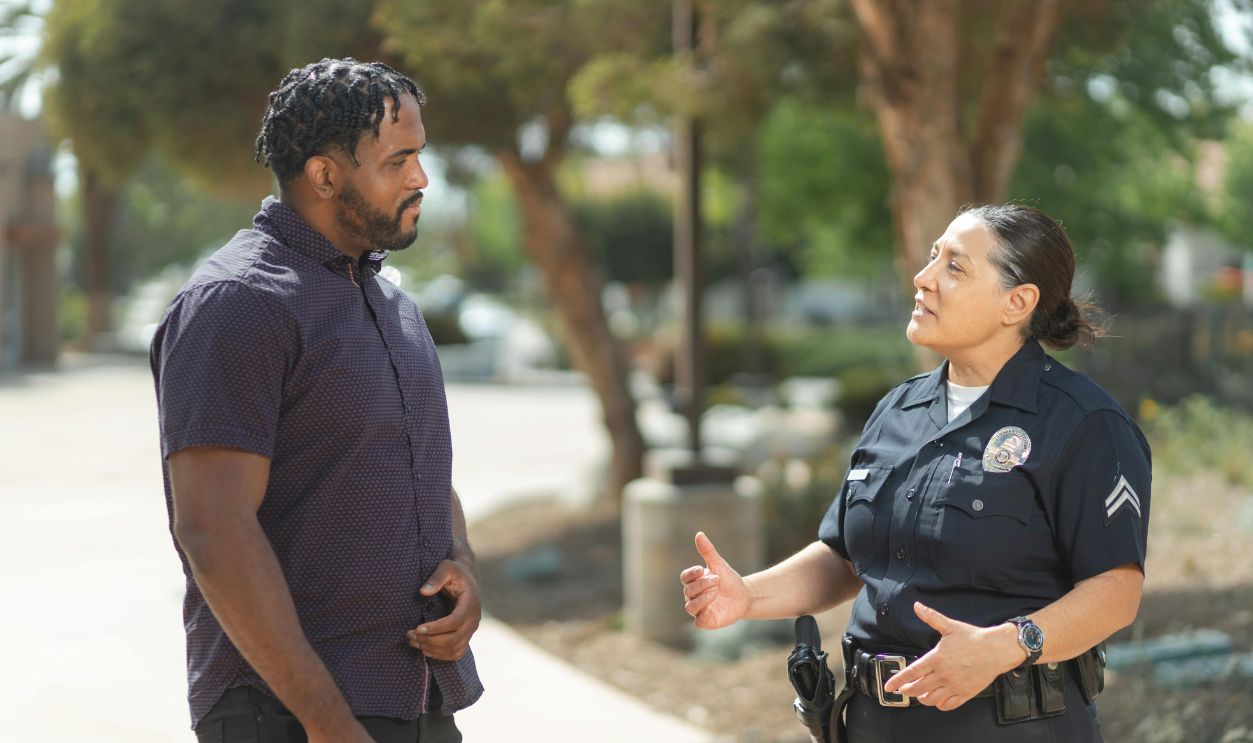
If police came to the scene, their report can be extremely helpful. It may note road conditions, whether either driver received a citation, and sometimes even details about vehicle equipment. Insurance companies pay close attention to those reports.
Tickets Can Strengthen Your Case
If the other driver was cited for careless driving or violating winter tire laws (in areas where they’re required), that works in your favor. It doesn’t automatically win the case for you, but it’s a strong supporting piece of evidence.
Insurance Is Your First Stop
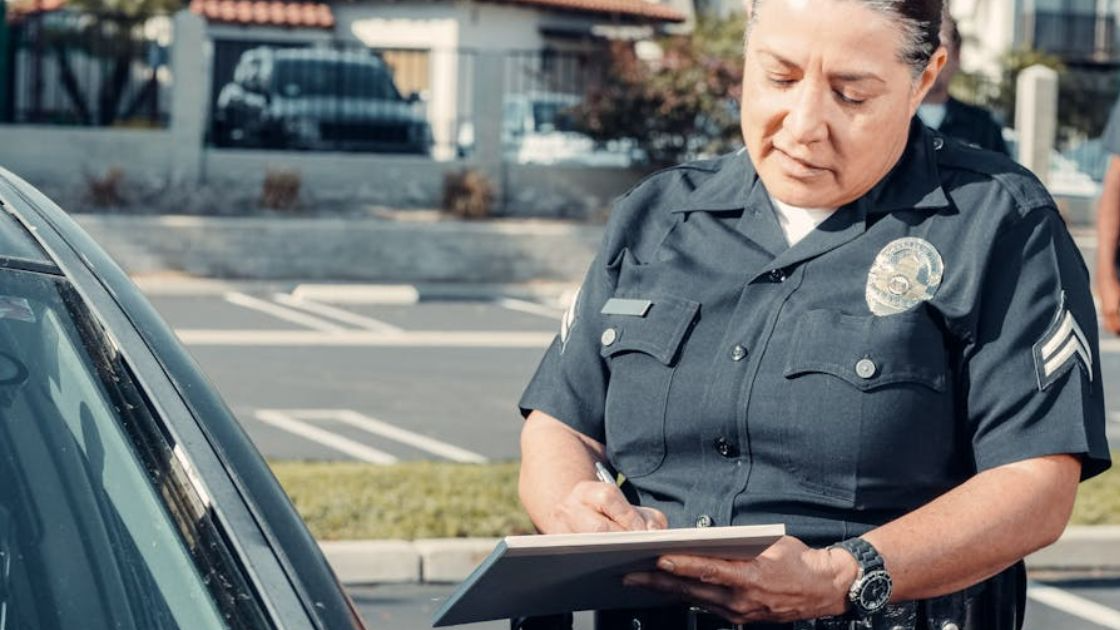
Before you think about hiring a lawyer, remember that most accident claims are handled through insurance. You’ll typically file a claim against the at-fault driver’s insurance company, and ideally, they’ll cover your repair costs and related expenses.
 Karolina Grabowska www.kaboompics.com, Pexels
When Insurance Pushes Back
Sometimes insurance companies dispute fault or offer less than your repair estimate. If negotiations stall or you’re left covering costs out of pocket, that’s when people start thinking about legal action.

Shared Fault Is A Real Possibility
Many states follow comparative negligence rules. That means if you were even partially at fault—maybe you were speeding slightly or didn’t signal—you could see your compensation reduced by your percentage of blame. In a few states, even minimal fault can block recovery entirely.
Winter Tires In The Courtroom
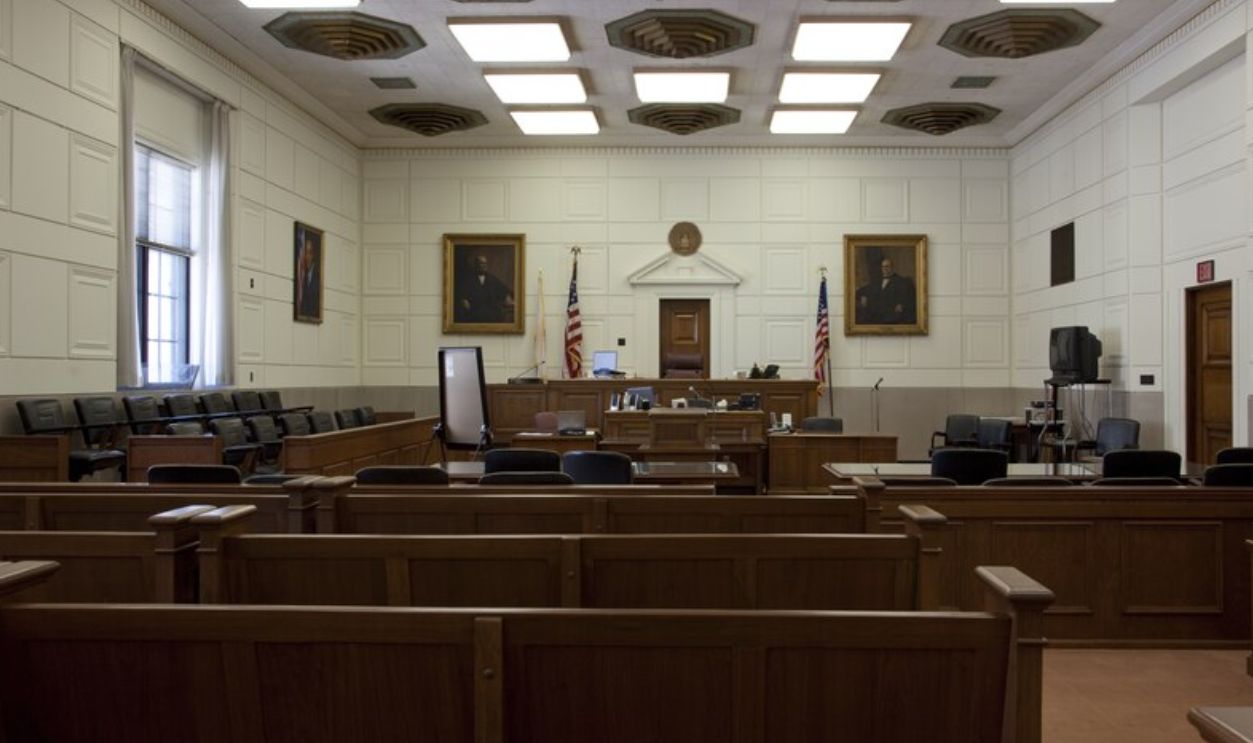
If your case goes to court, the winter tire issue may come down to expert opinions. An accident reconstruction specialist might explain how winter tires improve stopping distance and control in icy conditions—and whether having them could have prevented the crash.
 Carol M. Highsmith, Wikimedia Commons
Proving The Tires Made A Difference
It’s not enough to show the other driver didn’t have winter tires. You’d likely need to show that this lack of traction contributed to the collision. That’s where evidence like skid marks, vehicle positioning, and weather reports become important.
What You Can Recover
If you successfully prove the other driver was negligent, you could recover repair costs, rental car fees, medical expenses, lost income, and sometimes compensation for pain and suffering. The exact amount depends on your damages and local laws.

Small Claims Might Be Enough
If your damages are relatively minor—say a few thousand dollars—you might not need a full-blown lawsuit. Small claims court is often quicker, cheaper, and designed for situations exactly like this.

Don’t Miss The Deadline
Every state has a statute of limitations for car accident claims, usually two to three years. Wait too long, and you lose your right to sue altogether, no matter how solid your case is.

Gather As Much Evidence As You Can
Take photos of the damage, the road, the weather conditions, and anything else that might be relevant. If you happened to notice worn tires or all-seasons clearly marked on the other vehicle, document that too.
When Winter Tire Laws Make Things Clearer
If you’re in a region where winter tires are legally required and the other driver ignored that rule, your case becomes much simpler. Violating a safety law can sometimes automatically establish negligence.
No-Fault States Add A Twist
If you live in a no-fault insurance state, your own insurance may cover medical expenses regardless of who caused the crash. However, property damage claims and serious injury lawsuits can still involve fault determinations.

Be Prepared For Pushback
It’s not uncommon for the other driver to argue that you contributed to the crash. Maybe they’ll claim you drifted slightly or were driving too fast for conditions. That’s why clear documentation is key.

Most Cases Settle
The vast majority of accident disputes never see the inside of a courtroom. Once both sides review the evidence, they usually reach a settlement agreement.

The Cost Of Going To Court
Lawsuits can be time-consuming and expensive. Many personal injury lawyers work on contingency, meaning they only get paid if you win, but it’s still something to consider before filing.
Is It Worth Talking To A Lawyer?
If the damage is significant or injuries are involved, a quick consultation with a local attorney can help you understand your options. They’ll know how courts in your area tend to view winter driving responsibilities.

The Bigger Picture About Winter Driving
At the end of the day, winter tires aren’t just about legal liability—they’re about safety. They reduce stopping distances and improve control, which lowers the risk of accidents in the first place.
So, Can You Sue?
Yes, you can sue if the other driver’s negligence caused your sideswipe—and their failure to use winter tires may help your argument, especially in icy conditions or places where they’re legally required. But the outcome depends on the full story: road conditions, lane behavior, local laws, and insurance negotiations. If nothing else, this situation is a reminder that winter driving isn’t the time to cut corners—because sometimes those corners scrape right along someone else’s door.

You May Also Like:
The Luxury Empire That Beat Cadillac—Then Completely Disappeared