Lights, Camera, Horsepower
Movies have a funny way of turning cars into legends. Sometimes they’re heroes, sometimes villains, sometimes they’re blown to bits in spectacular fashion—but in the best cases, they’re rolling works of art that cost more than most of us will earn in a lifetime. Over the years, filmmakers have spared no expense creating unforgettable automotive stars, whether through bespoke engineering, rare donor cars, or outrageous one-off builds designed purely for the screen. From Batmobiles that border on military hardware to elegant classics pushed far beyond their original intent, these are the most expensive movie cars ever built—machines that prove Hollywood excess doesn’t stop when the cameras stop rolling.
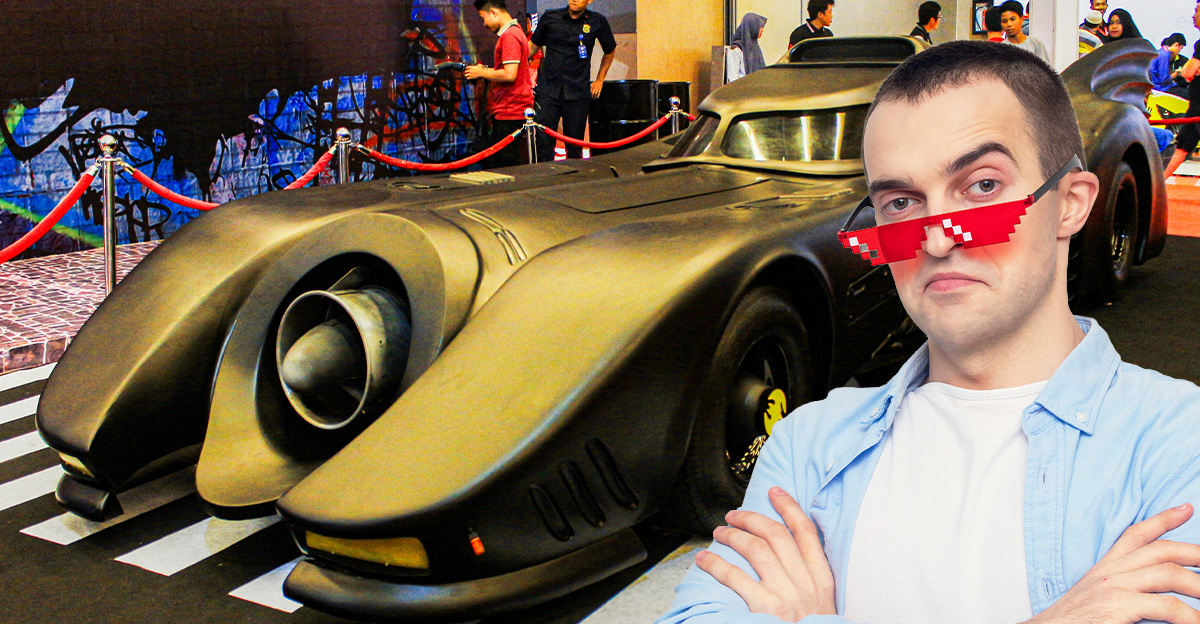
Batmobile (The Dark Knight Trilogy)
Christopher Nolan’s Batmobile—known internally as the “Tumbler”—is less car and more urban assault vehicle. Built from scratch with a tubular steel chassis, Lamborghini-inspired proportions, and military-grade hardware, each Tumbler reportedly cost upwards of $1 million to construct. Multiple versions were built for stunts, close-ups, and driving scenes, all fully functional and brutally loud. This wasn’t a prop you pushed around a soundstage; it was a 5,000-pound monster capable of leaping rooftops and firing grappling hooks. Few movie cars have ever looked so expensive—and sounded even pricier.
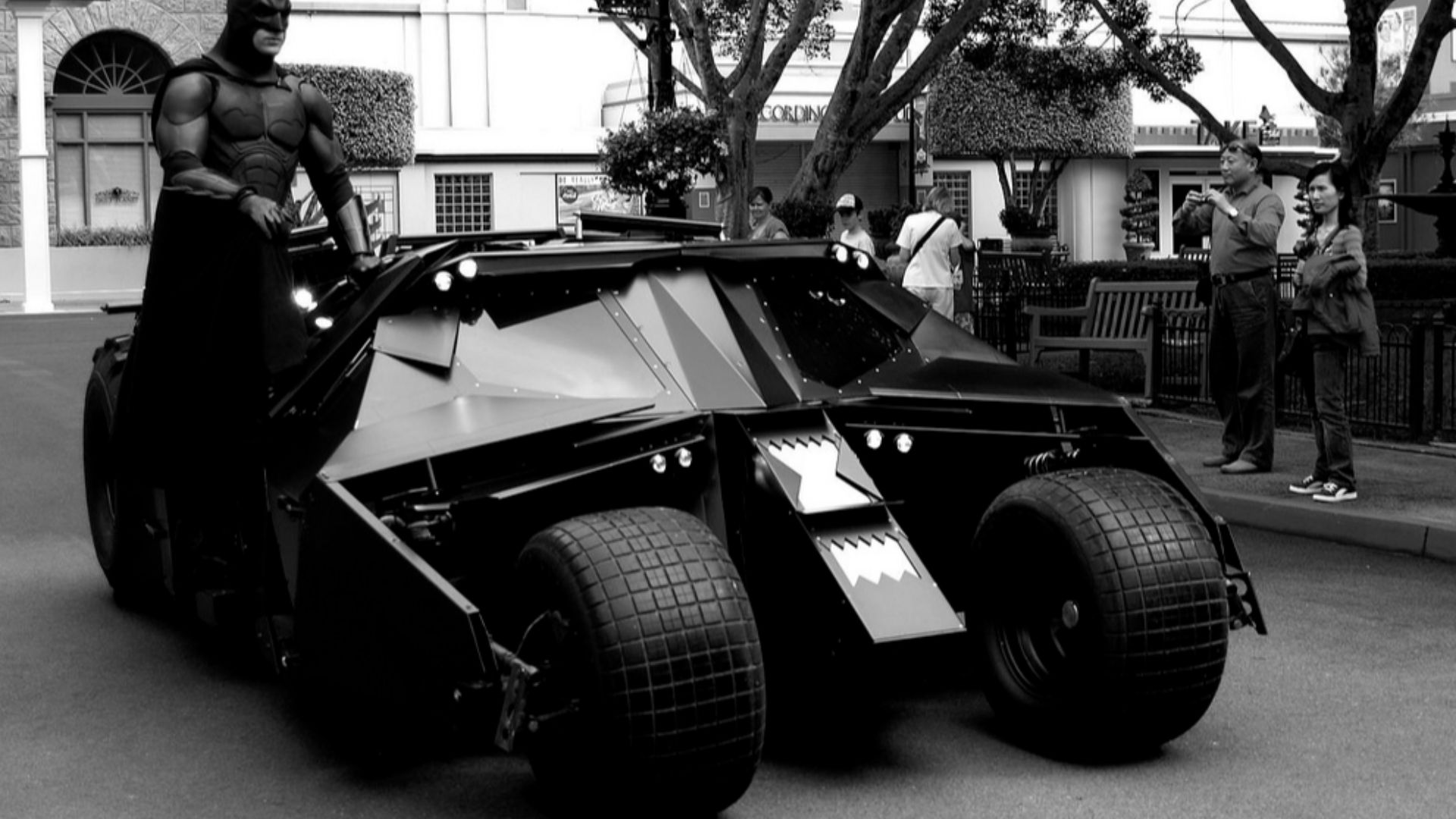 Syed Abdul Khaliq from Shah Alam, Malaysia, Wikimedia Commons
Batmobile (Batman v Superman: Dawn of Justice)
If the Nolan-era Tumbler was intimidating, the Batmobile in Batman v Superman turned things up another notch. Wider, lower, and even more aggressive, this version blended supercar aesthetics with military-grade tech. Built on a custom chassis with carbon-fiber bodywork, massive off-road tires, and functional weaponry (for filming, at least), each unit is estimated to have cost around $1–1.5 million. It’s the Batmobile as a rolling tank, designed to go head-to-head with Superman—and your sense of financial responsibility.
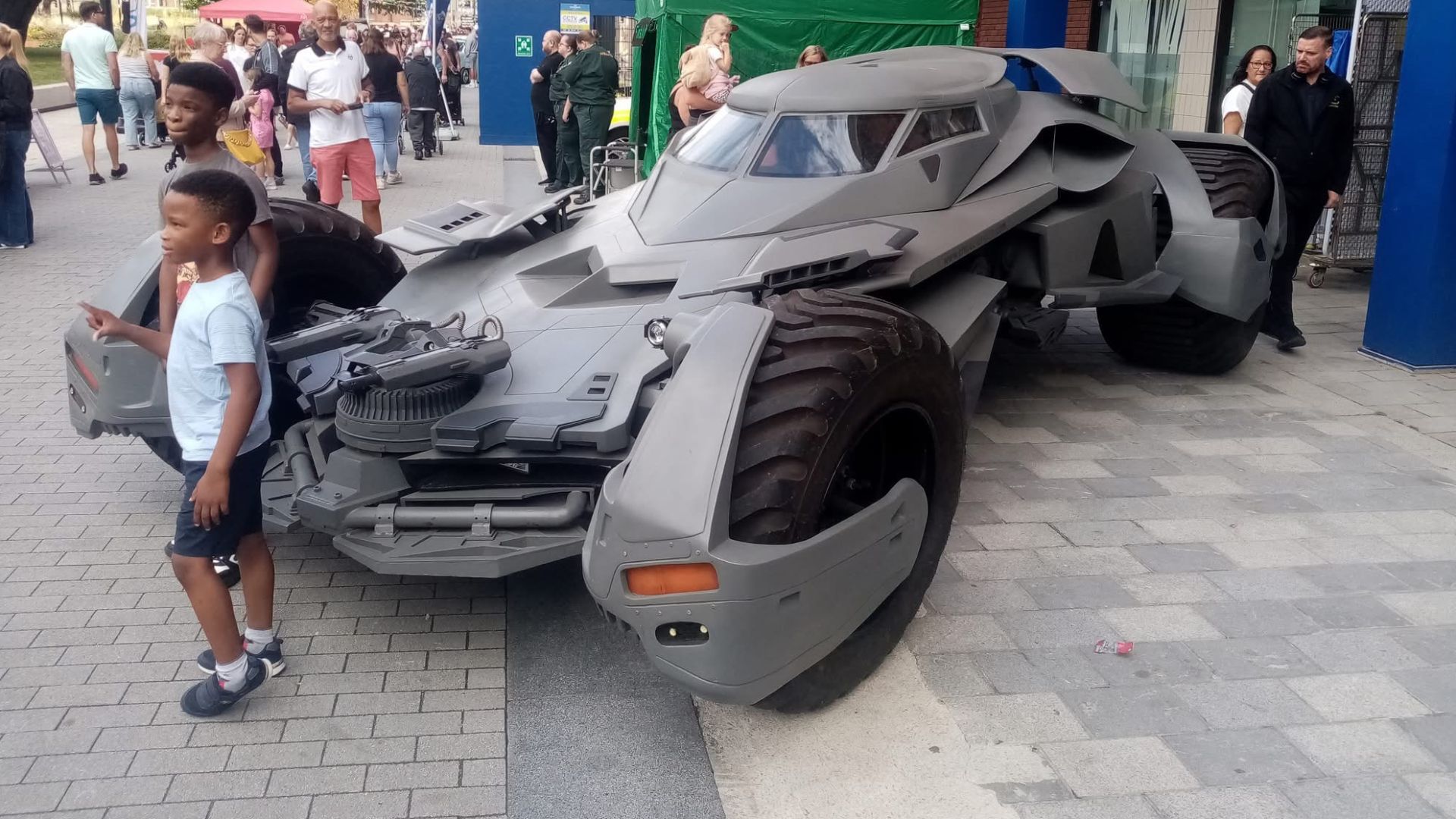 Keith Huddy, Wikimedia Commons
The Batmobile (1966 Batman)
Not all expensive movie cars scream menace. The 1966 Batmobile, based on the Lincoln Futura concept car, is a reminder that camp can still cost serious money. The original Futura itself reportedly cost Ford the equivalent of over $2 million in today’s money. When customizer George Barris transformed it into the Batmobile, the car became a pop-culture icon overnight. Priceless today, the original has sold for millions at auction, making it one of the most valuable—and expensive—movie cars ever associated with the screen.
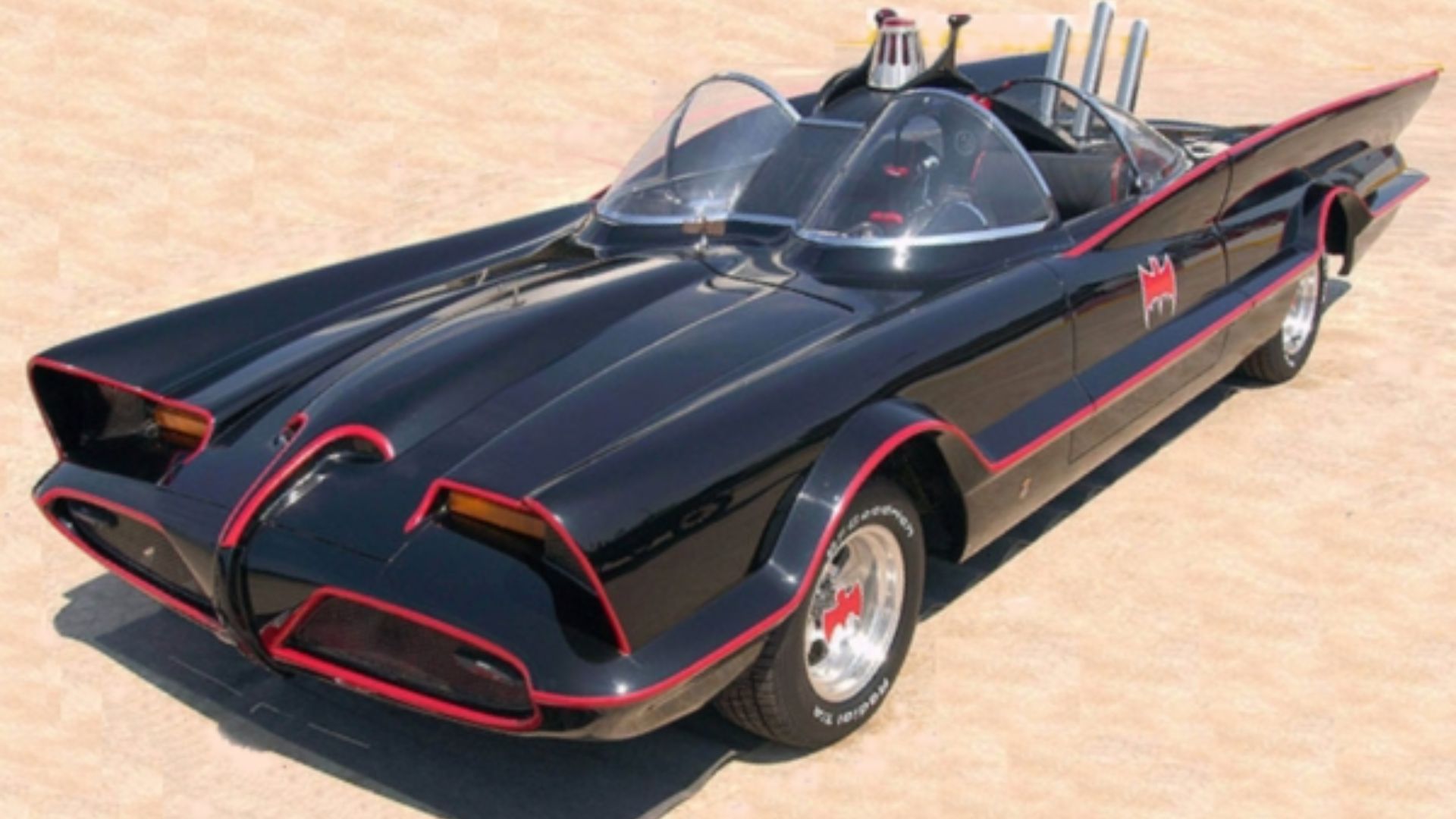 Jennifer Graylock (cropped by FordFE com), Wikimedia Commons
James Bond’s Aston Martin DB5 (Goldfinger)
The Aston Martin DB5 is cinematic royalty. For Goldfinger, Aston Martin provided two DB5s—one for driving scenes and one for gadgets. Even before inflation, the modifications alone were substantial. Today, original Bond DB5s are valued in the multi-million-dollar range, with one selling for over $6 million. Between the ejector seat, machine guns, rotating license plates, and sheer cultural weight, this is arguably the most famous—and costly—spy car ever filmed.
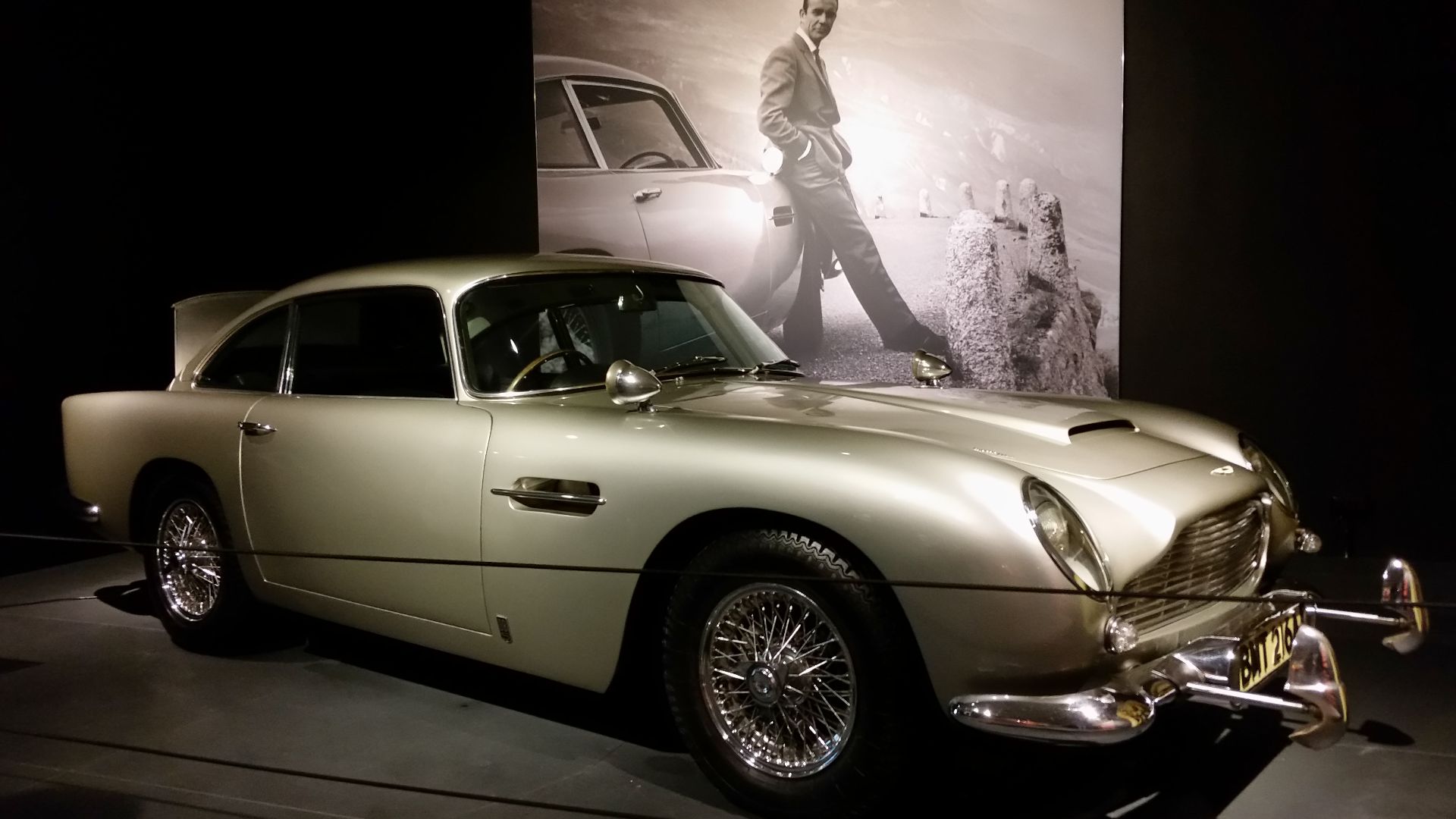 Michel Curi, Wikimedia Commons
The Lykan HyperSport (Furious 7)
When Furious 7 sent a Lykan HyperSport flying between skyscrapers in Abu Dhabi, audiences gasped—and accountants probably cried. With a production cost of around $3.4 million per car, the Lykan was already one of the world’s most expensive hypercars. Multiple replicas and stunt shells were used, but at least one real Lykan appeared on screen. It’s hard to top a scene where a multi-million-dollar car casually defies physics for entertainment.
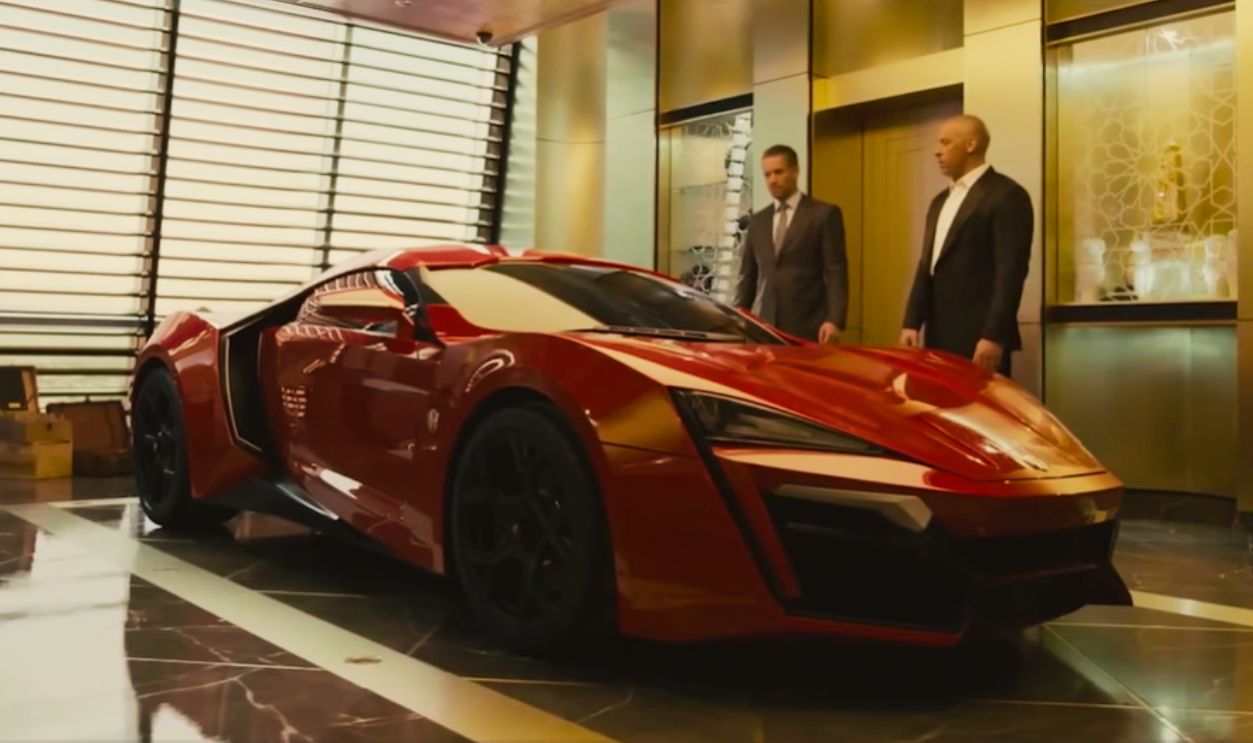 Screenshot from Furious 7, Universal Pictures (2015)
The DeLorean Time Machine (Back to the Future)
At first glance, the DeLorean doesn’t seem outrageously expensive. But the Back to the Future Time Machine builds were anything but cheap. Multiple DeLoreans were heavily modified with custom fiberglass, electronics, and intricate detailing across three films. Collectively, the cars are estimated to be worth millions today, with screen-used examples selling for over $500,000 each. Time travel, it turns out, is not budget-friendly.
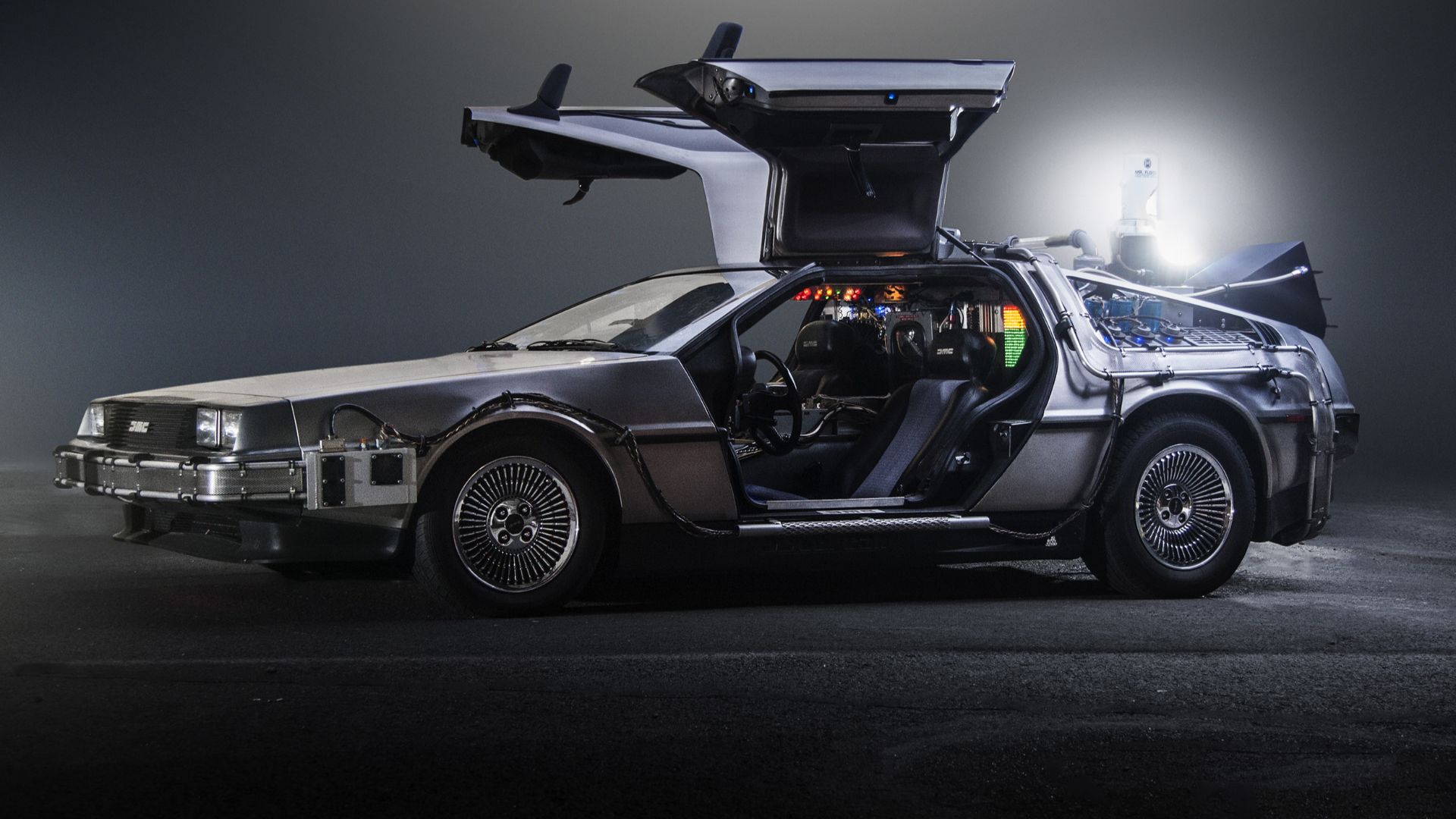 Oto Godfrey and Justin Morton, Wikimedia Commons
The Mach 5 (Speed Racer)
Speed Racer’s Mach 5 wasn’t a real production car—it was a purpose-built fantasy brought to life. For the 2008 film, several fully functional Mach 5s were constructed at enormous cost, combining bespoke bodywork, race-grade chassis components, and futuristic interiors. Estimates put the cost of each hero car well into the seven figures. Love or hate the movie, the commitment to building real, drivable Mach 5s was nothing short of heroic.
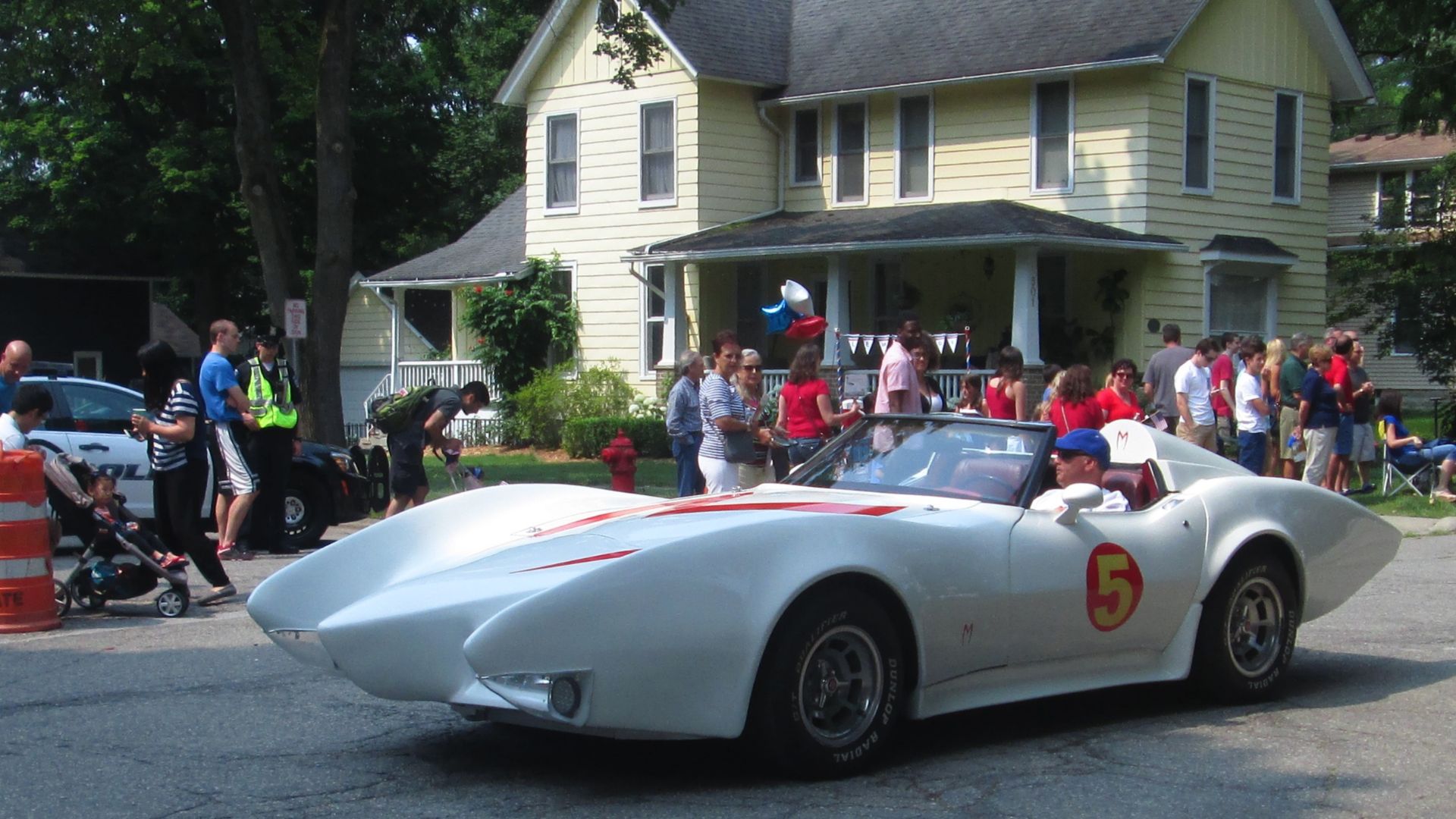
The Ecto-1 (Ghostbusters: Afterlife)
The original Ecto-1 was a converted Cadillac ambulance, but for Ghostbusters: Afterlife, the filmmakers went to extreme lengths to restore and replicate the iconic car. Multiple vehicles were rebuilt with painstaking accuracy, blending classic automotive restoration with modern filming requirements. Between sourcing rare parts and extensive custom fabrication, the total cost reportedly climbed into the high six figures—worth every penny for fans who grew up hearing that siren.
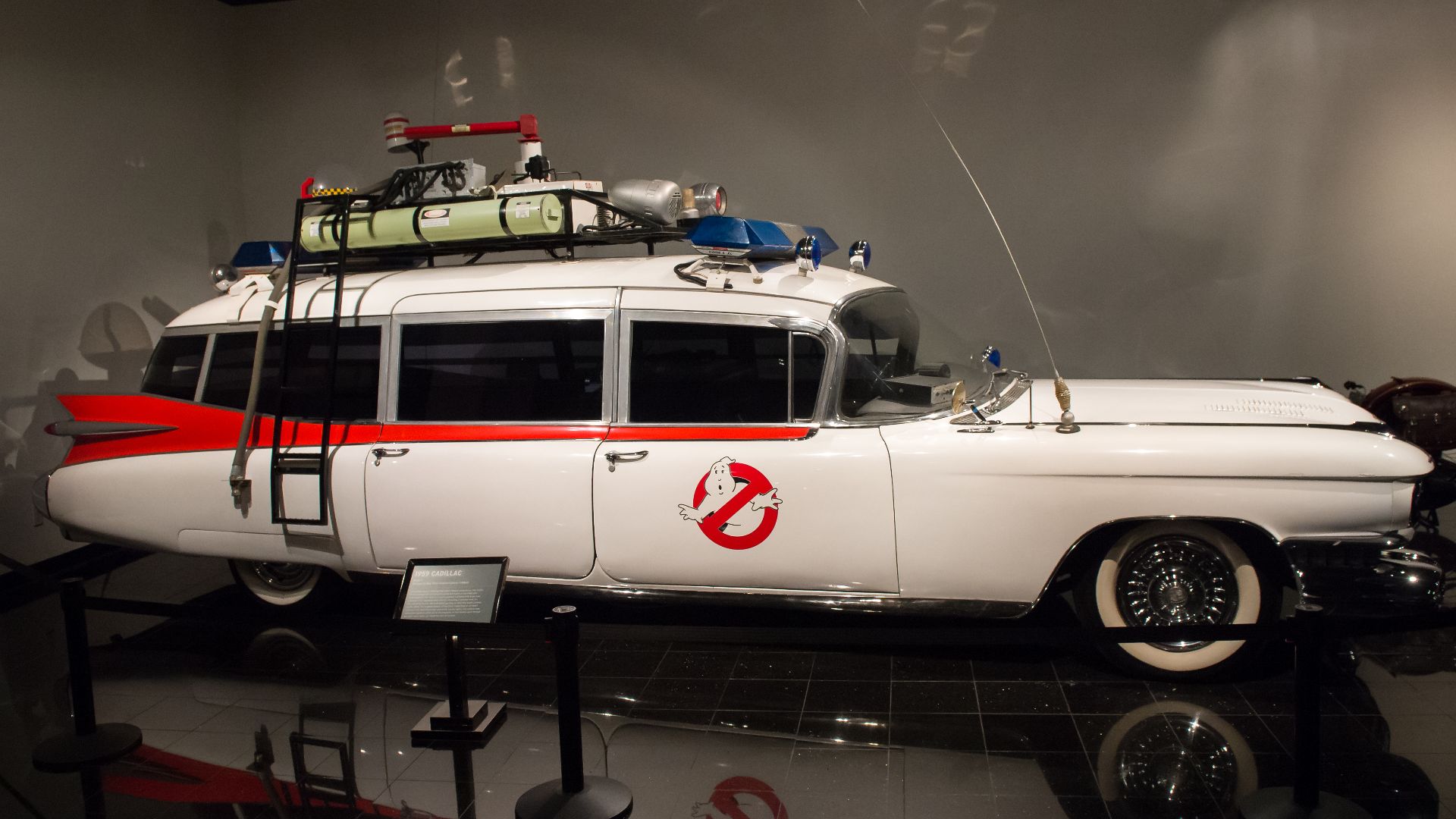
The Interceptor (Mad Max: Fury Road)
Mad Max’s Interceptor is a legend forged in dust and gasoline. For Fury Road, several Interceptors were built from scratch, using custom chassis and heavily modified V8 powertrains. Designed to survive brutal desert stunts, these cars were expensive, disposable, and spectacular. Each build is estimated to have cost hundreds of thousands of dollars, with the hero car now considered priceless among movie car collectors.
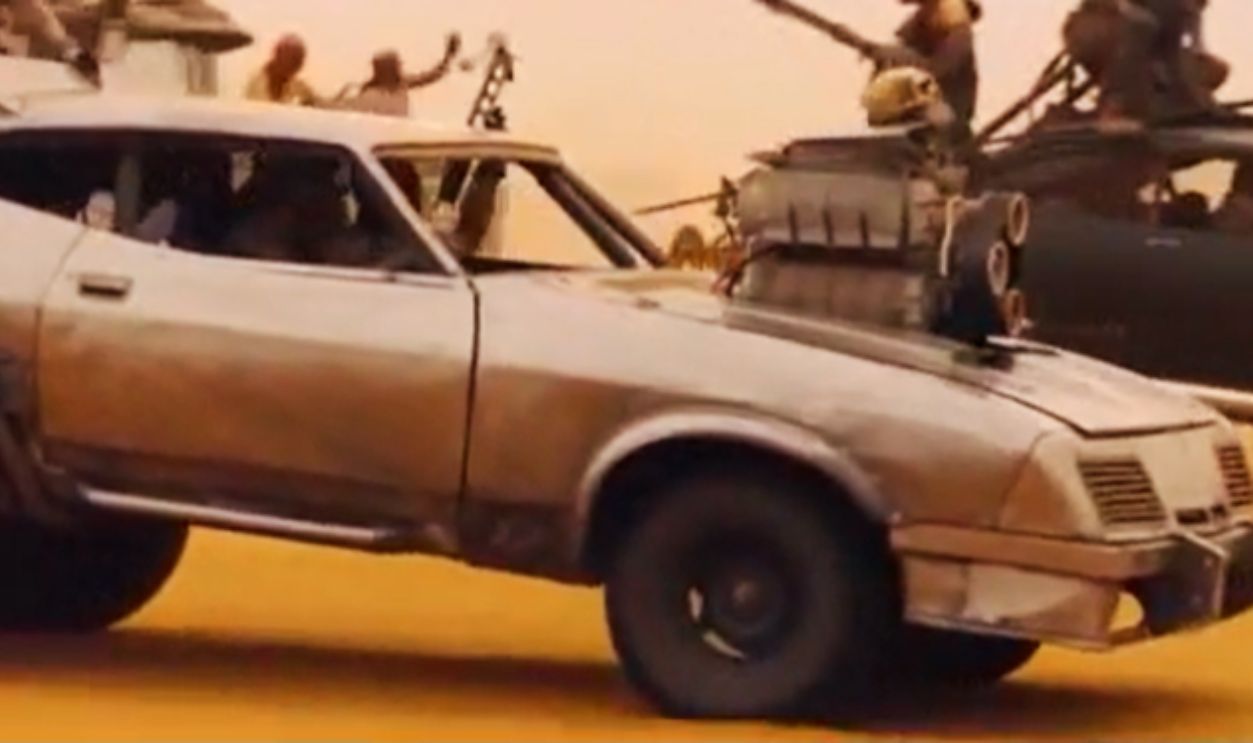 Screenshot from Mad Max: Fury Road, Warner Bros (2015)
The Tumbler Batpod (The Dark Knight)
Technically a motorcycle, but too wild to ignore. The Batpod was built as a fully functional, rideable machine with hubless wheels and a bespoke chassis. Several were constructed at costs rumored to exceed $250,000 each. It’s a reminder that even Batman’s “side vehicles” come with blockbuster budgets.
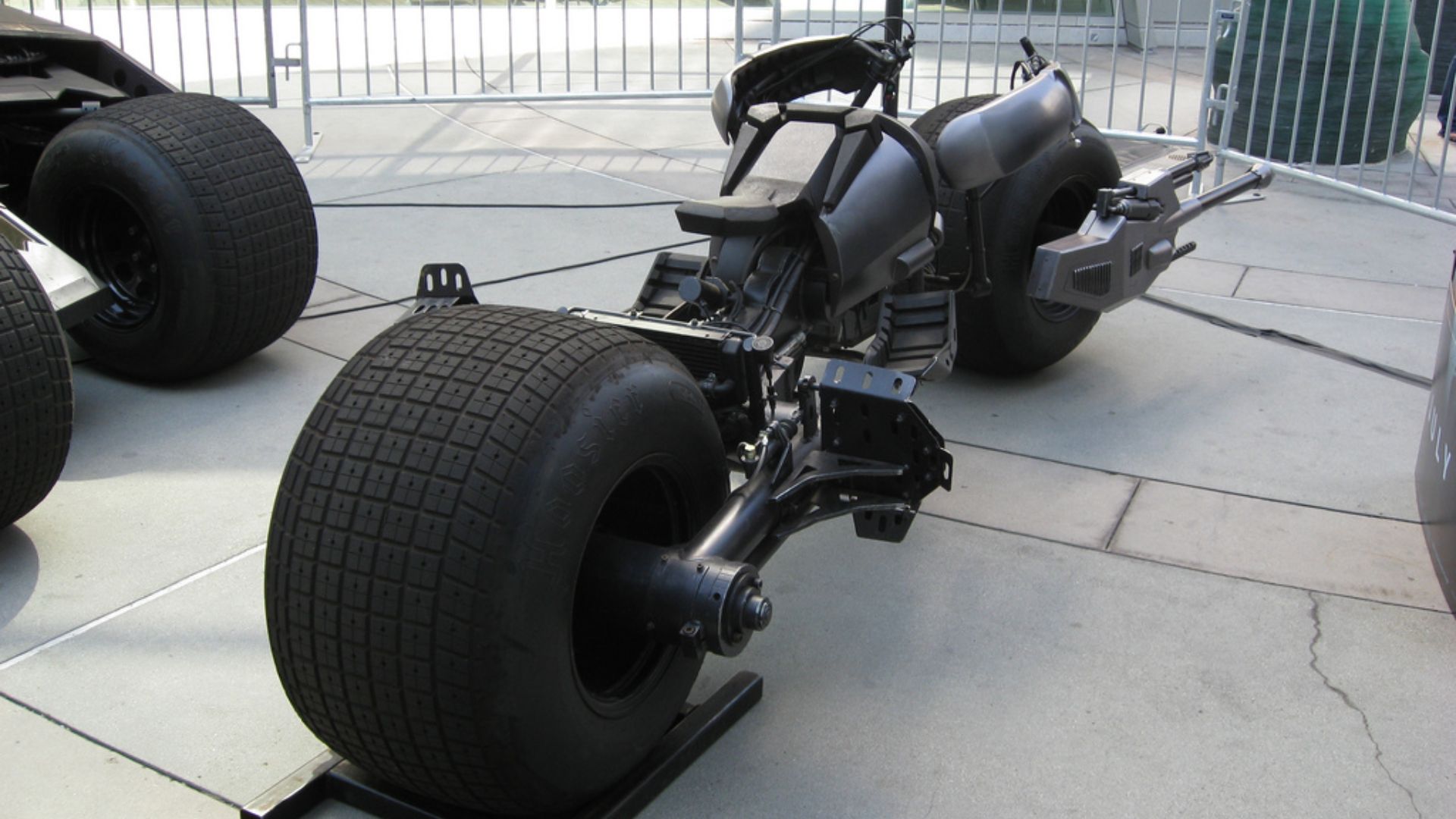 Gavatron (talk), Wikimedia Commons
James Bond’s Lotus Esprit Submarine Car (The Spy Who Loved Me)
Turning a Lotus Esprit into a functioning submarine is not cheap. For The Spy Who Loved Me, multiple cars were built, including a fully operational submersible version. Development and construction costs were enormous, and the surviving example sold for nearly $1 million in 2013. Few movie cars have literally gone deeper for the role.
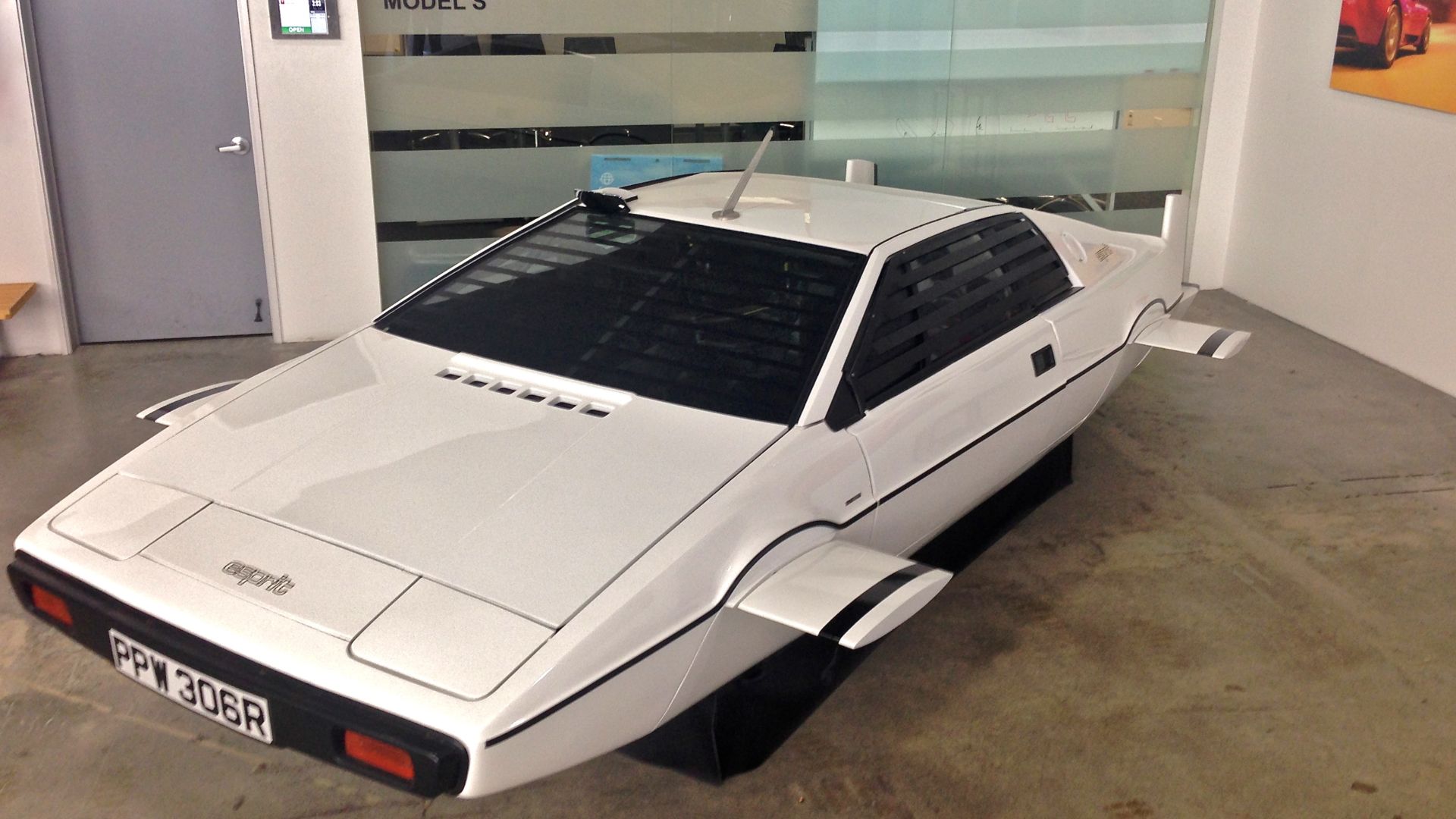 Steve Jurvetson from Menlo Park, USA, Wikimedia Commons
The Ferrari 250 GT California (Ferris Bueller’s Day Off)
The real Ferrari 250 GT California is worth north of $15 million today, which is why the movie used replicas. Even so, building convincing replicas wasn’t cheap, and the destruction of the car became one of cinema’s most painful automotive moments. The irony? Even the replicas used now command huge sums thanks to the film’s legacy.
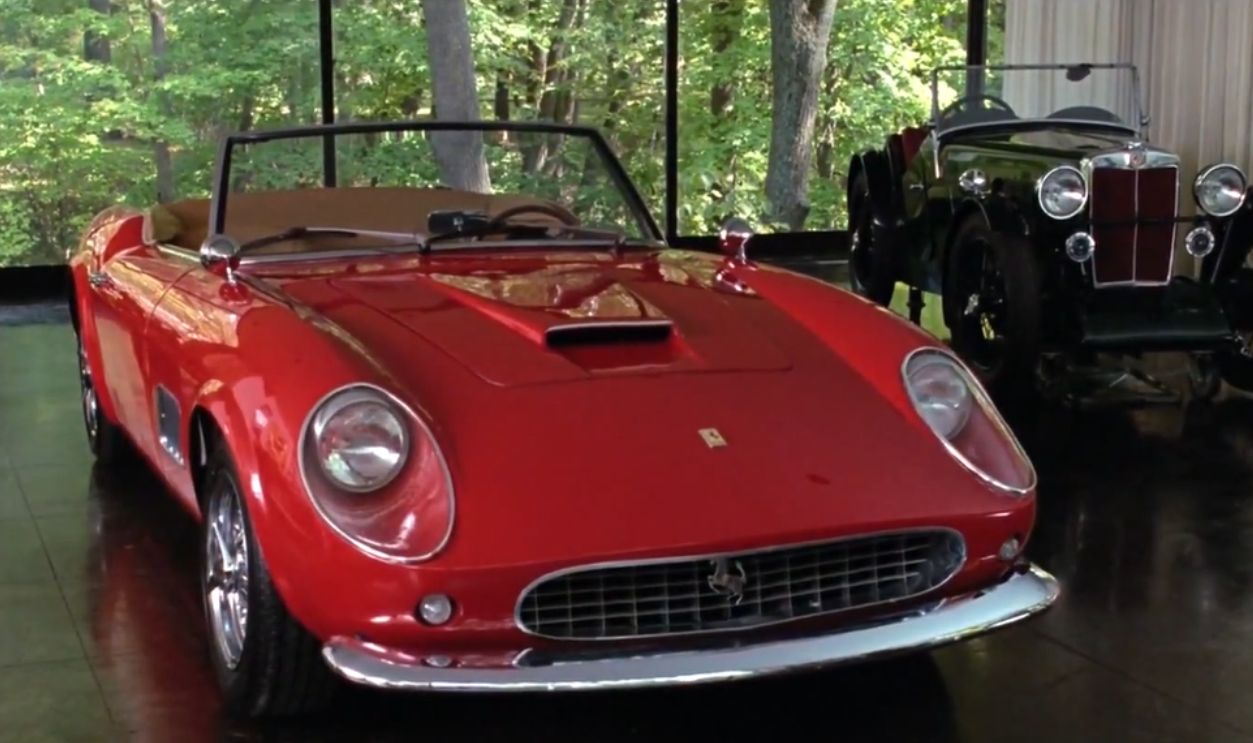 Screenshot from Ferris Bueller’s Day Off, Paramount Pictures (1986)
The Bumblebee Camaro (Transformers)
Bumblebee’s various Camaro incarnations required extensive GM collaboration, custom fabrication, and multiple hero and stunt cars. Across several films, dozens of Camaros were built or modified, with individual hero cars estimated to cost hundreds of thousands each. When your car also has to transform into a robot, budgets escalate quickly.
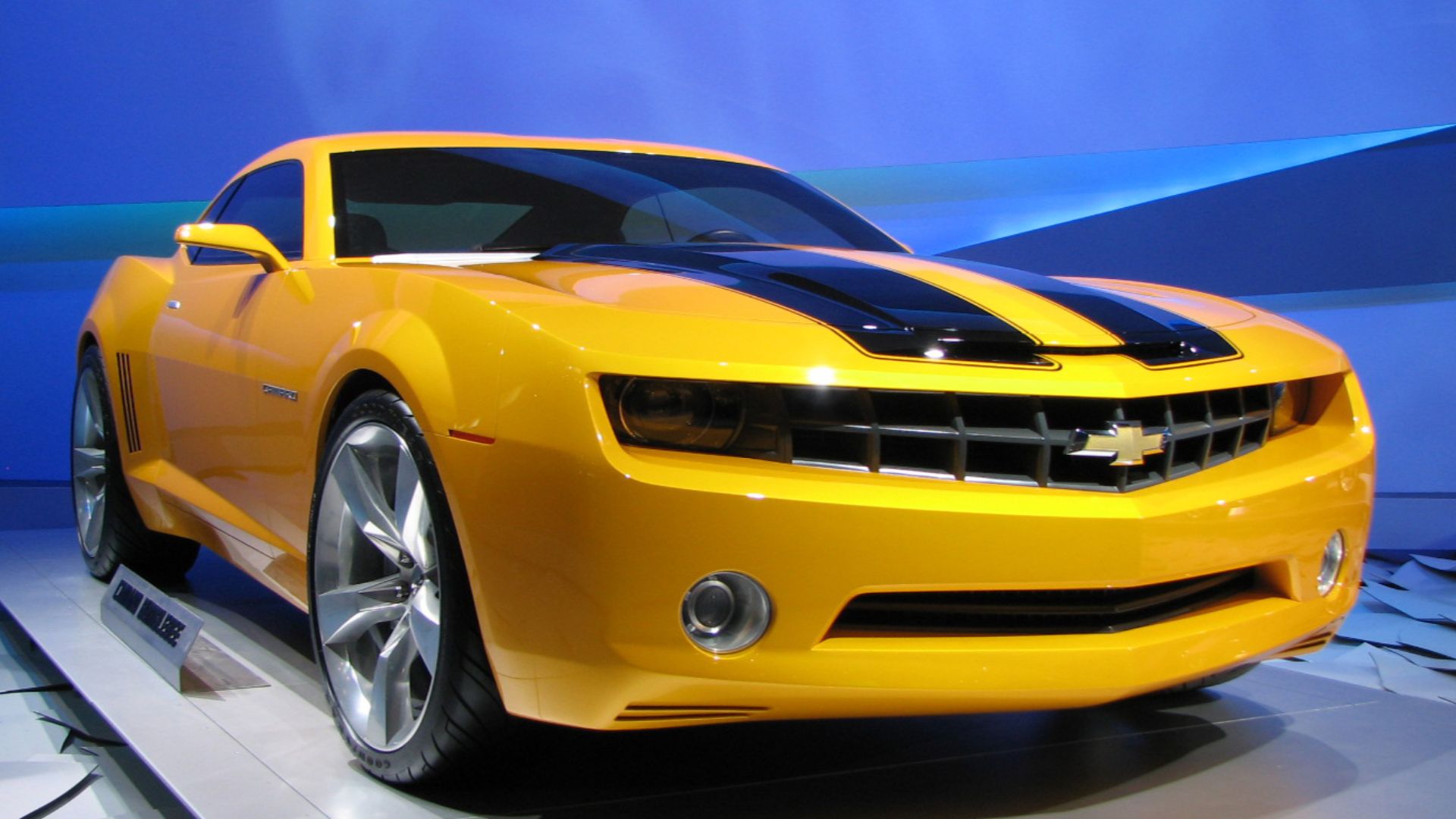 Kevin Ward from Eastpointe, USA, Wikimedia Commons
The 1969 Dodge Charger (The Fast and the Furious)
Dominic Toretto’s Charger is pure muscle-movie iconography. Multiple Chargers were built for stunts, wheelies, and close-ups, many heavily reinforced and customized. Across the franchise, Chargers have been destroyed in spectacular fashion, with total build costs easily reaching into the millions. Family, apparently, is expensive.
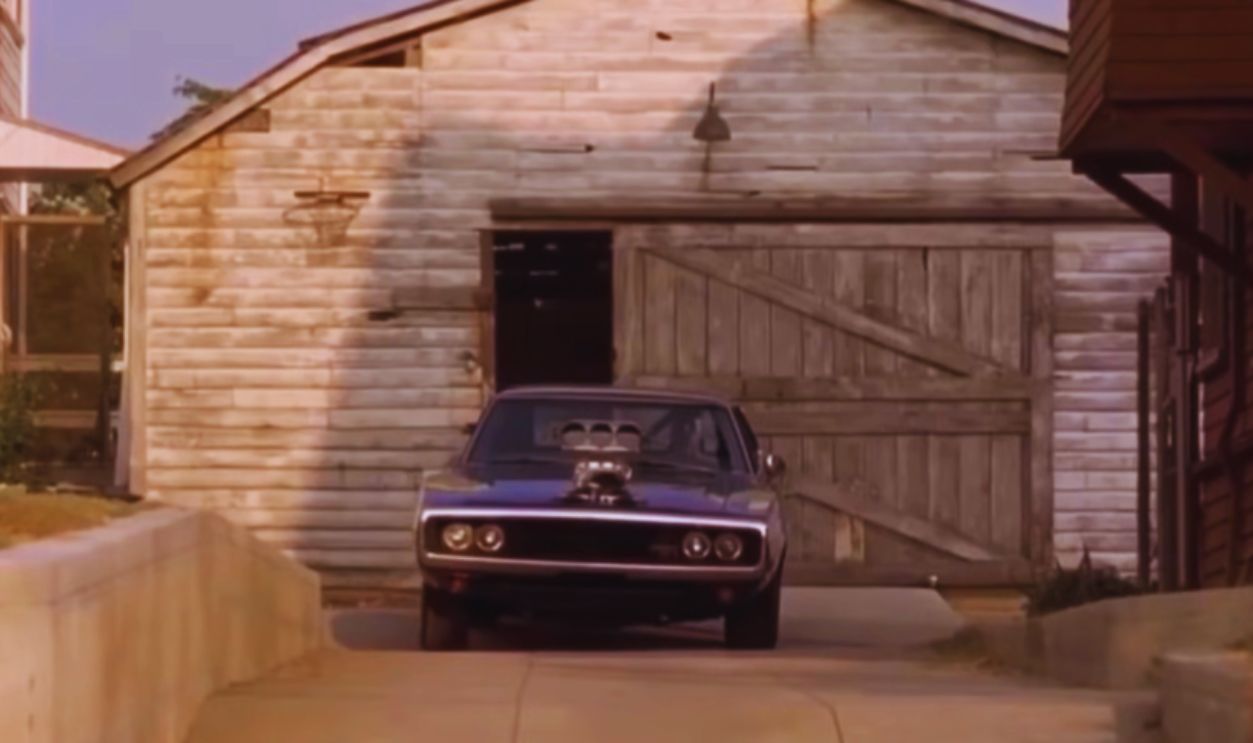 Screenshot from The Fast & The Furious, Universal Pictures (2001)
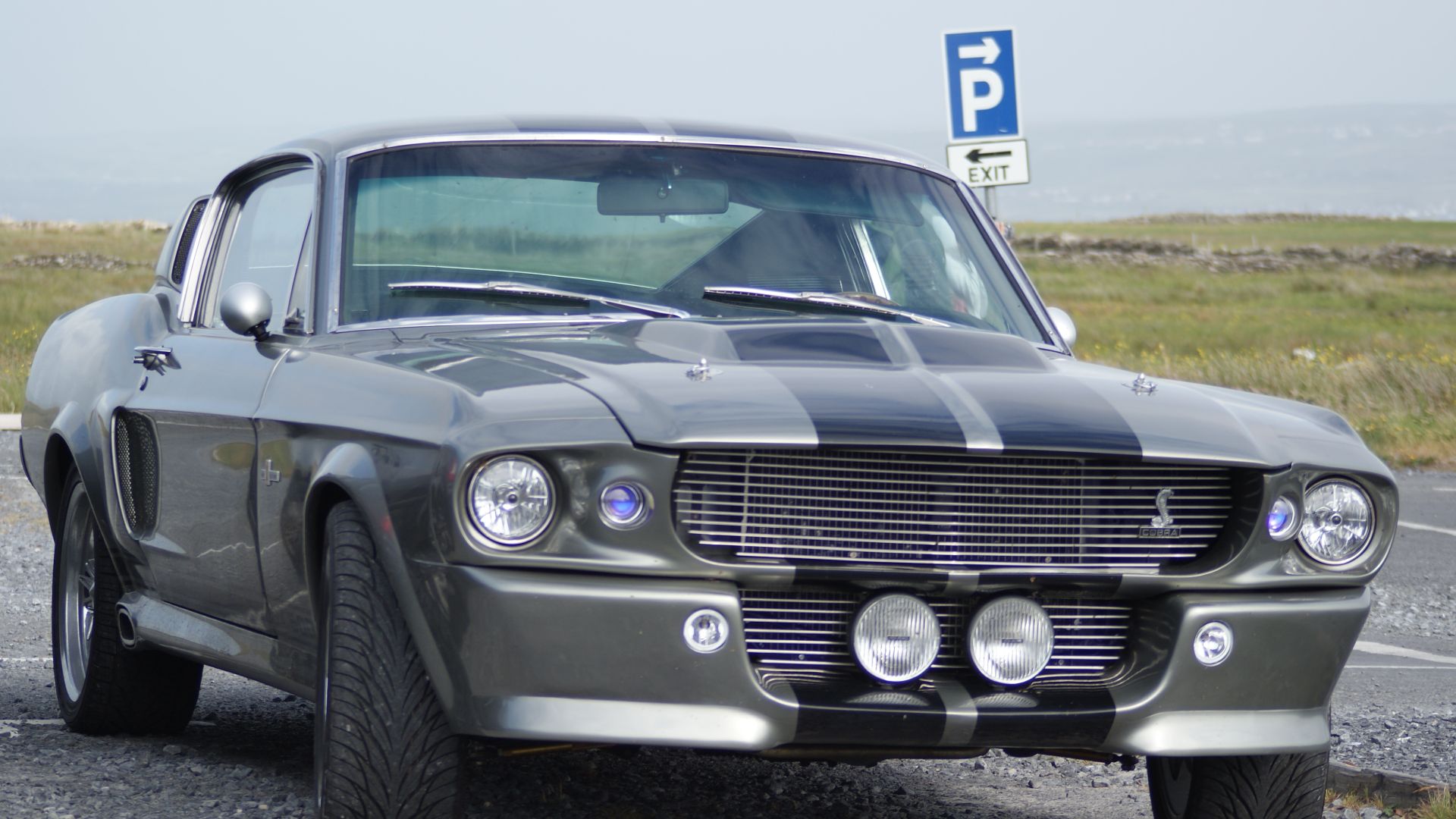
The Eleanor Mustang (Gone in 60 Seconds)
Eleanor may be a Shelby GT500 in name, but the movie cars were bespoke creations. Eleven Eleanors were built, each costing upwards of $200,000 to construct. Today, original movie cars are worth far more, cementing Eleanor’s place as one of the most valuable movie Mustangs ever.
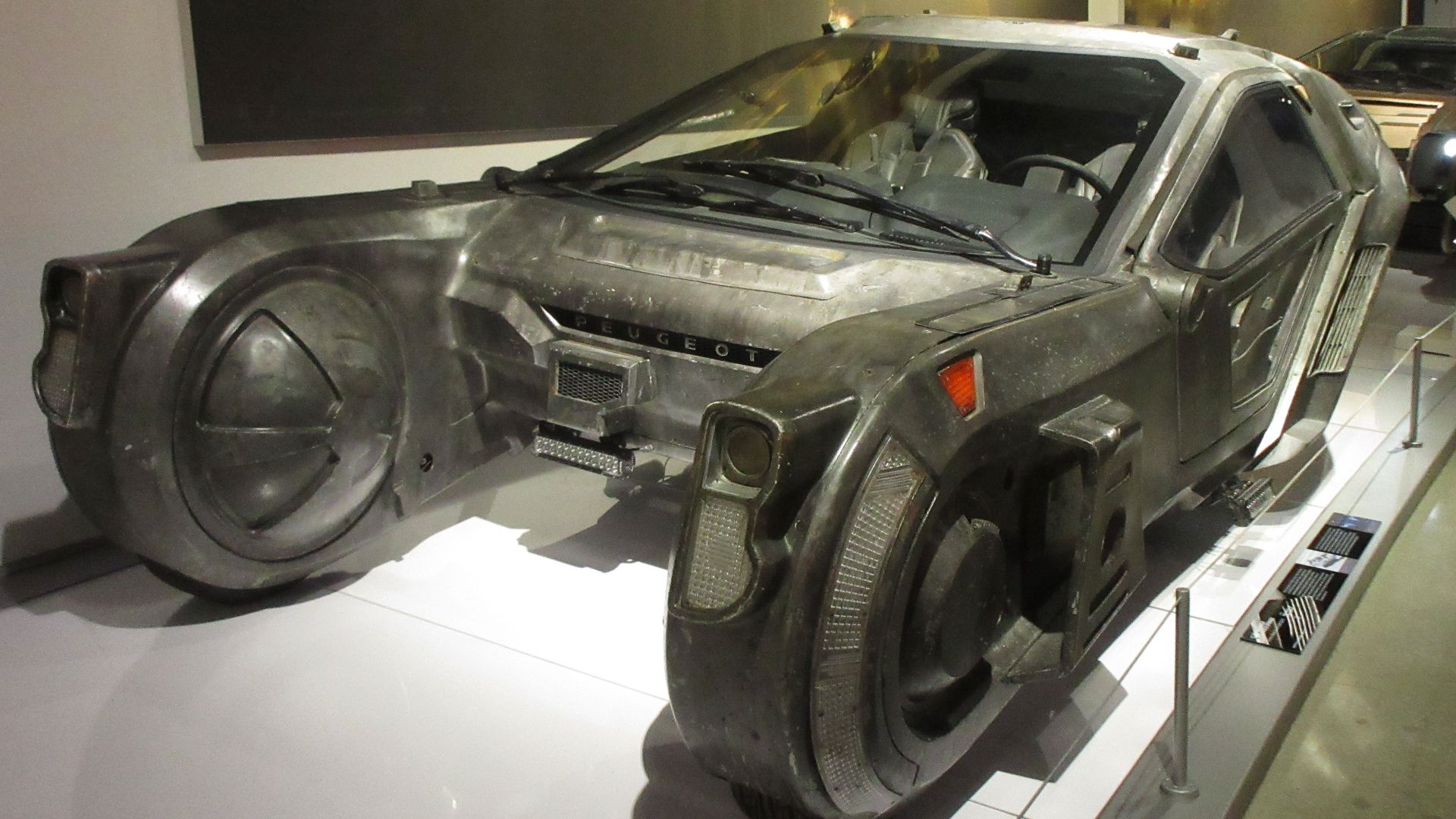
The Spinner (Blade Runner)
Blade Runner’s Spinner flying cars were groundbreaking for their time. Built as full-scale practical effects with extensive detailing, lighting, and motion rigs, each Spinner reportedly cost hundreds of thousands of dollars in 1980s money. Adjusted for inflation, that’s well over a million per vehicle—fitting for a dystopian future that still looks expensive decades later.
The Toyota Supra (2 Fast 2 Furious)
Brian O’Conner’s orange Supra was built from a left-hand-drive Japanese-market shell, extensively modified to match the film’s wild aesthetic. Several cars were built, each costing well into six figures. Today, surviving screen-used Supras are million-dollar collectibles, thanks to nostalgia and turbocharged legend status.
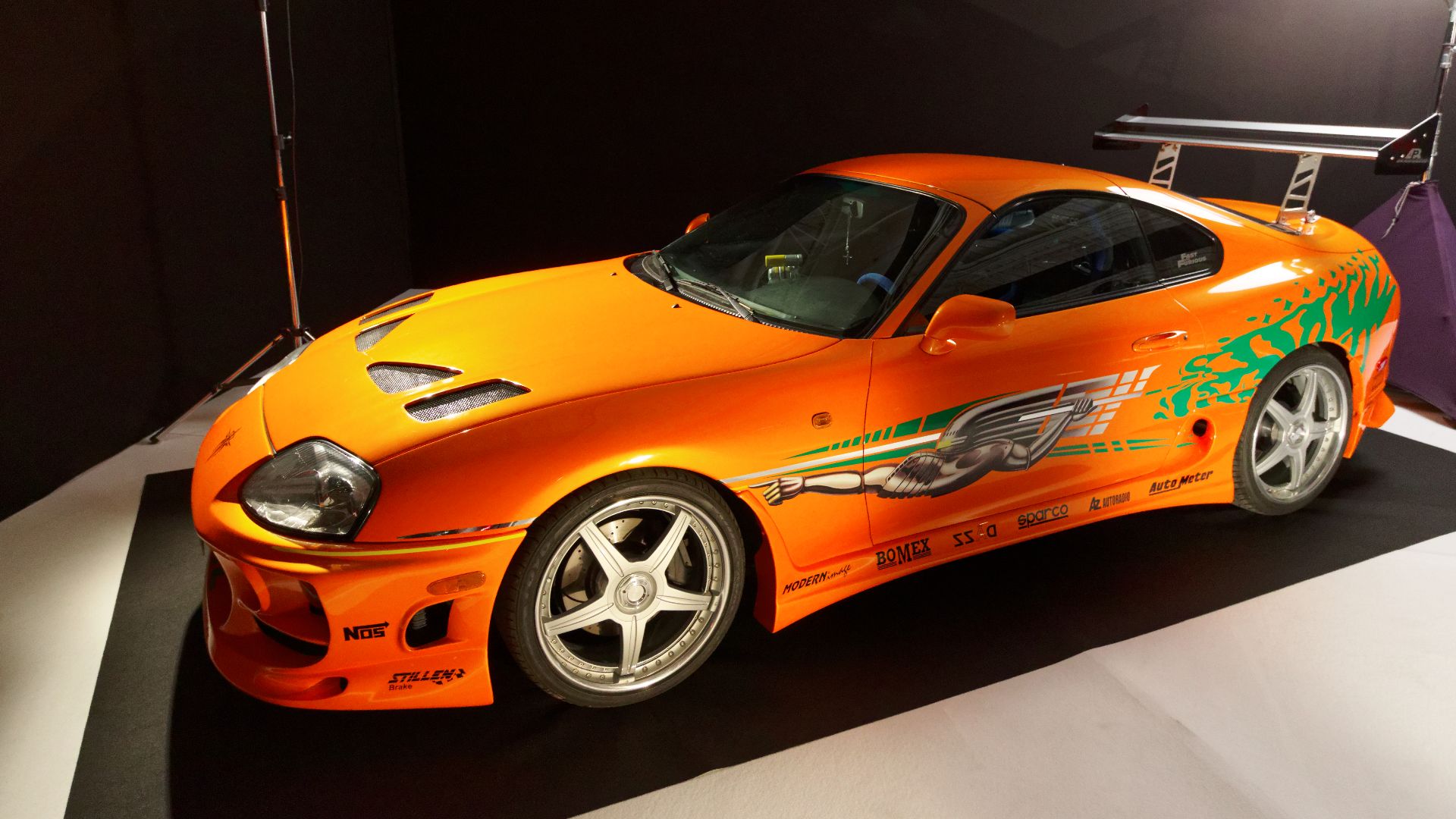 Thesupermat, Wikimedia Commons
The Aston Martin DBS (Casino Royale)
Casino Royale’s DBS was involved in one of the most violent car crashes ever filmed—performed for real. Aston Martin reportedly supplied multiple cars, each worth hundreds of thousands of dollars, and worked closely with the production to make the stunt possible. It’s not easy watching a beautiful DBS cartwheel seven times, but cinema demanded sacrifice.
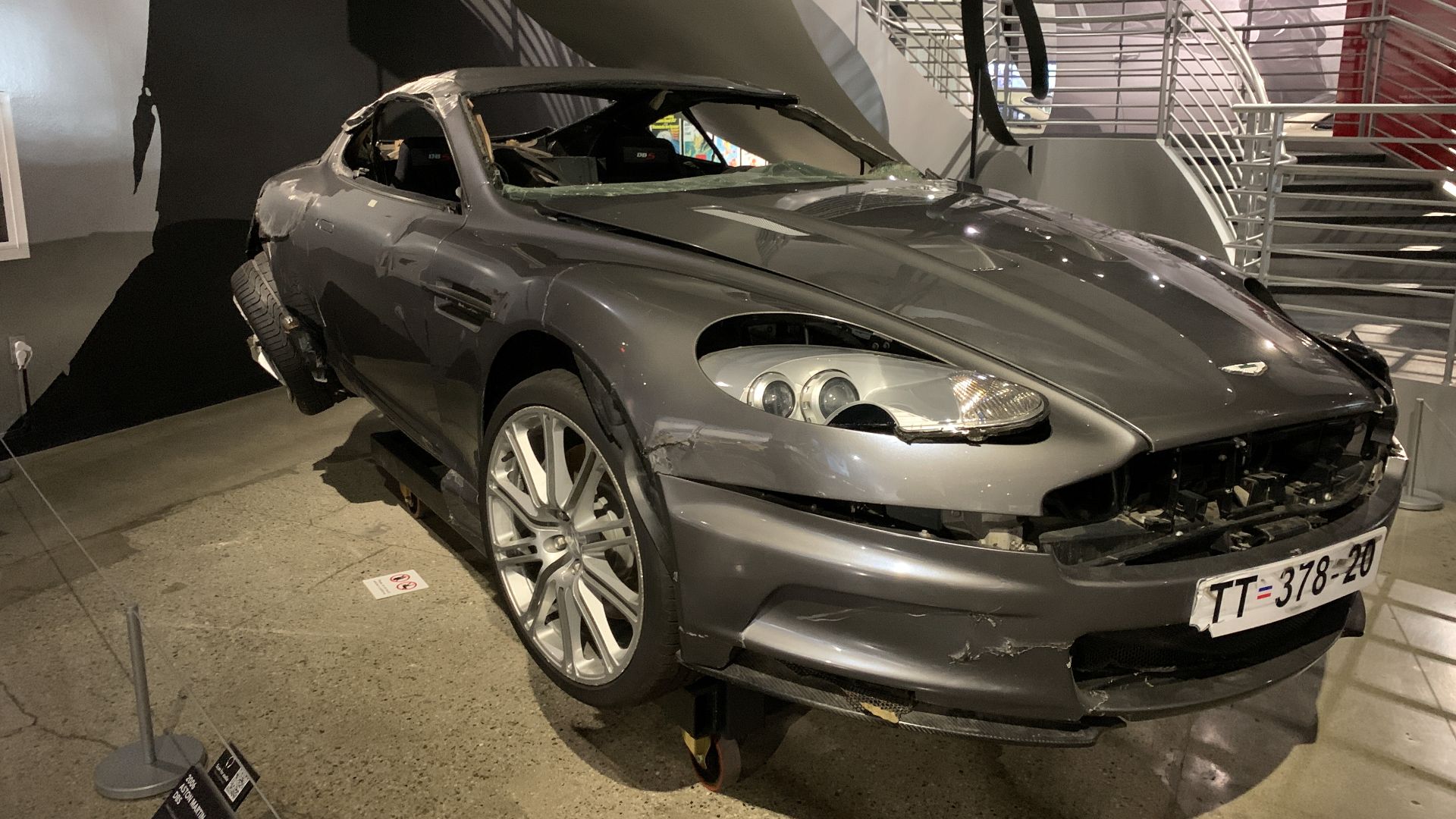 Daniel Ramirez from Honolulu, USA, Wikimedia Commons
The General Lee (The Dukes of Hazzard)
The 2005 Dukes of Hazzard movie followed tradition by destroying Chargers en masse. Over 300 cars were reportedly used, heavily modified and reinforced. While individual cars weren’t priceless, the sheer volume pushed total vehicle costs into staggering territory—millions of dollars spent purely on airborne muscle cars.
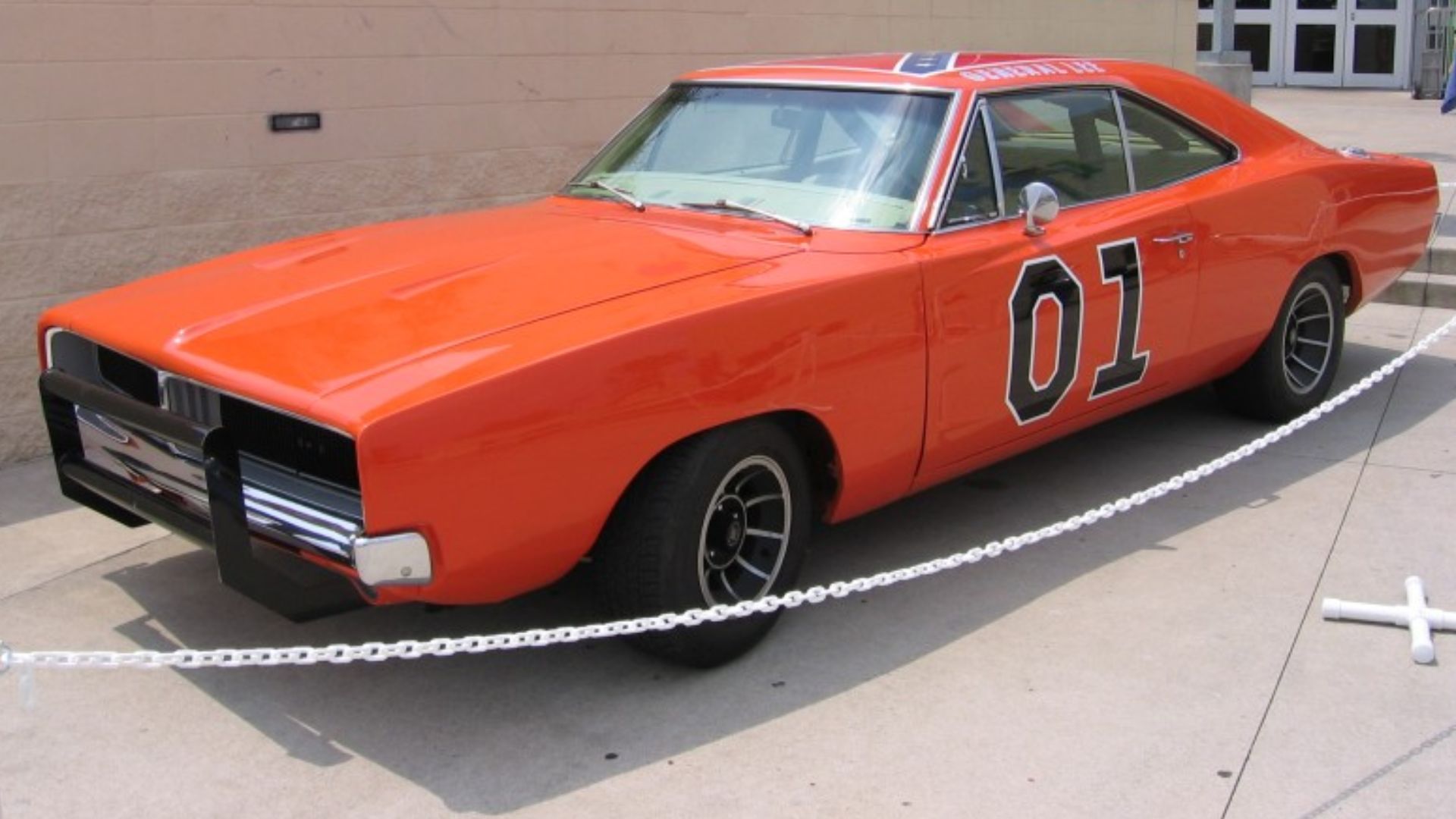 The original uploader was Schmendrick at English Wikipedia., Wikimedia Commons
The Jaguar C-X75 (Spectre)
Originally a canceled hybrid hypercar, the Jaguar C-X75 was resurrected for Spectre. Jaguar built several bespoke stunt cars with V8 engines purely for the film. Development and construction costs were massive, and the result was one of the most exotic—and expensive—villain cars ever filmed.
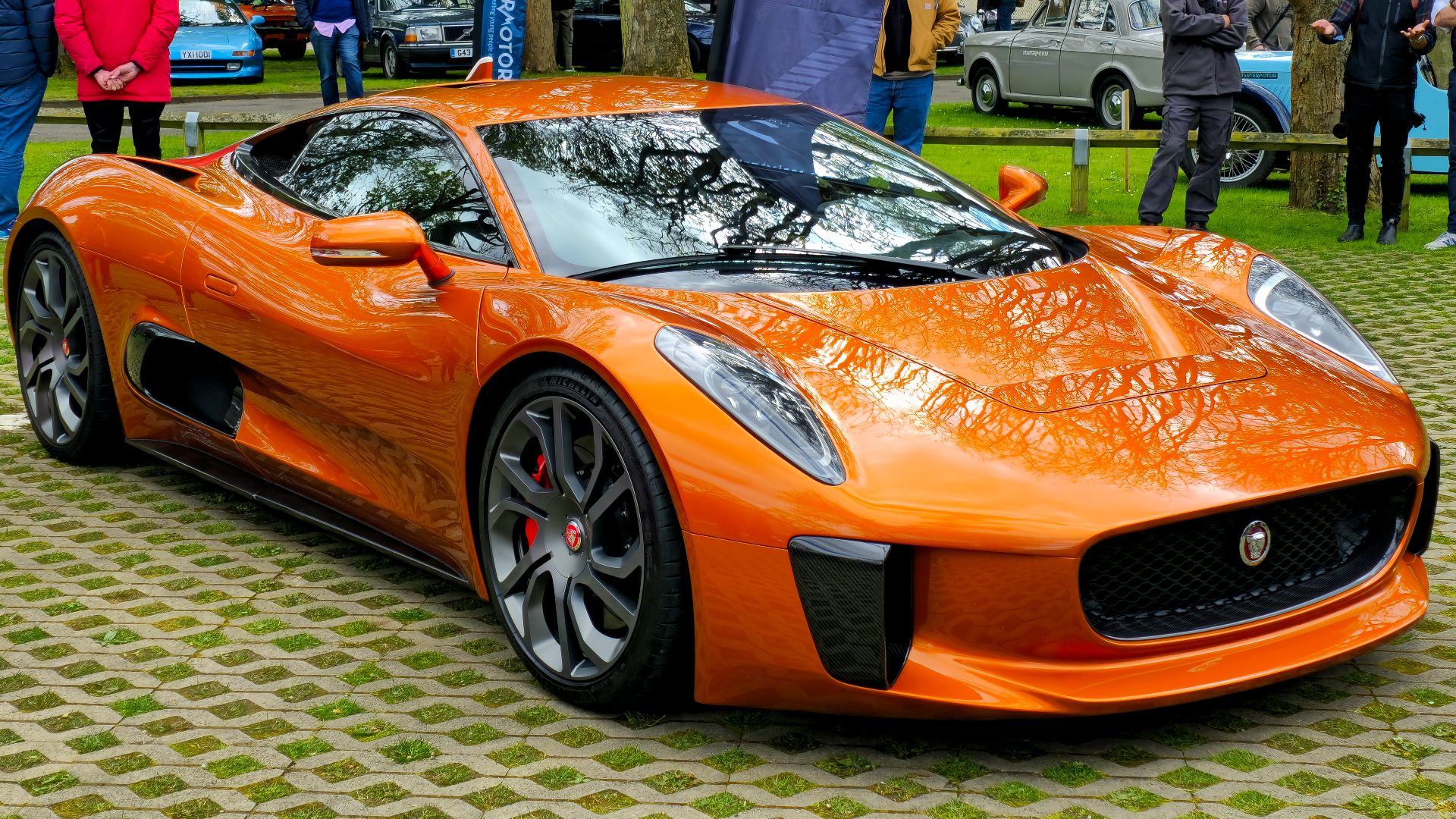
The Ford GT40 (Ford v Ferrari)
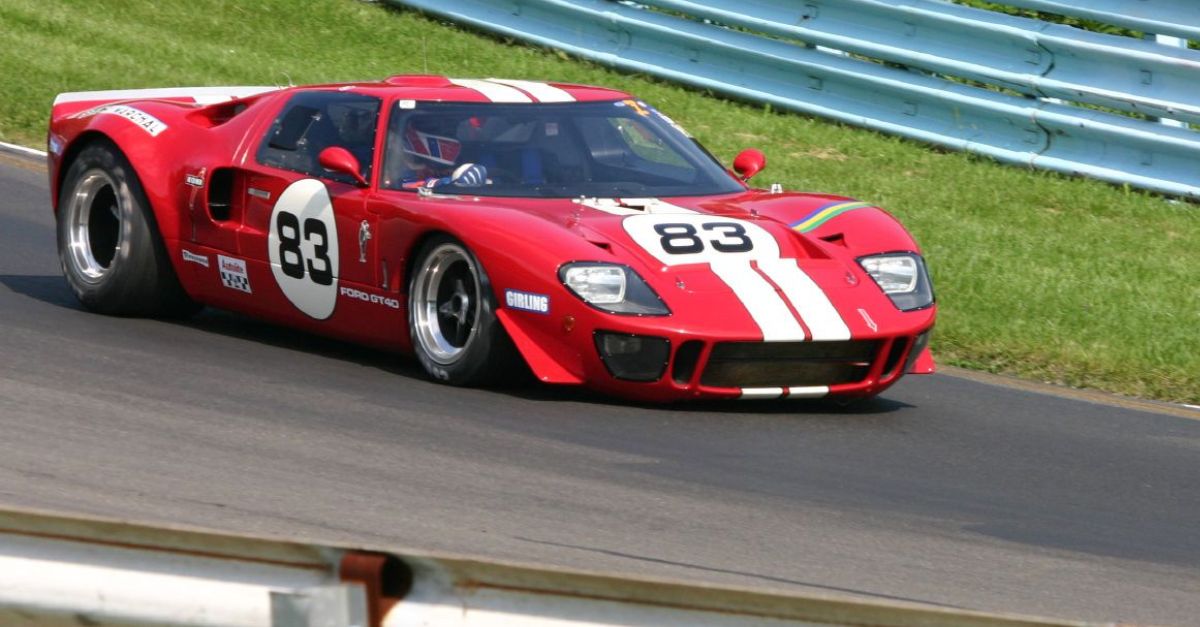
To recreate Le Mans in the 1960s, Ford v Ferrari required a fleet of GT40 replicas built to exacting standards. While real GT40s are worth tens of millions, the replicas still cost a fortune to build. Multiple cars, multiple specs, and period-correct details added up to a seven-figure investment in authenticity.
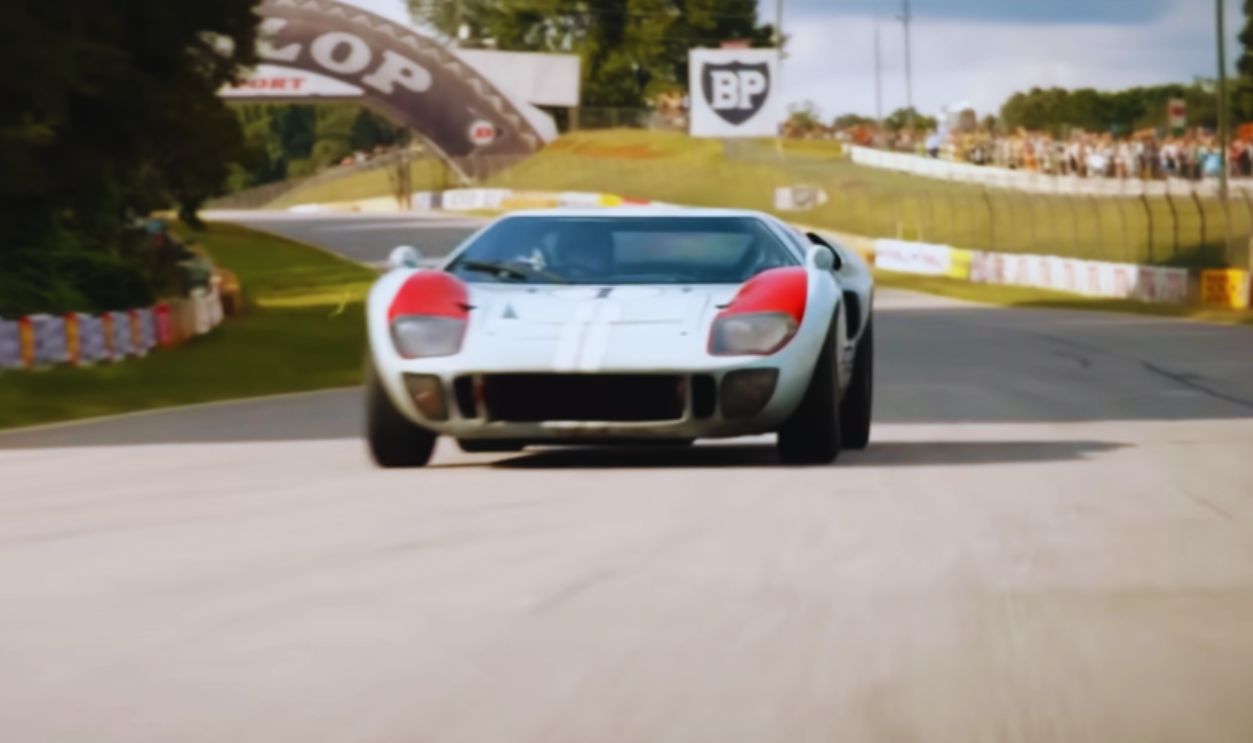 Screenshot from Ford vs Ferrari, 20th Century Studios (2019)
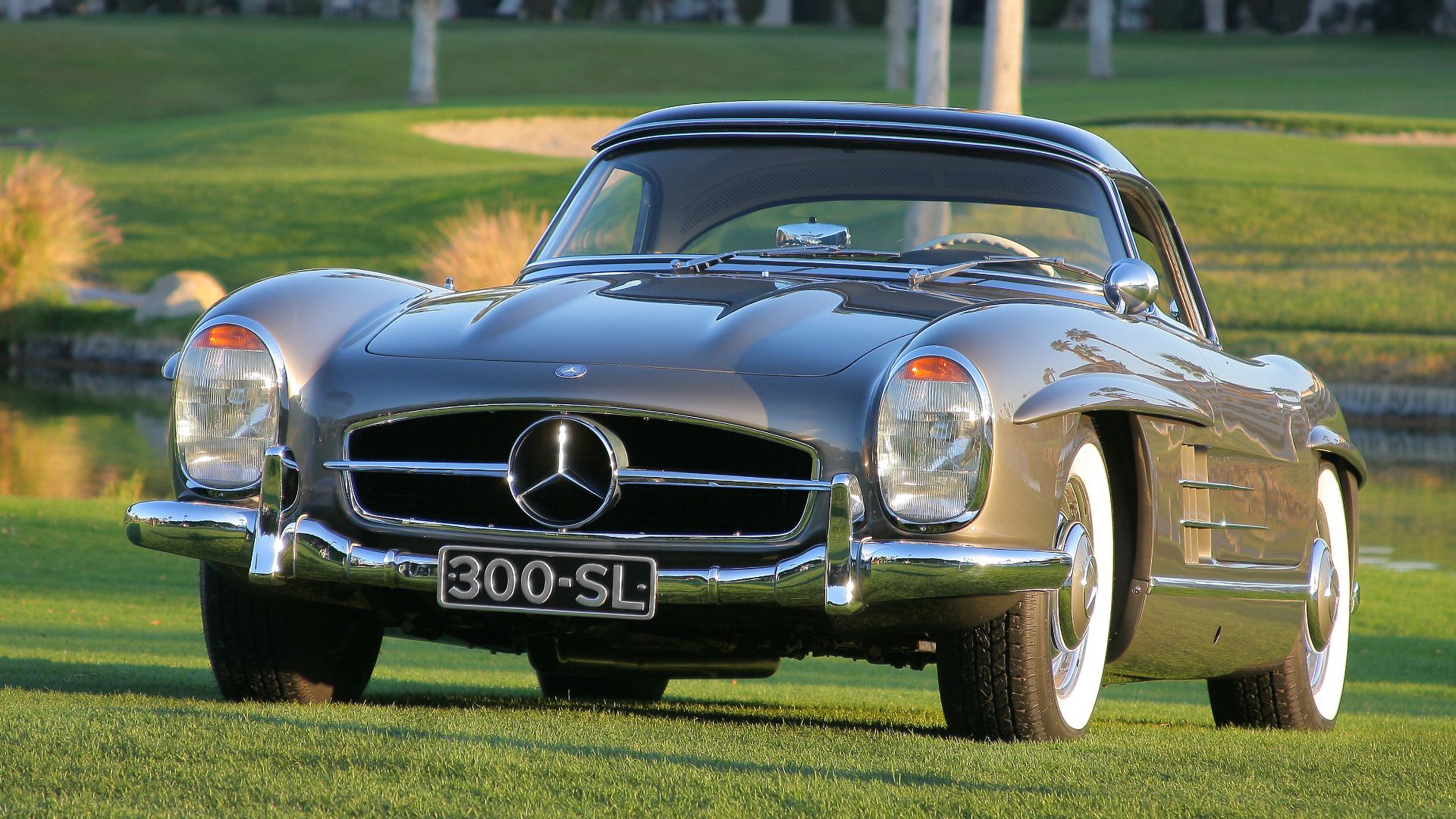
The Mercedes-Benz 300SL (Indiana Jones and the Last Crusade)
The 300SL Gullwing is already an automotive jewel. Using one on film—especially in action scenes—is a risky and expensive proposition. Whether real or carefully replicated, the cars used represented enormous value, and surviving examples tied to the film are now highly prized.
The Audi RSQ (I, Robot)
Audi’s RSQ was a pure concept car built specifically for I, Robot. Designed from the ground up, it featured a bespoke chassis, futuristic interior, and dramatic bodywork. Development costs were massive, reportedly exceeding $2 million. It’s one of the clearest examples of a movie car existing purely because Hollywood wrote a very big check.
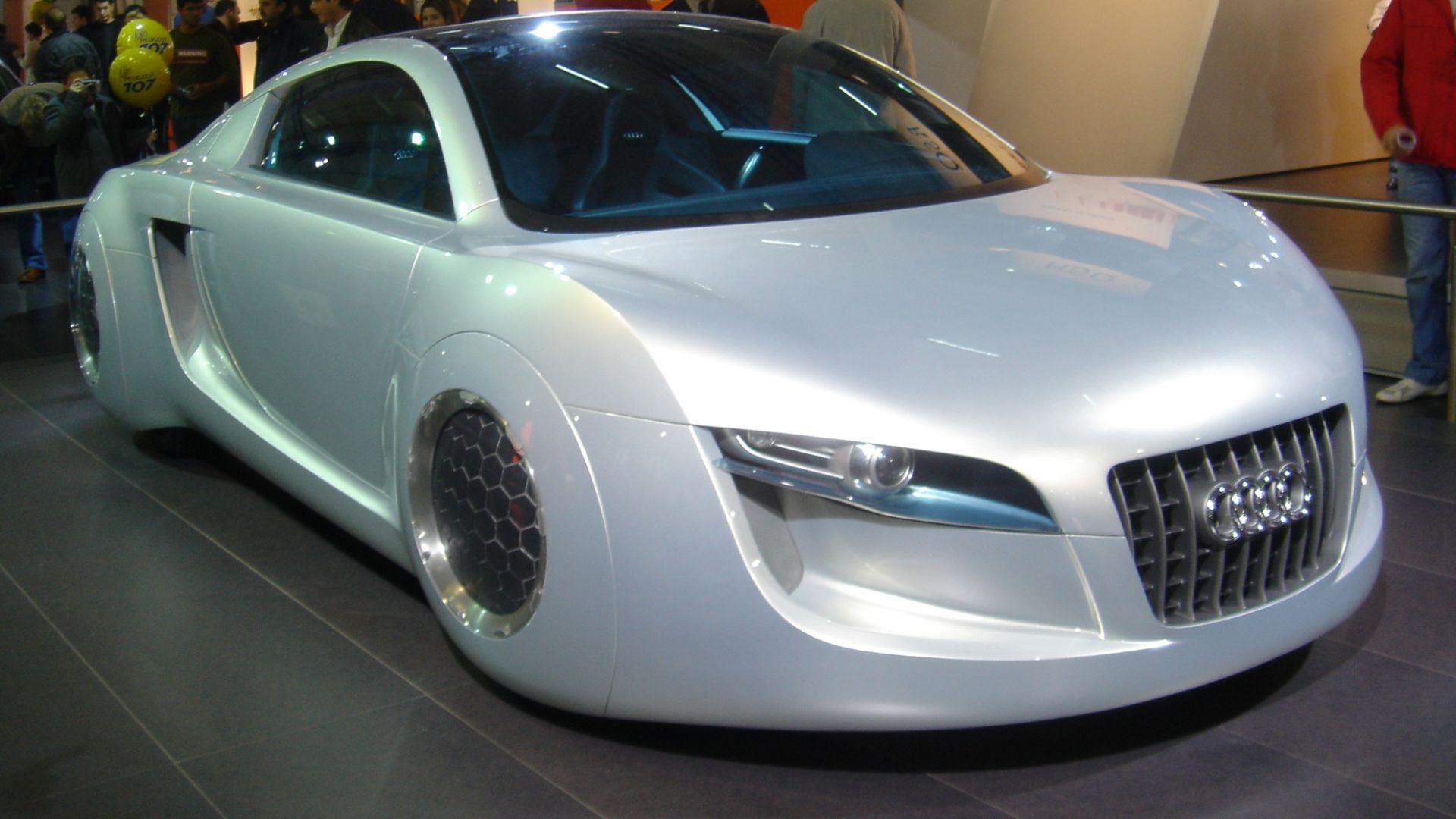 Georgios Pazios (Alaniaris), Wikimedia Commons
The Porsche 917K (Le Mans)
Steve McQueen’s Le Mans didn’t just feature race cars—it used real ones. The Porsche 917K is among the most valuable race cars in history, and putting them on track for filming was enormously expensive. Today, a real 917K is worth well into eight figures, making this one of the most valuable automotive appearances ever captured on film.
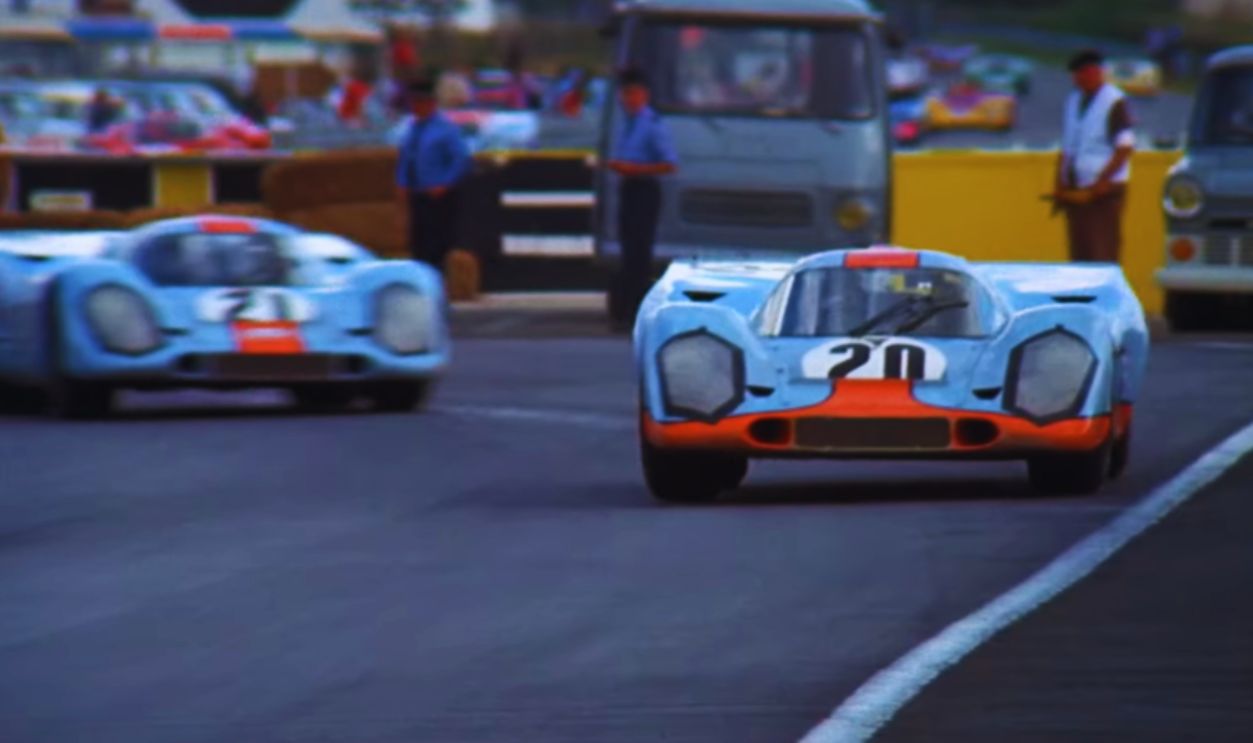 Screenshot from Le Mans, Warner Bros (1971)
The Chitty Chitty Bang Bang Car
Whimsical doesn’t mean cheap. The Chitty Chitty Bang Bang car was a custom-built fantasy machine with retractable wings and amphibious capability. Multiple versions were built, each at significant cost. Decades later, the surviving cars are museum-worthy treasures with price tags to match.
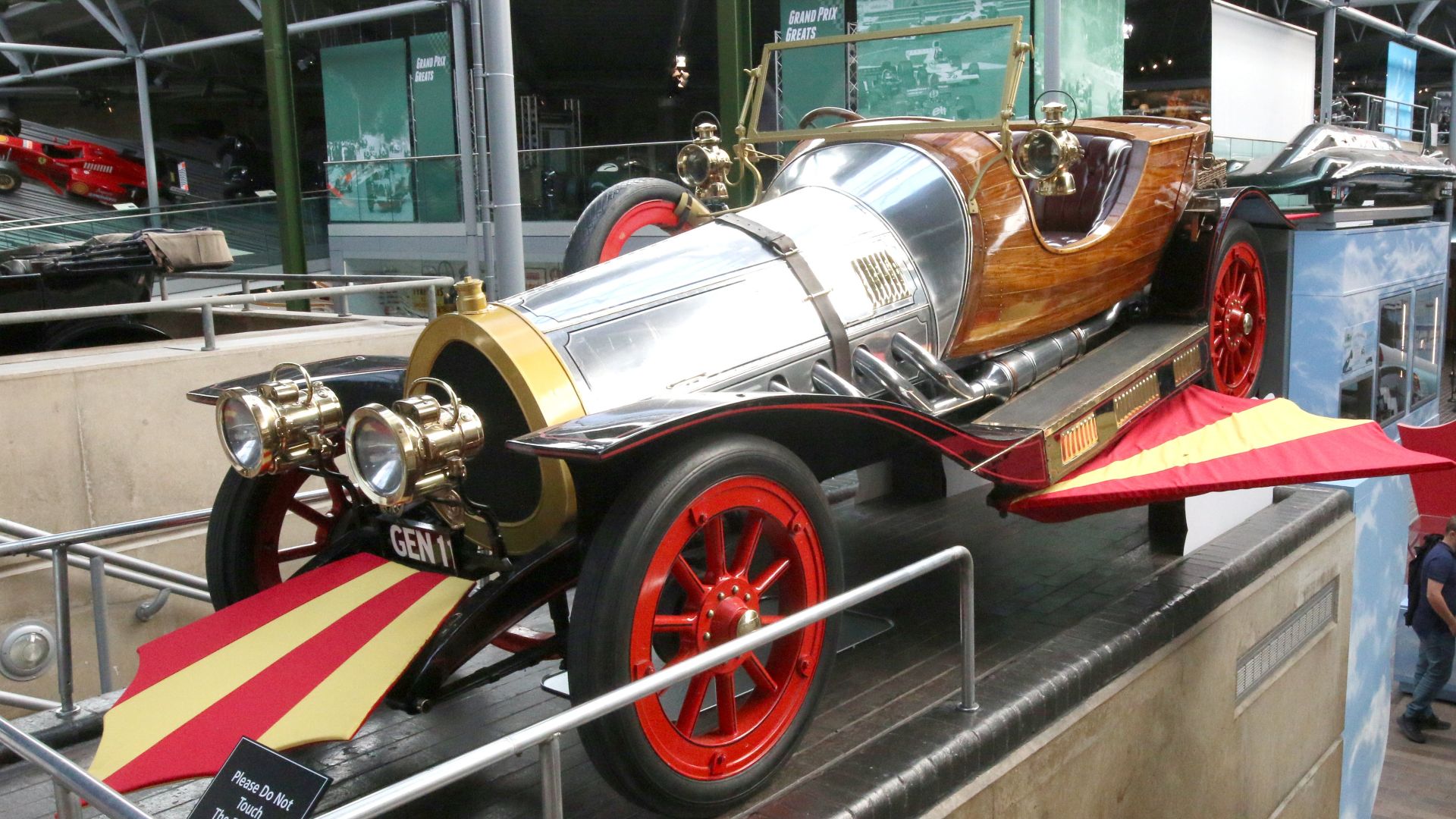 kitmasterbloke, Wikimedia Commons
When Cars Become Movie Stars
What makes these cars truly expensive isn’t just their materials or performance—it’s their legacy. These machines were built to capture imaginations, push technical boundaries, and sometimes get spectacularly destroyed for our entertainment. Long after the credits roll, they live on as icons, collectibles, and rolling proof that in Hollywood, if a car is worth doing, it’s worth overdoing. And honestly? We wouldn’t have it any other way.
You May Also Like:
Driving These Vehicles Every Day Is Actually Harmful To Them
How To Get The Best Gas Mileage In 2026, According To Experts