Why You Thought A Dash-Cam Would Save You Money
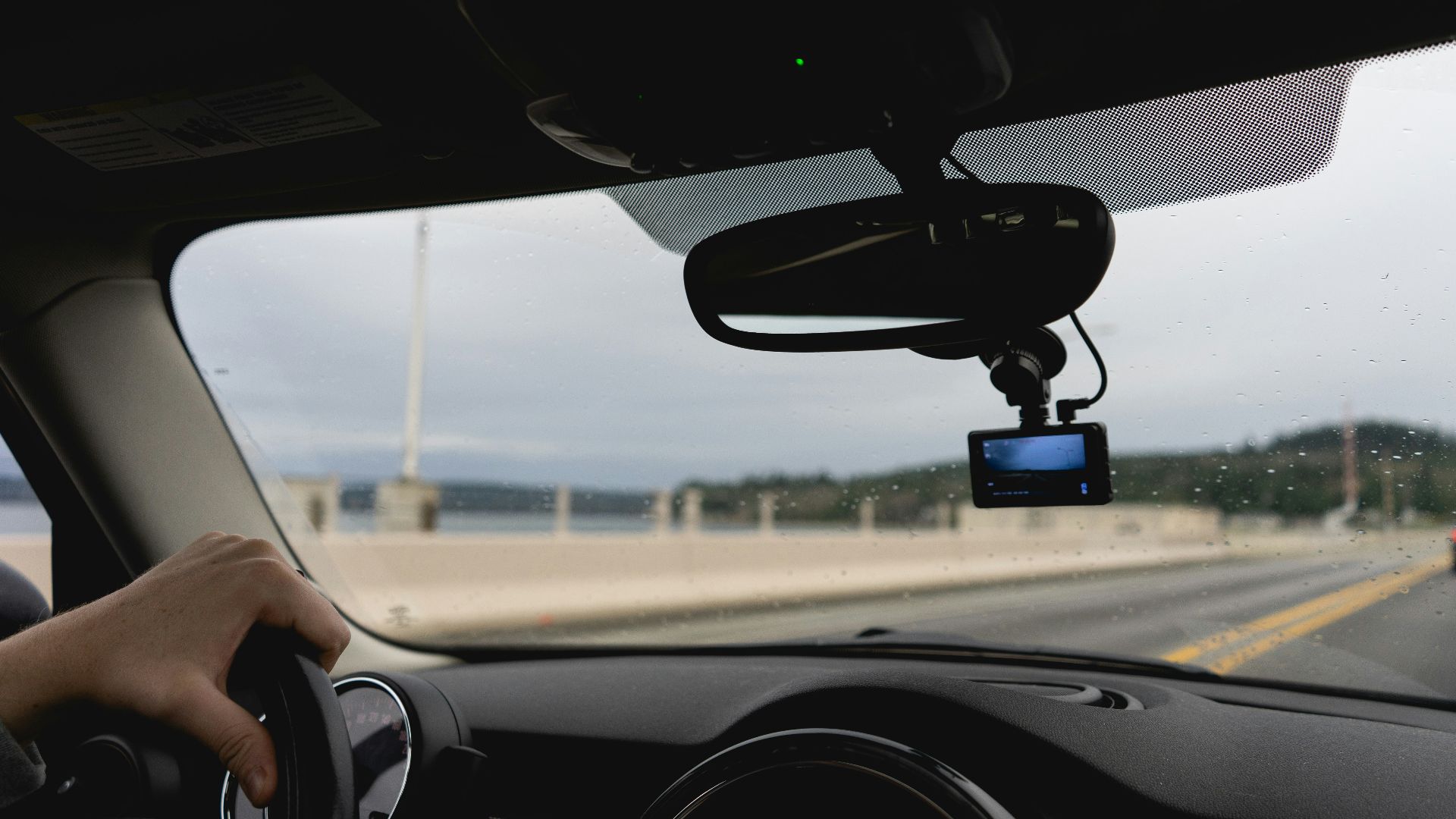
You put in a dash-cam to protect yourself from false claims, staged accidents, and he-said-she-said disputes. Logically, that feels like lower risk. If you can give video proof of what happened in a crash, your insurer should love that. So when you asked about a discount and saw your premium increase instead, it felt like a complete reversal of logic.

How Insurers Actually Calculate Risk
Insurance companies price policies based on actuarial data, not what policyholders think is logical. They look at your driving history, vehicle type, location, claims patterns in your postal code, and broader trends. A dash-cam might protect you legally, but if their own numerical data doesn’t show that it consistently reduces payouts, they may not price it favorably.

A Dash-Cam Isn’t The Same As Telematics
Some drivers confuse dash-cams with usage-based insurance programs. Telematics devices or smartphone apps monitor braking, acceleration, mileage, and time of day. Those programs can trigger discounts for safe driving. A dash-cam, on the other hand, typically only records video without providing driving behavior data that insurers systematically rate.
Why A Premium Could Increase Instead
If you contacted your insurer to discuss discounts, they may have reviewed your file. During that review, they might have rerated your policy under updated underwriting rules. If rates changed statewide, or if your vehicle class was reclassified, your premium could increase independently of the presence of a dash-cam.

Mid-Term Adjustments And Re-Rating
Some insurers periodically update their rating algorithms. If your request triggered a mid-term endorsement or policy change, it may have caused the system to pull current rate tables instead of older ones. Even small recalculations involving territory, repair costs, or inflation trends can raise your premiums without warning.

Rising Repair Costs Affect Everyone
Modern vehicles are packed with all kinds of electronics, sensors, cameras, and advanced driver assistance systems. When insurers look at their loss trends and crunch the numbers, repair severity keeps climbing. Even minor accidents now involve recalibrating cameras and radar. If overall industry losses increase, premiums follow. Your dash-cam doesn’t do anything to offset those broader cost pressures.

Your Vehicle Type
If you’re driving a vehicle with high theft rates, expensive parts, or strong acceleration statistics, insurers price that risk accordingly. Installing a dash-cam doesn’t change the vehicle’s theft risk, repair cost, or performance classification. From the insurer’s perspective, the core exposure remains the same.
Location Can Trump Everything
Your postal code is a major rating factor. If collision frequency, fraud, or vandalism claims go way up in your area, the rates climb too. Even if you personally are cautious and installed protective gear, you still get grouped with broader statistical risk pools. That collective model often negates any individual steps like adding a camera.

Claims History Is Heavily Weighted
If you’ve made recent claims, even not-at-fault ones, these can also influence your premiums. Some jurisdictions restrict how insurers use fault status, but claim frequency still affects models. Installing a dash-cam after prior claims will not erase the historical risk signals already associated with your policy.

When A Dash-Cam Could Backfire
Insurers can request dash-cam footage during claims investigations. If video shows partial fault or risky behavior, it could also complicate liability discussions. While cameras often protect drivers, they can also remove any ambiguity about you being at fault. From a risk standpoint, insurers might not assume dash-cams always reduce payouts.

Discounts Must Be Actuarially Justified
Regulated insurers generally can’t offer arbitrary discounts by request. Any reduction has to be backed by data showing a measurable loss reduction. If actuarial studies don’t demonstrate that dash-cam owners generate fewer or smaller claims, regulators might not approve broad discounts tied solely to camera installation.

Some Insurers Simply Don’t Rate For It
Many carriers don’t have any pricing category for dash-cams at all. That means your request may have prompted a review, but there was no mechanism in place to apply a discount even if the representative wanted to help you out. In that case, any premium change has no relation to the device itself.

Market-Wide Rate Increases Are Common
Over the past several years, a lot of insurers have been filing for rate increases due to inflation, supply-chain disruptions, and more costly personal injury settlements. If your renewal coincided with an approved rate hike, it would feel personal even though it reflects nothing more than the broader industry trends.

Policy Changes Can Trigger Premium Shifts
When you call about discounts, representatives sometimes update mileage estimates, verify garaging address details, or adjust coverage tiers. Small coverage changes, even unintentional ones, can alter pricing. It’s worth reviewing your declarations page line by line to make sure nothing else changed.

Ask Them For A Detailed Explanation
You can request a written explanation of the rating factors the insurer used to change the rate. Insurers should be able to explain whether the increase was due to territory, loss costs, state-approved rate filings, or policy adjustments. Clarity helps you determine if the timing was coincidence rather than cause.

Shop Around Before You Assume The Worst
Different insurers weigh their risk factors differently. One company might not recognize dash-cams, while another emphasizes telematics driving scores instead. Comparing quotes should tell you whether your current premium reflects market pricing or a carrier-specific model that’s no longer entirely suitable to your profile.

Consider Usage-Based Programs
If lowering premiums is your goal, enrolling in an approved telematics or usage-based program may have more of an impact than simply installing a camera. Programs that reward consistent safe driving behavior can produce measurable discounts when your braking, speed, and mileage patterns support it.

Review Your Deductibles And Coverage
You may be able to lower premiums by adjusting your deductibles or taking another look at your optional coverages. Increasing collision or comprehensive deductibles, if financially comfortable, can meaningfully reduce premiums. Just make sure you understand the out-of-pocket risk before you make any changes.

Dash-Cams Are Still Valuable
Even with no discount, dash-cams can protect you from fraudulent claims and help establish fault in disputed accidents. That protection alone can prevent future premium spikes caused by incorrect liability findings. The value may not show up right away on your monthly bill, but it gives you a layer of security.
When It Actually Makes Sense
It may feel counterintuitive, but your premium increase probably reflects broader underwriting or market adjustments rather than a punishment for putting in a dash-cam. Insurance pricing is data-driven and collective. The camera might not lower your rate, but it can still safeguard you financially when it’s time to make a claim.

You May Also Like:
My insurance premium doubled after I moved one block away. Is there anything I can do?
My insurance rate went up even though the accident wasn’t my fault. How is that fair?