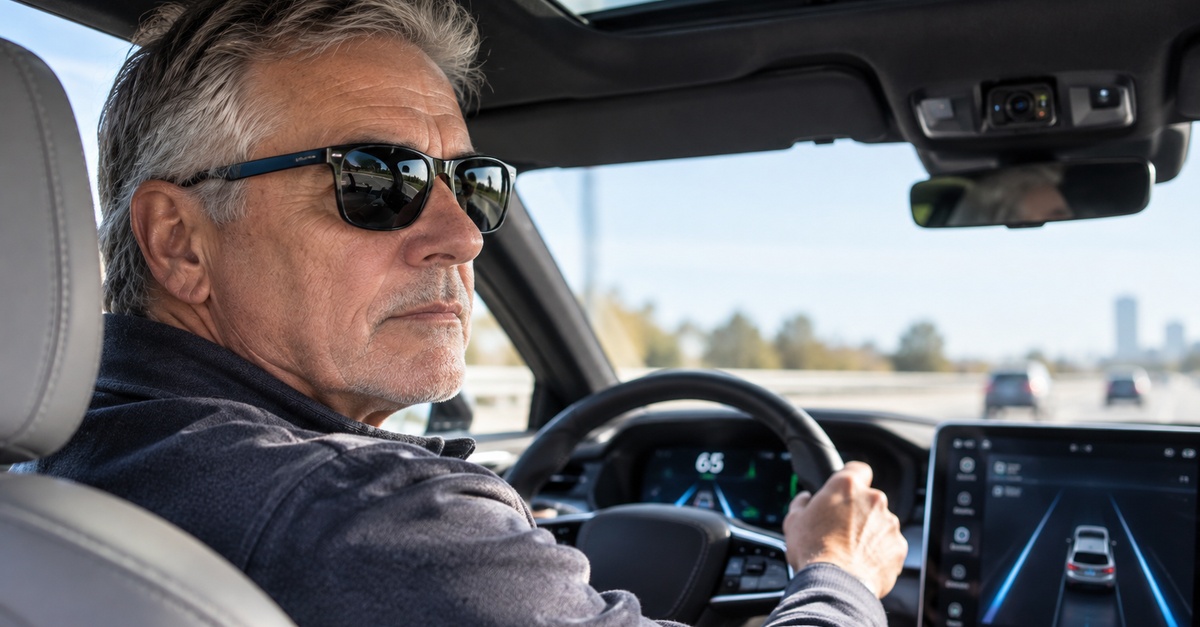
Caught On Dash Cam
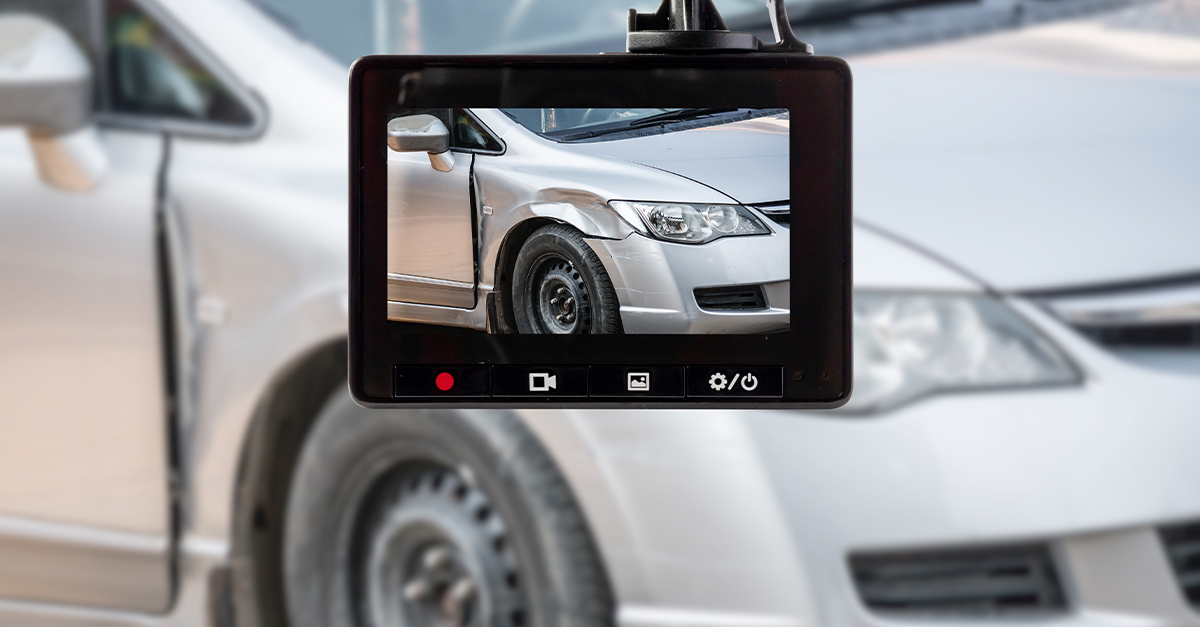
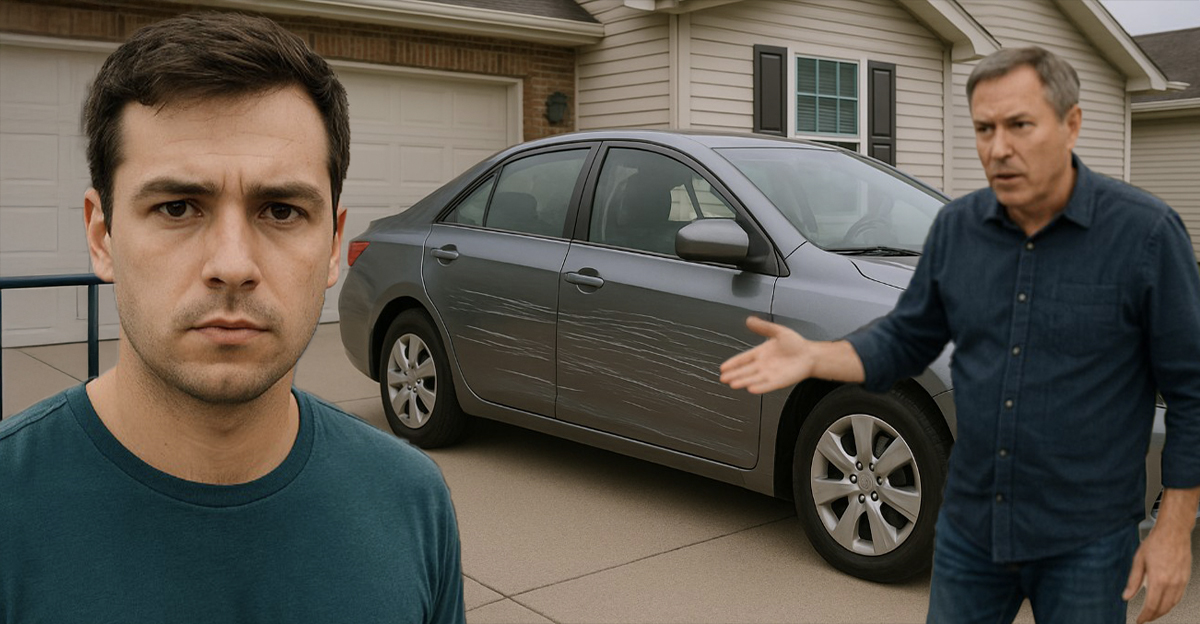
Your dash cam clearly caught your neighbor red-handed sideswiping your vehicle while it was parallel parked in front of your house. But instead of apologizing or paying for damages, he says you can’t use the footage because it violates his privacy. He’s convinced he’s got the law on his side. Now you’re stuck between protecting your property and dealing with a legal threat. Here’s what you need to know.
Dash Cam Footage Is Generally Legal
In most situations, recording video in public spaces or shared parking areas is allowed. Parking lots, streets, and many driveways fall under the definition of spaces where people have reduced expectations of privacy. Simply recording your neighbor’s car in the act doesn’t automatically violate the law, especially if the camera is mounted inside your vehicle.
Your Car Is Your Private Property
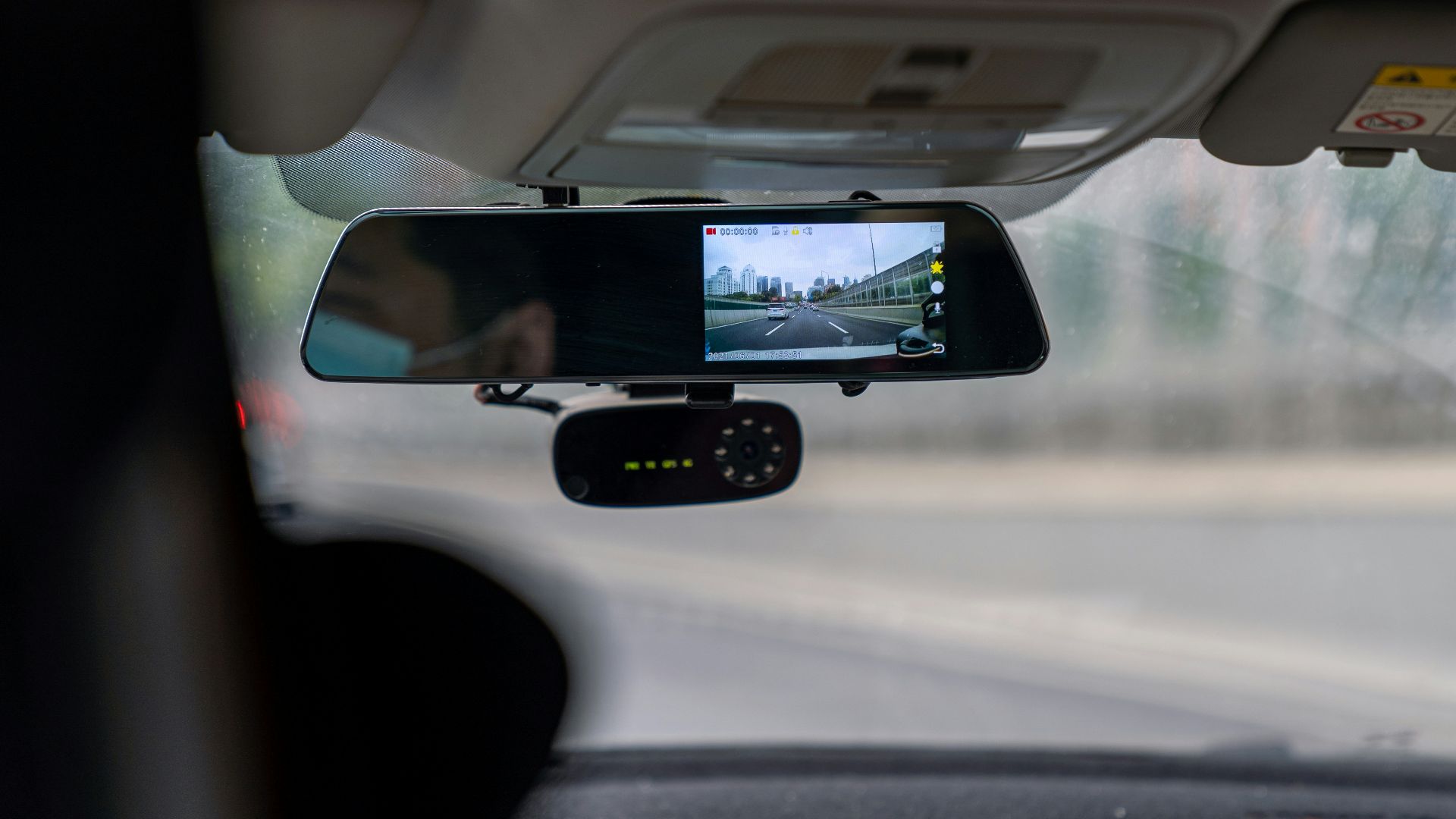
Because the camera is installed in your vehicle, most states treat it the same way as they look at a home or security camera. It’s perfectly legal to record whatever is visible from your car. Your neighbor can’t prevent you from installing or using dash cams on your property, nor does he have the right to demand you delete footage of him or his property without legal grounds.

Property Damage Is Not A “Private” Event
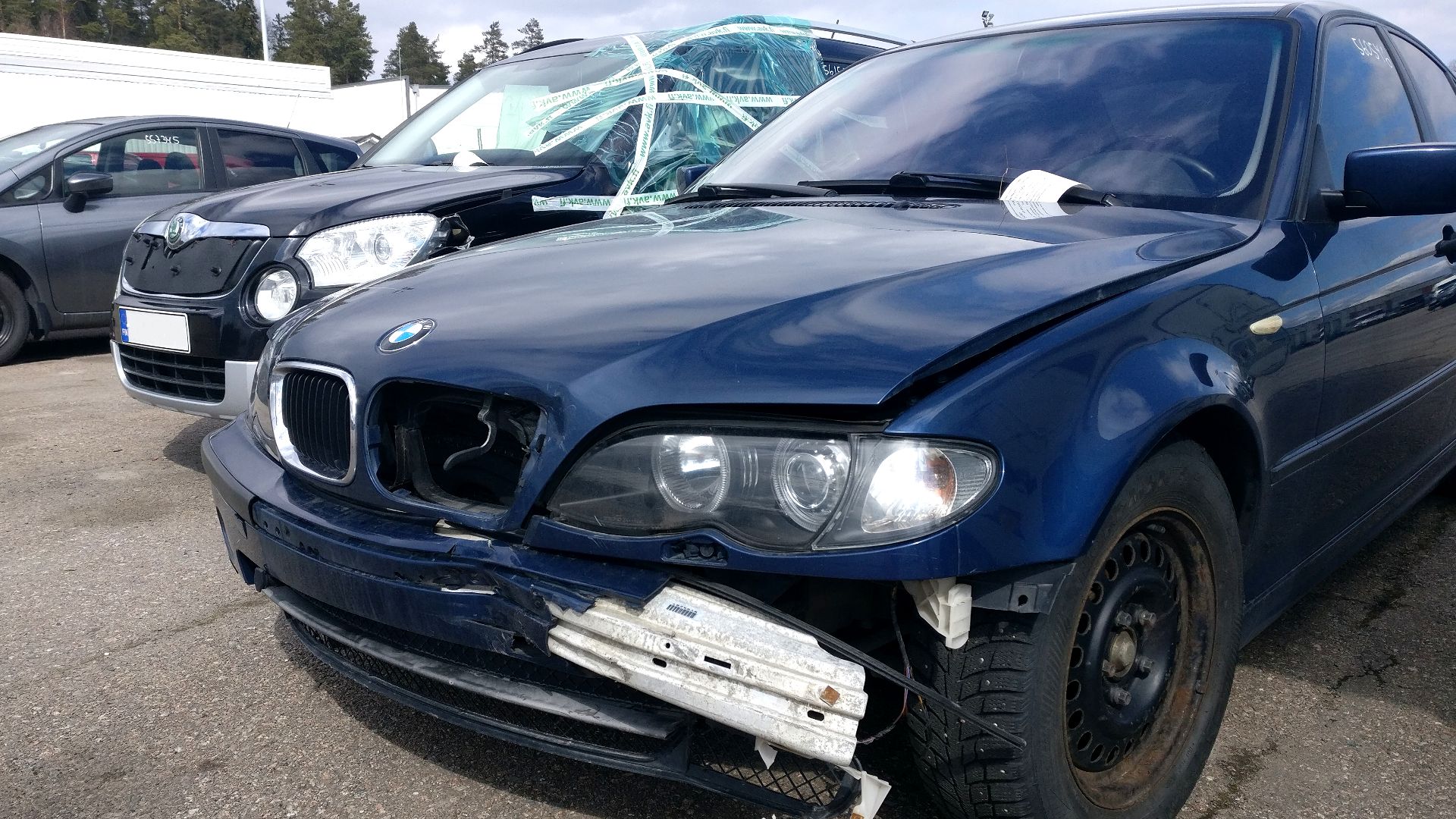
Damage to your vehicle or anyone else’s is not a private matter. Once he climbed all up the side of your car, the incident became a potential insurance claim, legal dispute, and financial issue. His actions directly affected your property. That makes the recording relevant to a dispute, and out of the realm of a privacy violation
 Santeri Viinamäki, Wikimedia Commons
Check If Audio Was Recorded
Some states have strict two-party consent rules for audio recordings. Even if the video is legal, audio may be restricted. If your camera recorded only the video, that’s normally fine. If it includes audio, make sure you understand your state’s rules. The incident may not involve any audio at all.
You Can Use The Footage For Insurance
Insurance companies expect documentation, and dash cam footage often matters more than any witness statements, which can be unreliable. If your neighbor caused the damage, you can provide the footage to your insurer without his permission or input. Insurance companies aren’t concerned about his privacy claim; the only things they care about are liability and fault.

Footage Can Be Submitted As Evidence
Courts and law enforcement commonly accept dash cam video as evidence. If you decide to file a police report, the footage helps prove both the event and the damage. Your neighbor can’t obstruct you from using legally obtained video as evidence, especially in a situation involving property damage that he caused.

Don’t Argue With Him About The Law
Avoid debating privacy rights face-to-face. People often make legal threats based on laws that they don’t understand. They may throw around highfalutin words they don’t even half know the meaning of. Don’t worry. Instead, document what happened, secure the footage, and avoid escalating the confrontation. Arguments rarely change behavior but often make situations worse, and can escalate into physical intimidation.

Save Backups Immediately
Download the file, store copies of it, and upload it to secure cloud storage. A surprising number of drivers lose crucial dash cam evidence because they mistakenly record over older clips. The incident could be the difference between shelling out thousands of dollars or being reimbursed.

Document The Damage To Your Vehicle
Take photos of your bumper, door, or fender. Include timestamps, the location, and the vehicle involved. This reinforces your claim if the dispute ends up involving insurance or law enforcement. The more documentation you have, the harder it is for him or anyone else to deny responsibility.
File A Police Report If He Refuses To Cooperate
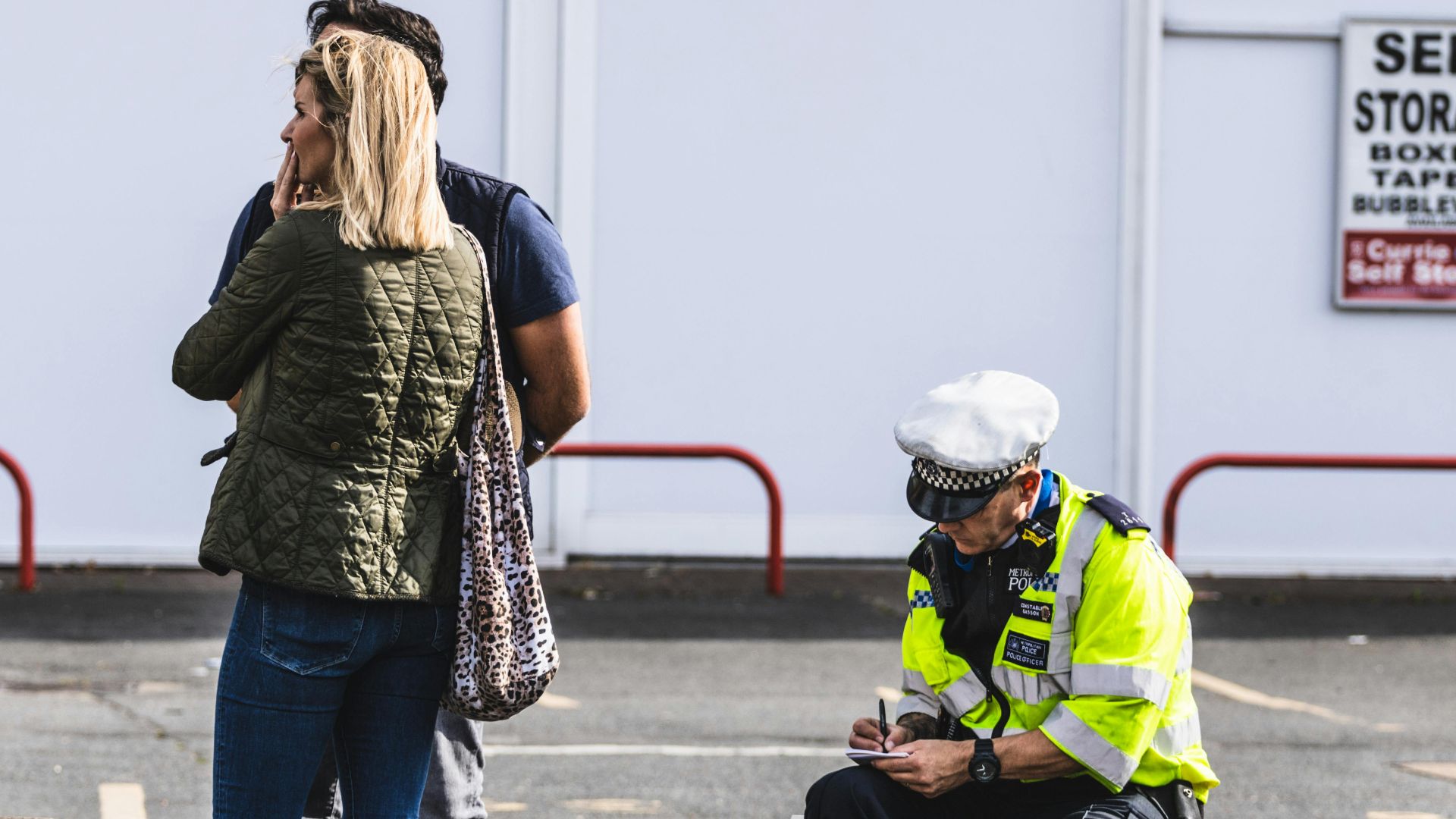
You don’t have to wait for your neighbor to behave reasonably. A police report generates a record of the incident and protects you if the situation should escalate. The dash cam video strengthens your statement and leaves less room for doubt about what really took place.
Talk To Your Landlord Or HOA If Necessary
If you share a parking space, have assigned spots, or live in a complex with cameras already installed, your landlord or HOA may feel the need to get involved. They also might have liability rules for vehicle damage in shared spaces. Tread carefully here, as there is a fine line between a neighbor being helpful and an obtrusive busybody.

Send His Insurance Company The Footage
If the neighbor won’t cooperate, go straight to his insurer. You don’t need his permission to file a claim against his policy. Insurance carriers analyze dash cam evidence and often contact the other driver for you. That takes a weight off your shoulders.

Clarify Your State’s Dash Cam Rules
Dash cam laws vary from one state to another, but most focus on placement, not privacy. States restrict where cameras sit on the windshield, not whether you’re allowed to record in the first place. Knowing the rules makes it easier to shut down false claims.

Don’t Let Him Bully You Into Deleting Evidence
Once someone demands deletion of video, that’s a major red flag. You’re under no obligation to remove legitimate footage documenting property damage. Deleting evidence could even hurt your own legal rights later.

Don’t Post It Online
Even if your neighbor’s behavior is way out of line, posting the video on TikTok, Twitter, or other social media platforms could complicate things. Keep the footage private and use it only for insurance, law enforcement, or legal purposes. You want to win the dispute, not start a new one.

If He Threatens Legal Action, Don’t Panic
Most threats made in parking lots never turn into lawsuits. Without a legitimate privacy or wiretapping violation, it’s unlikely that he has a case. If anyone contacts you formally, that’s when you seek legal help; even then, it’s not because you’ve broken the law, but to protect yourself.
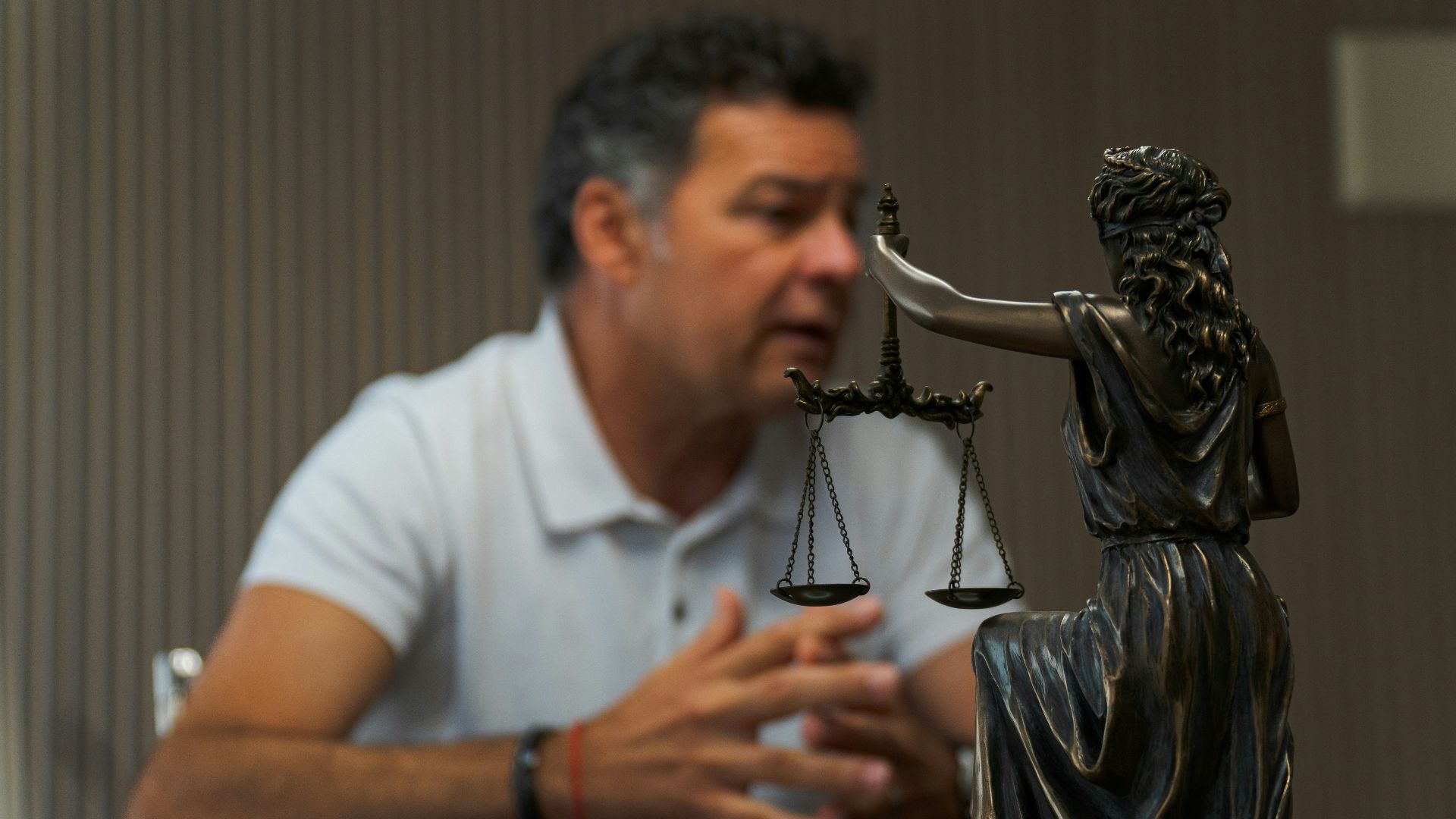 Carlos Javier Yuste Jiménez, Unsplash
Get Legal Advice If The Dispute Escalates
A short consultation with an attorney or legal aid group can clarify your rights. Lawyers see dash cam disputes all the time and can quickly clue you in on whether your footage is admissible and how to move forward confidently.
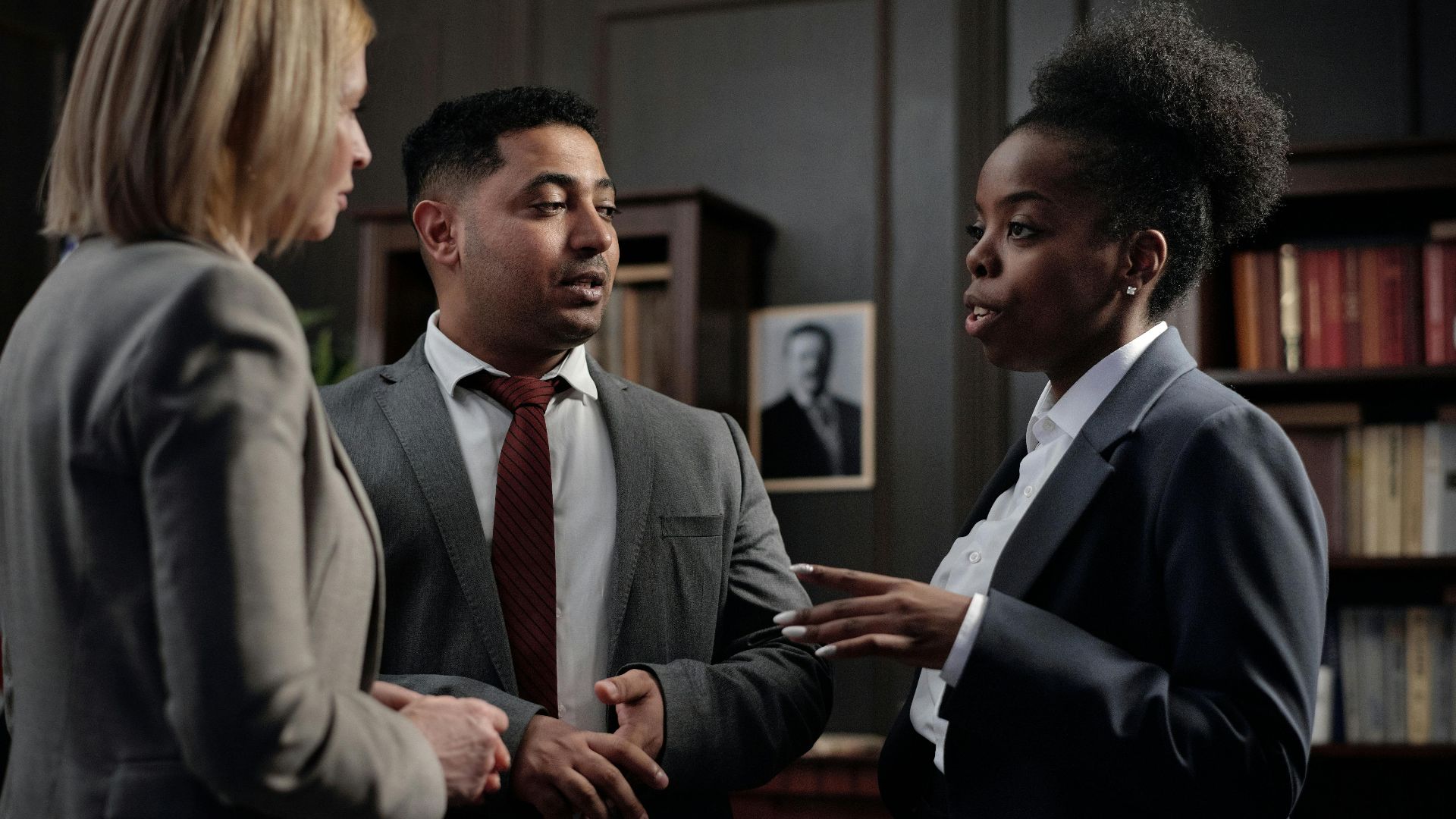
Dash Cams Help More Than They Hurt
The whole point of buying a dash cam was to protect yourself. The dash cam did exactly that. The law generally upholds your right to secure evidence, protect your finances, and hold other drivers accountable. Don’t let someone try to scold you into thinking you did something wrong.
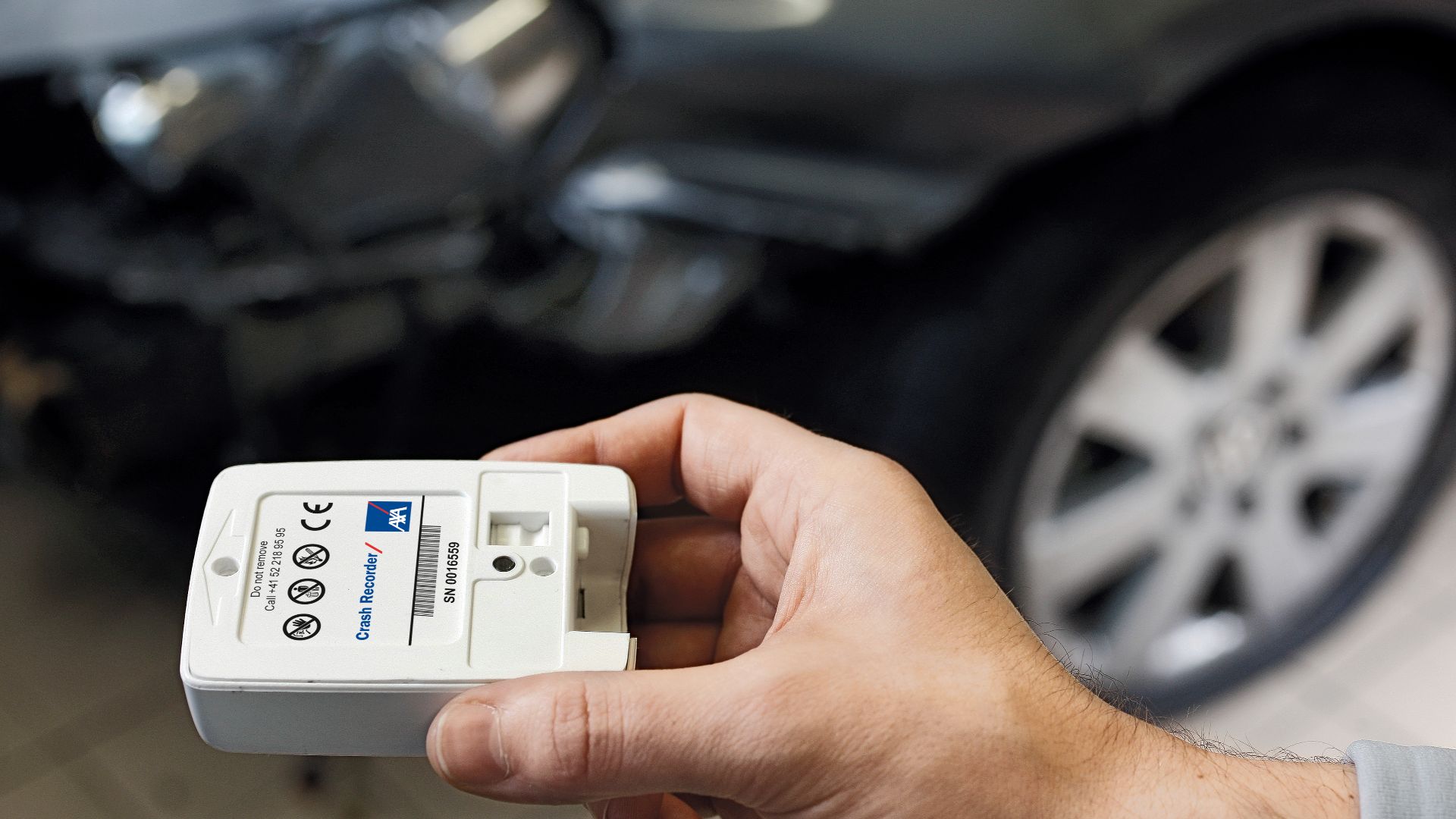 The original uploader was AXAWinterthur at German Wikipedia., Wikimedia Commons
Evidence Trumps Excuses
Your neighbor may feel embarrassed, defensive, or worried about his insurance costs. But excuses don’t supersede the truth. Keep your footage, follow the law, and protect your financial well-being. Let the facts determine what happens next, and let the chips fall where they may.
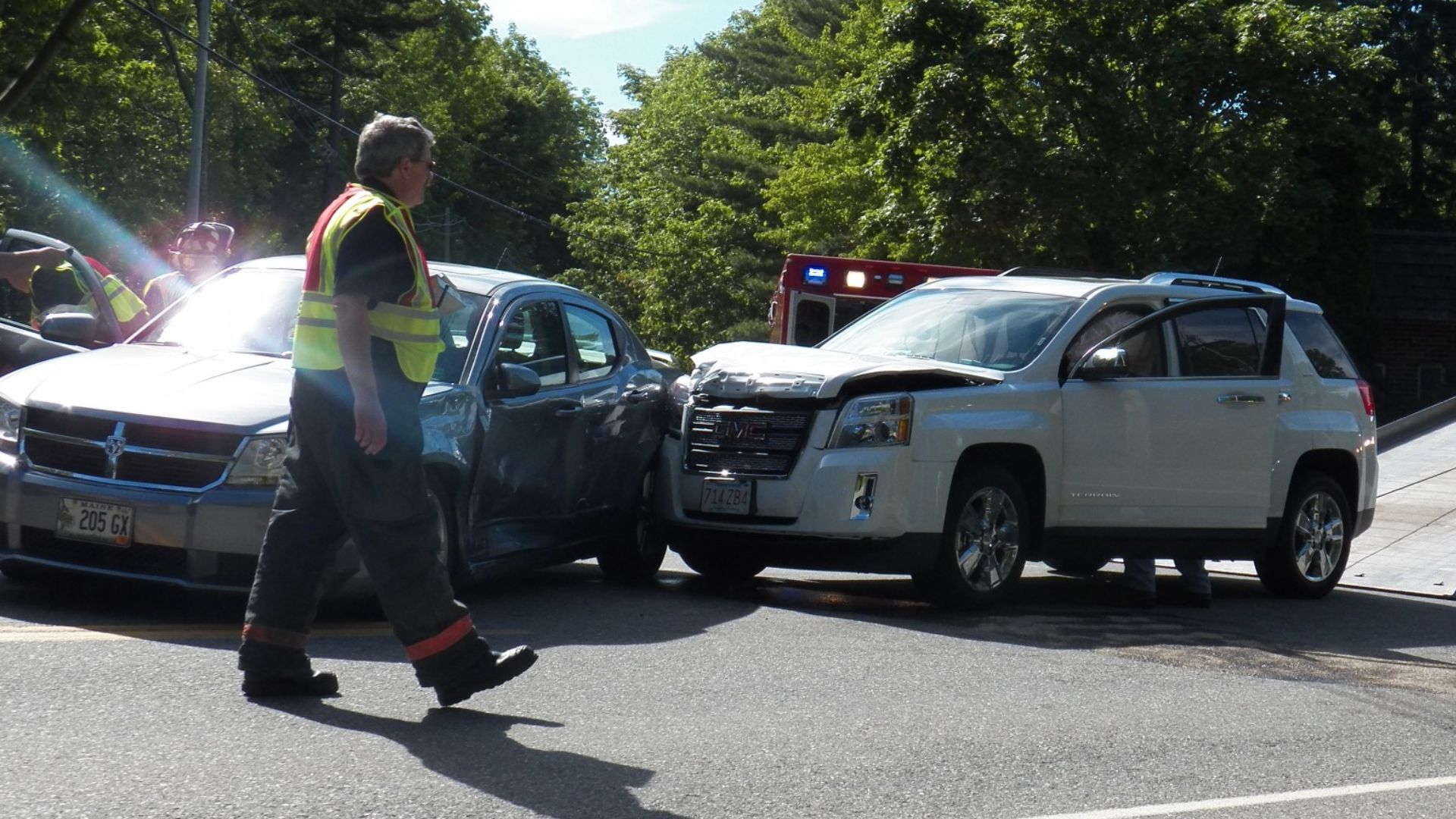 Junior Libby, Wikimedia Commons
You May Also Like:
I bought gap insurance and still owe thousands after my car got totaled. What’s the scam here?
My catalytic converter got stolen and my insurance says it’s not covered. What now?