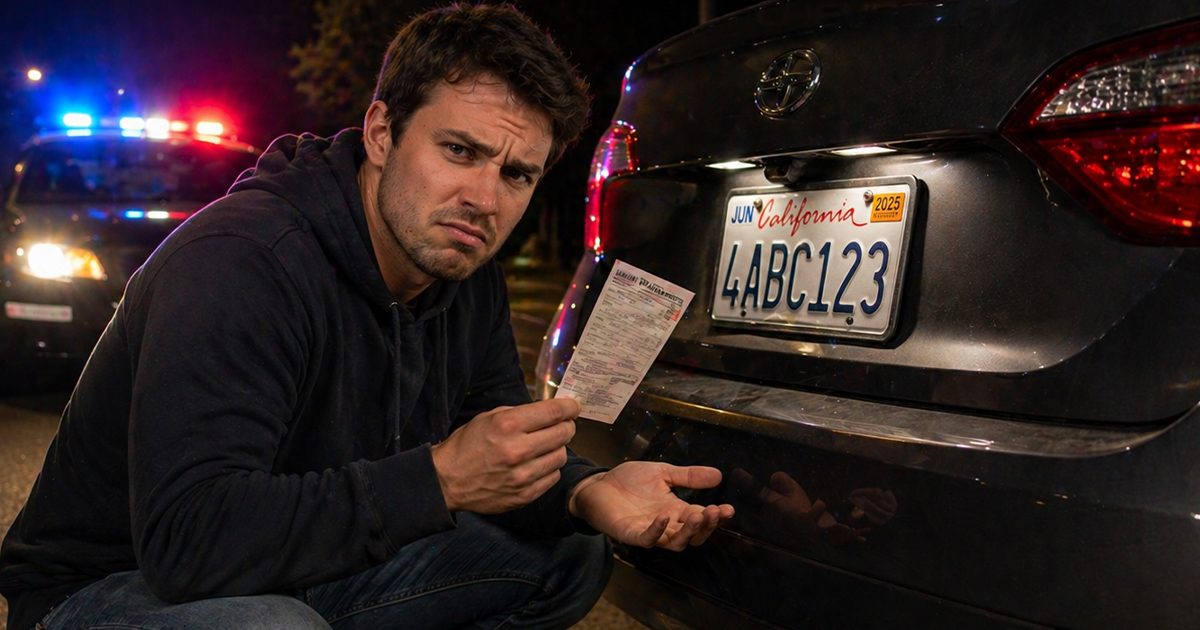
A Tiny Bulb… and a Traffic Stop
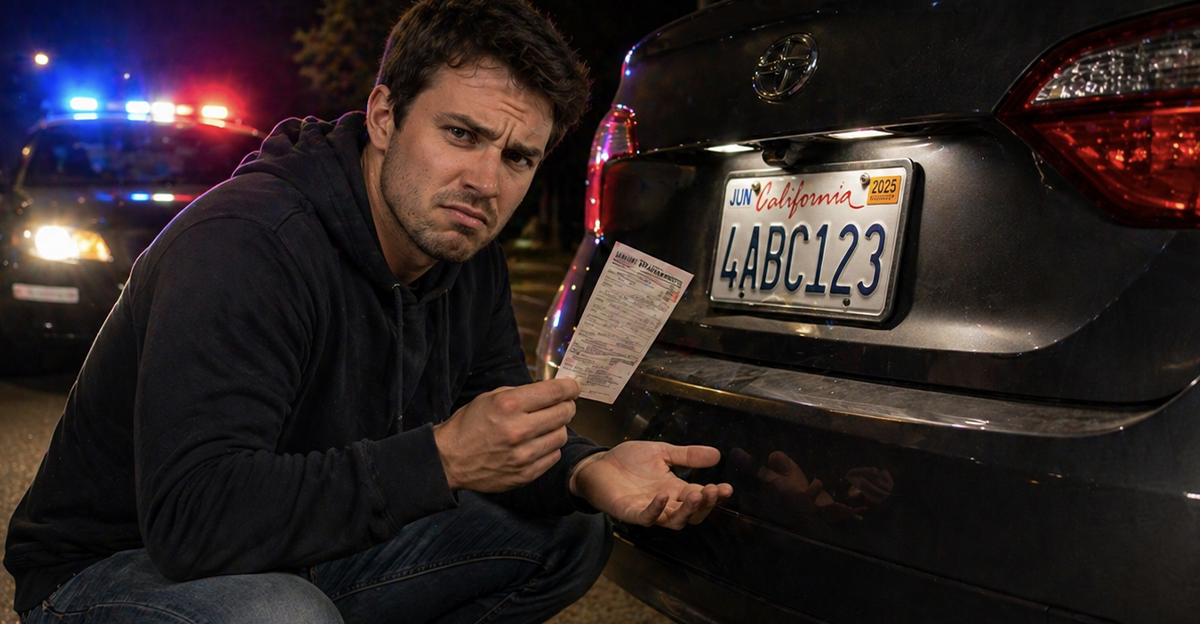
You’re driving home, everything feels normal—then flashing lights behind you. The officer walks up and says your license plate light is too dim. Not your brake lights, not your headlights… that tiny bulb above your plate. Really? Can something that small actually get you pulled over?
What Is a License Plate Light Supposed to Do?
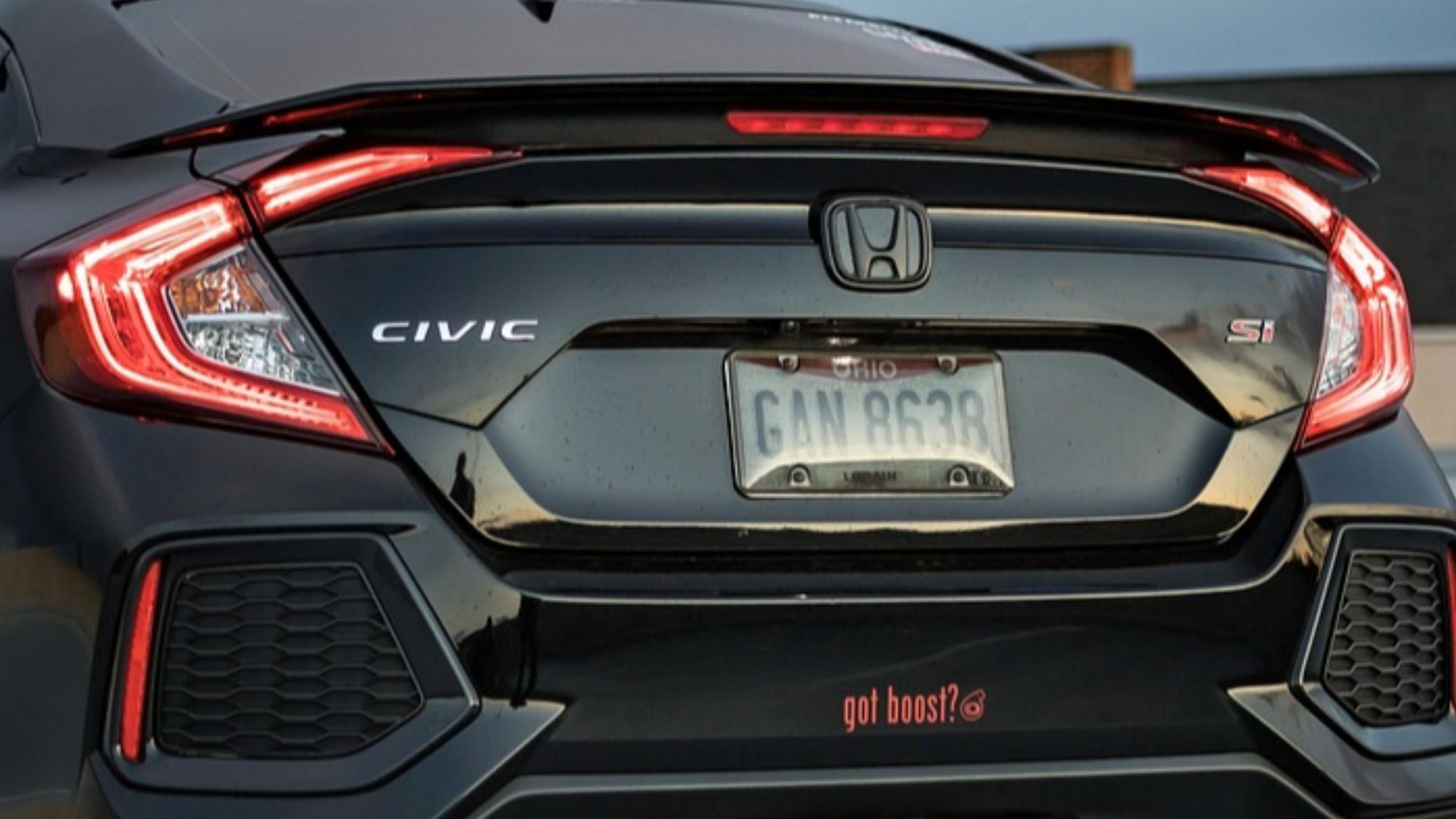
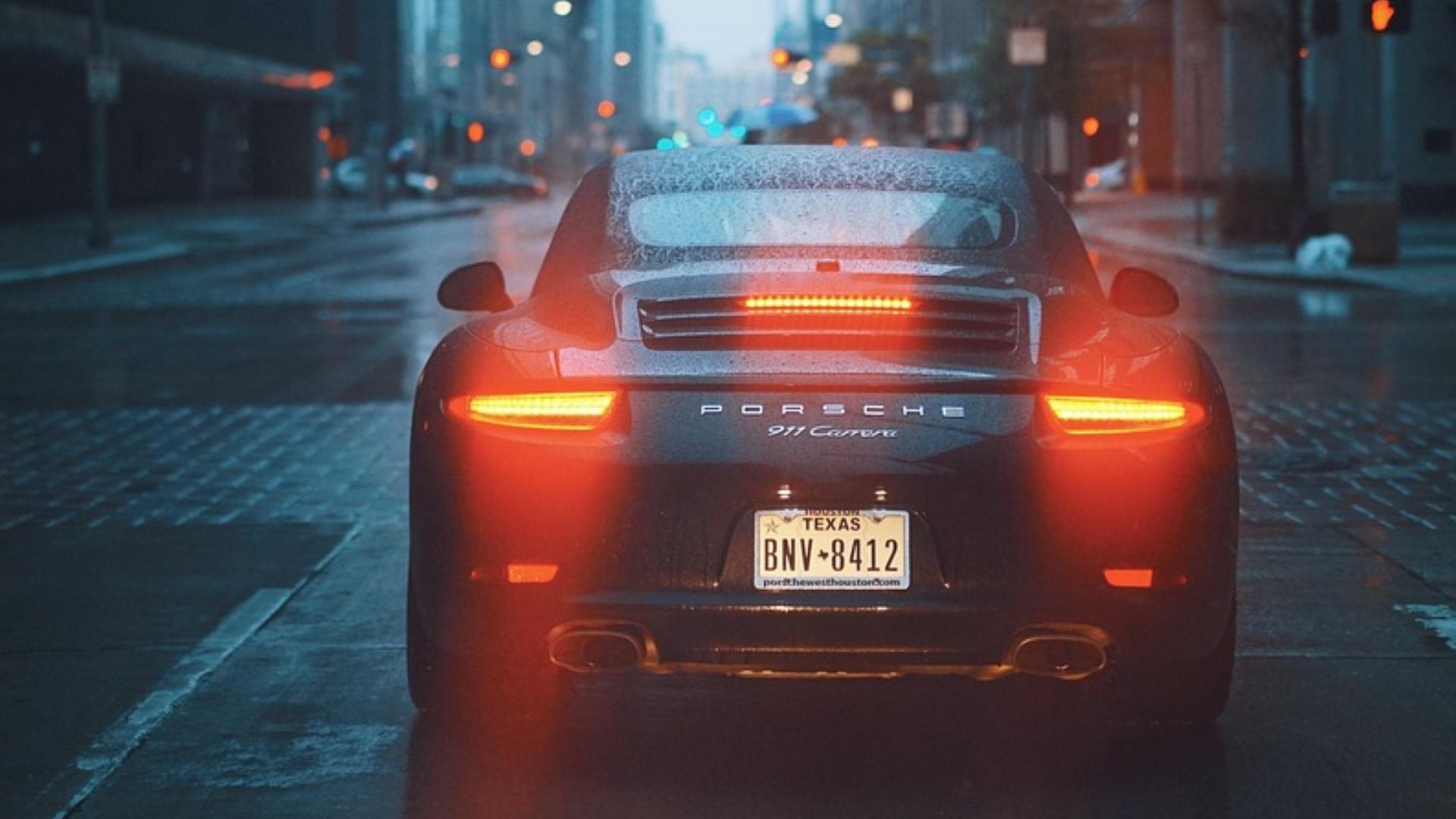
That little light has one job: make your license plate readable at night. It’s not about brightness for you—it’s about visibility for others, especially law enforcement and traffic cameras.
Is This Actually a Legal Requirement?
Yes, it is. In most states and provinces, the law requires your rear plate to be clearly visible from a certain distance—often around 50 feet at night. If it’s not readable, you can be in violation.
So It’s Not Just “On or Off”?
Exactly. A light doesn’t have to be completely burned out to be a problem. If it’s too dim, flickering, or partially blocked, it can still fail to meet the legal standard.
What Makes a Plate Light “Too Dim”?
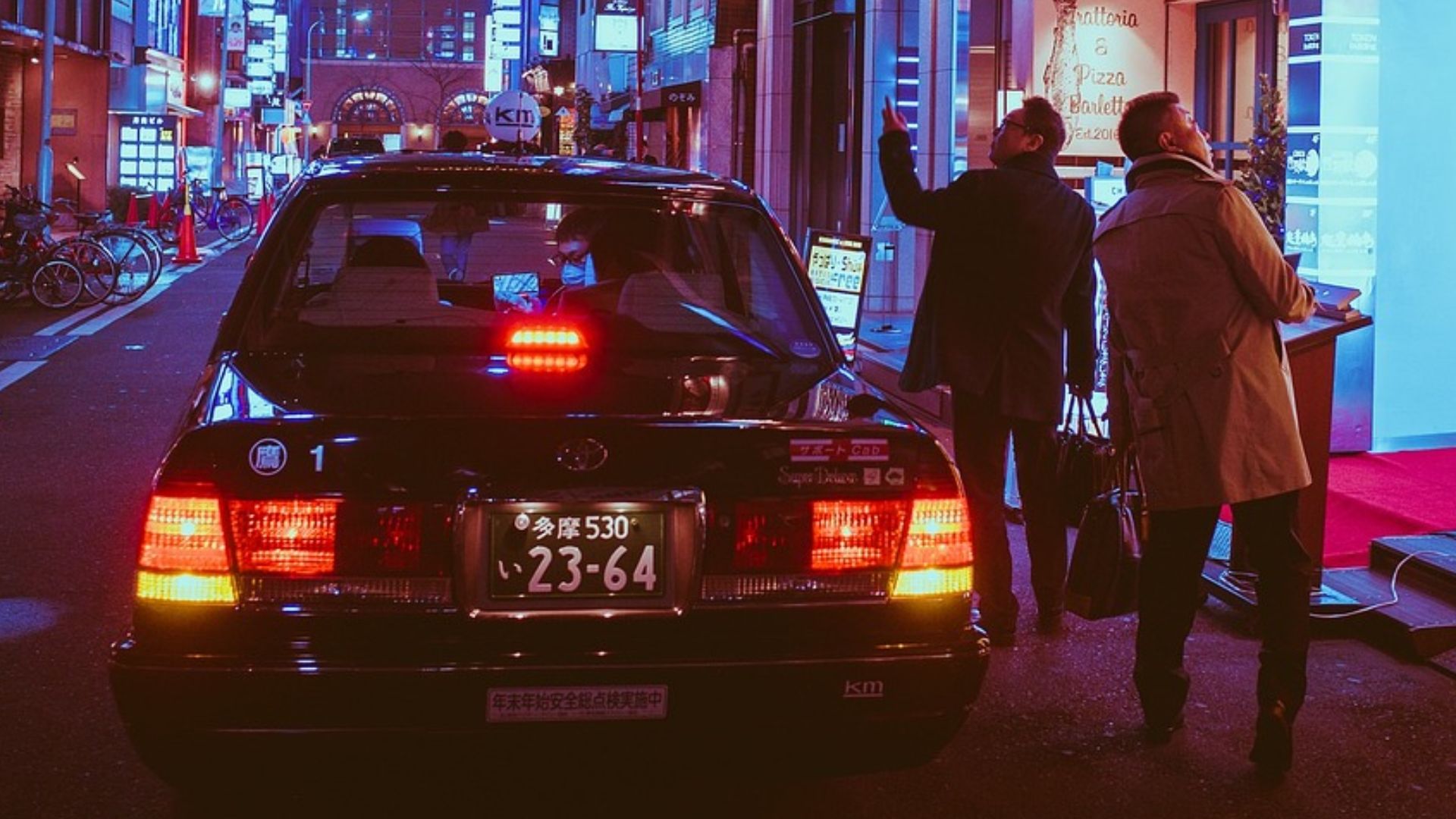
There’s no universal brightness number written into law. Instead, officers use a simple standard: can they clearly read your plate from a reasonable distance at night? If not, that’s where the issue starts.
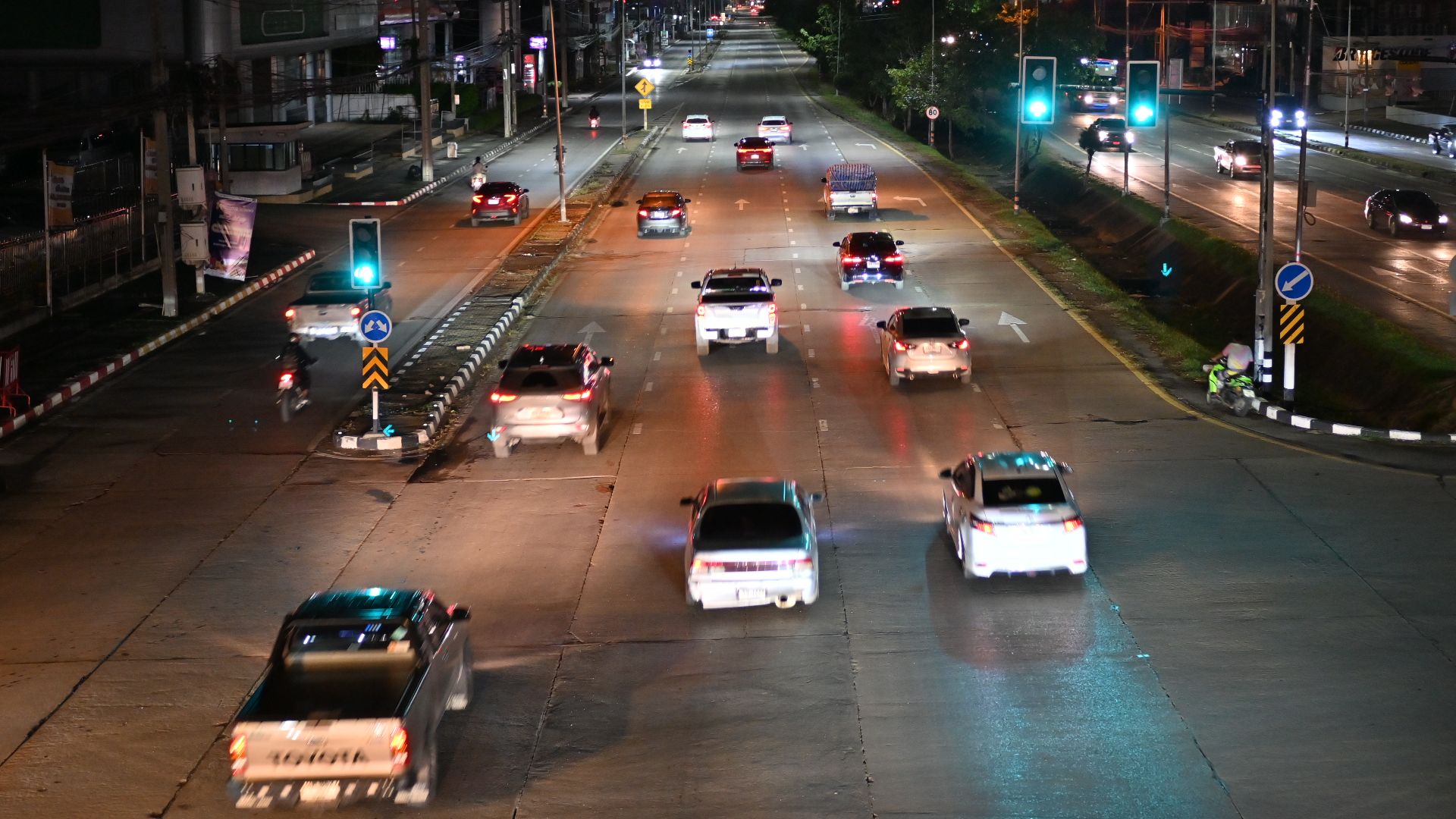 Pattaya Patrol, Wikimedia Commons
Could Dirt or Damage Cause This?
Absolutely. A dirty lens, cracked cover, or even road grime can reduce visibility. Sometimes the bulb itself is fine—it’s just not shining clearly through the housing.
What About LED Upgrades?
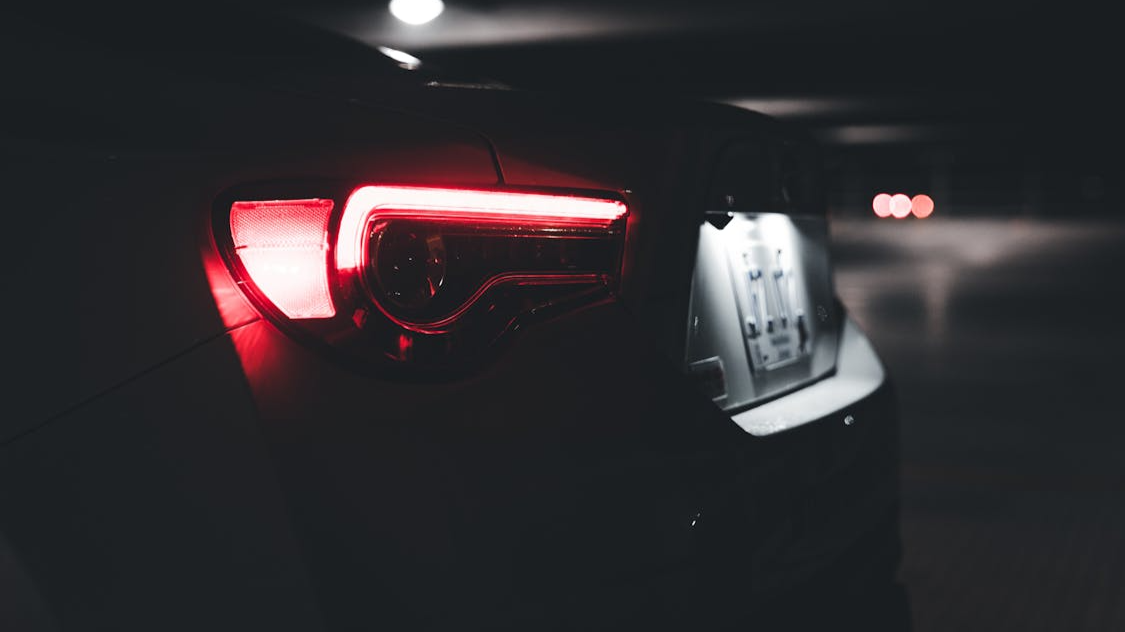
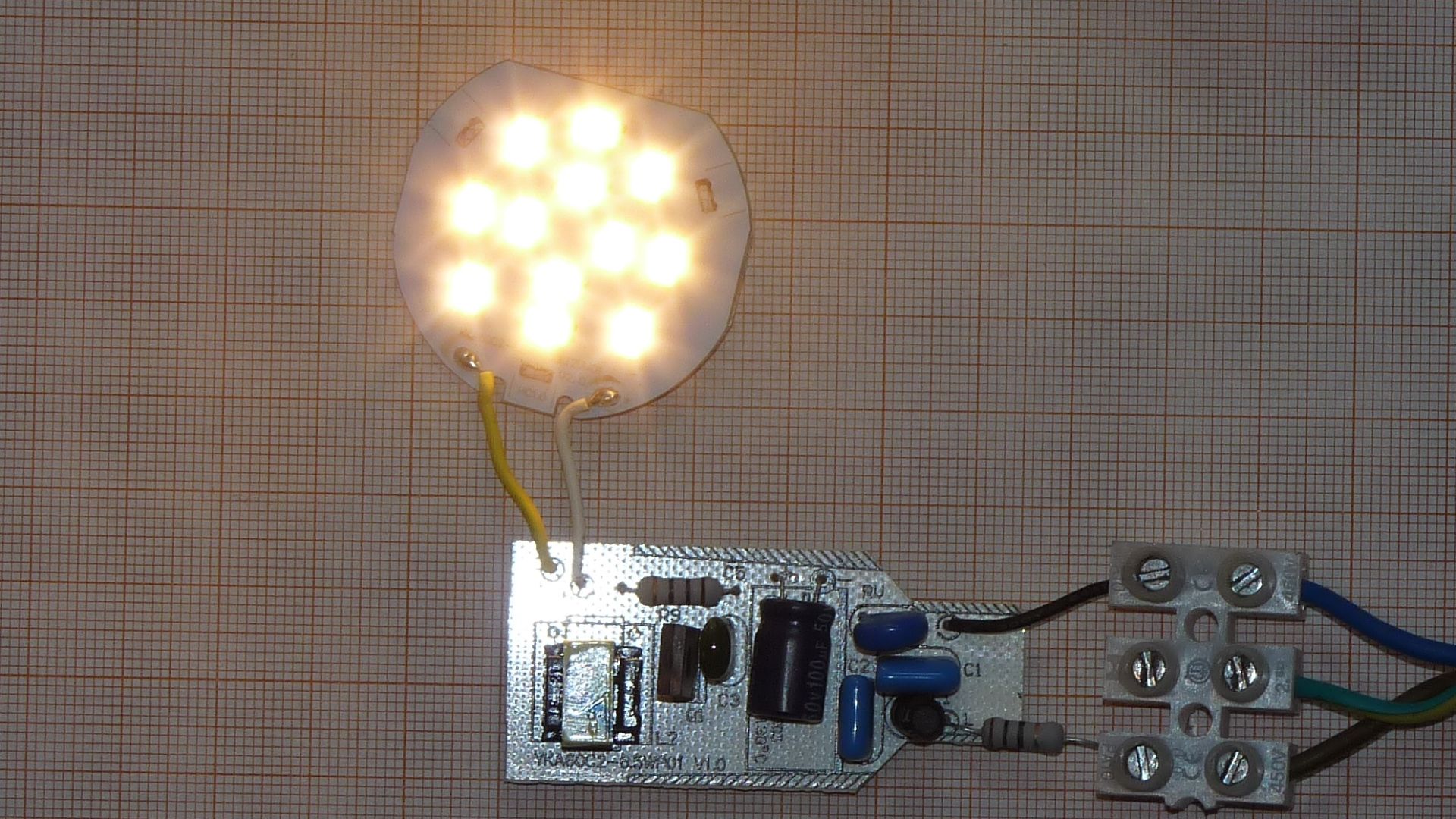
This surprises a lot of people. Some aftermarket LED lights are actually too dim or poorly angled, even if they look modern. Others are too bright and create glare, which can also be a problem.
Do Officers Really Pull People Over for This?
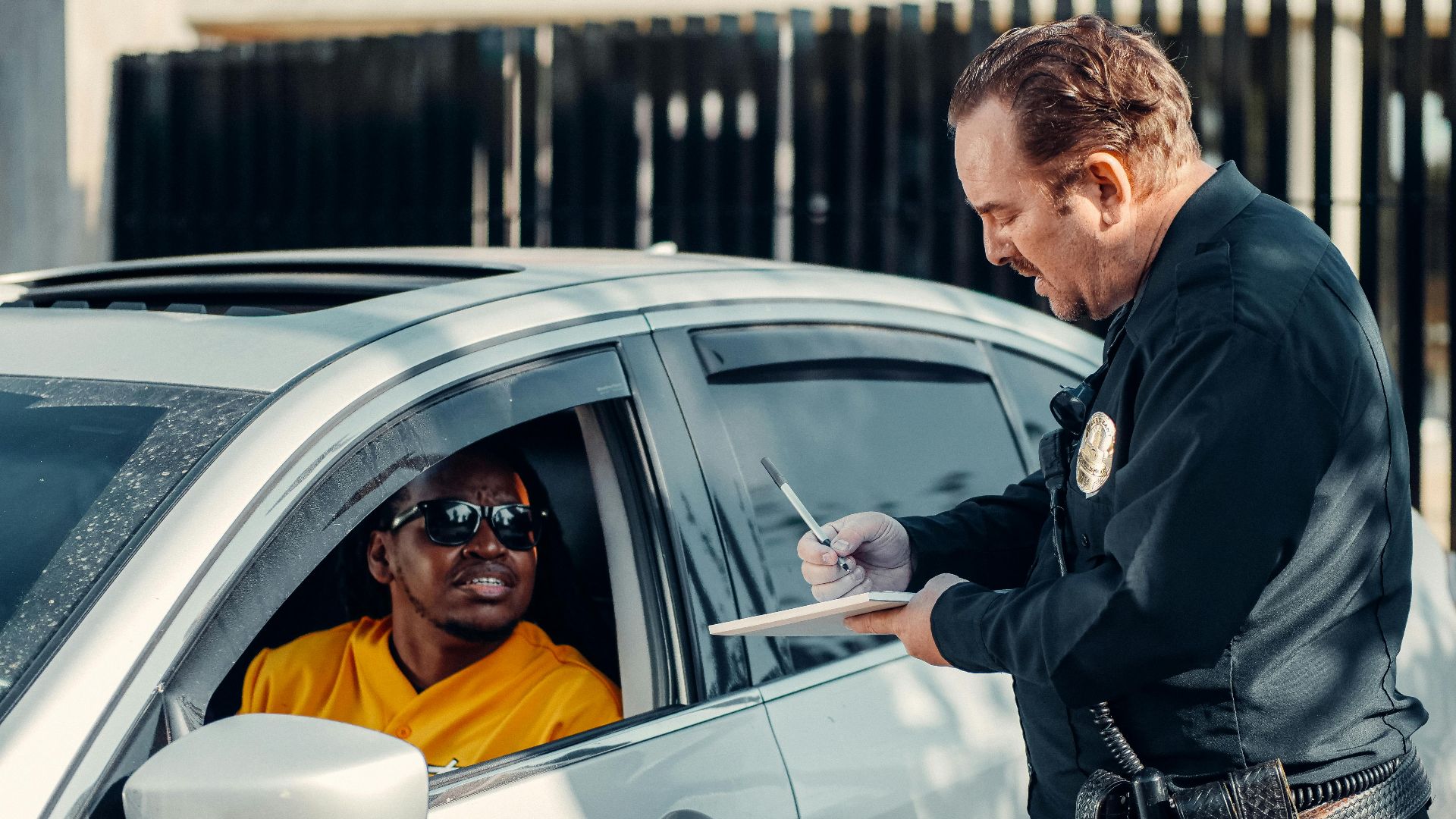
They do—and often for a reason. A dim or unreadable plate can be a “probable cause” stop. That means it gives officers a legal reason to pull you over, even if nothing else is wrong.
 Kineshma media Yevgeny Strunkin, Pexels
Is This Sometimes Used as a Pretext?
Let’s be honest—it can be. Minor equipment violations like this are sometimes used to initiate a stop that leads to something else. But that doesn’t mean the violation itself isn’t valid.
What Happens If You Get Ticketed?
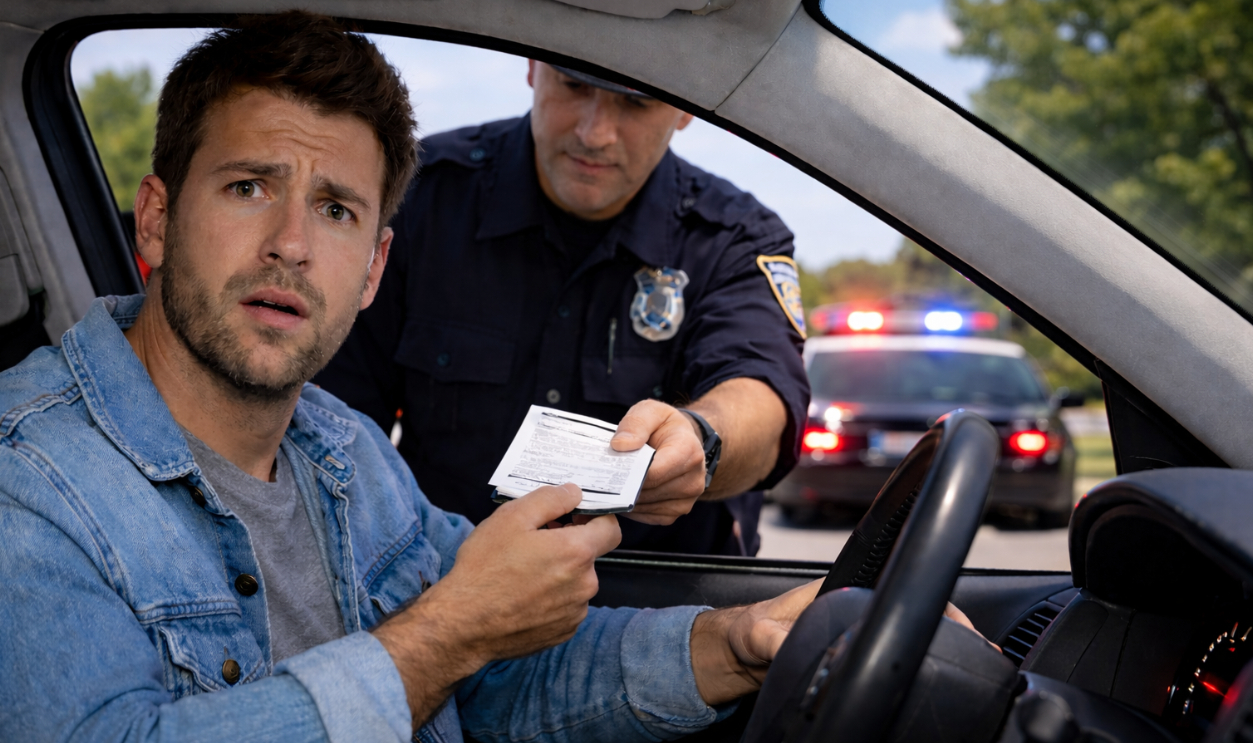
In many cases, it’s a “fix-it” ticket. That means you repair the issue, show proof, and the fine may be reduced or dismissed. But that depends on where you live.
How Easy Is It to Fix?
Usually very easy. Replacing a license plate bulb is often a quick, inexpensive job—sometimes just a few dollars and a few minutes.

Could This Affect Your Vehicle Inspection?
Yes. In areas with safety inspections, a non-working or dim plate light can cause you to fail until it’s fixed.
 wellthoughtoutusername, Pixabay
What If the Light Looked Fine to You?
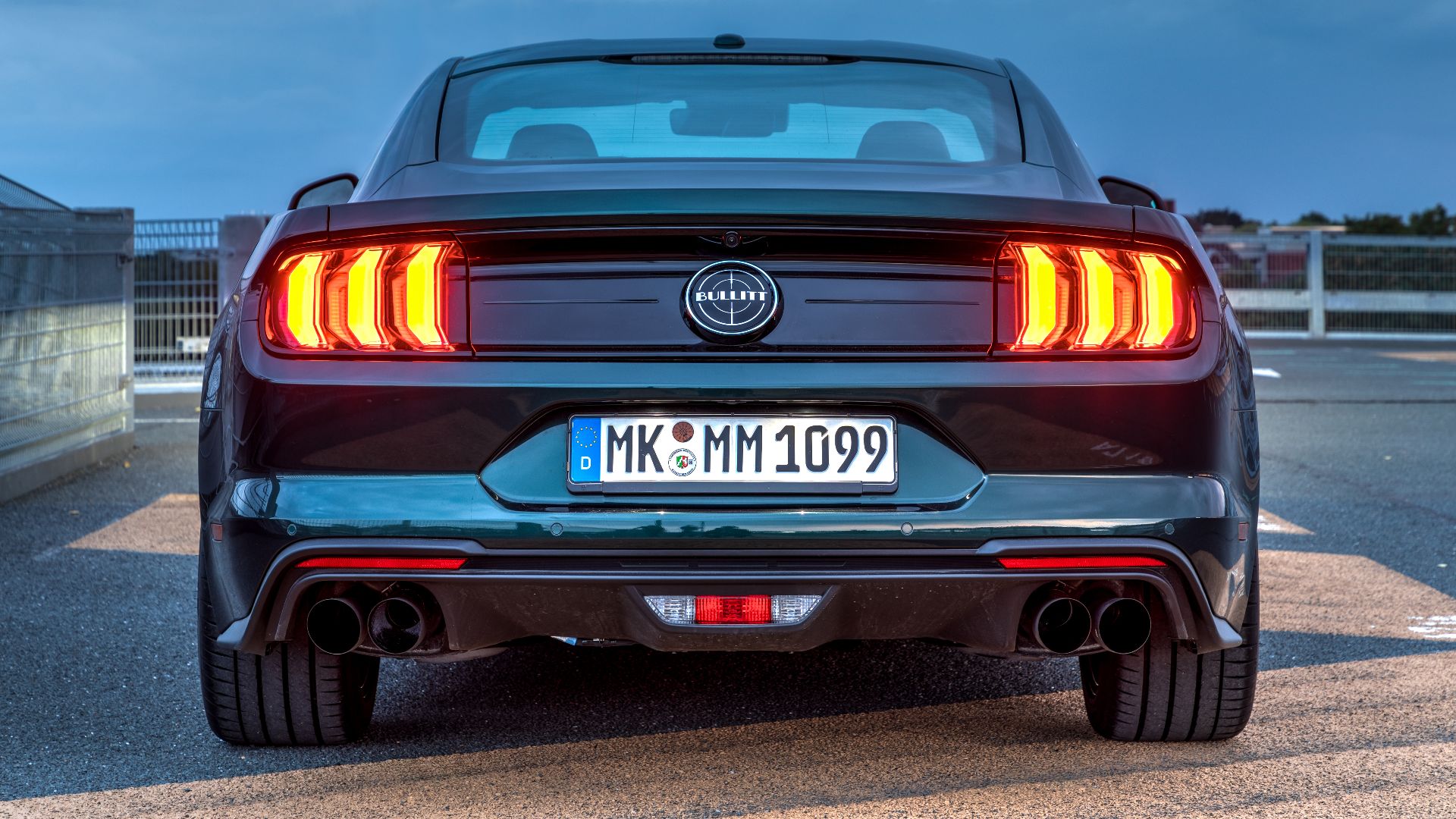
That’s the tricky part. From inside the car, you can’t really see how well your plate is lit. What looks fine to you might not meet visibility requirements from behind.
 Dietmar Rabich, Wikimedia Commons
How Can You Check It Yourself?
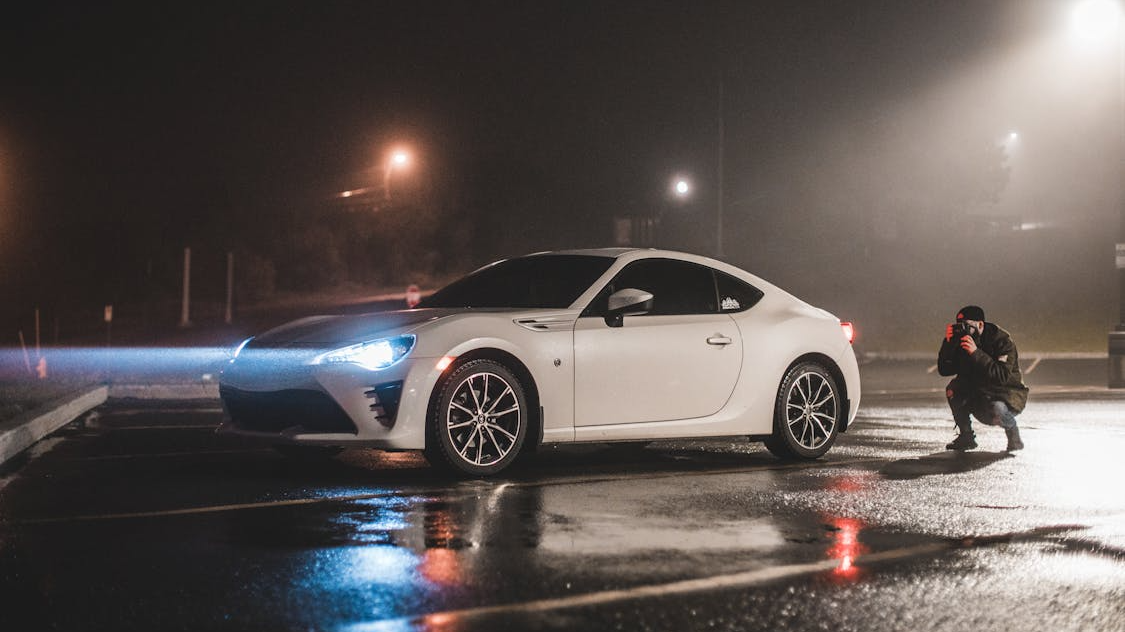
At night, step behind your car from a short distance. If your plate isn’t clearly readable, that’s a sign something’s off. It’s a simple check that can save you a stop.
Does This Apply Everywhere?
Yes—both in the US and Canada, plate visibility laws exist. The exact wording may vary, but the requirement is generally the same: your plate must be clearly visible at night.
Why This Catches Drivers Off Guard
Because it’s such a small detail. Most people focus on headlights and brake lights—but forget about the plate light entirely until it becomes an issue.

So… Can This Really Be a Violation?
Yes, it can.
If your license plate isn’t clearly visible due to a dim, damaged, or obstructed light, it can legally be considered a violation—even if the bulb isn’t fully burned out.

The Bottom Line Before That Tiny Bulb Costs You
It might seem minor, but that small light plays a big role in keeping your car road-legal. A quick check—and a cheap fix—can save you from an unnecessary stop or ticket.
You May Also Like: