Sticker Shock At The Dealership
You found a used car, liked the price, pictured it in your driveway, and then insurance walked in wearing steel-toed boots. Suddenly, the “cheap” car wasn’t so cheap. Full coverage can feel wildly unfair when the premium looks almost as heavy as the car payment—or the car itself.
The Lot Price Is Only The Opening Act
A used car’s sticker price tells only part of the story. Dealers, lenders, and insurers all have their own say before you drive away. Taxes, registration, fees, financing, and insurance can turn a bargain into a budget buster faster than a rusty exhaust can wake the neighbors.
Why Full Coverage Enters The Chat
“Full coverage” usually means liability, collision, and comprehensive coverage. Liability protects other people if you cause damage. Collision helps repair your car after a crash. Comprehensive covers theft, fire, vandalism, falling branches, and other random automotive disasters that seem invented by bad luck.

The Lender Wants Its Money Protected
If you finance the car, the lender still has a financial stake in it. Until the loan is paid off, the bank basically says, “Nice car, but technically we care deeply about it.” That’s why lenders often require collision and comprehensive coverage, even on a used vehicle.
Your Car Might Be Cheap, But Repairs Are Not
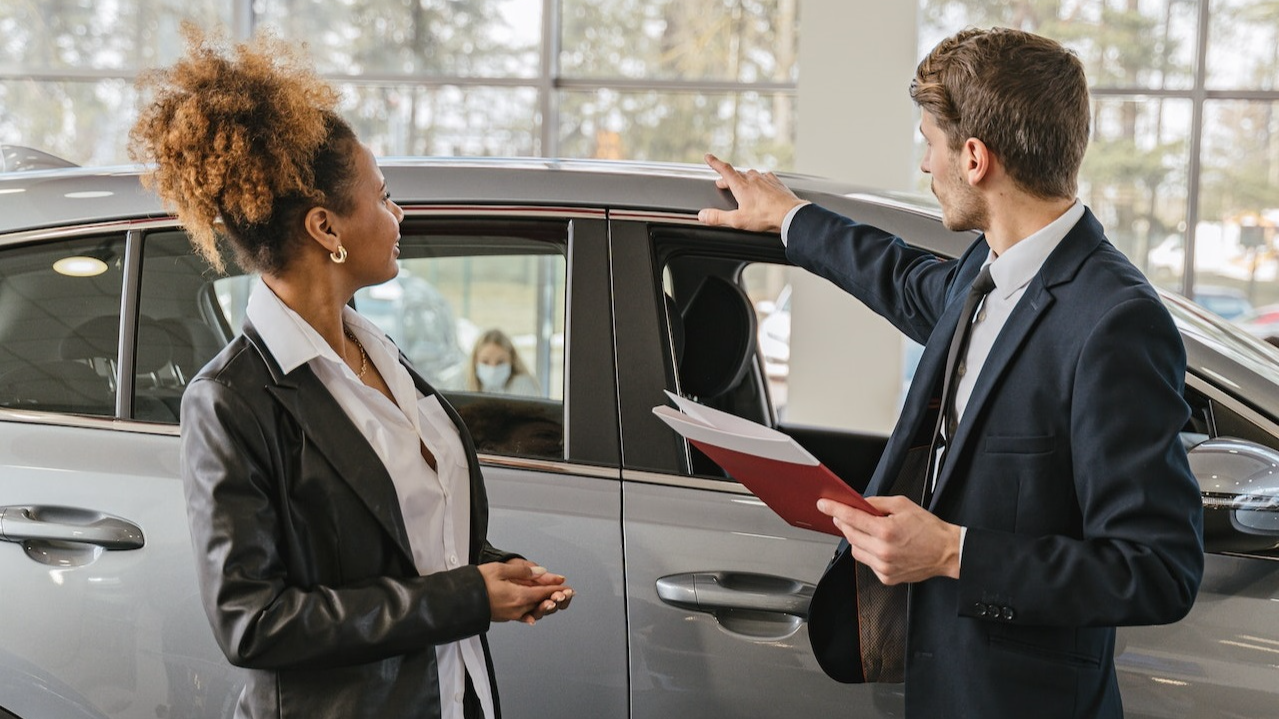
A $6,000 used car can still need a $3,500 repair after one solid bump. Body panels, sensors, headlights, cameras, and airbags can cost a fortune. Insurance companies price risk around repair costs, not just what you paid for the car on a sunny Saturday afternoon.
Modern Cars Are Rolling Computers
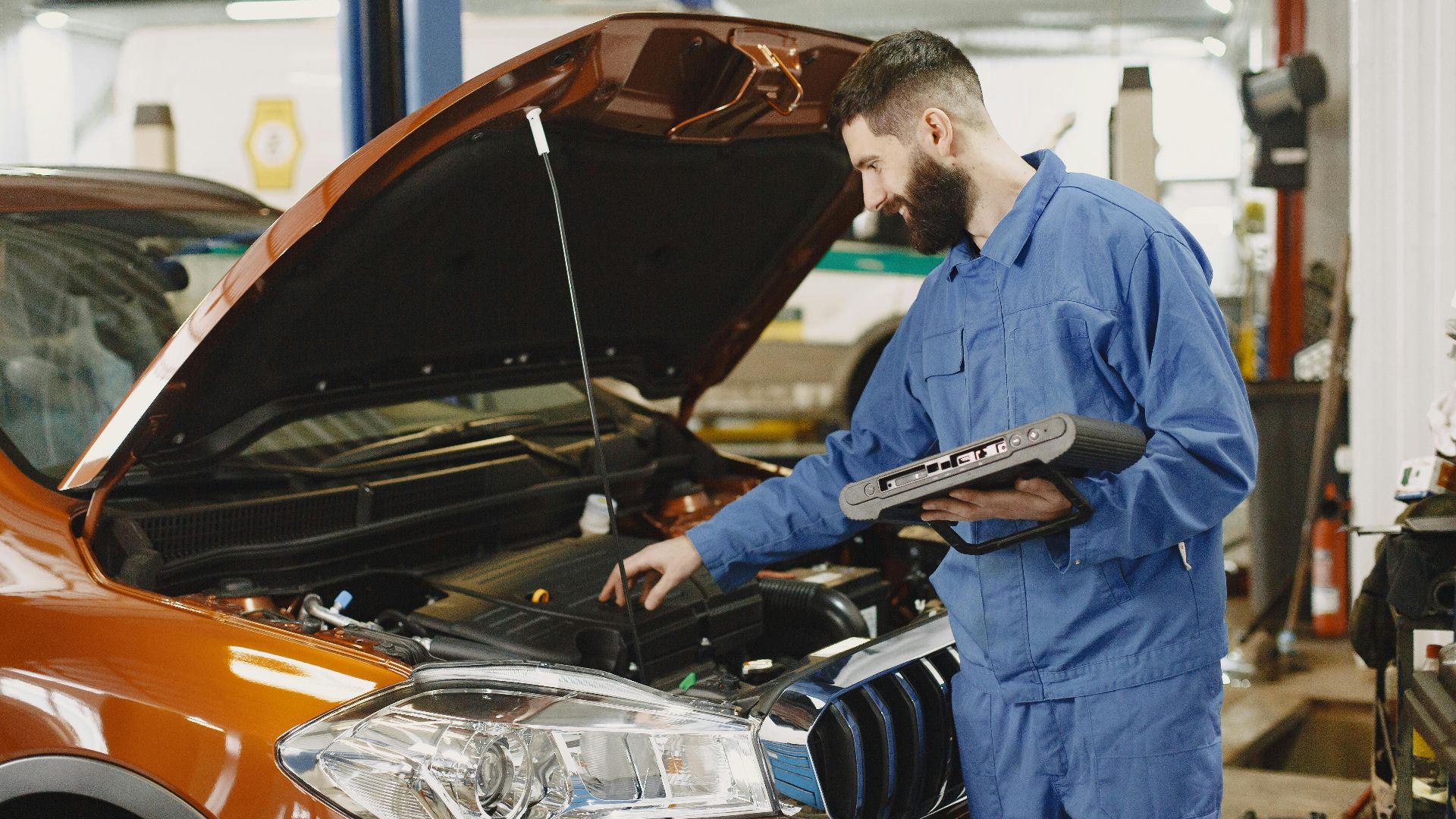
Even humble used cars now come packed with electronics. A cracked bumper may hide parking sensors. A windshield may include camera calibration. A side mirror may cost more than your first television. That technology is great until insurance has to pay to fix it.
Insurance Prices Follow Risk, Not Feelings
You may see a sensible old sedan. The insurance company sees claim history, theft rates, repair costs, driver age, location, mileage, credit-based insurance scores in some states, and accident statistics. It’s less “vibes” and more “giant spreadsheet with no mercy.”

The Car’s Reputation Matters
Some vehicles are cheap to buy because they are expensive to insure, frequently stolen, costly to repair, or popular with drivers who file lots of claims. A bargain coupe, performance trim, or certain high-theft model can quietly carry an insurance bill with gym membership energy.

Your ZIP Code Can Change Everything
Where you live matters a lot. Dense traffic, theft rates, vandalism, storm damage, repair-shop pricing, and local claim patterns can push premiums up. Two identical cars with identical drivers can cost very different amounts to insure just because one sleeps in a riskier neighborhood.

Your Driving History Rides Along
Tickets, crashes, gaps in coverage, and past claims can all raise your quote. Insurers don’t just ask, “What car is this?” They ask, “Who is driving it?” A clean record helps, while a messy one can make even a modest used car surprisingly pricey.

Young Drivers Get Hit Hard
Younger drivers often pay more because insurers see them as higher risk. That can make buying a first used car feel like unlocking a secret boss battle. The car may be affordable, but the insurance quote can come charging in like it owns the place.

Cheap Cars Can Still Be Total Loss Traps
When a lower-value car gets damaged, it may not take much to total it. Insurers know this. If the car is financed, the lender wants protection against that loss. The result is a premium that feels strange because the car’s value is already low.

Full Coverage Is Not A Legal Requirement Everywhere
States usually require liability insurance, not full coverage. The full coverage requirement often comes from the lender, not the government. If you pay cash for the car, you may be able to choose liability-only coverage, though that comes with more personal financial risk.

Liability-Only Is Cheaper, But Riskier
Liability-only coverage can lower the monthly bill, but it will not fix or replace your own car after an at-fault crash. If the car gets stolen, vandalized, flooded, or wrecked by you, the repair bill may land directly in your lap with a thud.

The Deductible Is Your Volume Knob
Raising your deductible can lower your premium. That means you agree to pay more out of pocket before insurance helps. It can be a smart move, but only if you can actually afford that deductible after an accident without eating instant noodles for three months.

Shop The Insurance Before The Car
This is the big move. Before signing anything, get insurance quotes on the exact car using the VIN if possible. A five-minute quote can save you from buying a vehicle that looks affordable on the lot but turns into a monthly wallet vampire.

Compare More Than One Insurer
Insurance companies do not price risk the same way. One may hate your chosen car, while another shrugs and offers a reasonable rate. Get quotes from several insurers, including regional companies. Loyalty is nice, but not when it costs hundreds of dollars.

Ask About Discounts Like A Pro
Discounts can add up. Ask about bundling home and auto, good driver savings, low-mileage programs, defensive driving courses, anti-theft devices, paperless billing, autopay, student discounts, and telematics programs. Don’t assume they’ll apply them automatically. Insurance discounts often need a little polite poking.

Consider A Different Car
Sometimes the best answer is not a different policy, but a different vehicle. A less stolen model, cheaper-to-repair sedan, or non-performance trim can dramatically change the quote. The “boring” car may not win Instagram, but it might win your bank account’s approval.

Beware The Tiny Down Payment Trap
A small down payment can make financing easier, but it can also keep you upside down longer. If you owe more than the car is worth, lenders become even more serious about coverage. A bigger down payment may reduce both risk and stress.

Gap Insurance May Join The Party
If the car is financed and you owe more than it’s worth, gap insurance can cover the difference after a total loss. It is not the same as full coverage, but lenders may strongly recommend it. Useful? Sometimes. Cheap? Not always. Read carefully.

Older Does Not Always Mean Cheaper
People often assume older cars cost less to insure. Sometimes they do. But if parts are rare, theft is common, or safety ratings are weaker, premiums may stay high. Insurance pricing is not a straight line from “old” to “cheap.”
Read The Finance Contract Closely
Before signing, check exactly what coverage the lender requires. Look for minimum collision and comprehensive deductibles, required limits, and whether gap coverage is included or optional. A contract can quietly lock you into insurance costs that reshape the whole deal.

Do The Real Monthly Math
Add the car payment, insurance, gas, maintenance, taxes, parking, and emergency repairs. That number is the real cost of ownership. A used car is only affordable if the whole monthly package fits, not just the price painted on the windshield.

When Walking Away Is Smart
It stings to leave a car behind, especially when you already imagined the first drive home. But walking away from a bad insurance situation is not failure. It is financial self-defense. There will always be another used car, preferably one that doesn’t mug your budget.

How To Buy Smarter Next Time
Start with insurance quotes, then shop cars. Pick three or four models, compare premiums, check reliability, estimate repairs, and only then visit the lot. That flips the process around. Instead of the car choosing your budget, your budget chooses the car.

The Bottom Line
Full coverage can cost nearly as much as a cheap used car because insurers and lenders are protecting against expensive repairs, theft, total losses, and unpaid loans. It feels annoying because it is. But with smarter shopping, better quotes, and the right car, you can dodge the worst surprises.

You May Also Like:
I was charged for partial damages when I wasn't at fault in the accident. Is that really legal?
Which Is Better For You And Your Family: A Minivan or an SUV?