Surprise Repairs—Should You Pay?
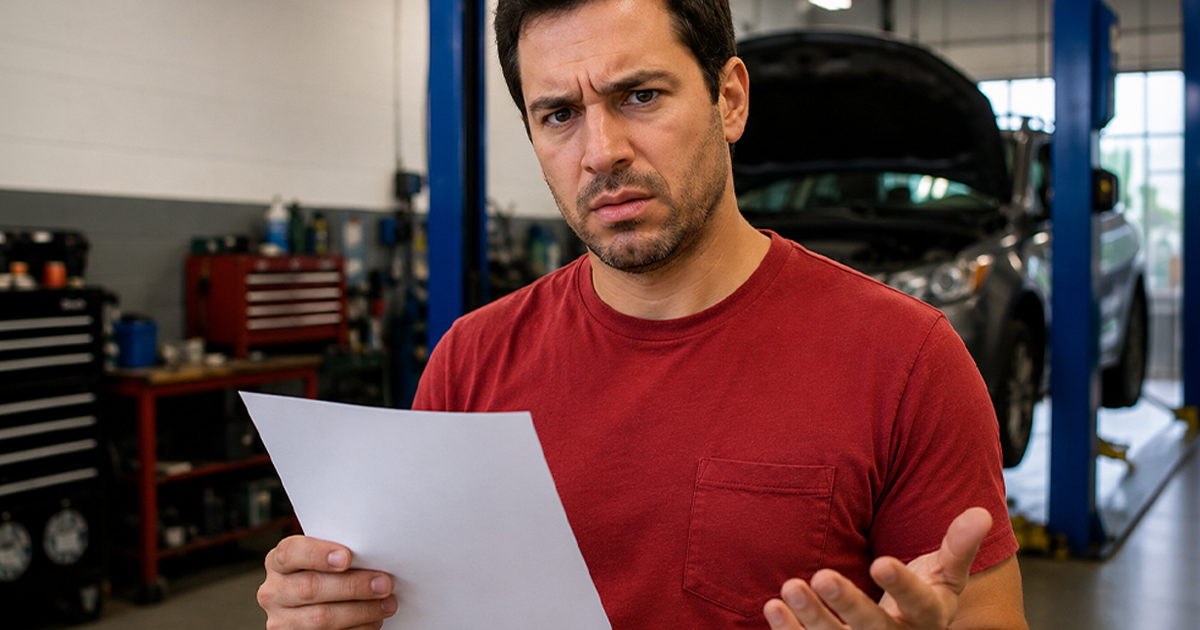
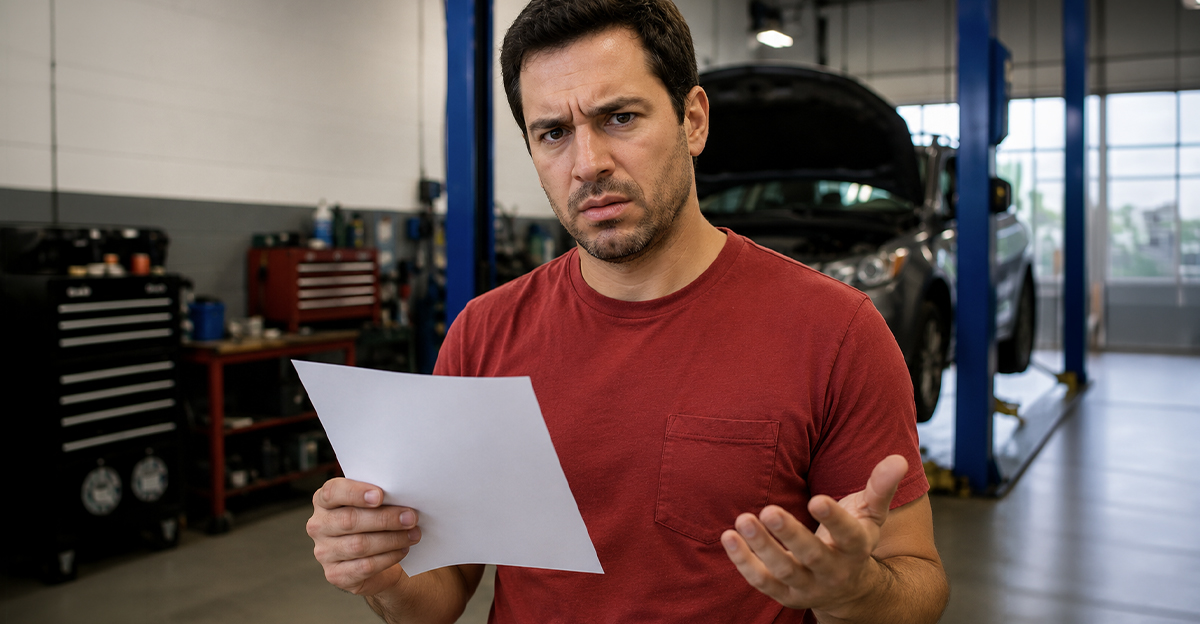
You drop your car off for a simple fix, get the call that it’s “ready,” and then—bam—the bill is way higher than expected. Turns out they fixed a bunch of things you never approved. Now you’re standing there thinking… am I actually on the hook for this?
Why This Happens More Than You’d Think
This isn’t some rare situation. It happens all the time. Shops find “additional issues,” fix them quickly, and present it like they did you a favor. But the real question is—did they cross a line?

The Classic “While We Were In There” Move
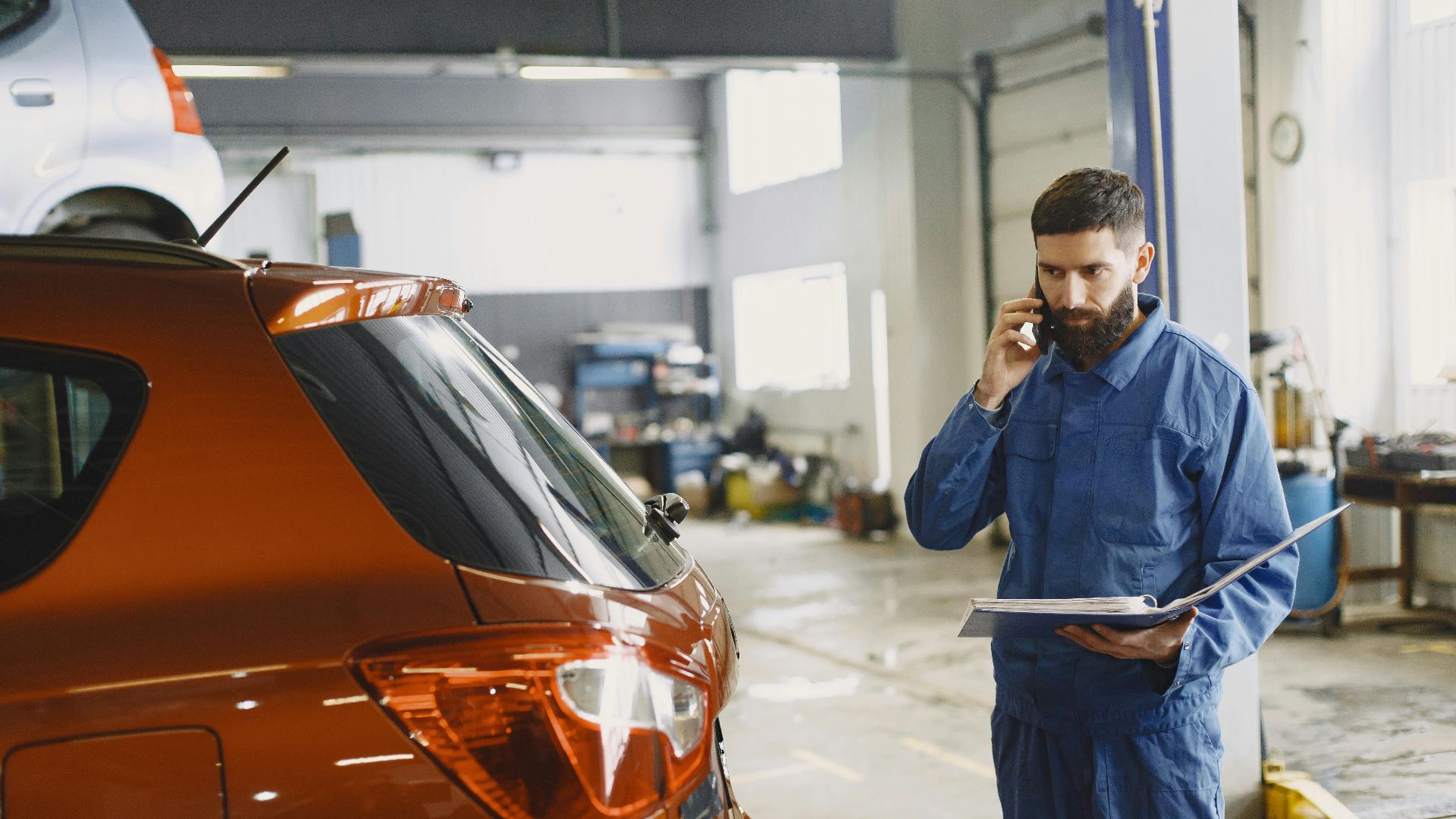
This is one of the most common tactics. A mechanic starts one repair and then claims they found other problems that needed immediate attention. Sometimes it’s legit… sometimes it’s convenient.
When Repairs Start Snowballing
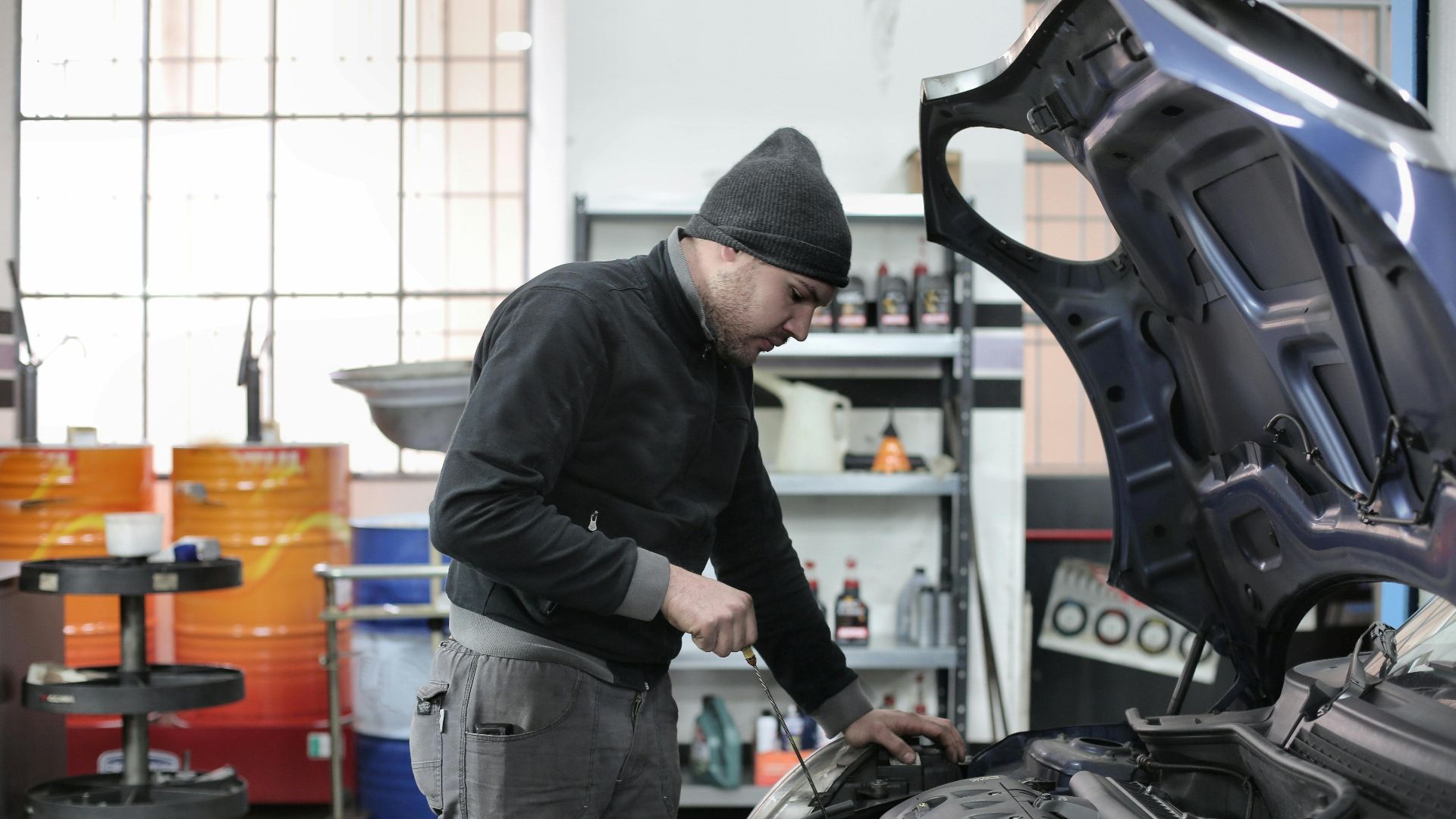
You came in for brakes, and suddenly there’s a list: rotors, calipers, fluid flush, maybe even suspension work. Each one sounds important—but were they actually urgent?
Why Shops Do This
In some cases, it’s about efficiency—they already have the car apart. But in others, it’s about increasing the ticket. More work equals more revenue, especially if the customer feels pressured.
The “You Wouldn’t Want It to Fail” Pitch
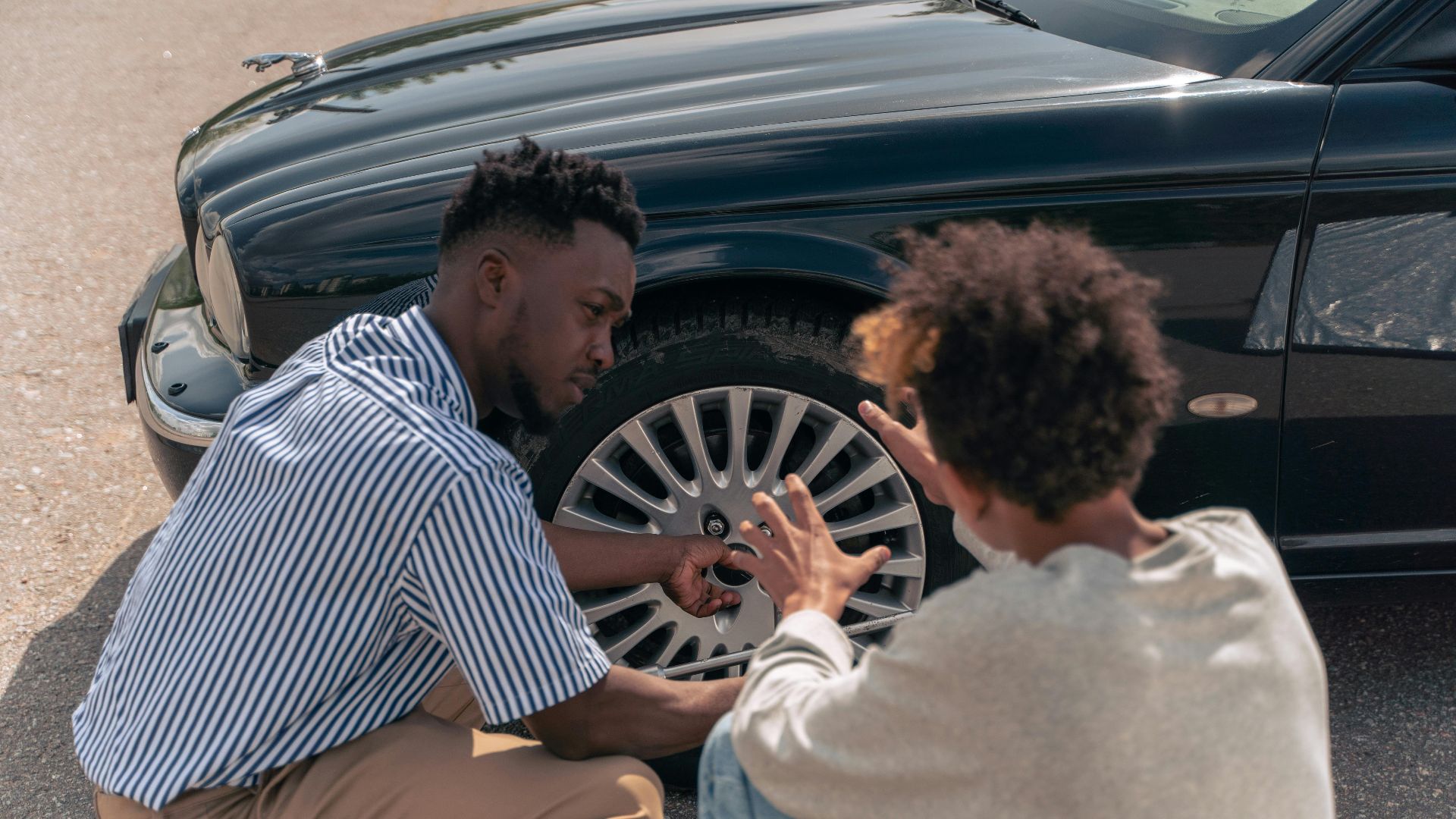
Ever hear something like, “We didn’t want to send you out unsafe”? That line is powerful—and sometimes used to justify doing work without asking first.
Are They Allowed to Just Fix Things Without Asking?
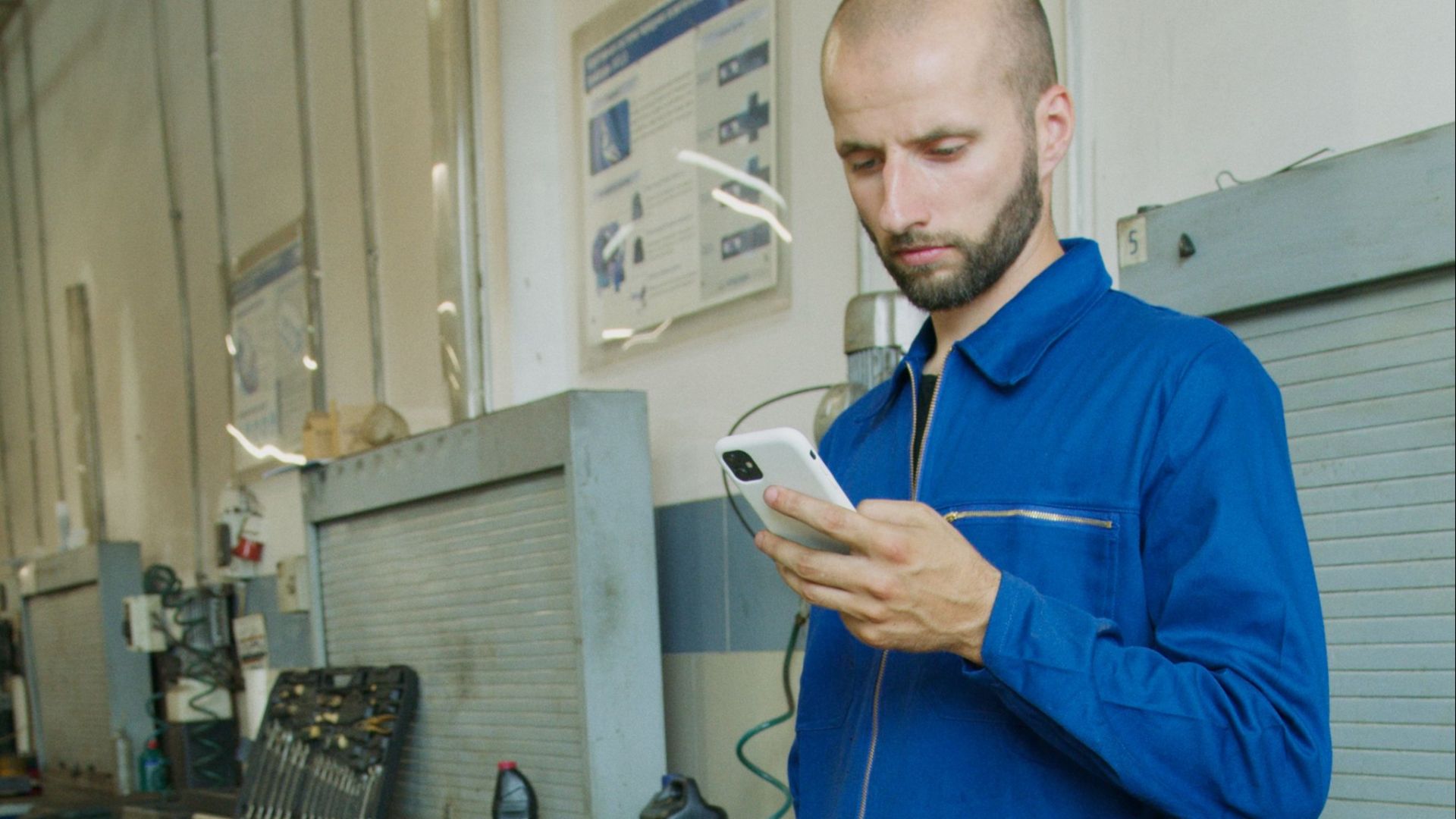
This is where it gets interesting. Most states have consumer protection laws that require authorization before repairs are done—especially if they exceed a certain dollar amount.
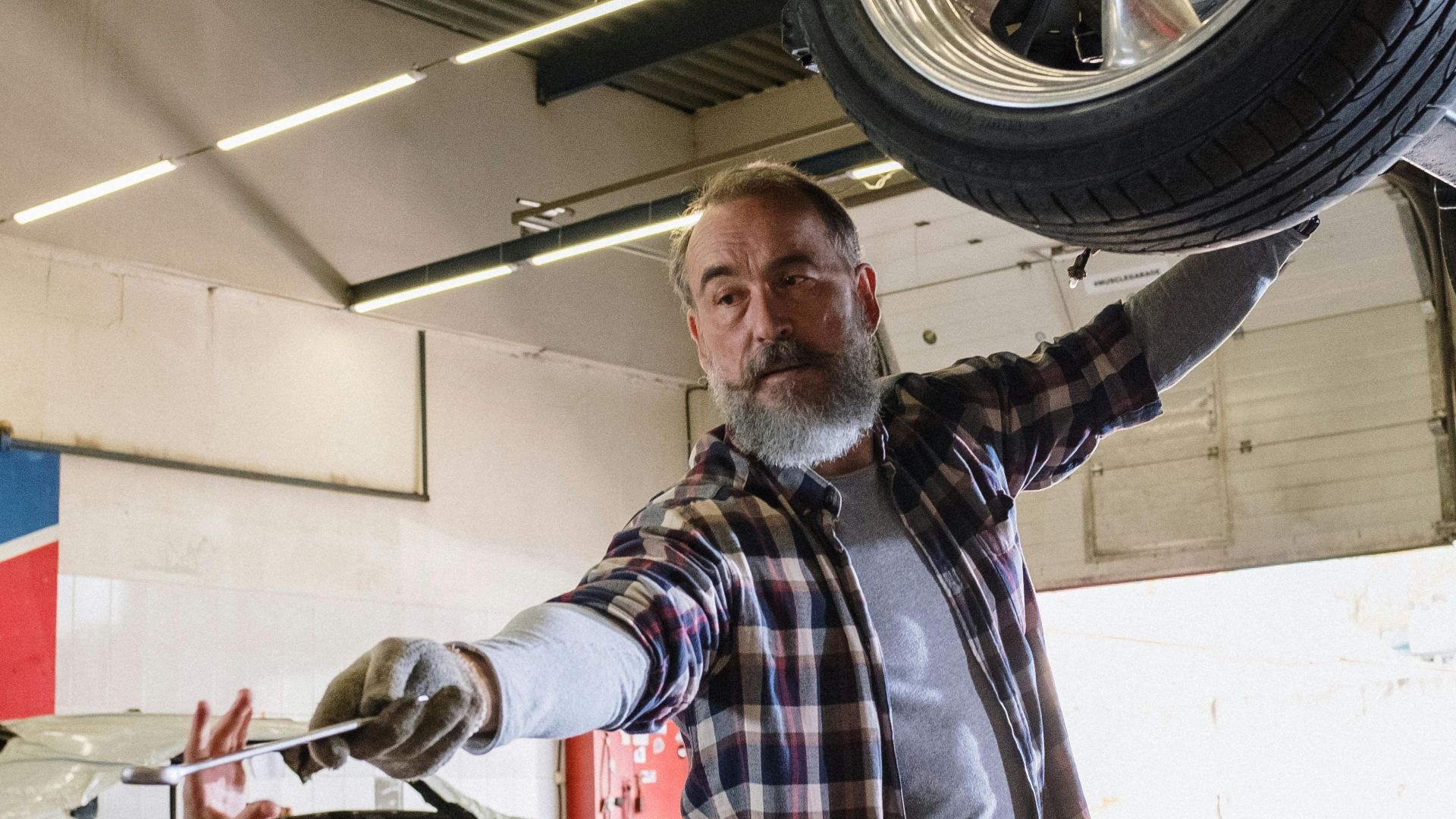
What Authorization Actually Means
It usually means the shop must contact you, explain the issue, and get your approval before proceeding. Verbal approval can count—but silence or assumption does not.
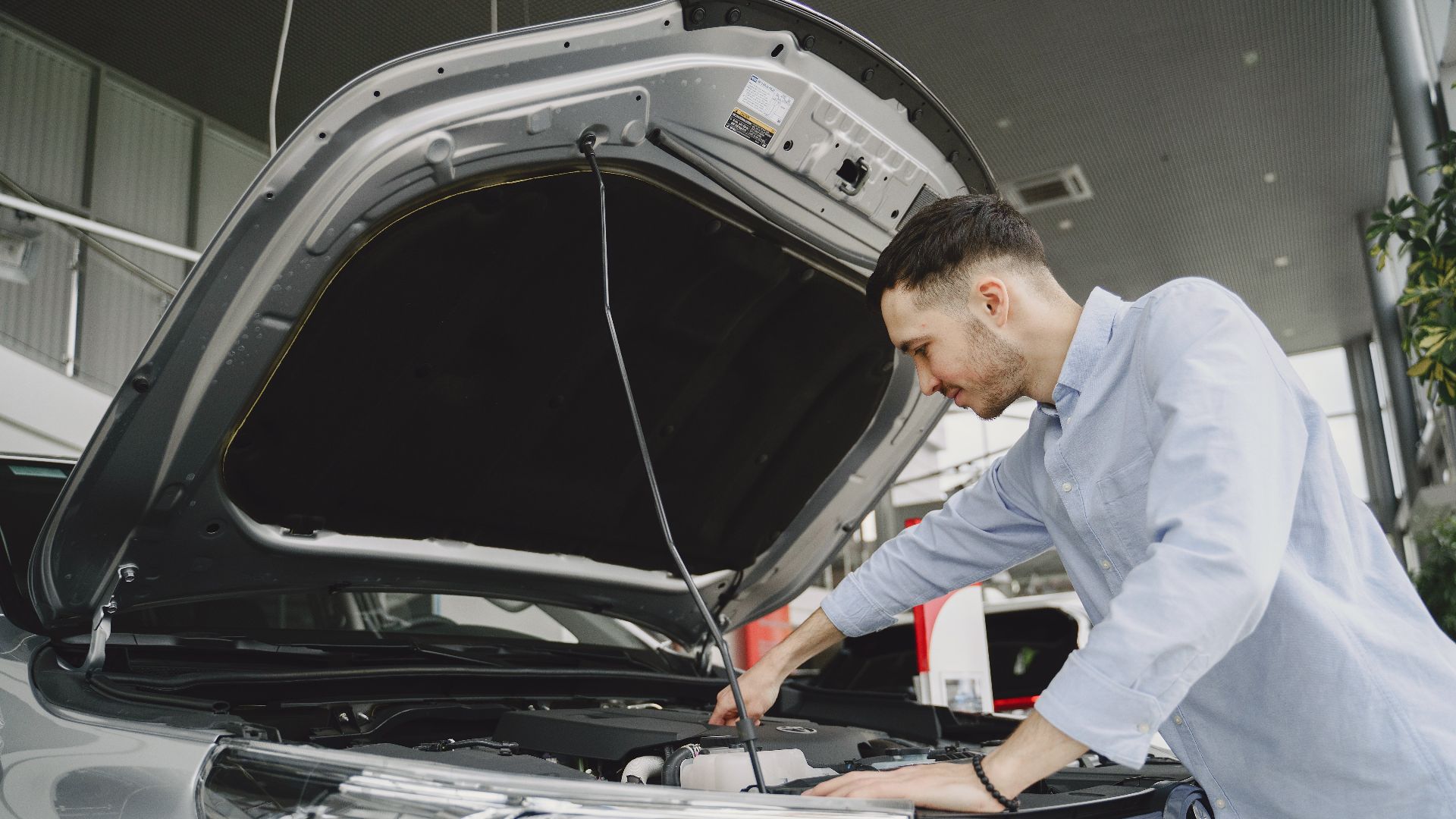
Written Estimates Matter More Than You Think
When you first drop off your car, you’re often given an estimate. Many states require shops to stay within that estimate—or get approval before going over it.

The “Estimate vs. Final Bill” Gap
If your bill suddenly jumps far beyond the estimate without your okay, that’s a red flag. In many places, that’s exactly what consumer protection laws are designed to prevent.

How Much Can They Go Over Without Asking?
This varies by state, but a common rule is around 10%–20% over the estimate. Anything beyond that usually requires explicit authorization.

What Shops Hope You’ll Do
Honestly? Just pay it. A lot of customers feel awkward pushing back, especially when the work is already done and the car is sitting there ready to go.
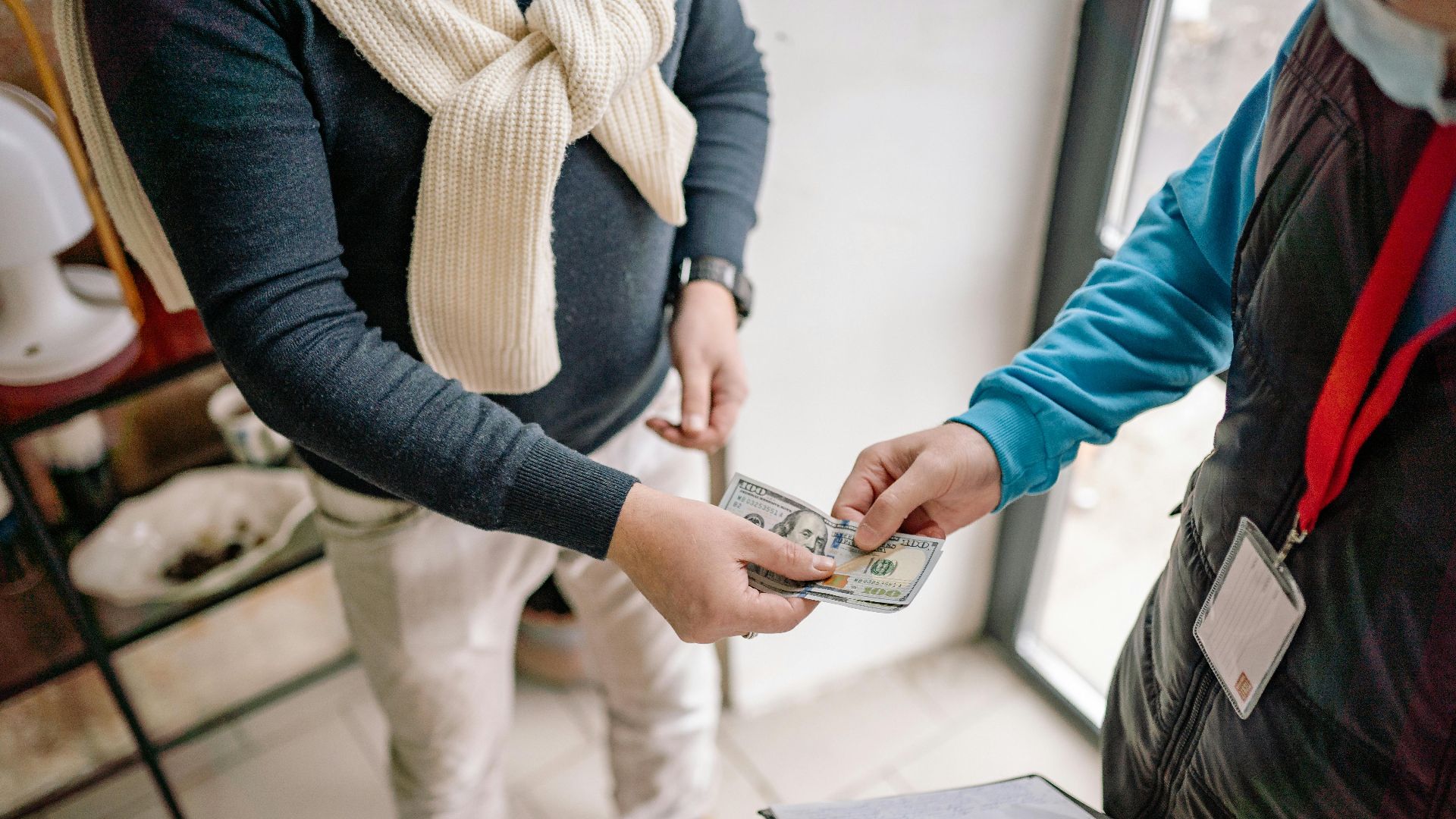
Why This Feels Like You Have No Choice
Because your car is basically being held until the bill is settled. That pressure makes it feel like you *have* to pay—even if something feels off.

Can They Refuse to Give You Your Car?
They can place a mechanic’s lien in some cases, meaning they can legally hold the vehicle until payment is made—but only for authorized work in most situations.

What If You Never Approved the Repairs?
Now you’re in a very different situation. If there’s no record of approval—no call, no signature, no agreement—that weakens their claim significantly.

What You Should Do Immediately
Ask for documentation. When were you contacted? Who approved the work? Is there a signed estimate or recorded authorization? If they can’t show it, that matters.

Can You Refuse to Pay?
This is the big moment—but hold that thought, because the answer depends on a few key factors.

How to Handle It Without Escalating
Stay calm, ask questions, and don’t immediately agree to anything. Many shops will negotiate or remove charges if they realize you understand your rights.

When to Push Back Harder
If the shop insists and you’re confident you didn’t authorize the work, you can escalate—file a complaint with your state’s consumer protection agency or attorney general.

So… Are You Responsible for Unauthorized Repairs?
Not necessarily.
In most U.S. states, you are **not legally required to pay for repairs you did not authorize**, especially if they significantly exceed the original estimate. However, disputes can get messy, and you may need to prove that no approval was given.

The Smart Move Moving Forward
Always ask for written estimates, clarify authorization policies, and tell the shop upfront: “Call me before doing anything extra.” It’s simple—but it protects you.

One Last Thought Before You Grab the Keys
Next time a mechanic says, “We took care of a few extra things,” you might ask yourself—did they help you out… or just help themselves? Because that difference can cost you.

You May Also Like: