Why This Feels So Invasive
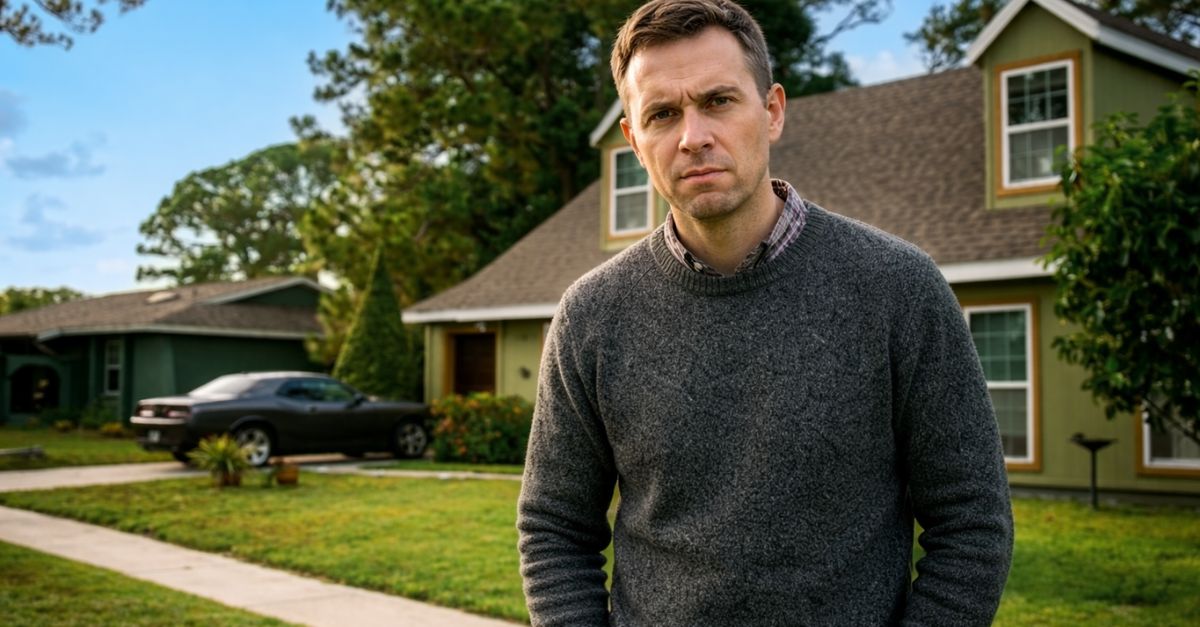
It can feel unsettling to see a neighbor’s camera pointed at your driveway and car. Most people see that space as personal, even if it can be seen from the street. In many cases, a camera that records areas open to public view is more likely to be legal than one that records places where you would normally expect privacy. Welcome to the future.
 Vladimir Gladkov, Pexels, Modified
There Is No Single Rule For Every Situation
In the United States, there is no one federal law that clearly bans or allows every neighbor security camera setup. These cases are usually shaped by state privacy laws, local rules, HOA policies, and the basic idea of a “reasonable expectation of privacy.” That means the same camera placement might be fine in one case and a problem in another. Where you live matters a lot.
What The Law Usually Protects
Privacy law usually cares less about whether being watched feels rude and more about whether the camera records a private area. Bathrooms, bedrooms, changing areas, and the inside of a home are common examples of places with stronger privacy protection. A front driveway, on the other hand, is often visible to people walking by, delivery drivers, and cars on the road. Because of that, recording a driveway is often treated differently from recording inside a house.

Driveways Are Often Seen As Publicly Visible
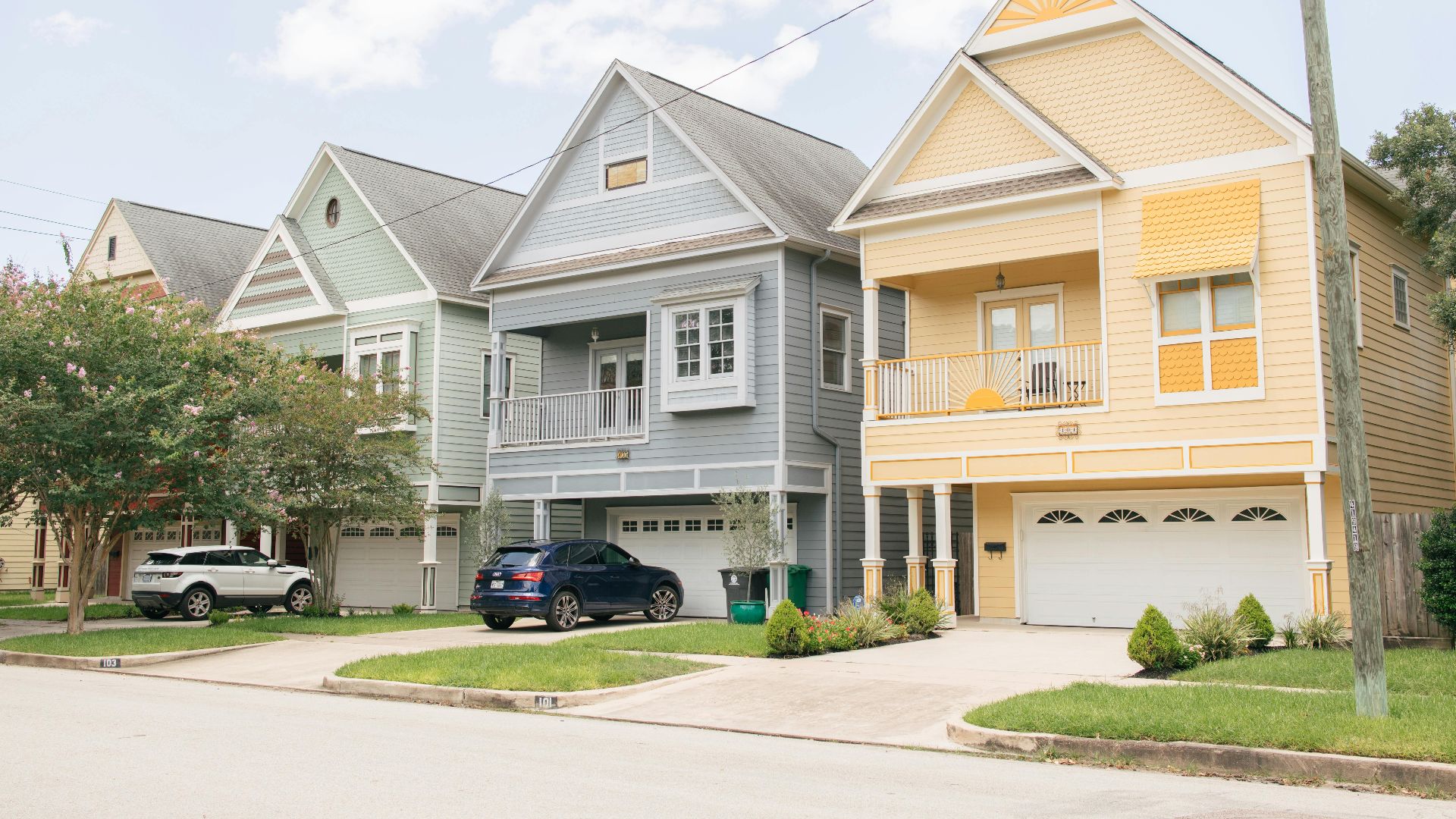
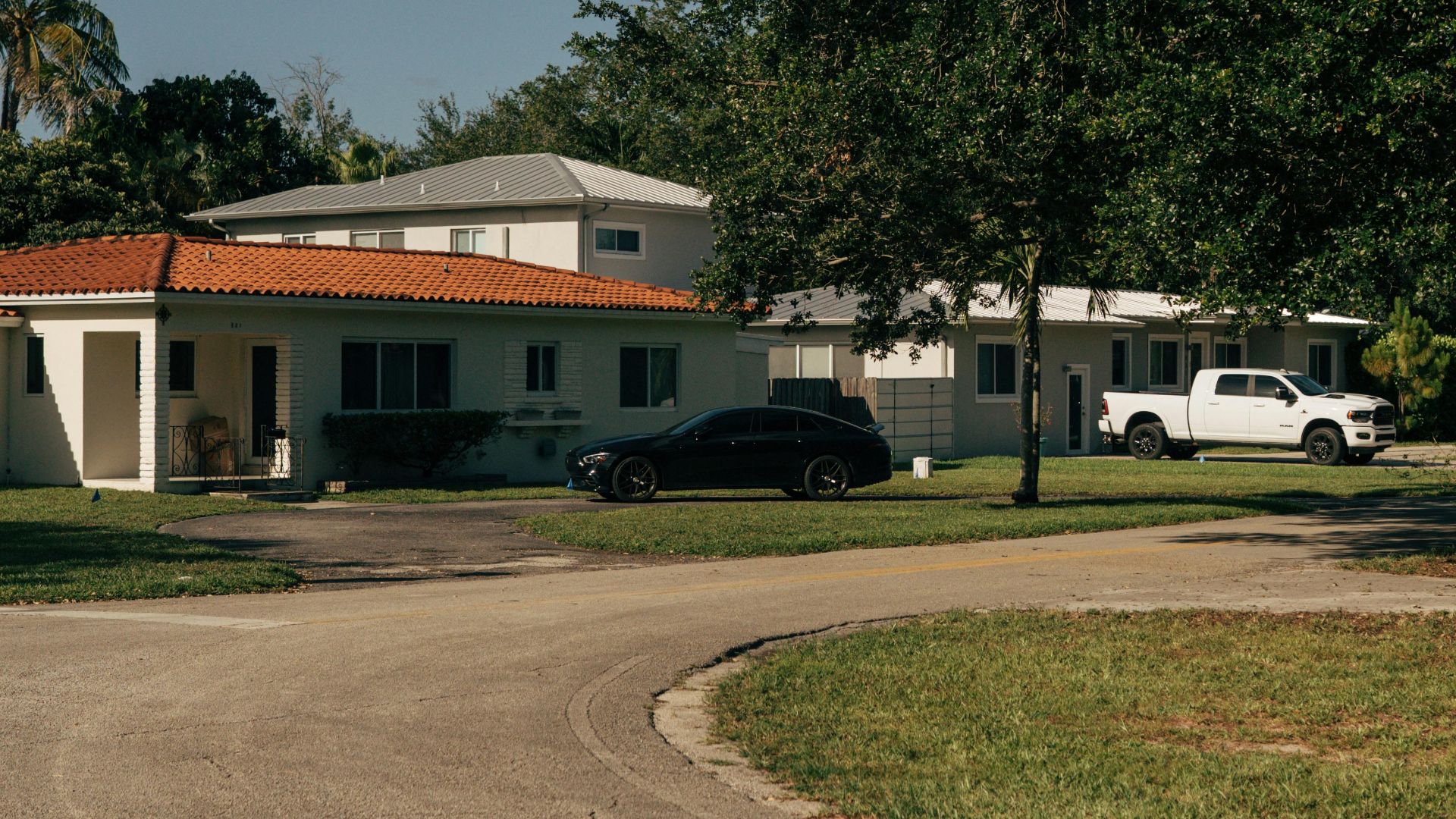
If your driveway can be seen from the sidewalk or street, the law often treats it as a place with less privacy. That does not automatically make every recording legal, but it can make a legal challenge harder. A neighbor may also have a real security reason for using a camera that covers part of the property line, street, or nearby area. If the camera happens to catch your parked car in plain view, that is usually less serious than a camera aimed into private windows or fenced-in spaces.
Pointing At Your Car Is Not Always The Same As Spying
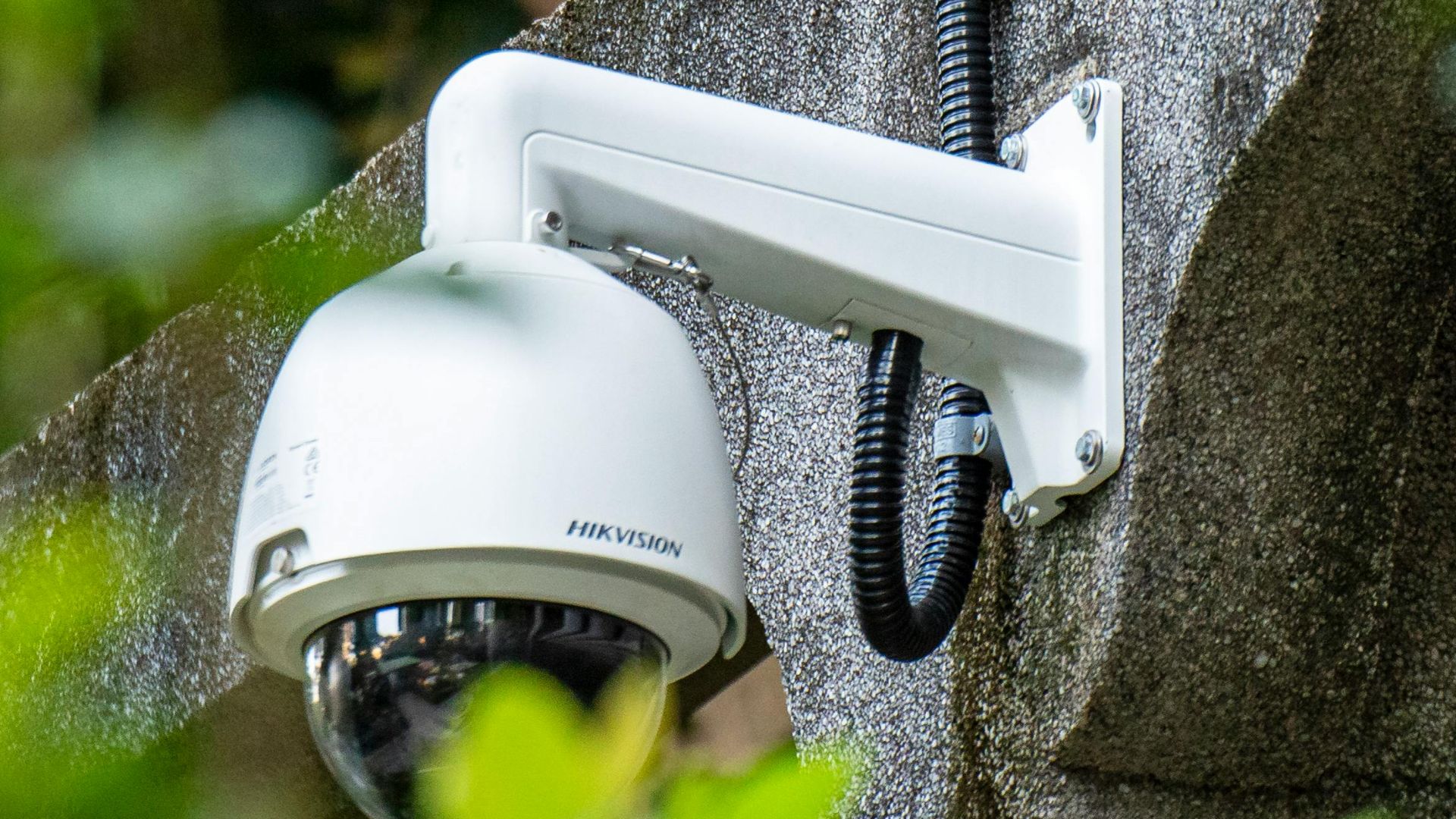
A lot depends on whether the camera is part of a normal home security setup or clearly aimed at your property for no real reason. Security cameras often have a wide view, and that can naturally include part of a neighboring driveway or curb. That kind of overlap is common. But if the camera seems unusually focused on your property, especially if it zooms, tracks movement, or follows your activity, the concern becomes more serious.
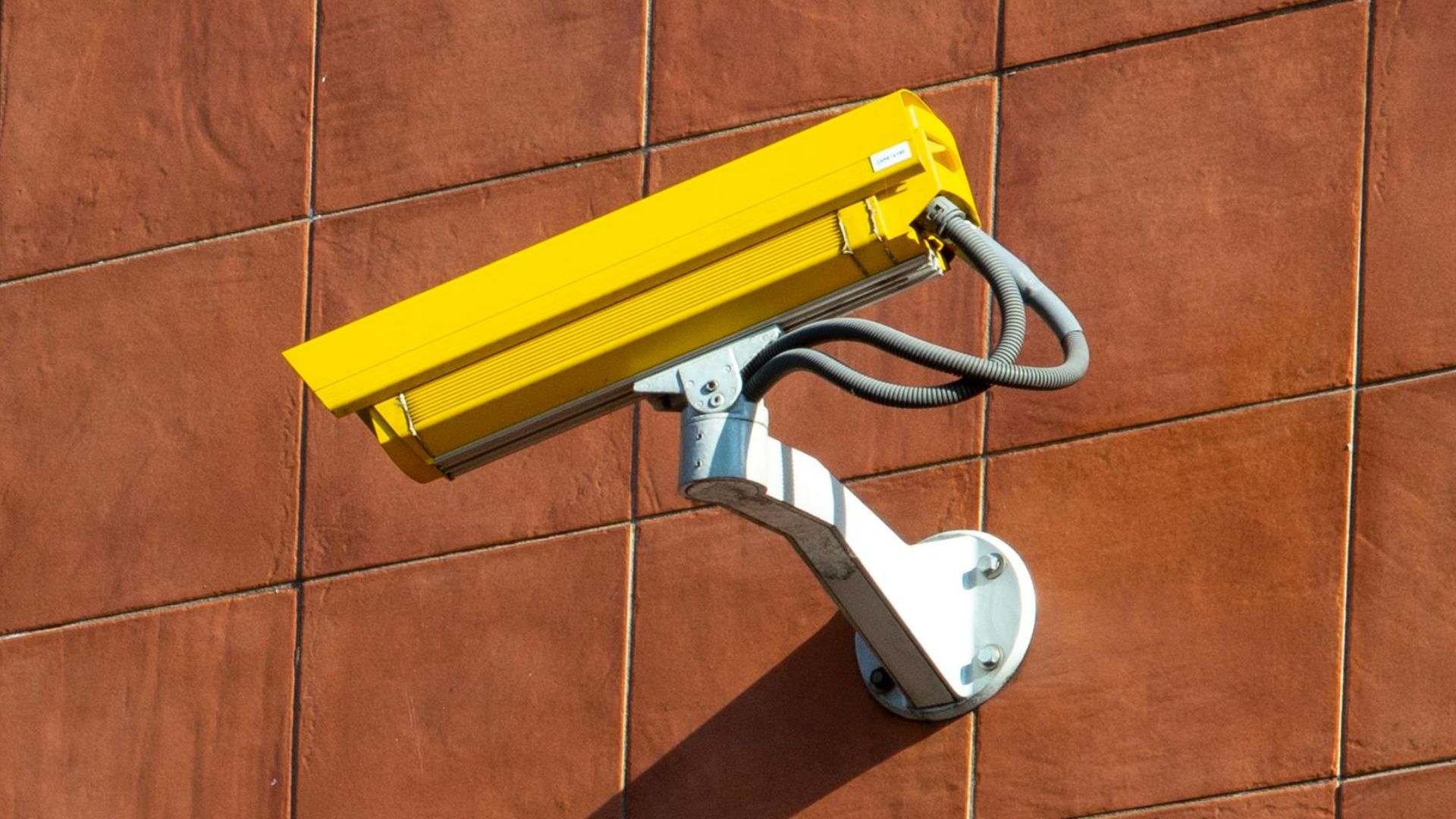
Reasonable Expectation Of Privacy Is The Key Idea
One of the main legal ideas here is “reasonable expectation of privacy.” In simple terms, the law asks whether an ordinary person would expect that area or activity to be private. You usually have a much stronger privacy claim inside your home than in a front yard or open driveway. If the camera records something anyone on the street could already see, courts are often less likely to call it a privacy violation.
Windows Change The Situation Quickly
The issue gets more serious if the camera can see into your house through windows. Even if the camera is on your neighbor’s property, using it to record private activity inside your home may lead to civil claims or break state privacy laws. This is especially true if the recording looks intentional and not accidental. A camera that catches part of your driveway is one thing. A camera that regularly looks into your living room is very different.
Audio Recording Can Cause Bigger Legal Problems
Video is only part of the issue. If the camera also records sound, wiretapping and eavesdropping laws may apply, and those rules can be stricter than the rules for video. Some states allow recording if one person in the conversation agrees. Other states require everyone involved to agree in some situations. So a camera with a microphone pointed near your driveway or porch can raise separate legal issues, especially if it records private conversations.

State Laws Can Differ A Lot
Some states have specific laws about unlawful surveillance, hidden cameras, or recording in places where people expect privacy. Other states rely more on general privacy claims, harassment laws, or stalking laws. So whether something is legal may depend heavily on where you live. If you want a more reliable answer, check your state legislature, attorney general, or court resources instead of relying on guesses online.

Harassment And Stalking Laws May Also Matter
If the camera is part of a bigger pattern of intimidation, threats, or targeted monitoring, the issue may go beyond a normal security camera dispute. Repeated behavior meant to scare or upset someone can sometimes support a harassment or stalking complaint, depending on state law. The camera alone may not be illegal, but the overall conduct could still matter. Context is important in these cases.
Hidden Cameras Are Different From Visible Security Cameras
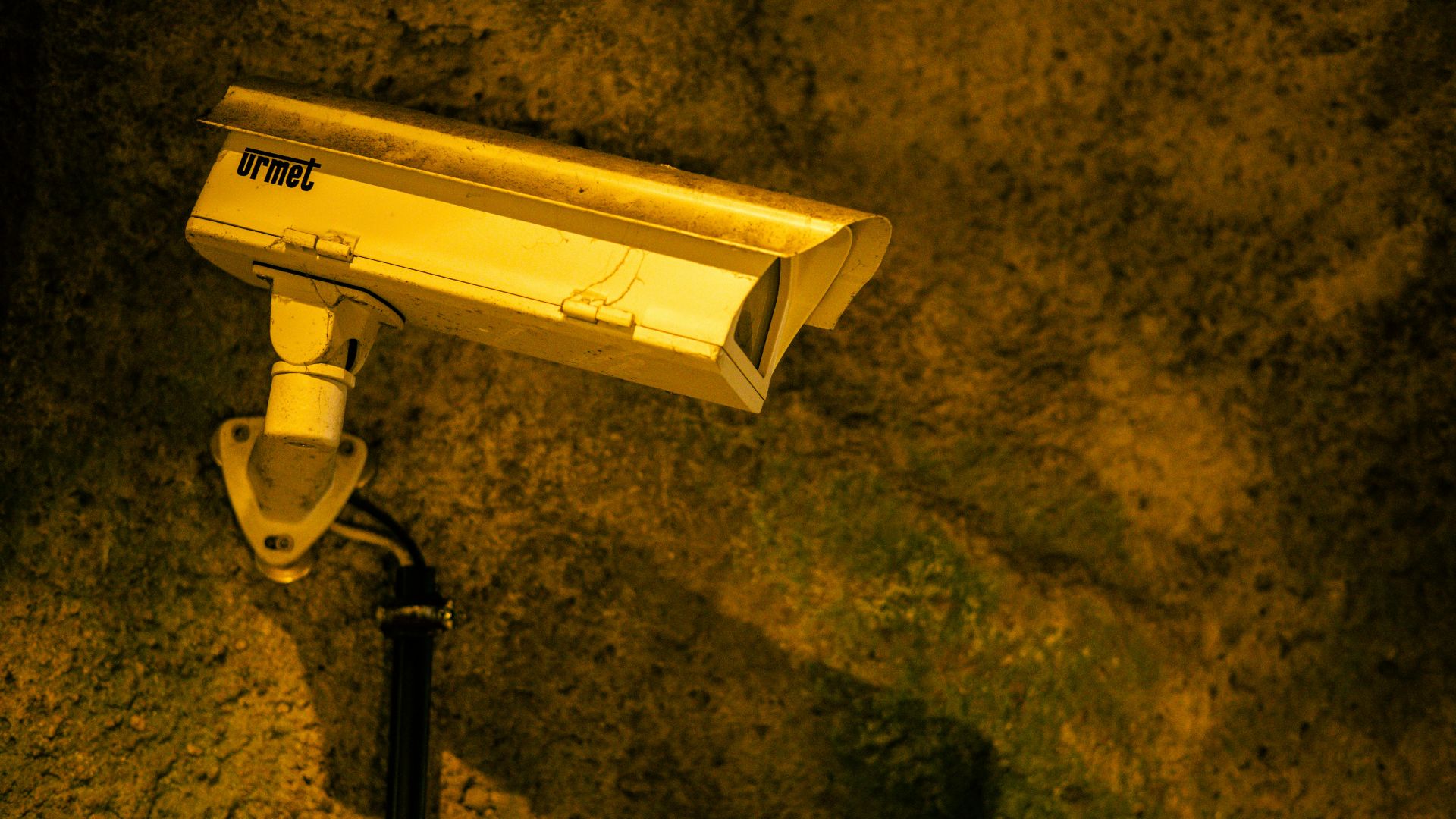
A visible doorbell camera or floodlight camera is usually treated differently from a hidden device. Hidden cameras often raise stronger legal concerns, especially if they are used to record people in places where privacy is expected. A visible camera aimed at a front exterior area is usually easier to defend than a secret one placed somewhere unusual. The fact that a camera is hidden can make it look more intentional and suspicious.
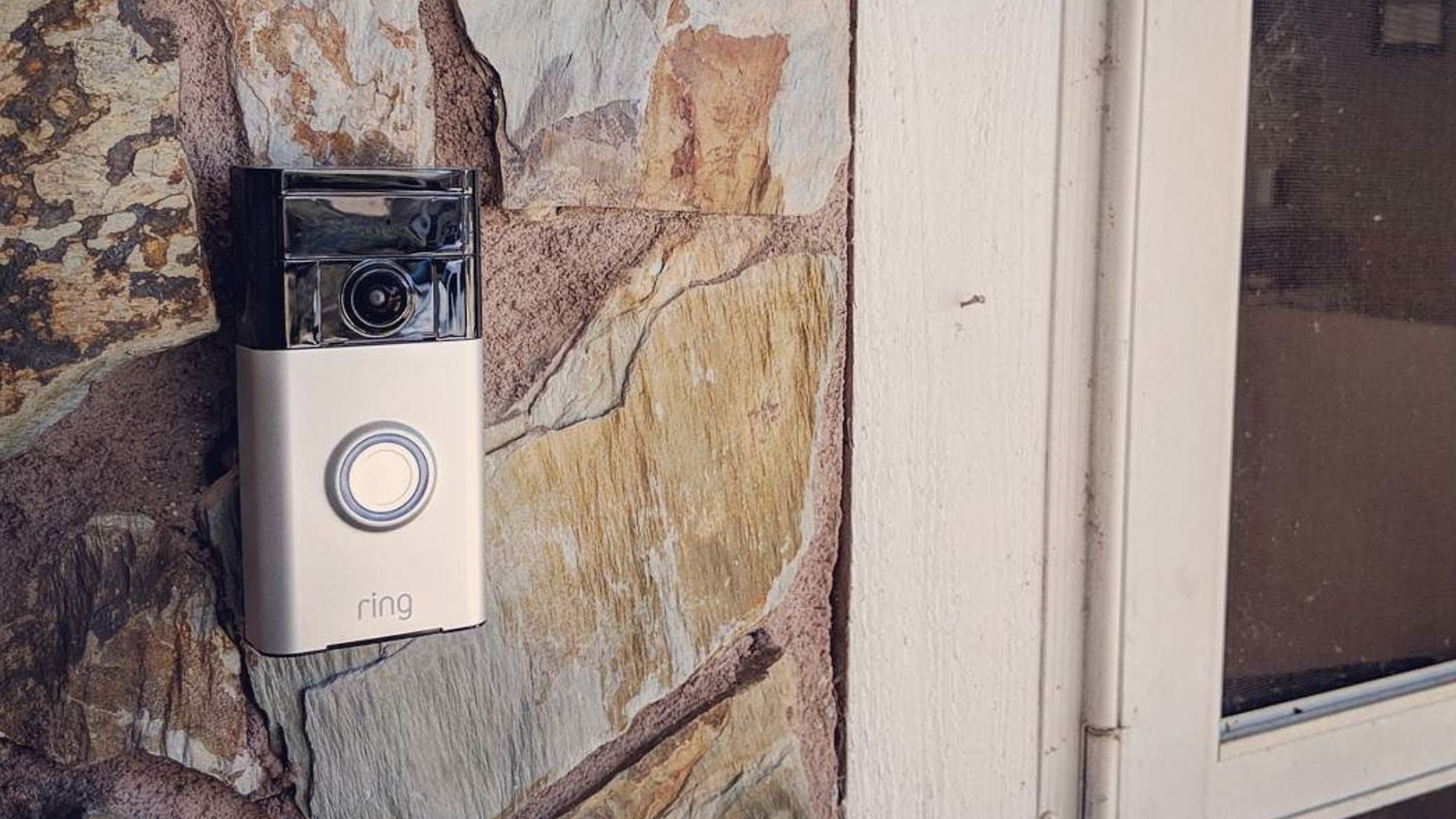 Robert Nelson from Tarpon Springs, Florida, USA, Wikimedia Commons
HOA And Lease Rules Can Affect The Outcome
Even if a camera setup is not clearly illegal under state law, it still might break HOA rules, condo rules, or lease terms. Many communities have rules about outdoor fixtures, nuisance behavior, or devices pointed at nearby property. Renters may also be limited by building policies. So something can be legal under state law and still not be allowed where the person lives.

Local Rules Might Matter Too
Some cities and counties have rules about nuisance behavior, exterior equipment, or property use that can matter in a surveillance dispute. Local rules usually do not replace state privacy law, but they can still affect what is allowed in a neighborhood. In some places, police or code enforcement may be willing to review a complaint if the camera seems improperly installed or tied to an ongoing dispute. It is worth checking your city or county website.
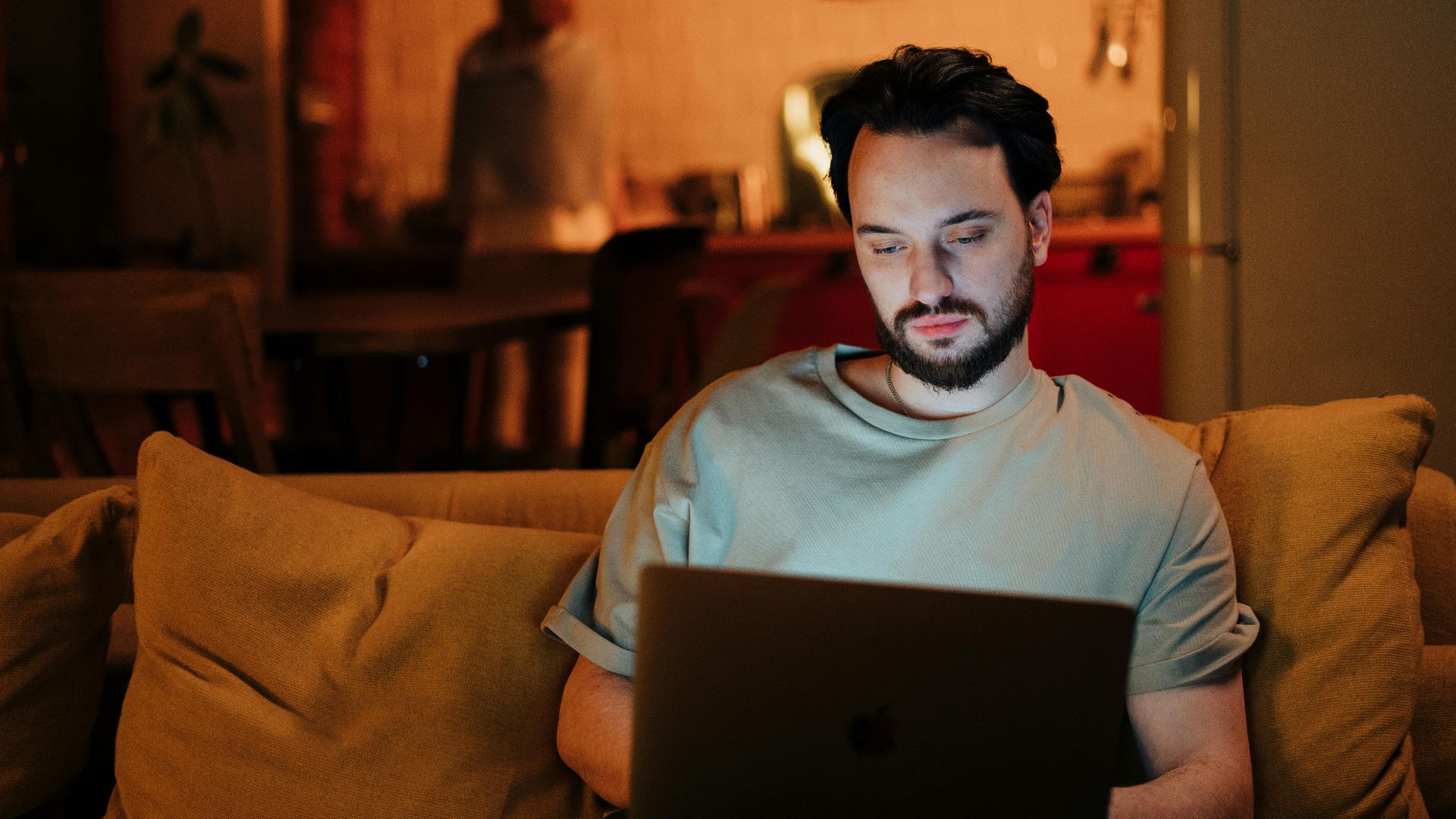
What Police May Do If You Call
Many people are surprised to learn that police may not remove a neighbor’s camera just because it points toward their property. If the camera appears to record only exterior areas that are already visible to the public, officers may treat it as a civil issue rather than a crime. But if there is evidence of stalking, voyeurism, trespass, or unlawful audio recording, law enforcement may take a closer look. A lot depends on what the camera records and what proof exists.

Document What You Are Seeing
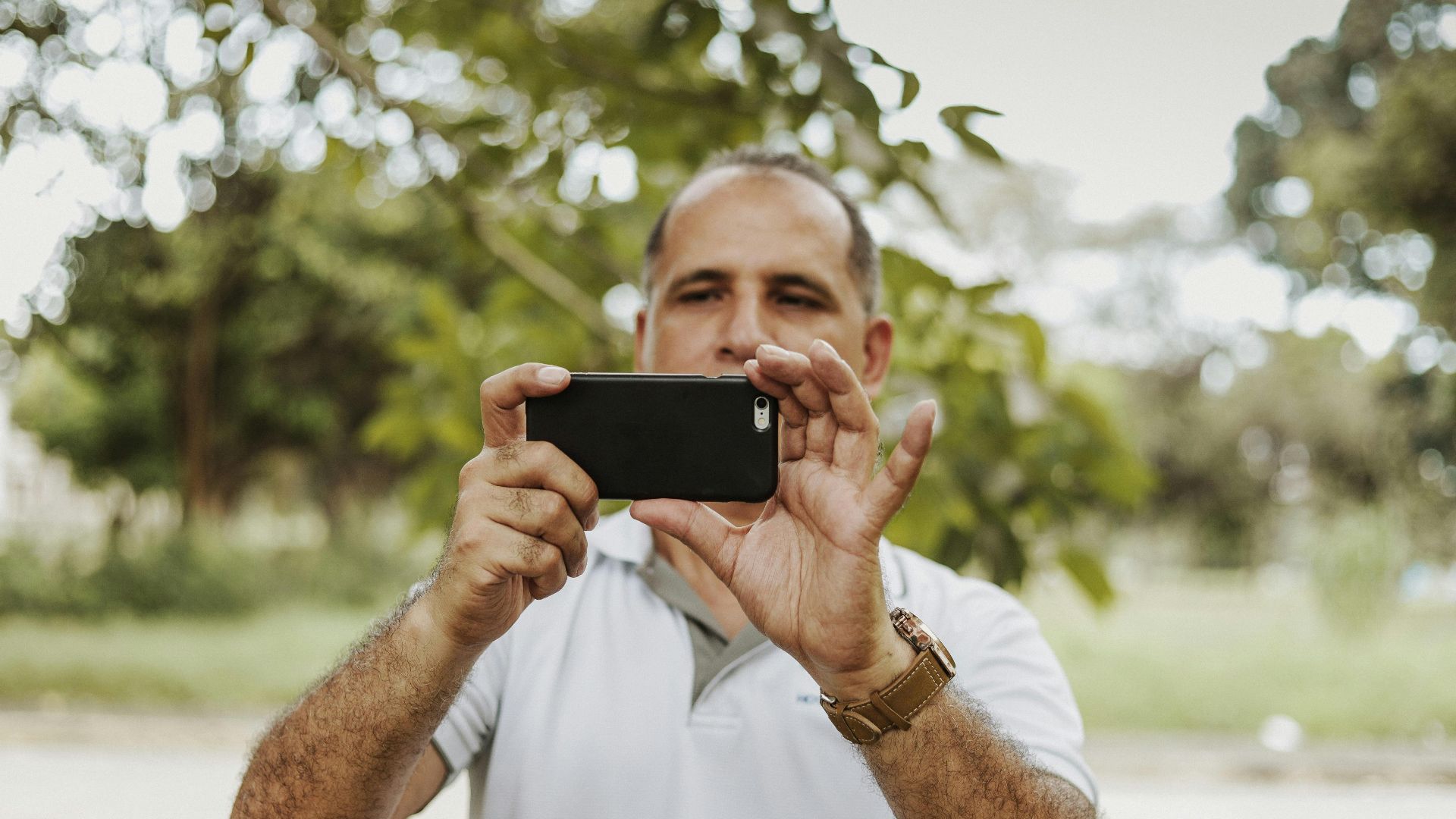
If you think the camera crosses a line, start by documenting the facts carefully. Take photos from your property that show the camera’s location and likely angle. Keep notes about dates, times, and any related incidents. If the device seems to move, zoom, or follow you, write that down too. Good records can help if you later talk to police, an HOA, code enforcement, or a lawyer.
Talking To Your Neighbor May Help
It may feel awkward, but a calm conversation can sometimes solve the problem faster than a legal fight. Your neighbor may not realize how intrusive the setup feels, or the camera’s view may be easy to adjust. You can ask whether they can move the camera, block part of the image, or turn off audio. If the overlap is accidental, a simple conversation may fix it.

Many Cameras Have Privacy Zone Settings
Modern security cameras often let users block out part of the image with privacy zones or masking tools. That means a neighbor may be able to watch their own yard or front door without closely recording your driveway. If the issue is accidental overlap, this can be a simple solution. Suggesting a technical fix may help keep the situation calm while protecting your space.
When To Contact An HOA Or Landlord
If speaking directly with your neighbor does not work, the next step may be a landlord, property manager, condo board, or HOA. These groups can sometimes enforce community rules more quickly than a court can. If you make a complaint, provide clear photos, a short timeline, and any rules that seem relevant. A clear and factual complaint usually works better than an emotional one.

When It Is Time To Talk To A Lawyer
You may want legal advice if the camera appears to record inside your home, captures audio, is hidden, or seems to be part of ongoing harassment. A local lawyer can review your state’s privacy laws, possible civil claims, and whether a court order might be an option. They can also tell you whether the facts are strong enough to justify formal action. These cases are very local and fact-specific, so individual legal advice can matter a lot.

You May Have Civil Legal Options
Depending on the state and the facts, a person may have civil claims such as intrusion upon seclusion, nuisance, or emotional distress. These claims are not automatic, and they usually require more than simple annoyance. Courts often look for a serious intrusion into something genuinely private. Still, if the surveillance is extreme or clearly targeted, it may be worth asking a lawyer about your options.

What Usually Makes A Case Stronger
Cases are often stronger when the camera records private areas, includes audio, is hidden, or is part of threatening behavior. It can also matter if the device sees through windows, over fences into secluded spaces, or into enclosed areas. Text messages, arguments, or other evidence showing the surveillance is meant to intimidate can also help. The more specific your evidence is, the easier it is to judge your options.

What Usually Makes A Case Weaker
A case is usually weaker when the camera records only what anyone standing on the street could already see. If your car is parked in an open driveway and the device is a normal visible security camera protecting a nearby home, the law may be more forgiving. That does not mean your concern is not real. It just means the legal line is often based on privacy expectations, not discomfort alone.
The Bottom Line On Legality
So, is it legal for your neighbor to install a camera pointing at your driveway and car? Often, yes, if it records only exterior areas in public view and does not record private spaces or break audio recording laws. But it can become a legal problem if it looks into your home, records a private area, is used to harass you, or breaks state surveillance laws. If you are not sure, document the setup, check local and state rules, and get legal advice if the facts suggest more than ordinary home security.