Is Your Car Is Secretly Recording You?
You watched a video that claimed all new vehicles can secretly record conversations inside the cabin. Now every time you shut the door, you feel like you’re stepping into a rolling surveillance van. It sounds dramatic—and honestly, a little terrifying.
But before you start whispering in your own car, let’s break down what’s actually true.

Do New Cars Have Microphones?
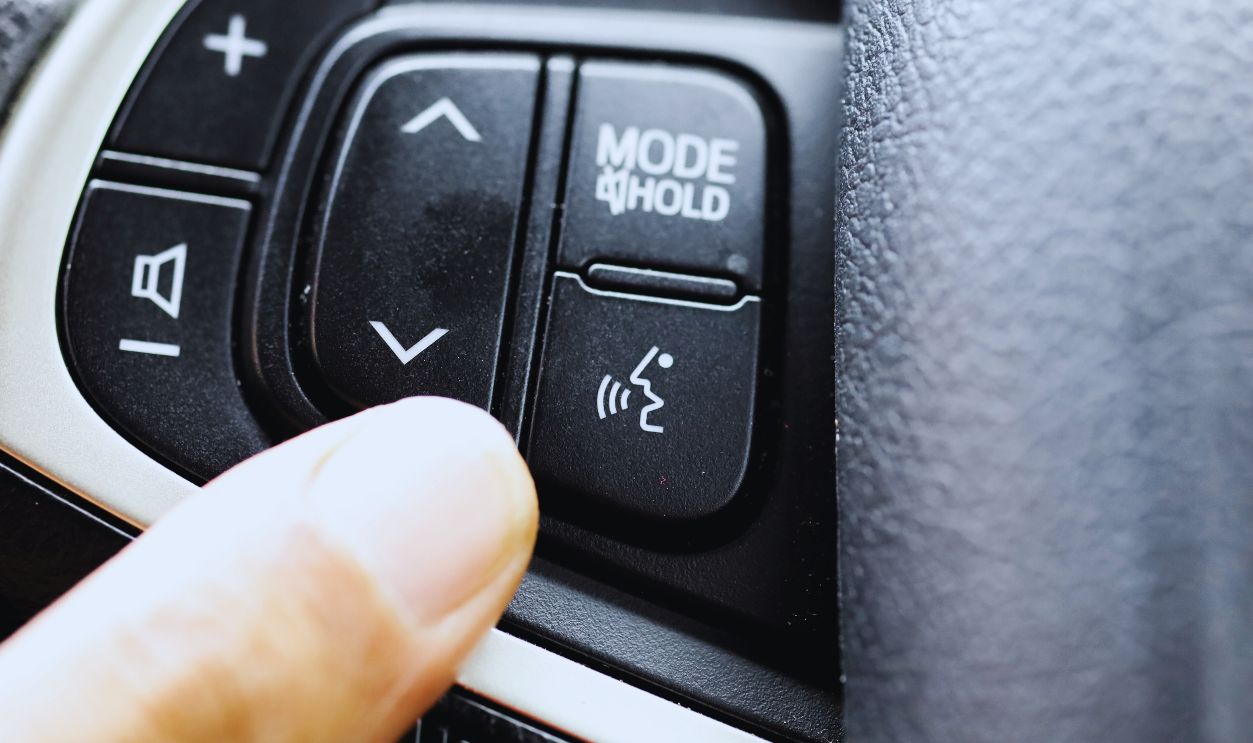
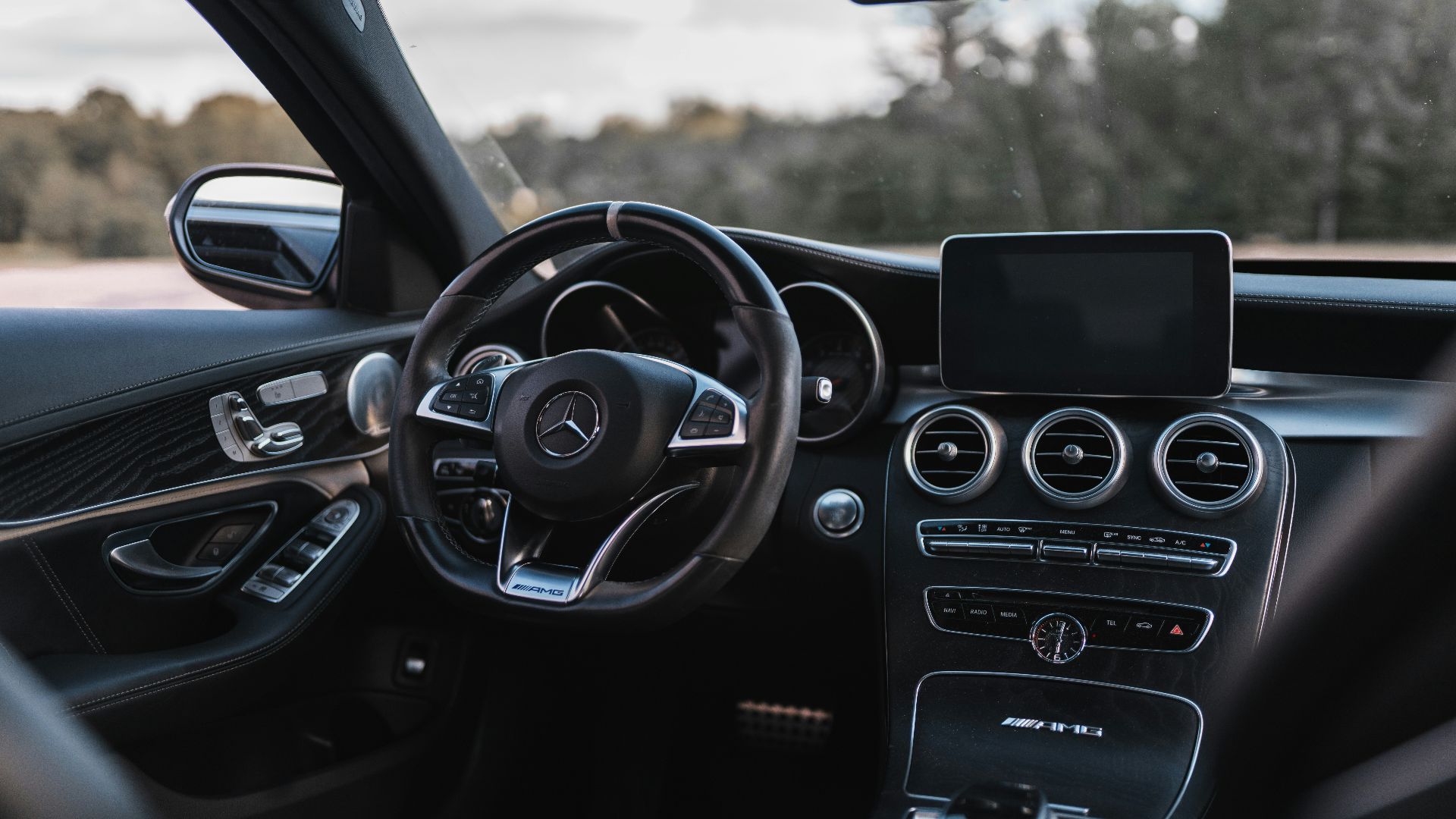
Yes, most modern vehicles have built-in microphones. They’re used for hands-free phone calls, voice commands, and in-car digital assistants.
If you’ve ever said “Call John” or “Navigate home,” that microphone made it happen. Having a microphone doesn’t automatically mean it’s recording everything 24/7.
Why Microphones Are There in the First Place
Manufacturers install microphones to improve safety and convenience. Hands-free calling keeps drivers from touching their phones. Voice commands reduce distraction.
Without microphones, those features simply wouldn’t work. The presence of hardware doesn’t equal hidden surveillance.

Are They Always Listening?
Most systems are not constantly recording conversations.
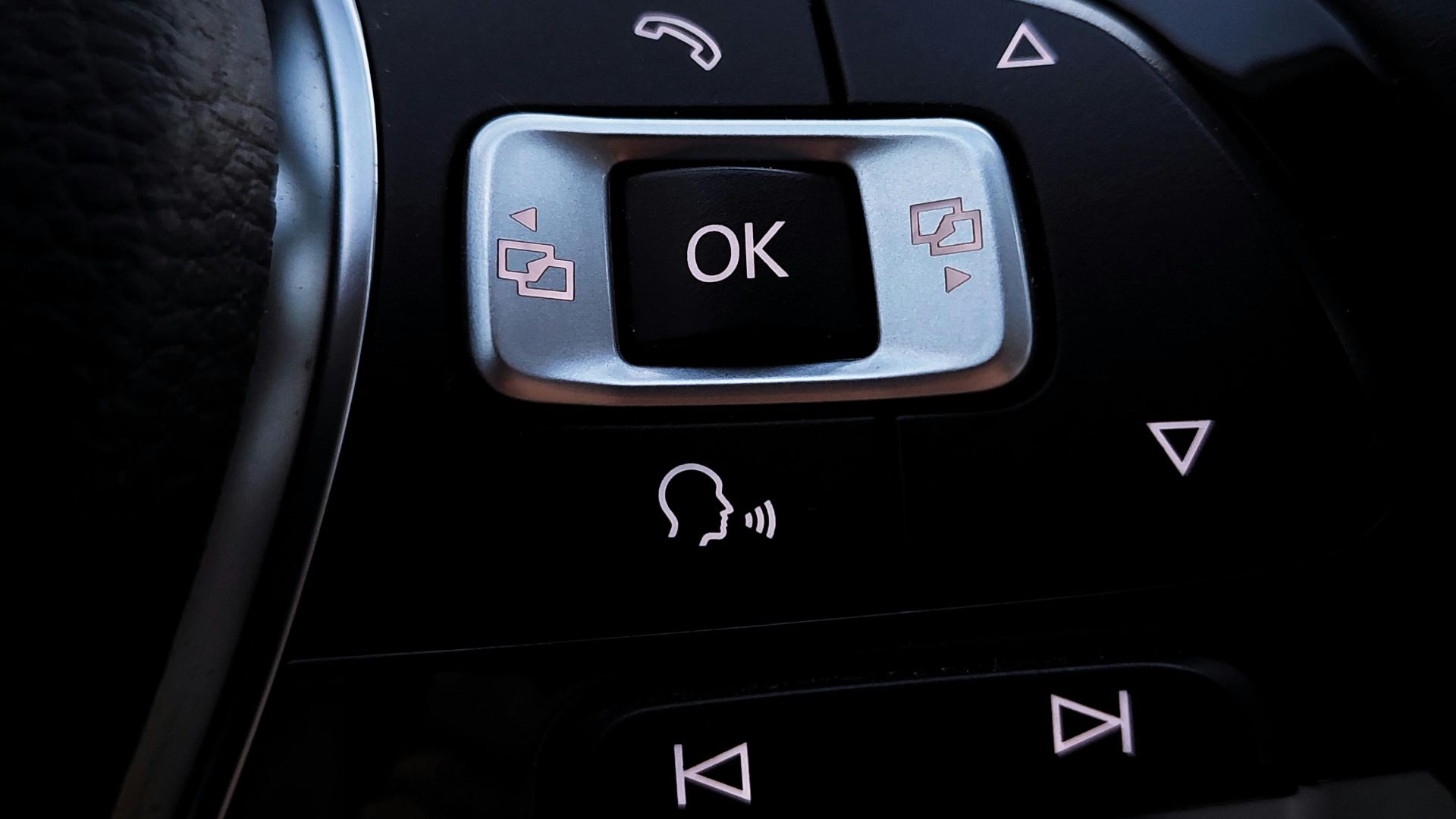
Many voice systems activate only when you press a voice-command button or use a wake phrase. Outside of those triggers, the microphone isn’t continuously storing cabin audio.
There’s a difference between “ready to listen” and “recording everything.”

What About Wake Words?
Some vehicles respond to wake phrases like “Hey [Brand Name].” In those cases, the system may listen briefly for that phrase.
Even then, the system is typically designed to process short audio snippets locally until the wake phrase is detected. It’s not archiving full-length cabin conversations by default.

Where Does Voice Data Go?
When you use voice commands, some systems process the request locally in the vehicle. Others send short audio clips to cloud servers to interpret your request.
That data handling is usually described in the manufacturer’s privacy policy. It’s tied to using the feature—not to random background conversations.

Are Conversations Being Stored?
There is no standard feature in mainstream consumer vehicles that continuously records and stores everyday passenger conversations.
If audio data is collected, it’s generally limited to voice command interactions. Continuous secret recording would create enormous legal and regulatory consequences for automakers.
What About Event Data Recorders?
Many vehicles have event data recorders (EDRs), sometimes called “black boxes.” These devices record technical vehicle data during a crash.
They capture things like speed, throttle position, brake use, and seatbelt status. They do not record cabin audio.
That’s performance data—not private conversation tracking.

Do Interior Cameras Change Anything?
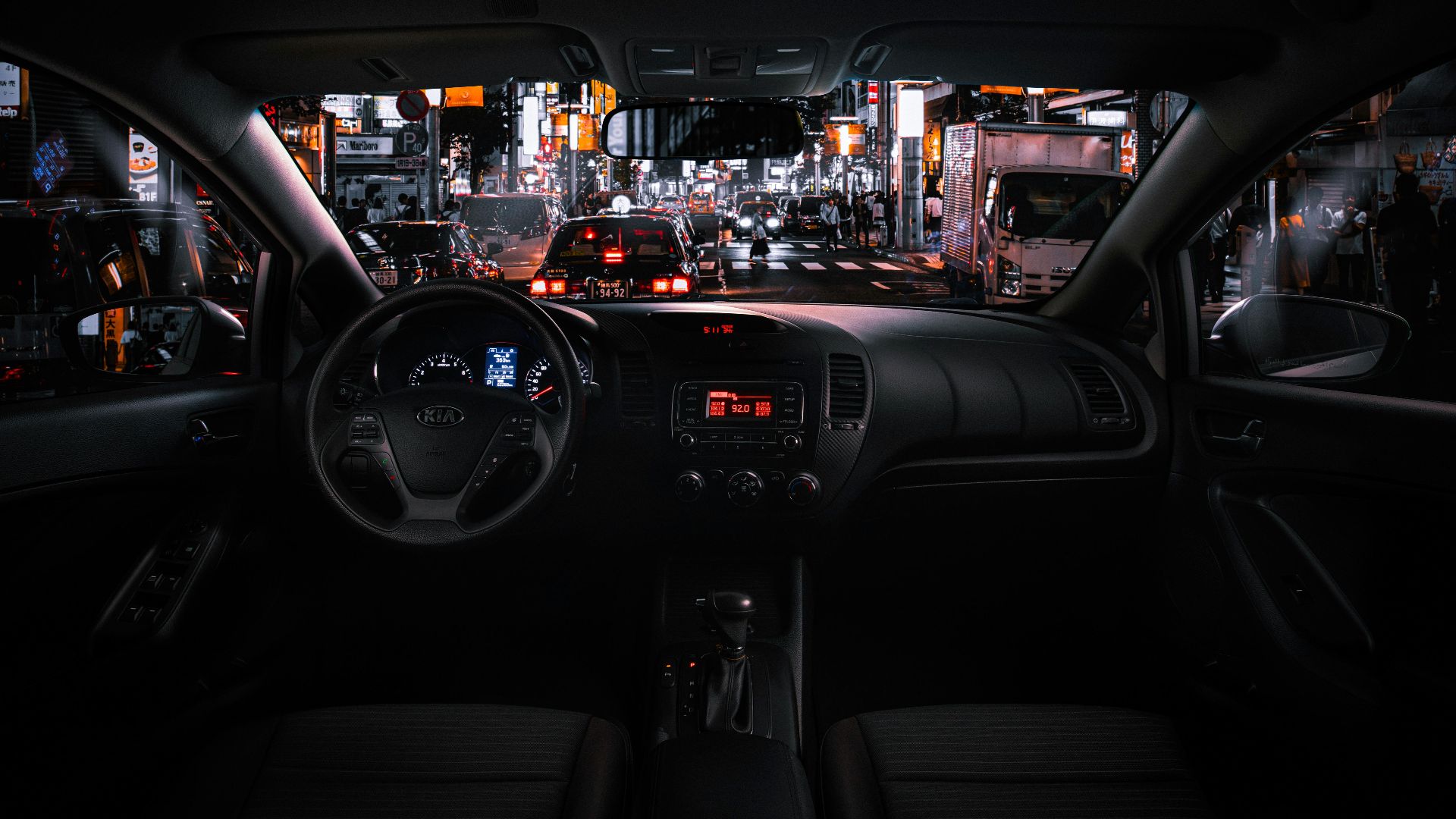
Some vehicles include driver-monitoring cameras. These systems detect distraction or drowsiness.
Most process video locally and are not designed to store or transmit continuous footage. And again, cameras are separate from microphones.
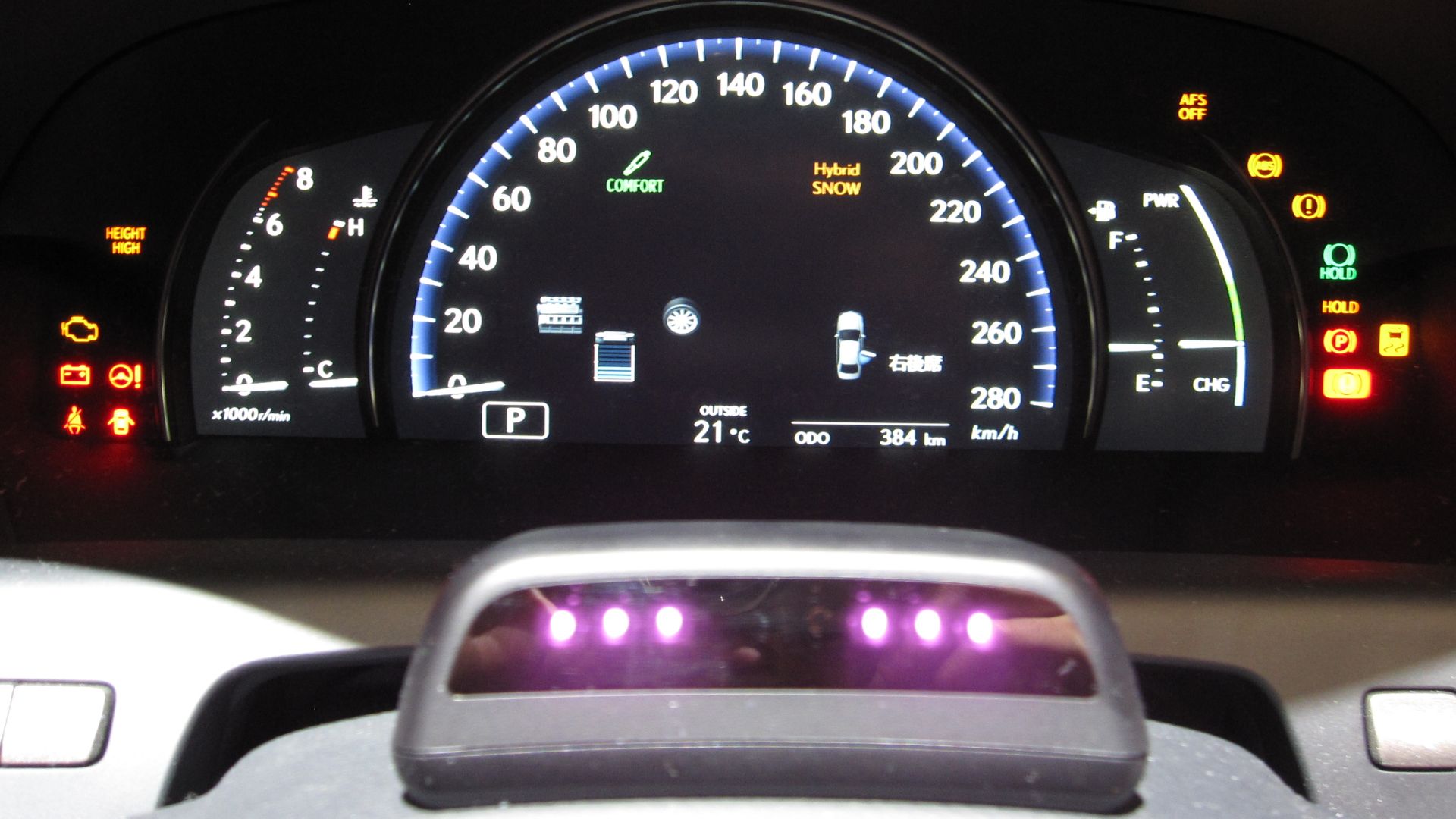 C Ling Fan from Tokyo, Japan, Wikimedia Commons
Could a Car Technically Record Audio?
Technically, yes. Any device with a microphone could record audio if programmed to do so.
But capability doesn’t mean default behavior. Manufacturers would have to clearly disclose ongoing recording in privacy agreements, and secretly storing conversations would pose massive legal risks.
What Do Privacy Policies Say?
Automakers publish privacy disclosures explaining what data is collected. This may include vehicle diagnostics, usage data, and limited voice command processing.
If continuous cabin audio recording were happening, it would have to be disclosed. That kind of practice cannot legally stay hidden for long.

Can Law Enforcement Access Audio?
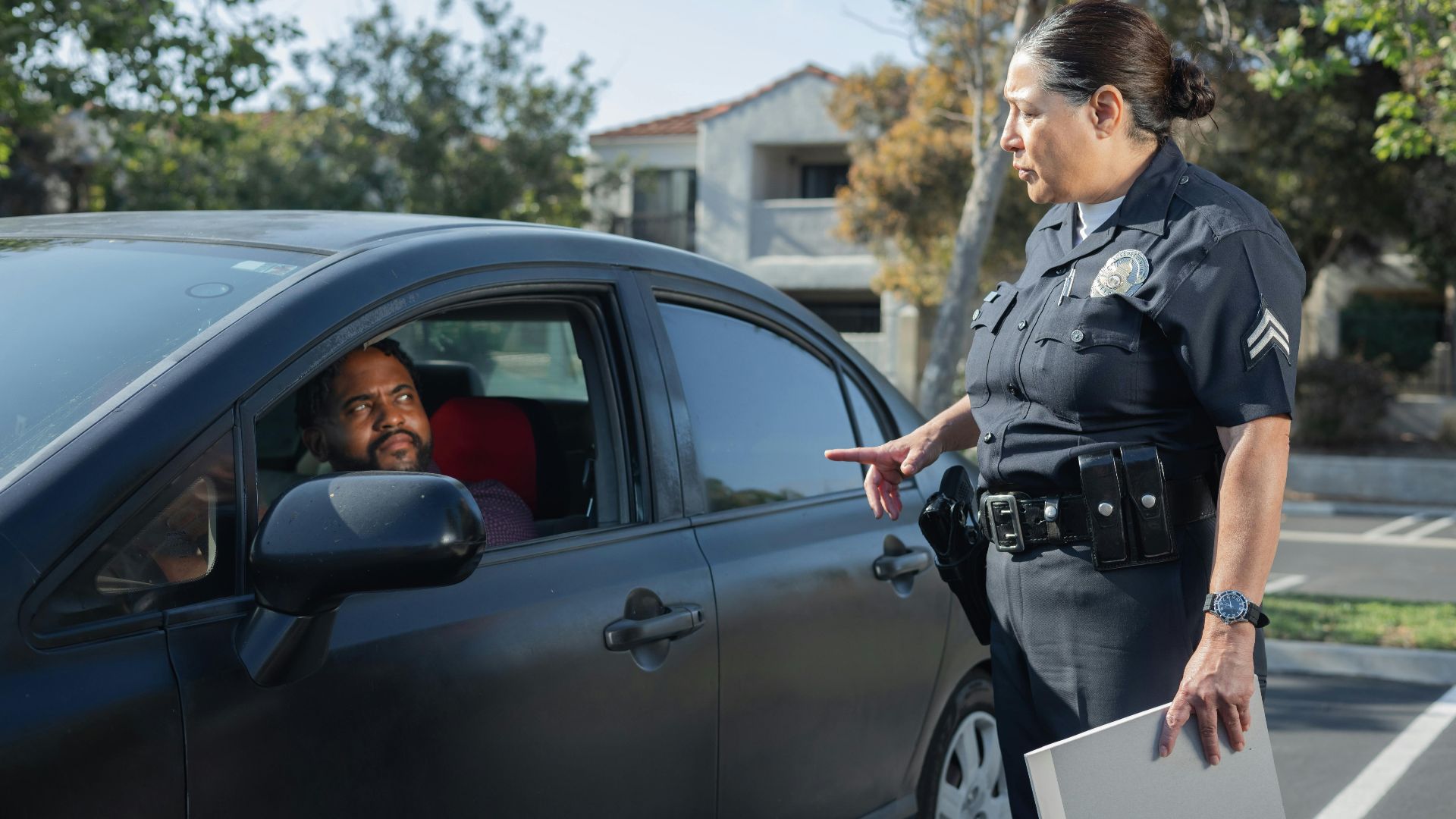
In rare legal situations, stored vehicle data may be accessed through proper legal channels.
But that applies to specific data that actually exists. There is no standard database of secretly recorded passenger conversations waiting to be pulled.
What About Third-Party Devices?
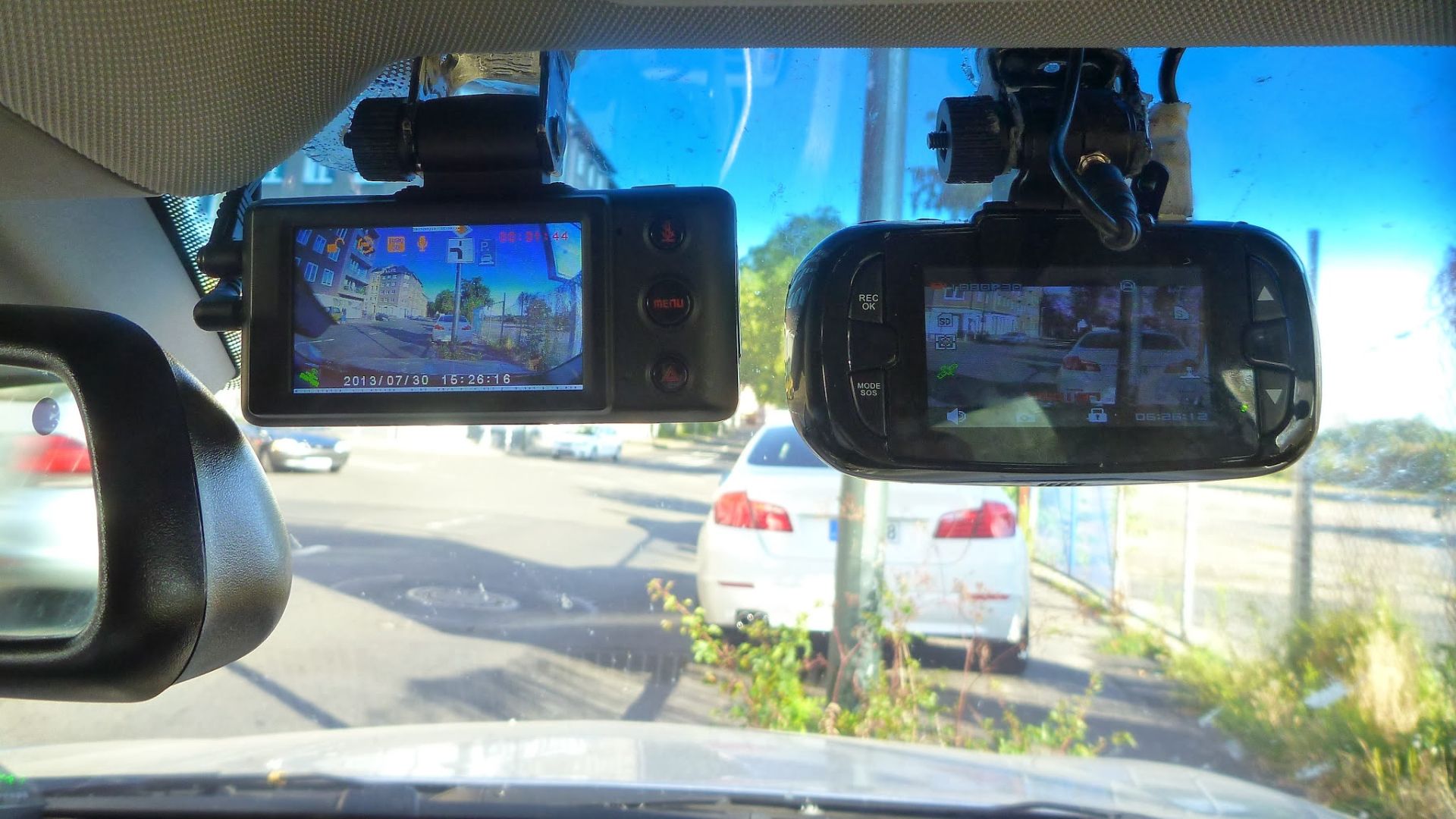
Aftermarket dash cams or security systems may include audio recording features. Fleet vehicles and rideshare setups may also use recording equipment.
Those are separate installations—not standard features in typical personal vehicles straight from the factory.
Are Some Cars More Connected Than Others?
Yes. Modern vehicles collect more data than older ones.
Connected services may gather driving behavior, maintenance alerts, and sometimes location data. But cabin conversation recording is not a default telematics feature.
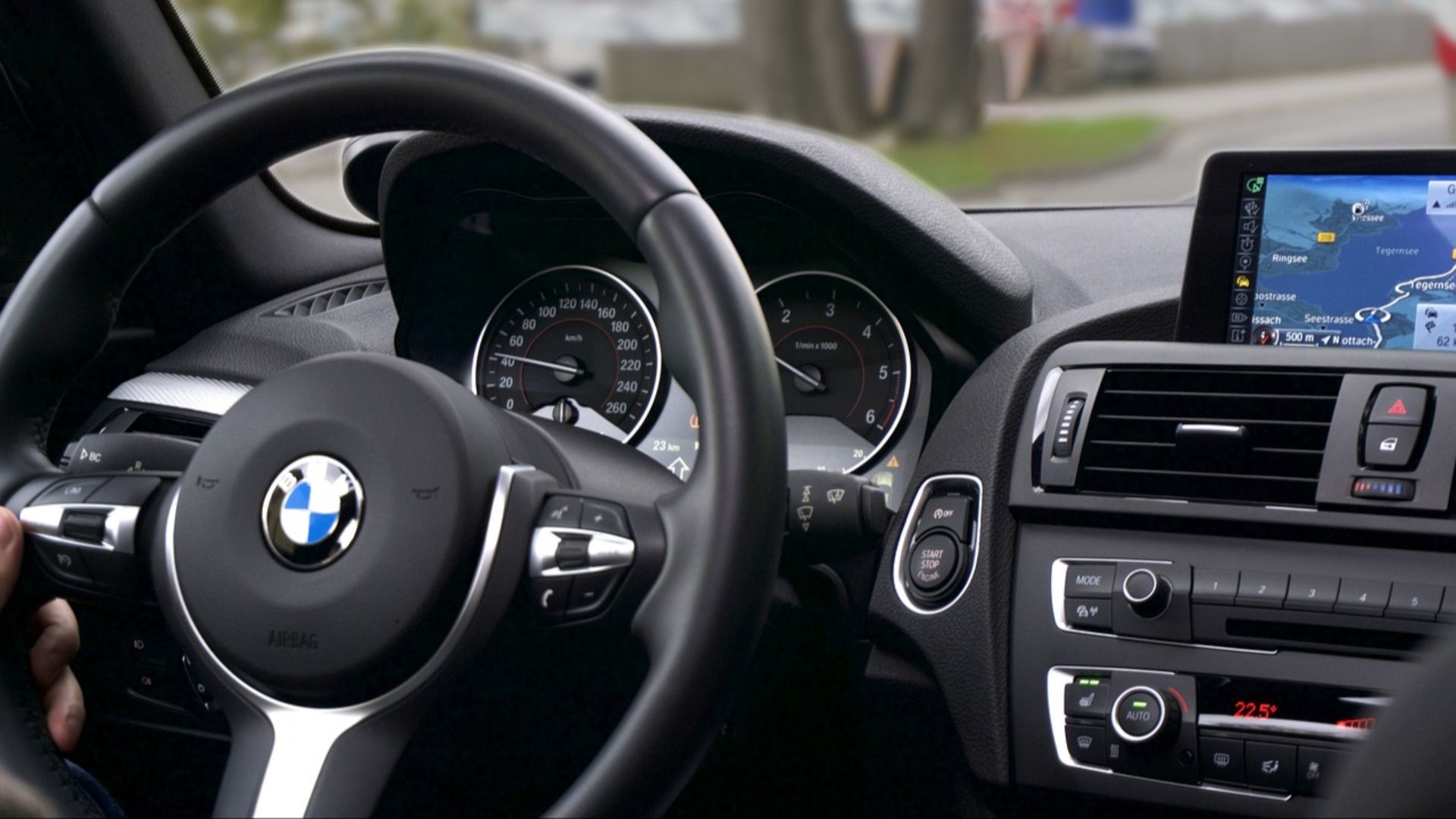
Can You Disable Voice Features?
Often, yes.
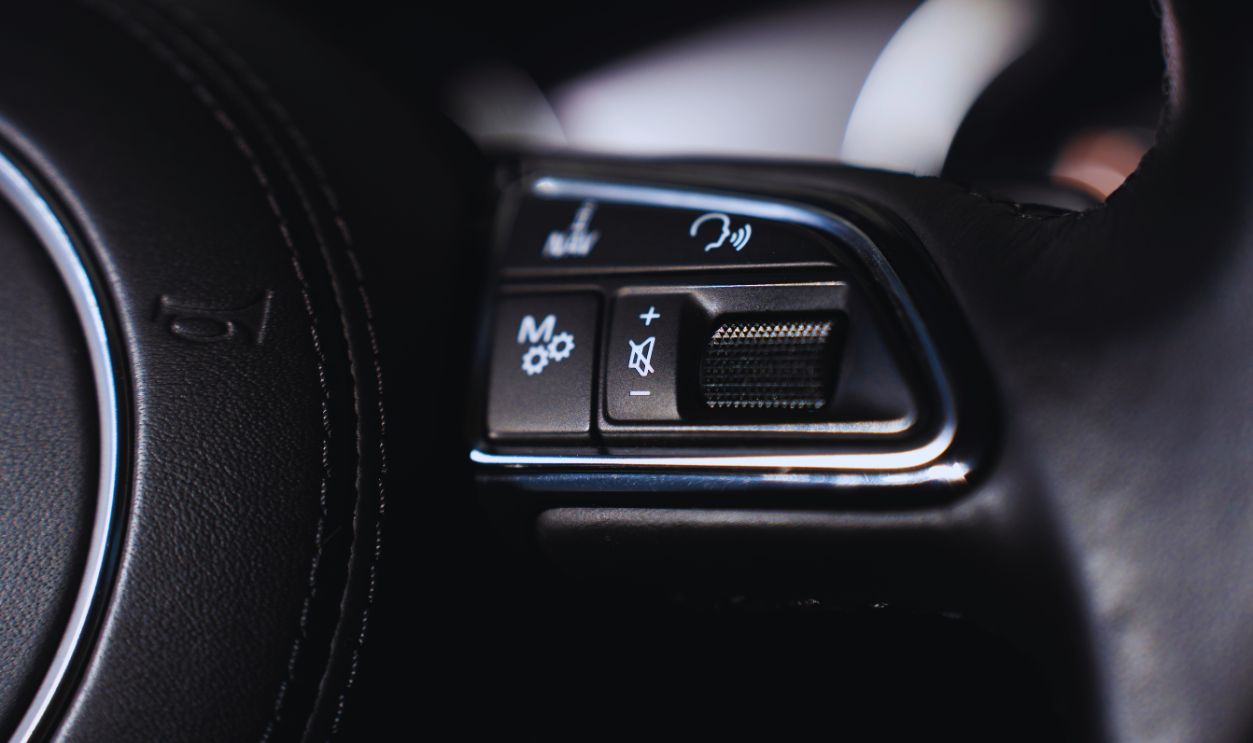
You can disable voice assistants, mute wake-word detection, or opt out of connected services. You can also disconnect your vehicle from the manufacturer’s mobile app.
Turning off features may reduce convenience—but it gives you more control.
Why Do These Rumors Spread?
Tech anxiety spreads quickly online. A microphone in the dashboard sounds suspicious if you don’t know how it works.
Add dramatic music and a confident narrator, and suddenly a standard safety feature feels like a spy device.
So… Is Your Car Secretly Recording You?
In typical consumer vehicles, there is no built-in system secretly recording and storing your everyday cabin conversations by default.
Yes, microphones exist. Yes, voice commands are processed. But constant hidden audio surveillance is not a standard feature in new vehicles.

Should You Be Concerned at All?
It’s always smart to understand what technology you’re using.
Reading your vehicle’s privacy policy, checking connected services settings, and disabling features you don’t want are reasonable steps. Awareness is healthy—panic is optional.

The Bottom Line
Modern vehicles are packed with sensors, microphones, and connected features. But the claim that all new cars are secretly recording your conversations inside the cabin? That’s not how standard systems are designed.
Your car may listen when you press a button. It’s not secretly building an audio documentary of your life.
You May Also Like: