Twice A Day, The Driveway Becomes A Parking Lot
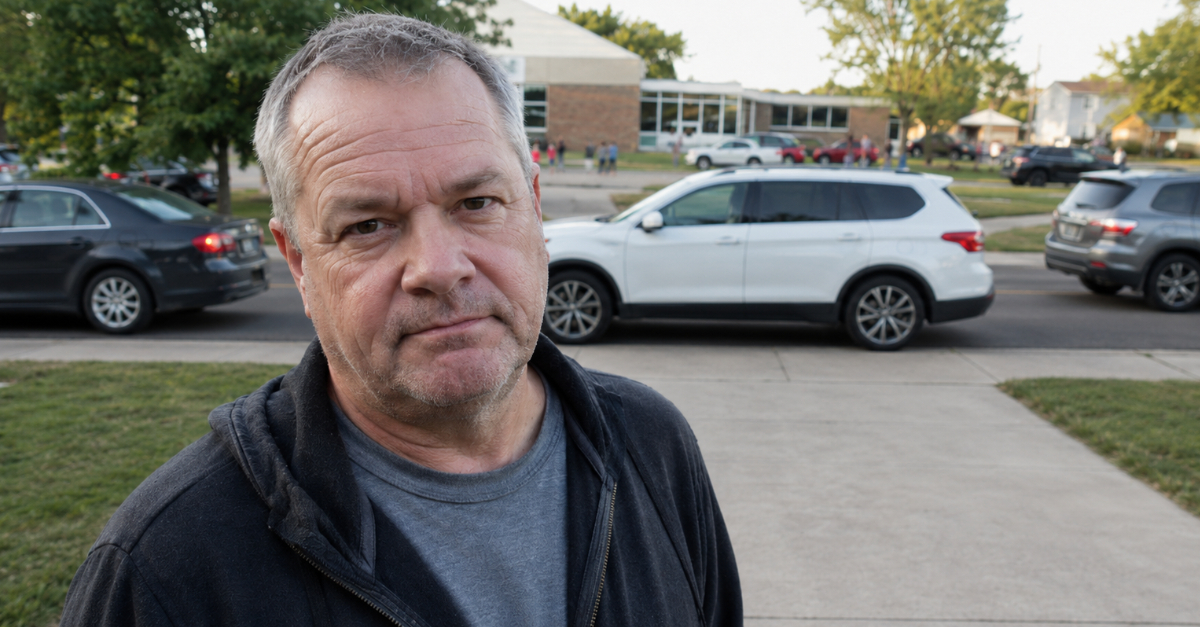
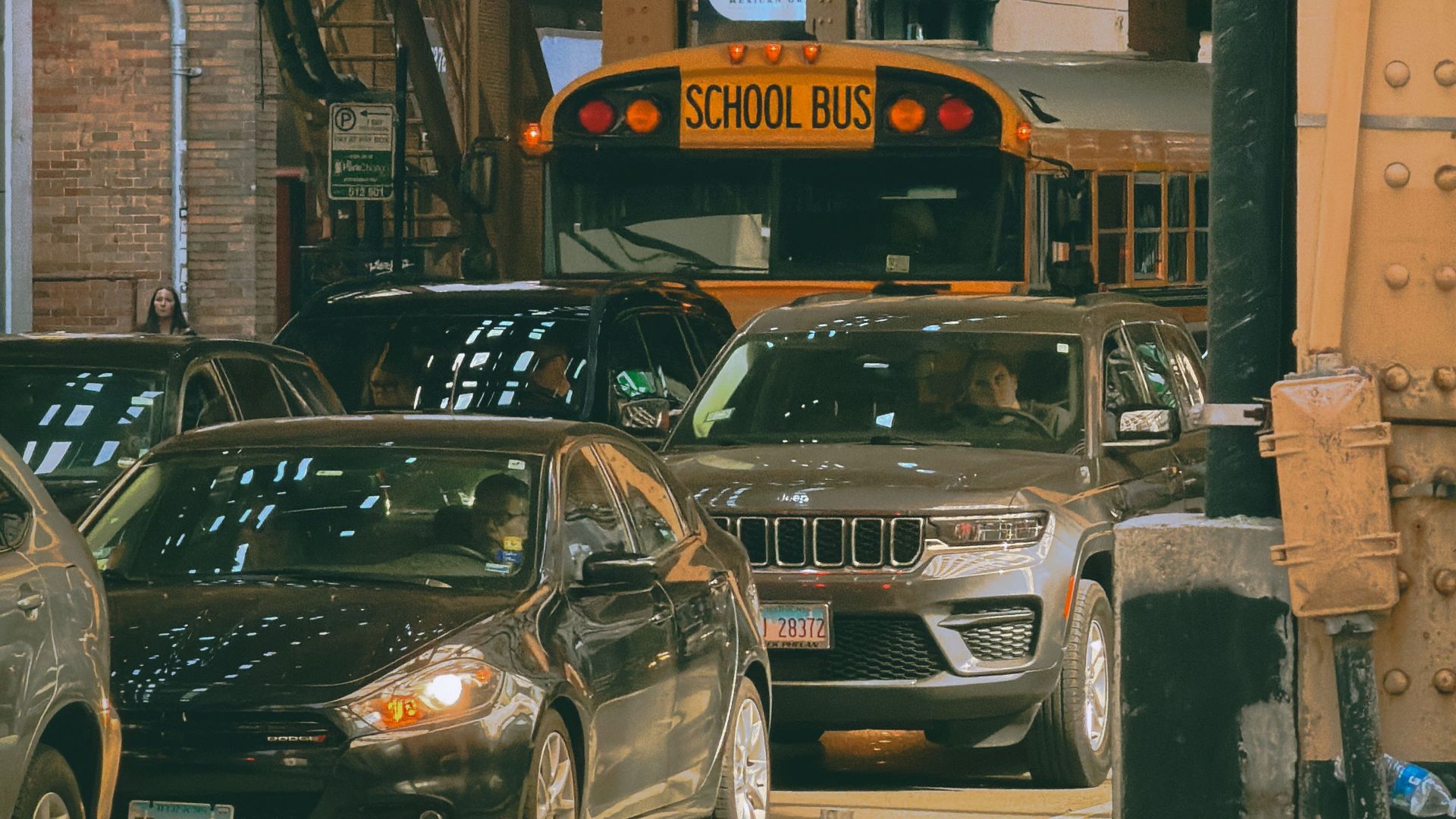
Living near a school has its perks. Twice-a-day traffic jams are not one of them. Every morning and afternoon, parents stop wherever they can squeeze their SUVs, and sometimes that means directly in front of someone else’s driveway.
After enough blocked entrances, putting up a homemade “No Parking” sign starts to feel pretty reasonable. It’s their property, after all...right?
First Things First: They Shouldn’t Be Blocking Your Driveway
You are not being unreasonable here. Blocking a driveway is prohibited in many places. California, for example, specifically says drivers cannot stop, park, or leave a vehicle standing in front of a public or private driveway. School pickup does not magically turn someone else’s driveway into temporary curb space.

“I’ll Only Be A Minute” Is Still Blocking It
This is where school pickup gets especially annoying. A parent may never put the car in park. They might sit there for 90 seconds while little Mason locates his backpack, water bottle, lunch bag, and apparently every possession he has ever owned. Depending on local law, that can still be a violation if the vehicle is stopped or standing across your access.

But Here’s Where Your Plan Gets Complicated
The part of the driveway inside your property line may be private property. The driveway apron, curb, sidewalk, and street can be another story. Depending on where you live, some of that area may sit inside the public right-of-way. Owning the house beside the curb does not automatically give you authority over the curb or street.
Your Property Line May End Sooner Than You Think
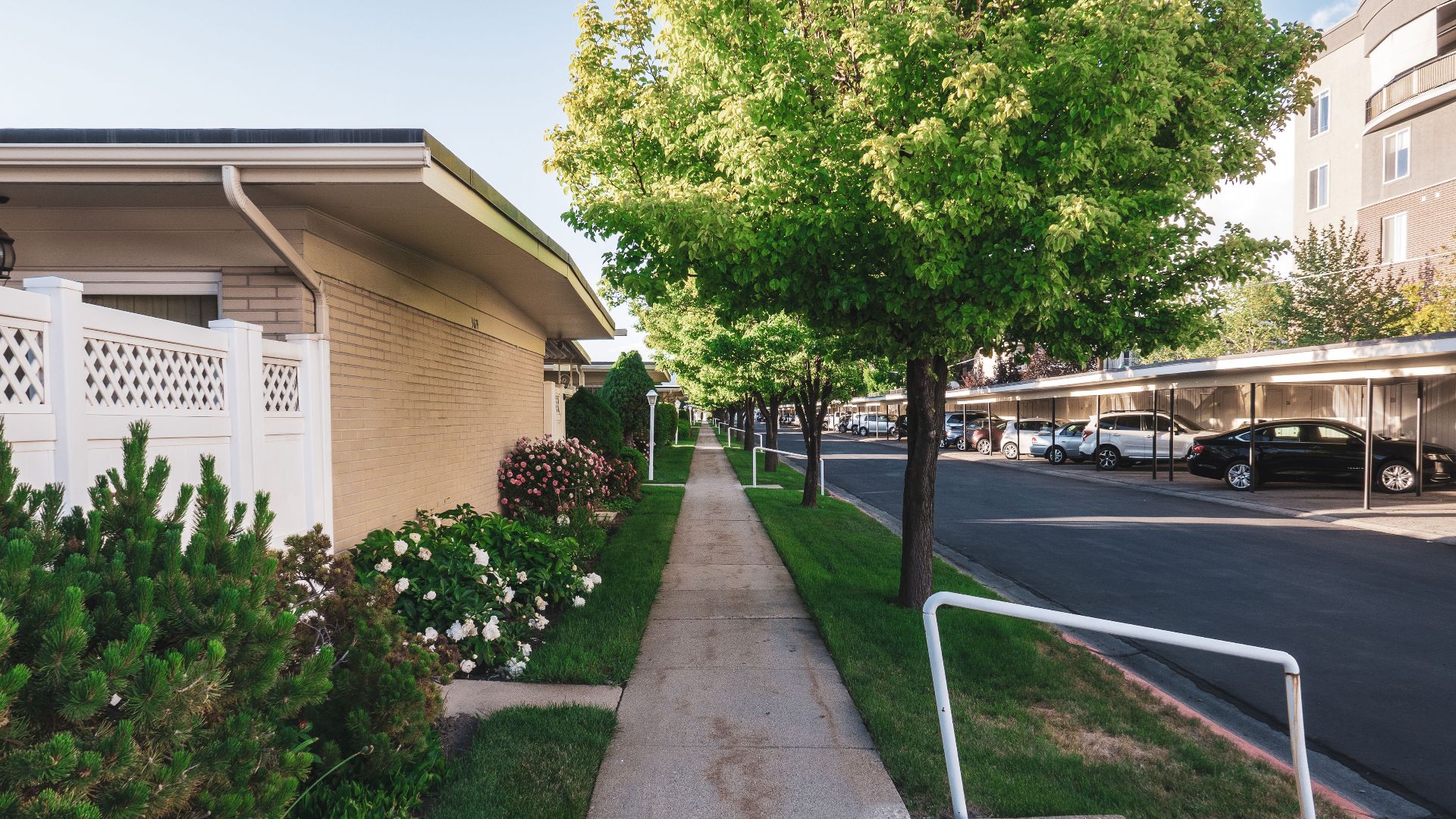
A lot of homeowners mentally draw their property line right to the pavement. Legally, things can be messier. Public rights-of-way can include more than just the part where cars drive, and the exact boundaries vary by location. So before planting a sign beside the street, it is worth knowing whose ground you are actually using.

The Sign Can Be Yours Without The Parking Rule Being Yours
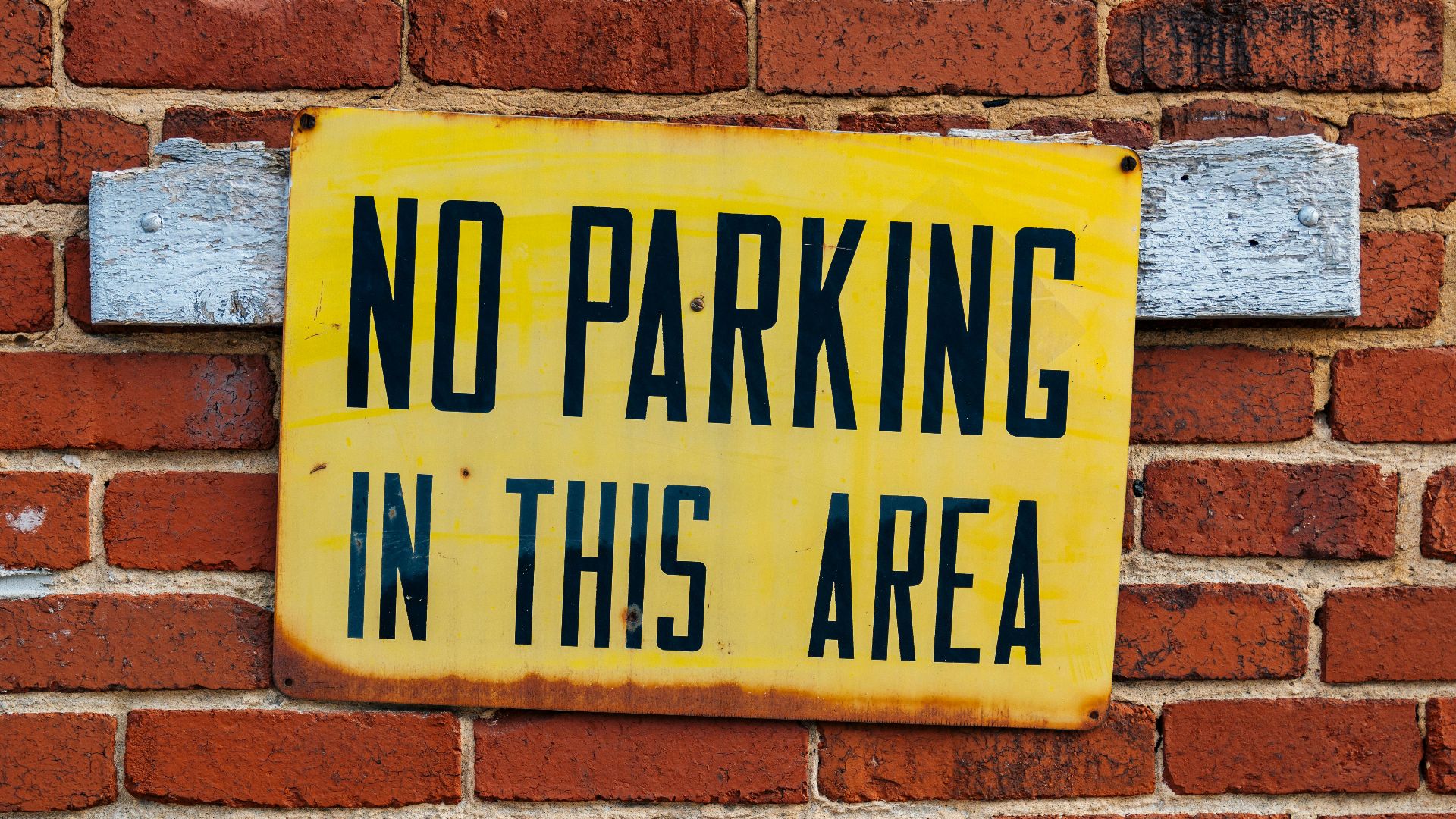
Suppose you put a “No Parking: Driveway” sign on your garage or somewhere clearly inside your property. That may be perfectly permissible under local sign rules, and it might convince a few parents to keep moving. What it generally does not do is create a brand-new legally enforceable no-parking zone on the public street.
In Other Words, You Aren’t The Department Of Transportation
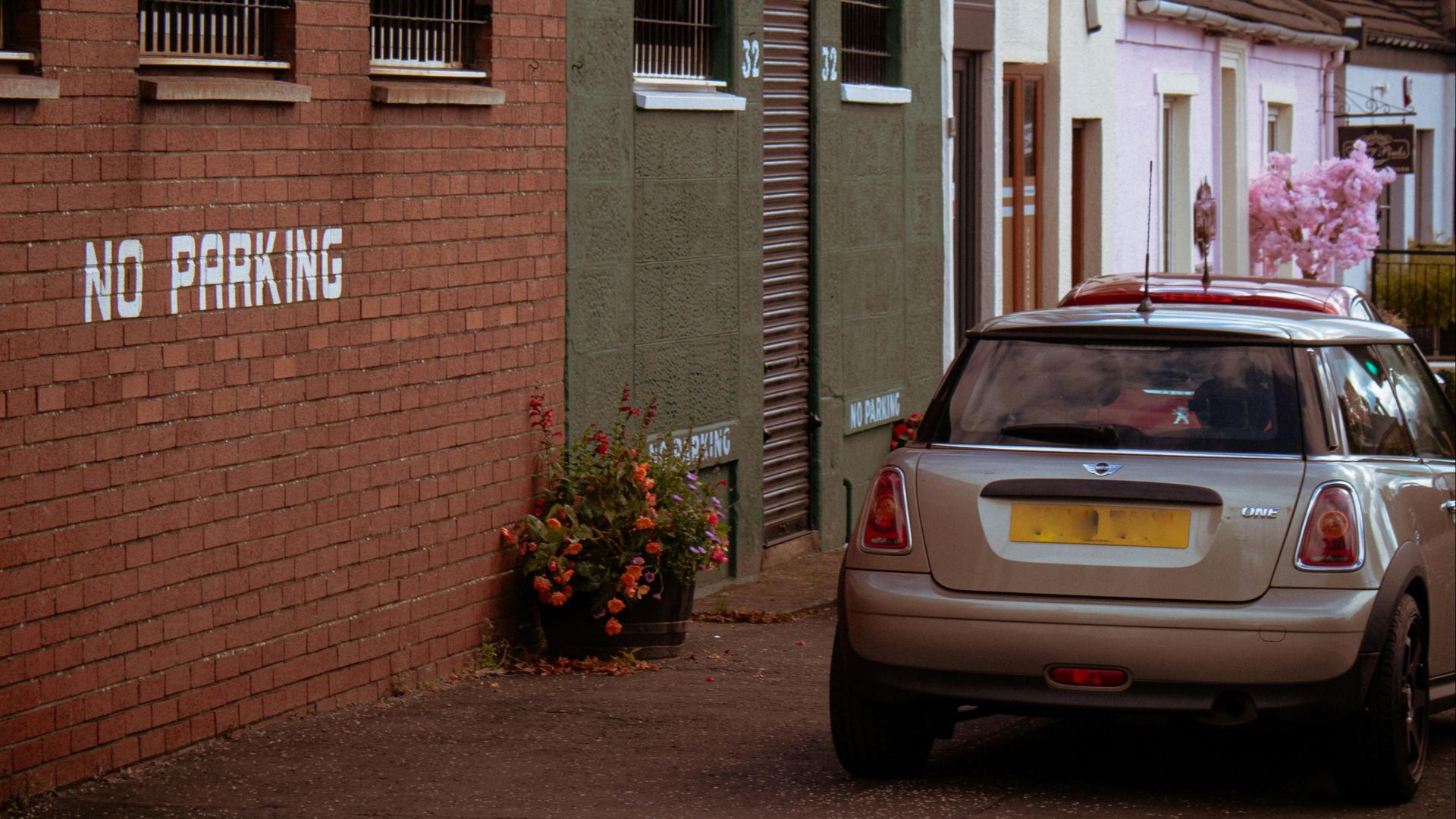
Buying a professional-looking aluminum sign online does not come with municipal authority tucked inside the box. Regulatory signs on public roads are normally installed or authorized by the government agency responsible for that roadway. A homemade sign may make your wishes extremely clear. It does not necessarily make ignoring it a separate parking offense.
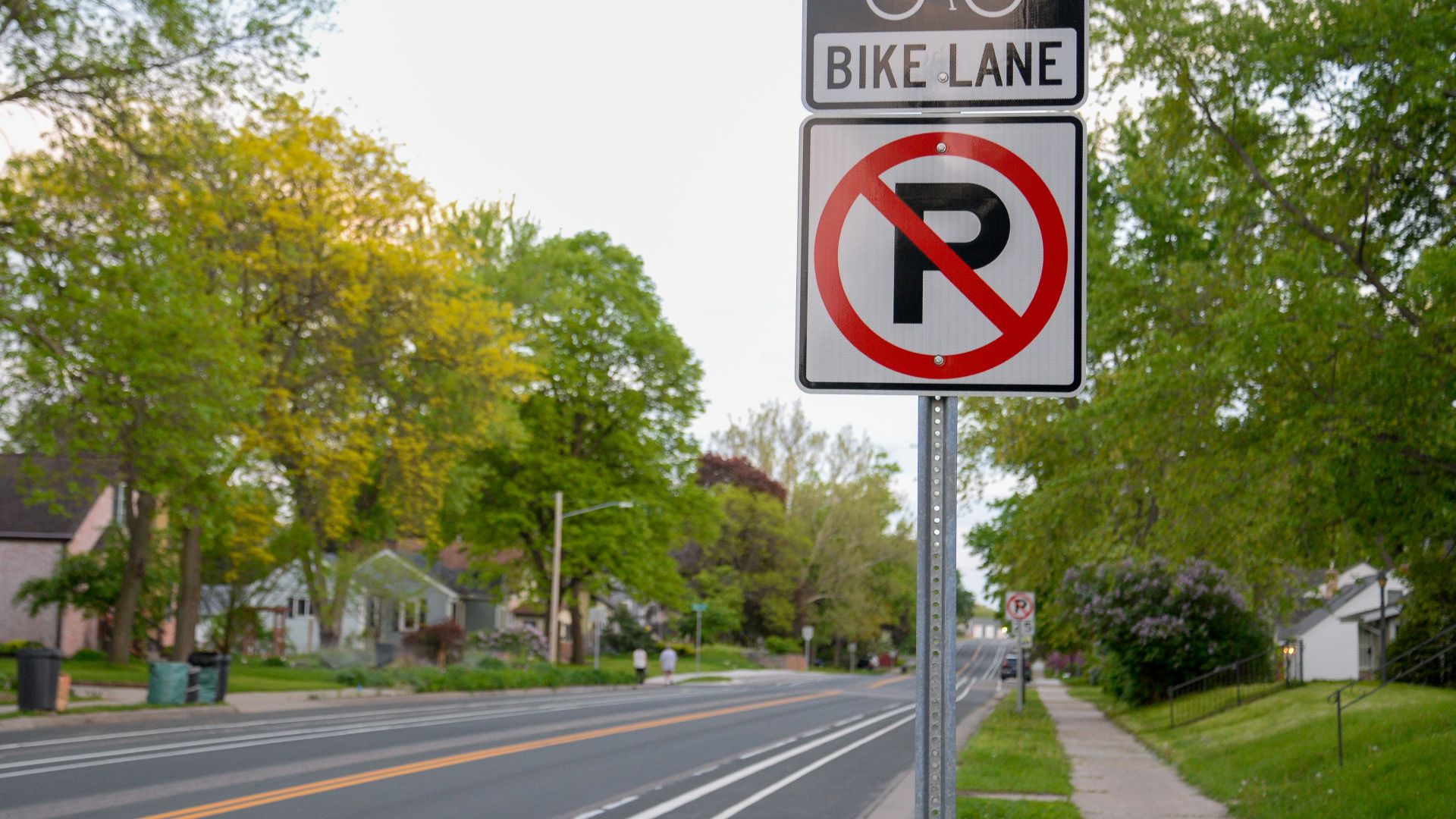
Putting The Sign In The Right-Of-Way Is A Different Story
This is where you want to be careful. Traffic-control devices on public roads are generally selected and installed by the government agencies responsible for those roads. Depending on local rules, sticking your own regulatory-looking sign into the public right-of-way may be unauthorized and could result in the sign being removed.
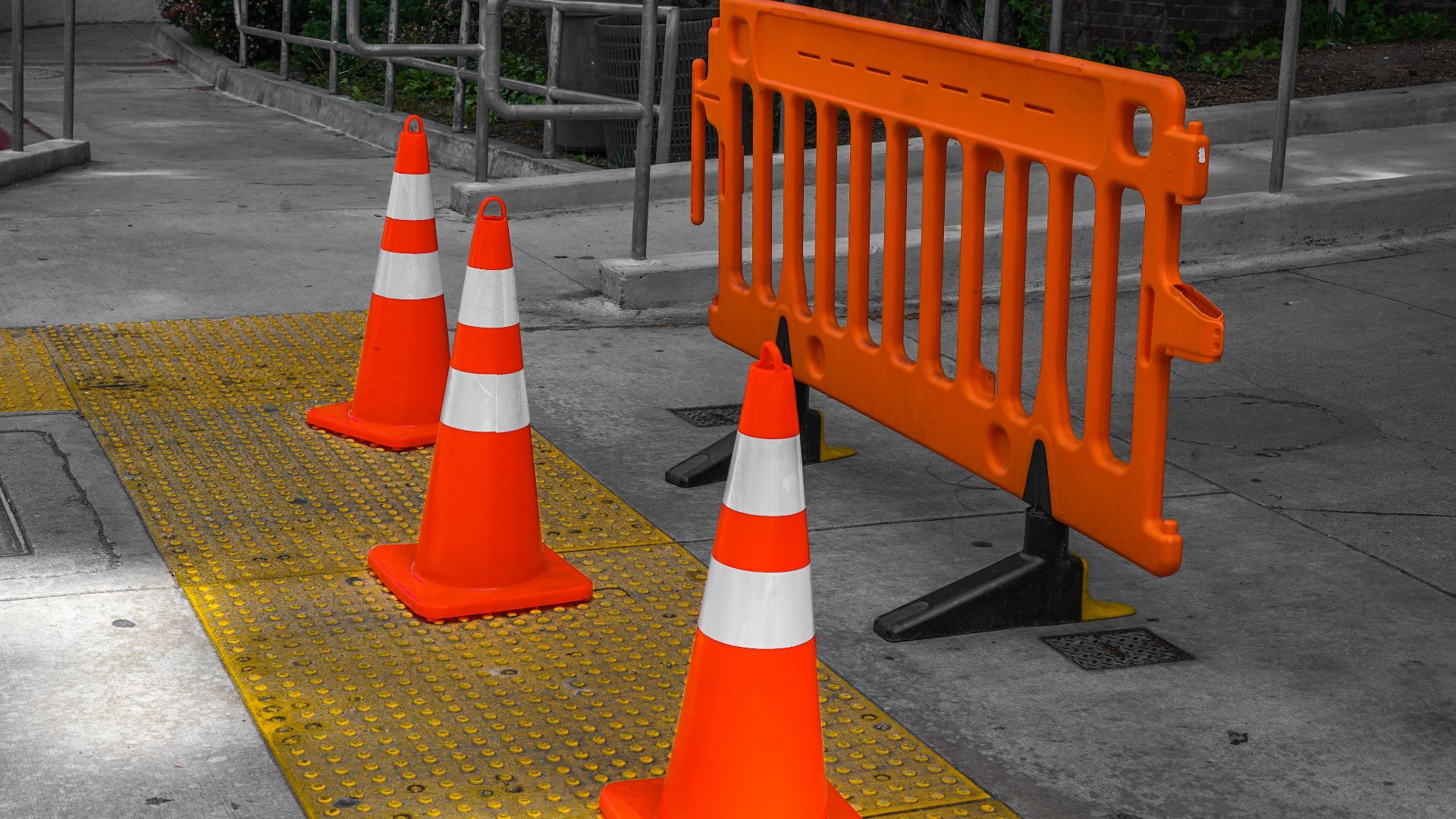
Orange Cones Have The Same Problem
Orange cones might seem like an easy solution, but the same basic issue applies. Putting cones on your private driveway is one thing. Dragging them into a public parking lane to reserve curb space can be another. You may be trying to prevent an illegal obstruction while accidentally creating your own unauthorized obstruction. That is not exactly the victory lap we were looking for.
But You Already Have Something Better Than A Homemade Sign
Here’s the part frustrated homeowners sometimes overlook: if blocking the driveway is already prohibited where you live, you do not need to invent your own parking rule. The rule may already exist. What you actually need is a way to get drivers to obey it and, when necessary, get the existing rule enforced.

Some Cities Get Surprisingly Specific
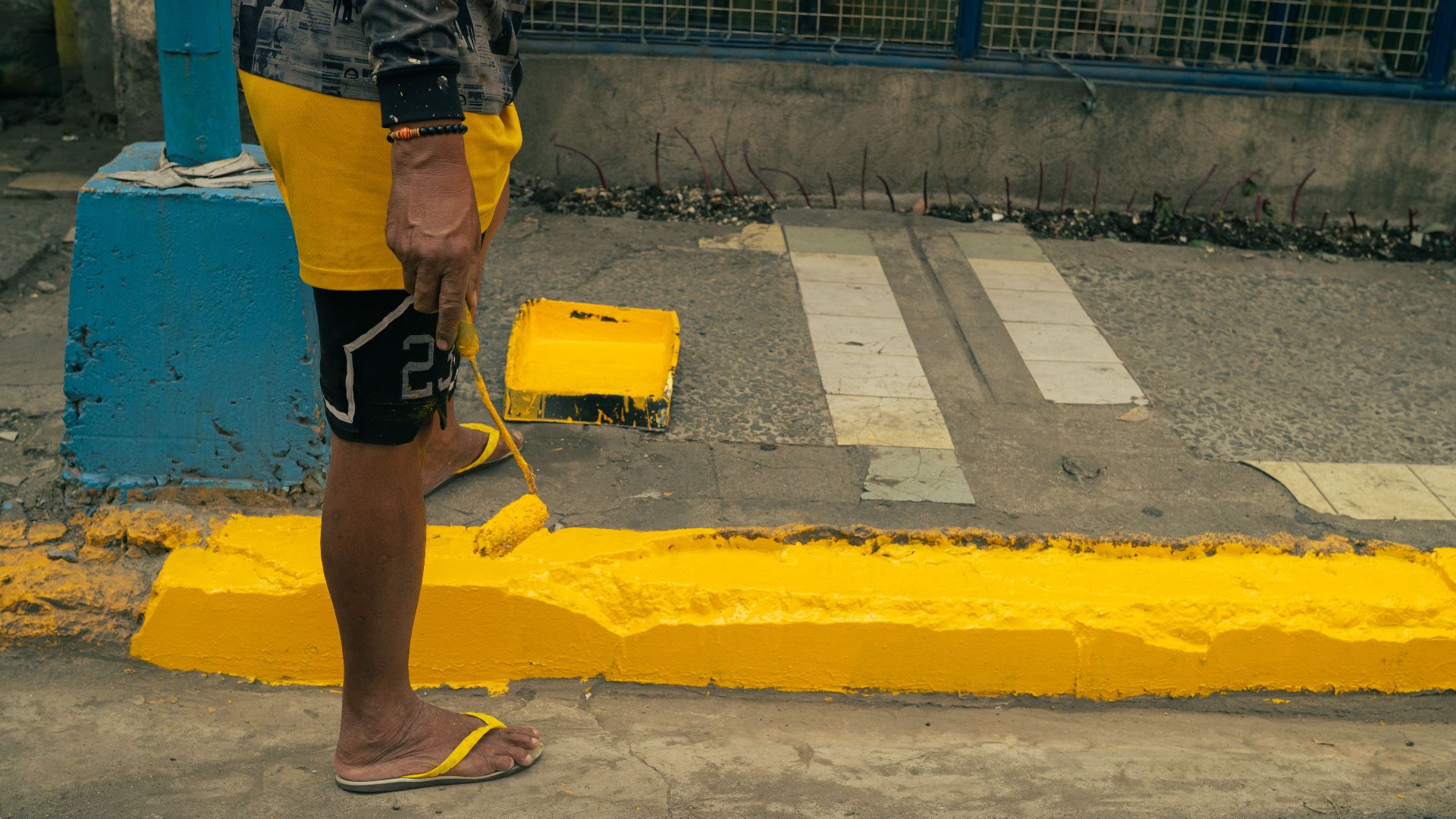
Local rules can go well beyond simply saying “don’t block the driveway.” Seattle prohibits parking in front of a driveway and within five feet of its edge, and property owners can mark that prohibited area with traffic-yellow curb paint. Philadelphia has a permit process that lets qualifying homeowners paint an official no-parking “X” in front of a legal driveway. This is exactly why checking the actual city rule matters.
So Check Before You Break Out The Paint
Please do not read that last slide, grab a bucket of traffic paint, and spend Saturday redesigning your street. Seattle and Philadelphia already show how different the rules can be: one allows certain curb painting by property owners, while the other requires an approved permit and specifies exactly how the pavement marking must be painted.
What About An Official “No Parking” Sign?
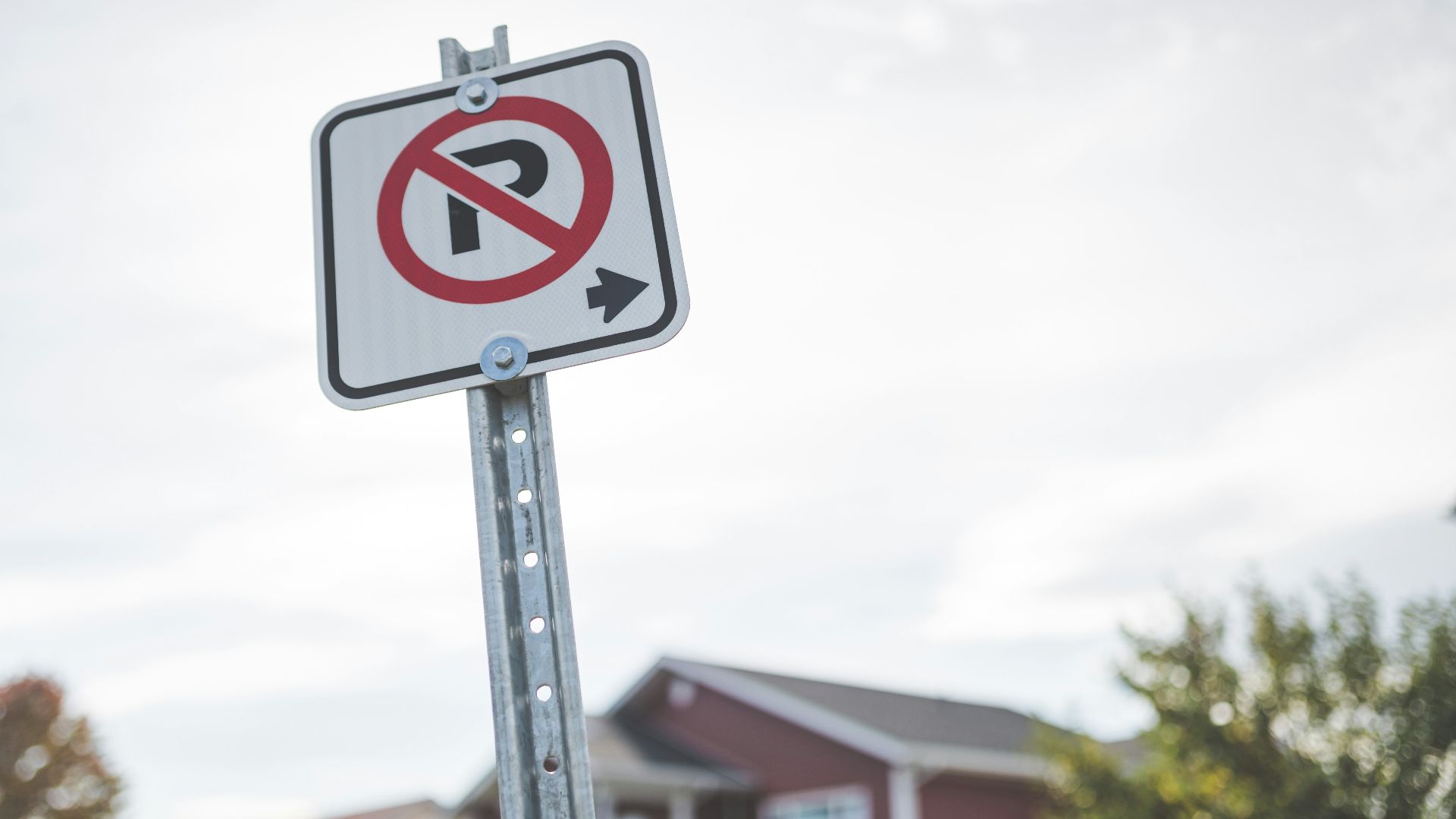
That may also be worth asking about. Some local transportation departments will evaluate parking restrictions, signage, curb markings, or recurring access problems. Whether yours qualifies is entirely local. An official sign has something the $19.99 version from Amazon does not: actual authority behind it.
Reporting It Depends On Where You Live
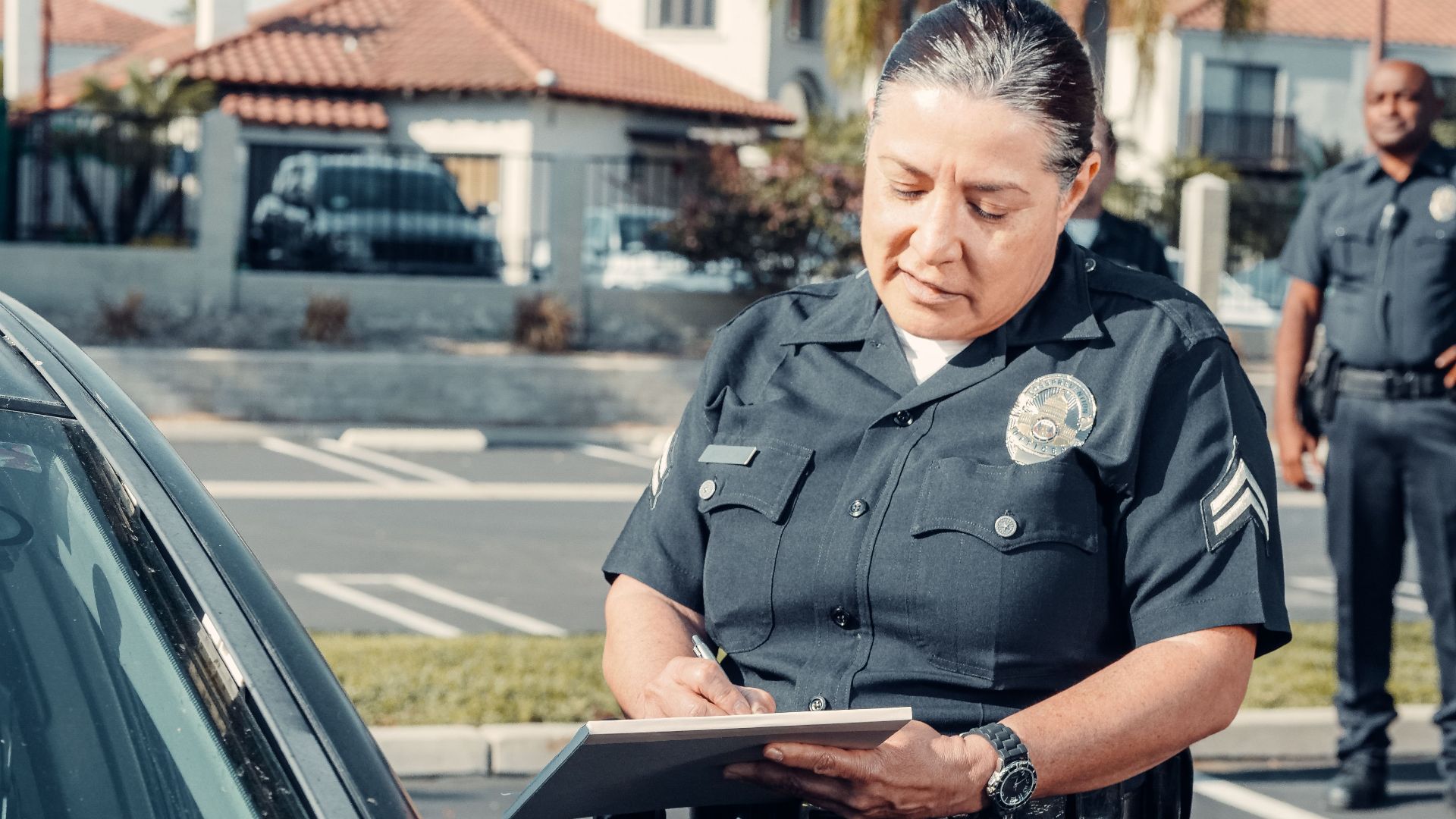
There is no single nationwide number for a blocked driveway. Depending on the city, the correct route could be parking enforcement, a police non-emergency line, 311, or another municipal reporting system. If this keeps happening, check what your city specifically tells residents to do rather than assuming the procedure is the same everywhere.
Take A Few Photos Before They Disappear
School pickup violations have an annoying habit of vanishing five minutes before anyone arrives to see them. If this keeps happening, safely document the pattern. Dates, approximate times, photos, and license plates can help show that you are dealing with a recurring access problem rather than one clueless driver who stopped in the wrong place once.

The School Should Probably Know Too
If the same problem happens every school day, tell the school administration. They cannot rewrite city parking laws, but they can remind parents about pickup procedures, tell families not to block neighboring driveways, adjust instructions, or work with local authorities when traffic around the school repeatedly becomes a mess.

This Is Where Being The Squeaky Wheel Can Actually Help
One complaint may disappear into the municipal abyss. A documented pattern occurring at 8:10 every morning and 3:05 every afternoon is much easier to understand. Parking enforcement also knows exactly when the problem occurs. You are not asking someone to patrol your house around the clock. You are identifying a predictable daily problem.
Can You Have The Car Towed?
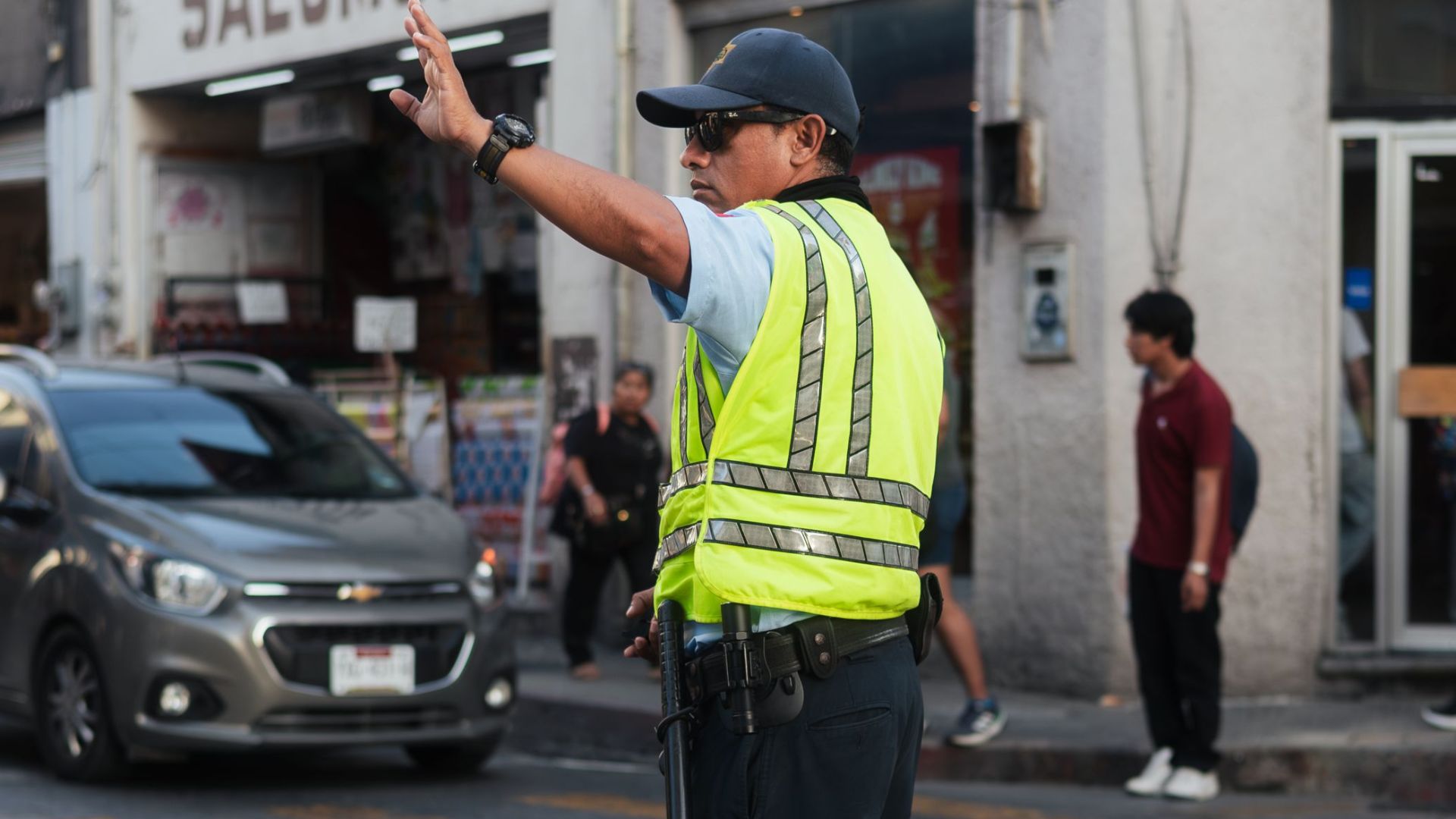
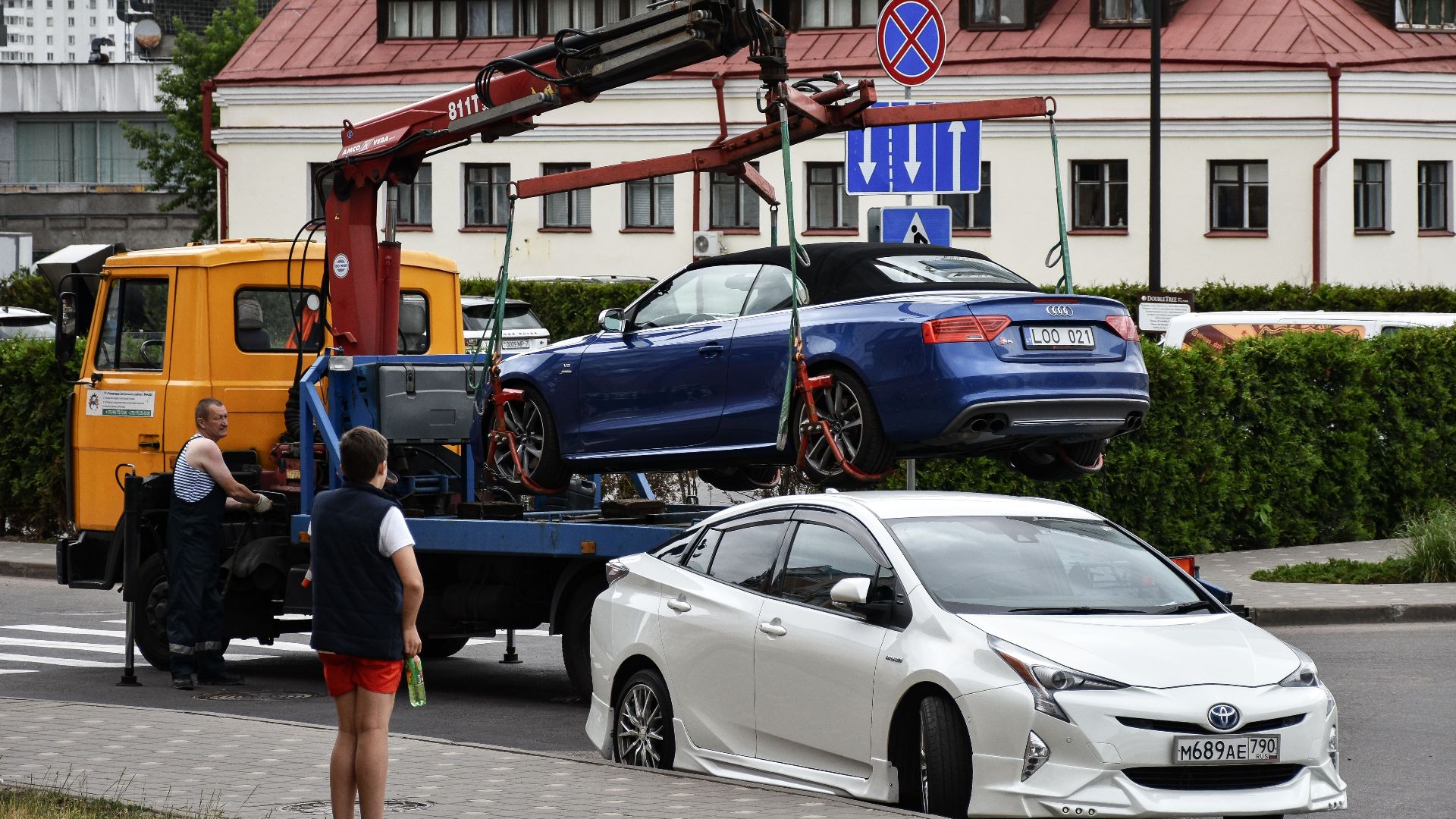
Maybe, but do not assume you can simply call your favorite towing company and point at the offending minivan. Towing procedures vary significantly by jurisdiction, and public-street towing may require a ticket, authorization from police or parking enforcement, or another specific process. Check the local procedure before calling a tow company yourself.
Don’t Try To Physically Trap Them Either
The temptation is understandable. If someone blocks your driveway every afternoon, parking another vehicle behind them might feel wonderfully educational. It can also turn a simple parking dispute into a considerably messier one. Let the appropriate local authority handle an illegally parked vehicle rather than creating a second obstruction to make a point.
And Definitely Don’t Move Their Car Yourself
Unless you happen to possess a badge, a tow truck, and the legal authority that goes with them, physically moving someone else’s vehicle is not the solution. Local laws determine who may remove vehicles from public streets and under what circumstances. Your goal here is getting your driveway back, not starring in tomorrow’s neighborhood Facebook post.

A Polite Sign Still Might Be Worth It
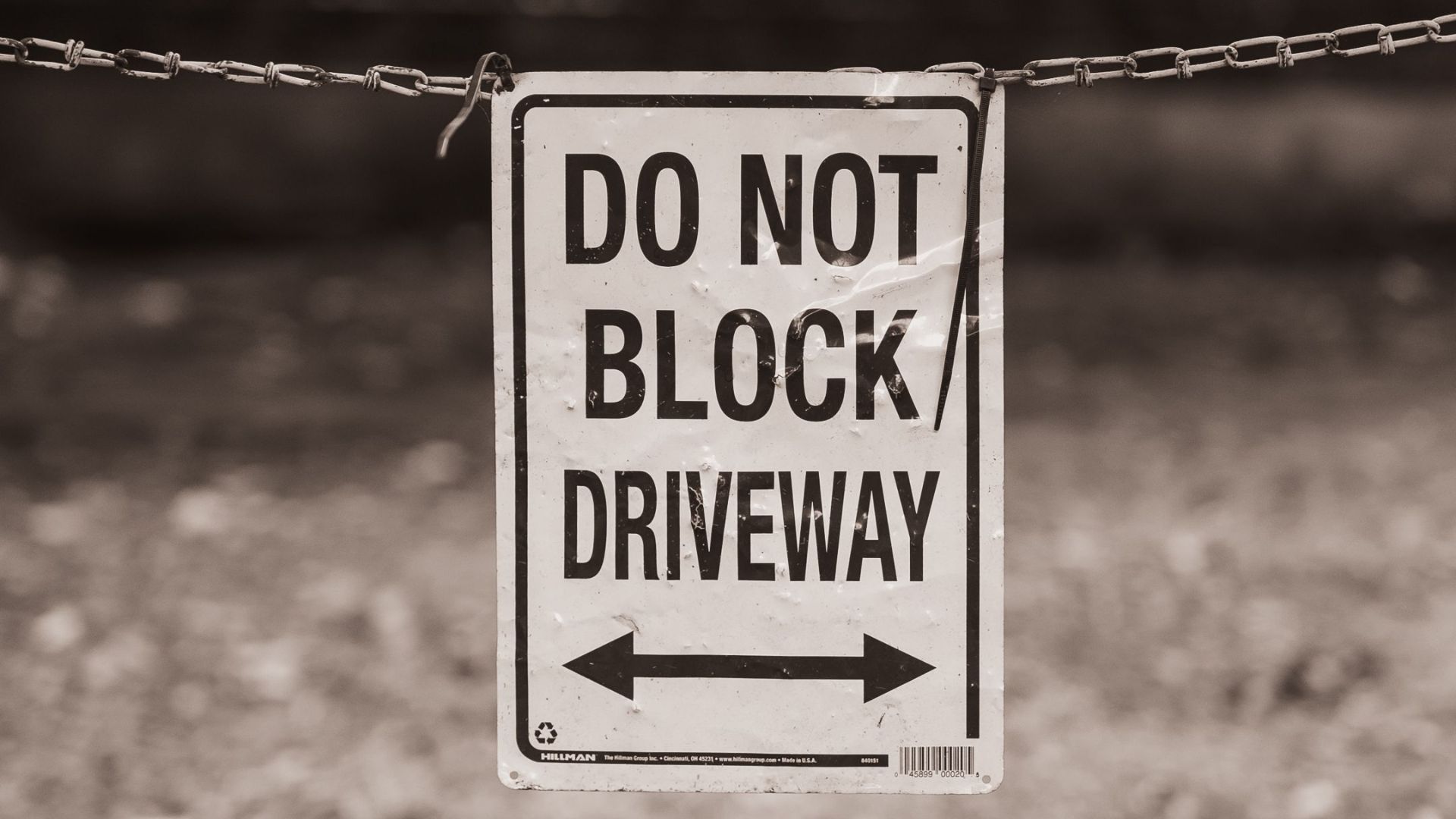
None of this means you have to leave the front of your house completely unmarked. A simple reminder placed legally on your own property could still help: “Please Keep Driveway Clear” gets the message across without pretending you personally rewrote the municipal parking code. Sometimes the parent really did not notice the driveway.
Just Don’t Expect The Sign To Do The Enforcing
The sign is a reminder. The existing parking law is what matters. If someone ignores your homemade sign but is otherwise legally parked, the sign does not automatically give you enforcement powers. If they are actually blocking a driveway in violation of local law, that violation exists whether your sign is there or not.
The School Zone Doesn’t Give Parents Special Parking Powers
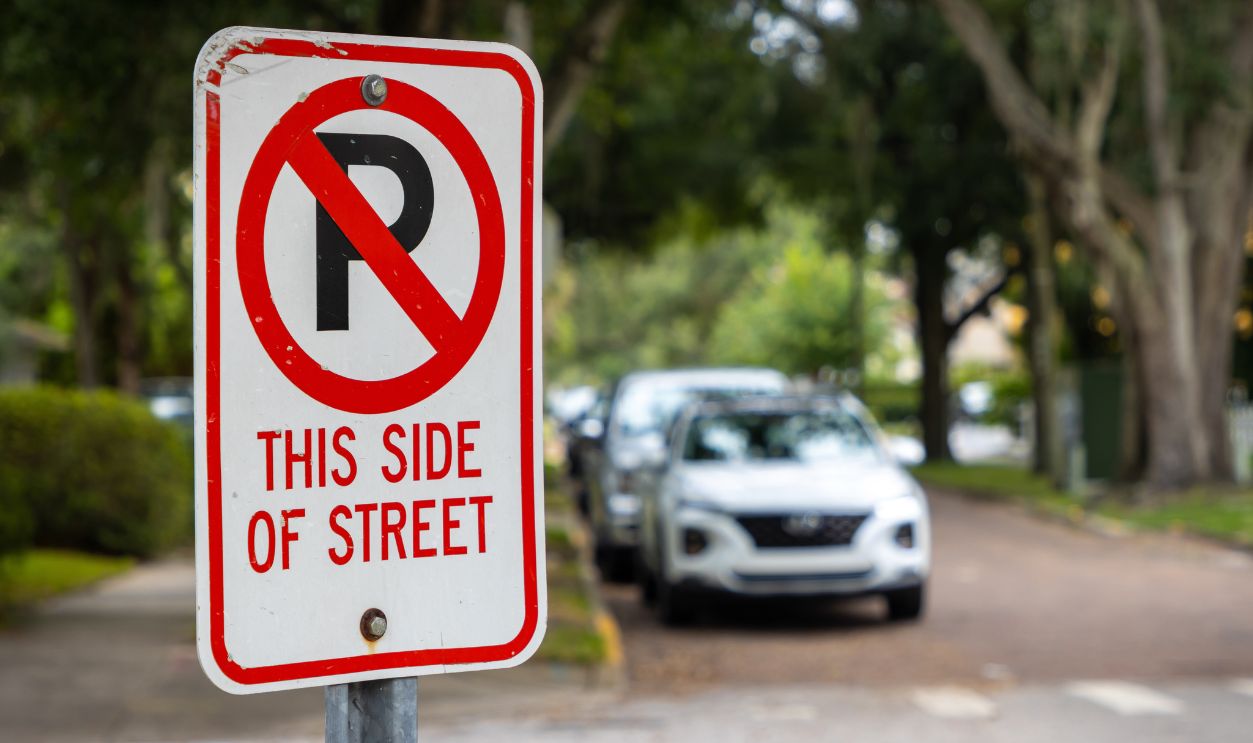
Drop-off lines are chaotic, but convenience generally does not override ordinary parking restrictions. Being late for first period does not suddenly make someone else’s driveway fair game. Parents still have to obey whatever stopping, standing, and parking restrictions apply around the school.
So, Can You Put Up Your Own “No Parking” Signs?
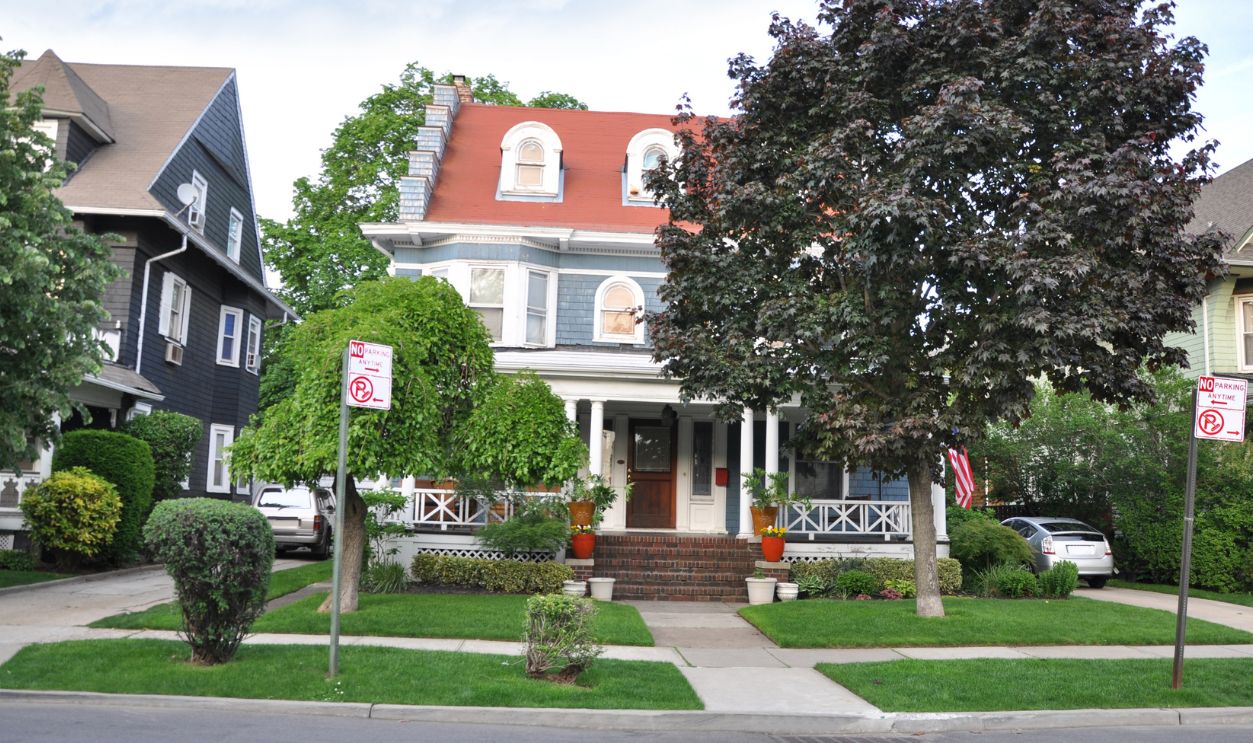
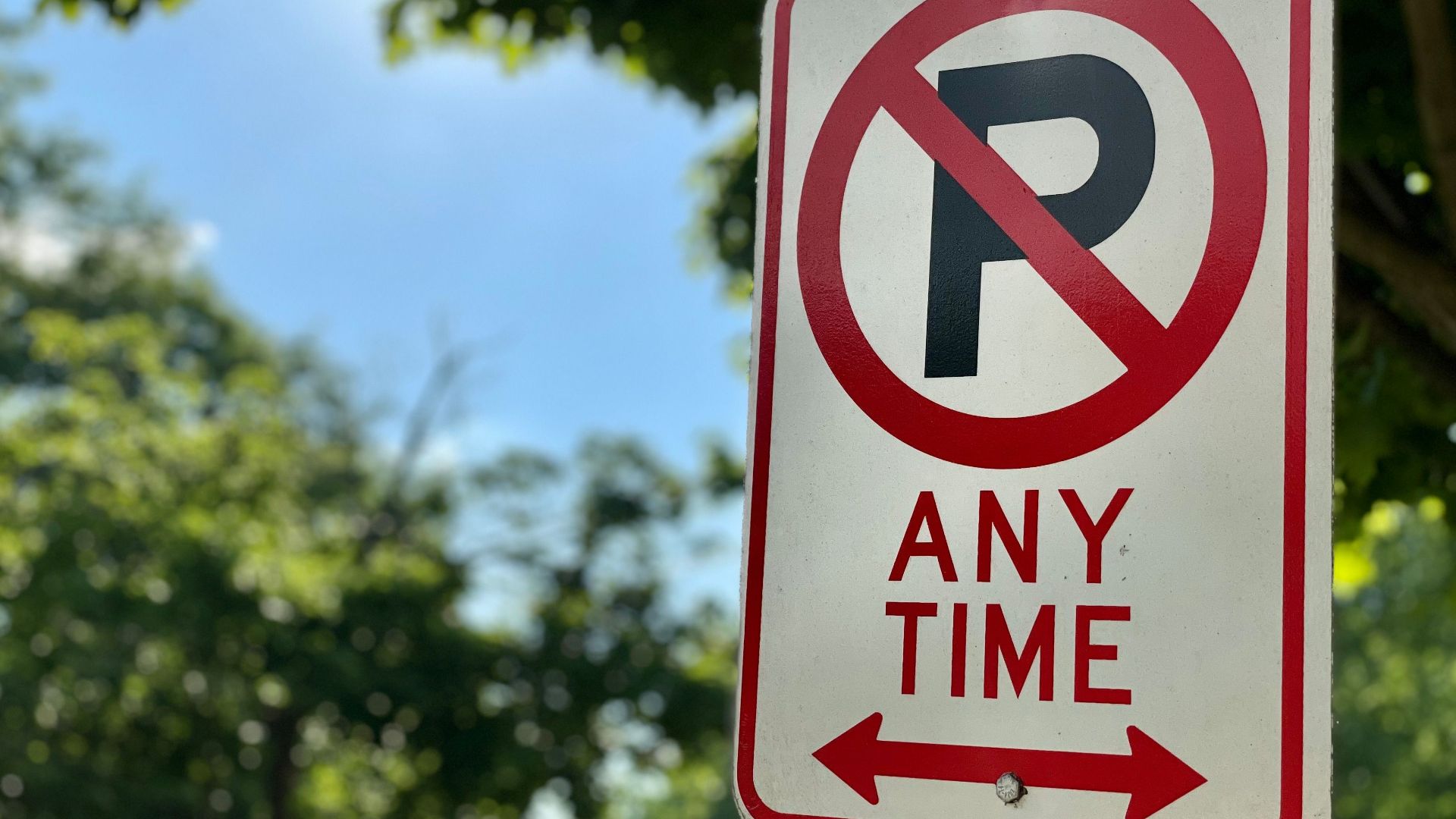
On your own property, you may be able to put up a sign subject to whatever local sign rules apply. But that homemade sign generally cannot create or expand a legally enforceable parking restriction on the public street, and putting unofficial traffic-control signs in the public right-of-way can create its own problems.
The Better Move Is Surprisingly Boring
Check your city’s driveway-parking rule. Find out whether it allows approved curb or pavement markings. Document repeat offenders. Contact the appropriate local enforcement agency when your driveway is actually blocked. And make the school aware that its pickup traffic keeps spilling onto neighboring driveways.
Not nearly as satisfying as planting a giant “NO PARKING” sign by the curb, admittedly. But it has one enormous advantage: it might actually work.
You Might Also Like:
Forgotten Family Cars From The 1980s That Once Filled Every Suburban Driveway Before Times Changed