The Neighbor, The Truck, And The Cord
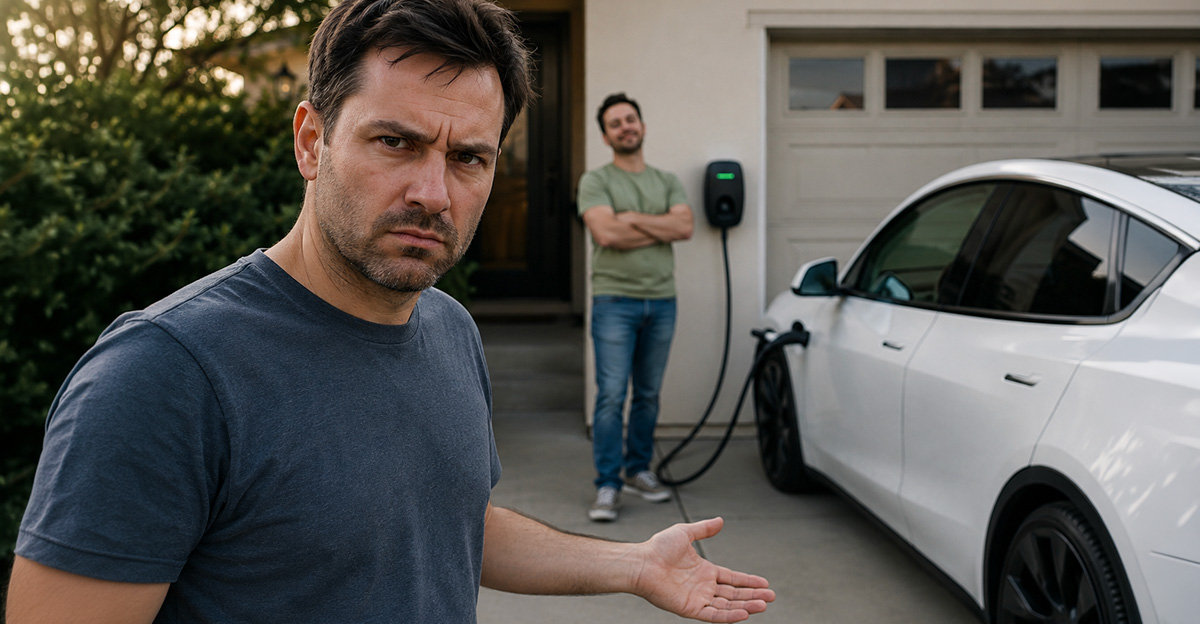
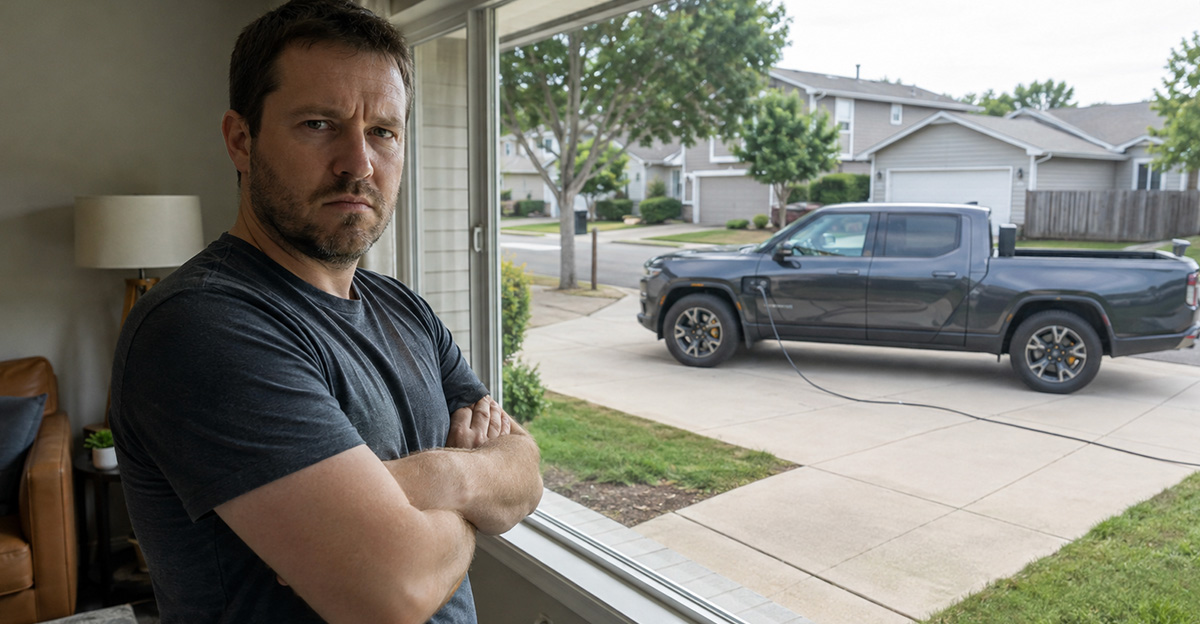
Your neighbor’s electric truck appears every night, parks in front of your house, and plugs into his charger. Meanwhile, your family hunts for a space. Annoying? Absolutely. Illegal? Maybe. The answer usually depends on ordinary parking rules—and on exactly how that charging cable reaches the truck.
Start With The Uncomfortable Parking Truth
In most places, the curb in front of your house is public space, not an extension of your driveway. You normally do not own that parking spot simply because it sits outside your home. If the truck is legally parked, your power to remove it may be limited.
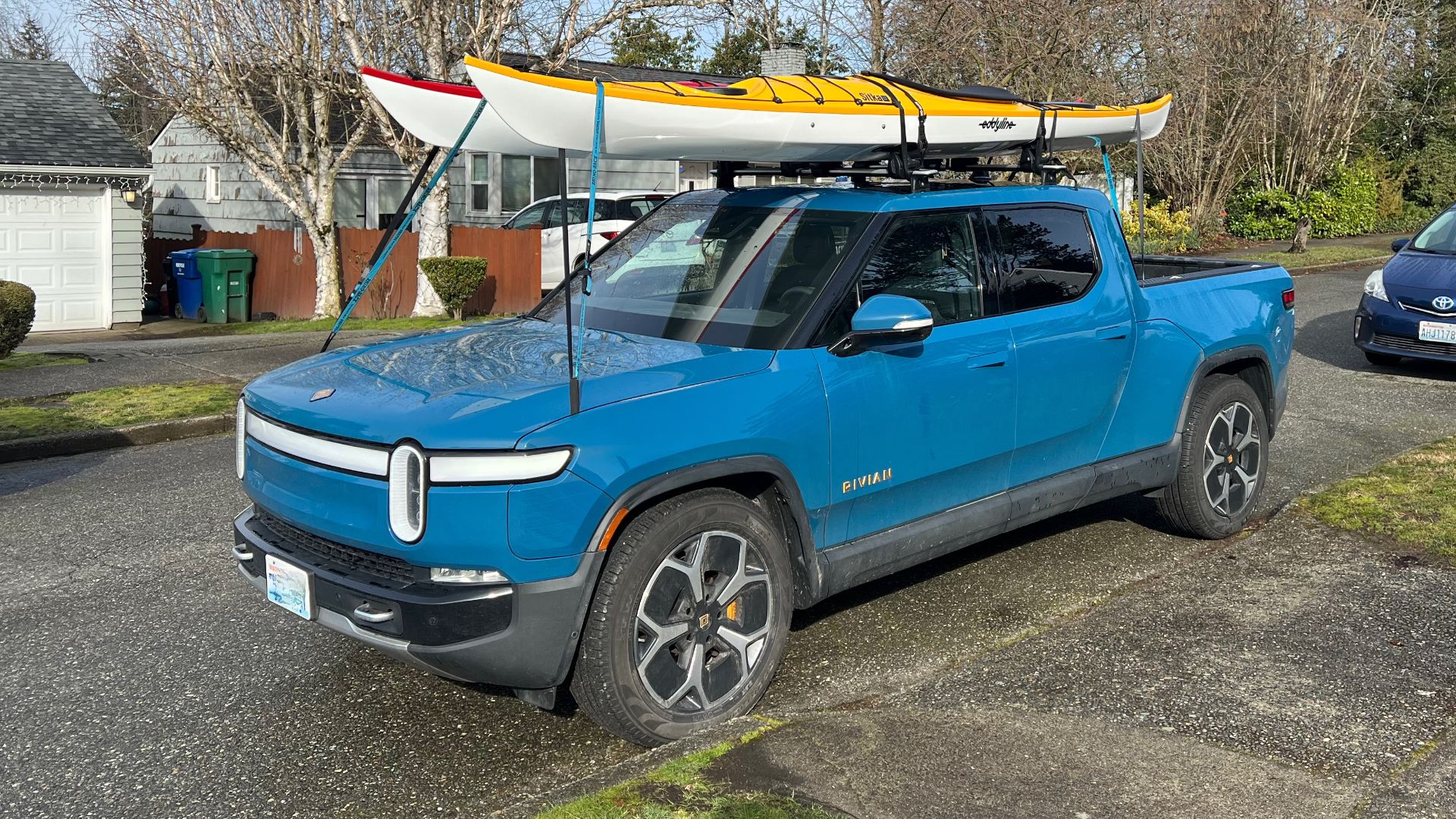 Benjamin Hollis from Seattle, WA, USA, Wikimedia Commons
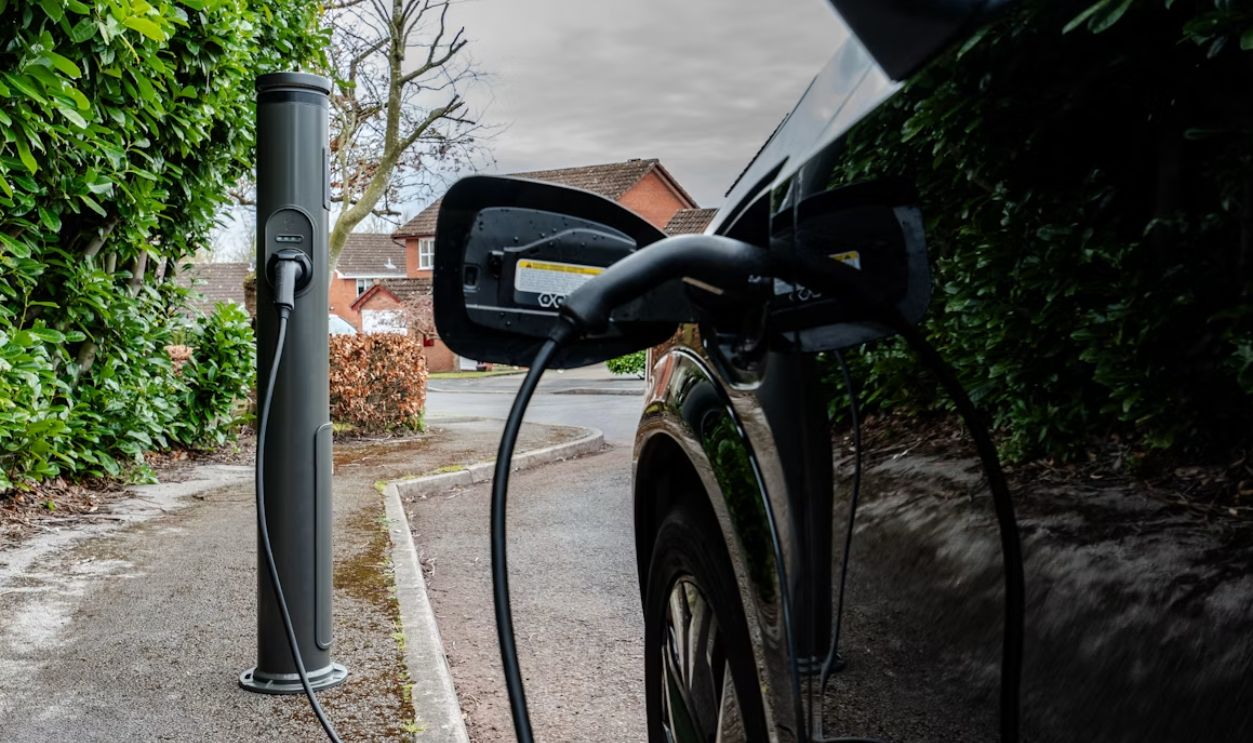
His Charger Does Not Reserve The Curb
Owning an EV charger usually does not transform nearby public parking into a private charging bay. Cities control curb use. Fort Wayne, Indiana, for example, explicitly says the street space in front of a home is generally public property rather than the homeowner’s private parking space.
Parking Rules Still Apply
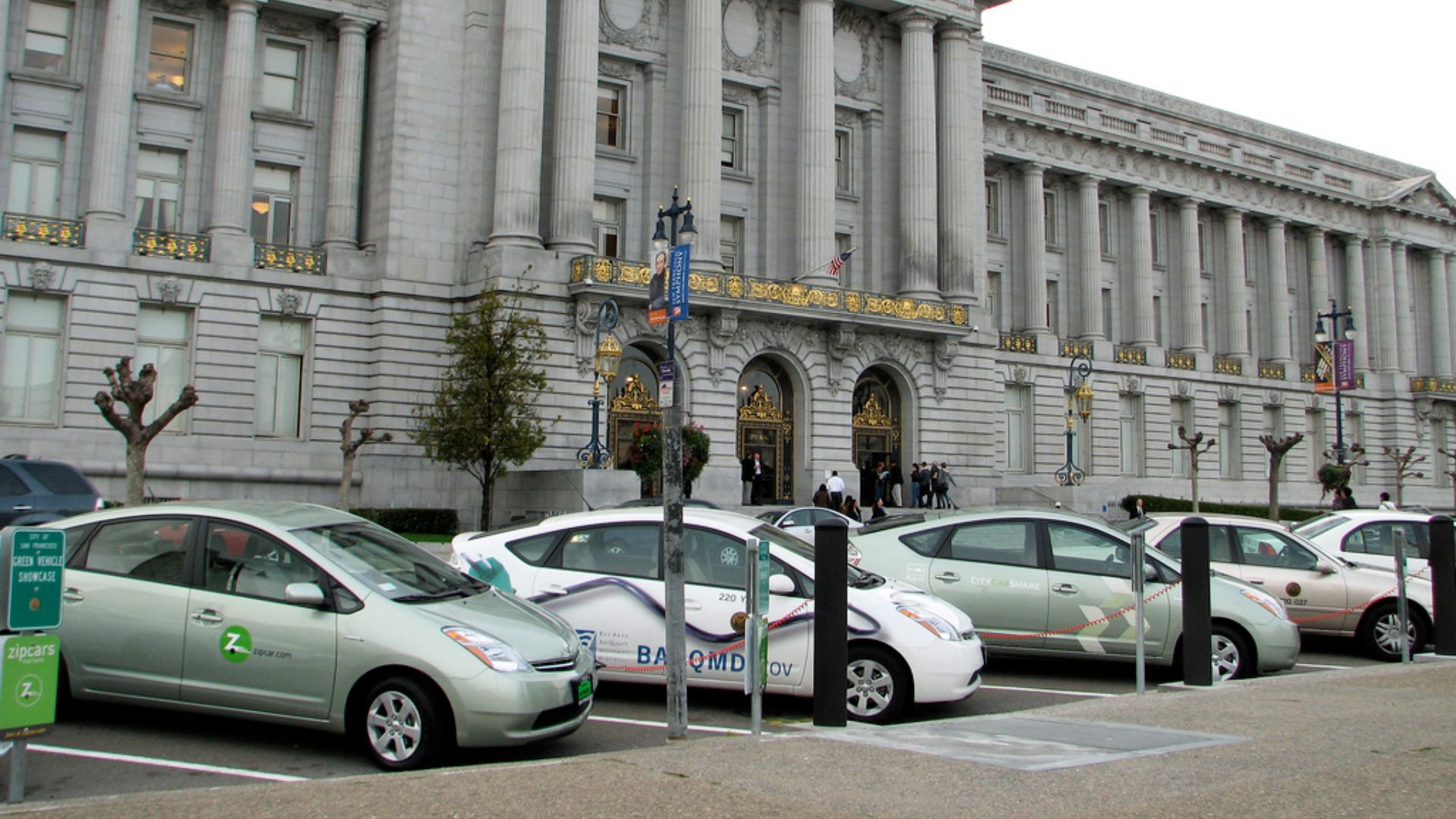
Public parking is not a free-for-all. The truck still has to obey signs, permits, street-cleaning restrictions, snow rules, and maximum parking times. Being plugged in does not automatically create a special exemption from ordinary curb regulations. NYC, for example, still applies regular parking rules at curbside EV chargers.
Check The Overnight Rules
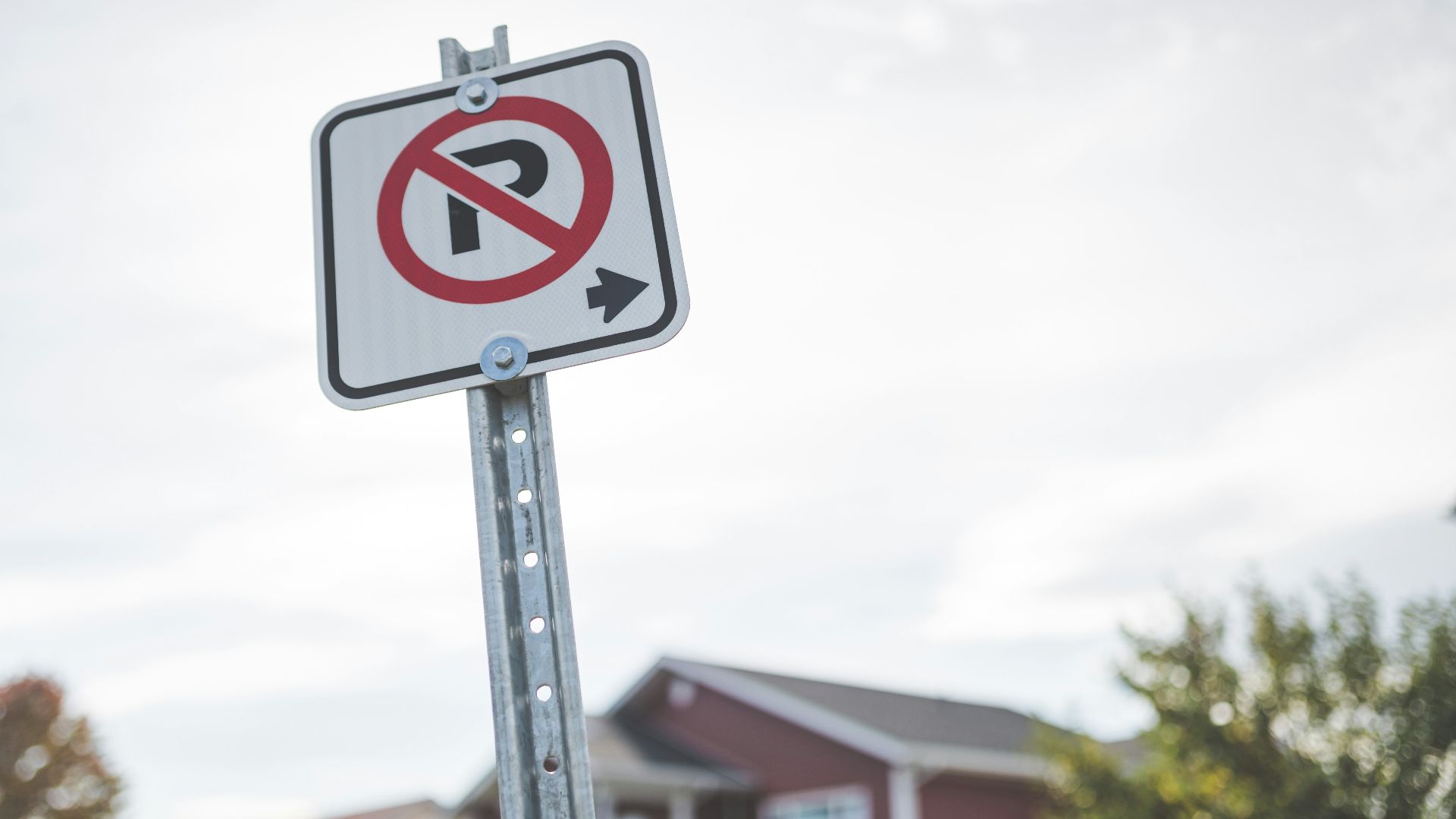
“Every night” could be important. Some communities restrict overnight street parking or require permission. Arlington, Massachusetts, for example, generally prohibits parking on public streets for more than one hour between 1 a.m. and 7 a.m., although waivers are available. Your town may have completely different rules.

Look At How Long It Sits
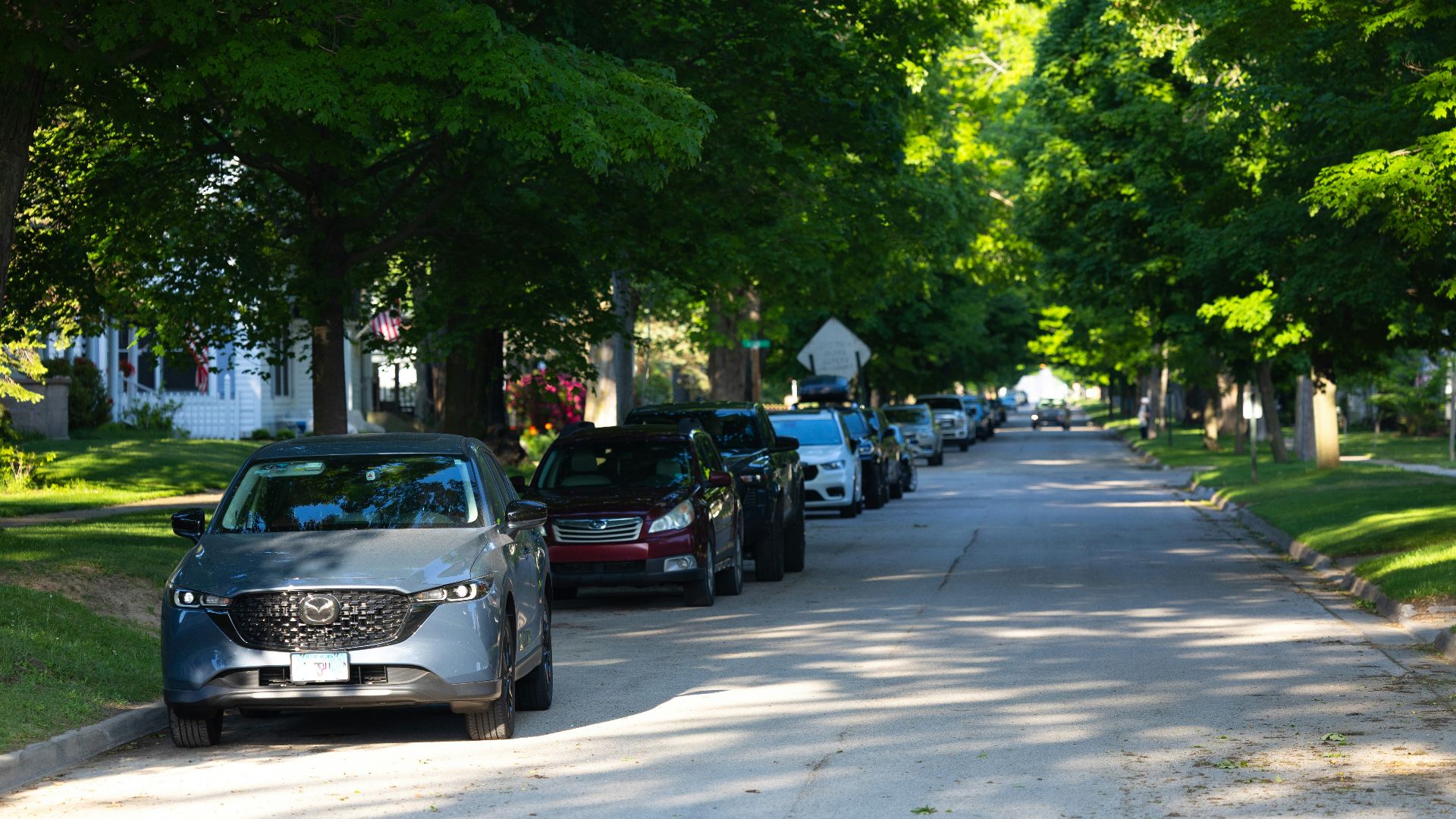
Many cities also limit how long a vehicle can remain in one place. Seattle, for example, has a 72-hour street-parking rule. If your neighbor moves the truck every day, however, a long-term or abandoned-vehicle rule probably will not solve your particular parking headache.
A Blocked Driveway Changes Things
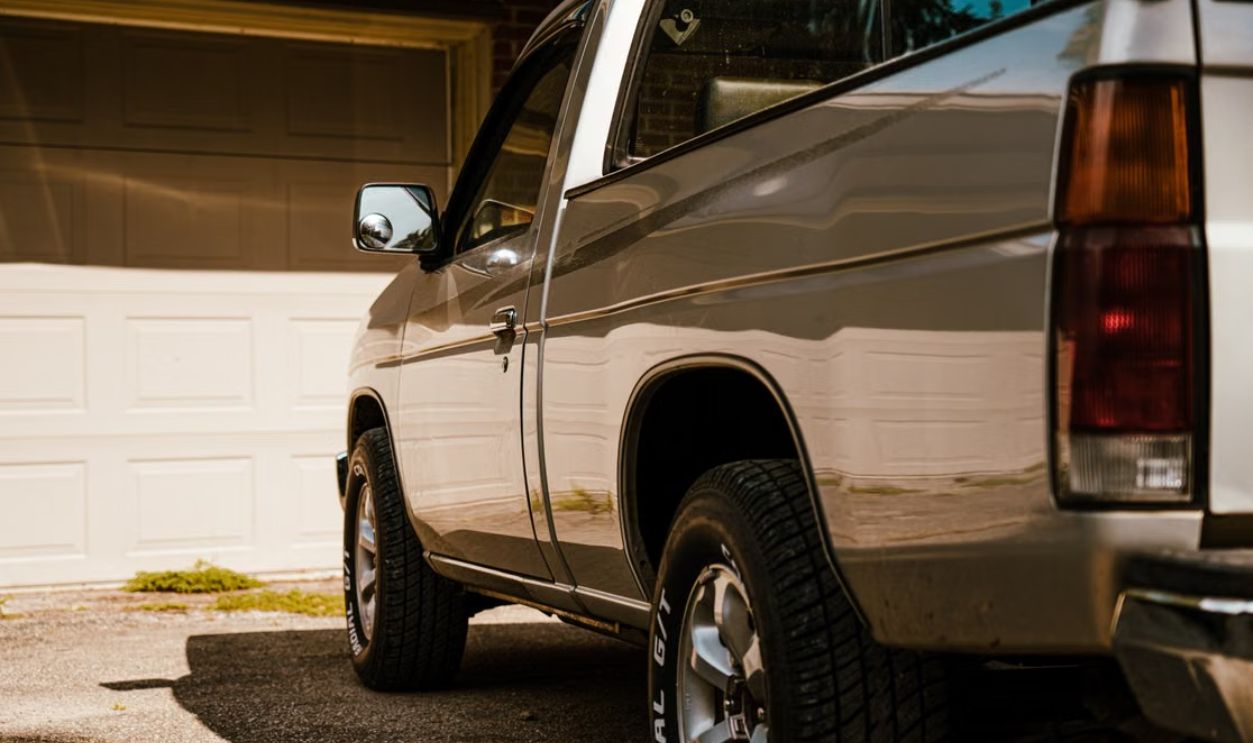
If the truck blocks your driveway, even partly, you may have a much stronger complaint. Exact clearance rules vary, but blocking driveway access is commonly regulated. Seattle, for instance, prohibits parking in front of a driveway and also requires clearance near the driveway entrance.
Check Hydrants, Corners, And Crosswalks
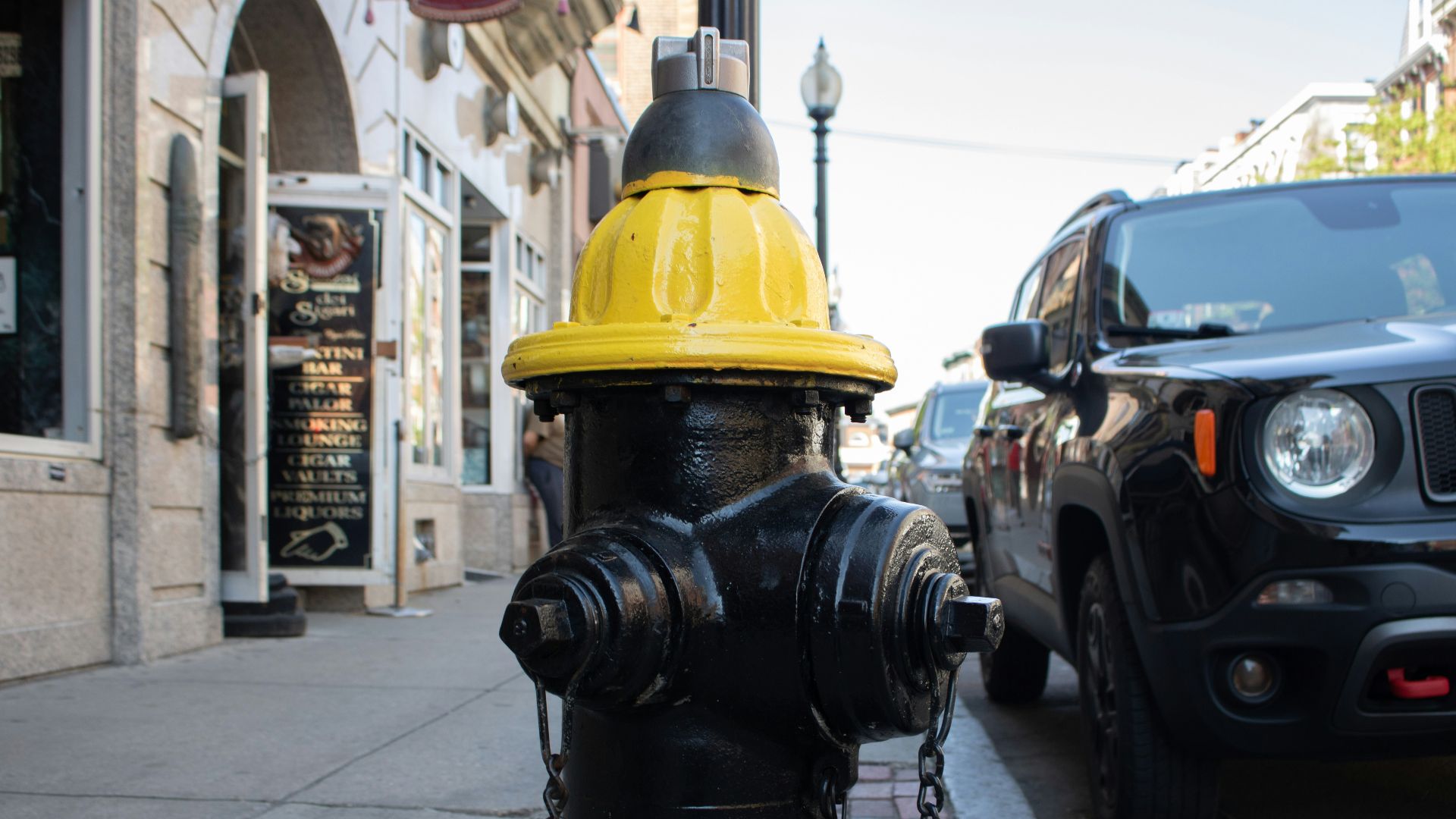
Look closely at the parking position. Is the truck beside a hydrant, intersection, crosswalk, curb ramp, or another area where parking is restricted? A vehicle can look reasonably parked at first glance while still violating a local clearance rule, so check your municipality’s actual regulations before complaining.
The Cable May Be The Bigger Issue
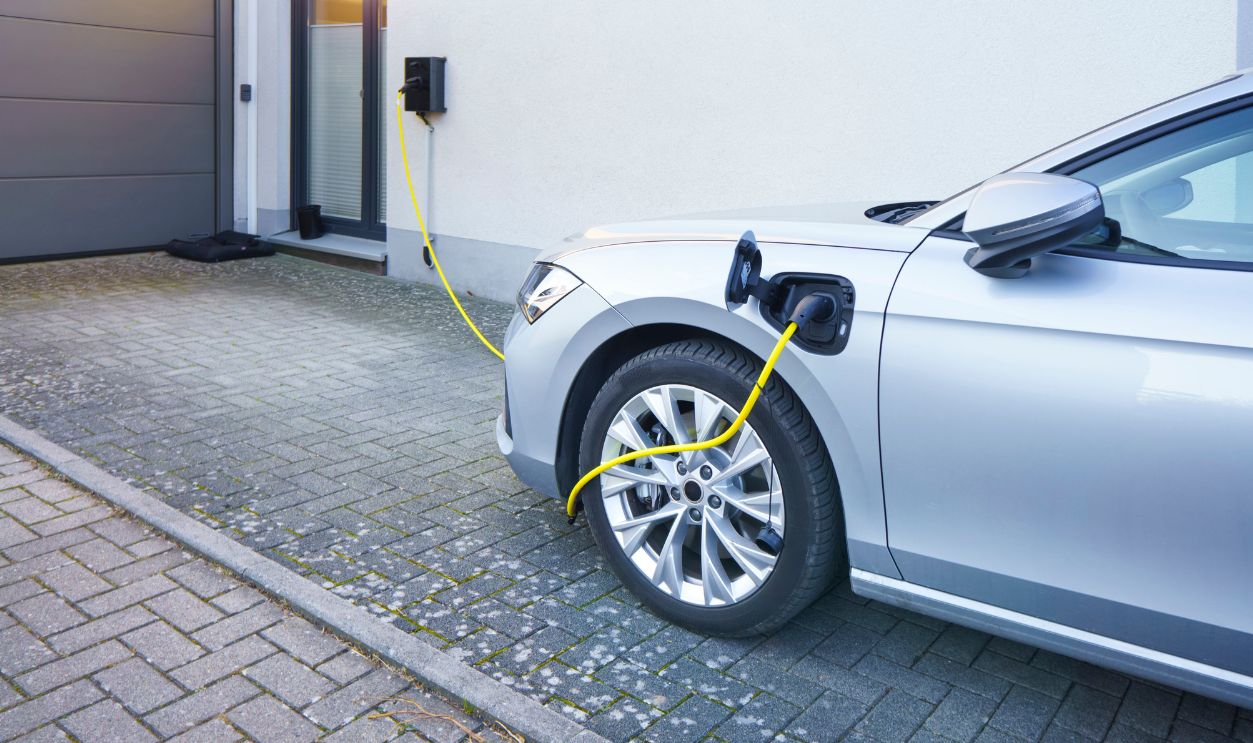
The most useful detail may not be the truck. It may be the cord running from private property to the street. Once a charging cable crosses a sidewalk or other public right-of-way, safety, accessibility, equipment, and permit requirements can enter the picture.
Sidewalks Cannot Become Cord Mazes
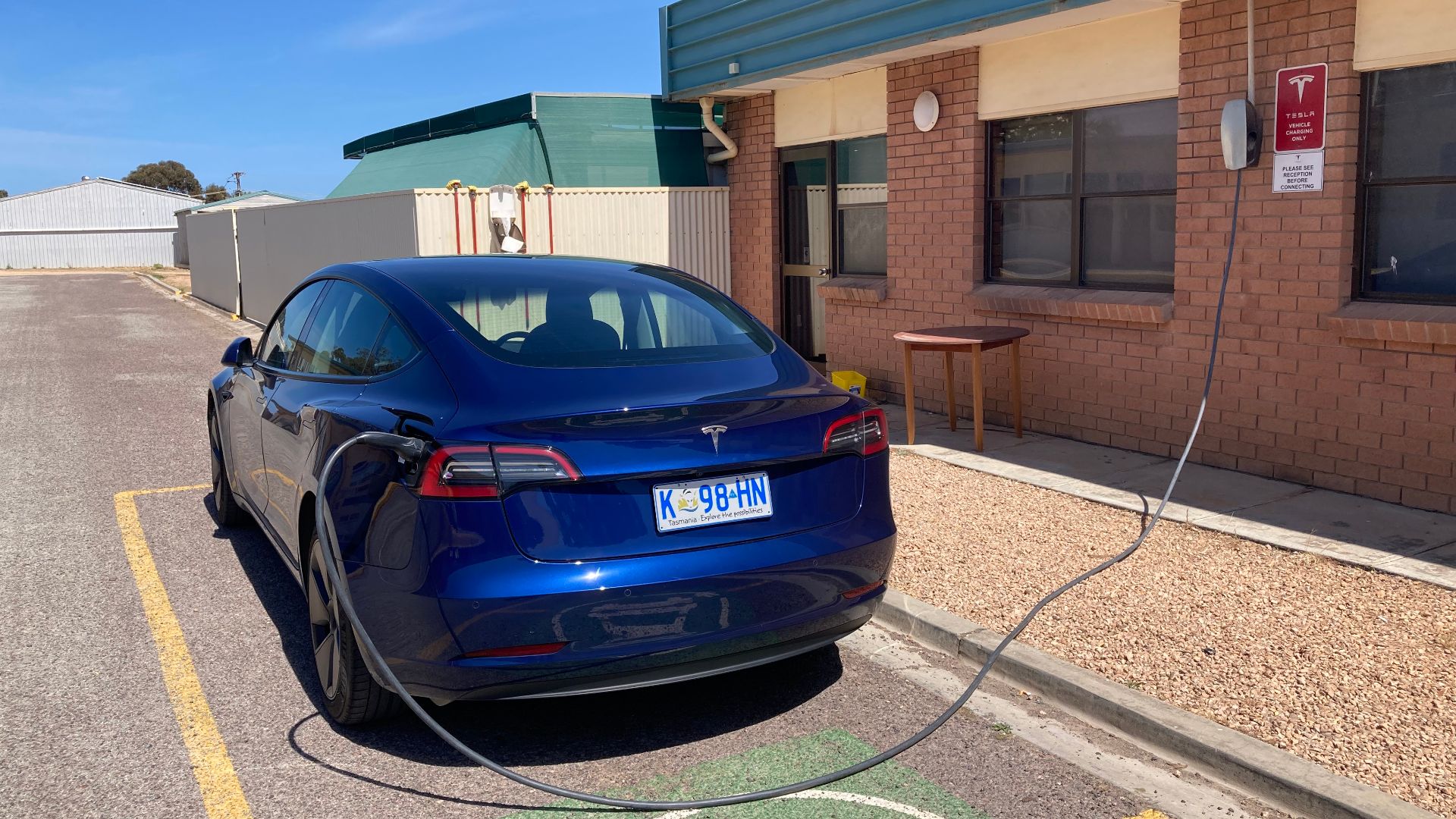
A loose charging cable can create a trip hazard and interfere with wheelchairs, walkers, strollers, and other sidewalk users. Public-right-of-way accessibility guidance specifically addresses sidewalks and other pedestrian facilities, which is one reason cities take objects crossing pedestrian routes seriously.
Some Cities Require A Permit
Do not assume across-sidewalk charging is automatically legal. Cambridge, Massachusetts, has a specific Across Sidewalk Electric Vehicle Charging permit program for residents without off-street parking. That is a pretty strong clue that “my outlet reaches the curb” is not necessarily enough.
![500px provided description: ... [#automotive ,#street ,#car ,#sidewalk ,#cityscape ,#road ,#roadside ,#environment ,#parking lot ,#driveway ,#charging ,#motor vehicle ,#electric car ,#charging station ,#less emission]](https://www.factinate.com/storage/app/media/driversdaily/2026/8/8/1786182932712cdf321f84c8c8bec79b15499449bdf6bae637.jpeg) Joenomias Menno De Jong, Wikimedia Commons
Joenomias Menno De Jong, Wikimedia Commons
Other Cities Restrict The Setup
Portland illustrates how detailed these rules can become. The city says personal charging stations are not allowed on the street, sidewalk, or planting strip. It does allow street charging under certain circumstances, provided parking rules are followed and charging equipment is removed from the right-of-way when it is not being used.
Your City May Say No Entirely
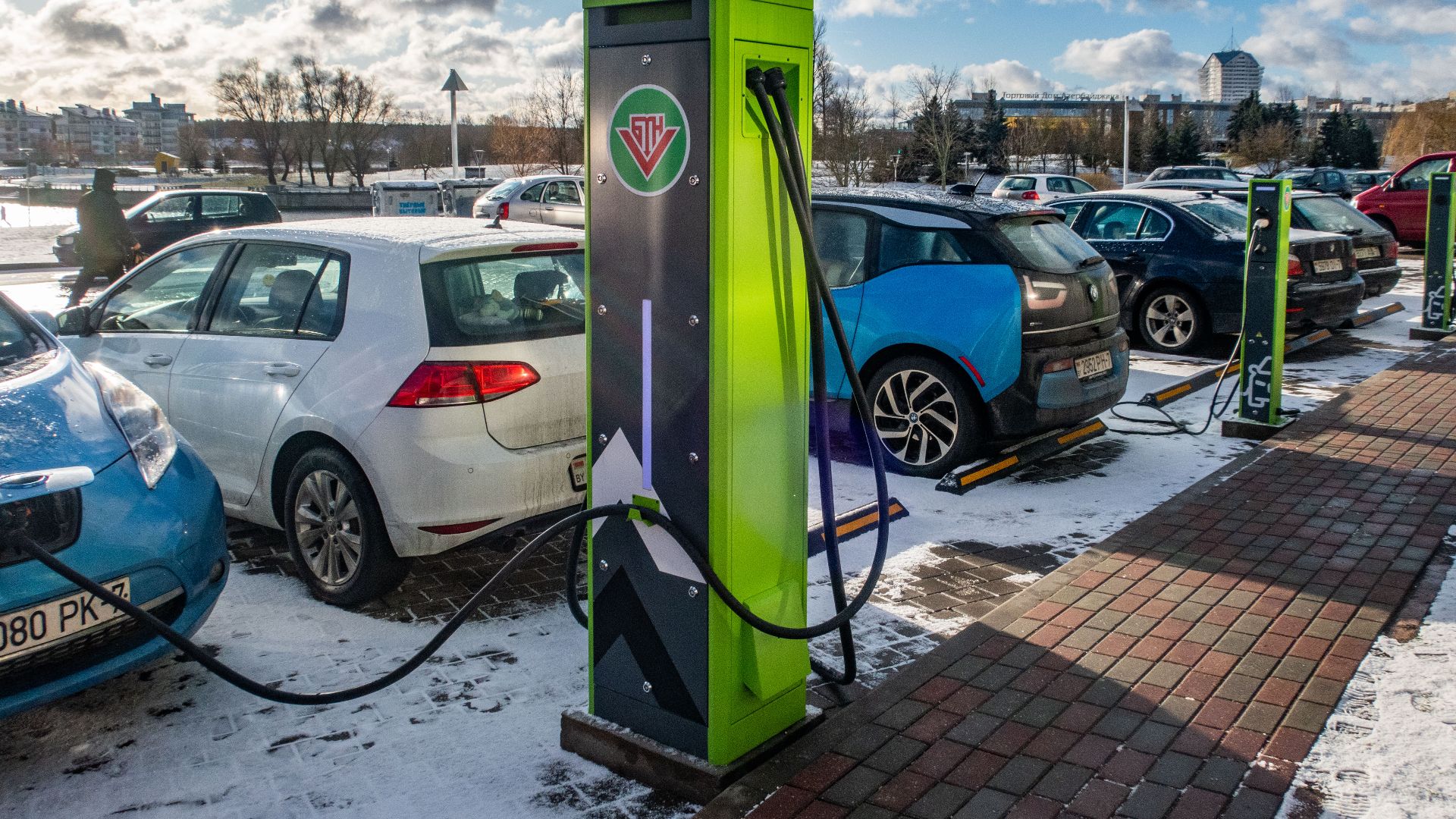
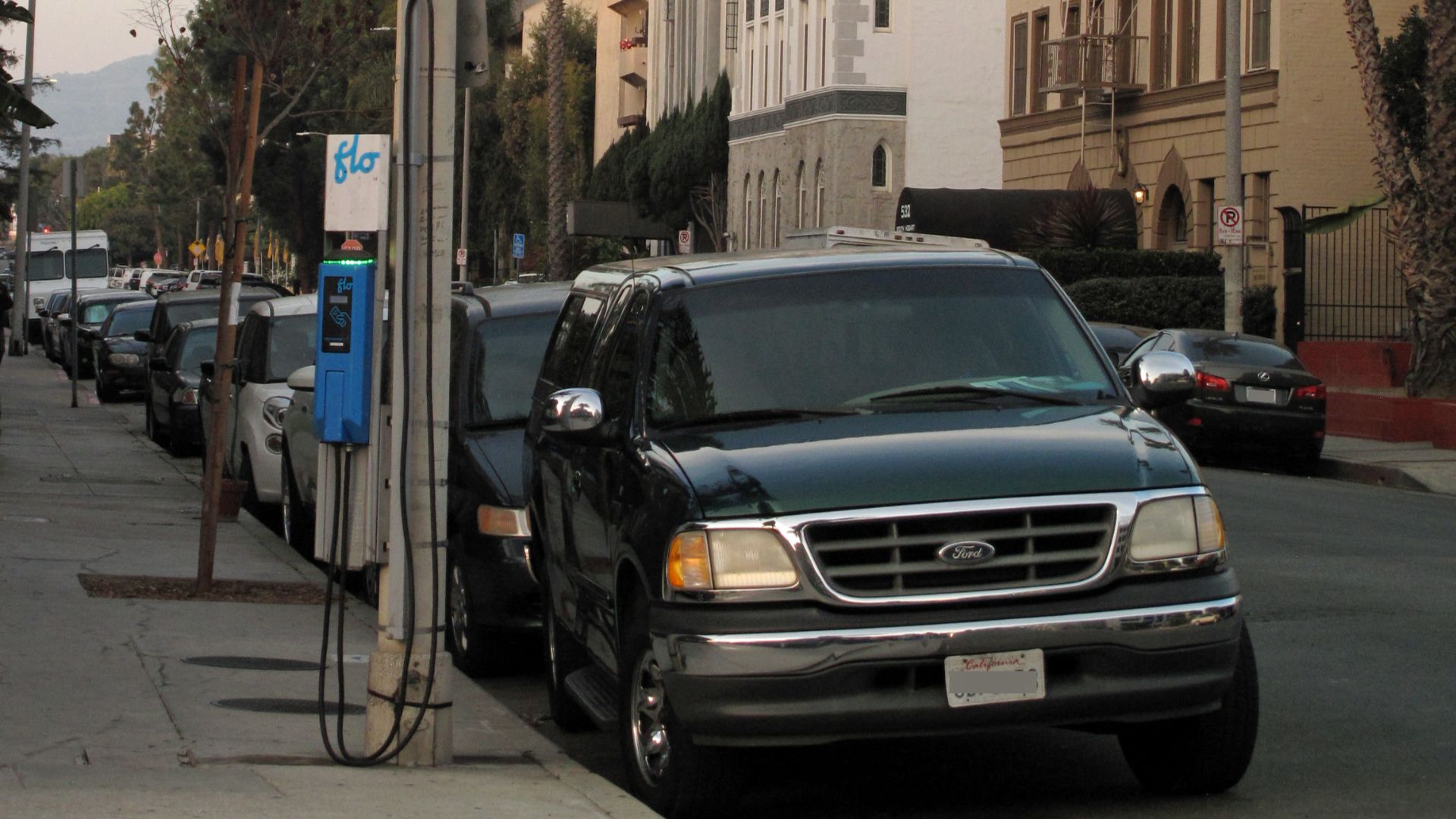
There is no universal rule giving homeowners the right to run private charging equipment to public parking. Denver’s curb guidance, for example, says on-street EV charging is not currently included as a street use. Different cities are approaching this emerging problem very differently.
 Downtowngal, Wikimedia Commons
A Cord Cover Is Not A Legal Force Field
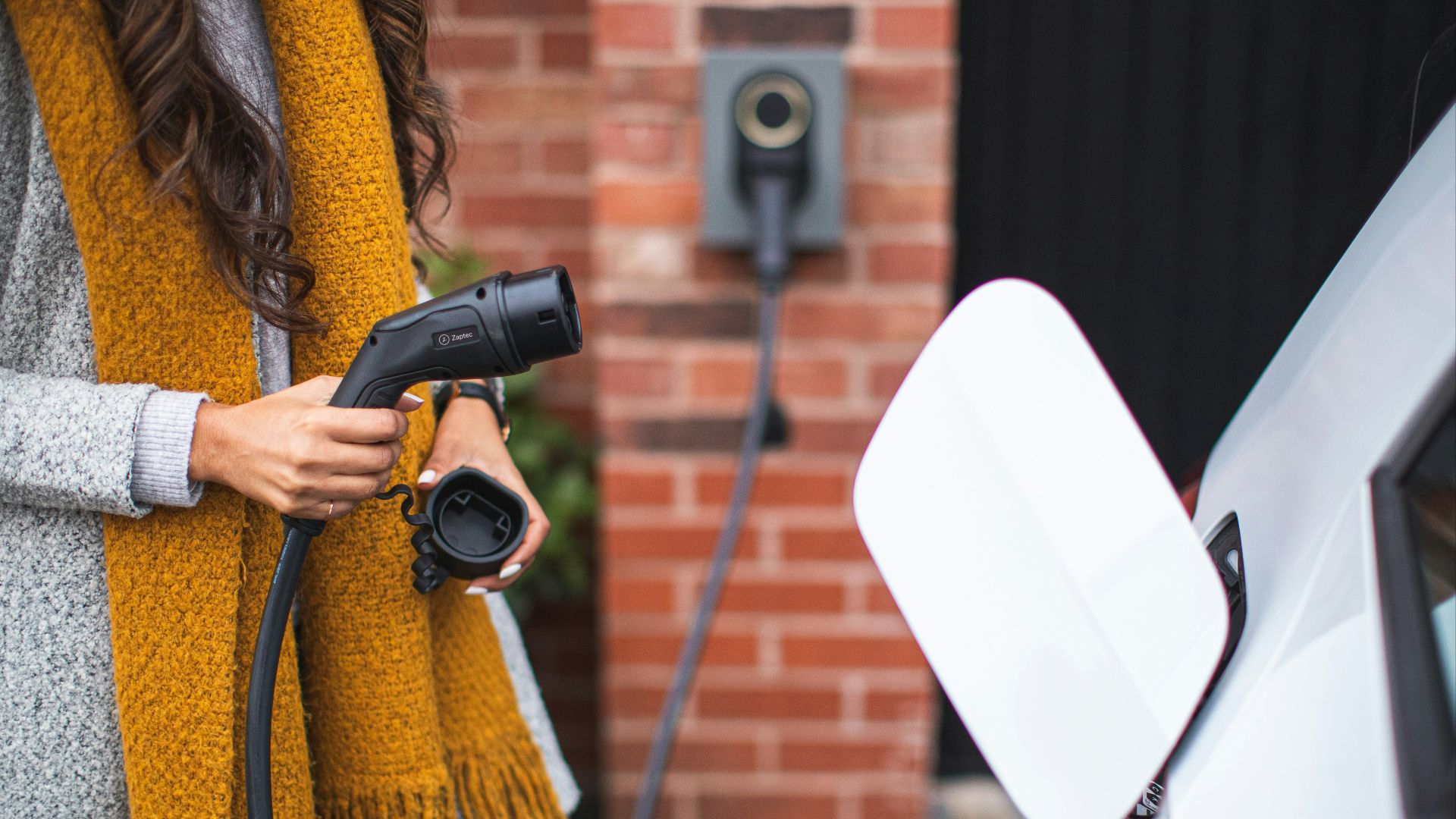
A rubber cable protector may make a charging cord less hazardous, but it does not automatically make the arrangement legal. Cities can regulate cables and other equipment placed in public space or require specific permission. A safer-looking cable and a city-approved charging setup are not necessarily the same thing.
He Cannot Invent A Reserved Spot
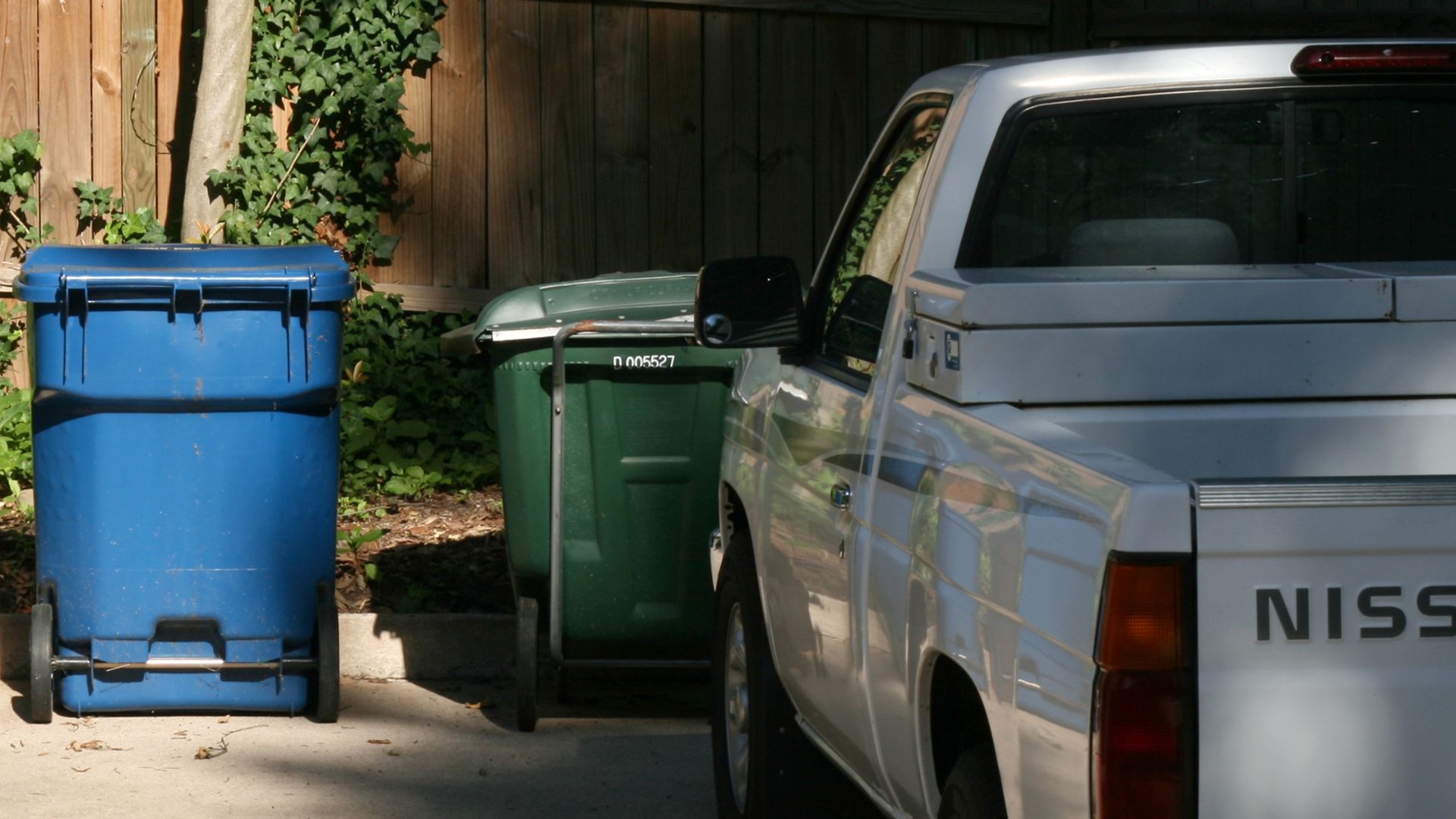
Your neighbor generally cannot turn ordinary public curb space into his personal charging spot by surrounding it with cones, bins, homemade signs, or lawn furniture. Fort Wayne, for example, specifically tells residents they cannot reserve public street parking with cones or similar objects.

Neither Can You
Do not retaliate with your own cones, garbage cans, lawn chairs, or creatively positioned vehicles. Aside from potentially breaking local rules yourself, starting a suburban curbside arms race is unlikely to improve relations. You want to solve a parking problem, not audition for a reality show called Neighbors At War.
 Ildar Sagdejev (Specious), Wikimedia Commons
Document The Parking Pattern
If you think a rule is being broken, take simple photos showing the truck’s position, nearby signs, driveway clearance, and how the charging cable reaches the vehicle. Note the dates and approximate times. Document the specific condition you might report rather than turning the project into full-time neighborhood surveillance.

Read Your Local Rules
Search your city or town website for residential parking, overnight parking, driveway clearance, abandoned vehicles, EV charging, sidewalk obstruction, and right-of-way permits. The differences between Cambridge, Portland, Denver, Seattle, and other cities show why generic internet advice cannot determine whether your neighbor’s exact setup is legal.

Ask About Right-Of-Way Charging
If the parking itself appears legal, contact whichever local department manages transportation, public works, streets, or right-of-way permits. Ask specifically whether a private EV charging cable may cross the sidewalk to a vehicle on the street. That question gets straight to the unusual part of your problem.

Use Parking Enforcement, Not 911
For an ordinary parking violation, use your municipality’s parking-enforcement or non-emergency reporting system. Provide the location, vehicle description, and the rule you believe is being violated. Unless there is an immediate safety emergency, treat this as a parking issue rather than an emergency.

Talk Before You Escalate
If relations are reasonably good, a conversation may solve the problem faster. Explain that nightly charging is consuming scarce parking and ask whether your neighbor can charge on alternating nights, move the truck after charging, or use another nearby space when one happens to be available.

Charging May Not Require The Spot All Night
If the truck finishes charging hours before your neighbor drives it again, there is no harm in asking whether he could move it afterward. You do not need to lecture him about batteries or charging curves. A simple compromise could return the space to general use for part of the night.

Public Charging Is Another Option
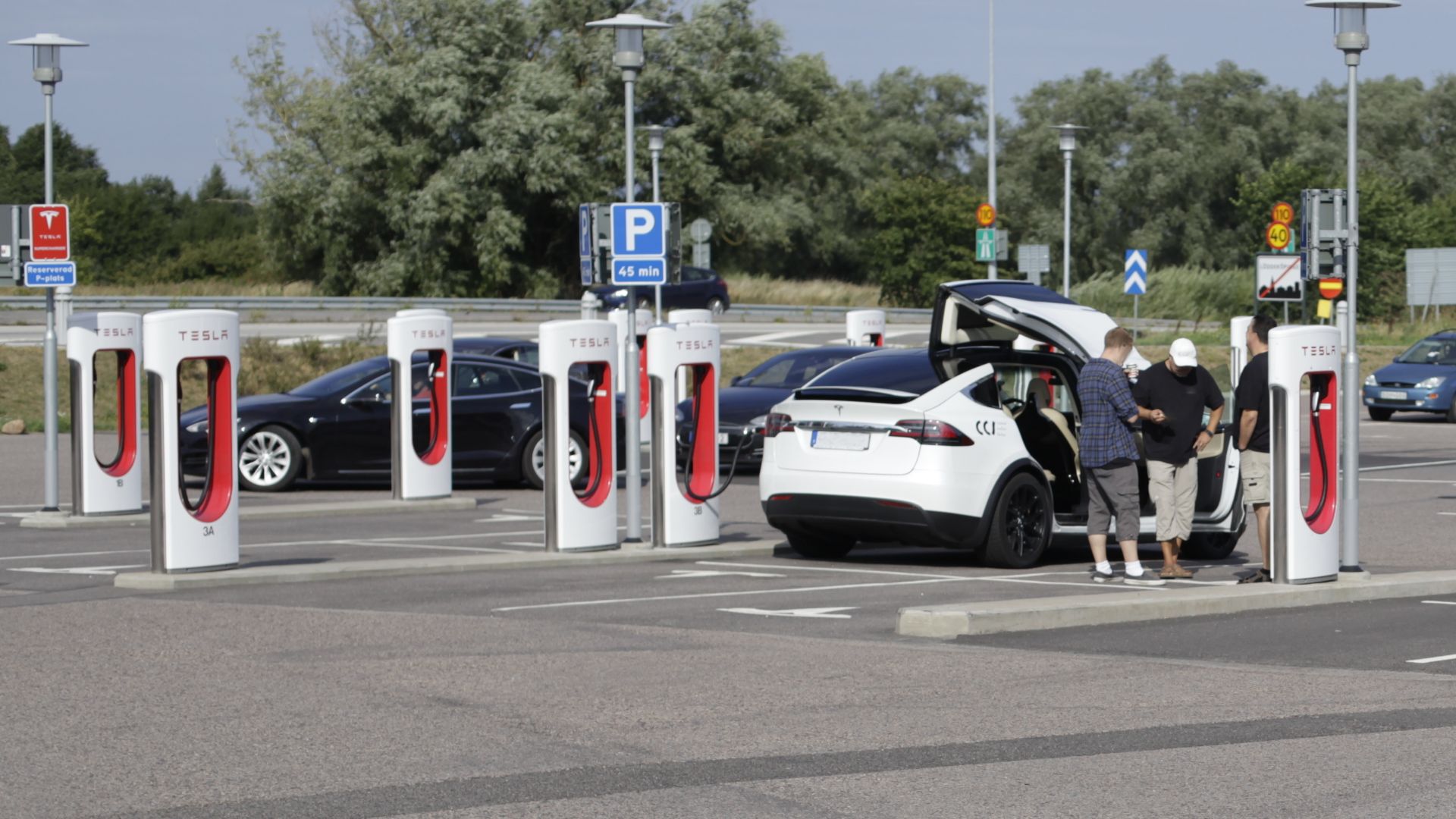
If curb access constantly creates conflict, your neighbor may need a more sustainable routine: workplace charging, public Level 2 charging, occasional fast charging, or a city-approved curbside option where available. His charging challenge does not automatically give him permanent control over one public parking space.
What If Everything Is Legal?
Then the frustrating answer may be that you cannot force him to stop. A legally parked vehicle can generally use an ordinary public street space even when that space happens to be directly outside your house. At that point, neighborly cooperation matters considerably more than enforcement.
Ask The City For A Bigger Fix
If everybody on the block struggles with parking, consider asking about residential permits, time limits, or formal curbside EV charging. Transportation agencies are actively planning how charging infrastructure should work in public spaces as EV adoption expands, so your neighborhood problem is hardly unique.
Do Not Touch The Truck Or Charger
However irritated you become, do not unplug the truck, damage the cord, block the vehicle in, or interfere with the charging equipment. Turning an annoying parking disagreement into a property-damage, electrical-safety, or confrontation problem is a spectacular way to make the situation much worse.

The Bottom Line
You probably cannot ban your neighbor from the curb simply because it is in front of your house. But you may be able to stop the behavior if he breaks parking limits, blocks required access, or uses an unapproved charging setup. Check the local rules, document specific violations, and report those—not just the annoyance.
You May Also Like:
Affordable Cars From The 1990s That Were Way Better Than People Remember