Moving Day Was Supposed To Be Romantic
Moving in together is supposed to feel like a major relationship milestone. You picture boxes, pizza, maybe a minor disagreement over where the coffee table goes—not a moving truck sinking into deep snow while your entire future sits in the back.

Then The U-Haul Got Stuck
One minute, you are arriving with all your stuff. The next, the tires are spinning, the truck is not moving, and the mood has shifted from “new chapter” to “why is this happening to us?”
And Suddenly There’s Talk Of A Tow Bill
That is when the practical panic sets in. It is not just about getting the truck unstuck anymore—it is about whether you are now expected to pay for a tow on top of everything else.

The Short Answer Is: Maybe
There is no universal yes or no here. Whether you owe for the tow usually depends on why the truck got stuck, what your rental agreement says, and whether you paid for any extra protection.

Why The Truck Got Stuck Matters Most
This is the detail that tends to decide everything. Rental companies often look at whether the problem was caused by the vehicle itself or by the situation it was driven into.

Mechanical Trouble Can Change The Outcome
If the truck got stranded because something on the vehicle failed, that may be treated very differently from a case where it simply slid into deep snow. A breakdown points toward the company. A stuck truck often points toward the renter.
Driving Conditions Also Matter
If the company believes the truck was taken somewhere unsafe—like an unplowed driveway, icy slope, or snow-packed road—it may argue the tow was necessary because of driver judgment, not because of a problem with the truck.
Snow Recovery Is Not Always Basic Roadside Assistance
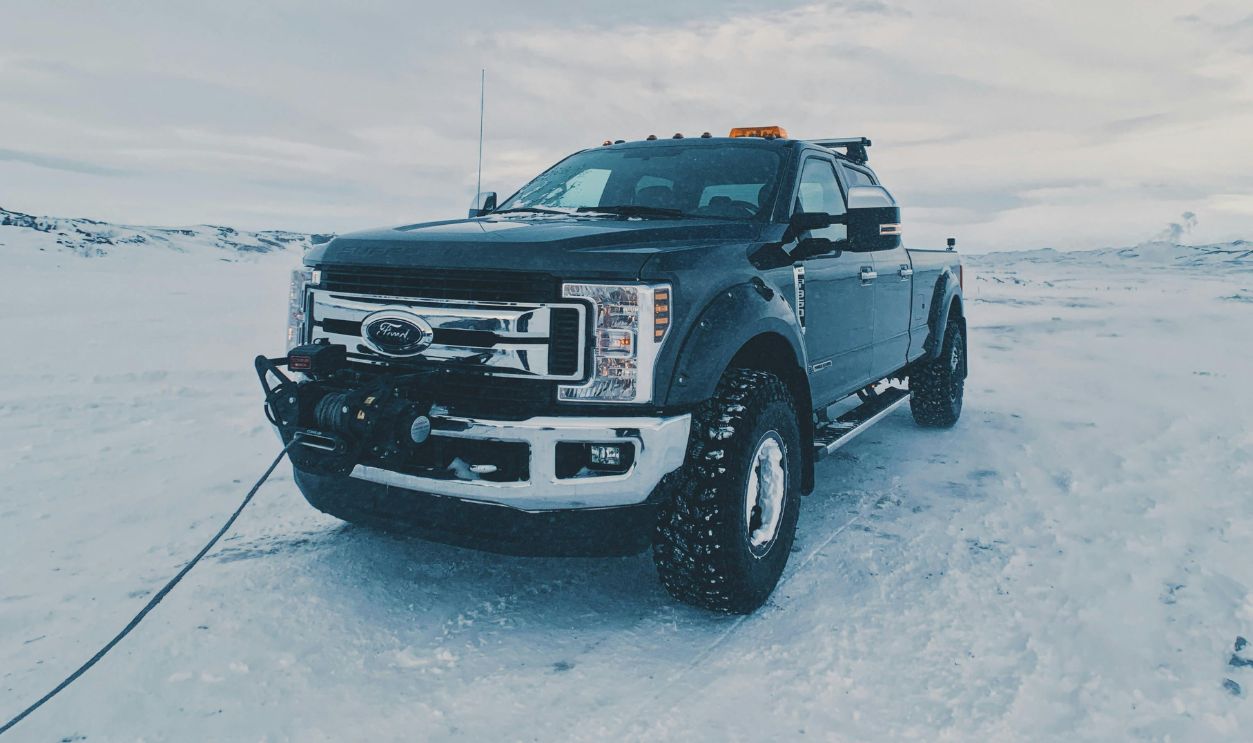
This is where a lot of people get surprised. A vehicle pulled out of deep snow is often treated as a recovery, which may be billed differently from a standard roadside call.
Help Does Not Automatically Mean Free Help
The rental company may absolutely send assistance or arrange a tow. But providing the service does not necessarily mean they are covering the cost of it.

Your Rental Agreement Now Becomes Required Reading
Nobody studies a moving truck contract like it is fine literature on pickup day. But once money is involved, that paperwork becomes very important very fast.

Look For Key Terms In The Contract
You want to find words like towing, roadside assistance, recovery, prohibited use, driver responsibility, and negligent operation. Those sections usually explain when the renter is expected to pay.

“Tow” And “Recovery” Can Mean Different Things
That wording is not just technical fluff. A tow after a breakdown may be handled one way, while pulling a stuck truck out of snow, mud, or a ditch may be treated as a separate recoverable event.

Winter Weather Makes Everything Messier
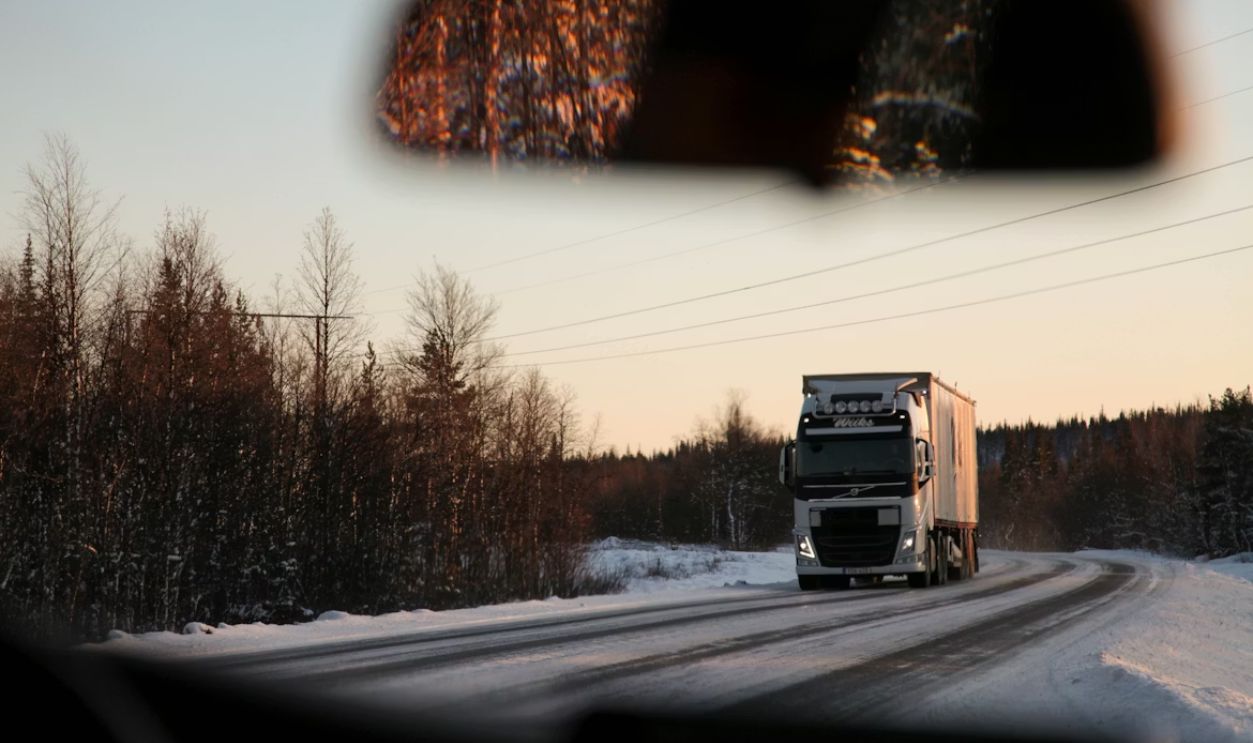
Snow makes places look more drivable than they actually are. What feels like a normal driveway in a car can become a total trap for a loaded moving truck.
The Company May Say The Situation Was Avoidable
If the truck was driven into a clearly risky area, the rental company may argue the situation could have been prevented. That makes it easier for them to stick you with the bill.

But Bad Weather Is Not Automatically Your Fault
Not every snow disaster comes from reckless driving. Roads change quickly, surfaces get packed down, and sometimes a reasonable route turns into a disaster with very little warning.

Optional Coverage Could Matter
This is the moment when all those add-on protections from the rental counter start to matter. If you purchased extras, it is worth checking exactly what they cover.

But Coverage Is Often More Limited Than People Think
Damage protection, cargo coverage, and liability coverage are not the same as towing or recovery coverage. Just because you bought something extra does not mean this specific problem is included.

The Fine Print Does The Heavy Lifting
If your plan specifically includes roadside help, great—but that still does not guarantee snow recovery is free. Some plans cover breakdowns, while excluding recoveries caused by conditions or location.

Even A Valid Tow Charge Can Be Too High
Let’s say you do owe something. That still does not mean every amount they throw at you is fair, reasonable, or properly explained.
Ask Who Actually Ordered The Tow
It matters whether you called the tow company, whether U-Haul arranged it, or whether someone escalated the service without clearly explaining the cost. Those details can affect how the charge should be handled.

Always Ask For An Itemized Breakdown
Do not settle for a vague number. Ask for the tow bill in writing, with each line item spelled out, including recovery fees, mileage, after-hours charges, and any administrative costs.

Document Everything Right Away
Take photos of the truck, the snow, the road, the driveway, and the immediate area. Save texts, screenshots, receipts, and notes from every conversation you have about the incident.

Evidence Can Make Or Break Your Case
If the company claims you drove into an obviously unsafe area, your photos may show something more reasonable. If the tow invoice sounds excessive, the scene may suggest the recovery was simpler than billed.

You Might Owe Something—But Not Whatever They Demand
That is a crucial distinction. Even if the contract gives them grounds to charge you, you still have the right to question the amount and ask for proof that it matches the actual service provided.

Push Back Calmly And Clearly
The best way to challenge the fee is without sounding chaotic. Ask which contract provision applies, why the incident is considered your responsibility, and how the final amount was calculated.

What Usually Happens In Real Life
Most of these situations end one of three ways: the renter pays, the company reduces or waives the fee, or the renter disputes it and gets the charge reviewed. The facts and the paperwork usually decide the winner.

Before You Pay, Take A Breath
A moving-day mess in deep snow feels dramatic in the moment, but it does not automatically mean you owe every dollar the company mentions. Read the contract, review your coverage, and gather your documentation before you agree to anything.

The Relationship Can Survive This—And So Can Your Wallet
In the end, a stuck U-Haul is probably not the love story detail you planned to tell later, but it also is not an automatic financial defeat. If the tow was caused by where the truck was driven, you may owe. But if the contract is vague, the charge is inflated, or the facts are on your side, it is worth pushing back before handing over your credit card.

You May Also Like: