A Garage Visit Shouldn’t Feel Like a Gamble
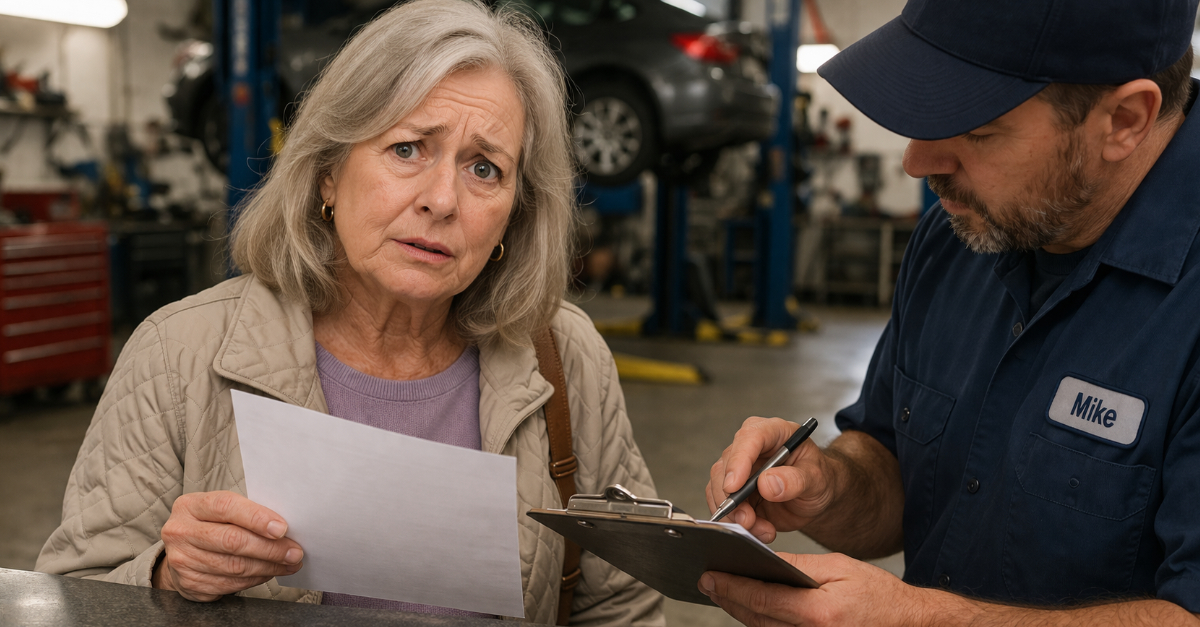
Losing a partner is hard enough—suddenly handling things they used to manage can feel overwhelming. For many people, car repairs are one of those stress points. Walking into a garage can feel like stepping into the unknown. The good news? There are clear signs that help you spot honesty—and avoid being taken advantage of.
You’re Not Alone in Feeling This Way
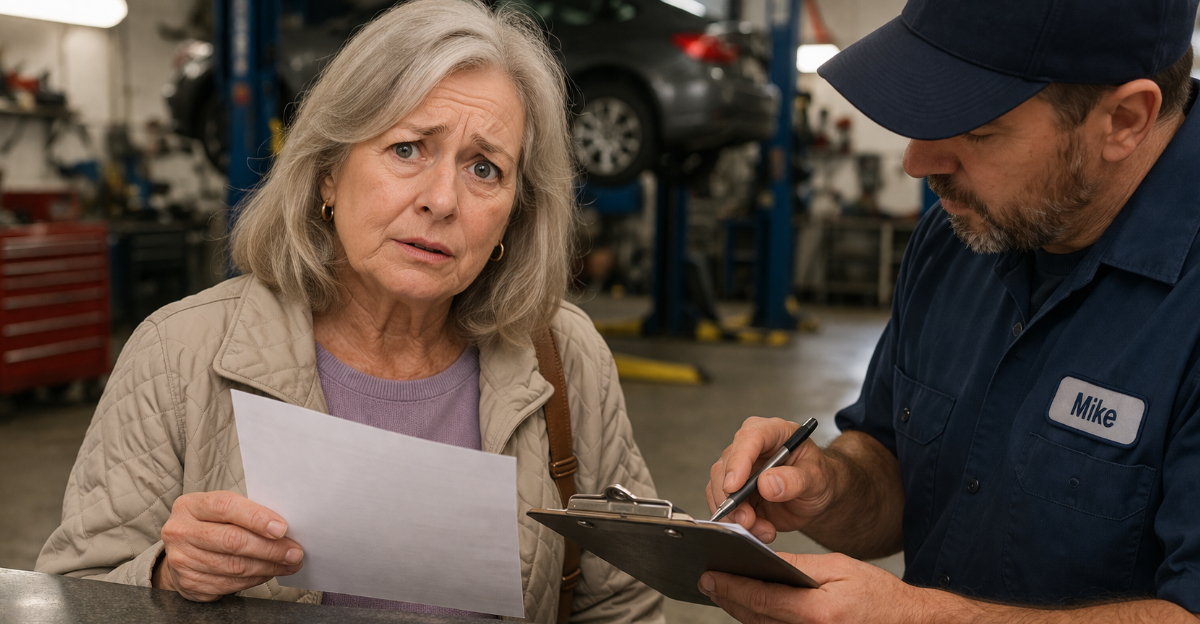
A lot of drivers feel intimidated at repair shops, especially if they’re not familiar with cars. Many drivers say they feel uncertain or uneasy in these situations. The environment can feel technical and fast-moving—but a good mechanic will slow things down and make you feel comfortable and informed.

A Good Mechanic Talks Like a Human
You shouldn’t need a translator to understand what’s wrong with your car. A trustworthy mechanic explains things in simple, everyday language you can follow. If they rely on jargon without breaking it down, they’re not prioritizing your understanding.

Always Get It in Writing Before Work Starts
Before any work begins, you should receive a clear written estimate outlining parts and labor costs. This protects you from surprise charges later and gives you something concrete to reference if questions come up.
Many Places Limit How Much the Final Bill Can Change
In many U.S. states and Canadian provinces, consumer protection laws require repair shops to get your approval before going over a written estimate. Some areas set specific limits—often around 10–20% above the estimate—while others require direct authorization for any additional work. Either way, a shop should contact you before increasing the cost, not surprise you at pickup.
They Should Be Willing to Show You the Issue
If possible, a good mechanic will physically show you the worn or damaged part—or provide photos for clarity. Seeing the issue builds trust and helps you understand why the repair is needed.

“Urgent” Doesn’t Always Mean Right Now
Some repairs truly need immediate attention—but many don’t. Items like fluid changes or minor wear can often wait without causing immediate harm. A trustworthy mechanic will clearly explain what’s a safety issue and what can be scheduled later.
Ask: “Is This Safety-Related?” and What Can Wait
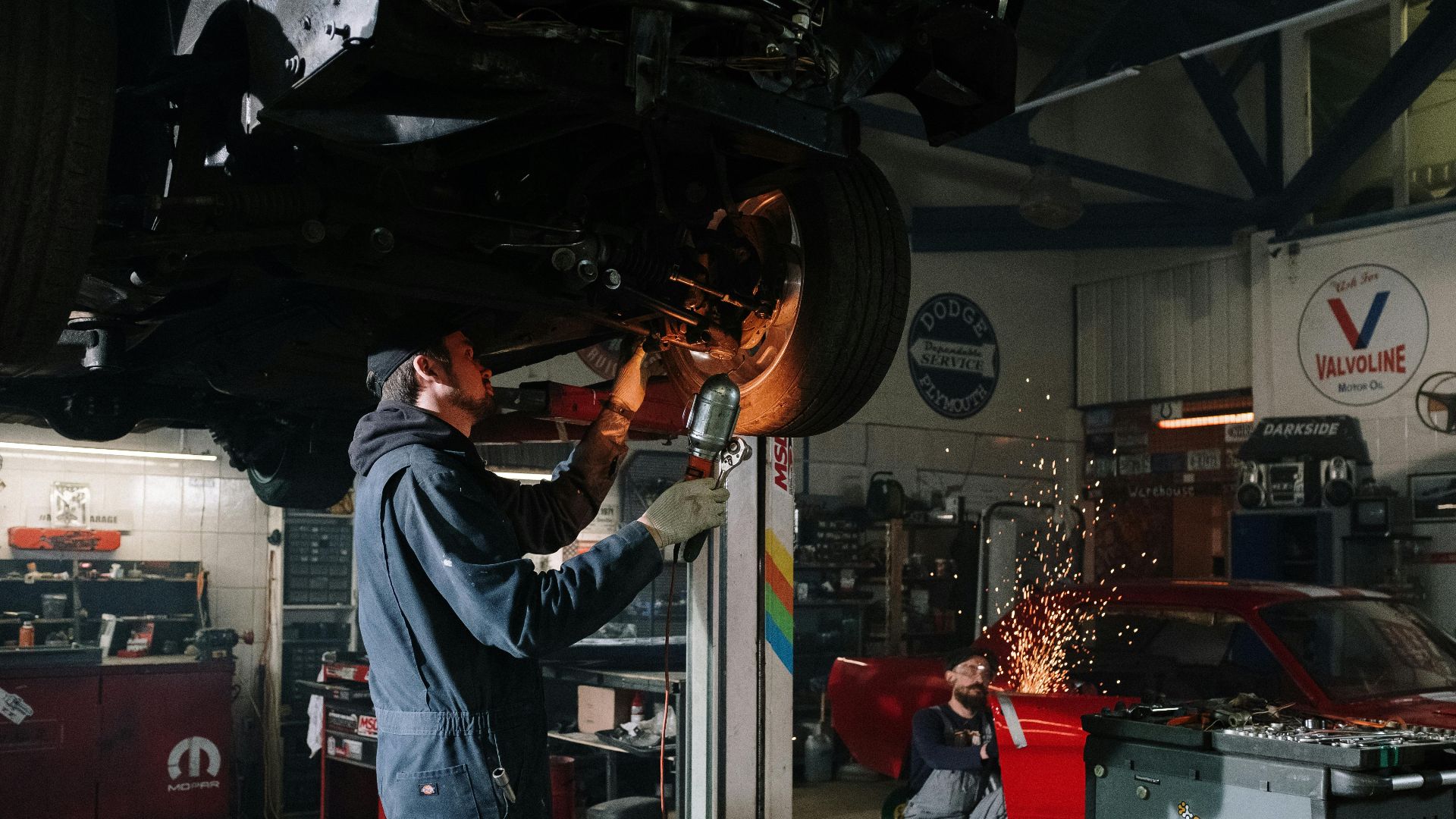
This simple question can instantly clarify things in most situations. Safety issues usually need attention soon—but many other repairs can wait. A good mechanic will clearly separate urgent fixes from things you can plan for later.
Pressure Is One of the Biggest Red Flags
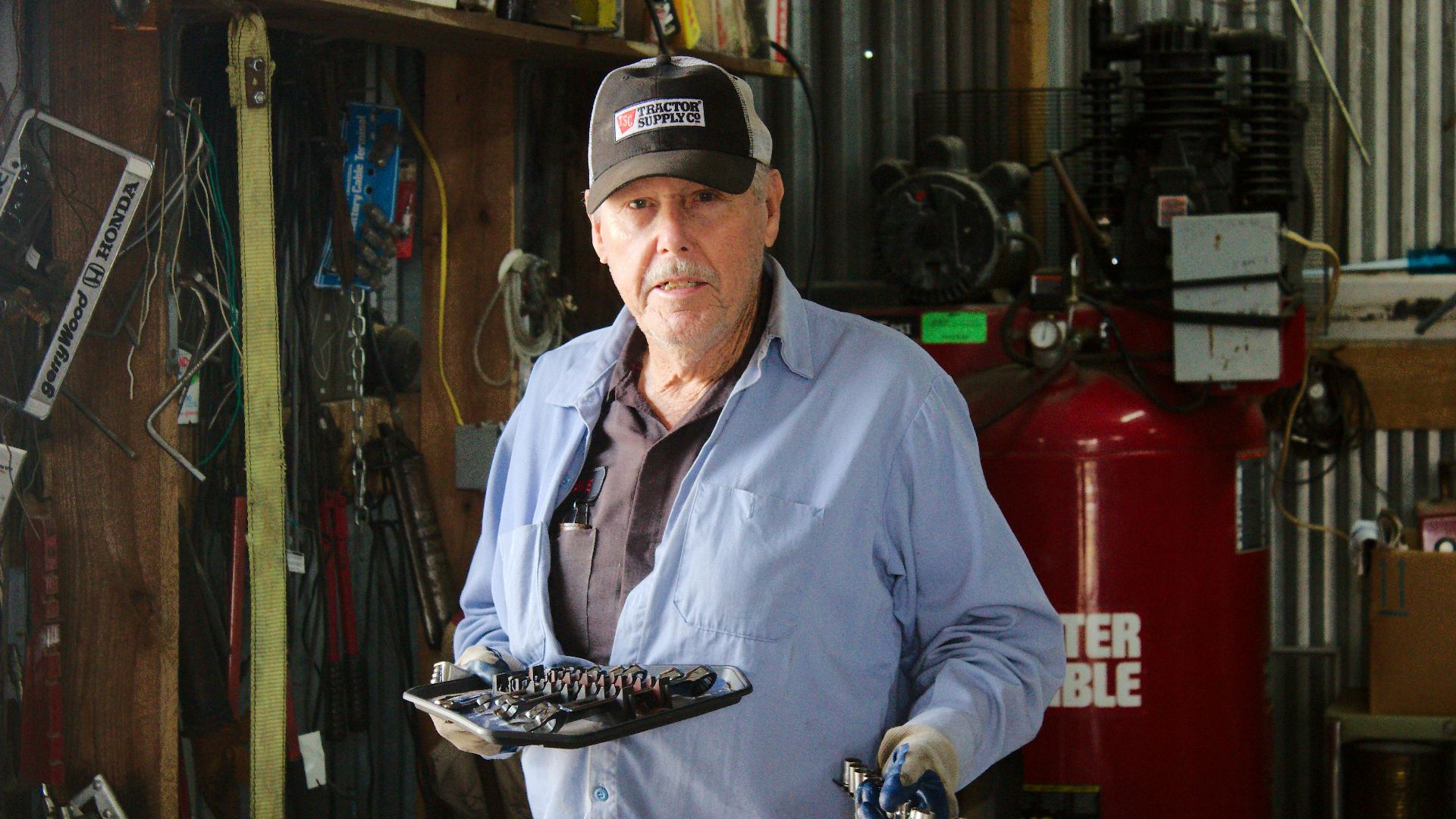
Feeling rushed into a decision—especially an expensive one—is rarely a good sign. A trustworthy shop gives you time to think, ask questions, or even leave and come back without pressure.

No Surprise Repairs Without Your OK
A reliable mechanic will always call before doing additional work on your vehicle. If repairs are added without your approval, that’s a major red flag—and something you can push back on.
You Don’t Have to Decide on the Spot
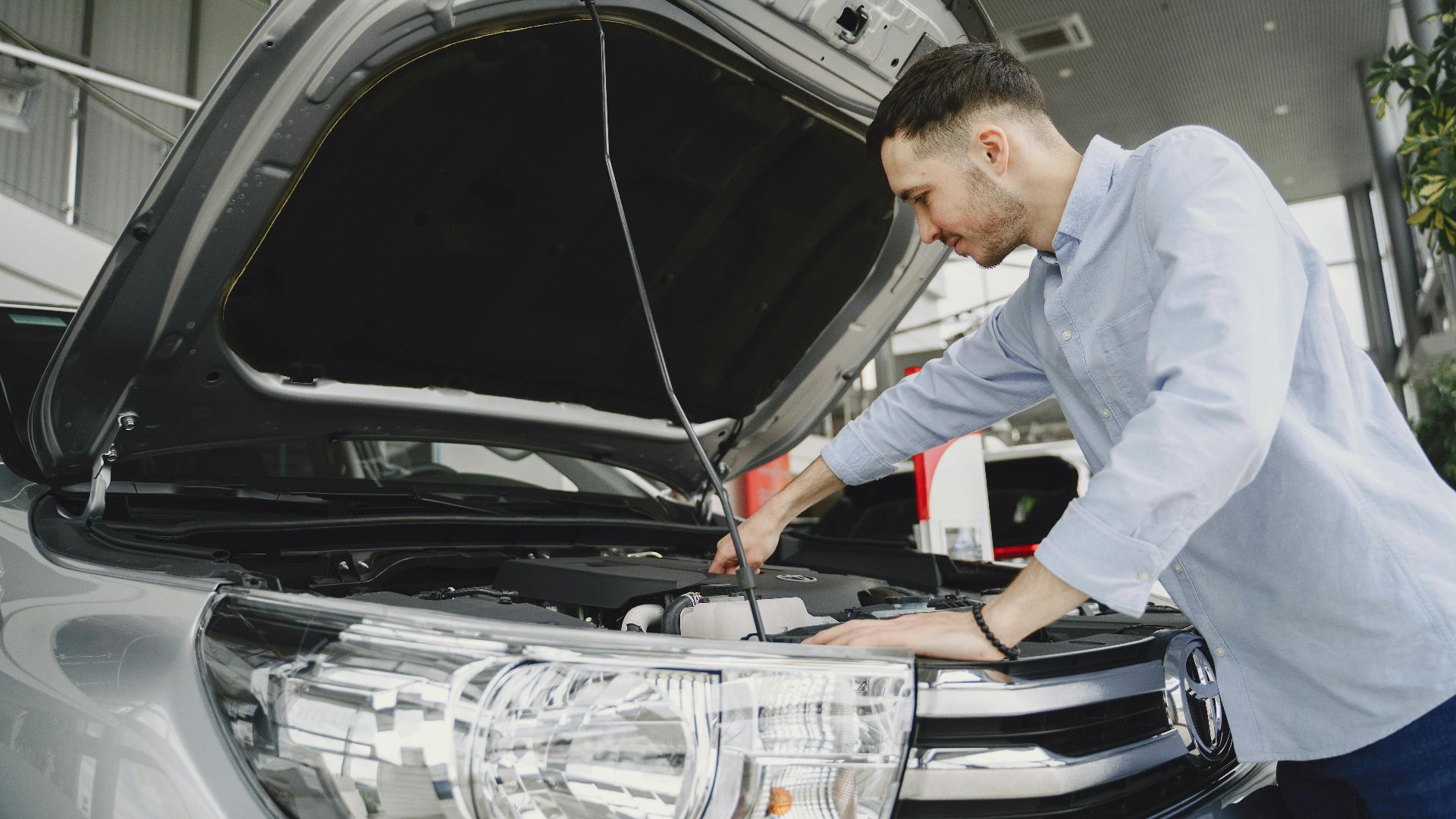
You’re never obligated to approve repairs immediately while you’re standing there. It’s completely normal to take time, ask questions, or even get a second opinion. A trustworthy mechanic will respect that.

Google Is Your Friend (Even in the Parking Lot)
You can sit in your car and quickly look up the repair, typical pricing, and whether it’s urgent or not. Even a few minutes of research can give you a lot more confidence before saying yes.

You Can Say “Let Me Think About It”
This simple phrase can take the pressure off instantly in the moment. You don’t need a perfect explanation—just buying yourself time can help you make a calmer, more confident decision.

Ask for a Breakdown of the Bill
You can always ask how the total is calculated—parts, labor, and any extra fees included. A trustworthy mechanic will walk you through it clearly. If they hesitate or get vague, that’s something to pay attention to.

You Should Feel Respected Asking Questions
You should feel comfortable asking anything—even basic questions about your car or repairs. A good mechanic won’t talk down to you or brush you off. If you feel dismissed or belittled, that’s a clear sign to find a different shop.

Good Mechanics Build Their Reputation on Trust
Most shops rely on repeat customers and word-of-mouth recommendations from satisfied drivers, which encourages fair and transparent service. Checking reviews can give you a good sense of which mechanics consistently treat people fairly.
Certifications Are a Good Sign
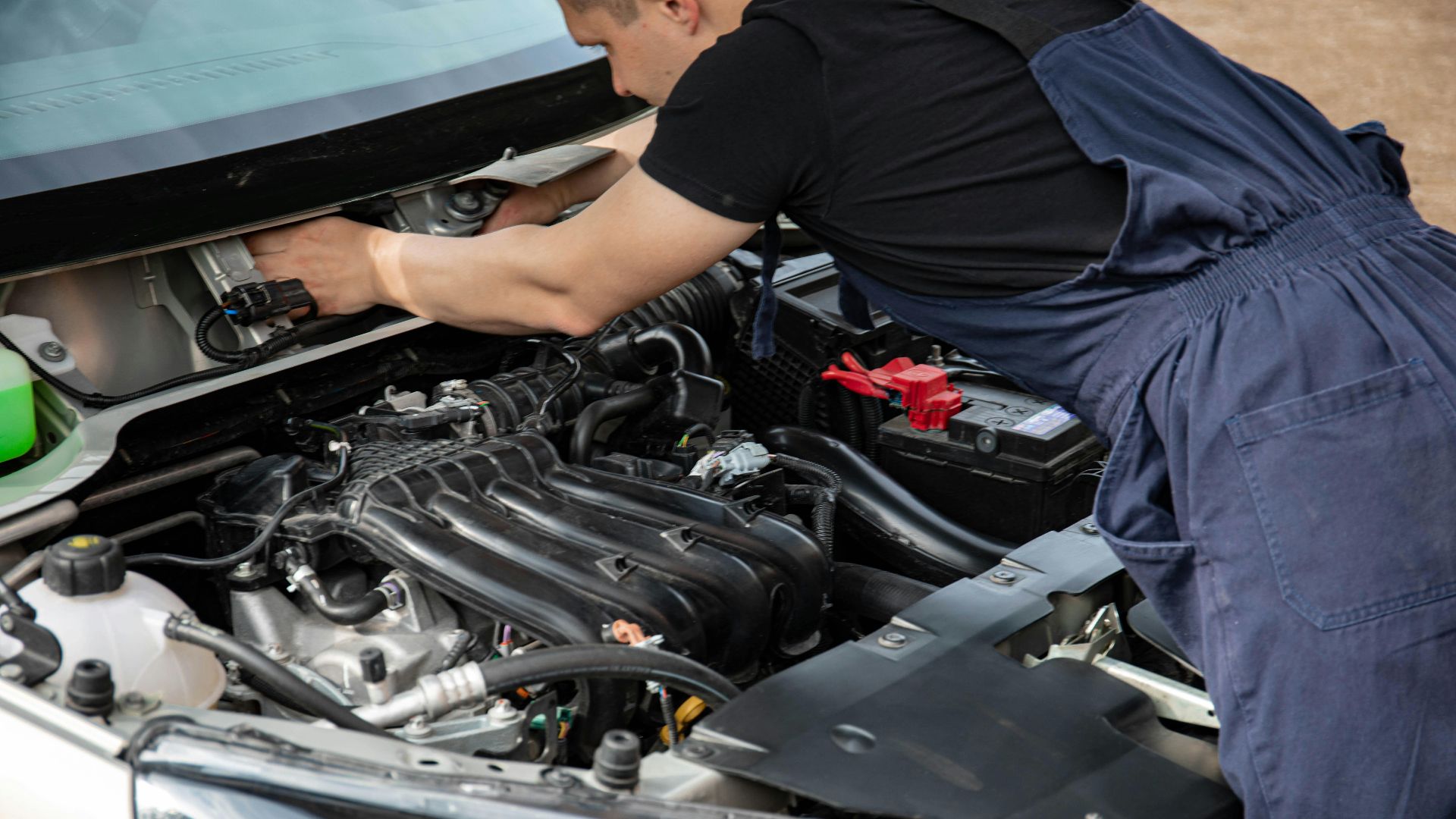
Credentials like ASE certification show that a mechanic has been tested on industry standards and practices. It doesn’t guarantee perfection—but it does indicate professionalism and proper training.
Watch Out for “Too Many Problems” at Once
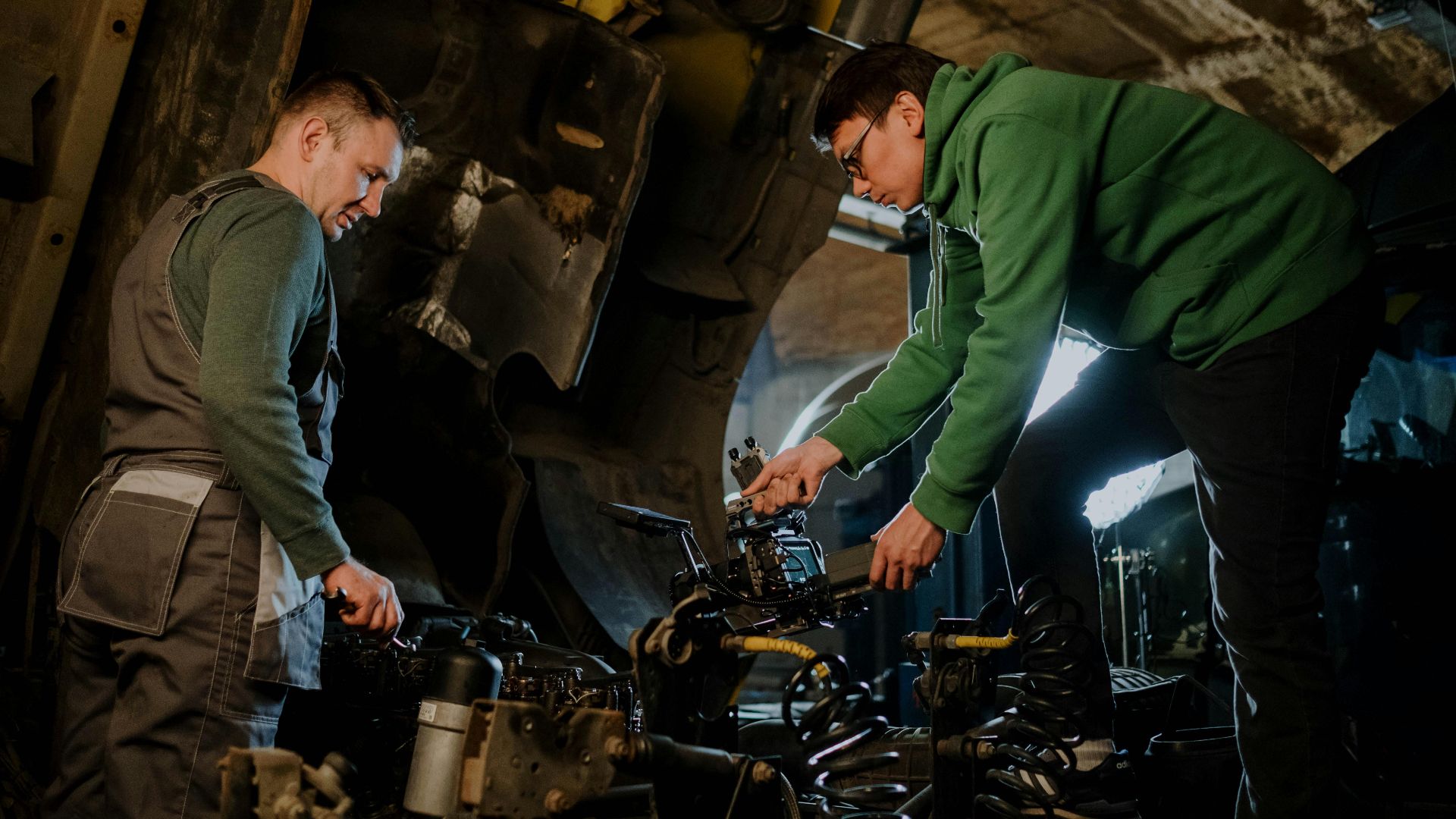
If every visit suddenly comes with a long list of urgent repairs all at once, be cautious. Consumer reports and auto organizations frequently cite unnecessary or upsold repairs as a common complaint among drivers.
Know a Few Common Upsells
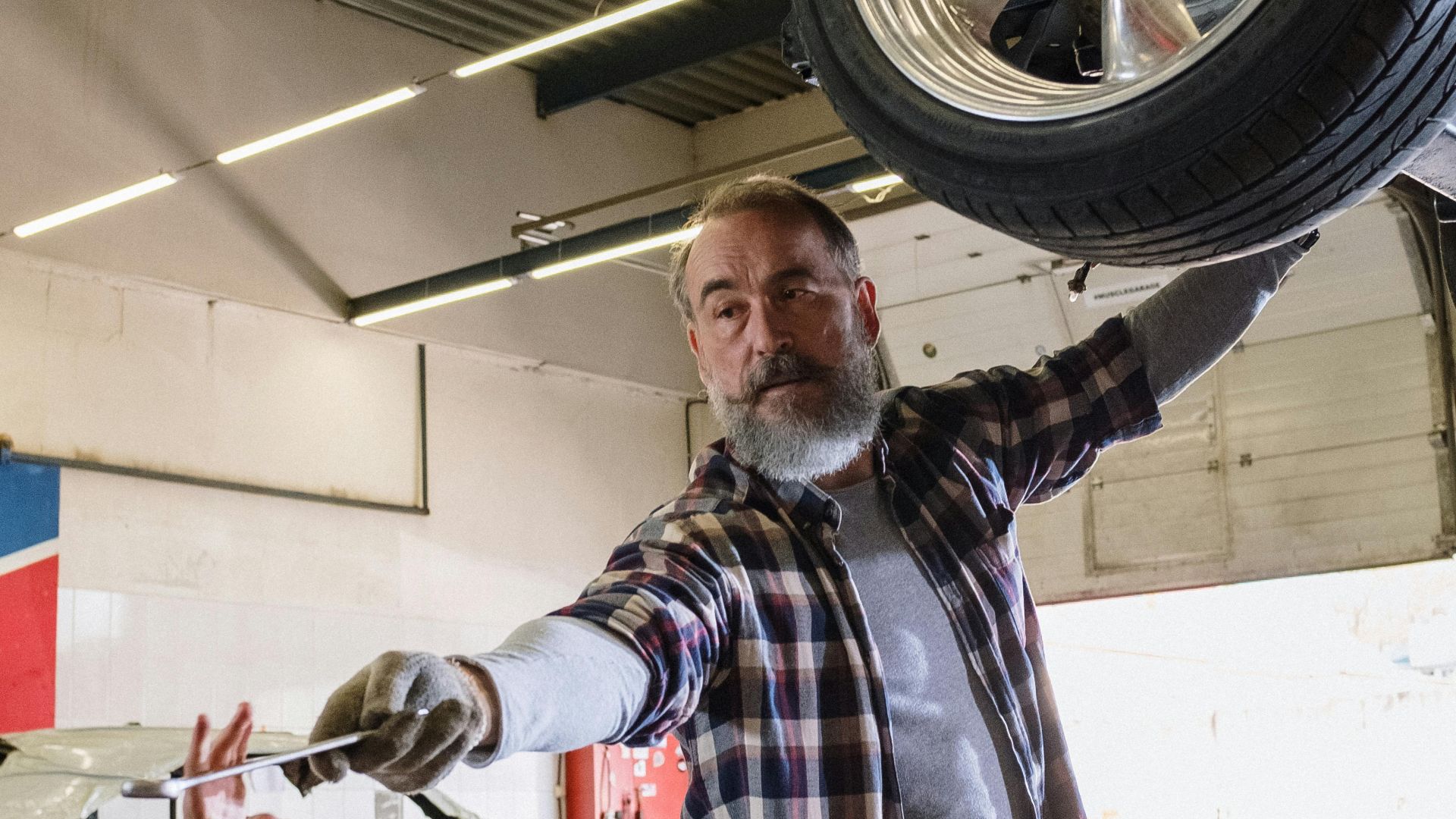
Items like cabin air filters, engine air filters, and fuel system cleanings are often recommended during visits. They can be helpful—but they’re not always urgent, even if they’re presented that way.
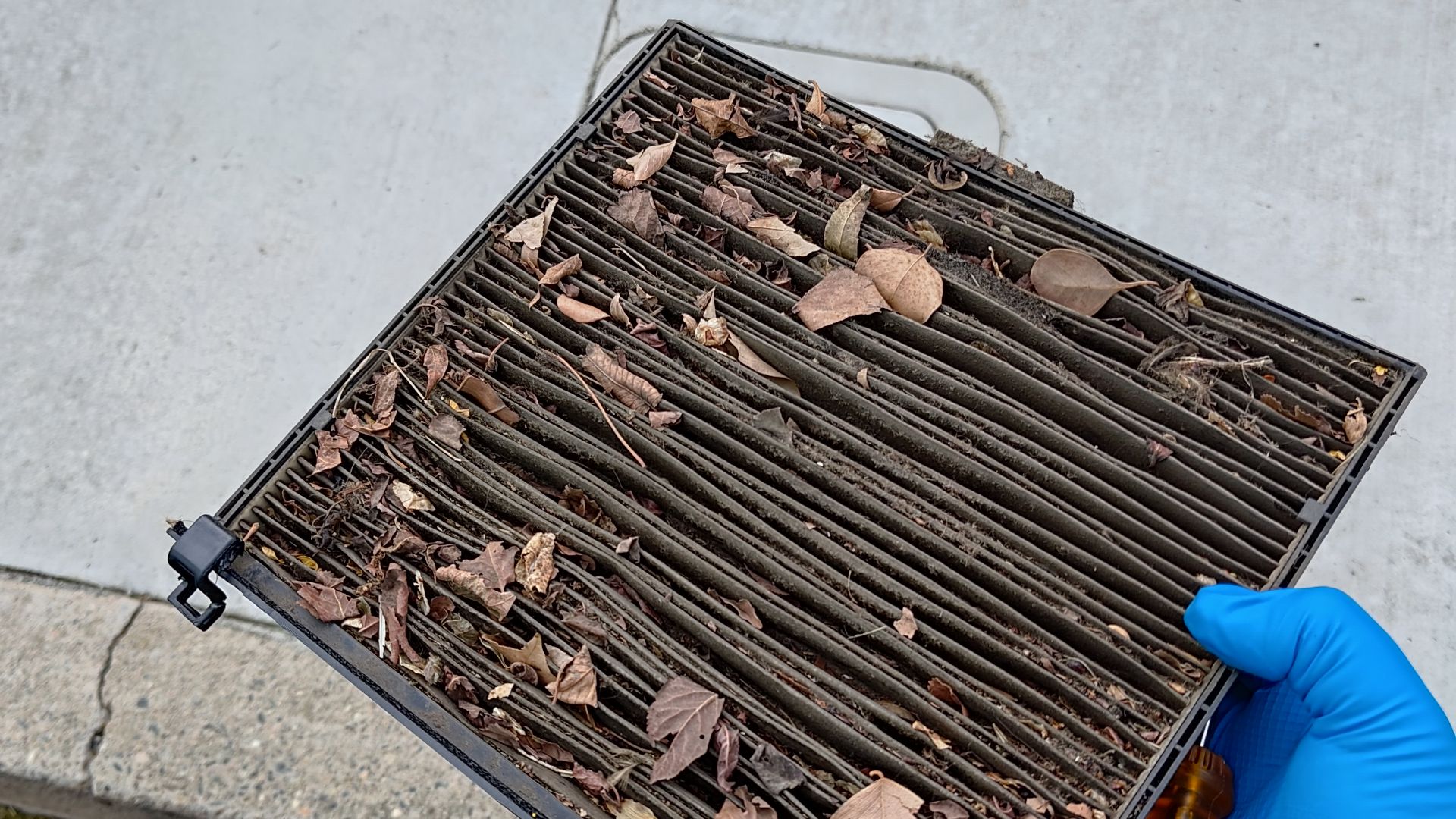 UnifiedFunctionality, Wikimedia Commons
You Can Ask for the Old Parts Back
This is a simple but powerful move many drivers don’t realize they can use. Asking to see or keep replaced parts helps confirm the work was actually done. Honest shops are usually happy to show you.
Labor Time Should Make Sense
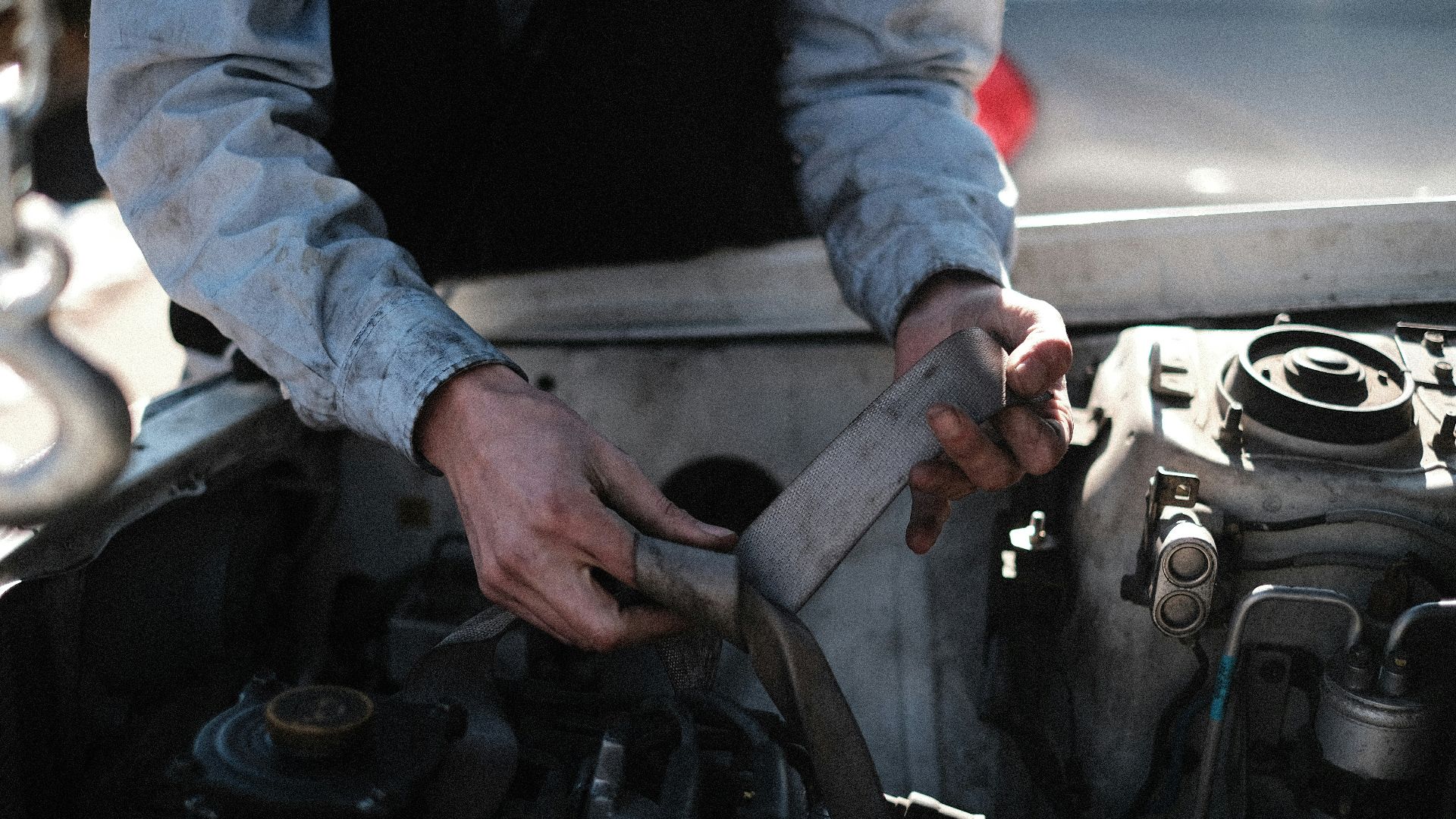
Repair bills include both parts and labor, which can vary depending on the job. Labor rates often range from about $90 to $150 per hour depending on location. If something seems high, it’s reasonable to ask how the time was calculated.
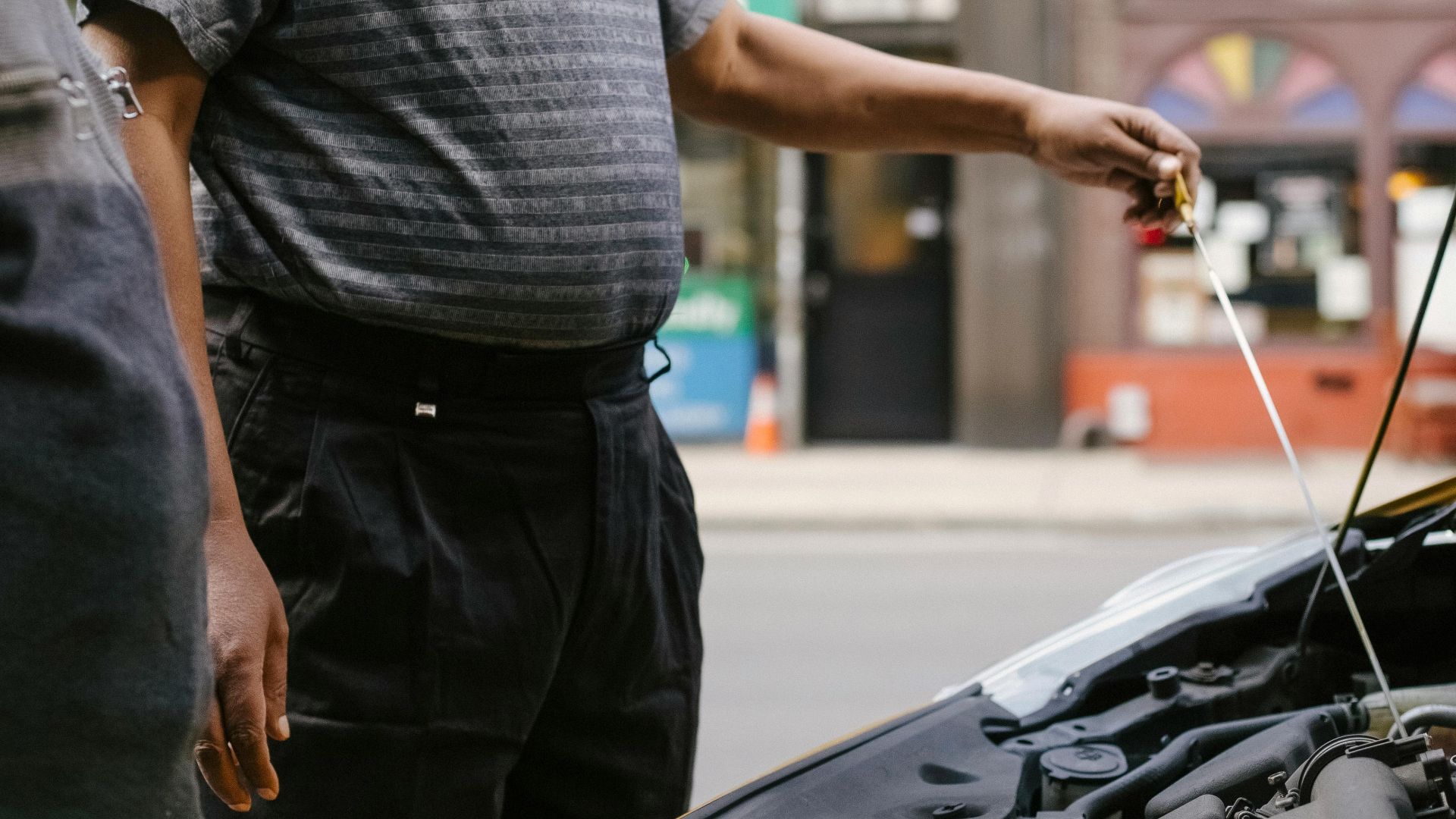
Confidence Builds—and You Can Trust Your Instincts
It’s normal to feel unsure at first when handling repairs on your own. Bringing someone with you can help, and over time you’ll get more comfortable. But even early on, trust your gut—if something feels off, it’s okay to walk away.

You Deserve to Feel Confident Walking In
Going to the mechanic shouldn’t feel intimidating or stressful every single time. With the right shop—and a few simple checks—you can protect yourself and feel in control every time.

You Might Also Like: