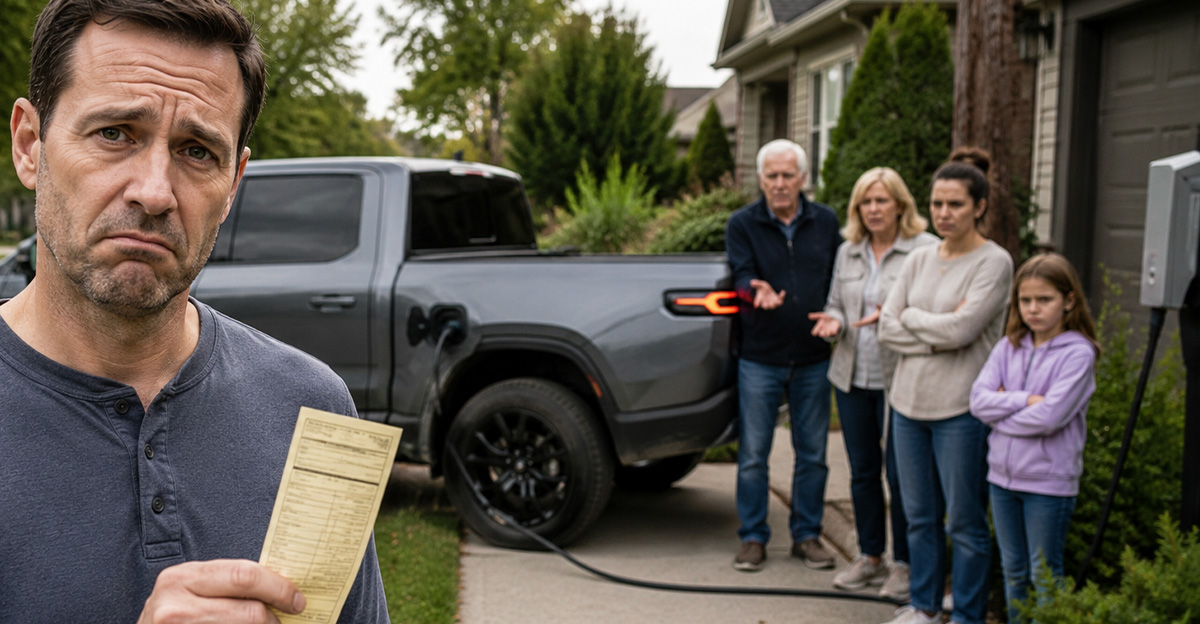
You Connected Your Phone… But Who Else Is Listening?
You plug your phone into your car, your maps pop up, your playlist starts, and everything feels seamless—until your friend says, “You know your car company can see everywhere you go now, right?” Suddenly that smooth tech upgrade feels a little creepy.
So is smartphone mirroring secretly feeding your location data to the manufacturer? Or is that just another modern tech myth that sounds scarier than it really is?

What Smartphone Mirroring Actually Is
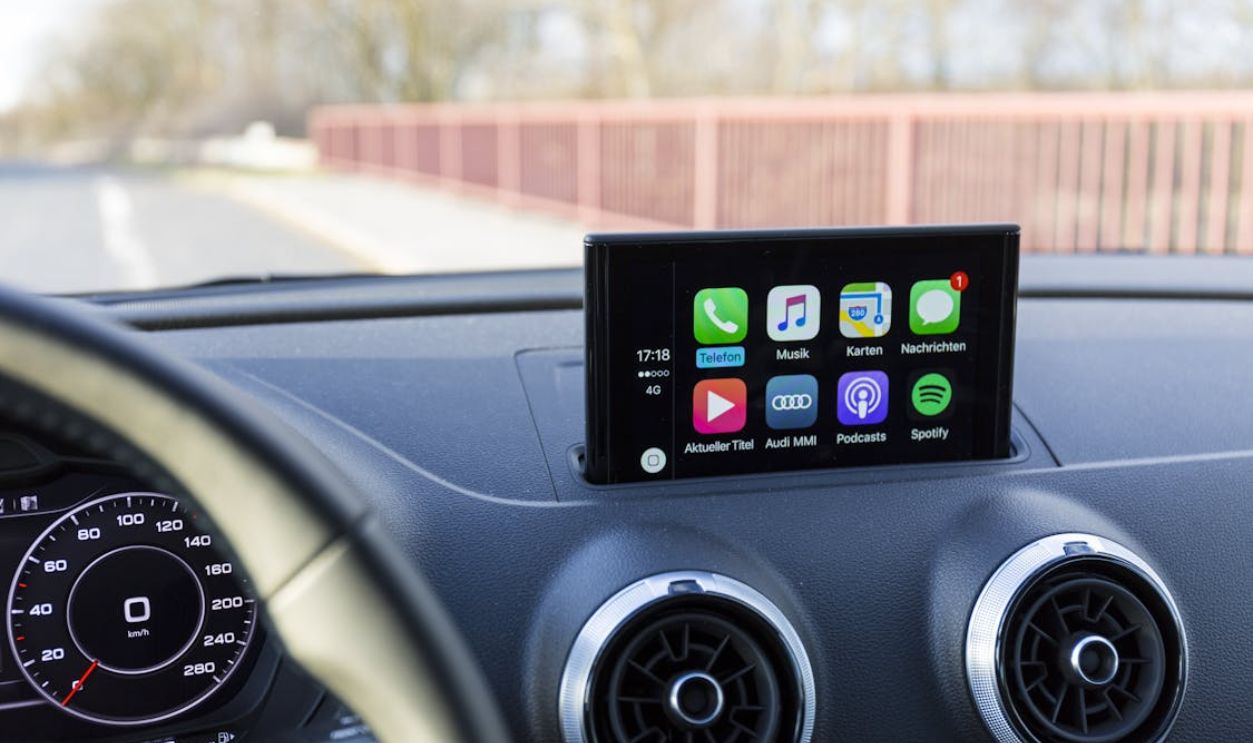
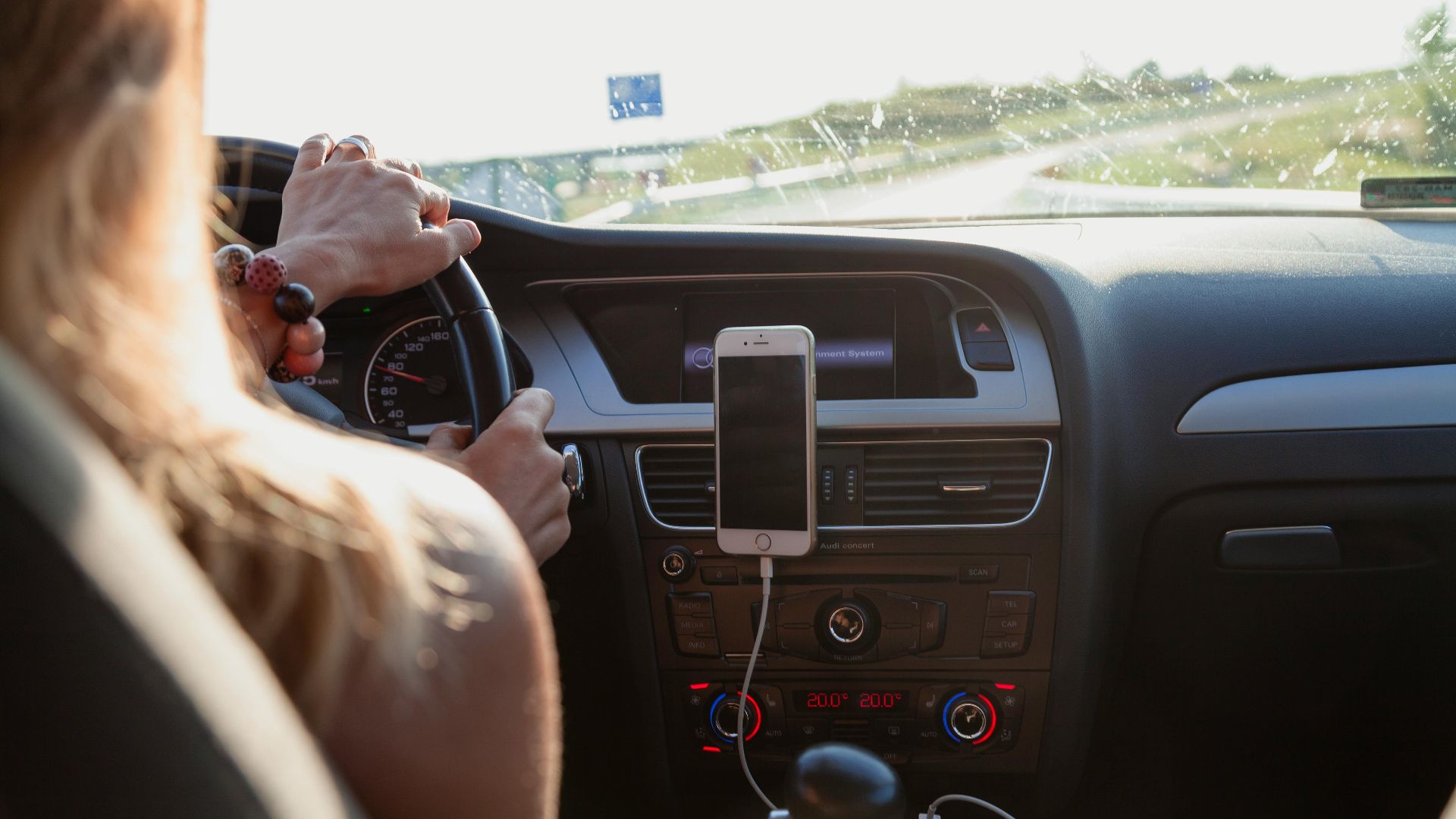
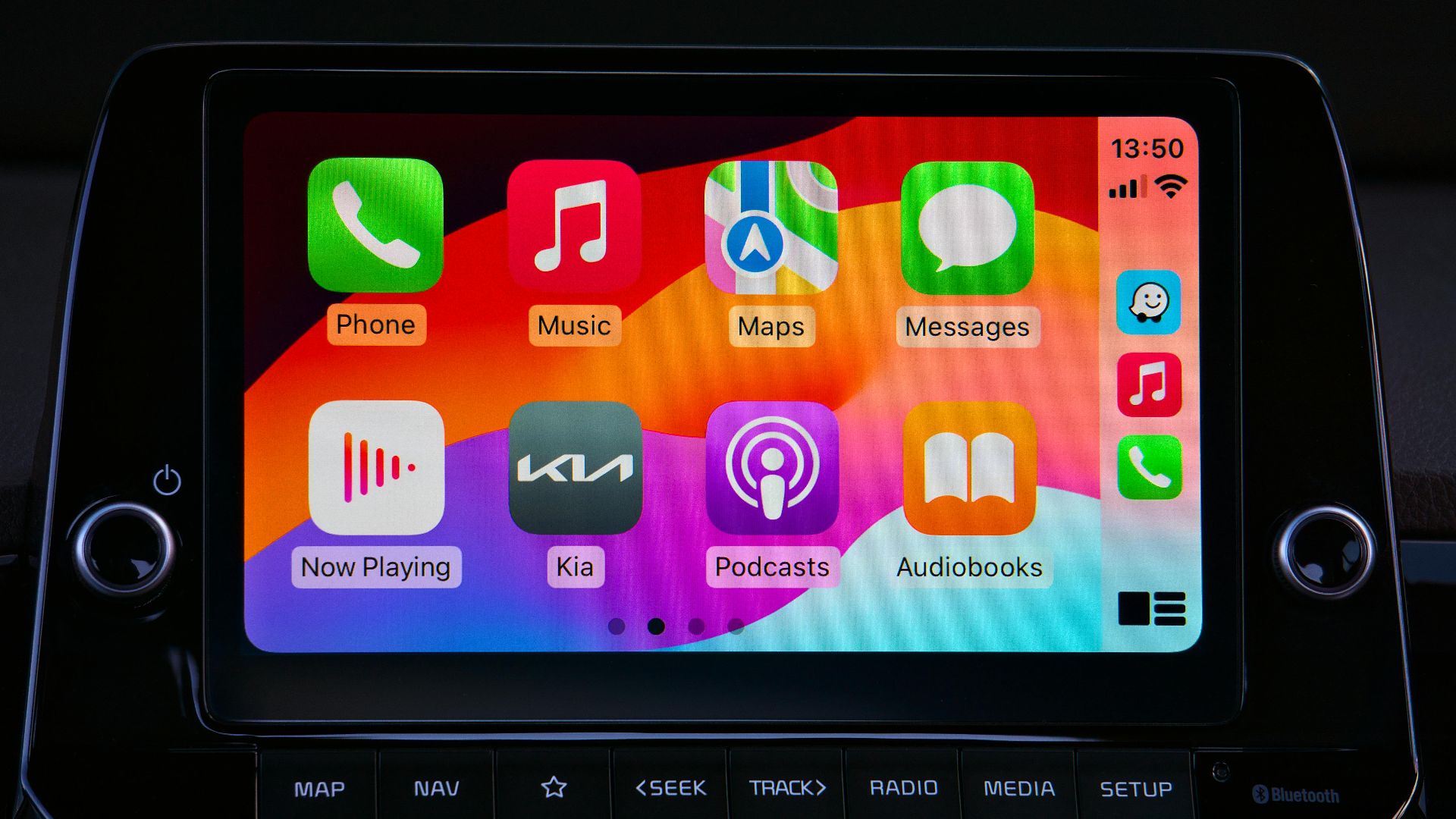
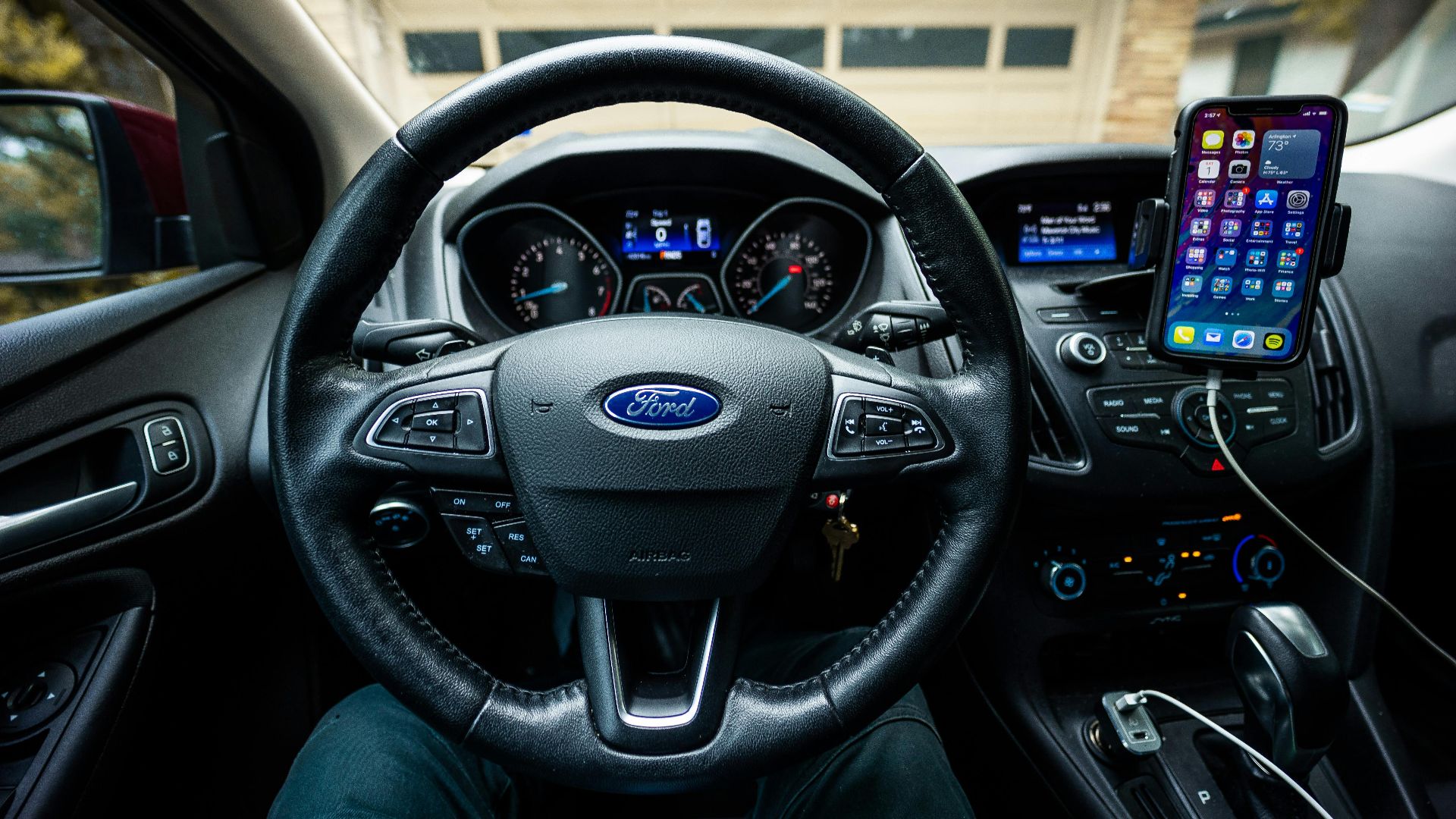
Smartphone mirroring systems project selected apps from your phone onto your vehicle’s infotainment screen. Examples include Apple CarPlay and Android Auto, but the concept applies broadly.
The vehicle acts mainly as a display and control interface. Your phone remains the device actually running the apps, processing the data, and handling most communication.
Your Phone Is Still Doing the Work
When you use mirrored navigation, music, or messaging apps, the software runs on your smartphone—not inside your car’s internal operating system.
That means GPS processing, route calculation, and app data are primarily handled by your phone. The car is essentially showing what your phone is already doing.
Does Mirroring Automatically Send Location to the Manufacturer?
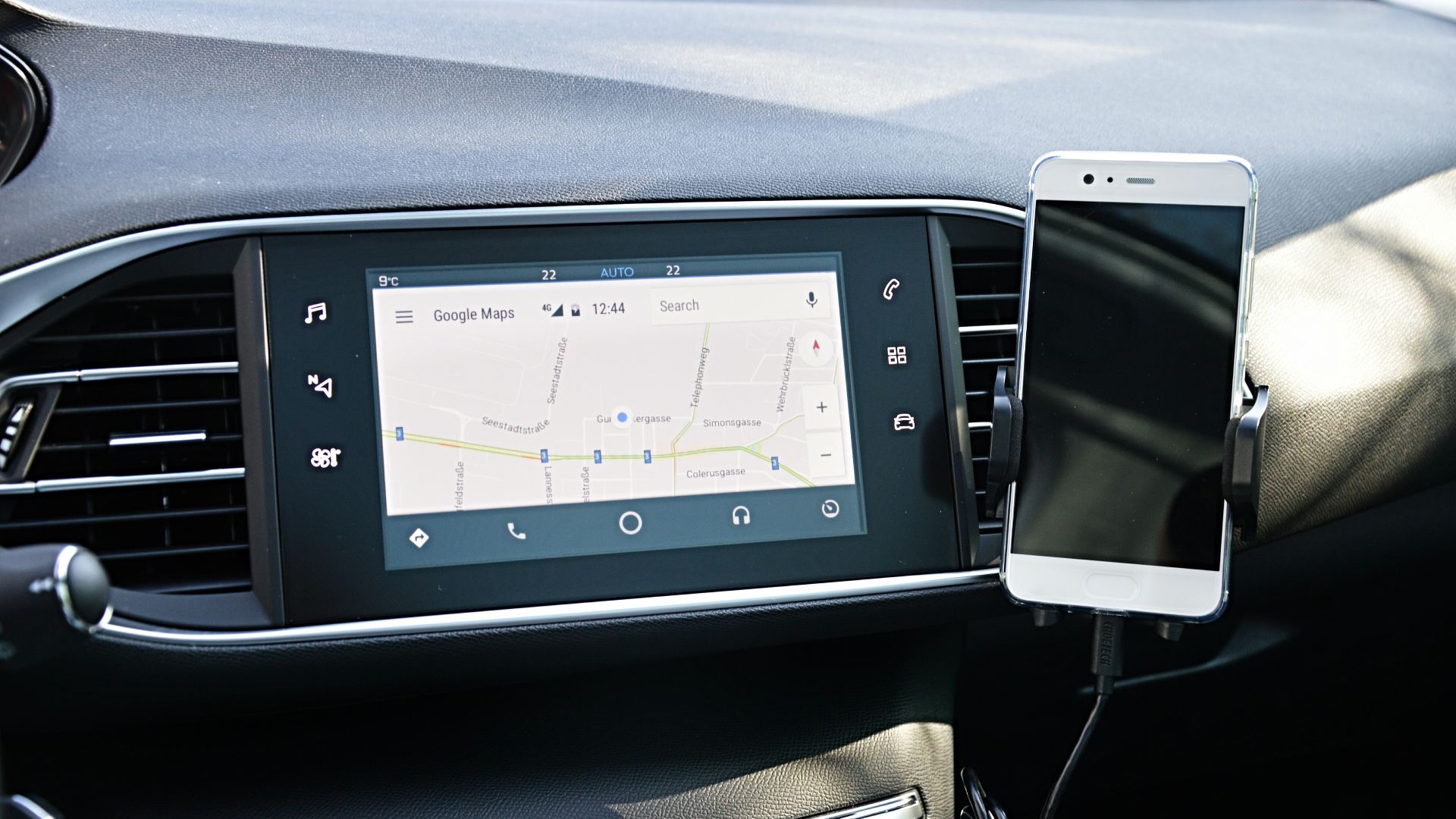
Simply connecting your phone does not automatically transmit your live route history to the automaker. When you use a mirrored map app, location data typically flows between your phone and the app provider, such as Apple Maps, Google Maps, or Waze. It is not automatically redirected to the vehicle manufacturer.
Where Your Location Data Actually Goes
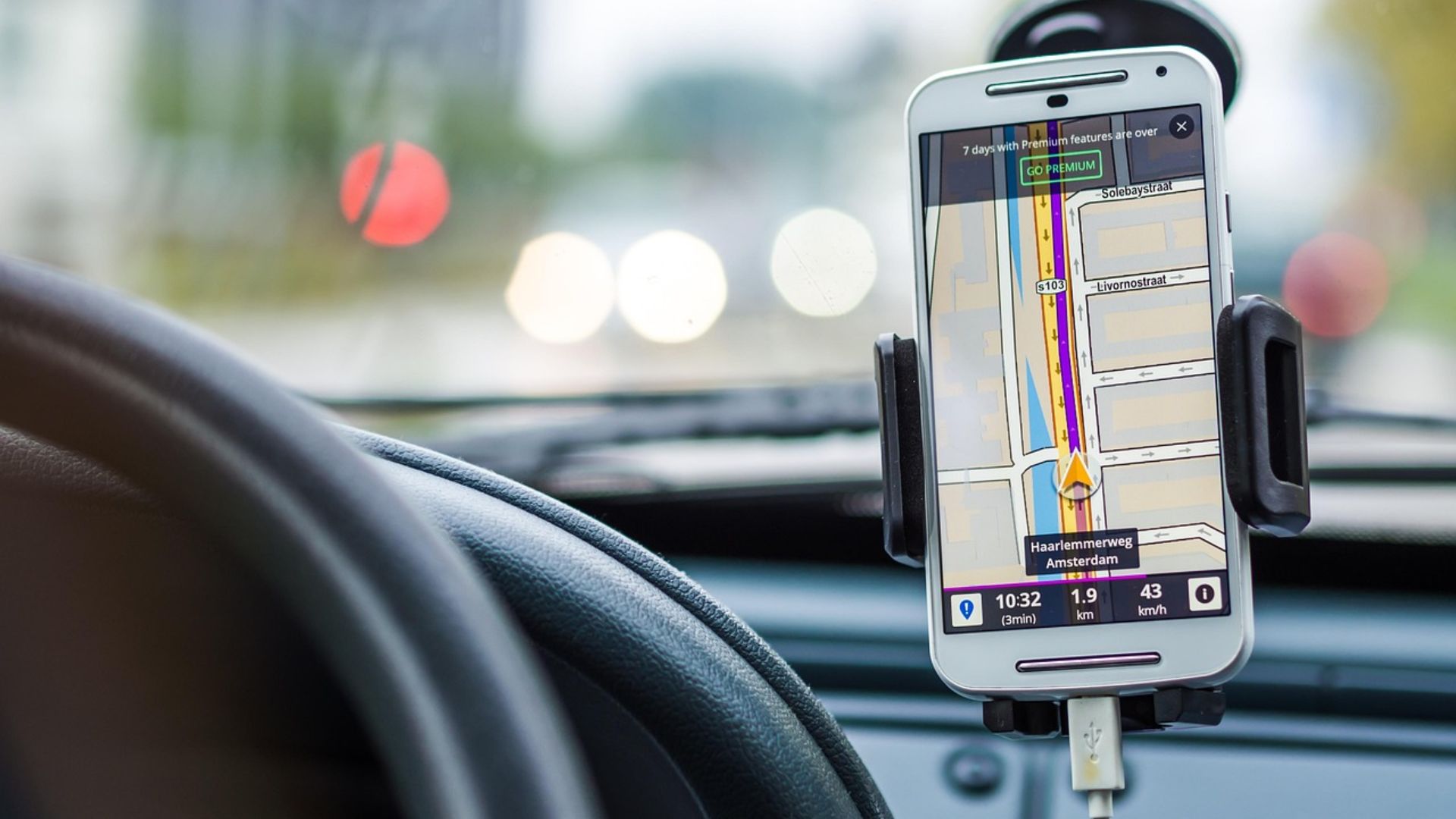
If you are using Google Maps, Apple Maps, or another navigation app, that data is governed by the app’s privacy policy.
Those companies may collect certain location information depending on your settings. But that data relationship is between you and the app provider—not automatically between you and your car company.
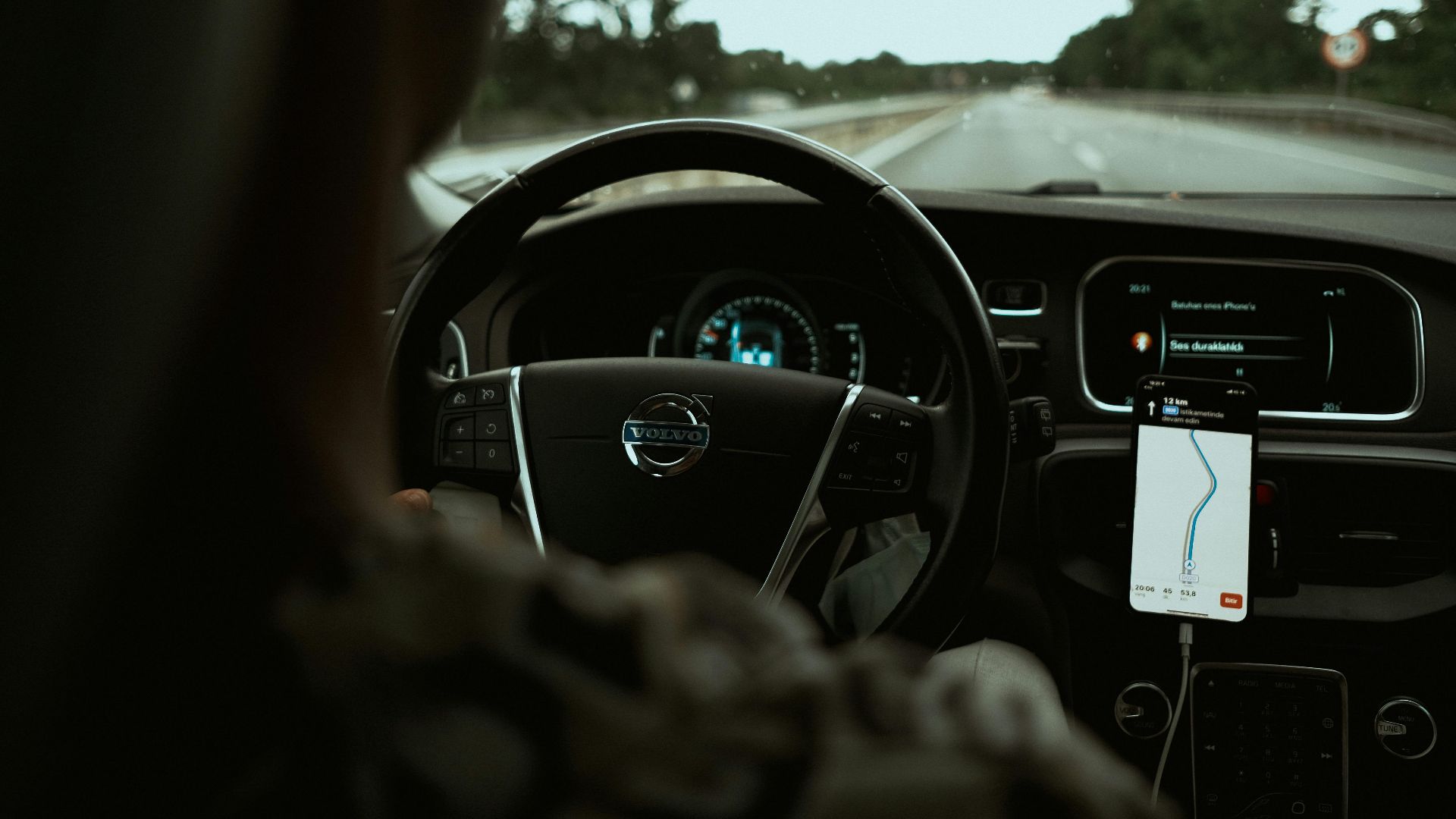
The Important Distinction: Mirroring vs. Built-In Systems
Here’s where confusion often begins.
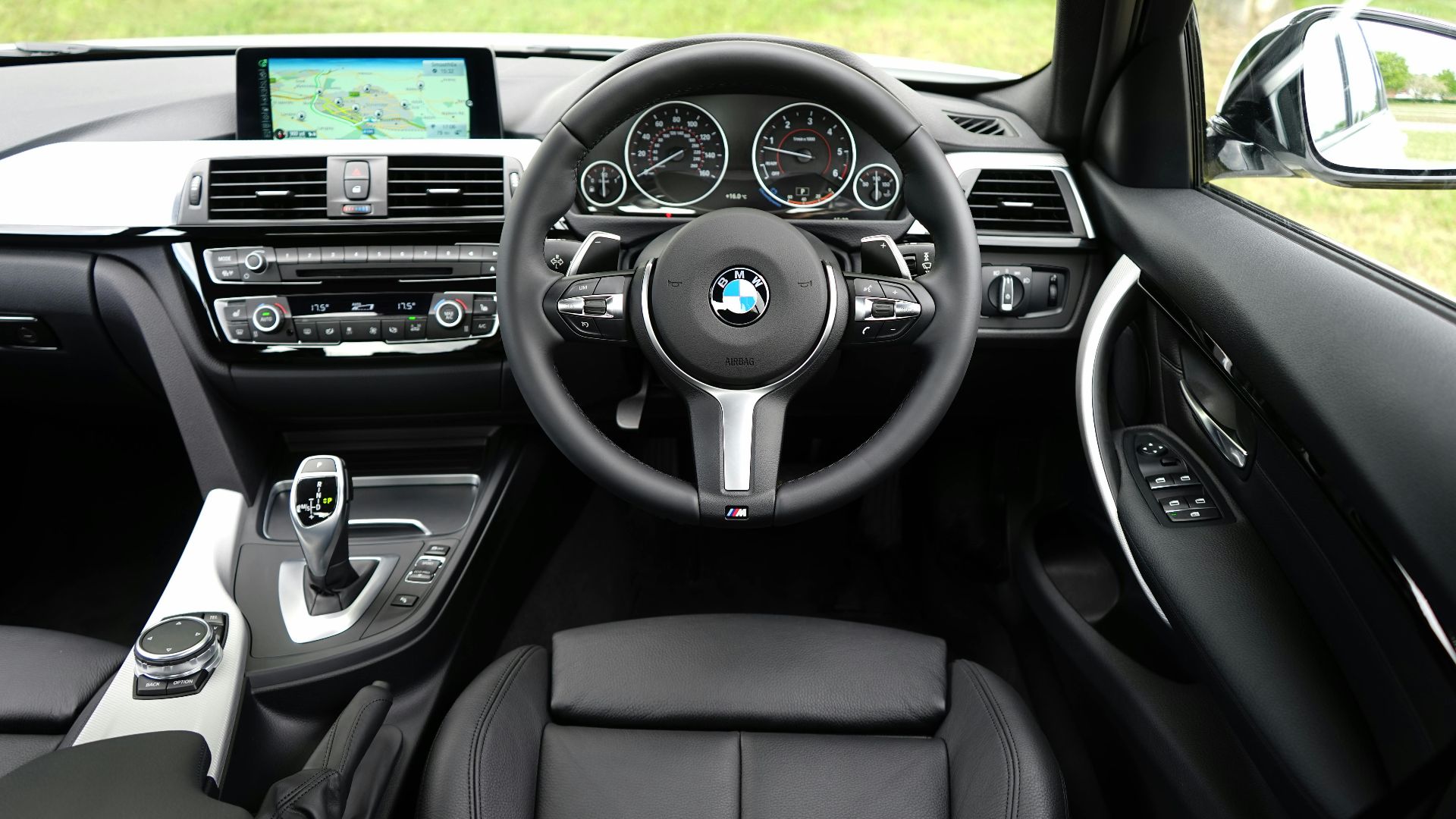
Many newer vehicles include built-in telematics systems that operate independently of your phone. These systems can collect diagnostics, vehicle health data, and sometimes location information through the car’s own cellular connection.
That data collection exists whether or not you ever plug in your phone.
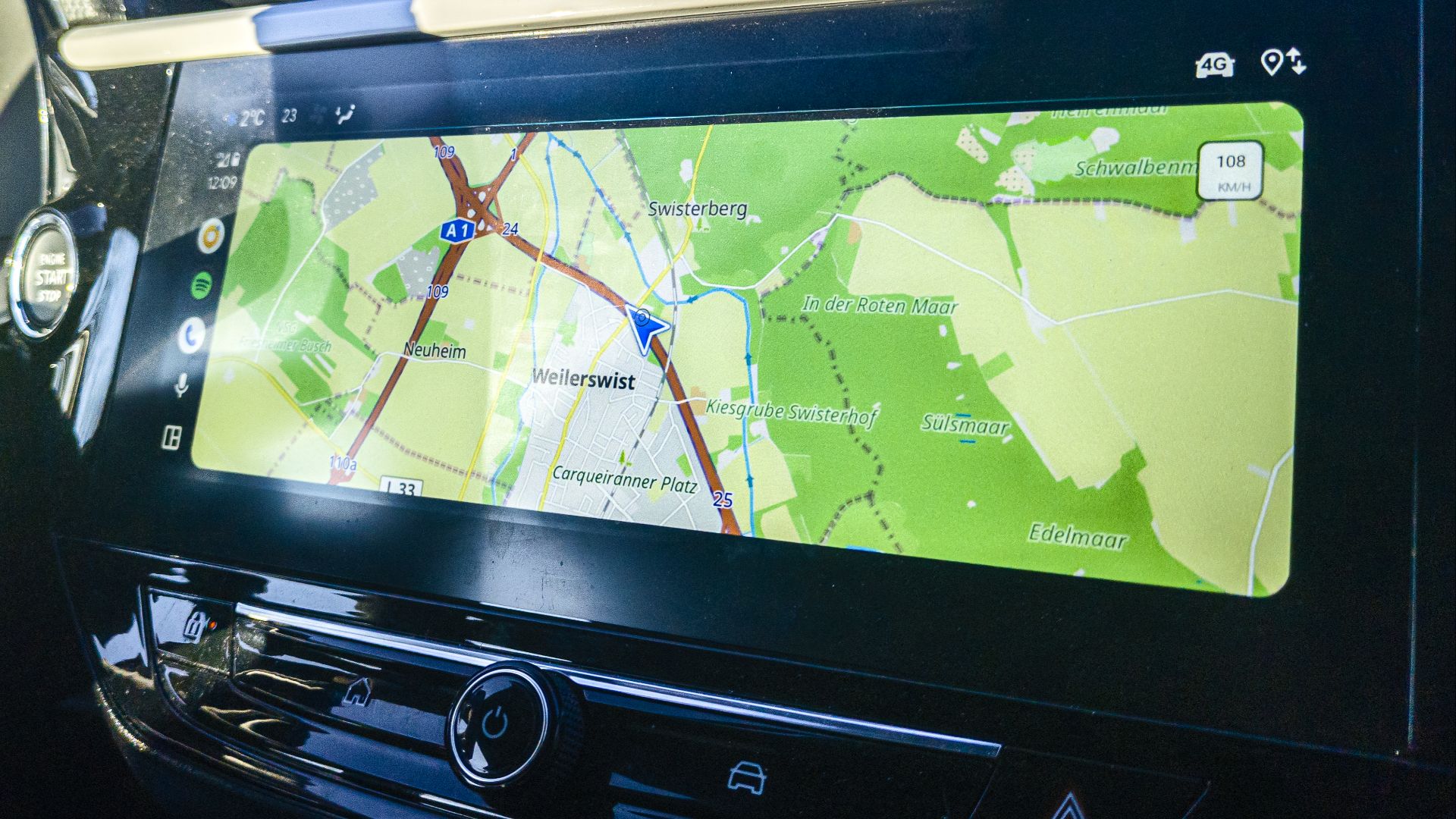 Raimond Spekking, Wikimedia Commons
What Built-In Telematics Systems Do
Connected vehicle systems can track things like maintenance alerts, mileage, driving behavior metrics, and emergency response data.
Some systems may also log vehicle location for features like stolen vehicle recovery or roadside assistance. That’s tied to the car’s own hardware—not to smartphone mirroring itself.

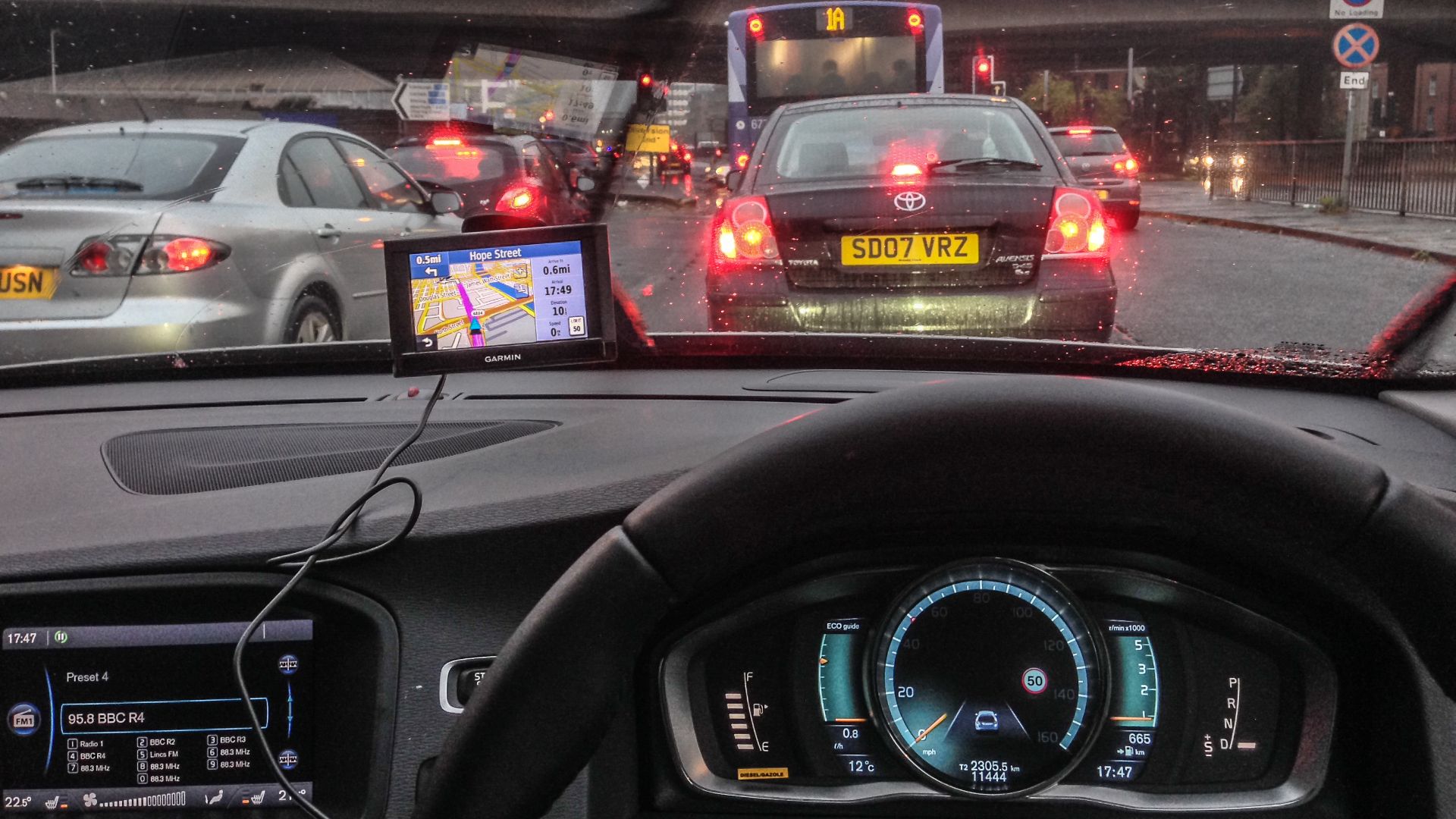
What About Built-In GPS Navigation?
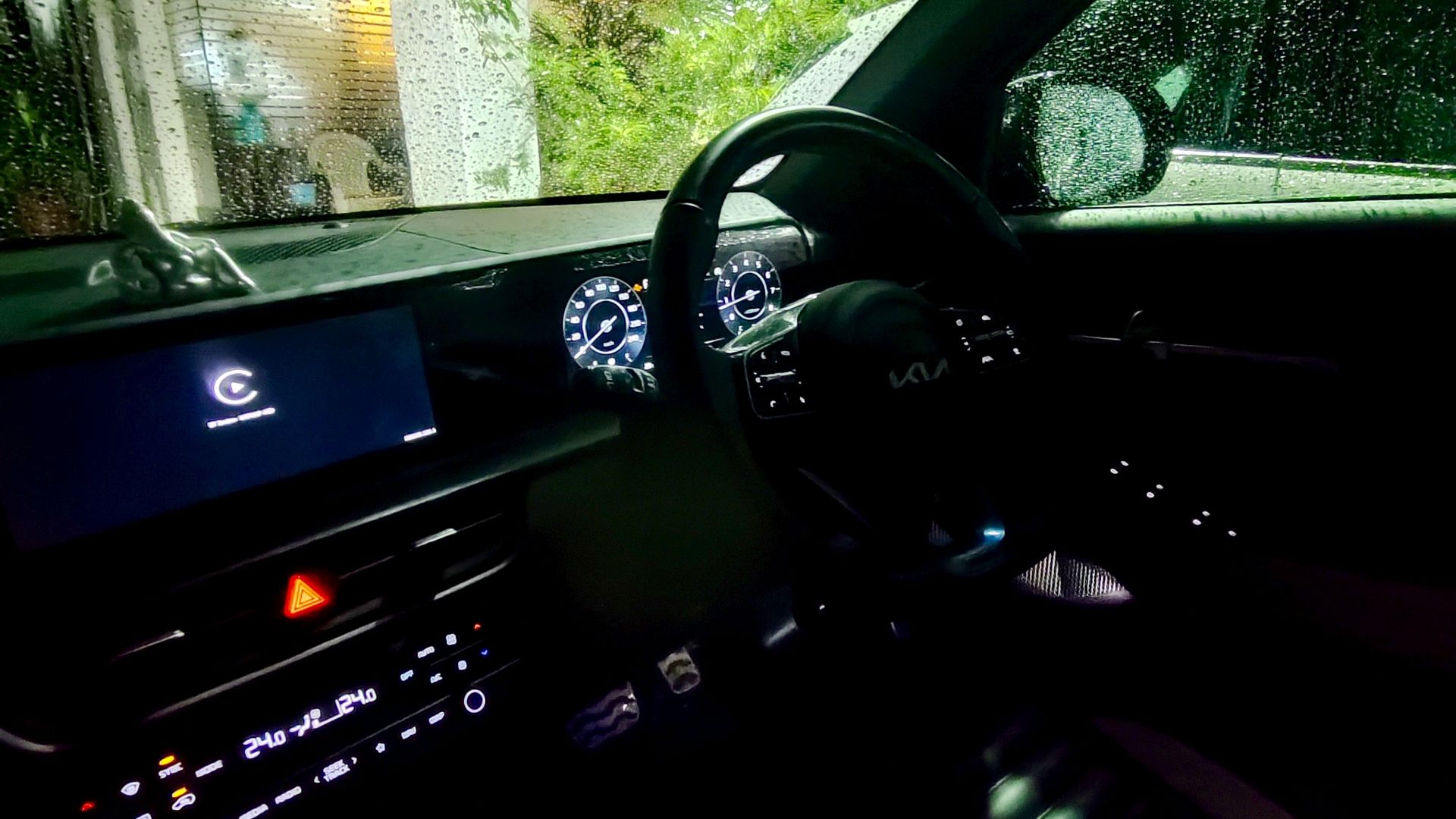
If you use the factory-installed navigation system instead of your phone’s app, the vehicle may store trip history locally.
In some cases, that information can sync with a connected services account linked to the manufacturer. That is different from using a mirrored navigation app.
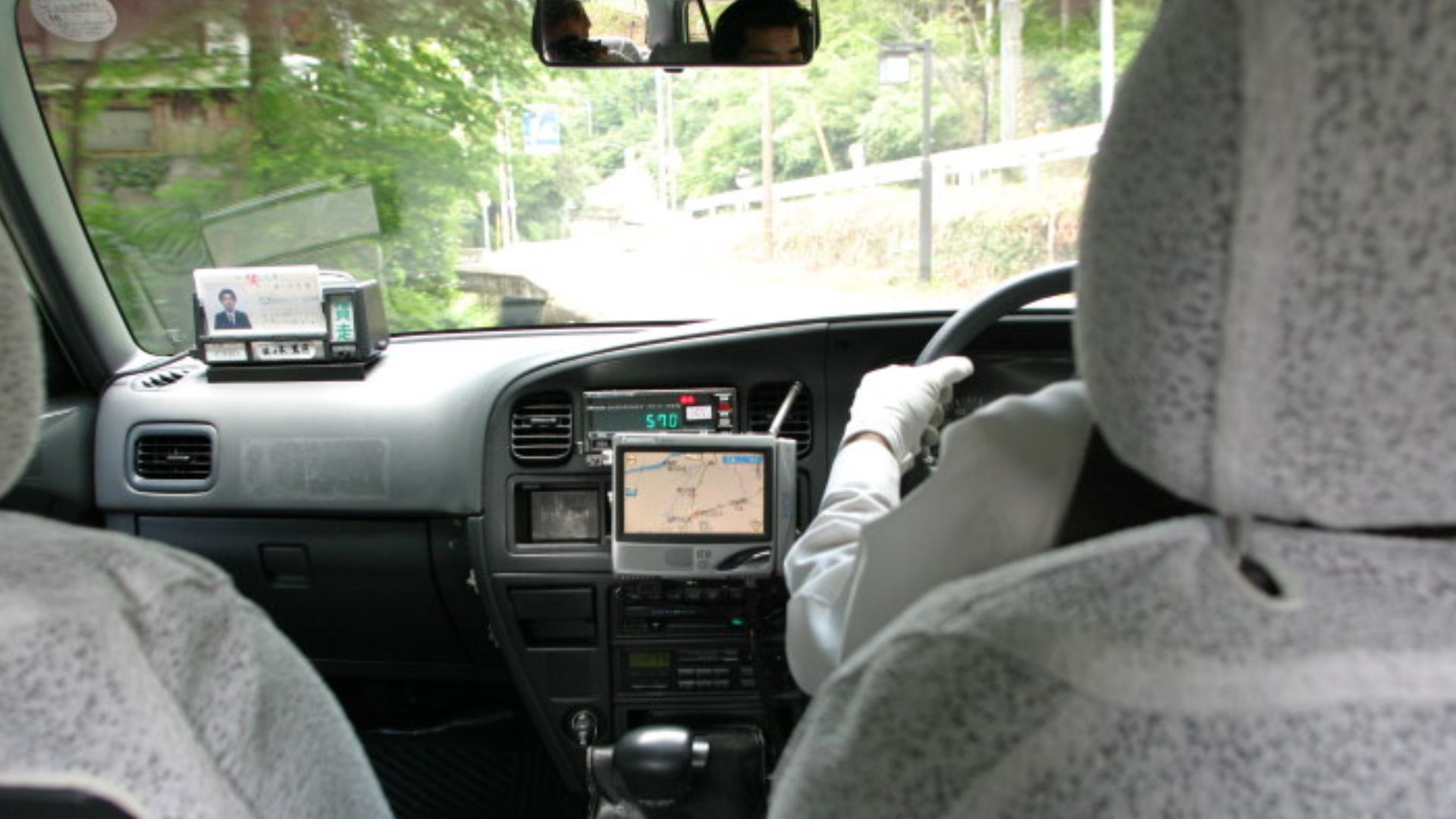
Does the Car Get Full Access to Your Phone?
No. Smartphone mirroring systems operate in controlled, restricted environments.
The vehicle does not gain full access to your phone’s photos, files, or browsing history. Only approved apps and limited functions are displayed, and permissions are managed through your phone’s operating system.
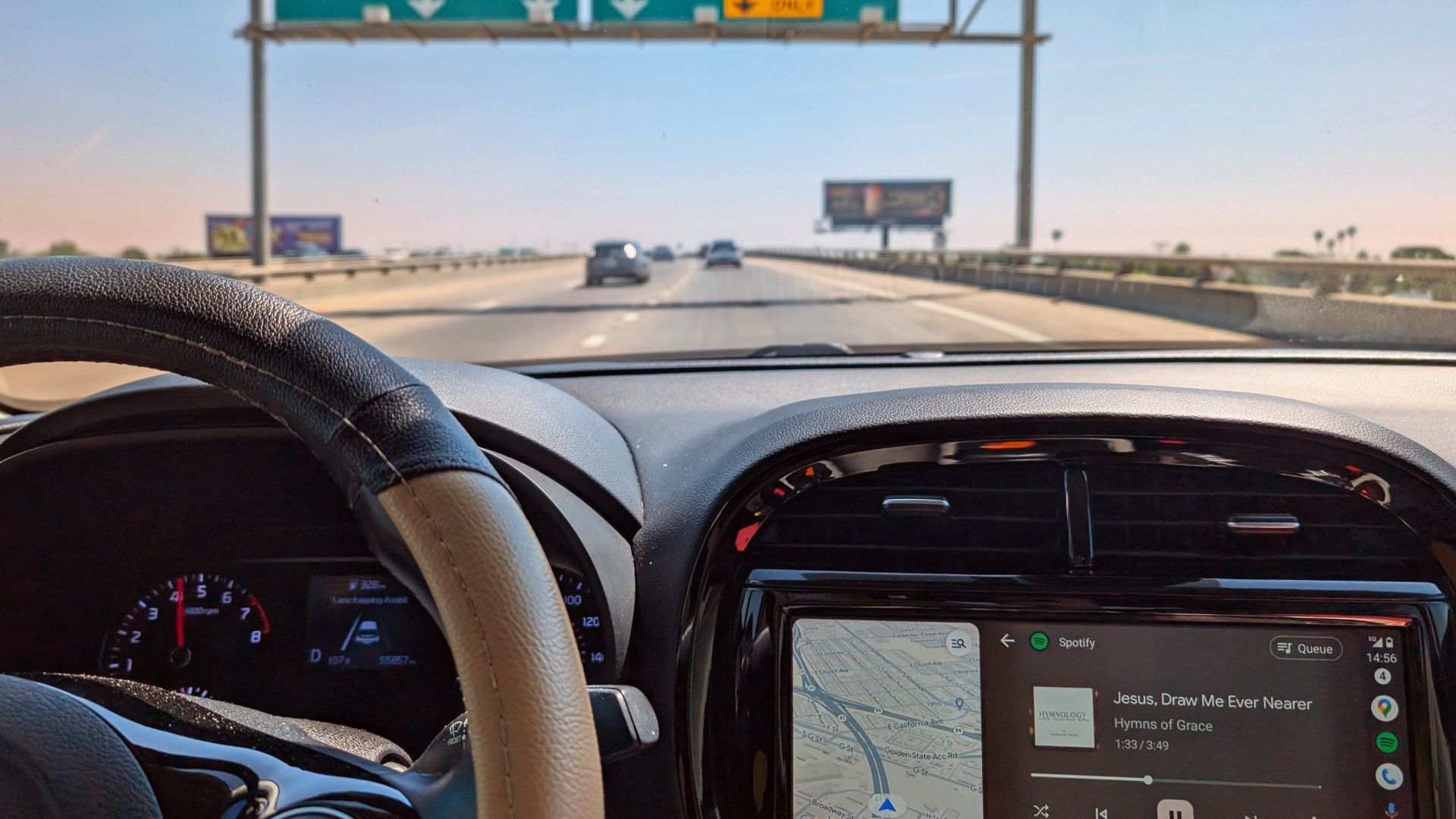
What Data Might the Vehicle Log?
Some vehicles may log when smartphone mirroring is activated or which features are used.
That does not mean the car records your route, destination, or conversation content. Logging feature usage is different from logging personal data inside those apps.
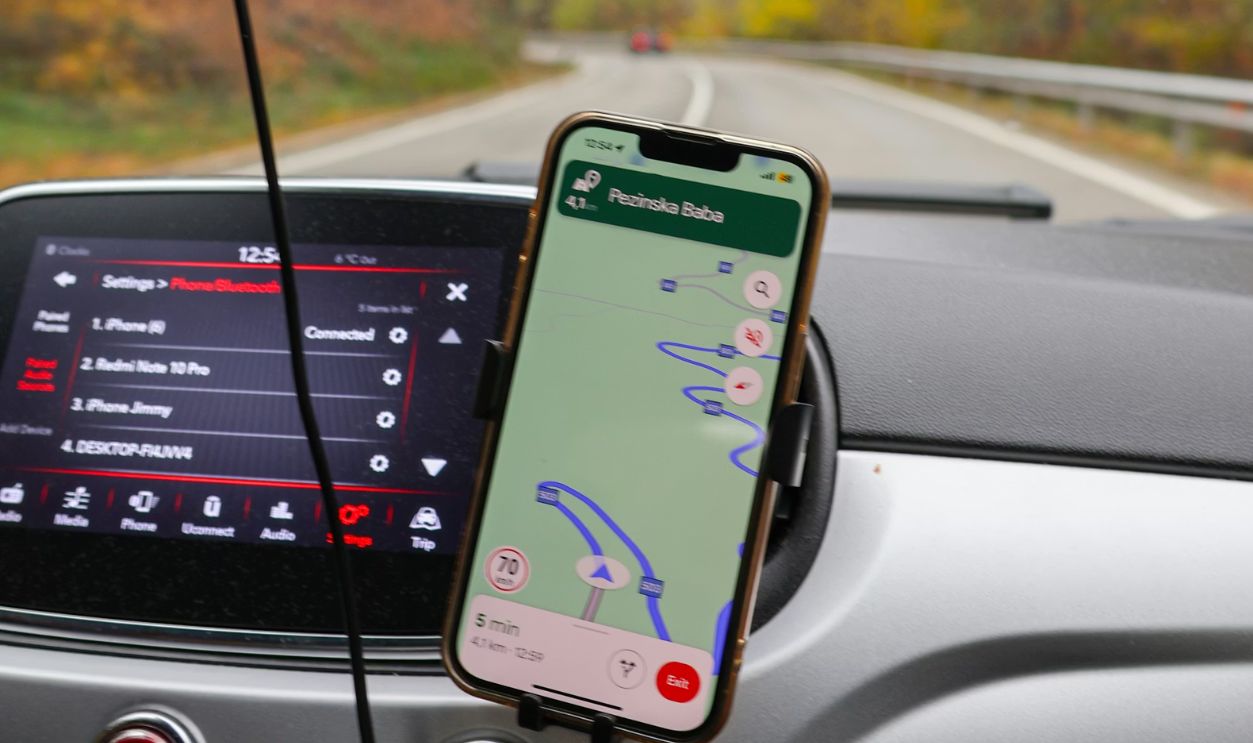
What About Bluetooth Connections?
Standard Bluetooth connections can sync contacts, call logs, or media metadata if you grant permission.
In some cases, mirroring platforms are actually more restricted than basic Bluetooth pairing. They limit what data can be displayed and transferred between systems.
Are Manufacturers Collecting Data Anyway?
Yes, modern vehicles do collect certain types of data through their connected services platforms.
This may include vehicle diagnostics, system performance, and sometimes driving patterns. However, this data collection happens through the car’s built-in systems—not through your mirrored apps.
 Tony Webster from San Francisco, California, Wikimedia Commons
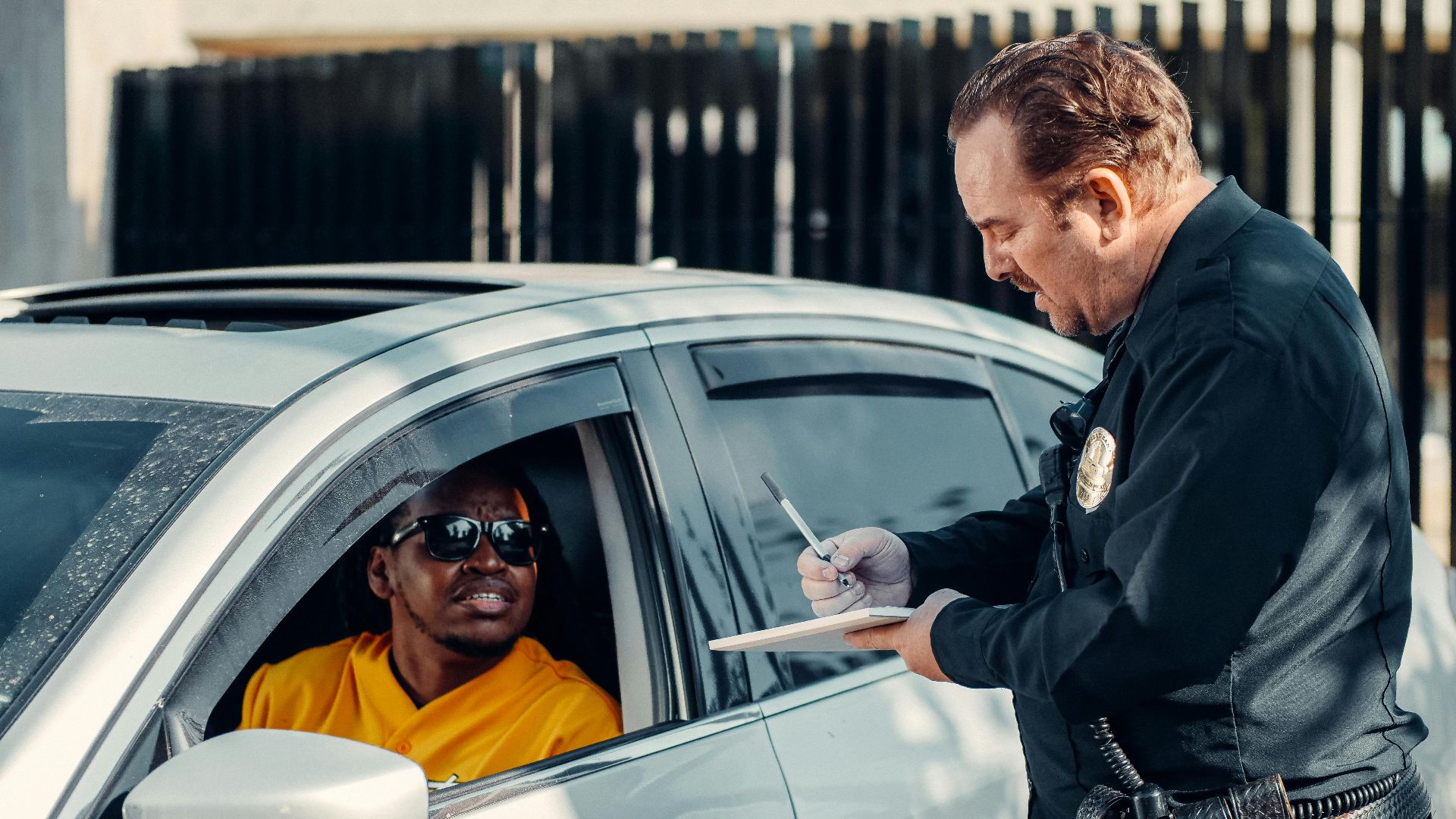
Could Law Enforcement Access Location Data?
In certain legal situations, stored telematics data may be accessed through proper legal processes such as warrants.
That applies to data collected by the vehicle’s own systems. Simply using smartphone mirroring does not create a new, separate tracking database.
Are New Cars More Data-Driven Overall?
Absolutely. Modern vehicles are more connected than ever.
They rely on sensors, software updates, and cloud-based services to improve safety and performance. But increased connectivity does not automatically mean your phone’s mirrored navigation is being copied and sent to the automaker.
How to See What Your Car Is Sharing
You can review your vehicle manufacturer’s privacy policy and connected services agreement to understand what data is collected.
Many brands allow drivers to opt out of certain data-sharing programs. Transparency is usually documented in official disclosures.
 Dhaval Surana, Wikimedia Commons
How to Manage App Permissions on Your Phone
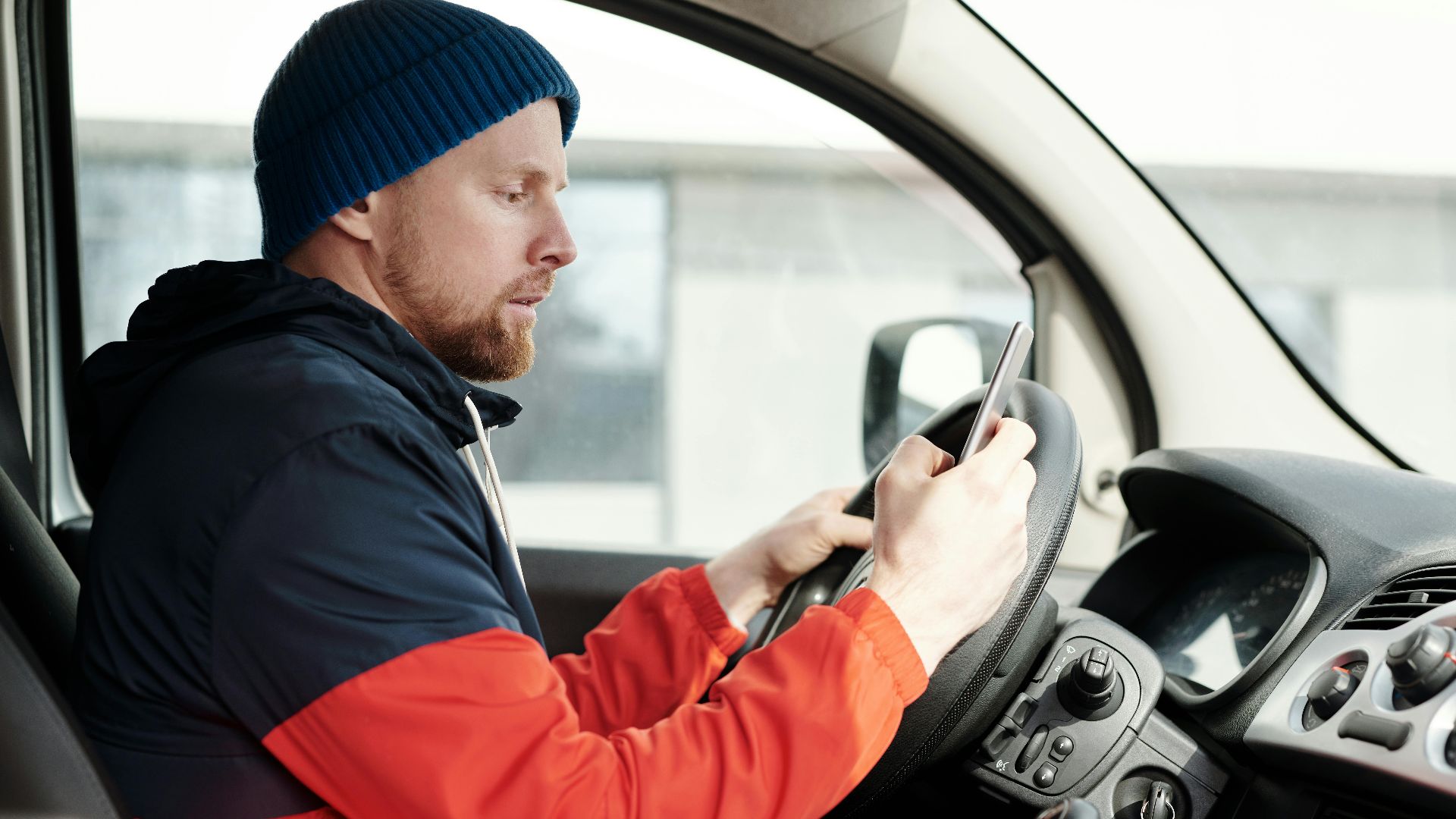
Both iOS and Android allow you to control location access for individual apps.
You can set apps to access your location “Always,” “While Using,” or “Never.” Adjusting those settings affects how navigation apps collect and store location information.

Can You Turn Off Connected Services?
Often, yes.
You may be able to disable connected services, remove the vehicle from your online account, or opt out of data-sharing programs. Just remember that disabling features may affect emergency services, remote start, or app-based vehicle monitoring.
What Happens When You Sell the Vehicle?
Before selling or trading in your car, perform a factory reset on the infotainment system.
This clears paired phones, saved destinations, and account logins. Mirrored app data usually does not remain stored long-term, but built-in navigation history may.

So… Is Your Friend Right?
Not exactly.
Smartphone mirroring does not automatically send your real-time location data to the vehicle manufacturer. That information typically remains within your phone and the navigation app you’re using.
However, modern vehicles may independently collect certain data through built-in telematics systems.
The Bottom Line
Plugging in your phone doesn’t suddenly give your car company a live GPS feed of your daily coffee run.
If location data is being collected, it’s far more likely coming from the vehicle’s own connected services system—not from smartphone mirroring itself. Your friend isn’t entirely wrong about connected cars—but the cable in your dash isn’t the main culprit.
You May Also Like: