It Seemed Like A Great Idea...
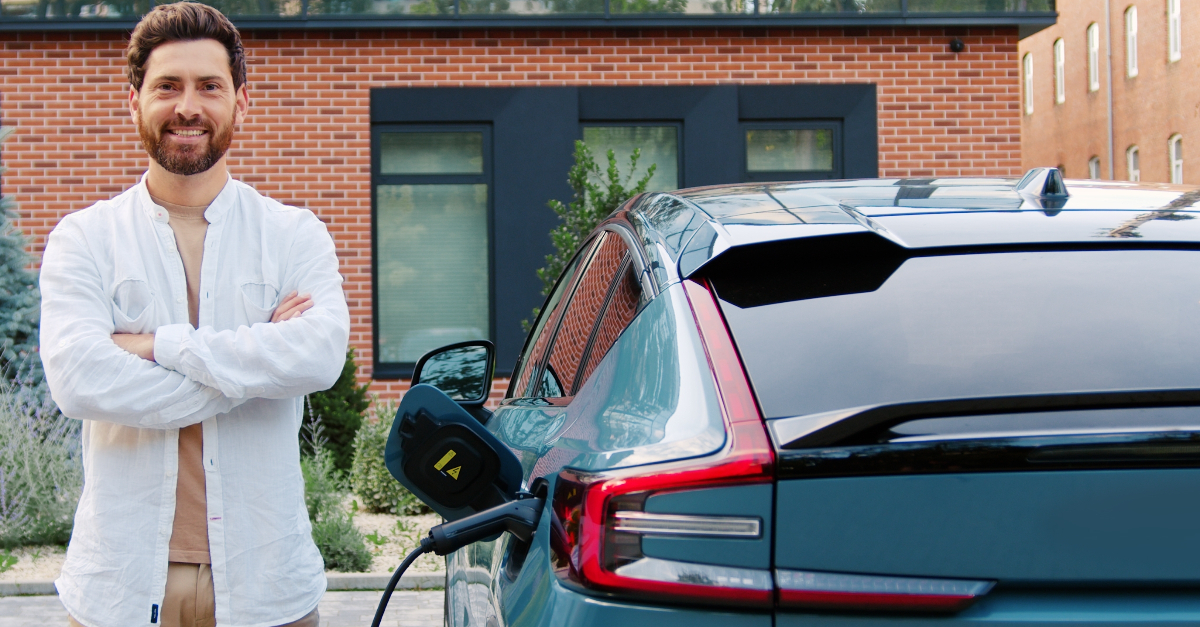
A few years ago, this question would've sounded ridiculous. Today, it actually comes up more often than you'd think. EVs are everywhere, electricity isn't getting any cheaper, and home chargers aren't exactly inexpensive. So if your neighbors are willing to chip in $15 a month, what's the problem? As it turns out, the answer isn't nearly as simple as you might think.
It Isn't Automatically Illegal
The good news is that simply letting someone charge their EV at your house isn't illegal. People share electricity all the time. Friends plug in RVs, neighbors borrow power during outages, and families share chargers. The law doesn't suddenly change just because an electric car is involved.

The Money Is What Changes Things
The moment money enters the picture, the legal questions become a little more interesting. Charging your neighbor once as a favor is one thing. Collecting monthly payments from multiple people starts looking a lot more like an ongoing business arrangement, even if you're only asking for fifteen bucks.

Are You Actually Selling Electricity?
Here's something that surprises a lot of people. EV charging doesn't always fit neatly into the same rules that govern traditional electric utilities. In many places, homeowners charging a flat fee are viewed differently than companies selling electricity by the kilowatt-hour. Exactly how the rules apply depends on where you live.
A Flat Monthly Fee Changes The Equation
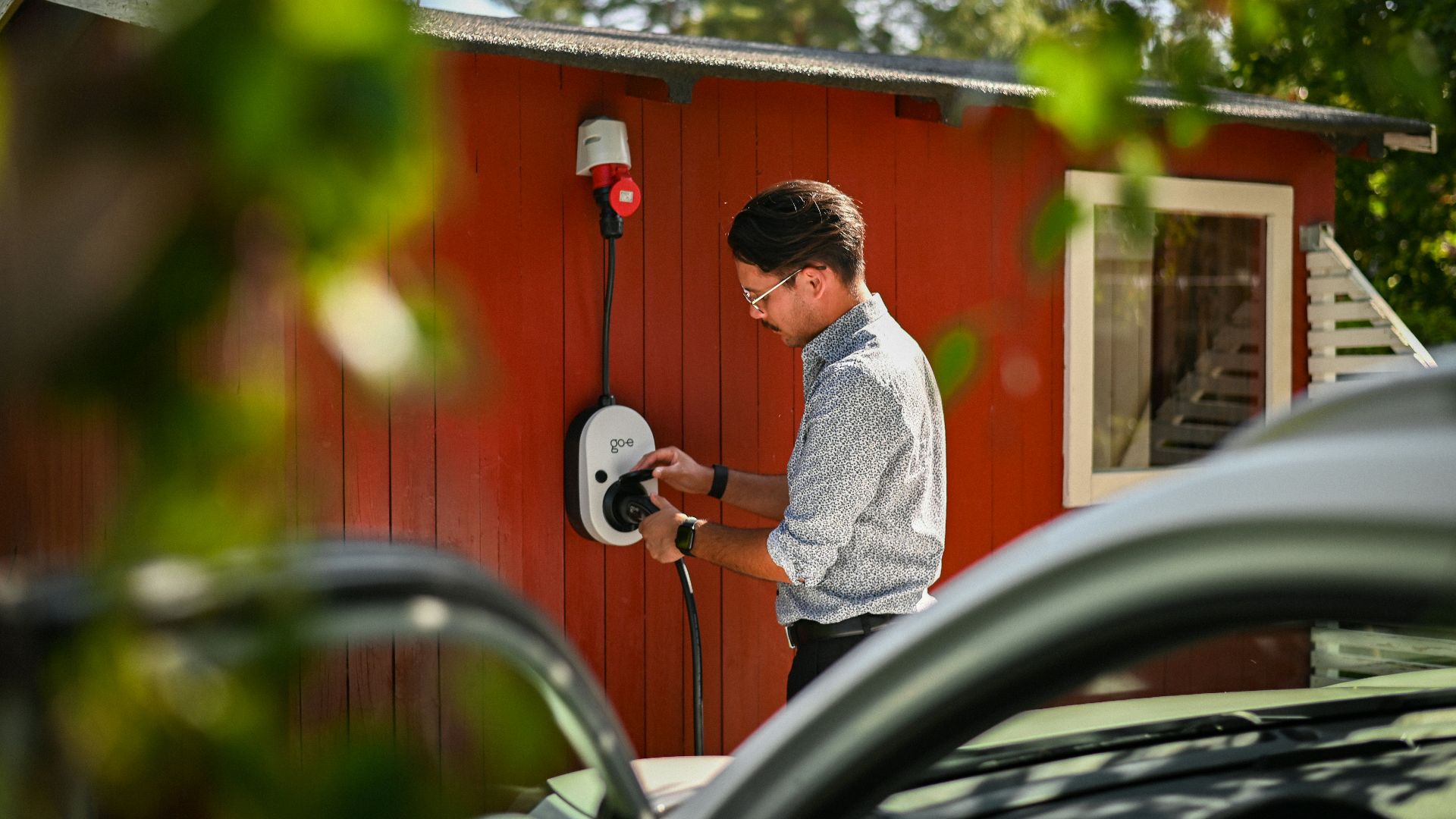
Your example uses a flat $15 monthly subscription instead of charging by the kilowatt-hour. That distinction can matter because different pricing models may fall under different rules depending on your state, province, or utility company. It's one reason there isn't a simple one-size-fits-all answer.

Your Utility Company May Have Rules
Most homeowners never read their utility agreement, but they probably should. Some utilities restrict customers from reselling electricity or using residential service for ongoing commercial activities. Others are more flexible. Before turning your charger into a side business, it's worth checking the terms of your electric service.

Local Zoning Could Become An Issue
One neighbor occasionally pulling into your driveway probably won't raise any eyebrows. Ten different cars showing up every evening might. Cities often have zoning rules limiting commercial activity in residential neighborhoods, especially if customer traffic starts becoming noticeable.
Your HOA May Care Even More
If you live in a neighborhood with a homeowners association, don't assume city rules are your only concern. Many HOAs have restrictions on running businesses from home, frequent visitor parking, or activities that create extra neighborhood traffic. Even where 'right-to-charge' laws exist, HOAs may still be allowed to enforce reasonable rules.

Insurance Is Easy To Overlook
Imagine someone's vehicle is damaged while charging. Or they trip over the charging cable walking back to their car. Your homeowner's insurance may not automatically cover situations involving paying customers. Before turning your charger into a side hustle, it's worth understanding exactly what your policy does—and doesn't—cover.

Could You Owe Taxes?
Maybe. If you're regularly collecting money from neighbors, that income could be taxable just like many other side hustles. Whether you actually owe much tax depends on your overall situation, but the IRS and the Canada Revenue Agency generally expect income from ongoing side businesses to be reported.

Unlimited Charging Can Backfire
Unlimited plans always sound great...until one person actually uses them without limits. If one neighbor drives 40,000 miles a year while another barely charges once a week, suddenly everyone's paying the same amount while your electric bill tells a very different story.
Your Electric Bill Might Surprise You
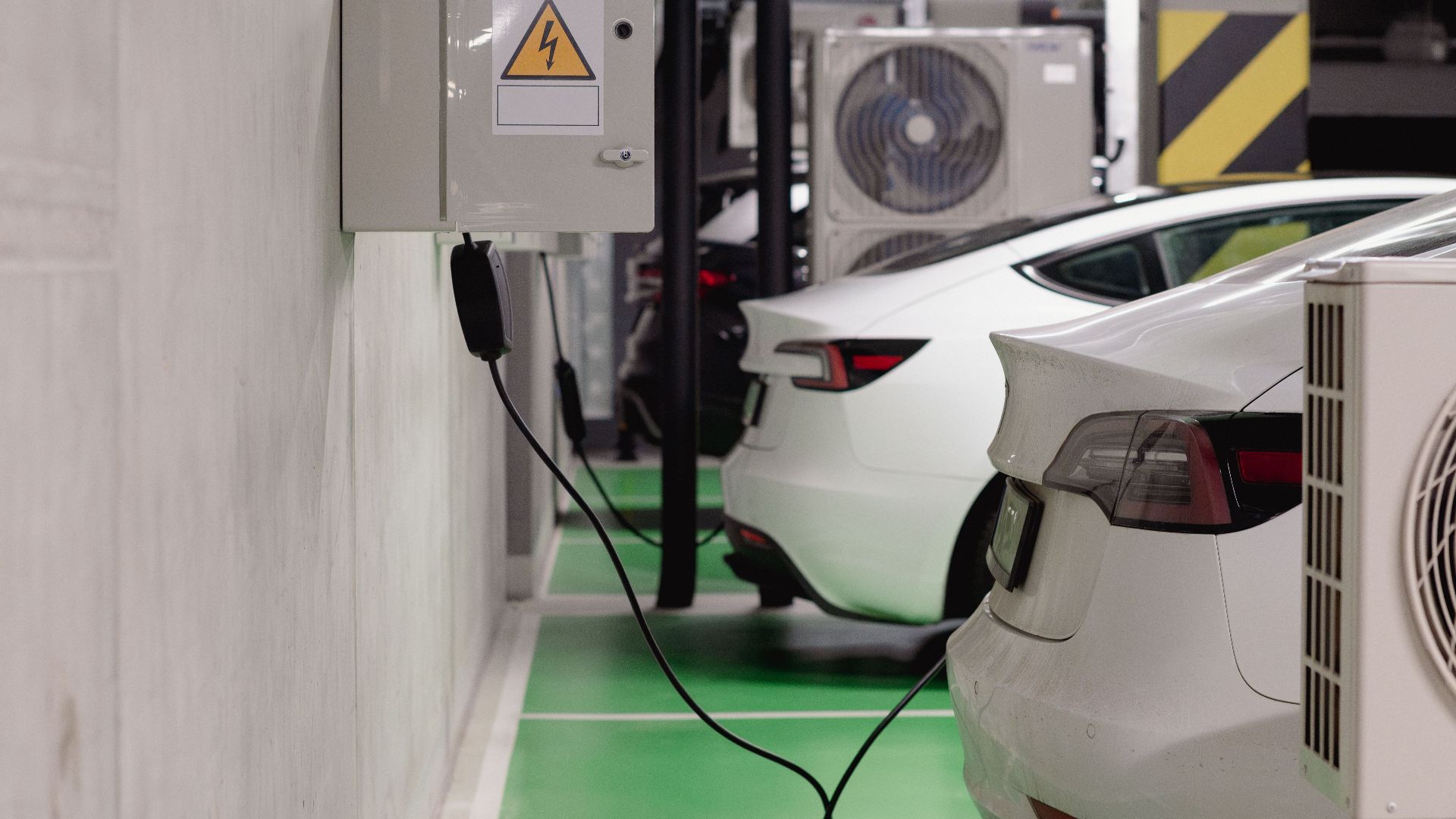
An EV can easily consume several hundred kilowatt-hours each month depending on how much it's driven. Multiply that by several neighbors and your nice little $15 subscription plan could end up losing money surprisingly quickly, especially if electricity prices continue rising.

Smart Chargers Make This Easier
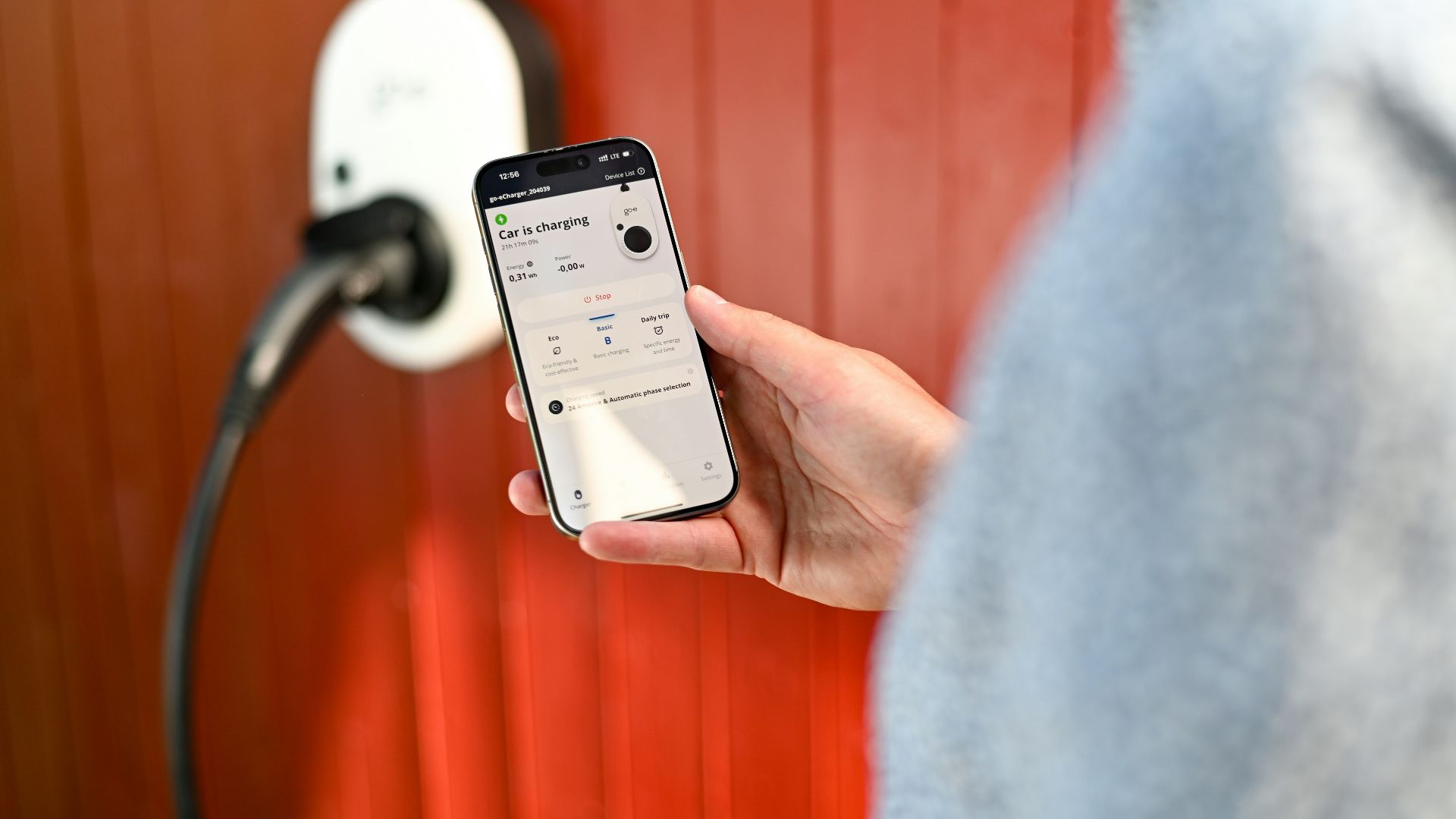
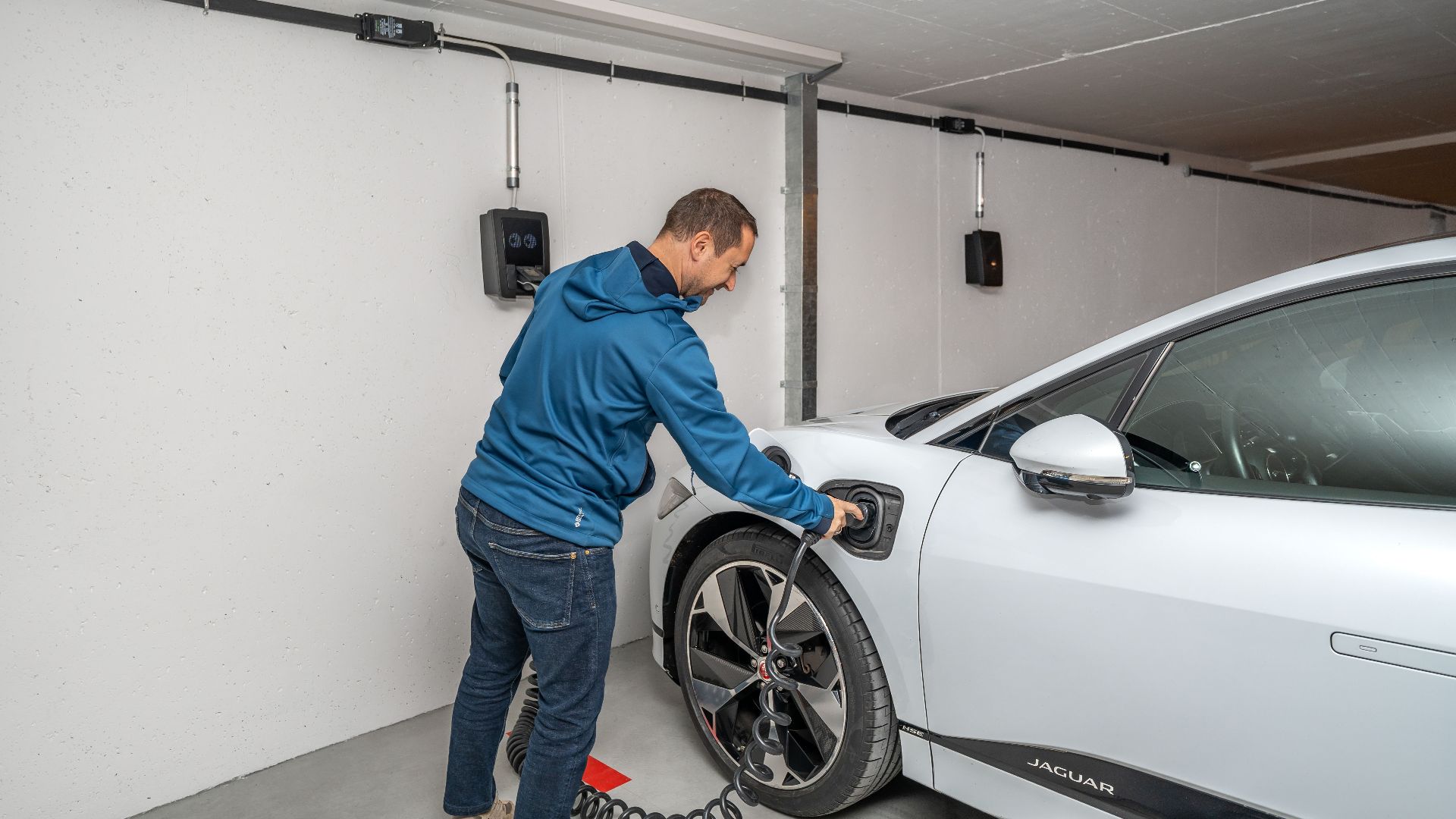
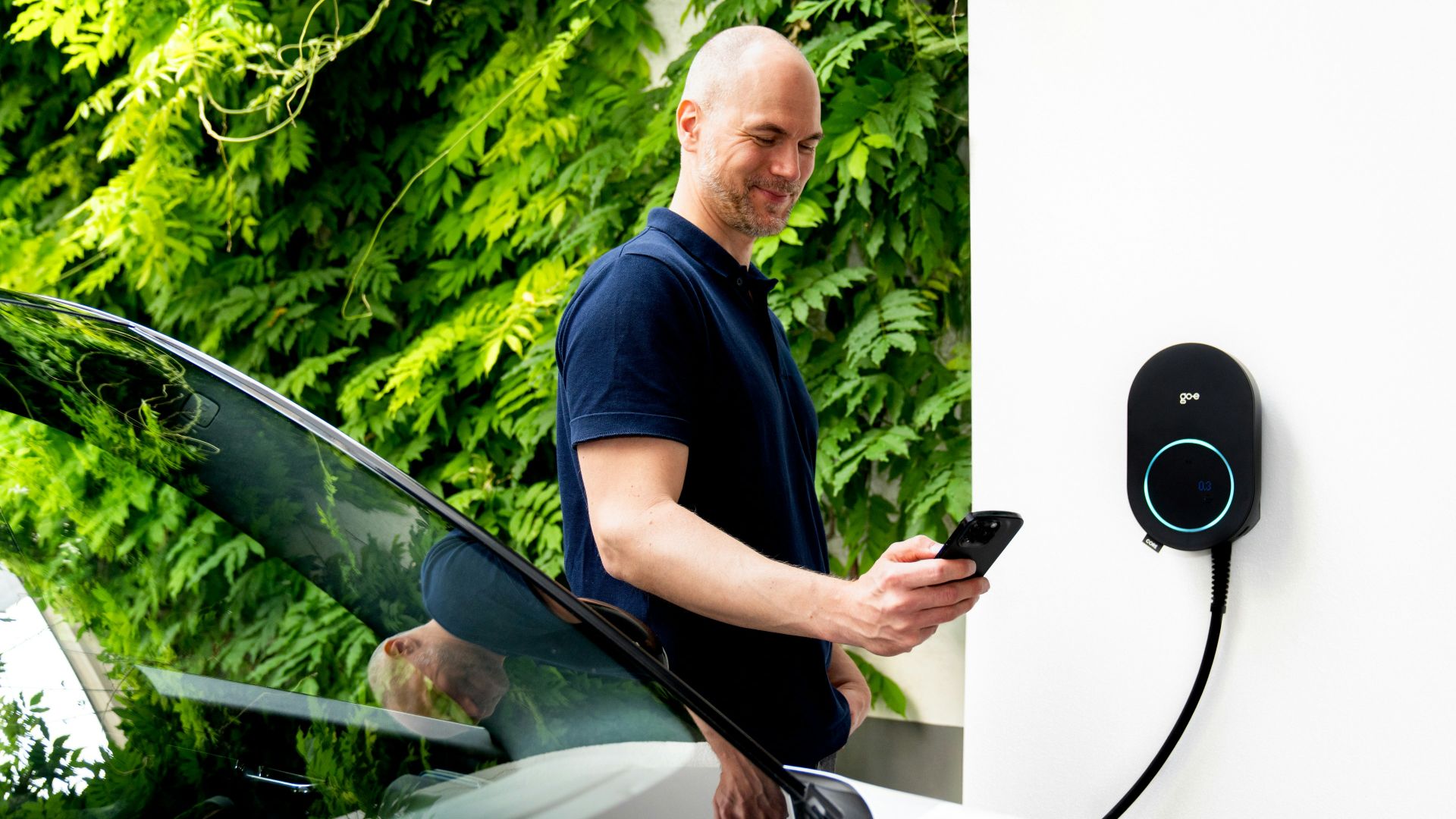
Many newer Level 2 chargers include apps that let owners approve users, schedule charging times, monitor electricity usage, and sometimes even collect payments. They're designed specifically for situations where more than one household shares the same charger.
Some Companies Already Offer This
Companies like ChargePoint and other charging networks already allow certain private charger owners to make their stations available to other drivers. These platforms often handle payments, user access, and usage tracking automatically, making the process much easier than trying to manage everything yourself.
State And Provincial Rules Aren't All The Same
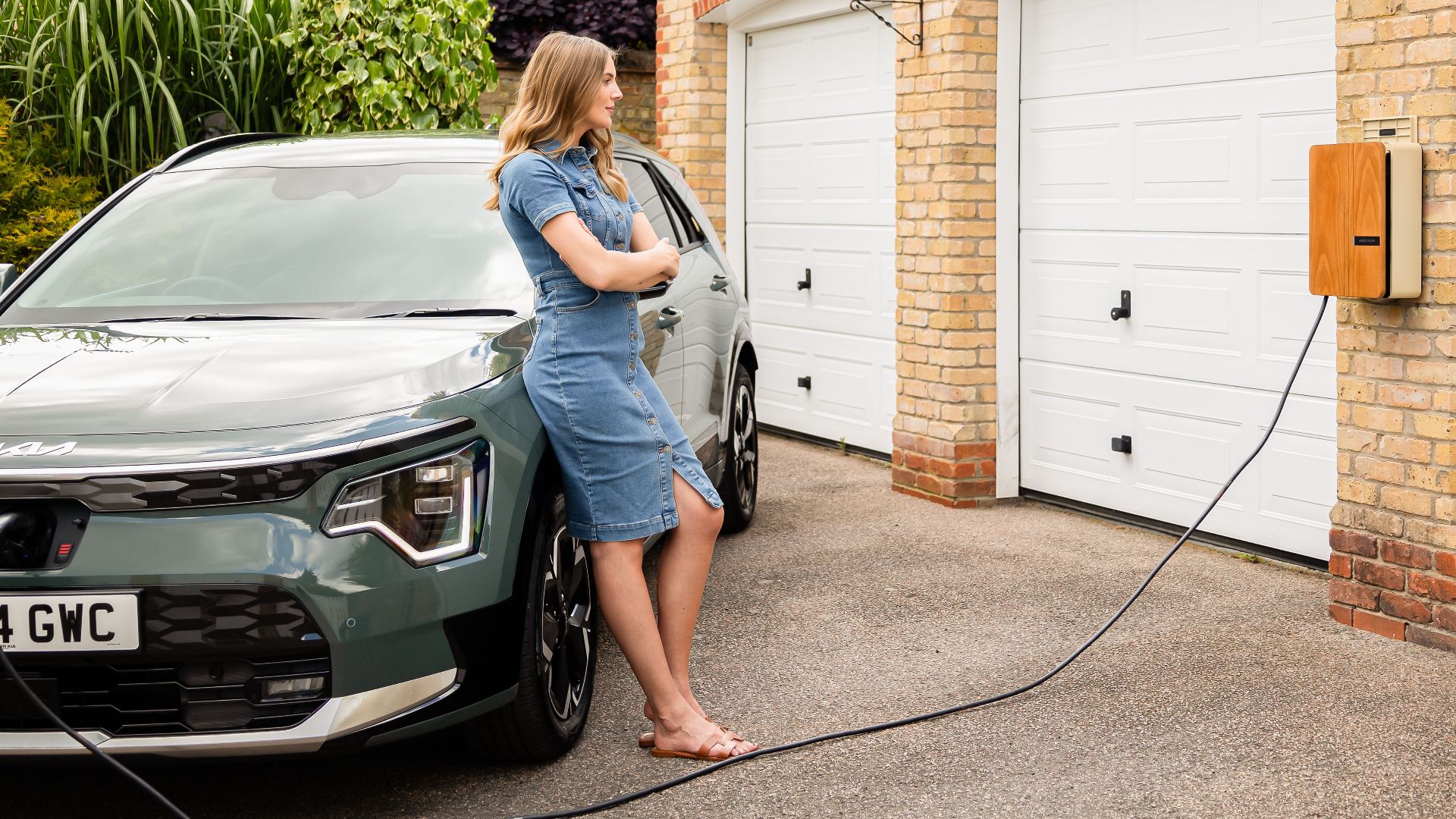
EV charging laws have been changing rapidly over the past several years. Some states and provinces have updated their laws specifically for EV charging, while others still rely on older utility regulations that were written long before electric vehicles became common. Your location matters more than you might expect.

Scale Makes A Big Difference
If your next-door neighbor gives you $15 every month to top off their battery now and then, it's unlikely anyone will view you as operating a commercial charging business. If you've got twenty paying subscribers and cars lining your street every evening, the conversation changes considerably.
Could You Need A Business License?
Depending on your municipality, possibly. Some cities require business licenses for ongoing home-based businesses, even relatively small ones. Others don't. The threshold varies widely, which is why checking local regulations before expanding is usually time well spent.

Think About Liability
What happens if someone claims your charger damaged their vehicle? Or their charging session is interrupted and they blame you? Those situations may be unlikely, but once money is involved, expectations—and sometimes legal exposure—can change quickly.

Don't Forget About Parking
Sometimes the biggest problem isn't electricity at all. It's where everyone parks. If neighbors regularly block sidewalks, driveways, or local streets while waiting to charge, complaints are far more likely to come from frustrated neighbors than from government inspectors.
Setting Ground Rules Helps
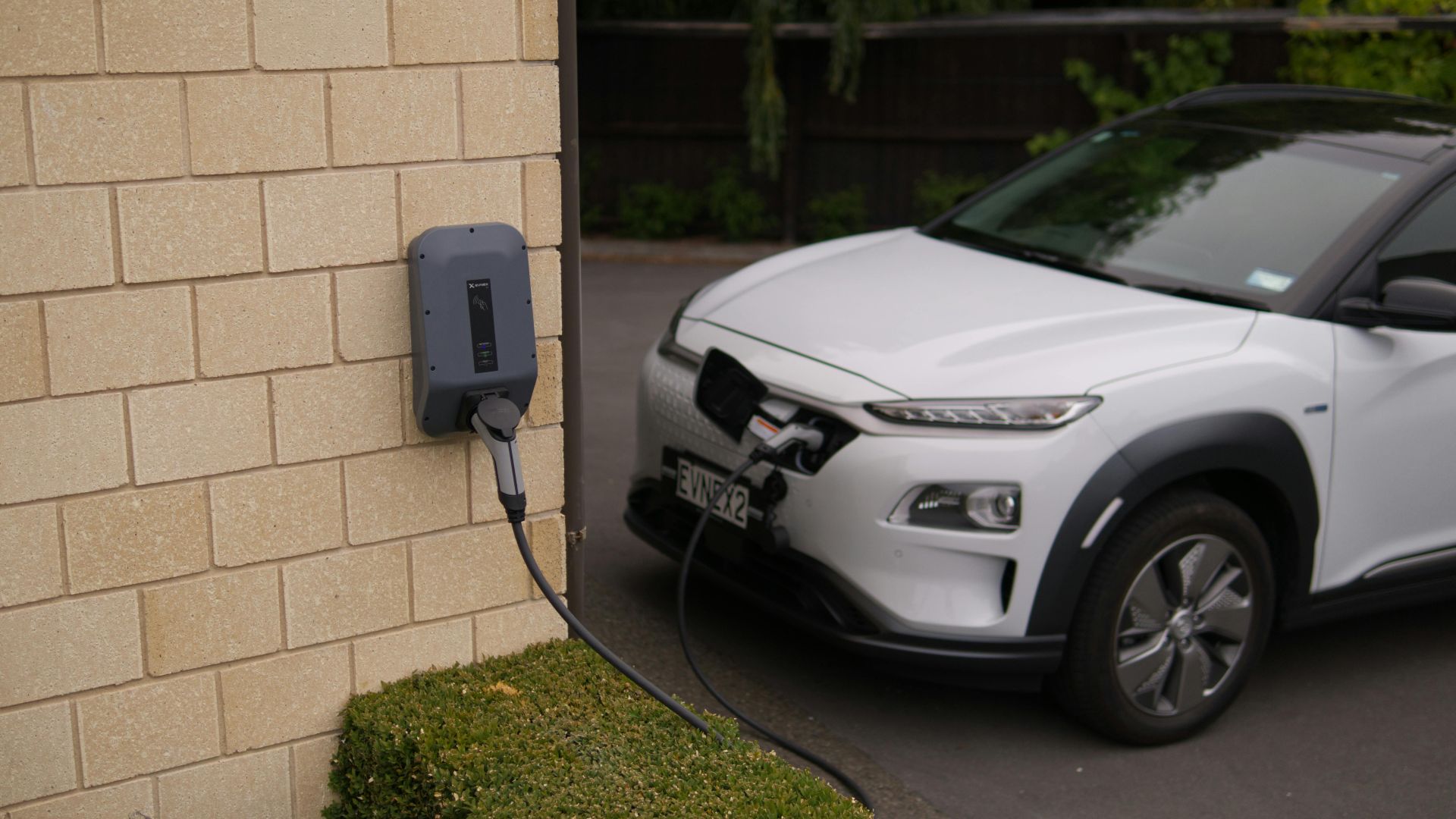
If you're sharing your charger, clear expectations can prevent a lot of headaches. Decide who can use it, when they're allowed to charge, how long they can stay plugged in, and what happens if multiple people want the charger at the same time.

Public Charging Rules Usually Don't Apply
Most regulations governing public charging stations are aimed at chargers that are open to the public or part of commercial charging networks. A homeowner letting a few neighbors use a private charger usually falls into a different category—but the closer your setup resembles a commercial operation, the more those rules can start to matter.
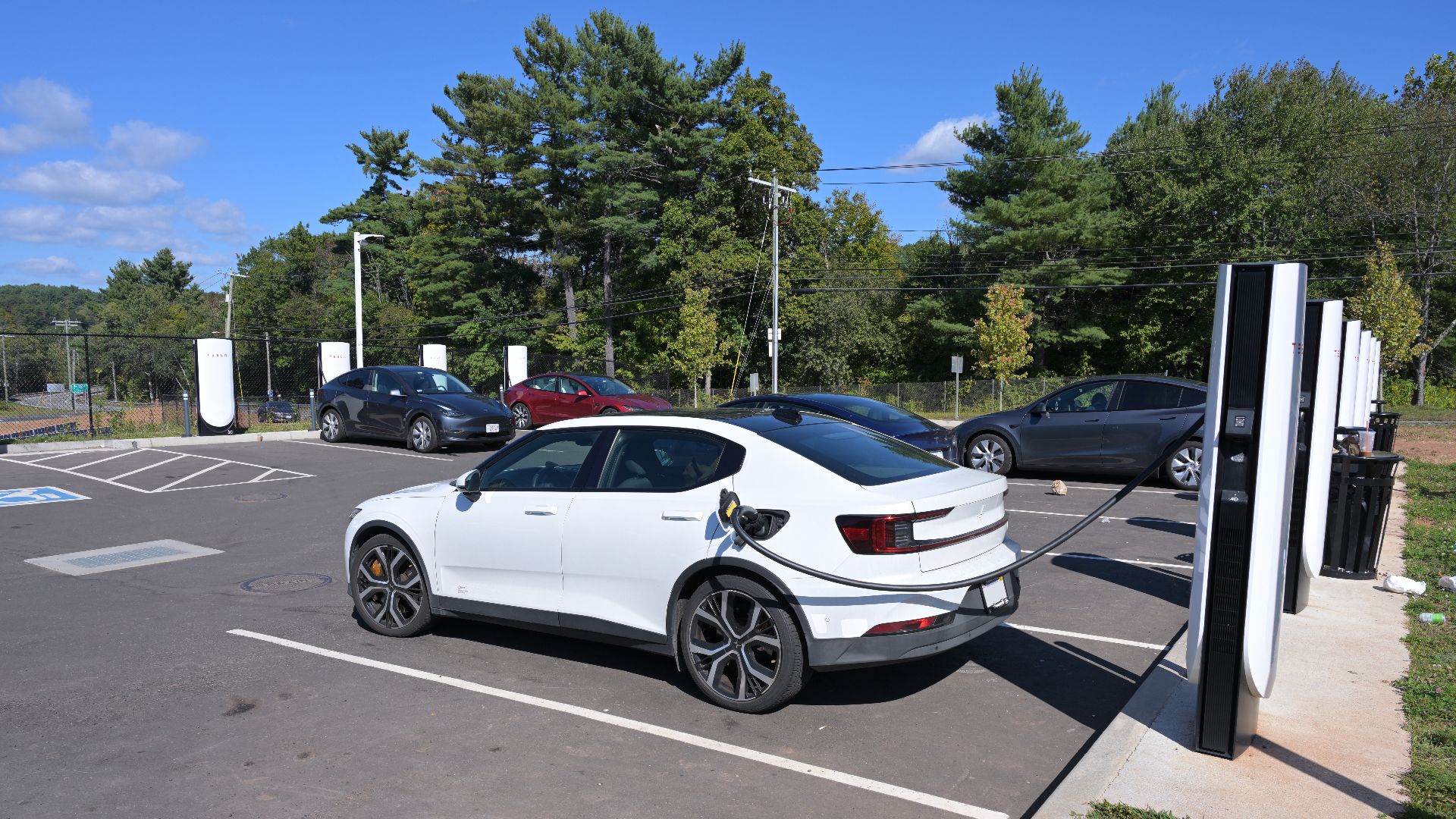 4300streetcar, Wikimedia Commons
So...Are You Doing Anything Illegal?
Probably not if this is simply a private arrangement with a few neighbors. But once you start collecting recurring payments, advertising your charger, attracting regular traffic, or earning meaningful income from it, your little side hustle can start looking a lot more like a business.
So...Then What?
At that point, utility agreements, zoning laws, HOA rules, insurance coverage, taxes, and local licensing requirements may all come into play. Like so many legal questions, the real answer isn't simply yes or no. It depends on how big your charging operation has become.
You Might Also Like:
Cars From The 1980s That No One Remembers—Seriously, Do You Remember Even 5 Of These Vehicles?
My electric vehicle insurance costs more than the car payment. Is this actually the new normal?