The Deal Was Done...Or So You Thought
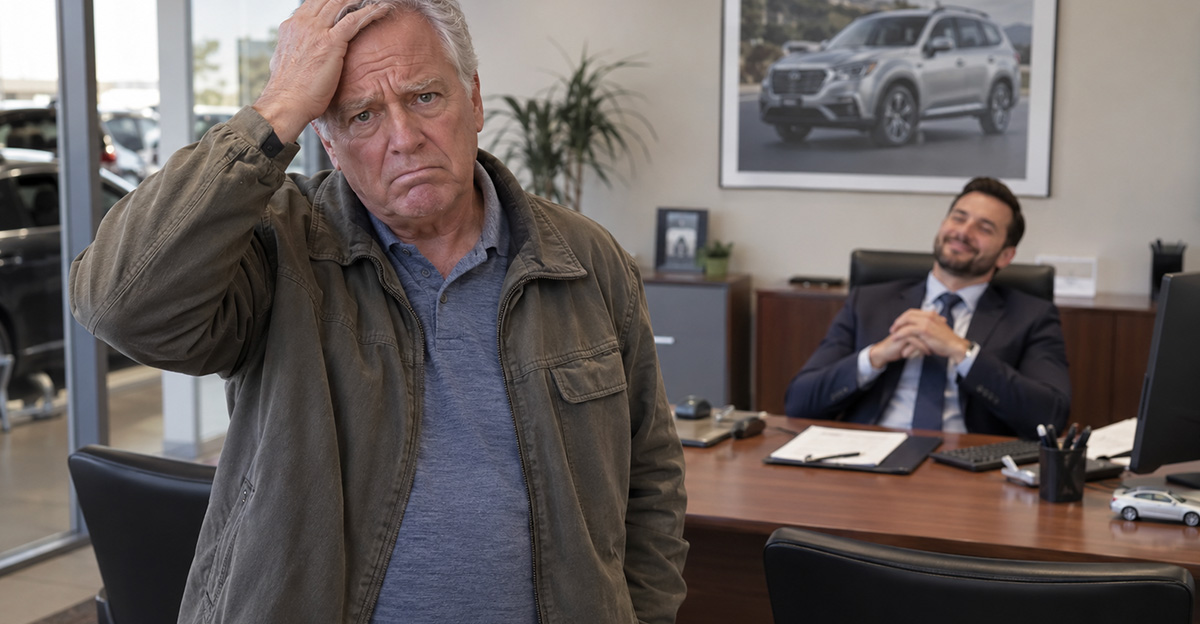
A dealership offered to buy back your vehicle. You accepted. Everything seemed settled. Maybe you were already thinking about what you'd do with the money. Then your phone rang, and suddenly the dealership was telling a very different story.

Wait...The AI Did What?
According to the dealership, the buyback offer wasn't supposed to happen at all (at least not at that price). The price had supposedly been generated by an AI chatbot, and the chatbot had made a mistake. Now they want to revoke the offer completely.

That Sounds Like Their Problem
Most people have the same immediate reaction. If the dealership's own system made the offer, why should the customer be the one paying for the mistake? After all, customers don't usually know whether they're talking to a salesperson, a chatbot, or some combination of the two.

AI Is Already Causing Real-World Headaches
This isn't some futuristic legal question anymore. Businesses across multiple industries have already found themselves dealing with chatbot promises, incorrect information, and automated offers that humans later wished had never been made. Some of those disputes have even ended up in court.

The Dealer Chose The Robot
The dealership didn't accidentally leave a computer running in the showroom. They intentionally deployed software to communicate with customers and discuss transactions. That's one reason courts and regulators have become increasingly skeptical when businesses try to blame automated systems after something goes wrong.

So Doesn't The Dealer Have To Honor It?
Maybe. But before anyone can answer that question, there's actually a much bigger issue that has to be sorted out first. In fact, it's the same question that would come up even if a human employee had made the offer instead of an AI chatbot.

Was There Ever A Deal At All?
This is where lawyers stop talking about AI and start talking about contract law. Because even if the chatbot made the promise, the real question becomes whether a legally enforceable agreement was ever created.

Was It Actually An Offer?
Legally speaking, not every price quote is an offer. Sometimes a chatbot is simply providing information or an estimate. Other times it may be making what appears to be a genuine offer. The exact wording can make a huge difference.

Why Acceptance Matters
If the chatbot offered to buy your vehicle for a specific amount and you clearly accepted, that certainly helps your position. But acceptance alone doesn't automatically mean a binding contract exists. There may still be additional steps required before a deal becomes final.
 Zoriana Zaitseva, Shutterstock
The Paperwork Question
This is often where disputes like this are won or lost. Did you sign anything? Did the dealership sign anything? Was there written confirmation from a manager? The more formal paperwork involved, the harder it becomes to argue that no agreement existed.

Chat Logs Can Matter
Many people assume chatbot conversations don't count for much. That's usually a mistake. Screenshots, chat transcripts, emails, and text messages can all become evidence showing what was promised and how a reasonable customer would have understood the conversation.

There's Already A Famous AI Case
In 2024, a Canadian tribunal ruled against Air Canada after one of its chatbots provided incorrect information about a bereavement fare policy. The airline argued that the chatbot shouldn't be treated as an authoritative source. The tribunal disagreed and held the company responsible for the information it provided. While that wasn't a U.S. case—and it involved airline policies rather than a vehicle transaction—it showed that 'the AI made a mistake' isn't always the defense companies hope it will be.
 Steve Knight, Wikimedia Commons
But This Situation Isn't Exactly The Same
The Air Canada dispute involved company policies and customer information. A vehicle buyback potentially involves contract law, ownership transfers, and a significant amount of money. Different legal rules apply even if the AI issue feels similar.
AI Doesn't Automatically Get A Free Pass
Businesses generally can't avoid responsibility simply by saying software made the mistake. From a customer's perspective, the chatbot is often acting as the company's representative. That's one reason companies are being forced to take AI-generated promises much more seriously.

The Dealer May Claim It Was An Obvious Error
Suppose your vehicle is worth $25,000 and the chatbot accidentally offered $250,000. That creates a very different situation. Courts have long recognized that obvious pricing mistakes can sometimes invalidate an agreement.

What Counts As Obvious?
There isn't a magic number. A few hundred dollars above market value probably won't raise many eyebrows. Tens of thousands of dollars above market value might. Courts often look at what a reasonable person would have believed under the circumstances.

The Inspection Clause Could Matter
Many dealership buyback programs include language stating that offers are subject to inspection. If the chatbot generated a number before anyone physically evaluated the vehicle, the dealership may argue that no final agreement ever existed.

Did A Human Confirm The Offer?
This can become extremely important. If dealership employees later emailed you, called you, scheduled an appointment, or otherwise confirmed the offer, it becomes harder for the dealership to argue that the chatbot acted entirely on its own.

What Is Ratification?
Ratification is a legal concept that occurs when a company effectively adopts an earlier action as its own. Even if the chatbot made the original mistake, later approval by dealership employees could strengthen the argument that the company accepted the offer anyway.

Timing Matters Too
How quickly did the dealership try to revoke the offer? A correction made within minutes may look very different from a correction made days later after multiple employees continued processing the transaction.
 Harrison Keely, Wikimedia Commons
What If You Already Took Action?
Maybe you canceled another sale, spent money preparing the vehicle, or drove a long distance because you believed the deal was finalized. Those actions don't automatically create a contract, but they can become relevant in legal disputes.
What If Documents Were Signed?
Now things get much more interesting. A signed purchase agreement, transfer paperwork, title documents, or other completed paperwork can significantly increase the dealership's difficulty in backing out of the transaction.

What If Money Changed Hands?
If payment was already issued or ownership was already transferred, the dealership may face an even steeper uphill battle. Undoing a completed transaction is usually much harder than canceling a preliminary offer.

State And Provincial Laws Differ
The exact outcome can vary significantly depending on where you live. Consumer protection laws, contract rules, and dealership regulations are not identical everywhere, which means similar disputes can produce different results.

Consumer Protection Rules May Also Apply
Some jurisdictions prohibit misleading advertising and deceptive business practices. If a dealership's AI system regularly generates inaccurate pricing or misleading offers, regulators may become interested even if a particular contract dispute remains unresolved.
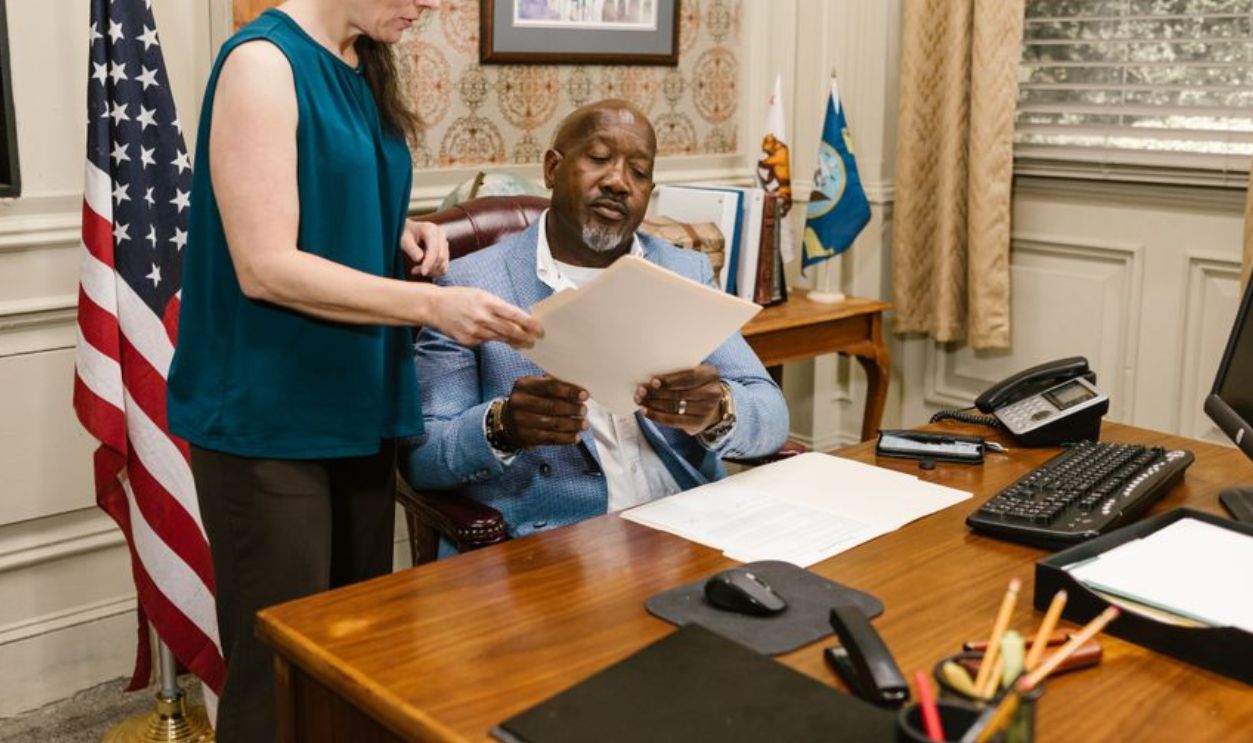
So Do They Have To Honor The Deal?
Sometimes yes. Sometimes no. If all you have is a chatbot conversation and no signed paperwork, the dealership may have a strong argument that no final agreement existed. But if there was clear acceptance, written confirmation, signed documents, or other evidence of a completed deal, blaming the chatbot may not be enough.

The Real Lesson
AI may be new, but contract law isn't. As businesses increasingly rely on chatbots and automated systems, courts are being forced to answer a simple question: if the company's AI made the promise, was it really the company's promise? Depending on the facts, that answer could end up being very expensive for someone.

You Might Also Like:
My dealership wants $250 to "reprogram" my key fob. Can it really cost that much?