When Stock Cars Started Flying
NASCAR has always loved a good loophole, but in the late 1960s, the loophole grew a nose cone and a giant rear wing. For a brief, wild moment, stock car racing stopped looking like Sunday dealership traffic and started looking like a wind tunnel experiment with numbers on the doors.
The Sport Wanted Street Cars
The whole idea behind NASCAR was simple: race cars that looked like cars regular people could buy. Yes, the engines were hot, the drivers were fearless, and the garages were full of tricks, but the bodies still had to resemble showroom machines. That mattered to fans, factories, and NASCAR’s image.
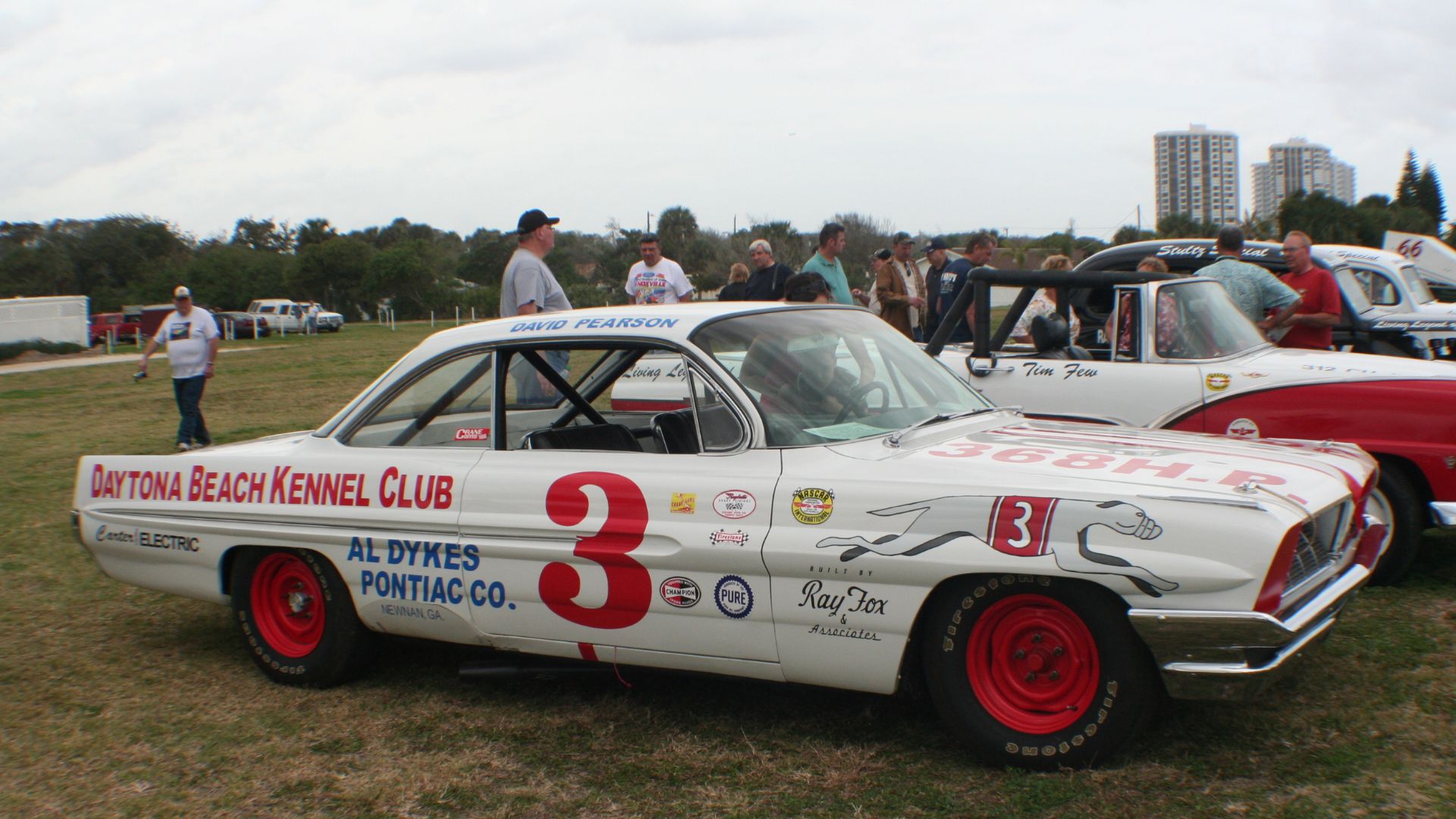 Freewheeling Daredevil, Wikimedia Commons
Then Speed Became The Problem
By the 1960s, NASCAR’s fastest tracks had changed everything. Daytona and Talladega were huge, steep, and terrifyingly quick. Suddenly, raw horsepower was not enough. At 190 mph, air was no longer invisible. It was a brick wall, a parachute, and sometimes a steering wheel.
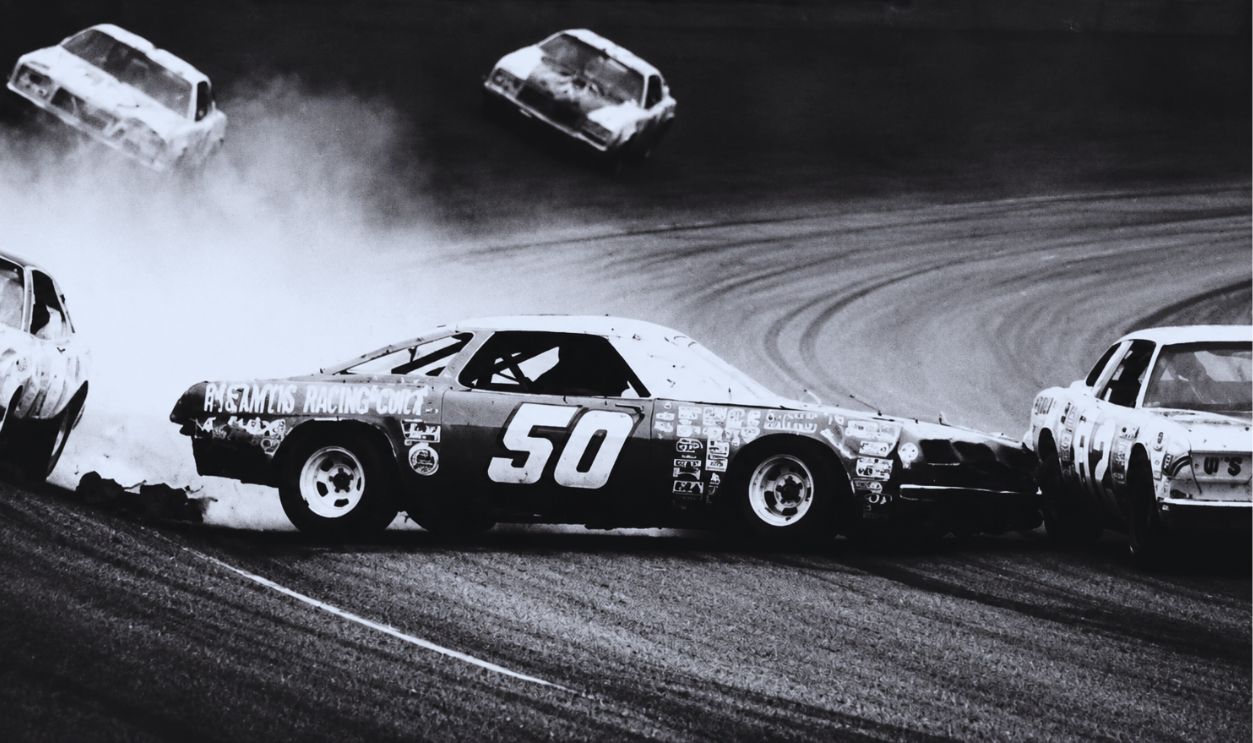 David Hogerty, Wikimedia Commons
Dodge Had A Charger Problem
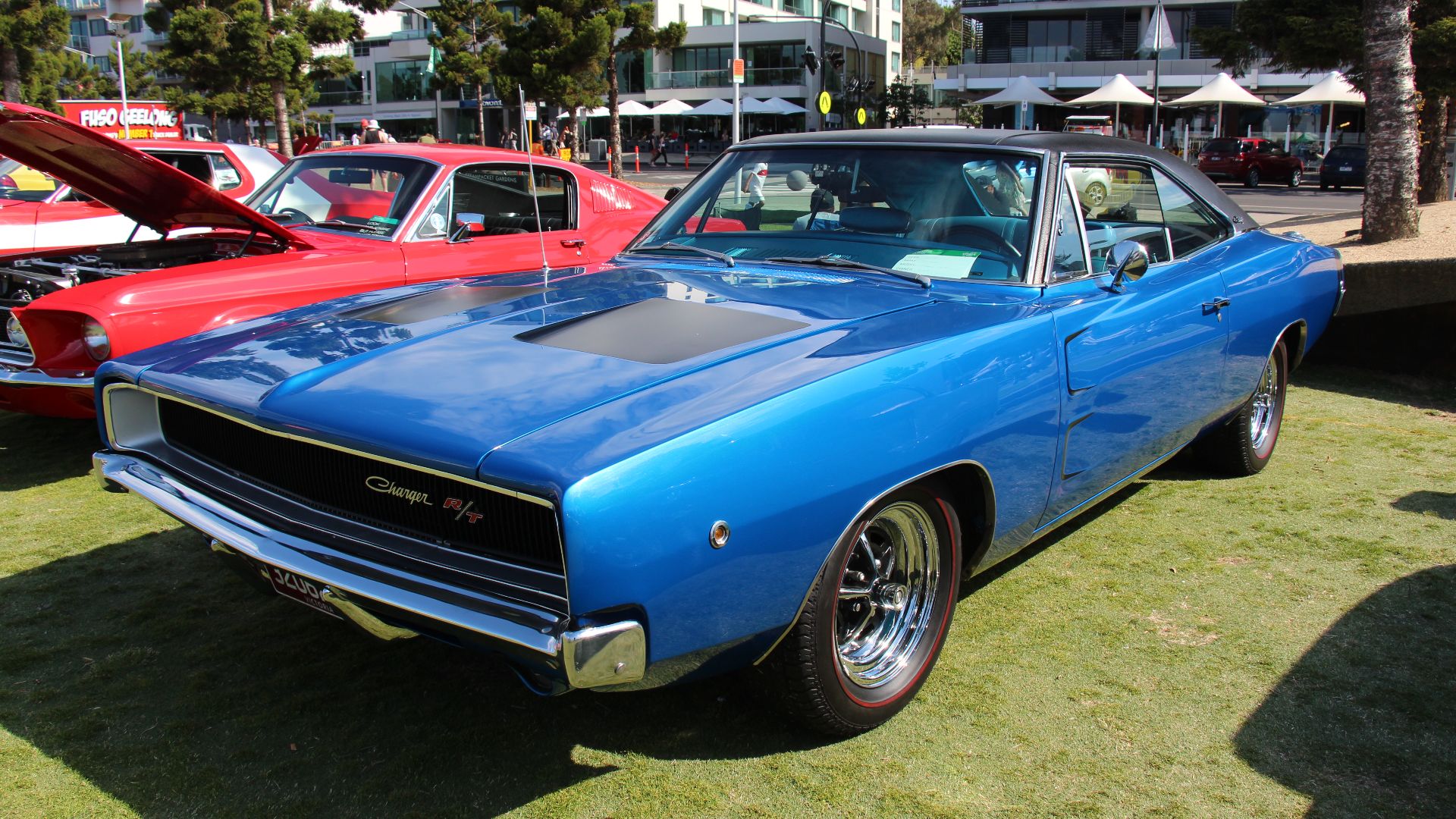
The 1968 Dodge Charger looked fantastic on the street, but on superspeedways it was aerodynamically messy. Its recessed grille and awkward rear window disturbed airflow, hurting speed and stability. In simple terms, the car looked cool, but the air hated it. Dodge needed a fix fast.
Ford Smelled Blood
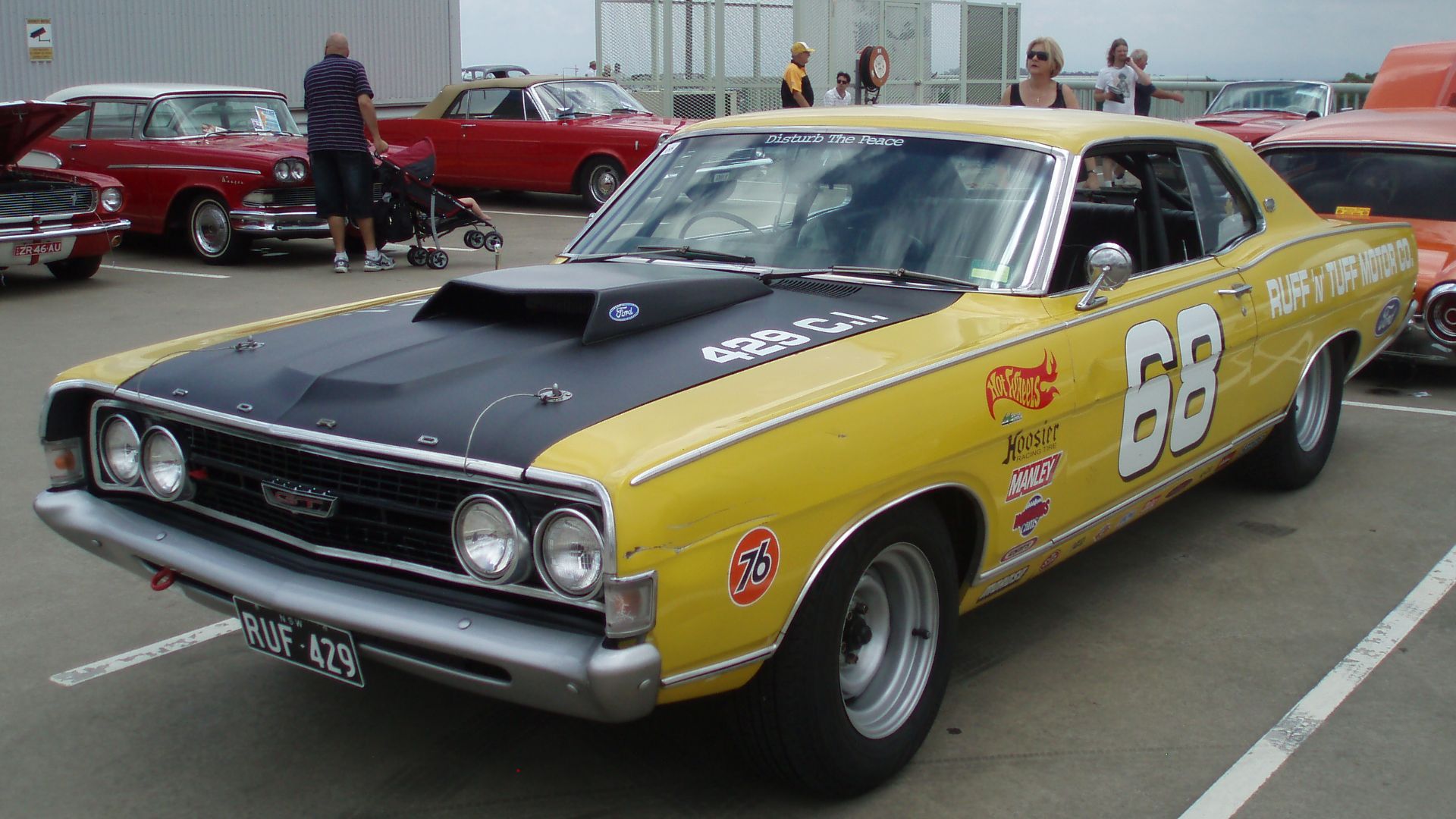
Ford saw an opening and attacked with sleeker cars like the Torino Talladega and Mercury Cyclone Spoiler. These were still recognizable stock cars, but their long noses and cleaned-up shapes sliced through the air better. Suddenly, Ford teams were winning big, and Chrysler was getting embarrassed.
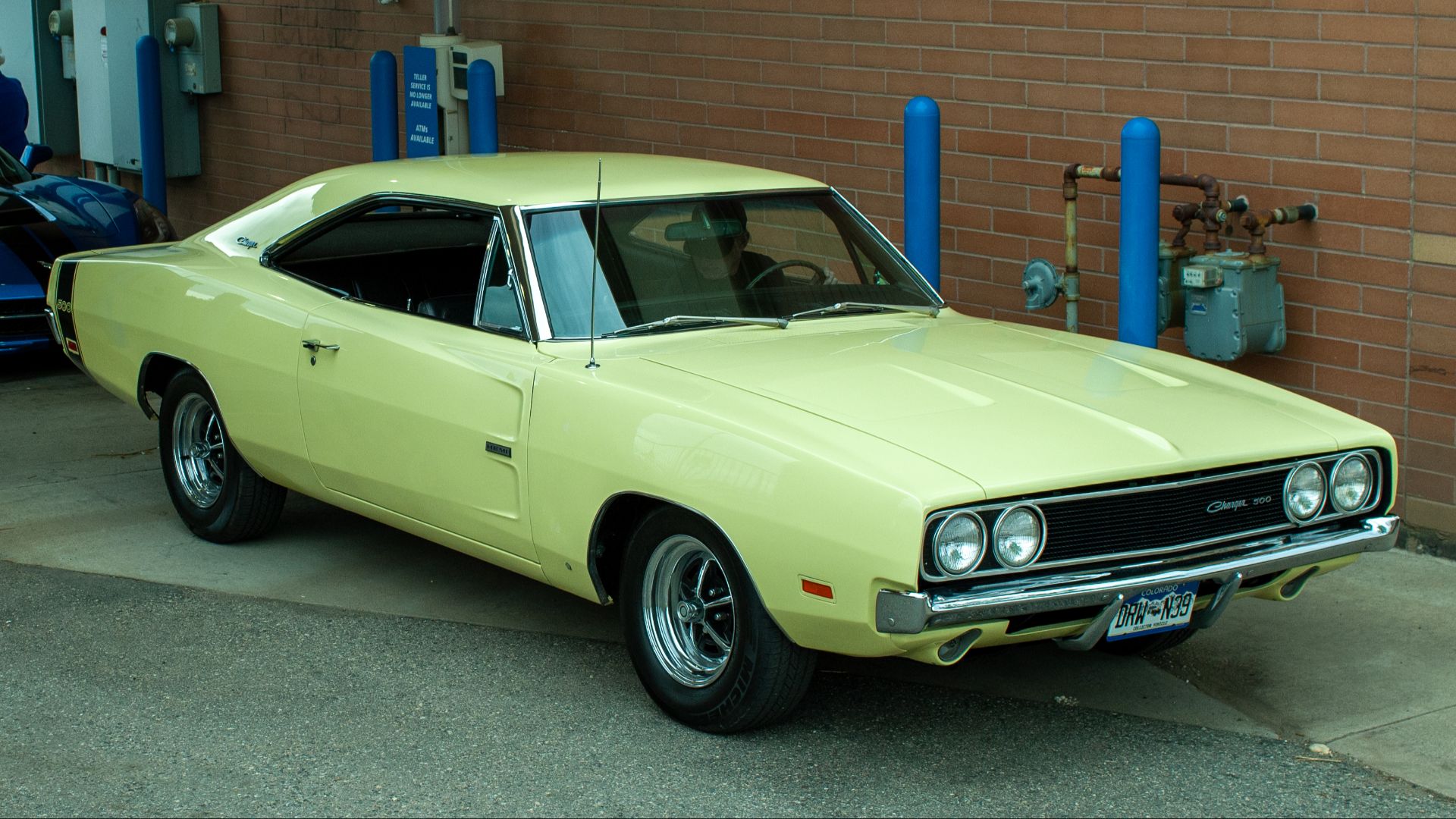
The Charger 500 Was Step One
Dodge’s first serious answer was the Charger 500. It had a flush grille and a revised rear window, both meant to calm the airflow. It helped, but it was not enough. In racing terms, Dodge had brought a knife to an aerodynamic gunfight, and Ford still had the sharper blade.
The Daytona Changed Everything
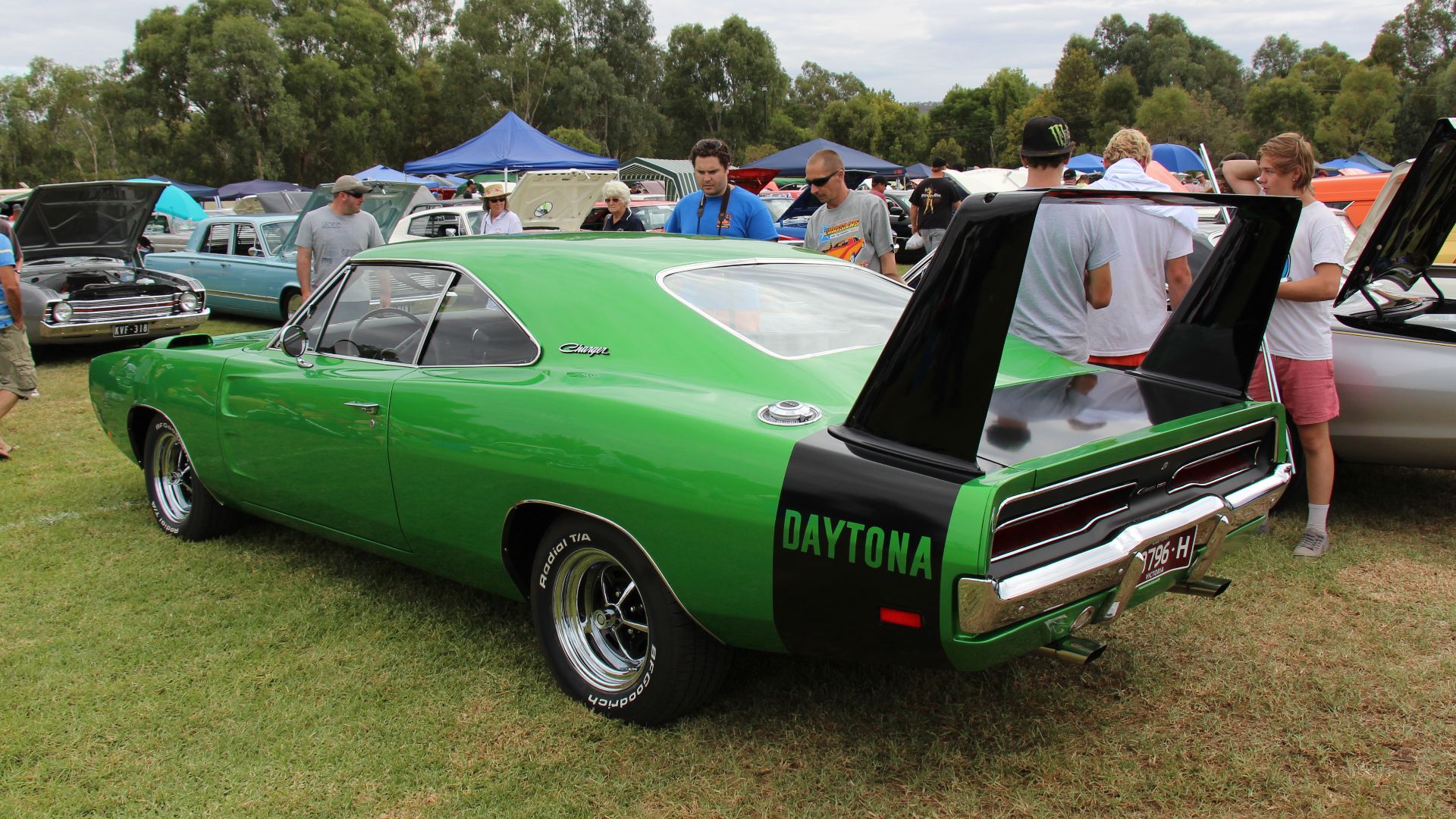
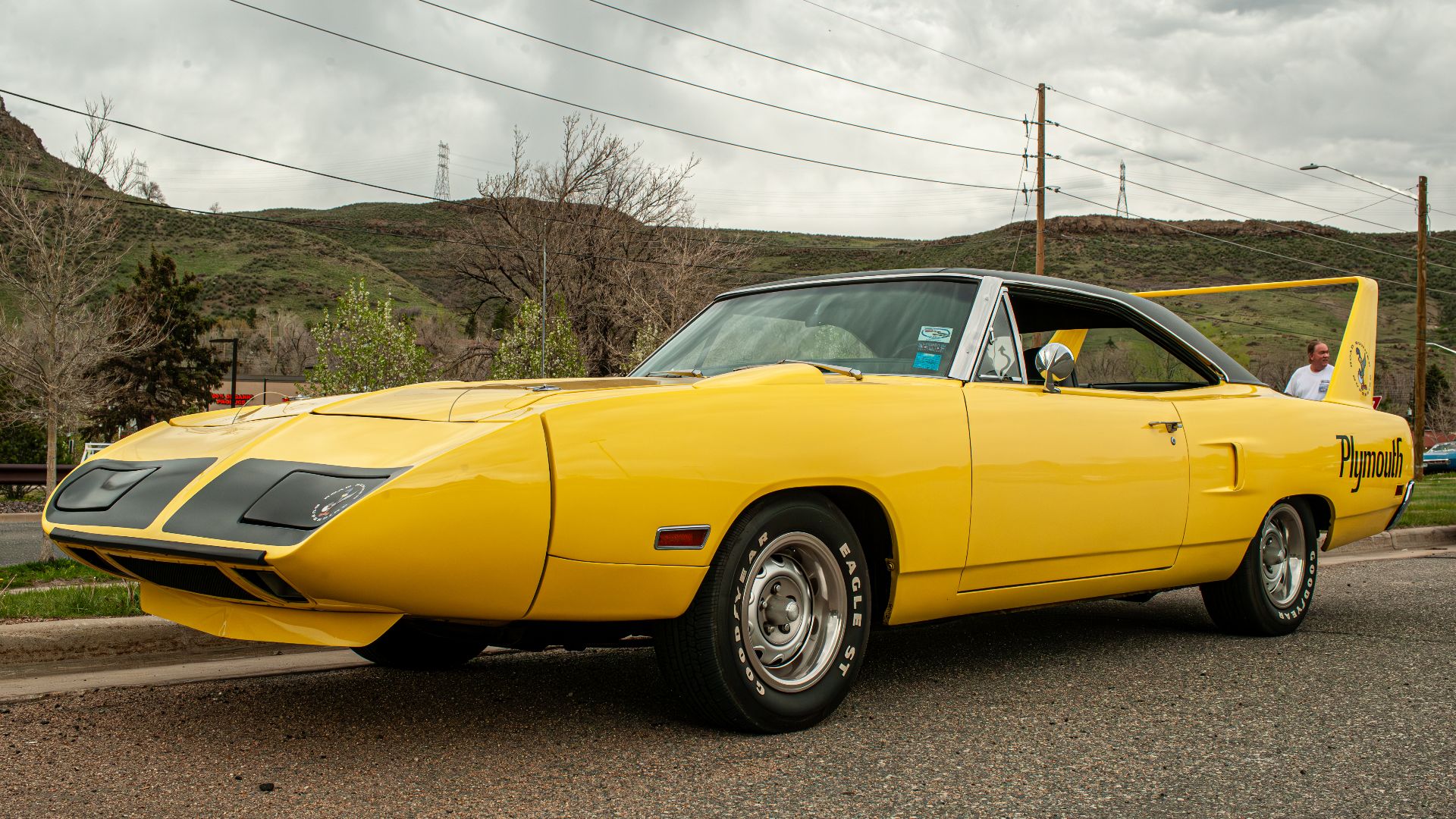
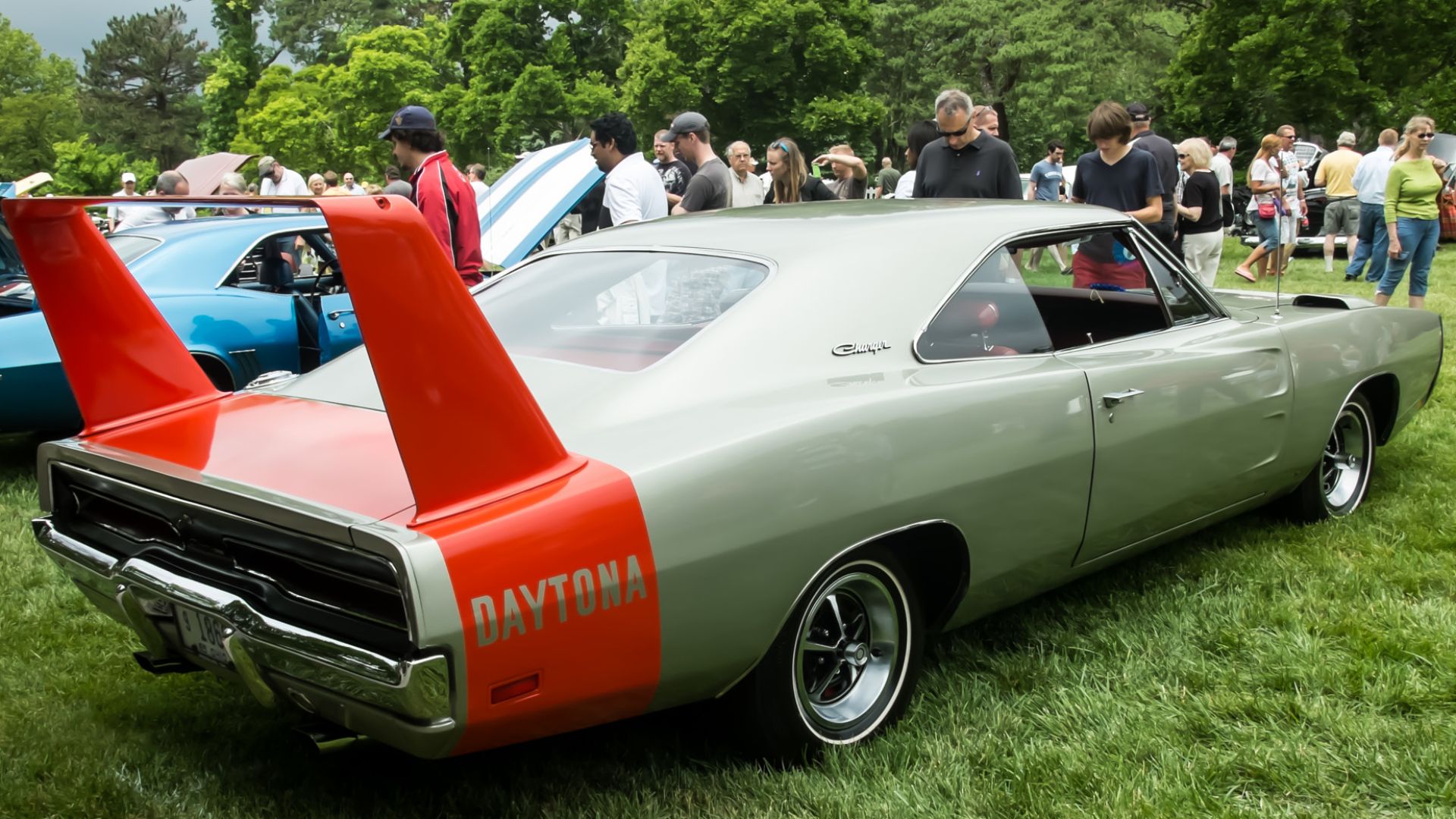
Then came the Dodge Charger Daytona, and subtlety left the garage. It had a pointed nose cone up front and a towering rear wing out back. It looked outrageous, like a moonshine runner’s car had joined NASA. More importantly, it worked beautifully at NASCAR’s fastest tracks.
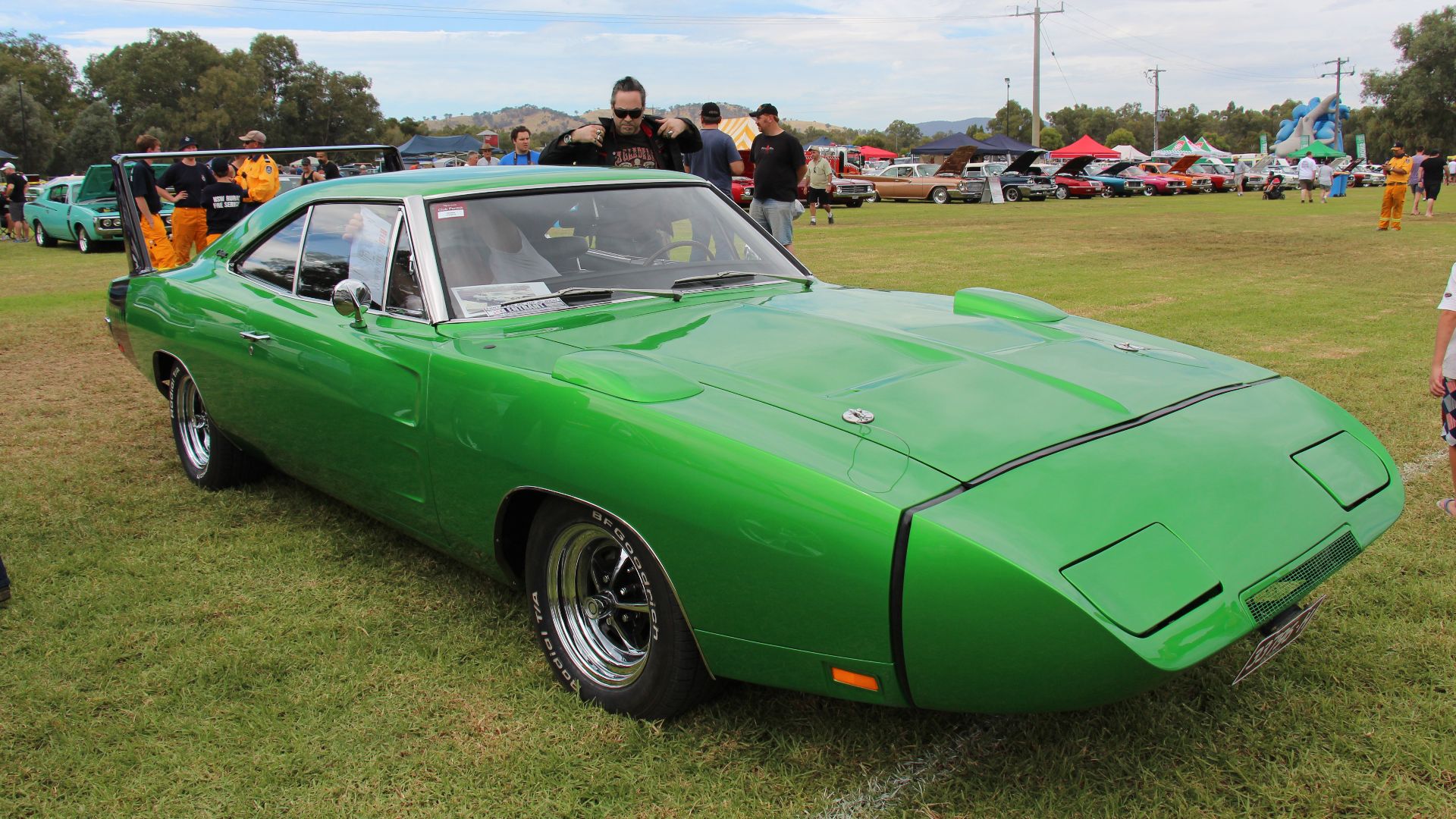
The Wing Was Not Just For Show
That giant wing was not a cartoon decoration. It helped push the rear tires into the track at high speed, giving the car more stability. The nose cone reduced drag and helped the car cut through the air. Together, they made the Daytona a superspeedway monster.
Talladega Got The First Shock
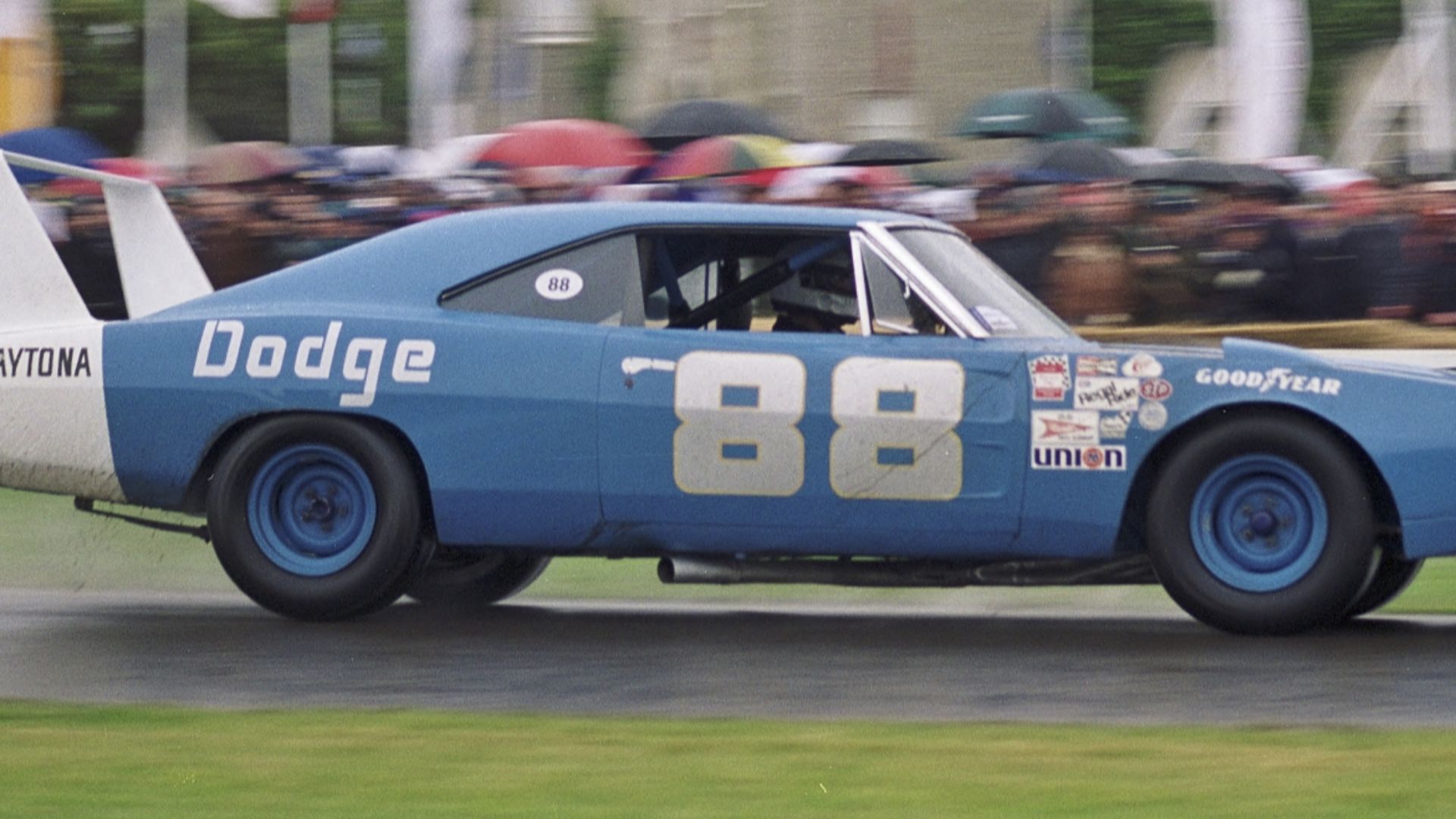
The Charger Daytona made its competition debut at the first Talladega race in 1969. That weekend was already chaotic because many top drivers boycotted over tire and safety concerns. But the result still made the message clear: aero cars were not a gimmick. They were the future arriving early.
 PSParrot from England, Wikimedia Commons
Plymouth Wanted In
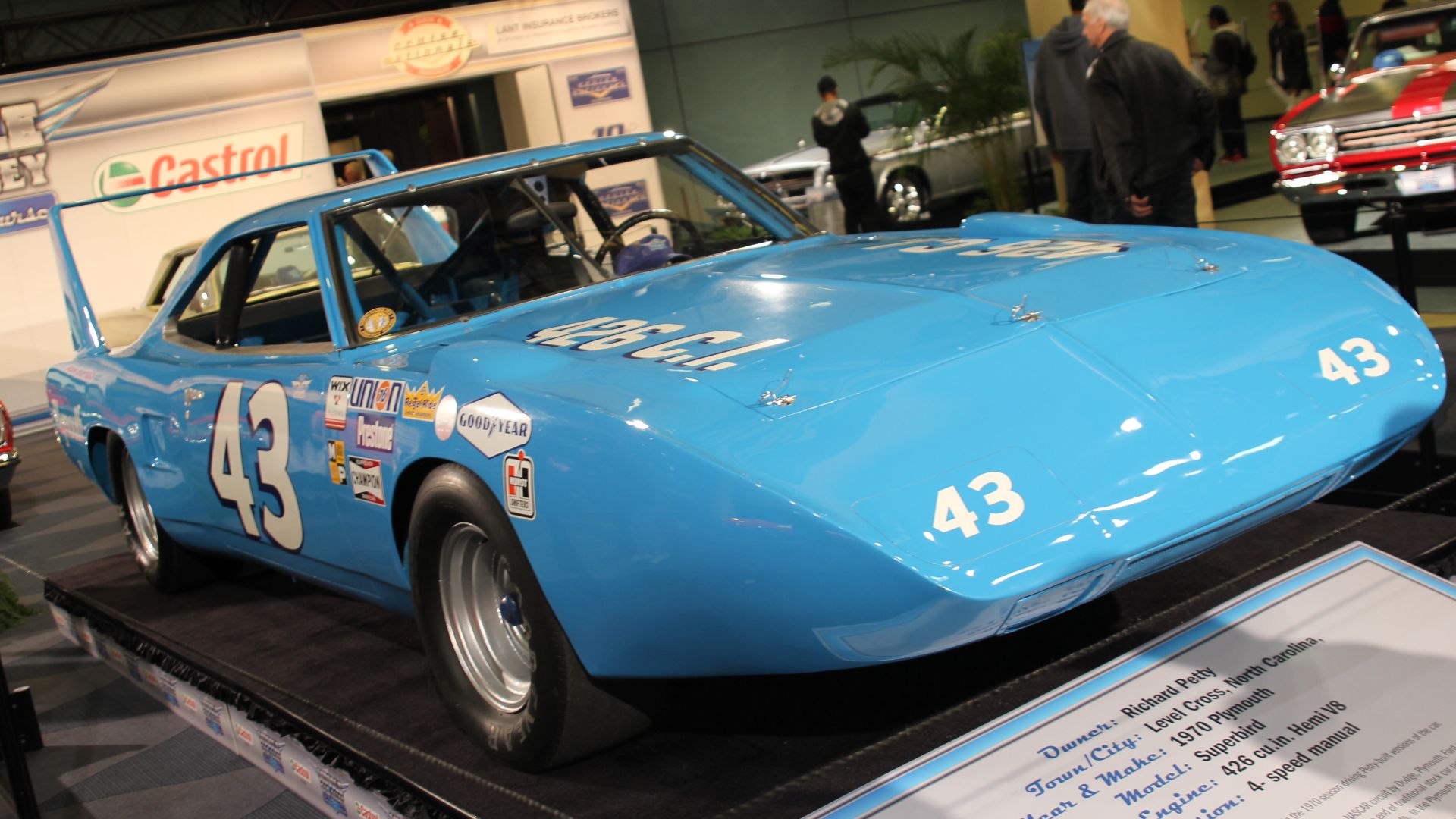
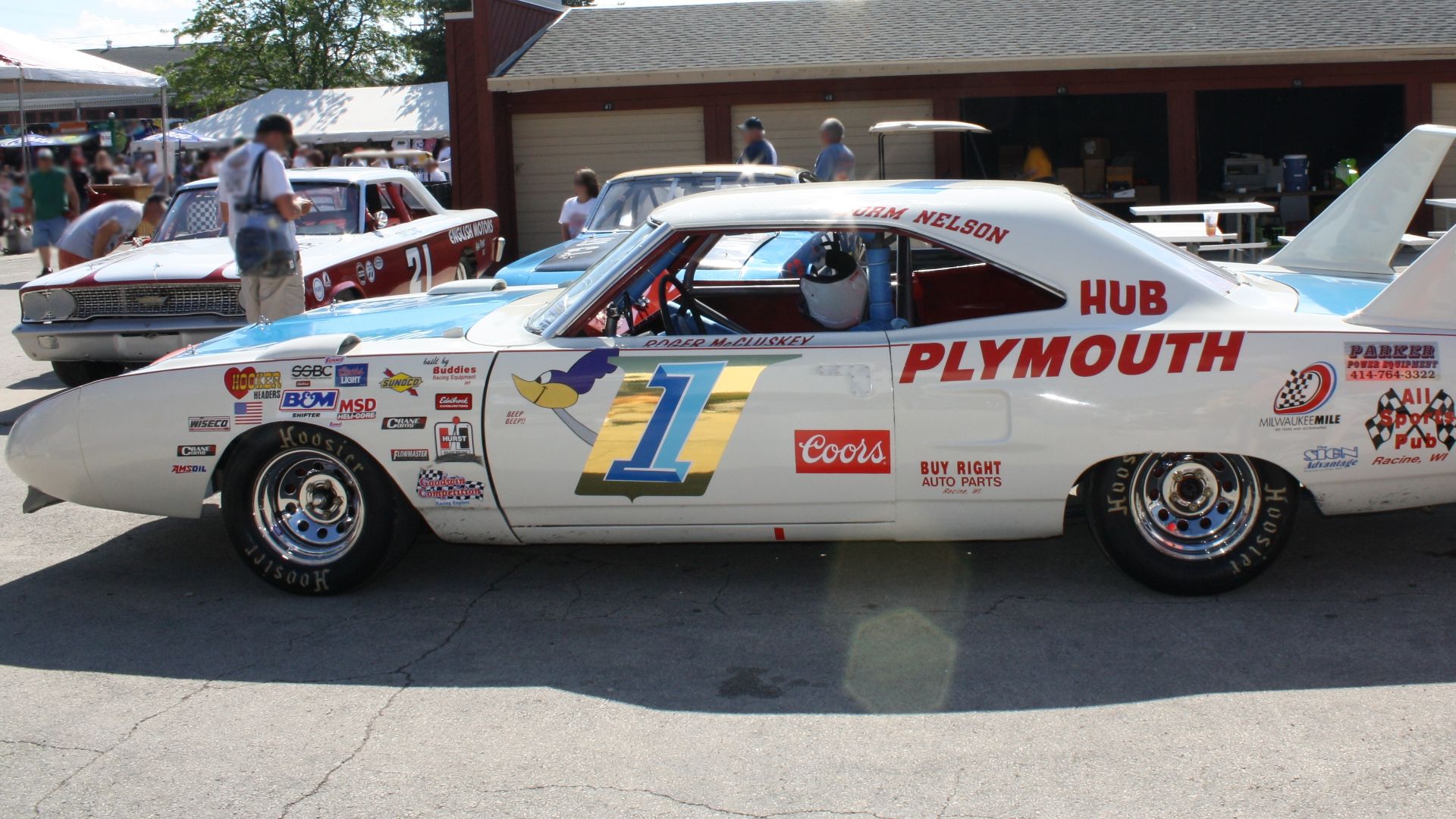
Plymouth was not about to let Dodge have all the fun, especially after losing Richard Petty to Ford for 1969. So Plymouth built the Superbird for 1970. It borrowed the Daytona’s basic thinking: pointy nose, big wing, and a shape designed to win where the speeds were highest.
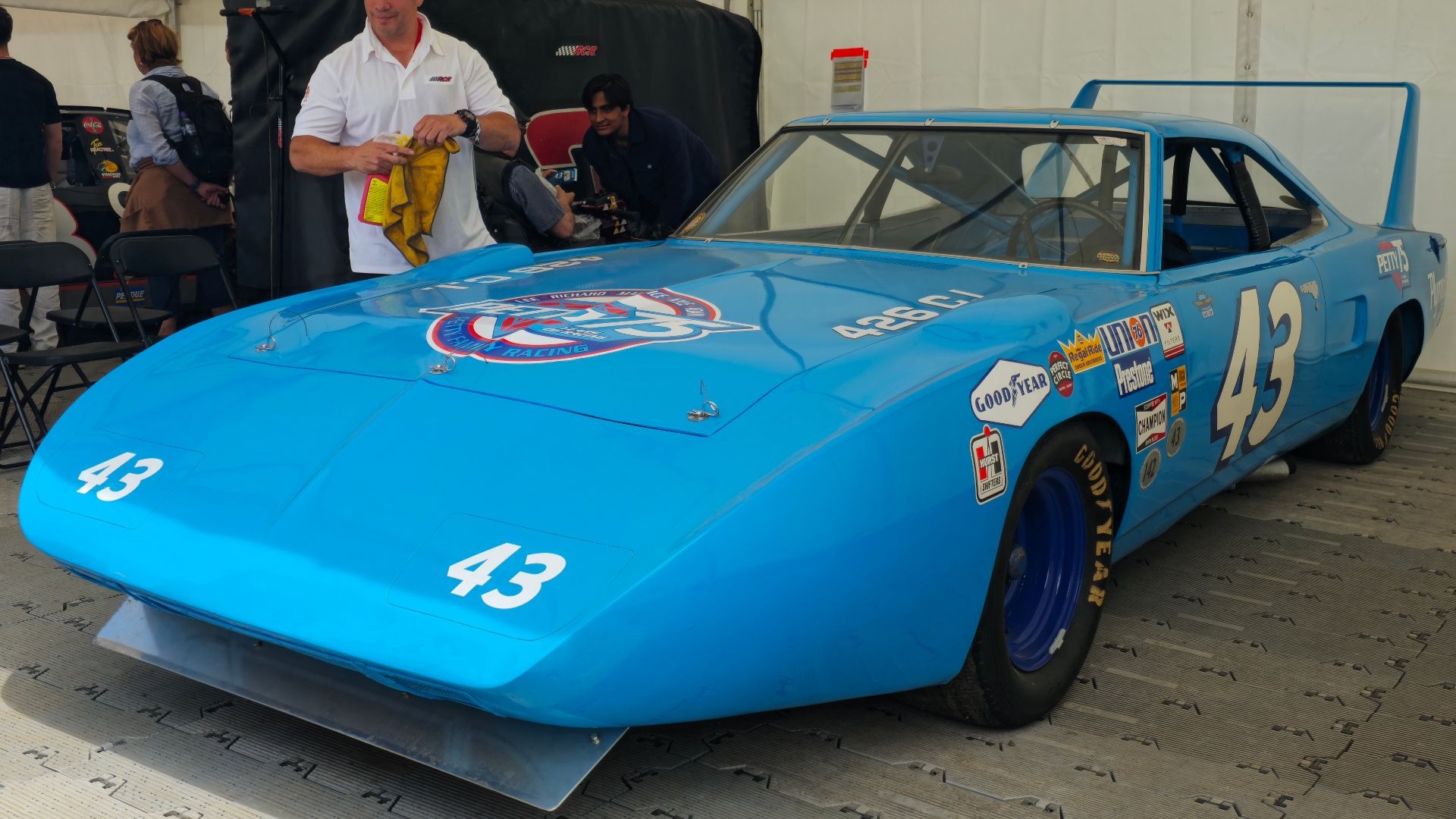
The Superbird Looked Ridiculous
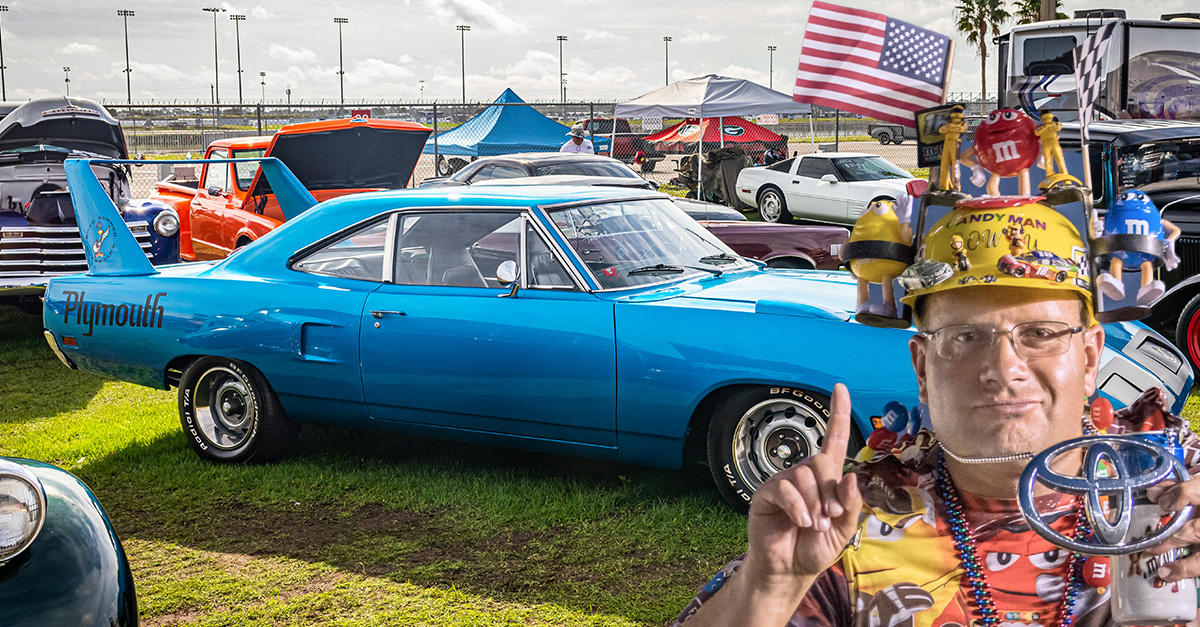
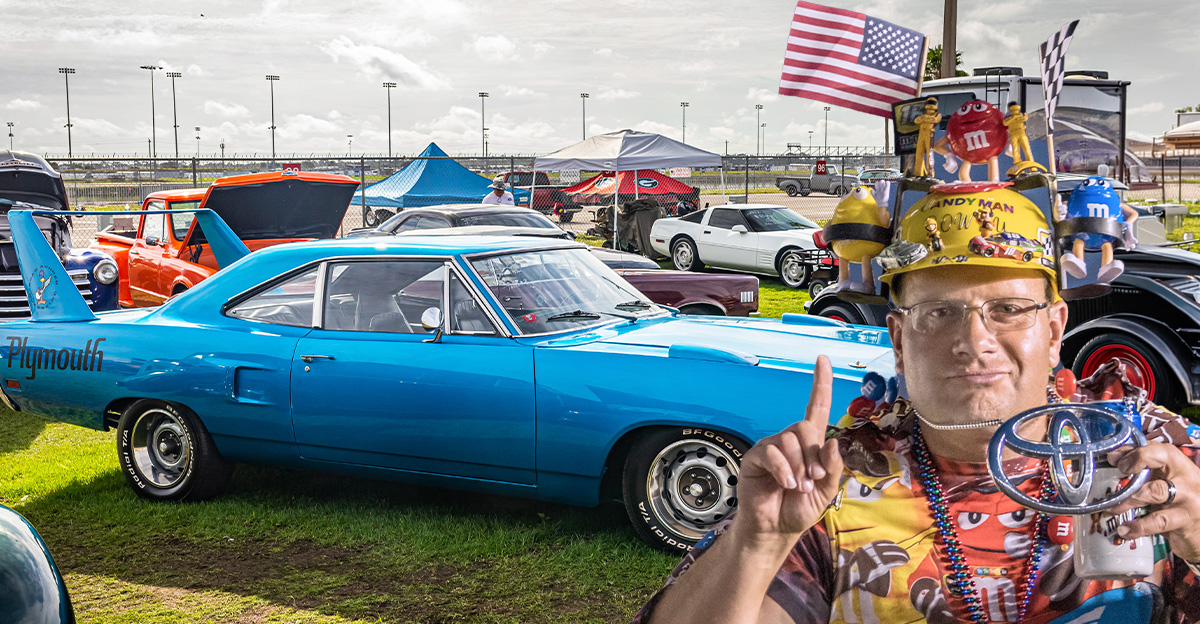
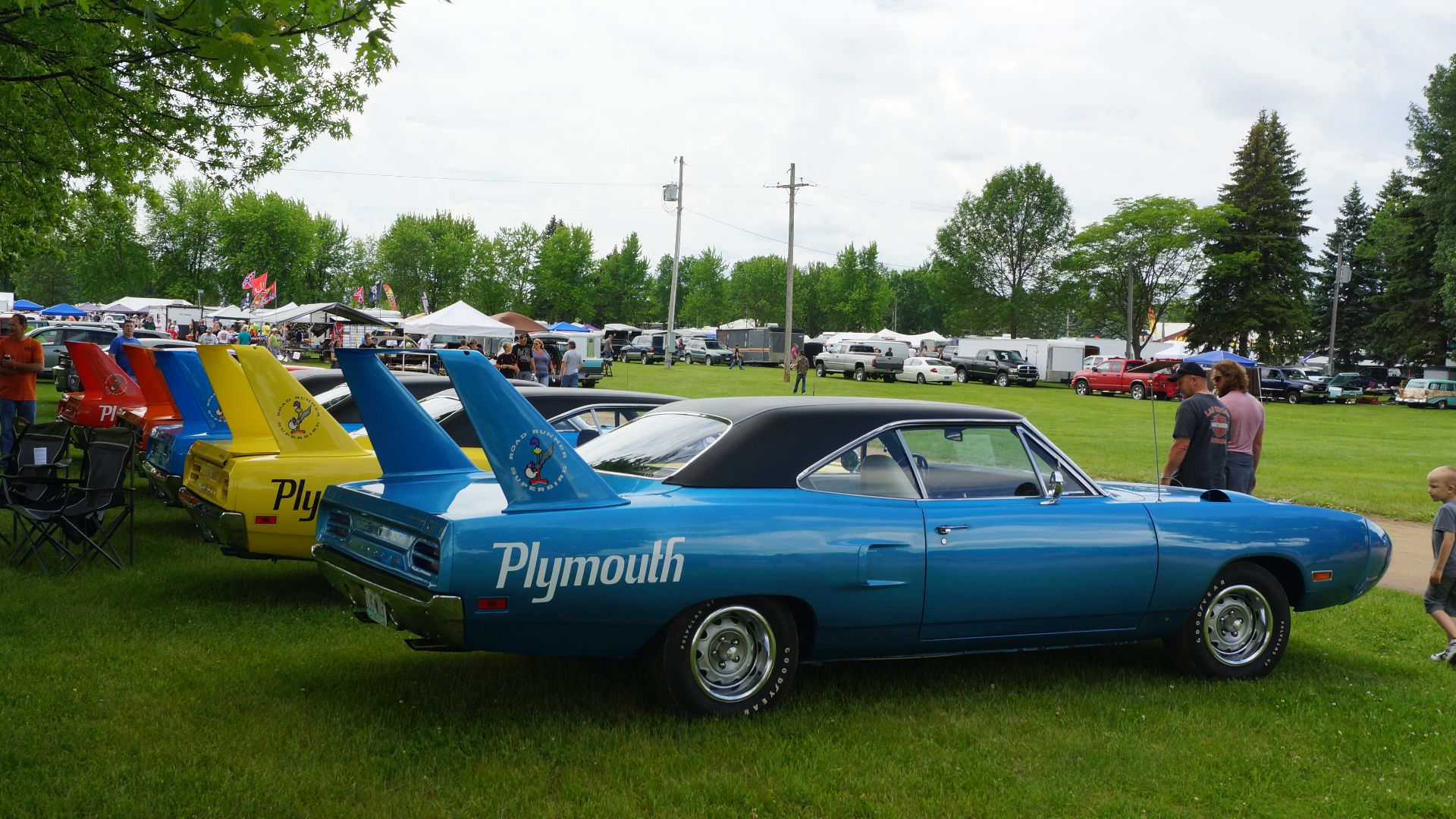
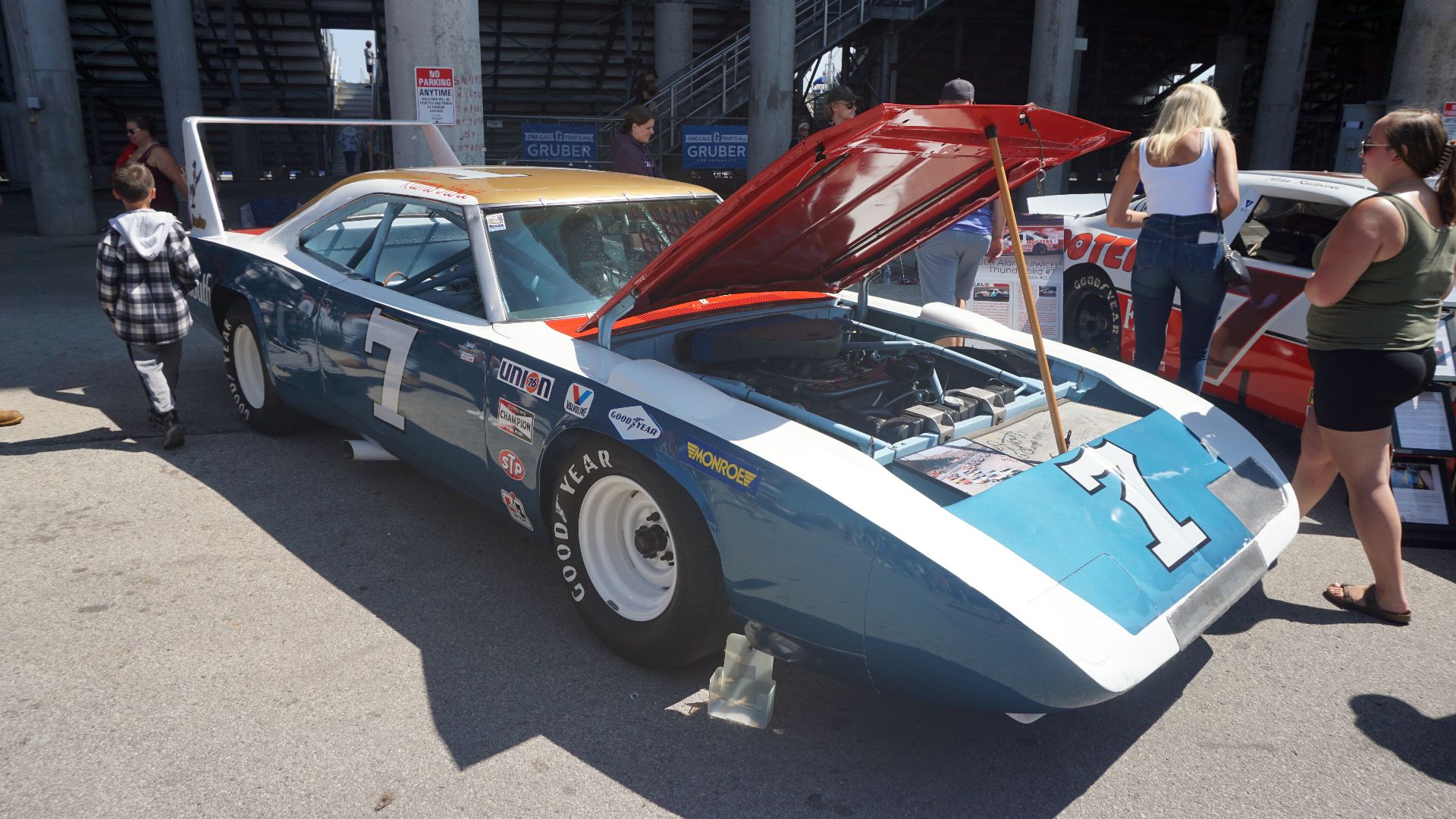
The Plymouth Superbird became one of the strangest-looking cars ever sold to the public. It had a long nose, cartoon Road Runner graphics, and a rear wing so tall it looked like scaffolding. Dealers had to sell street versions, which made the whole thing even funnier.
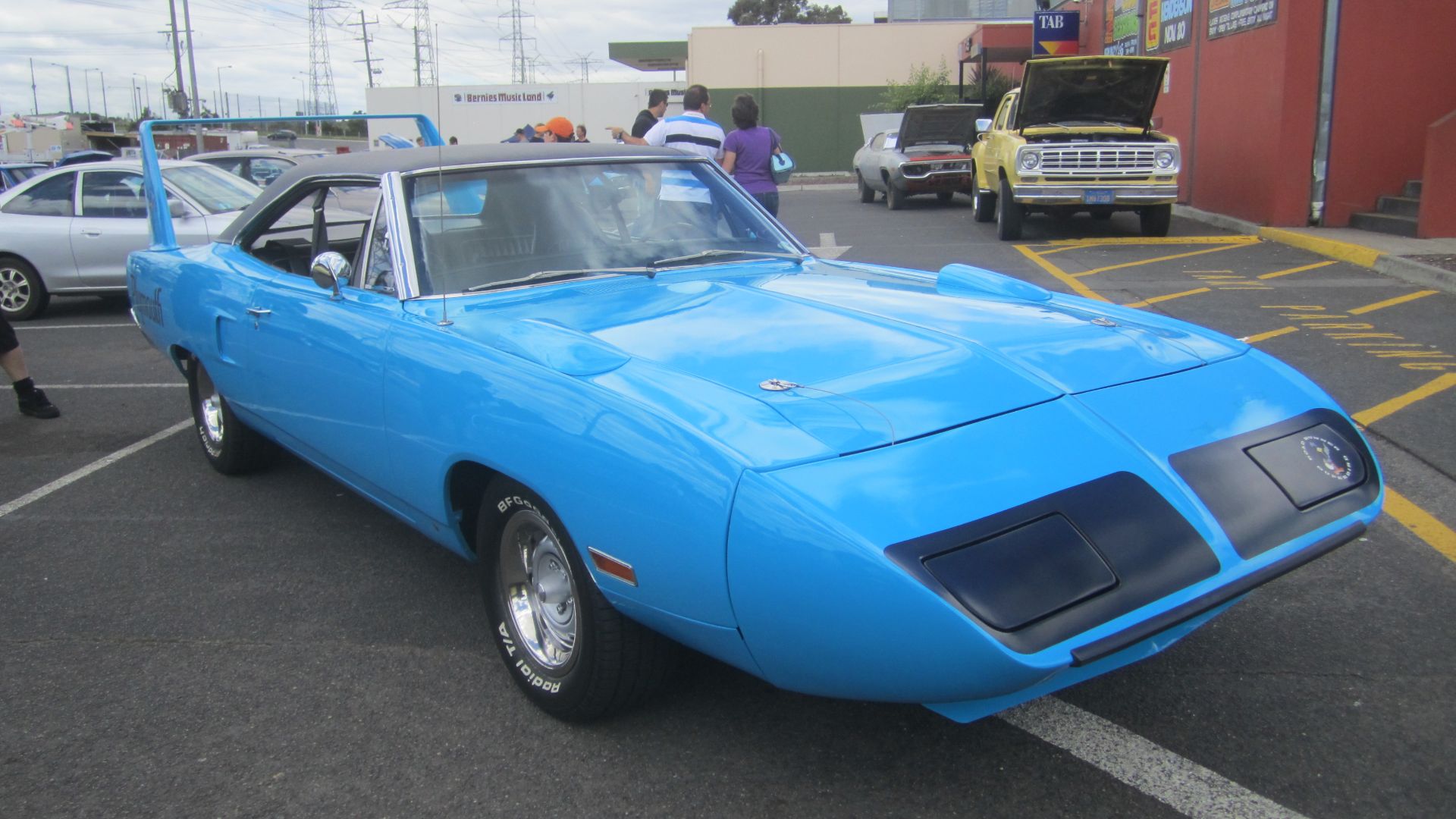
But Ridiculous Was Fast
On track, the Superbird was no joke. Pete Hamilton won the 1970 Daytona 500 in one. Richard Petty returned to Plymouth and piled up victories. Dodge Daytonas and Plymouth Superbirds became the cars everyone watched, feared, and quietly wished they had in their own garage.
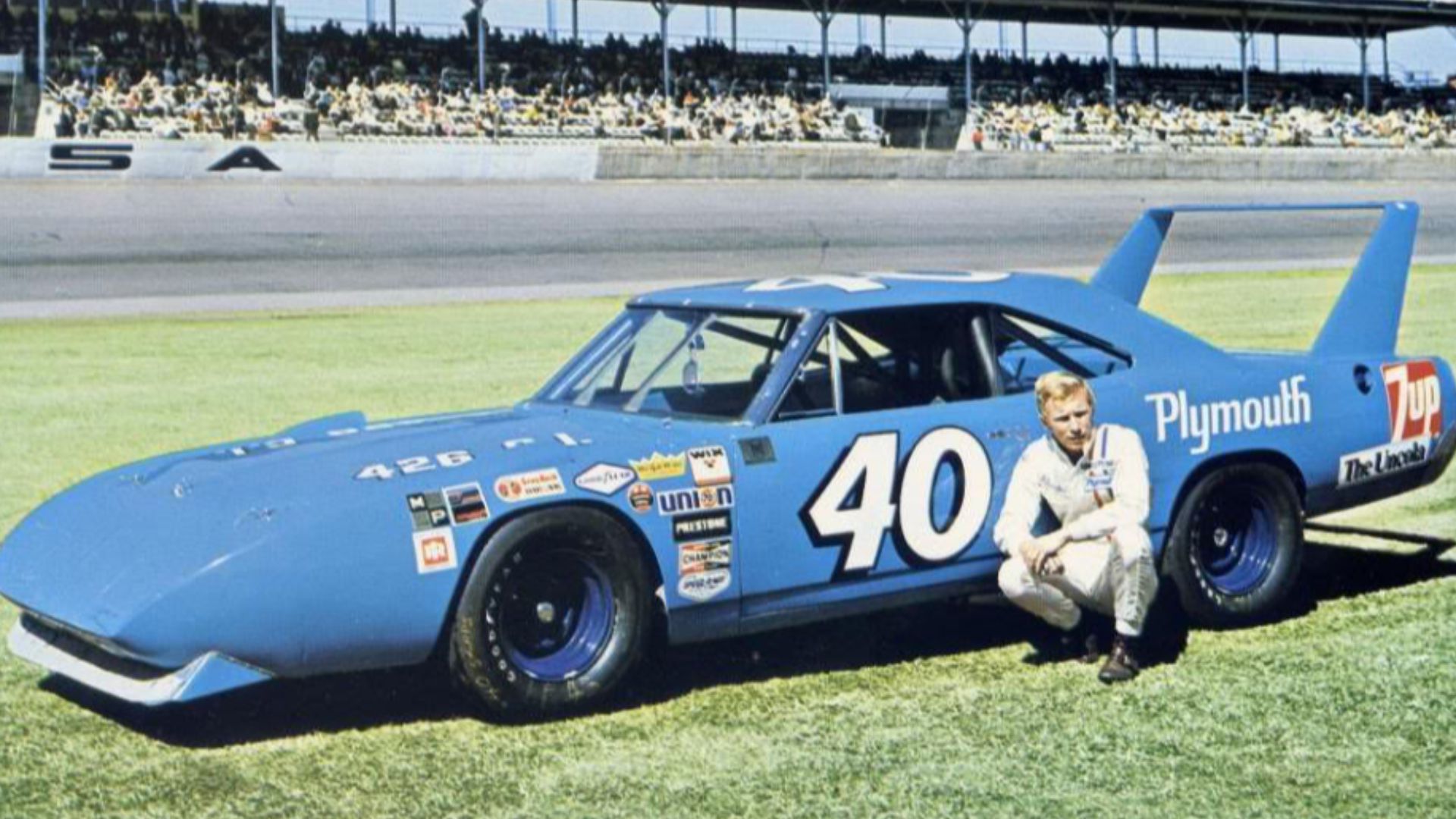
NASCAR Saw The Problem
NASCAR loved speed, but it also loved control. The aero cars were pushing the sport away from its showroom roots. If every factory needed a wind tunnel, a huge budget, and a spaceship body to compete, the racing could become too expensive, too specialized, and too far from “stock.”
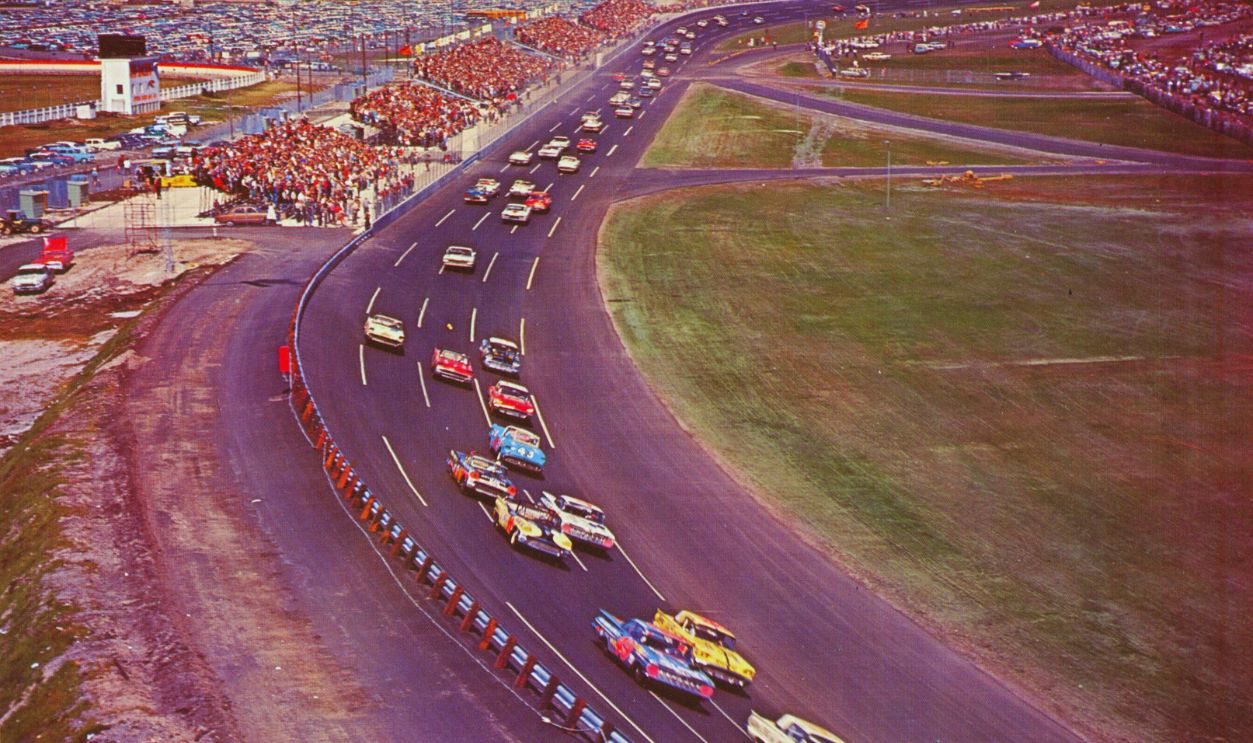 Jack Cansler, Wikimedia Commons
The Arms Race Was Getting Silly
Once one company found speed in the air, every rival had to answer. A cleaner nose here, a sharper roofline there, a taller wing somewhere else. NASCAR could see where this was headed. The cars might soon look less like road cars and more like aircraft with fenders.
 Greg Gjerdingen from Willmar, Wikimedia Commons
Safety Was Part Of The Fear
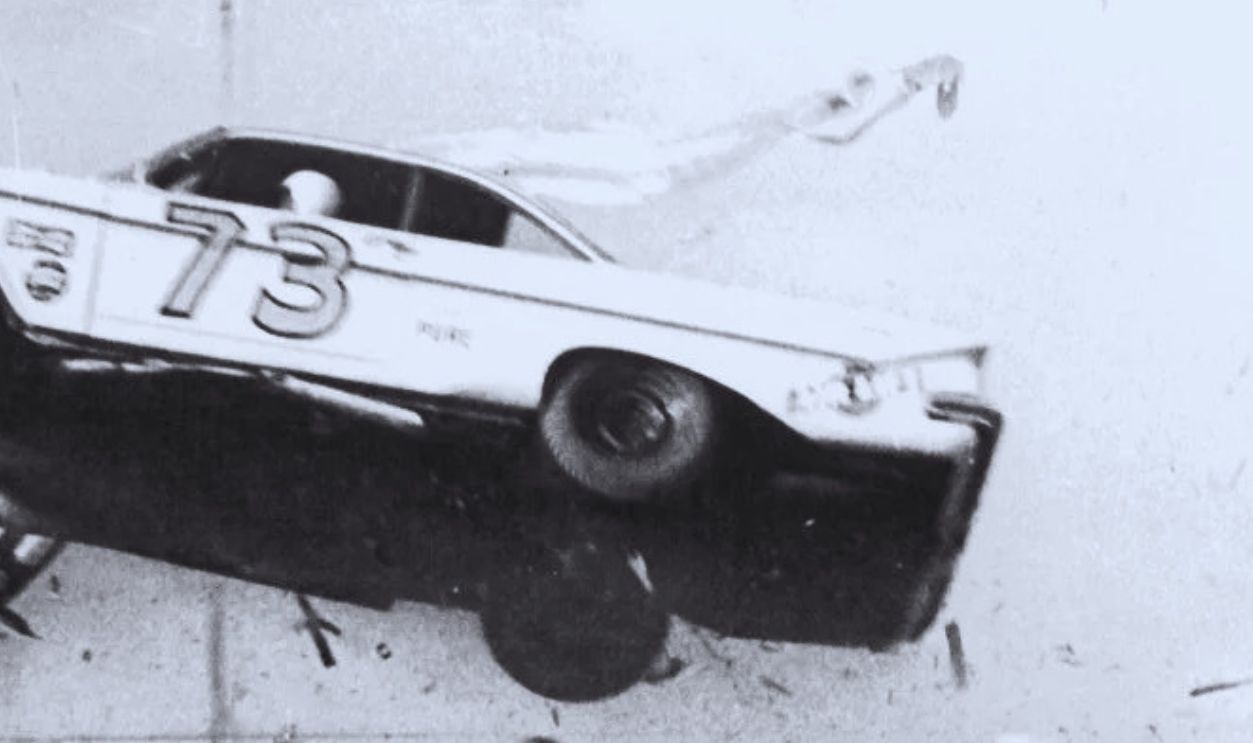
Speed was thrilling, but it was also dangerous. Tires, barriers, tracks, and safety thinking were all trying to catch up. A car that stayed planted at wild speeds was impressive, but if something failed, the consequences could be ugly. NASCAR had to think beyond lap times.
 Sam Satterwaite of Daytona Beach News-Journal, Wikimedia Commons
Fans Still Wanted Familiar Cars
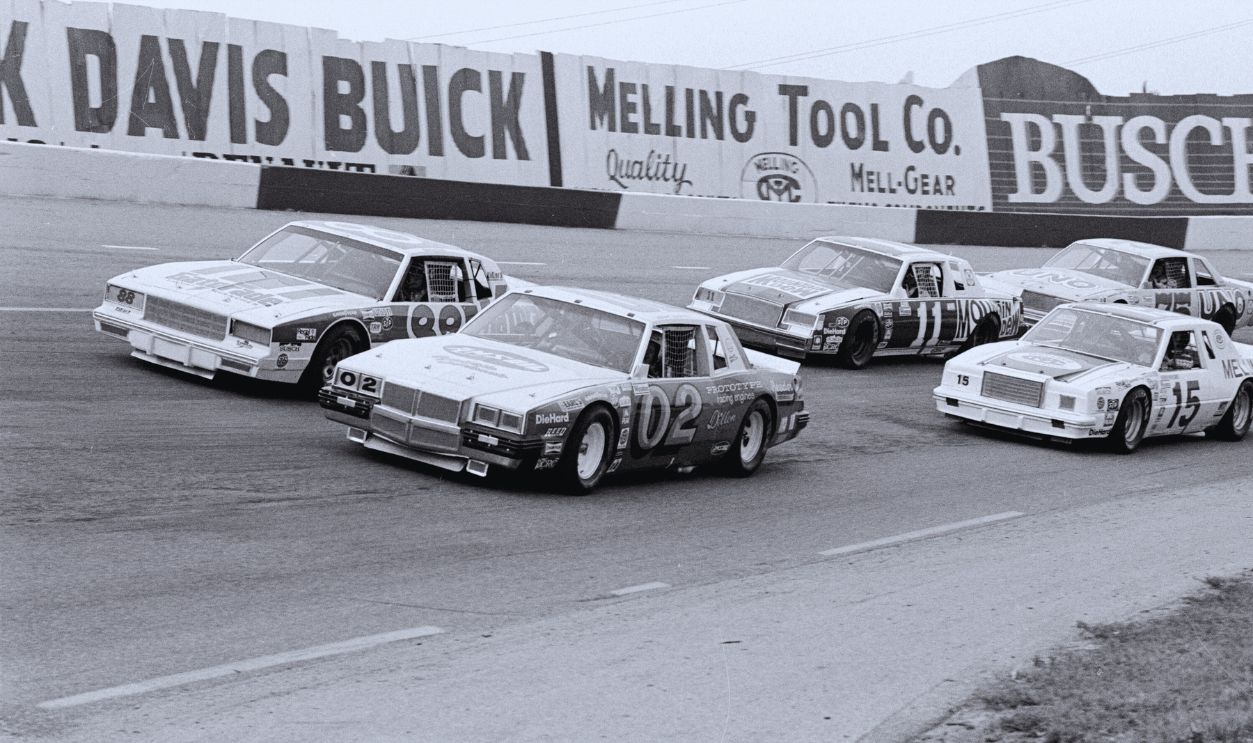
NASCAR’s magic came from the idea that fans could recognize the car on Sunday and maybe buy something like it on Monday. The winged cars stretched that idea until it squeaked. They were technically sold to the public, but nobody confused them with ordinary grocery-getters.
 Icon Sports Wire, Getty Images
The Ban Was Really A Rule Squeeze
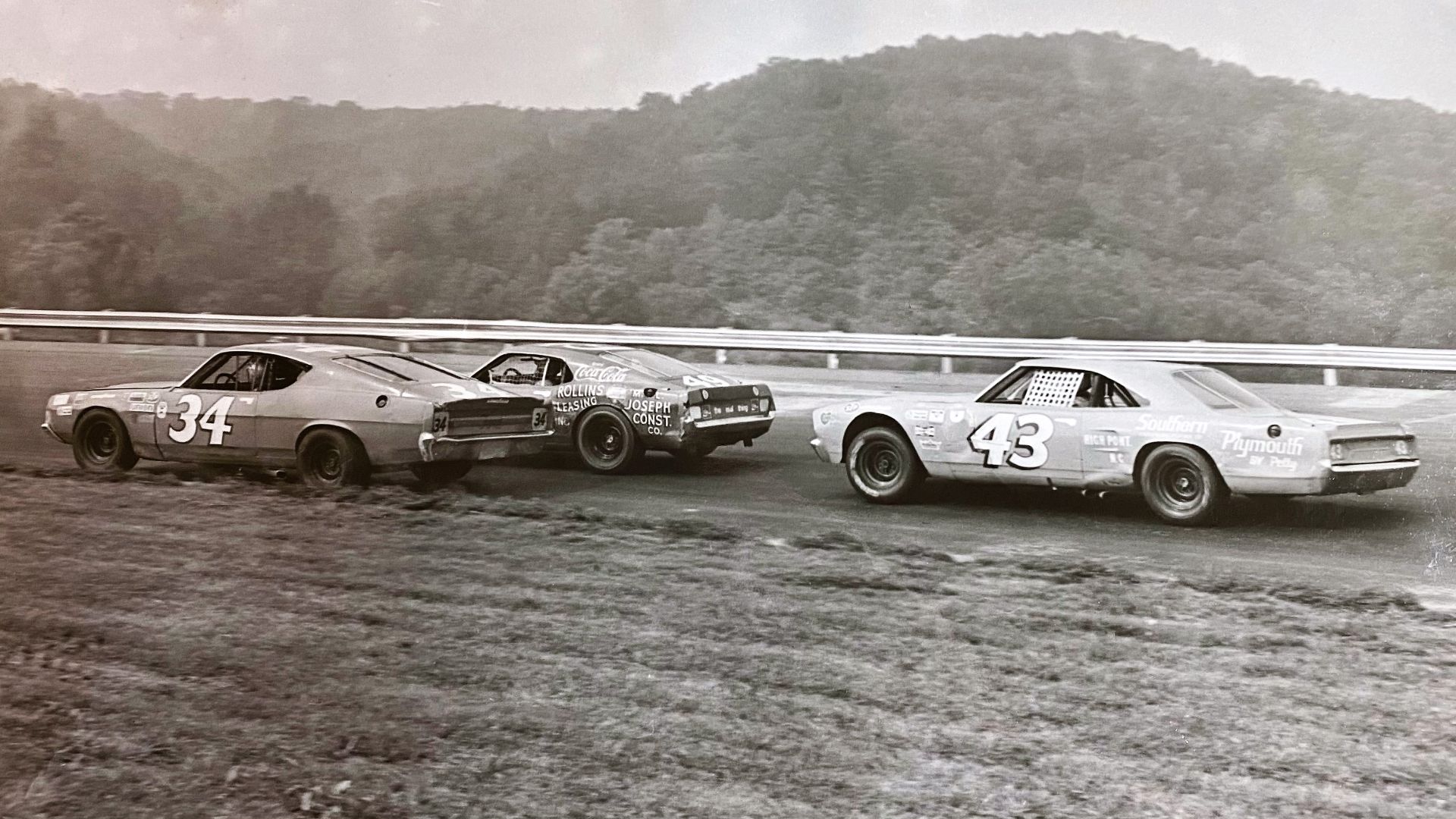
NASCAR did not pass a rule saying, “Aerodynamics are illegal forever.” That would have been impossible, because every moving car deals with air. Instead, NASCAR changed the rules for 1971 in a way that made the winged cars uncompetitive, especially by limiting engine size for those bodies.
The Big Engines Lost Their Edge
The clever part was that NASCAR did not have to outlaw the Daytona or Superbird by name. It simply made them run with smaller engines compared with more conventional cars. That took away the speed advantage that made the aero warriors so frightening in the first place.
The Wings Disappeared Quickly
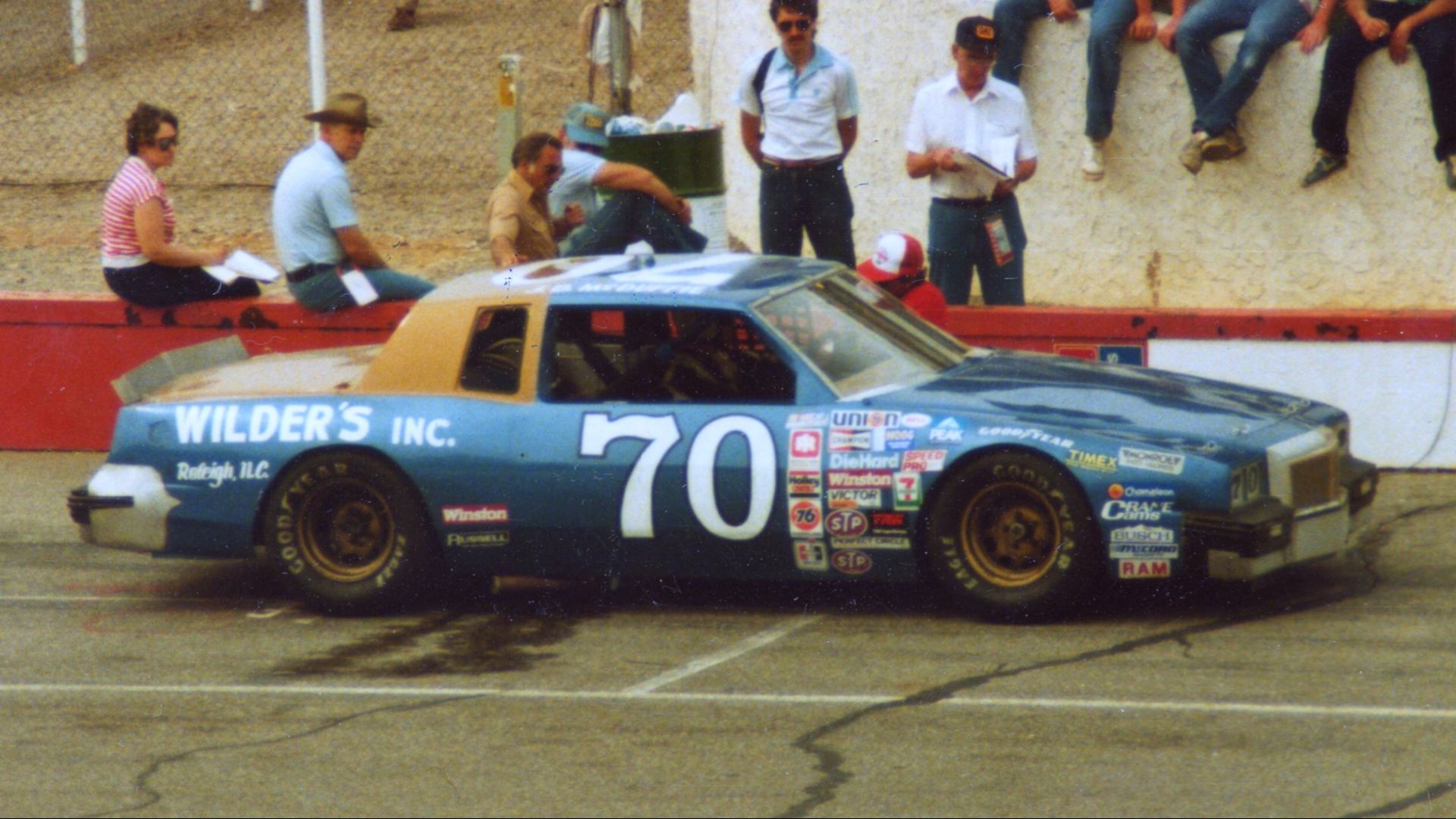
Just like that, the giant wings and pointed noses faded from NASCAR’s front line. Teams went back to cars that looked more traditional. The rulebook had done what a direct ban might not have done as neatly: it ended the aero revolution without pretending air no longer mattered.
 Mike Traverse, Wikimedia Commons
It Was Not The End Of Aero
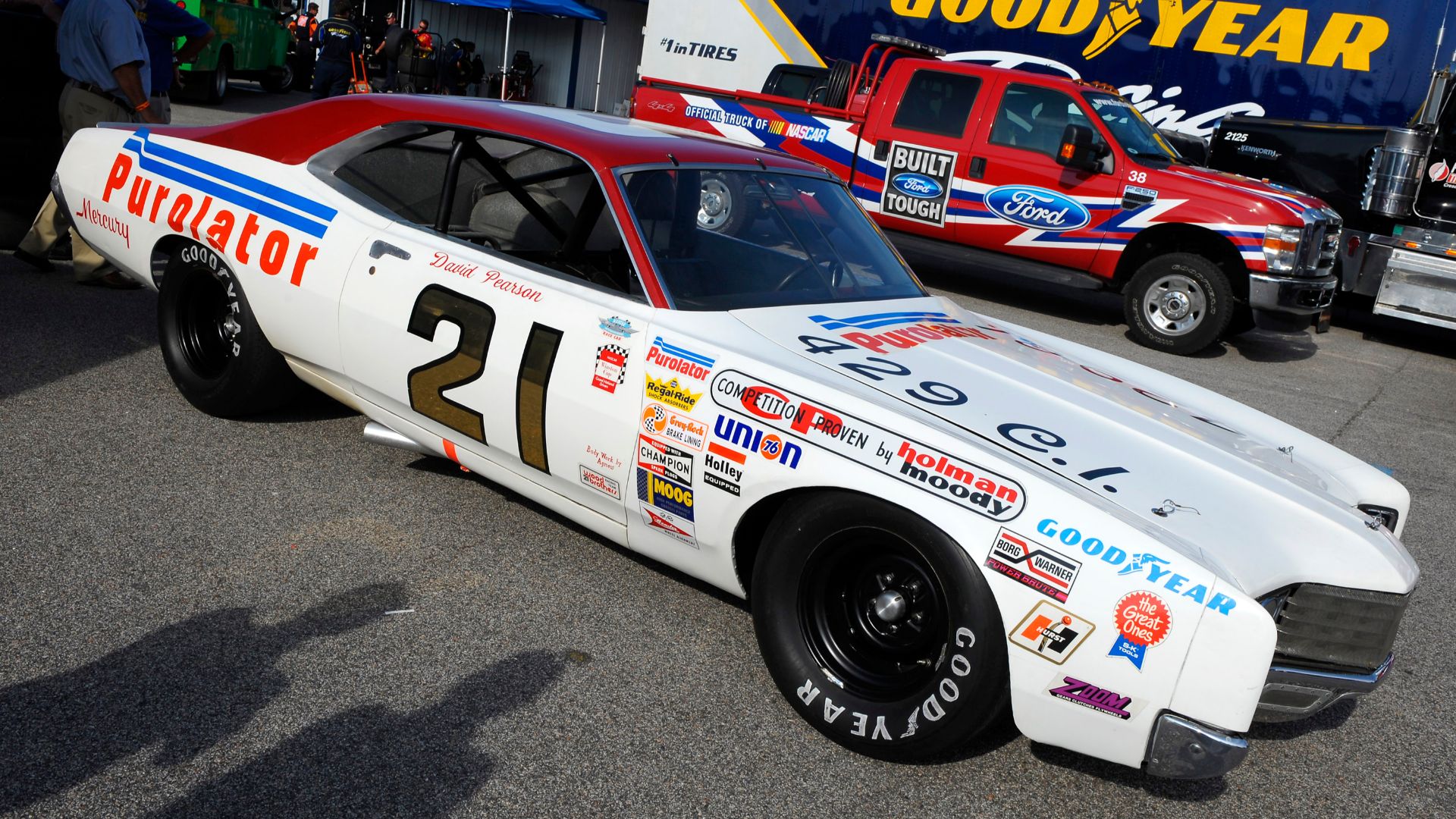
Here is the funny part: NASCAR never truly escaped aerodynamics. It only paused the most obvious version of it. Teams kept studying body shape, spoilers, windows, grilles, and ride height. The difference was that the tricks became subtler, hidden in templates, tolerances, and garage whispers.
 Ford Racing, Wikimedia Commons
The Garage Never Stopped Scheming
Racers are racers. Tell them not to build a giant wing, and they will polish a windshield angle. Ban one body shape, and they will massage another. NASCAR’s history is full of people reading the rulebook like a treasure map, and aero became one of the biggest buried treasures.
The Aero Wars Became Legend
The Daytona and Superbird did not race at the top for long, but that only made them more mythical. They were too strange, too successful, and too short-lived to be forgotten. Today, collectors treat them like rolling folklore, and fans still argue about what might have happened.
 Michael Barera, Wikimedia Commons
NASCAR Chose The Show
In the end, NASCAR’s move was about protecting the show. The sanctioning body wanted close racing, recognizable cars, and rules that did not let one manufacturer disappear into the distance. The winged cars were brilliant, but they threatened to turn competition into an engineering spending contest.
 Kalvin Chan, Wikimedia Commons
The Irony Is Delicious
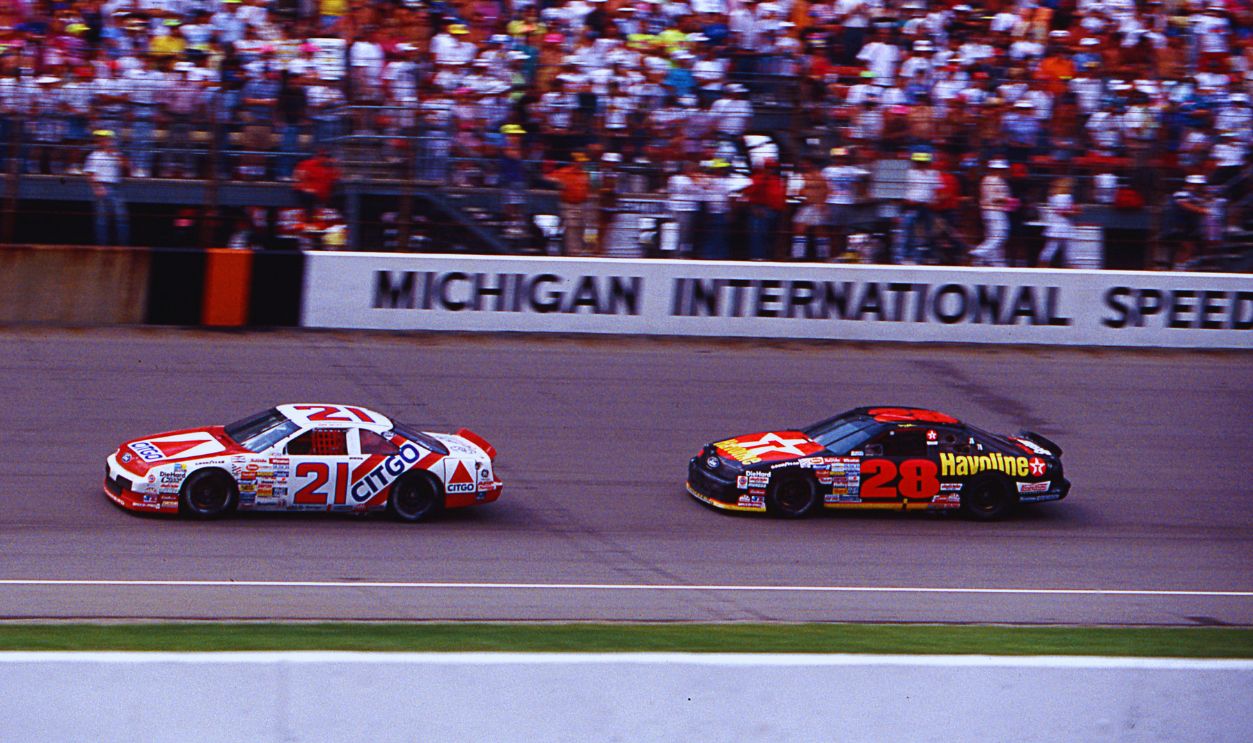
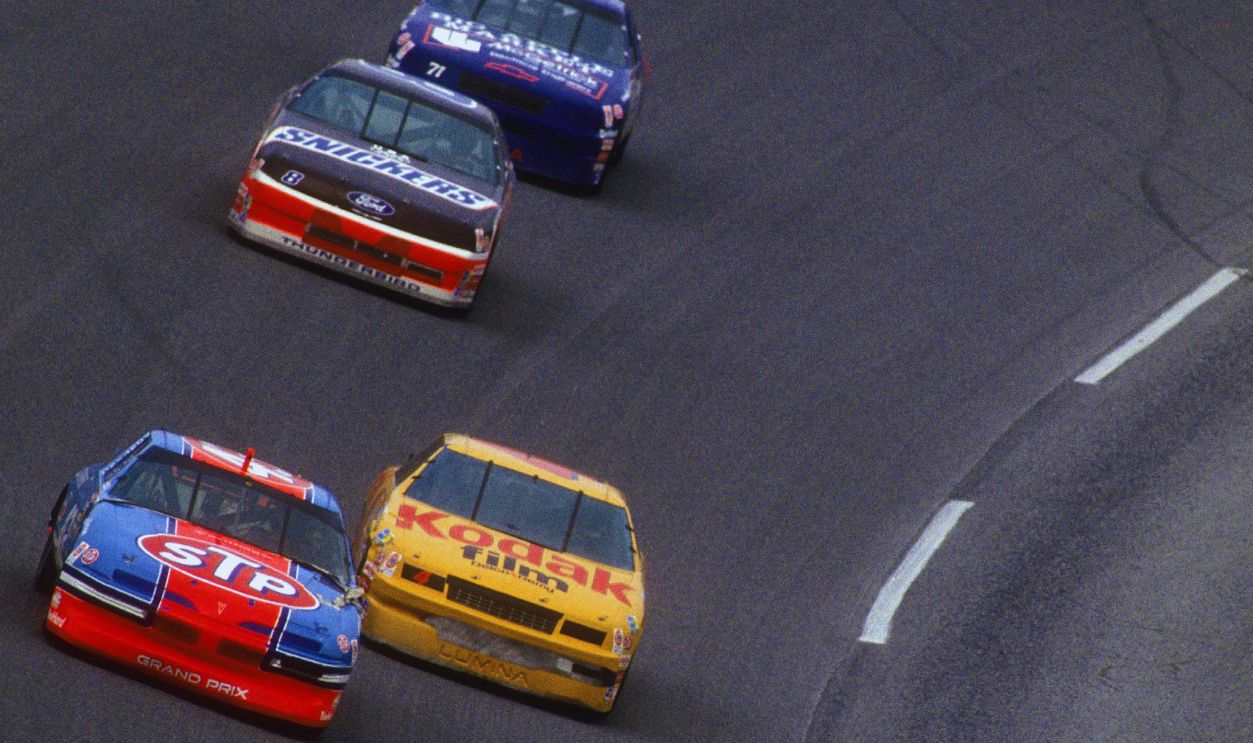
Decades later, aerodynamics became one of the most important parts of NASCAR. Teams obsess over dirty air, drafting, side force, spoilers, splitters, and body templates. The sport once tried to put the aero genie back in the bottle, only to spend the future negotiating with it.
Why It Still Matters
This story matters because it shows NASCAR’s constant balancing act. Innovation makes racing exciting, but too much of it can break the formula. The aero ban-that-was-not-quite-a-ban proved that NASCAR will allow creativity until it threatens the product, the costs, or the identity of the sport.
The Cars Were Too Good
The winged Mopars were not failures. They were punished because they succeeded. They solved a problem so well that they created a bigger one for NASCAR. That is what makes them fascinating: they were both masterpieces and headaches, heroes and rulebook victims, all at the same time.
The Day NASCAR Grounded The Birds
NASCAR’s attempt to ban aerodynamics was really an attempt to stop the sport from flying too far from its roots. The Daytona and Superbird proved air could win races. NASCAR proved the rulebook could clip wings. And racing history got one of its greatest, weirdest chapters.
 Doug Fawley, Wikimedia Commons
You May Also Like: