The 300-HP First-Car Debate Gets Real Fast
If your gearhead son says 300 horsepower is no big deal because “everyone learns eventually,” you aren't being too strict or cautious. That kind of power is used to belong to serious performance cars, even if it shows up in family sedans, hot hatchbacks, and entry-level luxury models. The real question whether a brand-new driver should start out with that much performance under their right foot.
Why This Feels Bigger Than A Number
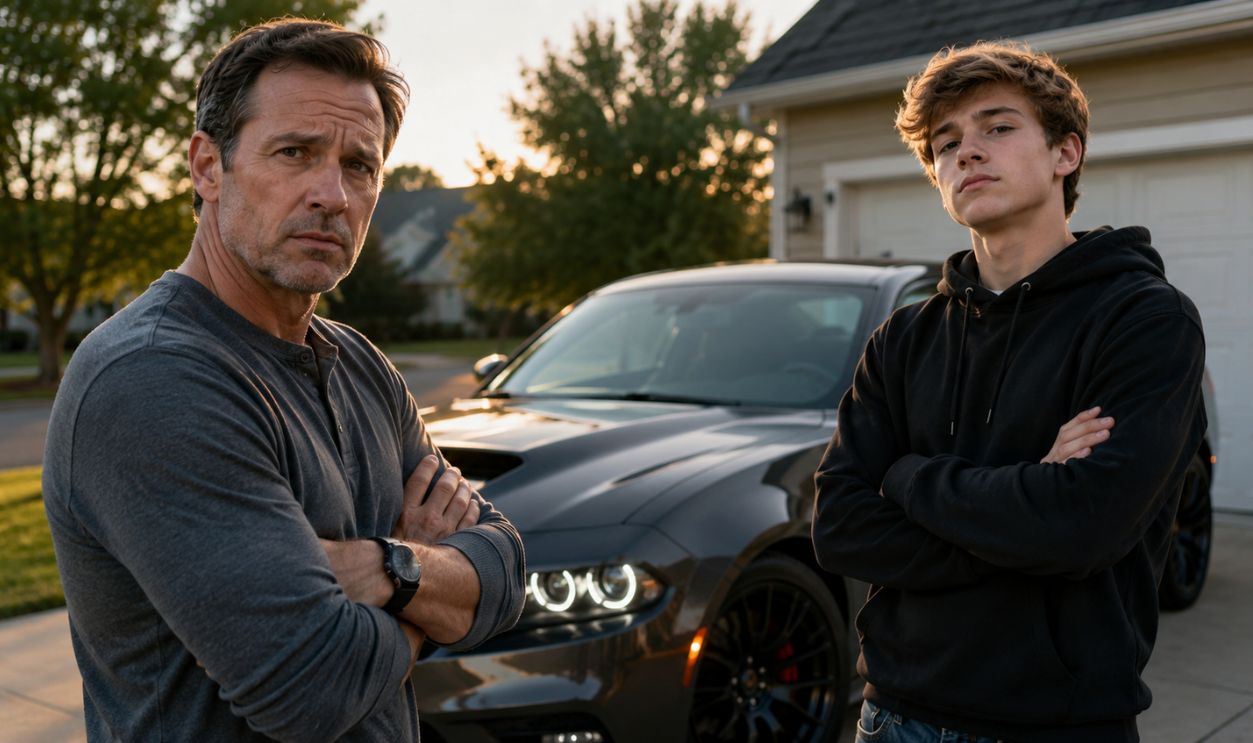
For most parents, this is not just about horsepower. It is about judgment, risk, and the fact that new drivers make mistakes while they are still learning basic habits. In a forgiving car, a bad call might end in a scare. In a quick car, the same mistake can get a lot more serious.
What 300 Horsepower Means In The Real World
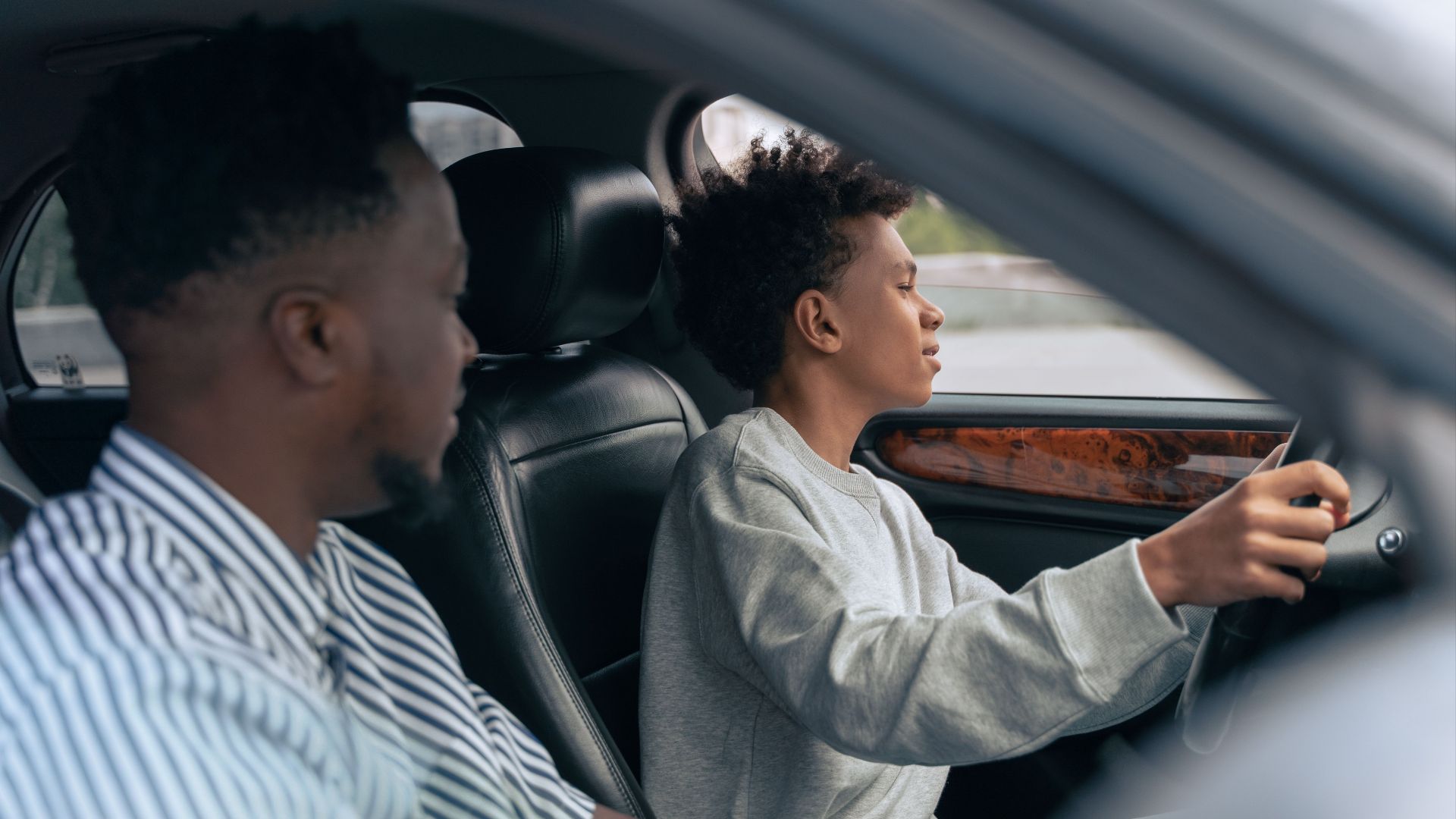
Three hundred horsepower is not supercar territory anymore, but it is still a lot for a beginner. Many cars in that range can hit 60 mph in about six seconds or less. That is fast enough to catch out a driver who is still learning how to read traffic, judge space, stay calm, and react under pressure.

New Drivers Face The Highest Risk Early On
The Insurance Institute for Highway Safety says crash rates per mile are especially high for 16- and 17-year-old drivers. The risk is highest in the first months after getting a license, which is often when confidence rises faster than skill. That gap is exactly why many parents set limits early.
The CDC Has Been Clear About Teen Driver Risk
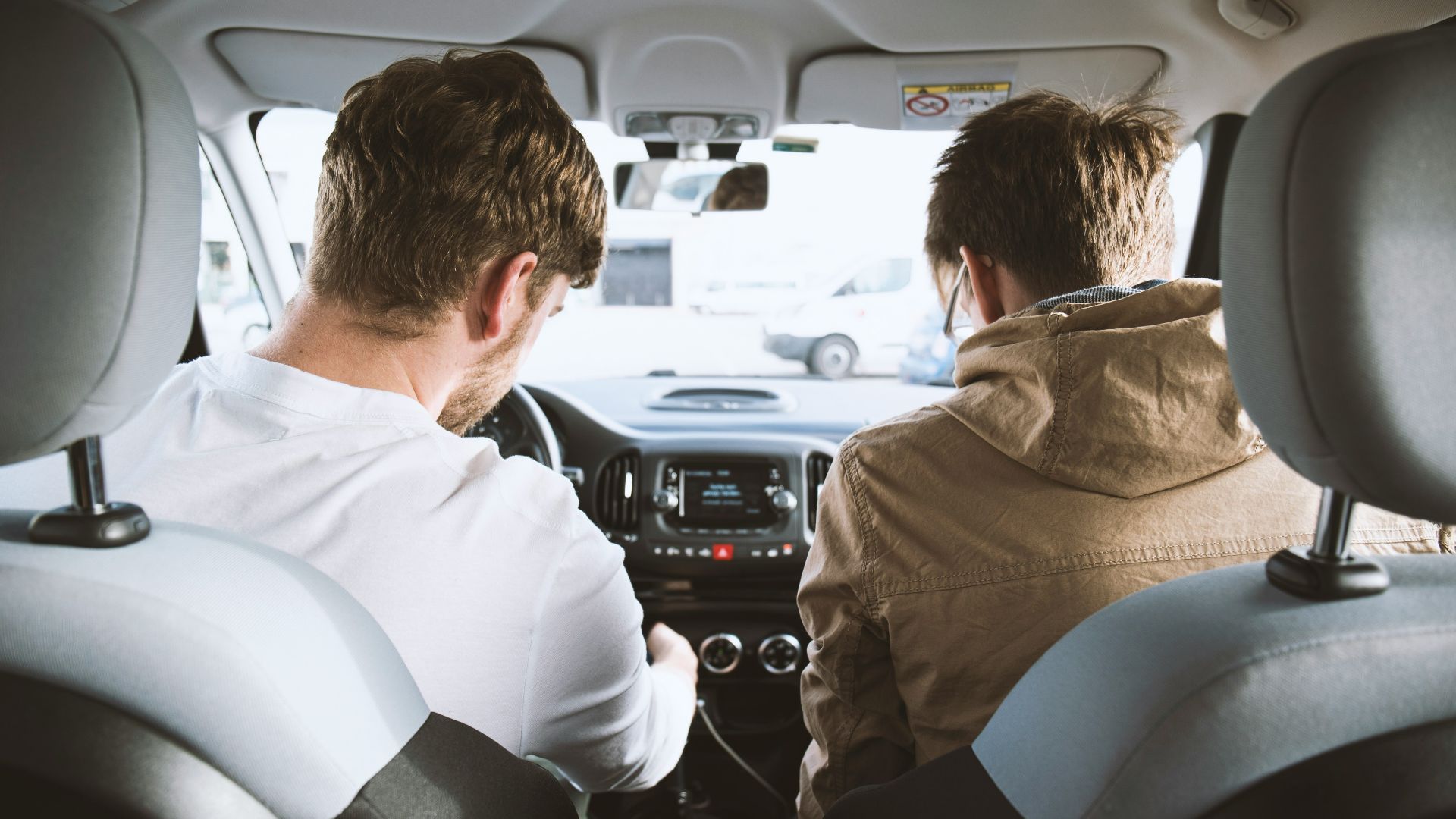
The Centers for Disease Control and Prevention says teen drivers are more likely than older drivers to make serious mistakes that lead to crashes. Speeding, low seat belt use, nighttime driving, and carrying teen passengers all raise the risk. A powerful car does not create those problems, but it can make every one of them worse.

More Speed Means Less Room For Error
The National Highway Traffic Safety Administration has long tracked speeding as a major factor in fatal crashes. Higher speeds cut reaction time, increase stopping distance, and make crashes more severe. A 300-hp car does not force a driver to speed, but it makes getting there very easy.

Teens Are Still Building Judgment
The American Academy of Pediatrics points to ongoing brain development as one reason teens can be more prone to impulsive choices and risk-taking. That does not mean every teen is reckless. It does mean parents are being reasonable when they put limits in place while experience catches up.
Horsepower Is Not The Whole Story
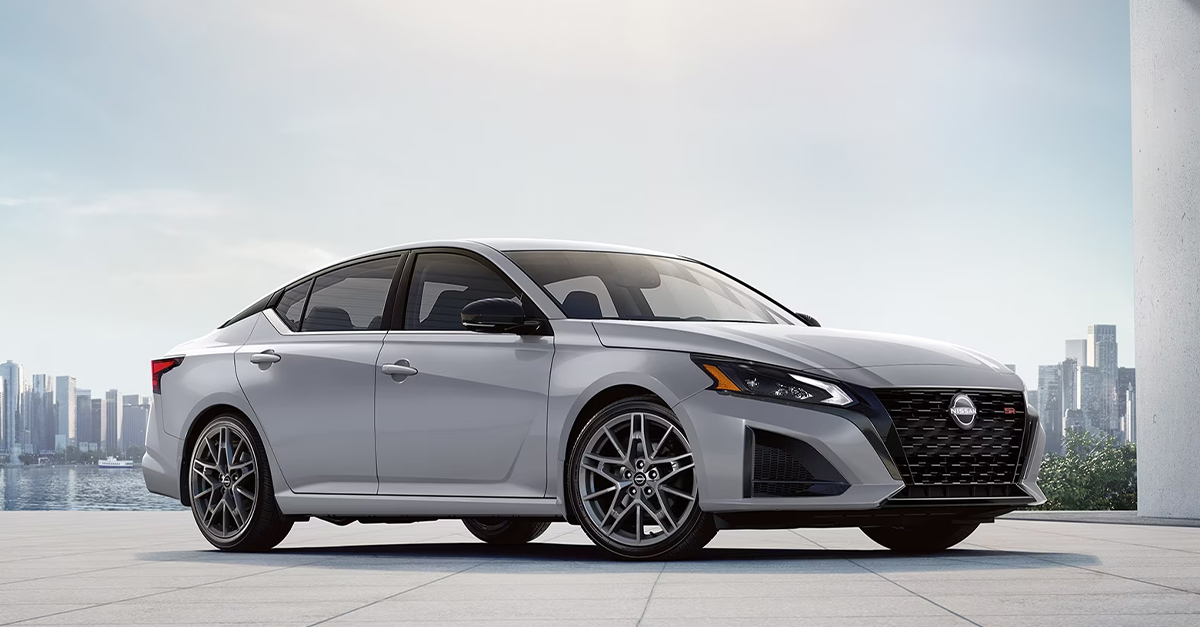
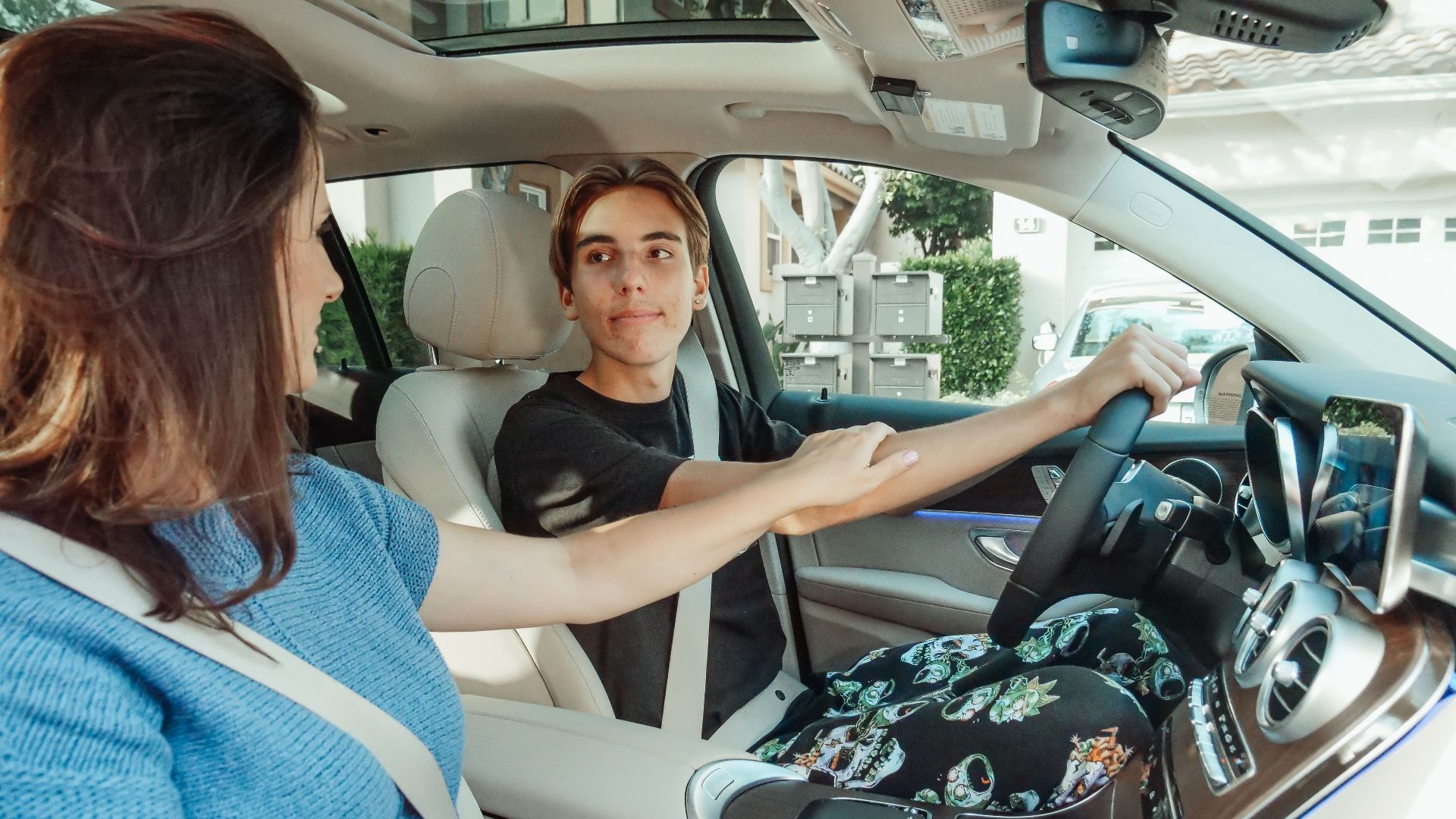
Two cars can both make 300 horsepower and feel completely different. Weight, tires, throttle tuning, transmission behavior, and whether the car is front-, rear-, or all-wheel drive all change how a car responds. Even so, the core issue stays the same. A quicker, stronger car gives a new driver less margin for error.
 Hryshchyshen Serhii, Shutterstock
Modern Cars Can Make Speed Feel Normal
One tricky thing about newer cars is how calm they feel at speeds that are not calm at all. Smooth transmissions, quiet cabins, and solid chassis tuning can make 80 mph feel like 55. That is great for comfort, but not so great for a teenager who is still learning how to monitor speed without relying on feel alone.

Insurance Companies Usually See The Risk First
Insurance prices often tell the story in plain terms. Young drivers already cost more to insure because they have a higher crash risk, and a more powerful car can send that price even higher. If the insurance bill jumps before the car even leaves the driveway, that is a practical sign that caution makes sense.

The Best First Car Is Not Just The Slowest One
This does not mean a first car should be a stripped-down penalty box with weak crash protection and no safety tech. The better target is a well-rated car with solid crash performance, electronic stability control, good visibility, and manageable power instead of strong acceleration.
IIHS Gives Straightforward Advice
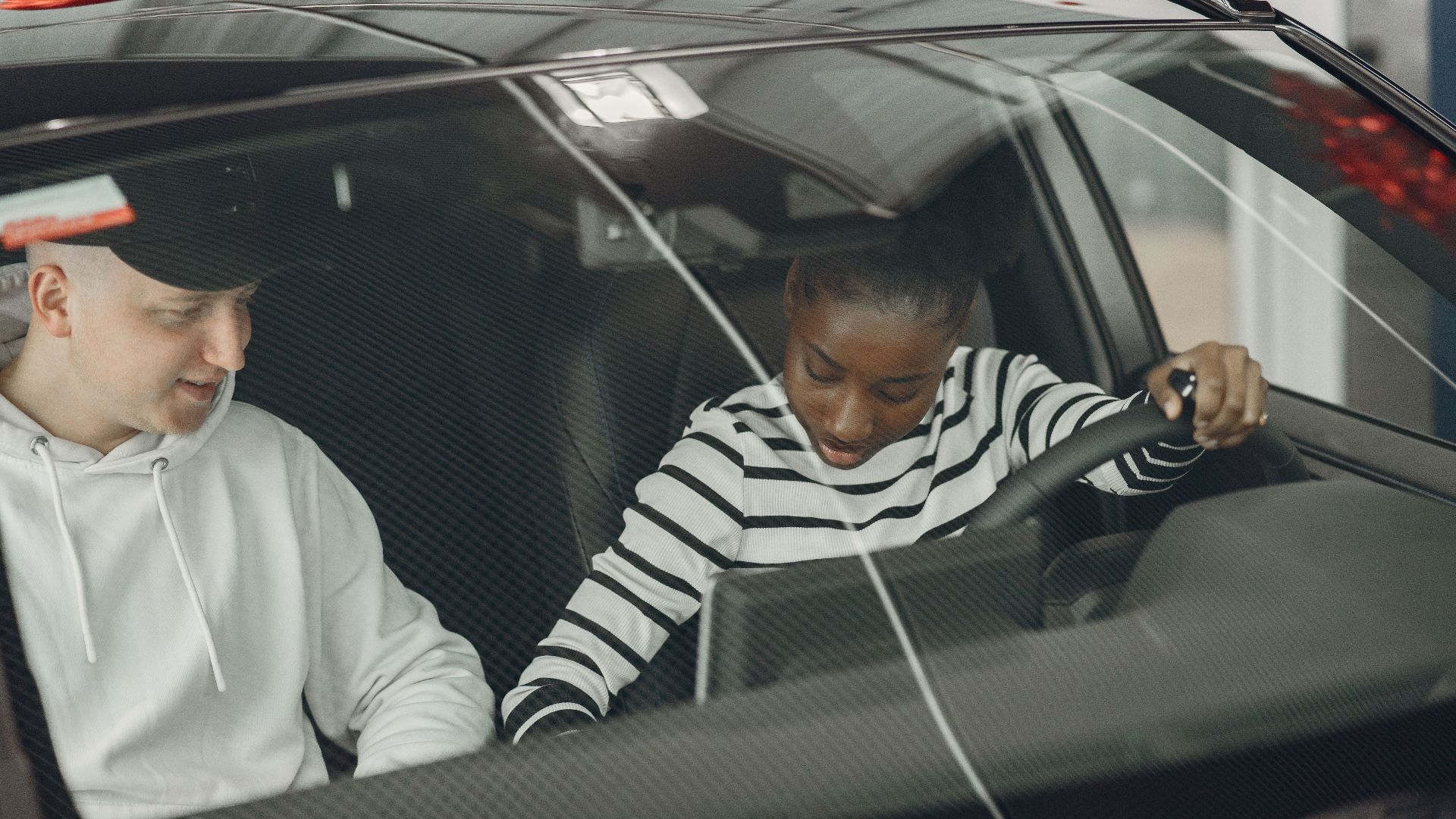
The IIHS publishes lists of recommended new and used vehicles for teens, and its advice is simple. Avoid high horsepower and focus on safety, size, and price. That is not a moral judgment. It is a practical way to lower the odds of something going very wrong.

Electronic Stability Control Changed The Game
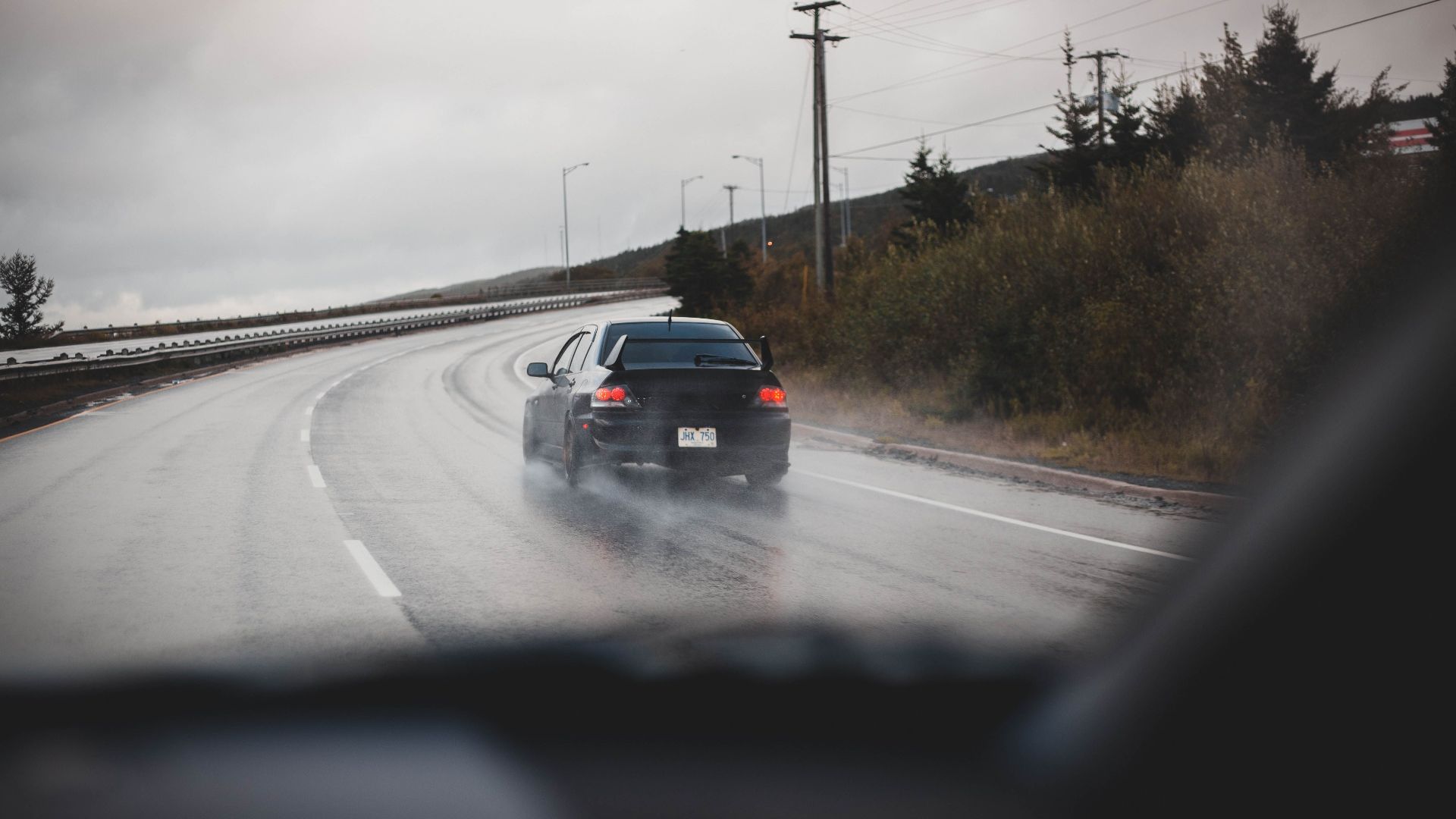
One of the biggest safety breakthroughs for everyday drivers was electronic stability control, which helps a driver stay in control during skids and emergency maneuvers. NHTSA says it is highly effective at reducing certain crash types, and it became mandatory on new passenger vehicles in the United States for the 2012 model year. For a teen driver, that feature matters a lot more than a big horsepower figure.
Safety Tech Helps, But Physics Still Wins
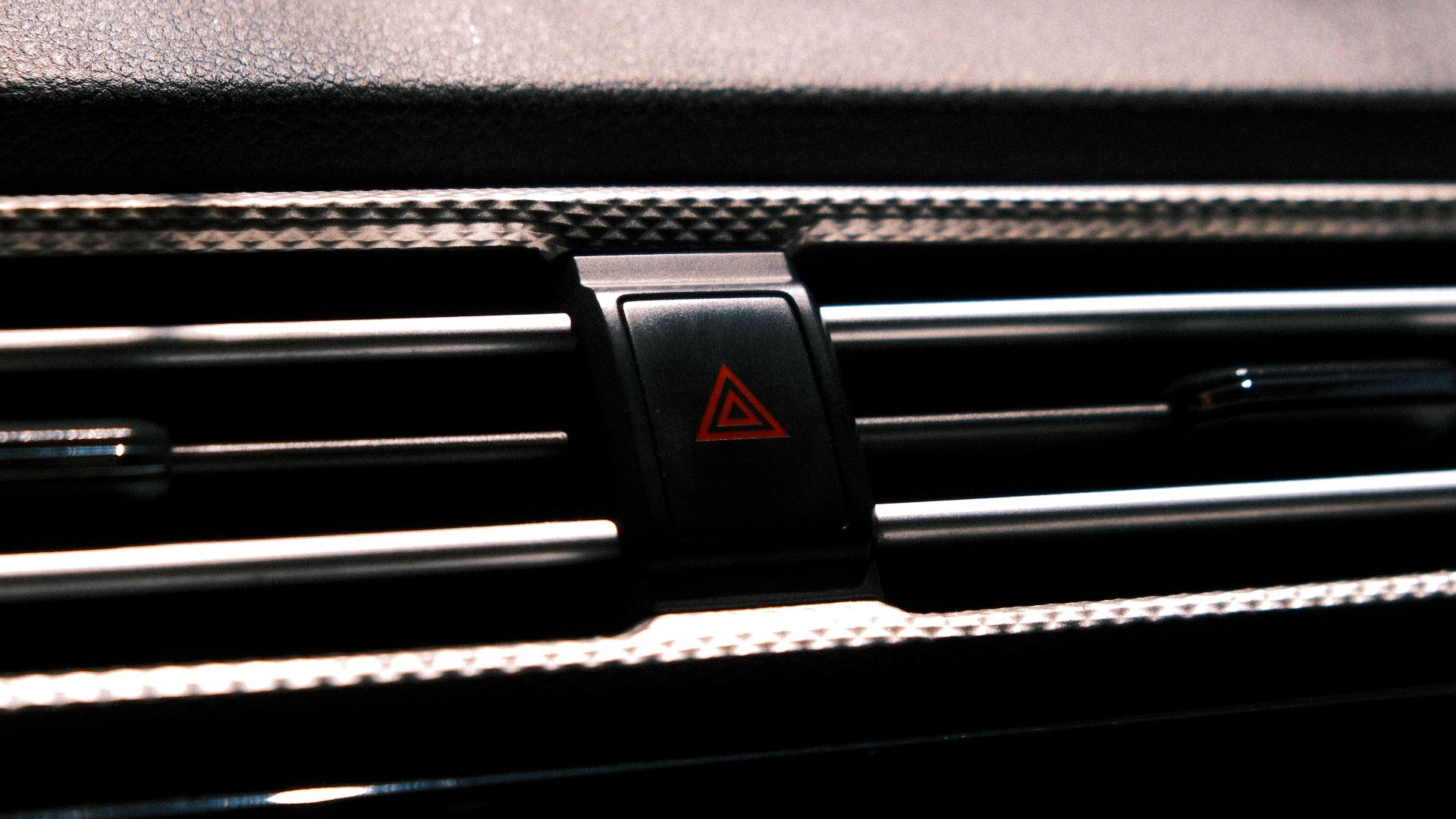
Automatic emergency braking, lane departure warning, and blind spot monitoring can all help reduce mistakes. They add useful layers of protection. But none of that changes the fact that a hard-accelerating car can hit dangerous speeds before a novice driver fully understands what is happening.
 John Joshua Mejia Jose, Pexels
“Everyone Learns Eventually” Misses The Point
Yes, most drivers do learn eventually. The problem is the learning phase, when inexperience and overconfidence can overlap. Parents are not supposed to plan for some future version of a teen driver. They have to manage the risk that exists right now.

There Is A Difference Between Ability And Need
Your son may be capable of driving a 300-hp car around town without immediate trouble. That still does not mean he needs one as a first car. A first vehicle is transportation, but it is also part of the learning process. For most families, something predictable, safe, and cheaper to insure makes more sense.
Fast Cars Expect More From The Driver
Performance cars often assume the driver knows how to manage throttle, read grip, and stay composed when traction starts to go away. Those are learned skills, not built-in instincts. A car that rewards smooth, careful driving is one thing. A car that punishes mistakes quickly is another.

Friends In The Car Can Make Things Worse
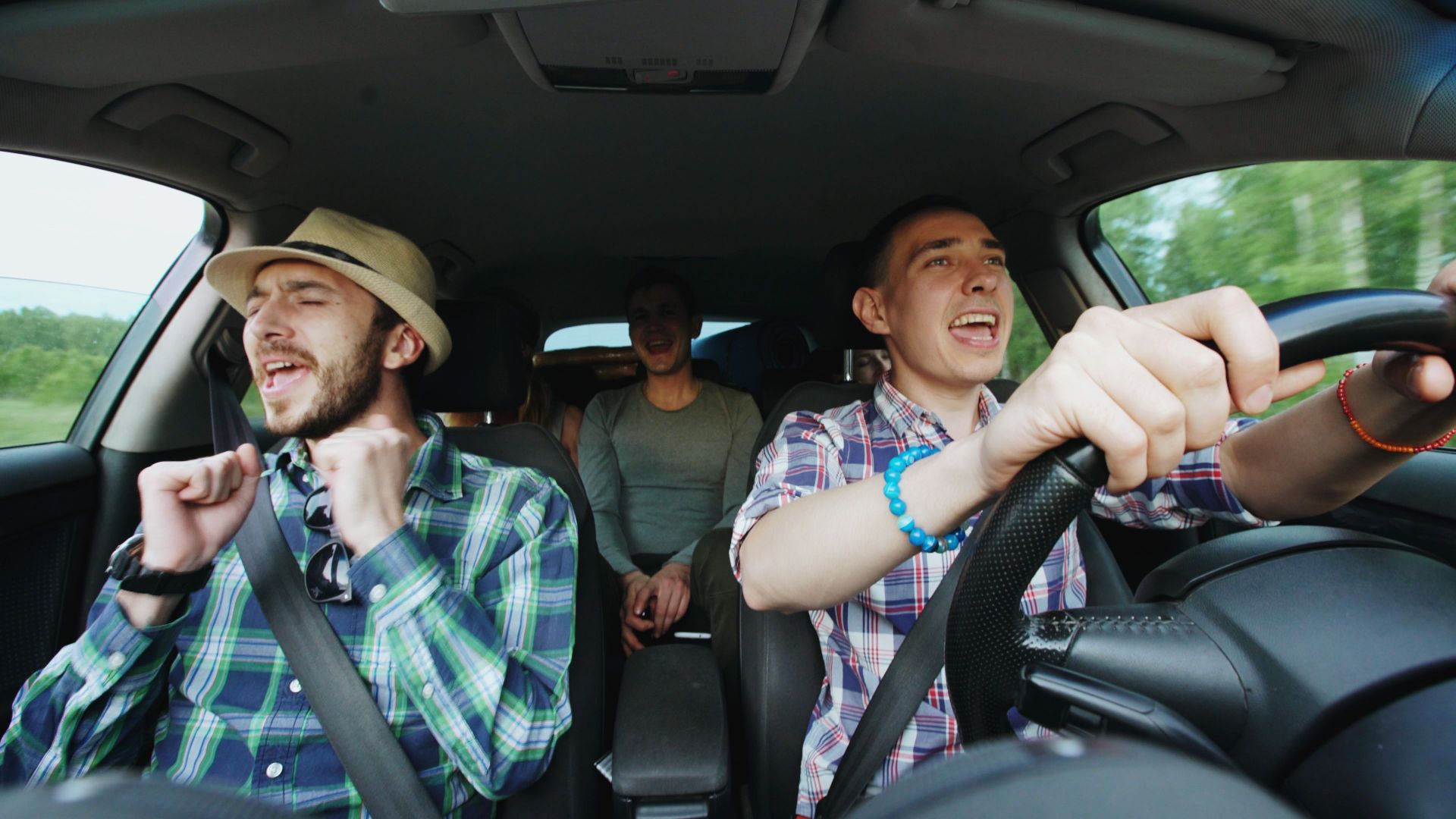
Teen passengers are a well-known risk factor for teen drivers, according to both the CDC and IIHS. Add a quick car to a situation where a young driver wants to impress friends, and the risk goes up again. Even a responsible teen can make one dumb choice in the wrong moment.
Graduated Licensing Exists For A Reason
States created graduated driver licensing systems because research showed that phased driving privileges reduce crashes among new drivers. Rules about nighttime driving and passengers are not random. They reflect the fact that young drivers do better when they gain experience step by step, in lower-risk situations first.
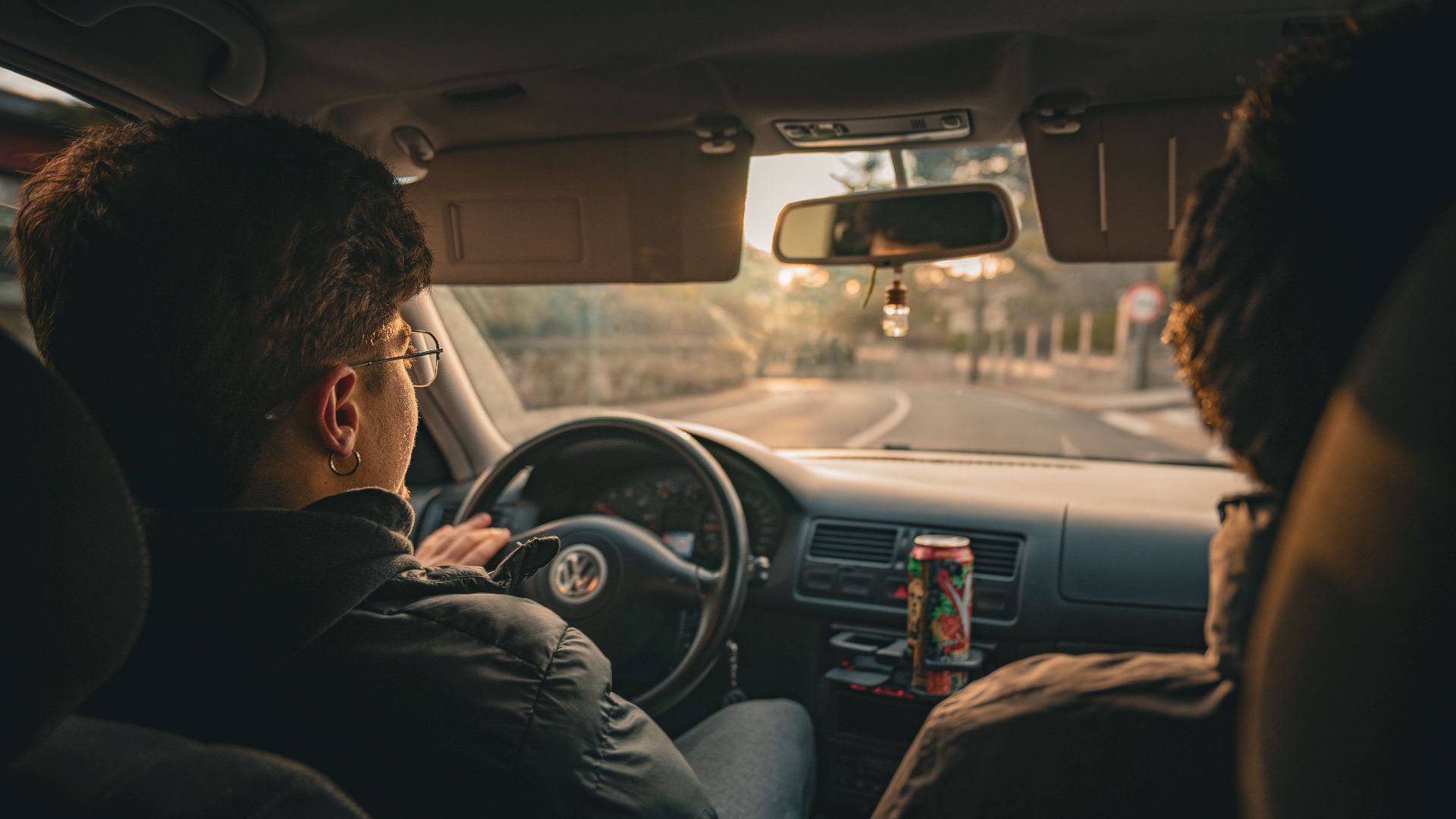
A Compromise Can Still Have Limits
This does not have to be framed as safety versus fun. A reasonable middle ground is to set a cap on horsepower, acceleration, or insurance cost while making crash ratings and modern safety features the top priorities. Plenty of great first cars come in well under 300 horsepower and still feel stylish, comfortable, and fun to drive.

A Good First Car Does Not Have To Be Boring
A teen who likes cars does not need a dull appliance to build good habits. A Mazda3, Honda Civic, Subaru Impreza, Toyota Corolla, or a similar used model can still be enjoyable without being overpowered. The goal is not to kill the enthusiasm. It is to match that enthusiasm with a car that teaches instead of tempts.

Cheap Used Performance Cars Can Cost Plenty Later
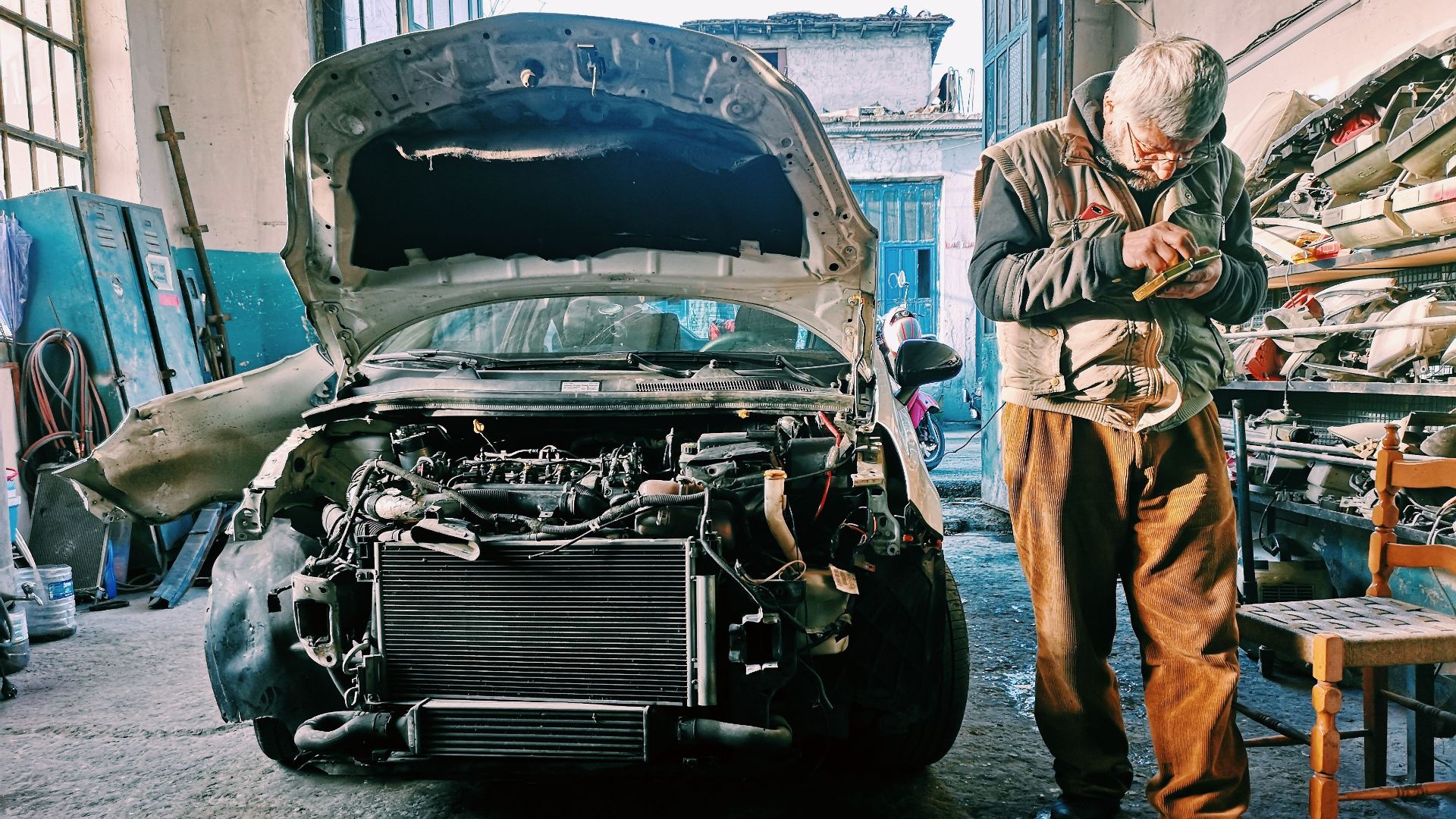
There is another catch here. A used 300-hp car can look like a bargain because the purchase price has dropped, but that does not mean it is cheap to own. Tires, brakes, fuel, insurance, and overdue maintenance on performance models can add up fast. That is a rough way to start for a first-time owner.
Ask Better Questions Than “Can He Handle It?”
A better set of questions is more practical. How much real experience does he have in traffic, at night, in rain, and on highways? How likely is he to drive with friends, check a phone, or get pulled into speeding? And if something goes wrong, how much risk is your family really willing to take on?

A Smart Plan Works Better Than A Flat No
If you want to hold the line without turning it into a standoff, make the answer conditional. Tie future performance upgrades to a clean driving record, more seat time, advanced driver training, and the ability to help pay for insurance and maintenance. That changes the conversation from “you do not trust me” to “show that you are ready.”

Driver Training Is A Better Buy Than More Power
If your son genuinely loves driving, money spent on a solid defensive driving course or car-control clinic will go further than extra horsepower ever could. Learning threshold braking, vision habits, skid recovery, and smooth inputs in a controlled setting teaches skills a fast car does not. It also builds a healthier respect for both the car and the limits of the person behind the wheel.
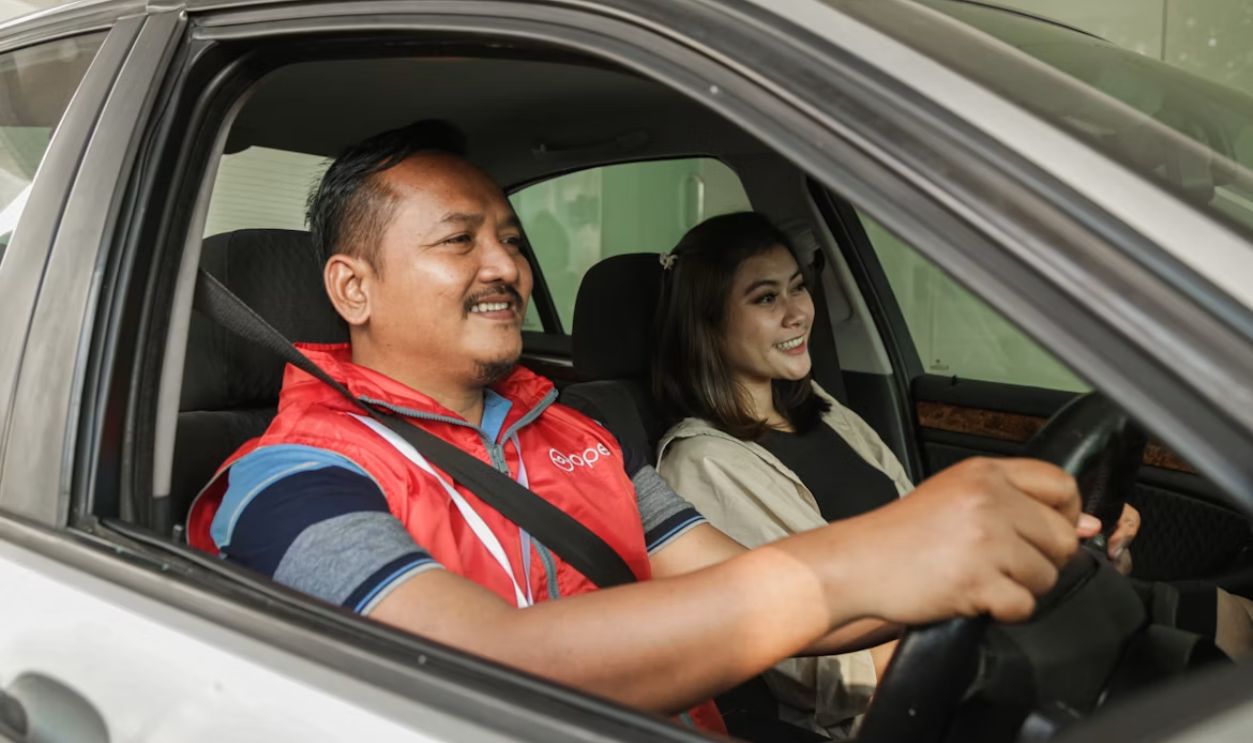
So, Are You Being Too Strict?
Based on what safety groups and crash data say about novice drivers, no. You are doing what a careful parent should do, which is separating desire from readiness. A 300-hp first car is not guaranteed to end badly, but it is hard to argue that it is the smart default.

The Best First Car Leaves Room To Grow
The best answer is usually the less flashy one. Pick a car that is safe, reliable, reasonably affordable to insure, and not eager to turn every green light into a test of self-control. He can learn eventually, just not at full throttle on day one.