The Plasma TV Comparison Sounds Smart At First
Someone comparing EVs to plasma TVs is actually making a pretty astute comparison. In 2005, plasma TVs looked like the future, but LCDs got better, cheaper, and easier to live with in a hurry. EVs are also improving fast. The real question is whether that makes a new EV a bad buy today or just a normal tech-heavy product that will age like any other car.

Cars And Gadgets Do Not Age The Same Way
A TV can be replaced in a weekend and has no effect on how you get to work on Monday. A car is different. It is a long-term purchase tied to safety rules, financing, insurance, and daily life. So even if EV tech keeps moving quickly, today's models still have to work as transportation first and tech products second.
The Modern EV Boom Has Been Building For Years
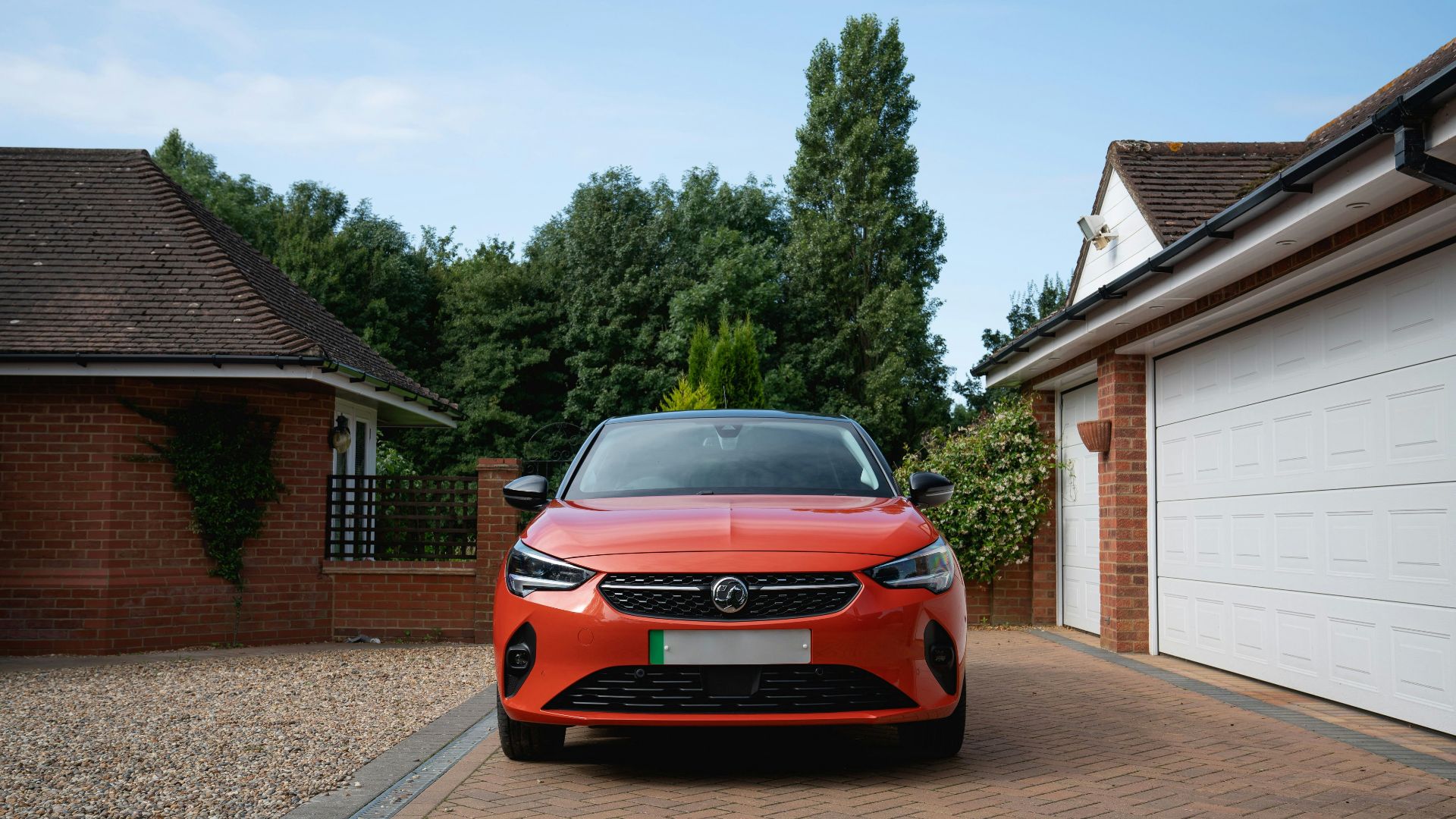
The current EV era did not start overnight. Tesla delivered the first Roadster in 2008, Nissan launched the Leaf in late 2010, and General Motors began delivering the Chevrolet Bolt EV in 2016. Those dates matter because they show the modern battery EV market is already more than a decade old, not some brand-new trial run.
Battery Prices Really Have Dropped Fast
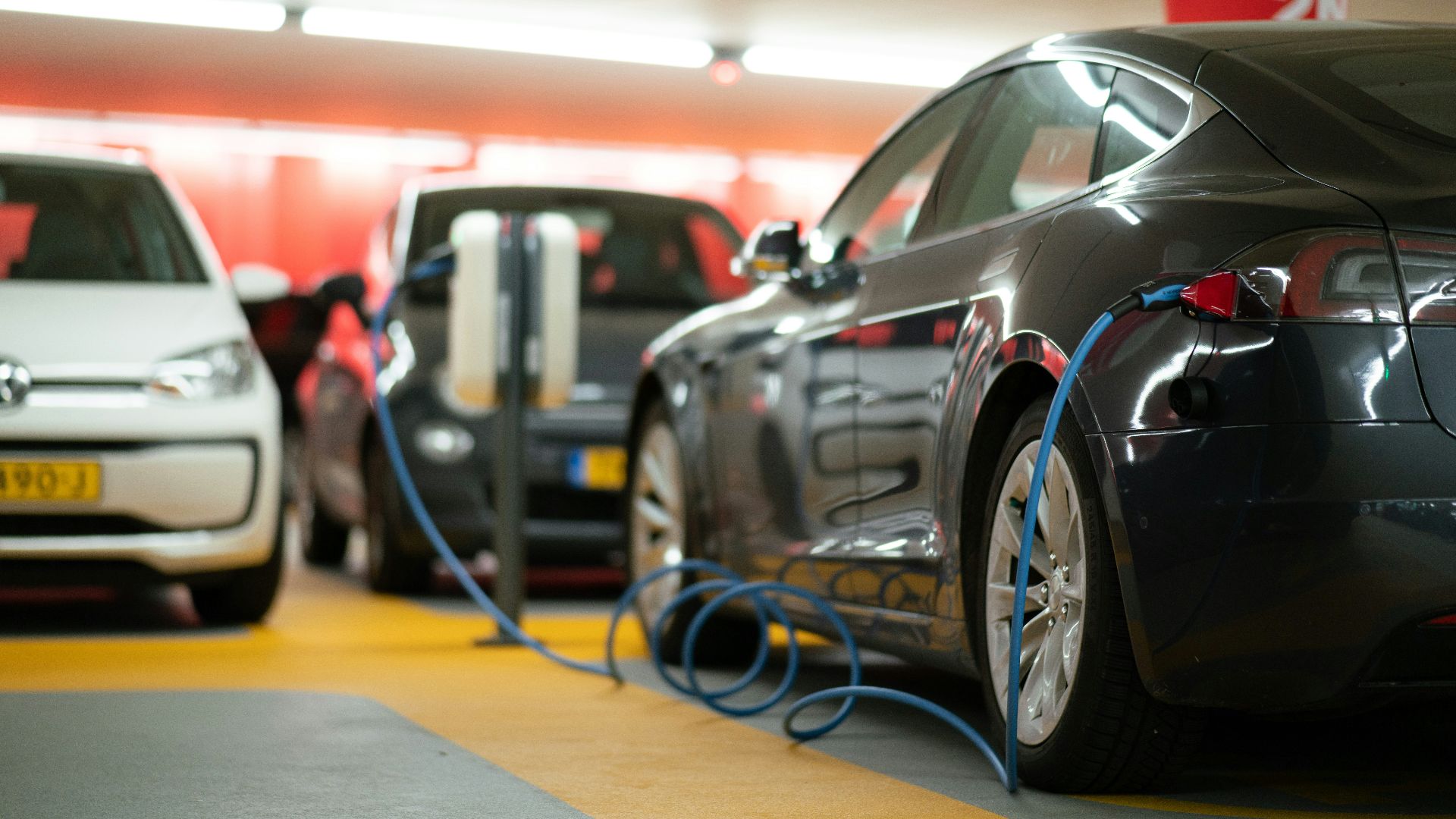
One reason EVs feel like such a fast-moving category is that battery costs have fallen hard. BloombergNEF reported that average lithium-ion battery pack prices dropped to $115 per kilowatt-hour in 2024, down sharply from more than $1,000 per kilowatt-hour in the early 2010s. That kind of drop affects pricing, range, and profits, so shoppers are seeing real progress, not just marketing talk.
Range Has Improved In A Big Way
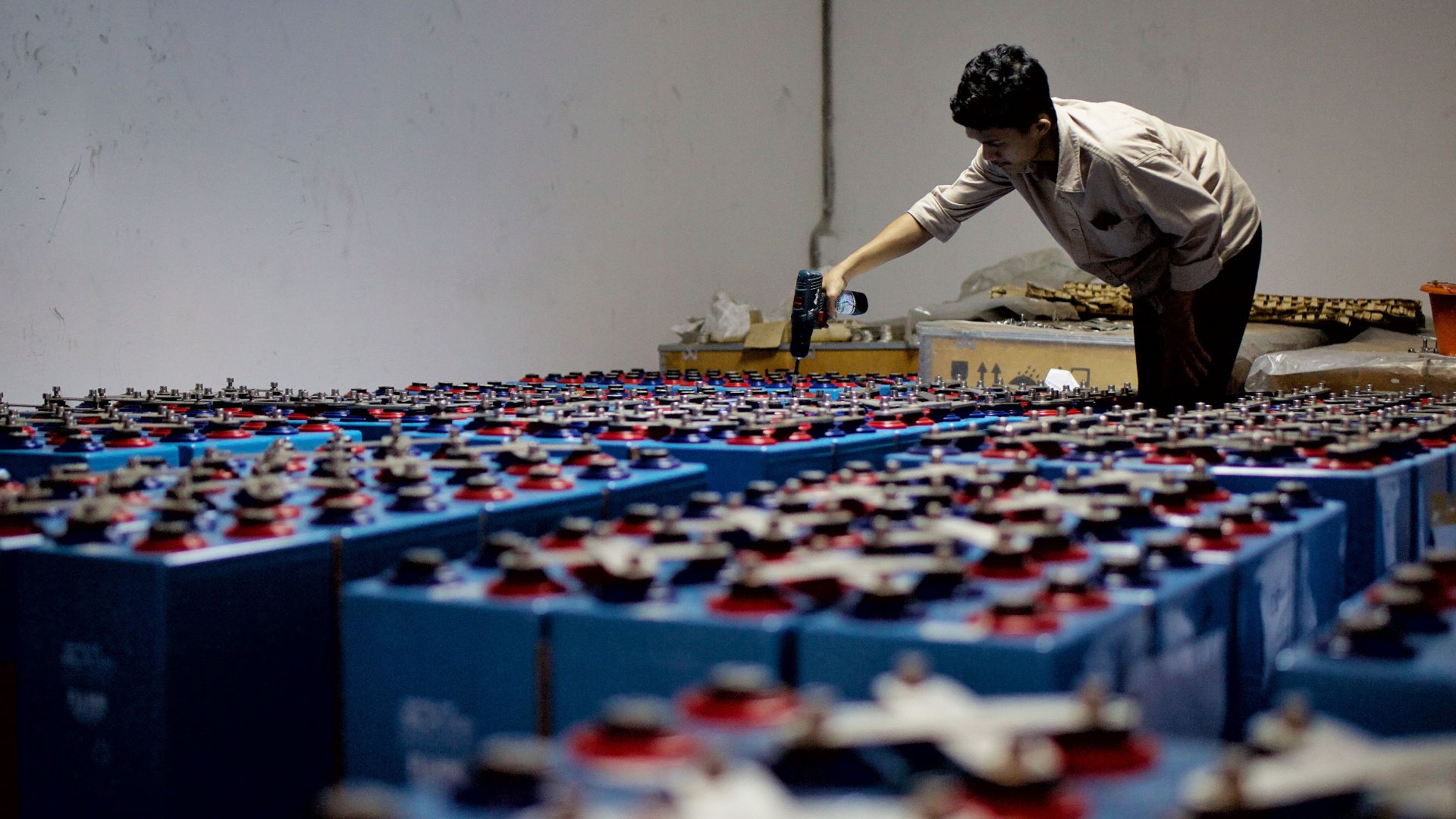
Early mainstream EVs came with serious tradeoffs. The 2011 Nissan Leaf was rated by the EPA at 73 miles of range, while many current EVs now clear 250 miles without much drama and some go much farther. That is not a tiny yearly upgrade. It is a major jump in everyday usefulness.
Charging Is Getting Better Too
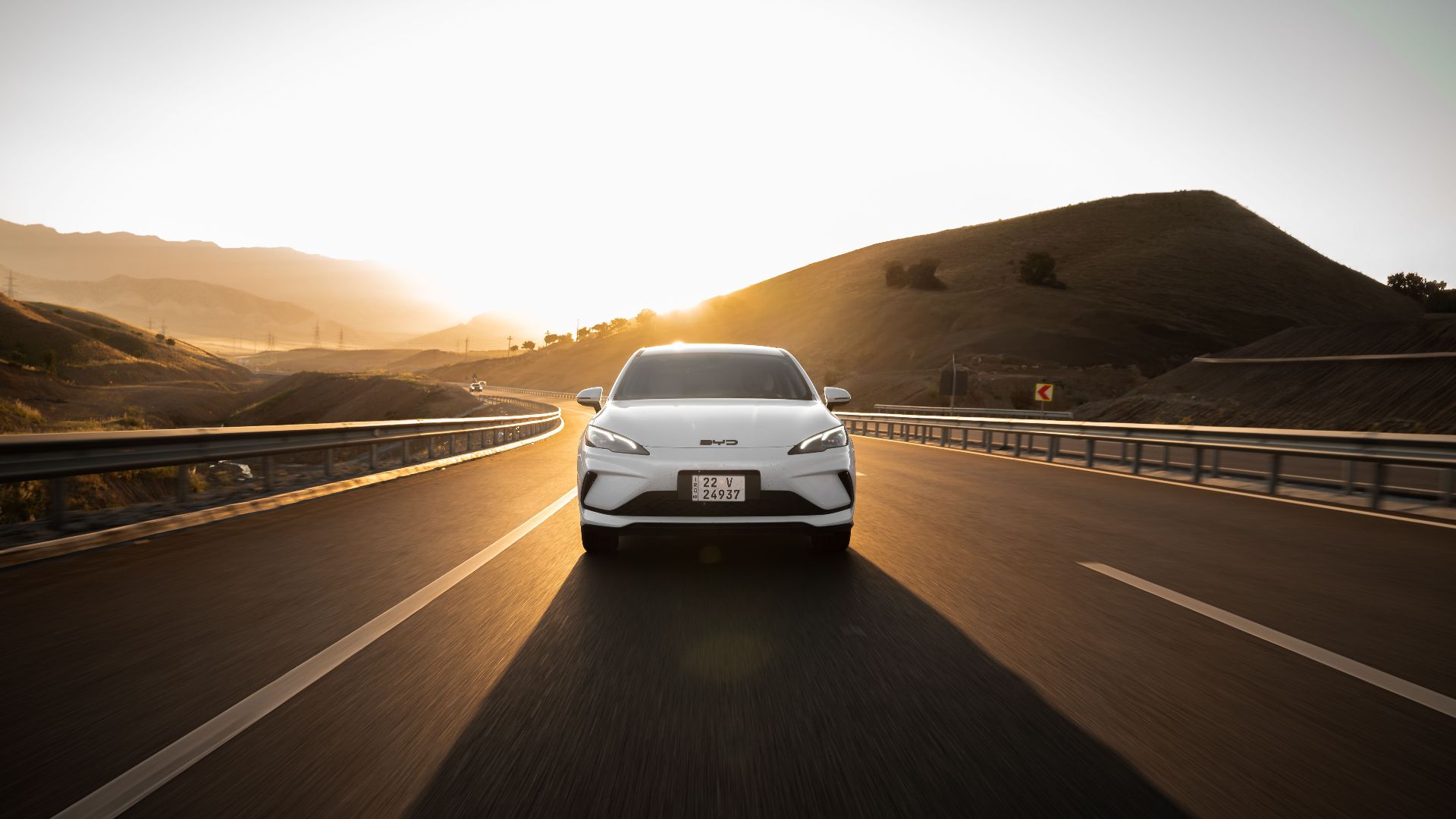
Range is only part of the story, because charging time can matter even more on road trips. Both the charging network and the vehicles themselves have improved, and many current EVs can add a lot of range in about 20 to 30 minutes on high-speed DC fast chargers. That is still slower than filling a gas tank, but it is far better than the early days of modern EV ownership.
Public Charging Used To Be Rough
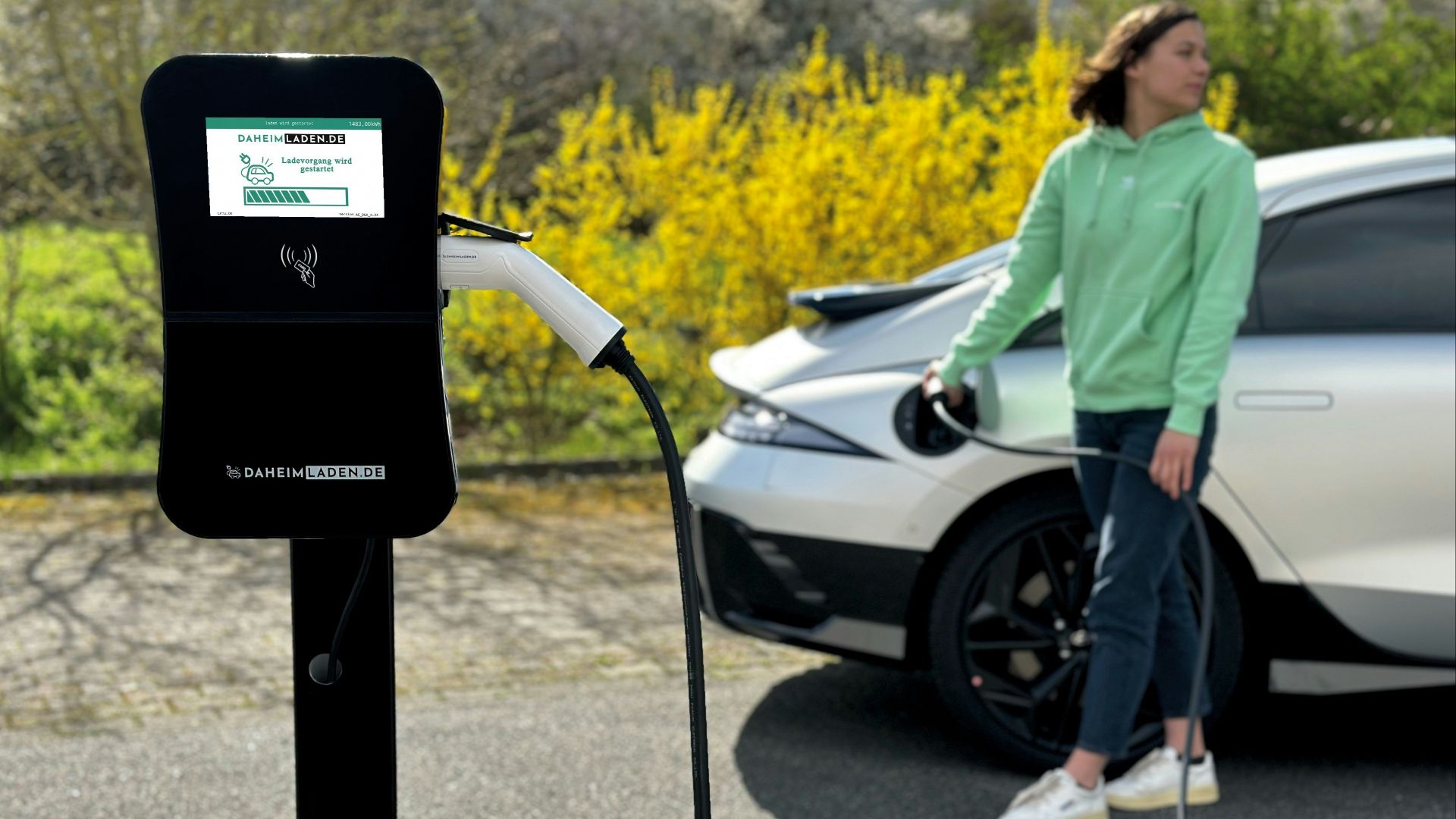
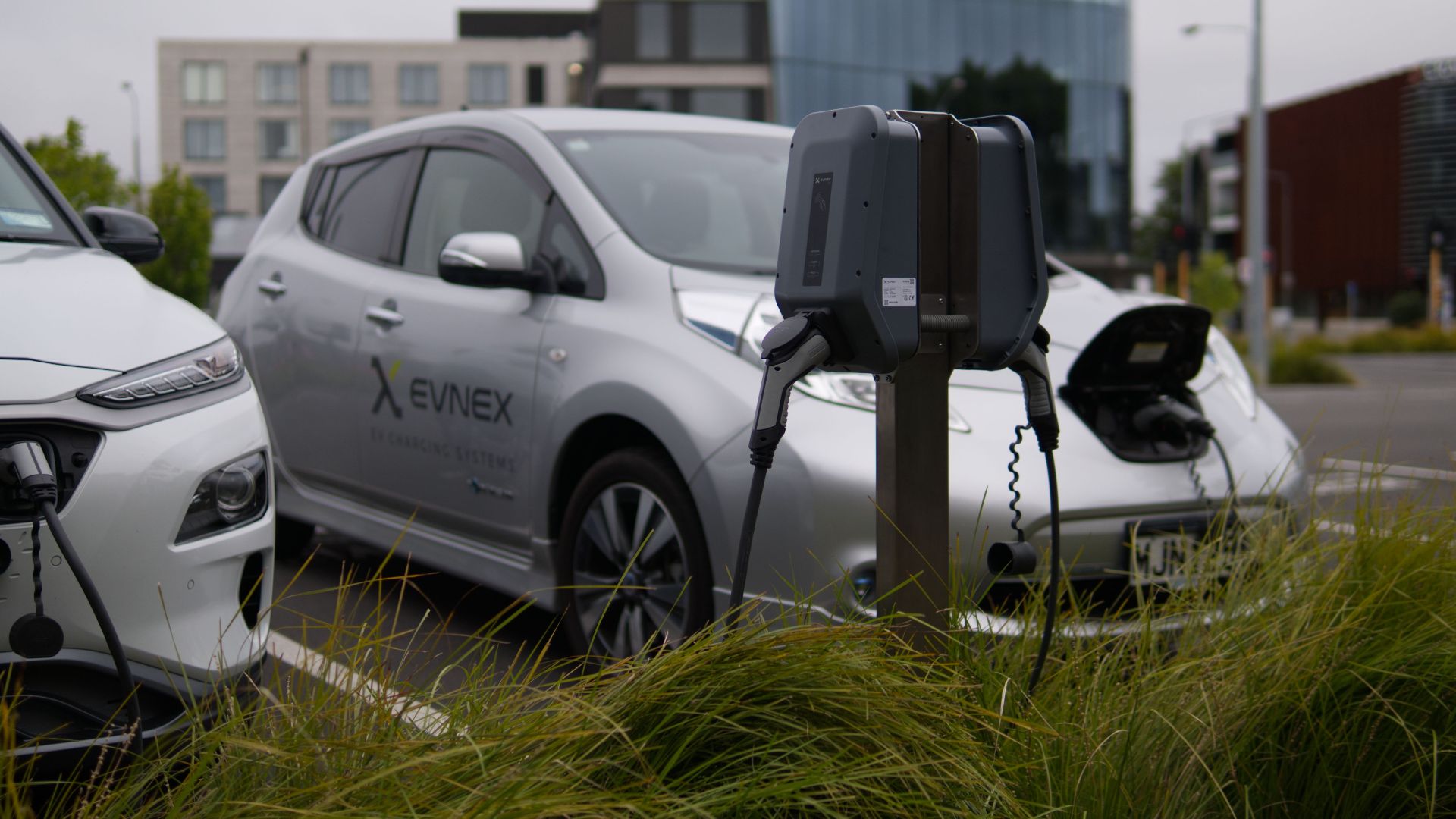
In the early 2010s, finding public charging could feel like a scavenger hunt. That is slowly changing as more stations open and major automakers move toward Tesla's North American Charging Standard, or NACS. That shift matters because charging convenience often decides whether an EV feels cutting edge or just annoying.
Tesla Helped Push The Whole Industry
Tesla did not invent the electric car, but it changed what buyers expected. The Roadster showed that a battery EV could be exciting, and the Model S, introduced in 2012, proved that long range and strong performance could come in the same package. That pressure helped push older automakers to speed up their own EV plans.
The Leaf And Bolt Mattered More Than They Get Credit For
The Nissan Leaf and Chevrolet Bolt EV played a big role too. The Leaf helped make EV ownership feel mainstream and reachable, while the Bolt's EPA-rated 238 miles for the 2017 model year was a real breakthrough at a more affordable price. Those cars helped move EVs from curiosity to realistic family option.

So Will A New EV Feel Old Too Fast
Yes and no. If you buy an EV today, there is a good chance a 2028 version will charge faster, go farther, and maybe use a better battery chemistry. But that has also been true of gas cars for decades, just in smaller and less obvious steps, and it does not automatically make today's car outdated.
Battery Chemistry Is Changing, But Slowly Enough To Live With
Battery headlines can make the market seem more chaotic than it really is. Lithium iron phosphate, usually called LFP, has grown because it can be cheaper and last longer, while nickel-rich chemistries still offer higher energy density in many uses. These changes matter, but they are happening across product cycles, not in sudden overnight flips that leave owners stranded.
Solid-State Batteries Are Still The Big Tease
If EVs have a plasma TV-style fear factor, solid-state batteries are a big reason why. Automakers and suppliers have talked for years about better energy density, lower weight, and faster charging, but large-scale rollout has still not happened. Toyota has said it aims to commercialize advanced batteries later this decade, which is promising, but that is not the same thing as seeing millions of them on dealer lots next year.

Lab Breakthroughs Are Not Cars In Driveways
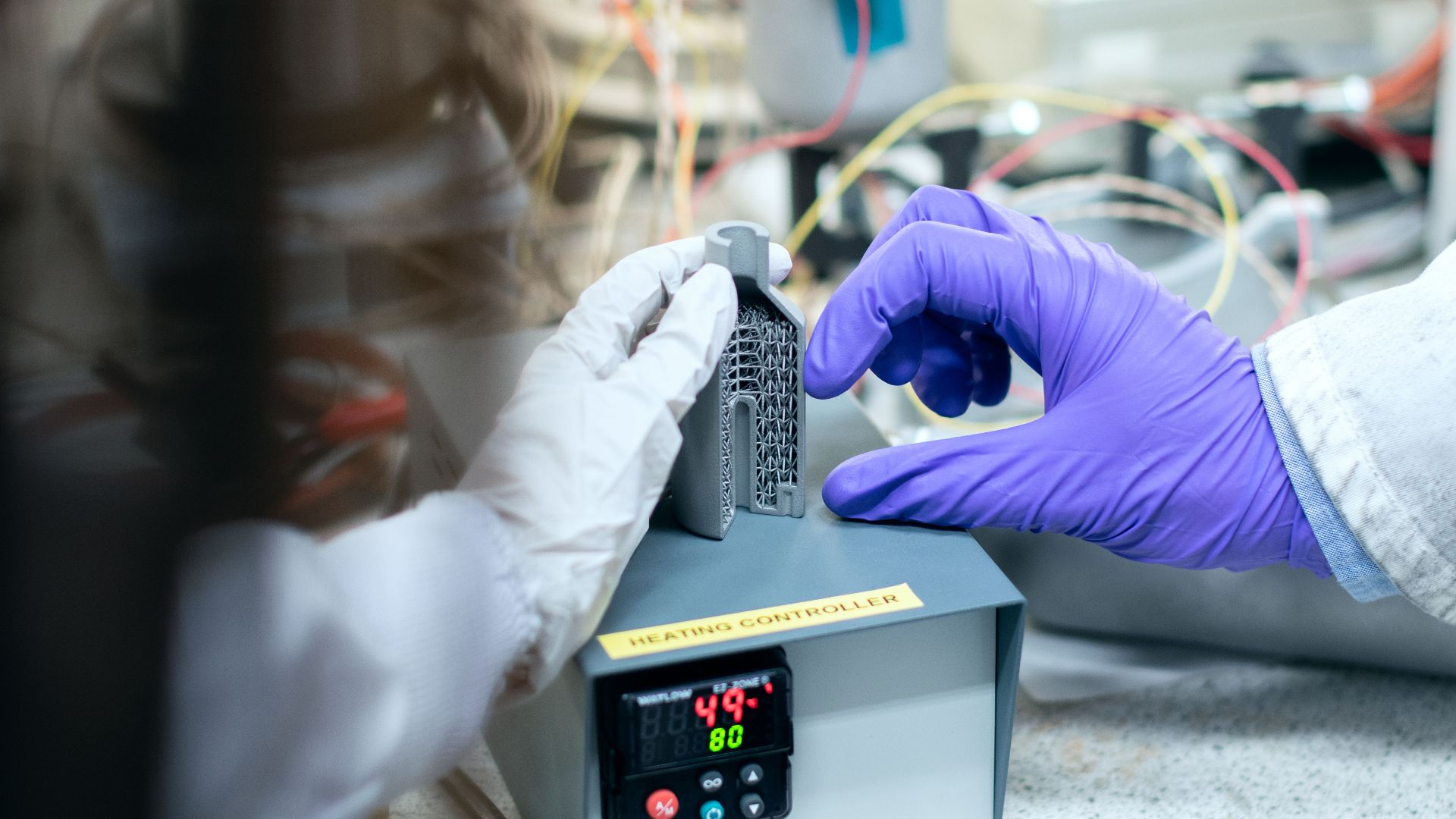
This is where buyers can get tripped up. A battery breakthrough in a lab, pilot line, or supplier presentation can be real and important without being ready for mass production. For car shoppers, what matters is not just the science. It is whether the battery can be built at scale, sold at a workable price, and hold up over time.

Charging Standards Are Getting Less Messy
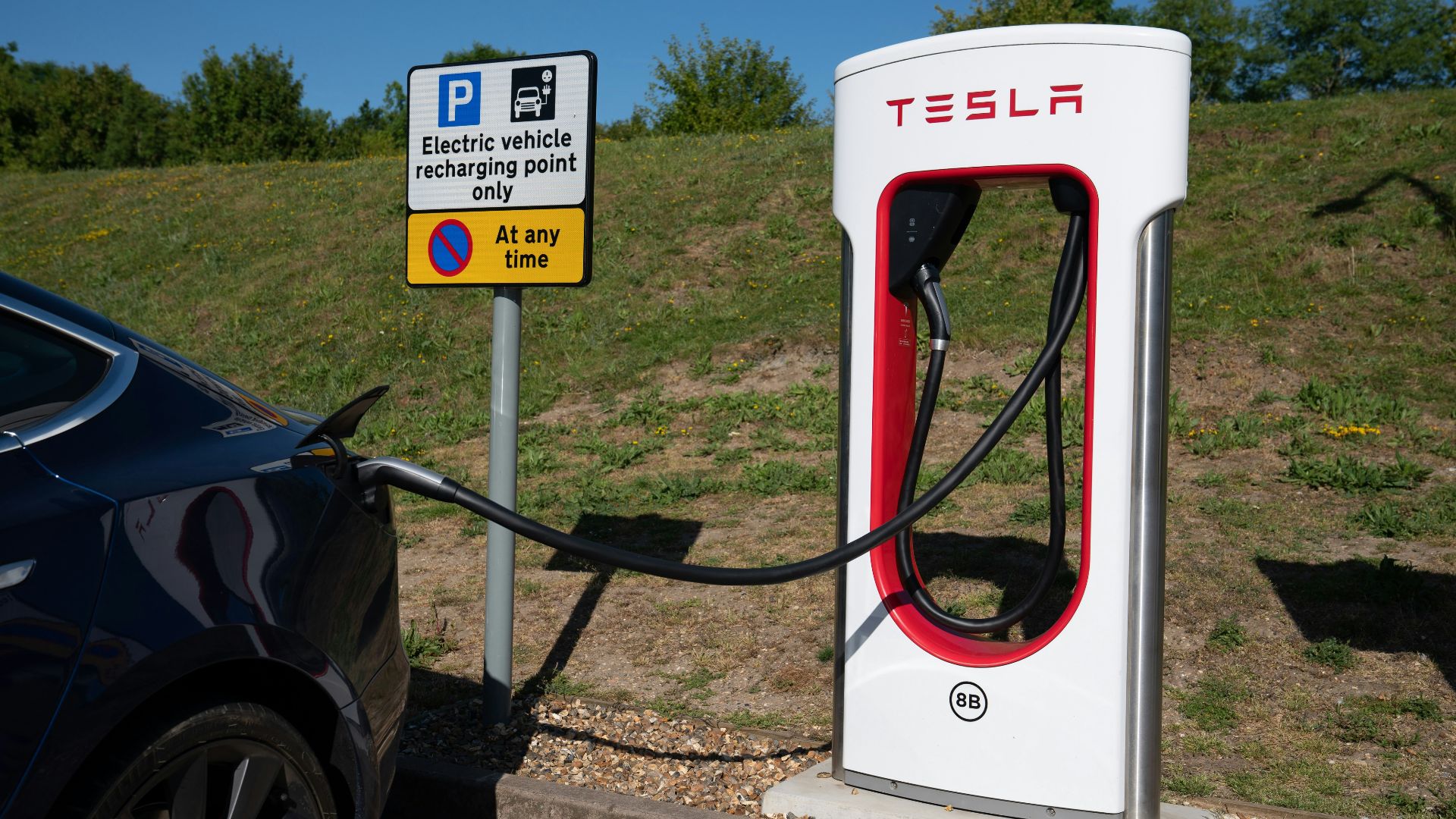
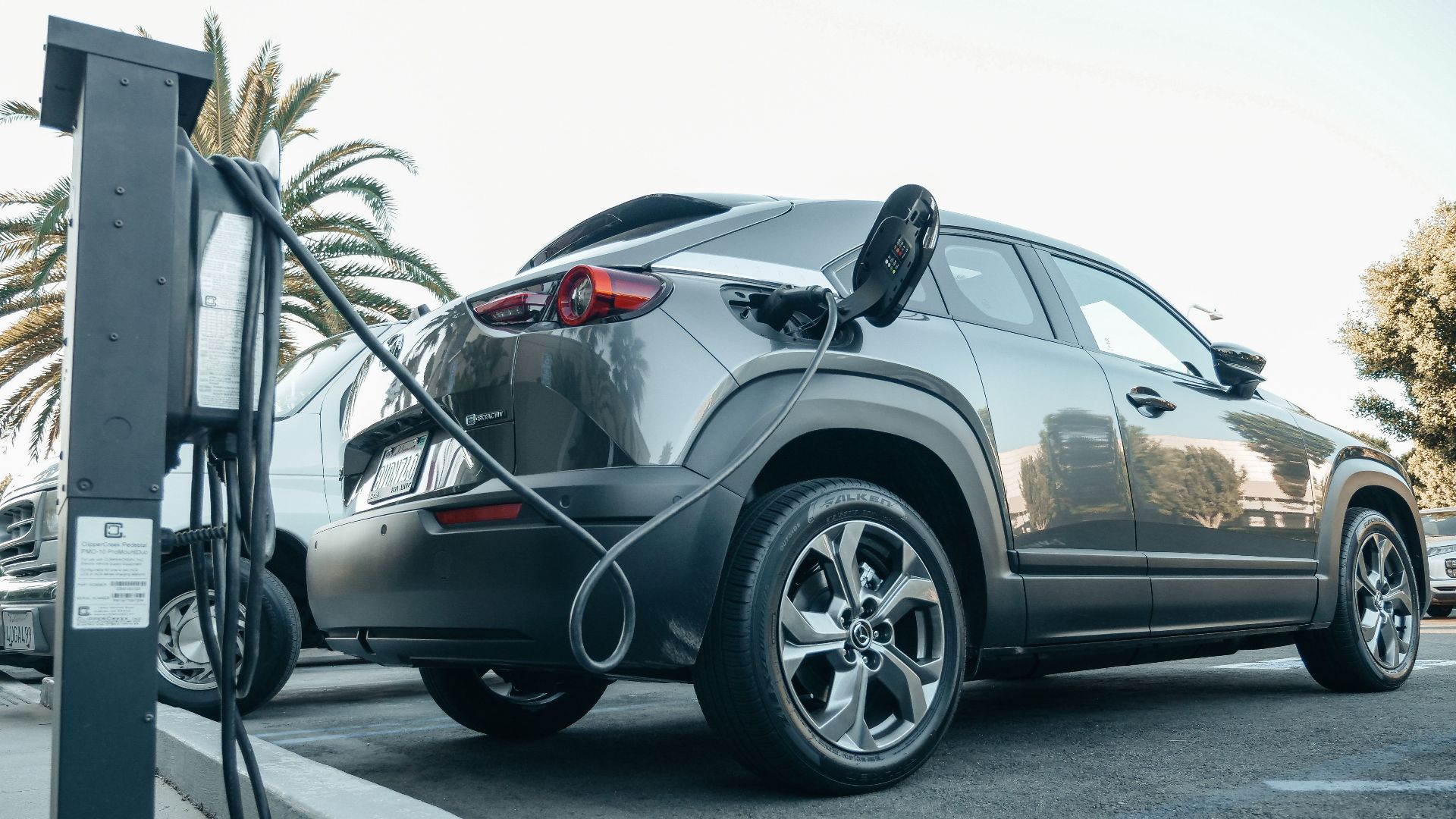
Another reason the plasma TV comparison falls short is that the EV market is actually becoming more unified in one key area. In 2023, Ford and General Motors said they would adopt Tesla's NACS connector for future EVs, and many other automakers followed. That kind of standardization cuts down one of the biggest risks early tech buyers usually face.
Software May Age Faster Than The Battery
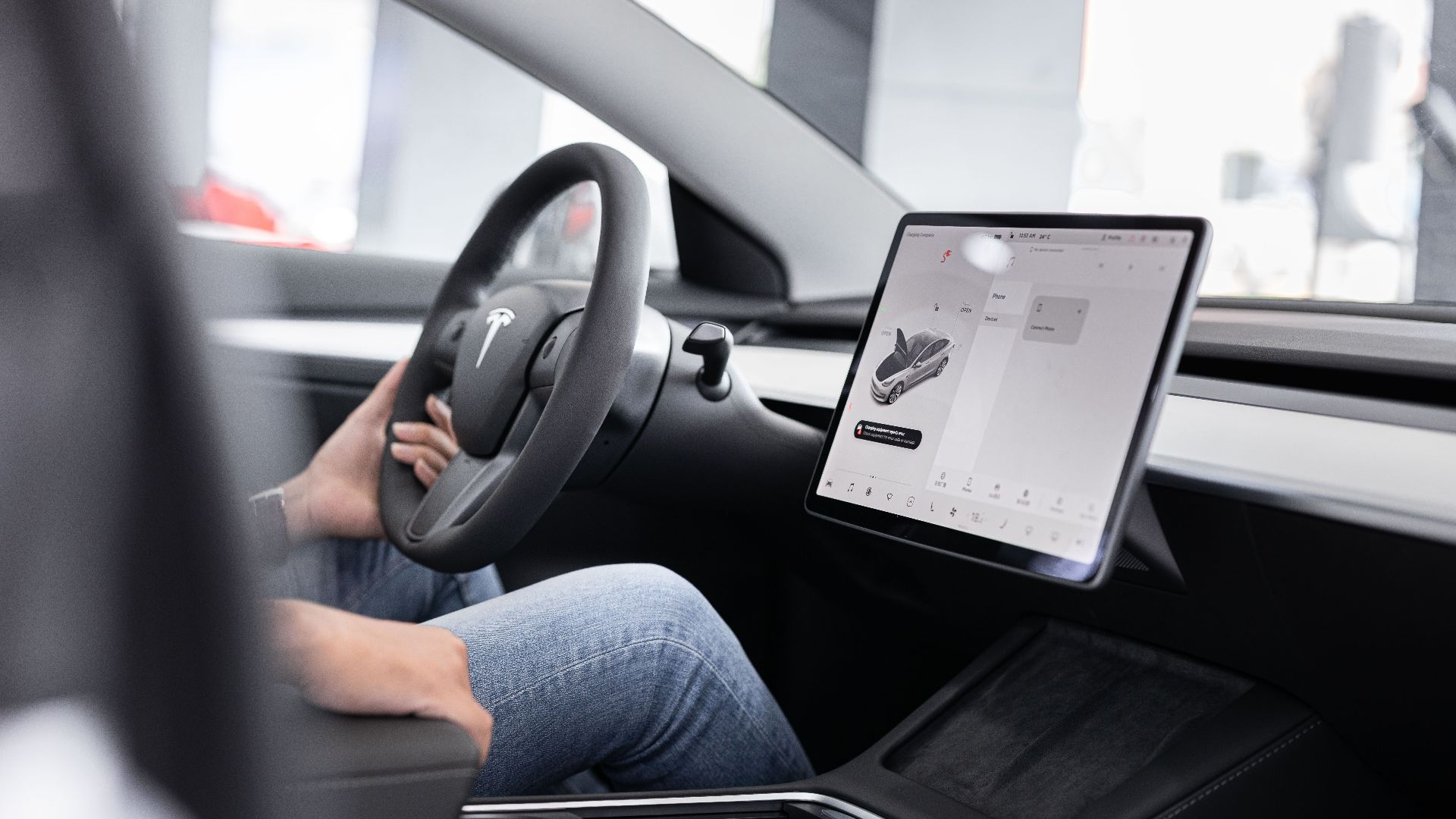
Some EVs may feel old sooner because of software and interface expectations, not because the battery suddenly becomes useless. Over-the-air updates can improve features, but they also remind buyers that a modern car now behaves partly like a smartphone. That means the ownership experience can get better after purchase, but it also means some models will feel digitally dated faster than others.
Depreciation Is The Bigger Money Risk
If you are worried about buying too early, resale value is probably the bigger issue than basic usefulness. Used EV prices have been volatile, shaped by tax credits, new model launches, Tesla price cuts, and rapid product improvement. A car can still be excellent to drive while taking a painful hit in the used market.

Tax Credits Can Change The Deal Fast
The federal EV tax credit has gone through major changes, especially under rules tied to battery sourcing and assembly requirements. That means the real purchase price of a new EV can swing depending on where the car is built and whether it qualifies when you buy it. Plasma TVs never had federal incentives changing the math like this, and that makes EV timing trickier.

Battery Life Has Been Better Than Many People Expected
A lot of buyers still picture EV batteries fading like an old laptop. Real-world results have usually been more reassuring, especially in vehicles with modern thermal management systems. Batteries do degrade over time, but many owners are seeing gradual decline rather than sudden failure, and federal rules also require battery warranty coverage for at least 8 years or 100,000 miles on EVs.

Cold Weather And Towing Still Matter
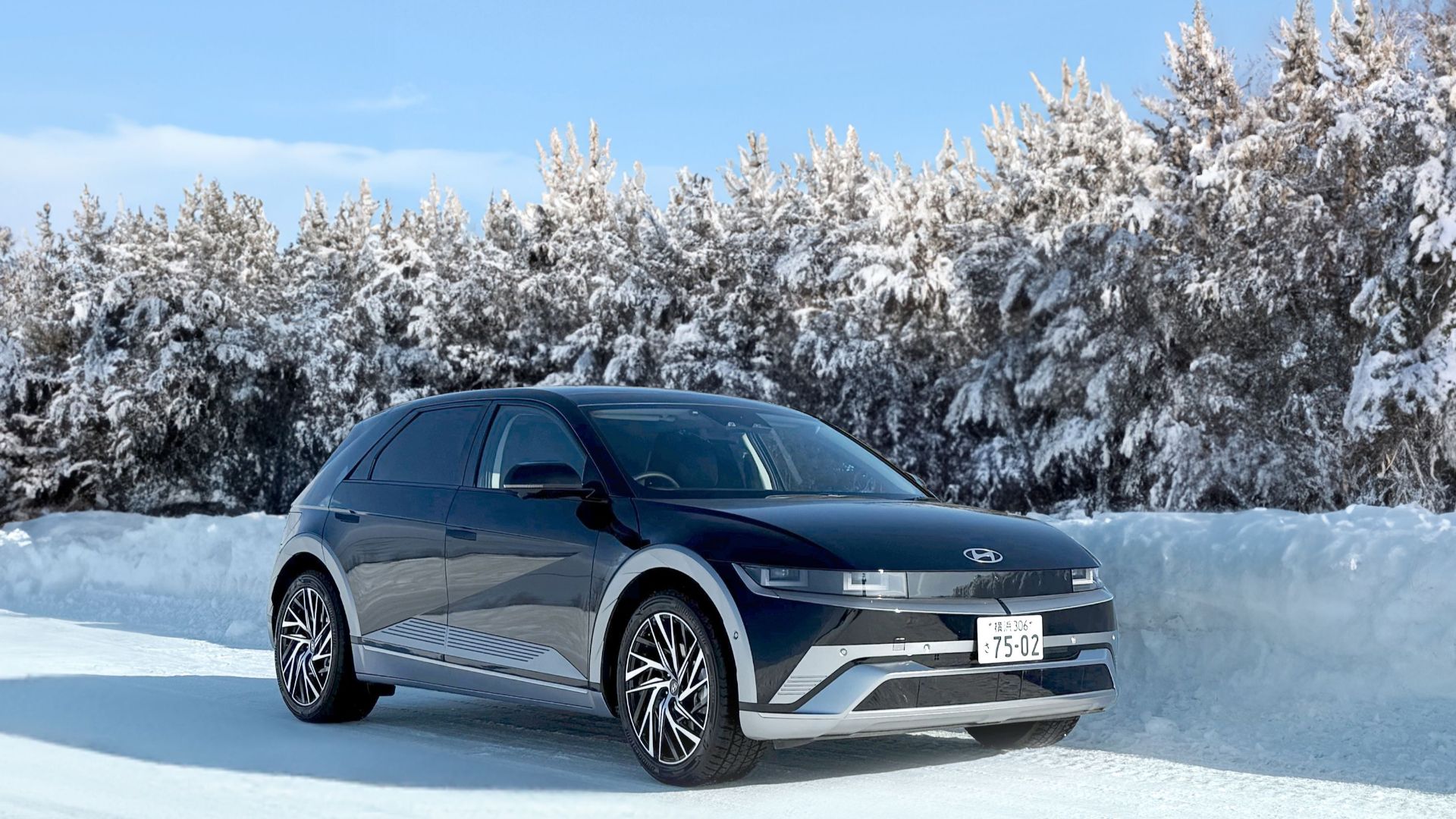
This is where the hype has to meet real life. EV range can drop in cold weather, and towing can cut range sharply, just as it hurts fuel economy in gas and diesel trucks. If your life includes winter road trips, heavy hauling, or unreliable home charging, those facts matter more than the latest battery headline.
Home Charging Can Make Or Break The Experience
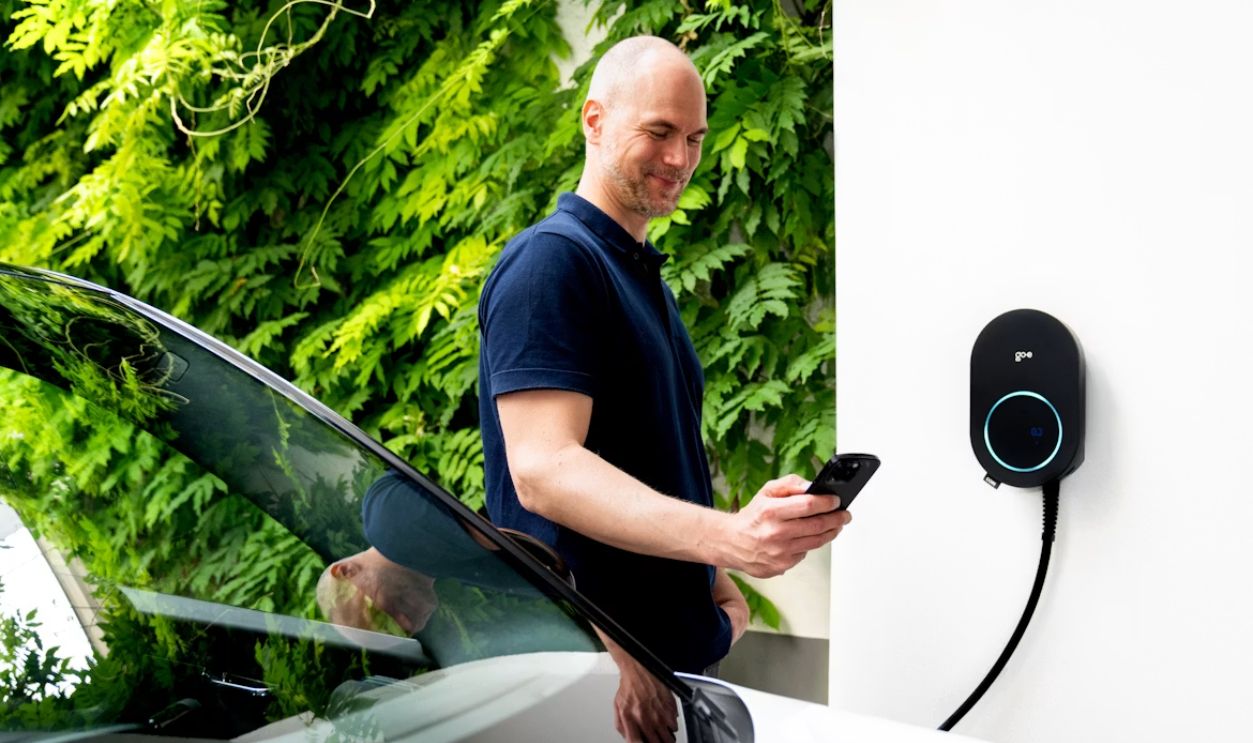
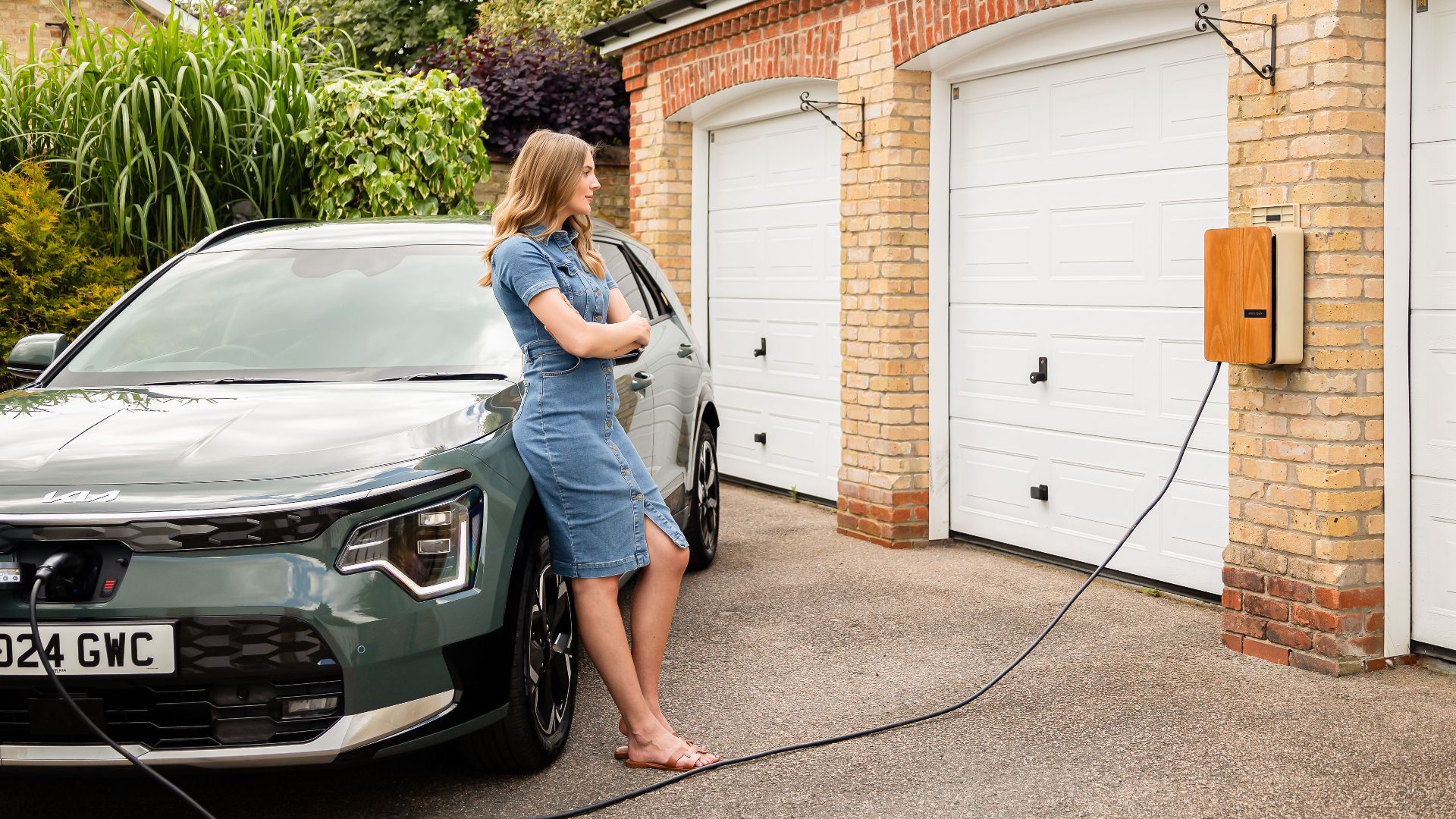
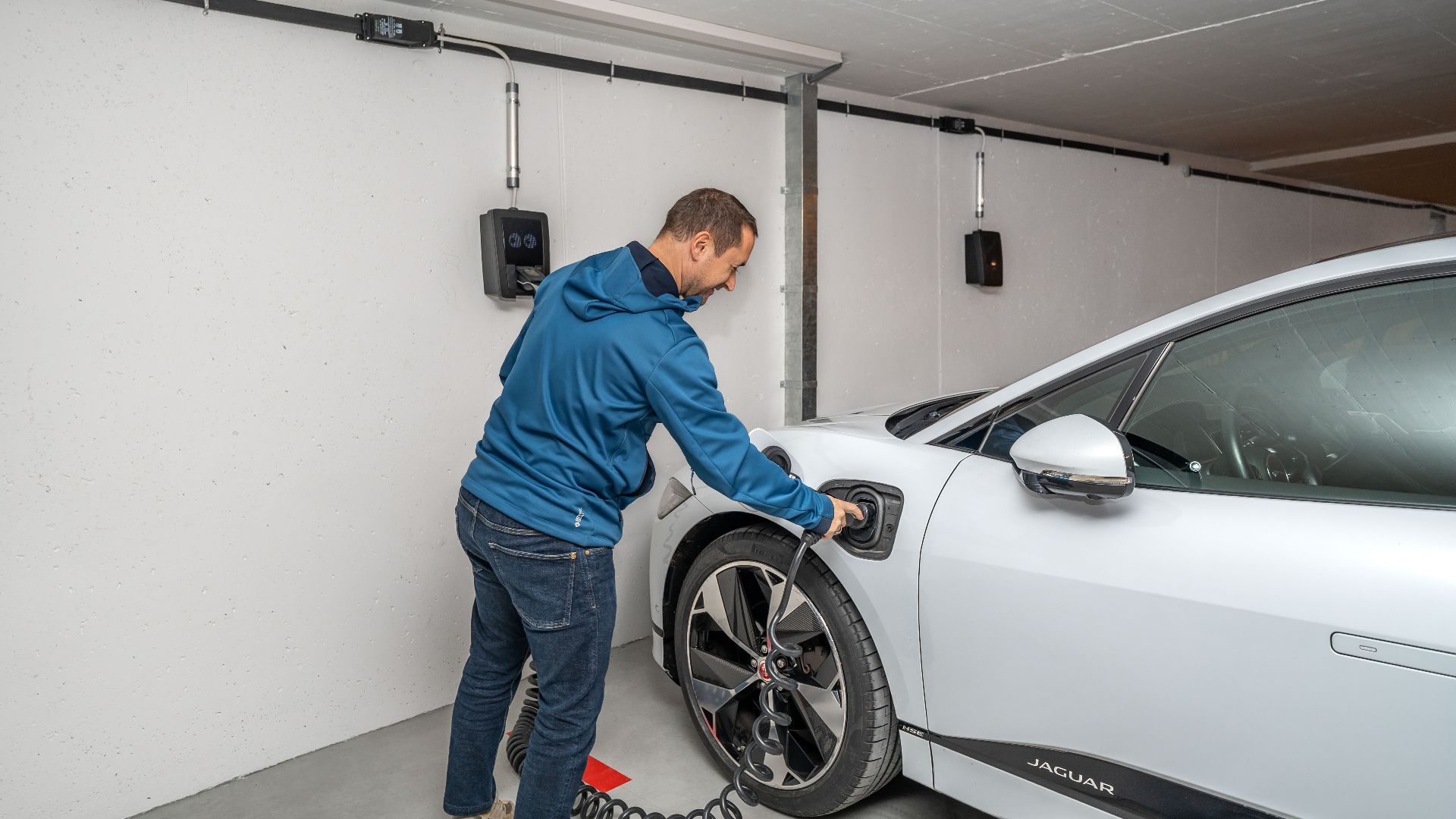
The people happiest with EVs usually have dependable charging at home. Waking up every morning with a full battery can make an EV feel easier than any gas car. Without home charging or reliable workplace charging, ownership can become much less convenient, no matter how advanced the vehicle is.
Leasing Can Be The Safer Play
If your biggest fear is that today's EV will look primitive in three years, leasing is worth a serious look. A lease can limit your exposure to depreciation and let you move into better technology later without trying to guess the market perfectly. It is a practical option for shoppers who like EVs but do not want to commit long term to early hardware.

Buying Still Makes Sense For The Right Person
On the other hand, buying can still be a smart move if the vehicle already fits your needs. If you have home charging, a manageable commute, and plan to keep the car long enough to spread out the upfront cost, waiting for the next breakthrough may be pointless. There will always be a better battery somewhere on the horizon, just like there is always a better phone or laptop coming next year.
This Is Not Really A 2005 Plasma TV Situation
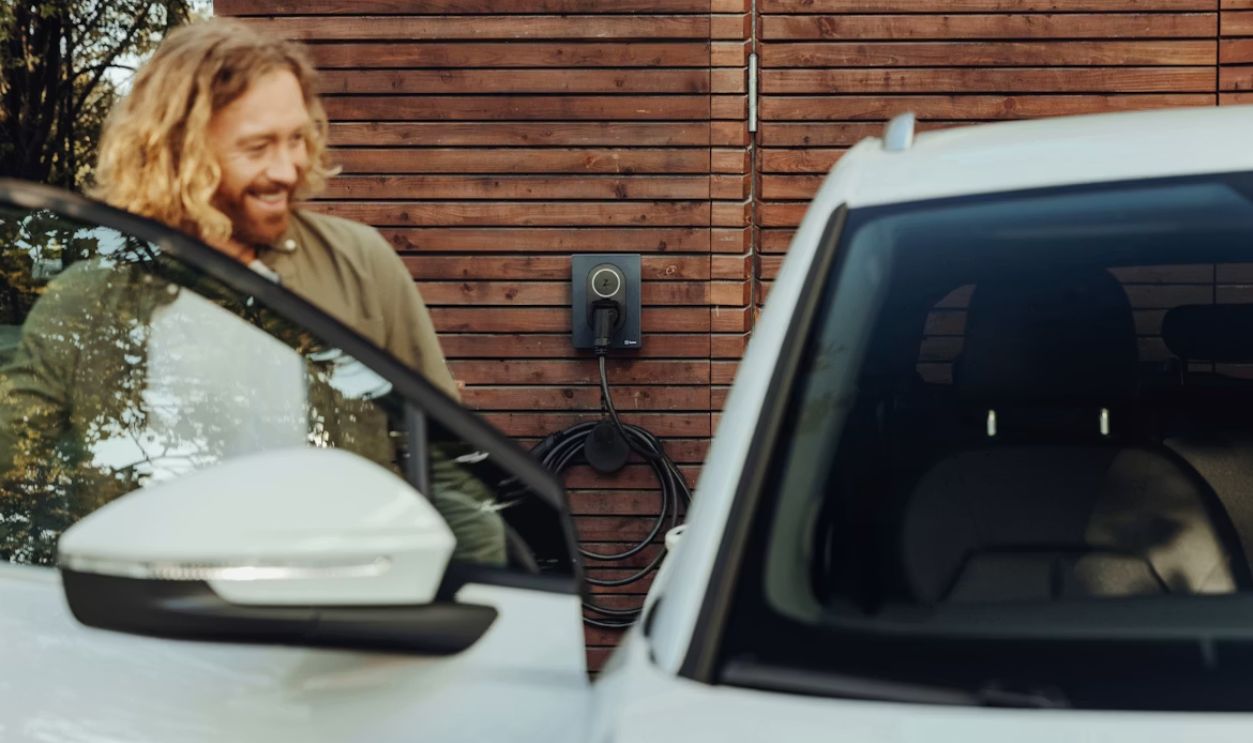
The strongest case against the comparison is that EVs are no longer a niche display technology fighting for shelf space in the living room. They are now a global industrial focus backed by major automakers, governments, battery makers, and charging companies. The technology is still changing quickly, but the overall direction is much more settled than the TV market was back then.
What Could Age An EV The Fastest
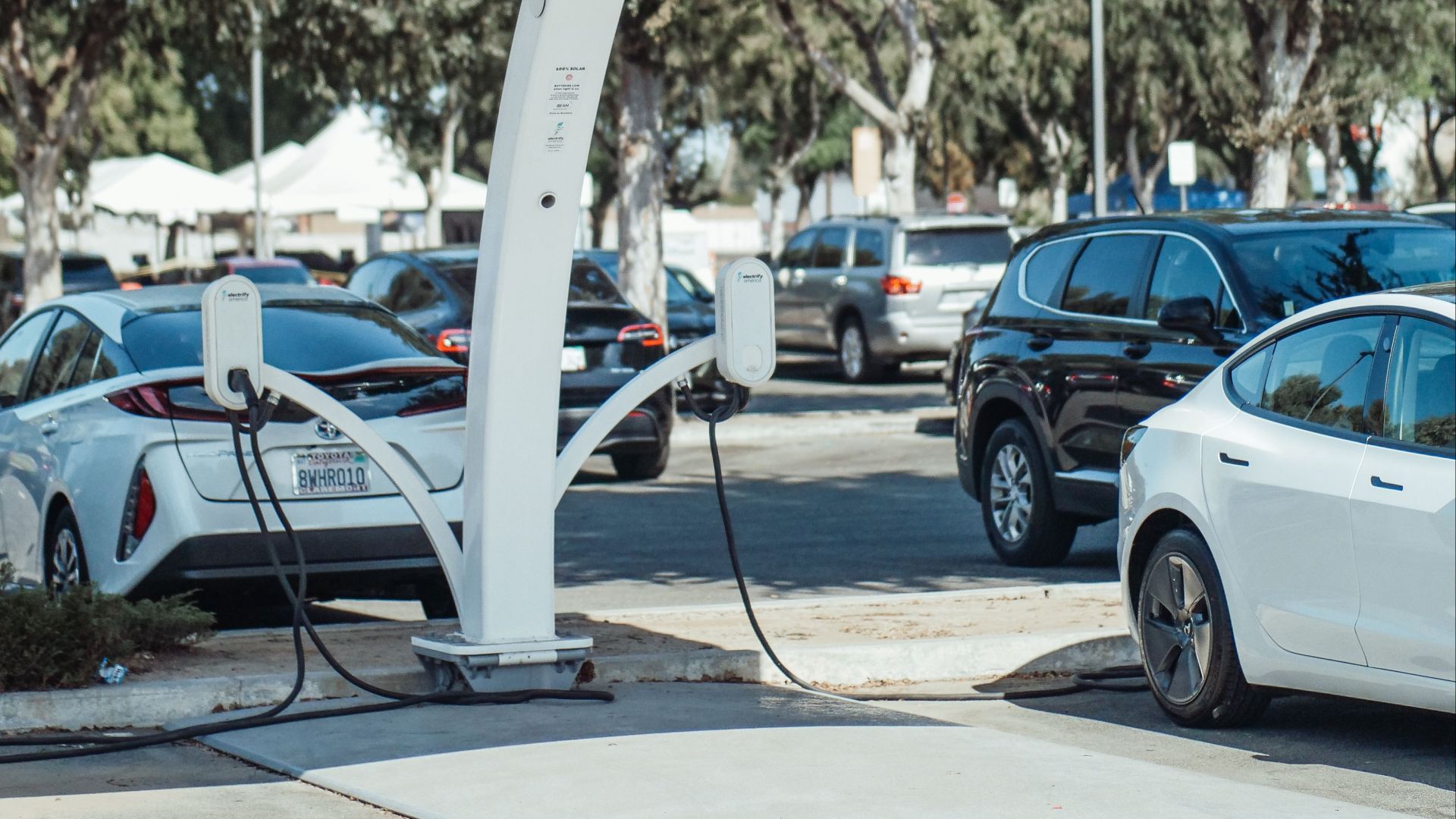
If you want to spot the biggest future regret points, look at charging speed, charging port compatibility, efficiency, and software support. Those things can shape daily satisfaction more than chasing the highest range number alone. A balanced EV with strong charging and a solid ecosystem may age better than one that only wins on the spec sheet.

The Smart Buyer Question Is Simpler Than It Sounds
Instead of asking whether EV technology is changing too fast, ask whether a specific EV fits your life right now. Can you charge it easily. Does the range cover your routine with some cushion. Is the price reasonable after incentives and likely depreciation. Those are the questions that help you avoid buyer's remorse.

The Bottom Line For Nervous Shoppers
Buying an EV now is not quite like buying a plasma TV in 2005. The technology is moving fast, yes, but the market is also maturing, becoming more standardized, and getting easier to live with each year. If you want maximum certainty, lease or wait. If a current model already fits your daily life, you do not need to stay on the sidelines waiting for the perfect battery that may always be a few years away.